Tag: Investment

  • Vietnam wants China to import more, invest more

    Vietnam wants China to import more, invest more

    China should increase imports of Vietnamese goods and make more hi-tech investments, government officials and business representatives say. Le Hoai Trung, Vietnam’s Deputy Minister of Foreign Affairs, proposed at the Vietnam-China Economic Promotion Forum Thursday that China creates more favorable conditions for more Vietnamese goods to enter the country through border gates.

    “We hope that the Chinese government will be more open to the Vietnam market, especially for products that Vietnam has strong supply and China has high demand for, such as rice, pork, milk, agriculture, seafood, electronics and consumer goods,” Trung said in the forum attended by 500 Vietnamese government and business representatives and 200 Chinese counterparts.

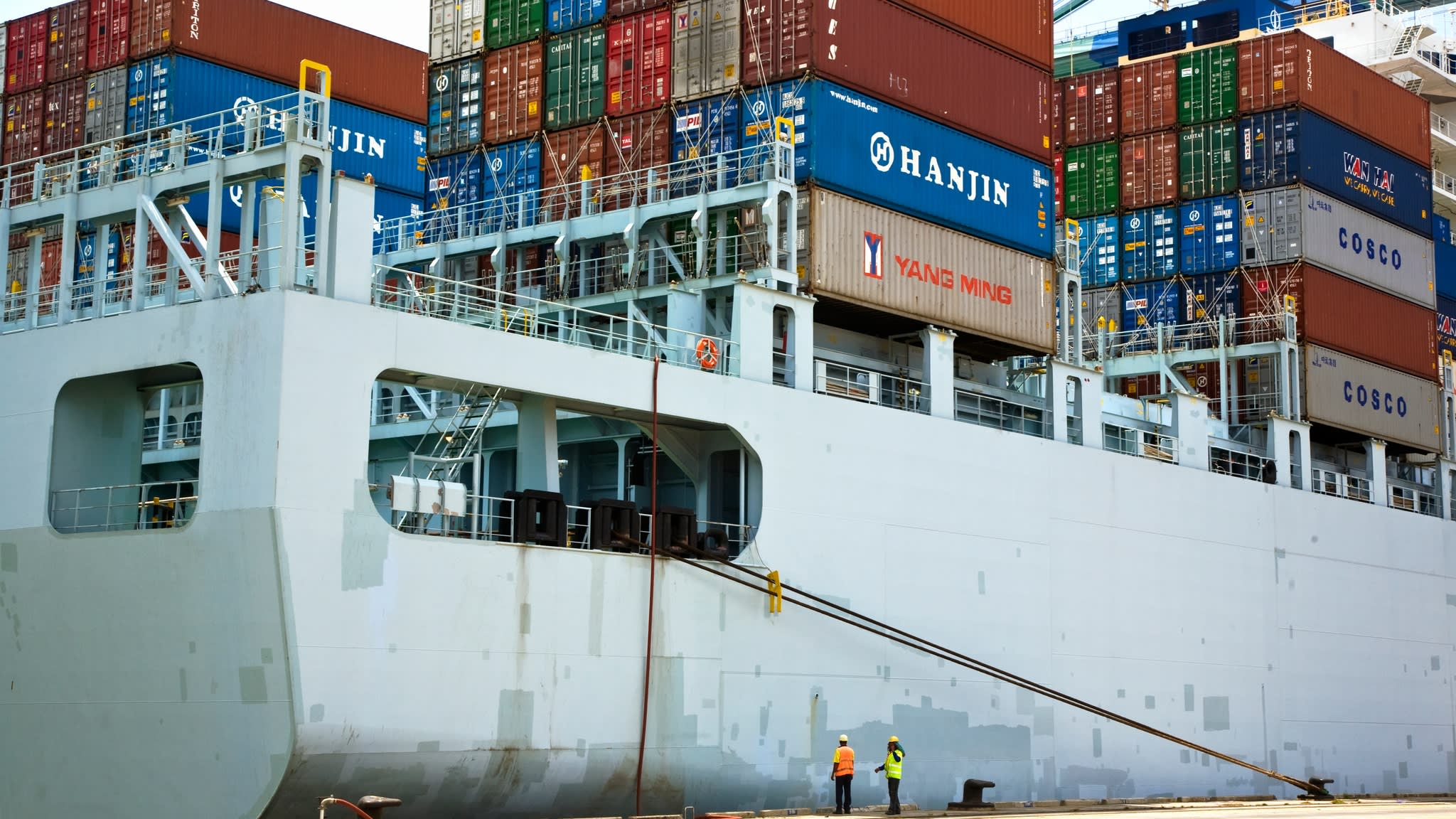
    Vietnam has a high trade deficit with China. From January to November, the country exported $37.7 billion worth of goods to China and imported $59.6 billion, a trade deficit of $21.9 billion, according to Vietnam Customs.

    Vu Tien Loc, chairman of the Vietnam Chamber of Commerce and Industry, said: “Although Vietnam’s exports to China have been increasing this year and trade deficit is declining, I don’t think this trend will be sustainable.”

    He said it would require a big effort from authorities to pave the way for Vietnamese goods, especially agriculture products, to enter China.

    Loc also proposed that that unofficial trade activities between the two countries at the border be formalized to guarantee long-term benefits for both sides.

    As protectionism in the world rises, Vietnam and China need to cooperate to control trade cheating, like Chinese businesses exporting its goods via Vietnam to other countries, which would impact on sustainable development of both countries, Loc said.

    Trung said at the forum that Vietnam welcomes foreign direct investment from China that is focused on high technology in infrastructure, supporting industry and agriculture.

    He added that Chinese FDI businesses should ensure environmental protection and Vietnamese labors’ benefits when investing in the country.

    Loc added that China, as a leading country in the world in the high-tech sector, can provide this kind of investment to Vietnam.

    “Vietnam is looking for a new type of foreign investment which has higher quality, integrate more with Vietnamese businesses using high-technology which are environment-friendly,” he said.

    China is Vietnam’s largest import market, while Vietnam is China’s largest trading partner in ASEAN and the 8th in the world.

    From January to November, bilateral trade turnover reached over $97 billion, up 16.5 percent year-on-year, according to official data.

    China has invested in over 2,000 projects in Vietnam, with a total registered capital of $13 billion. It ranks 7th out of 129 countries with FDI in Vietnam.
  • Arch Capital tops Taiwanese shopping mall acquisition

    Arch Capital tops Taiwanese shopping mall acquisition

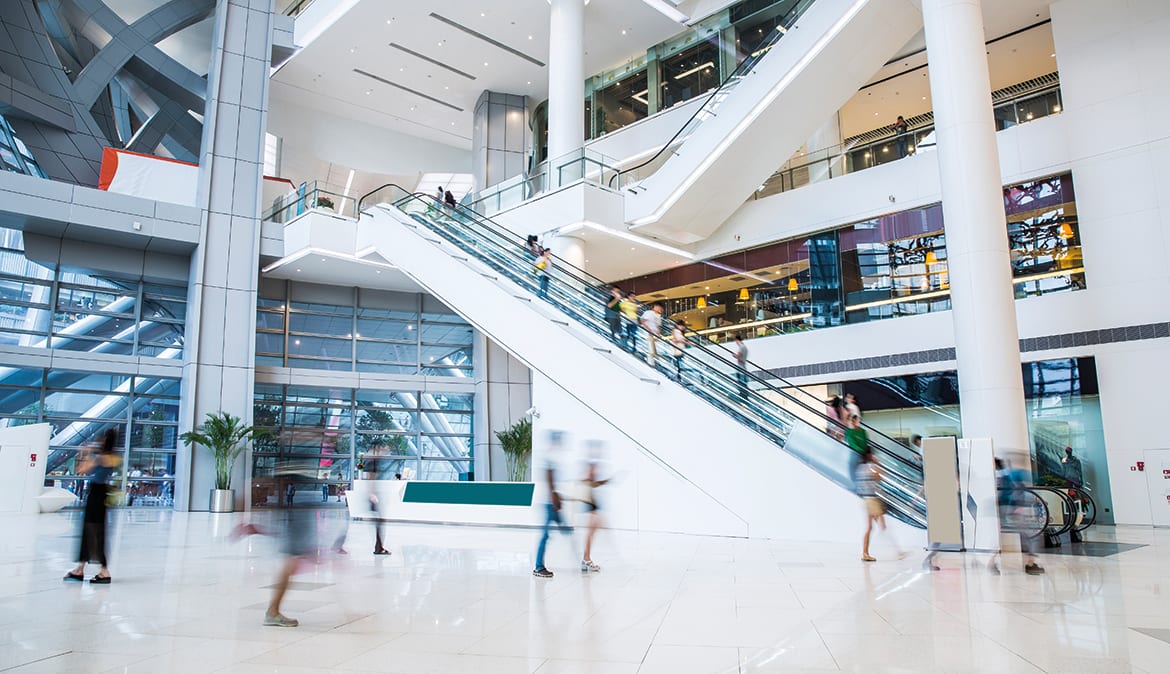
    Arch Capital Property Advisors has bought a Taiwanese shopping mall for US$450 million on behalf of private investors. The deal marks the Hong Kong-based company’s first foray into Taiwan’s retail property business. After settlement, Arch Capital will assume management of the property.

    The target property – Taimall Shopping Center in Taoyuan – has been acquired on behalf of an unnamed institutional investor, which has partnered with Taiwanese investment trust Millerful REIT.

    The 100,000sqm mall is Taoyuan’s largest, home to more than 300 retail stores, a cinema and sports complex.

    Arch Capital Property MD James Chou said that his company saw “a rare opportunity to acquire an established premium retail asset offering stable income and sustained revenue growth potential over the longer term” in the Taiwan deal.

    Taiwan-listed Millerful largely focuses on the commercial sector, and reportedly has plans to buy more shopping centres, hotels and office buildings.

  • Malaysia attracts RM139b investments in January to September

    Malaysia attracts RM139b investments in January to September

    Malaysia attracted a total of RM139.3 billion worth of investments in the manufacturing, services and primary sectors in the first nine months of 2018, up 18 per cent from RM118.1 billion approved in the same period last year. In a statement, Malaysian Investment Development Authority (Mida) said the total investments approved in January-September 2018 were from 3,243 projects, which are expected to generate 93,379 job opportunities for the country.

    “Approved foreign direct investments (FDI) increased by 109.7% to RM64.1 billion in January-September 2018 from RM30.5 billion in the same period last year, mainly driven by the manufacturing sector which recorded a strong increase of 249.4% in the period.

    “Approved FDI in the primary sector rose by 99.3% which indicated that investor confidence in Malaysia remains high despite the challenging global economic environment. Domestic investments led with RM75.2 billion, contributing 54% to the total approved investments in all three sectors,” it said.

    Mida said Malaysia continued to be a competitive location for manufacturing projects with a total of 468 projects worth RM59.1 billion approved in January-September 2018, compared with RM34.6 billion involving 463 projects in the corresponding period in 2017, representing an increase of 70.5% in capital investments.

    “Foreign investments approved in the manufacturing sector recorded a total of RM48.8 billion for January-September 2018, a rise of 249.4% from RM13.9 billion in the same period last year.

    “China accounted for RM15.6 billion or 32 per cent of total foreign investments, followed by Indonesia (18.4%), the Netherlands (17%), the US (6.3%), Korea (4.9%) and Japan (4.3%),” it added.

    For the services sector, Mida said approved investments amounted to RM69.9 billion compared with RM74.2 billion recorded in the corresponding period in 2017, consisting of 2,721 projects, which are expected to create 50,896 job opportunities.

    “Domestic investments made up the largest portion, recording RM60.4 billion or 86.4% of the total approved investments for the services sector during this period. The balance of RM9.5 billion were from foreign sources.

    “The services sub-sectors that showed increase in approved investments were healthcare, education, global establishments, real estate, and supporting services,” it added.

  • Food delivery start-up Swiggy raises US$ 1 billion from venture funds

    Food delivery start-up Swiggy raises US$ 1 billion from venture funds

    Leading food ordering and delivery start-up Swiggy has raised US $1 billion (Rs 7,000 crore) venture funds from existing investors led by Naspers, to strengthen its technology and hire talent, it said on Thursday. “Swiggy will use the funds to bring more quality food brands closer to consumers and address gaps in supply through delivery-only kitchens, as well as hire talent and strengthen the technology,” the city-based app provider said in a statement.

    The Series H round of funding, led by Naspers, also includes the participation of existing investors DST Global, Meituan Dianping and Coatue Management.

    The funding round saw the participation of new investors Tencent, Hillhouse Capital and Wellington Management Company, the company said.

    The firm will also use the capital to hire talent, especially for machine learning and engineering roles across mid and senior levels, as well as strengthen its technology backbone.

    “The company will focus on building a next-generation Artificial Intelligence (AI)-driven platform for hyperlocal discovery and on-demand delivery,” it added.

    Inclusive of the latest round, Swiggy said it has raised a total of US$ 1.26 billion (Rs 8,825 crore).

    In June, the food-tech start-up raised US$ 210 million (around Rs 1,500 crore) from multiple investment firms, including Naspers, DST Global in Series G funding and US$ 100 million (around Rs 700 crore) in Series F in February from multiple investors.

    Details of the promoters’ equity holding in their firm after the latest round of funding are not made public by the company.

    “As we add more firepower to our vision of elevating quality of life for urban consumers by offering unparalleled convenience, our global investors also share our purpose and have made a significant investment in our future,” Swiggy’s Chief Executive Sriharsha Majety said in the statement.

    Founded in 2014, Swiggy claims to have 50,000 restaurant partners across 50 cities, including New Delhi, Gurugram, Hyderabad, Bengaluru, Chennai, Mumbai, Kolkata and Pune, and receives about 25 million food orders a month.

    The company, which has over 4,000 employees, reported an operating revenue of Rs 442-crore for fiscal 2017-18.

  • LVMH acquires Belmond hotel group

    LVMH acquires Belmond hotel group

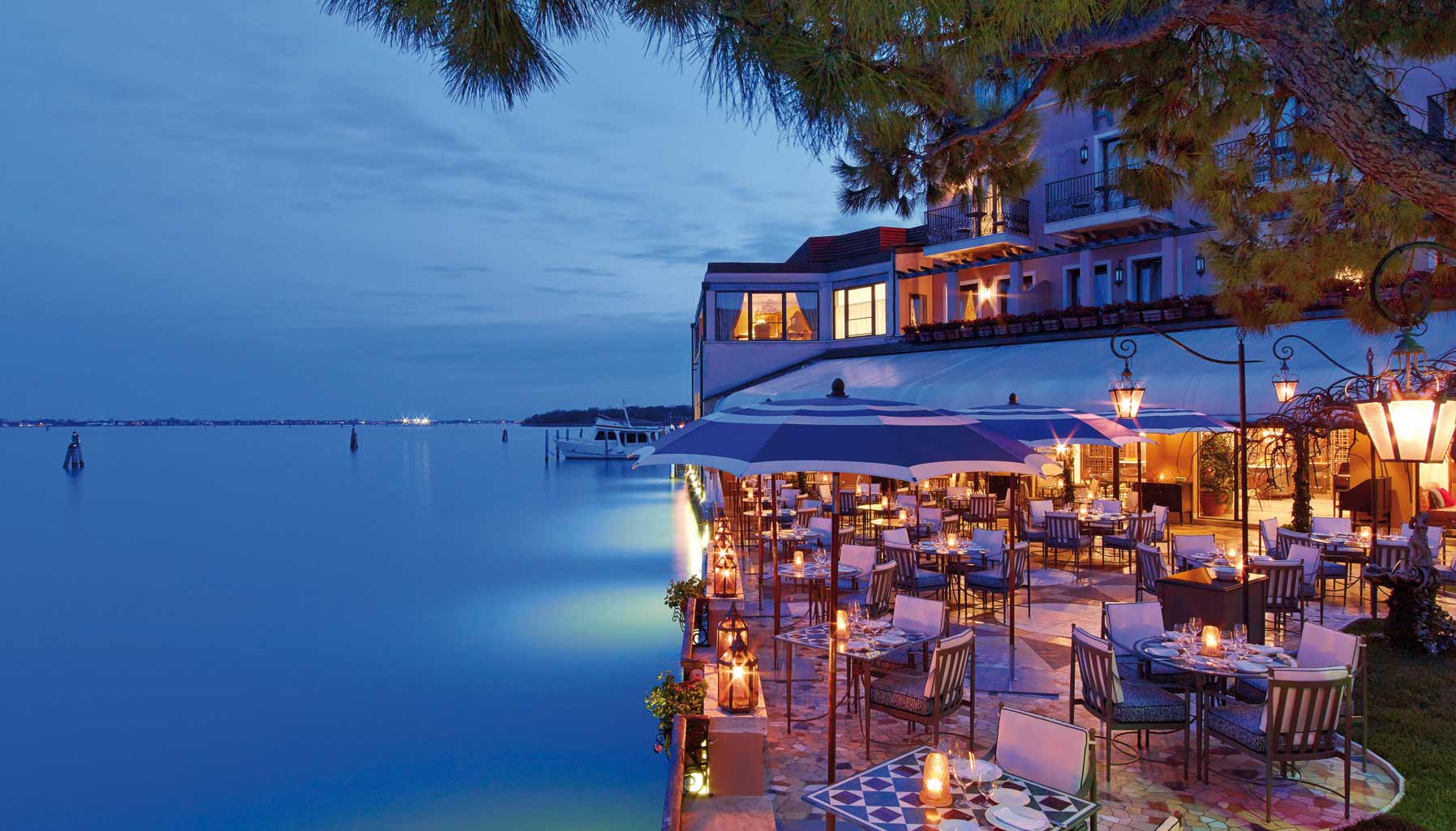
    The London-based owner of the Hotel Cipriani in Venice and the Orient Express train service is being acquired by LVMH for $3.2bn including debt, marking a return to dealmaking by the world’s largest luxury group by revenues. The acquisition of Belmond boosts the hotel portfolio of LVMH, which already has Cheval Blanc hotels in Courchevel, the Maldives, Saint-Barthélemy and Paris as well as owning Bulgari Hotel and Resorts.

    Belmond operates in 24 countries and its hotels include the Copacabana Palace in Rio de Janeiro and Hotel Splendido in Portofino. It also owns train services such as the Venice Simplon-Orient-Express and Belmond Royal Scotsman, and cruises including Belmond Afloat in France and Belmond Road to Mandalay.

    LVMH, which owns brands such as Christian Dior and Louis Vuitton, saw off interest from several other potential bidders for the deal, including private equity groups.

    Belmond, which used to be known as Orient-Express Hotels, had said in August it had hired Goldman Sachs and JPMorgan Chase for a strategic review.

    The acquisition of Belmond comes as companies seek to tap into a rising trend of so-called “experiential” luxury, with consumers buying fewer products and more experiences in areas such as high-end food and wine, luxury hotels and travel.

    “Our agreement today with the Belmond Group is entirely consistent with our continued investment in the field of experiential luxury,” Bernard Arnault said.

    He added that the deal will “bring us ever closer to our highly discerning customers”. “Bernard Arnault was one of the first to think hard about how best to attract and retain an increasingly volatile luxury customer,” said Thomas Chauvet, analyst at Citi. “Over the past decade, LVMH has expanded its reach beyond its traditionally boundaries with continued expansion of travel retail, the rollout of high-end hotels and spas,” he said.

    “While these activities have a limited impact on LVMH’s overall profit, these have been among the group’s fastest growing businesses over the past few years.” The global luxury hotel market was worth at $83.1bn in 2017 and is expected to grow at a compound annual growth rate of 4.3 per cent to reach $115.8bn by 2025, according to Grand View Research, a consulting firm.

    Paris-based LVMH said on Friday that it was buying Belmond for $25 per share in cash — a premium of more than $7 per share to the stock’s closing price on Thursday. That represents a value of $2.6bn for the overall equity of group.

    Including debt, Belmond is being valued at $3.2bn.

    In the year to September, Belmond made adjusted earnings before interest, tax, depreciation and amortisation of $140m on revenues of $572m.

    Its average price per room night ranges from $1,206 in Europe to $448 in Asia.

    The last substantial deal by LVMH chairman and chief executive Bernard Arnault was more than 18 months ago, when his family company Groupe Arnault paid €12.1bn for the minority stake that it did not already own in Christian Dior.

    At the time Mr Arnault said that LVMH was shunning external acquisitions because they were either unavailable or too expensive. “We’re not actively looking at external acquisitions, we’re focusing on internal growth,” said Mr Arnault in April 2017. “Given the current market, fewer and fewer assets are looking attractive to us. And the best assets are not for sale.”

    In 2016, LVMH also bought high-tech German suitcase maker Rimowa, which is headed by Mr Arnault’s son, Alexandre Arnault.

    The Belmond transaction is expected to complete in the first half of 2019.

  • Indonesia’s Tokopedia Secures $1.1b From Alibaba, SoftBank

    Indonesia’s Tokopedia Secures $1.1b From Alibaba, SoftBank

    Indonesian e-commerce company Tokopedia said on Wednesday that it had secured $1.1 billion in its latest funding round led by Chinese e-commerce giant Alibaba Group Holding and Japan’s SoftBank Group. This follows a similar investment in 2017, also led by Alibaba, which has been expanding rapidly into Southeast Asia amid slowing growth in China’s e-commerce market.

    Tokopedia said it planned to use the funds to invest in technology and infrastructure, adding that the firm would continue to focus on the Indonesian market and drive economic development and financial inclusion in the country.

    The investment would help “broaden Tokopedia’s scale and reach” besides improving its operational efficiency, chief executive and co-founder William Tanuwijaya said in a statement.

    Tokopedia did not confirm a valuation following the round. However, news website TechCrunch citing an unnamed source said the company was valued at around $7 billion.

    The latest funding boosts Alibaba’s share of the fast-growing Indonesian e-commerce market. The Chinese company is also the majority owner of Lazada, which is the Tokopedia’s top competitor in the market.

    Indonesia is also increasingly becoming a proxy battleground for Alibaba and JD.com, China’s second-largest e-commerce company, which has invested heavily in building a logistics network in the archipelago.

    Founded in 2009, Tokopedia is currently Indonesia’s largest online marketplace, drawing comparisons to Alibaba’s Taobao.

    The latest round includes investments from Softbank’s Vision Fund as well as Softbank Ventures Korea and Sequoia Capital.

    The company, which delivers to around 93 percent of Indonesian districts, says it has quadrupled its sales in the past year.

  • Number of Chinese buying high-end Saigon apartments skyrockets

    Number of Chinese buying high-end Saigon apartments skyrockets

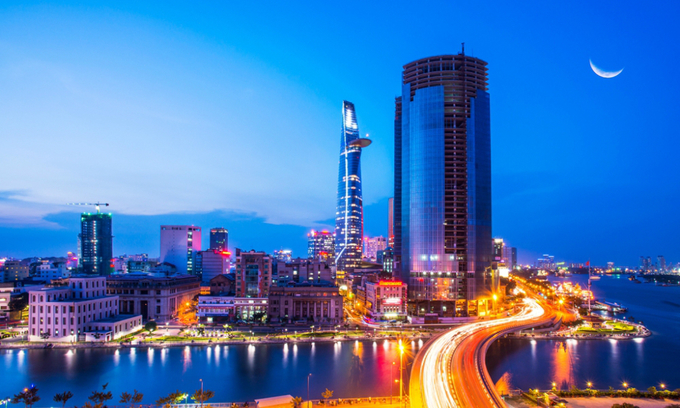
    Attractive prices and returns have seen the number of Chinese customers buying high-end apartments in HCMC soar this year. Duong Thuy Dung, senior director of real estate market research firm CBRE Vietnam, said at a recent forum that 31 percent of high-end apartment buyers in HCMC in the first nine months were Chinese. This figure increased from only 2 percent in 2016 and 4 percent last year.

    In the last two years, Chinese were sixth among all buyers, but this year, they have surpassed Vietnamese to rank first.

    Only 24 percent of high-end home buyers are Vietnamese, CBRE data shows.

    Stephen Wyatt, country head of property service firm JLL Vietnam, said the number of Chinese buyers has been increasing because Vietnam has an attractive price compared to other markets like Hong Kong, Japan, Singapore, South Korea and Taiwan.

    Chinese people often compare prices in Vietnam with Shanghai when they buy properties, he said, adding that they hope to gain profit from higher property prices in Vietnam in the future.

    A high-end apartment in the city costs around $5,000 per square meter, but the same one in Hong Kong could cost four times, said Nguyen Khanh Duy, director of residential sales at real estate service provider Savills HCMC.

    Nguyen Hoang, director of research and development at real estate firm DKRA, said that the number of Chinese and South Korean buyers in HCMC started to increase last year.

    Chinese from Shanghai and Hong Kong are buying properties as investments (not to stay in). “Most projects that foreigners bought in the last two years are under construction,” he said.

    Other industry insiders said that the high returns that HCMC high-end apartments offer is attracting many foreign buyers.

    The rate of return is 5-6.5 percent in Thao Dien ward and Thu Thiem Peninsula in District 2, while in other Asian countries, this rate is only 3.7-5.2 percent, Duy said.

    CBRE senior director Dung added that it was not just Chinese, but foreign buyers in general who are showing an increasing interest in HCMC real estate.

    Dung said that each foreigner group has a different preference for high-end apartments. Customers from mainland China, Hong Kong and Taiwan prefer large-scale projects near the downtown HCMC.

    South Koreans like to buy apartments in the southern District 7 that hosts a large community of South Koreans, while Western buyers often look for a quieter lifestyle in eastern District 2.

    Dung said HCMC is estimated to receive 40,000 new apartments in the 2018-2020 period, 60-70 percent of these in the high-end segment.

    In the last three years 35,000 luxury apartments have come into the market, CBRE said.

    This is a major increase from 2012-2014 when fewer than 10,000 units were on offer, CBRE said.

  • Yamaha to invest $150 million in Grab Vietnam

    Yamaha to invest $150 million in Grab Vietnam

    Yamaha Motors has announced a $150 million investment in Grab to collaborate on motorcycle ride-haling. The collaboration will be for Southeast Asia in general and Indonesia in particular. Through this partnership, Yamaha Motors and Grab aim to “develop next-generation mobility services by implementing solutions and innovations,” Grab said in a press release issued Thursday.

    The two companies aim to leverage Yamaha Motor’s technology and knowhow to boost safety as well as make it easier for Grab’s driver partners to buy motorbikes.

    Yamaha Motors also aims to leverage Grab’s customer base in Southeast Asia and knowledge of the motorcycle ride-hailing business for future product development.

    The Southeast Asian ride-hailing firm is teaming up with global investors to expand its reach after forcing Uber out of Southeast Asia earlier this year.

    Toyota Motor Corp. had said in June it was investing $1 billion in Grab, and Hyundai Motor Co. last month agreed to put an additional $250 million into the company as well as sell Grab a fleet of electronic vehicles.

    The focus on Indonesia may mean that Grab is intensifying its push against local ride-hailing platform Go-Jek. Both companies now compete in the Vietnamese market after the Jakarta-based start-up commenced operations in Vietnam under the name Go-Viet some months ago.

    Grab entered Vietnam early in 2014, but is currently under an antitrust investigation after acquiring Uber’s services in March.

  • KDB to pay GM Korea by the end of the month

    KDB to pay GM Korea by the end of the month

    The state-run Korea Development Bank (KDB) said Thursday it will complete its injection of $750 million into the Korean unit of General Motors later this month, ending a controversy over GM Korea’s plan to spin off its research unit. The KDB and GM signed a deal in May on the rescue package for GM Korea.

    Under the agreement, the KDB pledged to inject $750 million, while GM agreed to provide $3.6 billion in fresh loans to keep GM Korea afloat.

    The condition to the additional investment was that GM would keep its Korean operation open for a minimum of 10 years.

    In June, the KDB injected $375 million into GM Korea, but the bank said the remaining half may not be provided amid concerns that the U.S. carmaker may keep only its research facility in Korea and eventually shut down its manufacturing facilities here.

    KDB Chairman Lee Dong-gull in October told lawmakers that the remaining investment may not be executed, depending on policy decision.

    The KDB’s decision came after GM Korea submitted details of its spin-off plan to the bank, the second-largest shareholder of GM Korea.

    The KDB has a 17-percent stake in GM Korea.

    The KDB said it will buy about 11.9 million preferred shares of GM Korea for 404.5 billion won ($360 million), or 33,932 won per share.

    The transaction will be made on Dec. 26, the KDB said.

    The May agreement prohibits GM from selling any stake in GM Korea over the next five years and limits GM’s right to sell shares or assets in GM Korea for 10 years.

  • Lululemon founder to join the takeover bid for Amer

    Lululemon founder to join the takeover bid for Amer

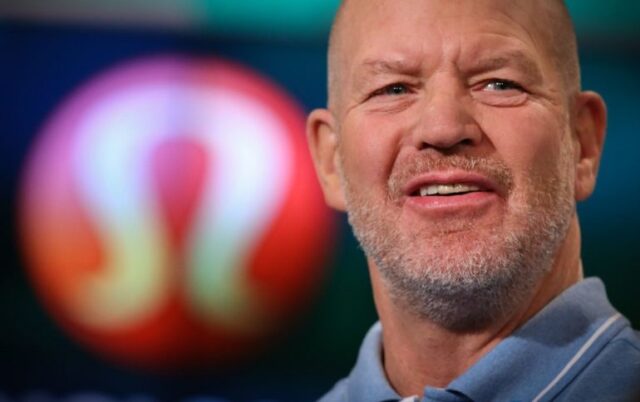
    Canadian founder of yoga-apparel retailer Lululemon Athletica Inc., Chip Wilson, is close to joining the Chinese investor group pursuing a takeover of Amer Sports Oyj. The billionaire is in talks to take around a 20 per cent stake as part of the consortium led by Anta Sports Products Ltd. The buyer group and Helsinki-based Amer could announce a takeover agreement as soon as the next few weeks, a anonymous source reported.

    Shares of Amer climbed by the most in almost three months.

    Chinese internet giant Tencent Holdings Ltd. has been discussing joining the Anta consortium with a stake of roughly 5 to 10 per cent.

    Anta said in September it had teamed up with Chinese buyout firm FountainVest Partners to make an indicative offer valuing Amer at about 4.7 billion euros (US$5.3 billion).

    Negotiations are reportedly ongoing, and precise terms could change. No final decisions have been made, and the talks could still be delayed or fall apart.

    A representative for the Chinese consortium said she couldn’t immediately comment. Wilson couldn’t immediately be reached. A spokeswoman for Tencent declined to comment, while a representative for Amer didn’t immediately respond to a request for comment.

    Shares of Amer surged as much as 9.7 per cent — the most since Sept. 11 — before trading up 7.2 per cent to 35.44 euros as of 1:26 p.m. in Helsinki.

    Wilson’s holding company Hold It All Inc., which manages his family’s investments and real estate, also has a private equity unit and a philanthropic arm. He stepped down from the board of Vancouver-based Lululemon in 2015, two years after resigning as chairman. Wilson has a net worth of about US$3.5 billion, according to the Bloomberg Billionaires Index.

    Anta, which has a market value of about US$12.5 billion, has been working to grow its business overseas amid a Chinese government push to expand in sports ranging from soccer to skiing. Amer’s portfolio of well-known sports brands, including Salomon ski equipment, could be an attractive prospect for Anta ahead of the upcoming Olympic Games in Asia.

  • Hyundai Motor bets 6.7 billion dollars on hydrogen cells

    Hyundai Motor bets 6.7 billion dollars on hydrogen cells

    Hyundai Motor Group said it will invest 7.6 trillion won ($6.7 billion) in fuel-cell electric vehicles (FCEV) by 2030, betting big on hydrogen as the energy source for the future. The group announced what it called its “FCEV Vision 2030” on Tuesday, promising to build production capacity of 500,000 FCEVs yearly by 2030 to take the lead in the fledgling industry. It added that the investment will generate some 51,000 new jobs by 2030.

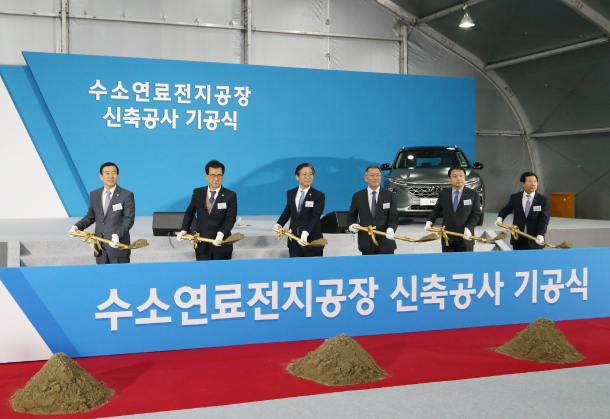
    As a first step, Hyundai Mobis, the auto parts and software affiliate of Hyundai Motor, held a groundbreaking ceremony for its second fuel cell stack factory in Chungju, North Chungcheong, on Tuesday.

    If the factory is completed in 2022, Hyundai Motor Group’s production capacity for fuel cell stack will expand from its current 3,000 units per year to 40,000 units.

    “Hyundai Motor Group will become the first mover in the new hydrogen society that will arrive soon,” said Chung Eui-sun, Hyundai Motor Group’s executive vice chairman, in a speech at the ceremony in Chungju on Tuesday.

    “The group plans to expand the fuel cell stack production capacity to 700,000 units by 2030, including for the 500,000 FCEVs we plan to make by that year.”

    The ceremony was attended by Minister of Trade, Industry and Energy Sung Yung-mo, Hyundai Motor President Chung Jin-haeng and Hyundai Mobis President Lim Young-deuk.

    Hyundai Mobis’ Chungju plant is focused on producing parts for eco-friendly vehicles like hybrid and electric cars.

    Last year, it constructed a new section dedicated to making fuel cell stacks with a capacity of 3,000 units per year.

    The carmaker forecasts that hydrogen will be used as an energy source in shipbuilding, railways and forklifts in the future and said it would start a business supplying fuel cell modules to other companies. The additional 200,000 units of FCEV modules that are not used in Hyundai Motor’s own FCEVs by 2030 will be sold elsewhere, the carmaker said.

    Executive Vice Chairman Chung said the FCEV industry will become a new growth engine for Korea.

    “Ninety-nine percent of auto parts in FCEVs are made domestically,” Chung said, “which is why its growth will have big ripple effects on other companies related to the industry. Through co-investment with partner companies, [Hyundai Motor] will try to build new growth engine for Korea’s future car industry.”

    Currently, some 130 partner companies are providing parts for fuel cell stacks made by Hyundai Mobis.

    Hyundai Motor has been making hefty investments in FCEVs along with rival Toyota. It was the first carmaker in the world to make a mass-produced FCEV model in 2013 called the Tucson ix35. It launched a hydrogen-powered Nexo SUV early this year.

    Since last year, the carmaker has been chairing the Hydrogen Council, a global lobbying group. Other companies represented on the council include Daimler, BMW and Air Liquide.

    The Korean government plans to supply 16,000 FCEVs and build 310 FCEV charging stations by 2022. There are currently only around 10 stations available to the public in Korea.

    China plans to supply 1 million FCEVs by 2030 and construct 1,000 charging stations. Japan plans to supply 40,000 FCEVs by 2020 and build 160 charging stations.

  • Bo’s Coffee plans big expansion ahead

    Bo’s Coffee plans big expansion ahead

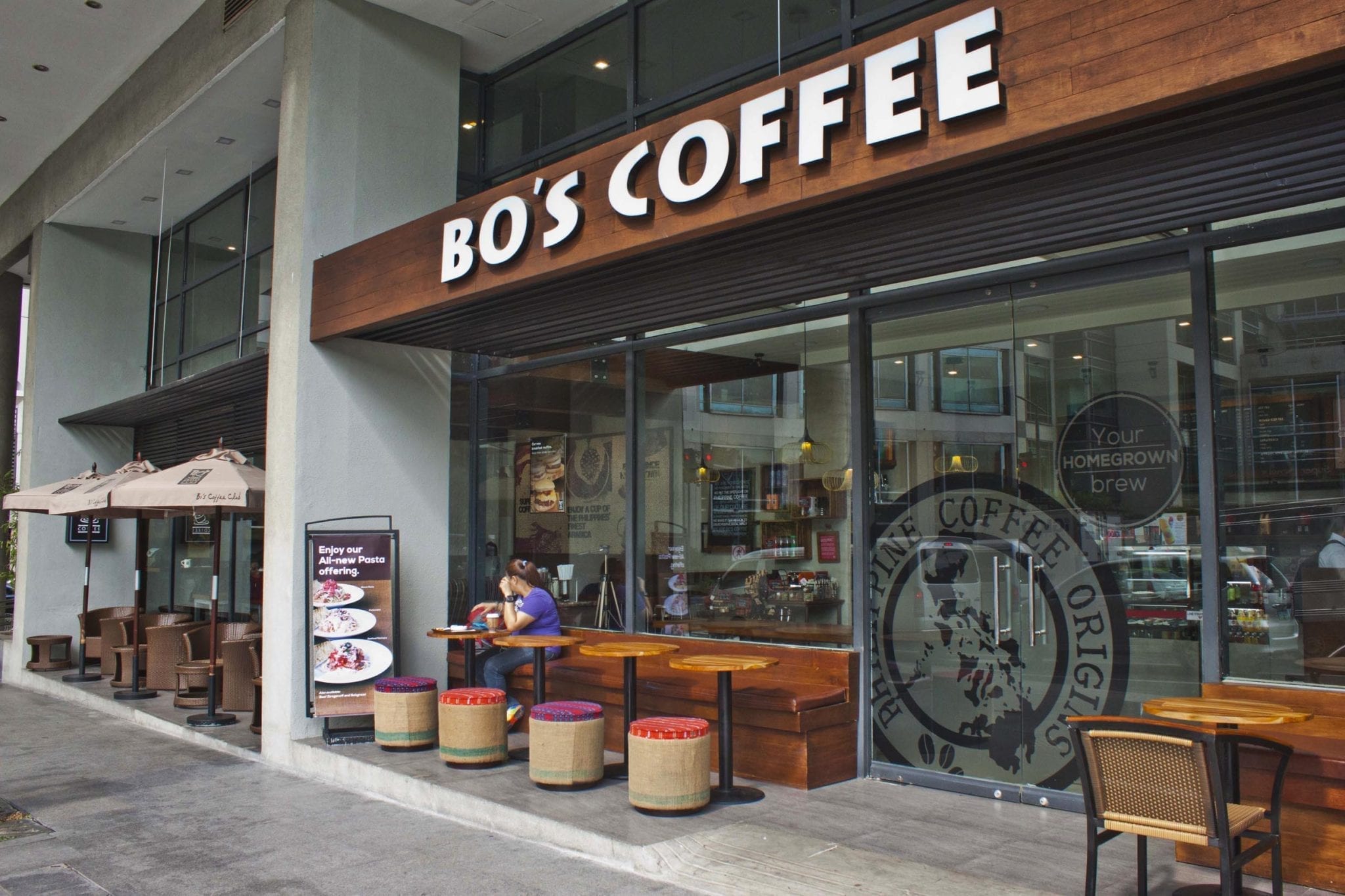
    Filipino cafe chain Bo’s Coffee plans to more than double its store network within four years and is also eyeing expansion into the Middle East. In an interview, founder Steve Benitez says the ambitious growth plan has been fuelled by strong local demand. With 103 cafes currently, Benitez is targeting between 200 and 250 by 2022.

    “Our job is to make sure that we are able to popularize coffee and be able to supply so much, not only in the Philippines but globally,” he said.

    In its home market, Bo’s Coffee, which was founded in 1996, will be targeting Luzon, especially given the brand has “only scratched the surface” there to date.

    In the Middle East, Bo’s Coffee plans to open a second store in Qatar shortly, followed by three more within two years. Other markets in the region are now in its sights.

    The expansion plans will be accelerated following an investment by Philippine-focused Navegar Fund which was attracted to Bo’s Coffee by its efforts to support local coffee-growing communities.

    “Seventy to 80 per cent of our coffee beans are sourced locally,” said Benitez. “We were trailblazers. We started featuring Philippine coffee and the other shops followed after.”

    Bo’s Coffee recently opened a 300sqm flagship store in Cebu which supports social enterprises by partnering with local micro-small entrepreneurs in their store interiors, products, and merchandise inside.

  • Real estate in Saigon the most sought after in Vietnam

    Real estate in Saigon the most sought after in Vietnam

    Saigon leads Vietnam in real estate interest, drawing 300 million internet searches in the last 12 months. According to a report recently issued by Batdongsan.com.vn, one of the biggest property portals in Vietnam, Hanoi is the second most searched city when users look up real estate at 170 million searches.

    The two cities are followed by central Da Nang City, southern Bien Hoa Town, northern Hai Phong City, central Nha Trang Town, and Vung Tau Town and Can Tho City in the south in terms of popularity.

    Overall, the leading position of Saigon real estate is predicted to continue to remain the same because its housing market is still seeing a lot of actions.

    Consumer data collected from Internet queries also showed the level of interest given to real estate in each specific area.

    Saigon attracted the highest level of interest, at 41.8 percent of recorded consumers, the largest in Vietnam, while Hanoi had 29.7 percent. Central Khanh Hoa Province, Da Nang, and southern provinces of Dong Nai and Binh Duong recorded modest numbers, fluctuating between 3 to 4.5 percent. Interest is measured by saved searches, favorites and number of queries.

    The report also reveals that budget and midrange apartments in Saigon and Hanoi, which are priced between VND20-30 million ($860.47 – $1,290) per square meter, with an area of around 60-70 square meters are the type of high-rise apartments that attracts the most attention from Internet users.

    Meanwhile, in regards to content posted on the website of this organisation, foundation land (land serving as the foundation for housing projects to be built on) tops the board in the number of posts published, at 1.2 million posts.

    The land is also the most indulgent hunting with nearly 120 million searches, showing the habit of clinging to land, ownership of real estate in the territory of the Vietnamese, said the report.

    In addition, separate houses attached to land are also highly sought after, at nearly 120 million searchers. This shows the Vietnamese consumers’ preference to own land, or possess properties attached to land, according to the report.

  • Apple assembler Foxconn considering iPhone factory in Vietnam

    Apple assembler Foxconn considering iPhone factory in Vietnam

    Apple’s biggest iPhone assembler Foxconn is considering setting up a factory in Vietnam to mitigate any impact of the ongoing trade war. The report from Vietnamese state media comes after several executives interviewed last week singled out Vietnam and neighboring Thailand as preferred destinations should they need to shelter operations from the trade war, braving hurdles such a lack of skilled labor and inadequate infrastructure.

    Foxconn Group and the Hanoi People’s Committee are working together to open an iPhone manufacturing facility in Vietnam to negate the impacts of the U.S.-China trade war.

    Vu Tien Loc, head of the Vietnam Chamber of Commerce and Industry, raised the matter with Prime Minister Nguyen Xuan Phuc at a meeting on Nov. 22.

    “We are discussing the possibility of this with Foxconn,” Loc said, without elaborating. Hanoi People’s Committee Chairman Nguyen Duc Chung declined to comment.

    Taiwan’s Foxconn, formally Hon Hai Precision Industry Co Ltd said it “follows a strict company policy of not commenting on any matters related to current or potential customers, or any of their products”.

    In trade talks on Saturday, U.S. President Donald Trump and Chinese President Xi Jinping agreed not to introduce any tariffs for 90 days as negotiations continue.

  • Vietnam solar power investment rush poses an overload risk

    Vietnam solar power investment rush poses an overload risk

    The investment rush in solar energy could end up testing Vietnam’s weak power infrastructure, experts say. They say that both transmission capacity and the ability of grids to absorb the energy produced by new projects are suspect, as of now. The 9.35 U.S. cents per kWh Feed in Tariff (FIT) for solar power in Vietnam has sparked an investment rush.

    The latest project to be completed is the 49MW Krong Pa plant in the Central Highlands province of Gia Lai. It began operations last week.

    The investor, TTC Group, a corporation that invests in real estate, energy and education projects, has 19 other solar power projects underway.

    Other corporations have also been rolling out ambitious plans. The Xuan Cau Group plans to invest in a 2,000MW solar power project in southern Tay Ninh Province, while the Xuan Thien Corporation plans a 3,000MW project in the Central Highlands province of Dak Lak.

    September statistics from the Ministry of Industry and Trade show that 121 solar power projects been approved, which are expected to add 6,100 MW of output by 2020 and another 7,200 MW by 2030.

    Of these, 25 have signed power purchase agreements with Vietnam’s biggest power producer and sole distributor, Vietnam Electricity (EVN).

    In addition, another 221 projects await authorization, with a combined 13,000 MW of potential output.

    At this rate, the combined solar power output would accounts for 60 percent of Vietnam’s total output from all power sources kinds of power. It also far exceeds the country’s plan for solar energy output of 850MW by 2020, and 4,000 MW in the 4 following years.

    “There is an investment boom in solar power projects, but this is not good,” said Toby Couture, an expert of the German Corporation for International Cooperation (GIZ).

    He said authorities should come up with a balanced forecasting framework, rather than letting the market overheat.

    On top of the race to get projects completed before June 30, 2019 to enjoy the preferential FIT, the explosion of investment in solar power is also raising concerns over overloading of the power grid once the projects become operational.

    According to Vu Ngoc Duc of the Energy Institute under the Ministry of Industry and Trade, the fact that most projects are concentrated in central provinces of Ninh Thuan and Binh Thuan, and Dak Lak carries the risk of overloading the current power grid.

    Power plants cannot be plugged in without considering the capacity of each power transmission line, he said.

    Dinh Quang Tri, acting general director of EVN, admitted that 9.5 cents a kWh was still cheaper than electricity from oil, but the main problems the utility faces are infrastructural.

    Central Vietnam has relatively weak electricity infrastructure because of low consumption, but it is where the new renewable energy projects will be concentrated, he said.

    “The lines cannot take thousands of megawatts at the same time,” said Tri, adding that EVN had petitioned the government to plan and approve additional transmission lines.

    However, the procedures for planning, land clearance and construction will take a long time, so the existing grid will not be able to keep up with capacity of new solar plants.

    “This is a huge challenge. If we don’t purchase electricity from these solar plants, there will be a shortage. But if these projects are completed too quickly, the grid will not be able to load it all,” Tri said.

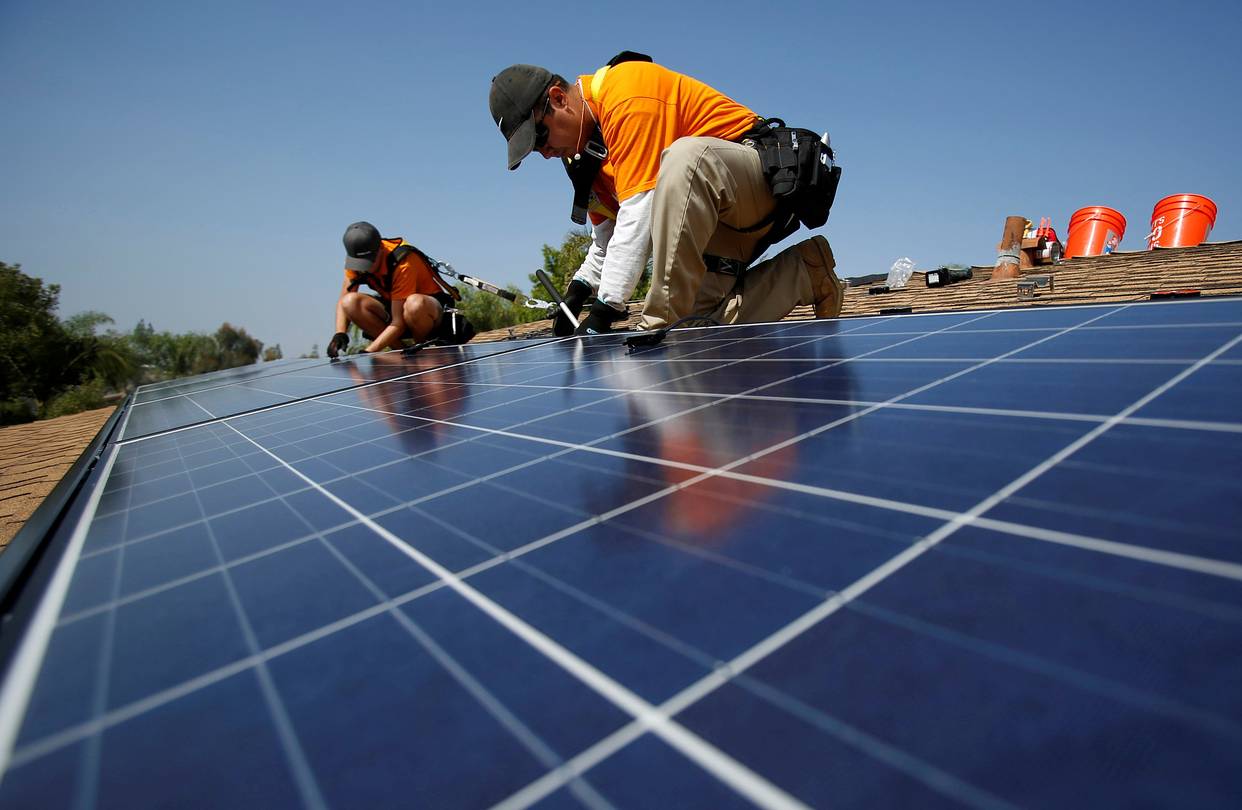
    He said that to avoid overloading the transmission grid, the Government should promote household solar panels, suitable for the low voltage grid, so that no additional investment into the transmission grid is required.

    Deputy Minister of Industry and Trade Dang Hoang An said that the ministry was directing the re-planning of local and national power development. It is assigning grid development units the task of resolving infrastructural bottlenecks to support approved solar power projects, he added.

    Solar power currently accounts for just 0.01 percent of the country’s total power output, but the government plans to increase the ratio to 3.3 percent by 2030 and 20 percent by 2050.