Tag: Investment

  • Central i-City to open on Jan 12

    Central i-City to open on Jan 12

    Central i-City is scheduled to open on January 12 as the largest shopping mall in Selangor’s state capital of Shah Alam, Malaysia. A joint venture between Thai retail property developer CPN Ventures and Malaysian developer I-City Properties, the 940,000sqft mall was constructed on an investment of RM850 million (US$204 million) and features 350 lettable stores, three levels of basement parking and six retail levels. Some 73 per cent of available retail space has already been leased, with the remaining stores expected to be taken up by early next year.

    CPN Ventures assistant VP of marketing Siegfried Shaun Dela Pena Tan said: “The mall is expected to transform retail experience for Malaysians. [It caters] to a more affluent target segment attracting shoppers who will spend more, appreciate better and be driven by quality. We expect that the mall will serve more than 900,000 residents in Klang and a further 700,000 in Shah Alam.”

    Central i-City Shopping Centre is CPN’s flagship project in Malaysia and first international project.

    I-Berhad executive chairman Tan Sri Lim Kim Hong said: “We are bullish about the retail market.

    People are unfazed by the economy. They are still shopping and dining out. The mall has a good tenant mix and 25 per cent of the total number of retail shops comprises food and beverage outlets.”

  • Investors dominate sales of Vietnam’s high-end homes

    Investors dominate sales of Vietnam’s high-end homes

    Investors buy a high percentage of high-end residence purchases in Vietnam, while occupiers take most of the low-end ones. A recent report by real estate market research firm Savills Vietnam, Vietnam Residential Spotlight, says over 70 percent of grade A (high-end) residence buyers in Hanoi are investors. The ratio in Ho Chi Minh City is just as high at 65 percent, says the report, which used data for the 2013-2017 period.

    For the grade B (middle-end) segment in Hanoi, investors accounted for 40 percent of sales, occupiers, 55 percent, and the remaining 5 percent, speculators. The corresponding ratio in HCMC is 45 percent, 50 percent and 5 percent.

    The data indicates that high-end and middle-end residences have become main interests of investors in recent years. They evince almost no interest in grade C (low-end) residences where occupiers make up 85-90 percent of transactions.

    There has been a continuous downwards momentum in residential apartment supply between January and October this year, the Ho Chi Minh City Real Estate Association (HoREA) said in a recent report.

    During this period, total housing supply in the Ho Chi Minh City market fell 39.2 percent. The biggest decrease in supply was in the low-priced apartment segment, which was down 68 percent, while that of high-end apartments fell 9.6 percent and mid-range went down 37.5 percent.

    The association warned that the structure of real estate supply showed a serious disequilibrium in the market, with low priced apartments taking up only 19.3 percent of total supply while luxury apartments took up a third.

    This showed a mismatch between demand and supply, posing a risk to sustainable development and social welfare, it said.

    However, Savills forecasts that low-end residences will dominate HCMC’s supply in 2020 at 61 percent, while in Hanoi, the middle-end segment will lead the market, taking over half of the supply. At this time, Hanoi will have a higher high-end supply at 15 percent, compared to HCMC at 8 percent.

  • India’s Shop101 in talks for funding boost

    India’s Shop101 in talks for funding boost

    Indian online marketplace Shop101 is seeking to raise $11-12 million in a Series B funding round. Talks concerning the investment are being led by Kalaari Capital and Unilever Ventures, with participation expected by current backer Stellaris Venture Partners, which invested $5 million several months ago. Investment capital is likely to assist the firm in technological development and expansion into new business categories.

    Shop101 uses Whatsapp, Facebook and Instagram functionality to support online entrepreneurs. WhatsApp and Facebook each have more than 200 million users in India. The Shop101 app has been downloaded about 1 million times and has experienced growth of 50 per cent month on month since its launch.

    A joint report by Google and KPMG last year indicated online SMEs could boost Indian economic growth by 10 per cent by 2020.

  • Saigon apartment sales dip to lowest in 18 months

    Saigon apartment sales dip to lowest in 18 months

    The third quarter of 2018 saw apartment liquidity in Saigon fall to the lowest level in six consecutive quarters. According to property services provider Savills Vietnam, only 10,000 apartments were traded in Saigon in the third quarter of this year. The apartment sales were down 30 percent from last quarter and down 13 percent year-on-year.

    Grace C apartments took up 54 percent of total sales.

    Savills forecasts that by 2020, more than 124,000 apartments will be offered in the market, with Districts 2 and 9 in the eastern part of the city accounting for 55 percent of total supply.

    Meanwhile, another recent report compiled by property services provider CBRE Vietnam has reported even lower sales than Savills, at only 6,568 apartments sold in Q3. According to CBRE, sales fell 7 percent from the previous quarter, and was down 16 percent over the same period in 2017.

    Large disparities between real estate reports have existed between these two companies and are attributed to differences in statistical methodology.

    Recently, the Ho Chi Minh City Real Estate Association (HoREA) released a report on the housing market saying that as of October 31, 2018, there has been a continuous downwards momentum in apartment supply from the beginning of the year.

    During this period, total housing supply in the Saigon market fell 39.2 percent. The supply of high-end luxury apartments fell 9.6 percent, and that of midrange apartments by 37.5 percent. But the biggest decrease in supply was in the low-priced apartment segment, which was down 68 percent.

    The association warned that the structure of real estate supply showed a serious disequilibrium in the market, with low priced apartments taking up only 19.3 percent of total supply while luxury apartments take up a third.

    This showed a mismatch between demand and supply, posing a risk to sustainable development and social welfare, it said.

  • Brewhouse Ice Tea secures US$ 2 mn loan

    Brewhouse Ice Tea secures US$ 2 mn loan

    Bottled ice tea brand Brewhouse Ice Tea Monday said it has secured US$ 2 million loan from Singapore-based FMCG firm Food Empire Group to expand its footprint and product offerings. Food Empire Group had previously invested US$ 6,00,000 in Positive Food Ventures in November 2017. Positive Food Venture Pvt Ltd, maker of bottled ice tea brand Brewhouse, has secured a loan of US$ 2 million from Food Empire Holdings, the company said in a statement.

    “Currently, we are present at over 2,000 points of sale in major cities and are expanding our operation pan India. We plan to invest the loan amount from Food Empire Group towards expanding our reach to 10,000 points of sale in 2020 and to introduce newer and interesting variants,” Siddharth Jain, Founder, Brewhouse Ice Tea said.

    The brand started operations in Delhi in May 2017 and at present has presence in over 10 cities, including Delhi, Chennai, Bangalore, Mumbai, Pune, Kolkata, Hyderabad, Jaipur, Chandigarh, Lucknow and are retailing with over 300 restaurant and cafe partners.

  • Link REIT Buys Beijing Mall for RMB 2.56B

    Link REIT Buys Beijing Mall for RMB 2.56B

    Link REIT has reached a conditional agreement to acquire a RMB2.560 billion (US$368.8 million) shopping centre in Beijing. The property, Beijing Jingtong Roosevelt Plaza, is a seven-storey mall housing 268 retail tenants, with 576 car parks on two additional underground levels. Link said in a stock exchange filing that the property is located in Tongzhou, the eastern gateway to China’s capital, a rapidly developing district about 20km from central Beijing. It is in an established residential area with 30 per cent of the district’s population living within a 3km radius.

    The property has good connectivity, located on Beiyuan South Road, the district’s main artery, is a high-quality community mall with an occupancy rate of 96.2 per cent and a dynamic mix of retailers including food and beverage, fashion/accessories, kids/education and lifestyle, health and beauty, along with a cinema.

    Leases for about 20 per cent of the four year old centre’s tenancies (by space) expire in 2020, providing Link with an opportunity to enhance rental reversion and performance of the property by upgrading the trade mix.

    Link expects the net property income of the mall will increase, in turn bosting the capital value of the property, benefiting unitholders.

  • HCMC to not build high-rise apartment until 2020

    HCMC to not build high-rise apartment until 2020

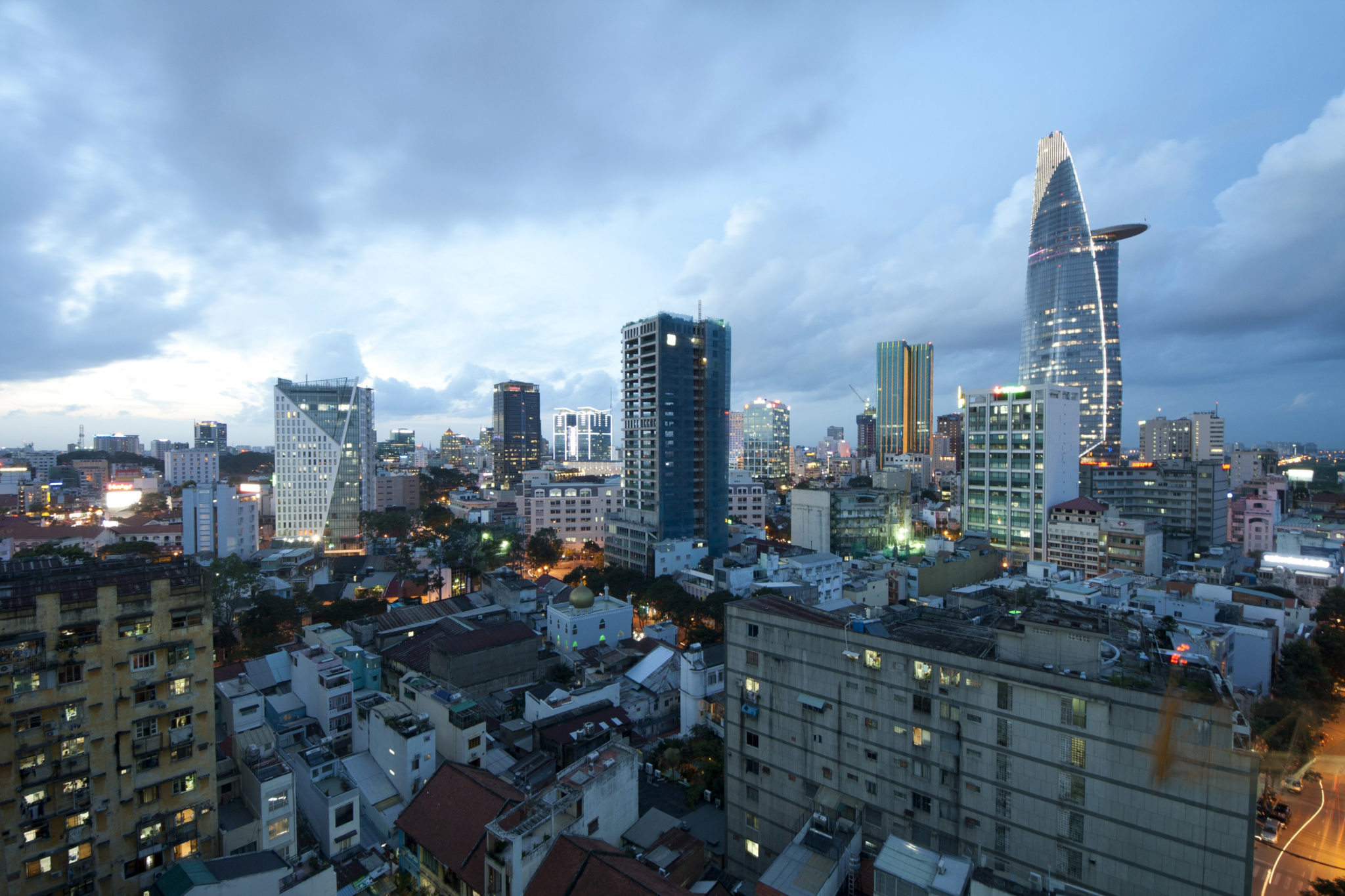
    The Ho Chi Minh City administration has decided that no high-rise apartment projects in the dowtown will be approved until 2020. Instead, priority will be given to repair and renovation of old apartment buildings. According to the housing development plan for 2016-2020 with orientation until 2025, that was approved by the HCMC People’s Committee on November 19, the city will not approve construction of new high-rise apartments in inner city areas (District 1 and 3) until 2020.

    Projects already approved and under construction will continue as usual.

    The city will also prioritize projects repairing or renovating 50 percent of 474 old apartment complexes constructed before 1975.

    It will continue to relocate households living along canals; construct new or renovate old, degraded condominiums; upgrade existing residential areas; continue developing new urban centres, and prioritize the development of social housing.

    The city will also focus on completing unfinished projects in some uptown districts and refrain from approving new housing projects if there are no plans to build adequate technical and social infrastructure in the area.

    The focus on completing existing projects will also apply to outlying districts. Housing in rural communes will be prioritized and high-rise apartments will be focused along major transport corridors or where technical infrastructure can support new housing.

    In particular, Ho Chi Minh City will invest in and prioritise the development of social housing projects to meet the needs of eligible residents, and for those who are resettled by urban beatification projects.

    The plan aims to free up more land for social housing projects in the 2021-2025 period.

    It envisages raising total living space in the city by 40 million square meters and per capita housing area to 19.8 square meters by 2020.

    To implement the housing development plan, the city estimates a budget of over VND310 trillion ($13.27 billion), of which investment capital for commercial real estate will amount to VND82 trillion ($3.51 billion), residential housing VND210 trillion ($8.99 billion), and rest for social housing.

  • Vingroup to invest in Hanoi smart electronics plant

    Vingroup to invest in Hanoi smart electronics plant

    Vingroup is expected to invest VND1.2 trillion ($51.38 million) in a “Smart Electronics Factory” that will produce smartphones as its first products next year. The project, expected to be operational by the second quarter of 2019, is the first one to be implemented under a cooperation agreement between the Hoa Lac Hi-Tech Park (Hoa Lac HTP) Management Board and Vietnam’s biggest private conglomerate Vingroup.

    According to the agreement, in the period 2018-2020 looking towards 2025, Vingroup will focus its investments on hi-tech manufacturing in the Hoa Lac HTP.

    The corporation will invest in research and development, advanced technology, software, hi-tech industrial manufacturing, housing development, commerce and services in Hoa Lac.

    The first project to be implemented under the agreement will be a “Smart Electronics Factory” in Hoa Lac. Construction will begin as soon as the group’s investment plan is approved by competent authorities.

    The factory will be built on an area of five hectares. Once operational, it is expected to produce 3- 4 million smart electronics products a year, supplying both domestic and international markets.

    Nguyen Viet Quang, vice president and CEO of Vingroup, said that smartphones will be the factory’s first product to debut in the market.

    Minister of Science and Technology Chu Ngoc Anh said the Hoa Lac Hi-Tech Management Board is improving the HTP’s infrastructure, providing the best conditions for investment, and creating a legal corridor to facilitate businesses.

    These efforts are aimed at developing the Hoa Lac Hi-Tech Park into a smart-technology city, he said.

    There are 87 investment licensed projects in Hoa Lac at present with total capital amounting to approximately VND78 trillion ($3.34 billion).

    In 2018 alone, Hoa Lac has welcomed 10 licensed projects with a total registered capital of VND15.86 trillion ($678.74 million).

  • Foreign flows into Asian bonds turn positive, Malaysia leads

    Foreign flows into Asian bonds turn positive, Malaysia leads

    Foreign flows into Asian bonds turned positive in October, in stark contrast to the sharp outflows faced by equity markets due to slowing earnings and concerns over trade. Data from central banks and bond market associations showed overseas investors bought a net US$2.24 billion (RM9.4 billion) in Malaysian, Thai, Indonesian, South Korean and Indian bonds in the last month. That compared with net outflows of US$2.46 billion in September.

    Malaysia’s bond market led the region with inflows of US$1.8 billion in October, the highest in 2018. At the end of last month, foreign ownership of Malaysian government securities rose to 40.7% from 39.5% in September, the data showed.

    Thailand and Indonesian bond markets also attracted foreign money of US$1.07 billion and US$886 million, respectively.

    “Thailand’s large current account surplus and growth recovery have boosted the perception of Thai debt as a relative safe haven in the region,” said Khoon Goh, Singapore-based head of Asia research for ANZ Banking Group in a note.

  • Coupang Korea to sack $2 billion funding

    Coupang Korea to sack $2 billion funding

    South Korea’s Coupan, the fast-growing e-commerce firm, will receive an investment of US$2 billion from the SoftBank Vision Fund. The funding follows SoftBank Group’s initial investment of $1 billion in June 2015. The new round of capital will enable Coupang to continue investing in consumer-first technologies.

    Lydia Jett, partner at SoftBank Investment Advisers and a Coupang board member, said the company Coupang wants to have “a revolutionary technology platform and uncompromising focus on customer delight”.

    “We believe the company is well-positioned to lead the Korean e-commerce market, with significant platform opportunities ahead given its data, payments and logistics advantage.”

    With revenue more than doubling in the last two years and approaching $5 billion this year, Coupang is Korea’s largest online retailer with more than 120 million items for sale and 4 million available for guaranteed one-day delivery.

    Millions of customers buy from Coupang more than 50 times per year, and one in every two Koreans has downloaded Coupang’s mobile application.

    Coupang CEO Bom Kim said: “At Coupang, we are obsessed with making customers’ lives easier.

    We’re excited to continue our partnership with SoftBank. We are confident this investment will allow us to leverage the platforms we have created in logistics, payments, and data to make e-commerce and other innovations even more indispensable to our customers.”

  • Hyundai investing in U.S. drone company

    Hyundai investing in U.S. drone company

    Hyundai Motor, Korea’s largest carmaker by sales, said Thursday it has invested in a U.S. unmanned aerial vehicle (UAV) company to jointly develop new products. In the investment, Hyundai Motor and Top Flight Technologies will jointly seek business opportunities in the global high-end aerial drone market, the company said in a statement.

    “In addition to solving the challenges of longer-duration flight for quadcopters, Top Flight is developing the technologies needed to enable new solutions in aerial logistics and mapping which could be useful in Hyundai’s future business,” John Suh, vice president of Hyundai CRADLE in Silicon Valley, said in the statement.

    Hyundai CRADLE is Hyundai Motor’s corporate venture and open innovation business in the United States.

    “Hyundai’s investment in Top Flight confirms its commitment to autonomous vehicles and mobility solutions, whether on the road or in the air. We fully believe that Hyundai’s world-class assembly and automation capabilities will help spur the production and deployment of aerospace-grade UAVs, more efficiently than ever,” Top Flight Chief Executive Long Phan said in the statement.

    The U.S. start-up is unrivaled in the fields of cutting-edge unmanned aerial vehicles equipped with small-sized gasoline engines that can extend flight range by charging a battery, it said. Hyundai didn’t provide how much it has invested in the U.S. start-up.

    The global UAV market is expected to grow from $5.6 billion in 2016 to $12.2 billion in 2019 and to $22.1 billion in 2026, the statement said. As UAVs are mainly used for military purposes, there is big growth potential for the commercial drone market. At present, the drone delivery services market is in the early stages of development. The concept of drone delivery services began with Amazon in December 2013. The U.S. retailer said its drone service is designed to deliver packages to customers as quickly as possible using UAVs.

  • Transport giant to withdraw capital from leading HCMC taxi firm

    Transport giant to withdraw capital from leading HCMC taxi firm

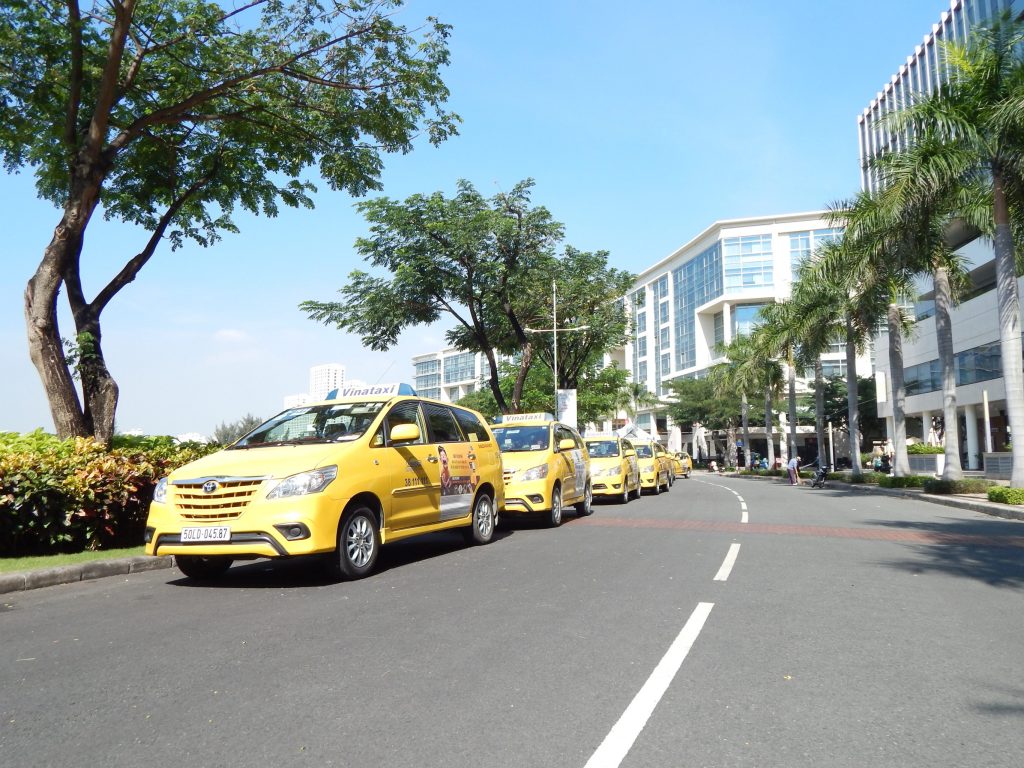
    In an apparent u-turn, transport giant Tracodi has approved divestment of its 30 percent stake in Vinataxi. Just months after saying it intends to increase its stake in Vinataxi, renew its fleet and install driver software, the Transport and Industry Development Investment Corporation (Tracodi) has decided to pull out.

    Tracodi has authorized Nguyen Thanh Hung, its general director and vice chairman, to seek investors and negotiate a transfer price not lower than the net present value of Vinataxi shares calculated according to book value.

    Vinataxi is a joint venture between Tracodi and electronic component distributor Tecobest Hong Kong, established in 1992. In 2003, Tecobest transferred capital management rights to ComfortDelGro, the leading public passenger transport operator in Singapore.

    According to the consolidated financial statement of the third quarter, Vinataxi occupied the third largest market share in Ho Chi Minh City with a chartered capital of VND113 billion ($4.84 million). Tracodi’s initial investment value was approximately VND34 billion ($1.46 million) in the joint venture.

    Tracodi’s capital withdrawal is in stark contrast to the plan announced by its board at its annual general meeting mid-June. Then, the corporation announced it wanted to negotiate raising its ownership ratio in Vinataxi to 49 percent, and coordinate with ComfortDelgro Savico Taxi, a joint venture between ComfortDelgro and Saigon General Service Corporation, to renew their fleets and install driver software.

    Tracodi’s management board estimates the firm will reap net profit of VND8 billion ($342,916) from its taxi business line this year with its combined fleet of over 300 cars.

    In 2017, revenues and after tax profit of Vinataxi reached over VND47 billion ($2.01 million) and VND1.2 billion ($51,431) respectively.

  • Maybank Asset Management sees AUM expanding US$50m in next 2 years

    Maybank Asset Management sees AUM expanding US$50m in next 2 years

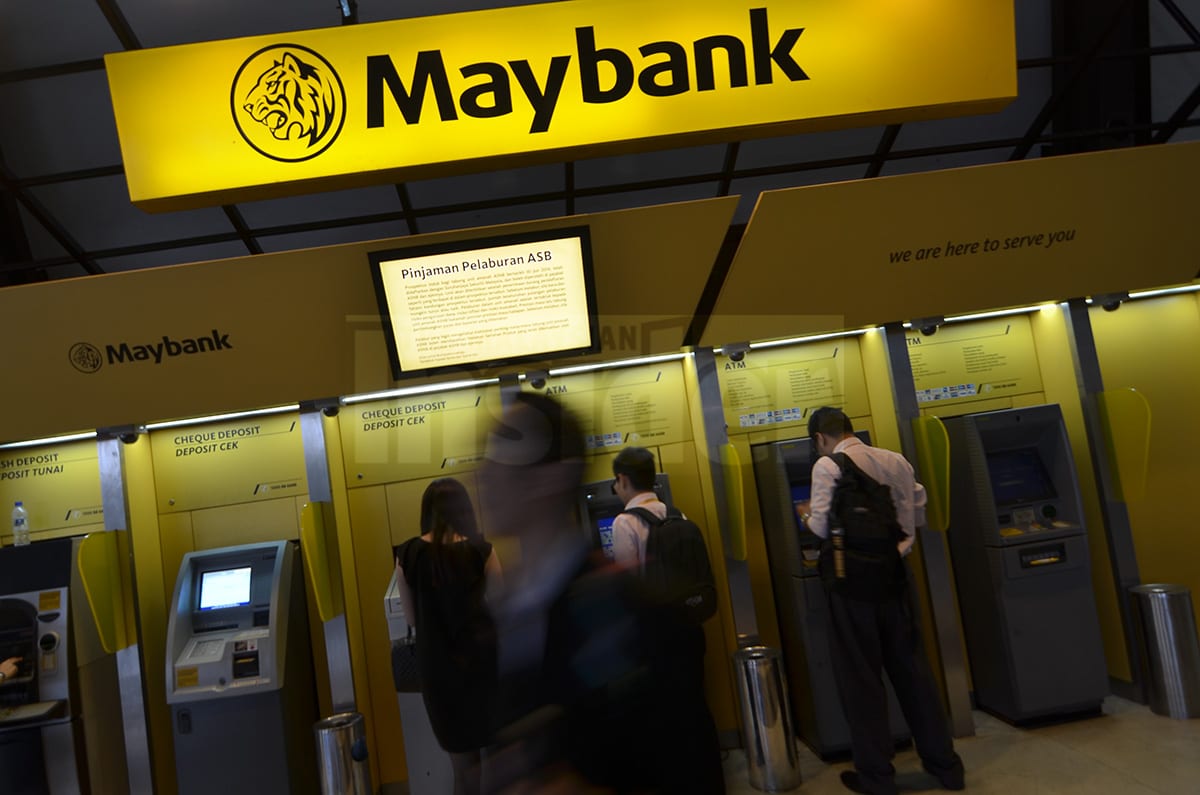
    Maybank Asset Management Group (MAMG) expects its assets under management (AUM) to increase between US$30 million (RM126 million) to US$50 million (RM209 million) in the next two years, following its collaboration with Schroder Investment Management (Singapore) Ltd to co-develop investment solutions for sophisticated investors.

    As of end September 2018, MAMG’s AUM stood at RM33.7 billion.

    MAMG and Schroders Singapore announced their first long-term strategic partnership with the launch of two discretionary portfolios, namely Global High Dividend Equity Portfolio and Global High Conviction Portfolio.

    These solutions will be managed by Maybank Asset Management (MAM) Malaysia, a unit of MAMG, with Schroders Singapore as the investment adviser.

    “This is a very targeted high net worth segment so we are leveraging on Maybank private banking customers,” MAMG CEO Badrul Hisyam said.

    “The (market) sentiment right now is quite weak generally, unless the sentiment improves, then we would see better response to this kind of product,” Badrul added, revealing that at least three more products would be available under this collaboration in financial year 2019.

    “By integrating our strength in local wealth management with their global investment capabilities, the resulting synergy will allow us to deepen our foothold in the Malaysian wealth market, through dedicated offerings designed to achieve investors’ desired outcomes.

    “We recognise the growing demand for sophisticated, outcome-oriented global investment solutions, particularly among the high net worth community. We are therefore committed to delivering a range of global investment strategies to cater to their evolving financial needs,” he noted.

    Meanwhile, Schroders Singapore country head Susan Soh said as part of the continuing partnership, both companies would undertake further collaboration projects to co-develop solutions across other asset classes, including Shariah-compliant investment and private assets.

    “We believe our ability to combine the key tenets of asset management and wealth management offers differentiated value proposition to MAM Malaysia’s clients,“ Soh said.

    According to Badrul, the Shariah-compliant investment is expected to be available to the market by third quarter of 2019.

  • Automaker Mitsubishi eyes full-scale production in Vietnam

    Automaker Mitsubishi eyes full-scale production in Vietnam

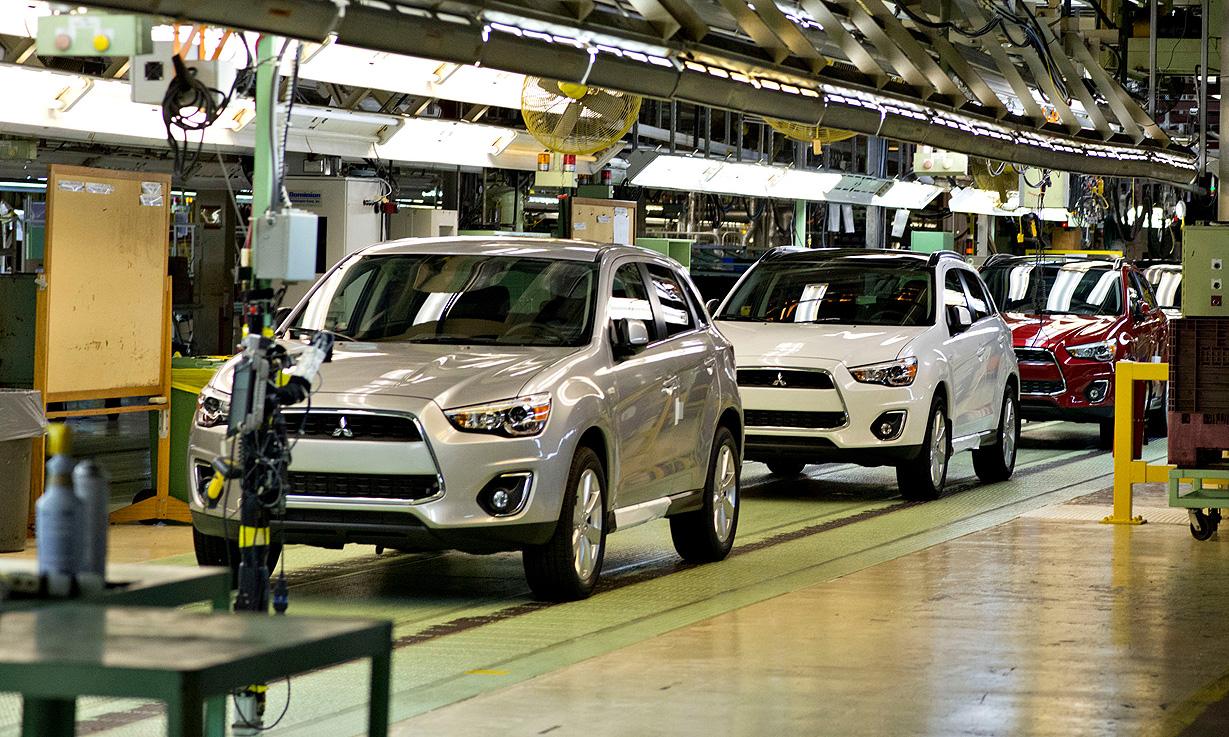
    Japanese automaker Mitsubishi Motors plans to expand its Vietnam operations by moving to full-scale production of parts within the country. The company’s CEO Osamu Masuko said at the global launching ceremony of the Mitsubishi Triton pickup truck in Bangkok that sourcing materials in Vietnam would let the company handle more upstream processes for components.

    “To be a true winner, we must develop production and exports to certain levels in each country,” Masuko said.

    He added that the Vietnamese operations will not simply be limited to assembling modules in a “knock-down kit” production method, referring to the method of manufacturing parts in one country and shipping them to another.

    The ASEAN region is the largest and most profitable market for Mitsubishi Motors, the company said in its annual report for fiscal 2017. Sales in the region went up by 33 percent last year to 275,000 units, while revenue from the region jumped 45 percent for the year to 506.2 billion yen ($4.45 billion).

    In Vietnam, Mitsubishi currently has an assembly plant in the southern province of Binh Duong with a capacity of 5,000 vehicles per year.

    It plans to increase production by having a second plant in the country by 2020, with a capacity of 30,000-50,000 vehicles per year.

    In the first nine months this year, a total of 230,958 automobiles were sold in Vietnam, according to Vietnam Customs. This figure could reach 300,000 by the end of this year, it added.

  • Chinese white goods company Midea announces Rs 1,350 crore new plant in India

    Chinese white goods company Midea announces Rs 1,350 crore new plant in India

    Chinese consumer durables firm Midea aims to manufacture its products locally in the country by next year and is setting up a new facility in Pune at an investment of Rs 1,350 crore. “India is a strategic growth market and we expect our investments in this market to yield good growth. Considering the potential of the market we have committed over Rs 1,350 crore investment for a new facility,” Krishan Sachdev, Managing Director of Carrier Midea India and also Midea Group India region, told PTI.

    “We have a manufacturing facility at Bawal in Haryana and we are strengthening our base here with a second plant in Pune. By next year, 100 percent of our products shall be manufactured locally,” he further told PTI.

    According to a report: He further said that the company is evaluating prospects of exports from India.

    The new facility near Pune, with a technology park, will have three manufacturing units for home appliances, HVAC products and compressors and will also include a manufacturing facility for Carrier Midea India, a 60:40 joint venture between Midea and Carrier.

    The complex is likely to begin commercial operations at the beginning of 2020 and the technology park is expected to generate employment opportunities for over 2,000 people, both directly and indirectly.

    Over a period of five years, the facility will produce refrigerators, room ACs, washing machines, water purifiers, water heaters, commercial ACs and compressors.

    The company, which has been growing at a CAGR of 25 per cent over the last five years, said plans for manufacturing other home appliances categories in a phased manner have been completed.

    Sachdev further said the rupee depreciation has had an impact on their business.

    “Even though we manufacture 70-80 per cent locally, production cost has gone up because some of the components are imported,” he said.

    The company is expecting a good festive season this year with 25 per cent growth and by next year it plans to have IoT enabled product solutions for this market.

    South and East are the leading markets for the company, contributing significantly to the business, while non-metros contribute 30-40 per cent of the overall revenue.

    Midea India plans to double its footprint across the country.

    “For the RAC, which is the refrigeration and air conditioning category, and which contributes 80 per cent of revenues), we are targeting to be in around 5,000 retail outlets before next summer apart from 800 plus sales and service dealers.

    We are constantly looking to expand our reach to consumers. We are already present in more than 400 cities and towns of India,” he further said.