Retail News CRM

Tag: ios

  • India to capture 13.5% of smartphone sales by 2019

    India to capture 13.5% of smartphone sales by 2019

    India is on track to corner a 13.5% share (approximately 180 million smartphones in circulation) of the total global smartphone market by 2019, up from 7.5% today.

    This was revealed by a joint study conducted by the Associated Chambers of Chambers of Comerce & Industry of India (ASSOCHAM) and KPMG.

    The study noted that the advent of affordable smartphones designed for the Indian user and low-cost data connectivity options, more people are shifting to smartphones and mobile Internet.

    The average selling price of a smartphone in India in 2015 was 12,285 rupees ($183.70), a 25% year-on-year increase. The affordable models sell between 3,000 rupees and 10,000 rupees ($44.80 to $149.50).

    “The smartphone shipments in India grew a healthy 23% annually in the first quarter of 2016 compared to the global growth, which stalled for the first time ever since smartphones first began to sell,” ASSOCHAM said in a report posted in its website.

    “The increase in smartphone sales has changed the face of e-commerce industry in India in the last two years,” it added. “Mobile transactions accounted for 41% of total e-commerce sales in 2014. Developing a mobile (sometimes mobile only) strategy has been an important agenda for many of the leading e-commerce players in the country over the last two to three years.”

    The government has launched its ‘Digital India’ initiative in July 2015 for the different stakeholders to work together to transform the economy. Several international device vendors have also set up manufacturing facilities in India, supporting the government’s ‘Make in India’ initiative aimed at boosting local manufacturing.

  • More than 1 in 4 cloud apps are high risk

    More than 1 in 4 cloud apps are high risk

    More than a quarter (27%) of third-party apps can be classified as high risk, according to research from CloudLock Cyberlab.

    Analysis conducted across 10 million users, 1 billion files, and nearly 160,000 unique applications found that cybercriminals can exploit weaknesses in high-risk apps to gain programmatic access to corporate platforms impersonating end users. 

    The shadow IT dilemma is meanwhile only becoming more challenging as usage is increasing exponentially year over year, the company said.

    The past three years saw nearly a 30 times increase in the number of apps detected, from 5,500 to nearly 160,000. Each application instance represents a backdoor through which hackers can infiltrate and externalize sensitive corporate assets.

    CloudLock Cyberlab said an organization may embrace its employees’ “shadow” exploration of innovative technology solutions and sanction a subset of these apps as Productivity IT, but it’s essential to closely monitor the connected third-party apps and identify cloud native malware in real time.

    Security conscious enterprises recognize the high risk associated with connected third-party apps and take immediate action. While apps can be banned for any number of reasons, including concerns around productivity, a clear majority are banned because of the security vulnerabilities they introduce. 

    The key recommendation is to reduce cloud app risk by establishing an acceptable use policy, with which organizations can significantly reduce the application risk level organization-wide. Automating whitelisting or banning of potentially risky applications is an effective strategy. 

    “The shift to the cloud creates a new, virtual security perimeter that includes third-party apps granted access to corporate systems,” said Ayse Kaya Firat, CloudLock director of customer insights and analytics.

    “Today, most employees leverage a wide variety of apps to get their jobs done efficiently, unwittingly exposing corporate data and systems to malware and the possibility of data theft.”

  • The smartphone boon and bane

    The smartphone boon and bane

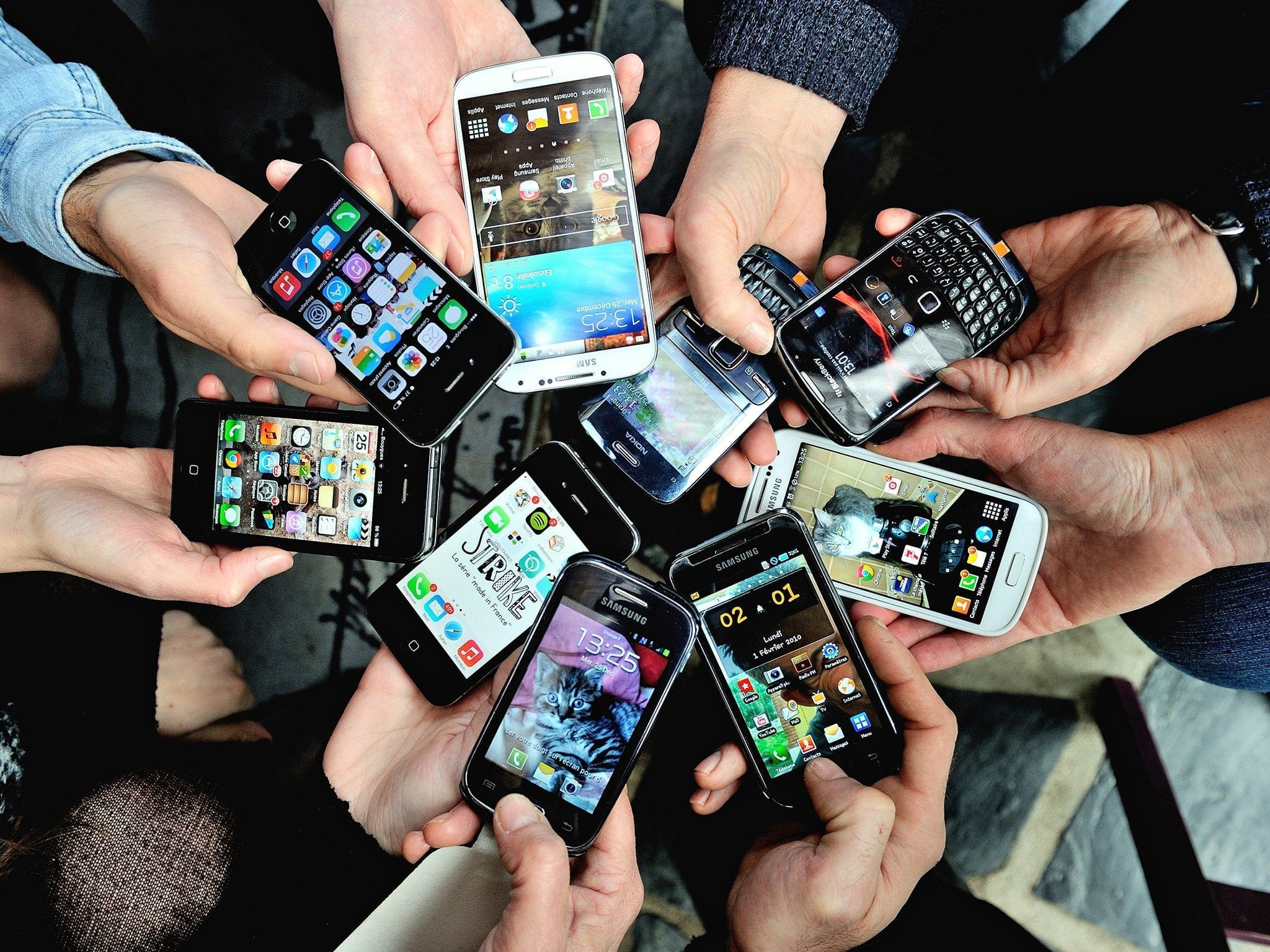
    Feature phones are on their last days, if not their last breath. Consumers’ massive shift in preference for smartphones have decimated feature phone sales.

    The upward mobility of smartphones contrasted with the downward spiral of feature phones has been an intriguing trend to observe. After all, it was only a decade ago when feature phones were enjoying its peak in popularity.

    The upheaval of the mobile industry arrived when Steve Jobs introduced the iPhone to the world in 2007. Steve Ballmer, Microsoft’s chief executive back then, claimed it was the most expensive phone in the world.

    Nowadays, feature phones are not ubiquitous anymore as new players from China, led by Xiaomi, continue to enter the market. These new upstarts not only produce smartphones with industry standard software and applications, but also price them very affordably.

    Asia-Pacific smartphone prices are predicted to drop to an average of $215, making it the region with the lowest price. APAC will be the region with the largest increase in smartphone usage from 2013 to 2019 with approximately 2 billion new smartphone users, where Singapore ranks the highest globally in smartphone users penetration.

    According to a recent survey, 90% of respondents in Singapore say they have access to smartphones. Factors which help facilitate this rapid adoption are fast connectivity and the availability of real-time information access at users’ fingertips.

    As smartphones become increasingly affordable, businesses become more complex specifically the IT infrastructure. Apart from individual and personal use, businesses also encourage employees to use their own devices for work with initiatives such as “bring your own device” (BYOD).

    Enterprises have gained a significant advantage with the modern development of mobile, but these positives also come with new challenges.

    When it comes to devices for businesses, applications play a big role. More and more enterprises are deploying business applications on smartphones and adopting cloud-based business models.

    This enables increased mobility and productivity, making businesses more efficient than ever. Unfortunately, now with various applications installed on smartphones and critical data being so easily accessible, businesses are more prone to virtual threats.

    In 2014, 16 million mobile devices have been contaminated by scams, and hackers are increasingly targeting mobile applications. It has been said that mobile apps are considered “low-hanging fruit” since it is rather fast and easy to exploit the vulnerability of apps as apps exist in an unregulated ecosystem.

    In Singapore alone, mobile security threats have affected 70% of companies. The majority of organizations saying “yes” to employees using their mobile phones for business without giving proper education on BYOD policies also contributed to this number. This trend will cease any time soon as the hackers are expected to continue focusing on mobile devices.

    Given the changes of this behavior and the advancement of technology on smartphones, organizations and governments will need to be able to serve this increasing number of mobile customers and employees while delivering applications and services seamlessly and securely.

    Businesses have always demanded agility and availability without worrying about the security of critical data. That mindset must shift — application security needs to be a top priority for businesses.

    With the rise of smartphones and mobile devices usage for business, the risk of enterprises’ critical data is increasing as well. Business flexibility provided by smartphones comes with a greater responsibility that requires enterprises to step up to secure and manage the applications to keep preforming.

    This generation will see the end of “dumb” phones, and the next might even see them in museums. With such rapid changes in the technology scene, it will be no surprise if the next big thing comes faster than the shift of feature phones to smartphones.

    Asia Pacific holds the biggest stake for smartphones companies, and any respectable industry player must look to the East whenever there is a shift in the mobile telecom enterprise industry.

  • Users Can Pay Instantly Through BlackBerry ‘s BBM Money In Indonesia

    Users Can Pay Instantly Through BlackBerry ‘s BBM Money In Indonesia

    Blackberry disclosed that its users in Indonesia will be able to pay for goods, as well as, services through online and in stores instantly with the help of BBM money. The users need not have to bother where they bank and use it. The move comes on the heels of the company holding an event last week to provide an update to media, iOS, Android, and BlackBerry communities in the country.

    All Platforms

    BlackBerry Ltd indicated that the app could be used on all major platforms to make payments from mobile. The company said that BBM Money is an app that merges directly with BBM account of a customer, which enables users in Indonesia to pay in real-time with the help of its platform with which its BBM platform is familiar and comfortable with. The move strengthens the firm’s expertise, as well as, a legacy in respect of security and privacy.

    The company said that in Indonesia, BBM is the most popular messaging app, especially on devices running Android OS. BlackBerry believes there are three  favorable trends for making the country an obvious choice for the launch of a mobile money service.

    Booming E-Commerce

    BlackBerry Ltd (NASDAQ:BBRY) said that e-commerce is not only booming but also growing at a faster rate globally though behind China. Also, the 250 million people are witnessing a rapid development of economic activity in the country.

    The second trend is in respect of smartphone penetration, which reached 20%. The adoption rate is considered highest in the world. Also, mobile messaging appears to be common in Indonesia. Aside from these, the first experience of the Internet is from a smartphone for most of the citizens in the country. As a result, there exists a tremendous opportunity for innovative and entrepreneurial online retail startups. That is set to draw the attention of fresh customers through the smartphones. That is exactly where the company’s mobile channels and mobile ad platform will play a crucial role.

    Fewer People With Cards

    The last and the third trend pointed out by smartphone inventor is the fewer number of people having access to traditional bank account. Also, only 11% of the citizens have debit cards while credit card holders account for only 3% in the country. That suggests that there are more users of BBM than the card users. As a result, its mobile payment service is more useful for those without access to a bank account or credit or debit card. That is because its service is integrated with the mobile messaging service, which the citizens love very much.

    BlackBerry Ltd said that it is working with some of the retailers to accept instant mobile payments through BBM money to celebrate Ramadan. That is a busiest buying season in any year in Indonesia.