Retail News CRM

Tag: iphone

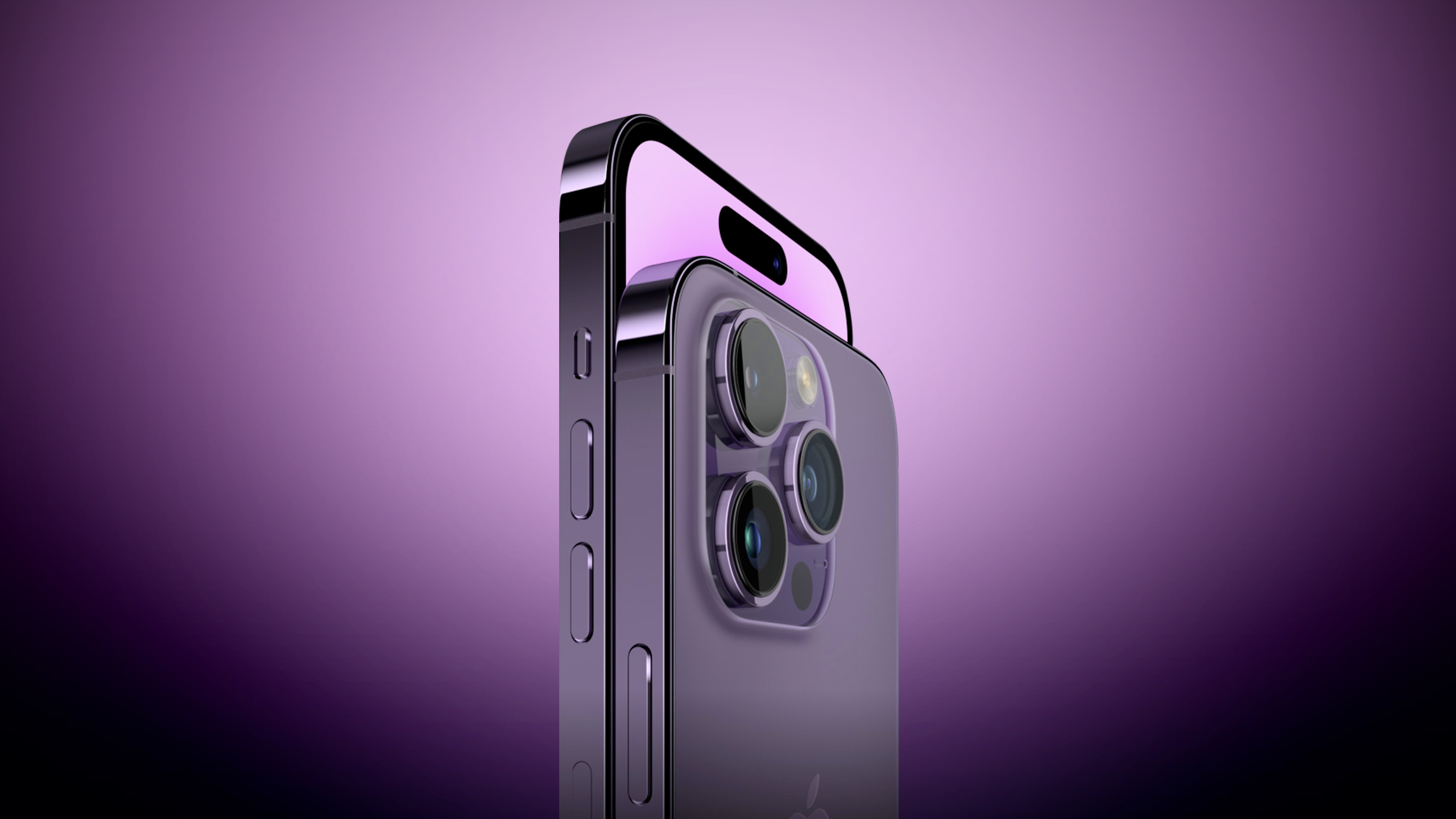
  • Taiwan’s Nomura Holdings Surprises Employees with iPhone 17 Pro Max at Grand Year-End Celebration

    Taiwan’s Nomura Holdings Surprises Employees with iPhone 17 Pro Max at Grand Year-End Celebration

    In an unexpected grand gesture, Nomura Holdings Taiwan, a leading investment firm, gifted every one of its employees an iPhone 17 Pro Max at the company’s year-end party. This generous move, which left social media in shock, was not a raffle or dependent on performance rankings. Regardless of their position or tenure, each person present at the event received the same sought-after smartphone.

    Expressing Appreciation for Contributions

    The company’s decision to distribute these costly gifts was unveiled during a packed banquet in Taiwan. Projected onto a screen in the crowded hall, the announcement told attendees that the iPhones were a token of gratitude for their invaluable contributions during the year.

    Nomura Holdings Taiwan, a subsidiary of the Japanese financial services group Nomura Holdings, has been operational in Taiwan since 1998. Currently considered one of the top five foreign investment firms on the island, it boasts a registered capital of around US$11 million.

    Rewarding Success

    The company’s decision to reward its employees in such a lavish manner followed a period of record-breaking growth in Taiwan’s stock market and robust profits across the investment industry in 2025. The move was seen as a fitting way to thank staff for their hard work and dedication.

    The scale of the party was impressive, with an estimated 20 to 30 tables filling the room and around 300 employees in attendance. A bystander, claiming to work at the venue, described the iPhone giveaway as the most extravagant employee gift they had ever witnessed.

    Reaction to the Generosity

    Images from inside the banquet hall showed employees lifting their new iPhones in the air to record the announcement, sparking gasps and cheers of delight from the crowd.

    The online response was swift and widespread, with many expressing disbelief and jealousy at the grand gesture. Some even jokingly asked if there were any open positions at the company.

    To put the generosity of the gift into perspective, in Taiwan, an iPhone 17 Pro Max currently retails for approximately US$1,425.

    Questions & Answers

    What did Nomura Holdings Taiwan gift to its employees at the year-end party?
    Each employee received an iPhone 17 Pro Max.

    Why did the company decide to give out such generous gifts?
    The gifts were given to express gratitude for the employees’ contributions throughout the year, particularly in light of the record-high growth in Taiwan’s stock market and strong profits across the investment industry.

    What was the reaction to the company’s gesture?
    The in-person and online reaction was one of shock and admiration. Some online commenters even jokingly asked if the company was hiring.
  • Key iPhone Air Designer Abidur Chowdhury Exits Apple for AI Startup: An Unexpected Twist in Tech

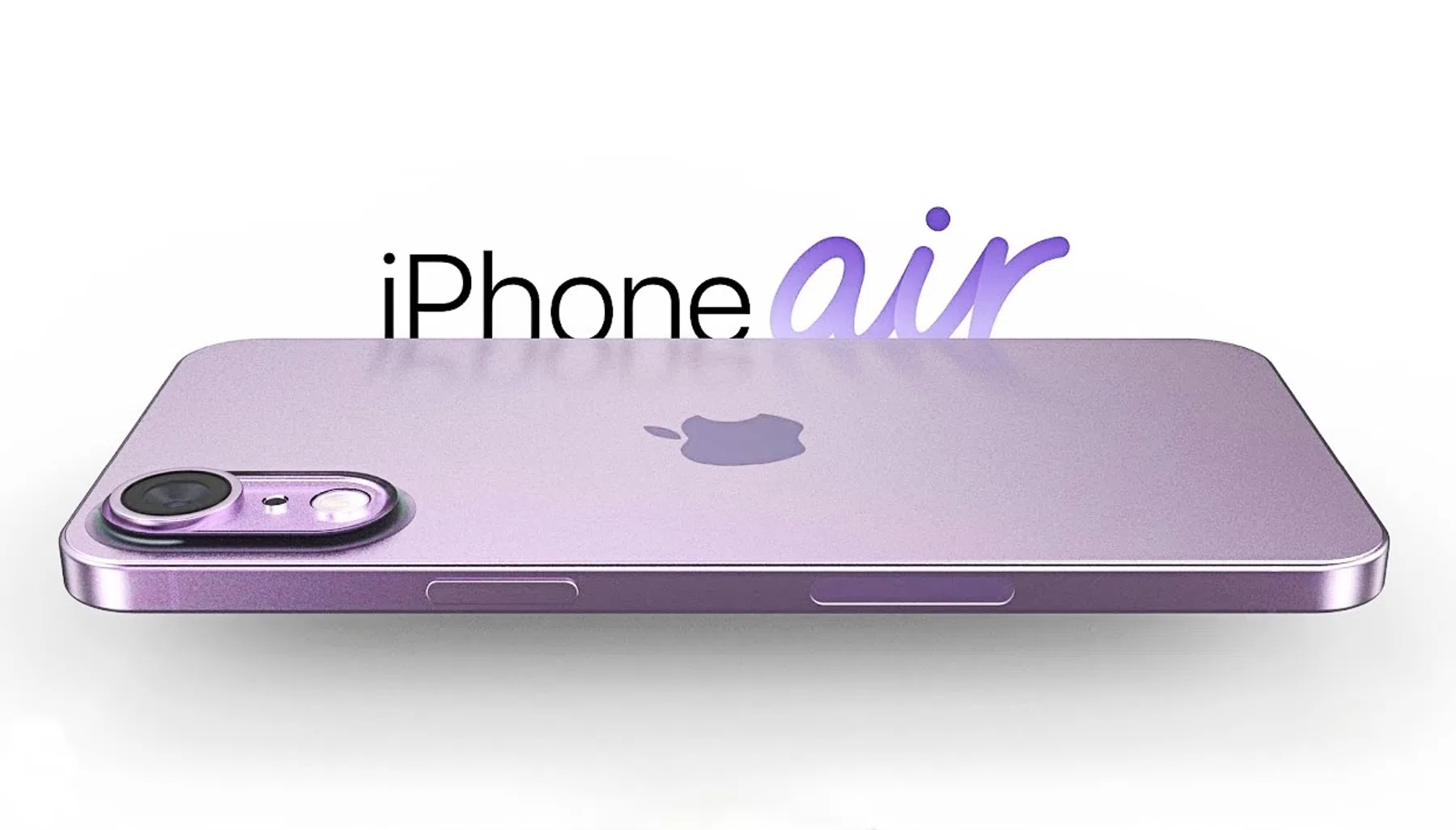
    Key iPhone Air Designer Abidur Chowdhury Exits Apple for AI Startup: An Unexpected Twist in Tech

    Abidur Chowdhury, one of Apple’s pivotal figures in the design process of the iPhone Air, has recently left the corporation. The move was unexpected, as Chowdhury had just been promoted to a key role within the company, hinting at an extended future collaboration.

    Unexpected Departure from Apple

    Chowdhury’s decision to leave Apple reportedly took the tech giant by surprise. His upward trajectory within the company’s design team suggested a bright future and the potential for an even more significant role in the years to come.

    Chowdhury was instrumental in the development of the iPhone Air, with his departure marking another loss for Apple from its ranks to AI-centric firms.

    Key Contribution to the iPhone Air

    In a break from tradition, Apple selected Chowdhury to introduce the iPhone Air this year, prior to Ternus delving into a more comprehensive presentation. This clear signal of Chowdhury’s prominence during the Apple event underscored the company’s recognition of his value.

    Chowdhury, known for his modesty, has never publicly championed his contributions at Apple. His decision to leave after taking center stage suggests either a lack of confidence in Apple’s direction or the opportunity of a more lucrative offer.

    Preference for AI Over iPhone Air?

    Artificial Intelligence (AI) is currently the most buzzed-about topic in the tech world. Several of Apple’s top employees have recently transitioned to companies with a stronger focus on AI. Considering Apple’s issues with Siri, this trend isn’t surprising.

    However, Chowdhury, to public knowledge, wasn’t involved with Siri. Speculation suggests that he may envision a brighter future in AI than with the iPhone Air, prompting his decision to depart.

    Questions & Answers

    Why did Abidur Chowdhury leave Apple?
    Although Chowdhury has not publicly stated a reason, speculation suggests that he may see a more promising future in AI than with Apple or have received a more attractive offer elsewhere.

    What was Abidur Chowdhury’s role at Apple?
    Chowdhury was a key figure in Apple’s design team and played a significant role in the development of the iPhone Air.

    What impact might Chowdhury’s departure have on Apple?
    Given Chowdhury’s instrumental role in the design and introduction of the iPhone Air, his departure may be a notable loss for Apple. His decision to leave may also potentially influence others within the company to consider opportunities outside Apple.

  • Apple’s Digital ID Revolution: Now, Use Your iPhone for TSA Checkpoints!

    Apple’s Digital ID Revolution: Now, Use Your iPhone for TSA Checkpoints!

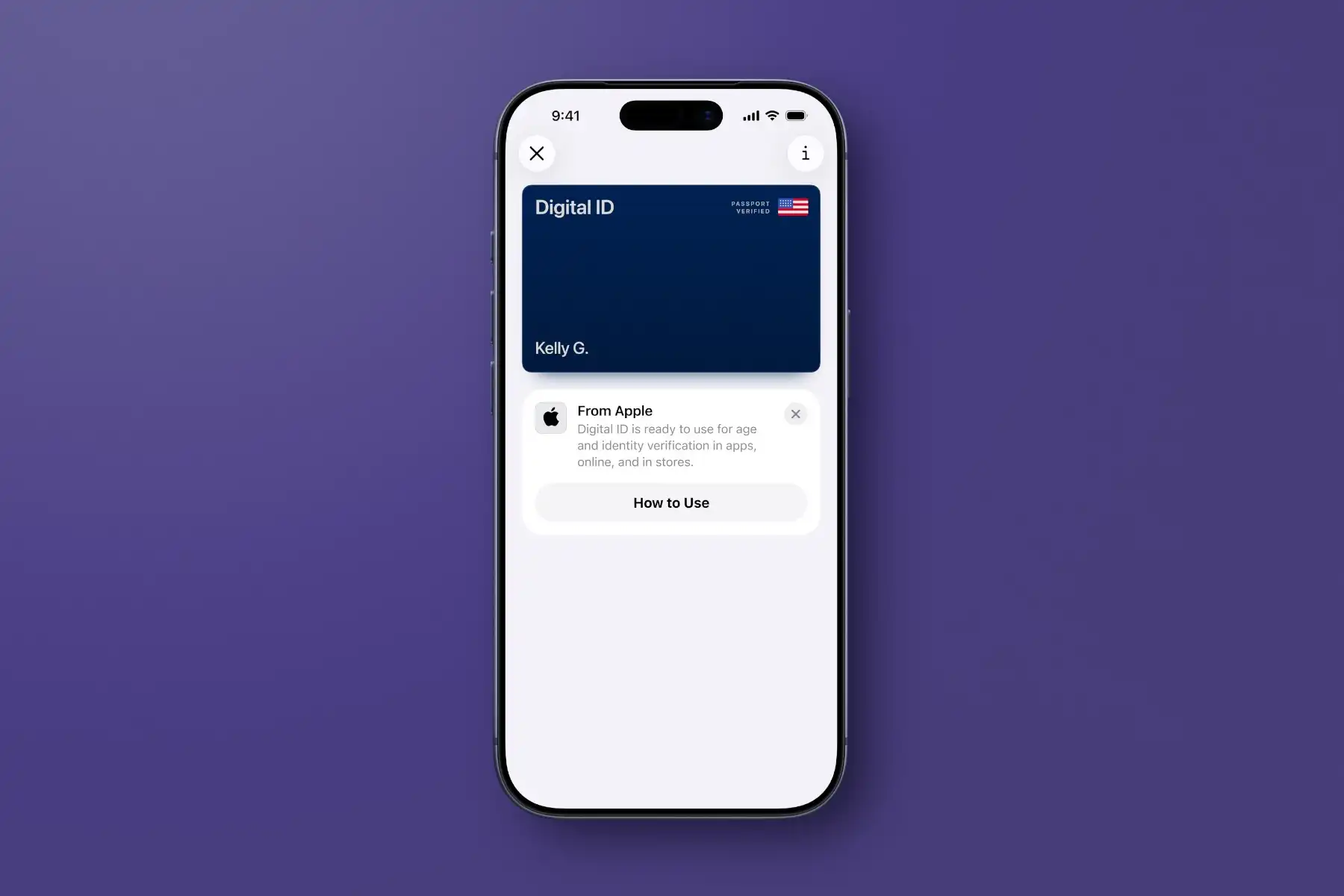
    Apple has unveiled a new Digital ID feature for its Apple Wallet, initially announced at WWDC 2025. The feature facilitates the creation of a Digital ID in the Apple Wallet application using details from users’ US passports.

    US Passport Integration with Apple Wallet

    Apple device owners in the United States, particularly those with iPhones and Apple Watches, now have the ability to add a digital copy of their US passports to their gadgets. The so-called Digital ID can be utilized for identification purposes at selected TSA checkpoints across the US airports for domestic travel.

    The process of creating and presenting a Digital ID based on a US passport requires the following:

    – An iPhone 11 or later with iOS 26.1 or later, or an Apple Watch Series 6 or later with watchOS 26.1 or later
    – Active Face ID or Touch ID and Bluetooth
    – An Apple Account with active two-factor authentication
    – A valid and unexpired US passport
    – A device with its region set to the United States

    Creating a Digital ID is quite simple. It involves opening the Wallet application on your iPhone, tapping the plus sign at the top-right corner, and selecting Driver’s License or ID Cards. From this point, you then select Digital ID and follow the on-screen instructions for setup and verification.

    During the setup, users will be required to scan their physical passport’s photo page using their iPhone, then use the device to read the passport’s chip to verify the authenticity of the data. Additional verification entails taking a selfie and performing a series of facial and head movements.

    Where Can the Digital ID be Used?

    The Digital ID feature can be utilized at over 250 TSA checkpoints in various US airports. However, its usage is currently limited to domestic travel. The feature cannot be used for international travel or border crossings. Apple has stated that the Digital ID is not intended to replace the physical passport. While TSA has a comprehensive list of states supporting mobile IDs, it still advises travelers to carry their physical ID.

    Eventually, Apple plans to expand the usage of the Digital ID to businesses and organizations for identity and age verification purposes, both in-person and online.

    Presenting a Digital ID in person is similar to presenting other IDs in the Wallet. Users need to double-click the side button on their iPhone, select Digital ID, and hold the iPhone near a scanner. They then review the requested information and authenticate with Face ID or Touch ID.

    Apple ensures that all Digital ID data is encrypted and stored on-device, assuring users that neither when nor where the ID data is presented, nor what data is shared can be accessed by the company.

    Expansion and Future of Digital ID

    The Digital ID feature builds upon the existing ID features in the Apple Wallet. Users in 12 US states and Puerto Rico have the option of adding their driver’s license to the Wallet. The feature is also available for Japan’s My Number Card, marking its first international expansion.

    Unlike Google Wallet, which supports state IDs in a few states and features an ID Pass for both US and UK passports, Apple’s Digital ID doesn’t aim for a total replacement of the physical document.

    As Apple moves towards making physical wallets obsolete, the company has introduced a way to store all details about users’ payment cards along with their digital versions in the Wallet, negating the need for carrying physical cards. The application can also accommodate loyalty cards, tickets, passes, and more.

    Once the Digital ID feature gets broader support, including acceptance at event venues, physical stores, and websites with adult content, physical wallets may become a thing of the past.

    Questions & Answers

    What is the new Digital ID feature in Apple Wallet?
    The Digital ID is a new feature in the Apple Wallet that allows users to create a digital version of their US passport for identification purposes.

    What are the requirements for creating a Digital ID?
    To create a Digital ID, you need an iPhone 11 or later running iOS 26.1 or later, or an Apple Watch Series 6 or later running watchOS 26.1 or later, active Face ID or Touch ID and Bluetooth, an Apple Account with active two-factor authentication, a valid and unexpired US passport, and a device with its region set to the United States.

    Where can I use my Digital ID?
    The Digital ID can be used at over 250 TSA checkpoints in various US airports for domestic travel. In the future, the Digital ID will be accepted at businesses and organizations for identity and age verification, both in person and online.

  • Apple’s iPhone Sales Skyrocket, Setting Record Revenues for Q4 2025 and Optimistic Outlook for 2026

    Apple’s iPhone Sales Skyrocket, Setting Record Revenues for Q4 2025 and Optimistic Outlook for 2026

    Apple has unveiled its fiscal results for the fourth quarter of 2025, alongside its complete annual figures for the same year. The primary focus of interest is the iPhone’s performance during this period. From July to September, iPhone sales raked in a revenue of $49.03 billion, marking a 6.1% increase from the $46.22 billion generated in the fiscal fourth quarter of the preceding year. Although this figure fell short of Wall Street’s projections for the quarter, it established a new record for iPhone revenue in the company’s fiscal Q4.

    Expectations for Record iPhone Revenue

    Apple CEO, Tim Cook, announced that the company anticipates the iPhone to generate record revenue for the current quarter (fiscal Q1 2026) as well. In the fiscal year of 2025, iPhone sales reached $209.59 billion, a 4.2% jump from the $201.18 billion generated in 2024.

    The iPhone 17 range has been off to a positive start. Despite a reduction in production of the iPhone Air, the remaining three models—iPhone 17, iPhone 17 Pro, and iPhone 17 Pro Max—are reportedly outperforming their iPhone 16 counterparts in terms of sales.

    Performance of Other Products and Services

    The iPad demonstrated a stable fiscal Q4, generating $6.95 billion in revenue. Throughout the fiscal year 2025, the iPad’s revenue amounted to $28.02 billion, reflecting a modest year-on-year growth of 5%. Apple’s second-largest business segment after the iPhone is its Services division, which saw a robust fiscal Q4 with revenue amounting to $28.75 billion, an impressive annual growth of 15.1%. The Services unit generated revenue of $109.16 billion for Apple during the fiscal year 2025, marking a 13.5% increase year-over-year.

    The Services unit holds significant value for Apple as its success is not solely dependent on new iPhone sales. With 1.56 billion active iPhone units globally, the Services unit remains a critical component of the company’s operations.

    The company’s Wearables, Home, and Accessories division, which includes products like the Apple Watch, AirPods, and HomePods, reported Q4 sales of $9.01 billion. Despite a slight dip from last year’s Q4 revenue of $9.04 billion, the division generated $35.69 billion in revenue during fiscal 2025, down 3.6% from the previous year’s figures.

    Regional Performance and Earnings Per Share

    Apple saw increased revenue in nearly every region during the fiscal year 2025, with growth in the Americas, Europe, Japan, and the rest of Asia Pacific. However, sales in Greater China were slightly lower during the fiscal Q4.

    In the fiscal Q4, Apple reported a record $102.47 billion in revenue, a 7.9% increase from the previous year’s Q4 revenue of $94.93 billion. Throughout fiscal 2025, revenue reached a record $416.16 billion, a 6.4% increase compared to the $391.04 billion accumulated in fiscal 2024. The net earnings for fiscal Q4 were $27.47 billion, or $1.85 per share, a significant 90.7% increase from the previous year’s $14.74 billion or 97 cents per share.

    For the entire fiscal year 2025, net earnings amounted to $112.01 billion, or $7.49 per diluted share, compared to fiscal 2024’s $93.74 billion, or $6.08 per diluted share. This indicates a year-over-year net profit increase of 23.2% for Apple in fiscal 2025.

    Questions & Answers

    How did the iPhone perform in terms of revenue during the fiscal fourth quarter of 2025?
    The iPhone generated a revenue of $49.03 billion in the fiscal fourth quarter of 2025, a 6.1% increase from the $46.22 billion generated during the same quarter of the previous year.

    What are the expectations for iPhone revenue in the fiscal Q1 of 2026?
    Apple CEO, Tim Cook, expects the iPhone to generate record-breaking revenue in the fiscal first quarter of 2026.

    How did Apple’s other products and services perform in the fiscal year 2025?
    Apple’s iPad generated a stable fiscal fourth quarter revenue of $6.95 billion and $28.02 billion for the entire fiscal year, marking a 5% year-on-year increase. The Services unit showed a robust fiscal Q4 with revenue of $28.75 billion, a 15.1% year-on-year increase, and $109.16 billion for the entire fiscal year, a 13.5% increase year-over-year. The Wearables, Home, and Accessories division reported Q4 sales of $9.01 billion, and $35.69 billion for the fiscal year 2025, down 3.6% from the previous year.

  • Iphone Air: A Revolutionary Design With Unmet Sales Expectations

    Iphone Air: A Revolutionary Design With Unmet Sales Expectations

    Apple had high hopes for this year, setting its sights on capturing the admiration of customers with its ultra-thin iPhone, named the iPhone Air. This model was primed to break away from the pack and shine amongst Apple’s other releases. Interestingly, you don’t necessarily have to be a die-hard iPhone aficionado to appreciate the revolutionary design of the iPhone Air.

    The Thinnest iPhone Ever

    Breaking down the specifics, the iPhone Air comes in at a mere 5.6mm in thickness, making it about 19% thinner than the iPhone 6, which at 6.9mm was previously the thinnest iPhone model. Launched alongside the iPhone 6 Plus in 2014, the iPhone 6 had set a benchmark for slim design. However, the iPhone Air pushes the boundary even further. The device is powered by a 3149 mAh battery for eSIM-only models, and a 3036 mAh battery for models with a physical eSIM, providing an all-day battery life as claimed by Apple.

    Revamped Camera and Pricing

    Apple has also included a cutting-edge 48MP Fusion camera in the iPhone Air. However, unlike the iPhone Pro models, it doesn’t come with separate Ultra Wide or Telephoto lenses. This means the device doesn’t offer ultra wide-angle shots and telephoto pictures are limited to a 2x optical zoom. As for the pricing, the iPhone Air starts at $999. Alternatively, Apple offers a financing option allowing customers to pay off the phone over 24 months at a rate of $41.62 per month.

    Production Cut Due to Lower Demand

    Despite the innovative design and features, the iPhone Air has faced lower than anticipated demand, prompting Apple to reportedly reduce its production. This cutback might result in the production of one million fewer iPhone Air units. Although this model hasn’t quite hit the mark in sales, Apple’s three other models have garnered considerable attention from consumers.

    Rise in Production of Other Models

    On the other hand, Apple is said to be ramping up the production of the iPhone 17 by an additional two million units. Similarly, the iPhone 17 Pro and iPhone 17 Pro Max are expected to see production increases of one million and four million units, respectively. Industry observers speculate that iPhone customers are more inclined towards familiar models, rather than the new iPhone Air.

    The iPhone Air’s Silver Lining

    Interestingly, what has been a drawback for the iPhone Air in sales, has actually been an advantage in terms of engineering. Apple’s base iPhone 17 model has seen significant improvements this year, including the addition of the ProMotion display which provides a variable refresh rate from 1-120Hz. The iPhone 17 also boasts a battery life of up to 30 hours for video playback, a substantial increase from the 22 hours offered by the iPhone 16.

    While the iPhone Air may not have met Apple’s sales expectations, its importance should not be undermined. The device could be a significant stepping stone for Apple, serving as a proof of concept for the upcoming foldable iPhone, often referred to as the iPhone Fold. The foldable iPhone is rumored to resemble two iPhone Air units placed side-by-side. Although initially anticipated for release next year, reports suggest a potential 2027 launch, as Apple is yet to finalize the design of the foldable’s hinge and other components.

    Questions & Answers

    What is unique about the iPhone Air?

    The iPhone Air stands out as the thinnest iPhone ever created, with a thickness of only 5.6mm, which is almost 19% thinner than the previous thinnest model, the iPhone 6.

    What is the starting price for the iPhone Air?

    The iPhone Air is priced at $999. However, Apple offers a finance option allowing customers to pay off the phone over 24 months at $41.62 per month.

    Why might the iPhone Air be considered a significant development for Apple, despite lower sales?

    While the iPhone Air may not have met sales expectations, it may serve as a proof of concept for future developments, specifically in relation to the rumored foldable iPhone, referred to as the iPhone Fold.

  • Apple’s First Foldable Iphone: Predicted Lower Hinge Costs May Impact Retail Price

    Apple’s First Foldable Iphone: Predicted Lower Hinge Costs May Impact Retail Price

    Apple is reportedly developing its first foldable iPhone, a topic that has been garnering significant interest in recent months. The latest inside information comes from industry analyst Ming-Chi Kuo, who has offered some insight into the potential cost of the phone’s integral component, the hinge.

    Predictions on Hinge Cost for the Foldable iPhone

    Ming-Chi Kuo suggests that the hinge for Apple’s foldable iPhone might be more cost-effective than currently expected, potentially by $20 to $40. The hinge is a crucial component in a foldable phone as it supports the flexible display, enabling it to open and close.

    Creating the ideal hinge for such devices can be challenging, often leading to high production costs. However, Kuo proposes that Apple’s choice of hinge design could reduce these costs significantly.

    Kuo predicts that when the hinge enters mass production, the average cost could be around $70 to $80 per piece. This estimation is considerably lower than the current market expectation of $100 to $120 or even more.

    Partnership for Hinge Production

    It is reported that the task of producing the hinge will be shared between two companies. Foxconn, a long-standing partner in Apple’s supply chain, and Shin Zu Shing are expected to jointly undertake the manufacturing process.

    This partnership is believed to have secured a significant portion of hinge orders from Apple, accounting for around 65% of the total. The remaining orders are anticipated to be fulfilled by Amphenol.

    There are rumors of a potential third manufacturer, Luxshare, joining the production chain. However, this is contingent on the success of the initial foldable iPhone and may not occur until after 2027.

    Expectations for the Foldable iPhone

    Earlier speculations suggested that the foldable iPhone might feature a frame composed of titanium and aluminum, enabling the phone to be both thin and robust. This contradicts Kuo’s previous assertions that stainless steel might be used.

    The launch of the first foldable iPhone is currently projected for late 2026. It remains uncertain whether the potential lower cost of hinge production might lead to a reduction in the retail price of the foldable iPhone. Apple considers various factors when pricing its products, and this approach will likely apply to the new foldable iPhone as well. Current estimates suggest the foldable iPhone could cost around $2,000 to $2,500.

    Questions & Answers

    What is the estimated cost for the hinge of the foldable iPhone?
    The estimated cost of the hinge, when it enters mass production, is around $70 to $80 per piece. This is considerably lower than the current market expectation of $100 to $120 or more.

    Which companies are rumored to produce the hinge for the foldable iPhone?
    Foxconn and Shin Zu Shing are expected to jointly produce the hinge, securing about 65% of the total orders from Apple. The remaining orders are likely to be fulfilled by Amphenol. There is also speculation about a third manufacturer, Luxshare, joining the production later.

    When is the foldable iPhone expected to be launched?
    The launch of the first foldable iPhone is currently projected for late 2026.

  • Apple Set To Extend Proprietary 5g Modem Use To Iphone 18 Series: A Strategic Shift

    Apple Set To Extend Proprietary 5g Modem Use To Iphone 18 Series: A Strategic Shift

    Apple has been known to use its proprietary C1X 5G modem specifically in the iPhone Air, while still utilizing a Qualcomm modem for the iPhone 17 and iPhone 17 Pro. However, indications are emerging that the tech giant is set to alter this approach with the forthcoming iPhone 18.

    Expansion of Apple-Branded Cellular Modems

    In a recent move towards an increased use of Apple-manufactured cellular modems across a broader product range, indications are strong that the iPhone 18 and its Pro version will be the next items on the list. Arun Mathias, Apple’s Vice President of Wireless Software Technologies and Ecosystems, hinted at this ambition during a recent dialogue with CNBC.

    Mathias responded to queries about the lack of Apple modems in the iPhone 17, 17 Pro, and 17 Pro Max by explaining that the company’s focus had been on meeting the requirements for the iPhone Air. Nevertheless, Mathias added that the iPhone 17 and 17 Pro remain excellent products, and Apple’s proprietary cellular solutions will feature more prominently in future devices. Mathias said, “While our concentration has been primarily on the iPhone Air, we acknowledge the excellence of our iPhone 17 and iPhone 17 Pro. Over time, we anticipate seeing more products equipped with Apple’s cellular solutions.”

    Apple’s Move Towards Greater Control

    Mathias’ statement aligns with emerging speculations that the upcoming iPhone 18 Pro will feature Apple’s 5G modem. This shift presents Apple with an opportunity to gain further control over their devices, potentially leading to multiple enhancements.

    Apple has previously used its in-house C1 modem in the iPhone 16e, symbolizing a departure from Qualcomm’s modems. In a curious parallel, Samsung has been providing cellular modems for the Pixel 10 devices, while relying on Qualcomm’s modems for its own Galaxy S25. This might also change with the anticipated Galaxy S26 if Samsung decides to incorporate the Exynos 2600.

    Perceptible Differences for Users

    While Apple’s move away from Qualcomm is noteworthy, the typical user may not observe a significant difference in connectivity unless there is a major technological advance or failure. This does not render the change insignificant; rather, it suggests that it may not result in any noticeable improvements for the average iPhone user.

    Questions & Answers

    Why has Apple not used its own modems in the iPhone 17 and 17 Pro?
    Apple’s focus was on the needs of the iPhone Air. However, the company plans to use its own cellular solutions in more devices in the future.

    What change can we expect in the iPhone 18 and iPhone 18 Pro?
    It is highly likely that Apple’s 5G modem will be used in the iPhone 18 and iPhone 18 Pro, giving Apple more control over its devices.

    Will users notice a difference in connectivity with the use of Apple’s own cellular modems?
    Unless there’s a major technological development or failure, most users may not notice any significant changes in connectivity.

  • Iphone 17 Air: Apple’s Technological Experiment Or The Gateway To Slimmer Future?

    Iphone 17 Air: Apple’s Technological Experiment Or The Gateway To Slimmer Future?

    The upcoming Tuesday holds significant excitement for technology enthusiasts and Apple aficionados as the tech giant is all set to disclose its latest iPhone models. While iPhone 17 Air seems to be the anticipated highlight of the event, a stark comparison is emerging between this new ultra-slim iPhone and the initial version of MacBook Air released back in 2008.

    The Comparison

    The first MacBook Air, launched over a decade ago, was a pricey offering with subpar power and average battery life. It was an odd addition to Apple’s lineup, positioned between the more affordable yet potent MacBook and the superior MacBook Pro. A similar narrative is being speculated for the iPhone 17 Air, which is likely to be noticeably slimmer but could compromise on crucial elements such as battery life and camera quality, particularly the availability of a single rear camera in a market dominated by dual or triple camera setups.

    The New ‘Air’ Model

    The new “Air” variant is anticipated to be positioned between the standard iPhone 17, which will offer superior battery life and additional cameras, and the iPhone 17 Pro, which is expected to outshine in all meaningful aspects. While thinness is touted as the unique selling proposition, it doesn’t hold the same appeal as it once did when laptops were noticeably bulky. Current smartphones are far from being cumbersome, and as evidenced by the underwhelming sales of Samsung’s comparably slim S25 Edge, consumers are not overly keen on sacrificing power for a slimmer form.

    Outlook

    Similar to the first MacBook Air, the iPhone 17 Air is unlikely to become an instant success, but rather a technological experiment for Apple. As a tech preview, it will be a platform to test new engineering designs, battery technologies, and manufacturing processes that could later percolate through the entire lineup. This device is predicted to set the course for a slimmer future for all iPhones and may also lay the foundation for a foldable device. Despite its visionary glimpse into the future, the iPhone 17 Air may not deliver the best return on investment, with better value expected from the iPhone 17 or the iPhone 17 Pro.

    Questions & Answers

    What is the expected position of the iPhone 17 Air in Apple’s lineup?
    The iPhone 17 Air is anticipated to be positioned between the standard iPhone 17 and the superior iPhone 17 Pro.

    What compromises are expected with the iPhone 17 Air?
    The iPhone 17 Air is suspected to compromise on crucial aspects such as battery life and camera performance, in favor of a slimmer form.

    What could be the primary purpose of the iPhone 17 Air in Apple’s lineup?
    The iPhone 17 Air will likely serve as a technology preview, allowing Apple to test new engineering designs, battery technologies, and manufacturing processes.

  • Apple’s Possible Shift To Esim-only Iphones: Impact On Global Connectivity And Travel

    Apple’s Possible Shift To Esim-only Iphones: Impact On Global Connectivity And Travel

    Apple’s smartphones in the United States have not had a SIM card slot since the release of the iPhone 14. Instead, these devices have supported a mix of physical and eSIM technology. However, a recent rumor implies that Apple may soon discontinue the physical SIM card tray for the iPhone 17 in additional countries.

    Retail staff at Apple Authorized Resellers throughout the European Union are required to undergo training related to eSIM technology. Those in the know have disclosed that the deadline for course completion is Friday, September 5.

    Significant Event on the Horizon

    Just four days after this deadline, Apple is set to host its “Awe dropping.” event on Tuesday, September 9. The tech giant is anticipated to unveil the iPhone 17, iPhone 17 Pro, and iPhone 17 Pro Max, along with a new slim model potentially dubbed the iPhone 17 Air.

    Yet, this shift may not be confined to the European Union. The training material is accessible to European retail staff via Apple’s SEED app. This platform is utilized by employees of official Apple Stores and Apple Authorized Resellers globally, and it is not exclusive to Europe.

    Adapting to New Technologies

    It would be logical for Apple to roll out this change to other countries, particularly given the rumors circulating over the past year. Speculation that the iPhone 17 Air may be too thin to accommodate a SIM card slot began as early as last October. There have also been suggestions that the change could apply to the entire iPhone 17 range across all markets.

    However, it is probable that Apple will maintain the physical SIM option in certain countries, including China. Although iPhones in most countries support both eSIM and physical SIM, in China and a few other markets, they offer dual SIM with two physical cards.

    Notably, other tech companies are also following this trend. Google recently launched the eSIM-only Pixel 10 in the US, while Samsung’s Galaxy S25 offers a mix of eSIM and physical SIM support, including in the US. However, in some regions outside of the US, Samsung’s phones feature dual physical SIMs, and the Pixel 10 integrates both physical and eSIM technologies.

    Travel and Connectivity

    As a global traveler, having a variety of connectivity options is beneficial, therefore losing the physical SIM slot could be disappointing. While purchasing a local SIM can be cheaper and more convenient, there are a variety of international eSIM services that can sometimes offer more affordable and convenient options for travelers. Here’s hoping that Apple will continue to offer both options in my region.

    Questions & Answers

    Why is Apple potentially moving away from physical SIM cards?
    It is rumored that Apple may be entertaining this notion in order to make devices thinner and more streamlined, thereby improving the user experience.

    Will all countries lose the physical SIM option on the iPhone 17?
    While it seems likely that more countries will be affected by this change, it is currently unclear if this will be a global shift. Some regions, such as China, may continue to have the physical SIM option.

    How will the lack of a physical SIM card impact travelers?
    While the absence of a physical SIM card could initially prove inconvenient, the rise of international eSIM services could provide an alternative, and potentially more affordable, option for travelers.

  • Apple CEO Tim Cook reveals what Apple needs to build iPhone in the US

    Apple CEO Tim Cook reveals what Apple needs to build iPhone in the US

    While the tariff fiasco has brought red ink to the markets and chaos to the global economy, the ultimate goal according to President Donald Trump and his supporters, is to have manufacturing brought back to the United States. According to Trump’s Commerce Secretary Howard Lutnick, who was appearing on CNBC, Apple CEO Tim Cook told him that there is a “key catalyst” that would be necessary for Apple to consider building the iPhone in the US.

    Lutnick says that he asked Cook when he was going to bring iPhone manufacturing to the States. Cook responded by saying, “I need to have the robotic arms to do it at a scale and precision that would allow me to bring it here.” Cook seems to be one of the few tech industry leaders who might not be a Trump supporter but who still commands respect from the president and vice versa.

    This relationship has helped Apple protect its most important product, the iPhone, from tariffs during both Trump terms. Recently, Trump temporarily exempted some consumer electronics including smartphones from the reciprocal tariffs that Trump imposed on US trading partners. This includes a whopping 145% tariff on products imported to the US from China which is where the majority of iPhone units are assembled.

    By using robots to do the tedious low-paying assembly jobs such as building an iPhone, Apple wouldn’t have to worry about finding Americans willing to work for the $3 to $3.70 per hour that iPhone assemblers reportedly make in Shenzhen, China. Without a robotic labor force, at the federal minimum wage of $7.25 per hour, Apple would be paying twice that amount to build the iPhone forcing it to raise the price of the device.

    By using robots to build the iPhone in the US, Apple would be able to reduce the cost to assemble the product and might even be able to cut prices for the iPhone. But Apple is still a long way from having a team of robots unplug themselves in the morning and head over to the assembly line where they silently build iPhone units. Yet, if you ask the Commerce Secretary, he’ll try to get you to believe that this technology is coming sooner than you’d think.

    Talking about the iPhone, Lutnick says about Tim Cook, “He wants to build it here, he’s going to build it here. The Commerce Secretary does agree with our position that Americans won’t work for the low wages Foxconn pays iPhone assemblers in China. He says that Americans will be running the iPhone factories in the States. “They’re not going to be the ones screwing components in.” Unfortunately, Lutnick doesn’t explain who will be.

    Cook is right and robotics can be the answer, but this is going to take time even with AI. Let me make a statement that many of you will find surprising. If the Trump administration is patient and allows time for the technology to catch up with the goal, the current administration might end up being known for helping change the world of manufacturing for the better. However, patience is not the strong suit of our president and his team.

  • Instagram is reportedly changing its mind about this long-ignored Apple device

    Instagram is reportedly changing its mind about this long-ignored Apple device

    Instagram is finally working on something users have been asking for since the early days — a proper app for the iPad. According to a new report from The Information, Meta has started developing a version of Instagram made specifically for tablets. That means, more than a decade after launching exclusively on iPhone, the social platform could soon be much more usable on Apple’s larger screens. Sound familiar? I thought I’d heard that before.

    This change of heart doesn’t seem to be random. The push to bring Instagram to iPad is reportedly tied to the ongoing uncertainty surrounding TikTok. With a possible ban of TikTok in the United States being debated in Congress, Meta sees a real opportunity to win over creators who may be looking for a new home. Offering better tools and support for creators is one of Instagram’s current priorities — and that includes making sure the app works well on more than just phones.

    Instagram has long resisted building an iPad-specific app. Back in 2020, Instagram head Adam Mosseri said the company had limited resources and too many other things to work on. In 2022, he added that there just wasn’t a big enough group of users demanding an iPad app to make it a priority. As a result, users have been stuck using the iPhone version of the app on their iPads, which looks awkward and doesn’t take advantage of the extra screen space.

    However, we have seen how quickly Meta can make features appear seemingly out of thin air, especially when it involves one-upping a competitor. Let’s not forget how quickly the Meta-owned app “Threads” gained a ton of new features once the company realized that competing app “Bluesky” began to rise in popularity and eating into their user base.

    There’s still no official confirmation or timeline for release, and details on what the app might look like are limited. But the fact that Instagram is even considering it now shows how much the competition has shifted. TikTok already has an iPad-optimized app, and YouTube’s Shorts platform runs well across all devices. Instagram risks falling behind if it doesn’t meet creators where they are — and many of them use iPads for editing, planning, and posting content.

    If this finally happens, it could unlock a lot of potential for iPad users. Instagram now has a chance to capitalize on an opportunity to gain more users, and the timing couldn’t be more critical. Maybe this is one thing we can agree to be thankful to TikTok for. Maybe.

  • Is the EU’s push for more iPhone openness going too far?

    Is the EU’s push for more iPhone openness going too far?

    Apple’s relationship with the European Union has always been complicated, but the latest set of demands might be the point where the company starts pushing back more aggressively. Under the EU’s Digital Markets Act (DMA), Apple is being asked to open up even more of its famously closed ecosystem—this time targeting features that many would argue are fundamental to the Apple experience itself. And unlike with USB-C or RCS, this doesn’t feel like a consumer win. It feels like regulators are tampering with what makes Apple… Apple.

    Let’s backtrack for a second. The Digital Markets Act is a set of rules meant to keep “gatekeepers”—large tech companies with dominant platforms—from using that power to squash competition. Apple, along with Meta, Google, and others, falls into that category. So far, we’ve seen the EU use that power to get Apple to adopt USB-C on iPhones and begin support for RCS messaging in iOS 18—both reasonable and arguably overdue. But now, the EU wants Apple to take things much further.

    The new requirements include opening up the iPhone’s NFC chip (used for tap-to-pay services) to third-party apps beyond Apple Pay, letting non-Apple smartwatches access the same notification integrations as the Apple Watch, and even allowing non-AirPods to take advantage of features like seamless device switching. There’s also pressure to make AirDrop and AirPlay available to rival platforms.

    These are no longer just tweaks to help with interoperability or convenience. These are foundational elements of the Apple ecosystem—features that have historically been exclusive and are part of the reason many people choose Apple products over Android or other alternatives. Apple didn’t mince words in its response, stating that some of the changes the EU wants “pose very real privacy and data security risks” for users.

    That’s not just PR spin. Apple’s closed ecosystem has long been a double-edged sword—it offers security, consistency, and tight integration between devices, but at the cost of flexibility and openness. Plenty of people criticize Apple for that, and some of that criticism is valid. But forcing Apple to break down those walls entirely starts to feel like regulators trying to re-engineer a product, rather than just leveling the playing field.

    The Digital Markets Act forced Apple to allow third party app stores on the iPhone, to which Apple complied, but only in this region. | Image credit — DMA.

    And while Apple might be complying—at least on paper—it’s already found creative ways to limit how much these new rules actually affect the user experience. For example, in iOS 17.4 (the version tailored to the EU’s DMA requirements), Apple lets third-party app stores and alternative browser engines exist, but the hoops developers need to jump through are significant. And users are hit with scary warnings that could discourage them from straying too far from the Apple-approved path.

    What’s becoming clearer is that Apple may choose to keep restricting or disabling certain features in the EU entirely rather than continue to change the DNA of its products. We’ve already seen this play out with things like Apple Cash and Apple Card—both of which are still unavailable in the EU due to regulatory complications. And it’s not out of the question that some of the seamless device features we’ve gotten used to might eventually be region-locked.

    To be fair, Apple isn’t the only company under the DMA’s microscope. Google is also being asked to give users more choice when setting up Android devices, and Meta is facing scrutiny over how its services are bundled. But Apple is unique in how much of its brand is built around exclusivity and tight integration. Forcing them to open up feels more disruptive than it might be for a company that already plays well with others.

    As someone who generally supports more openness in tech—especially when it helps consumers—I was all for the EU pushing Apple toward USB-C and RCS. Even more so as someone who uses both an iPhone and an Android device as a daily driver. Those are about standardization and making basic tech functions easier for everyone. But this latest round of demands feels like something else entirely. It’s one thing to create fairer conditions for competition; it’s another to dismantle what makes a product distinct in the name of fairness.

    Apple shouldn’t be above regulation, and healthy competition is important. But regulators also need to recognize when they’re crossing from creating opportunity into reshaping products in a way that users didn’t ask for. At this rate, Apple may eventually decide it’s just not worth offering the same iPhone experience in the EU at all.

  • iPhone 16 series to be available in Indonesia next month

    iPhone 16 series to be available in Indonesia next month

    Teach giant Apple announced that the iPhone 16 will be available in Indonesia from April 11, indicating the sales ban in Southeast Asia’s biggest economy had been lifted.

    The government in October prohibited the marketing and sale of the model over the US tech titan’s failure to meet regulation requiring 40% of phones be made from local parts.

    However, Apple struck a deal with the Indonesian government last month to invest in the country of 280 million after months of deadlock.

    “Today, Apple announces that all iPhone 16 series… will be available starting from Friday, April 11,” the company said in a statement on Wednesday.

    The industry ministry said this month it had approved local certificates for more than a dozen Apple products.

    Last week, The Ministry of Communication and Digital Affairs said Apple has also obtained a certificate needed for all telecommunication devices with transmission.

    Jakarta rejected a $100 million investment proposal from Apple in November, saying it lacked the “fairness” required by the government.

    Apple later agreed to invest $150 million in building two facilities — one in Bandung in West Java province to produce accessories, and another in Batam for AirTags.

    Industry Minister Agus Gumiwang Kartasasmita said last month that Apple had also committed to building a semiconductor research and development center in Indonesia, calling it a “first of its kind in Asia”.

    Despite the ban on iPhone sales in Indonesia, the government had allowed the devices to be brought in if they were not being traded commercially.

    Indonesia has also banned the sale of Google Pixel phones for failing to meet the 40% local parts requirement.

  • With iOS 18, you can remotely take control of your mom’s iPhone to help her solve an issue

    With iOS 18, you can remotely take control of your mom’s iPhone to help her solve an issue

    This might have happened to you. If not, it’s bound to. You’re enjoying an evening at home when you get a call from your mom. Her iPhone has received an update but she doesn’t know what to do. You know exactly how to send her to the software update but vocalizing the directions to your mom might not be a good idea. After all, her iPhone is the first smartphone she’s ever owned after years of being the poster mom for Consumer Cellular. You can’t drive over to see her since she’s on the other end of the country, but thanks to iOS 18, there is something you can do.

    As long as both you and your mom are using an iPhone running iOS 18 or later, or an iPad powered by iPadOS 18 or later, you can remotely control your mother’s iPhone screen and show her exactly how to fix her issue. Requesting remote control of her screen is done via the FaceTime app on a video or audio call. You also must be listed in your mom’s Contacts if you’re going to take over her screen.

    Here’s how you are going to make this happen. Call your mom on FaceTime. When she answers, tap on the Share button. In the Share Sheet that will pop up, tap on Ask to Share. Then, ask your mom to tap on the Share button on her screen. That will allow you to see a blurred image of your call because you are then viewing things through her FaceTime app. Ask her to go to her home screen.

    Once she opens her home screen, you can start sending her drawings that can serve as directions since they will show up on her device. You want to send her to the new software update so you can draw an arrow to the Settings icon. Or, you can tap to animate a circle that will highlight on her iPhone display the area you tapped. Drawings and animations will blow away like dust in a windstorm so that the display doesn’t get too cluttered.

    Once mom understands what you are showing her, you can drop control of her device by tapping the Control button on your screen. She can stop you from having control any time by tapping the Stop button on her screen. At that point, you can still draw on her device. To end the sharing of the screen, ask mom to tap the Share button on her iPhone or iPad.

    Obviously, you can offer remote help to anyone with the same Apple device as you whether it is an iPhone or iPad. It doesn’t have to be your mother who can benefit from your knowledge although we’d bet that for many of you, mom will be the first person you help using iOS 18’s FaceTime Remote Control.

  • Apple says it will invest $100 million in Indonesia if the country ends iPhone 16 sales ban

    Apple says it will invest $100 million in Indonesia if the country ends iPhone 16 sales ban

    Back in October 2024 word got out that Apple was facing an iPhone 16 sales ban in Indonesia. Ministers in the country demanded that Apple renew a certificate that is issued when at least 40% of the components used in a device sold in Indonesia are sourced from the country. The last certificate Apple received for the iPhone has expired and needs to be renewed. To renew the certificate Apple will need to work out deals with local manufacturers, develop an app in the country, or work out an innovation development scheme.

    Apple is also a little shy of the investment in the country it previously promised which was supposed to add up to 1.71 trillion rupiah ($109.6 million). Thus far, Apple has invested 1.48 trillion rupiah ($94.53 million) in Indonesia which is slightly short of the amount the tech giant said it would invest. As a result, Apple has been unable to sell any of the four new iPhone 16 models in Indonesia and that will continue to be the case until Apple agrees to increase its investment in the country and receive a new certificate.

    Apple has started to work out an innovation development scheme by creating Apple Academies in the area. So far three of these have been built with a fourth one announced last April. The Academies are for aspiring app developers.

    With the sales ban, those Indonesians wanting to buy an iPhone 16 model will have to pick up the device overseas and at the same time, add on an import fee. The base iPhone 16 model, priced at S$1,299 ($994) will require an additional import fee of $155 to bring the phone from Singapore to Indonesia.

    According to a new report, Apple has increased its offer to invest $100 million in Indonesia, Southeast Asia’s largest economy, over the next two years. That is a huge increase of 10 times Apple’s previous proposal to invest $10 million in a factory in Bandung, located southeast of Jakarta, that would make accessories and components. While Indonesia has yet to give an answer to Apple’s latest proposal, the Ministry of Industry wants Apple to focus more on research and development for the iPhones released in the country.

    Indonesia has also blocked the sale of Google’s Pixel 9 handsets in the country for a similar lack of investment in the country on Google’s part. There is plenty of potential for both Apple and Google to make thins right in Indonesia. More than half of the country’s population of 278 million consumers is under 44 years old and is considered tech savvy.