Tag: jakarta

  • China’s JNBY fashion brand debuts store in Pacific Place

    China’s JNBY fashion brand debuts store in Pacific Place

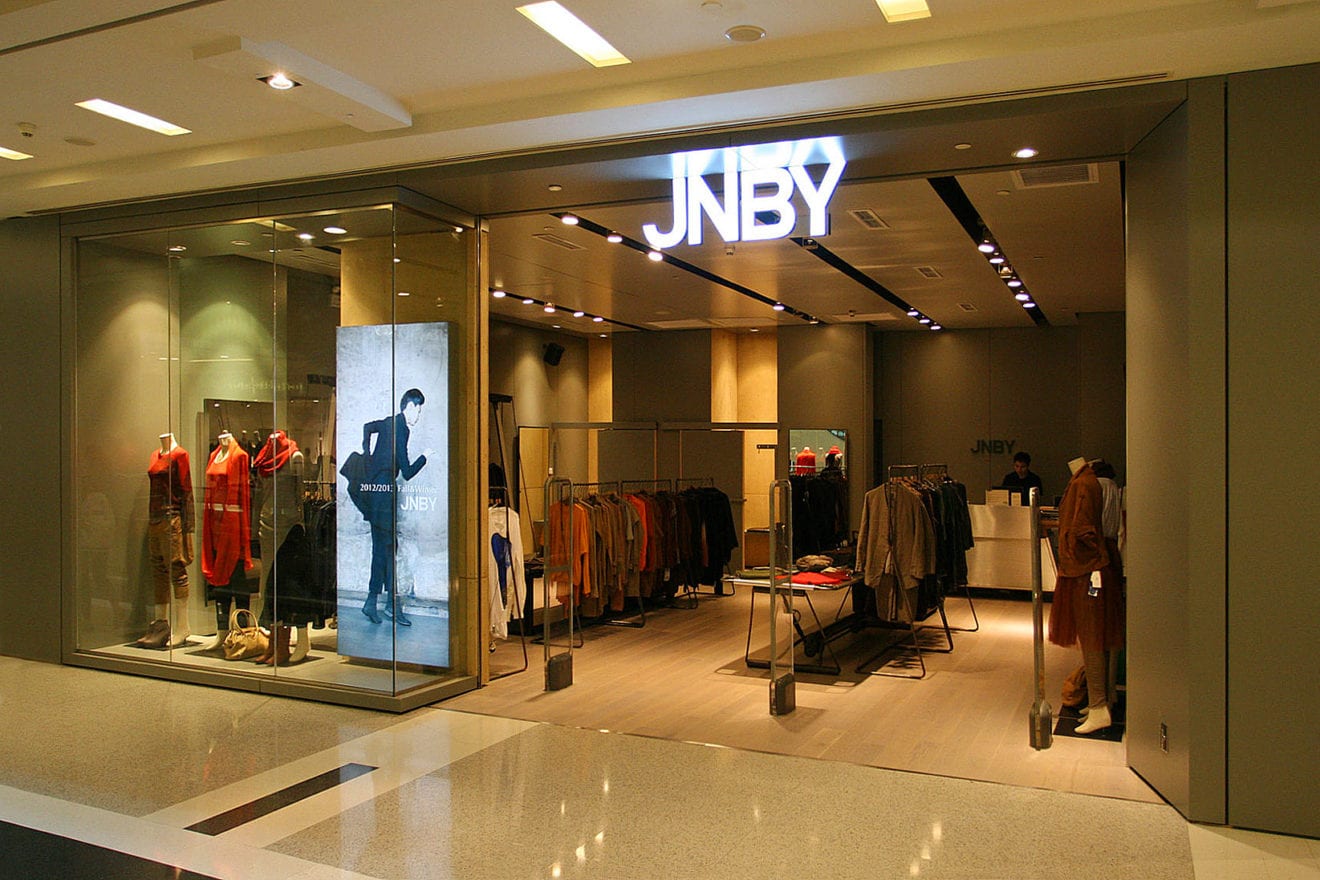
    JNBY, a big Chinese fashion retailer, now has its shingle hanging at Pacific Place mall.

    The brand has more than 700 stores, mostly in China, but some in Europe, Asia and Canada. Its store here is being heralded by SightClassic LLC, the Seattle retailing company that runs the location, as JNBY’s first in the U.S.

    But it’s more complicated than that: The brand had a pop-up store in New York’s SoHo in 2009, which according to media reports, a few months later turned into something more permanent. That experiment failed: It closed after two years, according to retail website Racked.

    Perhaps it’ll fare better in Seattle, where the recent visit of Chinese President Xi Jinping highlighted growing economic ties with the Asian superpower.

    SightClassic says it’s JNBY’s “fully authorized distributor” in the U.S., and that it operates an online JNBY store on Amazon. On Thursday, however, the website featured no products for sale.


  • Migme buys in Indonesia

    Migme buys in Indonesia

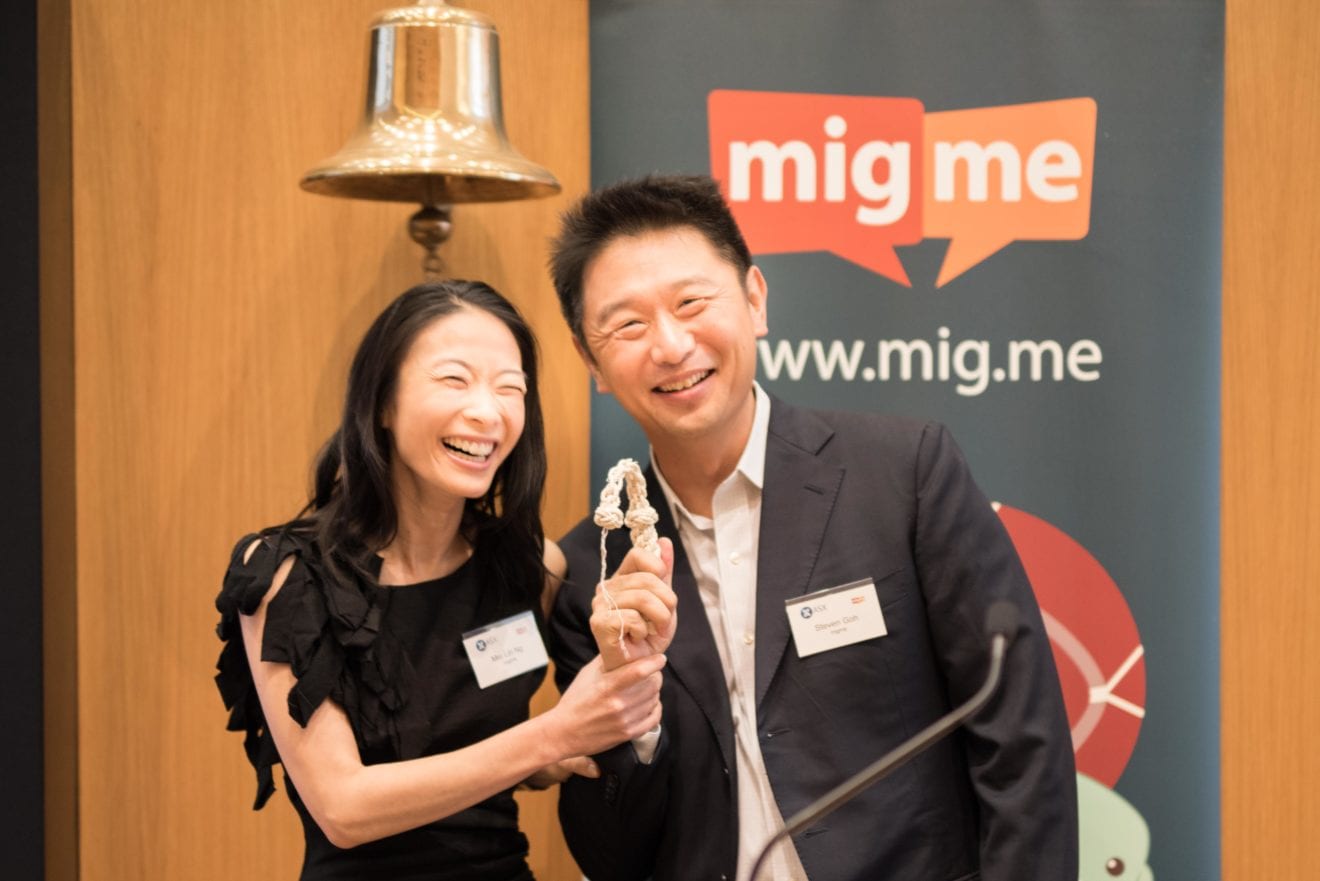
    Social networking company migme has announced the acquisition of two Indonesia-based companies, while finalising a $3.5 million convertible note issue.

    migme announced today the purchase of social news site Hipwee Media Solutions and Shopdeca, which operates two retail sites.

    The value of the acquisitions were undisclosed.

    migme chief executive Steven Goh said the Hipwee acquisition would replicate the company’s service offering in other countries, such as India and the Philippines.

    “Hipwee has always aimed to be the most influential media company for young Indonesians and joining migme will allow us to continue to pursue our mission in a whole new level,” he said.

    Hipwee delivers curated and original community generated content focused on entertainment, relationships and travel, targeting Indonesian urbanities.

    The team comprises 16 editorial and community staff, who write and curate content.

    Shopdeca, meanwhile, will enable migme to launch its ecommerce operations in Indonesia with two retail sites, which provide curated lifestyle products for Indonesian consumers.

    As part of the acquisition, Shopdeca founder Andreas Tharmin will join migme as global head of ecommerce.

    “We’re gaining valuable local market expertise and we look forward to the acquisition being a positive contributor to group results in 2016,” Mr Goh said.

    Meanwhile, migme also announced it had finalised the issue and placement of convertible notes at $1.10 per share conversion ratio and raising a total of $3.5 million.

    The price of the notes were a 22 per cent premium to migme’s opening share price.

    In a statement, the company said the proceeds would be used to fund acquisitions and accelerate market penetration in Asia.

    “The company believes raising funds via the convertible note issue is in the best interests of shareholders at this stage as it allows the business to better execute its expansion plans and achieve its stated objectives,” the company said.

    Shares in migme were 2.2 per cent higher to 90 cents each at the close.

  • Indonesia just banned a $100 million Uber-like startup, and it is suddenly worth nothing

    Indonesia just banned a $100 million Uber-like startup, and it is suddenly worth nothing

    Go-Jek, the $100 million Indonesian start-up which provides an Uber like service with motorbikes has just been made illegal.

    Indonesian media is reporting that the Ministry of Transportation has asked local police to take action against the operators of internet based transport services as well as prohibit drivers of the service due to their effect on other forms of public transport.

    The government is claiming that their reasoning behind the bans of the services are due to the motorbikes not meeting the requirements needed for a public transport vehicle.

    Go-Jek currently has around 20,000 drivers in Indonesia across major cities such as Jakarta, Bandung and Bali, with many driving as their sole source of income.

    Just yesterday Google announced that Go-Jek was the most searched term in Indonesia in 2015.

    Uber and other local app based transport services such as Grab Taxi have also been banned in Indonesia as part of the ruling.

  • Uber says obtains government approval to operate in Jakarta

    Uber says obtains government approval to operate in Jakarta

    Uber Technologies Inc said on Tuesday it had received the green light from the Jakarta governor to operate in the Indonesian capital after giving assurances that it would comply with local tax rules and other requirements.

    Jakarta police had earlier this year deemed the U.S. car-hailing service illegal, saying its drivers did not pay the correct taxes and the company did not have the licence needed to operate as a form of public transport.

    In a statement, Uber said it is working with the office of the city’s governor, Basuki “Ahok” Tjahaja Purnama, and Indonesia’s investment coordinating board to establish itself as a legal entity in Indonesia, pay taxes, have adequate insurance and ensure its “partner vehicles” undergo regular inspection.

    “Previously there was tremendous regulatory ambiguity,” Uber spokesman Karun Arya said in an email. “Governor Ahok has now provided clear direction for Uber in terms of specific requirements for Uber and other ride sharing platforms to operate and thrive in Jakarta.”

    Uber has registered with Indonesia’s investment coordinating board as a technology or web company, Mr Arya added. There was no immediate comment from the Jakarta governor’s office.

    Privately owned Uber has grown aggressively worldwide with its matchmaker service for drivers and passengers, but a lack of regulation for the relatively new business model has brought it to the attention of authorities.

    The company is also facing stiff competition from rivals U.S.-based Lyft, China’s Didi Kuaidi, Southeast Asia’s GrabTaxi and India’s Ola, which recently formed a global ride-sharing partnership.

    In Indonesia, Uber currently operates in Bali, Bandung and Jakarta, a city notorious for its traffic congestion and lack of public transport.

    In an email, Uber said it planned to expand to more cities in Southeast Asia’s largest economy next year, and would boost the number of its drivers to 100,000 by 2017 from more than 12,000 currently.

  • Indonesia needs 1 million tonnes of rice from Vietnam

    Indonesia needs 1 million tonnes of rice from Vietnam

    Indonesia plans to import one million tonnes of rice from Vietnam to meet the country’s high demand, according to Indonesian Ambassador to Vietnam Mayerfas.

    He made the statement at a press conference in Hanoi on December 4 to introduce an Indonesia trade fair and an Indonesia-Vietnam business forum slated for the middle of this month at the Hanoi International Centre for Exhibition.

    Indonesia also has great demand for Vietnamese coffee, the ambassador said, adding that the country imported 40-50 million USD worth of the commodity in 2014 and the figure is expected to increase from 2016.

    He affirmed that the trade fair and business forum, as part of the activities to celebrate 60 years of diplomatic ties between Vietnam and Indonesia, will be a valuable opportunity for both nations’ enterprises to bolster cooperation and set up business links.

    Some 100 Indonesian enterprises will showcase their high-quality products at the fair, including automobiles and spare parts, pharmaceutical and medical equipment, food and beverages, among others.

  • UOB to help Jakarta draw investments

    UOB to help Jakarta draw investments

    United Overseas Bank (UOB) is linking up with an Indonesian government agency to encourage more foreign direct investment (FDI) into Indonesia.

    Under an agreement signed yesterday, the Investment Coordinating Board (BKPM) will allow UOB clients to apply for what is called a Principle Licence here without having to travel to Indonesia.

    A foreign company must obtain the licence as an initial step to incorporating an entity there.

    BKPM, which is under the direct supervision of President Joko Widodo, supports foreign investment into the country and helps Indonesian companies venturing overseas.

    UOB said it will support Indonesian investors looking to expand overseas through BKPM’s Indonesia Investment Promotion Centre in Singapore.

    BKPM will also help UOB clients take advantage of business opportunities in Indonesia.

    Last year, Indonesia was the second-largest recipient of foreign direct investment inflows into Asean, receiving US$28.5 billion (S$40.2 billion), UOB noted.

    China’s FDI into Indonesia has increased more than fivefold over the past three years, growing from US$141 million in 2012 to US$800 million last year, UOB said.

    Mr Sam Cheong, head of UOB Foreign Direct Investment Advisory, said opportunities in the region will be boosted by the upcoming Asean Economic Community.

    Under China’s “One Belt, One Road” initiatives, trade and investment between China and South-east Asia will likely continue growing, he added.

    BKPM chairman Franky Sibarani said in a statement: “(The agreement) will help to promote investments in Indonesia across major sectors, such as the infrastructure, maritime, import substitution, export-oriented, agriculture, downstream mining, industrial estate and tourism industries.”

  • Lenovo Indonesia flagship opens

    Lenovo Indonesia flagship opens

    Lenovo Indonesia has opened its first flagship store in Jakarta.

    It is the first time the Chinese technology giant has showcased products from all the categories it competes in under the one roof in Indonesia.

    The new store is located in Ratu Plaza Jakarta, providing customers with an integrated one-stop service.

    Lenovo store Jakarta


    Lenovo Indonesia GM Rajesh Thadani said the company’s existing stores in Indonesia tended to focus on specific categories.

    “With this flagship store concept, we can provide our customers with all Lenovo products from servers, PCs, smartphones and tablets through end-to-end [sales],” he said.

    Another 11 flagship stores are planned for Indonesia over the next three years, three of them within six months.

    Intel and IT Gallery are partnering in the stores’ development.

    Lenovo is actively building its brand awareness across Asia with a goal to become a major vendor of smartphones as well as building upon its market leadership in laptops.

  • Blogmint to expand in Indonesia

    Blogmint to expand in Indonesia

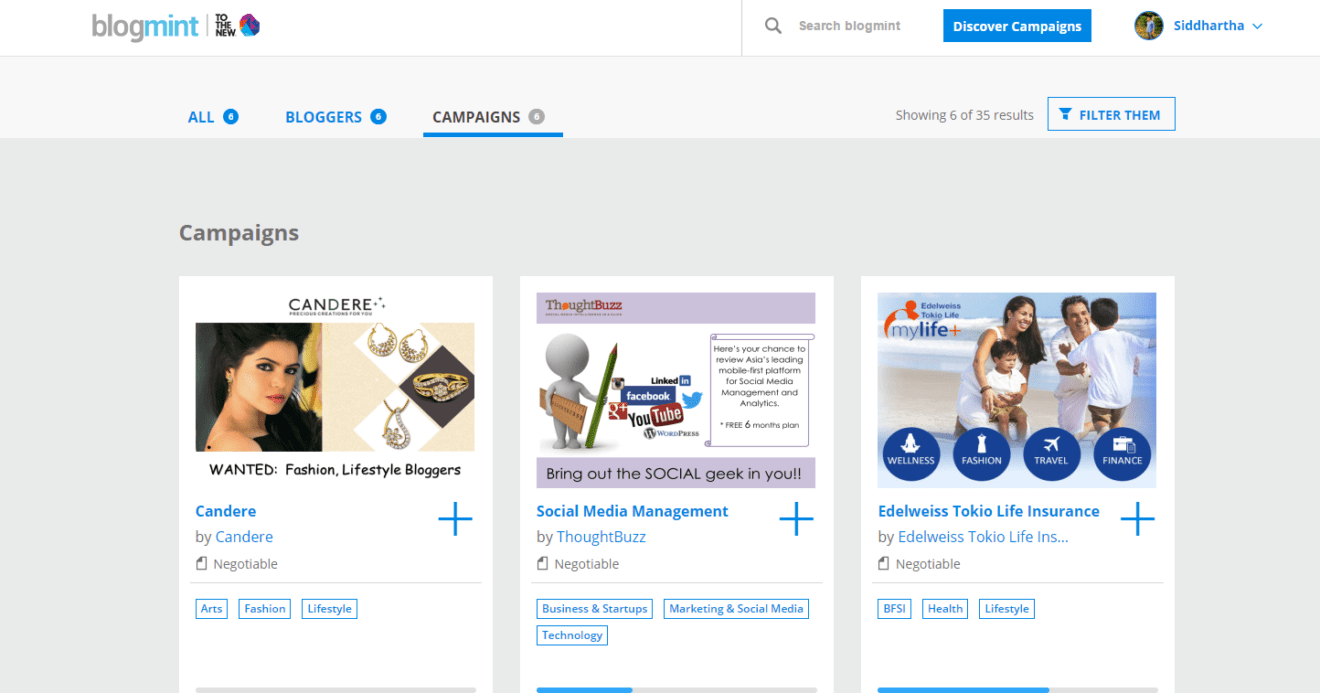
    Blogmint, a product-based influencer marketing platform, on Thursday announced its expansion into Indonesia. Part of The New Ventures, Blogmint helps brands connect and collaborate with 20,000 social media influencers, including bloggers, vloggers, Twitterati and Instagramers.

    According to a recent report from McKinsey, marketing-inspired word of mouth generates more than twice the sales of paid advertising, and these customers have a 37 per cent higher retention rate, says Blogmint. According to the company, social media influencers are a source of inspiration for thousands of loyal followers and are seen as authentic and trustworthy, so brands, both big and small, are increasingly engaging social influencers as part of their marketing mix to connect with social and mobile-first consumers.

    “Influencer Marketing is the next big thing in digital marketing, and Indonesia, like other Asian markets, is untapped. This, along with the fact that Indonesia has a vibrant influencer community, we have huge expectations from this market” said Irfan Khan, CEO of Blogmint.

    “Blogmint aims to have on board more than 20,000 influencers in Indonesia during the next 9-12 months. In the longer run, we see ourselves as the market leader in the influencer marketing segment in APAC, helping brands and agencies collaborate with influencers across the region in a few clicks”, he added.

  • Indonesia through the eyes of local startups

    Indonesia through the eyes of local startups

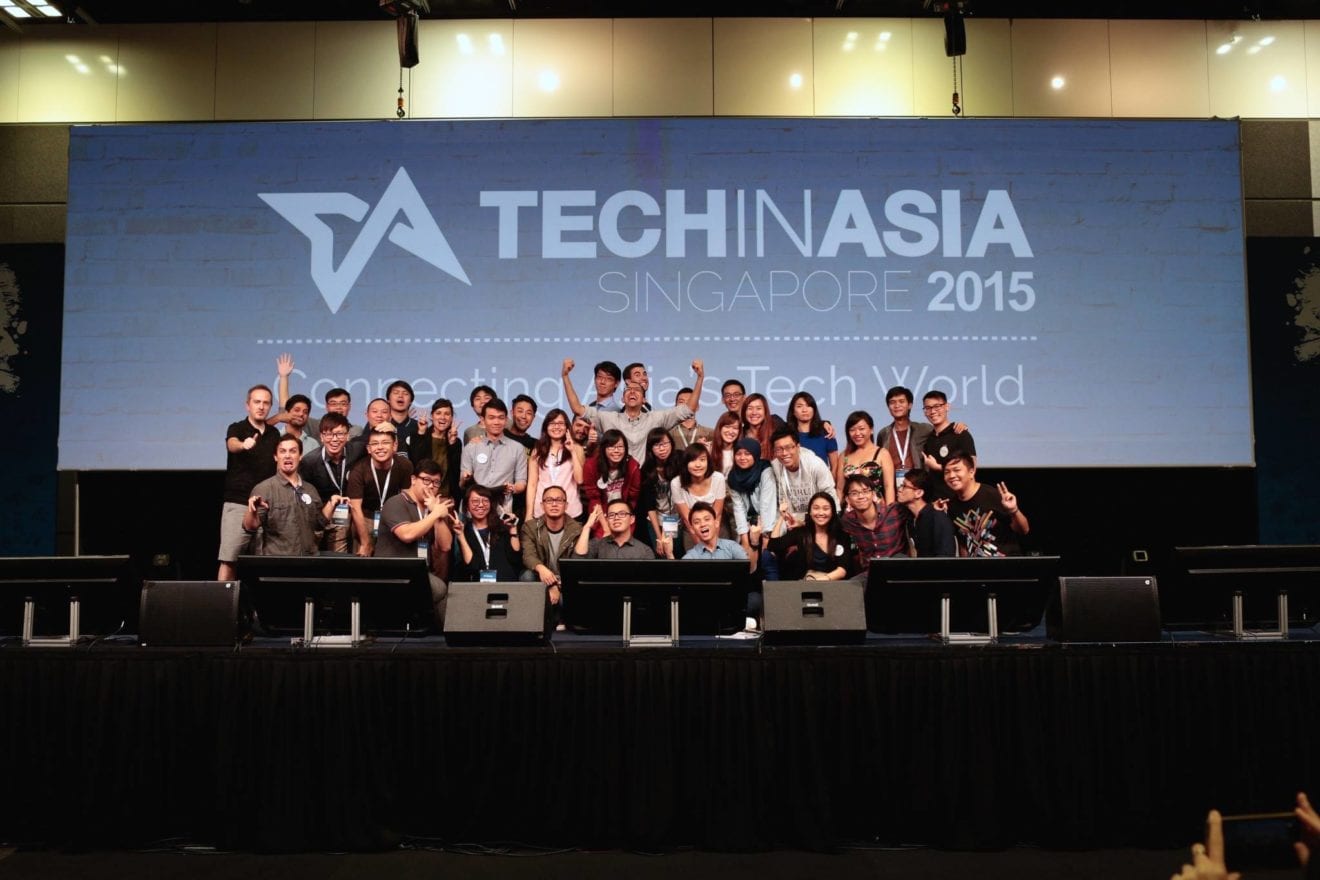
    11 and 12 November were two days of highly intensive activity at the Tech in Asia Jakarta 2015 held at Balai Kartini. From my sources at TIA, it was a whopping 4123 attendees, the largest turnout for a TIA event.

    The sheer crowd was a testament to Indonesia’s importance as a major South-East Asian consumer market. 142 of 184 startups hail from the host nation Indonesia at the Bootstrap Alley, the startup exhibition area.

    I have read many news sources about the Indonesian market, spoken to many people involved in Indonesian businesses, but my access to the local startup community has been limited, until now.

    tech in asia jakarta 2015 bootstrap alley featured image

    Intrigued to know Indonesia through the eyes of local startups, I told my investment team to spread out and take different alleys and speak to as many Indonesian startups as possible to learn more about the scene.

    At the end of the trip, we compared our notes and came up with some interesting observations. Due to the sensitivities of information being shared here, all names have been removed.

    New tech, same old way of business

    You would have expected a cultural shift of Indonesians adopting mobile technology as a new way of doing business, but the business scene is still dominated by very powerful and connected people who dictate the speed and direction of the technological adoption.

    “These powerful people have many companies under the guise of proxies and the company ownership structure is complex. Information is very scarce on who is the ultimate owner. Many of these companies own approved permits for various projects, which are awarded to them from their connections to the government. You have to work with these companies in order to gain access to a larger slice of the market,” says a startup founder working on an ecommerce platform selling a restricted good.

    For my business, I need to do four things to get it moving. Funding my operations is one. Next is to get access to a company which owns a permit to import these restricted goods. In this industry, there are only eight such companies holding permits. I have access to two.”

    “Supplies and funding,” I thought to myself. What else can there be? “Next, I have to be on very good terms with the police, to ensure they won’t cause trouble for me. There is no bribing, just ensure we are in communication and having good relations. Next is the mafia, to ensure they also won’t cause trouble for me,” he explains. What a balancing act he has to do. He didn’t mention about whether he needs to pay off the mafia though.

    He explains that Indonesia is a place where you have to identify first the right people in power and to connect with them to gain access to a certain market. He claims his market is niche, but I feel that he is hiding the real huge potential of the market. By having two of eight suppliers working with him, he is effectively addressing an estimated 25% market share of this vertical, assuming equal market share per supplier.

    Complimentary, not disruptive

    Another founder, who reads many articles on US entrepreneurs, says the US founders tend to claim their business model is disruptive and changes the way people work and live.

    “But here in Indonesia, remember that the economy is run by many powerful people. If you mention the word disruptive technologies, these people will regard you as a threat and go all out to block you. Rather, always say you are here to compliment their existing businesses and help them earn more money. Never go head-on with the incumbents. You might just get yourself ‘disrupted’,” he gives a shiver for dramatization.

    Mobile ecommerce is a huge size available for all

    Despite the dominant ecommerce players in Indonesia, the sheer market size makes it available to all, even the small-time businesses. An Indonesian investor who invests in hyper-local startups mentions:

    “Take Jakarta for example, there are many hyper-local ecommerce startups serving neighbourhoods. With the population density so high in the cities, many small-time startups are able to tap into these places and build their customer base and grow from there. It is not a nationwide expansion like the large players, but you can earn a decent living serving a small area. And don’t bother to build an ecommerce website. Everyone is on a smartphone. Going mobile is the easiest to start.”

    But for B2B businesses, it seems that web is still the way to go. I spoke with another startup that is an Alibaba me-too, focusing on very specific categories like fashion clothing. They connect wholesalers to distributors in Indonesia via their website.

    Despite being only in the market for a few months, they have already transacted a good number of B2B deals online. But given that the founder’s family is already in the trade, it might be their own existing orders going online that is creating the traction.

    Split-founder personalities

    Given space constraints, only 90 or so startups could exhibit on the first day, and the remainder presented on the second day. But it was an irony that the founders on day one came back on day two as founders of another startup!

    It is apparent in the Indonesian culture not to dabble in one startup but rather to try as many. “The opportunities are just so many that it would be stupid not to have multiple businesses,” quips a founder.

    He himself has four startups, working with various partners across the three cities of Jakarta, Bandung and Surabaya. “We have friends everywhere who have good connections for different businesses. We have our own connections and thus connecting all the dots from various cities to build a business together makes sense.”

    When I asked him how he manages his time, he smiles and says, “I wear different hats, just sometimes, I have to put on all hats. It is fun!”

    Ending thoughts

    As I took off from Soekarno-Hatta airport, I have been left with an impression that Indonesia’s tech startups are still basic in nature and not cutting edge. Founders have shared that the consumer market is still very much in its infancy stages and focused on bread and butter issues.

    However, there is no need for disruptive technologies yet as enabling technologies like transportation, ecommerce and communications need to be established first. Having strong existing cultural business norms of working with the bourgeoisie shows that running a big business requires a long-term plan.

    Further adding to the complication is the government’s many 87 regulations that prevent effective foreign investments and the creation of startups. But for those who are willing to slog it out, Indonesia’s huge population size is one attraction with its might and potential that entrepreneurs cannot ignore.

  • 8th Holiday Inn Express in Indonesia Opens in Central Jakarta

    8th Holiday Inn Express in Indonesia Opens in Central Jakarta

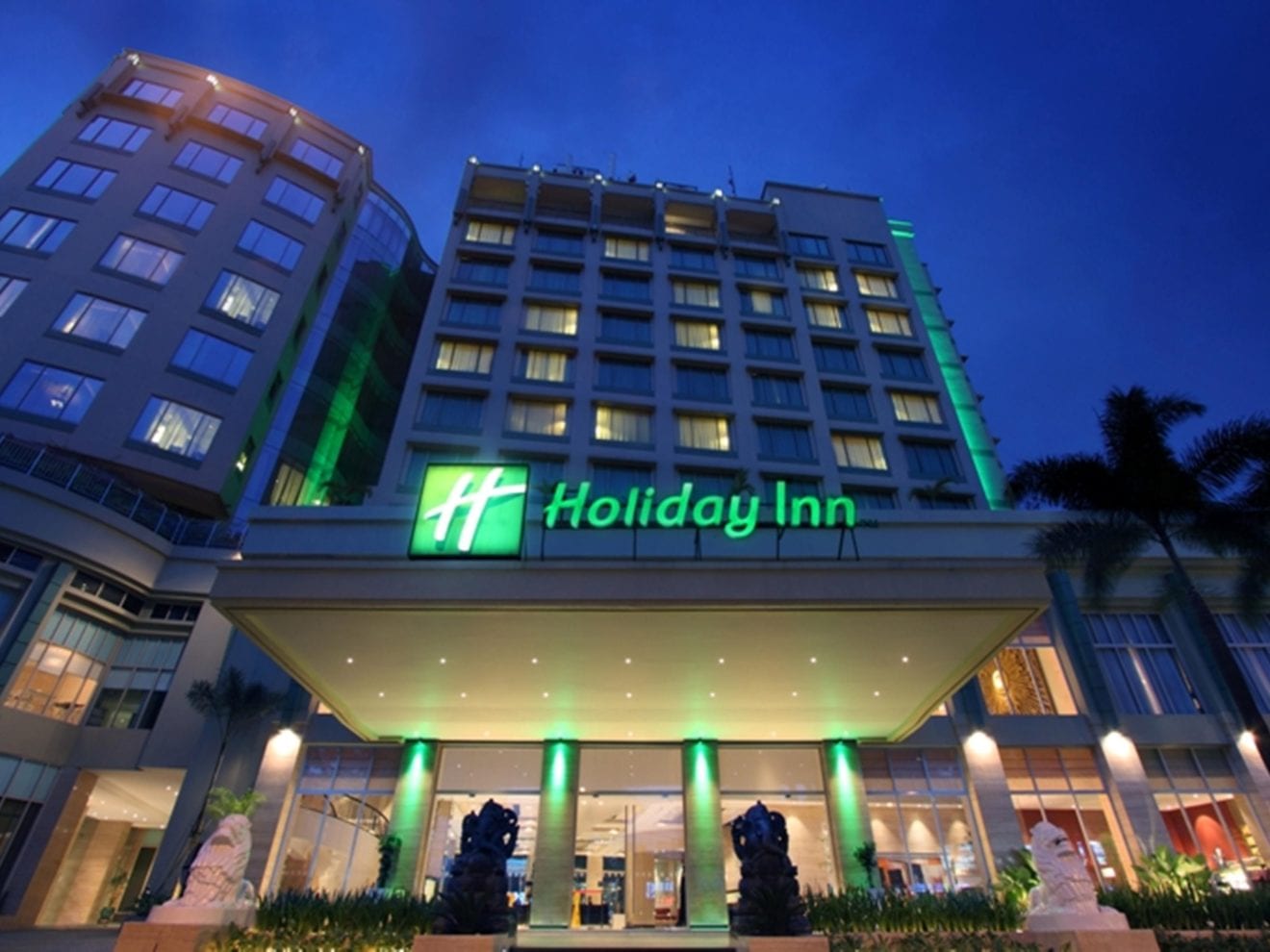
    InterContinental Hotels Group is celebrating the opening of Holiday Inn Express Jakarta Wahid Hasyim in the heart of the capital, making it the 8th Holiday Inn Express in Indonesia. The 160-room hotel’s city-centre location is within minutes of the city’s colourful markets and major shopping malls, the Central Business District (CBD) and other attractions.

    Leisure travellers will find themselves within walking distance of Jakarta’s shopping paradise featuring Grand Indonesia, the largest shopping mall in the country, along with Plaza Indonesia and Pasar Pagi Tanah Abang, the largest clothing wholesale market in Southeast Asia, to fulfil all their shopping needs while exploring the best of the city.

    Centrally located along the bustling Jalan K.H. Wahid Hasyim, the hotel is walking distance from the city’s main business district at Jalan M.H Thamrin and a short drive from other major commercial areas such as Jalan Jendral Sudirman and the vibrant Kuningan neighbourhood in Jakarta’s Golden Triangle. In addition to hassle-free access to major offices, banks, embassies and government buildings, the hotel offers free high-speed Wi-Fi access and in-room ergonomic work spaces, making it a smart choice for business travellers who want to optimise their time in Jakarta.

    Leanne Harwood, Vice President, Operations, South East Asia, IHG, said: “Holiday Inn Express is one of the fastest growing hotel brands in the world. In Indonesia, we have opened an average of one every three months since the brand debuted in the country two years ago. With more than 20 million travellers expected in Indonesia over the coming years, we are confident that Holiday Inn Express will cater to the needs of on-the-go travellers looking for a comfortable and affordable place to rest and relax after a long day out and about, whether for business or leisure.”

    When at the hotel, guests can look forward to a refreshing stay with a choice of queen or twin guest rooms, an efficient check-in and convenient amenities including:

    – Free and fast in-room Wi-Fi
    for guests to stay connected throughout their stay.

    – Comfortable and high quality bedding with a choice of firm or soft pillows for a restful sleep.
    – Free Express Start™ Breakfast with a Grab & Go option for a productive day ahead.

    – Revitalising power showers with a three-function massage showerhead and quality towels to stay refreshed.
    – A 24-hour fitness room for travellers to keep active and energised away from home.

    – Self-service business centre, internet and laundry stations

    Holiday Inn Express Wahid Hasyim is the 4th Holiday Inn Express hotel in Jakarta, joining Holiday Inn Express Jakarta International Expo, Holiday Inn Express Jakarta Thamrin and Holiday Inn Express Jakarta Pluit Citygate. There are four more Holiday Inn Express properties across Bali, Semarang and Surabaya with seven more due to open in Indonesia over the next three to five years. Globally, there are close to 2,400 Holiday Inn Express hotels with more than 540 in the pipeline.

  • XL Axiata targets Bandung, Jakarta for next 4G 1800MHz launch

    XL Axiata targets Bandung, Jakarta for next 4G 1800MHz launch

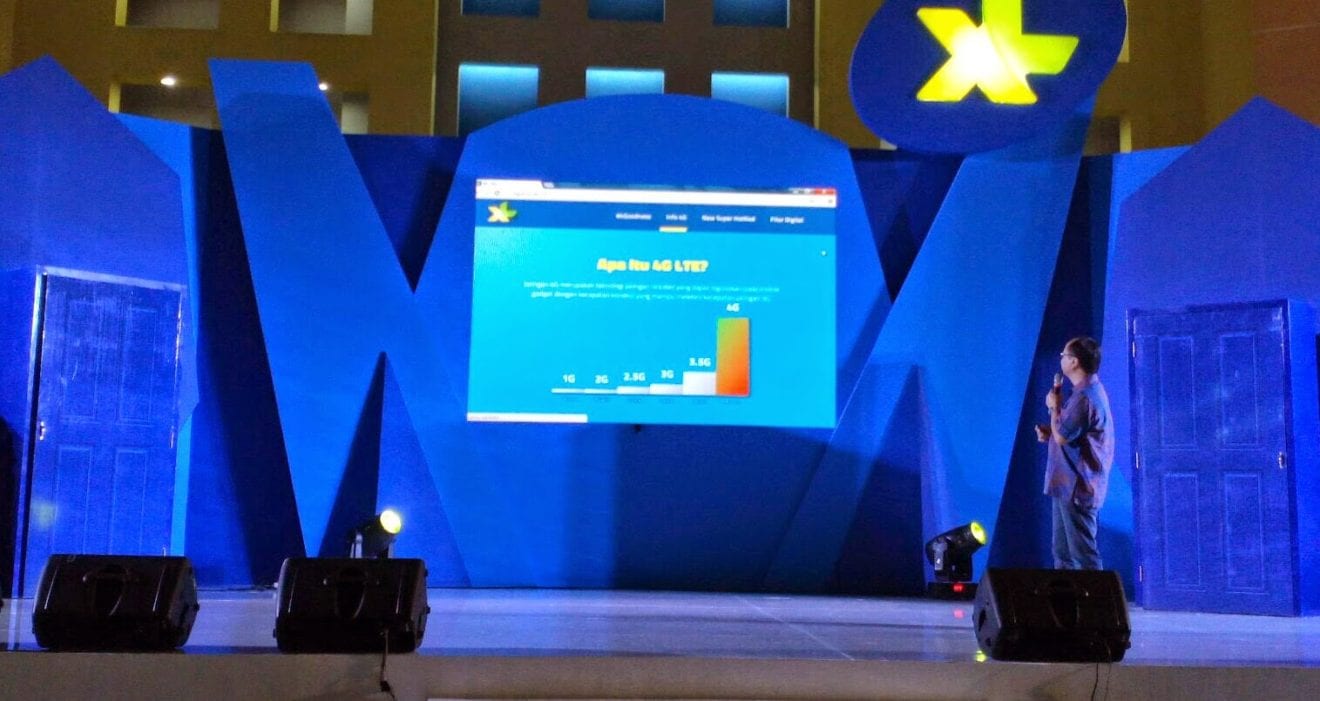
    The Indonesian mobile operator XL Axiata has revealed that the ongoing phased rollout of 1800MHz 4G LTEservices will target a commercial launch in Bandung, West Java by the end of the month, followed soon after by Jakarta in November, after the company concludes its nationwide spectrum refarming programme. Dian Siswarini, President Director and CEO of XL Axiata, notes that the process has already reached Central Java and will be completed next month to comply with the ministry’s 23 November deadline. ‘There have been minimal obstacles in the refarming process. That’s why we are confident to say that we are able to have 4G LTE services operating in Bandung by the end of October, and in Jakarta by November,’ she said.

    XL introduced its first 1800MHz 4G service in Lombok, West Nusa Tenggara in July 2015, followed soon after by Denpasar (Bali) and Surabaya (East Java). It currently has around 1.2 million 4G users to its 900MHz service, although Dian concedes that some customers have complained that LTE-900 is proving to be little faster than XL’s W-CDMA-based 3G network. Last month XL Axiata, which is 66.5%-owned by Axiata Group of Malaysia through Axiata Investments (Indonesia), selected Ericsson to act as its turnkey supplier for 4G LTE design and implementation in Jakarta and Central Java, as well as for 2G and 3G upgrades to meet an explosion in demand for data traffic. Under a three-year contract, the Swedish vendor will supply all necessary hardware, software and services to deliver 4G services for XL Axiata’s subscribers. The pair say the deployment will improve both network capacity and data transmission speeds.

    In another development regarding the government’s recent plan to tighten procedures on the purchase of mobileSIM cards, The Jakarta Post quotes Dian as saying that XL Axiata had prepared for the regulation in terms of its data systems and forging standard operating procedures (SOPs) with retail outlets to make them aware of the regulation. The telecoms ministry and the telecommunications regulatory authority (BRTI) issued a regulation in September, requiring customers to show an ID upon the purchase of pre-paid SIM cards starting 15 December.

  • Indonesia ICT sector assessment

    Indonesia ICT sector assessment

    Information and communications technology (ICT) connectivity in Indonesia as a growing economy faces huge challenges in preparing for the future.

    The world’s largest archipelago consisting of more than 17,500 islands with a population of nearly 250 million requires substantial investments in domestic ICT infrastructure and international connectivity to meet the strong growing demand from the private and public sectors.

    New technologies require an ICT infrastructure with sufficient capacity. Reliable interconnection with other ASEAN member countries to remain competitive in the interconnected world is another aspect of why ICT should be considered a priority sector.

    In October 2014 the Indonesian government unveiled a Rp 278 trillion broadband connectivity plan in order to boost economic growth. The plan defines broadband development in Indonesia and sets the strategy and major milestones for the coming five years.

    The main purposes of broadband development are to encourage economic growth and increase the competitiveness of the nation, to support the improvement of human development and to safeguard the sovereignty of the nation.

    The Networked Readiness Index (NRI) 2015, published by the World Economic Forum, includes 143 countries and measures the propensity for the countries to exploit the opportunities offered by information and communications technology.

    The NRI considers several indicators, such as the political and regulatory environment, the business and innovation environment, infrastructure and digital content, affordability, skills, individual usage, business usage, government usage, economic impacts and social impact.

    In the last assessment in 2014, in which 146 countries were covered, Indonesia dropped 15 places to 79th, while Singapore claimed first, Australia 16th, Malaysia 32nd, China 62nd, Thailand 67th, the Philippines 76th, Vietnam 85th, Lao PDR 97th, Cambodia, Timor-Leste 134th and Myanmar 139th.

    To attract local and foreign investments a more business friendly environment is required in Indonesia. The business society in particular is demanding a fight against corruption, the cutting of red tape, infrastructure development and the improvement of the tax system. The same applies, of course, for the Indonesian ICT sector.

    To meet the requirements and keep pace with international developments, including connectivity to other ASEAN member countries, the broadband connectivity plan, which describes the path to the right direction, should be implemented in the given timeframe. Further considerations, recommendations and implications related to ICT development in Indonesia are pointed out in the following:

    As addressed in the broadband connectivity plan, educational and training skills, including English language skills, should be enhanced by connecting schools to the Internet and implementing e-Education and e-Learning programs. Competence centers consisting of experts from academia and the private sector should be established to boost research and development (R&D) in Indonesia.

    World Bank data shows that Indonesia spent the equivalent of 0.07 percent of its gross domestic product (GDP) on R&D in 2010. Meanwhile, Malaysia spent 0.63 percent, Singapore 2.2 percent and Thailand 0.25 percent in the same period.

    For a modern technology infrastructure, state-of-the-art data centers for public use (e.g. national and international telecommunications operators and companies) are required in major cities and business centers, taking into consideration environmental risks (e.g. earthquakes, floods, landslides and volcanos), redundancy aspects (backups and disaster recovery), security (access, surveillance and stable power) and professional operations.

    Cross-sector infrastructure sharing reduces costs. Ducts, towers, masts, power grids, facilities, etc. can be shared between the telecommunications, the energy and the transportation sectors.

    For public-private partnership (PPP) opportunities identify and classify infrastructure development and new public service provisions that will improve ICT usage and convergence in Indonesia (e.g. increased Internet penetration, improved mobile services, improved opportunities for convergence, content development, etc.).

    Beside manufacturing of ICT products, promoting niche markets or new technologies and trends like mobile applications, IT outsourcing, hosting services, enterprise private clouds, 4G/5G, Internet of Things (IoT), Machine to Machine (M2M) communications, Green ICT, Call Centers, etc. shall be considered.

    International development and trends in the ICT sector should be observed to ensure harmonization of policies and regulations including cross-sector regulation.

    For international connectivity, Indonesia is depending on international submarine cables, most of them currently routed via Singaporean and Malaysian waters. New submarine cables with diverse routes are planned for the coming years. For example, the Southeast Asia-US submarine cable will connect Manado in Indonesia as the new eastern Indonesian gateway and Davao in the southern Philippines via Guam to the United States’ west coast.

    When completed in 2017 at an approximate cost of US$250 million, the approximately 15,000-kilometer cable system will provide an additional 20 terabits per second (tbps) capacity, connecting Indonesia and the Philippines to the US with state-of-the-art 100G technology.

    Redundancy and diverse routing of submarine cables is important to protect connectivity against terrorist attacks, sabotage and cable cuts by natural disasters such as seaquakes or by anchors.

    The announcement of the Indonesian government for the formation of the National Cyber Agency (NCA) is a step in the right direction. With regard to cyber-attacks, Indonesia is ranked as one of the world’s top three targets. The NCA should develop and implement strategies for the defense against rising cyber-attacks to protect Internet users, the government, financial services institutions and other businesses, including sensitive sectors like the transportation and the energy sectors.

    Strengthening the awareness of the public about privacy and cybercrime committed through e-mail scams, SMS or social media should be another focus area of the NCA.

    On behalf of consumers, the government of Indonesia shall ensure that the service quality of telecommunications operators improves and minimum international accepted quality of service (QoS) standards shall be enforced and regular monitored for all segments (fixed, mobile, Internet and broadcasting services). With currently more than 280 million SIM cards issued to users, mobile is the main access to the Internet.

    “Last mile” and campus/in-house cabling are very often bottlenecks for high speed landline data connections. Even if the fiber optic backbones of the telecommunications operators allow high speed data, cable connections between the exchanges of the operators and campuses or buildings (“the last mile”) of the consumers are often old and faulty copper cables that do not allow high speed data transfer. The telecommunications cabling on campuses and in buildings (“in-house cabling”) is mostly the sole responsibility of the landlords.

    With its young population, Indonesia has a market potential of about 250 million consumers. Taking the right measures, considering the actual international development and best practice experiences in the global ICT sector, Indonesia has a realistic chance to strengthen its national ICT sector in the coming years and so play an equal role in the very competitive Asian and global markets.
  • 5 unique challenges all ecommerce firms face in Indonesia

    5 unique challenges all ecommerce firms face in Indonesia

    People talk a lot about Indonesia’s burgeoning ecommerce market, and how Jakarta may very well be on the cusp of an online retail revolution. Over the past 12 months, we’ve seen more activity in the sector than ever before, with new firms emerging and big-league investment coming in simultaneously.

    Naturally, these are all positive signs that point toward a maturing market in the region; hopefully one that can push Indonesian ecommerce into the mainstream conversation in Asia. It would be great to see online shopping reach five percent or more of the nation’s overall retail sector, but for now we can only speculate on the future.

    indonesia-streets-1

    Like any market, Indonesia has its own set of challenges, caveats, and peccadillos that all ecommerce founders are forced to cope with. In the past, we’ve cited the archipelago’s hellish logistics landscape, weak payments infrastructure, and a fragmented market as some of those limitations. However, there is a second layer of challenges that all estores will face in the gauntlet that is Indonesia.

    This is a set of generally accepted idiosyncrasies that newbie e-tailers — and especially foreigner founders — will run into on a daily basis in Jakarta, so take notes. In no particular order, here are five cultural challenges all ecommerce firms, new or seasoned, will face in Indonesia.

    Price-sensitive shoppers

    Indonesia-ecommerce

    It’s true, Indonesia has one of the most attractive emerging middle-classes in the world. By 2030, an estimated 90 million people will have joined the consuming class. That said, Indonesians are, to put it mildly, true suckers for sales and discounts. Locals have a strong proclivity toward finding the best prices at all costs.

    This is no secret to anyone who lives in Jakarta, as it’s extremely common to see hundreds (sometimes thousands) of locals waiting in line at the mall just for a 50 percent off sale to happen at Bershka or the Samsung store. Nevermind the time, energy, and fuel spent to get to the store across town or the fact that folks may not have felt compelled to buy anything in the first place, had there not been a sale.

    Boston Consulting Group says Indonesian shoppers actively seek out promotions and hunt for deals. At the lower half of the income pyramid, this is a function of family dynamics. Men typically give their wives a monthly budget for the family. The more money these women can save on groceries, the more they have to splurge on small indulgences for themselves. However, the bargain-hunting drive spans the wealth spectrum — more than 60 percent of the overall population says they enjoy searching for discounts and promotions, and more than 70 percent of the country’s affluent population says they enjoy doing so.

    This might seem like more of a blessing than a curse at first glance, as demand can be easily created so long as merchants temporarily lower their prices. But in the end, competition often becomes a race to the bottom and profit margins suffer if you don’t plan your discounts as if you were going into brain surgery. Anyone thinking about opening an estore in Indonesia needs to firmly understand the lowest price they can offer while still being able to turn a profit. If it’s not in the same ballpark as the nation’s big competitors, both online and offline, new web firms will need to rethink their strategies.

    Risk aversion

    New ecommerce names in Indonesia, even ones as big as JD for example, are going to have to work twice as hard as their more established counterparts when it comes to acquiring and retaining users. According to a recent McKinsey study, Indonesian consumers have some specific shopping behaviors. They are risk-averse and brand-loyal. 63 percent of Indonesian consumers only buy products from brands they already know. This positions them as late adopters because they need to be encouraged by friends and family before they choose to adopt new products.

    Bank Mandiri cites this challenge as a short-term hurdle in the grand scheme of things, however, as purchasing behavior will likely change when Indonesia’s internet infrastructure improves, and more people come online for the first time. However, for smaller ecommerce sites without a bankroll and several years of runway, they’ll need to find new and creative ways to get local shoppers to trust their brand, and do so fast.

    Deep-pocketed competitors

    Lazada-indonesia-home

    Rocket Internet’s Lazada Indonesia, Lippo Group’s MatahariMall, SoftBank and Sequoia-backed marketplace Tokopedia, and now JD.id — the Indonesian arm of the Chinese ecommerce giant — are all firms with copious spending power. All are up and running in Indonesia, and those who are intimate with Indonesia’s ecommerce landscape understand how unwise it is to challenge these guys head-on.

    Lazada Indonesia is perhaps the biggest force to be reckoned with, as overall spending on Lazada Group’s Southeast Asia portals jumped from US$89 million in 2013 to US$350 million in 2014. Indonesia’s shoppers made up over 30 percent of that, says CEO Max Bittner. To date, the firm has pulled in US$686 million in funding on public record. Tokopedia grabbed US$100 million last year, and MatahariMall also claims to be earning hundreds of millions. JD is a publicly traded company that’s raised around US$2.6 billion to date.

    If you want your fledgling ecommerce venture to work out, you’re going to need to find multiple ways to differentiate yourself from these firms or face certain death. Homework and competitive analysis is a must.

    An increasingly frothy market

    There are many figures that paint a positive picture of Indonesia’s ecommerce scene. The most referenced one is a 250 million population with a recent annual GDP increase between 5 and 6 percent, primarily driven by people buying things. In reality, Indonesia’s ecommerce market is still in its infancy, yet an increased level of attention and hype is drawing entrepreneurs who think the market and investment scene are already primed.

    Zalora Indonesia was able to succeed in its early days because of Rocket Internet’s vast resources and a long period of trial and error. Today, seemingly strong competitors like Paraplou Group are closing their doors in Jakarta, citing reasons of market immaturity, uncertain financial conditions, and a hard time getting funded as the primary reasons for closure.

    With firms like MatahariMall making bombastic funding claims and many early-stage VCs adopting the spray-and-pray investment method (without disclosing round sizes), all the news coming from Indonesia makes the archipelago seem like a perfect lilly pad for incoming ecommerce companies.

    Lyall Taylor, associate director at global financial services firm Macquarie Group in Jakarta believes there is a lot of hype about future ecommerce growth in Indonesia. He recently broke down typical causes of market hype for Tech in Asia.

    “Usually what happens is that rapid growth in an industry […] results in profits to early investors,” said Taylor. “These profits get increased media attention and eventually attract more and more people to enter the fray, driving prices higher still […] investors are extrapolating growth well into the future and assuming a high likelihood of success for many tech ventures, even when high levels of future growth and profitability may not be assured.”

    A preference toward brick-and-mortar

    Plaza_indonesia

    Shopping is undisputedly a religion in the archipelago. When friends get together on a Friday night, the question is not “Should we go to the mall?” Instead, it’s “Which mall should we go to?” Local business portal Indonesia-Investments says it’s astonishing how many new malls have opened during the last decade or are currently being developed in Jakarta. Most new malls are part of large real estate projects that also include apartment complexes, office towers, hotels, and sometimes even hospitals.

    The mall is usually the epicenter of everything on a Jakarta superblock, connecting all other buildings. For Indonesians, from the middle-class up to the elite, these malls are places to hang out, relax, and eat because the environment is enjoyable: pleasant temperatures, no pollution, and clean spaces. Most Jakarta malls contain one or more floors with several restaurants, which are inevitably popular among young adults. Malls are also common places to have business meetings. Live music is a regular occurrence.

    Jakarta alone has nearly 200 shopping malls and counting, despite the government trying to curb mall growth in recent years.

    The reason this is important for incoming foreign ecommerce founders, or anyone considering starting an estore in Indonesia for that matter, is that ecommerce is not going to replace brick-and-mortar shopping in the archipelago anytime soon. In fact, startups will need to work much harder to provide incentives for shoppers to transact online rather than simply taking the elevator downstairs and buying offline.

  • Trade Expo Indonesia (TEI) 2015 Opens with 118 Countries Ready to Make Transactions

    Trade Expo Indonesia (TEI) 2015 Opens with 118 Countries Ready to Make Transactions

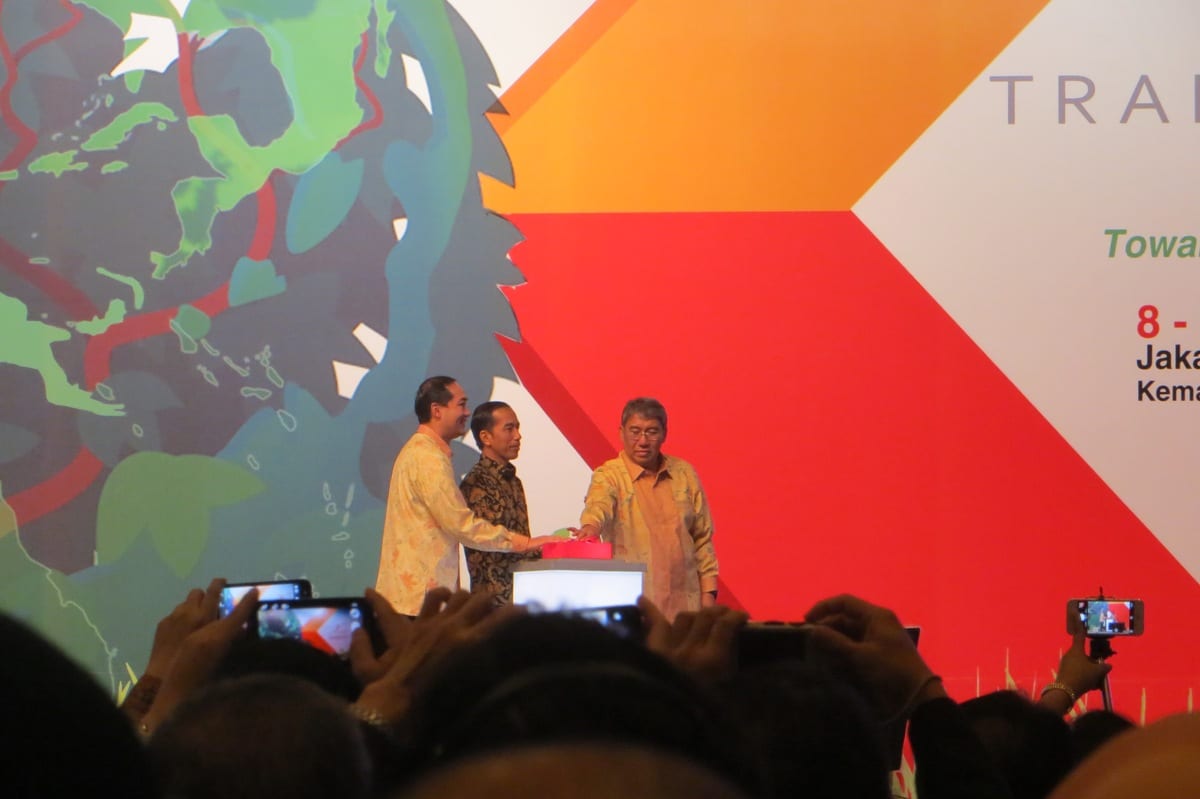
    Indonesia is once again holding its largest international scale trade promotions exhibition, the Trade Expo Indonesia (TEI) 2015. The 30th TEI event will be attended by more than 14 thousand buyers from 118 countries. TEI this year will be carrying the theme “Sourcing at Remarkable Indonesia” and is being held at the Jakarta International Expo (JIExpo) from the 21-25 October, showcasing export oriented products and services.

    The Indonesian Minister of Trade, Thomas Trikasih Lembong, said that TEI was an important instrument for promoting Indonesian exports. “TEI is one of the tools to increase market access and export target market diversification, particularly to nontraditional and emerging markets. The same as last year, TEI this year will focus on Business to Business transactions (B2B),” said Trade Minister Tom at the opening of TEI on Wednesday.

    In order to make TEI become an effective promotional event, the Ministry of Trade is focused on ways to bring in buyers from all over the world. This was done by way of cooperation with the Ministry of Foreign Affairs; through Indonesian representative offices abroad such as Indonesian Embassies, Trade Attaches, Indonesian Trade Promotion Centers (ITPCs); and also through cooperation with the Chambers of Commerce and Industry of friendly countries to spread information abroad about the holding of TEI.

    “Efforts to diversify markets has continuously been carried out by the Ministry of Trade and it seems that now the buyers delegation list comprises mostly of countries from nontraditional markets, including Nigeria, India, Saudi Arabia, Bangladesh, and Malaysia,” said Tom.

    TEI this year will occupy a 50.000 m2 of exhibition space, larger than last year, which only occupied 40,000 m2 with occupancy reaching 99% of the target. The products that will be showcased include manufactured products (automotive products, footwear, textile products, household appliances, building materials, housewares, consumer goods, paper products, health equipment, rubber products, etc.), professional services, furniture, home decorations, processed food, fishery products, agriculture products, and other creative products.

    The “Pride of Indonesia” Pavilion has also returned with local products that are the pride of Indonesia and has been accepted in the global market. There will also be an ASEAN Pavilion set up with an information stand by ASEAN representative countries as well as an ASEAN Economic Community Center (AEC Center) to welcome the implementation of the ASEAN Economic Community (AEC), which will go into effect in December 2015.

    Events at TEI 2015 

    On the first day of TEI 2015, several trade contracts worth more than USD 8 million were already recorded. The signing of trade contracts were conducted between seven Indonesian exporters with five buyers, namely PT. Cipta Panel Buana with Kohnan Shoji Co., Ltd. from Japan, PT. Anggana Catur Prima with JANS Enterprises from the United States, PT. Perkebunan Nusantara VIII with Kong Wooi Fong Tea Merchant Sdn. Bhd from Malaysia, Sinar Sosro with Eastern Cross Trading Pty. Ltd. from Australia, and PT. Inti Bintang Mas Perkasa with Canejava Pty Ltd from Australia.

    TEI 2015 also continuously strives to inform about the latest in developments and regulations of the international export market by holding various activities such as the Trade, Tourism, and Investment (TTI) Seminar to inform exporters, buyers, and investors about taking advantage of international trade and investment opportunities. Regional Discussions will also be held to inform about potential products and foreign market access as well as discuss issues related to international trade.

    Besides that, there will also be a Business Counseling, which is a consultation event facilitated by the Trade Attache and the Head of the Indonesian Trade Promotion Center (ITPC) in order to provide information access and information on penetrating foreign markets for exporters. There will also be a Business Matching to introduce buyers to suitable Indonesian exporters that matches the products the buyers are looking for.

    Moreover, TEI 2015 have also awarded the Primaniyarta Award to 30 Indonesian exporters for various categories, namely 7 companies in the Domestic Capital Investment High-performance Exporter Category, 7 companies in the Foreign Capital Investment High-performance Exporter Category, 6 companies in the Global Brand developers Category, 7 companies in the Superior Potential Exporters Category, and 3 companies in the Exporters of New Market Pioneers Category.

    Afterwards, the presentation of the Primaduta Award to 60 loyal buyers that have been importing Indonesian products. This is a form of appreciation presented by the Government to those who have contributed to increasing Indonesian exports. “We hope that TEI this year will be able to result in even more trade cooperation between Indonesian exporters with buyers so that it could directly contribute to the growth of the national export performance,” said Trade Minister Tom.

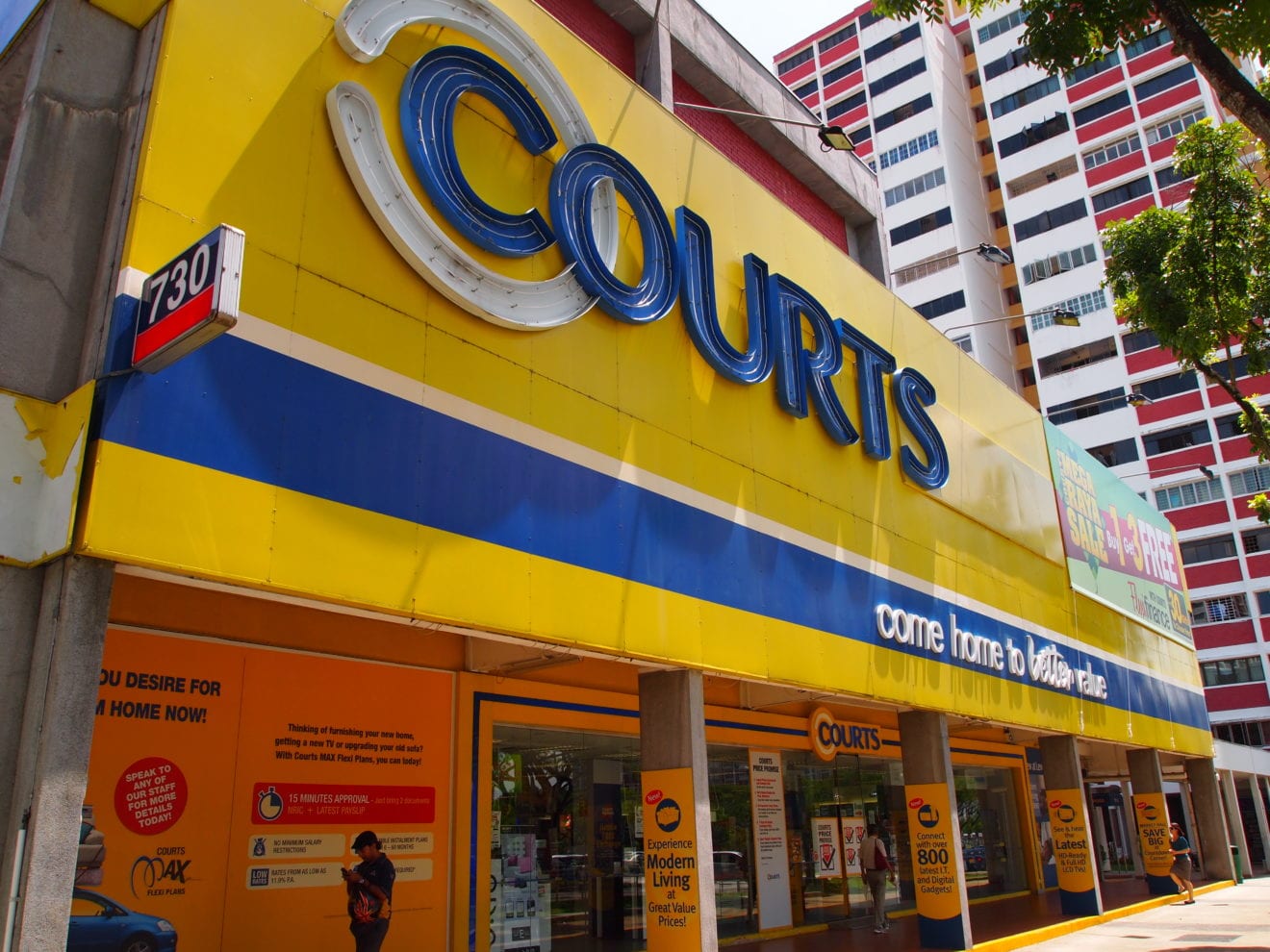
  • Courts Indonesia to open second megastore

    Courts Indonesia to open second megastore

    Singapore-headquartered Courts says it will open a second megastore in Indonesia.

    The new 24,000 sqm store is already under construction on a 2.2 hectare site in Bumi Serpong Damai, southwest of the capital city Jakarta.

    Courts Indonesia CEO Roy Santoso told a media briefing the store will sell at least 12,000 items from 200 local and international brands. All the electronics and home appliances are local products.

    “The store spaces will be grouped into four segments: ‘Play’ for electronics, ‘Live’ for home appliances and accessories, ‘Sleep’ for beds and ‘Relax’ for furniture,” he said.

    Courts Indonesia will open the new store in December. It will be the retailer’s fourth store, little more than a year after it first opened in the market, and the company plans up to 12 by 2019, along with an eCommerce site which should be operational by the end of this year. Its investment in the market to date is now US$8 million.

    “In these kind of economic conditions, we have to have a sustainable development plan. To reach breakeven, we plan to open two to three smaller-sized stores within two years,” Roy said.

    “Our initial plan had been to have one megastore in each western and eastern part of Greater Jakarta. The eastern part is Bekasi and the western part is BSD. We can still have vast area to build a megastore in BSD,” Roy said.

    “Courts also targets various classes of income groups. In our stores we segment our products into good, better and best so that people can choose. And BSD is easily accessible for people with different income who live in Bintaro and Pondok Indah in South Jakarta and Karawaci in Tangerang, other satellite cities with high numbers of population.”