Tag: jakarta

  • Amorepacific launching Etude in Indonesia

    Amorepacific launching Etude in Indonesia

    South Korean beauty company Amorepacific Group is set to launch the Etude brand in Indonesia.

    The firm has partnered with local lifestyle retailer PT Mitra Adiperkasa Tbk (MAP) to boost the growth of its business in the territory.

    MAP plans to expand Amorepacific’s presence beyond Jakarta and across Bali, Surabaya and Bandung, giving more local customers better accessibility to the Etude brand, as well as Amorepacific’s other global brands such as Sulwhasoo, Laneige and Innisfree.

    “We are looking forward to working with MAP, the largest retailer in Indonesia to unlock the enormous potential the country has to offer,” said Amorepacific Group president Dong-hyun Bae.

    “With their expertise in retail, MAP and Amorepacific’s global brands are expected to create a great synergy and thereby provide the best quality service to the customers in Indonesia.”

  • Indonesian retail sales growth slower as expected

    Indonesian retail sales growth slower as expected

    Indonesian retail sales growth in November slowed to 1.3 percent year-on-year, well below October’s rate of 3.6 percent.

    However, the figures, released by Bank Indonesia, reflect the continuing uptick in Indonesian retail sales which has now lasted five consecutive months.

    “Retail sales continued to grow positively in November,” wrote the central bank in a statement, “although it slowed compared to sales in the previous month”.

    Indonesia retail sales growth is expected to slow in the coming months, however, with declines recorded in several metropolitan areas surveyed – a harbinger of growth expected for December.

    Sales declined in the cities are projected to flow on from the estimated contractions of 9.4 percent and 4.8 percent over the previous period.

    The bank’s survey revealed respondents believe retail sales will decline over the next quarter.

  • Bank Rakyat Indonesia Earmarks Funds For E-commerce

    Bank Rakyat Indonesia Earmarks Funds For E-commerce

    Indonesia’s first digital bank, Bank Rakyat Indonesia announced on Monday that it has earmarked $1 million for Indonesia Mall, an early-stage assisted e-commerce program that aims to help small enterprises open new revenue channels by participating in the online retail market.

    To serve the growing numbers of micro and small-medium enterprises (MSMEs) populated by the region’s e-commerce boom, Bank Bank Rakyat Indonesia (BRI) rolled out Indonesia Mall in October 2018 with the goal to bring MSMEs online and give them easy access to a larger local and overseas markets.

    Indonesia Mall, an in-house program of the bank, helps small companies post their listings on Bank BRI’s Indonesia Mall e-stores, plus help them package and photograph products. It also provides logistics, shipping, and inventory, and even facilitates overseas exports.  So far, Indonesia Mall has signed up more than 10,000 MSMEs and those that have joined the program have reportedly seen revenues rise by 40 percent on average, the bank said in a statement on Monday.

    Many MSMEs in Indonesia continue to have limited access to the formal financial sector, with large swaths of the population still remaining unbanked.  By not having bank accounts, these enterprises would have difficulties collecting payments online.

    MSMEs employ 116.7 million people – more than 97% of the total national workforce, according to data from Indonesia’s Central Statistics Agency. However, less than 15 percent of MSMEs have proper access to financing.

    Indonesian e-commerce is growing at an average of 16.3 percent annually and is now worth 238 trillion Rupiah (US$16.6 billion), according to Global Data. This growth is expected to spike further by 2023, with the industry value predicted to reach 436 trillion Indonesian Rupiah (US$30.3 billion), reflecting growth of nearly 85 percent.

    Bank BRI-assisted MSME partners range from individual craft artisans to small snack-makers, tailors, and more. Their products can be directly purchased via major e-commerce platforms such as Tokopedia, Shopee, Bukalapak, Blanja.com, Blibli.com, Qoo10 in Singapore, and others.

    Indonesia Mall aims to offer MSMEs infrastructure, ecosystem, and capacity for business and resources developed with the goal of helping its partners sell within Indonesia, as well as overseas.

    To this end, Bank BRI cross-sells products on Indonesia Mall with its credit cards, debit cards, and other programs. Besides selecting and curating a top product list, Indonesia Mall also runs marketing campaigns on most major e-commerce platforms so as to keep its sellers’ products visible on an ongoing basis.

    Bank BRI is the largest microfinance institution and is one of Indonesia’s leading commercial banks and the country’s largest lender by assets.

  • Indonesia retail sales growth at five-month high

    Indonesia retail sales growth at five-month high

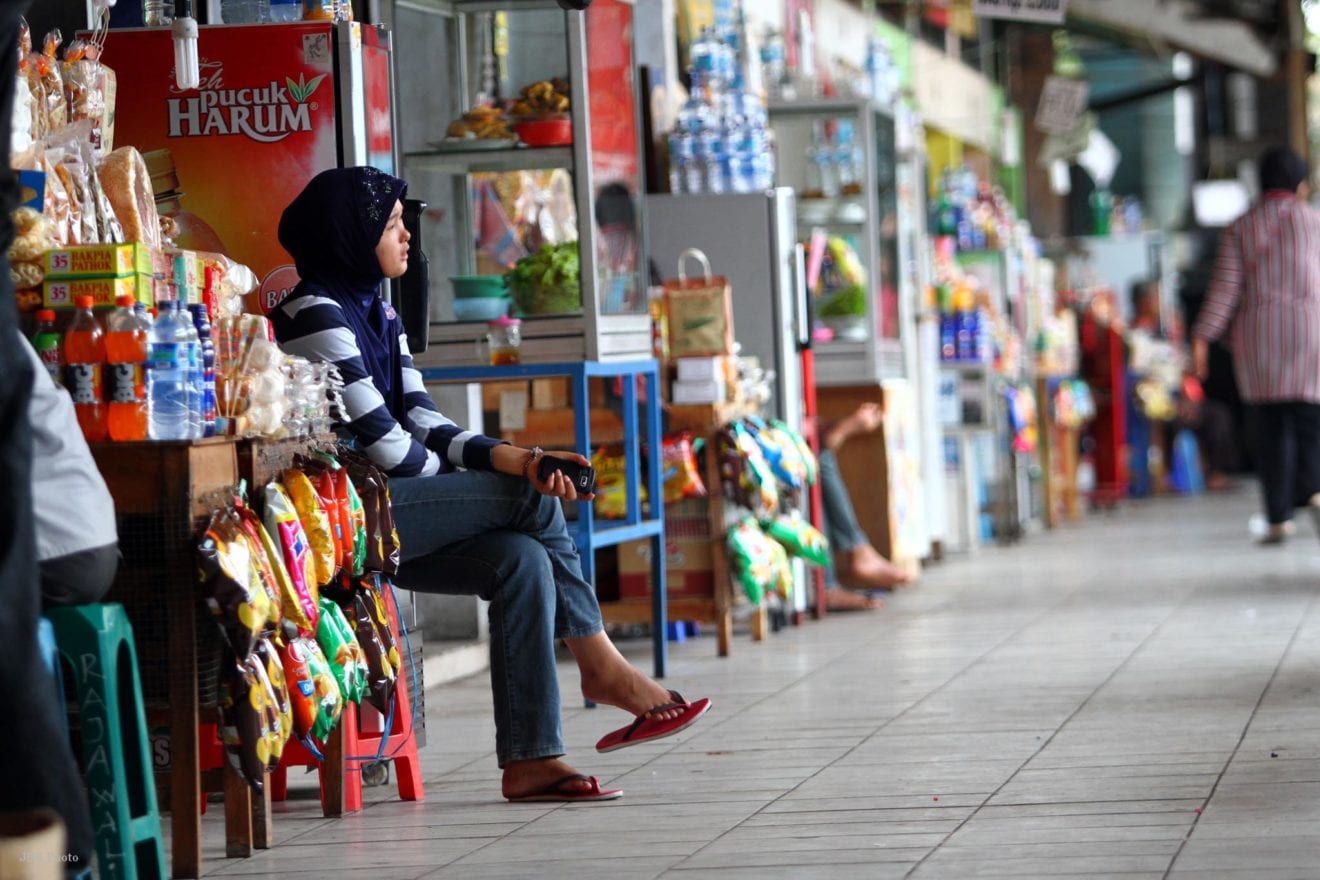
    Indonesian retail sales grew at their fastest rate in five months, according to government data.

    Growth levels are currently at 3.6 percent, the highest increase over last year’s figures in five months. Growth for the previous month stood at just 0.7 percent.

    The figures were released as part of a central bank survey, which showed that sales of food and auto parts were largely behind the measured increase. Sales of communications equipment, however, were lower than expected during the period.

    The survey results predict growth in Indonesian retail sales for November at 3.4 percent.

  • Axiata’s Q3 EBITDA jumps 29% on 3.5% revenue growth

    Axiata’s Q3 EBITDA jumps 29% on 3.5% revenue growth

    Axiata Group posted revenue of MYR 6.2 billion for the third quarter of 2019 (3Q19), which represents an increase of 3.5 percent year-on-year. EBITDA jumped 29 percent to MYR 2.8 billion, boosted by revenue growth as well as the group’s cost reduction initiatives which resulted in MYR 816 million in savings. Profit after tax jumped 33.5 percent to MYR 247.6 million for the quarter as a result of better topline, the company said. However, profit after tax and minority interest (PATAMI) fell 9.4 percent to MYR 119.7 million due to the absence of M1’s contribution following its disposal, as well as higher taxes in Bangladesh.

    Amid a highly competitive market in Malaysia, Celcom’s free cash flow rose 15.3 percent to MYR 674 million year-to-date, supported by EBITDA growth of 3.9 percent. PATAMI rose 7.9 percent to MYR 562 million. Celcom’s combined postpaid and prepaid revenue rose 0.6 percent, while mobile service revenue dropped 4.1 percent impacted by the decline in wholesale revenue. Blended ARPU improved by MYR 1 compared to the preceding quarter to MYR 52 in the third quarter of 2019. Celcom’s 4G population coverage rose to 93 percent, and its 4G LTE-A coverage reached 81 percent compared to 90 percent and 78 percent, respectively, in September 2018.

    Parent company Axiata also reported that its Indonesian unit XL’s turnaround in the period was led by its data-focused strategy continuing to deliver results as market share rose 0.6 percentage points to 18.3 percent, returning to profit with PATAMI at IDR 498 billion. Revenue grew 10.6 percent year-to-date driven by strong data growth of 30.4 percent. XL’s free cash flow surged 50.9 percent to IDR 1.8 trillion, on the back of cost efficiencies fueling 19.4 percent jump in EBITDA. XL says it captured 88 percent of 55.5 million total subscribers from 53.9 million in the third quarter of 2018. In support of its data strategy, XL’s 4G service is now available in 410 cities across Indonesia.

    Sri Lanka unit Dialog saw its revenue expand 8.1 percent year-to-date due to continued growth momentum across its TV (+16.6%), fixed (+8.7%) and mobile (+0.4%) businesses. Free cash flow grew 39.5 percent to SLR 19.2 billion buoyed by higher EBITDA and calibrated network rollout. Its PATAMI rose by 12.5 percent to SLR 8.3 billion YTD.

    Philippines subsidiary Smart delivered double-digit growth across all metrics with revenue, EBITDA and PATAMI up by 11.4 percent, 14.5 percent, and 14.3 percent, respectively, and FCF by over 200 percent.

    Despite new Bangladesh taxes, Robi returned to profit with PATAMI at BDT 1.6 billion. Revenue reaches BDT 19 billion in the three months ended 30 September 2019, as ARPU rose to BDT 125.

    With international long-distance revenue dropping 10.5 percent year-to-date, Ncell’s core mobile revenue declined 3.5 percent as a result of intense competition by internet service providers and Business Support System migration. Although PATAMI slipped 3.6 percent, PATAMI margin remained stable at 31 percent. Free cash flow fell 42.8 percent due to calibrated network rollout.

    In this year’s third quarter, edotco posted double-digit growth across all financial metrics. Revenue grew by 19 percent year-to-date, with positive contributions across its major footprints. The tower company recorded adjusted EBITDA growth of 26.7 percent, with 3.2 percentage points improvement in (adjusted) EBITDA margin driven by enhanced billing against lower maintenance costs in 2019. The improvement in EBITDA led to a 4-fold increase in free cash flow year-to-date, as well as growth in PATAMI of 10.4 percent year-to-date.

  • Fore to ramps up network in Indonesia

    Fore to ramps up network in Indonesia

    Indonesian coffee chain Fore Coffee is plotting an aggressive expansion plan that will make it the largest coffee operator in the country.

    Fore Coffee says it has partnered with hotel operator Airy to open 1000 new locations at the latter’s hotels across Indonesia.

    The new outlets will add to its current network of more than 100, making it the largest player in Indonesia’s coffee chain market, currently dominated by Starbucks, which has around 450 outlets.

    The expansion comes after Fore Coffee secured fresh funding from venture capital firm East Ventures earlier this year.

    Launched in August 2018, Fore Coffee offers a seamless customer experience with its mobile app allowing customers to order coffee via the app and have it delivered to them or pick it up in-store. It says it is inspired by Chinese coffee chain Luckin, which embraced digital commerce by offering in-app purchases.

    Indonesian coffee chain Fore’s app has added 70,000 registered users since its launch in December last year. It has collaborated with digital wallet companies Ovo and Go-Pay, and plans to team up with many more to expand its mobile payment options.

    Fore is not the only coffee chain vying for the biggest slice of Indonesia ́s coffee chain market. Rival Kopi Kenangan plans to grow its network from around 80 outlets currently to 1000 by 2021, having raised US$20 million from Sequoia India.

  • Indonesia’s Alfamart plans aggressive Philippine expansion

    Indonesia’s Alfamart plans aggressive Philippine expansion

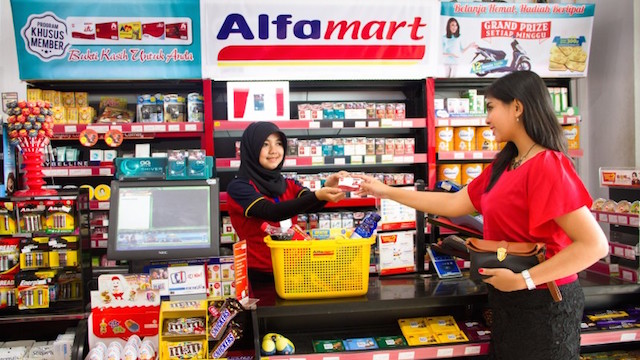
    Indonesian convenience-store chain Alfamart plans to open 100 new stores in the Philippines by year end.

    Since opening its first Philippine store in 2014, Alfamart has grown its store network to around 600 stores, which are operated by its local partner SM Retail.

    Alfamart corporate affairs director Solihin says they have set up a subsidiary named DC Properties Management Corporation, in addition to the three distribution centers, to support its expansion drive.

    In Indonesia, Alfamart currently has more than 10,000 stores, having opened its first store in 1999.

    The convenience store market in the Philippines, dominated by 7-Eleven, is forecast to continue to grow as urbanization continues at a rapid pace and consumer confidence climbs. According to SM Supermalls COO Steven Tan, “retail in the Philippines remains vigorous and upbeat”.

    “Optimism to spend among Filipinos is more than just a sentiment. We see it translating into actual consumer behavior, especially retail,” he said.

  • September Indonesia retail sales edge up 0.7 per cent

    September Indonesia retail sales edge up 0.7 per cent

    September Indonesia retail sales rose 0.7 percent year on year.

    Real Sales Index of Bank Indonesia showed that the country’s retail sales maintained positive growth despite falling 1.1 percent in August. Most of the growth was driven by sales of automotive spare parts and accessories and household equipment.

    Sales in October are anticipated to grow by 2.9 percent as sales in automotive spare parts and accessories, information equipment and communications, and food, beverage and tobacco groups are projected to continue the momentum.

  • Ride-Hailing Service Gojek’s CEO Nadiem Makarim To Join Indonesia’s Cabinet

    Ride-Hailing Service Gojek’s CEO Nadiem Makarim To Join Indonesia’s Cabinet

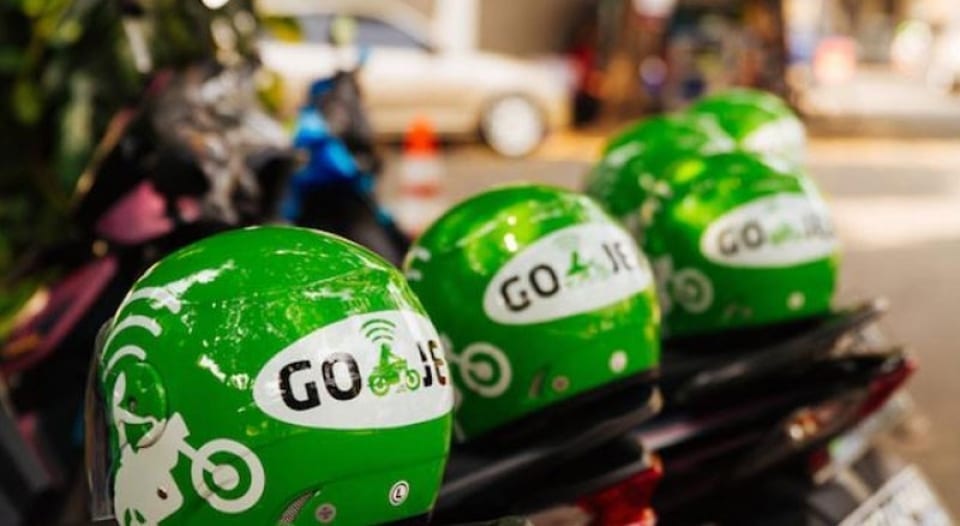
    Gojek CEO and founder Nadiem Makarim said on Monday he had resigned from the ride-hailing and payments company to join the cabinet of Indonesian President Joko Widodo.

    “I have received a big honor to be able to join the cabinet,” Makarim told reporters at the presidential palace.

    Makarim said his specific role would be announced by the president later in the week.

    Indonesia media have linked Makarim to a possible post in a new Digital Economy ministry or in education.

    Gojek did not immediately respond to requests for comment on who his successor would be.

  • AirAsia announces inaugural flights to Belitung

    AirAsia announces inaugural flights to Belitung

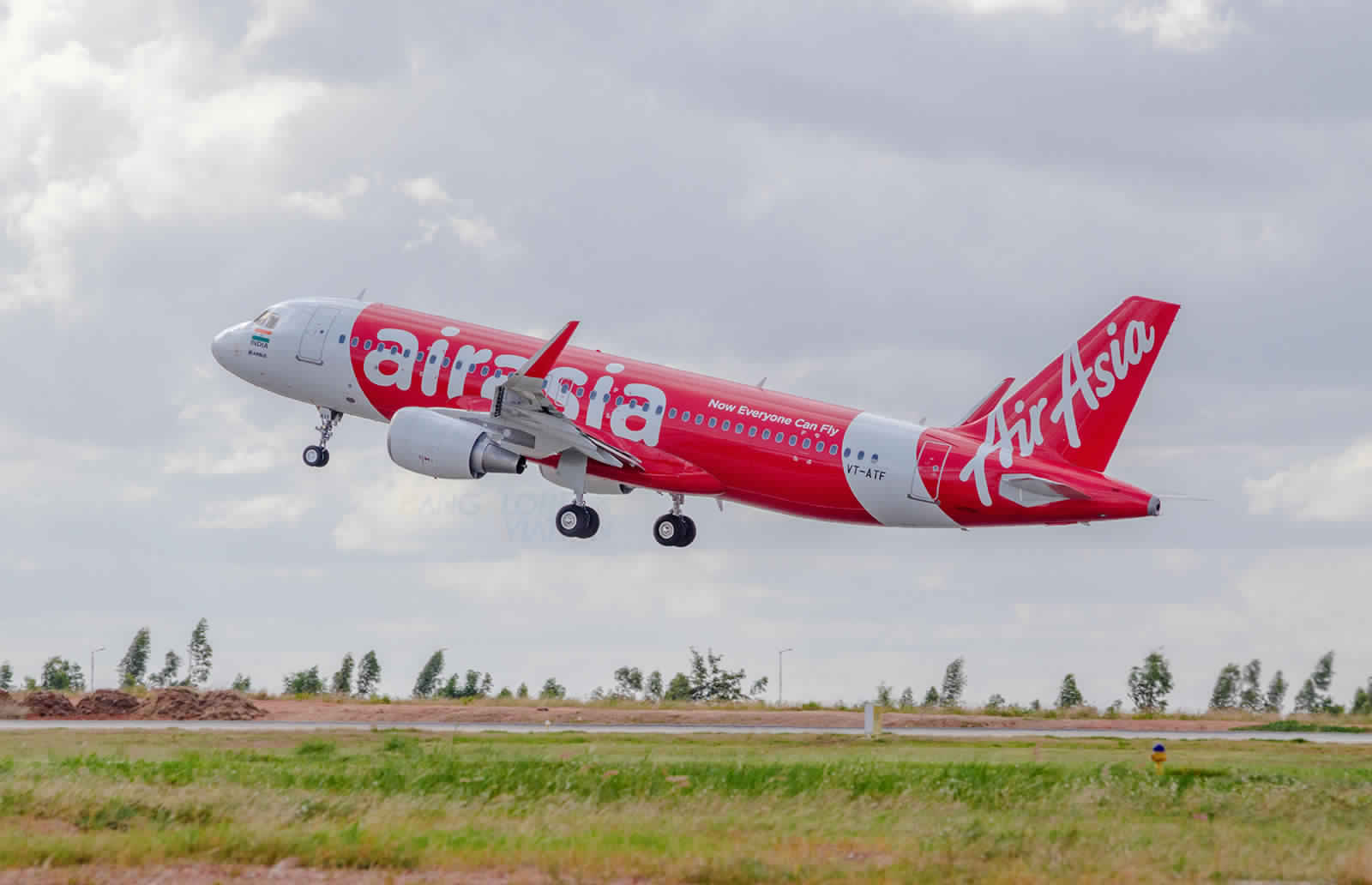
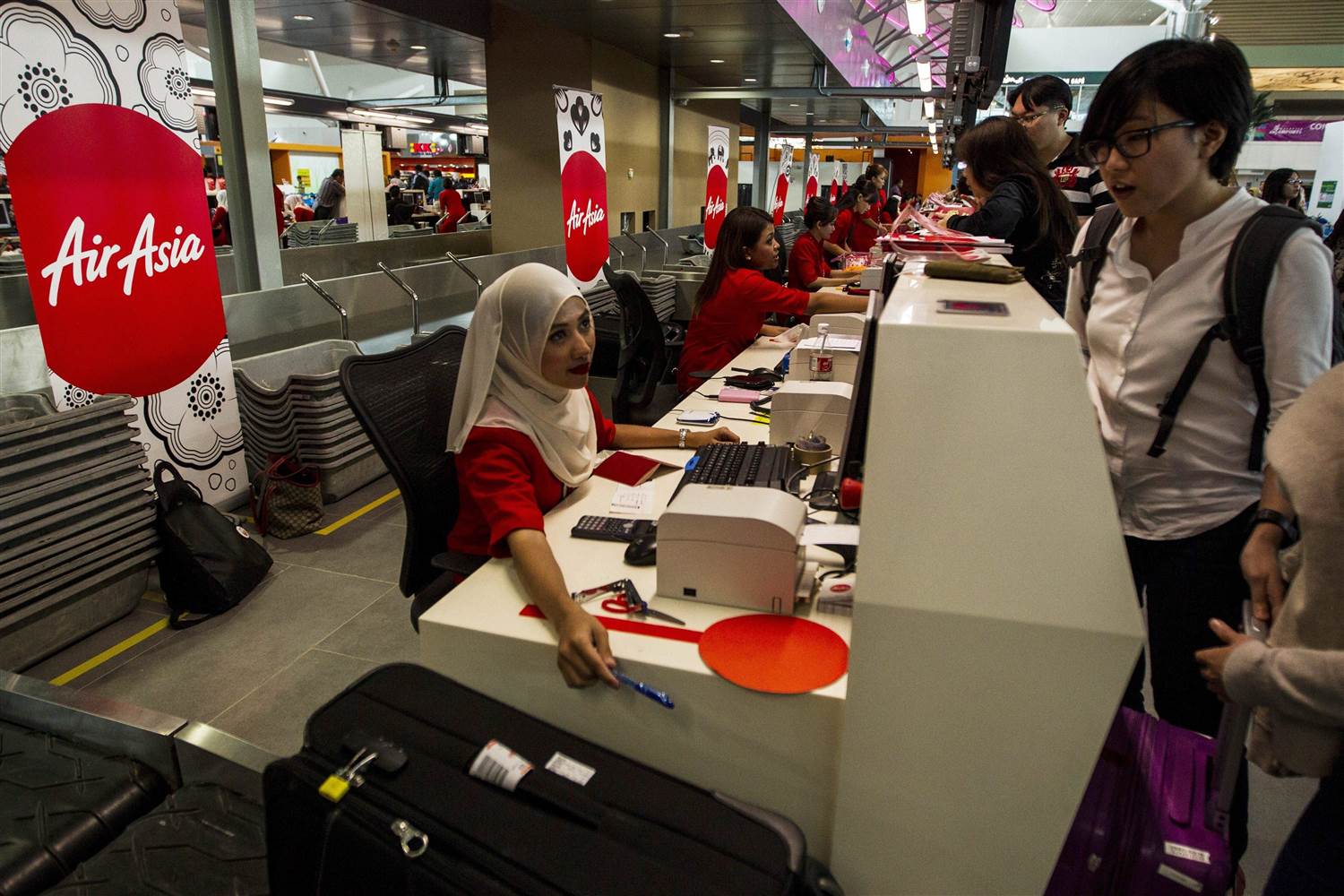
    Low-cost carrier AirAsia commenced flights from Jakarta to Belitung, Bangka Belitung, on Tuesday as well as from Kuala Lumpur, Malaysia, to Belitung on Wednesday.

    The inauguration ceremony on Wednesday was marked by handing out flowers and souvenirs to international passengers arriving from Kuala Lumpur, who then enjoyed a traditional welcome dance.

    The Airbus A320-200 that was used for the flight can accommodate 180 passengers.

    Veranita Yosephine, deputy CEO AirAsia Indonesia, said the inauguration was the continuation of the airline’s commitment to support Indonesian tourism, especially the 10 New Balis or burgeoning tourist destinations in the country.

    “Previously, we’ve launched flights to Lombok, Labuan Bajo and Sorong. We’ve also added five new planes to support operations in these new destinations,” she added.

    AirAsia is offering promotional rates on flights from Jakarta to Belitung that start from Rp 471,000 (US$33.19) and Belitung to Jakarta from Rp 393,000. The price includes a free baggage allowance of 15 kilograms.

    Tickets from Belitung to Kuala Lumpur start from Rp 309,000 and from Kuala Lumpur to Belitung start from Rp 378,000.

    The promotional rates are available for AirAsia BIG members until Oct. 6 on airasia.com and the AirAsia mobile app for a travel period until Feb. 9, 2020.

    Belitung, one of two main islands located off the east coast of Sumatra, is known for its pristine beaches and 1,000-year-old granite rock formations. (

  • AirAsia expands flights in Indonesia

    AirAsia expands flights in Indonesia

    AirAsia launched new services from Kuala Lumpur and Jakarta to the island of Belitung in Indonesia this week. The new four weekly services from Kuala Lumpur will support the Indonesian government’s agenda to develop ’10 New Bali’ destinations.

    It follows the commencement of daily Jakarta – Belitung services that started 1 October.

    AirAsia Indonesia deputy CEO Veranita Yosephine said: “These new routes from Kuala Lumpur and Jakarta continue our trajectory support of the Ministry of Tourism Indonesia’s initiative. This year alone, AirAsia Indonesia has launched new routes from Jakarta to Sorong, from Bali to Lombok and to Labuan Bajo, the gateway to the Komodo islands.”

    The airline recently added Airbus A320 aircraft which are now based in Jakarta and Lombok. By year-end, it will also take delivery of an additional two new aircraft.

    To celebrate the new route, AirAsia is offering an all-in fare from as low as MYR89* from Kuala Lumpur to Belitung, until 6 October for travel until 9 February 2020 for its loyalty program members.

  • AIA Group Joins Big Boys to Fuel Gojek

    AIA Group Joins Big Boys to Fuel Gojek

    AIA Group joins a club of high-profile investors to participate in the ride-hailing and payments company’s latest funding round.

    The Indonesian unit of AIA Group, AIA Financial, has invested in Indonesia’s Gojek as part of the latter’s Series F fundraising round. There was no mention of how much money AIA was investing in Gojek or how big a stake it would acquire.

    AIA Financial will work with Gojek to provide life and health insurance services and wellness propositions to its users, drivers, and merchants across Indonesia, the insurer said in a statement on Wednesday.

    According to Crunchbase, Gojek has raised a total of $3.1 billion in funding over 12 rounds. High profile investors in the company include Tencent Holdings and Temasek Holdings.

    Launched in 2011, Gojek has evolved from ride-sharing to allowing its customers to make online payments and order everything from food to groceries and massage services.

  • Grab Seeks to Merge Digital Payment Firms in Indonesia

    Grab Seeks to Merge Digital Payment Firms in Indonesia

    Grab is looking to gain pole position in Indonesia’s budding digital payment market, reportedly exploring a merger between two major players – a local entity it owns and another one backed by China’s Ant Financial.

    A merger between Grab-backed ONO and Ant-backed DANA would give the ride hailer app an edge over its major Indonesia competitor Gojek, which has been vying for the top spot in digital payments with ONO since 2018.

    The deal would also result in Grab acquiring a majority interest in DANA from Indonesian media conglomerate Elang Mahkota Teknologi (Emtek).

    It’s part of the Grab-Gojek battle, one of the sources said.

    According to the report, SoftBank, Grab’s largest shareholder, supports the proposal with the plan having already been discussed in July during a meeting in Jakarta between SoftBank CEO Masayoshi Son and top Indonesian officials.

    Son is in favor, another source said, adding that negotiation on deal structure with the Indonesian central bank will also be required due to foreign ownership restrictions.

  • Indonesian Regulators Makes Fintech Startup Push

    Indonesian Regulators Makes Fintech Startup Push

    A new online registration system has been introduced by Indonesia’s financial regulator to monitor and further encourage the growth of fintech development in the country.

    The Financial Services Authority (OJK) launched the «Electronic Gateway for Digital Finance Systems» (Gesit) which allows fintech industry stakeholders to gain fintech news access and, more importantly, consult about OJK Infinity.

    OJK Inifinty is a platform the regulator created last year to act as an innovation hub, business incubator and education center for fintech startups. It currently has 121 fintech firms registered, 48 of which are ready for operation.

    Aside from leveraging domestic resources, OJK chairman Wimboh Santoso said there were plans to partner with other Southeast Asian countries to further stimulate fintech development in Indonesia.

  • International economy seeks master franchisees in Indonesia

    International economy seeks master franchisees in Indonesia

    Indonesia’s economy is projected to be three times the size of Australia’s by 2030 – and the GDP of the world’s most-populous Muslim population will rise from $3.2 trillion to $10.1 trillion by the same year*.

    Those figures are driving top international franchise businesses to seek master franchisees in Indonesia.

    The nation already has the largest market for foodservice in ASEAN, and with a fast-rising middle class and even faster growth in middle-class incomes, there continue to be significant changes in lifestyles.

    “The prospects for food franchises in Indonesia look very good as Indonesia continues to outpace many of its neighbors in ASEAN,” says Sean T Ngo, CEO of VF Franchise Consulting, who will be hosting a series of one-on-one meetings between international franchisors and local prospective partners on Friday (September 13).

    “A recent study by Nielsen showed that 11 percent of Indonesians eat out at least once a day, which is higher than the global average of 9 percent. Another lifestyle change supporting the growth of the food franchise sector is a growing trend among workers in big cities is to work long hours either due to obligation or to avoid traffic jams.

    “Thus, the practical solution for eating dinner is to eat out more often and closer to their workplaces. This fact is supported by the Nielsen study mentioned earlier with eating out occurrences being higher in Indonesia than the rest of the world.”

    Trends like these are fuelling growth in Indonesia Food Service Industry by 7.06 percent on a compounded annual growth rate basis, between last year and 2023.

    There are already more than 700 franchise businesses operating nearly 30,000 outlets across Indonesia. Most of these are in foodservice and located in Java, primarily Jakarta, West Java, and East Java provinces. Approximately 400 of the 700 are foreign franchisors, while the rest are local brands.

    Among the top international businesses to seek master franchisees in Indonesia that VF Consulting will introduce to prospective partners this week are:

    • Little Caesars, known for its Hot-N-Ready pizza and Crazy Bread, is the world’s largest carryout-only pizza chain with locations in eight Canadian provinces, all 50 US states along with 26 other countries and territories worldwide.
    • Mango Tree, one of the world’s best-known Thai culinary lifestyle brands, serving contemporary Thai cuisine.
    • Coca, a pioneer in the hotpot-restaurant sector, serving nutritional Thai and Chinese a-la-carte dishes, seafood and the signature hotpot with a variety of broths.
    • Mango Chili, a fun, vibrant social dining space where groups of friends and families can enjoy simple, easy yet original Thai street food.
    • The Belgian Waffle Co, which in just four years has grown to more than 210 outlets in 55 Indian cities and Nepal.