Retail News CRM

Tag: jakarta

  • Indonesian retail sales growth speeds up

    Indonesian retail sales growth speeds up

    Indonesian retail sales surged 9.1 per cent in February – a rate higher than anticipated.

    The growth rate appeared to be driven by shoppers splurging on Lunar New Year celebrations as well as an increase in apparel sales during the month.

    February’s rise followed a 7.2 per cent improvement in January and government statisticians have predicted a rise of 8 per cent for March.

  • Indonesia’s FiberStar extends collaboration with Huawei

    Indonesia’s FiberStar extends collaboration with Huawei

    Indonesia’s FiberStar has signed an agreement with Huawei to jointly expand high-speed fiber network services in the market.

    FiberStar recently partnered with Huawei to build a 1Tbps backbone DWDM network linking Jakarta with Surabaya. The network consists of submarine and terrestrial cables that form a ring network with a total length of more than 3000 kilometers.

    Building on this cooperation, the companies signed a memorandum of understanding at the Huawei ISP Summit Asia Pacific 2019 in Bali to strengthen collaboration in the field of fixed networks and data centers.

    FiberStar co-founder and director Thomas Dragono said Huawei shares the company’s vision for the digital transformation of Indonesia.

    “Being the pioneer of Indonesia’s neutral infrastructure service, and considering Huawei’s advancement in the optical communications field, we have both decided to explore a deeper and stronger partnership,” he said.

    “The consensus on the advantages of optical network technologies and evolution trends are the basis of cooperation between both parties. We will leverage the advanced DWDM and MPLS technology to expand the coverage of networks in Indonesia, and further facilitate the growth of the digital economy in Indonesia.”

    FiberStar was established in 2014 as a subsidiary of Indonesia’s biggest conglomerate the Salim Group.

    The company is Indonesia’s biggest carrier-neutral infrastructure provider, offering coverage to 92 Indonesian cities across the nation’s main islands including Sumatra, Java, Bali, Kalimantan, and Sulawesi.

  • AirAsia Indonesia Under Pressure From Its Airspace Rivals

    AirAsia Indonesia Under Pressure From Its Airspace Rivals

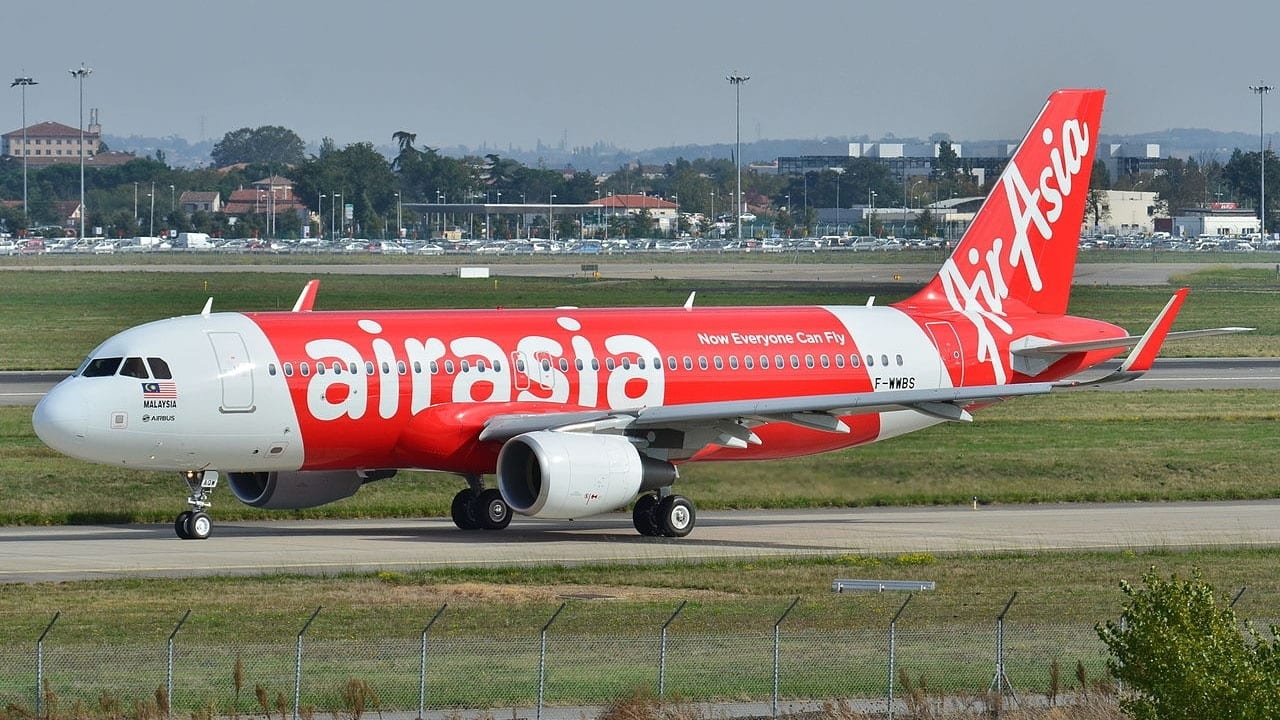
    Low-cost airline AirAsia appears to be facing increasing pressure from its Indonesian rivals Garuda Indonesia and Lion Air. Skift reporting recently claimed that Indonesia’s largest airline, Lion Air, and Garuda Indonesia had allegedly prevented Indonesia’s largest online travel agencies from listing AirAsia’s cheap Indonesian flights. The two sites were Traveloka and Tiket.com. AirAsia responded by removing its flight listings from Traveloka’s website.

    AirAsia Indonesia President Dendy Kurniawan said:

    We observed through social media messages how customers who enquired about the unavailability of AirAsia flights were recommended by Traveloka to book with other airlines instead.

    Subsequently, AirAsia  met with both Traveloka and Tiket.com but didn’t return comment on the meetings. Skift says an internal source claimed that AirAsia discovered that both travel agencies are under pressure from Lion Air and Garuda to drop AirAsia’s Indonesian routes. And, that the agencies risk losing the flights from the two rivals. A Garuda spokesperson denied the claims.

    High Operating Costs Could be Fuelling the Fight

    Speculation points to AirAsia’s rivals hoping to increase fares to combat high fuel costs. But, AirAsia’s lower prices could prevent them from doing so successfully. Industry experts say the airlines rely on online travel agencies, rather than direct bookings, for custom.

    Domestic flight prices in Indonesia have risen by between 40% and 120%, according to Skift and data from the Indonesia National Air Carrier Association. Skift also says that AirAsia flights don’t seem to be appearing on other websites, and Tiket.com. AirAsia remains committed to its low-price promise and encourages customers to book directly.

    Data from Wonderful Indonesia shows AirAsia carried the most passengers in Indonesia in 2017, at 3.8 million. And, AirAsia carried the most foreign tourists into Indonesia in 2017, at 2.9 million.

    A Political Issue?

    The rising cost of airfare is a campaign issue in Indonesia’s upcoming April general election. One Mile at a Time reported in February that state-owned Garuda was cutting domestic flight prices by 20% at the request of Indonesian Democratic president Joko Widodo. Garuda Indonesia’s CEO said at the time:

    This is in line with the aspirations of Indonesians, a number of national industry associations, and the (wishes of) the president of Indonesia, who wants a reduction in flight prices to support economic growth, especially in the tourism sector.

    In addition, Garuda Indonesia has reported losses over recent years. Political pressure is added to state-owned Garuda to turn a profit and remain competitive.

    AirAsia issued a statement in March reaffirming its low prices, adding that prices include 15kg free baggage and the passenger service charge for domestic Indonesian travelers. AirAsia Group’s head of communications, Audrey Progastama Petriny, says:

    While our withdrawal from Traveloka has not significantly impacted our sales, it does affect the traveling public as there are now fewer options to choose from on the online travel agency.

    Also, Traveloka called the withdrawal of AirAsia flights a “setback” for its value proposition to provide the widest range of offerings.

    To date, the figures point to AirAsia’s low-price strategy allowing it to dominate the market in Indonesia. And so far, the pressure from its Indonesian airspace rivals doesn’t appear to be impacting sales. Savvy consumers could be increasingly booking directly. AirAsia says its website is seeing a 50-60 percent increase in traffic.

    That said, just days ago Indonesia raised its price floor on over 1,000 domestic flights from 30% to 35%.  This in a direct move to protect Indonesia’s national airlines from rising fuel and operating costs.

  • Nam Air to lure millennials with boutique airline

    Nam Air to lure millennials with boutique airline

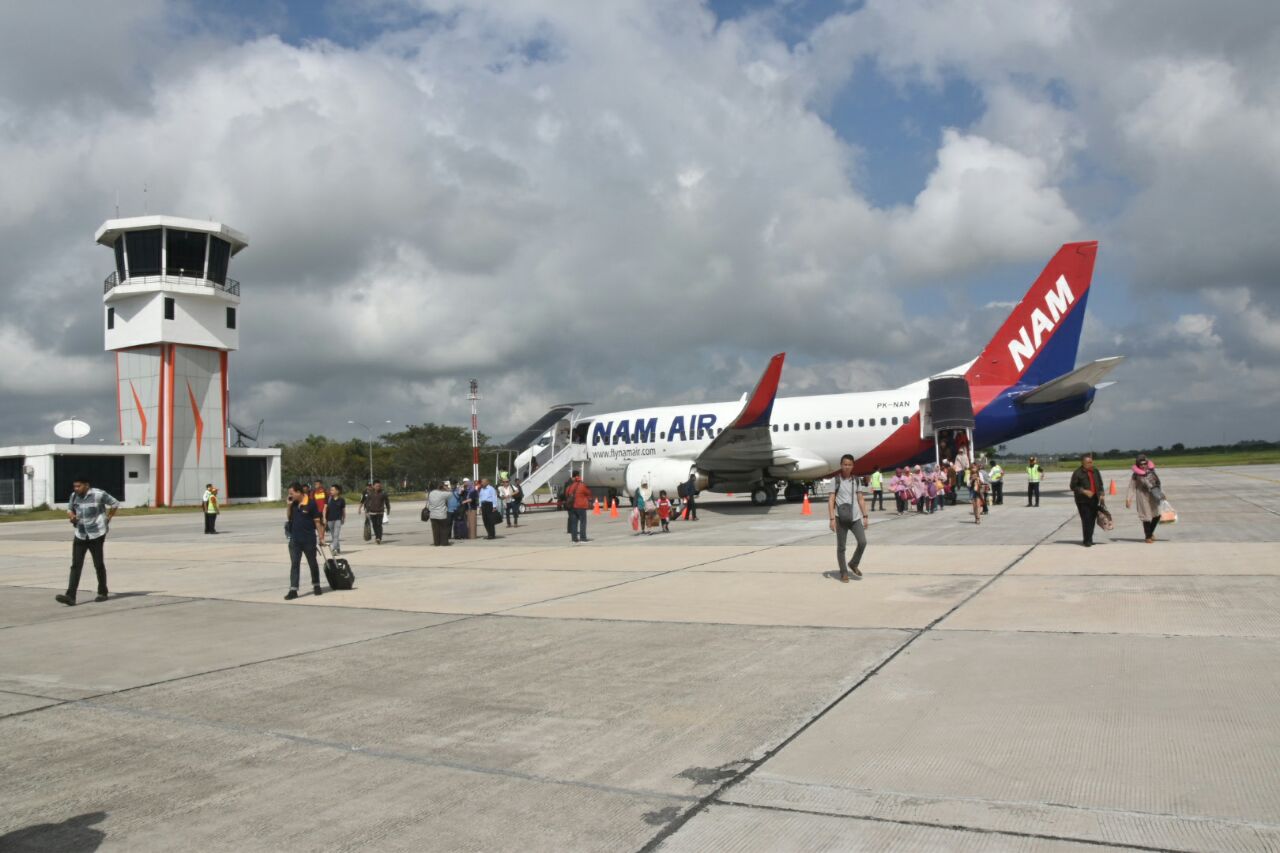
    Nam Air, a subsidiary of Sriwijaya Group, has announced a plan to apply the boutique airline concept, which mainly focuses on lifestyle branding.

    The carrier aims to make itself more appealing for customers of the millennial generation by delivering what it refers to as a “unique concept that is more masculine”.

    Nam Air director Asa Perkasa said passengers would experience the new concept even prior to their departure, and it would continue until their arrival at an airport. “There will be a number of changes, starting from our style to our products,” said Asa in an official statement. “But it will still have an Indonesian touch.”

    Asa described millennials as a promising target group, as they made up a large portion of the market and medium-service airlines were challenged to cater to their needs.

    Entering its fifth year of operation, Nam Air plans to change its internal operations as well. “We plan to apply the millennial lifestyle to our internal work pattern, from our outfits and offices to our business processes,” said Asa. “We’ll provide training for all of our employees to keep up with market trends.”

  • Deutsche Bank Appoints Head of Thailand

    Deutsche Bank Appoints Head of Thailand

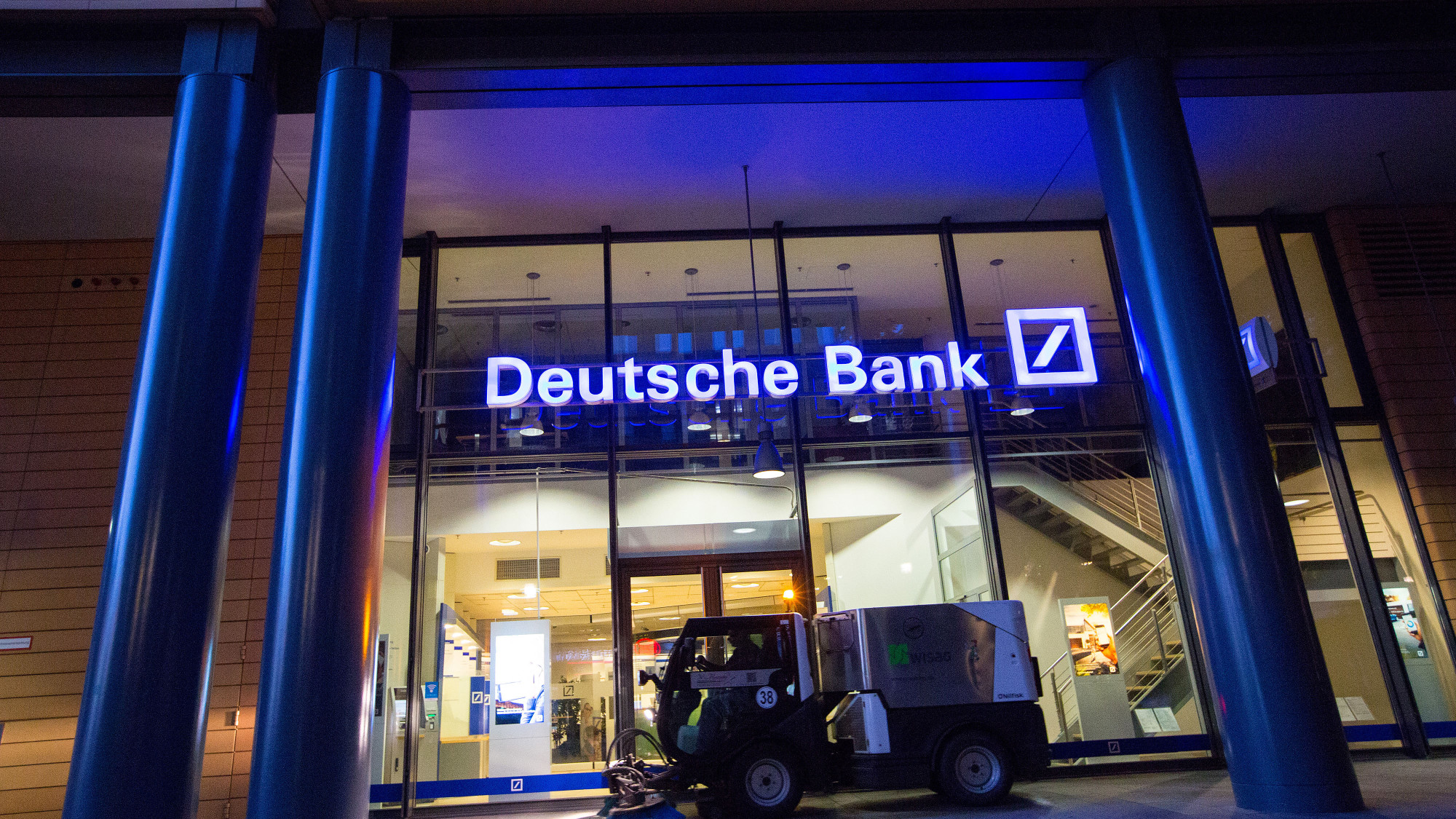
    The German lender hires a new head from Siam Commercial Bank to fill the position left vacant since 2018. Deutsche Bank (DB) will get a new head for its Thailand operations in May, with the appointment of Pimolpa Suntichok as chief country officer and head of the financing and solutions group for Thailand, according to people close to the matter.

    Suntichok fills a position left by Phumchai Kambhato, who left the bank in 2018. She will report to Werner Steinmueller in her country management capacity and to Sreenivasan Iyer for her FSG responsibilities.

    Suntichok was previously the Senior Executive Vice President serving as the Head of Commercial Banking Solutions at Siam Commericial Bank, Thailand’s largest commercial bank. She brings over 20 years of experience in banking, having worked at Bangkok Bank, Jardine Fleming Thanakom Securities, Fitch Ratings (Thailand), and Standard Chartered Bank (Thailand). She joined SCB in 2008 to lead the structured finance practice for the Capital Markets Division and became the Head of Corporate Segment in 2015 and the Head of MultiCorporate Segment in 2016, according to SCB’s website.

    Future Uncertainty 

    Deutsche Bank in recent months has seen a raft of departures in Asia, including Southeast Asia Vice Chairman Philip Lee, Jakarta-based managing director Kunardy Lie, and North Asia COO

    Katherine Lai.

    DB, on its third CEO in four years, has in recent years scaled down its Asian operations as its focus has shifted towards Europe amid difficulties in the region. However, Thailand remains an important market for DB in Asia-Pacific, with the bank having a 40-year history in the country.

    The bank is currently in the midst of merger discussions with Commerzbank, which has cast uncertainty over Deutsche’s general strategy for the future.

  • Lippo Mall Puri in West Jakarta sells

    Lippo Mall Puri in West Jakarta sells

    Reit Lippo Malls Indonesia Retail Trust (LMIRT) plans to buy Lippo Mall Puri in West Jakarta for US$261.6 million.

    LMIRT Management, which runs LMIRT, said in a statement it has entered into a conditional sale-and-purchase agreement for the 115,600sqm mall, which will boost the Reit’s total net lettable area by about 10 per cent. Settlement is scheduled for the second half of this year.

    Lippo Mall Puri has seven floors of retail space – five above ground and two basement levels. The mall currently has 324 tenants including Uniqlo, Zara, Marks & Spencer, H&M, Best Denki and Adidas. It is anchored by Parkson and Matahari department stores and also includes dining, cinema and entertainment zones. At the end of last year it had an occupancy rate of 89.6 per cent.

    The property’s current owner is Mandiri Cipta Gemilang, which will provide ongoing support after the sale is completed.

    LMIRT Management CEO Gouw Vi Ven says that since Lippo Mall Puri was completed in July 2014, the average monthly footfall has grown from 176,000 to nearly 1.22 million.

  • Lion Air offers discounted flight tickets from Jakarta to Medan

    Lion Air offers discounted flight tickets from Jakarta to Medan

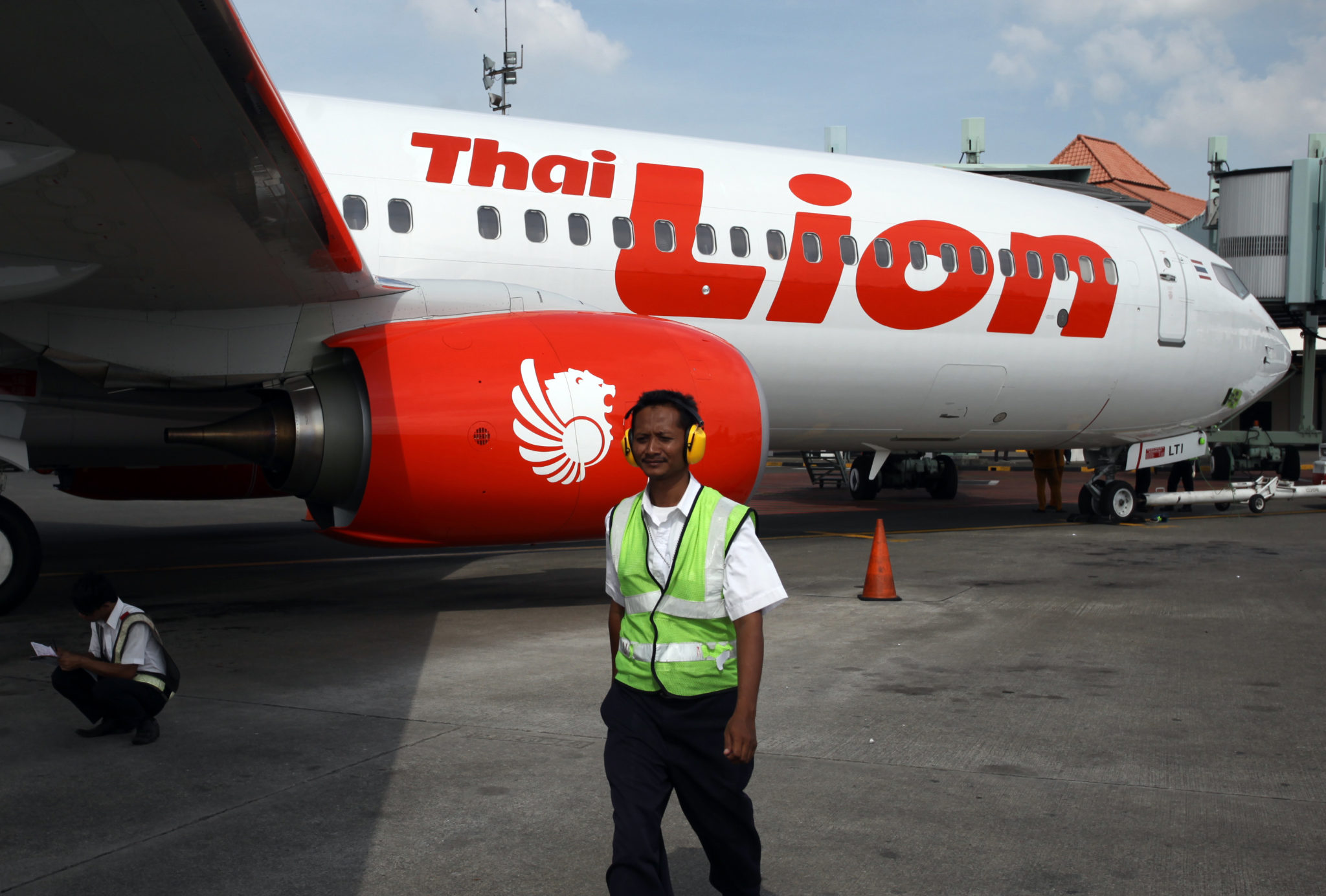
    Following Garuda Indonesia’s recent decision to lower its ticket prices for flights connecting Jakarta and Palembang, South Sumatra, the country’s largest low-cost carrier, Lion Air Group, announced a promotional program called #liburanmakinmurah (vacationing gets cheaper)  that will start on Friday.

    According to Lion Air statement, the airline will offer 50 percent discounts on a number of domestic routes, with flights from Jakarta to Medan, North Sumatra, for example, starting from Rp 880,000 (US$62.54) and flights connecting Jakarta and Jayapura, Papua, starting from Rp. 2.28 million. These prices do not include both excluding passenger service charges (PSC), value-added taxes (PPN) and insurance.

    “This move is part of Lion Air’s efforts to support the government’s campaign to increase foreign and domestic tourist arrivals, therefore, boosting both the local and national economies,” the statement read.

    The promotional tickets can be purchased on the airline’s official website, Lionair.co.id, ticketing offices and travel agencies.

  • Indonesian airline Garuda talking with Go-Jek to provide logistics support

    Indonesian airline Garuda talking with Go-Jek to provide logistics support

    Indonesia’s national carrier Garuda and Go-Jek are in talks for a partnership that will make it easier for the ride-hailing and e-commerce app to move goods to customers within the 17,000 islands of the sprawling Southeast Asian archipelago. Garuda chief executive Ari Askhara told Reuters the talks are in an advanced stage and an agreement is expected to be finalised by the two companies in the next few months. Askhara said Garuda was developing a new technology relating to e-commerce and logistics. The partnership would enable goods ordered via Go-Jek’s app in one city in Indonesia to be delivered in another using Garuda’s fleet, he said. The CEO did not provide more details.

    Started in 2011 in Jakarta, Go-Jek has evolved from a ride-hailing service to a one-stop app through which its customers can make online payments and order everything from food, groceries to e-commerce goods.

    Go-Jek, which is valued at between US$9 billion and US$10 billion according to sources, declined to comment.

    E-commerce has been growing rapidly in Southeast Asia’s biggest economy, but one of the main obstacles is logistics as the islands are sprinkled across an area bigger than the European Union.

    Go-Jek recently raised over US$1 billion in a funding round as it challenges Singapore-based rival Grab for a larger share of the region, sources told Reuters.

    The Go-Jek proposal is one of several being explored by Garuda to cut its dependence on passenger traffic as the airline tries to grow its profits after a bumpy 2018.

    The airline has been battling for market share against local market leader Lion Air, which in October suffered a crash of a Boeing Co 737 MAX jet, killing all 189 people on board.


  • Suning develops omnichannel smart retail through Wanda department stores

    Suning develops omnichannel smart retail through Wanda department stores

    Suning.com, the Fortune Global 500 retailer owned by Suning Holdings Group, one of the largest commercial enterprises in China, recently announced the establishment of its Department Store Group. It will focus on professional operations of fashion department store business to strengthen its full-scenarios development in online-and-offline smart retail and improve the shoppers’ experience.

    The Company will also acquire nationwide all Wanda Department Stores, belonging to Wanda Group, the large Chinese commercial real estate developer, to expand its bricks-and-mortar retail portfolios and facilitate the all-categories merchandise supply chain to satisfy more local consumers and boost Chinese retail market profits.

    As the leading omni-channel smart retailer in China, Suning.com has always been committed to building a full-scenarios retail ecosystem both online and offline to create diversified shopping experiences visible and ready to serve consumers anytime and anywhere. The establishment of the new group with acquisition of Wanda Department Store is expected to further reinforce Suning.com’s offline advantages, improving its overall retail network resources and increasing the business potential of the Company to develop new business opportunities of all-categories merchandise operation, especially of fashion, lifestyle products and fast-moving consumer goods.

    The 37 Wanda Department Stores are located in first- and second-tier cities in China, with more than 4 million registered customers. Through the deal, Suning.com will also bring its powerful technology capabilities such as data learning, artificial intelligence, IoT to accelerate the digitization of operation management for traditional department stores to increase the overall service experience and profitability of the industry.

    Zhang Jindong, Chairman of Suning Holdings Group said: “The prosperity of the physical retail industry must not only rely on the traditional model and experience. It needs to embrace innovative technology and market concepts to continuously create quality and customized services for consumers.”

    Suning and Wanda has built a strategic cooperation since 2015 and strengthened the partnership in 2018 with the former’s acquisition of a tiny stake in the latter’s commercial management subsidiary.

  • Chibo to open Indonesia store soon

    Chibo to open Indonesia store soon

    Japanese “okonomiyaki” pancake restaurant Chibo is launching in Indonesia this month. The opening is part of the firm’s unfolding global plans to counteract a dip in the Japanese food service market. It is partnering with local operator Jaddi Foods within Indonesia’s territory. Importantly for the predominantly Islamic market, the firm will be swapping out pork for suitable Halal alternatives.

    The 188sqm venue is opening at Gandaria City Mall in southern Jakarta, seating 90 diners. It joins eight Chibo restaurants outside Japan, with sister venues in China, Hong Kong, Hawaii, the Philippines, Thailand and Vietnam. The firm is targeting 20 international outlets by March next year, with locations planned for Brazil, London, New York and Russia.

  • Indonesian Consumers Face Harassment by Fintech Debt Collectors

    Indonesian Consumers Face Harassment by Fintech Debt Collectors

    As a result, she faces constant harassment by debt collectors who call her, wait outside her home, and even go as far as contacting her parents, family members, friends and acquaintances. “I was not expecting these fintech firms to subject their customers to such dreadful practices. They accessed my contact list and messages [on my mobile phone]. They even called my current bosses,” Cintia said.

    “My friends even told me that these fintech firms were defaming and harassing them, sending my friends’ personal photos to their bosses and some of the people in their contact lists, calling my friends imposters,” she added.

    The trouble started a few months ago after she borrowed Rp 1 million each from Uang Kita, Kantong Darurat and Perdana (previously known as Rupiah Plus).

    Risks Associated With Collateral-Free Loans

    Each fintech firm has a different set of requirements borrowers must meet, but most of them do not ask for any collateral, which comes with one major drawback: high interest rates.Despite customers only needing an identity card and a cellphone number to borrow emergency cash, these loans carry interest rates of 1 percent per day for a maximum tenor of 14 days. This exceeds by far the already steep interest rates of 29.9 percent per year that credit card companies charge their customers.

    Customers must also be prepared for some unpleasant treatment from these fintech firms if they fall behind on their repayments.

    “At first, I started borrowing money just for fun but I ended up with these debts and I’m making one debt to pay another debt. I want to pay it off in installments, but they refuse to accept it. They want me to settle the loans in full,” Cintia said.

    Misna Wati, who works for an undisclosed company in Jakarta, has owed money to 25 fintech firms since May last year. She said she regularly receives harassing phone calls and WhatsApp messages from debt collectors and representatives of the firms.

    “We are worried all the time. We did not expect them to be able to access our contacts, call logs, even messages,” said Misna, who declined to state her age and occupation.

    Misna and Cintia are now both seeking assistance from the Jakarta Legal Aid Institute (LBH).

    Need for Strong Data Protection

    With numerous reports about breaches of data privacy by the financial industry, the House of Representatives must accelerate the process involved in passing the data protection bill.The bill, which was supposed to be enacted last year, has now been included in the 2019 priority list of the National Legislation Program, which means that the House might deliberate it sometime this year.

    While Ministerial Regulation No. 20 of 2016 is intended to protects users’ personal data on the electronic system, it is deemed insufficient in preventing large-scale data breaches.

    The regulation only stipulates administrative penalties for violations or the settling of disputes between offenders and system providers or data owners, but does not allow for the recovery of damages related to customer data breaches.

    The bill, if it is passed into law, would apply both in Indonesia and abroad, but only to Indonesian citizens and Indonesia-based business entities.

    The regulation is very important as Indonesia has more than 143 million internet users, which is more than half of the country’s population, according to data compiled by the Internet Service Providers Association (APJII) in 2017.

    Fintech’s Popularity

    Fintech services have gained popularity in Indonesia over the past few years due to their seamless technology systems, innovation, customer-focused approach and simplicity. Fintech companies also offer payment systems, financial assistance and fundraising options.According to a joint study by global technology giant Google and Singaporean wealth fund Temasek, Indonesia’s internet economy – the financial value of all digital services – could exceed $100 billion by 2025, compared with $27 billion last year.

    But despite numerous benefits, the microcredit industry is still poorly regulated in Indonesia and the government is currently dealing with a rising number of illegal or unlicensed fintech firms operating in the country.

    The government banned 738 illegal financial technology websites and applications last year in a bid to protect consumers.

    As Indonesia is now one of the centers of the digital financial industry in the region, it attracts numerous companies from neighboring countries that establish a presence in the country, but which often choose not to obtain licenses from industry regulator, the Financial Services Authority (OJK).

    Most of the unlicensed fintech apps and websites are from China, Malaysia and Thailand. These fintech firms do not have registered offices, either in Indonesia or in their home countries.

    “The OJK has instructed us to ban unlicensed fintech websites and apps,” Ferdinandus Setu, acting head of public relations and communication at the Ministry of Communication and Information Technology, said in a statement last week.

    He said the ban so far applies to 211 websites and 527 smartphone apps, which seemed to have been increasing since August last year.

    There were 171 illegal fintech apps available for download on Google Play in November last year, compared with 144 in August. The ministry also recorded 77 illegal fintech websites in September.

    The ministry said no illegal fintech websites and apps were recorded between January and July last year.

    Ferdinandus said besides the OJK’s instruction, the communication ministry’s actions were also carried out after collecting public reports through a web crawler known as AIS, which filters out content deemed illegal under Indonesian law, such as pornography, the spreading of false news and the promotion of terrorism and radicalism.

    The ministry encouraged members of the public to report websites offering financial services that may be deemed illegal, or fintech companies that are not registered with the OJK.

    Reports can be submitted to aduankonten.id, or @aduankonten on Twitter. A task force comprising more than 13 ministries and agencies will investigate the reports.

  • Lumine makes debut in Jakarta

    Lumine makes debut in Jakarta

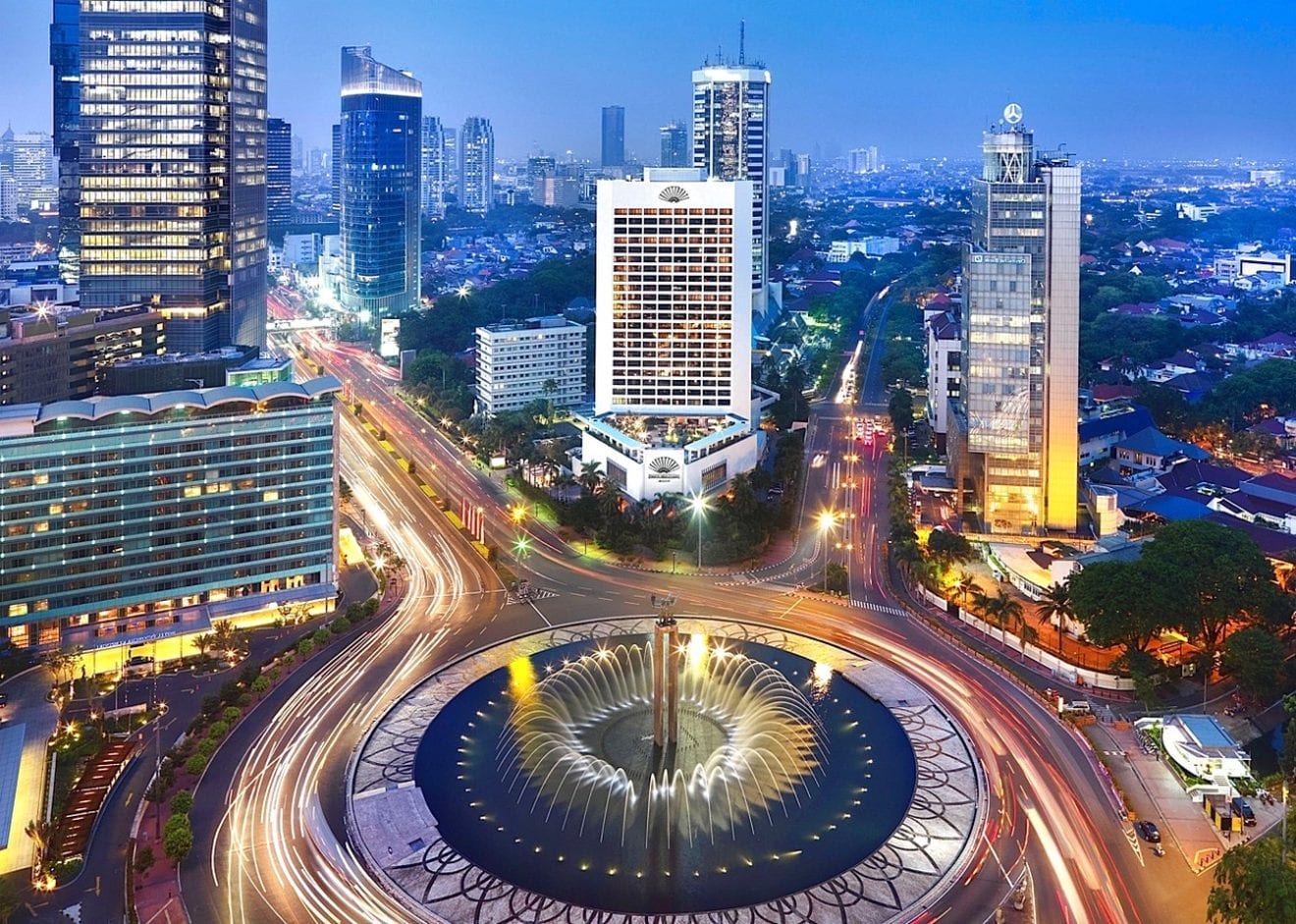
    Japanese retailer Lumine has opened its second overseas location with a launch at Jakarta’s Plaza Indonesia. The opening was timed to coincide with the 60th anniversary of diplomatic relations between Indonesia and Japan, offering a “Tokyo Mood” retail concept where consumers can experience a retail atmosphere that recalls the shopping environment of the Japanese capital.

    As a multi-brand lifestyle venue, Lumine Jakarta targets internationally-minded independent women, offering Japanese fashions as well as general lifestyle merchandise and men’s fashion brands. The store introduces 20 brands to Jakarta for the first time. It also features a cafe serving health-conscious Japanese cuisine.

    View the gallery below (5 images) :

  • Telkomsel to adopt Kinetica analytics platform

    Telkomsel to adopt Kinetica analytics platform

    Indonesia’s Telkomsel has arranged to adopt the Kinetica advanced analytics platform to help it transform the customer experience for its users.

    The operator will use the Kinetica engine and NVIDIA graphics processing units (GPUs) to enable real-time analytics, location-based visualization and AI capabilities.

    Telkomsel plans to use thee capabilities to deliver data-driven customer experiences and to enable real-time financial and business reporting.

    “The rapid growth in mobile devices, digital users, and the micro-services nature of prepaid across the Indonesian market has led to exponentially more data generated than ever before,” Telkomsel CIO Montgomery Hong said.

    “This influx of extreme data presents a massive opportunity to develop new, personalized, digital lifestyle experiences for Indonesian consumers. Unlike traditional database solutions, the Kinetica engine is purpose-built for extreme data and provides real-time data analysis and location intelligence across our business, from prepaid and postpaid mobile, to digital lifestyle services (video, gaming, music), to mobile financial services, and digital advertising for starters.”

  • 40 travel agents join Garuda Indonesia Travel Fair 2018

    40 travel agents join Garuda Indonesia Travel Fair 2018

    More than 40 travel agencies, including five pilgrimage agencies, are joining the second phase of the Garuda Indonesia Travel Fair (GATF) 2018. The event, held by the flag carrier in partnership with Bank Mandiri, is held at the Jakarta Convention Center (JCC) in Senayan, South Jakarta, from Friday to Sunday. Various travel packages are offered by the agencies, including for the umrah as well as for cruise and winter vacations. Garuda Indonesia promises competitive prices for international as well as domestic routes. The South Korean capital city of Seoul, for instance, can be visited with round trip fares starting at Rp 2.7 million (US$177), while a return ticket to Raja Ampat in West Papua can be bought for Rp 2.1 million.

    Other programs available throughout the biannual event are Happy Hour, which offers up to 80 percent discounts from 10 a.m. to 2 p.m. and from 4 p.m. to 8 p.m., Best Deal with up to 50 percent discounts, an additional 1,000 miles for GarudaMiles customers and 30 percent discounts on prepaid baggage.

    Pikri Ilham Kurniansyah, Garuda Indonesia’s commercial director, speaks at the opening ceremony of the second phase of the Garuda Indonesia Travel Fair (GATF) 2018 at the Jakarta Convention Center (JCC) in Senayan, South Jakarta, on Friday.

    Having joined the GATF in 2017, Bank Mandiri also presents numerous special offers, including a 50 percent discount with fiestapoin, zero percent installments for up to 12 months using their credit card and up to Rp 2 million cashback using their credit or debit cards.

    One of the visitors, Citra, 27, from Bekasi, West Java, praised the variety of travel agencies there. “It’s worth it [coming to the travel fair], especially if you’re on a budget,” said Citra, who plans to fly to Labuan Bajo in East Nusa Tenggara. “The place is also comfortable.”

    The GATF has been held in 30 cities since last September. It targets total transactions of Rp 448 billion, including Rp 218 billion in Jakarta.

    Collaborating with the Tourism Ministry, Garuda Indonesia has also conducted the Wonderful Indonesia – Garuda Indonesia Travel Fair (WI-GATF) abroad to lure foreign travelers to Indonesia.

    Pikri Ilham Kurniansyah, the airline’s commercial director, said its WI-GATF event in Shanghai, which ended in early September, had generated 8.5 million yuan ($1.3 million) in sales, and the airline was focusing on the WI-GATF this year by adding Singapore and Australia as forthcoming venues.

  • Logistics startup Expedito wins Seedstars Jakarta

    Logistics startup Expedito wins Seedstars Jakarta

    Seedstars Jakarta, the Indonesian round of global seed-stage startup competition Seedstars World, on Friday named logistics startup Expedito as its first winner at Ruang & Tempo, South Jakarta.

    Expedito is a price comparison website and online booking service for international shipping.

    Selected out of nine finalists, Expedito will take part in the week-long Seedstars Summit in Switzerland in April 2019. The startup will have an opportunity to meet more than 65 winners from other Seedstars competitions, as well as investors and mentors from around the world. At the final day of the summit, the startups will pitch for an opportunity to win up to US$1 million in equity investment and other prizes.

    In addition to Expedito, sharia-based P2P lending platform Ammana has been named as second prize winner while equity crowdfunding platform Bizshare has been named as third prize winner.

    The finalists are include retail solutions provider Do-Cart, recruitment startup for blue collar jobs Pakaruto, GPS-tracking solutions provider Lacak, agritech startup Aglonera, queueing app Qiwii, and healthtech platform for patients of varicose vein disease Varises Indonesia.

    The panel of jury for this event includes Arum Kalbuadi Putri (Openspace Ventures), Melina Subastian (Alpha JWC Ventures), Paul Luo (BStartup), Joseph de Leon (Gravitas Prime), Octa Ramayana (Digitaraya), and Gaby Fernandez Scala (Seedstars).

    For this year’s event, Seedstars World Asia partners with Merck Accelerator to support early stage startups with a focus on life sciences.

    To organise the Jakarta event, Seedstars work with Digitraraya, Kumpul, Prosehat and Ruang & Tempo, with support by Kibar, Greenhouse, FlySpaces, Freak Out, Bat Ventures, RASI, Asosiasi Tech Startup Indonesia, ANGIN and media partner Daily Social.

    The event stated that it had attracted interest from over 110 startups and around 70 attendees.