Tag: Japan

  • Daiso to set up regional distribution centre in Malaysia

    Daiso to set up regional distribution centre in Malaysia

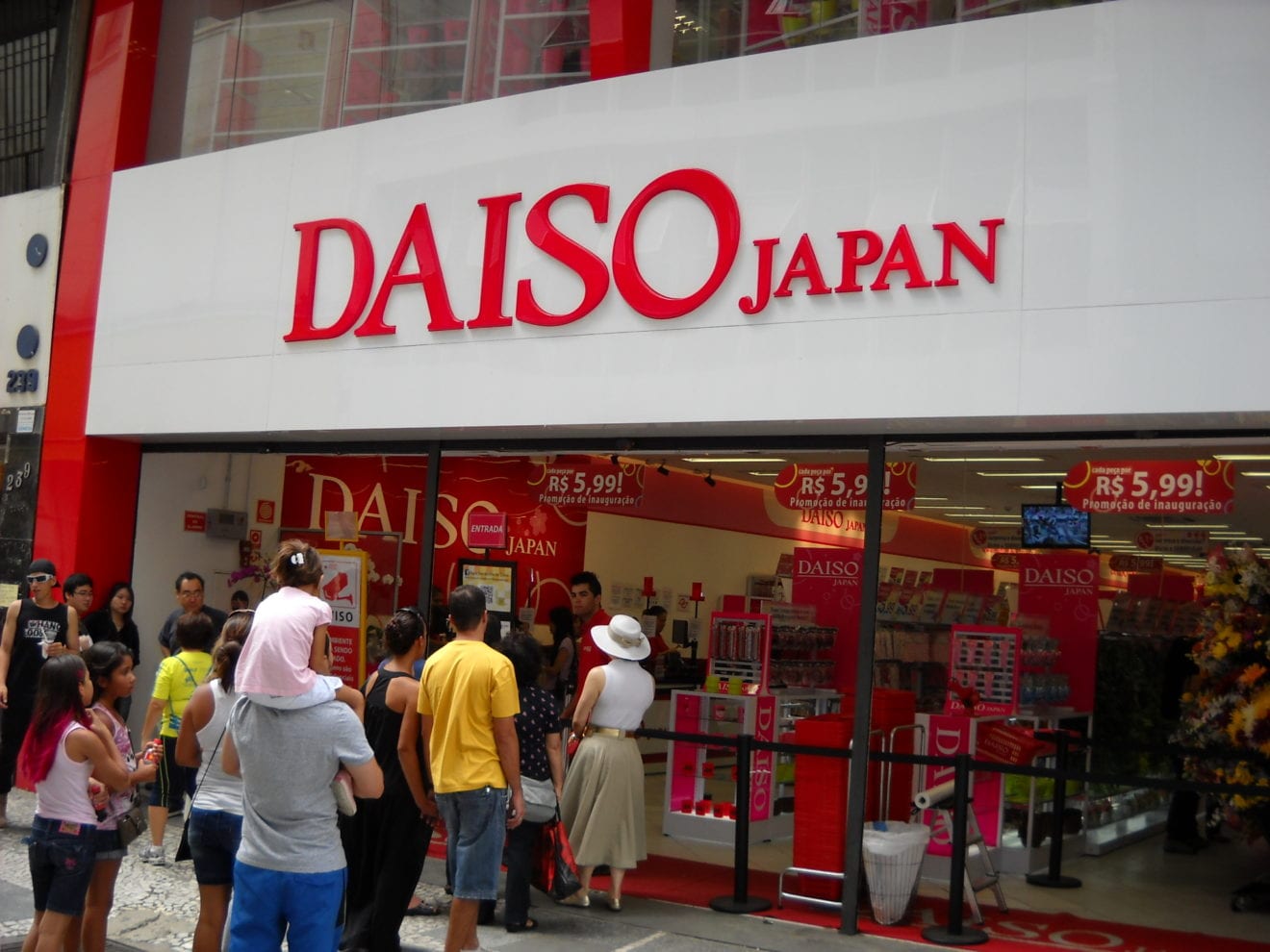
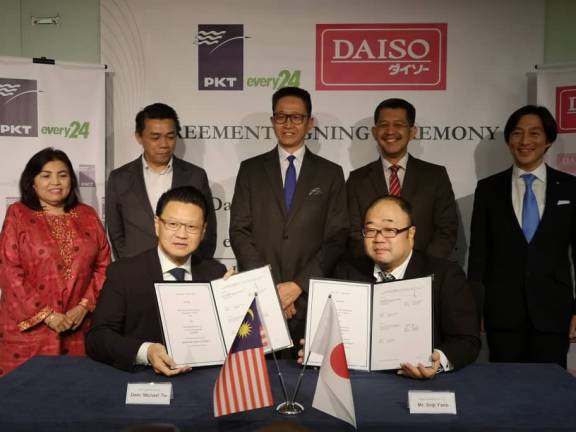
    PKT every24 Logistics Sdn Bhd (PKT) signed a service agreement with Daiso Industries Co Ltd (Daiso) to operate the latter’s regional distribution centre (RDC) located in Port Klang, commencing in the second quarter of this year. PKT is a joint venture company between PKT Logistics Group Sdn Bhd and Daisei every24 Co Ltd. Incorporated in February 2016, it was set up by both parties to explore joint business opportunities in Malaysia.

    PKT said in a statement, in order to serve Daiso in this RDC, it will be constructing a purpose-built warehouse at an estimated investment cost of RM250 million while creating 500 new jobs for the state of Selangor.

    PKT said it shall be providing Daiso haulage, freight forwarding and warehousing services for their transshipment and local cargo, reaching approximately several hundred containers per month.

    Meanwhile, Daiso president Seiji Yano said the group is confident that PKT will be a valuable logistics partner for the group to better serve its outlets and customers across the Middle East and Southeast Asia.

    “We are truly honored by Daiso’s confidence in Malaysia’s logistics capability but most importantly Daiso’s confidence in PKT to deliver quality logistics service to their outlets,” PKT chairman Datuk Wira Jalilah Baba said.

    Daiso is a specialty store retailer of private label products offering a vast lineup of up to 70,000 superior quality products.

    Headquartered in Hiroshima Japan, Daiso has more than 5,270 stores worldwide, served by 17 distribution centers located in Japan, China and Thailand.

  • Black Thunder pop-up store opens in Japan

    Black Thunder pop-up store opens in Japan

    Yuraku Confectionery has opened a Black Thunder pop-up store in Tokyo, selling chocolate to women for the men they’re not attracted to. The “obligation chocolate” business goes to the Japanese expectation that women should buy chocolate for male coworkers on Valentine’s Day and to express gratitude at other times of the year, without hinting at romantic attraction. The Black Thunder store is designed to save time for women observing the social nicety.

    The Black Thunder chocolate range is designed to be low-cost and sufficiently sweet to please recipients, while avoiding any fancy designs that might be mistaken for signs of hidden passion.

    The Black Thunder Obligation Chocolate Shop is located in the Tokyo Station Ichibangai underground shopping centre, connected to Tokyo Station, so that women can pick up several boxes or a large pack of individually-wrapped chocolates in one visit. It will remain open until Valentine’s Day.

  • Lotte’s Ministop deal falls through

    Lotte’s Ministop deal falls through

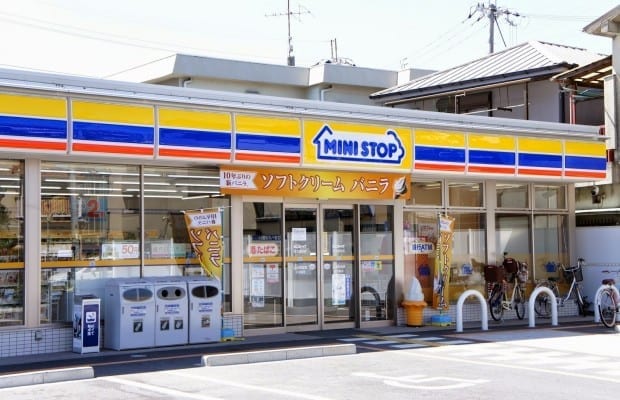
    The sale of convenience store chain Ministop fell apart as potential bidder Lotte and the Japan-based convenience franchise failed to agree on a price. The AEON Group of Japan, the largest shareholder of Ministop Korea, filed a notice on Monday that it has suspended the sale process to sell its full stake in the unit. The AEON Group owns a 76.06 percent share while Daesang Group, a Korean food conglomerate, has a 20 percent stake. Japan’s Mitsubishi holds 3.94 percent.

    Ministop Korea also notified its workers of the suspension, vowing to keep searching for a potential suitor.

    Executives from AEON and Ministop visited Seoul over the weekend to meet Shin Dong-bin, chairman of Lotte Group, which also owns 7-Eleven in Korea.

    The retail giant has been considered the likeliest buyer since it reportedly offered the highest price of around 400 billion won ($357.3 million).

    Other competitors include Shinsegae, which owns convenience store franchise Emart24, and Glenwood Private Equity, a local private equity firm.

    Ministop opened a bidding process back in November, but delayed selecting a preferred bidder.

    The introduction of a government regulation banning the opening of convenience stores within 80 meters (262 feet) of another store led to Ministop requesting a higher price, according to local media outlets.

    Ministop’s sale garnered attention from the beginning because it could impact the highly-competitive convenience store chain market in Korea.

    Ministop operates 2,500 stores across the country. If Lotte had succeeded in acquiring Ministop, it could have increased its number of stores from 9,500 to 12,000.

    CU runs the most stores, at 13,109, while the second player is GS25 with 13,018.

    Emart24 ranks fourth with 3,564 stores.

  • Mainland China, US and Japan fuel I.T Group sales growth

    Mainland China, US and Japan fuel I.T Group sales growth

    I.T Group sales slipped in the company’s home market, but the fashion retailer is achieving high growth in Mainland China, the US and Japan. Unaudited sales data for the three months to November show an 8.5 per cent year-on-year improvement in Japan and the US and 6.8 per cent growth on the mainland. Hong Kong and Macau sales slipped by 1.8 per cent in the same period.

    Figures for the nine months to November are even better in the US and Japan, up 11.1 per cent, while sales growth in the home market reached 4.8 per cent and on the mainland 1 per cent.

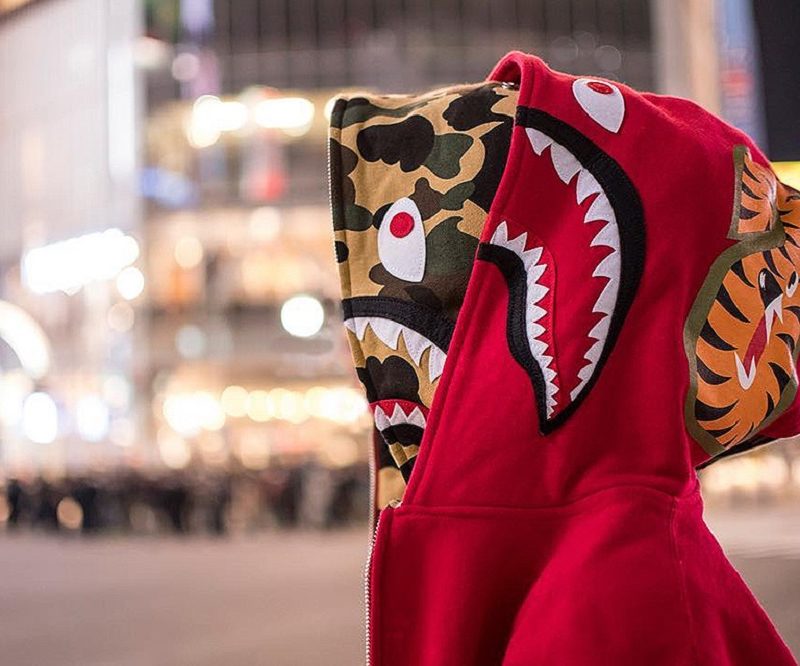
    I.T Group operates its own brands, including Chocoolate and 5cm, concept stores Izzue and Double-Park; international brands it has local licences for including Kurt Geiger and Camper; and A Bathing Ape, which the company rescued from Japanese owners in 2011.

    Chairman Sham Kar Wai said “complex macroeconomic conditions” affected the business in all three regions during the third quarter.

    “Our Hong Kong and Macau operations registered negative same-store sales growth as a result of multiple typhoons, and weaker consumption appetite during the period. In contrast, our Mainland China business delivered positive same-store sales growth, and our Japan and  the US regions continued to progress on a positive trend.”

    He said the group continued to execute measures to safeguard its gross margin, including holding back discounting.

    “However, enhancements to gross margin was overshadowed by the negative impact of the depreciation of currencies of our merchandise purchase. As a result, gross margin decreased during the period.”

    Sham Kar Wai said the company has been even more cautious about the overall operating environment over the last few months, as the recent escalation of trade dispute between Mainland China and the US has cast “greater uncertainties on the future economic outlook”. “Moreover, the warm weather in Hong Kong and Macau may further weigh negatively on the consumer spending momentum across the region.”

  • Supermarket, apparel sales not looking good in Japan

    Supermarket, apparel sales not looking good in Japan

    Japanese supermarket sales edged down 0.2 per cent in a third consecutive year of declines, according to figures released by an industrial body this week showing last year’s financial performance. The data for last year shows sluggish consumption regardless of the country’s current period of economic growth. Observers have attributed the slump to a low demand for apparel in supermarkets relative to stronger sales in food.

    Apparel sales fell 5.3 per cent, the 27th straight year of declines, influenced by the warm winter and increased competition with retailers online. Food, by comparison, saw 0.4 per cent higher sales with an uptick in prices for vegetables and sweltering summer temperatures.

    While total sales rose 0.5 per cent to ¥12.99 trillion ($118.71 billion) last year, they still fell short of the hoped-for ¥13 trillion mark for the second year in a row.

    “Spending is weak as a deflationary mindset is still deeply rooted among consumers”, said Atsushi Inoue, a senior official of the Japan Chain Store Association.

  • Instagram famous Baby Chanco is now a testimonial for Pantene

    Instagram famous Baby Chanco is now a testimonial for Pantene

    A one-year-old baby with an incredible mane of hair has been signed by Pantene as one of the faces of the brand in Japan. Instagram starlett Baby Chanco has stunned social media users over the last six months as her mother uploads images of her incredible, thick hair. Baby Chanco, who lives in Japan, was born with a full head of hair in December 2017 and it has continued to sprout as she has grown.

    Chanco’s mother updates her 300,000 followers on the platform with weekly photos of the little girl’s full bouffant. Every photo shared receives around 10,000 likes from her adoring fans.

    In one of the images from the campaign, Baby Chanco, whose Instagram account is managed by her mother, Mani Kano, poses alongside Japanese TV presenter Sato Kondo, known for her grey tresses.

    Fast forward to 2019 and Baby Chanco is following in the footsteps of celebrities such as Selena Gomez as a Pantene spokesperson.

  • Courts Asia gets buy offer from Japan retailer Nojima

    Courts Asia gets buy offer from Japan retailer Nojima

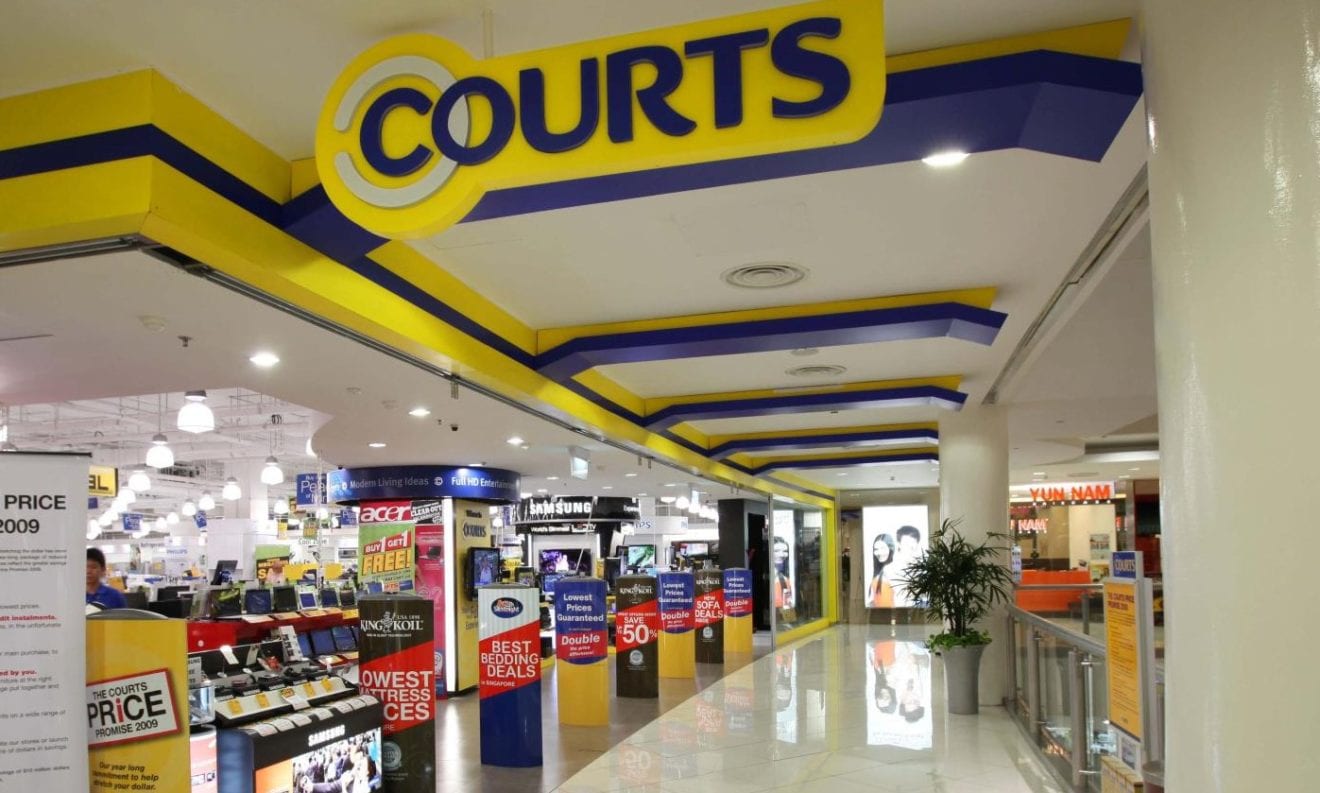
    Japanese electronics retailer Nojima Corp has launched a conditional takeover bid for Courts Asia. The deal is conditional upon Courts Asia’s majority owner Singapore Retail Group (SRG) agreeing to the deal. Offering 20.5 cents a share for the business, the offer represents a 35 per cent premium over the price shares were trading at before the bid was revealed.

    Nojima is listed on the Tokyo Stock Exchange. Like, Courts Asia, it is an electrical appliance retailer, boasting more than 8000 employees and a market capitalisation of S$1.4 billion. Sales in the year to March 31 last year were $6.1 billion.

    Courts Asia has 80 stores trading in Singapore, Malaysia and Indonesia and besides electronics sells furniture and IT products as well. The company has enjoyed mixed fortunes in recent years, impacted by external factors such as the imposition of GST in Malaysia. It reported a net loss of $3.1 million in its second quarter, a stark contrast to the net profit of $1.5 million during the same period a year earlier. Sales for the three months to September 30 fell 6.4 per cent to $165.1 million.

    Nojima says if it wins control of the company it may carry out a “strategic and operational review” of the business to realise “synergies, economies of scale, cost efficiencies and growth potential”. It will most likely delist the company in Singapore.

  • Chibo to open Indonesia store soon

    Chibo to open Indonesia store soon

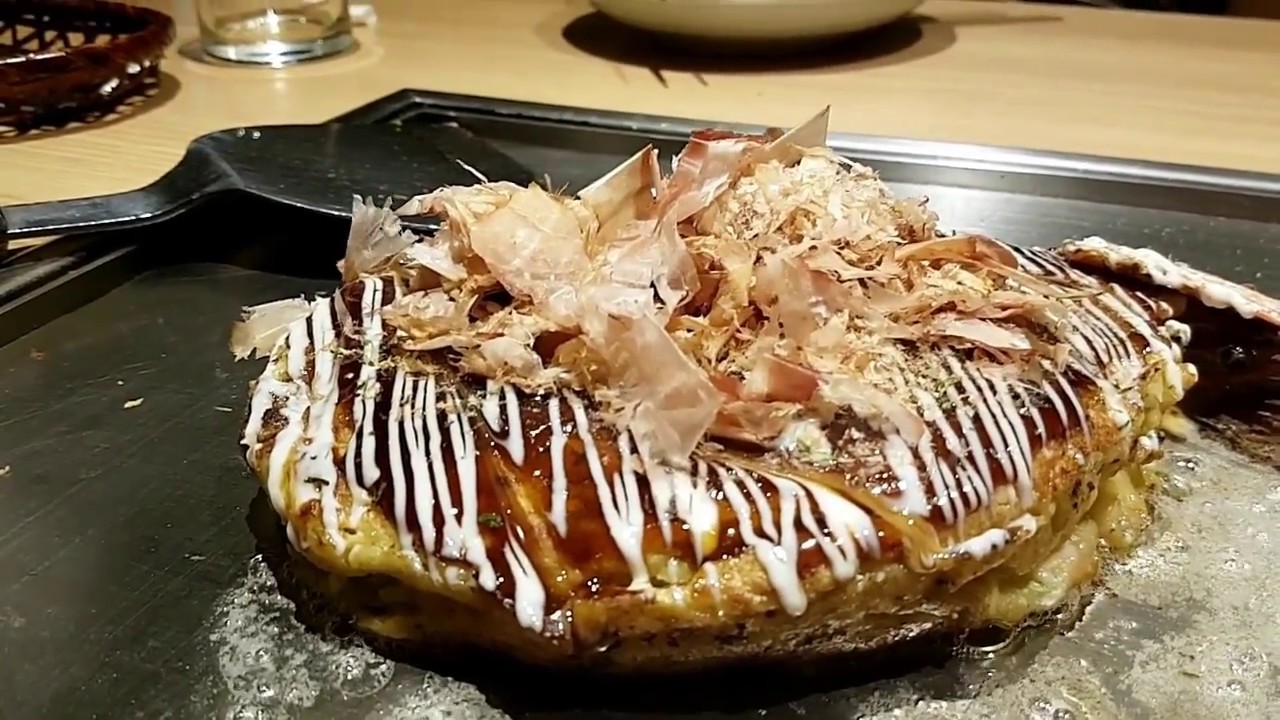
    Japanese “okonomiyaki” pancake restaurant Chibo is launching in Indonesia this month. The opening is part of the firm’s unfolding global plans to counteract a dip in the Japanese food service market. It is partnering with local operator Jaddi Foods within Indonesia’s territory. Importantly for the predominantly Islamic market, the firm will be swapping out pork for suitable Halal alternatives.

    The 188sqm venue is opening at Gandaria City Mall in southern Jakarta, seating 90 diners. It joins eight Chibo restaurants outside Japan, with sister venues in China, Hong Kong, Hawaii, the Philippines, Thailand and Vietnam. The firm is targeting 20 international outlets by March next year, with locations planned for Brazil, London, New York and Russia.

  • Nissan Korea fined 900 million won for inflating mileage figures

    Nissan Korea fined 900 million won for inflating mileage figures

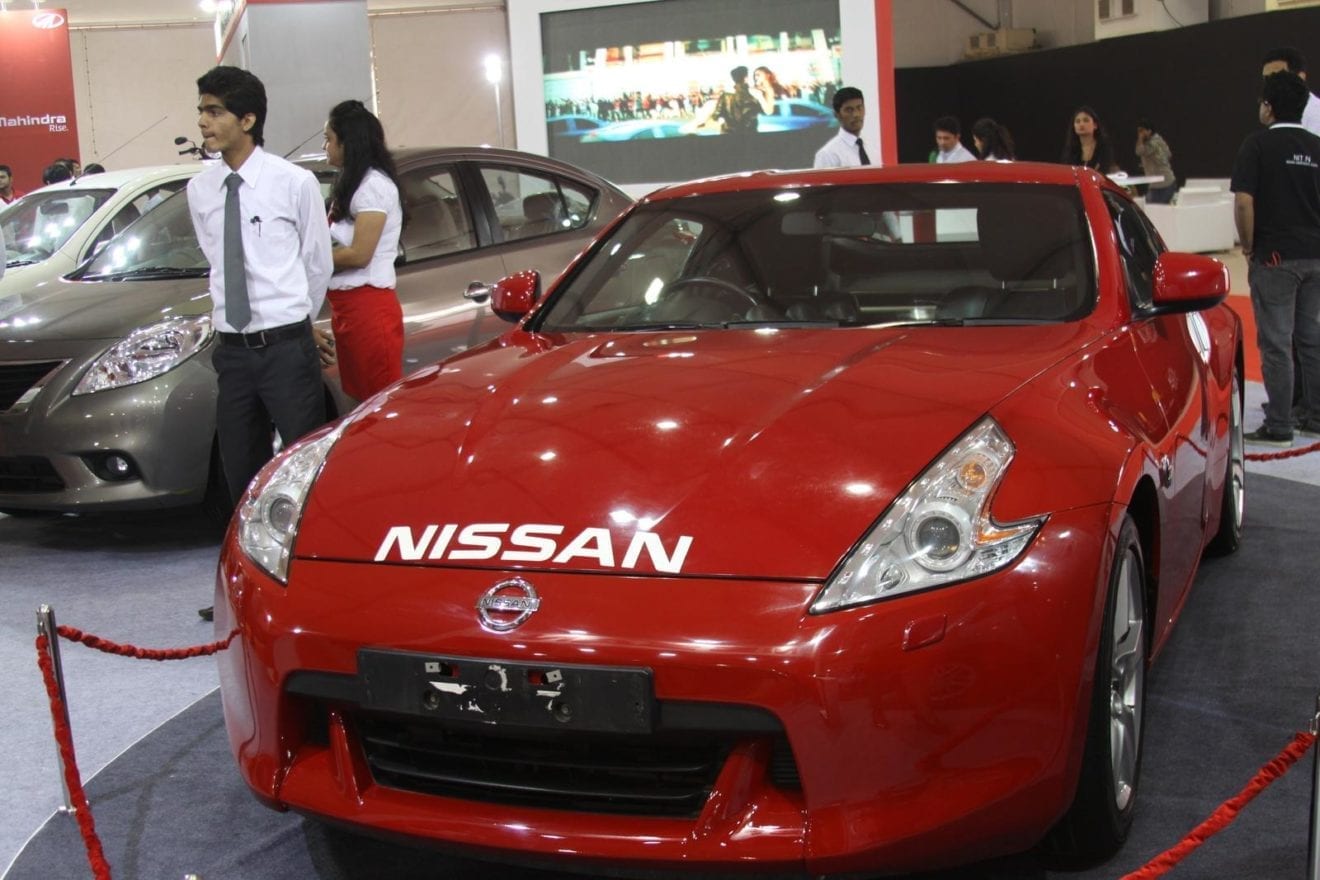
    Korea’s antitrust watchdog said Wednesday that it has fined Nissan Korea 900 million won ($802,100) for inflating gas mileage figures for its Infiniti Q50 2.2d sedans. The Japanese car’s fuel efficiency reaches 14.6 kilometers per liter (34.3 miles per gallon), but the local unit of the Japanese carmaker overstated the fuel efficiency as 15.1 kilometers per liter in its stickers, catalogues and magazines between February and November 2014, according to the Fair Trade Commission.

    Nissan Korea sold 2,040 Infiniti Q50 2.2d sedans valued at 68.68 billion won during the cited period.

    “There are concerns that Nissan Korea’s advertising could hurt fair trade by distorting consumers’ reasonable choice, considering that fuel efficiency is a priority factor when they buy vehicles,” the commission said.

    Repeated calls to Nissan Korea seeking comment went unanswered.

  • The Seiko Dream Square opens in Tokyo

    The Seiko Dream Square opens in Tokyo

    Seiko Watch Corporation has opened an interactive hub of its watchmaking to allow visitors to “look, feel and experience” the rich history and heritage of the brand. The Seiko Dream Square is a new four-story retail complex in the heart of the watch brand’s birthplace in Tokyo’s Ginza district and showcases its heritage of watchmaking since 1881 with a museum, showrooms and entertainment areas.

    The aim of the new retail complex is to become a “point of destination” for visitors as well a centre for communicating the brand’s story globally said the watchmaker in a statement.

    It features a small museum on the first floor in the image of the symbolic Wako clock tower’s interior, a historic symbol of Seiko and a proud landmark of Ginza in which Seiko founder Kintaro Hattori placed its headquarters.

    On the other levels, visitors can shop Seiko’s leading collections, Prospex, Presage, Lukia, and Astron, with each displayed in a “refined setting” based on the particular brand’s unique identity.

    Commenting on the opening, Seiko Watch Corporation chairman and chief executive, Shinji Hattori said: “A Seiko watch is not merely an industrial product. It can be a partner to one’s life journey and story. It is our dream that Seiko Dream Square be the place where visitors from around the world would want to find this particular partner.”

  • Japan offers most overseas jobs for Vietnamese workers

    Japan offers most overseas jobs for Vietnamese workers

    Japan is expected to receive more Vietnamese workers this year, having become the most attractive labor export market in 2018. Last year marked the first time Japan became the most popular destination for Vietnamese migrant workers with over 68,700 people finding jobs there, beating Taiwan with nearly 60,400 people and South Korea with over 6,500, according to statistics released by the Department of Overseas Labor.

    The department’s deputy director, Nguyen Gia Liem, said the Japanese market’s rise in popularity was due to the implementation of a new law that allows migrant workers to stay for five years instead of three.

    Furthermore, Vietnam was the first country to sign with Japan a memorandum of cooperation on the latter’s technical intern training program, which came into effect last June.

    In 2018, a total of 13 Vietnamese businesses were also licensed to directly bring Vietnamese citizens to Japan to work as caregivers. The long language and skill training required, however, limited the number of Vietnamese citizens taking this route last year.

    However, Liem asserted: “These establishments would help increase even further the number of Vietnamese laborers going to Japan.”

    Deputy Minister of Labor, Invalids and Social Affairs, Doan Mau Diep, has said the ministry will reduce the number of labor export firms. The move follows last October’s request by Japan’s Prime Minister Shinzo Abe that Vietnam shut down bad labor export agencies and reduce costs for people wanting to work abroad.

    “The country currently has 2,000 companies taking workers overseas, which is too many, causing companies to compete with each other for contracts, and they collect high fees,” Diep said.

    The ministry would also review current regulations on overseas students to prevent this system from being abused as many Vietnamese citizens wanting to work in Japan have been using student visas in recent years to reduce cost and time spent on language and skills training.

    Last year, Japanese authorities already reviewed and suspended multiple companies for taking Vietnamese workers to Japan under the guise of international students.

    Diep also warned that citizens wanting to work overseas need to use legal labor export firms and not use tourist visas, as happened in the recent infamous case in Taiwan.

    “If going on a worker’s visa the fees can be expensive, such as about VND80 million [$3,400] for Taiwan. The travel route meanwhile only costs flight tickets and visa fees so many still choose to travel then escape to work, but they will face many risks,” he said.

    A Vietnamese migrant worker can make $1,000 to $1,200 a month in Japan and South Korea, four times the average monthly salary in Vietnam, which was VND6.5 million ($290) last year.

    A total of over 142,800 Vietnamese laborers went to work overseas in 2018, a six percent increase compared to the previous year.

    With this number, which includes about 50,300 female workers, 2018 became the fifth consecutive year in which the number of Vietnamese working overseas exceeded 100,000 people.

  • Toyota fined W817 million for false advertising

    Toyota fined W817 million for false advertising

    Korea’s antitrust watchdog said Tuesday that it has fined Toyota Motor Korea 817 million won ($729,000) for deceptive advertising of its RAV4 sport utility vehicle (SUV). Toyota Motor Korea advertised that its RAV4 obtained a top safety pick in five test categories, including the driver’s side small overlap front and roof strength, from the U.S. Insurance Institute for Highway Safety (IIHS) in 2015.

    In 2016, the RAV4 earned the Top Safety Pick Plus rating from the independent nonprofit organization that aims to reduce deaths, injuries and property damage from motor vehicle crashes, according to the Fair Trade Commission.

    The commission said that RAV4 models sold in the United States in 2015 and 2016 were equipped with a bracket, or shock absorber, that allowed it to get the top rating.

    The same SUV model sold in Korea during the same period was not equipped with the bracket, but Toyota Motor Korea advertised the RAV4’s earning the Top Safety Pick rating from the IIHS.

    “Toyota Motor Korea concealed and omitted that there was a difference between RAV4 models sold in the United States and Korea,” the commission said.

    It said the advertisement could mislead Korean consumers into believing that RAV4 models sold in Korea had all the safety features covered by the Top Safety Pick rating.

    Toyota Motor Korea said it cannot give an immediate comment on the issue and that it is reviewing the commission’s decision.

    Toyota is the second foreign automaker to be fined this year. BMW Korea was fined 14.5 billion won last week for manipulating documents on emissions.

  • Berjaya Land to build Four Seasons Resort in Okinawa for US$1b GDV

    Berjaya Land to build Four Seasons Resort in Okinawa for US$1b GDV

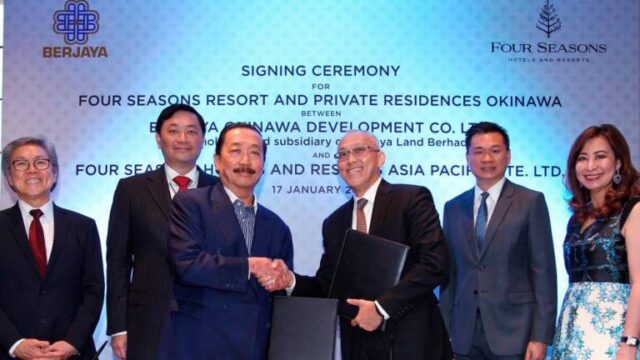
    Berjaya Land Bhd’s (BLand) subsidiary Berjaya Okinawa Development Co Ltd will develop the Four Seasons Resort and Private Residences Okinawa in Japan, which has an estimated gross development value of US$1 billion (RM4.1 billion), in partnership with hospitality company Four Seasons Hotels and Resorts. BLand’s parent Berjaya Corp Bhd founder and executive chairman and BLand major shareholder Tan Sri Vincent Tan said the project has a development cost of US$400 million (RM1.64 billion).

    Four Seasons Resort and Private Residences Okinawa will have 120 hotel rooms, 120 residences and 40 villas. The project is expected to take four years to complete.

    Tan said Four Seasons Resort and Private Residences Okinawa is another iconic project in Japan for the Berjaya group, emulating the success of Four Seasons Hotel and Hotel Residences Kyoto, which was launched in December 2016.

    “We think it will be the most valuable and expensive hotel in Okinawa. It will have the highest rate, just like Four Seasons Kyoto where the average rate is US$1,500 per night, but Okinawa will be slightly less. It will be good for BLand and BCorp,” he said at the hotel management agreement signing ceremony.
    He added that four-star hotels in Okinawa average at US$700-US$800 per night while the better ones are priced at US$1,000, viewing that Four Seasons Resort and Private Residences Okinawa will do well there.

    “I’m confident that Okinawa will be an outstanding successful project for Berjaya,” said Tan.

    The project will comprise 30 acres out of the 100 acres of beachfront land owned by BLand along the western coast of the island of Okinawa.

    “We have another 70 acres. We can build many more hotels on that land and Okinawa is a good market. We can do shopping mall, residences, three- or four-star hotels,” added Tan.

    This is BLand’s second partnership with Four Seasons but Tan said both parties are also in talks on future projects in Japan and other cities.

    Four Seasons operates 111 hotels and resorts, 41 residential projects in major city centres and resort destinations in 47 countries, and with over 50 projects under planning or development.

    “We have plans to grow our footprint in Japan such as Osaka, Hakone, leisure destination in Hokkaido, including Niseko. It’s a country that we continue to focus on, not only growth but also operating existing assets there,” said Four Seasons Hotels and Resorts senior vice-president for development Asia Pacific Christopher Wong.

    When asked if Four Seasons Resort and Private Residences Okinawa will also be put for sale, like the Four Seasons Kyoto, Tan said it is possible, adding that every thing is up for sale with the right price.

    On the divestment of the Four Seasons Hotel in Kyoto, Tan said it is talking to several parties for a better price and is expected to be finalised in the next three months.

    On the plan to carve out the hotel assets from BLand and to list the hotel business in Singapore, Tan said it is not finalised yet, but it could include Malaysian hotel assets.

    “We will list those that we’re not selling. We have a few hotels that we’re not selling like Berjaya Times Square Hotel and Ansa Kuala Lumpur. Those that we want to hold for long term, mostly are the Malaysian hotels,” he added.
  • 7-Eleven parent sales surges: Report

    7-Eleven parent sales surges: Report

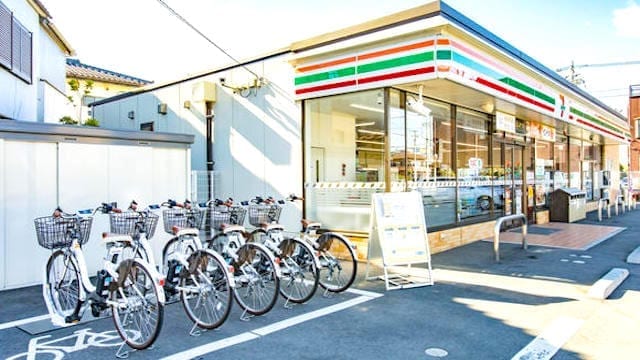
    Japanese retail giant Seven & I has reported a 15.8 per cent increase in net sales for the nine months to November. Profit rose by a less impressive 2.9 per cent. The 7-Eleven parent said its overseas convenience store business achieved an impressive 15.7 per cent increase in operating profit year on year.

    At home, its Ito-Yokado superstore managed to reduce its operating loss to ¥200 million (US$1.85 million), however its York-Benimaru supermarket division and Sogo & Seibu department stores both struggled, the latter losing ¥937 million ($8.6 million).

    Seven & I’s net sales totalled ¥4.11 trillion ($38 billion).

  • Uniqlo sales performs well globally, not in hometown

    Uniqlo sales performs well globally, not in hometown

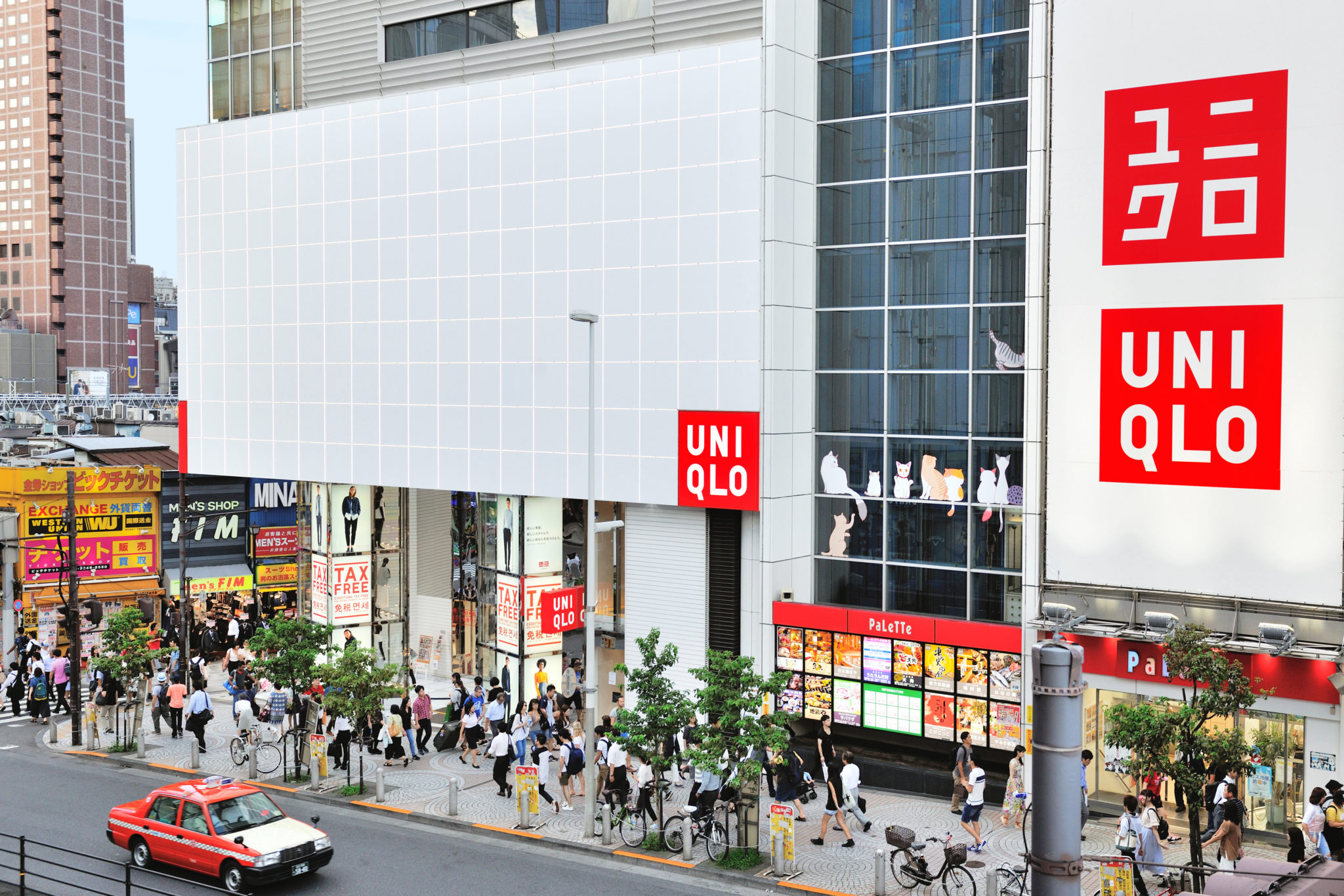
    Fast Retailing Group has reported a decline in revenues for Uniqlo Japan against broader successes internationally in its first quarter. A sharp profit decline on sluggish sales of seasonal ranges during a warm winter in Japan has given rise to disappointing results in the Uniqlo brand’s home territory. Uniqlo Japan posted revenues of ¥246.1 billion (US$2.27 billion), a decrease of 4.3 per cent year on year, with first-quarter profit before taxes of ¥111 billion ($1.03 billion), down 5.7 per cent; and profit attributable to owners of the parent firm of ¥73.4 billion ($678.4 million), down 6.4 per cent. Online sales expanded favourably in the market, however, showing an increase of 30.9 per cent.

    Uniqlo International saw an operating profit far exceeding that of Uniqlo Japan, with revenues at ¥291.3 billion (2.69 billion) up 12.8 per cent. Uniqlo Greater China and Uniqlo South Korea both reported higher sales and profits despite the dampening effect of the warm winter. Uniqlo Southeast Asia & Oceania continued to report significant revenue and profit gains.

    The report said Fast Retailing’s consolidated business estimates for the financial year ending August 31 remain unchanged from the initial forecasts released last October, predicting an 8 per cent expansion in revenue and 14.3 per cent increase in operating profits.