Retail News CRM

Tag: jeans

  • Levi’s Makes a Fashion Statement: Weaving into the Cultural Fabric of Australia

    Levi’s Makes a Fashion Statement: Weaving into the Cultural Fabric of Australia

    At the 2025 National Gallery of Victoria (NGV) Gala, an unexpected element caught everyone’s attention – a denim carpet. This unusual red carpet replacement was not just a whimsical twist, but a calculated move by Levi’s, the clothing brand sponsor, showcasing its deep-rooted connections within the cultural matrix of today.

    The NGV Gala, one of Australia’s most esteemed events, is a grand celebration of art, fashion, and food. Levi’s participation in the grand event extended beyond a mere brand appearance. It signaled a strategic step in its plan to establish itself firmly at the confluence of culture in the Australasian region. Levi’s seized this opportunity to position itself not just as a heritage brand but as a proactive player in shaping modern creativity.

    A Strategy Rooted in Authenticity

    The General Manager of Levi’s ANZ, Michael Baer, had highlighted the crux of the partnership prior to the Gala. He stressed the importance of cultural credibility, maintaining that it had to be genuine and earned rather than contrived.

    Baer insisted, “It is of utmost importance that every partnership we form feels authentic and reciprocal.” This philosophy was at the heart of Levi’s strategy: forging ties that mirrored the brand’s ethos and resonated with its community.

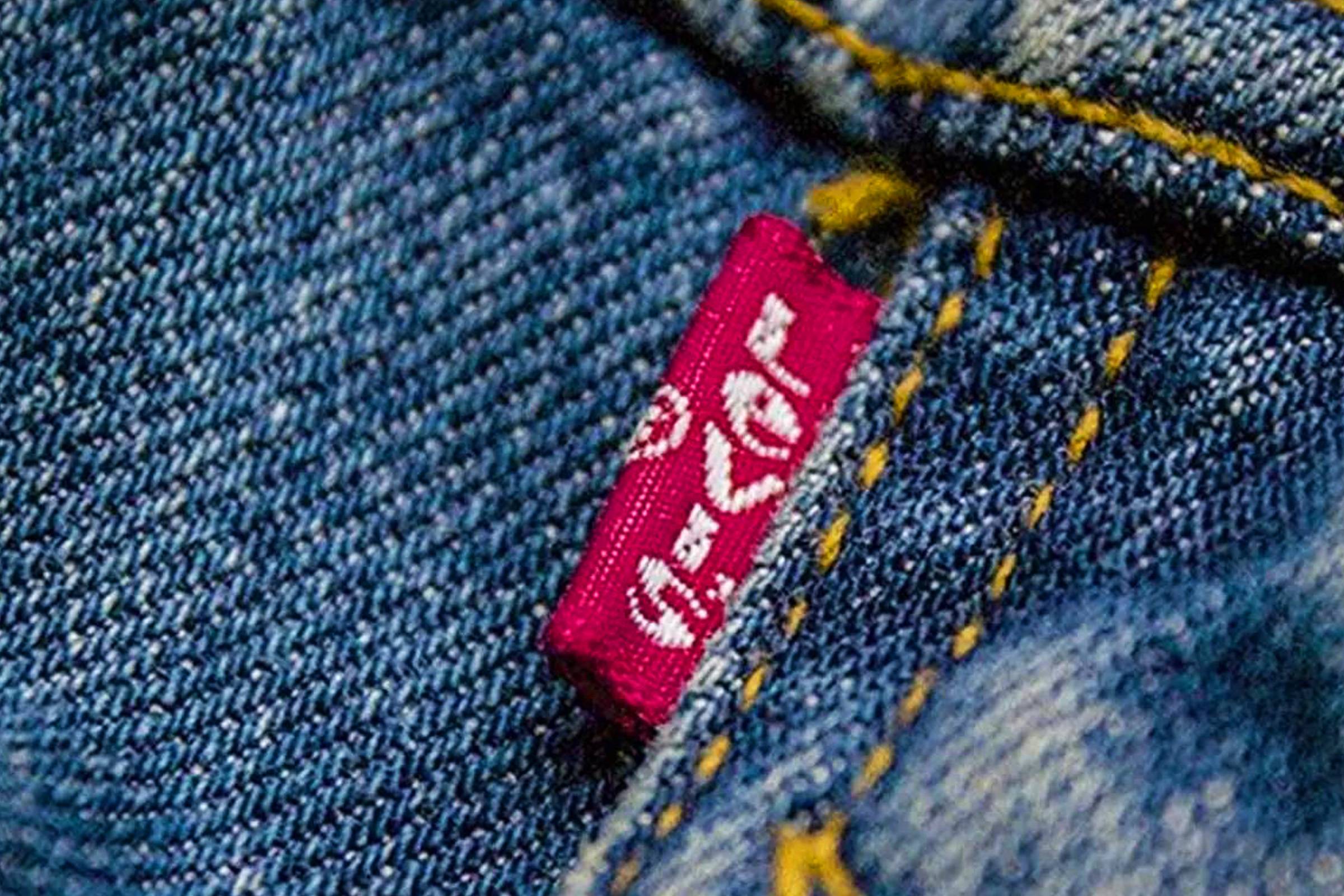
    This authenticity was evident in every decision made during the Gala, starting with the Levi’s Denim Carpet. This innovative centerpiece replaced the traditional red runway with a deep indigo denim sprinkled with the iconic red tab, a subtle yet powerful homage to the brand’s heritage. It represented Levi’s 150-year-old legacy of turning workwear into something functional yet fashionable, ordinary yet iconic.

    Fashion, Music, and Art Fusion

    Levi’s aimed to transcend mere visibility. It sought to establish a presence where its audience already existed – in music, art, and fashion. The Gala offered the ideal environment for this.

    Manly-based musician Don West, known for his effortless cool and natural affinity for denim, was the star attraction of the night. He performed with his seven-piece band, all bedecked in bespoke Levi’s pieces fashioned in collaboration with designer Karen Walker.

    This performance highlighted Levi’s capacity to leverage live culture as a narrative medium – one that amalgamated sound, style, and substance.

    Complementing the concert was a fashion runway featuring designs by RMIT’s top fashion students. Their designs, a fusion of innovation and sustainability, mirrored Levi’s ongoing commitment to nurture young talent and advocate environmentally friendly design.

    Local Connections, Global Resonance

    The NGV Gala partnership reflected Levi’s broader regional strategy: forming meaningful collaborations with local creative communities to expand its cultural influence.

    Levi’s aspired to reflect the diversity and creativity of its consumers in Australia and New Zealand, from collaborating with visual artists to engaging musicians. This strategy aimed to solidify Levi’s enduring presence within Australia’s cultural institutions, ensuring the brand remained not just relevant, but central to the country’s creative dialogues.

    Heritage Melding with Modern Culture

    The NGV’s star-studded exhibition featuring Vivienne Westwood and Rei Kawakubo provided a fitting backdrop. Like Levi’s, both these fashion houses embody a rebellious spirit and a lasting impact on style and identity.

    By the end of the event, it was evident that Levi’s wasn’t merely a sponsor – it was a story weaver. Levi’s impact at the NGV Gala showcased a disciplined strategy founded on authenticity, creativity, and cultural partnerships.

    Questions & Answers

    What was the significance of the Levi’s Denim Carpet at the 2025 NGV Gala?
    The Levi’s Denim Carpet, replacing the traditional red carpet, signified the brand’s deep-rooted connection with the cultural fabric of society. It was also an homage to the brand’s heritage.

    What was the intention behind Levi’s partnership with the NGV Gala?
    Levi’s aimed to establish itself firmly at the crossroads of culture in the Australasian region, positioning itself as a proactive player in shaping modern creativity.

    How did Levi’s reflect its commitment to authenticity and creativity at the Gala?
    Levi’s showcased its commitment to authenticity and creativity by creating meaningful collaborations with local creative communities, nurturing young talent, advocating environmentally friendly design, and leveraging live culture as a narrative medium.
  • Guess Jeans Expands Global Footprint With Flagship Store Launch In Tokyo’s Jingūmae District

    Guess Jeans Expands Global Footprint With Flagship Store Launch In Tokyo’s Jingūmae District

    Guess Jeans makes its debut in Japan with a flagship store

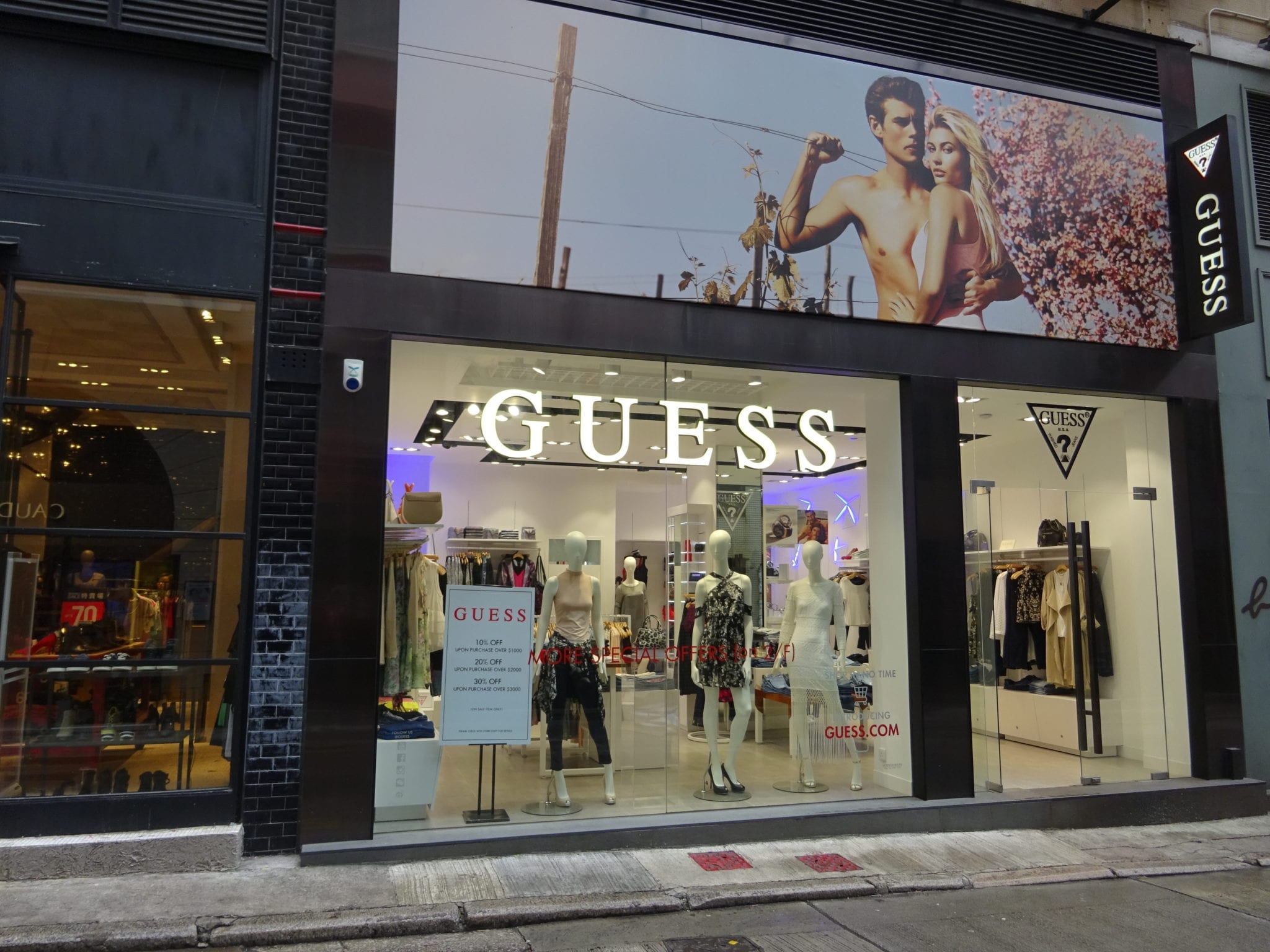
    American clothing brand Guess Jeans has launched its first retail store in Tokyo, Japan’s Jingūmae district, marking its latest step in its global expansion strategy.

    The four-level establishment boasts a minimalist aesthetic with concrete interiors and a selection of greenery arranged in locally made ceramic pots. This design approach is a fusion of Japanese simplicity and the relaxed, sun-soaked vibe of California.

    Nicolai Marciano, the Chief New Business Development Officer at Guess, expressed that the flagship store in Tokyo marks more than just an addition to the brand’s retail outlets. He stated, “This space acts as a platform that allows the brand to interact directly with the new generation of creative talent in the region.”

    Traveling exhibition celebrates Guess Jeans’ 40-year Legacy

    In celebration of the store’s grand opening, Guess Jeans has initiated a traveling exhibition in Tokyo titled “Guess Jeans: The Next 40 Years of Denim.” The exhibit incorporates a live Airwash Lab and a customization zone where visitors can engrave their personal designs onto denim tote bags. Notable Japanese creators such as Ryota Daimon and A Love Movement have participated in the development of the exhibition.

    Guess Airwash is an innovative production technique, developed in partnership with Spanish technology company Jeanologia. This unique process utilizes air, light, and nanobubbles to substitute traditional stonewashing approaches, reducing water consumption by up to 80 per cent and eliminating the use of harmful chemicals.

    Exclusive pop-up shop curated by Japanese artist Verdy

    A special feature of the flagship store is an exclusive pop-up shop located in the basement, curated by renowned Japanese artist Verdy. Titled “Guess Jeans Gift Shop with Friends,” the space features exclusive merchandise created in collaboration with fourteen local brands. Among the special items on offer are limited-edition pieces from brands such as TTTMSW, The Flwrs, Blackmean, and Masu.

    Questions & Answers

    Where is Guess Jeans’ new store located?
    The new Guess Jeans store is located in the Jingūmae district of Tokyo, Japan.

    What special features does the new Guess Jeans store offer?
    The store features minimalist concrete interiors and curated greenery in locally crafted ceramic vessels. It also hosts a traveling exhibition and an exclusive pop-up shop curated by Japanese artist Verdy.

    What is the purpose of the Guess Airwash technique?
    The Guess Airwash technique is an innovative production process that significantly reduces water consumption and eliminates the use of harmful chemicals in denim production.

  • Levi Strauss Sells Dockers to Authentic Brands Group in a Deal Worth Up to $391 Million

    Levi Strauss Sells Dockers to Authentic Brands Group in a Deal Worth Up to $391 Million

    Levi Strauss & Co. has made headlines with its recent decision to sell its Dockers brand to Authentic Brands Group in a deal that could total up to $391 million. The initial segment of this transaction is valued at $311 million, with an additional $80 million hinging on future performance-based earnouts.

    This strategic move is part of Levi’s commitment to refocus its efforts on its core Levi’s® brand. The company is also looking to enhance its direct-to-consumer initiatives, expand internationally, and invest further in women’s and denim lifestyle categories. It’s a bold leap, shedding baggage to soar towards new horizons.

    The sale is anticipated to unfold in two stages: the U.S. and Canada transactions are expected to conclude by July 31, 2025, while the global deal will wrap up by January 31, 2026. As part of the transition, Levi’s has pledged its assistance to ensure a smooth handover, and plans to channel $100 million of the proceeds back to shareholders through stock buybacks. Talk about leaving the nest with a little extra cash!

    BofA Securities provided advisory services for Levi’s, while legal counsel was handled by Cleary Gottlieb Steen & Hamilton LLP.

    Questions & Answers

    What is the total value of the deal between Levi Strauss & Co. and Authentic Brands Group?
    The initial transaction is valued at $311 million, with potential additional earnouts bringing it up to $391 million.

    When are the expected closing dates for the sale?
    The U.S. and Canada deal is set to close by July 31, 2025, while the global transaction will be completed by January 31, 2026.

    How will Levi’s utilize the proceeds from the sale?
    Levi’s plans to return $100 million of the proceeds to shareholders through stock buybacks.

  • Levi’s Expands Brand Growth with New Flagship Store in Nagoya

    Levi’s Expands Brand Growth with New Flagship Store in Nagoya

    Levi Strauss & Co. Unveils Its Largest Store in Asia Pacific to Boost Consumer Connection in Japan

    Levi Strauss & Co., a trailblazer in denim and casual wear, has strategically expanded its footprint by opening its largest single-floor store in the Asia Pacific region—located at Nagoya ZERO GATE, Japan. This launch is a significant step in the brand’s effort to enhance customer experience and embrace local culture.

    Expanding Brand Presence with Innovative Store Features

    Spanning an impressive 5,380 square feet, the new flagship store in Nagoya is not only about size but also about offering unique experiences. It hosts the first Levi’s Tailor Shop in the Tokai region, where customers can enjoy personalized services such as embroidery, fabric paneling, and repairs—tailored to their tastes and preferences.

    Adding to the consumer experience, the store features an upscale lounge area, integrates digital elements for a seamless shopping experience, and proudly stands as the brand’s inaugural data shop in the city. This launch aligns well with Levi’s direct-to-consumer (DTC) strategy which prioritizes immersive brand experiences to foster deeper customer relationships.

    A Strategic Choice for Consumer Engagement

    Nuholt Huisamen, Managing Director & Senior Vice President, APAC at Levi Strauss & Co., explained that choosing Nagoya — one of Japan’s largest cities known for its rich history and vibrant culture — was a strategic decision. This location aligns perfectly with Levi’s goal to always be at the cultural epicenter, thus reinforcing the brand’s presence in significant urban landscapes.

    “The store is strategically positioned to show the fullest expression of our assortment, enabling consumers in Nagoya to fully immerize themselves in the Levi’s lifestyle brand. This is a direct reflection of our ambition,” Huisamen added.

    Expectations for Market Reception

    Following robust performances in major Japanese cities like Tokyo, Osaka, and Kyoto, expectations are high for the Nagoya store. Huisamen expressed optimism about the new store’s potential, given the Japanese consumers’ profound appreciation for heritage denim and the Levi’s brand overall. This indicates a promising future for Levi’s in strengthening its market position through direct engagements and tailored retail experiences.

    Potential Impact on the Retail Sector

    This expansion not only solidifies Levi’s commitment to enhancing consumer interactions through a DTC strategy but also sets a benchmark in the retail sector for combining traditional shopping with personalized and digital experiences. The move could inspire similar strategies across the industry, potentially reshaping retail interactions and consumer expectations in the region.

  • Levi’s unveils new Icon store at Palladium Mall Mumbai

    Levi’s unveils new Icon store at Palladium Mall Mumbai

    American denim brand Levi’s has opened an Icon store at Palladium Mall, in Mumbai.

    Spanning 5197sqft, the boutique features an indigo ombre facade, with the ceilings, walls, and pillars painted in indigo.

    The store aims to deliver an elevated shopping experience, offering bespoke alterations, custom embroidery, and distressing.

    At the same time, a spacious lounge area has been incorporated, allowing visitors to shop and engage at their own pace.

    Hiren Gor, GM for South Asia at Levi Strauss & Co, said the new Icon store supports the brand’s expanding direct-to-consumer strategy in India.

    “Mumbai remains a key market for us,” he said. “Palladium Mall, known for its premium luxury retail mix and fashion-forward consumers, provides the perfect setting for our latest Levi’s Icon store.”

  • Guess Jeans to launch in India

    Guess Jeans to launch in India

    GUESS? Inc. is bringing its California-based denim lifestyle label, Guess Jeans, in India.

    The move comes as part of a long-term strategic franchise partnership with Tata Group’s multi-category e-commerce platform, Tata CLiQ, operated by Tata UniStore Limited.

    Under the partnership, Tata CLiQ will serve as the exclusive retailer for Guess Jeans in India, offering the brand’s products through both physical stores and online platforms. The collaboration is aimed at establishing an omnichannel presence, providing Indian customers with seamless access to the latest collections.

    The partnership is expected to drive significant growth for Guess Jeans by expanding its retail footprint across the country.

  • Shein scales up eco-friendly denim production

    Shein scales up eco-friendly denim production

    Shein is scaling its adoption of Cool Transfer Denim Printing technology by 90 per cent to boost sustainability in denim production.

    This method – implemented in 2021 in partnership with NTX – significantly reduces water and energy consumption while streamlining the manufacturing process.

    Last year, approximately 380,000 pieces of Shein denim apparel were made using Cool Transfer Denim Printing, saving more than 10,000 metric tonnes of water compared to traditional production methods.

    Traditional denim production is resource-intensive, requiring large amounts of water and energy for dyeing, bleaching, and washing.

    In contrast, Cool Transfer Denim Printing eliminates these high-consumption steps, using less water, dye, and energy. The method transfers designs from paper to fabric without heat, with a soft-hand feel.

    Aside from the method’s sustainability benefits, Shein said it also improves worker safety by reducing exposure to harmful chemicals like chlorine and caustic soda, commonly used in conventional processes.

  • Uniqlo to open global flagship in former Bicqlo site in Shinjuku

    Uniqlo to open global flagship in former Bicqlo site in Shinjuku

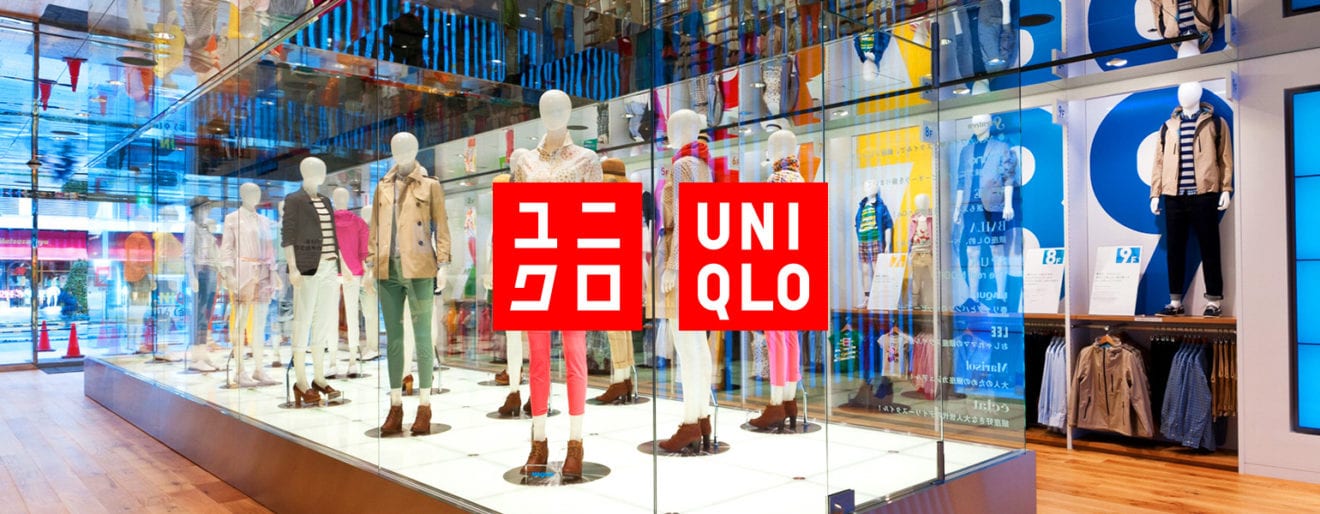
    Uniqlo is set to open a new global flagship store in Shinjuku, replacing the former Bicqlo location, as part of its aggressive expansion plan.

    In addition to offering its range of clothing and accessories, the store will feature unique elements such as Uniqlo Flower, Uniqlo Coffee, and Re:Uniqlo.

    Uniqlo Flower is located on the first floor, selling seasonal flowers and will be displayed at the store’s entrance. On the second floor, Uniqlo Coffee will serve beverages and local sweets.

    Additionally, the third floor will house Re:Uniqlo Studio where customers can access embroidery and clothing repair services, encouraging shoppers to care for and extend the life of their garments.

    To celebrate its opening, Uniqlo will release an exclusive Shinjuku Mainstore Special, which will feature select Western products not previously available in Japan; and a Shinjuku Department Store Guidebook, a booklet introducing the town, insights from staff from long-established local stores, and cultural figures from the district.

  • Levi’s to fuel growth ambitions with Suria KLCC Malaysia store reopening

    Levi’s to fuel growth ambitions with Suria KLCC Malaysia store reopening

    Levi’s has reopened its expanded store at Suria KLCC, Malaysia. Spanning 393sqm, this is the brand’s largest flagship in Southeast Asia and part of its direct-to-consumer expansion strategy in the region.

    The new store features the brand’s signature NextGen Indigo format, designed to deliver an immersive shopping experience, with modern touches like LED portal entry and elevated style lounges.

    It will offer various collections including Levi’s Vintage Clothing, the Made in Japan line, and climate-adaptive offerings such as the Performance Cool range.

    Levi’s also partnered with local artists to offer unique, Malaysia-inspired personalisation options. For the reopening, the brand worked with street artist Cloakwork to design exclusive heat press patches that celebrate local heritage.

    In addition, the Suria KLCC outlet has its very own Tailor Shop, offering consumers the option to personalise and customise their apparel.

    Nuholt Huisamen, MD of East Asia Pacific, Levi Strauss and Co, said strengthening its presence in Southeast Asia is crucial for the brand’s growth ambitions.

    “Our ambition is to become a $10 billion company and a world-class retailer, and our international business will play an integral role in helping us to achieve this,” said Huisamen.

    “Southeast Asia – and the broader East Asia Pacific region – holds immense potential for us, with many markets leading the way in creating fashion trends that are quickly picked up globally.”

  • Levi’s opens its largest store in Bangkok

    Levi’s opens its largest store in Bangkok

    Levi Strauss & Co has reopened its 364 sqm store at CentralWorld in Bangkok, marking the brand’s largest location in Thailand.

    Located on the second floor of Bangkok’s mall district Chidlom, the store is home to the country’s second Levi’s Tailor Shop, an alteration, restoration and customisation station helmed by skilled tailoring professionals.

    “Thailand is an important strategic market for Levi Strauss & Co within Southeast Asia, and Bangkok is one of the world’s most popular destinations for international tourists,” said Sameer Koul, general manager for Southeast Asia and country manager for Levi Strauss & Co in Thailand.

    “Levi’s CentralWorld store opens as our largest store in Southeast Asia to date, and represents our commitment to this dynamic market as we continue to build deeper direct connections with both local and international shoppers in Thailand,” he added.

    The expanded store also houses collections that collaborated with key cultural figures from Thai artists, even seasonal exclusives, displayed on the opening day in the Beacon Zone.

    Levi Strauss & Co reopened its Levi’s store in Japan’s Kyoto last month, which features the brand’s NextGen format designed to elevate the shopping experience.

  • Levi’s sets date for CEO transition

    Levi’s sets date for CEO transition

    Levi Strauss & Co has named Michelle Gass as president and CEO, effective January 29 next year, replacing Chip Bergh.

    Bergh is set to retire on April 26 next year. He has been elected to serve as executive vice chair of the board until his retirement date, after which he will transition to a senior advisor role until the end of fiscal FY24.

    “It has been an incredible privilege to lead this great company as CEO for the last 12 years. I want to especially thank my team, the board of directors and the family shareholders for all their support through the years,” said Bergh.

    “While I’ve known Michelle for more than a decade, my time working closely with her this past year has given me great confidence that her experience, track record of innovation and impact, and passion for the business will position the company for sustainable, profitable growth and significant shareholder and stakeholder value creation.”

    Gass has been the president of Levi Strauss & Co since January this year. Before that, she held senior positions at Kohl’s and Starbucks.

    “I am honored to be stepping in to lead this iconic brand and company, one that I have deeply admired and respected for many years. Levi’s is more than a denim icon; it’s part of our cultural fabric and an enduring symbol of quality, innovation and progress,” said Gass.

    “I am incredibly excited to lead our amazing team and to reali

  • Levi’s unveils plant-based edition of its 501 jeans

    Levi’s unveils plant-based edition of its 501 jeans

    Levi’s new jean is an example of how the food industry is setting fashion trends.

    The San Francisco-based brand unveiled the first 501 jeans made with at least 97 percent plant-based materials. Levi’s said the jeans “are an indication of what the industry could look like in the years ahead given the push to minimize synthetic materials derived from fossil fuels and the need to make more garments with renewable inputs rather than finite resources.”

    Made with 100 precent OCS-certified organically grown cotton, the 501 is made possible through a series of recent partnerships and pilots.

    The fabric is dyed with plant-based indigo from Springfield, Tenn.-based Stony Creek Colors and references Levi’s X80 archival shade. Levi’s invested in the only industrial-scale manufacturer globally of 100 percent bio-based indigo last year, following several Levi’s WellThread collections made with the naturally derived colors.

    For the internal pocket bag, Levi’s used a 100 percent cotton component printed with BioBlack TX, a plant-based black pigment made from wood waste, manufactured in a closed-loop system and developed by Nature Coatings, another collaborating partner. Levi’s used the pigment for the floral-printed denim pieces in its Spring/Summer 2023 WellThread collection.

    Levi’s replaced its traditional leather back patch with one made with Mirum by NFW. The material is comprised of 100 percent bio-based, plastic-free inputs that don’t generate effluent during production. The brand’s use of leather for patches has been a point of contention with PETA, which for years has urged it to adopt cruelty-free alternatives.

    Each patch says “plant based” and features a small green leaf next to the lot number. The leaf motif is replicated on the 501’s signature red tab.

    The sewing thread, care label and metal trims are the only materials not created from plants.

    The women’s plant-based 501 is available now in two washes, a light wash Indigo Botanics and medium wash Blue From Green, and retails for $128. A men’s version will launch on July 31.

    “In our ongoing research and development, we strive to improve our design practices and conserve environmental resources every way we can,” said Una Murphy, Levi’s director of design innovation. “By incorporating sustainable innovation, in mainline and premium product alike, we learn what’s possible and how we can continue working towards solving some of our biggest challenges.”

    The plant-based jean is part of a suite of newness from Levi’s that challenges traditional denim manufacturing.

    Levi’s will bow a cottonized hemp-cotton blend selvedge 501. The jean will be available in a variety of shades and finishes for women and men, some featuring natural dyes. Levi’s will release the jeans throughout the year.

    The brand is also putting its circular 501, first released last year, back in the spotlight. The jean is made with a blend of organic cotton and Renewcell’s pioneering Circulose fiber, a viscose derived from recycled denim and other cotton-rich textile waste.

    The 501 has been a focal point for Levi’s, which celebrates 150 years this year.

    Paul Dillinger, Levi Strauss & Co.’s VP of design innovation, said the three innovative jeans show that while Levi’s is still focused on producing classic garments, the company is looking to moving in the direction of more circular products and practices.

    “We want to show what is possible,” Dillinger said. “At the same time, we’re challenging ourselves to get closer to a state where products like this represent more of a product line, and where they’re seen not as the endgame, but a starting point that we want to top next season, and the season after that.”

  • Levi’s largest Southeast Asia store lands in Singapore

    Levi’s largest Southeast Asia store lands in Singapore

    Levi’s will be launching new stores and rolling out existing store refreshes as well as new in-store services throughout the East Asia Pacific (EAP) region. New stores are expected to launch this year in Singapore, Malaysia, Indonesia, Japan, Australia, and Thailand. This is part of the company’s plans to accelerate sustainable business and commercial growth in the EAP region.

    Its stores and shop-in-shops will be refurnished into NextGen Indigo stores, and this will be done using digital tools to streamline the consumer journey, including installing LED portal entry archways and LED screens for marketing content. Levi Strauss & Co. managing director and senior vice president of EAP, Nuholt Huisamen, said that in Thailand alone, close to 100 new retail stores will be introduced in the new NextGen Indigo format, eight of which opened on 1 April. This marks the pivot towards a 100% owned-and-operated business model in the country, added Huisamen.

    Select stores in the region will also introduce in-store tailoring services to offer greater personalization of apparel. According to Levi’s, as the retail market finds its new equilibrium, the company will focus on omnichannel engagement, leveraging the hybrid customer experience model. Some of the brand’s marketing plans for 2022 include leveraging the brand experiences with initiatives such as 501 Day and the Levi’s Music Project. 501 Day is a global campaign that commemorates the iconic blue jean receiving its official patent. Similarly, the Levi’s® Music Project is a programme that connects with and supports artists and aims to leave a more global footprint.

    Exciting consumer-facing events and activities in Bangkok will also be announced, Huisamen said, adding that more localised activities will be rolled out in key markets this year.

    D2C focus played a role in financial success

    Levi Strauss & Co., which owns Levi’s, Dockers, and Beyond Yoga, reported an 11% increase in net revenue on a reported basis in Asia during the first quarter of the year. The increase was driven by both its D2C and wholesale channels and most markets, despite a few markets continuing to experience COVID-related impacts.

    Direct to consumer (D2C) net revenues for the region increased 17% driven by strong performance in its company-operated stores, as well as eCommerce, which was up 22%. Wholesale net revenues increased 5% driven by strength of the Levi’s brand across several markets. Net revenues through all digital channels grew 17% and represented 14% of the segment’s sales in the quarter.

    Huisamen credits its success with placing consumer at the centre of everything it does and its focus on D2C. Huisamen cited the recent expansion into Thailand as an example of this. With Levi’s global D2C eCommerce increasing by 22% in the past year, the company prioritised its Thai eCommerce site and created a dedicated CRM programme as well, to respond to the omnichannel behaviour of its younger, digitally savvy target audience.

    With young consumers becoming a priority audience, Huisamen said that it is important the brand continue to adopt a digital-first mindset to better serve and appeal to them – both from a marketing and consumer standpoint. Levi’s has thus dialled up its social media presence locally with newly launched channels on platforms such as LINE, Facebook, Instagram and Twitter. On top of that, there are brand collaborations and collections with other brands such as The Simpsons, BEAMS, Human Made and Levi’s® Fresh. These have already been rolled out in the region, and reflect the brand’s push to connect with younger audiences.

  • Ukraine war to sully clothes sales from Levi to Ralph Lauren

    Ukraine war to sully clothes sales from Levi to Ralph Lauren

    Levi Strauss and Ralph Lauren are among U.S. apparel brands likely to be worst hit by Russia’s invasion of Ukraine which is again clogging supply chains in Europe where they derive at least a quarter of sales, Wall Street analysts say.

    American clothes firms’ European businesses were just recovering from two years of pandemic restrictions. But war-related Western sanctions on Moscow, airspace bans, and shipping route changes have put new squeezes on East-West supply chains.

    “Cargo checks are now one of the biggest disruptions to shippers, making sure they are not breaking sanctions at ports in the EU (European Union) and the UK,” said Jane Hali, CEO of investment research firm Jane Hali & Associates.

    Analysts see particular exposure to Calvin Klein and Tommy Hilfiger owner PVH, Levi Strauss, Ralph Lauren, Michael Kors owner Capri Holdings and Nike , who get roughly 25%-40% of sales from Europe.

    “Europe is definitely going to feel the brunt of the economic damage … which will impact consumer sentiment and consumer wallets,” CFRA Research analyst Zachary Warring said on the fallout for apparel retailers.

    Due to the war, Wedbush analysts have reduced yearly revenue growth estimates by anywhere from 100 to 400 basis points for Adidas AG. and at least eight U.S.-based companies including Skechers USA and Farfetch Ltd.

    The brokerage also downgraded ratings on PVH and Ralph Lauren’s stock to “neutral” from “outperform,” while reducing Nike’s price target.

    Adding to sales pressures, numerous brands have also halted operations in Russia altogether in protest or because of the newly-difficult operating environment. Chinese manufacturers had been sending more goods to Europe by rail across Russia.

    Companies with a smaller European presence, such as Carter’s, Bath & Body Works Inc and Kate Spade-owner Tapestry, are likely to be more insulated, analysts said, but the challenge remains sector-wide.

    “We’re afraid it won’t just be retailers with high exposure to Europe but most of retail,” CFRA’s Warring said.

  • Levi beats quarterly estimates as people refresh their wardrobes

    Levi beats quarterly estimates as people refresh their wardrobes

    Levi Strauss & Co on Wednesday beat third-quarter revenue and profit estimates, boosted by an uptick in demand for jeans from people refreshing their wardrobes as they returned to normal social life following easing pandemic restrictions.

    Shares of the jeans maker rose 2% in extended trading after the Dockers brand owner said its board had approved a $200 million share repurchase plan. The company has a market capitalization of $49.49 billion, according to Refinitiv data.

    With schools and offices reopening and people even going on vacations, as cases of coronavirus infections trend down, many are splurging on new apparel.

    Levi, which has been expanding at major retailers including Target and Nordstrom, has also benefited from a reopening of the economy in its European markets and investments in its direct-to-consumer business.

    Analysts expect Levi to faceless supply pressure than peers due to its minimal reliance on Vietnam, an apparel manufacturing hub that has seen several factories close due to COVID-19 outbreaks and lower usage of the congested West Coast port.

    “We have taken pricing actions and believe we have the pricing power to mitigate inflationary pressures,” Chief Financial Officer Harmit Singh said in a statement.

    Net revenue for the company rose to $1.50 billion from $1.06 billion in the third quarter ended Aug. 29. Analysts on average had expected $1.48 billion, according to IBES data from Refinitiv.

    Excluding items, Levi earned 48 cents per share, beating estimates of 38 cents per share.

    The company said it expects holiday-quarter net revenue growth of 20% to 21% from a year earlier, while analysts were expecting growth of 22%.

    Levi also said it expects fourth-quarter earnings per share to be between 38 cents and 40 cents per share, compared with analysts average expectation of 40 cents per share.