Retail News CRM

Tag: JLL

  • Vietnam needs more hotels as tourism blooms

    Vietnam needs more hotels as tourism blooms

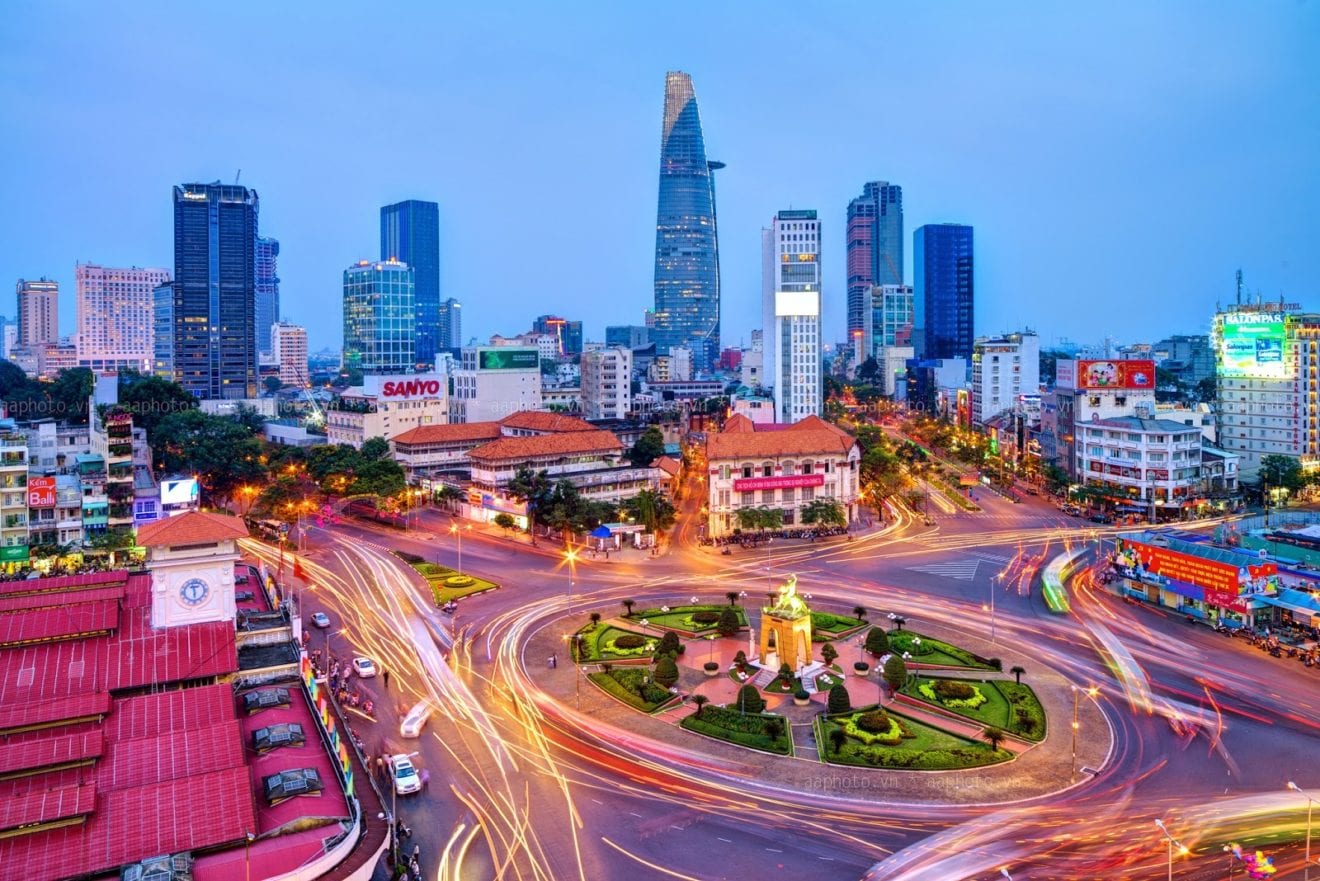
    The “golden age of tourism” in Vietnam presents robust hotel development opportunities in Vietnam’s biggest cities. Troy Griffiths, deputy managing director of real estate consultant Savills, said Ho Chi Minh and Hanoi are “under-hoteled per population, per travel and per airlift capacity”.

    “Hotel is a particularly dynamic sector at the moment as Vietnam is experiencing a golden age of tourism, with international tourism rising 20-30 percent year-on-year and more Vietnamese travelling than any time before,” Griffiths said.

    “There’s a demand for five-star hotels which will be really a strong asset class for the future,” he added.

    As of November, 14.12 million foreigners visited the country, up 21.3 per cent year-on-year and exceeding last year’s 12.9 million, according to the General Statistics Office.

    South Koreans dominated the surge at 46.5 percent, followed by Hong Kong (32.8 percent), Finland (29.6 percent), mainland China (26.9 percent), Taiwan (15.6 percent), and Denmark (15.4 percent).

    In the same period, domestic travelers rose 20.91 percent.

    “Hanoi and HCMC had been pretty quiet in the past as they went through a bit of a bad phase, when international visitors would pass and go straight to Da Nang, Phu Quoc and Nha Trang.

    “Now we see they are actually coming to Hanoi and HCMC because they are both very charming cities for international tourists,” Griffiths said.

    “And their stay is lengthening. That means more five-star demand.”

    Vo Quoc Phuong Trang, head of hotel investment consultancy at real estate service firm Jones Lang LaSalle (JLL), also said that Hanoi and HCMC, with their steady economic and tourism growth, would continue to draw foreign investors in the high-end hotel segment, which Trang said has low risk but offers steady revenue.

    A report released in July this year by global consulting firm Grant Thornton stated that increasing numbers of well-to-do Vietnamese citizens are choosing to stay in five-star hotels and spend lavishly when they travel within the country.

    Vietnamese citizens accounted for 19.2 percent of 4-star and 5-star hotels guests in 2017, according to the report. Although this is a slight decrease from last year’s figure of 20.8 percent, the number of domestic guests staying at upscale hotels had increased for three consecutive years from 2014 to 2016.

    The country has seen a strong influx of international hotel brands and hotel management companies in the last few years. From 30 hotels with international brand names in 2010, the number had increased to 79 at the end of last year, according to Savills.

    There has been a particularly big jump this year with recent announcements by Mandarin Oriental and Movenpick in HCMC and Best Western Premier in the central province of Quang Binh, it said.

    The emergence of Vietnamese hotel operators is also a highlight in the local hospitality landscape.

    “Vietnamese hotel developers are also getting mature. They are acquiring international knowledge and becoming a really strong force in their own right as we have already seen across the resort cities with Vingroup, FLC, BIM and Sun Group,” Griffiths noted.

    Savills’ third-quarter report shows that the 5-star segment in Hanoi continued its strong performance in Q3 though the high travel season for foreign tourists lasts from the beginning of Q4 to April.

    Occupancy rate of five-star hotels in the capital city was highest, at about 80 percent, followed by four-star hotels (65 percent) and three-star hotels (59 percent).

    Average revenue of five-star hotels was $100/room/night, double that of four-star and three times that of three-star properties, the report said.

    Data said, ten out of 19 high-end hotels in the best locations in HCMC have foreign owners. These include Sheraton, Caravelle, InterContinental, Asiana Saigon, and Sofitel.

    In Hanoi, nine of 16 high-end hotels have foreign firms as major owners such as Melia, Sheraton, Sofitel Metropole, Nikko, and Pan Pacific being the major names.

  • US coworking space to set up shop in HCMC

    US coworking space to set up shop in HCMC

    WeWork, the third largest startup in the U.S., and the sixth largest in the world, is set to open a new office in HCMC late this year.

    In its latest report on the co-working space market in Vietnam, real estate firm Jones Lang LaSalle (JLL) said WeWork is looking to open an office on Doan Van Bo Street in District 4.

    The company recently did market research and customer surveys, JLL said.

    The office, to open in December, will be the largest co-working space in Vietnam at 5,000 square meters.

    JLL said the entry of global real estate startups is a positive sign.

    WeWork, valued at $20 billion last year, was one of the largest startups in the U.S., behind only Uber and Airbnb, and the sixth largest in the world. Founded in 2010 it has 250,000 employees.

    It had acquired Chinese coworking space firm Naked Hub for $400 million last April, expanding its reach into the Asian market.

    WeWork reported a rise in losses in the first half of this year to $723 million from $154 million a year earlier.

    But JLL estimates it would continue to expand.

    It said in its report: “We think Wework is likely to have a presence in most of the six Southeast Asia cities within the next 12 months. In addition, the company is likely to grow in terms of number of locations within each city as well.”

    Vietnam has seen the coworking space market expand in recent years.

    Major local operators like Toong, UP, Circo and Dreamplex are all expanding at an accelerated rate, and the number of smaller operators with just one venue is also increasing.

    The Hive, a coworking space maker from Hong Kong, is planning to open a new facility by the end of this year in Ho Chi Minh City. The company already has one office on Xuan Thuy road in District 2 in the same city.

    Real estate consultancy CBRE said the number of coworking offices in the country has grown by an average of 55 percent in the last five years.

    Most operators reported a very healthy 75-80 percent average occupancy rate as of last April.

  • JLL : 83% of retailers plan to open new stores over the next 12 months

    JLL : 83% of retailers plan to open new stores over the next 12 months

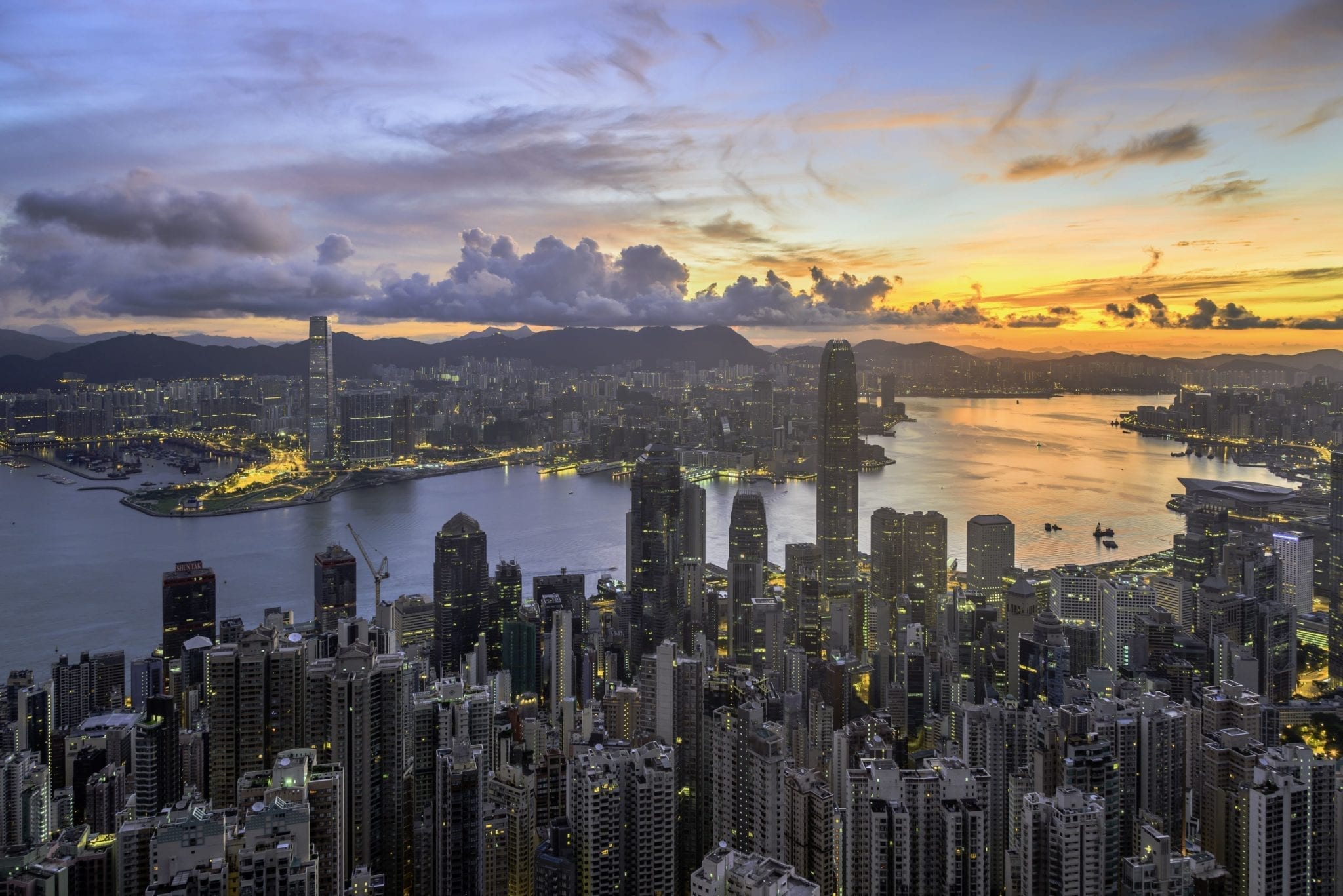
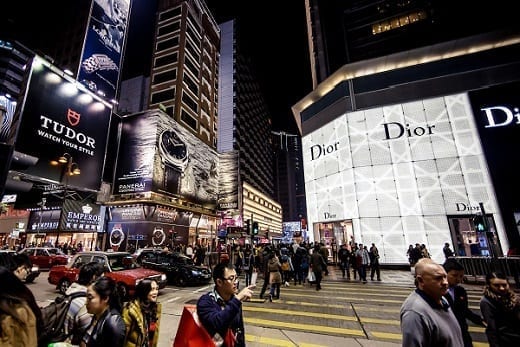
    A recent survey by JLL found that 83% of international and local retailers have plans to open new stores in Hong Kong over the next 12 months, a significant jump from 62% as recorded a year ago.

    More retailers planned to expand as retail sales in the first half have increased noticeably and are expected to grow further.JLL surveyed 40 retailers and retail landlords in June and found that more than 90% of the respondents stated their retail sales in the first half of 2018 fared better than those in the previous year.

    They also envisioned the like-for-like sales will grow by more than 10% in the second half. The resilient retail sales have encouraged 83% of the retailers to have plans for more store openings in Hong Kong in the coming 12 months.

    Hong Kong’s retail sector has been taking a broad upturn after bottoming out late last year. The latest government figures showed that the value of total retail sales gained strong momentum for the first five months of 2018, surging by 13.7% year-on-year, with all categories recording positive growth.

    An visible increase in visitor arrivals particularly those from mainland China, and a robust wealth effect led by strength in the city’s stock and property markets, coupled with an improvement in the overall local consumer sentiment, all contributed to the solid performance of the retail sector.

    In May 2018, the value of total retail sales increased by 12.9% year-on-year to a provisional estimate of HK$40.5 billion. A breakdown of retail sales by category revealed that the value of sales of jewellery, watches and clocks, and valuable gifts continued to lead the sector’s recovery, posting an impressive growth of 23.8% year-on-year. This was followed by medicines and cosmetics at 18.7%. Department stores and supermarkets also saw higher commodity sales.

    James Assersohn, Director of Asia Pacific Retail at JLL, said: “There is a great deal of positivity in the market at the moment. Retailers from almost all sectors are seeing strong and sustained growth in their sales which will lead to them investing more into the market. The luxury sector is currently the biggest winner, led predominantly by the Mainland Chinese tourists, but we also see locals increase spending which provides a deeper and more sustainable growth trajectory for retail businesses here”.

    “While the resuming demand for luxury goods would propel further recovery, it is worth noting that changing consumption patterns and shopper profiles fueled by millennials and generation Z have also led to greater demand for mass and mid-market brands, serving as a significant boost to local spending. The presence of the affordable brands of the kind are growing in major shopping districts at a swift pace. They will remain one of the main sources of leasing demand this year and onwards” he continued.

    Terence Chan, Head of Retail at JLL in Hong Kong, added: “The number of inbound visitors has increased remarkably in recent months, which helped lift retail sales to a considerable extent. Retailers are set to look for retail spaces in the major four shopping districts for expansion. However, given that the bulk of leasing demand continues to be from retailers with lower rental budgets, we believe a v-shaped recovery in retail rents is unlikely happen in the short term. We expect the rents of high street shops and prime shopping centres to grow in the range of 0-5% for the full year.”

  • Chinese retail landlords rise to the challenge of e-commerce

    Chinese retail landlords rise to the challenge of e-commerce

    China’s retail real estate arena is the fastest-developing market in the world – forcing landlords to change their strategies to meet the challenge of e-commerce.

    When it comes to mobile shopping, 30-minute delivery and customer apps, China leads the world. Around 20 percent of China’s retail sales are online, placing it ahead of the UK, U.S. and South Korea, the other nations where e-commerce is most entrenched.

    And landlords are having to move fast to adapt to the new online/offline norm.

    “China is leading the world when it comes to blending online and offline retail, to the extent that in a few years’ time, those terms will leave our vocabulary,” says James Hawkey, head of retail for China at JLL. “We are moving to a world where all retail transactions will be internet-influenced.”

    Hawkey notes the historical definition of “online” and “offline” revolves around the place of transaction, something that is becoming increasingly unimportant. “People may go to a store to try something on and then buy it online for home delivery,” he says

    Chinese companies have been ahead of the curve when it comes to successfully blending online and offline retailing. In May, Dalian Wanda Group teamed up with tech firms Tencent Holdings and Gaopeng for a new online/offline retail joint venture.

    The new partnership aims to give Wanda’s shopping malls a “comprehensive digital upgrade”, improving connectivity between stores, malls and customers. Wanda hopes the initiative will bring “enormous online traffic through WeChat and other platforms”, which in turn will bring more physical traffic to its 236 Wanda Plaza shopping centres.

    Developer Chongbang has taken a lead on linking online and offline businesses. Its latest LifeHub malls in China have online fulfilment centres, where customers can pick up, try on and return goods they have ordered online. Chongbang has been bringing previously online-only brands into its malls, with what it calls its O+O (online plus offline) programme.

    Hawkey also cites Alibaba, the online retail giant, which is moving in a significant way into physical retail, with initiatives such as its Hema supermarkets. Alibaba came up with the phrase “New Retail” to describe the step beyond an either/or approach to online and offline retail. Hawkey says the key is the interaction of “people, product and place”, whether that place is physical or virtual.

    He also believes that retailing will become more ‘event-based’ with brands tailoring events and promotions to their community, which will be developed online and offline.

    The landlord challenge

    In response, shopping centre owners need to “create an amazing environment where people want to spend their time,” says Hawkey. This means focusing on design, landscaping and air quality (the latter being crucial in China). A mall’s interior space needs to have a level of flexibility, which can serve brands looking to run special events, or for the centre’s management to organise their own.

    For the China retail owner, tenant mix will become increasingly important, says Hawkey, in order to provide an offering which truly serves the need of its demographic; just leasing up the space as quickly as possible is no longer enough to be sustainable long term.

    China shopping centres also need to integrate their online and offline presence and use customer data intelligently in order to bring people to malls for targeted events and offers. “You can’t just say roll up, roll up, one and all!” says Hawkey.

    However, real estate fundamentals such as location and design cannot be overlooked. “Most of China’s large cities have districts with some oversupply,” says Hawkey. “Prospective new owners of a shopping centre might see problems with management and leasing, which can be rectified, but it is far harder to improve a mall which is poorly located or designed.”

  • Hong Kong retailers continue expansion

    Hong Kong retailers continue expansion

    A vast majority Hong Kong retailers in a survey say they plan to open new stores during the next year, according to property company JLL.

    Albeit a small sample base of 40 retailers, 83 per cent of international and local retailers told JLL they will expand – a significant increase form the 62 per cent of a similar survey a year ago.

    “There is a great deal of positivity in the market at the moment,” said James Assersohn, director of Asia-Pacific retail at JLL. “Retailers from almost all sectors are seeing strong and sustained growth in their sales which will lead to them invest more into the market.”

    Hong Kong retail sales rose 13.7 per cent during the first five months of this year and there are no signs of the rebound slowing down. However, the rise is being driven by luxury goods and jewellery, with growth in more staple products like food and furniture in the mid-single digits.

    “The luxury sector is currently the biggest winner, led predominantly by the mainland Chinese tourists,” said Assersohn.

    Almost all of the retailers questioned by JLL said they had experienced an increase of sales during the first half of this year and predict they will continue to grow by more than 10 per cent in the second half.

  • Big opportunities for F&B, says JLL China report

    Big opportunities for F&B, says JLL China report

    China offers “enormous room for growth” for foreign F&B brands, according to a new whitepaper from JLL China and retail data specialist LocalGravity.

    The Foreign F&B Expansion in China report explores the trends behind foreign F&B operators expanding in China and the lessons these hold for upcoming market entrants.

    With China’s middle class embracing foreign dining, Asian and Western F&B brands have expanded aggressively and become fixtures in China’s malls and shopping streets, says the report, which takes an in-depth look at the roll-out strategies of 32 international brands.

    Key insights from the report:

    ·  Overall expansion rates were high at more than 20 per cent year-on-year in 2015
    ·  Foreign brands remain active in coastal and tier-one cities, and are also expanding with increased confidence in lower-tier cities and remote regions
    ·  There is some risk in the less-wealthy provincial capitals, where many brands have over-expanded
    ·  Cafe-format shops selling coffee, tea and ice cream were the most active category, expanding 30 per cent year-on-year in 2015.

    •  Regional bias is strong among most chains, especially in the south, and there is room to catch up in wealthy east China cities.

    Closure rates

    The JLL China report has also explored closure rates by format. Analysis has revealed higher closure rates in the fast-food segment relative to other formats.

    Expansion potential has been explored to understand how store presence varies across city tiers. Of the 32 brands studied, many were found to have a strong presence in China’s top cities. However, “white spaces” across cities down to the third tier show there is an ample room for growth.

    Furthermore, many of the foreign F&B brands appear to be concentrated in south China, with other parts of the country offering untapped potential.

    “Many foreign F&B brands view the China market with understandable enthusiasm—after all, capturing even a small slice of the market translates into huge, absolute sales volumes,” says JLL head of retail research for Asia Steven McCord. “Yet the road to successfully taking advantage of the China opportunity is difficult, as some restaurant chains have discovered too late.”

    “The China F&B market is now one of the world’s largest and fastest moving, but it is still quite fragmented with enormous room for growth,” says JLL China head of retail James Hawkey.

  • Activewear and F&B driving Hong Kong retail innovation

    Activewear and F&B driving Hong Kong retail innovation

    Food and beverage and lifestyle is driving Hong Kong retail innovation, says property expert Shaun McManus with JLL Hong Kong.

    “The activewear and sports apparel sector has been a front-runner in elevating in-store experiences for shoppers,” McManus, who specialises in lifestyle retail and F&B with the property  company. “Looking to boost their winter sales, Adidas recently added a virtual reality fitting room in their flagship store in Causeway Bay, giving customers the chance to test new products in a training run simulation that mimics winter weather through a temperature control system,” he wrote in a market review.

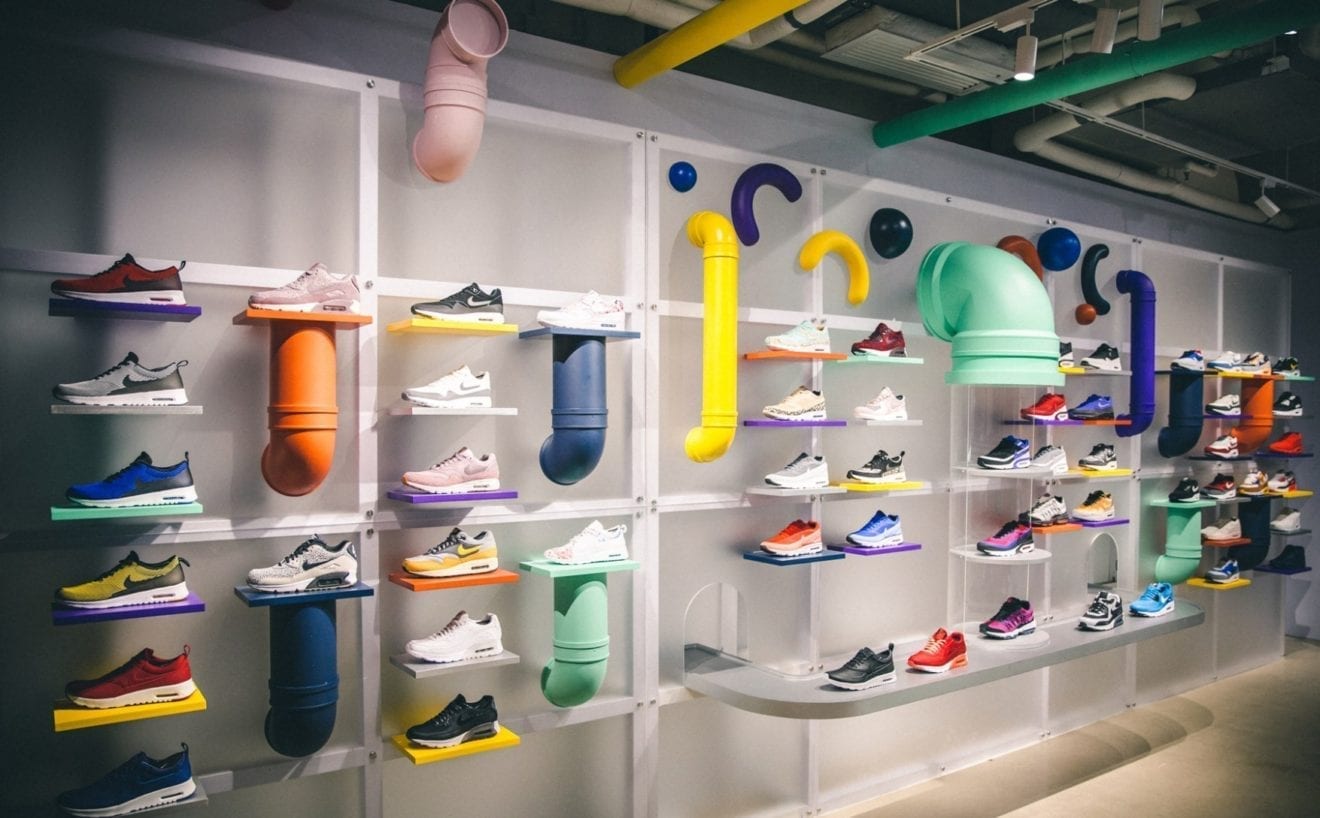
    Nike’s new 13,000 sqft flagship store on Granville Road in Tsim Sha Tsui offers customised T-shirts and sports bras, as well as a personalised coaching section where customers can test running shoes on a treadmill to see if they are the right fit.

    JLL’s foodservice consulting team forecasts that by 2020, 80 per cent of retailers will have some form of additional entertainment element or other unique offerings, like these within their stores.

    “The progression of omni-channel retailing – through physical and online stores and mobile apps – is another pattern that looks likely to emerge in 2017. Unlike other markets, eCommerce has yet to gain a strong foothold in Hong Kong.

    According to the Hong Kong Trade and Development Council, online sales account for less than 5 per cent of total retail sales among retailers with an omni-channel sales platform within the city.

    “To boost sales, retailers are increasingly turning to social media platforms to sell their goods, and will look to take advantage of apps like Instagram and Snapchat to give customers a behind-the-scenes look at their operations with the aim of building brand engagement and legions of loyal followers,” says McManus.

    “With over 40 million hits per month on Instagram, Facebook and Snapchat combined; it is no wonder popular brands such as watchmaker Daniel Wellington are attributing the largest proportion of their revenue to their social media marketing campaigns.”

    McManus also forecasts that this year promises a further shift away from traditional shopping mall tenant mixes towards an increased focus on entertainment hubs and food courts.

    “Many developers are already starting to reposition their portfolios. Swire Properties – whose shopping mall portfolio in Hong Kong includes Pacific Place Mall, CityPlaza and Citygate Outlets – has been at the forefront of this movement. At Pacific Place Mall, for example, it has increased the F&B footprint by more than 20 per cent in the space of 12 months and totally revamped its cinema complex to include a new VIP House with state-of-the-art sound system technology, higher resolution screens and vibrating seats. These changes have all been made with the aim of increasing and retaining footfall to the mall and attracting new customers.

    “The use of pop-up stores will also continue to be popular in prime malls, enabling landlords to optimise space and minimise void periods; an important consideration given the current challenges facing the city’s retail sector.”

    McManus says that for consumers, revolving pop-up stores freshen the shopping experience and encourage repeat visits.

    “All of the above factors point towards a more balanced and increasingly vibrant retail market for Hong Kong in 2017, and suggests that it is far from all doom and gloom for the sector in the year ahead. Rather, we believe these changes are ushering in a healthier retail climate that drives domestic consumption and is less reliant on tourist spend. Hong Kong must, and will, maintain its status as a shopper’s paradise in Asia for the foreseeable future.”

  • Singapore retail rents slipped in final quarter

    Singapore retail rents slipped in final quarter

    Singapore retail rents slipped 1.3 per cent in the last quarter of 2016, compared with the previous quarter.

    According to data from JLL Singapore, included in a pan-industry market review, retail rents were under most pressure in the Marina quarter where most of the new space coming onto the market in the quarter was concentrated.

    Despite positive net absorption of the opening of South Beach (60,000 s ft) and Tanjong Pagar Centre (100,000 sqft), rental corrections in the Marina submarket remained underpinned by the weak performance of retailers, with many of them seeking pre-termination of their leases, reports JLL.

    The average vacancy rate of suburban malls, including Reit-owned and strata-titled shopping centres, has more than doubled from less than 1 per cent in 2013 to 2.4 per cent in the fourth quarter of last year. Year-on-year, average monthly gross rents for prime retail space in suburban malls fell by 7.1 per cent in the quarter.

    Prime retail rents in Orchard Road have fallen 7.5 per cent over the same period.

    The quarter saw marginal year-on-year retail sales decline in October, (excluding motor vehicles), driven by poorer sales in computers and telecommunications equipment and watches and jewellery, “ indicating the persistence of weak consumer sentiment”.  And despite take-ups being dominated by the entry of new F&B operators, the F&B sales index also recorded a similar year-on-year decline.

    “Total retail investment sales value for the fourth quarter rose sharply from a quarter ago, driven by the interest in retail assets in the suburban submarket, likely due to the resilient rental income they provided,” reported JLL. “Jurong Point, one of the biggest suburban shopping centres, was put up for sale at a price of more than SG$2 billion and received considerable interest.

    “However, apart from the marginal compression of yields in the suburban submarket, overall yields remained relatively stable as the rate of capital value correction was in line with rental decline across the Orchard and Marina submarkets.”

  • Macau retail revival outshines Hong Kong

    Macau retail revival outshines Hong Kong

    Macau is enjoying a retail revival, according to the latest government data.

    Macau Association of Retailers and Tourism Services executive committee president Frederick Yip, who organised December’s Macau Shopping Festival festival, says the city’s retail industry will be back on a path of growth again soon. The festival generated total sales of MOP230 million (US$28.8 million).

    Of the total, a sale event featuring branded products between December 23 and 25 saw sales exceed MOP2 million, while another special sales event at Landmark Macau raked in MOP2 million, reports the Macao Daily. About 1800 SMEs took part in the festival.

    Yip says the city’s economy has started to recover since gaming revenue began rebounding in August, with more casino-resort projects nearing completion. Macau’s casino gross gaming revenue for last year was equivalent to US$27.9 billion.

    Free Wi-Fi internet access was provided at the festival for the first time, and Yip says a total of 145,000 hours were used by 475,000 people.

    Also helping boost the economy have been the Macau Grand Prix motorsport weekend and a Food Festival in November.

    Statistics and Census Service (DSEC) survey figures show that 30 per cent of respondents in the catering sector reported a year-on-year increase in turnover for the month, up 4 per cent from October. Most popular were Chinese restaurants, followed by Western restaurants, then Japanese and Korean.

    On the other hand, half of the respondents had a similar decrease in turnover to October.

    In the retail sector, 39 per cent of respondents reported a year-on-year increase for November, up 4 per cent points from October. All leather goods retailers saw their turnover grow, while increases were reported by 62 per cent of adult clothing retailers and 50 per cent of department stores.

    On the downward side of the ledger were supermarkets and watch and jewellery retailers. They were among 53 per cent of surveyed retailers that say their turnover decline – by up to 28 per cent for supermarkets.

    Expecting decline

    But while Yip is upbeat, retailers seem more pessimistic looking ahead, with 40 per cent of respondents expecting their turnover to decline in December. Only 19 per cent of merchants were confident of an increase.

    The survey covered 167 F&B businesses and 135 retailers.

    Meanwhile, below the radar a black economy has been uncovered by the Judiciary Police, reports GGR Asia.

    The police say the value of detected retail transactions in Macau using allegedly unregistered China UnionPay handheld terminals amounted to about MOP4.995 billion (US$625.5 million) last year.

    A total of 25 investigations were opened into cases involving alleged unregistered UnionPay handheld terminals. Of those, 20 were passed as cases to the Public Prosecutions Office for further action, the balance reaching an impasse because of lack of evidence.

    The police identified 53 suspects as part of the investigations: 14 from Macau, 38 from Mainland China and one from Hong Kong.

    Early this month, the Judiciary Police and Monetary Authority of Macau jointly conducted raids against the suspected use of illegally modified UnionPay terminals. The police detained 23 people connected to eight shops, suspected of committing computer fraud and being involved in organised crime.

  • Global brands should grow in Philippines

    Global brands should grow in Philippines

    With retail rents still affordable compared to other Asia Pacific countries, the Philippines should be attracting more international brands, says a property analyst.

    This would further fuel the growth of the retail property market this year, says Jones Lang LaSalle Philippines (JLL) regional director Sheila Lobien, who is also the company’s head of project leasing markets.

    She says that while rental rates for ground-floor retail in the Philippines are rising because of high market demand, regionally the country is still the cheapest.

    “If you look at the rental rates in Asia Pacific, Manila is the cheapest. Hong Kong is the most expensive, Singapore may be in the middle and even Kuala Lumpur is twice as high as us,” says Lobien. “So the Philippines is still the cheapest, though the rental is already increasing for ground-floor space.”

    Based on JLL figures for 2015, Manila continues to offer the most affordable shopping centers in the region at US$555 a square meter per annum. In contrast, Hong Kong commands the most expensive retail rents at US$15,661 a square meter per annum.

    Rising incomes

    As well as the lower retail rates attracting more international brands, the rising income of Filipinos is also a magnet.

    “Almost all the big brands that are in Singapore, Hong Kong and even the US are now here,” says Lobien. “We see Forever21, H&M and all the other big brands. Even brands as prestigious as Apple are looking at the Philippines now.”

    According to Jones Lang Lasalle’s Global Cross Border Retailer Attractiveness Index 2016, Manila is classified as a growth retail city, ranking 29th on the list of 50 top cities attractive for retail.

    “Strong retail sales growth is driven by an expanding population, rapidly rising middle classes and fast-track urbanisation,” says JLL.

    Lobien says the Filipino consumer market is becoming more sophisticated and is being more exposed to what is happening abroad, as travelling has become less expensive. “We didn’t know those brands before. Nowadays, we are familiar with all the international brands and we’re looking for them in the Philippines.”

    International brands that have entered the Philippines lately include Fatburger, Morganfield’s, Sugar Factory, Tokyo Milk Cheese Factory and Vera Wang, says JLL.

    To enter the Philippine market, foreign brands need a local retail partner, says Lobien, citing SM, which has partnered with Forever21 and H&M. “There are a lot of others like the Bench Group, which has international brands also.”

  • Asian cities set to surge up retail hub rankings

    Asian cities set to surge up retail hub rankings

    Asia is home to more than half the world’s most dynamic retail hubs, according to new research that reinforces images of the region’s mall-strewn megacities.

    The research, by professional services and investment management company JLL, says 12 of the fastest-growing retail cities are in Asia, with eight in China alone — another indication that global economic growth is increasingly driven by the Asia-Pacific region.

    JLL lists Dubai as the world’s fastest-growing retail destination, with Shanghai second and Beijing third. Places 9 to 13 are occupied by Bangkok, Chengdu, Kuala Lumpur, Jakarta and Manila, respectively. Only two European cities make the top 20 — Moscow and Istanbul — with none from Africa. Mexico City is the sole city from the western hemisphere, sitting at number 19.

    Overall, JLL lists London as the “most attractive” city for retailers, with Hong Kong second and Paris third. Dubai, Singapore, Shanghai, Tokyo and Beijing all make the top 10, with Bangkok, Taipei, Seoul and Osaka in the top 20.


    Shanghai at night. The Chinese megacity is projected to be one of the world’s retail hubs in the coming years (Photo: Simon Roughneen)

    The study looks at the presence of 240 international retail brands in 140 cities — which altogether make up 36% of the world’s gross domestic product, 13% of the global population and a third of total worldwide consumer spending.

    “The search for growth is escalating the penetration of international brands across the world’s most attractive retail cities, especially in Asia,” said David Zoba, chairman of JLL’s Global Retail Leasing Board.

    Asia catching up

    Many Western economies continue to suffer from slow growth — in stark contrast with Asia, where the International Monetary Fund predicts overall growth of more than 5% in 2016-17 and describes the region as “the engine of the global economy.”

    Asia is urbanizing rapidly as economies develop and incomes rise, meaning that big global brands will increasingly look to Asia as a source of consumers. World Bank research shows that nearly 200 million people in the East Asia and Pacific region –excluding India and its heavily populated neighbors such as Pakistan — moved from the countryside to cities during the decade after 2000.

    In 1800, only 3% of the world’s population lived in cities, a figure that rose to 13% by 1900. Now more than half the world’s population is urbanized, with projections that 70% or more of the world will live in urban areas by 2050. And while in the 19th and 20th centuries urbanization was mainly a Western and Japanese phenomenon, developing countries are catching up fast, particularly in Asia.

    Despite the steady rural-urban shift, only 36% of East Asia’s population had moved to urban areas by 2010, with only Japan, Malaysia, South Korea and Taiwan having larger urban than rural populations.

    While China had by far the largest absolute numbers of people moving to cities, smaller countries such as Cambodia, Laos and Vietnam showed higher rates of urbanization. Laos more than doubled its small urban population, while high-growth economies such Cambodia and Vietnam both had between 4% and 4.5% annual urban population growth rates. Retail investors are noticing opportunities even in smaller cities such as Phnom Penh, where Japanese mall operator Aeon opened the city’s first large shopping mall in 2014.

    Asia’s cities will continue to grow over the coming decades as the region becomes wealthier. McKinsey Global Institute expects that in the next 15 years, “the center of gravity of the urban world will move south and, even more decisively, east.” According to MGI, half of global GDP in 2007 came from 380 developed world cities, with the 22 biggest cities in developing countries contributing a mere 10%.

    However, MGI predicted that by 2025 half of the cities in its 2007 rankings will not make the list, with 136 developing world cities entering its ranking of the 600 biggest urban economies — including 100 from China alone.

    “By 2025, developing-region cities of the City 600 will be home to an estimated 235 million middle-class households earning more than $20,000 a year at purchasing power parity (PPP),” MGI reported. The figure is larger than the 210 million such households expected in the cities of developed regions.

    Thinktank Oxford Economics said that cities such as Chengdu, Hangzhou and Wuhan “will become as prominent in 2030, in economic terms, as cities like Dallas and Seoul are today.”

    Shift east

    The thinktank predicted that by 2030 eight European cities will drop out of the global top 50 cities ranking, measured by GDP, while nine Chinese cities will join that group, taking the Chinese total to 17, which will be more than North America and four times more than Europe.

    In turn, the thinktank said, this will mean more Asian consumers with money to spend. “Starting from a comparatively low base today, China will boast some 45 million high-income urban households (exceeding $70,000 per annum at 2012 prices and exchange rates) by 2030, putting it well ahead of Europe and hot on the heels of North America. Shanghai will jump from a rank of 69th today to 8th for its number of high-income households in 2030,” Oxford Economics said.

    Otherwise, however, the seven megacities with the most high income residents will remain the same as today, with Tokyo leading New York, London, Osaka, Los Angeles, Paris and Chicago.

    But Asian cities are set to add tens of millions of middle-income households (incomes between $10,000 and $70,000) to their ranks by 2030. Jakarta will be home to 9.4 million, with 7 million to 9 million more in each of Chongqing, Shanghai, Tokyo and Beijing, the projected top five cities ranked by population of middle-income households, according to the thinktank.

    JLL said that for retailers, vying for market share in emerging economies is sometimes risky, but the potential prize — market access to vast populations and rapidly expanding middle classes — outweighs any perils.

    For example, China’s anti-corruption crackdown has had “a knock-on effect” on the luxury goods market in the world’s second-biggest economy, said James Hawkey, JLL’s head of retail for China. But retailers are nonetheless “increasingly comfortable dealing with these risks, and generally have their eyes on the long-term prize of establishing a strong position in major world markets.”

    Although incomes and spending power remain lower in many Asian countries and cities than in the West, part of the attraction of smaller, less-developed markets is relatively low rental costs.

    “Places like Ho Chi Minh City, Jakarta and Bangalore present an opportunity for retailers to establish their brands at rents of less than $2,000 per square meter per year with projected in-store sales increasing by 8% to 10% until 2019,” JLL reported.

    Wealthy mid-sized cities or trade-oriented city-states such as Singapore and Hong Kong also benefit from high numbers of visitors such as tourists or business travelers.

    But Asia’s urbanization will not mean that rural dwellers will be ignored by retailers, particularly in China.

    “Retail potential in Asian hubs is strongly influenced by what is happening in their hinterlands — what is happening in nearby provinces and/or countries,” Steven McCord, JLL’s head of research for northern China, told the Nikkei Asian Review.

    “Shanghai exerts a ‘gravity effect’ over its surrounding cities and provinces due to its size and the wealth of its retail offer. Therefore, close to 80 million people within day-trip distance to Shanghai will regularly travel to that city for large shopping sprees,” McCord added.

  • Asia dominates retail destination rankings

    Asia dominates retail destination rankings

    Asian cities dominate the latest retail destination rankings, with the Middle East taking most of the remaining spots.

    According to the latest edition of JLL’s Destination Retail report, which ranks markets for retailer expansion around the world, Asia is fuelling global growth, taking 12 of the top 20 spots. Six of those cities are in China – but Singapore, Hong Kong and Macau are not among them. Six months ago Hong Kong was second only to London – neither city makes the list now.

    This time around, the top two cities are Dubai and Shanghai, with Beijing ranking third. The other Asian cities in the top 20 are Bangkok, Chengdu, Kuala Lumpur, Jakarta, Manila, Tianjin, Shenyang, Shenzhen, Chongqing and Hangzhou. (The full list is below).

    Besides Dubai, Abu Dhabi, Kuwait, Jeddah and Riyadh make the list, meaning 85 per cent of the top 20 destinations are in just two regions.

    “The global retail landscape is expected to change significantly over the next 10 years, as a fast-growing middle class in emerging markets attracts retailers hungry for growth,” says David Zoba, chairman of JLL’s Global Retail Leasing Board.

    JLL says Shanghai has become a favourite of international brands looking to test the Chinese market and gain exposure. While established prime markets include West Nanjing Rd and Huaihai Rd, new submarkets targeting local residents are popping up along the many new metro lines leading out of the city, and the city’s retail network is growing and shifting.

    Beijing follows as the third-fastest-growing retail market with its swelling middle class and strong concentration of high-net-worth individuals. Properties such as China World Mall and the landmark project Taikoo Li continue to draw high-end shoppers, while malls like Beijing APM and Oriental Plaza dominate tourist-friendly shopping strip Wangfujing. The Chinese capital’s suburbs are also experiencing rapid growth as people choose to shop more locally rather than brave the traffic into the city centre.

    “Emerging markets can expose international retailers to greater levels of economic and geopolitical risks. One pertinent example is China’s anti-corruption campaign and the knock-on effects on the luxury market,” says James Hawkey, head of retail for China, JLL. “However, international retailers are increasingly comfortable dealing with these risks, and generally have their eyes on the long term prize of establishing a strong position in major world markets.”

    Added Zoba: “The search for growth is escalating the penetration of international brands across the world’s most attractive retail cities, especially in Asia. Retailers who succeed in acquiring the right space in the right place at the right time will benefit from successful, profitable growth, but they should be mindful that potential rewards go hand in hand with risk,” continues Mr Zoba.

    Retail rents in these emerging markets reflect legislation, market transparency, reputational risk, maturity, as well as growth potential, meaning that their levels are relatively low compared to more mature markets. Places like Ho Chi Minh City, Jakarta and Bangalore present an opportunity for retailers to establish their brands at rents of less than US$2000 per square metre per year with projected in-store sales increasing by 8 to10 per cent until 2019, based on Oxford Economics forecasts. However, as cities mature and the pace of new construction of retail centres slows, rents will gradually increase.

    JLL’s Destination Retail report 2016 examines the presence of 240 international retail brands across 140 retail cities, giving insights for international retail expansion. The 140 cities make up 36 percent of the world’s GDP, 13 per cent of the global population and 33 per cent of total consumer spending.

    Top 20 Global Growth Cities for Retail

    1              Dubai

    2              Shanghai

    3              Beijing

    4              Kuwait City

    5              Abu Dhabi

    6              Jeddah

    7              Riyadh

    8              Moscow

    9              Bangkok

    10           Chengdu

    11           Kuala Lumpur

    12           Jakarta

    13           Manila

    14           Istanbul

    15           Tianjin

    16           Shenyang

    17           Shenzhen

    18           Chongqing

    19           Mexico City

    20           Hangzhou

  • Premium Indian mall rents rise

    Premium Indian mall rents rise

    Premium Indian mall rents have risen “significantly” in the first six months of 2016.

    A report by property consultant CBRE South Asia shows rental rates at India’s more up-market shopping centres were led by major cosmopolitan mall clusters Noida (rising by 45 per cent), Gurgaon (by 30.8 per cent), Vasant Kunj (28.6 per cent), and East Bangalore (10.5 per cent).

    By region, rental rates have increased in the National Capital Region centered around Delhi (Vasant Kunj, Saket, and Gurgaon), Mumbai (Kurla, Ghatkopar and Lower Parel), and Bangalore (Whitefield, Ulsoor, and areas in West Bangalore).

    The steep rise in rent is due to the robust demand led by international retailers, and rapid expansion plans of established retailers. For example, during the first half of 2016, Swedish clothing retailer H&M, US clothing company Gap, Japanese lingerie brand Wacoal, and Dutch brand Hunkemoller opened new stores in India, while the more established retail stores – Shoppers Stop, Levi’s, Puma, Pepe Jeans, Fabindia, Gap, Haagen-Dazs, and Mebaz – further expanded their outlets.

    A gap between the demand and supply is also to blame, as building malls is a capital intensive activity and completion of projects may take up four to six years.

    However, the rise in rent and demand is restricted to premium markets. In another report, by property consultant Jones Lang LaSalle (JLL) India, findings indicate that tier 2 cities and even average and poor malls in tier 1 cities, continue to struggle with high vacancy rates, which began with the global financial crisis of 2008. Poor consumer and retailer sentiment has also prompted several mall developers to shelve or defer new projects across the country.

    JLL estimates that rental rates in premium markets will stay constant or increase till the gap between demand and supply gets bridged in about five to seven years.

    • This article was first published by Dezan Shira & Associates which, since its establishment in 1992, has been guiding foreign clients through Asia’s complex regulatory environment and assisting them with all aspects of legal, accounting, tax, internal control, HR, payroll, and audit matters. Dezan Shira & Associates is a full-service consultancy with offices across China, Hong Kong, India, and ASEAN.
  • Pokemon fever too good to resist for struggling HK retailers

    Pokemon fever too good to resist for struggling HK retailers

    Major Hong Kong tourism and shopping hotspots have been rushing to cash in on the citywide Pokemon Go craze with numerous events being organised, centred entirely around the smash-hit mobile game, to reinvigorate the city’s lacklustre retail sector.

    Three park and shopping mall operators — Ocean Park, Sun Hung Kai and Swire Properties — told the Post they were in talks with Pokemon Go’s developer Niantic over potential cooperation on future campaigns themed with the augmented reality game.

    Niantic is part-owned by Japanese videogame giant Nintendo.

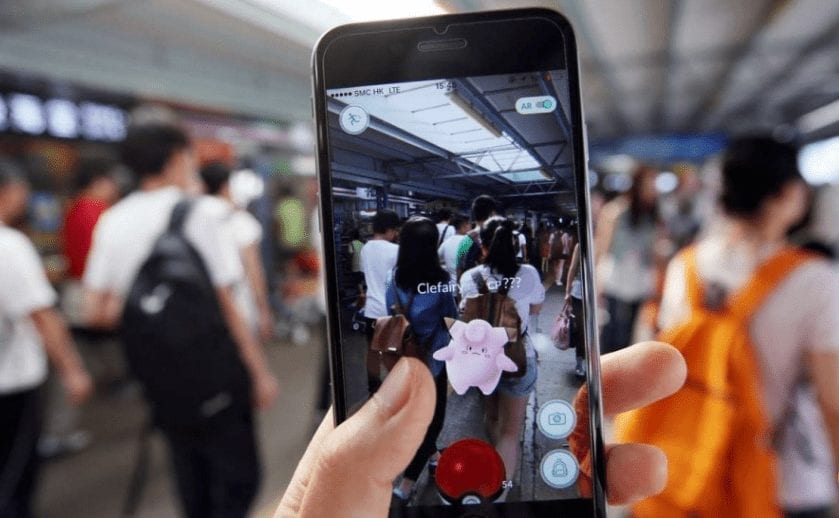
    Since its launch in the city on Monday, Pokemon Go, which allows players to use their phones’ GPS and camera to capture virtual Pokemon in the real world, has been all the rage across the city’s most bustling districts.

    “We are seeking collaboration opportunities with the game’s creator, with more details to be announced soon,” said Maureen Fung, director with Sun Hung Kai Development (China).

    “We expect to see a double digit growth in our traffic and an 8-10 per cent leap in retail sales during the Pokemon Go event period,” Fung said.

    A spokesman for SHKP’s APM mall in Kwun Tong said it had implemented more “Lure Modules” — a function that makes it easier for players to find and catch the Pokemon — around the shopping centre, and updated the whereabouts of the virtual monsters on its social media pages “on a frequent basis.”

    Fung said the developer now plans to roll out Pokemon-related events at 12 of its shopping complexes.

    The Pokemon Go mania comes as traditional retailers continue to struggle against their online counterparts, both in Hong Kong and around the world.

    Terence Chan, head of retail, Hong Kong, at real estate consultant JLL, said the sudden rush in interest offered a great opportunity for outlets to cash in.

    “It is a nice marketing tool for stores and restaurants, particularly those looking to attract youngsters,” he added.

    Another leading property developer, Swire Properties, is utilised its Facebook and Instagram accounts to help customers spot Pokemon at its three flagships Cityplaza, Pacific Place and Taikoo Place.

    “We have a large number of Pokestops and a few Pokegyms,” said a Swire Properties spokesperson.

    “Additionally, we have approached Niantic Labs for further potential collaborations.”

    Pokestops and Pokegyms are where players can train and battle their Pokemon.

    Elsewhere, six shopping arcades operated by Sino Group, including Olympian City in Kowloon and Citywalk in New Territories, are running promotions.

    While a spokeswoman for Ocean Park revealed that the 39-year-old theme park had already become involved in discussions with US-based Niantic before the game even landed in Hong Kong.

    “The talks are currently underway and may take into account issues like copyright,” she added.

    But at least one leading retail site owner said he would not be relying on luring and accommodating gamers to turnaround its fortunes.

    Chiu Kwok-hung, chairman of Fortune Real Estate Investment Trust told local media on Tuesday that his malls did not intend to join hands with Pokemon Go as “an influx of people who don’t actually shop in the malls will in turn hinder your business”.

  • Bringing back Orchard Road buzz

    Bringing back Orchard Road buzz

    Orchard Road is meant to be Singapore’s premier shopping belt, but you wouldn’t know it if you strolled into many of the malls along the 2.2km stretch these days.

    The vacancy rate in malls within the Orchard planning area hit a five-year high in the first quarter at 8.8 per cent . Islandwide, vacancy rates are 7.3 per cent. In contrast, vacancies in malls outside the city area are 6.4 per cent.

    To be sure, the retail scene is in trouble nationwide. Retailers’ takings fell 3.2 per cent in February against the same month a year ago. Stripping out motor vehicles, retail sales dropped by a heftier 9.6 per cent.

    But it is Orchard Road that appears worst hit, thanks to a softening global economy that has crimped tourism growth. The number of visitors to Singapore was up by 0.9 per cent at 15.2 million last year, but their overall spending fell 6.8 per cent to $22 billion – the first drop in tourism receipts in six years, since the global financial crisis.

    What ails Orchard Road malls is that many lack a unique positioning and feature similar tenants.

    DIFFERENT FORTUNES

    To be fair, some malls are doing well on that stretch, with the highest concentration of shoppers centred on the section from ION Orchard to Ngee Ann City.
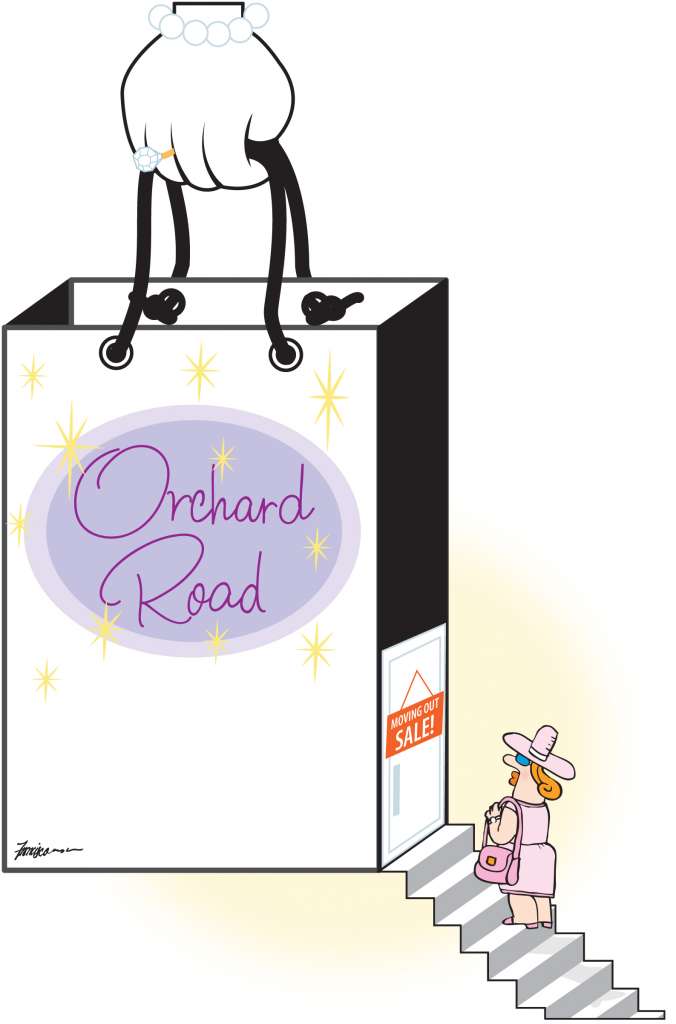

    ST ILLUSTRATION: MANNY FRANCISCO

    These two malls, along with Paragon, continue to draw shoppers with their mix of shops partly due to their luxury brands that are not easily found elsewhere except at the Marina Bay Sands mall.

    Analysts say these three malls in Orchard Road remain popular among prospective tenants, with healthy leasing enquiries. At ION Orchard, for example, American jeweller Tiffany & Co recently opened a store across two levels.

    Older strata-titled malls in the area, such as Far East Plaza and Lucky Plaza, struggle to keep up with the times. Shop units in these properties are owned by individuals, and renovation works can be carried out only if the majority of owners agree.

    But even newer malls such as Orchard Gateway and Orchard Central have been disappointingly quiet.

    A visit to Orchard Central shows that most of the space on levels two and three is hidden by hoardings.

    Landlord Far East Organization said the mall, which opened in 2009, is undergoing changes to its tenant mix and “enhancement works are also well under way… for improved shopper experience, better accessibility and visibility”.

    Another mall, 268 Orchard Road, which opened last year, had only three tenants, The Straits Times reported last month. Security guards posted on the ground floor stopped us from going to the rest of the mall this week, saying there are no stores open on the upper floors and permission was needed from the management to visit. Ngee Ann Development owns the mall.

    One problem facing Orchard Road was the rapid surge in supply of retail space in 2014. Of the 2.33 million sq ft net new supply of retail space islandwide that year, 355,000 sq ft were in the Orchard area, consultancy Colliers International noted. This was more than three times higher than the 97,000 sq ft in 2013.

    The increase in Orchard Road retail space also came at a time when shiny new malls were springing up across the city and in suburban centres. The net new supply of retail space nationwide was 1.28 million sq ft in 2013.

    Analysts say Singapore is “over-shopped” – too many malls for such a small country.

    In fact, RHB Research Institute Singapore said in an August report that Singapore has the highest concentration of retail space per capita in South-east Asia: 1.08 sq m or 11.6 sq ft of retail space per capita, compared with 0.8 sq m per individual for Bangkok and 0.71 sq m for Kuala Lumpur. But that is lower than Hong Kong’s 1.5 sq m (16.2 sq ft) as at end-2015, said consultancy JLL.

    ‘COOKIE-CUTTER’ MALLS

    Retail experts say that when shoppers have so much choice, malls need to have differentiated offerings to stand out. Yet many malls feature mainstream brands that shoppers can find elsewhere.

    Brands like H&M, Forever 21, Uniqlo and Cotton On are popular. Dr Seshan Ramaswami, associate professor of marketing education at Singapore Management University, said: “The massive scale and scope of (H&M and Uniqlo’s) business across the world allow them to have relatively lower variable costs for their offerings.”

    Such brands may appeal to the value-conscious shopper. But they are available in neighbouring countries, and are no longer novel to tourists.

    “I think our malls here lack identity, they don’t have a unique story to tell. If they all have similar stores, then they are replaceable – why go to one mall when you can get the same thing in another?” Singapore Polytechnic marketing and retail lecturer Amos Tan said.

    Countering this view, Australian retail chain Cotton On Group says it customises its product range according to the shopper profile of the mall. The company has 74 stores in Singapore across various brands such as Cotton On, Cotton On Body, Cotton On Kids, Rubi Shoes, Typo and Factorie. Of these, 11 are in Orchard Road.

    LANDLORDS

    Landlords have a big role to play in shaping the retail scene, experts say.

    For example, landlords may prefer to rent out shop space to mass-market, reliable brand names that can pay the rent.

    Associate Professor Prem Shamdasani from the Department of Marketing at the NUS Business School said: “Most malls are under Reits (real estate investment trusts), so they will fall back on the bread-and-butter tenants, which are more established, so as to ensure sustainable yields for the mall.”

    This results in the cookie-cutter look of many malls. Retailers say landlords are often inflexible in rental negotiations, compounding their troubles.

    The Emporium Group founder Sylvia Lim said some landlords are as “hard as rock” when it comes to rent negotiation. The fashion retailer has two permanent stores – at Tanglin Mall and 112 Katong – and a pop-up store at Millenia Walk.

    She was hoping to convert the pop-up store into a permanent one, but was told she had to pay 20 to 50 per cent more rent.

    “It’s about lending a helping hand. Maybe for the next six months, we will help you with a bit of rental, just for a period of time – none. Even in this market, they won’t budge,” Ms Lim said.

    Landlords should also be more involved and proactive in driving advertising and promotion campaigns, say retailers.

    One positive example is Australian property company Lendlease, which rolled out Tring 313, a location-based app that informs shoppers of promotions by tenants at 313@Somerset.

    THE X FACTOR

    What will get shoppers back spending in Orchard Road malls?

    Retail experts say shopping has to be more than a transaction; it has to be an occasion, one that provides a unique experience – call it the X-factor – to the consumer.

    Frasers Centrepoint, which oversees The Centrepoint – formerly a popular haunt but now with large sections of vacant space from basement one to level three, largely due to ongoing upgrading works – is working on delivering a “holistic shopping experience” when refurbishment is done in the fourth quarter. Mr Christopher Tang, chief executive of commercial and Greater China business at Frasers Centrepoint, said: “These experiences should not only integrate shopping, but also other lifestyle aspects.”

    New tenants at the mall will include Din Tai Fung, Crystal Jade Kitchen, Mak’s Noodles, Honolulu Cafe and Song Fa Bak Kut Teh, and supermarket Cold Storage with a new store concept.

    To keep retail offerings different and relevant, having more home- grown brands will help, as will what’s called a “destination store”.

    An example of a destination store is the Apple Store, expected to open soon at Knightsbridge in Orchard Road. “It will change the streetscape. If you look at the Apple Store in Tokyo or Hong Kong, they are all very strong crowd-pullers, it will be a game changer for that vicinity,” said Mr Desmond Sim, CBRE head of research for Singapore and South-east Asia.

    Dr Ramaswami said retailers can better leverage technology to track consumer profile, “so that a salesperson can perhaps recognise a customer profile the minute she enters the store… and then use sales strategies based on that customer’s online and offline shopping profiles to suggest merchandise, offer special discounts or cross-sell”.

    Then there is Orchard Road itself.

    Its last major revamp was in 2009, when the sidewalks were spruced up and widened – a $40 million undertaking. It might be timely to consider improving underground connectivity and making the area more pedestrian-friendly.

    “The multi-lane busy traffic makes the street unwelcoming and intimidating for pedestrians at street level. Pedestrianising at least some parts of Orchard Road can be a way forward in order to better connect both sides of Orchard Road,” suggested Ms Anthea To, senior associate director of research and advisory at Colliers International.

    The hot, humid weather and the lack of shade when it rains are cited as other factors why the Orchard Road belt is losing its lustre.

    What’s needed are more initiatives like the one organised by the Orchard Road Business Association with the support of Singapore Tourism Board, the monthly Pedestrian Night on the first Saturday of the month, an initiative that ended in February.

    To be fair, retail stores worldwide are facing similar challenges.

    What could help bring some magic back to Orchard Road malls is having more interesting retail spaces, customised service and more interesting brands, including home-grown ones. These will require both landlords and retailers to be bolder in experimenting with different shop mixes.