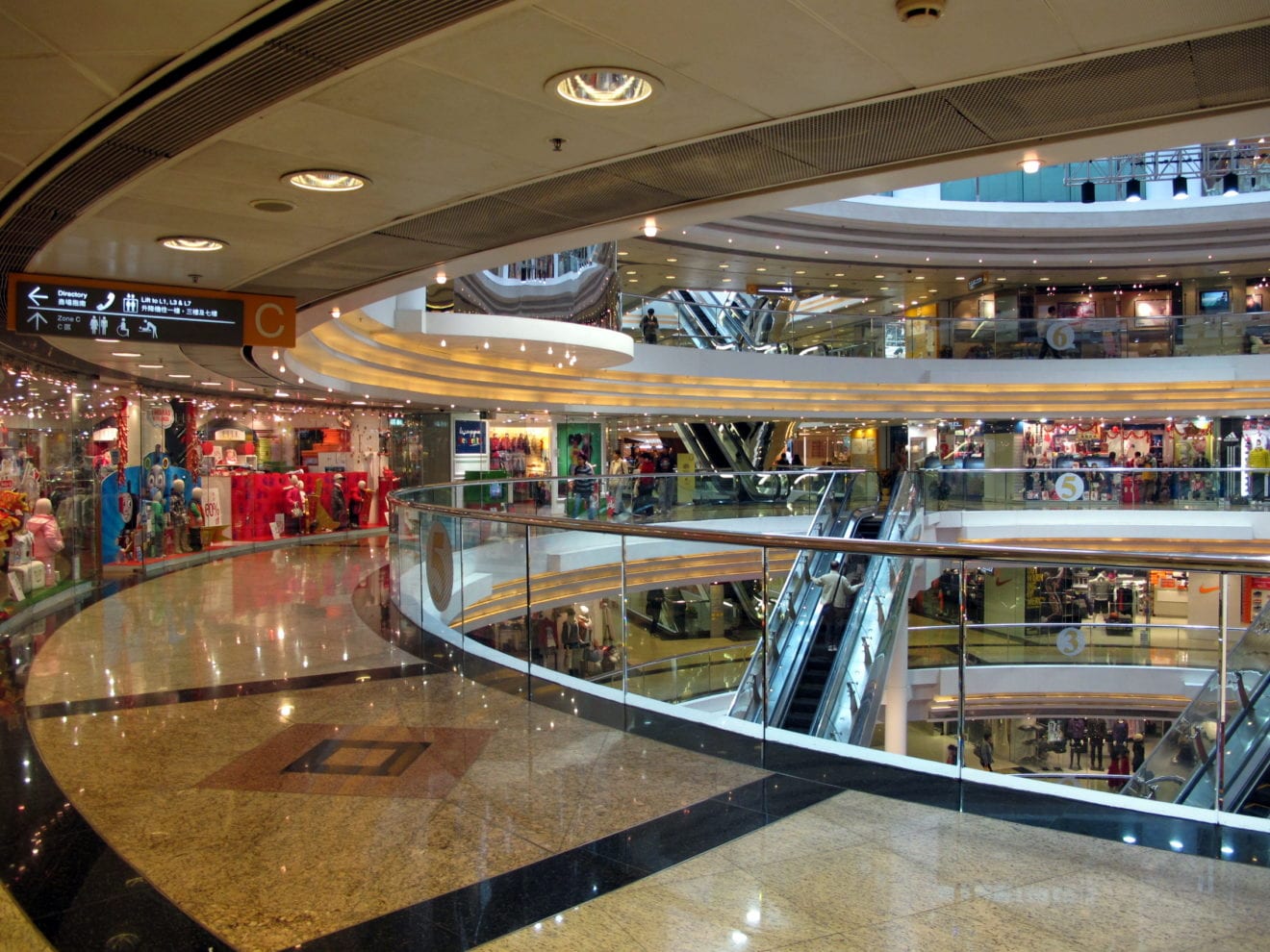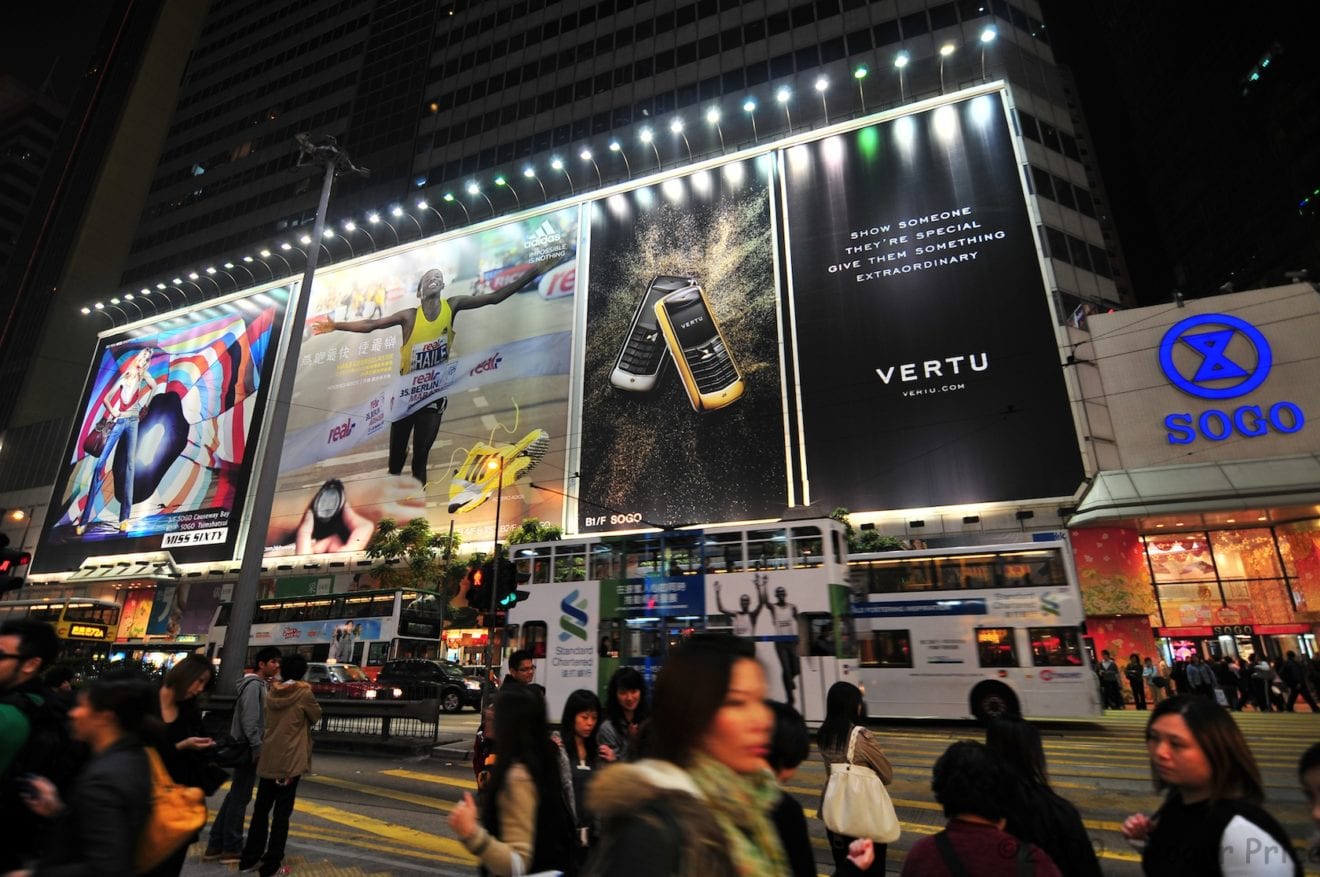
A weaker yuan means these tourists will now be spending in a more expensive Hong Kong dollar, denting the city’s retail sales even further.
“Shopping in Hong Kong will get more expensive for mainlanders,” said Nicole Wong, regional head of property research at CLSA, “Landlords need to be more realistic [in setting their rents].”
Wong said retail rents would in any case have to correct in view of the slump in Chinese spending and that the yuan devaluation would only steepen the fall.
Big spenders from China had already been skipping Hong Kong and flying directly to Europe, taking advantage of a cheaper currency, she said. The euro has lost nearly 18 per cent in the past year.
The yuan has lost more than 3 per cent against the US dollar since the People’s Bank of China shocked the markets by devaluing the currency by 1.85 per cent on Tuesday, the most in one day in more than 20 years.
“Any meaningful depreciation of the yuan could further dampen Hong Kong retail sales as mainland visitors’ spending represented 38 per cent of Hong Kong’s total sales in 2014, compared to below 20 per cent prior to 2008,” wrote Bank of America Merrill Lynch analyst Raymond Ngai in a note to clients.
The devaluation would be another direct headwind for Hong Kong retail landlords, he said, citing the widespread market expectation of a 10 per cent depreciation of the yuan against the US dollar in the next 12 months.
Shares in Causeway Bay’s largest retail landlord Hysan Development have fallen for three straight days since Tuesday. In all, it lost 1.7 per cent to close at HK$33 on Thursday. Hang Lung Development, which owns Fashion Walk in Causeway Bay, lost nearly 3 per cent to close at HK$19.80.
Sogo department store operator Lifestyle International Holdings fell nearly 1 per cent on Thursday. Only Wharf (Holdings), which owns the city’s largest shopping mall Harbour City, but is diversified into areas other than retail, bucked the trend to edge up nearly 0.5 per cent on Thursday after falling 3.7 per cent the previous day.
Jefferies downgraded Hysan to “hold” from “buy” for its concentration in retail operations.
Even before the devaluation, global brands have been pushing landlords to cut rents as mainland footfalls have been dwindling amid an economic slowdown as well as the anti-corruption drive on the mainland that has crimped luxury spending. Swiss watchmaker TAG Heuer last week said it was closing a store in Causeway Bay’s prestigious Russell Street.
Tom Gaffney, head of retail at property consultancy JLL, said some retail outlets in Central and Causeway Bay had asked for rent reductions of up to a fifth.
But the yuan depreciation is likely to have a mild impact on Hong Kong’s physical property market.
Sammy Po, chief executive of Midland Realty’s residential department said mainlanders accounted for 20 to 30 per cent of new luxury homes sales in 2011.
“Today, mainland buyers have dropped to about 4 per cent due to stamp-duty curbs for non-locals,” he said.
This article appeared in the South China Morning Post print edition as Devalued yuan to hit retail sector