Retail News CRM

Tag: Kering

  • Kering sales soar – even in China

    Kering sales soar – even in China

    Luxury goods and apparel giant Kering has reported a 10.5 per cent global rise in revenues in the latest quarter, with luxury sales up 11.3 per cent and sports and lifestyle brands up 9.3 per cent.

    Most significantly, at a time its peers are battling falling sales in Hong Kong, Macau and some brands even in Mainland China, Kering seems to have experienced respectable results in those core markets.

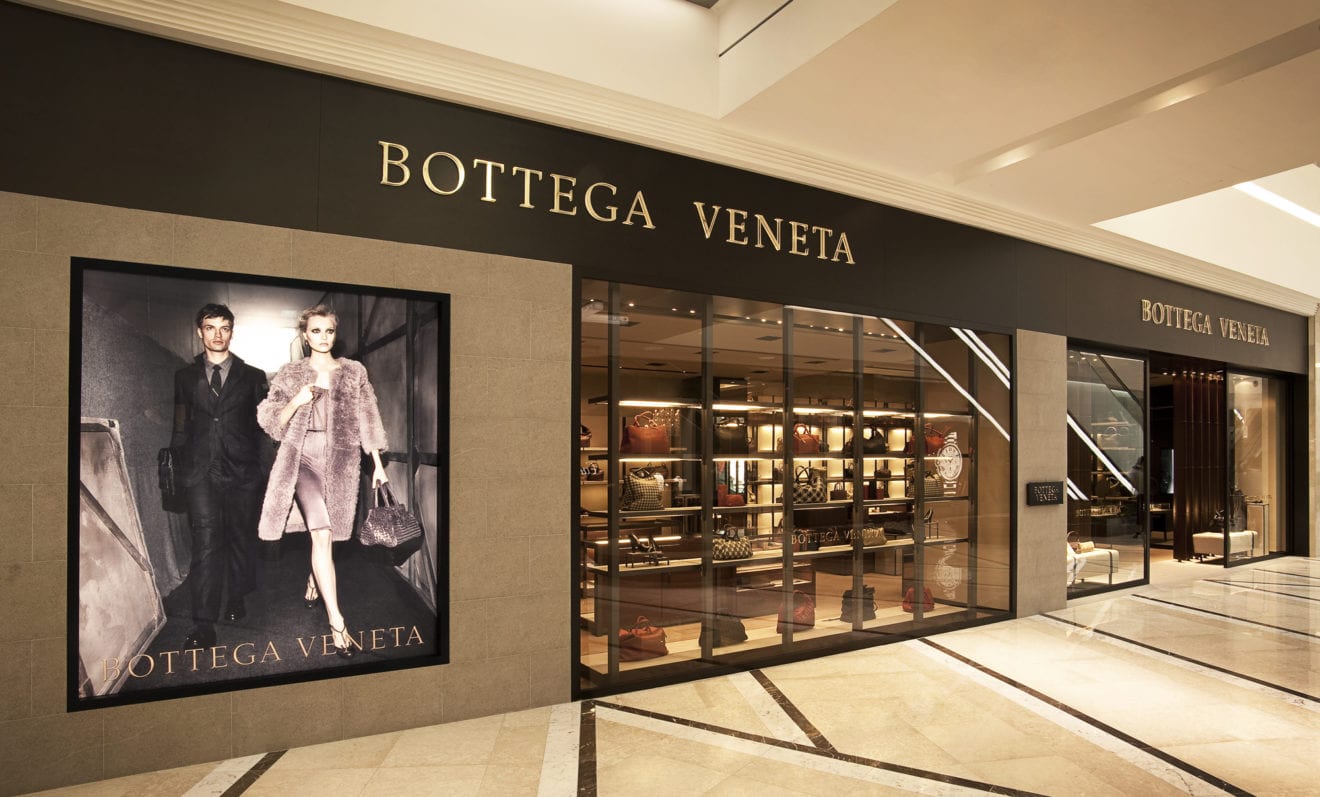
    Paris-based Kering’s brands range from luxury labels Gucci, Bottega Veneta and Yves Saint Laurent through to lifestyle brand Puma. The company says sales in directly operated luxury stores enjoyed double-digit growth across all geographic regions excluding Japan, with strong growth of 24 per cent in Asia-Pacific, a very steady 17 per cent increase in North America and an “extremely good performance” in Western Europe, which expanded by 12 per cent.

    “In a complex environment, we stepped up the pace of revenue growth and continued to gain market share,” said Francois-Henri Pinault, chairman and CEO. “Thanks to the creativity of our brands and the outstanding customer experience they offer, we achieved double-digit increases across all geographic regions excluding Japan.

    “We have laid the foundations for steady, sustainable growth, and are highly confident about the full year.”

    Kering’s headline brand Gucci achieved a sales increase of 17 per cent, while Yves Saint Laurent sales soared 33.9 per cent, both gaining market share from rivals. Sales were up sharply across all product categories and regions, excluding Japan, where market conditions were lacklustre for the sector as a whole. Gucci sales in directly operated stores rose by 19 per cent. Sales from Gucci’s e-commerce website increased by more than 50 per cent during the quarter.

    Overall, Kering’s luxury activities generated €2.115 billion in revenue during the period, the 11.3 per cent same-store growth its fastest quarterly figure in three years.

    But at Bottega Veneta, third-quarter sales were again impacted by slower tourism, particularly in the mature markets of Western Europe and Japan. Revenue was down 10.9 per cent on a comparable basis.

    Here, Hong Kong’s luxury retail decline impacted on the brand, the company said, without divulging figures: “While sales in directly operated stores were lower in the quarter, they delivered a slight improvement compared to the second-quarter trend thanks to resilient sales to local customers in Europe and growth across all main markets in Asia Pacific, with the exception of Hong Kong.”

    Puma’s leap

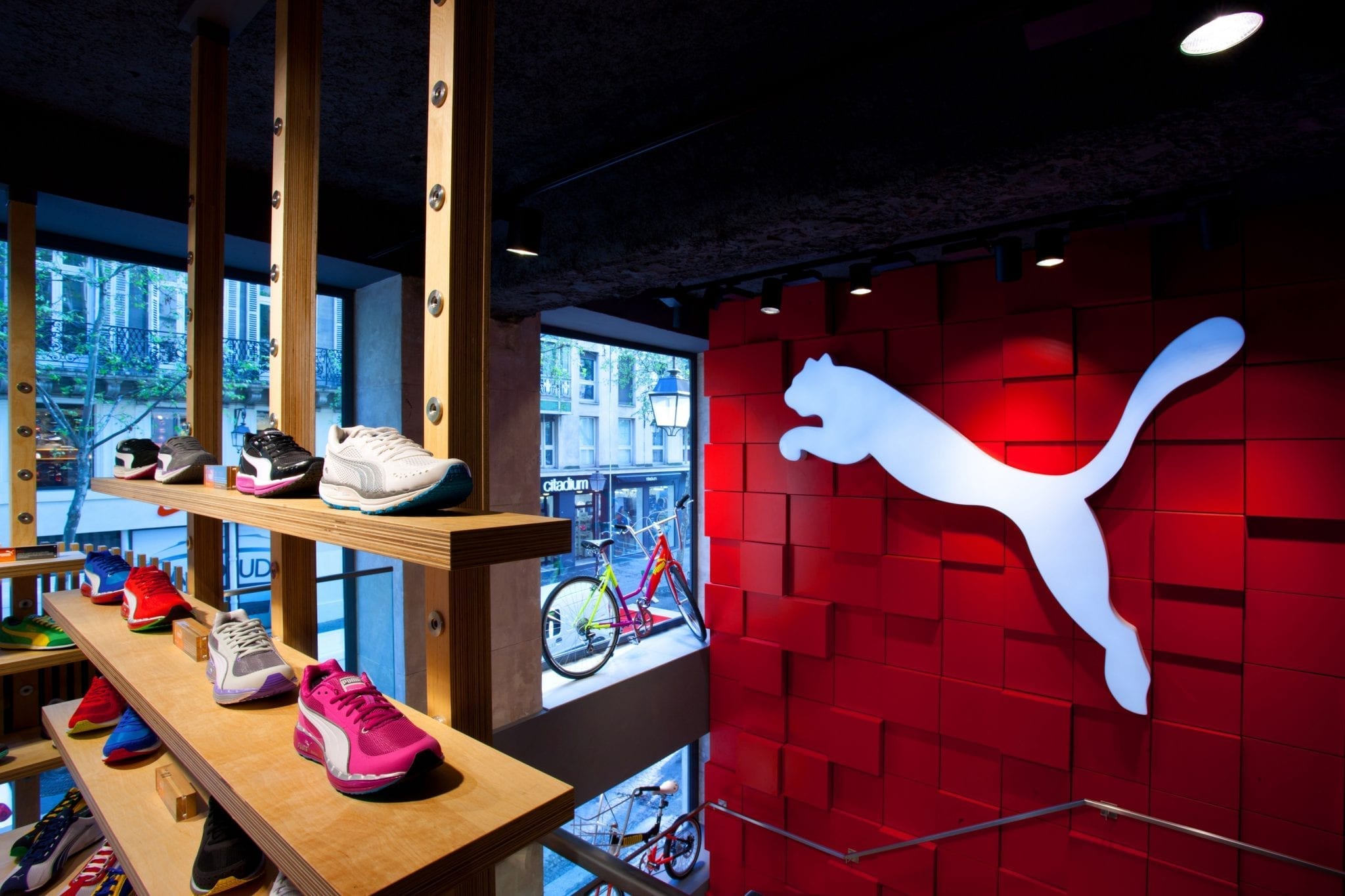
    Puma’s 10.8 per cent same-store sales leap was the result of the brand building on innovative products and renewed appeal, Kering said. Shoes performed particularly well, posting 17 per cent growth, fuelled by the success of new models such as Ignite, Fierce and Fenty. Revenue from apparel was up a solid 10 per cent.

    “With the exception of Japan, Puma achieved double-digit growth across all geographic regions, enjoying strong performances in Europe and the Americas, and sustained expansion in Mainland China.”

    Kering has an ensemble of luxury fashion, leather goods, jewellery and watch brands: Gucci, Bottega Veneta, Saint Laurent, Alexander McQueen, Balenciaga, Brioni, Christopher Kane, McQ, Stella McCartney, Tomas Maier, Boucheron, Dodo, Girard-Perregaux, Pomellato, Qeelin and Ulysse Nardin.

    Kering also has the sports & lifestyle brands Puma, Volcom and Cobra. The group generated revenues of more than €11.5 billion in 2015 and had more than 38,000 employees at year end.
  • Alibaba fake fight targets Taobao vendors

    Alibaba fake fight targets Taobao vendors

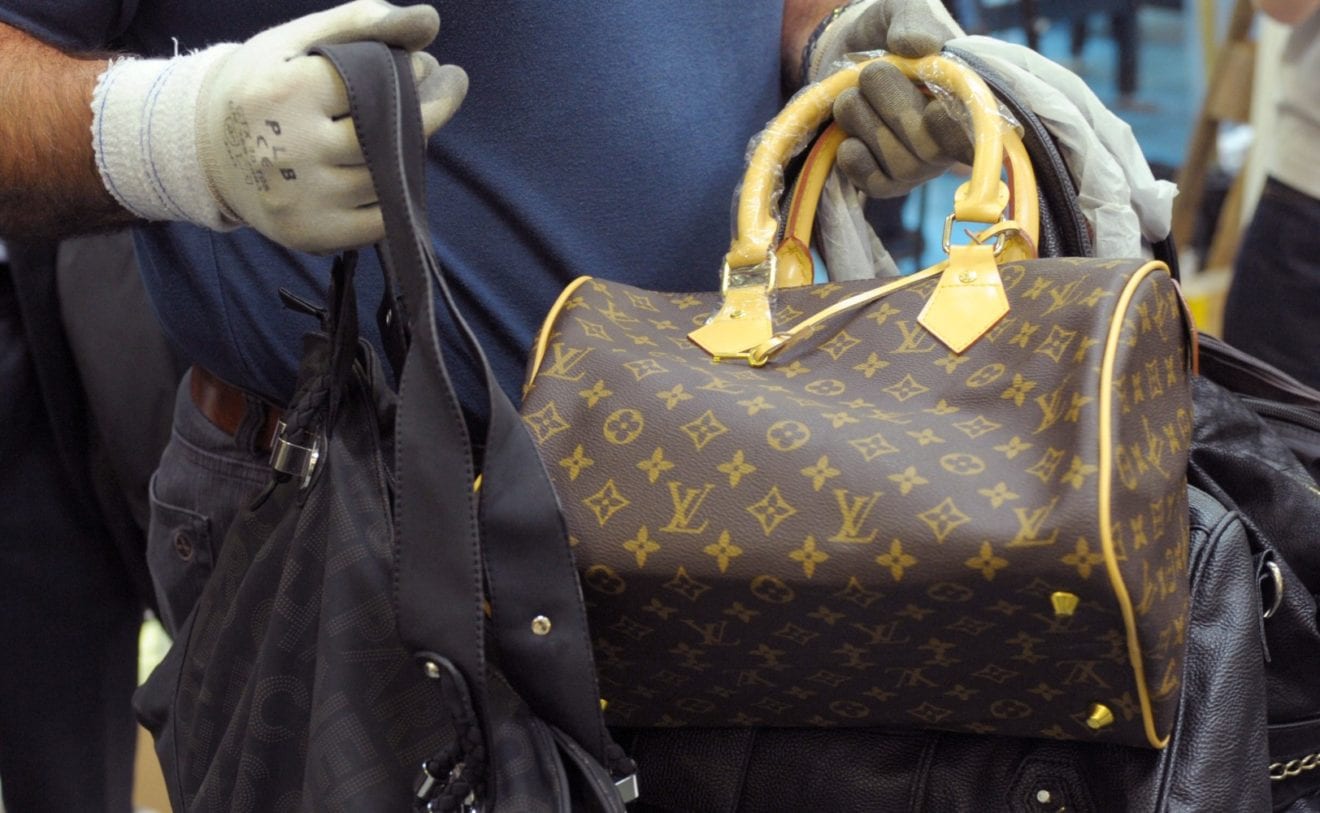
    Alibaba is tightening the rules for traders selling luxury goods on its popular online platform Taobao.

    It’s one of several measures in the ramping up of the Alibaba fake fight, which is being conducted in conjunction with Washington, DC-based International AntiCounterfeiting Coalition (IACC).

    From May 20, vendors selling luxury products on taobao will have to upload an invoice or authorisation letter from the luxury brands, for examination by Taobao, as proof it has the rights to sell the products. Otherwise the goods will be removed from the website and Alibaba says payments received for such goods can be frozen.

    “To create a healthy shopping environment with a high level of integrity and to protect the legal interests of consumers and brand owners, Taobao is gearing up to regulate sales of luxury brands’ products,” the company said in a letter to traders on May 4.

    The letter coincides with reports that Chinese government agencies plan to clean up the eCommerce market, targeting counterfeit goods and trademark violations. A campaign will run from May through November with stiff penalties for offenders caught.

    Meanwhile, the IACC MarketSafe Program, an initiative started in 2013, is being opened up so that more brands and companies can participate. The MarketSafe program provides companies with an expedited process for working with Alibaba to target and take down online listings for counterfeit goods, reports Alibaba news site Alizila.

    Set to debut later this year, the expanded MarketSafe program will be free of charge to IACC members and non-members, according to Alibaba and the IACC. In addition, brands will no longer be required to provide evidence to support intellectual-property infringement complaints. The changes “will enable a greater number and diversity of rights holders to benefit from a fair, simple, and effective IP enforcement platform,” Alibaba said in a statement.

    Accused by some Western companies of not doing enough to keep listings for counterfeit products off its shopping websites, Alibaba has been trying to enlist greater industry support, arguing the problem is too pervasive and complex for any single company to fight on its own. The Chinese eCommerce giant has for several years been working with the IACC, which has members from a wide range of industries and includes brands such as Burberry, 21st Century Fox and Apple.

    Alibaba last month became the first e-commerce company to join the IACC as an official member. Its admission to membership prompted the walkout of Michael Kors and Kering-owned Gucci.

    IACC President Bob Barchiesi said the expansion of the MarketSafe program is the result of “significant contribution and commitment from both parties.”

    “Collaboration across industries is key to addressing the issue of counterfeiting at a broader level, and this is one of the first steps towards the IACC’s goal of creating a holistic model for tackling online counterfeiting around the world,” Barchiesi said.

    Since the MarketSafe program’s launch, nearly 5000 sellers’ storefronts have been closed and banned from Alibaba’s marketplaces, and more than 180,000 infringing product listings have been removed, even through a “limited number” of brands have been participating, according to Alibaba.

    “This program exemplifies the tangible and mutual success that can be achieved when brands, trade associations, governments and intermediaries work together to combat counterfeiting,” said Matthew Bassiur, VP and head of global IP enforcement at Alibaba Group, in a statement.

    “Alibaba and the IACC, together with the rest of industry, have a shared interest in building a safe and trusted internet environment and marketplace for consumers, rights holders, and sellers,” he added.

  • Hermes retail sales rose 8pc in Q1

    Hermes retail sales rose 8pc in Q1

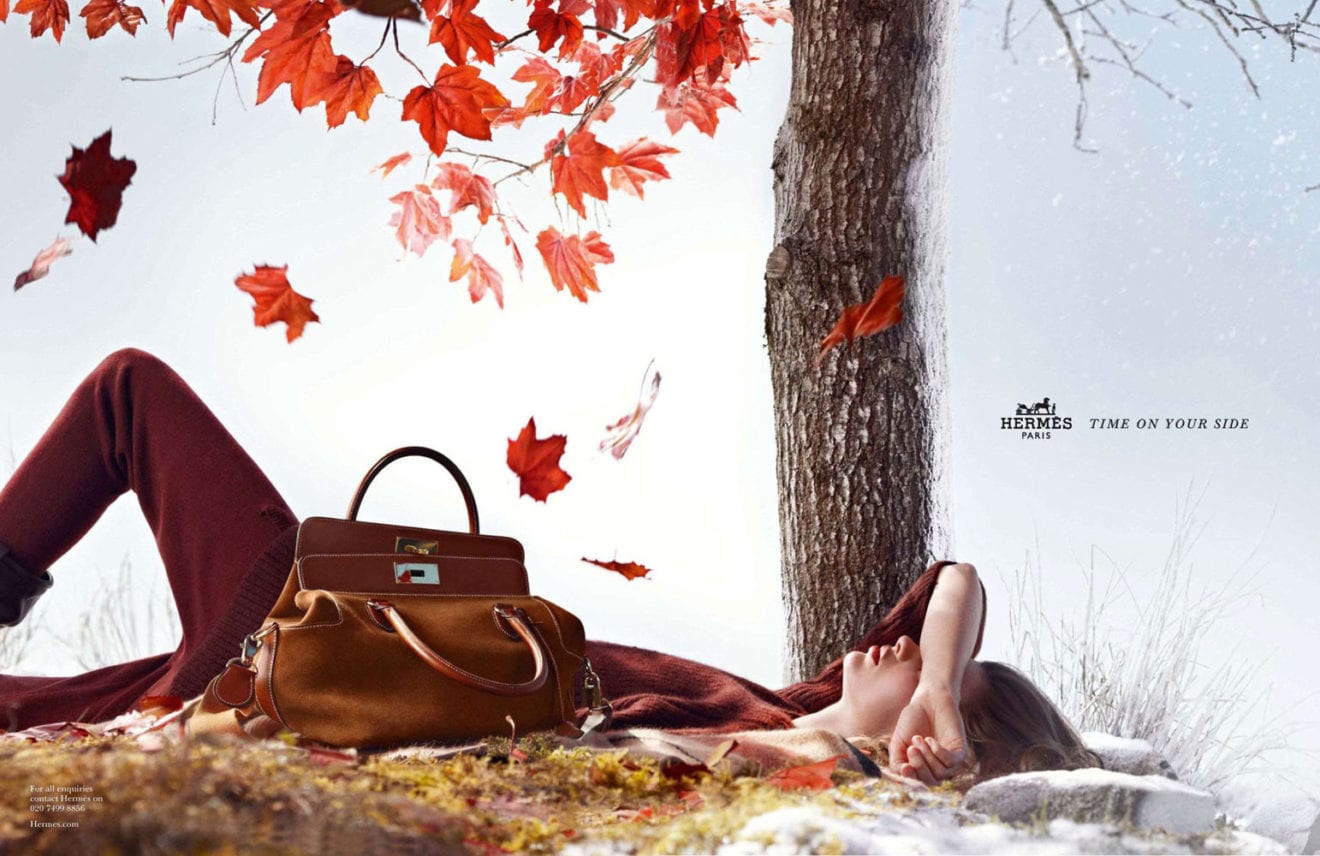
    French leather goods maker Hermès Group’s revenue was up 6 percent in the first quarter of 2016, despite a challenging luxury landscape.

    Consolidated revenues for the house were 1.19 billion euro, or about $1.35 billion at current exchange rates. Even with the negative effects of the Paris terrorist attacks, Hermès’ European sales grew 9 percent compared to the same period the previous year, with strong performances of its brand-owned boutiques.

    Trying times
    Japan sales were up 13 percent compared to last year, which Hermès attributes to selective distribution. The rest of Asia saw sales rise 4 percent, with growth in China offset by challenges in Hong Kong and Macao.

    Hermès’ leather goods and saddlery business grew 15 percent in the quarter. The group has recently established new facilities for leather production, with the fifteenth opened on April 1 in Héricourt.

    All other areas of Hermès’ business saw a decline.

    With a slowdown in the United States, Asia and France, ready-to-wear and accessories sales were down 2 percent. Silk and textile sales were down 9 percent, attributed to the recent events in Europe.

    Perfume sales dipped 4 percent, while watches declined 3 percent.

    Its other business ventures, including silvermaker Puiforcat and bespoke shoemaker John Lobb, balked the trend, rising about 30 percent to about $65.6 million in sales.

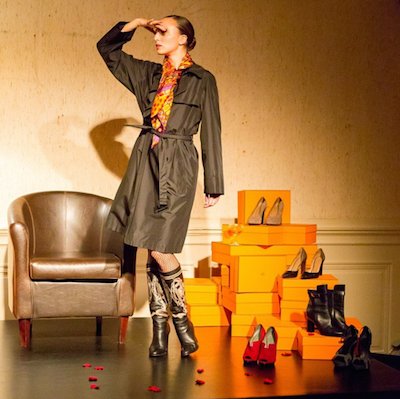
    Hermes shoe fw 2014
    Hermès fall/winter 2014

    Hermès says that its goal of 8 percent revenue growth at constant exchange rates for 2016 may be out of reach due to economic, geopolitical and currency fluctuations.

    The brand is planning to celebrate the horse this year, with an effort that focuses on its longstanding connection to nature through equestrian arts.

    Other luxury brands are feeling the pinch of current events.

    French conglomerate Kering’s luxury sales in the first quarter of 2016 were buoyed by Western Europe, Japan and emerging markets, as it managed growth in a challenging environment.

    Bottega Veneta’s sales were down 7.6 percent as reported, or 8.3 percent on a comparable basis. The brand was mostly hurt by the strength of the U.S. dollar and by Asian tourists avoiding Europe and other parts of the globe following terror attacks

  • Another Luxury Retail Brand Cites Tourism Spending as Reason for Slump

    Another Luxury Retail Brand Cites Tourism Spending as Reason for Slump

    French luxury-goods maker Kering SA reported first-quarter revenue that trailed analysts’ estimates as slowing tourism and the strong dollar weighed on demand for Gucci loafers and Bottega Veneta handbags.

    Sales climbed 2.7 percent to 2.72 billion euros ($3.07 billion), Paris-based Kering said in a statement after European markets closed Thursday. Analysts predicted 2.78 billion euros, according to estimates compiled by Bloomberg. Growth was 4 percent on a basis that excludes currency shifts, acquisitions and disposals, compared with the 5.6 percent gain anticipated by analysts.

    Gucci Chief Executive Officer Marco Bizzarri and creative director Alessandro Michele turned Kering’s largest brand around by the end of their first year in charge. Their next challenge is to keep momentum going as a slowdown in China, the strong dollar as well as terrorist attacks in Europe have crimped demand for handbags and garments. Those same headwinds hurt competitor LVMH, whose first-quarter sales also missed estimates.

    Gucci’s comparable sales rose 3.1 percent, slowing from the previous quarter’s 4.8 percent gain. With Michele’s designs accounting for about half of sales in the period, the second straight quarter of growth confirms the turnaround “is starting to get traction,” said Luca Solca, an analyst at Exane BNP Paribas. However, the slower pace shows “Rome wasn’t built in a day.”

    Trends Improved

    The company said in a conference call that sales trends at Gucci have improved since the end of March.

    The biggest disappointment was handbag maker Bottega Veneta, which reported another quarter of declining sales. Revenue fell 8.3 percent, more than twice the decline anticipated by analysts. The brand is suffering from overexposure to Hong Kong and high price gaps between Europe and Asia, along with a slowdown in tourism.

    Bottega may need “more creativity and innovation,” said Exane’s Solca. “Lacking that, the risk could be of appearing boring to consumers.”

    Yves Saint Laurent, which replaced its creative director this month, was again the best performer, posting a 27 percent increase in sales that beat analysts’ expectations.

    “We are confident that we can extend our growth trajectory over the full year,” Kering CEO Francois-Henri Pinault said in the statement.

    Kering’s shares fell 0.8 percent to 160.10 euros at the close in Paris.


  • Swiss luxury retailer Kirchhofer for sale

    Swiss luxury retailer Kirchhofer for sale

    Swiss luxury watch and jewellery retailer Kirchhofer is up for sale, Reuters reports.

    The family owned company, with annual sales of about US$302 million, is thought to produce a net profit of around $60 million annually.

    Reuters reported that three independent sources confirmed Credit Suisse has been engaged to sell the business.

    Kirchhofer sells most famous Swiss watch brands along with jewellery, cosmetics and leather goods. These days it focuses especially on Asian customers.

    Estimate of the value of the company range between five and 10 times the net profit, which calculates at between $300 million to $600 million.

    Likely suitors would include luxury retail giants Kering, LVMH and Richemont, along with private equity investment companies interested in expanding the brand internationally.

    The business is currently owned by Juerg Kirchhofer, the son of founder Fritz Kirchhofer who started the retailer in 1944. It has 10 stores, mostly in tourist cities in Switzerland.

    In a statement to Reuters, Kirchhofer’s finance head, Hans Wolf said no decision had been made to sell the company as yet.

    “Mr Kirchhofer has reached retirement age, which does not necessarily mean he wants to retire soon. Different options are being reviewed and analysed at the moment for the future of the company,” he said.

  • Brioni Cambodia opens in Phnom Penh

    Brioni Cambodia opens in Phnom Penh

    Italian luxury menswear brand Brioni has opened its first boutique in Cambodia, at the luxury Vattanac Capital Mall in the heart of Phnom Penh’s emerging business and financial district.

    It was launched with a private cocktail event featuring evening jackets from the Brioni archive and representing seven decades of the brand’s history.

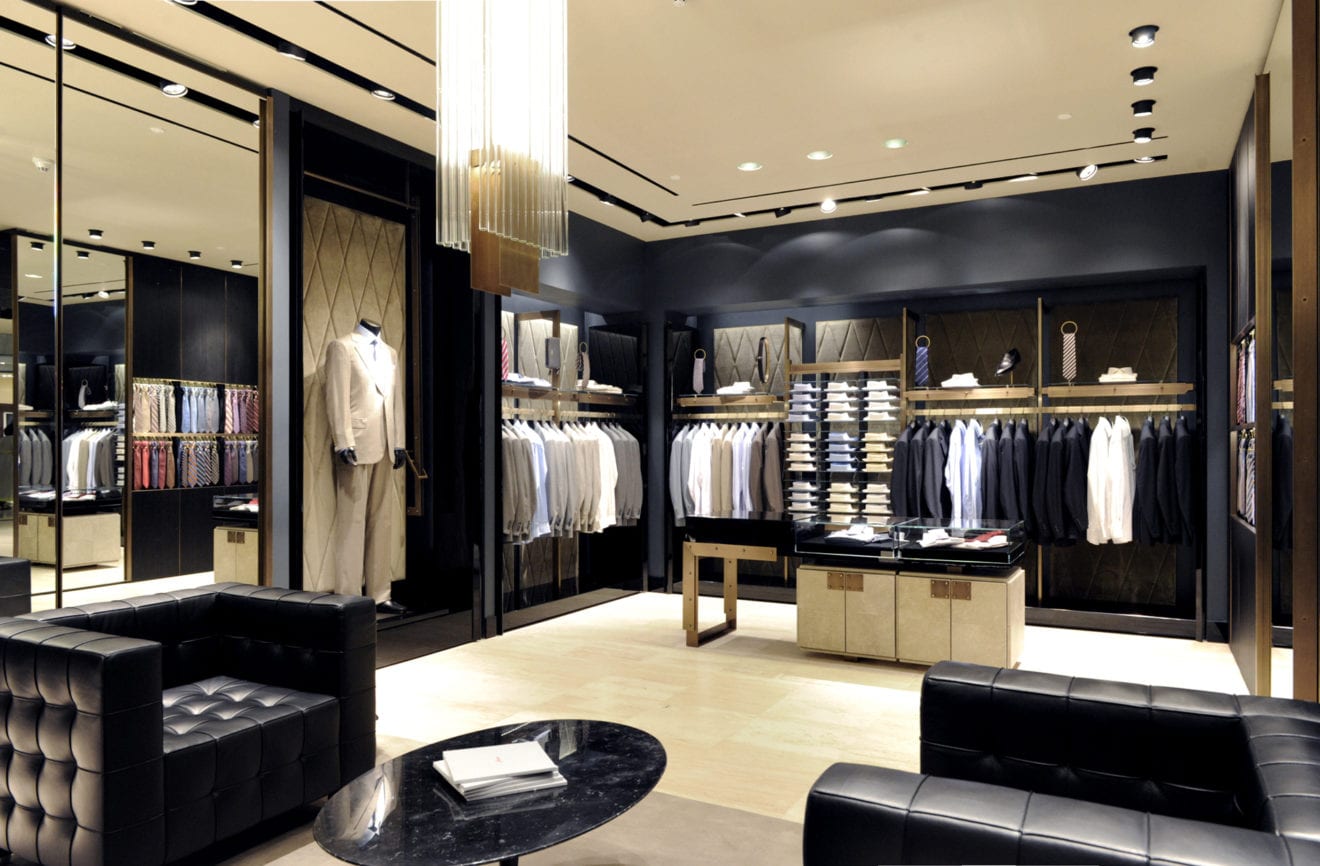
    Covering 100 sqm, the inaugural Brioni Cambodia boutique offers formalwear, leisurewear and accessories in an atmosphere that is described as melding the masculinity of a gentleman’s club with the elegance of a private “dressing room”. Both traditional and contemporary in approach, it features glass surfaces and bronzed brass, Eramosa marble, bahia wood with brass inserts, Navona travertine floors, and ceilings enriched with a sophisticated lighting system.

    “The economy in this market is seeing robust growth and we believe in its potential,” says Brioni CEO Gianluca Flore.

    Founded in Rome in 1945, Brioni designs, develops and manufactures exclusive Su Misura garments and ready-to-wear collections as well as leather goods (handbags, small leather goods and luggage), shoes, eyewear and fragrance. The house of Brioni is part of global luxury and sport and lifestyle group Kering.

  • Tight market hits Watches & Wonders

    Tight market hits Watches & Wonders

    With sales slipping in the industry’s largest market, the annual Watches & Wonders exhibition in Hong Kong may be cut back to every two years.

    High-end watchmakers are looking at a shift in strategy in Hong Kong in the face of the most severe downturn the industry has faced since the 2008-09 financial crisis, reports Reuters.

    Branching out from the two biggest trade shows in Switzerland, the Salon International de la Haute Horlogerie (SIHH) in Geneva and Baselworld, Watches & Wonders was launched in 2013 by theFondation de la Haute Horlogerie, which is now talking with exhibitors about the show’s future format, according to Richard Mille, CEO of independent watchmaker Richard Mille.

    Watches & Wonders mainly showcases Richemont-owned brands like Cartier, Montblanc and Vacheron Constantin, as well as some independents, reports Bloomberg.

    “Some brands have been fighting to get out, completely out, to stop Watches & Wonders,” Mille said at this week’s SIHH in Geneva, the industry’s first event of the year.

    “Some of the brands want to do it every two years, some say every year. It’s a negotiation.”

    A decision will be made after this week’s show, according to foundation chairwoman Fabienne Lupo.

    The event also competes with the annual Hong Kong Watch & Clock Fair, which had nearly 800 exhibitors last year.

    China’s crackdown on extravagant spending plus currency fluctuations have hit the demand for expensive timepieces in Hong Kong, with Swiss watch exports to the island city plunging 23 per cent in the first 11 months of 2015, and facing the first annual decline since 2009. TAG Heuer closed one of its Hong Kong stores in August.

    Mille, whose watches sell from about 70,000 Swiss francs ($70,000) upward, says the objective of exhibiting in Watches & Wonders is to make contact with clients who are unable to attend the boutique shows. “It’s not cheap, but it’s worthwhile.”

    Meanwhile, high-end watchmakers are considering expanding their range of more affordable products. Executives at the Geneva event say the industry is having to adapt to a market with fewer Chinese, Middle Eastern and Russian buyers than a year ago, an outcome of record low oil prices and signs of economic weakness in China.

    Cartier, Richemont’s leading brand and main source of profit, is presenting more models than ever at more accessible prices at this week’s SIHH. Among them is Cartier’s new Drive model, a steel-cased men’s watch priced at a little more than 5000 euros ($5430). Previously, Cartier would offer only new models in gold and leather, with prices starting at more than 10,000 euros.

    Sister brand Piaget, generally starting no lower than 10,000 euros, has re-launched a women’s line starting at about 7000 euros, while Richemont stablemate Montblanc has introduced a wide range of lower-priced models.

    Montblanc CEO Jerome Lambert says that whatever happens, his company will stay active in Hong Kong with major exhibitions.

    “There is a different price awareness among customers now… and less price elasticity,” Piaget chief executive Philippe Leopold-Metzger told Reuters at the fair. “Times are difficult.”

    Several watchmakers have cut staff numbers in recent months, including Kering‘s newly acquired Ulysse Nardin and privately owned Parimigiani and Christophe Claret. Piaget closed a boutique in Shanghai last month, and Parmigiani plants to cut back its global outlets to about 250 from around 300 by the end of the year.

    Van Cleef & Arpels, one of the fastest-growing brands within the Richemont group, has also seen a slowdown in Hong Kong, Macao and the US. It is looking at new growth opportunities in such markets as Australia, Canada and Thailand, where it has just opened a store.

  • Louis Vuitton and Chinese dispute

    Louis Vuitton and Chinese dispute

    Luxury retailer Louis Vuitton is suing three individuals in China for selling counterfeit items on Alibaba’s online shopping outlet Taobao.

    Damages of 250,000 RMB ($37,900) are being sought by the LVMH-owned company, says a statement on a Beijing court’s website uploaded yesterday. It says the suits are against a person surnamed Liang and two with the surname Han, who were sentenced in 2014 for selling counterfeit Louis Vuitton clothing, shoes and handbags between 2011 and 2014.

    This move comes nine months after luxury conglomerate Kering pursued legal action over fakes on Alibaba’s platforms. The group sued Alibaba directly, filing the suit in the US rather than China.

    In 2013 LVMH signed a co-operation agreement with Taobao to fight fakes on its platforms. Under the agreement, Taobao agreed to proactively track down and remove listings of counterfeit LVMH items.

    Meanwhile, Alibaba has been working to defend its reputation. It hired a former counterfeit investigator from Apple in December as its new head of global intellectual property enforcement. This followed the American Apparel & Footwear Association calling on the US Trade Representative to add Alibaba back to its blacklist of “notorious markets” for fakes (it was removed in 2012). Alibaba has also hired extra staff to fight fakes and is releasing an English-language version of its intellectual property reporting system.

    The courts’ decisions on the Kering and Louis Vuitton lawsuits could have an impact on the way brands formulate their China anti-counterfeit strategy in the years to come, observes Jing Daily. Kering has challenges with its US lawsuit as the Bank of China has refused to comply with a subpoena to disclose information about counterfeiters’ bank accounts to the New York District Court. The bank is also appealing a $50,000-a-day fine imposed by the court, arguing that the order violates Chinese bank secrecy laws.

  • Paipai.com axed to fight counterfeiting

    Paipai.com axed to fight counterfeiting

    China’s number 2 eCommerce player JD.com has axed its consumer to consumer online storePaipai.com in a bid, it says, to cut sales of counterfeit goods.

    The store will be closed by December 31 and after a transitional period of three months, the company will completely close down the website of Paipai.com.

    “The shutdown of the C2C platform is in line with the company’s policy to combat the marketing and sale of counterfeit products and the company will make persistent efforts to protect the interests of consumers and brands,” JD.com said in a statement.

    Paipai.com, along with another site Wanggou, were acquired from WeChat parent Tencent in March 2014. The combined businesses have a goodwill and intangible asset value of US$400 million, making it a very expensive gesture in the war against counterfeit goods in Mainland China.

    The company says it has yet to calculate the book value of the loss given the two websites are accounted for in the books as a combined entity and Wanggou will continue to operate.

    While JD.com is amputating a limb, Alibaba is undergoing a high profile battle in the US courts with French luxury brand owner Kering which alleges Alibaba has failed to take sufficient steps to counter the trading of counterfeit goods on its various websites, as reported by Inside Retail Asia last week.

  • Louis Vuitton looks for shops to close in China

    Louis Vuitton looks for shops to close in China

    Louis Vuitton is about to get smaller in China, and other luxury goods makers might follow as the heady days of expansion in that market are over.

    The French maker of monogrammed luggage is reviewing eight stores in second-tier cities, or about a fifth of the total in China, according to a source familiar with the situation.

    While some might be moved or refurbished rather than closed outright, the Chinese store count will drop, said the source, who asked not to be identified as the plans are private and no final decision has been made.

    Vuitton is closing stores “to avoid being overexposed” as market dynamics change and more Chinese shop abroad, said Mario Ortelli, an analyst at Sanford C. Bernstein in London. “This is something that is quite normal when you have a fast expansion of a store network.”

    Vuitton is evaluating its exposure to China as consumers shift more of their spending to Japan and Europe, where the weak yen and euro make it even cheaper to shop. A government campaign against extravagance has also weighed on demand in China and neighboring markets. Watchmaker TAG Heuer shuttered a store in Hong Kong in August and Burberry Group PLC said earlier this month it would reduce the size of its largest store in the territory.

    Vuitton has 41 stores in China out of 453 worldwide, according to Exane BNP Paribas. A spokesman for parent company LVMH said Vuitton would continue to invest in its retail network in China, adding that the company would open two stores and refurbish two there next year. He declined to comment on closures.

    Closures by other luxury goods makers might follow, Exane analyst Luca Solca said.

    Kering SA-owned Gucci and Burberry, both of which have also struggled in China, have more stores there than Vuitton, Exane said.

    Chinese consumers account for about a third of global luxury sales. Gucci has 57 stores in China, while Burberry has 55.

    “As more sales move abroad on the back of large price gaps, mainland China stores risk poor space productivity, hence the adjustment,” Solca said.

    A Burberry spokesman said: “There is no change in our plans as we continue to evolve our Chinese store network.”

    A spokesman for Kering declined to comment on store plans in China.

    LVMH chief financial officer Jean-Jacques Guiony last month said that Vuitton might shut a couple of boutiques in China where it has two in second-tier cities. Its Chinese store count should remain “reasonably flat for the years to come,” he said.

    Globally, the market for personal luxury goods is set to grow as little as 1 percent this year, the weakest rate since 2009, Bain & Co estimates.

    LVMH, whose full name is LVMH Moet Hennessy Louis Vuitton SE, reported third-quarter fashion and leather goods sales that rose 3 percent on an organic basis, trailing estimates.

  • Kering ratchets up legal fight with Alibaba

    French-headquartered luxury brand owner Kering has unsuccessfully sought to fast track its legal suit against Alibaba after what it considered “greatly troubling” comments by Jack Ma.

    Kering, which owns Gucci and Yves Saint Laurent among others, filed suit against the Chinese eCommerce giant in May after it considered more passive efforts to get Alibaba to stop selling counterfeit versions of its goods on its websites were not bearing fruit.

    Last week Kering has asked a US judge to waive the mandatory obligation of mediation between the two parties, citing a quote by Ma in a magazine article.

    Kering’s lawyers say the company was “greatly troubled” by Ma being quoted in Forbes saying there was no chance of settling.

    “I would [rather] lose the case, lose the money… But we would gain our dignity and respect,” Ma was quoted saying.

    Kering’s lawyers argued if this is indeed Ma’s position, mediation would be futile.

    But Judge Kevin Castel disagreed, on Monday urging the parties to continue with mediation.

    “Needless public comments can undermine talks. Yet public positions and positions in confidential talks have been known to vary… The Court strongly recommends that the parties proceed to mediation,” he wrote in an order.

    Kering maintains Alibaba is a giant conduit for counterfeiters and alleges the company has knowingly made it possible for traders to sell fake good on its sites.

    According to a letter to the judge, seen by Reuters, Kering’s counsel said of the interview: “It leaves the impression… that Alibaba‘s request for mediation was not made in good faith, but rather as a tactic to delay this case and to force Plaintiffs to expend resources spinning their wheels in an expensive and time-consuming mediation.”

    An Alibaba spokesman Bob Christie said Ma had made the comments prior to Kering agreeing to Alibaba‘s proposal to mediate.

    “If they want to return to the path of litigation, instead of mediation, we will vigorously defend our legal rights and reputation,” he said in an email to Reuters.

  • Bottega Veneta May Close Hong Kong Stores

    Bottega Veneta May Close Hong Kong Stores

    Retail rents in Hong Kong have long been among the most expensive in the world, but for years the high operating costs have been worthwhile. Luxury brands could capture not only the highly sophisticated local shoppers, but also mainland Chinese and other foreign tourists. That was, until recently.

    Sales have slowed markedly for luxury brands in Hong Kong over the last two years. As a result, Kering—the parent company of Gucci, Bottega Veneta, and Yves Saint Laurent—is considering closing some stores.

    Political and economic changes in mainland China, acerbated by the umbrella movement of mass civil disobedience in Hong Kong, have had a negative impact on Hong Kong’s economy. After China’s new leader Xi Jinping launched a crackdown on extravagant spending and corruption in 2013, mainlanders have been spending less.

    Kering confirmed that it has started negotiating rents with landlords in Hong Kong.

    According to Kering’s first half results for 2015, “the downward trend in Asia-Pacific” (excluding Japan) was entirely due to the ongoing decline in consumer spending in Hong Kong and Macau.” Sales in mainland China were up year on year, and South Korea and Australia reported solid sales performances in line with the rise in tourist numbers, the report stated.

    The company confirmed that it has started negotiating rents with landlords in Hong Kong, and also Macau, mainland China, and other international locations.

    “We are very lucid about the situation in Hong Kong where we didn’t see any improvement during Q2 2015. Depending on the outcome of the discussions with the landlords and the business situation, we may consider closing stores in Hong Kong in the mid-term,” a Kering spokesperson said in a statement.

    The company has 58 retail locations in Greater China (mainland China, Hong Kong, Macau, and Taiwan).

    Kering’s revenue in Japan increased 7.4 percent during first-half 2015, driven by increased tourism from mainland China and local clientele.

    The Asia-Pacific region (excluding Japan), again accounted for more than 90 percent of Bottega Veneta’s business in emerging markets. “Sales in this region dropped 4.3 percent year on year, weighed down by a lacklustre luxury goods market in Greater China during the period, despite the very positive trends seen in South Korea, Taiwan, and Australia, where purchases by Chinese tourists increased significantly,” according to Kering’s first half report.

    Other luxury brands are also feeling the pinch in Hong Kong. Burberry has said it is attempting to negotiate rents with landlords in Hong Kong because the U.K.-based company’s sales there have dropped to a two-year low, according to Bloomberg.

    “Asia Pacific experienced a low single-digit percentage comparable decline, impacted by the continued challenging environment in Hong Kong, which decelerated further to a double-digit percentage decline in comparable sales. Mainland China comparable sales grew by a low single-digit percentage and Japan saw exceptional growth, albeit off a small base,” according to Burberry’s first quarter trading update.

    Faith Hope-Consolo, chairman of The Retail Group at Douglas Elliman real estate, said Hong Kong’s market is inundated with luxury brand stores with labels such as Gucci, Prada, Louis Vuitton, and Burberry owned by the likes of The Kering Group, Richemont and LVMH.

    She said, “There has been an introduction of more affordable lines to each brand to address and absorb the consumer choices and support a market whose tourist numbers fluctuate with an ever-changing economy.”

  • Kering expects Hong Kong rent relief

    Kering expects Hong Kong rent relief

    Luxury international retail group Kering says it expects to be paying less rent in Hong Kong by the end of the year.

    Kering is the owner of a raft of luxury fashion brands, including Yves Saint Laurent, Bottega Veneta and Gucci, the latter of which comprises a third of its turnover.

    Kering says its global sales rose 22 per cent in the second quarter of this year, aided by a weakened euro and growing numbers of Asian shoppers in Europe. Sales reached €2.86 billion (US$3.18 billion). Excluding the impact of exchange rates, real organic growth was 7.7 per cent.

    CFO Jean-Marc Duplaix said a significant fall in sales in Hong Kong has given the company leverage in renegotiating rental terms with its landlords in the territory.

    He told an analysts’ call to discuss second half year sales that he “expects to pay less rent” by the end of the year.

    Duplaix described the retail climate in Mainland China and Hong Kong as “difficult” but said despite weakened sales it has no plans to close any of its 70 company owned stores there.

    The reality for Kering is that Chinese are still buying its luxury goods – they’re just shopping elsewhere instead of making short retail therapy sojourns to Hong Kong. The number of Chinese visitors to European stores rose nearly 30 per cent year on year and by a similar ratio in Japan.

    “All luxury brands, including Gucci, have benefited from the shift of Chinese tourists to Japan and Europe,” said Duplaix in the conference call.

    For the first six months of the current financial year, Kering’s profit fell 13 per cent to €489 million.