Tag: label

  • Hong Kong’s Fashionally and ITC Store launch new collaboration

    Hong Kong’s Fashionally and ITC Store launch new collaboration

    FASHIONALLY.com, a non-profit local fashion platform pioneered by the Hong Kong Trade Development Council (HKTDC), has launched a debut collaboration with the ITC STORE of The Hong Kong Polytechnic University (PolyU).

    The store showcases seven fashion brands from the Hong Kong Young Fashion Designers’ Contest (YDC), creating a brand-new online-to-offline (O2O) marketing and promotion channel to nurture business opportunities for local fashion designers at the start of the year.From now to 11 April, the ITC STORE X FASHIONALLY online store will feature a series of local fashion brand items including fabric face masks, women’s knitwear, leather clothing and accessories, and much more.

    Participating brands include ARTO. (designs by Arto Wong), Charlotte Ng Studio (Charlotte Ng), FromClothingOf (Shirley Wong), KURT HO (Kurt Ho), Lapeewee (Yannes Wong), Mum’s Design (Bicy Yeung) and PHENOTYPSETTER (Jane Ng). From now through April, ITC STORE’s physical showroom will showcase exclusive fashion items from selected brands on a monthly basis, providing a new O2O shopping experience for fashion lovers.

    The YDC aims to discover and nurture the next generation of young fashion talents in Hong Kong, providing a launch pad for them to showcase their designs. YDC 2021 is now open for entry with an enrolment deadline of 28 April. For details please visit: www.fashionally.com/ydc_application/

  • Giordano International warns for a profit decrease

    Giordano International warns for a profit decrease

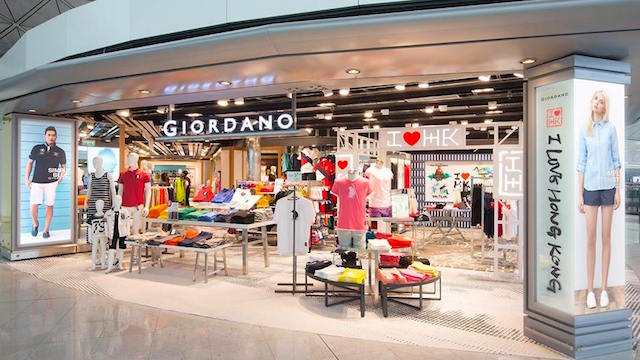
    Giordano International (0709) warned that it expects to record an annual net loss of between HK$110 million and HK$130 million in 2020, as compared with a profit of HK$230 million in 2019.

    As stated in the interim results announcement last year, a net loss of HK$175 million was recorded for the six months ended June 30, 2020. However, the group expects to record a net profit of between HK$45 million and HK$65 million in the second half of the year due to the positive trend in retail sales and improvement in consumer sentiment.

    The forecast net profit has not taken into account further potential asset impairment charges.

    As of end-December, 2020, the group’s merchandise inventory was worth about HK$435 million, below that of 2019 by about HK$113 million.

  • Canada Goose appoints an APAC president

    Canada Goose appoints an APAC president

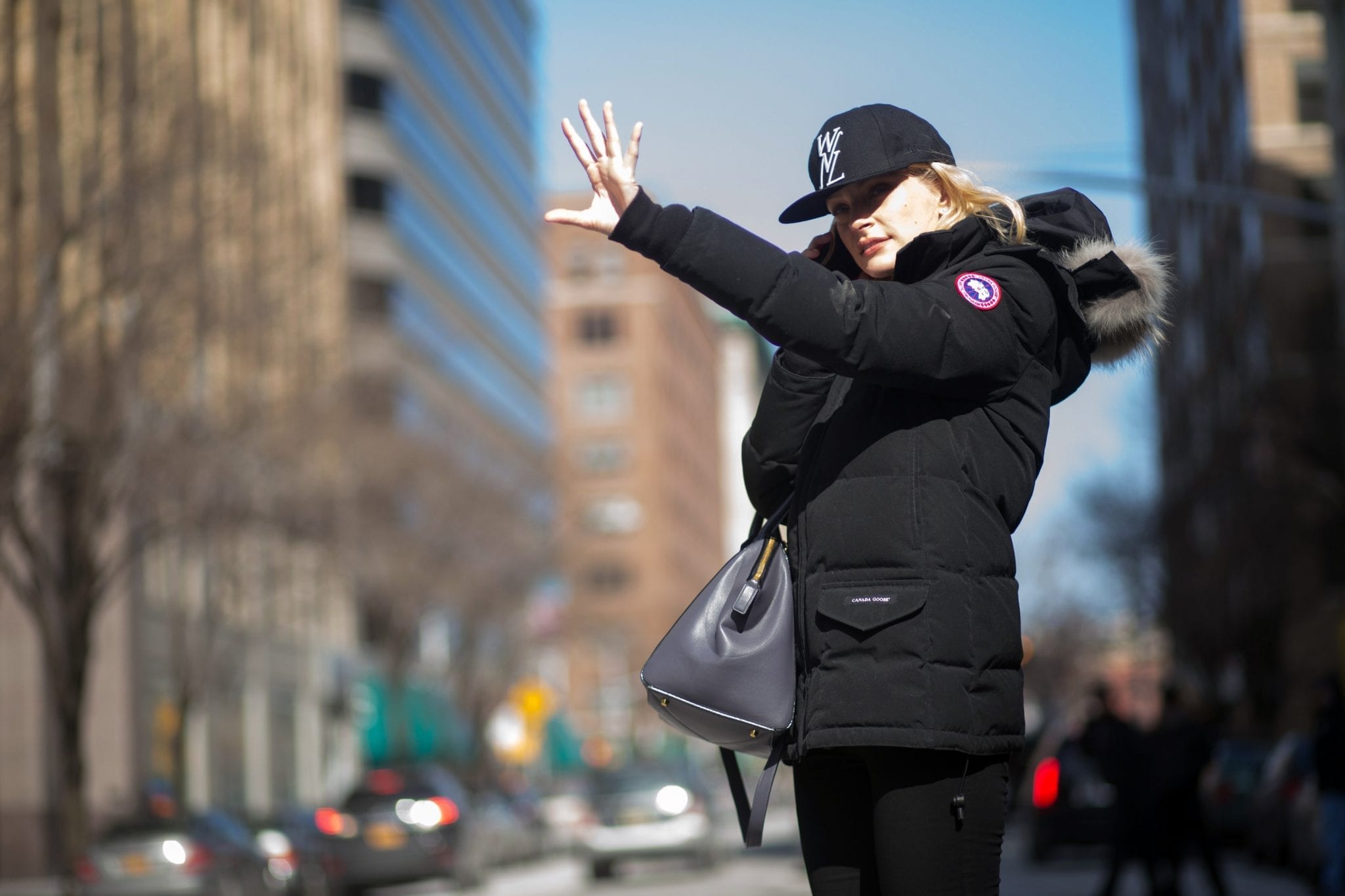
    Canada Goose announced the appointment of Scott Cameron as president, Asia-Pacific (APAC), effective April 1 and the appointment of Michael D. Armstrong, executive vice president, ViacomCBS, to its Board of Directors as an independent director, effective immediately.

    Cameron joined Canada Goose in 2016 as chief strategy and business development officer and most recently served as president of the Greater China region. During his tenure, Cameron was responsible for the development and growth of the brand’s direct-to-consumer global channels, successfully established Canada Goose’s presence in Asia and assembled its team in the region. In this new role, he will oversee all marketing and commercial activity within the expanded APAC region, which includes Greater China, Japan, South Korea, Australia, and New Zealand.

    “Scott has been instrumental in ensuring the highest level of operational excellence throughout our stores globally, building our business in Greater China and providing an exceptional level of support to the executive team for the past five years,” said Dani Reiss, president and CEO of Canada Goose. “This appointment is a reflection of his relentless efforts and the success he has helped to drive in the region.”

    Armstrong, a 22-year veteran of ViacomCBS Global Distribution Group, manages relationships with third-party studios and oversees the international sales teams for formats and CBS Newspath service. Previously, he served as general manager of BET Networks, where he oversaw strategy and operations, content acquisitions, multi-platform scheduling, marketing, corporate communications, strategy, finance, research, and audience science. Armstrong is on the board of PRX and a member of the Board of Trustees at his alma mater Hampton University.

    “I look forward to Michael’s contributions as a Canada Goose board member, drawing on his extensive expertise in business development and operations throughout the entertainment industry and the world,” said Reiss. “I am confident that his vast entertainment experience will provide a valuable perspective as we continue to execute on our long-term growth strategy.”

    “I am honored to join the Board of Directors at Canada Goose, which has grown into one of the world’s most coveted lifestyle and performance luxury apparel brands. I look forward to working hand in hand with my fellow Board members and the management team to continue to propel the brand’s growth,” said Armstrong.

  • Versace Macau boutique reopens at Four Seasons

    Versace Macau boutique reopens at Four Seasons

    Versace announced the re-opening of its boutique in Macau. Situated in the upscale Shoppes at Four Seasons, the store is located at the city’s premier luxury destination. Inspired by Medusa’s hypnotic gaze, the boutique has been renovated following a new concept created by renowned architect Gwenael Nicolas.

    An impressive ceiling embellished with concentric golden louvers surrounding a three- dimensional Medusa dominates the space. Visible from every corner of the store, the mythical woman acts as an anchor, a central figure that incorporates the iconic Versace aesthetic into the interior design.

    The imposing ceiling is contrasted with neutral flooring and walls, crafted from luxurious white marble. Envisioned as exclusive, private salons, showcase areas are enriched with plush carpets and cozy blue velvet armchairs. The muted colors of the space highlight the graphic prints and exceptional fabrication of the latest Versace creations. In a further nod to brand heritage, the golden metal display constructions are enriched with Barocco-infused acanthus leaves

    The 369 square meter boutique features a curated selection of women’s and men’s ready-to-wear and accessories.

  • British retailer Next, US investor plan joint bid for Arcadia

    British retailer Next, US investor plan joint bid for Arcadia

    Fashion retailer Next is in talks with American investment firm Davidson Kempner Capital Management for a joint bid to gain control of Arcadia fashion group, which collapsed into administration last month, Sky News reported on Friday.

    The two companies were “likely, but not certain” to bid for Arcadia ahead of a revised deadline next Monday, the Sky News report added, citing sources.

    Under the plans being discussed, Davidson Kempner would provide the majority of the funding required to complete a takeover, Sky News reported.

    Next and Davidson Kempner Capital Management did not immediately respond to requests for comment.

    Arcadia’s collapse into administration in November put over 13,000 jobs at risk, with the company becoming one of the UK’s biggest corporate casualties of the COVID-19 pandemic.

    The fashion group, whose brands include Topshop, Topman, Dorothy Perkins, Wallis and Miss Selfridge, trades from 444 leased sites in the United Kingdom and 22 overseas.

    The Daily Telegraph earlier this month reported Authentic Brands was planning a takeover of Arcadia Group, which had declined sportswear group Frasers’ offer of a “lifeline” loan of up to 50 million pounds.

  • VF Corp adds Supreme to its stable in US$2.1 billion deal

    VF Corp adds Supreme to its stable in US$2.1 billion deal

    VF Corp pays US$2.1 billion to purchase streetwear attire firm Supreme, including one other standard model to the Vans shoe maker’s portfolio. VF Corp, which additionally homes manufacturers reminiscent of The North Face and Timberland, mentioned it might make a further fee of up to $300 million, topic to satisfaction of sure post-deal closing milestones.

    Shares of VF Corp surged about 13 percent to $78.94 in afternoon buying and selling.

    The firm mentioned present buyers Carlyle Group and New York-based personal fairness agency Goode Partners had been promoting their stakes in Supreme, based by American-British businessman James Jebbia in 1994.

    Known for its pink field emblem with “Supreme” written in white, the model has gained a following amongst “hypebeasts,” or followers of the streetwear model, with product launches of the whole lot from hoodies to burner telephones promoting out in minutes and folks lining up outdoors its 12 shops worldwide for hours.

    The perceived shortage has helped Supreme to purchase a cachet amongst younger folks and allowed it to cost far increased costs than different streetwear manufacturers like VF’s Vans and Nike.

    “This scarcity, novelty and strong social influence model supports meaningful pricing power resulting best in class profitability,” VF Corp CEO Steve Rendle mentioned.

    VF Corp estimated the broader streetwear market to be a roughly $50 billion world alternative and that Supreme was on the epicenter of this market, he mentioned.

    The firm mentioned the Supreme deal will assist bolster its e-commerce enterprise, which has change into extra pressing for attire and footwear makers due to the Covid-19 pandemic.

    Supreme, which has collaborated with many outstanding style names together with Louis Vuitton in addition to Nike, Levi and Vans, will get over 60 percent of its income from the net enterprise.

    The deal, which is predicted to be accomplished late this 12 months, is anticipated to contribute a minimum of $500 million of income and adjusted earnings per share of 20 cents in fiscal 2022.

    Supreme doesn’t present group gross sales or revenue figures however its UK-based European arm is obliged to publish annual accounts and these have confirmed speedy development and industry-leading margins in current years.

    In the 12 months to the top of January 2019, Supreme’s European enterprise racked up the income of 100 million kilos ($130 million) regardless of having simply two shops and a revenue margin, earlier than curiosity bills, of 44 percent – a number of of the margins earned by different streetwear manufacturers like Vans, Abercrombie & Fitch and even luxurious manufacturers like Gucci, firm filings present.

    Analysts have questioned whether or not Supreme will probably be in a position to preserve its premium pricing as its merchandise change into extra ubiquitous, however, had been extra sanguine after Monday’s announcement.

    “Supreme is a strong streetwear brand …. and while the brand has built its appeal on scarcity, we believe the market will be excited at the margin and growth profile and its contribution to VFC,” Bernstein analyst Jaime Merriman mentioned.
  • Hugo Boss on the look for China growth as it returns to profit

    Hugo Boss on the look for China growth as it returns to profit

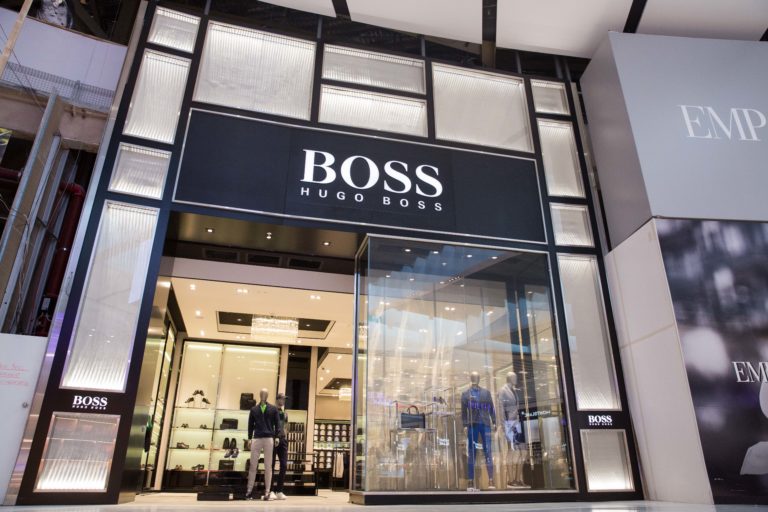
    German fashion giant Hugo Boss returned to profitability in Q3, after having reported losses in Q2, and also said that it was focused on business recovery via digital channels and in China as pandemic-linked uncertainty continues.

    Overall, it’s quarterly revenue fell 24% on a currency-adjusted basis to €533 million, which was lower than analysts had expected. But its operating profit was €15 million and that managed to beat analyst predictions. However, it was still down from €83 million a year ago.

    The company’s digital and Chinese focus is perfectly understandable given that sales in mainland China rose 27% during the quarter and online sales saw a massive leap of 66% as the company opened 24 more markets to e-tail sales between June and August.

    “Supported by the accelerated consumer demand shift towards digital, sales on hugoboss.com and the group’s self-managed offerings on key partner websites recorded strong improvements in both traffic and conversion rates,” it said. The period from July to September marks the 12th consecutive quarter with “significant double-digit online sales growth” for the firm.

    And while physical stores remained challenged, the company was upbeat. With the vast majority of its own stores back in operation, the group’s own retail business recorded a “considerably more robust performance” compared to the first half of the year, with its own retail revenues down by ‘only’ 20%, currency-adjusted.

    But the quarter clearly wasn’t all about good news. While local demand in key markets picked up noticeably as compared to the previous quarter, sales to tourists continued to suffer from international travel restrictions.

    Sales dropped 21% in Europe despite encouraging signs of demand bouncing back in key markets such as the UK and France. The tourism downturn that has had such a big impact on many luxury companies obviously weighed heavily on Hugo Boss.

    And like other companies at all price levels, the group has been adjusting its offer to meet the new normal with a bigger focus on casual clothing that had already started before the pandemic hit. The company said that its more youth-focused Hugo label saw casualwear sales down only in mid-single-digits during the quarter.

  • LG Electronics starts eco-friendly clothing line with Net-A-Porter

    LG Electronics starts eco-friendly clothing line with Net-A-Porter

    LG Electronics has unveiled an eco-friendly clothing line in collaboration with British online fashion retailer Net-A-Porter as the South Korean tech giant pushes marketing for its clothing-care appliances.

    The appliance maker said it joined with the premium online fashion marketplace to launch a limited-edition range named LG X Net-A-Porter Sustainable Collection.

    The two partners cooperated with global fashion brands, including Le Kasha of France, Mara Hoffman of the US, and Bondi Born of Australia, to release 13 types of environmentally friendly apparel.

    LG Electronics said the launch of the new clothing line is part of its “Care for What You Wear” global campaign that aims to protect the environment by reducing fabric waste.

    It added that the clothes from the new brand can be easily managed through its clothing care appliances, including the Styler, LG’s steam closet that keeps clothes fresh and deodorized without dry cleaning.

  • Tiffany sees earnings bump during legal case

    Tiffany sees earnings bump during legal case

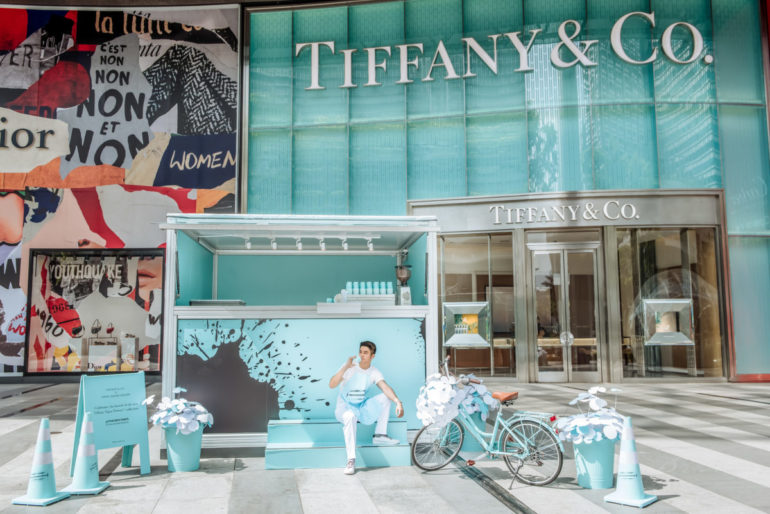
    In the midst of a legal stoush with one-time suitor LVMH, luxurious chain Tiffany has seen constructive gross sales momentum carry it by means of the final two months.

    Though worldwide web gross sales fell barely, working earnings grew 25 percent during August and September in comparison with the identical interval final 12 months. And e-commerce gross sales continued to point out resilience, making up virtually 13 percent of complete gross sales for the interval – virtually double the August – September interval final 12 months.

    “While we still expect full-year results to be substantially impacted by Covid-19, we are very pleased with the way the business has rebounded following the first quarter and continues to rebound in the third quarter, especially in Mainland China, and to recover in the United States,” stated Tiffany chief government Alessandro Bogliolo

    The enterprise does, nonetheless, anticipate fourth-quarter gross sales to be below these seen final 12 months, however expects greater earnings to proceed.

    The earnings announcement got here because the enterprise continues its legal battle with LVMH, which dedicated to buying Tiffany & Co. however pulled out on the grounds the enterprise had been mismanaged during the pandemic and that the French authorities had requested it to delay the acquisition – one thing Tiffany claims by no means amounted to a legal restraint.

    “LVMH’s specious arguments are yet another blatant attempt to evade its contractual obligation to pay the agreed-upon price for Tiffany,” Tiffany’s chairman Roger Farah stated in a press release final month.

  • Fast Retailing bullish about recovery as Asian expansion pays off

    Fast Retailing bullish about recovery as Asian expansion pays off

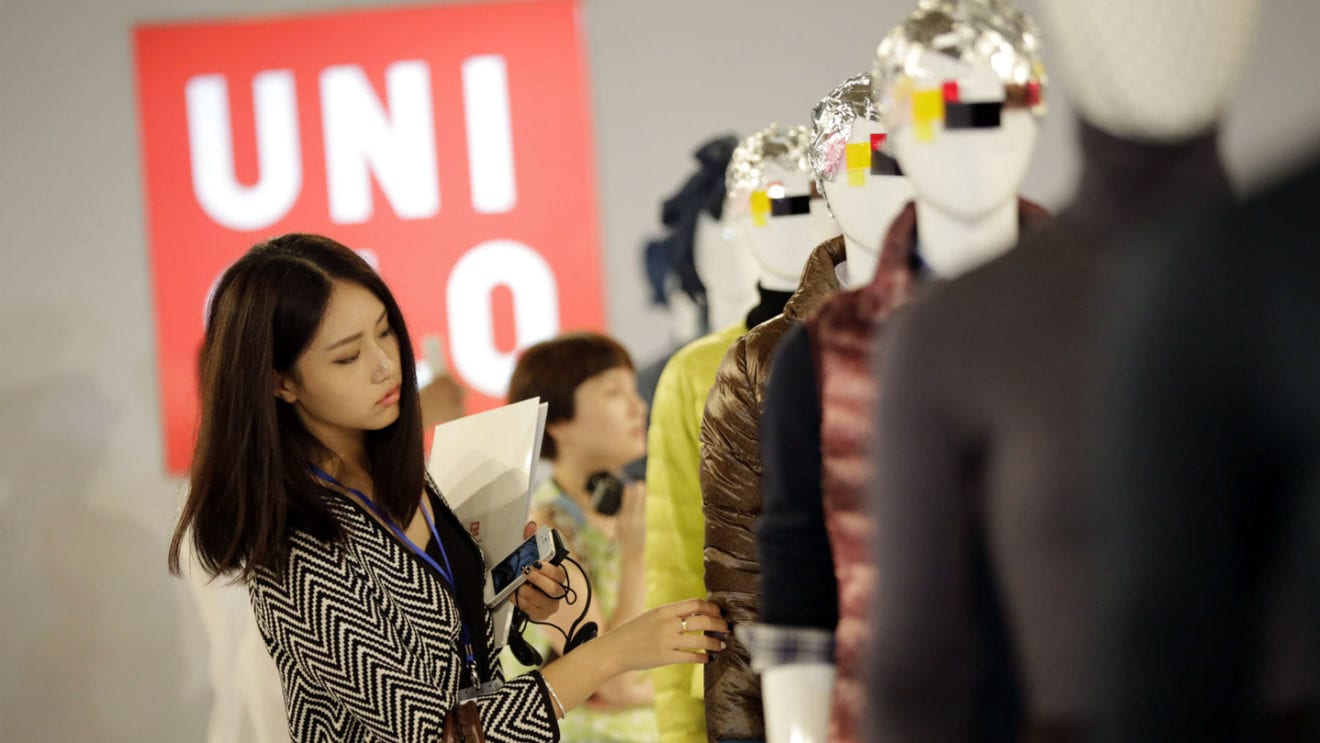
    Uniqlo father or mother Fast Retailing might have reported a 12-per-cent drop in gross sales in its full-year outcomes, however, that decline was far lower than predicted as not too long ago as July as a result of the Greater China and Japanese markets recovered at a sooner rate than anticipated.

    The firm reported full-year revenue of US$1.426 billion, down 42 percent, on gross sales of $19.185 billion worldwide.

    Same-store annual gross sales throughout Uniqlo shops declined by 6.8 percent in Japan, whereas fourth-quarter gross sales in Greater China have been up 20 percent yr on yr.

    In South Korea, the place the corporate has been impacted by a broad boycott of Japanese manufacturers by native customers for the final yr or so, gross sales fell sharply and Fast Retailing recorded a loss, regardless of closing its poorest-performing shops.

    Elsewhere, gross sales and revenue have been down throughout most of Southeast Asia and in Australia and India, however, Singapore, Malaysia, Thailand, and Australia recovered favorably within the fourth quarter. Losses have been reported in each North America and Europe.

    Sales by the GU model rose 3 percent for the yr, however working revenue was down by 22.5 percent.

    Looking ahead

    Given the quick recovery to this point for the reason that peak of the Covid-19 pandemic in Asia-Pacific, Fast Retailing is now projecting a 9.5-per-cent enhance in total income for the 2021 fiscal yr and revenue attributable to shareholders of $1.58 billion, which might characterize a rise of 82.6 percent on the yr simply ended.

    Revenue is predicted to say no within the first half as a result of persevering with the effect of Covid-19, “but we forecast large revenue and profit gains in the second half assuming the virus is brought under control,” the corporate stated in its outcomes announcement. “All business segments are forecast to generate full-year revenue and profit gains.”

    Quick revenue

    During the final monetary yr, Fast Retailing has continued its expansion into new markets, opening the primary Uniqlo in Milan in September final yr, the primary in New Delhi a month later, and making its Vietnam debut in Ho Chi Minh City in December.

    “While all those markets were impacted by Covid-19, Uniqlo Italy managed to post a full-year profit, and the Vietnam operation, which was only launched in December, turned a profit in the second half.”

  • Strong third quarter arrests LVMH’s sales decline for the year

    Strong third quarter arrests LVMH’s sales decline for the year

    Luxury items and liquor-retail group LVMH recorded a 21-per-cent decline in income throughout the first 9 months of this year in what it describes as a “very turbulent environment” in the wake of the Covid-19 pandemic.

    The decline in sales – 30.3 billion euros – largely occurred throughout the first two quarters of the three, with the decline recovering to an extra modest 7 percent in the third quarter, largely pushed by rebounding sales of cognac, vogue, and leather-based items. This was particularly sturdy in the US and Asia.

    Liquor sales fell 15 percent over the 9 months and three percent over the third quarter, whereas sales of vogue and leather-based items, led by Louis Vuitton and Dior, have been down by 11 percent for the full 9 months however surged at a double-digit rate in the third quarter. 

    Covid-19 noticed the suspension of the worldwide journeys and the closure of the group’s shops and manufacturing websites in most nations over an interval of a number of months.

    Sales in its watches & jewelry division led by Tag Heuer, Bulgari and Chaumet, declined by 30 percent in the first 9 months, however, a rebound in China throughout the third quarter was inadequate to arrest a general decline of 14 percent for the full interval.

    LVMH’s selective retailing division skilled a 31-per-cent drop in sales throughout the 9 months. The beauty-retail chain Sephora demonstrated “good resilience during the health crisis,” in keeping with the firm regardless of the closure of virtually all its shops globally for almost two months earlier than sales improved in the third quarter.

    Strong online sales noticed Sephora develop market share throughout its major markets. However, DFS predictably noticed a big decline in its exercise in most locations because of the suspension of a worldwide journey.

  • Uniqlo opens massive store in Hamburg

    Uniqlo opens massive store in Hamburg

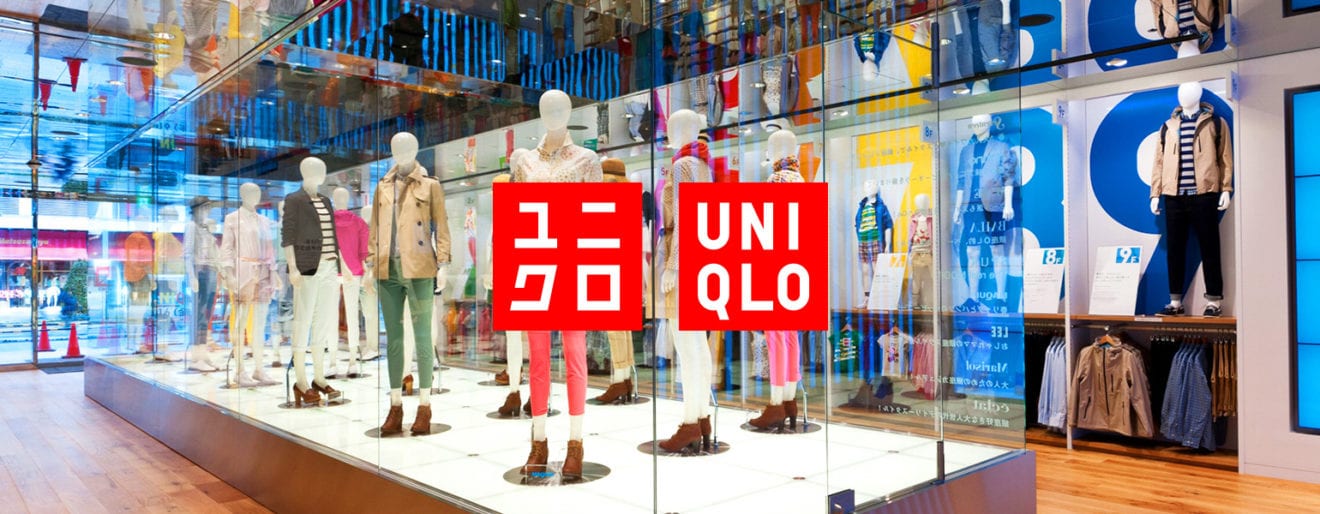
    Japan’s Fast Retailing Co. Ltd. opened Friday (October 9, 2020) its first Uniqlo store in Hamburg on Alter Wall adjacent to City Hall during festivities attended by Japanese Consul General Kikuko Kato and Astrid Nissen-Schmidt, Vice President of Hamburg’s Chamber of Commerce, and other guests. The new 1,750 square metre-store is spread out over four floors.

    The opening of the huge store in downtown Hamburg is an expression of the “belief in retail”, the daily Hamburger Abendblatt quoted Michelle Kronbergs, Head of Marketing and PR Germany at Uniqlo, as saying. Taku Morikawa, Chief Executive Officer of Uniqlo in Europe, stressed: “Hamburg is an impressive city known worldwide for its tolerance, culture and economic importance as a main European trading centre with its port. We are delighted to have found such an exceptional location for our first store in the heart of this great city.”

    The new fashion store, Uniqlo’s tenth in Germany, is located in the former premises of the Bucerius Kunst Forum. The brand highlights Japanese values of “simplicity, quality and durability”.  Since moving to Germany in 2014, Uniqlo has opened six stores in Berlin and one each in Stuttgart, Düsseldorf and Cologne. The company operates more than 2,200 stores in 25 countries.

    Uniqlo is a wholly owned subsidiary of Fast Retailing Co. Ltd, a leading international Japanese apparel retail group that designs, manufactures and sells eight major fashion labels. Fast Retailing achieved global turnover of more than USD 21.5 billion in 2019 making it one of the world’s largest clothing companies and Japan’s biggest fashion brand.

  • H&M recycles old garments into new clothes

    H&M recycles old garments into new clothes

    Fast fashion chain H&M wants to turn discarded clothes into something new to wear again — within five hours. The Sweden-based retailer is about to start giving consumers at its Stockholm store the option to turn in used garments that it will then transform into one of three different clothing items.

    Once the program begins Monday, customers will be able to bring in a garment they don’t want, which will be cleaned and put into a machine called Looop. The machine will disassemble it, shredding it into fibers that are then used to create new clothing. The effort comes amid a rising volume of global clothing waste and growing concern over fast fashion’s contribution to it.

    H&M is unveiling a garment-to-garment recycling system called Looop at its store in Stockholm. The company said the recycling process, which can handle more than one garment at a time, doesn’t use water or chemicals and sometimes might need “sustainably sourced” raw materials added in, but it hopes to make “this share as small as possible.”

    The entire process takes about five hours and is visible to shoppers. For now, customers can choose one of three items to be made — a sweater, a baby blanket or a scarf for a fee of $11 to $16.

    “We are looking to expand the range available as we get to know Looop better,” the company said in an email.

    The Looop machine dissembles old clothing, shreds it, turns it into yarn, which then is used to make new clothing. H&M said the system is currently only available in Sweden, where H&M is based. It declined to reveal what future plans it may have to expand Looop, if any. While the Looop system could help spread awareness about clothing waste and recycling, for now, it lacks the scale to make any widespread impact on the volume of clothing waste generated annually.

    According to the Environmental Protection Agency’s website, 16.9 million tons of textile waste was generated in the United States in 2017, the latest data available. The recycling rate was just 15.2 percent, with 2.6 million tons recycled.

    “Fast fashion has had an impact on this because so much of the clothing is not well constructed or made with synthetic materials that can’t be easily recycled,” said Jackie King, executive director of the Secondary Materials and Recycled Textiles Association, a trade group for the textile recycling industry.

    H&M and other fast fashion sellers like Zara have taken some steps to curtail textile waste.

    In 2013, H&M launched a global garment collecting program in all of its stores and has set a goal of having all clothing sold in its stores be made from recycled or sustainably sourced materials by 2030. That figure currently stands at 57%, according to the company.

    Similarly, customers can drop off used clothing, footwear and accessories in more than 1,300 Zara stores. Last year, Zara announced that all of the cotton, linen and polyester used by the company will be organic, sustainably sourced or recycled by 2025.

    “One of the biggest drivers of clothing overconsumption are fast-fashion sellers,” said Deborah Drew, analyst and social impact lead with the global research non-profit World Resources Institute. “Large companies like H&M and Zara can have a really big, transformational impact on the industry and on consumers if they lead the way in facilitating change.”

  • Kenzo founder Kenzo Takada dies from virus

    Kenzo founder Kenzo Takada dies from virus

    Paris-based Japanese designer Kenzo Takada, famous for creating the international luxury fashion house Kenzo, died in Paris on Sunday due to Covid-19 related complications, a spokesperson for Takada’s luxury K-3 brand said in a statement sent to CNN. His death came in the midst of Paris Fashion Week, which, through a hybrid of physical and digital shows, has forged ahead despite rising Covid-19 cases in France.

    It is with immense sadness that the brand K-3 announces the loss of its celebrated artistic director, Kenzo Takada. The world-renowned designer passed away on October 4th, 2020 due to Covid-19 related complications at the age of 81 at the American Hospital, in Neuilly-sur-Seine, France,” the statement read.

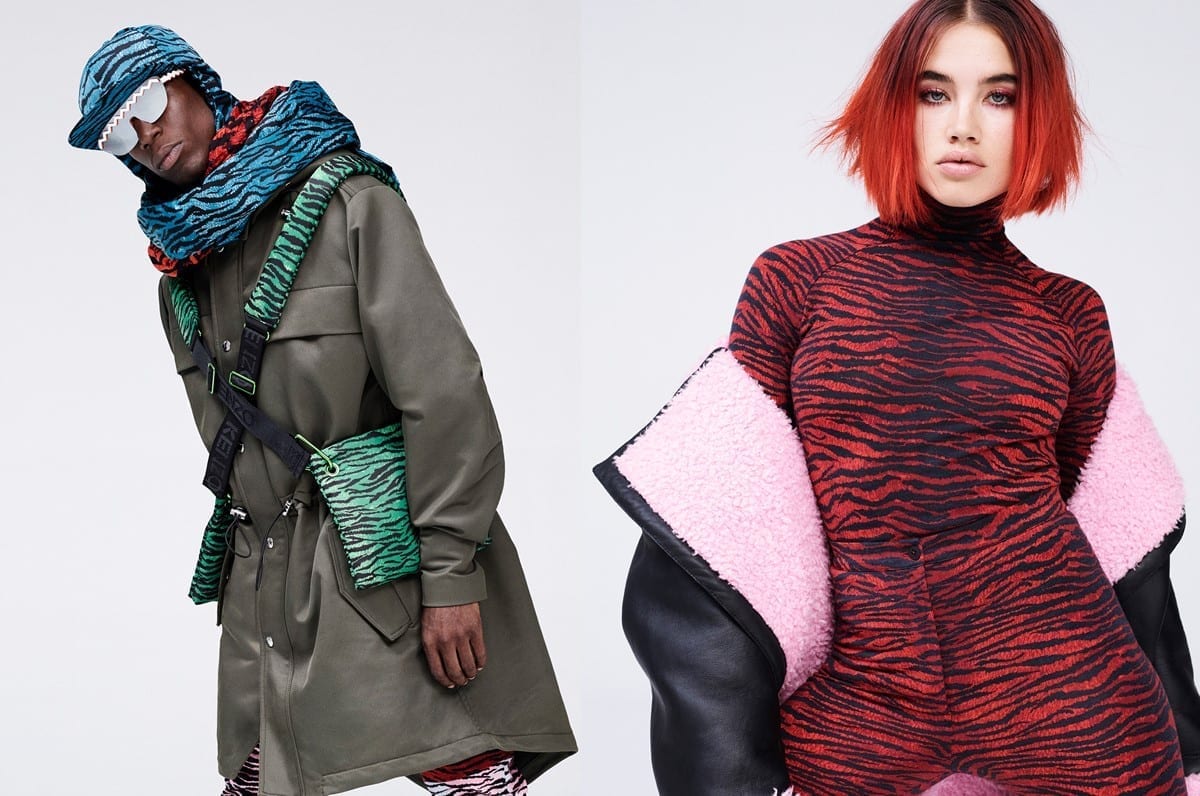
    In 1970, Takada rocked Paris with the debut of his namesake fashion line. Sold out of his first boutique, called Jungle Jap, his designs were a chaotic mix of loud colors and mismatched prints inspired by his travels.

    The world’s varied cultures would be a constant source of creativity — and everything from folk dresses to kimonos would be boldly reinterpreted for his runways. “There was much more of a cultural gap when you were traveling from one country to the next,” he said in a 2019 interview, reminiscing about trips taken in the 1970s. “So that really drove me and gave me a lot of influence and inspiration to work on different things around my trips.”

    On Paris, Takada would speak of its lasting influence. “A French way of working with fashion definitely influenced me and much later I started to blend other cultures into that specific fashion,” he said.

    “Of course now, fashion is everywhere; in New York, Paris, Milan, London, Tokyo, everywhere. But I think Paris stays very important.”

    The designer inaugurated his flagship store in the city’s Place des Victoires by 1976, and over the next three decades, he racked up numerous accolades and accomplishments — including a slew of magazine covers, the launch of a perfume empire and, in 1993, his brand’s purchase by luxury conglomerate LVMH — before retiring to pursue other creative projects in 1999.

    “Kenzo Takada was incredibly creative; with a stroke of genius, he imagined a new artistic and colorful story combining East and West — his native Japan and his life in Paris,” Jonathan Bouchet Manheim, CEO of Takada’s K-3 brand, launched in January of this year, said in a statement.

    “I had the chance to work alongside him for many years, always in awe, admiring his curiosity and his open-mindedness. He seemed quiet and shy at first, but he was full of humor. He was generous and always knew how to look after the people close to his heart. He had a zest for life… Kenzo Takada was the epitome of the art of living,” he added.

  • Mochi Shoes completes 20 years

    Mochi Shoes completes 20 years

    Awesomeness trends once again as Mochi, the stylish youthful Indian footwear and accessories brand, turns 20 this year. Since its debut in the year 2000, the brand has expanded its presence in 74 cities with 144 stores. The Big Birthday Bash of Mochi as it turns 20 begins with a pre-celebration of 14 days starting 26th Sept to 9th Oct, with 10th and 11th Oct being the two BIG BIRTHDAY DAYS! The brand is celebrating this milestone with special offers, lucky draw prizes, special surprises on the big days, lots of excitement via various gifts, engagement with its followers on its digital platforms.

    What began as the first store in the year 2000 on Commercial Street of Bangalore has now expanded rapidly over the years into a brand that is synonymous with vibrant, fresh designs, creativity, and spunk for young Indians. In the past two decades, Mochi has gained experience providing bright, vibrant stylish footwear trends to the youth and has guaranteed a unique strong identity in style. This brand provides a wide assortment of fashion footwear along with trendy handbags, belts, socks, wallets, and more

    Speaking on this special occasion, Alisha Malik, VP Marketing and Ecommerce, Metro Brands LTD, said, “Mochi, the young, vibrant, fun brand is turning 20 and that’s a milestone all of us are very excited about. It is a brand that is very special to all of us. This 16 day of birthday celebration will also bring a positive vibe to our customers in this current pandemic. It’s the Mochi spirit, after all ‘Awesome Never Stops’! We would like to thank all our customers, employees, partners, Karigars, who have been through this exciting journey with us and have helped us achieve this milestone.”.

    Leveraging its heritage, most of the products from Mochi Shoes are ‘Made in India’ with the skill and expertise of over 4000 local Karigars. The philosophy of durability, quality, and innovation has continued, and the brand now offers footwear styles for men, women, and children.

    Mochi is celebrating its 20 glorious years with a series of activities at the store as well as on e-commerce platforms such as – Spin a Wheel, wherein customers can win their offer, free shopping and much more and redeem. This is assured for anyone who spins. There is a Lucky draw at the end of the duration, wherein over 1000 prizes will be given out. Customers stand a chance to win Apple I-pads, Prime subscriptions, Echo, fire sticks, free shopping, and lots more. Customers can choose to shop either at the store or from their e-commerce site