Tag: label

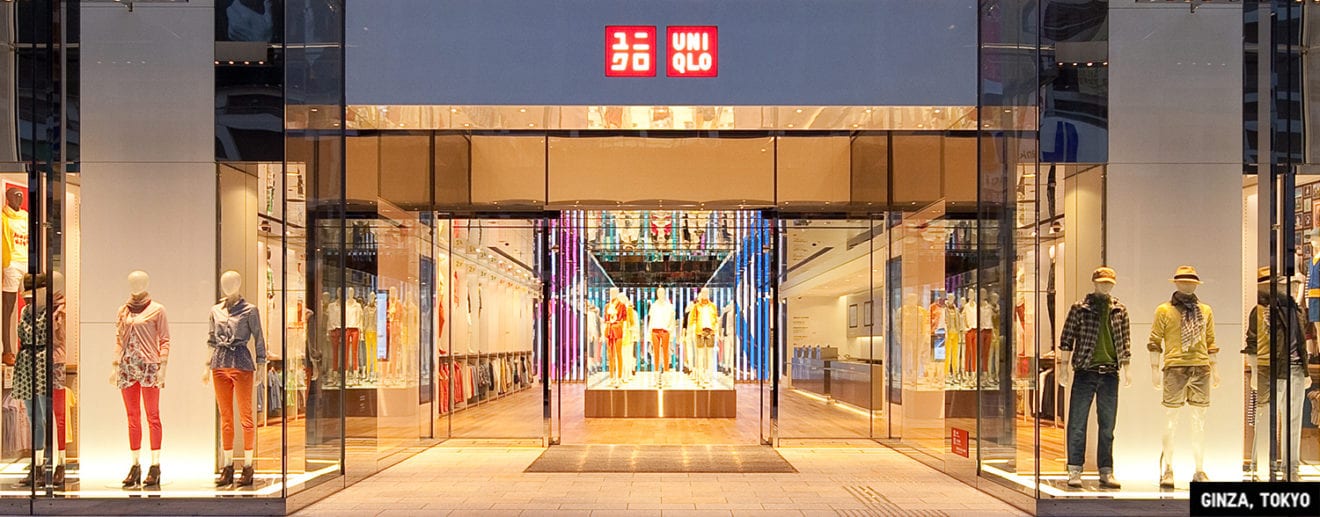
  • Uniqlo launches new range with French fashionista Ines de la Fressange

    Uniqlo launches new range with French fashionista Ines de la Fressange

    Uniqlo has teamed up with former French fashion model Ines de la Fressange to produce a range of clothing where comfort meets luxury style.

    Born and raised in France, de la Fressange became a top international model soon after starting her career at the age of 17. In 2013 she created her own brand Ines de la Fressange Paris and first collaborated with Uniqlo in 2014.

    The new range, which goes on sale this Friday (August 28), will feature three themes.

    Bohemian is inspired by the free-spirited culture of the 1970s, celebrated in a variety of flowy, twist pleated skirts and dresses with paisley and polka dot prints.

    Neobourgeois features 100-per-cent silk blouses and wrap dresses, while the third, Mannish, includes coats, classical tweed jackets, corduroy pants, and other essentials for “masculine coordination”.

    De la Fressange says the new lines are influenced by the styling of fashion adopted by women she admires from the 1970s. Among them: actress, songwriter, and model Jane Birkin and singer-songwriter Francoise Madeleine Hardy.

    “Back in the seventies, many women were determined to emancipate themselves from traditions,” de la Fressange explains. “These liberated individuals took fashion and their lives in exciting new directions.”

    The new collaboration will be sold through Singapore Uniqlo stores (excluding at Changi Airport) and online, as well as other selected Uniqlo stores throughout Asia.
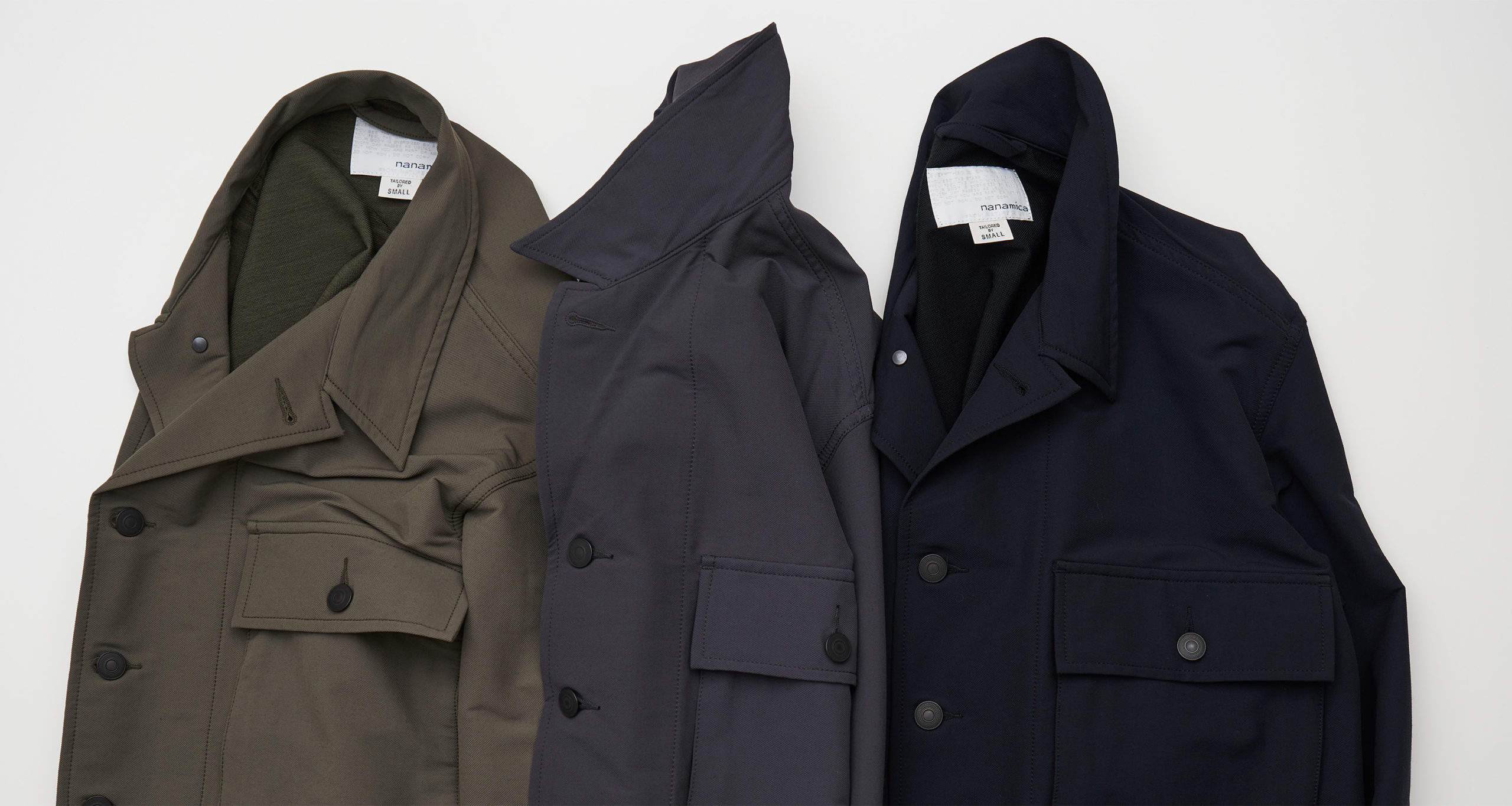
  • Japan’s Nanamica landing in New York City for US debut

    Japan’s Nanamica landing in New York City for US debut

    Japanese clothing label Nanamica is to open its first international store in New York City.

    Located on Worcester St in the Soho arena, the Nanamica New York store occupies 1200sqft, offering a selection of designer Akumate Nanamica’s lines together with a limited collection from other brands, including a collaboration with The North Face, Purple Label.

    Designed by Taichi Kuma, the store design features a “house of the sea” theme, illustrating the open and relaxing ambiance of the sea, according to the company.

    “With the message of One Ocean, All Lands (the sea is one and the world is connected), we will send it from New York to the world so that the style proposed by Nanamica, a high-dimensional mix of fashion and function, will become a standard for various countries,” the company said in a statement translated from Japanese.

  • Apple hits two trillion in valuation

    Apple hits two trillion in valuation

    August 2nd, 2018 was a red-letter day for Apple. The little company that was founded by Steve Wosniak and Steve Jobs in April 1976, was worth $1 trillion making it the first public company in the U.S. to hit that figure. And now here we are again, two iPhone cycles later, and the company has become the first publicly traded U.S. firm with a valuation of $2 trillion. However, by the end of the day, Apple’s valuation had fallen back under the two trillion dollar mark.

    Apple closed at $224.37 on March 23rd when the pandemic first started making its presence known in the U.S. At today’s close of $462.83, the stock has more than doubled in almost five months. Just last month, Apple’s valuation surpassed that of state-owned oil giant Saudi Aramco making the tech giant the most valuable publicly traded company in the world. Hitting the $2 trillion mark comes after Apple reported record revenue of $59.7 billion during its fiscal third-quarter earnings report released on July 30th.

    Analysts are calling the 60% gain in Apple’s stock price this year more proof of the outstanding leadership provided by Apple CEO Tim Cook. Part of the reason that the iPhone manufacturer has a rich stock price is that the company is trading less like a tech hardware outfit and more like a sexy software firm. You can see that in Apple’s price-to-earnings ratio (PE) which shows that the company is trading at 33 times earnings. Edward James analyst Logan Purk says, “Over the past four months, the market has really been valuing Apple as a software company. The services business is growing nicely — it seems to give them a multiple over 30, and gives them all the credit in the world for this subscription business. They’re starting to get compared to some really big software heavyweights.” For example, software leader Microsoft trades at 36 times earnings while Amazon’s stock has a PE over 123.

    Tim Cook should get much credit for this. Back in 2015, the year that iPhone shipments peaked, the company decided that instead of trying to focus on selling new iPhone models, it would be able to obtain higher profit margins by selling recurring subscriptions to a large number of iPhone users worldwide. Apple set a goal of doubling its Services revenue from the $25 billion earned in the fiscal year 2016 to $50 billion by this fiscal year. And three quarters into fiscal 2020, the company has generated $39.2 billion in Services revenue; barring a major global economic meltdown in the current quarter, Apple should hit at least $50 billion in Services revenue for this fiscal year.

    The Services unit includes ApplePay, the App Store, iCloud, iTunes, Apple Arcade, Apple TV+, Apple News+, AppleCare+, Apple Music, and more. There are about 1 billion active iPhone users that the company is mining for gold.

    The stock hike helps Apple executives’ restrictive stock units (RSU) gain in value and recently Tim Cook joined the billionaire’s club. It has been a heady rise for Cook who joined Apple in March 1988 as a Senior Vice President. In January 2009, Steve Jobs took a leave of absence leaving Cook in charge. After the ailing Jobs returned, his deteriorating condition forced him to step down for good and in August 2011, Cook once again took the CEO position. The executive has had that position over the last nine years running and during that time, Apple’s valuation has soared from $348 billion to $1.9 billion.

    Later this month, Apple will split its shares 4 for 1. That means that an investor with 100 shares of Apple that currently trades at $462.83, will own 400 shares trading at (approximately) $115.71.

  • Dunhill opens new outlet in Macau

    Dunhill opens new outlet in Macau

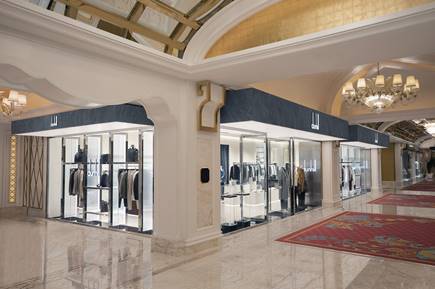
    British luxury menswear label Dunhill has opened a new store at Wynn Palace in Macau.

    The Dunhill Wynn Palace opening is part of the brand’s expansion strategy in Asia, according to the company.

    The store features a contemporary yet elegant design with modern elements such as its signature marble, leather, and metal details.

    Inspired by the Dunhill’s 1950s South Rodeo Drive store, the Wynn Palace store’s facade features the brand’s logo under a grey marble background and floor-to-ceiling glass walls.

    The store also houses a walnut burl cabinet and table inspired by the original furniture from London’s Duke Street and Paris’ Rue de la Paix stores.

    The Dunhill store in Macau offers a selection of luxury menswear by creative director Mark Weston, including ready-to-wear, leather goods, and accessories.

  • 7-Eleven launches apparel range with Forever 21

    7-Eleven launches apparel range with Forever 21

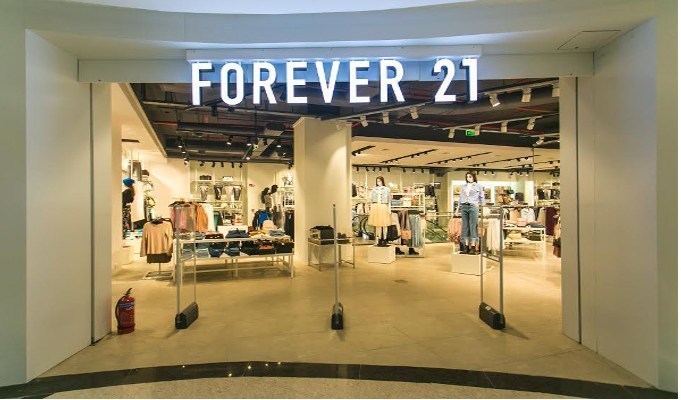
    Forever 21 has teamed with 7-Eleven to launch a casual apparel range, featuring the US convenience chain’s famous logo and soft drinks.

    The US-released 7-Eleven apparel collection comprises 16 colorful pieces, including regular Tees and hoodies, representing the convenience-store chain’s summer drinks – Slurpee and Big Gulp.

    “7-Eleven is a modern breathing brand, but also a nostalgic phenomenon for many,” said Joanna Choo, global creative director at Forever 21.

    “Forever 21 echoes this mindset by presenting a collaboration for its customers that pays homage to everyone’s favorite memory of being out, but staying close to home, heading out for a quick snack run with friends, and finding comfort in the little things.

    “During this time, it makes sense to create a capsule that’s about being cozy but stylist,” she said.

    Forever 21 has launched several promotions on Instagram and TikTok, including a dance challenge, poll, games, and sweepstakes. A Slurpee AR hologram in the Forever 21 app allows followers to take photos and share on social media.

    “When this year turned everyone’s summer plans on their head, including our free Slurpee drink birthday celebration, we were thrilled to add some sizzle to the summer through our collaboration with Forever 21,” said Marissa Jarratt, chief marketing officer and senior VP at 7-Eleven.”

    The Forever 21 x 7-Eleven collection is sold only online.

  • Esprit set to post US$503 million loss

    Esprit set to post US$503 million loss

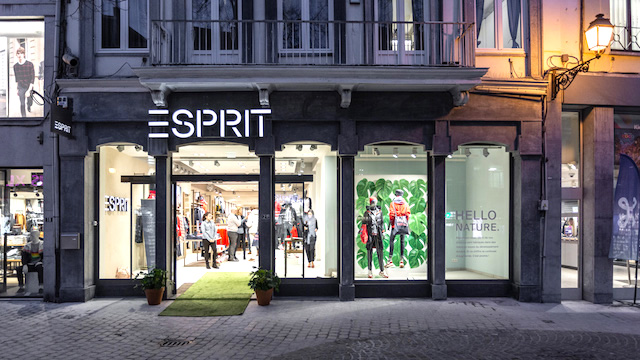
    Enfeebled clothing retailer Esprit has just advised shareholders it expects to post a loss of US$503.2 million when it releases its annual results late next month.

    With its European subsidiaries operating under a form of statutory administration and its shares trading for 12 cents each in Hong Kong today, many investors must by now be wondering if the chain has any reason to continue trading.

    The company said the loss was primarily attributable to the impact of Covid-19 which it blamed for a 24-per-cent decline in revenue from $1.66 billion last financial year to about $1.277 billion this year and another $310 million in impairments on trademarks, property, plant and equipment, provisions for store closures and severance payments.

    Falling sales and massive losses are not the company’s only worries right now. On July 8, Karen Lo of the family that founded Vitasoy called a special meeting of shareholders to vote on the immediate removal of Esprit’s CEO Anders Christian Kristiansen along with CFO and director, Dr Johannes Georg Schmidt-Schultes from the board.

    Lo’s investment vehicle North Point Talent Ltd had spent $17 million boosting its stake in the company from 4.93 percent to just under 13 percent, making it the single largest shareholder before it lodged the requisition. That was withdrawn on July 21 by which time North Point had built its stake to 20.1 percent.

    In an apparent compromise, the board appointed North Point nominees Marc Andreas Tschirner, Christin Chiu Su Yi and Wong Hung Wai as additional executive directors of the company and subsequently declared it had “strong confidence in the Group CEO and Group CFO as well as their management team”

    Earlier in July, Esprit said it would axe 1100 jobs, mostly in Europe, and close another 50 German stores under its court-protected administration process. The company had closed all its Asian by the end of June in an earlier round of cuts as it attempted to reverse years of losses driven by a long-standing inability to design clothes that appeal to its core customer base.

  • Asos upgrades sales and profit outlook as returns drop

    Asos upgrades sales and profit outlook as returns drop

    British online fashion retailer Asos forecast full-year sales and profit significantly ahead of market expectations, saying it was benefiting from stronger than anticipated underlying demand and fewer products being returned by shoppers.

    Shares in Asos surged 8.5 percent on Wednesday morning UK time, extending gains this year to 36 percent after it said revenue growth for its 2019-20 year was now expected to be between 17 and 19 percent.

    It forecast pretax profit in the region of $170-$196 million, up from $43.2 million in 2018-19.

    Several British clothing retailers, including Next and Superdry , have recently reported better-than-expected trading as Britain emerged from coronavirus lockdown.

    Asos, whose fast fashion is popular with shoppers in their twenties, said it had expected to see return levels normalize once lockdown measures eased and customers were able to ship returns and felt more comfortable doing so.

    However, it said returns were not increasing at the rate it had anticipated due to strong demand during the lockdown for activewear and a shift to more deliberate

    It said this reflected robust demand for “lockdown” categories, such as activewear, and a prolonged shift in customer behavior towards more intentional purchasing across all ranges.

    German online fashion retailer Zalando said on Tuesday it had also benefitted from a decline in returns, though it assumes the fall will be temporary

    “Looking forward, the consumer and economic outlook remains uncertain and it is unclear how long the current favorable shopping behavior will persist,” Asos said.

    Last month Asos said it would repay the money it claimed under Britain’s scheme to furlough workers during the crisis.

  • South Korean KOLs banned from promoting products without full information

    South Korean KOLs banned from promoting products without full information

    South Korea will ban social-media influencers – KOLs – from pitching a new product or service on their online platforms without disclosing their business ties with corporate sponsors, government officials have announced.

    The move comes amid controversy over some famous social-media influencers’ involvement in the shady practice called “backdoor online advertising.”

    The Fair Trade Commission (FTC), South Korea’s antitrust watchdog, said its revised advertising guidelines for social-media platforms will become effective from September.

    The new rules require KOLs on social media platforms, such as YouTube or Instagram, to state clearly whether their product endorsements are “financially rewarded or intended for promotion”.

    Vague wording like “thanks to” or “reviewer group” will be prohibited on their videos as well.

    The corporate watchdog said it will start to crack down on and punish violators after a certain guidance and grace period.

    Violators — both influencers and corporate sponsors — will be slapped with a fine of up to 2 percent of related sales and revenue or US$422,000.

    Some social media influencers have drawn flak for their backdoor advertising. A popular ‘mukbang influencer’ with 4.7 million viewers recently apologized for being involved in the unfair advertising practice.

    In addition, a renowned YouTuber with an audience of 2.68 million has announced her retirement from mukbang, a portmanteau in Korean of “eating” and “broadcast.”

    Last year, the antitrust watchdog clamped down on companies’ backdoor advertising through influencer reviews for the first time.

  • Hong Kong leads ‘drastic’ drop in sales for Giordano

    Hong Kong leads ‘drastic’ drop in sales for Giordano

    A “drastic” drop in sales has led apparel retailer Giordano International to record a US$22.6 million loss in the six months to June, of which $13.2 million alone was attributable to its Hong Kong operations.

    The company said in a stock-exchange filing that post-June 30, sales have begun to recover, but while it continues to assess the impact of the Covid-19 crisis on its operations it is too soon to project its full-year performance.

    Last year’s first half saw the company report a net profit of $20.8 million.

    Group-wide sales fell by 44.4 percent for the half-year to $182 million, with the impact of Covid-19 beginning in January in Mainland China, leading to a ban on cross-border travel from Mainland China into Hong Kong and Macau.

    Non-cash provisions relating to Hong Kong accounting laws also contributed to the loss.

    Online sales surged 93.8 percent during the six months to $17.9 million, accounting for 9.8 percent of total group turnover, nearly double the share of the same period last year.

    Giordano’s chairman and CEO Peter Lau said the group will continue to focus on third-party online platforms for future growth.

    Giordano operated 2187 stores at the end of June.

  • Uniqlo same-store sales up 4 percent in July on stay-at-home demand

    Uniqlo same-store sales up 4 percent in July on stay-at-home demand

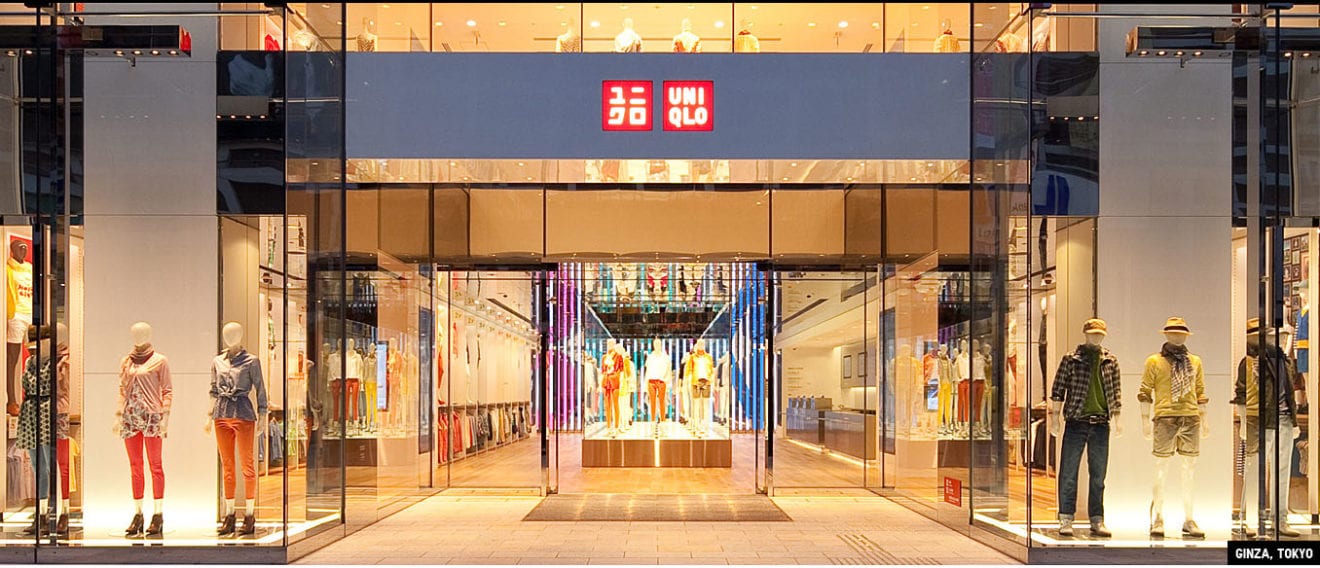
    Casual fashion brand Uniqlo’s Japanese same-store sales rose 4 percent year on year in July as consumers stocked up on comfortable “stay at home” clothes amid the novel coronavirus pandemic, its owner, Fast Retailing Co, said.

    The rise in domestic same-store sales, including online purchases, followed a 26-per-cent jump in June, which came after a three-month slump when the coronavirus outbreak kept shoppers at home and tourists away.

    “Stay at home demand” lifted July sales, with items such as stretchy jogging pants and oversized T-shirts proving popular, the company said.

    Analysts have said Uniqlo’s focus on practical, everyday clothes rather than more on-trend fashion may help it weather the coronavirus downturn better than global peers.

  • Sundae Kids launches line focusing on gender equality

    Sundae Kids launches line focusing on gender equality

    Thailand’s illustrator couple, Sundae Kids, has launched a fashion line contributing to gender equality. The collection was designed from a unisex perspective, focusing on a streetwear look for both men and women comprising 19 clothing and accessory items, and is sold on an e-commerce shopping space called Open/End.

    “We wanted to use the designs to show ways to be authentic to your true self, as well as how good it feels to be authentic,” Sundae Kids said in a statement. “…this opportunity allowed us to broaden our scope to a more diverse reach, and the designs are envisioned to suit anyone of any gender.”

    Open/End is a platform designed for young artists to express their individual voices through graphics and craftsmanship. Sundae Kids line is the first Open/End’s collaboration.

    “Through this collaboration, we have worked closely with Sundae Kids to establish original stories through comics to raise awareness of gender equality,” Open/End said on its website.

    Sundae Kids is a couple based in Bangkok, Thailand, with more than 550,000 global fans. Kavin serves as the pair’s art director, and Pratchaya is an illustrator.

  • Bottega Veneta opens ‘invisible outlet’ in Shanghai

    Bottega Veneta opens ‘invisible outlet’ in Shanghai

    Kering label Bottega Veneta has just opened its first pop-up store post-Covid-19 at Shanghai’s Plaza 66 Mall, dubbed the ‘invisible store’.

    Running until July 19, the pop up is doubles as an art installation with a mirrored exterior camouflaging the space, which seems to melt into the luxury mall’s atrium.

    Standing three meters high and taking up 100sqm of floor space, the pop up forgoes branding, save for a subtle and almost indistinguishable logo raised on the surface. Instead, it reflects the logos and stores of its neighboring permanent store rivals, essentially providing them with free exposure.

    Inside the Bottega Veneta invisible store, a reflective interior highlights the pre-autumn 2020 collection, covering men and women’s ready-to-wear lines, along with leather goods and accessories. Bottega Veneta currently operates 44 stores in China.

  • Seafolly on the search for sales after entering administration

    Seafolly on the search for sales after entering administration

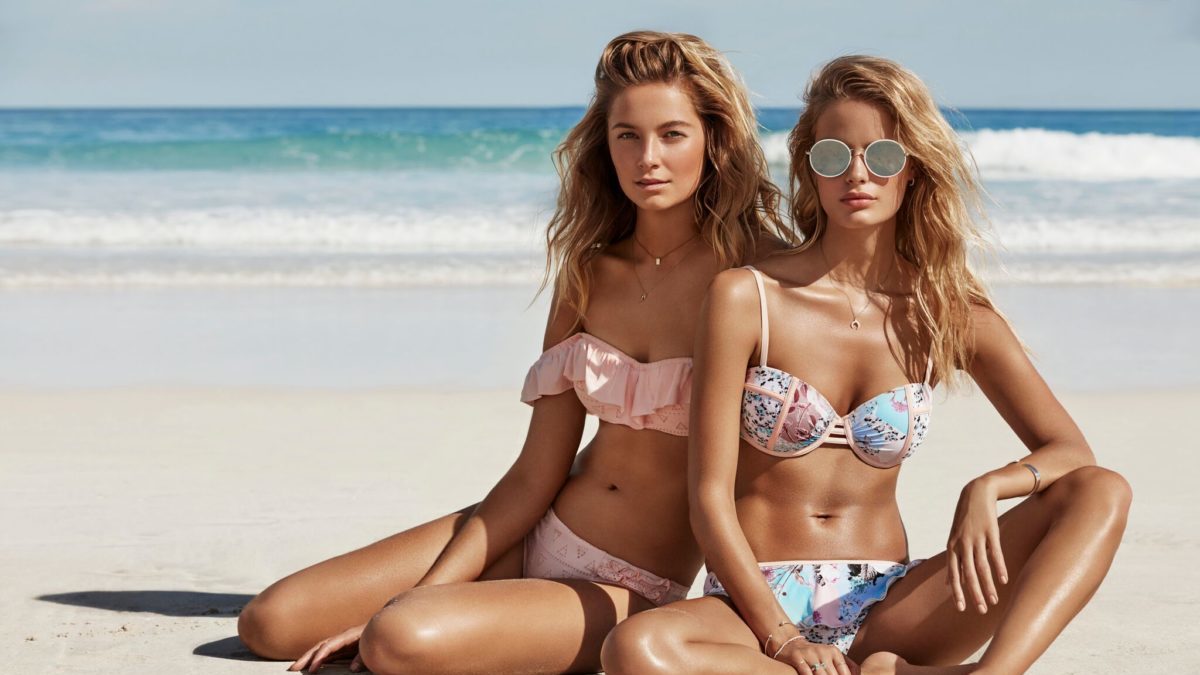
    The Covid-19 pandemic has claimed another regional fashion label, with Australian swimwear and beachwear brand Seafolly collapsing into administration yesterday.

    Scott Langdon and Rahul Goyal of KordaMetha Restructuring were named as administrators, citing the pandemic as a key reason for the collapse.

    Langdon confirmed KordaMentha will immediately begin a sale of the business process.

    Seafolly has 44 stores in Australia and 12 overseas including about four in Singapore. It recently launched on Tmall in Mainland China hoping to get traction in that market.

    “Given the quality of the brand and its reputation, there will inevitably be a high level of interest in purchasing the business,” Langdon said.

    Seafolly’s Australian stores will continue to trade, and all gift cards and reward points will continue to be redeemable.

    Seafolly joins Australian retailers including Tigerlily, G-Star Raw and Hong Kong-owned Jeanswest in collapsing under the pressure of the pandemic.

    Seafolly is owned by US private-equity investment company L Catterton, in turn controlled by the Arnault family which owns LVMH. The foreign ownership may have made it impossible for the business to receive the Australian government’s JobKeeper wage subsidy.

  • Laura Ashley loss doubles but received a financial lifeline

    Laura Ashley loss doubles but received a financial lifeline

    Embattled Malaysian-owned fashion and lifestyle retailer Laura Ashley has reported a 166-per-cent increase in half-year loss to £4 million, citing lower sales of home furnishings and Brexit uncertainty in its key UK market.

    But on a positive side, the company has reached an agreement with its lender Wells Fargo to draw down funds necessary to continue trading as it continues to restructure.

    Group sales fell by 10.8 percent to £109.6 million. While the company blamed the closure of three stores for the decline, same-store sales were down 10.4 percent. Online sales fell by 15.5 percent.

    “The decline in total revenue was due to the market headwinds and weaker consumer spending during the period, which led to a decline in sales of bigger ticket items,” the company said in a result filing.

    “Whilst these results are disappointing, we believe that with the right focus and support, Laura Ashley has a strong future and can be successful again.

    “In the autumn of 2019, we carried out a strategic review of the business to set the future direction of the company and return Laura Ashley to the great British brand that is known and cherished around the world. This includes reconnecting with our traditional values and our strong British heritage.”

    Meanwhile, the company denied reports that it would receive investment funding from Japanese retailer Muji.

    Georgina Sreeves, an associate retail analyst at GlobalData, said that while ‘Laura Ashley’s £20 million lifelines from Wells Fargo gives the company chance of recovery, its results reveal just how much work it will have to do to secure a long term future.

    “Once a British icon, the brand has since lost its charm and notable styles,” she said.

    In an attempt to re-establish its footing in the ranks of British fashion, Laura Ashley recently partnered with British luxury brand, Barbour and launched collaborations with Urban Outfitters and Rag & Bone which Sreeves said will boost Laura Ashley’s relevance. But it needs to do more.

    “The brand should consider a revival of its vintage pieces and prints that have been lost in the attempt at modernizing its image. To garner attention, Laura Ashley should follow suit of Argos, and publicize the archives of its once-famous home decoration catalog, and create capsule collections inspired by its vintage past. To supplement its sustainability, which currently is only held up by its use of local suppliers, the brand should consider creating garments out of leftover, unwanted material, just as Laura Ashley did when the brand was founded.”

    Sreeves added that its hopes to expand in Asia to offset difficulties it is facing in the UK will likely face delays due to the impact of coronavirus on consumer spending.

  • Ted Baker CEO and chairman quit as sales plunge

    Ted Baker CEO and chairman quit as sales plunge

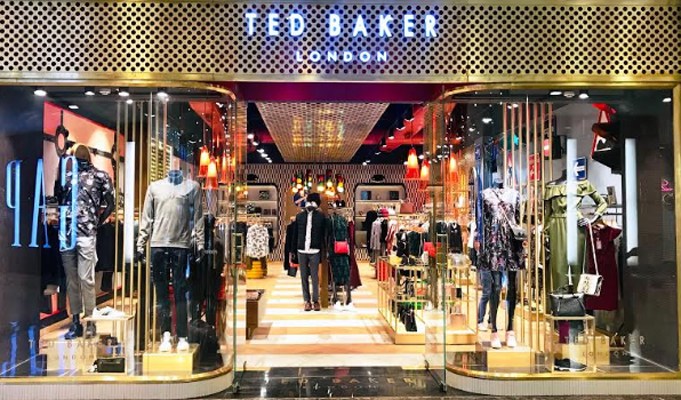
    The CEO and executive chairman of UK fashion retailer Ted Baker have quit in the wake of falling sales and a controversy over the valuation of inventory.

    The company yesterday reduced its profit forecast for the current year to a minimum pre-tax profit of £5 million, 90 percent less than the £50.9 million it achieved in the year to March.

    That prompted a 15-per-cent drop in its already decimated share price. The company blamed a lack of consumer demand for its products, despite heavy discounting.

    The fashion company’s woes began a year ago when its founder Ray Kelvin was forced to resign after denying allegations he harassed staff and forced them to hug him, prompting an 80-per-cent plunge in the company’s share price.

    CEO Lindsay Page, a 21-year veteran at Ted Baker assumed leadership after Kelvin’s departure, lasting just nine months at the helm before yesterday’s resignation. Chairman David Bernstein followed suit.

    Last month, Ted Baker appointed external consultants to assess its inventory value after an apparent overstatement of stock in the company’s books in the range of £20 to £25 million.

    Some commentators in the UK say the company may be forced to take Kelvin back to restore the company’s fortunes. He still owns 35 percent of the business.

    Emily Salter, retail analyst at GlobalData, said the departure of the key executives and the profit warning “demonstrate the severity of its poor trading performance and how the retailer is grappling to remain popular”.

    “After an already turbulent year for its leadership team, the acting CEO and acting chair of the board must ensure that stability is maintained in the crucial Christmas trading period, as well as dealing with the impact of the overstatement of stock,” she said.

    “Trading over November and Black Friday was below expectations with lower-than-anticipated margins as consumers were still not persuaded to purchase despite the brand offering a blanket 30 percent off all items. Ted Baker must address its waning popularity, by attracting back its loyal shoppers and innovating instore and online to make the shopping experience more exciting.”

    Salter said while Ted Baker had previously been able to rely upon its online channel to drive group revenue growth with a robust multichannel proposition, its online sales fell by 0.7 percent.

    “Although its digital channels still outperformed retail revenue, declining sales while the online clothing-and-footwear market continues to grow proves just how strong the effects of weakened consumer confidence and demand for the brand have been, as well as the fallout from negative press coverage surrounding Ray Kelvin.

    “It will be a long road to recovery for Ted Baker, and it must focus on reviving previous demand for the brand and reducing its reliance on discounting to boost sales,” Salter concluded.’