Tag: label

  • Fosun finally completes acquiring fashion label Tom Tailor

    Fosun finally completes acquiring fashion label Tom Tailor

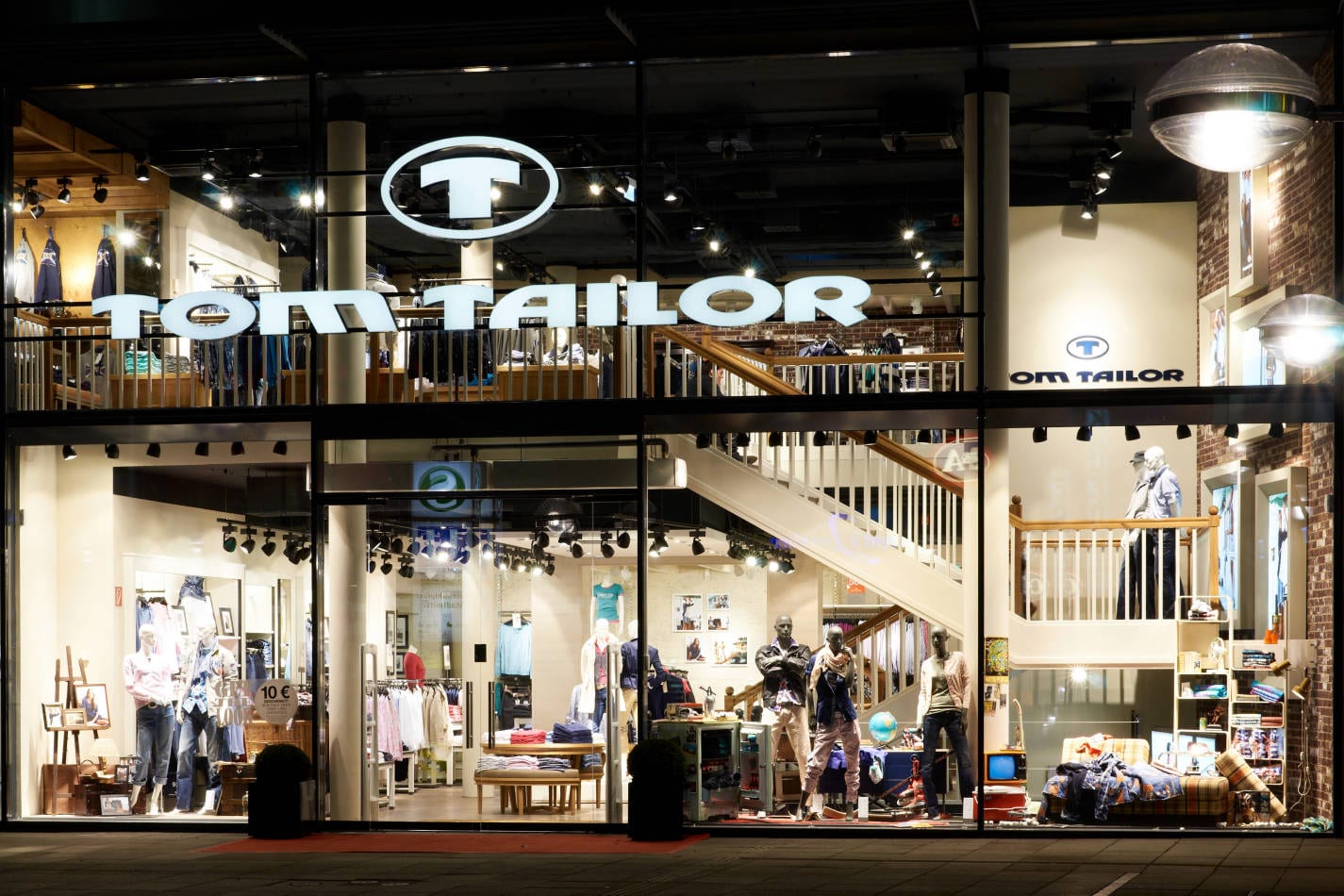
    Fosun International Limited (Stock Code: 00656.HK) today announces to acquire 100 percent of the shares in Tom Tailor GmbH, together with its subsidiary companies. This enables the fashion brand, with around 3,400 employees, to achieve long-term business development and sustainable growth through Fosun’s strategic empowerment and ecosystem.

    Fosun has always believed in the brand value of Tom Tailor since the beginning and has purchased the minority of brand shares of its listing company TOM TAILOR Holding SE as early as 2014. After years of investment and funding, Fosun finally acquired its controlling stake in 2019.

    “Since first becoming a shareholder in 2014, Fosun has been deeply committed to Tom Tailor – and has always believed in the brand and continued to invest in it, even in particularly challenging times for the entire Tom Tailor Group,” said Gernot Lenz, CEO of Tom Tailor GmbH. “The knowledge and experience we have gained together over the years make Fosun the ideal partner to take Tom Tailor GmbH to the next level once again, both during and after the coronavirus outbreak.”

    From now on, Tom Tailor GmbH is hoping for a stronger come back in the fashion market, being able to stay ahead in the competition with Fosun’s steady empowerment. Fosun Fashion Group (FFG), as an important industry sector within the Fosun ecosystem, is continually providing support through investments and aligning with management to ensure that capital and strategy are in place. Thanks to the continued financial support from Fosun, as well as new strategic measures with a clear focus, Tom Tailor GmbH is confident about its future in the industry, at the same time capable of contributing to the fashion ecosystem of Fosun.

    “Fosun is committed to making long-term strategic investments in companies that offer high-quality products and services to families around the world,” explained Xu Xiaoliang, Co-CEO of Fosun International. “As one of the largest fast-fashion brands in Germany, Tom Tailor GmbH has developed a firm market base and an extremely high level of brand recognition among consumers, as well as a fully developed supply chain and logistics system in German-speaking countries. We remain confident about this. We would like Tom Tailor GmbH to become an even more resilient and more fruitful partner for us.”

    Tom Tailor GmbH aims to overcome its current and future challenges and will be able to build on the growth recorded in 2019. With financing secured for all areas of the Tom Tailor GmbH business until September 2024, the company can implement the numerous operational and strategic measures as planned. These measures will primarily address the following five aspects:

    • Improve products: Tom Tailor GmbH will invest in effectively improving the quality and appeal of its products.
    • Increase customer loyalty: Tom Tailor GmbH will introduce a variety of individual initiatives to significantly improve and maintain the loyalty of its customers in the long term.
    • Continue with targeted internationalization: Tom Tailor GmbH aims to continue its successful growth trajectory in several countries outside of its existing core markets, particularly in South-Eastern Europe.
    • Strengthen online business: Tom Tailor GmbH will selectively expand its digital sales channels and online presence for a significant growth online revenue.
    • Improve efficiency: Tom Tailor GmbH will cope with the effects of the COVID-19 pandemic by implementing a bold program to streamline processes along the company’s entire value chain.

    Despite all the challenges, Tom Tailor GmbH’s clear ownership structure and financing arrangements make it one of the few players in the fashion industry, resting on a very concrete foundation for further development. This stability does not only ensure a solid ground for upcoming improvements. It is also going to provide all of the company’s stakeholders – particularly its trading partners, suppliers, financing partners and, of course, its employees – with the reliability required to successfully develop the business going forward.

  • Uniqlo launches initiative to recycle its products

    Uniqlo launches initiative to recycle its products

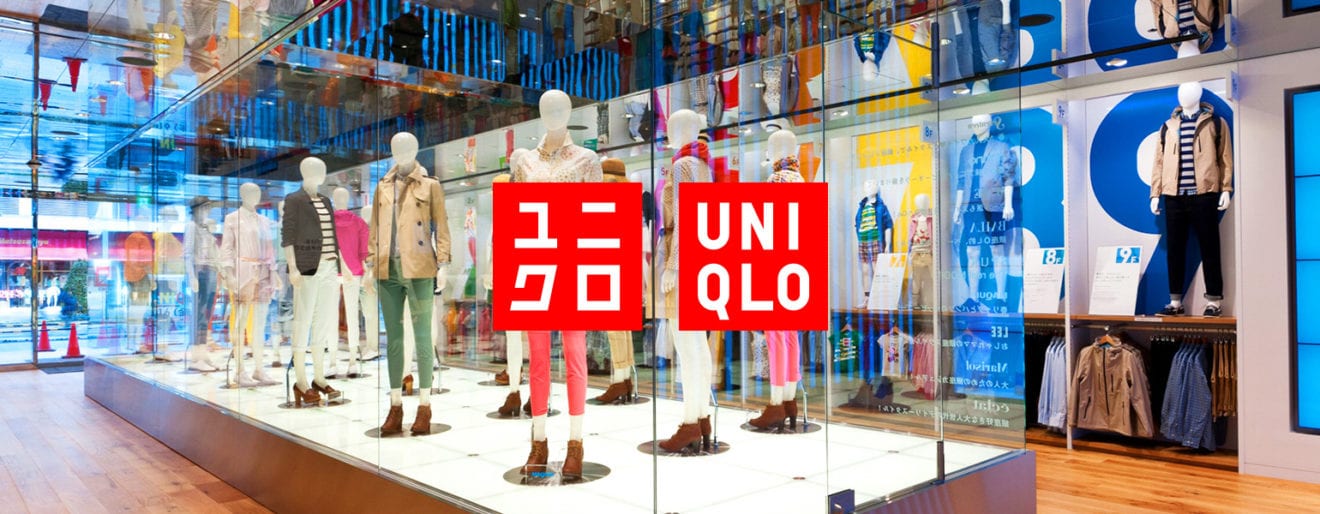
    Japanese apparel business Uniqlo has launched a recycling initiative aimed at reducing the footprint of its products being improperly disposed of.

    Called Re.Uniqlo, the program enables the business to recycle old clothes into new clothes, redistributing old clothes to people in need, and, in Japan only, recycling old clothes into fuel and materials.

    Goods to be recycled can be taken into Uniqlo stores and deposited within Re.Uniqlo boxes. All Uniqlo items are accepted, but the business asks that customers wash clothing beforehand and ensure there are no personal belongings included.

    “We collect second-hand Uniqlo clothes in stores for reuse and deliver them to people in need worldwide in the form of emergency clothing aid for refugee camps and disaster areas together with the United Nations Refugee Agency, NGOs and NPO,” Uniqlo said on its Re.Uniqulo website.

    “And recently, we have been actively recycling clothes into clothes, starting with our own products.”

    The business’s first recycled product, a down jacket, will be on sale later this month.

  • Arc’teryx Shanghai opens first global flagship

    Arc’teryx Shanghai opens first global flagship

    Performance apparel brand Arc’teryx has opened its first global flagship store in Shanghai, its largest store to date.

    Called the Arc’teryx Alpha Center, the store occupies an 8000sqft area, offering what the brand describes as an “experiential design and apparel from each of the brand’s performance, lifestyle, and Veilance collections”.

    “We wanted to create a shopping experience that was unique not only to our brand but also to our customers as well,” said Megan Cheesbrough, VP of Retail, Arc’teryx. “As a brand, we want to encourage everyone to enjoy the outdoors, and with this in mind, we’ve decided to bring the outdoors in by incorporating the concept of hut-to-hut touring into our store design.”

    The flagship features four different experiential huts. The Hardshell Hut is located at the store’s front, featuring a triangular kaleidoscope LED screen displaying views of the sweeping Canadian mountain landscape. The Gore-tex Hut features a “rain room,” allowing customers to try on and water-test the technical functions of Gore-tex products.

    While the Hardgoods Hut houses a selection of the brand’s hardgoods, the Brand Hut features a virtual reality module that changes seasonally, a community lounge, and an events board.

    “We want to create an unparalleled shopping experience at Arc’teryx Alpha Center, and one of the ways we could do this is to offer a selection of different products serving different purposes, all in one space,” said Cheesbrough. “Whether you’re looking for a pair of trail running shoes and a climbing harness, or an insulated hardshell and an urban-style coat, we want Arc’teryx to be available to everyone.”

    Arc’teryx operates 30 retail stores across China – 22 branded stores and seven factory outlets.

  • H&M says it’s straightening its back from Covid-19

    H&M says it’s straightening its back from Covid-19

    Global fashion retailer H&M had warned its preliminary third-quarter results may well be below that of the previous corresponding period – but it beat profit forecasts and has recovered much faster than expected.

    The company’s pre-tax profit for the quarter to August 31 was US$227.3 million, well below the $570 million from the previous corresponding period. H&M attributed the success to selling more goods at full-price, combined with strong cost controls.

    “As a result of appreciated collections together with rapid and decisive actions, the H&M group’s recovery is better than expected,” the retailer said in a statement.

    For the period, H&M group’s net sales decreased by 16 percent in local currencies compared with the corresponding period last year.

    The company said the improving sales through the quarter reflected the Covid-19 situation: at the beginning of the quarter, about 900 of the group’s more than 5000 stores were temporarily closed. At the end of the quarter, the other stores had reopened and only about 200 stores remained temporarily closed.

    The final results for the third quarter will be published on October 1.

    Meanwhile, the company denied it had any ties with a Chinese yarn producer over accusations of “forced labor” that involves ethnic and religious minorities from China’s Xinjiang province, according to a report.

    The report stated the fashion retailer specified it didn’t work with any garment factories in the area and would no longer source cotton from Xinjiang, China’s largest cotton-growing region.

  • Forever New furthers international plans with new website

    Forever New furthers international plans with new website

    Australian fashion retailer Forever New has today relaunched its international website, servicing 19 countries including Malaysia, Hong Kong, China, the UK and parts of Europe.

    Customers will be redirected from the brand’s Australian site from today.

    “We are proud of Forever New’s ever-growing international presence and thrilled to be able to expand our offering to new countries via our international website,” Forever New MD Carolyn Mackenzie said.

    The website relaunch follows success in Europe online and in department stores such as Debenhams, House of Fraser and Fenwick, and the US, where it trades under the name Ever New in its own stand-alone stores and with concession partners.

    Earlier this year Mackenzie said the business started a global web ‘replatform’ project in 2018 to replace legacy systems, which were limiting the brand’s agility.

    “Systems were previously bolted on as we went along, and it didn’t give us the flexibility we needed to accelerate some of the new omnichannel experiences we could put in,” MacKenzie said.

    “Our new site is about taking Forever New to customers around the world, including Turkey, Germany, Ireland, and Portugal. The site will give us the ability to become truly omnichannel. That’s the strength of Forever New – with a good platform, you can bring things like True Fit and order-in-store to life and link digital and physical together. It becomes so much more powerful than having just one on their own.

    “If it’s as strong as our site in Australia, it’ll be really good for the business.”

  • Skechers opening more outlets in Singapore

    Skechers opening more outlets in Singapore

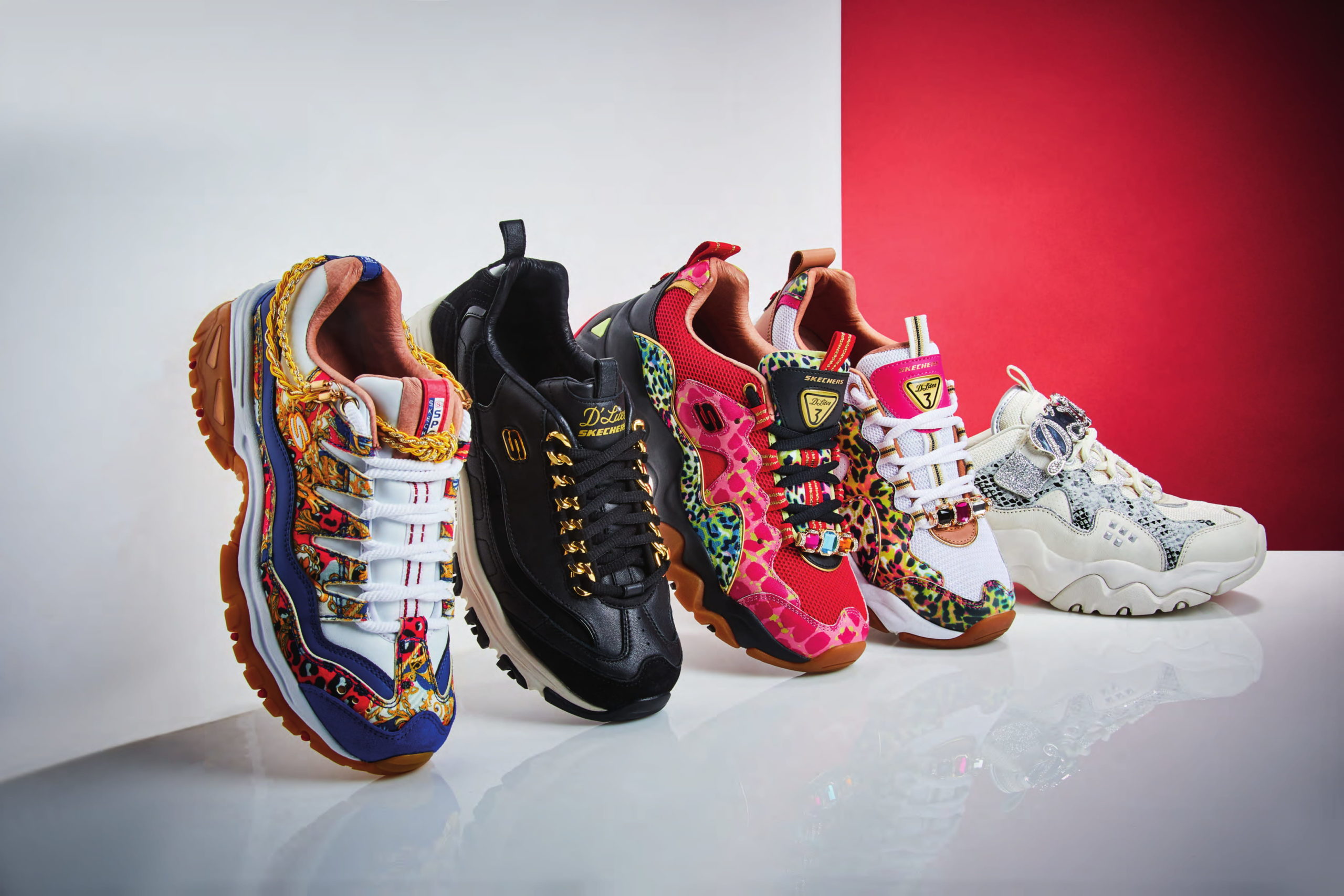
    Skechers Singapore has accelerated its expansion plan in the city despite the Covid-19 situation.

    Since July, the footwear brand has rolled out five new stores in the territory, taking its store count to 30, employing 40 additional staff to man them.

    While many retailers are struggling to remain commercially viable during the Covid-19 crisis, and some closing stores, Skechers’ is bucking the trend. One of the latest victims of Covid-19 in Singapore is fashion retailer Topshop which has announced it will quit all its physical stores in the city and move entirely online.

    “It is without a doubt (that) in the retail industry, it is quite challenging,” VP at Skechers Southeast Asia, Zann Lee, told Channel News Asia. “This is a good time for us to actually enter into a market with good locations.”

    Besides expanding its physical presence, the brand is also developing its own online store as shoppers are shifting to online shopping. Although opening its own e-commerce store may seem like a late response to Covid-19, Skechers is already selling its products online via third parties such as Shopee or Lazada.

  • Hermes re-opens renovated and extended retail space in Sendai

    Hermes re-opens renovated and extended retail space in Sendai

    Luxury Maison Hermes has unveiled its refurbished store in the Fujisaki Department Store in Sendai, Japan.

    “This reopening marks a new chapter for Hermes in this Northern city of Japan, where it has been present since 2004,” the company said in a statement.

    The store’s new design is inspired by Sendai’s natural environment – the city is known as “The City of Trees” – and the floor space has been expanded to 144sqm.

    The store’s facade features floor-to-ceiling glass windows and copper-colored steel, offering a clear view of the interior from the outside.

    Designed by Parisian architecture agency RDAI, the interior was divided into two open-plan spaces. At the entrance, the floor features mosaic tiles “in subdued Havana-and chocolate-brown hues, complete with iridescent cabochons”.

    Hermes Fujisaki offers a wide selection of products, including silk collections, fragrances, and fashion accessories. The collections for the home, featuring homeware and tableware, including the new Hermes Passifolia service, complete the displays in this initial area. The store also houses a VIP lounge for “enhanced privacy”.

    “While the entrance area is characterized by mineral, airy and bright accents, the second section creates a more muted atmosphere with carefully selected fabrics and carpets,” the company said.

    “This renovated address showcases the house’s craftsmanship and freedom of creation through its exceptional objects and the enhanced experience it offers its customers and new visitors

  • Vietnamese, Argentinian designers top latest Redress Design Awards

    Vietnamese, Argentinian designers top latest Redress Design Awards

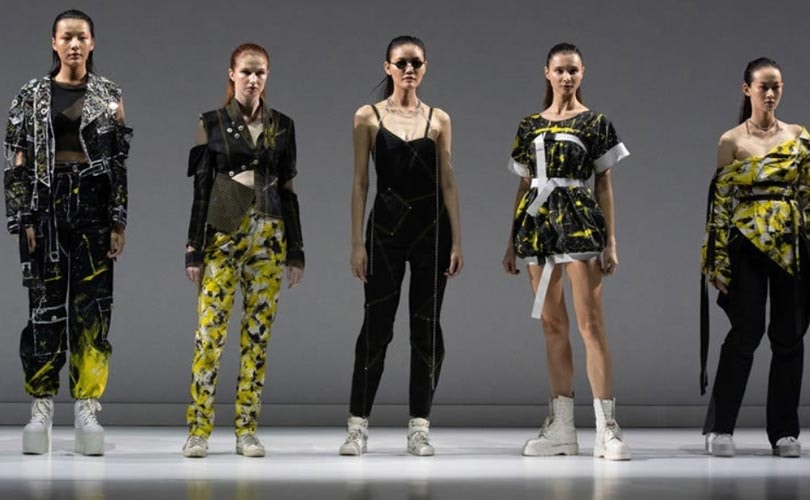
    Circular fashion environmental charity Redress has awarded two designers with collaboration prizes for their entries in the Redress Design Awards for 2020. The Redress Design Award 2020 Grand Final saw awards presented to menswear designer Le Ngoc Ha Thu from Vietnam and womenswear designer Juliana Garcia Bello of Argentina, who won design collaboration prizes with VF Corporation’s Timberland and upcycling brand The R Collective, respectively.

    A runner-up award was given to Sri Lankan designer Ruth Weerasinghe. The award for the best Hong Kong designer went to Grace Lant. The competition cycle, sponsored by local government body Create Hong Kong, has served to draw attention to the issue of waste in the fashion industry that has intensified under the impact of the coronavirus pandemic.

    “Fashion’s waste crisis can’t be swept under the carpet any longer,” said Redress and The R Collective founder Christina Dean. “Covid-19’s retail and supply chain disruptions have stranded materials in warehouses, factories and stores globally. Now is the time to catalyze the circular economy – and this is Redress’ focus. The Redress Design Award has for 10 years educated designers about circular design. The industry must not waste the opportunities that Covid-19’s crisis is offering.”

    “The Redress Design Award has established as a recognized brand in the sustainable fashion design community over the past years by educating emerging fashion designers in order to drive growth towards a circular fashion system”, said Create Hong Kong head Victor Tsang.

    Over the past fortnight, 10 finalists in the competition were subjected to a tough series of virtual design and business challenges focused on real-life sustainability business cases.

    VF’s executive VP & group president Asia Pacific region and emerging brands Kevin Bailey, one of the judges, said the company’s collaboration with Redress over the past two years has connected it with talented, emerging designers “who are passionate about creating fashionable, compelling designs with environmental responsibility in mind”.

    “We are constantly inspired by their commitment to circular design and creativity. These are the future leaders who are going to help drive lasting and positive change throughout our global industry and we are proud to be part of their journey.”

  • Maison Kitsune makes Thai debut at Bangkok’s EmQuartier

    Maison Kitsune makes Thai debut at Bangkok’s EmQuartier

    Maison Kitsune has opened Thailand’s first Kitsune boutique and cafe at EmQuartier shopping center in Bangkok. The boutique and cafe occupy a 145sqm area with two entrances. The store design is a fusion of Japanese and Parisian style.

    The boutique’s facade features three white arches, “creating an impression of the endless sky”. The brand’s latest collection is displayed behind the glass windows. Located in the middle of the entrance is the brand’s signature Fox.

    The store interior features brass frames and wooden elements in contrast with white walls and marble floors. Meanwhile, the Kitsune cafe wall features “ Japanese-inspired panels in varnished bamboo stalks, a nod to Thai traditional craftsmanship”. The cafe houses an outdoor area with four tables set up in front of the store.

    The cafe offers a variety of drinks to pair with sweet and savory treats. The Cafe Kitsune collection of tableware, ready-to-wear and accessories is also available to bring home.

    Maison Kitsune is a French-Japanese electronic music record label and fashion brand created in 2002 by Gildas Loaec, Masaya Kuroki and London-based company Abake.

  • Prada opens a new store in Tokyo’s Shibuya district

    Prada opens a new store in Tokyo’s Shibuya district

    Italian luxury fashion house Prada has opened a new boutique in Tokyo’s Shibuya district, featuring the unique evolution of its green-themed interior design.

    Located at the Miyashita Park shopping mall, the store is designed by OMA studio, founded by Rem Koolhaas. With a floor area of about 300sqm, it displays Prada’s full range of clothing, bags, accessories, and footwear for men and women in unisex and thematic versions.

    The store also offers cotton poplin t-shirts featuring original prints exclusive for the store’s opening, including a Prada oval logo reinterpreted by OMA bearing the Prada Miyashita Park store name, and a travel tag print with TYO (Tokyo) symbols.

    The external facade features floor-to-ceiling glass, which allows a view into “a dreamlike, virtual ‘container’ against a dynamic backdrop.”

    The store interior has a black-and-white chequered floor and green walls designed in backlit “sponge” – the ‘air and matter’ hybrid material designed by OMA. A digital wall, which can be assembled and disassembled, is installed to draw attention.

    The brand uses aluminum for all displays and racks to “enhance the minimal aesthetics and contemporary feel of the interiors”.

    Coinciding with the store’s launch, Prada has announced a digital project called “My Shibuya View”, featuring personal films introducing creators and musicians’ favorite spots in Shibuya. Project participants include singer and songwriter Taichi Mukai, model Ruka and actor, model, and musician Yoshi.

  • Stussy launching new store in Japan, Nagoya

    Stussy launching new store in Japan, Nagoya

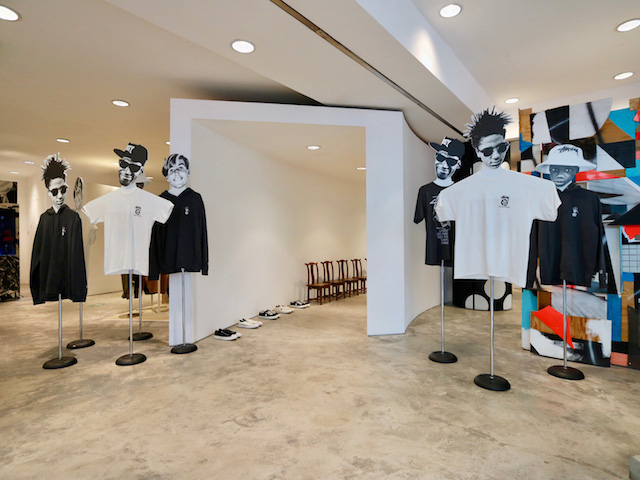
    American fashion label Stussy has opened a new store in Nagoya, its 46th outlet in Japan.

    Located in Sakae, the store was designed by WP & A and offers Stussy’s full selection of apparel, accessories and footwear, including a limited-edition collection.

    The store facade features floor-to-ceiling windows with black frames. A small sign showing the brand name is installed at the corner of the store’s front – barely noticeable in images.

    The store interior features wooden and metal shelves together with wood sculptures. The walls are painted in a half-white, half-grey style while two rows of LED lighting are installed on the ceiling. Several greenery corners balance the design.

    Stussy operates more than 60 outlets across more than 10 regions including the US, Australia, Singapore and Taiwan.

  • H&M’s Cos launches online reseller marketplace

    H&M’s Cos launches online reseller marketplace

    H&M’s subsidiary Cos has launched a pre-owned fashion platform called Resell.

    Resell allows the brand’s customers to buy and sell their used Cos pieces, “re-inventing their wardrobe in a considered and sustainable way,” according to a statement from H&M.

    The launch is part of the brand’s program of developing circular fashion and renewable solution strategies.

    “Resell reinforces Cos’ ambition and journey to becoming fully circular and renewable, developing innovative ways to continue the brand’s commitment to quality and longevity by re-imaging the lifecycle of each pre-loved piece,” the company said.

    Resell will charge a 10-per-cent commission to cover “operational costs” for every item sold on the platform. The digital platform is now available in the UK and Germany and will go global this Autumn.

    “By extending the life cycle of your Cos item, we believe we can work together to make better environmental choices,” the company said.

  • Gap closing over 225 stores globally as sales continue to drop

    Gap closing over 225 stores globally as sales continue to drop

    Struggling US apparel retailer Gap Inc has revealed plans to shutter more than 225 stores globally this year with another batch to follow next year.

    The company has reported a second-quarter net loss of $62 million on sales down 18 percent. Sales through physical stores were down by 48 percent, offset by a meteoric 95-per-cent rise on online sales. The company gained more than 3.5 million new customers during the period.

    The company did not give any indication of where in the world its stores would close, or which banners are most affected by the plan, although its namesake Gap network and Banana Republic stores seem to be performing the worst. As at August 1, Gap Inc had 1643 stores trading under those two brands.

    The decline in sales in physical stores during the quarter was caused by enforced temporary closures due to the Covid-19 pandemic, with shops beginning to reopen from May. As of August 1, about 90 percent of its stores globally were trading again.

    Worldwide sales by the Gap brand were down 28 percent and at Banana Republic by 52 percent. Old Navy performed better, down by 5 percent overall, and aided by a 136-per-cent increase online.

    Athleta was the standout, boosted by consumers purchasing more relaxing apparel as they moved to work from home. Sales were up 6 percent overall, and online by 74 percent.

  • Japan’s 2nd Street to launch in Taiwan

    Japan’s 2nd Street to launch in Taiwan

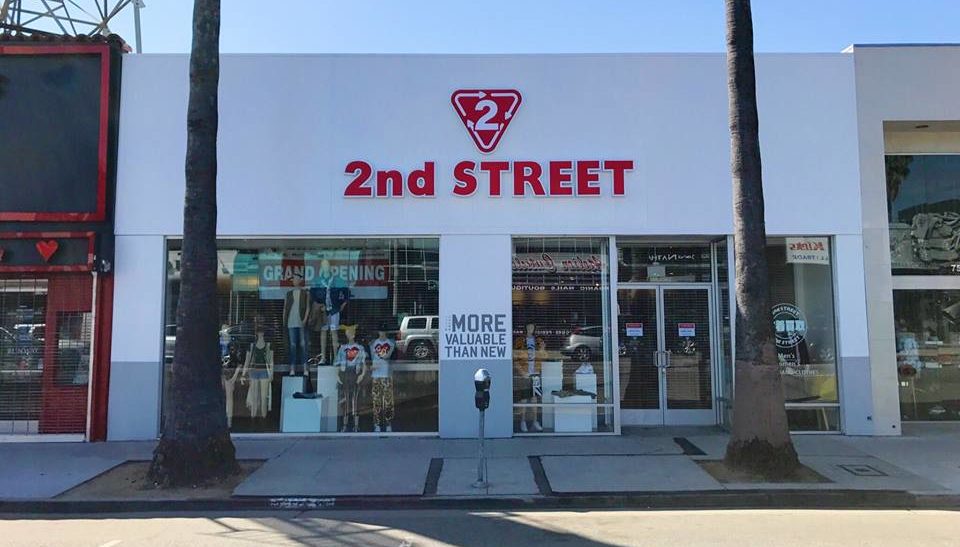
    Japanese pre-owned fashion retailer 2nd Street is launching in Taiwan with its first outlet set to open in Taipei. Located in the Ximen neighborhood, the store offers some 7000 items, including clothing, handbags, shoes, and accessories from Japanese designer brands such as Comme des Garcons and Under Cover as well as luxury brands like Louis Vuitton and Chanel.

    The brand plans to open three 2nd Street shops in Taiwan by next March.

    The 2nd Street Taiwan store’s layout and service will follow that of the stores in Japan. Prior to the launch, 2nd Street opened a pop-up store in Breeze Nan Shan mall to test the potential of the brand in the country.

    “Our aim is to expand the fan base for 2nd Street with a combination of the experience developed in Japan for the re-use business and the retail management skills beloved by the people of Taiwan,” said Sadaharu Deguchi, chairman, and GM at 2nd Street.

    “I sincerely hope that 2nd Street Ximen Taipei will become an attractive location for many customers,” Deguchi said.

    Launched in 2018, 2nd Street handles the sales of pre-owned products, including clothing, furniture, and appliances.

  • 6ixty8ight expands online into two more SEA countries

    6ixty8ight expands online into two more SEA countries

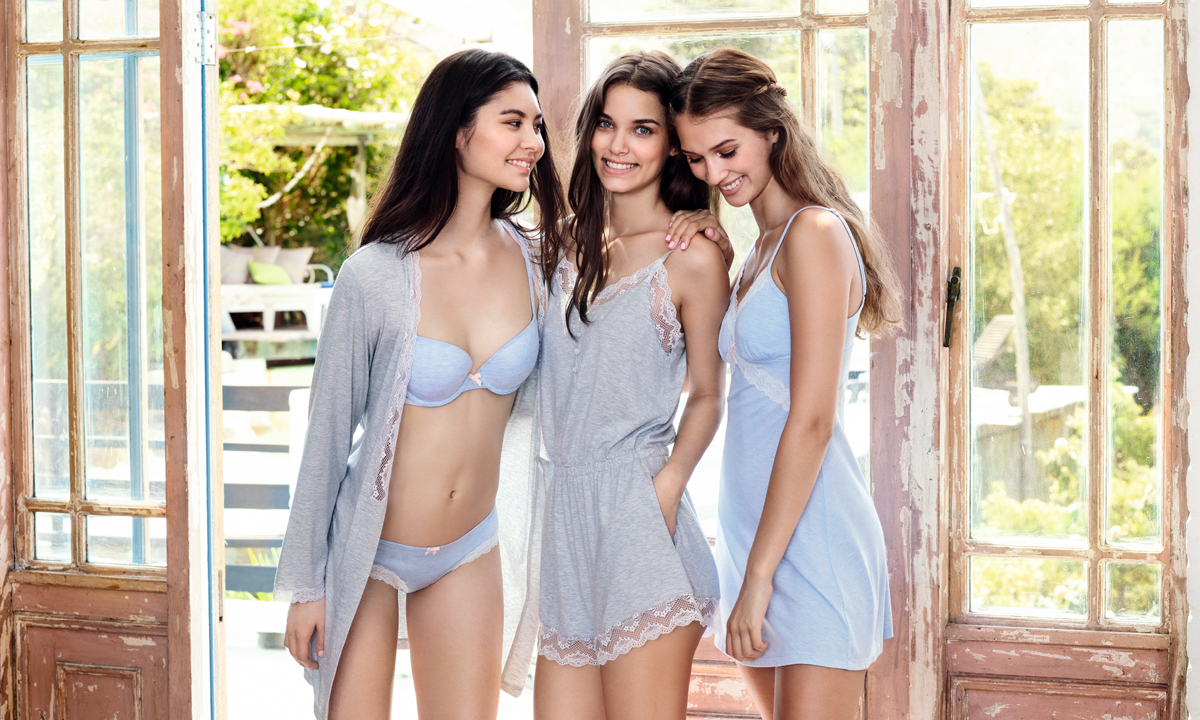
    Lingerie chain 6ixty8ight is expanding its e-commerce network into Thailand and the Philippines, less than two months after it launched in Japan.

    “With an increasing proportion of customers who prefer to shop online, 6ixty8ight puts e-commerce business as the top business priority,” the company said in a statement.

    The Hong Kong-headquartered brand said it uses online stores as a means to start building brand awareness in new markets before progressing into physical stores. In two months, 6ixty8ight has opened a presence in three new markets in Asia.

    The 6ixty8ight online stores in Thailand and the Philippines will feature a full range of lingerie, homeware, casualwear, and accessories. The brand will also introduce its new collections, including Modern Lace Collection and Summer Styles.

    Founded in 2002, 6ixty8ight operates more than 200 stores across Greater China, South Korea, Singapore, and Malaysia.