Tag: life

  • Hanoi revives $500 million horse racing, entertainment complex

    Hanoi revives $500 million horse racing, entertainment complex

    A $500 million complex including horse racing in Soc Son District is off the shelf after 10 years. Hanoi authorities have approved the addition of the long-delayed Soc Son multi-purpose entertainment complex and horse racecourse project to the city’s master plan on socio-economic development to 2020 with orientation until 2030.

    The total investment for this project is currently estimated at about $500 million. The project is expected to go into operation after 2021.

    The planned site is mostly agricultural land. Once put into operation, the project will employ an estimated 5,000 direct laborers and 20,000-25,000 indirect laborers, generating a relatively large, regular revenue for the city’ budget.

    The project, which will be built in a planned tourist area about 40 kilometers north of Hanoi, will add a high-quality tourism product to Soc Son District in particular and the capital in general, the city stated.

    According to Hanoi authorities’ data, the capital has received over 26 million visitors this year, including 5.7 million foreign visitors, which are a 9 percent and 16 percent increase compared to last year respectively.

    The project to build a horse racecourse in Hanoi was first researched in 1999, with the racecourse’s proposed location in the southern districts of Hoang Mai and Thanh Tri.

    However, as Vietnam’s legal framework for sports betting and horse racing was incomplete at the time, the city’s foreign partner eventually withdrew from the project.

    The project was then revived in 2007 when the travel company Hanoi Tourist and South Korea’s Global Consultant Network asked for the city’s permission to research it, and was told by the government that it would be approved once the legal framework for sports betting is completed.

    Vietnam’s legislative body, the National Assembly, approved a bill legalizing sports betting last year and the government earlier this year promulgated a decree regulating the sports-betting business, throwing open opportunities for foreign investors to build racecourses in the country.

    In addition to the racecourse in Hanoi, foreign firms are also said to be pursuing plans to build horse racecourses in the northern provinces of Bac Ninh, Vinh Phuc and in Ho Chi Minh City.
  • Swiggy to engage 2,000 women for food delivery

    Leading food ordering and delivery start-up Swiggy on Tuesday said it would engage about 2,000 women as delivery personnel by March 2019. “About 2,000 women will join our delivery team by March next year. Over the last few months, we have been working on training women for opportunities in this growing food delivery sector,” the city-based online food delivery platform said in a statement here.

    By deploying more women as delivery personnel across the country, the company said it aimed to create an inclusive workforce.

    The company engages around a lakh personnel daily to deliver food across 45 Indian cities it operates in.

    Currently, about 60 women are tied up with Swiggy across 10 cities, including Ahmedabad, Kochi, Kolkata, Mumbai, Nagpur and Pune, to deliver food.

    World over, the employment of women as delivery personnel has been meagre.

    “We are creating a women-friendly work environment with a dedicated helpline for any concern, as well as appointing more women in managerial roles,” the company said.

    Swiggy is identifying ‘safe zones’ for women delivery personnel to operate in and will allow them to complete their deliveries by 6 p.m., it added.

    “Since inception, we have seen the potential in investing in logistical prowess, which has helped us in having end-to-end control over the food delivery experience,” Sachin Kotangale, Vice President (Operations), Swiggy said in the statement.

    Set up in 2014, the food delivery platform claims to receive about 20 million orders a month across 45,000 restaurants in 45 cities, including New Delhi, Hyderabad, Mumbai, Bengaluru, Chennai, Kolkata, Gurugram and Pune.

    It raised US$ 210 million (around Rs 1,500 crore) from multiple investment firms, and has so far raised over US$ 460 million (around Rs 3,350 crore).

    The company, which has over 4,000 employees, reported an operating revenue of Rs 442-crore for the fiscal 2017-18.

  • Starbucks Tokyo Reserve opening date revealed

    Starbucks Tokyo Reserve opening date revealed

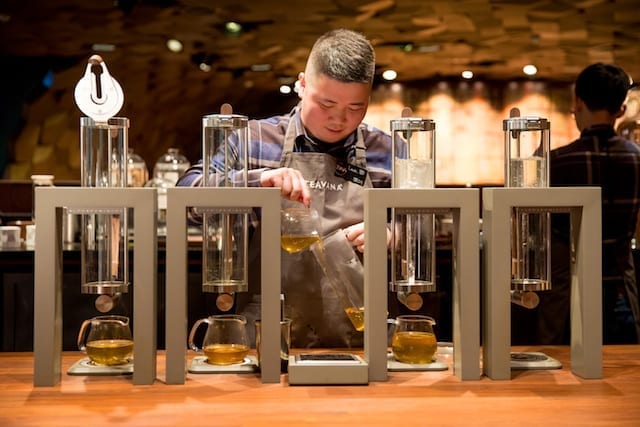
    The planned Starbucks Tokyo Reserve Roastery will open on February 28 next year. The outlet will launch in the Nakameguro district as the brand’s fifth global Reserve Roastery, designed and constructed in partnership with architect/Kuma Lab founder Kengo Kuma.

    Starbucks will build 100 new stores in Japan every year over the following three years, bringing its total stores to 1700 within the territory.

    Starbucks president and CEO Kevin Johnson said: “We continue to thoughtfully evolve within Japan’s elevated coffee culture to maintain a leadership position and achieve profitable growth for the long-term.”

    The firm recently launched a delivery program in Japan in partnership with Uber Eats, as well as a partnership with Japanese social media platform Line that is expected to result in a digital payment system.

  • Transport giant to withdraw capital from leading HCMC taxi firm

    Transport giant to withdraw capital from leading HCMC taxi firm

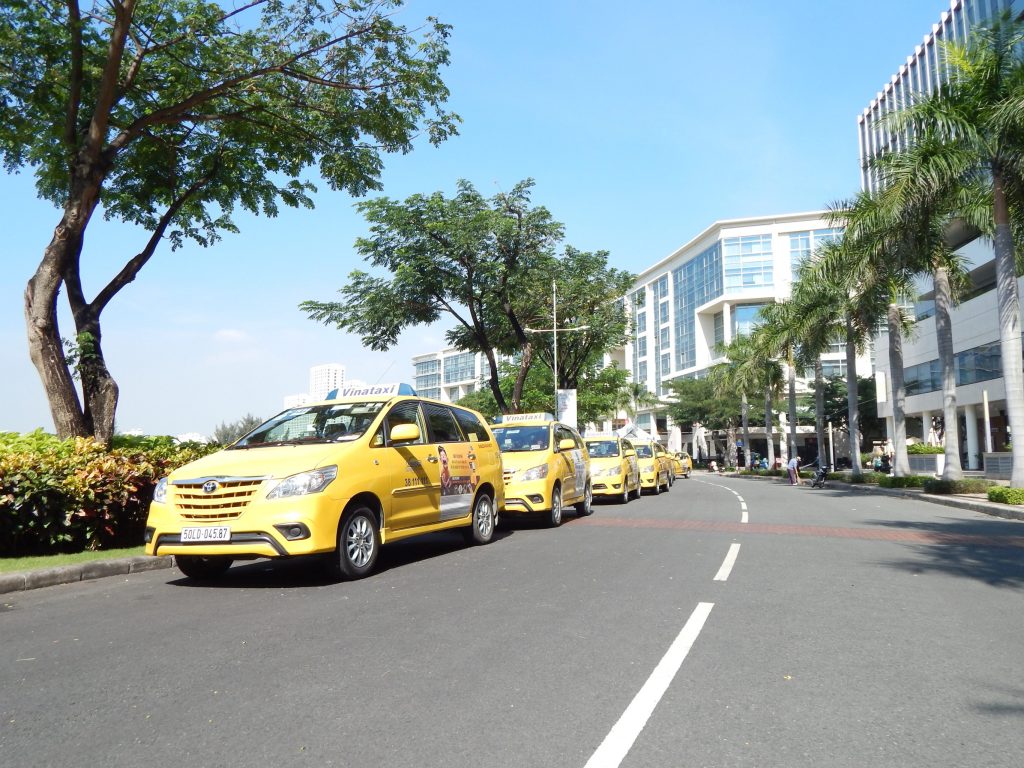
    In an apparent u-turn, transport giant Tracodi has approved divestment of its 30 percent stake in Vinataxi. Just months after saying it intends to increase its stake in Vinataxi, renew its fleet and install driver software, the Transport and Industry Development Investment Corporation (Tracodi) has decided to pull out.

    Tracodi has authorized Nguyen Thanh Hung, its general director and vice chairman, to seek investors and negotiate a transfer price not lower than the net present value of Vinataxi shares calculated according to book value.

    Vinataxi is a joint venture between Tracodi and electronic component distributor Tecobest Hong Kong, established in 1992. In 2003, Tecobest transferred capital management rights to ComfortDelGro, the leading public passenger transport operator in Singapore.

    According to the consolidated financial statement of the third quarter, Vinataxi occupied the third largest market share in Ho Chi Minh City with a chartered capital of VND113 billion ($4.84 million). Tracodi’s initial investment value was approximately VND34 billion ($1.46 million) in the joint venture.

    Tracodi’s capital withdrawal is in stark contrast to the plan announced by its board at its annual general meeting mid-June. Then, the corporation announced it wanted to negotiate raising its ownership ratio in Vinataxi to 49 percent, and coordinate with ComfortDelgro Savico Taxi, a joint venture between ComfortDelgro and Saigon General Service Corporation, to renew their fleets and install driver software.

    Tracodi’s management board estimates the firm will reap net profit of VND8 billion ($342,916) from its taxi business line this year with its combined fleet of over 300 cars.

    In 2017, revenues and after tax profit of Vinataxi reached over VND47 billion ($2.01 million) and VND1.2 billion ($51,431) respectively.

  • Korea’s snack prices increase as costs rise

    Korea’s snack prices increase as costs rise

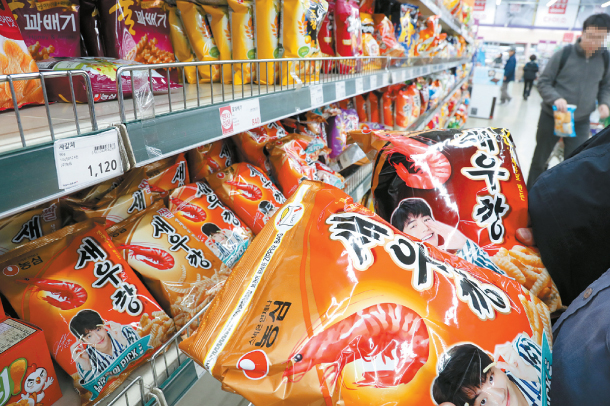
    Nineteen Nongshim snacks, including its famous Shrimp Crackers, will cost more beginning tomorrow, the company announced on Tuesday. “We have decided to raise prices in the face of accumulated pressure from rising production, labor and management costs,” said a Nongshim spokesperson. “We have tried to minimize the scope of the price rise in consideration of our consumers.”

    According to the company, Nongshim will raise the prices of 19 out of its 23 snacks by an average of 6.7 percent beginning from Nov. 15.

    A 90-gram (3.17 ounces) bag of Shrimp Crackers, one of the company’s iconic products, will now cost around 100 won ($0.08) more than the current 1,200 won. The prices of other favorites, such as Onion Rings, Honey Twist Snacks and Tako Chips, will rise by 6.1 percent, while the price of Pretzels will jump by 7.4 percent.

    Tomorrow’s hike will mark the first time in over two years that Nongshim has increased snack prices. It upped the price of 15 of its snacks by an average of 7.9 percent in July 2016. In Feb. 2014, it increased the price of Shrimp Crackers by 10 percent.

    Earlier this year, competitors Crown-Haitai Confectionery and Lotte Confectionery began charging more for some of their snacks, both citing rising production costs.

  • Hong Kong retail up in September despite massive growth slowdown

    Hong Kong retail up in September despite massive growth slowdown

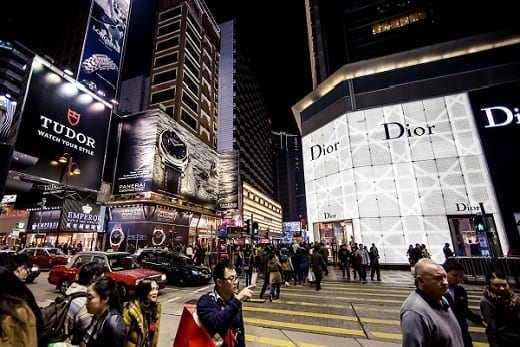
    Retail sales in Hong Kong rose 1.4% year-on-year in September, signalling a considerable retail sales slowdown in the Asian economy, following a downwardly revised 7.9% increase in August. According to industry figures released on November 1, the September uptick is the smallest annual gain in Hong Kong retail sales since June 2017.

    The Census and Statistics Department (CENSTAD) attributed the slowdown to two factors, with the first being the temporary drag on inbound tourism from typhoon Mangkhut.

    Also, local consumer spending was reportedly hindered by negative sentiment, in light of the US-China trade conflicts and stock market corrections.

    Looking at the results closer by category, September food, alcoholic drinks and tobacco retail sales fell 0.8%, compared to an increase of 2.4% in August.

    Hong Kong fuel sales were down 2.9%, widening in terms of loss, compared to a 0.6% decline in the month prior.

    Hong Kong’s clothing and footwear retail sales figures fell a whopping 6.5%, compared to 3.4% in August, with growth stalling in September at department stores, up 1.1% compared to 11% in August.

    Likewise, jewellery, watches and clocks gained 5.3%, but proved to be a soft growth result, compared to the 22% lift last month.

    But not all categories in September underperformed.

    Retail sales at supermarkets swung to a 0.6% increase, compared to a decrease of 3.4%, while consumer durable goods gained 3.3% compared to 2.1% last month.

    Based on seasonally adjusted data, retail sales decreased by 3% in the third quarter, compared to the second quarter.

    Hong Kong retail sales have been on annual upward trajectory since 2005.

    For the last thirteen years, sales have gained on average 5.67%, with a high of 30.6% in February 2010.

    The lowest recorded result was an 18.5% downswing in February 2016.

  • Chinese grocery market set for solid growth, says IGD

    Chinese grocery market set for solid growth, says IGD

    A report released by the international grocery research organisation IGD has forecast growth of 32.6 per cent in the Chinese grocery market by 2022, preserving its status as the largest grocery market in Asia. Grocery retail sales in China are set to rise to CNY 11.4 trillion (US$1.637 billion), more than India, Japan and Indonesia combined.

    The market is expected to see a CAGR of 5.8 per cent over the next five years, on par with Thailand but slower than markets such as India, Vietnam and Bangladesh, where the economy is growing faster.

    Globally, China will remain the second largest grocery market in the world by 2022, behind the US in terms of value.

    Shirley Zhu, programme director for IGD’s Asia-Pacific research, said China continues to be an exciting market to watch with its significant size and rapid growth. “Retailers with nationwide networks such as Sun Art, Yonghui, Walmart, CRV and Carrefour will reap rewards from ongoing expansion, partnerships with e-commerce players, improved efficiency and investment in small formats.

    “Similarly, e-commerce giants such as Alibaba and JD.com will see significant growth from both online and offline channels and become the second and third largest grocery retailers in China, respectively. Regional players such as NGS, Wumart and Bailian will continue on their journey of transformation and consolidation and focus on profitability.”

    Market share for hypermarkets and supermarkets will remain steady, close to 40 per cent of the market up until 2022. However, the supermarket channel will overtake hypermarkets as the largest sales channel with a market share of 20.7 per cent, says IGD.

    “Convenience will be the fastest-growing physical store channel”, said Zhu. “This will be driven by Alibaba and JD transforming traditional mom-and-pop stores, retailers opening smaller format stores and both local and overseas players expanding their networks through partnerships. Online and offline integration will drive online growth. As the fastest growing channel, we forecast online to contribute up to 11.1 per cent of sales in 2022.”

    Less than half of the grocery sales in China currently go through traditional trade. As the market continues to mature, traditional trade will keep losing share to modern trade, which currently accounts for about 57 per cent of total grocery retail sales and is predicted to grow to 66 per cent by 2022.

  • Yoox Net-A-Porter acquisition boosts Richemont sales

    Yoox Net-A-Porter acquisition boosts Richemont sales

    Richemont sales in Asia Pacific surged 20 per cent in the first half of this year with the region the group’s single-largest market, accounting for 37 per cent of total sales.

    The increase was fuelled by the inclusion of the Yoox Net-A-Porter (YNAP) business into the Swiss-headquartered multibrand luxury retailers figures for the first time. Excluding YNAP and Uk online retailer Watchfinder, sales rose 14 per cent, driven by a net 20 new store openings and “high single-digit growth” in Mainland China and double-digit growth in Hong Kong, Macau and Korea.

    “Both the retail and wholesale channels saw double-digit growth, with strong performances in jewellery and watch sales,” the company said in a statement.

    In Japan, a 14 per cent growth in sales was driven by higher domestic and tourist spending, which benefited from a comparatively weaker yen. Excluding online distributors, sales in the region increased by 8 per cent, led by a double-digit growth in watch sales and the net opening of five directly operated boutiques. Japan represents 8 per cent of overall sales.

    Group-wide global sales rose by 21 per cent at actual exchange rates to €6.808 billion and by 24 per cent at constant exchange rates. Online retail sales, now reported separately following the e-commerce acquisitions, amounted to 14 per cent of group sales.

    Excluding YNAP and Watchfinder, sales rose by 6 per cent at actual exchange rates and by 8 per cent at constant exchange rates.

    Operating profit of €1.130 billion was down €36 million due to acquisition and disposal-related charges of €159 million, the company said. Excluding the impact of first-time consolidation of YNAP and Watchfinder, operating margin improved to 21.1 per cent. Profit for the period rose to €2.253 million primarily due to a post-tax non-cash gain of €1.378 billion on the revaluation of YNAP shares held prior to buy-out.

    Chairman Johann Rupert said offline Richemont sales growth was primarily driven by strong performance of the jewellery maisons and double-digit increases in the maisons’ directly operated boutiques and online stores.

    “Robust retail sales in jewellery and watches more than offset a 2 per cent decline in wholesale sales, which was mainly due to the specialist watchmakers’ ongoing prudent inventory management and upgrade of the wholesale distribution network,” said Rupert.

    “In our jewellery maisons, watch sales grew strongly in Cartier’s stores, benefiting from the successful Panthere and relaunched Santos collections. Jewellery pieces continued to outperform, notably with the iconic Cartier Love and Van Cleef & Arpels Alhambra collections.”

    He said while growth was muted for specialist watchmakers, retail was strong and there was good momentum at Vacheron Constantin, Roger Dubuis and JaegerLeCoultre.

  • LG Chem signs deal to distribute cancer drug

    LG Chem signs deal to distribute cancer drug

    LG Chem has partnered with U.S. bio company Cue Biopharma to develop immunotherapy drugs to treat cancer, the local company announced Monday. Immunotherapy drugs help patients fight diseases like cancer by enhancing their immune system. It is a relatively unusual form of cancer therapy that differs from the conventional approach of using medication to directly fight the cancer cells inside the human body.

    Based in Boston, Cue Biopharma is a Nasdaq-listed company that specializes in developing biologics for immunotherapy. The companies will co-develop and distribute three immunotherapy drugs which were previously developed by Cue Biopharma: its lead product CUE-101, currently in the preclinical stage, and two other cancer antigens that are at an earlier stage of development.

    Cue Biopharma’s core technology is the Immuno-STAT platform that inserts information about a specific cancer cell into a T cell, a white blood cell that will then find and attack the disease. Before the platform existed, T cells had to be pulled out of the human body to have the information injected into them, but Cue Biopharma’s technology allows the process to happen internally.

    Under the agreement, LG Chem will obtain exclusive distribution rights for the three treatments in Asia once they are fully developed. Cue Biopharma will take charge of distribution in other regions.

    LG will offer a maximum of $400 million to the U.S. bio company including milestone payments given at each stage of clinical testing in the development process. Once the treatments are commercialized, Cue Biopharma will additionally receive license fees proportional to sales in the Asia region while LG, in return, will receive royalties from the Asia sales.

    This is the first time in its three decades of history in the bio pharmaceuticals industry that LG Chem has partnered with another company to work on a new drug.

    “We are very pleased to enter this strategic collaboration with Cue Biopharma; it is more than a licensing deal, it is a partnership with a shared vision and great strategic fit,” said Dr. Son Jee-woong, president of LG Chem Life Sciences.

    For Cue Biopharma, the advantage of working with LG is its experience in developing and manufacturing bio pharmaceuticals in the past as well as its business know-how in the Asia region.

    Under the partnership, LG will also conduct development in mass production and quality control methods for the immunotherapy drugs.

  • Hard Rock Cafe to be reintroduced in Philippines

    Hard Rock Cafe to be reintroduced in Philippines

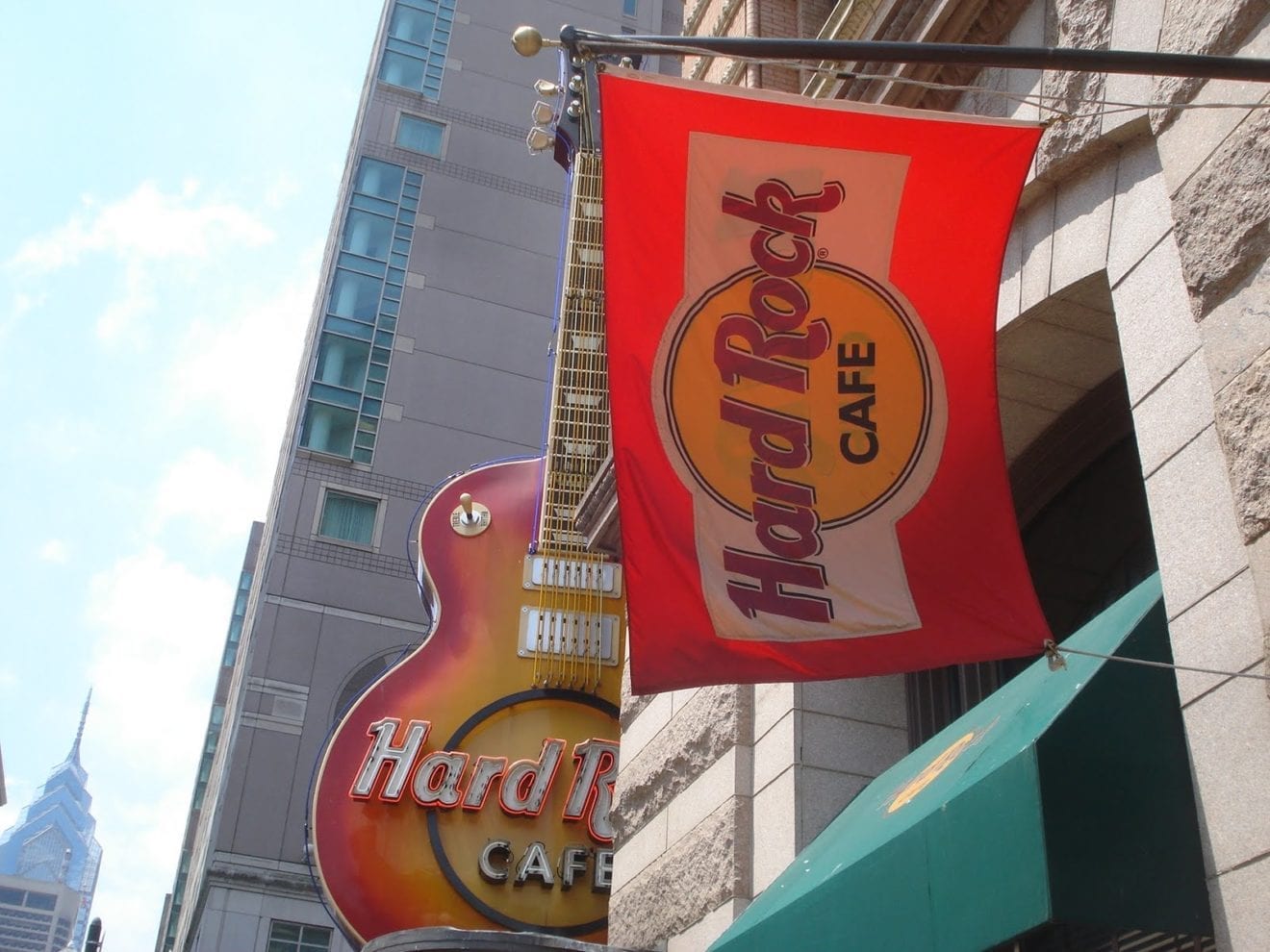
    Bistro Group has acquired the exclusive franchise for Hard Rock Cafe in the Philippines, planning to reintroduce the brand in the region after a year’s absence. The Hard Rock group has high hopes for the partnership given the new local partner’s proven performance in the “Western-driven market.”

    Area franchise development VP Steve Yang said: “The Bistro Group is a strong industry player and with its robust portfolio of brands as well as its track record for more than 20 years, we are confident that they will be a strong partner to help us take Hard Rock Cafe in the Philippines to the next level.”

    The new Hard Rock Cafe will open next month in a 653sqm space at the Conrad S Maison mall in Pasay City, with four to five branches potentially in the works for Cebu and Bonifacio Global City.

    “Putting Hard Rock inside a mall is in response to the current lifestyle trend and is one of the best locations we’ve seen in our operations,” Yang said.

    Hard Rock’s VP for franchise operations and development Anibal Fernandez said the company wants to expand its presence in high-growth markets frequented by locals and tourists.

    “Last year alone we launched cafes in Spain, Austria, South Africa, Andorra, Bolivia, India, Cambodia, Myanmar, Argentina and Nicaragua. In 2018 we are developing in Africa, Middle East, Europe, North and South America, South Asia and China, among others.”

  • Businesses in Vietnam close down at increasing rate

    Businesses in Vietnam close down at increasing rate

    The number of enterprises closing down in the year to date hit 67,000, double the number in the same period last year. Chu Tien Dung, chairman of the HCM City Business Association said that this number is unusually high but can be explained by problems that have existed for years.

    The government’s target of having 1 million enterprises by 2020 is to blame in no small measure since it has led to policies that encourage quantity rather than quality, he said.

    Typically, this has seen sole traders registered as one-man limited companies and a big start-up movement in major cities such as HCM City and Hanoi.

    “The procedures for setting up a limited company have been greatly simplified so that anyone can become a boss. If within a few years or even months the owner finds the business line to be unsuitable or does not like the company name, it is not difficult to dissolve and establish a new business.”

    Statistics from the Department of Business Registration show that of the enterprises closing down each month the rate of those with charter capital of below VND10 billion ($426,350) is overwhelming.

    The reason lies primarily in the fact that small and medium- sized enterprises (SMEs) lack resources and also have difficulty accessing credit.

    The liberalization of the law on investment is being used by some to profit illegally, he said. Many enterprises have announced insolvency due to heavy losses.

    According to the World Bank, starting up in Vietnam now involves only eight steps which can be completed in 17 days while it takes 26 days on average in East Asia and the Pacific to complete formalities and enter the market.

    Tran Thi Hong Minh, director of the Department of Business Registration, said: “Dissolution and bankruptcy is the natural, objective law of the economy. The market will eliminate and purge weak businesses to replace them with those of better quality.

    “Vietnam is considered a dynamic economy with rapidly developing science and technology and so the pressure on businesses is of an equivalent magnitude.”

    Pham Chi Lan, former chairwoman of the Vietnam Chamber of Commerce and Industry (VCCI), said business owners had expressed concern the business climate had not improved much.

    Even in the case of single-door administrative procedures, where all documents are meant to be submitted and received at one office, an applicant has to go through many other doors, she said.

    “While we are talking about creating new tools and policies, old, defunct procedures are still not scrapped. As such, Vietnamese businesses are very worried about their future.”

  • Unmanned medical clinic opened in China

    Unmanned medical clinic opened in China

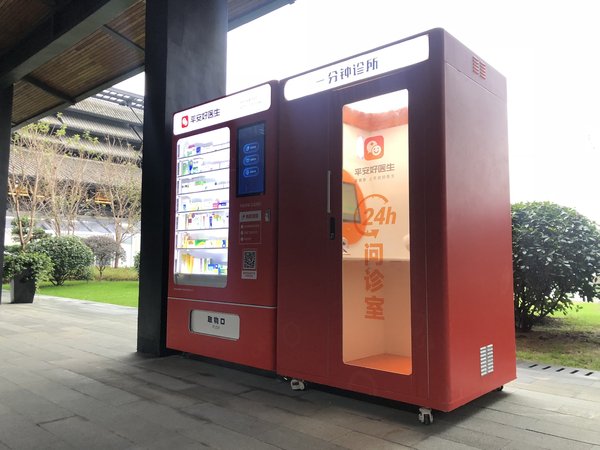
    Chinese one-stop healthcare platform Ping An Good Doctor has announced the world’s first commercially operational unmanned medical clinic. The firm’s “One-minute Clinic” has been formally unveiled in a scenic area in Wuzhen. It will provide a high-speed, convenient, one-stop-shop for medical and healthcare services for nearby residents, visitors to the scenic area and guests of the 2018 World Internet Conference.

    The clinic includes two major functional modules, an “Independent Advisory Room” and a “Smart Medicine Cabinet.” Patients consult with a cloud computing doctor in the advisory room to receive a preliminary diagnostic suggestion, and may purchase prescribed medicine from the medicine cabinet afterwards. The clinic stocks more than 100 common drugs. Unavailable medicines may be purchased online using the Ping An Good Doctor smartphone application, receiving the drug from nearby pharmacies with a one hour delivery service.

    During a one week trial, the daily average advisory volume approached 100 visitors.

    The firm plans to popularise the clinics in public areas such as pharmacies, communities, enterprises, schools, scenic areas, markets, highway service stations, and so on. Combined with Ping An Good Doctor’s offline network of 3100 new hospitals and more than 60,000 neighbourhood clinics, the clinic is expected to quickly meet real-time medical and healthcare needs of city residents.

    Ping An plans to expand to 1000 units across China by the end of the year.

    A spokesperson for Ping An Good Doctor revealed that the clinic’s AI doctor was researched and developed by a team formed from over 200 world-class artificial intelligence experts, trained using data from over 300 million visits and consultations. More than 2000 common diseases are covered by the AI’s data set.

    A back office staffed by expert physicians are engaged to verify the diagnosis and advice of the AI doctor.

    Overcrowded hospitals are part of the cause behind the present difficulty in obtaining quality healthcare in China.

    Information from a third-party research institute shows that, in 2016, including transport and waiting-in-line times, Chinese patients consume an average of three hours per medical visit, although the actual time for diagnoses averages only eight minutes per visit.

  • WeWork signs deal to open office in Busan next year

    WeWork signs deal to open office in Busan next year

    WeWork, a global shared work space provider, said Tuesday it has signed an agreement with Busan to make inroads into the country’s second-largest city next year. The company signed a memorandum of understanding (MOU) with the southeastern port city on Monday with a plan to open its first Busan branch in the Seomyeon area by the first half of next year, it said.

    WeWork said more locations, including in Centum City and Busan Station, will be launched down the road.

    “WeWork will contribute to creating jobs and global business opportunities as well as revitalizing the startup ecosystem in Busan,” Matthew Shampine, General Manager of WeWork Korea, said.

    Established in New York City in 2010, WeWork currently has over 300 offices in 23 countries, including 10 in Seoul. The first Korean WeWork office opened in 2016.

  • Vietnam fruits, vegetables struggle to enter overseas market

    Vietnam fruits, vegetables struggle to enter overseas market

    Dragon fruit, which accounts for 40 percent of Vietnam’s fruit and vegetable exports in value, is facing the biggest challenge as China, which used to buy 80-90 percent of Vietnam’s dragon fruit mainly through border gates, has tightened the import through the channel. The importer has also improved standards on quarantine and food safety and origin tracking to Vietnamese fruits, including dragon fruits.

    Facing the difficulties, many traders have recently stopped buying the fruit in some major growing regions.

    As a result, prices of the fruit have plummeted. Recently farmers in Binh Thuan Province told VnExpress that prices are down 90 percent to VND1,500-2,000 ($0.06-0.08) per kilogram.

    Vietnam’s dragon fruit exports might see more pain since China may reduce purchases after expanding its own cultivation, warned by industry insiders. Saigon Giai Phong Online quoted Vietnam’s Plant Protection Department as saying China has planted dragon fruit on 20,000 hectares in places such as Guangxi and Hainan. The department said this area would increase to 30,000 hectares next year. Chili, which accounts for a third of Vietnam’s total vegetable export value, is struggling in the Malaysian market. Malaysia is among the three largest buyers of chili from Vietnam along with South Korea and China.

    But it announced to cease licensing the import of chili from Vietnam from September 14 after detecting excessive residues of plant protection products in chili shipments.

    Together with dragon fruits and chilli, papaya has struggled to enter overseas market.

    The South Korean Ministry of Food and Drug Safety has informed Vietnam’s Plant Protection Department that it discovered genetically modified papaya in shipments from Vietnam.

    South Korea does not allow entry of genetically modified organism (GMO) products.

    A spokesperson for a large papaya exporter in southern Long An Province said that farmers knew about this policy, and some GMO fruits went into the consignments despite their efforts to prevent it.

    It is working with farmers to grow non-GMO fruits, the spokesperson added.

    Nguyen Quoc Vong, a researcher in the GMO fruit industry, said the trend in developed countries is to consume non-GMO products.

    He warned that Vietnam would be shut out of high-end markets if it exports GMO products since food safety standards around the world are rising.

    “Our competitors like Thailand do not grow GMO produce, so they will have an advantage in high-end markets where we cannot compete,” local newspaper Thanh Nien reported him as saying.

    Vietnam earned $3 billion from fruit and vegetable exports in the first nine months of this year, up 15.2 percent over the same period last year, according to the General Statistics Office.

  • AirAsia offers up to 70% discount on Almost All Flights

    AirAsia offers up to 70% discount on Almost All Flights

    AirAsia has come up with a new offer to woo flyers in this festive season. AirAsia is offering up to 70% off on all its destinations. AirAsia’s latest offer started on 15 October and will continue till 28 October 2018, the carrier has mentioned on its website. This offer is valid for immediate travel until 30 June 2019. Bookings for this offer can be made on airasia.com or through the AirAsia mobile app.

    Air passengers can book tickets to over 130 destinations across the airline’s network under the new offer. There are some extra perks for AirAsia Big members, such as instant discounts on bookings through the mobile app.

    In order to enjoy the benefits of the discount, passengers are required to book their flight tickets in advance. The discount is applicable on the base fare of the flight ticket and is available only on select fare classes, during non-peak periods, the airline says.

    AirAsia, a low-cost air carrier, will introduce flight services from Visakhapatnam to Bangkok four times a week from 8 December 2018, with a one-way promotional fare of Rs 2,999. Passengers can book tickets up to 21 October to avail the offer.

    AirAsia Group operates scheduled domestic and international flights to more than 165 destinations spanning 25 countries.

    AirAsia is a joint venture between Tata Sons Ltd and low-cost Malaysian airline AirAsia Berhad