Tag: lifestyle

  • Coupang, HP Korea sign MOU to strengthen sales

    Coupang, HP Korea sign MOU to strengthen sales

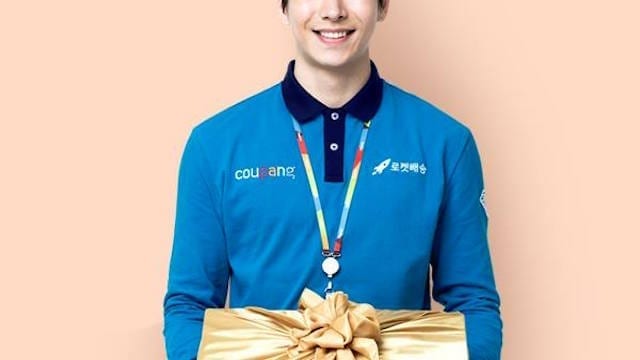
    E-commerce company Coupang said Thursday it signed a memorandum of understanding (MOU) with HP Korea Wednesday to strengthen sales channels for the technology company’s products. Through the agreement, Coupang will directly acquire HP products from the company, providing customers with better deals. HP Korea will also ensure faster delivery times and improve product services. The two companies plan to cooperate on online marketing and advertisements.

    James Lee, Coupang’s senior director, said, “By establishing long-term partnerships, [Coupang] will work harder to expand cooperative businesses.”

    Coupang currently offers a range of HP products, such as its gaming PCs and printers through its fast “rocket delivery” service.

  • AS Watson to start selling Amorepacific

    AS Watson to start selling Amorepacific

    South Korean beauty group Amorepacific and AS Watson have expanded their partnership to cover Asia and Europe. The partnership will enable Amorepacific to increase its product presence through Watsons-owned stores and online. Before this, the two had already partnered to launch Amorepacific’s botanical skincare brand Mamonde, haircare brands RYO and Mise-En-Scene across Asia.

    “AS Watson and Amorepacific are both leading players in serving beauty customers. Our customers love Korean beauty products that bring not only innovation but also quality. This is what Amorepacific can provide,” said Malina Ngai, AS Watson Group COO.

    “Through this partnership, we are both passionate and committed to combining our knowledge and capabilities to bring the best products and shopping experience to our customers.”

    Saehong Ahn, president of Amorepacific Corporation and Malina Ngai, group COO of AS Watson Group sign the strategic partnership.

    President of Amorepacific Saehong Ahn said the group “looks forward to developing concrete plans that create synergy and is a win for both companies”.

    “Amorepacific will continue our efforts to expand accessibility for customers globally, and create novel experience for customers this year.”

    AS Watson Group has a store network of more than 14,900 stores under 12 retail brands in 25 markets. Included in that are about 6800 Watsons health and beauty stores in 12 markets in Asia and Europe.

    Core customer groups are relatively young, and K-beauty is experiencing 56 per cent compound sales growth since 2015, and gaining traction in Europe with last year’s growth at 122 per cent.

    Amorepacific is the leading beauty company in South Korea, with more than 70 years of experience in beauty and a wide brand portfolio.

  • Ermenegildo Zegna Opens its Global Flagship Store in New York City

    Ermenegildo Zegna Opens its Global Flagship Store in New York City

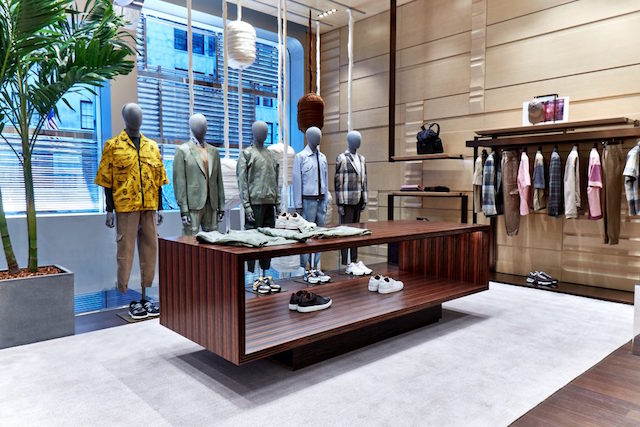
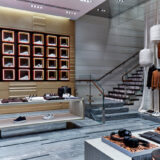
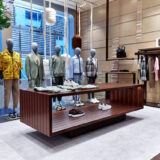
    Italian luxury firm Ermenegildo Zegna has launched a new global store in New York. The new three-level 660sqm boutique, designed by prominent architect Peter Marino, is a luxury retail space with a facade composed of metallic threads. The store features a personalisation room on the third floor, offering high-end bespoke clothing fitted by a master tailor.

    A selection of fine leather footwear and other goods, couture collections and sneakers, and luxury leisurewear are also among product lines on sale in store.

    Exclusive to the New York global store is the newly released Taccuino capsule collection, featuring leatherwear goods inspired by Ermenegildo Zegna’s personal notebook and fine calligraphy.

  • Millionaires are showing off their money in a new way

    Millionaires are showing off their money in a new way

    The definition of luxury is evolving, and the change applies to not only what people are spending money on, but how they’re doing it. “In the last few years, we have seen the crystallization of two luxury worlds: one which focuses on an encyclopedic choice of luxury products available at a click; another which is doubling down on the experience mantra,” the global ultra-high-net-worth intelligence firm Wealth-X said in its 2019 handbook, which examines the spending habits and preferences of people whose net worth is between $1 million and $30 million.

    That shift coincides with an era in which people are choosing to display their wealth differently than previous generations did.

    This is an era where brands like Goyard— a two-century-old Parisian company that eschews any type of advertising but represents the pinnacle of luxury for the world’s elite — and investments like education, security, and privacy are the chosen trappings of the world’s wealthiest people.

    Still, luxury fashion is booming, and it partially has to do with how it is consumed.

    Technology has left nearly no industry unchanged, and luxury is no exception.

    “Mass-market principles have worked their way into luxury and are disrupting the market,” Mike Phillips, Wealth-X’s vice president of marketing and communications said. “Now you can be selling something — and there might be only one made — but it’s on an app.”

    Whereas previously the ultimate luxury shopping experience might have included shutting down an entire store for a top spender, that person now has access to the same goods with the increased convenience of an app.

    Phillips said apps and sites like Net-a-Porter, Farfetch, and Moda Operandi that sell designer clothes, shoes, and accessories had capitalized on this trend as a new generation of wealthy shoppers emerges.

    “When it comes to wealthy millennials or Gen Xers, there are still instances where they are seeking an immersive brand experience at a brick-and-mortar store,” Phillips said, “but at other times they may want to avoid that more traditional pomp and circumstance and opt for the ‘Seamless’ option.”

    “Younger generations are less likely to be staunch loyalists to a single brand when compared to their parents and grandparents,” Phillips said. “They’re more likely to try something new if it speaks to their personal values and passions.”

    In this way, experiences may not be outright replacing the role of brands in wealthy people’s lives, but they are augmenting the significance of and consideration that goes into buying a particular brand.

    “More and more,” Phillips said, “the wealthy are evaluating a brand in terms of: What mission does this brand represent? How does it contribute to the greater good … If I choose to purchase this product, what does that say about me and my values?”

    And entire industries are developing or adjusting services to cater to this customer interest too. Wellness is increasingly regarded as a modern embodiment of luxury, and accordingly, an array of spas and studios offering treatments like cryofacials, weeklong retreats, and vitamin IV drips are delivering those experiences.

    Exclusivity and personalization also play important roles in the way luxury experiences are marketed. Customers do not want just any experience — they want a unique one tailored to them.

    Both of those preferences can clearly be seen in the hospitality industry, where high-end hotels are remembering their guests and tweaking their experiences with personalized touches. Other hotels, meanwhile, are fulfilling guests’ appetites for exclusivity by making their most luxurious or expensive rooms “invisible” and available only to well-connected clients who heard about the room by word of mouth.

  • Cola, sugar prices shoot up 10% in Korea

    Cola, sugar prices shoot up 10% in Korea

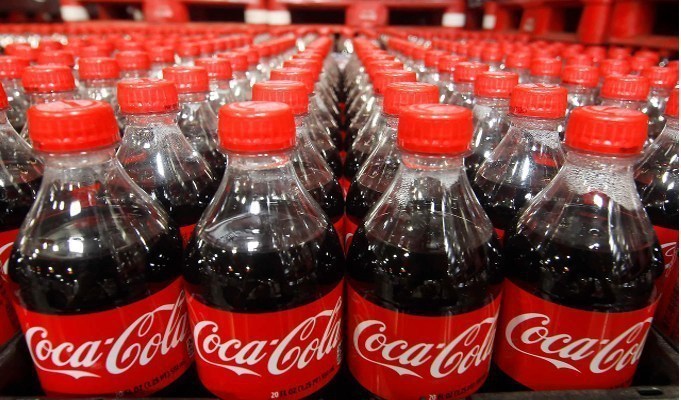
    Processed food prices rose in January, with soybean paste, sugar and cola all jumping up around 10 percent compared to a year earlier. The Korea Consumer Agency (KCA) said Monday that 18 of 26 major processed foods measured both in 2018 and 2019 cost more in January than the previous year. The highest price hikes on year included sugar at 11 percent, soybean paste at 9.8 percent and cola at 9.7 percent. Among processed grain foods, instant rice products rose the most, by 5.6 percent. Prices for cup ramyeon noodles, one of the country’s favorite snacks, rose 3.4 percent.

    The KCA releases prices for a basket of around 30 major processed food categories every month. The basket price data serves as a separate indicator of real price changes for consumers. Other tracked products include beer, coffee mix and curry.

    Compared to the previous month, the average basket price for January rose 0.2 percent to 122,686 won ($109) from 122,491 won. Soybean paste prices rose on month by 4.7 percent and curry by 1.4 percent. Average cola prices rose 6.0 percent from December. The soft drink’s price rose last month after two months of declines.

    The KCA reported that the basket’s price was most affordable from large retail stores compared to traditional markets, department stores and large-size supermarkets.

    Meanwhile, products that declined in price on year included cooking oil at minus 6.1 percent, orange juice at minus 5.3 percent and red pepper paste at minus 4.9 percent.

    The data comes as consumer prices for January rose by 0.8 percent from 2018, according to Statistics Korea. The consumer price index for “living necessity food” rose 2.6 percent last month from the previous year.

  • Amazon enjoys positive performance with increases in sales, profit

    Amazon enjoys positive performance with increases in sales, profit

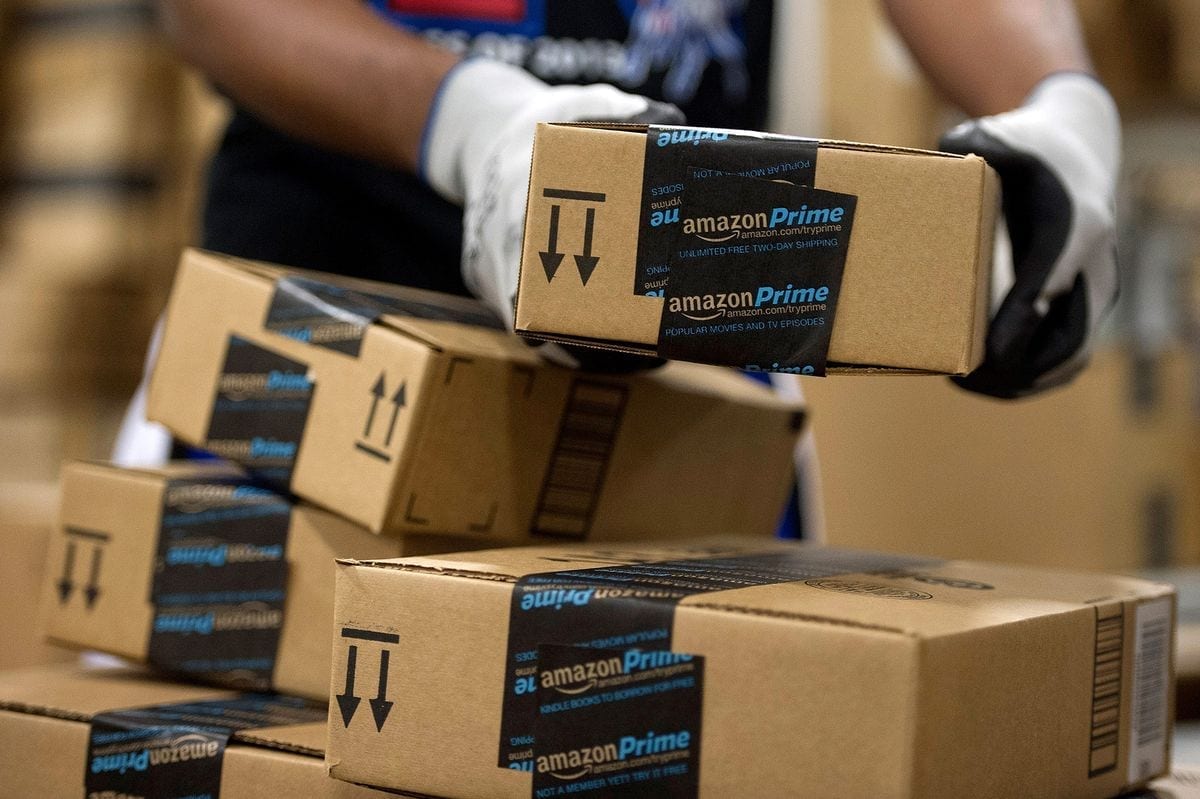
    Global online shopping platform Amazon reported growth in both net sales and profit for the fourth-quarter 2018 and full-year, adding its Alexa use and Prime membership continues to thrive, particular in the all-important holiday season. For the fourth quarter ending December 31, net sales increased 20% to $72.4 billion in the fourth quarter, compared with $60.5 billion in fourth quarter 2017. Excluding unfavourable foreign exchange rates, sales increased 21%.

    Amazon said net income for the quarter increased to $3 billion in the fourth quarter, or $6.04 per diluted share, compared with net income of $1.9 billion, or $3.75 per diluted share, in 2017.

    For the twelve months ending December 31, Amazon’s net sales increased 31% to $232.9 billion, up from $177.9 billion in 2017. Excluding the $1.3 billion favorable impact exchange rates, net sales increased 30% compared with 2017.

    For the full-year 2018, Amazon’s net income increased to $10.1 billion, or $20.14 per diluted share, compared with net income of $3 billion, or $6.15 per diluted share.

    In the earnings announcement, Amazon’s founder and CEO Jeff Bezos, praised the recent holiday season, in particular, the Amazon customer uptake of Alexa, the voice activated shopping device and its associated Echo products.

    “Alexa was very busy during her holiday season. Echo Dot was the best-selling item across all products on Amazon globally, and customers purchased millions more devices from the Echo family compared to last year,” said Bezos.

    “The number of research scientists working on Alexa has more than doubled in the past year, and the results of the team’s hard work are clear. In 2018, we improved Alexa’s ability to understand requests and answer questions by more than 20% through advances in machine learning, we added billions of facts making Alexa more knowledgeable than ever, developers doubled the number of Alexa skills to over 80,000, and customers spoke to Alexa tens of billions more times in 2018 compared to 2017. We’re energized by and grateful for the response, and you can count on us to keep working hard to bring even more invention to customers,” he added.

    Other highlights for Amazon in 2018 included the increase in Prime memberships. During the holiday season alone, tens of millions of customers worldwide started Prime free trials or began paid memberships. More customers signed up for Prime worldwide in 2018 than ever before, said Amazon.

    In Asia, Amazon Fashion launched Prime Wardrobe in Japan, allowing Prime members to order clothing, shoes, and accessories and only pay for what they keep.

    Looking ahead to the first quarter 2019, net sales are expected to be between $56 billion and $60 billion, up 10% to 18% compared with first quarter 2018. Meanwhile, operating income is expected to be between $2.3 billion and $3.3 billion.

  • LG Electronics to debut dual display phones

    LG Electronics to debut dual display phones

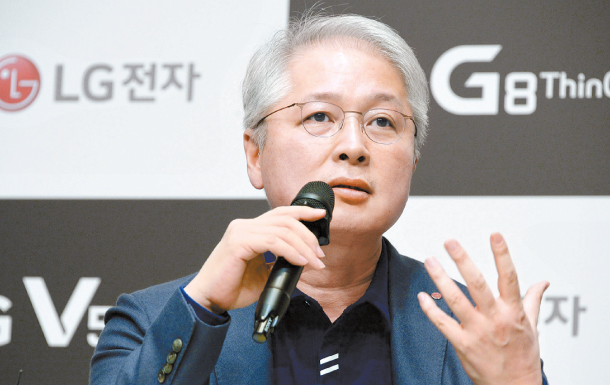
    LG Electronics’ major release of the year will be dual display smartphones, which the company hopes will recover its reputation as consumers flock to next-generation 5G smartphones. “There were internal discussions on releasing foldable phones at the same time but we concluded not to apply the form to early 5G models,” said LG Electronics President Brian Kwon during a press conference at LG Science Park in Magok, western Seoul, Friday.

    The event was the first time since he was appointed to head the smartphone business in November that Kwon shared future strategies for mobile business in front of the local press.

    “Our direction will allow consumers to enjoy 5G network content through dual displays to be showcased at the Mobile World Congress (MWC).”

    “Speaking of displays for early 5G phones, a major question to ask is whether we really need them, is there enough user content that requires such screens? In that perspective, I believe it’s too early to present [foldable phones,]” he added. “In terms of technology, we’re already prepared to make foldable and rollable screens.”

    Changes in form, especially screens, will be a major attraction point at this year’s MWC, the world’s largest trade show for phones. Samsung Electronics and Huawei will be rolling out foldable phones that come with two screens overlapping one another.

    LG’s dual display phone is rumored to come with a separate second screen that can be attached to the back or beside the main screen, although the company did not confirm the details. Its price remains undecided but Kwon said internal discussions were ongoing over whether to set it above or below $1,000.

    The form-factor competition comes in line with the commercialization of 5G networks expected to be realized this year. 5G will transfer data at an extremely high speed, enabling smartphone users to enjoy movies and games at unmatched quality and speed. Phone makers are eyeing the opportunity to win over consumers as they upgrade their phones to models that support 5G.

    LG’s strategy for this generation shift is “two track,” Kwon said Friday. Apart from the dual display phones, the V50 ThinQ 5G and the G8 ThinQ will also be showcased at the MWC. They are the latest models from the company’s high-end V and G lineups. V50 will support 5G networks, while the G8 will remain a premium phone for 4G, or LTE, network users.

    Underlying the two-track strategy is an uncertainty about how fast it will actually take for 5G infrastructure and related services to expand and how many consumers will jump from 4G to 5G.

    “Our plan for the year’s first half is to release the V50 to tackle the 5G market but our direction for the second half will depends on the 5G market,” said Kwon. “If it expands quickly we’ll look into developing a lower priced model that supports the network; if it doesn’t we’ll still have the 4G lineup.”

    LG’s smartphone business has been in the red for 15 consecutive quarters as of last year. Kwon was successfully heading the company’s television business when he was appointed to additionally take charge of the mobile division three months ago.

    “It’s true that industry insiders are hoping the 5G era will push growth of the smartphone market but as there also conservative projections, our goal for the year is not to make a drastic turnaround in the business but to see sales grow and restore our reputation in the smartphone market,” said Kwon.

  • LVMH registers company called “Project Loud” with Rihanna

    LVMH registers company called “Project Loud” with Rihanna

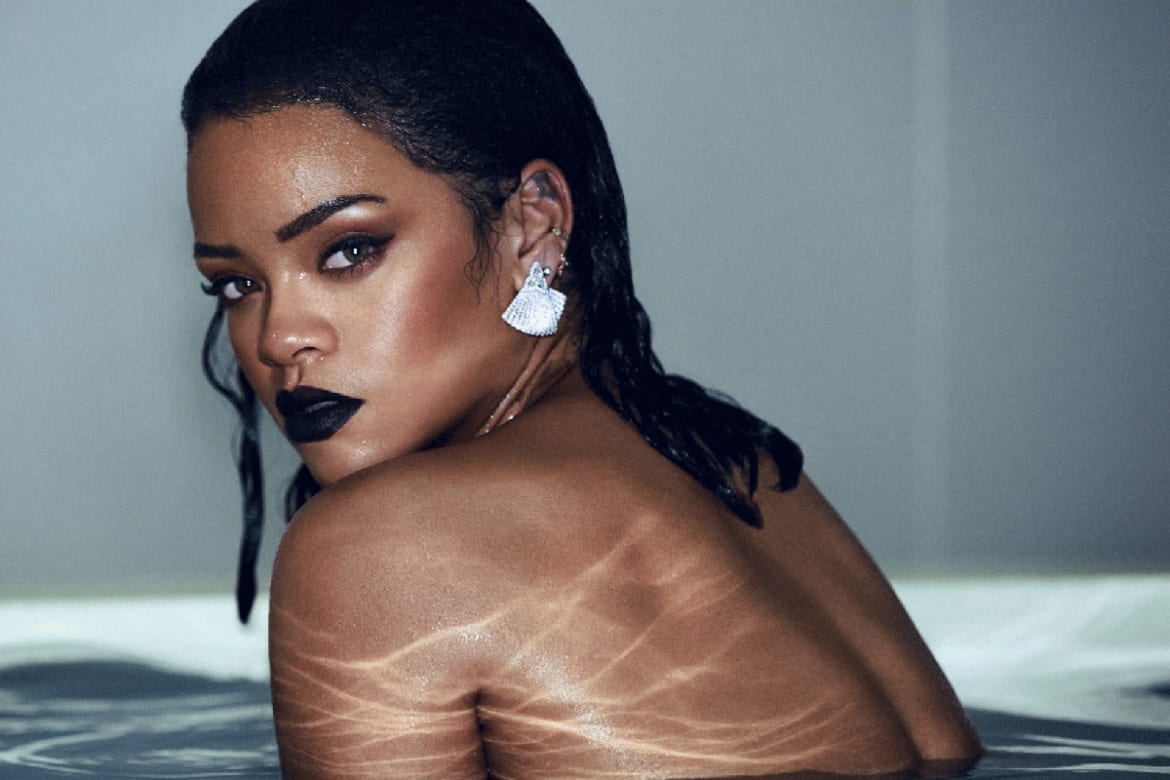
    Plans by luxury fashion house LVMH to quietly collaborate with popular celebrity Rihanna on a new fashion business have been exposed, according to Fashion United. Citing a Fashion Network report on the partnership, the website reveals that the new fashion company Project Loud – originally registered as a shell firm in 2017 – took in a €60 million (US$67.8 million) capital investment from LVMH last year. The firm’s president was shown to be senior LVMH executive Jean-Baptiste Voisin.

    Rihanna’s Fenty line – which, according to LVMH chairman Bernard Arnault achieved €500 million in sales last year – was also launched with the support of LVMH. Its Fenty x Puma collaboration in 2017 resulted in a boost in Puma sales by 23 per cent.

    The success of Fenty indicates high potential sales volumes for Project Loud and bodes well for this latest LVMH investment.

    News of the collaboration first broke in January when online portal WWD and the New York Times cited multiple unnamed sources confirming plans.

    Writer Vanessa Friedman flagged the question “Is Rihanna the Coco Chanel of the 21st century?” in a feature published last month.

    “Robyn Rihanna Fenty, one of the defining musical artists of the millennium and a multi-hyphenate talent, has no formal fashion training. What she does have is a clear vision for her own image, 14 No. 1 singles on the Billboard 100 chart and more than 50 Top 40 hits, 67 million Instagram followers, and an ability to disrupt the status quo,” Friedman wrote.

    “While the details of the agreement remain unclear, it is a turning point in both fashion and fame.

    “The combination of Fenty and LVMH will be the clearest expression yet of how celebrity, social media and influencers have redefined the power balance between culture and consumption, changing the way brands of all kinds relate to their audience,” wrote Friedman.

  • Farfetch announces the first chief fashion officer

    Farfetch announces the first chief fashion officer

    The close relationship between luxury e-tailer Farfetch and Browns, the physical store that it acquired back in 2015, has become even closer with Browns’ CEO Holli Rogers having taken up a new role at the parent company. Rogers will stay on as the senior manager at Browns but has also become chief fashion officer at Farfetch, which will see her working closely with the e-tailer’s marketing, styling and VM teams “to ensure the company’s fashion approach is incorporated into the DNA of the overall customer experience of the brand”.

    Rogers, who was formerly Net-a-Porter fashion director, has had an impressive career at the cutting edge of both luxury physical retail and high-end e-tail. She has also worked at Neiman Marcus and Chanel.

    Farfetch CEO and founder José Neves said she “could bring her unique experience to the broader Farfetch business at an executive level. [Her] reputation, high regard among fashion CEOs, influencers and the wider industry, her relationships and her incredible aesthetic will be a huge benefit to Farfetch.”

    It is clear that she’s highly regarded at the company after having overseen a number of success for Browns from the opening of the Browns East location to the revamped visual image, launching collaborations at home and abroad and continuing to nurture new names.

  • Kerry Logistics expands e-commerce fulfilment through E-Services Group JV

    Kerry Logistics expands e-commerce fulfilment through E-Services Group JV

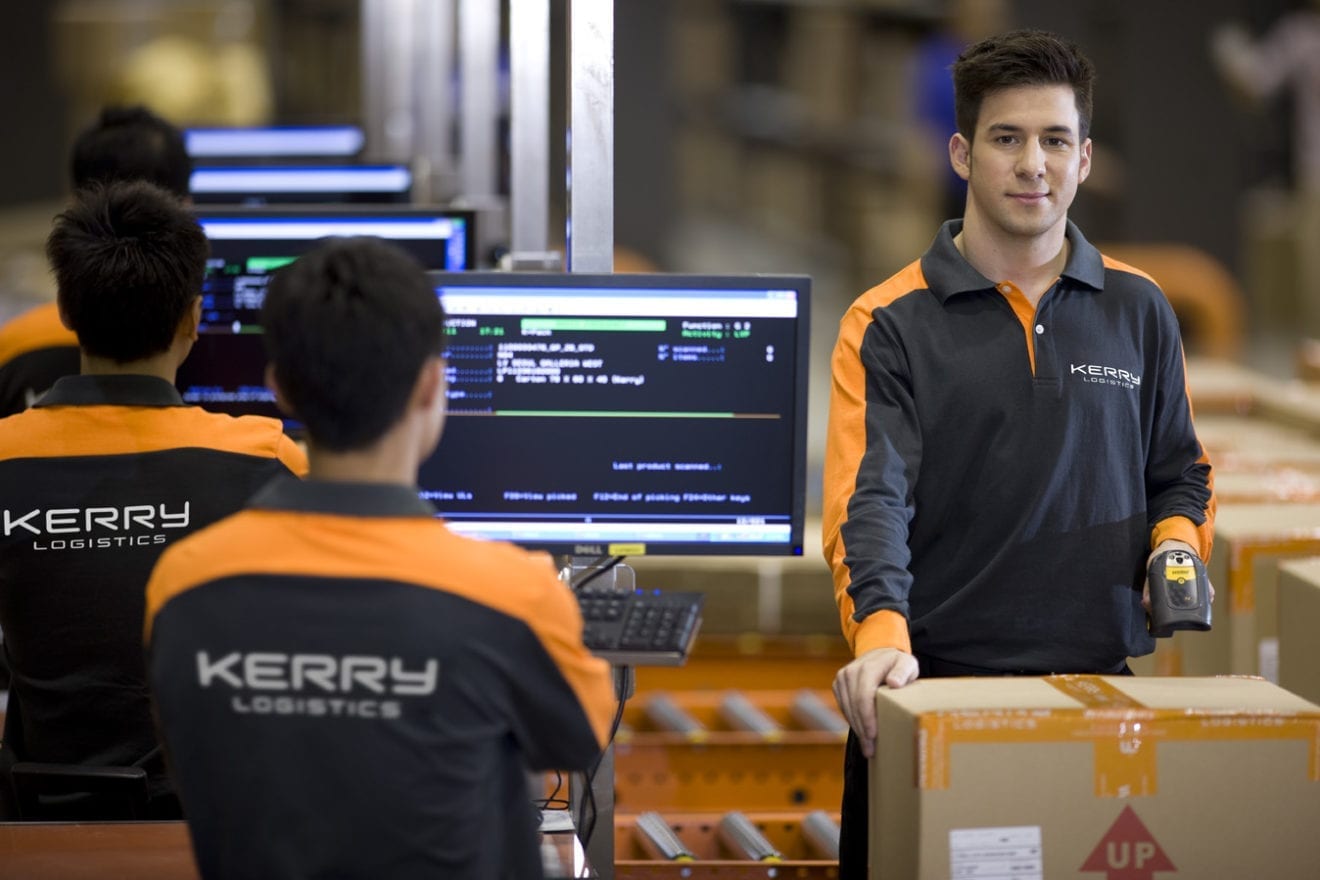
    Hong Kong-based Kerry Logistics is expanding its e-commerce fulfillment capabilities through a joint venture with Asian e-commerce specialist E-Services Group. Their joint venture, Kerry ESG (HK) Company Limited, will combine Kerry Logistics’ global supply chain capabilities with ESG’s technology platform, global marketplace networks, and e-commerce expertise to offer etailers cost-efficient solutions internationally.

    ESG, founded in 2002, claims to be ‘the leading international end-to-end e-commerce company in Asia’, headquartered in Hong Kong, with offices in China, Singapore, and Taiwan. As the strategic partner to over 20+ leading global marketplaces such as Rakuten, JD.id, and Cdiscount, ESG not only enables its 28,000+ etailers to grow their businesses internationally through marketplaces, but also supports them with comprehensive shipping solutions.

    Kerry ESG, set to debut in March 2019, aims to become one of the leaders in global e-commerce fulfillment solutions, enabling etailers to deliver products to customers anywhere in the world quickly and cost-effectively. Through direct integration with leading shopping carts and global marketplaces, etailers using Kerry ESG’s services will be able to seamlessly manage their order fulfillment, inventory, and returns to and from multiple logistics centres through one platform.

    William Ma, Group Managing Director of Kerry Logistics, said: “We are thrilled about the growth opportunities in global e-commerce. With Kerry ESG, we are creating a unique platform with total solutions from upstream marketing to downstream logistics that will capitalise on the booming international marketplace model to facilitate the exports for our international brand customers. Combining forces as industry leaders, Kerry Logistics and ESG are well-positioned to unlock the potential in the market with this new joint venture.”

    Alan Lim, Founder and CEO of ESG, added: “Winning at e-commerce means getting every piece of the puzzle right, and fast, reliable fulfillment is a critical component of success. This partnership gives etailers access to an extensive distribution network to support e-commerce fulfillment in every market and with every online channel. With Kerry Logistics we have found a great partner, whose capabilities complement ours and whose culture and vision matches that of our team. I am excited about how we can grow this business together.”

    Kerry Logistics said it has identified cross-border e-commerce, particularly between Greater China and ASEAN, as a major growth sector which plays to its strengths. The new partnership with ESG, which is the official partner of leading marketplaces including JD.id, Rakuten, and Newegg.com, will play a pivotal role in strengthening the foothold that the two companies have in this area.

    Kerry Logistics has a network covering 53 countries and territories, and is managing 53 million sq ft of land and logistics facilities worldwide.

  • eat darling eat opens in Hong Kong

    eat darling eat opens in Hong Kong

    This February, foodies in Hong Kong will salivate over scrumptious treats and desserts at eat darling eat, the new Causeway bay eatery that is bringing a playful twist on iconic Chinese desserts to spread love and evoke warm childhood memories.

    The 1,300 ft design-centric space is bold, surreal and out of the ordinary, sharing an array of lip-smacking treats with an eclectic twist. Situated in Fashion Walk, eat darling eat is the latest addition under Ming Fat House. The dessert spot is further enhanced by the interior design, with large playful stickers on the walls, and creative food photographs that make visitors do a double take. At eat darling eat, all delicious culinary creations are all about stimulating the senses, each of them made with utmost care and loving attention.

    eat darling eat’s extensive menu features iconic Hong Kong desserts such as the homemade fluffy Pineapple Buns (HK$38) that are quintessential to the city, filled with pineapple custard. Chinese “tong sui” desserts get a modern reinterpretation with such intriguing combinations such as double-boiled Papaya (HK$68) with snow fungus, candied papaya and mascarpone cheese. Sweet Potato (HK$68), a sweet potato soup playfully pairs with a luscious chocolate cake and taro ice cream; and Red Bean (HK$68), mixed with tangerine peel soup with a scoop of matcha ice cream.

    Other signature creations are home-made icy treats that have a modern flavour. Set to become a favourite is the Double-strength Milk (HK$48), that features two scoops of the milk flavoured ice cream that are infused with Chinese rice wine. Sichuan Pepper (HK$48), with scoops of the ice cream that bring out the spicy taste of Sichuan peppercorns and complemented with the sweetness from candied bacon.

    The icy treat that is sure to be popular amongst the fans is the Chinese Ginger Vinegar (HK$48), creatively topped with crispy pork skin. Inspired by a traditional Cantonese dish that is typically shared by new mothers to celebrate the arrival of a newborn baby, this trail blazing creation promises a spoonful to remember.

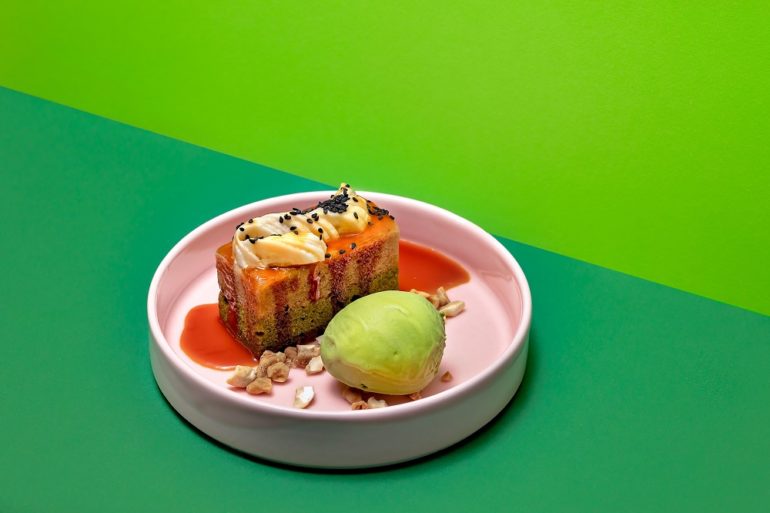
    Other delectable desserts include the Lava Cake (HK$78), featuring a decadent Valrhona dark chocolate filled cake with the earthy taste of walnut soup, and Matcha Cake (HK$58), a sweet caramel sponge cake topped with caramelised banana, and finished with scoops of matcha ice cream.

    “At eat darling eat, we strive to bring the element of traditional Hong Kong desserts that not only touch the heart, but also add a modern twist that will create new memories for our customers,” explained Jonathan Bui, owner of eat darling eat.

    The creative talent behind these quirky and tasty desserts is Executive Chef Jason Luk who tucked international experiences under his sleeve having worked in Bangkok, Shanghai and Miami. In Hong Kong he has honed his skilled at The Drawing Room and Zuma Hong Kong and brings a limitless array of culinary ideas at eat darling eat.

    “While living abroad, I learned a lot about desserts in other places, but at the same time I missed eating food from home. Since coming back to Hong Kong, I want to share the recipes from my experiences and present them to foodies in Causeway Way, which is the perfect place to showcase new and exciting trends and styles,” says Jason.

    eat darling eat offers guests a respite from busy Causeway Bay with its whimsical interiors that mirror the eclectic menu. The design draws inspiration from the experimental Post-modern era, incorporating designs, shapes and colours that challenge convention.

    The interior highlights split-level architecture, where the lower level entrance area is an open concept, while the upper space is framed as a theatre featuring fluorescent colours and reflective surfaces. The overall design is bold, surreal and out of the ordinary, emphasizing the creativity of the desserts.

    While eat darling eat offers mainly fun and playful desserts, it also offers savoury dishes for lunch and dinner that can be chosen from the a la carte menu and signature lunch menu alongside an extensive coffee, tea and cocktail menu. eat darling eat invites diners to take a break, slow down, and savour the moment in the midst of the hustle and bustle of Causeway Bay.

  • 97-year-old style icon Iris Apfel signs with IMG Models

    97-year-old style icon Iris Apfel signs with IMG Models

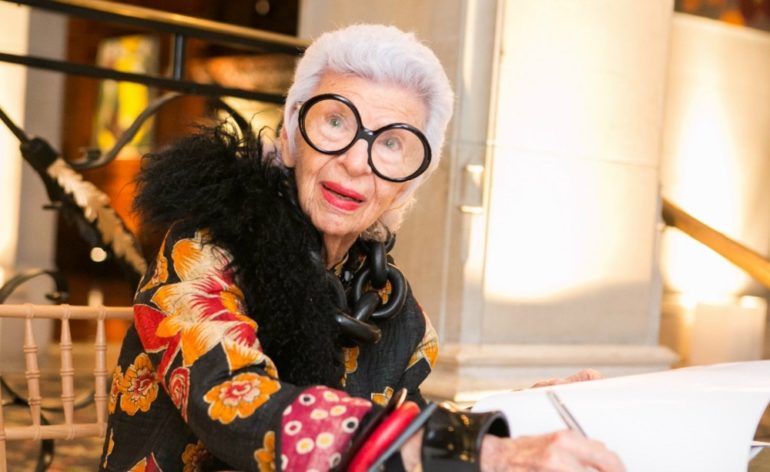
    The nonagenarian fashion icon had been modeling for major fashion and beauty brands for years, but last week it was announced that she is newly represented by IMG Models — the same agency that managed the careers of Gigi Hadid, Karlie Kloss, and Miranda Kerr, among many others. Even as she is pushing 100, Apfel shows no signs of slowing down, and told WWD she is very excited about her new deal.

    IMG will represent her for modeling, appearances, and endorsements — though do not expect to see her strutting her stuff on the catwalk.

    “How can I compete on runway? That’s ridiculous,” she said. “We’ll be doing hopefully collaborations, or maybe I’ll be a spokesperson. I leave it to them. They know better than I.”

    “I’ve had all kinds of interesting commissions in my limited career. Everything from vodka and automobiles to beauty products, and I’ve also had a number of interesting collaborations with big stores like Bon Marché in Paris, the Landmark Mall in Hong Kong, Macy’s and Bergdorf Goodman.”

    Over the past decade, in particular, Apfel has modeled for a seriously impressive roster of big-name fashion and beauty brands.

    Sheis faced campaigns for Kate Spade, MAC Cosmetics, Alexis Bittar, Macy’s INC, Blue Illusion, HSN, Le Bon Marché, and the German brand Aigner.

    In each one, she showed off a facet of her style, including her signature over-sized round glasses.

    For several, she posed right alongside models a quarter of her age, including Karlie, Toni Garnn, Tavi Gevinson, and Jourdan Dunn.

    And no one is as surprised by her late-in-life modeling career than Apfel herself. Though she had a long career in fashion, it was owning her own textile company, Old World Weavers, from 1950 that kept her in the fashion world.

    “I never expected my life would take this turn so I never prepared for it. It all just happened so suddenly, and I thought at my tender age, I am not going to set up offices and get involved with all kinds of things,” she said.

    “I thought it was a flash in the pan, and it is not going to last. Somehow, people found me. People would just call. Tommy Hilfiger said that was no way to do it, and he put us together. I am very excited and very grateful.”

    In addition to modeling, she also designs her own clothing and accessories line for HSN and published a book last year.

    Her new agency is home to an impressive list of stars, inducing Alessandra Ambrosio, Ashley Graham, Amber Valletta, Barbara Palvin, Bella Hadid, Candice Swanepoel, Elsa Hosk, Gisele, Hailey Bieber, Joan Smalls, Kaia Gerber, Kate Moss, Lily Aldridge, Martha Hunt, Rosie Huntington-Whiteley, Stephanie Seymour, and Thylane Blondeau.

    The have also signed another mature model: Elon Musk’s 70-year-old model Maye Musk.
  • Empire State Building Store sets tourist retail benchmark

    Empire State Building Store sets tourist retail benchmark

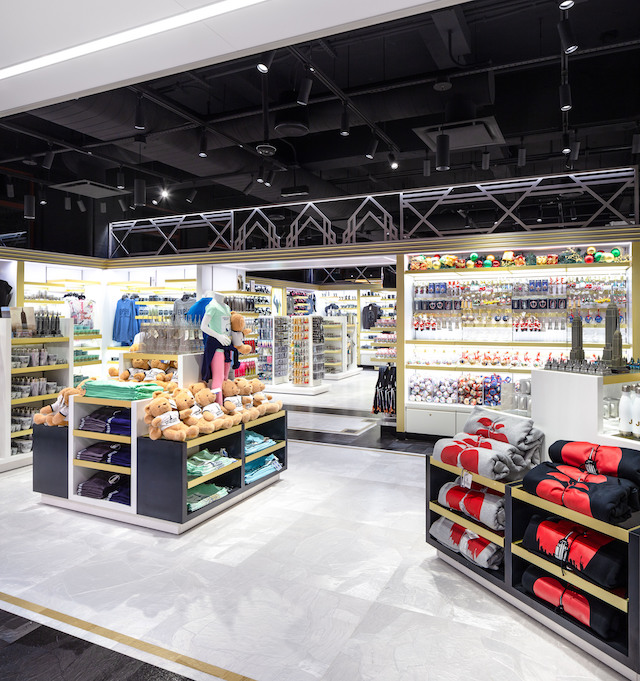
    North American travel retail firm Hudson Group has announced the unveiling of the Empire State Building Store, part of the reimagined Empire State Building Observatory experience. The newly renovated 4500sqft retail space offers more than 800 items exclusive to the property, including destination mementos, curated souvenirs, and modern luxury, as well as a new shop-in-shop experience, Empire on Fifth.

    “With our US$160 million Observatory upgrade, the redesign of the Empire State Building Store elevates the retail experience at the building and caters to our guest’s interests,” said senior VP of the Observatory Jean-Yves Ghazi.

    “From the King Kong section to exclusive merchandise from top brands Baccarat Crystal, Puma, Swarovski and more, there truly is something for everyone”.

    The Empire State Building Store is one of more than 300 specialty retail locations operated by Hudson Group.

    “Hudson Group is elevating the gift store experience in our properties across North America by bringing 30 years of travel retail experience to tourism,” said Hudson Group CEO Roger Fordyce. “We could not be prouder to partner with Empire State Realty Trust to offer this new amenity to visitors at the most recognised building in the world, the Empire State Building”.


  • First Vietnamese to enter 200 richest people in the world list

    First Vietnamese to enter 200 richest people in the world list

    Pham Nhat Vuong is the first Vietnamese to enter the list of the world’s 200 wealthiest people. He has an estimated worth of $7.5 billion. Vuong, who heads the Vingroup conglomerate, is 198th on the real time billionaires ranking updated by Forbes magazine on Saturday. His net worth has increased by $3.2 billion over last year when he topped Forbes’s list of four Vietnamese billionaires.

    A 13 percent increase in the value of Vingroup’s shares in the first week after Vietnam’s stock market reopened following a 9-day Tet (Lunar New Year Festival) break has been a factor in boosting Vuong’s net worth and catapulting him into the top 200 list.

    Price of Vingroup’s share (VIC) stood at VND112,000 ($4.82) at the end of the trading session last Friday.

    Vingroup, one of Vietnam’s largest real estate conglomerates, has been expanding rapidly into retail, logistics, agriculture, education and healthcare sectors. Vuong was first mentioned as a billionaire on the Forbes list in 2013 with a net worth of $1.5 billion, ranking 974th richest in the world.

    Nguyen Thi Phuong Thao, the other Vietnamese billionaire and owner of budget carrier Vietjet, is 1,014th on the Forbes list of global billionaires with assets worth around $2.3 billion.

    Topping the Forbes list was Amazon founder Jeff Bezos, who became world’s first centi-billionaire with a net worth of $133 billion, up $21 billion from 2018. Bill Gates, Microsoft’s co-founder, was in second place with a net worth of $97 billion.

  • 7-Eleven may make India foray with Future Group

    7-Eleven may make India foray with Future Group

    Convenience store chain 7-Eleven is holding advanced talks with India’s Future Group to enter the territory. The parties may announce an agreement to launch a network of 7-Eleven India stores next month, according to inside reports. Future Group would operate small format stores as a master franchisee, with a focus on food retailing. The partnership is expected to help Future extend its reach to buyers beyond its own existing store network.

    “Future Group has a number of neighbourhood stores through their own format launches and through acquisitions”, observed Devangshu Dutta, CEO at consultancy firm Third Eyesight. “Some of them could surely be repurposed to 7-Eleven convenience stores, while there could be other franchisees appointed for specific sites or territories,” he said.

    “However, becoming a franchisee entails costs and restrictions. The question is whether there is enough margin available in the business to allow for so many tiers of stakeholders.”

    7-Eleven India potential partner Future Group runs 1,444 stores in 409 cities, specialising in food and grocery retailing.