Tag: lifestyle

  • Rolls-Royce agrees to follow Korea’s lemon law

    Rolls-Royce agrees to follow Korea’s lemon law

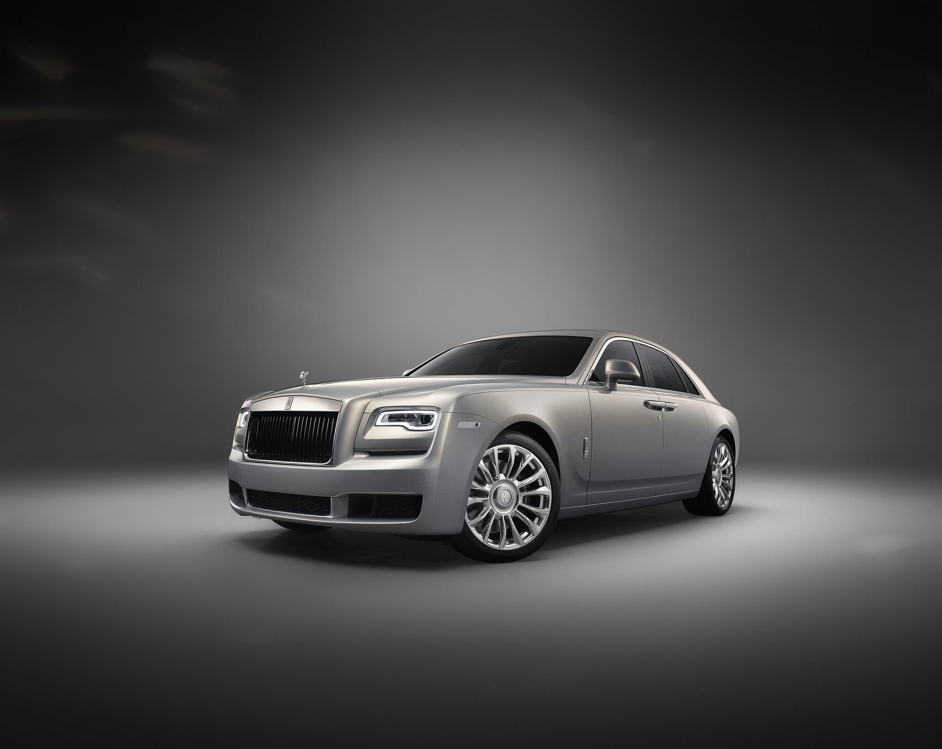
    Rolls-Royce announced Wednesday it will follow Korea’s voluntary lemon law for automakers, making it the first foreign luxury brand to accept the newly introduced regulation. Korea’s revised automobile management law, enacted last month, forces complying automakers to replace or refund recently purchased vehicles that repeatedly exhibit problems, similar to lemon laws in the United States.

    While most local automakers have adopted the rule, Volvo has been the only overseas brand to do so.

    The U.K.-based automaker said it will abide by the country’s revised auto guidelines to strengthen its quality commitment to Korean customers.

    “Rolls-Royce will be the first luxury brand to accept the amended automobile management act,” said Rolls-Royce Motor Cars CEO Torsten Muller-Otvos at a launch event on Wednesday for the automaker’s showroom in Cheongdam-dong, southern Seoul.

    “It is our responsibility … to reassure our Korean customers that we will stand by our promise of ultimate quality,” added Muller-Otvos.

    Foreign automakers’ reputations took a blow in Korea last year. BMW Korea conducted two series of recalls after its vehicles began bursting into flames due to component defects.

    The Korean unit of Mercedes-Benz was fined 2.8 billion won ($2.5 million) in December for violating environmental and customs law regarding emissions certifications.

    BMW was fined for similar reasons at the start of this year.

    The quality push from Rolls-Royce comes as the luxury automaker achieved record sales figures last year in the Korean market as foreign imported vehicles continue to grow in popularity.

    According to the Korea Automobile Importers & Distributors Association, Rolls-Royce sales in the domestic market grew 43 percent to 123 units last year from 86 in 2017. Foreign auto imports increased by 11.8 percent.

    The luxury automaker’s performance in the Korean market last year outpaced its 22 percent growth in global sales.

    According to Rolls-Royce, the brand’s sales grew at a rapid pace in Korea last year thanks to an expanded lineup, including the Phantom.

    The CEO said he expects the company’s performance in the country to continue to improve.

    “Korea is a very important cornerstone in our Asia strategy,” said Muller-Otvos. “We might even see at a certain moment Korea overtaking the Japanese business in terms of size.”

    The luxury automaker’s chief also emphasized the automaker’s commitment to the luxury sector as the auto industry braces for major changes.

  • Japanese Brand Muji Will Open First Vietnam Store in 2020

    Japanese Brand Muji Will Open First Vietnam Store in 2020

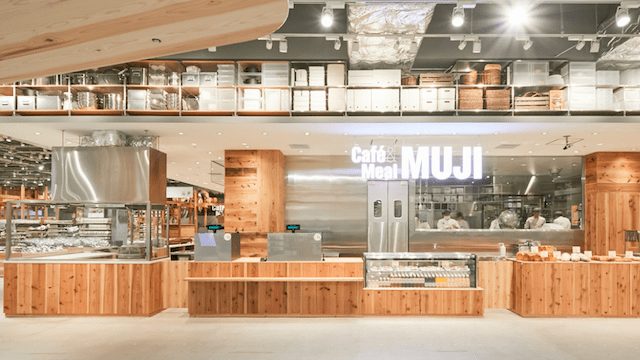
    Japanese household goods and apparel chain Muji plans to open in Vietnam next year. The company will establish its subsidiary Muji Vietnam this August with headquarters in Ho Chi Minh City. The first store is scheduled to open in the second quarter. Muji’s parent Ryohin Keikaku says it chose Vietnam as Muji’s next overseas market because of the country’s fast-paced development. Vietnam has the third-largest population in ASEAN and is undergoing rapid economic growth.

    “From our business’ point of view, it is one of the major markets in ASEAN, with the estimated real GDP growth of 7.1 per cent last year,” the company said in a statement released in Japan.

    “We expect that our experience and knowhow in the global market will help in running stores that serve everyday living and [that will] increase Muji’s fans in the area.”

    Muji products are among the most popular items hand-carried back into Vietnam from travellers visiting countries such as Thailand, Singapore, Hong Kong and the Philippines.

    The opening of first Muji Vietnam store is expected to attract many Vietnamese youngsters, with the minimalist lifestyle reflected in the retailer’s product range currently a trend in the country.

    Muji has more than 450 stores in Japan, and 470 stores in other countries.

  • Footasylum shares soar after JD Sports takes stake

    Footasylum shares soar after JD Sports takes stake

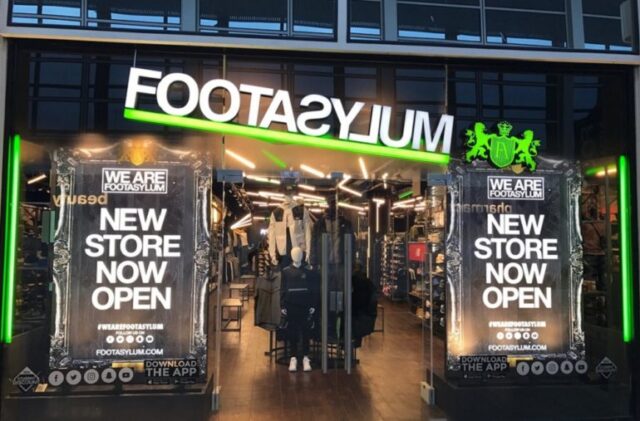
    Shares in Footasylum soared after British retailer JD Sports said it had acquired an 8.3 percent stake and could buy nearly 30 percent of its smaller rival. JD, which has used a number of corporate acquisitions to assemble its network of more than 2,400 stores over the past two decades, said that it “confirms it is not intending to make an offer for Footasylum” under merger regulations.

    But investors drove shares in the company, which is listed on the secondary market of the London Stock Exchange, rose 58.6 percent to 46 pence in the first hour of trading.

    Footasylum, started by JD Sports co-founder David Makin in 2005, was forced to cut prices at its 60 stores after a disappointing run up to Christmas which saw British consumers rein in spending.

    It now competes with JD Sports, Sports Direct and Asos among others, which are all feeling the impact of sluggish British consumer spending amid squeezed household incomes and uncertainty ahead of Britain’s impending exit from the European Union.

    Makin and fellow JD Sports founder John Wardle were bought out by the company’s current majority owners Pentland Group in 2005 and later resigned as directors.

    Footasylum said in January its full-year core earnings would come in at the lower end of analysts’ estimates.

    JD Sports shares were up about 1 percent at 454.03 pence.

  • Incheon Airport to add AI to security systems

    Incheon Airport to add AI to security systems

    Never mind airport security, artificial intelligence (AI) may also be rooting through your luggage in the near future at Incheon International Airport. Incheon International Airport Corporation said Wednesday it will incorporate AI into its security systems in a bid to improve accuracy in screening passenger luggage for prohibited items.

    The airport has already started working on the project to develop an AI-based X-ray screening system to be tested in the second half of next year.

    Instead of the existing system that relies on X-ray scanning, manual image checking by security officers and a final physical check, artificial intelligence will crosscheck the X-ray scan and the analysis will be available to officers along with the X-ray image.

    The first-stage AI scan is expected to complement and improve the accuracy of the security check as an officer will continue to be responsible for the final call to physically inspect luggage.

    The airport said it will apply deep-learning technology on over 600,000 pieces of footage of around 20 prohibited items and 20,000 commercially sold liquid products to develop an algorithm for imagery interpretation and improve the AI’s screening accuracy.

    The development project is expected to take two years overall, with a proof-of-concept system to take 10 months to develop.

    “By preemptively incorporating AI technology into security, [we] will strengthen airline security and plan to provide a safer and more convenient environment for passengers,” said Chung Il-young, CEO of Incheon International Airport Corporation.

    This will be the country’s first large-scale practical application of the technology, according to the airport.

    It is part of broader efforts to introduce a “Smart Security System” with the Ministry of Land, Infrastructure and Transport.

    The airport is also planning to introduce a tunnel security search system, the first of its kind, which will allow passengers to simply go through security checks by walking through a tunnel.

    The airport screened around 60 million pieces of luggage last year through the conventional X-ray system and found 3 million prohibited items such as firearms and swords.

  • Ikea to launch ‘intelligent curtain’

    Ikea to launch ‘intelligent curtain’

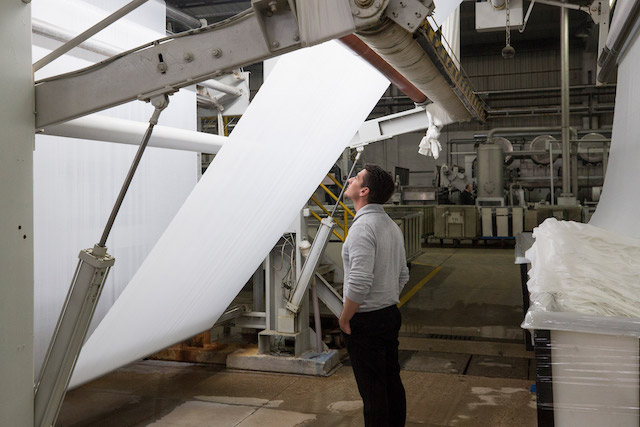
    Ikea has developed an ‘intelligent curtain’ capable of purifying air. The invention, coated with sunlight-activated minerals that break down airborne pollutants, has been developed in collaboration with several European and Asian universities. “By enabling a curtain to purify the air, we are creating an affordable and space-saving air purifying solution that also makes the home more beautiful,” said Ikea product developer Mauricio Affonso.

    The Gunrid intelligent curtain will be sold in stores next year and is expected to sell well in areas particularly affected by air pollution.

    According to the World Health Organisation, 91 per cent of humanity lives in areas affected by significant air pollution, which kills around 7 million people every year.

    “Gunrid is the first product to use the technology,” said Ikea’s head of sustainability Lena Pripp-Kovac, “but the development will give us opportunities for future applications on other textiles.”

    “We know that there is no single solution to solve air pollution. We work long term for positive change, to enable people to live healthier and more sustainable lives”, she said.

  • VinFast to test its first car for safety in Europe next month

    VinFast to test its first car for safety in Europe next month

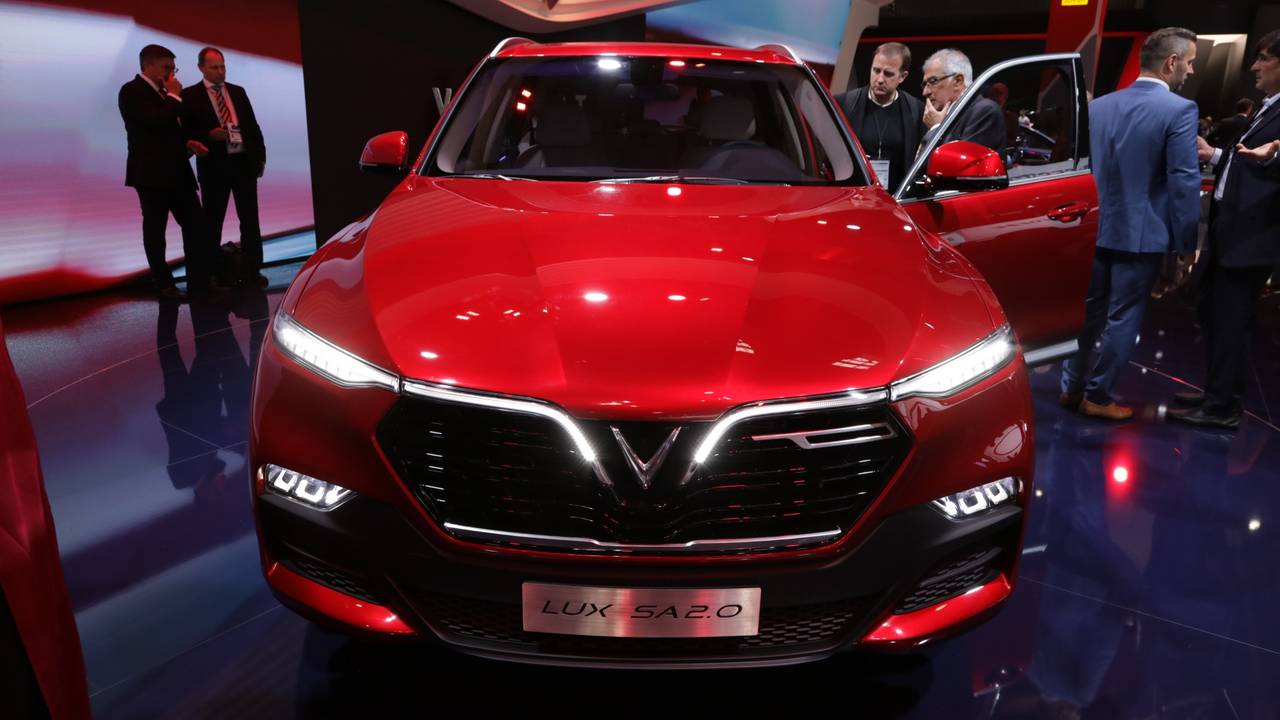
    VinFast, Vietnam’s first indigenous car manufacturer, plans to test its first vehicle for safety parameters in Europe on March 6. According to company executives, the vehicle will be tested for international standards to ensure its highest safety. This announcement came after VinFast’s Hai Phong factory successfully manufactured the first body shell of the Lux A2.0, a sedan, Wednesday.

    Shaun William Calvert, deputy general director in charge of production, said the first body shell meets the highest quality requirements.

    VinFast, the car manufacturing unit of Vietnam’s largest private conglomerate Vingroup, showed off its first two car models, a sedan and an SUV, at the Paris Motor Show in France last October just a year after the company’s incorporation, grabbing the attention of the local and international media.

    VinFast’s first cars are expected to hit the road in August 2019.

  • Armani’s pop-up opens in Thailand

    Armani’s pop-up opens in Thailand

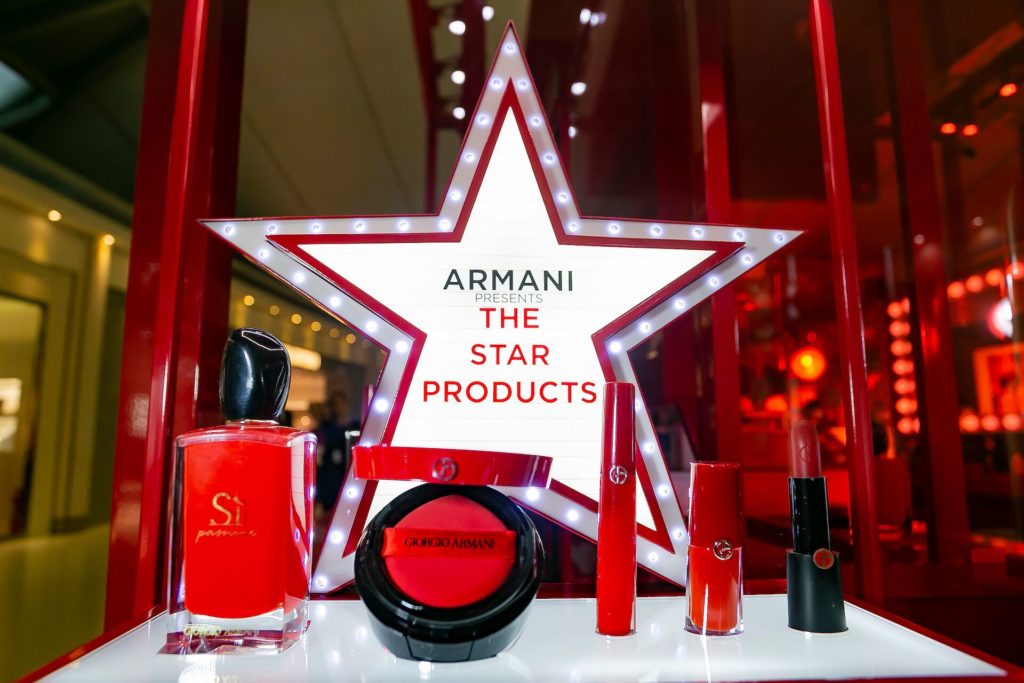
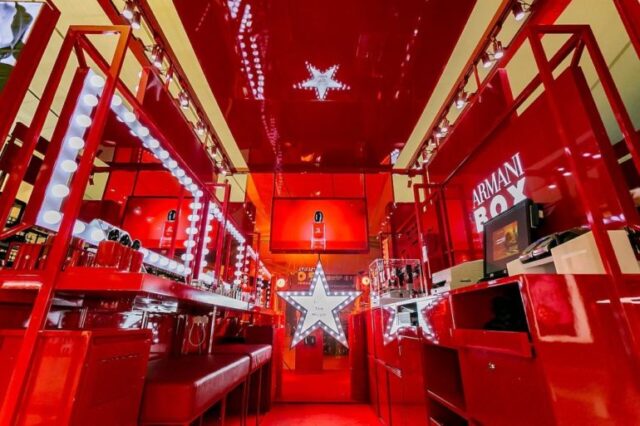
    Giorgio Armani beauty announces the opening of its itinerant pop-up store ARMANI BOX in Bangkok Suvarnabhumi Airport in Thailand. The opening of ARMANI BOX BANGKOK was celebrated on February 11th with a ribbon-cutting ceremony and an exclusive event in the presence of influencers from Thailand and China. During the event, the design of ARMANI BOX BANGKOK was revealed: with its hot red walls and black lighting fixtures, it is full of surprises. A giant gorilla, Uri, welcomes visitors as they enter the store: created by Italian artist Marcantonio Raimondi Malerba, the full-sized golden gorilla is a replica of the black one that resides in Giorgio Armani’s home in Milan. “This resin gorilla is a gift that came from a movie set. He’s called Uri”.

    It is hard to think about Giorgio Armani without bringing cinematic images to mind. The new ARMANI BOX experience allows the visitor to become a movie star with a series of details to explore: from the Walk of Fame digital handprint, to the backstage makeup stations, as well as a red carpet indicating the way. Visitors can also film their very own screen test, entering a director’s booth and playing with their emotions; portrait photos and videos will be available to keep, share and post online.

    The ARMANI BOX is a sensorial and playful immersion in Giorgio Armani beauty’s universe. Visitors can discover product exclusives included a limited edition version of its new lip product Rouge d’Armani Matte #400, and personalize their products with engraving.

  • Heineken Malaysia 2018 net profit up 4.6%

    Heineken Malaysia 2018 net profit up 4.6%

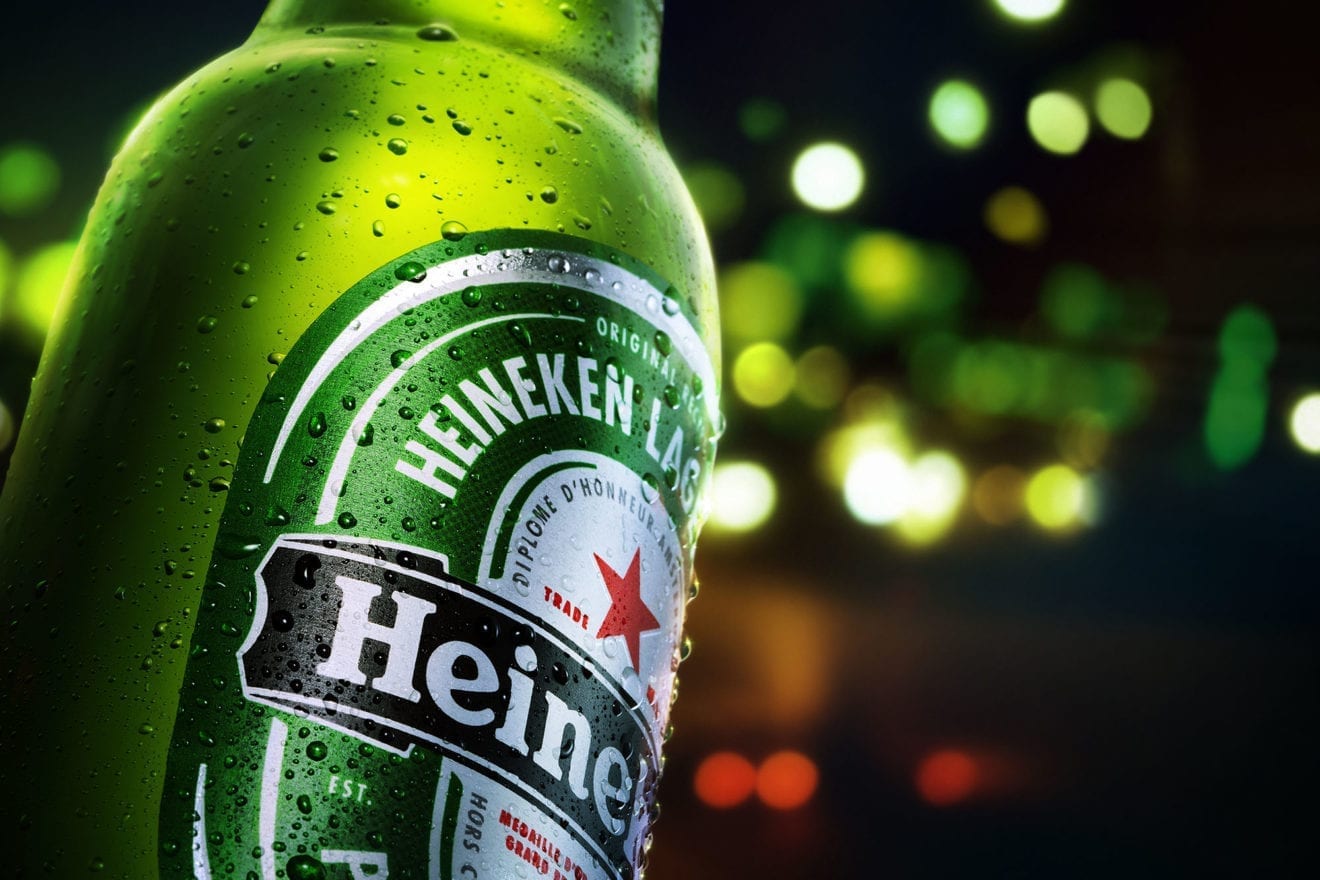
    Heineken Malaysia Bhd, which posted a 4.6% jump in its net profit for the financial year ended Dec 31, 2018 (FY18), remains cautious about its outlook given the challenging environment due to intense competition, implementation of the sales & service tax (SST), and the continued presence of contraband beer in the market. In line with rising global commodity prices, the group also expects an increase in cost of operations including raw materials and packaging.

    Finance director Szilard Voros said how the group will perform in FY19 also depend on the market, adding that it will benefit if consumers remain optimistic and if efforts to curb illicit trade are stepped up.

    “But we remain cautious because SST was just introduced in September so that also comes with a lag… we also need to see how things settle down after Chinese New Year and see what is the normalised performance and if there’s a growth continuation,” he told reporters at a media and analyst briefing today after announcing the group’s financial results.

    Managing director Roland Bala (pix) said the external environment remains challenging. Amidst slowing global growth rates, currency volatility and uncertainty in the commodity markets, he said the group will need to adopt a cautious approach in cost management.

    “Moving forward, we will continue to invest in our core brands and leverage on our portfolio. As consumer taste profile changes, we will make bets on brands that we believe will have scale,” he added.

    Heineken’s net profit for the fourth quarter ended Dec 31, 2018 grew 6.8% to RM100 million compared with RM93.64 million in the same quarter last year due to higher revenue as well as efficient and effective management of commercial spend and overheads.

    Group revenue grew 12.3% to RM662.28 million as compared to RM589.96 million in the same quarter in 2017 mainly due to increase in sales volume driven by the flagship Tiger brand.

    For the full year period, net profit grew 4.6% to RM282.2 million from RM270.06 million a year ago, while revenue rose 8.3% to RM2.03 billion from RM1.87 billion.

    It has proposed a final dividend of 54 sen per share for the quarter under review, bringing the full-year dividend payout to 94 sen.

  • CU convenience stores parent records sales leap

    CU convenience stores parent records sales leap

    The operator of South Korea’s CU convenience stores, BGF Retail, has achieved KRW189.5 billion (US$168.9 million) in operating profit last year, a leap of more than 600 per cent over last year. The company said on Tuesday its sales had risen by 515.3 per cent to KRW5.77 trillion ($5.14 billion). The results confirmed market predictions of a major upswing for the firm following demerging into separate holding and operating entities in November 2017.

    However, despite the improved trading figures, net profit dropped 98.1 per cent to KRW47.2 billion ($42.06 million). A statement by the firm explained that profits from some business activities made after the demerger had been attributed to the previous year’s statements.

  • Wing Zone reveals its Manila expansion plan

    Wing Zone reveals its Manila expansion plan

    US-based restaurant chain Wing Zone plans to open five more outlets in Manila by the end of this year ahead of pursuing more Southeast Asian opportunities. As Wing Zone opens new restaurants internationally, the company is exploring more local flavours and also plans to incorporate new menu options available in the US such as Zesty Breaded Wings and Chicken Ribs.

    “We have built a solid international presence and reputation with dedicated franchisees who share our values and understand the commitment to customer service. As we continue to find those qualified franchisees to help in our growth in the US we will be exploring even more partnerships to bring Wing Zone to more cities and countries internationally as well,” said Matt Friedman, co-founder and CEO of Wing Zone.

    Processed with VSCO with a6 preset

    In the US, Wing Zone will open eight new domestic locations in 2019 in North Carolina, South Carolina and Alabama. In Asia, after the Philippines, the chain will also explore other Southeast Asia markets.

    Wing Zone has nearly 100 locations across the US, and overseas including in Panama, Guatemala, Malaysia, Singapore and the Philippines.

  • Life after Karl Lagerfeld

    Life after Karl Lagerfeld

    Chanel has named Virginie Viard, Karl Lagerfeld’s closest collaborator for more than 30 years, as its new creative director, the French fashion house said in a statement following the death of the legendary designer. The move muffled speculation over whether Chanel might seek out another big name to replace Lagerfeld, who was 85 years old. Potential successors often cited by industry observers over the years included Hedi Slimane, now ensconced at Celine, as well as Phoebe Philo, the designer he replaced there, and Alber Elbaz, formerly of Lanvin.

    Those designers would likely have sought to bring their own vision to one of the world’s biggest luxury brands, with $9.6 billion in sales in 2017. Instead, Chanel’s owners, the billionaire Wertheimer family, emphasised continuity in appointing Viard, who the brand said in a statement had been “entrusted by chief executive Alain Wertheimer with the creative work for the collections, so that the legacy of Gabrielle Chanel and Karl Lagerfeld can live on.” The decision is in character for the Wertheimers, who waited 12 years after Gabrielle Chanel died in 1971 before appointing Lagerfeld in 1983.

    Viard, who has been called “Karl’s secret weapon,” joined Chanel as an intern in haute-couture embroidery in 1987, four years after Lagerfeld became creative director of the brand. (She was recommended for the job by a chamberlain of Prince Rainier of Monaco.) After working together at Chanel, Viard joined Lagerfeld at Chloé in 1992 — where he was also the head designer — and worked there for five years before returning to Chanel and working her way up to become director of the company’s fashion design studio.

    “Virginie is the most important person, not only for me but also for the atelier, for everything,” Lagerfeld said in a Netflix documentary released in 2018. “She is my right arm and even if I don’t see her, we are on the phone all the time.”

    Still, Viard remained largely in the shadow of her larger-than-life boss. “I hate being in the spotlight,” she said last year.

    In recent seasons, she began taking a bow with Lagerfeld at the end of each Chanel show, including the Chanel Métiers d’Art show in New York in December 2018, which marked the designer’s final runway appearance. At the end of Chanel’s haute couture show in January 2019, Viard stepped out solo to take a bow, raising concerns about Lagerfeld’s health and prompting the brand to issue a press release.

    Other fashion houses have tapped studio heads who have demonstrated their ability to channel a departed designer’s vision after their deaths, most notably Sarah Burton, the late Alexander McQueen’s right-hand, who was named creative director of the London-based fashion house after McQueen’s suicide in 2010.

    LVMH-owned Italian house Fendi, where Lagerfeld was the artistic director of women’s ready-to-wear and couture collections, has yet to announce a succession plan, saying it intends to take its time to pay the designer the homage he deserves. Fendi is to present Lagerfeld’s last collection on Thursday in Milan.

  • PortsPURE opens first store in Thailand

    PortsPURE opens first store in Thailand

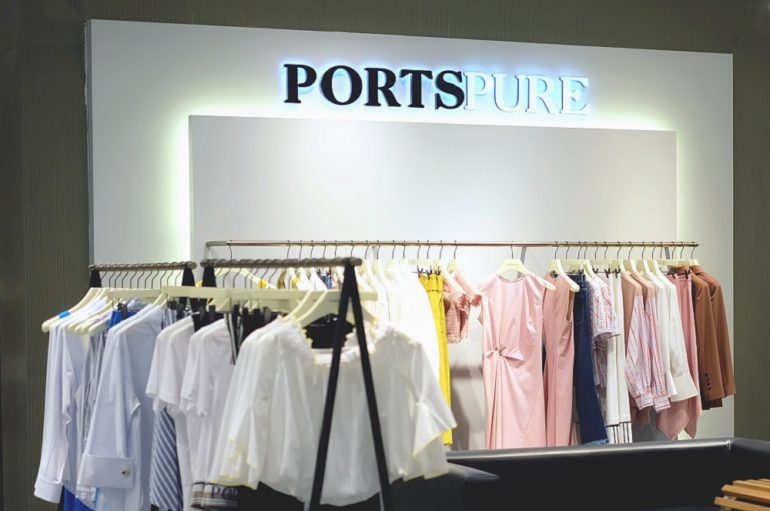
    PortsPURE is a contemporary womenswear label by Canadian-based brand PORTS 1961. It has just launched in Thailand at the Central Department Store. PortsPURE embraces timeless classics through a contemporary twist with a luxe aesthetic. The collection distills the style cues from the PORTS 1961 into a new, standalone wardrobe for today’s woman. Classic pieces with clever twists that add flair to utilitarian and urban silhouettes.

    For the Spring/Summer 2019 collection, PortsPURE is peppered with details inspired by the iconic Amalfi Coast in Italy. And this summer, the brand prepares to take you where the breeze is warm, the cocktails are cold, and the sun is bright in your eyes.

    PortsPURE is now available at Central Chidlom, 2nd floor, and Central Phuket, 1st floor.

  • L’Oréal, KÉRASTASE open their flagship store in Hong Kong

    L’Oréal, KÉRASTASE open their flagship store in Hong Kong

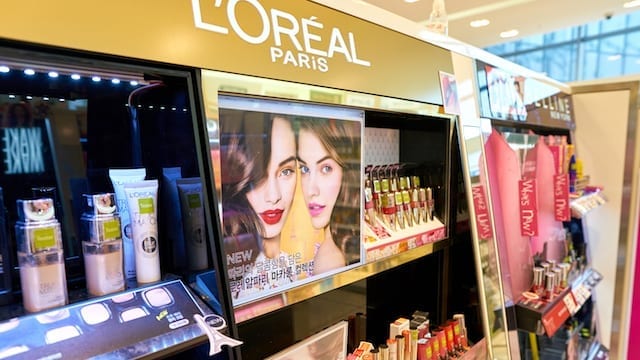
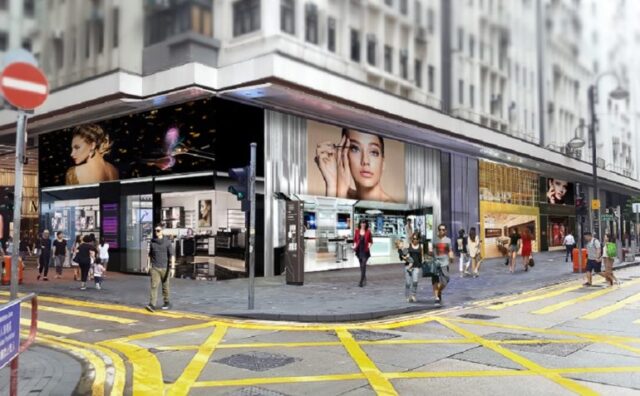
    Hong Kong’s stylish hotspot Fashion Walk proudly announces the arrival of SkinCeuticals and KÉRASTASE – two of L’Oréal Hong Kong’s leading beauty brands, introducing a unique all-in-one beauty ritual that tends to your retail, cosmetic and haircare needs. With SkinCeuticals’ global first one-stop skincare flagship store and KÉRASTASE’s haircare concept store, Fashion Walk launches the beauty hub – a cosmetics mecca that is set to transform fashionistas’ beauty experience.

    Ms. Bella Chhoa, Director of Leasing & Management of Hang Lung Properties, describes the addition of SkinCeuticals and KÉRASTASE as the birth of a “Beauty Revolution”.

    “It is a real pleasure to have SkinCeuticals and KÉRASTASE – the two top beauty brands of L’Oréal Hong Kong – join us in Fashion Walk. Causeway Bay is a magnet for trendsetters, yet we all know how scarce retail spaces are right here. At its prime location in the area, Fashion Walk is obviously the hub of international fashion labels. Last year, we extended our partnerships with a number of cosmetics brands. This year, we’ll keep up with the strategic effort. Our brand new beauty hub promises to bring an unprecedented beauty experience to all stylish minds in town.”

    Ms. Eva Yu, President & Managing Director of L’Oréal Hong Kong, also envisions a new chapter in the cosmetics industry prompted by SkinCeuticals’ one-stop skincare flagship store and KÉRASTASE’s haircare concept store at beauty hub.

    “L’Oréal Hong Kong endlessly looks for retail spaces of development potential. The two stores in Fashion Walk feature an exclusive studio for customers to try out every stroke, swipe and dab, which guarantees a one-of-a-kind experience. We’ll put down a remodeling budget of almost ten million dollars to ensure that our customers will revel in the brand new stores.”

    Located in the heart of Causeway Bay, Fashion Walk boasts an occupancy rate of over 95%, housing the flagship stores and concept stores of an impressive array of international chic labels, including the two beauty trailblazers.

    Founded in the USA, SkinCeuticals is guided by its unparalleled Integrated Skincare philosophy that aims to promote and improve skin health. Its first-ever flagship store in Fashion Walk also pledges to provide customers with a range of skin health restoration plans that combine the most trusted dermatological innovations and cosmetological aids.

    French hair and scalp care expert KÉRASTASE has earned its recognition in the field thanks to its commitment to hair care since its founding in 1964. Its concept store in Fashion Walk not only offers a wide selection of cutting-edge products, but also an original mode of retail with hair treatment services in a soothing environment. The professional guidance of KÉRASTASE haircare consultants and bespoke treatments will surely satisfy customers’ desire for exceptional hair.

  • China’s Fosun makes bid for Tom Tailor

    China’s Fosun makes bid for Tom Tailor

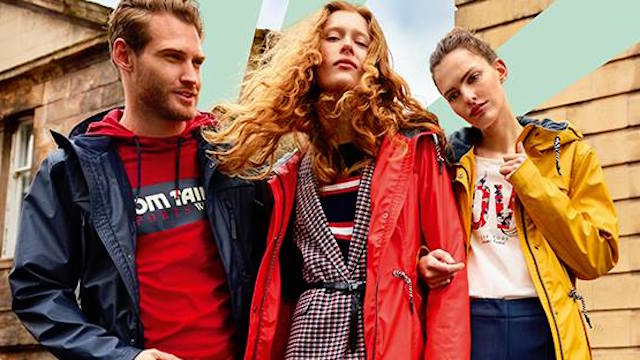
    Hong Kong-listed Chinese trading group Fosun has launched a Tom Tailor takeover bid. Fosun has long held a cornerstone stake in the German-listed fashion retailer, which has several thousand stores, franchises and shops-in-shops around the world, trading under its own name selling men’s and women’s fashion and under the womenswear label Bonita. Its core markets are Germany, Austria, Switzerland, Southeastern Europe and Russia.

    Fosun said in a stock exchange filing that the Tom Tailor takeover bid follows an increase in its shareholding which will take its stake above the 35 per cent level which triggers a mandatory takeover offer under German law.

    In a statement, Fosun said it would benefit from the target company’s long-term growth potential.

    “The company considers the transaction to be an attractive investment in its sector as it sees economic potential in Tom Tailor.”

    Founded in Hamburg in 1962, Tom Tailor has encountered challenges in recent years. Its share price has plunged 80 per cent since January last year.

    The company focuses on mid-priced casual wear for men, women and children, accessories, and home textiles.

    Fosun has been expanding its interests in Europe in recent times, acquiring Lanvin last year, along with Austrian luxury lingerie brand Wolford. It also has a stake in menswear label Caruso.

  • Karl Lagerfeld dies at 85

    Karl Lagerfeld dies at 85

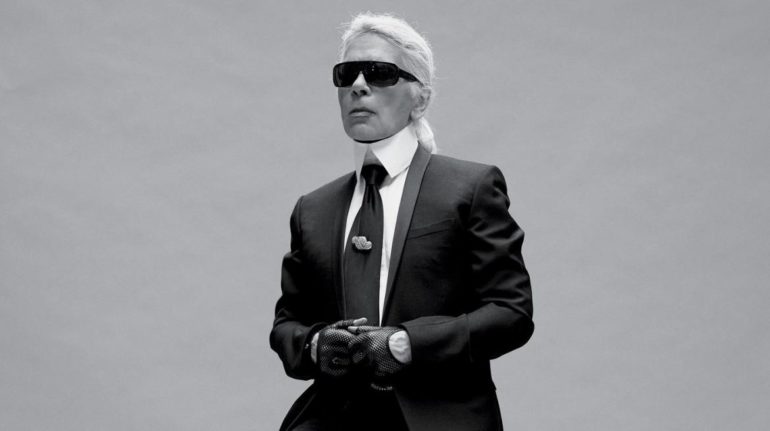
    Karl Lagerfeld, arguably the world’s most iconic designer and undoubtedly the most prolific, has died in Paris. He was 85. In a seven-decade career as fashion’s ultimate free agent, Lagerfeld created collections simultaneously for the celebrated houses of Chanel and Fendi, in addition to his signature label, at a pace without rival in the luxury industry.

    Virginie Viard, director of Chanel’s design studio and Lagerfeld’s closest collaborator for more than 30 years, will take the creative reins at the storied brand’s fashion business. A succession plan has yet to be announced at Fendi.

    For Lagerfeld, to design was to breathe, “so if I can’t breathe, I’m in trouble,” he often quipped to journalists who were astonished by his inexhaustible work ethic and his insistence that he would never retire.

    In fact, his creative output seemed only to become more bountiful in his golden years, a period during which his extravagant runway productions at the Grand Palais in Paris achieved a staggering level of theatrical opulence. At a cost of millions of dollars per season, the events surpassed the mundane boundaries of a fashion show to become something more like large-scale performance art — media spectacles where Lagerfeld, as both gifted designer and visual provocateur, could best demonstrate his ability to interweave the superficialities of fashion with matters of great depth, while also parading seemingly endless ways to keep Chanel’s classic tweeds looking modern and fresh.

    His Autumn/Winter 2017 collection featured a 115-foot-tall mechanical rocket ship that simulated blast off. For Fall 2014, he built a Chanel shopping centre, its superstore-like aisles bursting with more than 500 different products that included a Chanel-logo chainsaw, doormats, candy, and ketchup. For Fall 2010, he imported enough snow and ice from Sweden to create a 265-ton indoor iceberg. Backdrops of a man-made beach with rippling waves (Spring 2019), a scale rendering of the Eiffel Tower (Fall 2017 Couture), a French brasserie with uniformed bartenders (Fall 2015) and an enormous model of a passenger ship (Cruise 2019) suggested no idea was too fantastical, nor expense too decadent.

    His incredible longevity and success as a designer, and, following his logic, the fortunes of the companies for which he worked, owed at least partly to Lagerfeld’s intentional detachment from the business side of fashion. He claimed never to discuss sales figures or budgets with management. “I am a hired gun, even in my own business,” he said in a BBC interview, noting that his contracts with Chanel and Fendi allowed him to do whatever he wanted on the side. “I work my own marionette in a way, my own puppet,” he told The New York Times. “It’s something I control.” That extraordinarily rare freedom from the restraints of financial responsibility enabled him to continually make clothes that inspired consumers to dream.

    “We created a product nobody needs, but people want,” he said. “If you need an ugly old car, it can wait, but if you want a new fashion item, it cannot wait.”

    As designers half his age complained of burnout from fashion’s maddening pace, Lagerfeld made himself even busier by dabbling in a constant stream of publishing, photography, film and design projects, including a rule-breaking “fast fashion” collaboration with the mass retailer H&M in 2004 that predated the industry obsession with disruption by more than a decade. Ignoring the traditional expectations of a luxury player, he also designed hotel rooms, video games, motorcycle helmets, a BMW, and a cosmetics range inspired by his also-famous cat, Choupette, and directed an ad campaign for Magnum ice cream bars that featured a life size sculpture of model Baptiste Giabiconi rendered in chocolate. More than most of his sober-minded peers at fashion’s pinnacle, he relished his iconic status both within the industry and in popular culture. Despite all this extra-curricular output, though, he was driven by one thing in fashion, he said, which was to make his designs better than they were the season before.

    As most profiles of Lagerfeld have noted, another thing that drove him was a desire to know everything. He filled his numerous homes, in Paris, Biarritz, and Saint-Tropez among others, with stacks of history books and biographies, iPods loaded with various types of music, and museum-worthy collections of artwork and furniture that he would, unceremoniously, dispose of every few years, once a new period or style captured his attention. With his vast memory and a rapid-fire way of working and speaking, he could summon details and themes on command, exploit them ruthlessly in a collection, and then immediately move on to the next thing. He once said he had a “Google mind.”

    “Whatever it is, good or bad, it influences fashion,” Lagerfeld said. “You can see that in fashion quicker than in any other thing going on. Fashion is something that reflects our lives and times with the shortest release, because, cars, design and architecture take years to realise.”

    Lagerfeld was, in many ways, a self-drawn caricature of what a powerful designer should look and sound like, a stylistic god who was worldly and intellectual, commanding and capricious. His bitchy quips (“sweatpants are a sign of defeat,” “trendy is the last stage before tacky,” “I think tattoos are horrible — it’s like living in a Pucci dress full-time,” and many, many nasty digs at celebrities he considered fat or unattractive) became as much a part of the Lagerfeld mystique as were his signature white powdered ponytail and dark sunglasses, or his habit of drinking only Coca-Cola (later, Diet Coke or Coke Zero). But his penchant for flamboyance, combined with occasionally reckless comments in recent years, also resulted in backlash for Chanel. His critiques of Angela Merkel drew particular outrage, as when he evoked the Holocaust on a French talk show in 2017 while protesting Germany’s open-door policy toward Muslim refugees fleeing the Syrian civil war. In any event, there had never been any serious repercussions for the designer nor attempts to unseat him, likely as a result of his outsize stature in the industry and his long history of accomplishments.

    He was best known for his work, since 1983, as artistic director at Chanel, which became one of the most profitable and admired luxury brands in the world under his tenure. While the company remains privately held by brothers Alain and Gérard Wertheimer, Chanel took the unusual step of releasing its annual results for the first time last year, stating its sales of $9.6 billion were larger than those of Gucci and approaching those of Louis Vuitton. Chanel’s sales for 2017 were up 11 percent, driving operating profit of $2.69 billion. Chanel said it had decided to reveal its financial strength in response to speculation that the company could be a takeover target, and to demonstrate it was determined to remain independent.

    When Lagerfeld was first approached by the Wertheimer family, which had created the Chanel fragrance business and its blockbuster No. 5 scent in the 1920s, and took control the fashion house after World War II, it had been more than a decade since the death of its founder, Gabrielle “Coco” Chanel. Chanel’s hallmark tweed bouclé jackets and dresses, once viewed as liberating, by then seemed old-fashioned and bourgeois, and the company was in need of new direction. Lagerfeld was already well-known for the soft and poetic party dresses he had been making at Chloé in the 1970s, which was during the dynamic growth of European ready-to-wear movement for easy-to-wear and less precious clothes. At the same time, Lagerfeld, since he first arrived in Paris, had harboured a burning desire to work in high fashion as a couturier, and Chanel’s established atelier offered that chance.

    “People tend to forget that once upon a time, Chanel was old hat,” Lagerfeld said. “It was only Parisian doctors’ wives who still wore it.” But it was Lagerfeld’s belief that the image could be changed with a sense of humour and a lack of nostalgia, in order to make customers forget everything that had come before.

    “Because fashion is about today,” Lagerfeld said in a 2007 New Yorker profile. “You can take an idea from the past, but, if you do it the way it was, no one wants it.”

    Lagerfeld described his first collections for Chanel as reflecting a modern and “chic-sexy” approach, with longer and thinner proportions, unlike Coco’s boxy-proportioned precedent. For his spring 1984 ready-to-wear show, he re-imagined classic suits and dresses with matching hats — all in denim, and for fall that year he added a hockey uniform worn with pearls and a skiing outfit in gaudy, glittering silver and red. His transformation of the brand would combine elements of the alluring (softly tailored pantsuits and charming white camellias affixed to tweed suits) with the shocking (oversize logos, micro-miniskirts, sequinned running shoes, heels moulded to look like pistols). The phenomenal transformation of Chanel became an industry model for how to turn an aging fashion house into a status symbol as its sales continued to soar. Lagerfeld’s role was so secure there he was contractually considered its “designer for life.”

    “Why should I stop working?” he mused to anyone who dared broach the subject of retirement. “If I do, I’ll die and it’ll be all finished.”

    Karl Lagerfeld was born Karl-Otto Lagerfeldt in Germany, and raised in the countryside near Hamburg, on Sept. 10, 1933, according to most recent biographies and some of his relatives, although Lagerfeld had for many years claimed he had been born in 1938 or 1935. In her 2006 book, “The Beautiful Fall,” which chronicled the heady decadence of fashion in the 1970s, the writer Alicia Drake argued that Lagerfeld had inflated many details of his childhood as part of a self-invention as a German aristocrat upon his arrival in the Paris demimonde. Lagerfeld sued the writer for invasion of privacy, but his case was thrown out of court.

    Lagerfeld, who changed the spelling of his name for commercial reasons, himself frequently joked about the discrepancy of his age, saying his mother, Elisabeth, a trim, stylish violinist who was highly critical of her son in his childhood, had chosen the date because it was easier to write. (As recently as 2013, Lagerfeld told Paris Match that he was born in 1935.) Further confusing matters, his father, Christian Ludwig Otto Lagerfeldt, was the wealthy managing director of a company that distributed condensed milk from the United States, and had moved the family to the countryside to shelter them from the hardships of the war years under Hitler, leaving little reliable evidence from the early years of Karl, an older sister, Martha Christiane, and a half-sister, Thea, from Lagerfeldt’s previous marriage.

    In the end, Lagerfeld described his childhood as a misery. He was a gifted scholar and loved to sketch, thinking he would pursue a career in illustration, but he had few friends and his mother often complained about his looks, telling him he should not smoke because his hands were unattractive, and that his nose was so large he should order curtains for his nostrils. Nevertheless, his parents supported his artistic ambition and sent him to Paris, where Lagerfeld found immediate success in fashion. In 1954, he won a design contest, called the International Woolmark Prize, based on the sketch of a coat he submitted that was produced for the competition by the designer Pierre Balmain. Of particular note, a young Yves Saint Laurent also won that year in the dress category, foreshadowing what would become a lifelong rivalry between the two designers.

    In their younger years, Lagerfeld and Saint Laurent were close friends. Whereas Saint Laurent was the tortured, fragile artiste who ascended to the coveted role of couturier at Christian Dior following Dior’s sudden death in 1957, Lagerfeld was a pragmatic mercenary. After working for three years for Balmain, who had hired him as an assistant, Lagerfeld designed collections for Patou, Chloé, Krizia, Charles Jourdan, Mario Valentino, and, beginning in 1965, Fendi, the Italian fur company where he contributed designs for an astounding 50 years. Fendi’s sales were estimated by analysts at $1.3 billion in 2017, while the company, acquired by LVMH in 2001, has experienced a major street style moment over the last year with its logo-driven FF Reloaded collection. (In January, Silvia Venturini Fendi, creative director of accessories and menswear, paid tribute to Lagerfeld’s contributions to the house with a fall men’s collection inspired by him, including styles he designed.)

    By the 1980s, Lagerfeld was widely known to the public, even as he was just beginning to design under his own name (Saint Laurent had started a signature company that popularised the French concept of ready-to-wear in the 1960s). Lagerfeld’s own label, called at different times Lagerfeld Gallery or Karl Lagerfeld Paris, has existed on and off as a licensing venture through various partnerships, including a high-profile venture with Tommy Hilfiger in 2004 and most recently with G-III Apparel Group in the United States since 2016, though it has always been perceived as a side project for the designer.

    Still, Lagerfeld was the more disciplined of the two when it came to image and self-control; he was cast as an aristocratic German designer in one of Andy Warhol’s more obscure films, the 1973 “L’Amour,” playing up his persona as the ringleader in the absurdist circus of fashion. His personal iconography included tightly fitted blazers over starched white shirts with startlingly tall collars, and skinny jeans – a complete look he perfected in the 1990s, only after undertaking a dramatic diet. He said he lost 92 pounds in order to fit into the prevailing silhouette of the day, a modern rock-and-roll style orchestrated by Hedi Slimane, who was then at Dior Homme. Lagerfeld became so recognisable for this look that he started using his own likeness as a logo on T-shirts, handbags and furry key chains for Fendi.

    While his competition with Saint Laurent intensified throughout their lives, until Saint Laurent’s death in 2008, Lagerfeld’s ultimate success with Chanel gave him immense confidence and enabled him to pursue opportunities that no other designer would dare touch. His 2004 collection for the Swedish retailer H&M was especially risky, given the fate of other luxury brands like Halston that had lost their credibility after making a mass play. Lagerfeld described the one-off collaboration, which included slim blazers and T-shirts emblazoned with a cartoon logo of his face, as “mass elitism, which has long been my dream… It’s the future of modernity.”

    The collection was an enormous hit, selling out in many markets, unleashing all manner of unorthodox designer crossovers to follow, and further fuelling Lagerfeld’s fame. He was also the subject of at least three documentaries, “Lagerfeld Confidential” (2007), “Un Roi seul” (2007), and “Karl Lagerfeld se dessine” (2013), and several books, including a compilation of his quotations, “The World According to Karl,” from Flammarion (2013), and “The Karl Lagerfeld Diet,” a weight-loss book he published with his physician, Jean-Claude Houdret (2002). For many years, Lagerfeld ran his own publishing imprint, 7L, photographed his own advertising campaigns, and directed short films that imagined the life of Coco Chanel and highlighted connections from Chanel’s history to his own work.

    At Chanel, Lagerfeld was given the artistic license and financial resources to acquire the best talent, including his longtime collaborators Virginie Viard, the creative studio director and tipped as a likely internal candidate to succeed him as Chanel’s designer, and Eric Pfrunder, Chanel’s director of image. At Lagerfeld’s urging, the company also embarked on a campaign to acquire many specialised French craft ateliers, like Lesage for embroidery, Lemarié for feathers and artificial flowers, Maison Michel for millinery, and Causse for glove making. Those resources were celebrated with lavish Métiers d’Art fashion shows held in far-flung destinations, including in Edinburgh, Shanghai, Hamburg, and most recently at the Metropolitan Museum of Art in New York City in December, while Chanel’s cruise collections have been staged from Dubai to Havana, Cuba, reflecting Lagerfeld’s approach to making Chanel’s interlocking “CC” mark recognisable around the world.

    “Logos are the Esperanto of marketing, luxury, and business today,” he said.

    Lagerfeld often said that his only love in life was his work. But he showed his softer side near the end of his life by casting his godson, Hudson Kroenig, the older son of the model Brad Kroenig, in his runway shows. He also gleefully promoted his lavishly spoiled cat, a gift from Kroenig, in interviews and on social media. He once said he wished he could marry Choupette, in what was presumably a humorous jab at his own cartoon-like image.

    “There is no secret to life,” Lagerfeld said. “The only secret is work. Get your act together, and also, perhaps, have a decent life. Don’t drink. Don’t smoke. Don’t take drugs. All that helps.”