Tag: lifestyle

  • OnTheList to launch in Taiwan

    OnTheList to launch in Taiwan

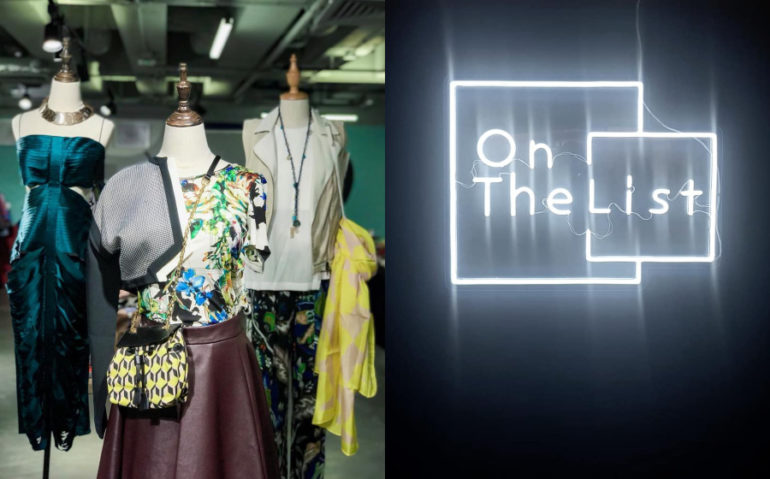
    Founded in 2016, OnTheList is a members-based flash sale company that offers premium goods at unbeatable prices. As of March 2017, OnTheList has called its showroom on Duddell Street, home. In 2018, OnTheList opened pop-up showrooms in Hong Kong, launched in Singapore, and is now ready to expand into other countries in Asia.

    In 2019, OnTheList is jetting off to another Asian city to host the first Flash Sale in Taiwan in March.

  • Taiwan’s extravagant buffet restaurant “Harbour” now open at Iconsiam

    Taiwan’s extravagant buffet restaurant “Harbour” now open at Iconsiam

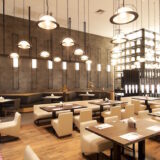
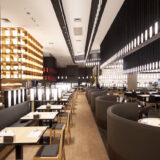
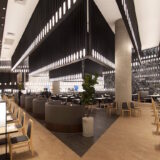
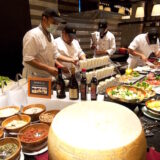
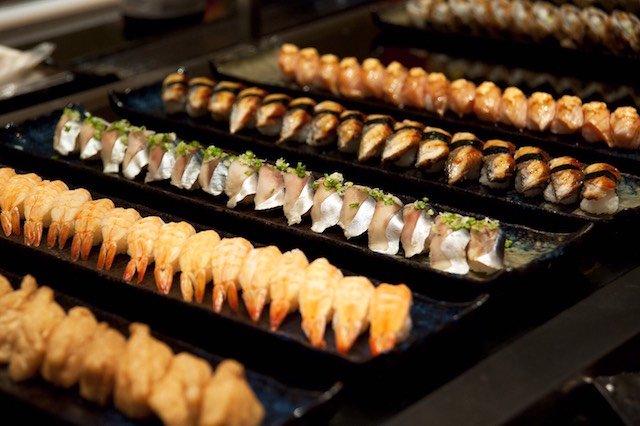
    Taiwan’s extravagant Harbour buffet restaurant has opened its first Thai restaurant at IconSiam. Charoen Pokphand Foods PLC (CPF) and Taiwan’s HiLai Group have jointly brought the famous international buffet restaurant to Thailand. The franchise has routinely seen diners in China and Taiwan waiting a month for a table. The 2000sqm IconSiam outlet is its 10th restaurant worldwide, pending Harbour’s unveiling in major global cities as part of CPF’s strategy to become “Kitchen of the World”.

    “Harbour has enjoyed overwhelming success in Taiwan and China”, said CPF’s COO-food business and co-president Sukhawat Dansermsuk. “We believe that we will be warmly welcomed by Thai consumers thanks to the restaurant’s strengths coupled with Thais’ eating-out lifestyle. And that’ll be the beginning of CPF’s success in the restaurant business.”


    According to Sukhawat, the restaurant was established as a joint venture with HiLai Group with THB130 million (US$4.16 million) in registered capital.

    CP HiLai Harbour CEO Liu Tzu-Ming said the venue is targeting THB240 million ($7.68 million) in first-year revenue and plans to introduce new restaurants at major Thai cities.

    The international buffet restaurant can accommodate 450 diners per round, or about 1000 diners per day.

    View the gallery below for more picture of the restaurant :

  • Jollibee Malaysia plans 100 Stores

    Jollibee Malaysia plans 100 Stores

    Philippine restaurant chain Jollibee has announced plans to launch more than 100 Jollibee stores in Malaysia within the next 10 years. According to a report, the openings will include 50 stores in Sabah and Sarawak. President and head of JFC International Business for Europe, the Middle East, Asia and Australia Dennis Flores said that Jollibee would be a “welcome addition to the diversity of the food scene in Kota Kinabalu,” the Sabah state capital.

    “We believe that we can appeal to the diversity as we have seen in other countries where Jollibee has been successful, such as Vietnam, Brunei, Hong Kong and Singapore,” he said at the official inauguration of the Jollibee Malaysia grand store (which has been trading since last year) at Centre Point Sabah this week.

    Chairman and founder of JFC Tony Tan Caktiong said the company was happy with the enthusiastic welcome to the store’s opening from local customers.

    “This has given us an encouragement to reach more Malaysians with our delicious menu and friendly service,” he said.

    Jollibee operates 14 brands in 21 countries with more than 4500 stores worldwide.

  • Allianz Malaysia earnings up 15.3% to RM100m in fourth quarter

    Allianz Malaysia earnings up 15.3% to RM100m in fourth quarter

    Allianz Malaysia Bhd’s earnings increased by 15.3% in the fourth quarter ended Dec 31, 2018 (Q4) to RM100.04 million, from RM86.78 million in the previous corresponding quarter mainly due to higher underwriting profit from motor business arising from lower claims and management expenses. For the quarter under review, the general insurance segment recorded a profit before tax of RM78 million, an increase of 15.7% as compared to the preceding year quarter.

    Meanwhile, the life insurance segment recorded a profit before tax of RM50.3 million, a decrease of 15.5% due mainly to higher group claims.

    Allianz reported a 7.63% increase in revenue to RM1.3 billion in Q4 from RM1.21 billion, driven by higher gross earned premiums and investment income.

    For the full year, its net profit grew 30.9% to RM377.02 million from RM287.96 million a year ago, while revenue was up 7.9% to RM5.18 billion from RM4.8 billion previously.

    The general insurance industry reported a marginal growth of 1.5% in gross written premium for the year ended Dec 31, 2018.

    Allianz said the group anticipates similar trend in the medium-term given the economic uncertainty and subdued consumer sentiments.

    However, it said the general insurance segment will continue to offer innovative products and services in anticipation of a fully liberalised insurance market while further expanding its multi-distribution model to maintain market leadership.

    For the life insurance segment, Allianz will continue to leverage on the strength of its multi-distribution channels and increase productivity across distribution channels to generate growth.

    The group will also continue to focus on optimising the performance of its insurance businesses and expect to maintain satisfactory results in 2019, it added.

  • CLUSE opens its very first monobrand store in Taiwan

    CLUSE opens its very first monobrand store in Taiwan

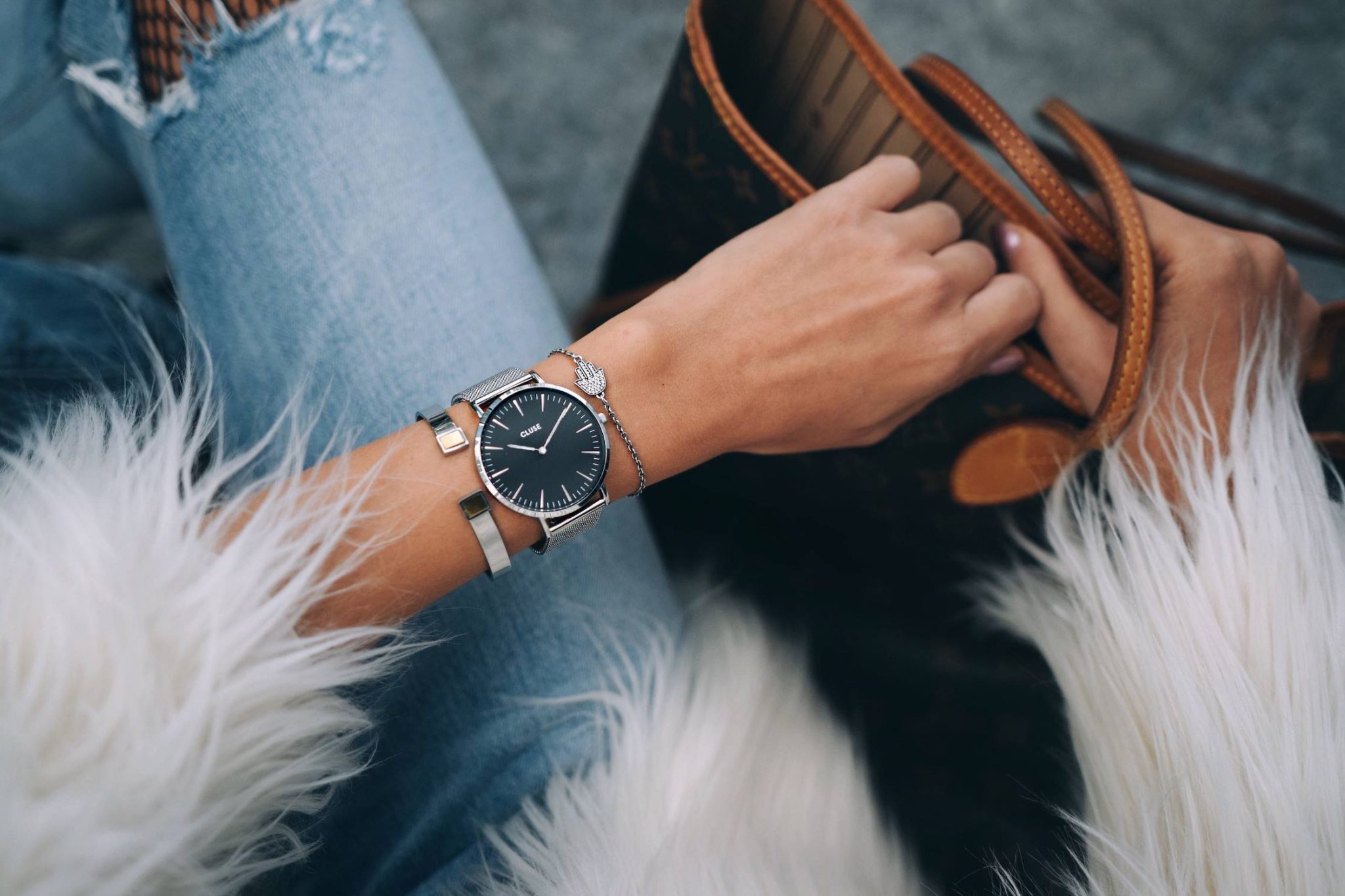
    The Amsterdam-based watch brand renowned for its timeless sophistication and strong focus on materials, quality, and style has just opened its first monobrand store in Taiwan in partnership with Bluebell. This CLUSE monobrand POS is a rotating pop-up in partnership with Eslite, which aims to attract visitors from different cities in Taiwan. This month the pop-up stops at the Eslite Taichung Parklane by CMP Store, 1F.

    CLUSE, created in Amsterdam in 2013 by a team of young and ambitious individuals, is a fast-growing watch brand for the modern and fashionable woman.

    Named after “Cluses”, one of the oldest watchmaking towns in France, CLUSE is able to combine a modern, minimalistic, and elegant design yet remaining faithful to its heritage by crafting authentic, quality analogue timepieces.

    CLUSE was discovered at an early stage by the fashion-loving crowd on social media, and among others, it has acquired worldwide fame on Instagram and Facebook, being recognized as a successful Facebook story for its effective digital marketing strategies.

    Thanks to the profound in-house knowledge of Social Media marketing, a data-driven approach and a clear customer profile based on campaign data, CLUSE has managed to grow to a staggering 1.6 million Facebook fans and 700K Instagram followers within 3 years.

    This success is boosted by CLUSE’s brand ambassadors who are recognized among the most influential kol worldwide like @sincerelyjules and @retroflame who live their life with the same philosophy of the brand.

    Drawing inspiration from minimalist fashion and subtle colours, CLUSE represents the mentality of simplicity of being grounded, empowered, sophisticated and true to oneself.

    CLUSE is designed not only to indicate time, but also to define the best moments in life.

    CLUSE is designed for dynamic and versatile women. One CLUSE watch allows infinite possibilities thanks to the mix&match easily interchangeable straps.

    CLUSE has soon become the most popular lifestyle watch brand in Europe and invested into a high-end network of distributors.

    After expanding in Europe, CLUSE has quickly conquered millennials in different countries, and it led to simultaneously launch in wholesale in Japan, Korea, Malaysia, and wholesale and mono-brand stores in Hong Kong, Singapore, and now Taiwan.

    The latest collection is La Tétragone (this new classic square shape design launched in SS18), and Triomphe (also launched in SS18).

    Following the success of CLUSE timepieces, the brand has started a new adventure into jewelry. Three collections have been created Essentielle, Idylle, and Amourette to translated unique personalities into unique pieces.

    CLUSE is definitely a brand to keep an eye on, strong brand identity,  effective digital marketing strategy, and an army of influencers boosting its brand image.

  • Swire Properties’ community ambassadors visit Taikoo Dockyard retirees in HK

    Swire Properties’ community ambassadors visit Taikoo Dockyard retirees in HK

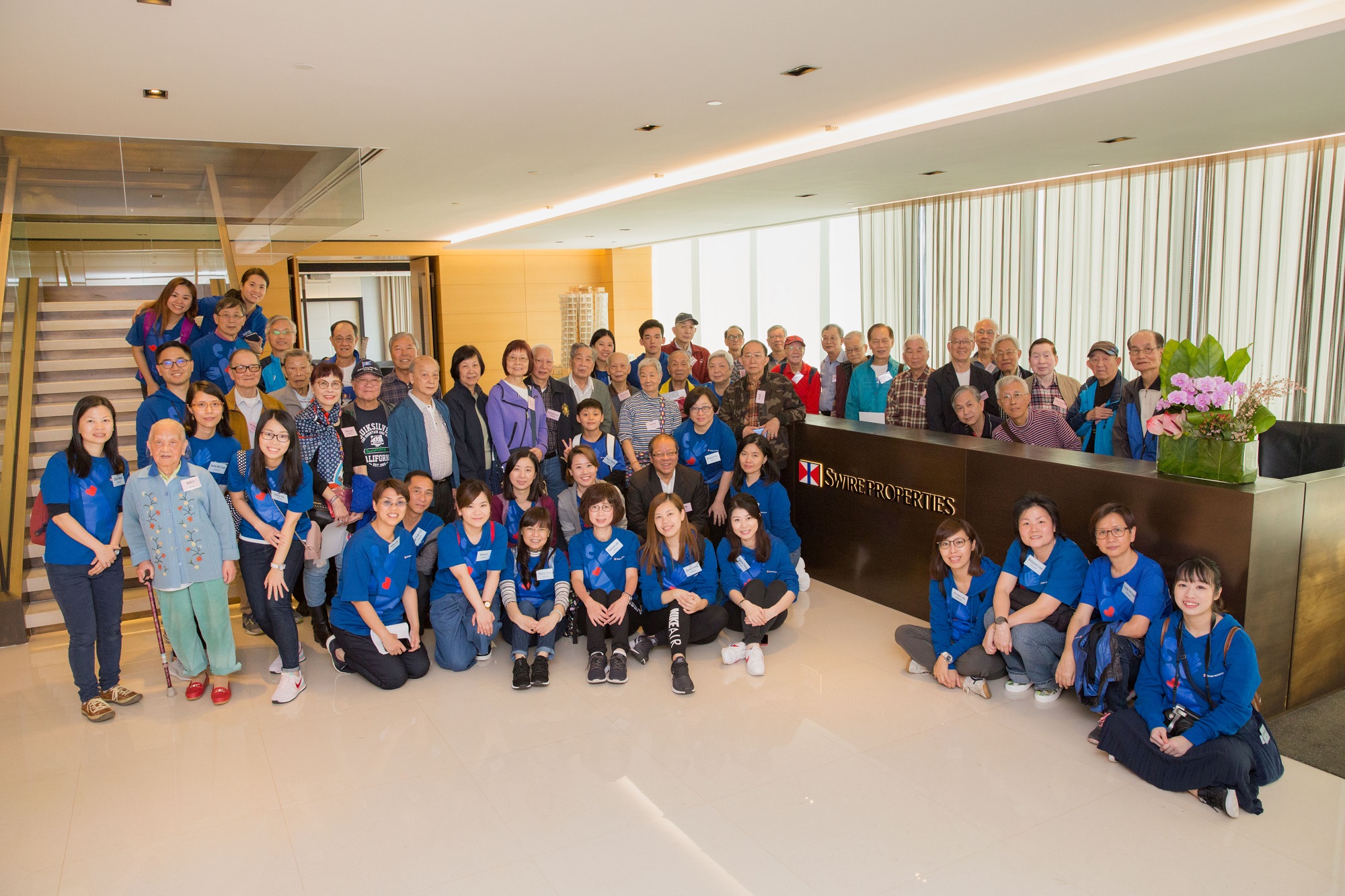
    Swire Properties’ Community Ambassador held a gathering with some 40 retirees of Taikoo Dockyard. It has been a tradition to organise such gatherings during Chinese New Year since 2015 to stay in touch with the old Swire staff and foster friendship across generations. Hosted by Mrs Elizabeth Kok, Director & Senior Advisor at Swire Properties, the old staff of the Swire group shared their fond memories of working in the Island East area, where the Swire group once operated the largest shipyard in Hong Kong for over a century.

    The sharing session was followed by a visit to the LEGO model of Taikoo Dockyard at Cityplaza, which reminisced about working lives in the area. While looking back to the good old days, the old staff are also amazed by the transformation of the area which is now developed into a blue-chip private housing estate and a major commercial area, against the backdrop of Hong Kong’s rapid development in the past decades.

    Many of the participants had spent their entire career life in Swire for more than 40 years. Mr Lam, aged over 90, was in charge of electric machine room of Taikoo Dockyard. Bringing along his old staff card to the gathering as a way to share his memory, he treasured the rare opportunity to gather with his former colleagues and the Community Ambassadors.

    Mrs Elizabeth Kok, Director & Senior Advisor at Swire Properties, welcomed the veterans in the gathering. She remarked that the event was so meaningful that it offered the old staff a chance to revisit their former workplace at Cityplaza.

  • Higher fuel prices dent AirAsia X’s Q4 performance

    Higher fuel prices dent AirAsia X’s Q4 performance

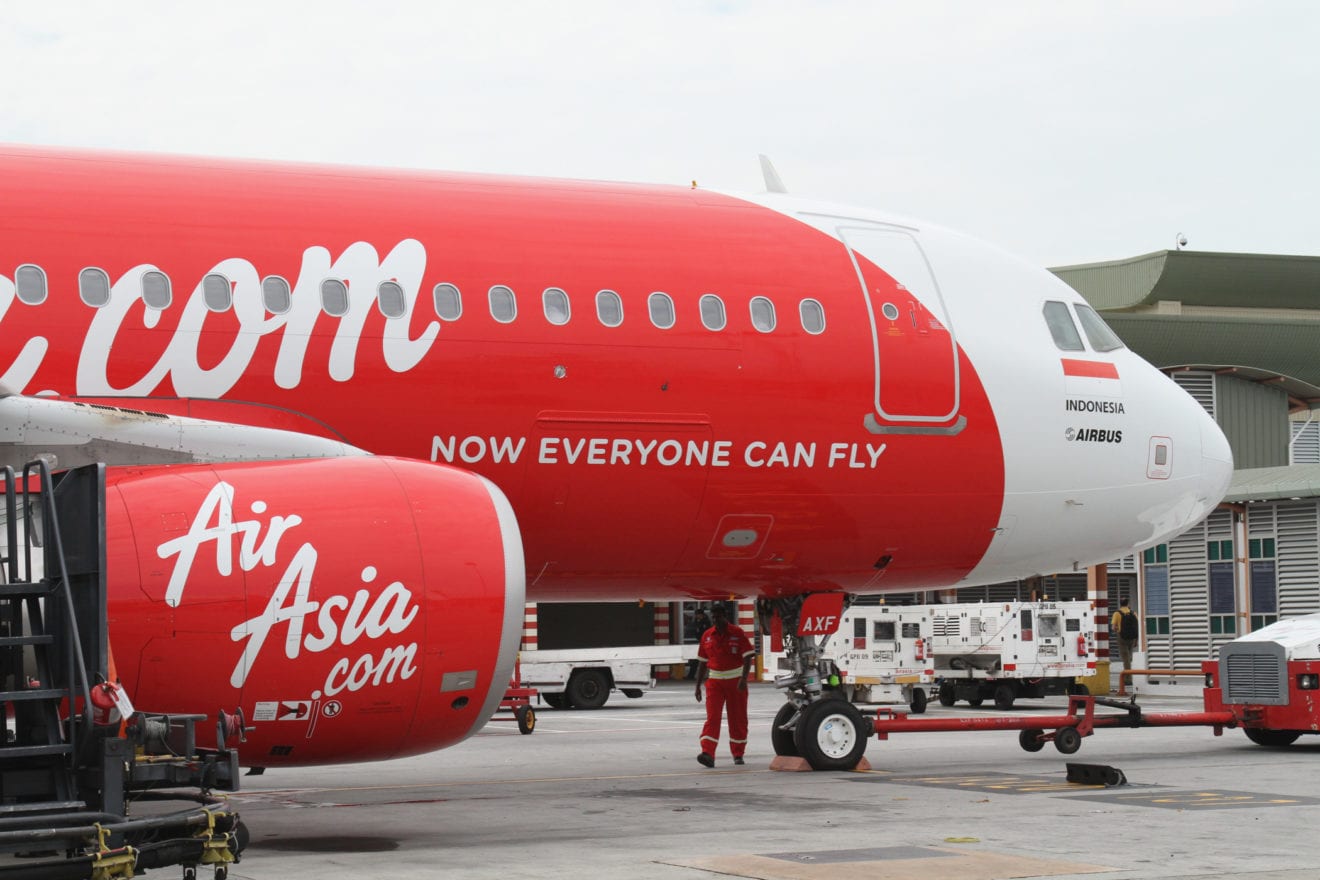
    AirAsia X Bhd suffered a net loss of RM99.27 million in the fourth quarter ended Dec 31, 2018 compared with a net profit of RM84.42 million a year ago due to higher fuel prices. In a filing with Bursa Malaysia, the airline reported an increase in average fuel price to US$89 per barrel during the quarter from US$69 per barrel a year ago, which resulted in a lower net operating profit of RM27.4 million from RM120 million a year ago.

    In addition, the group provided an impairment on amount due from joint venture amounting to RM24 million during the quarter under review.

    During the quarter, the group reported a 1% improvement in cost per available seat kilometre (CASK) to 12.27 sen while CASK ex-fuel improved by 16% from 8.22 sen to 6.94 sen a year ago, due to enhanced cost management.

    Revenue for the quarter fell 5.93% to RM1.15 billion from RM1.22 billion a year ago.

    For the financial year ended Dec 31, 2018 (FY18), the group also swung into the red registering a net loss of RM312.7 million compared with a net profit of RM98.89 million a year ago while revenue fell marginally to RM4.54 billion from RM4.56 million a year ago.

    AirAsia X said its current forward booking trend and average fares for the first quarter of 2019 are within expectation and prospects are anticipated to remain encouraging.

    The airline will be adding up to five aircraft through operating leases this year via AirAsia X Thailand while AirAsia X Malaysia will remain with 24 aircraft.

    AirAsia X Malaysia will focus on maximising aircraft utilisation of its current fleet and leverage on the group’s strategy in new route launches as well as increasing frequencies of core routes.


  • JD.com and Rakuten to collaborate on drone delivery

    JD.com and Rakuten to collaborate on drone delivery

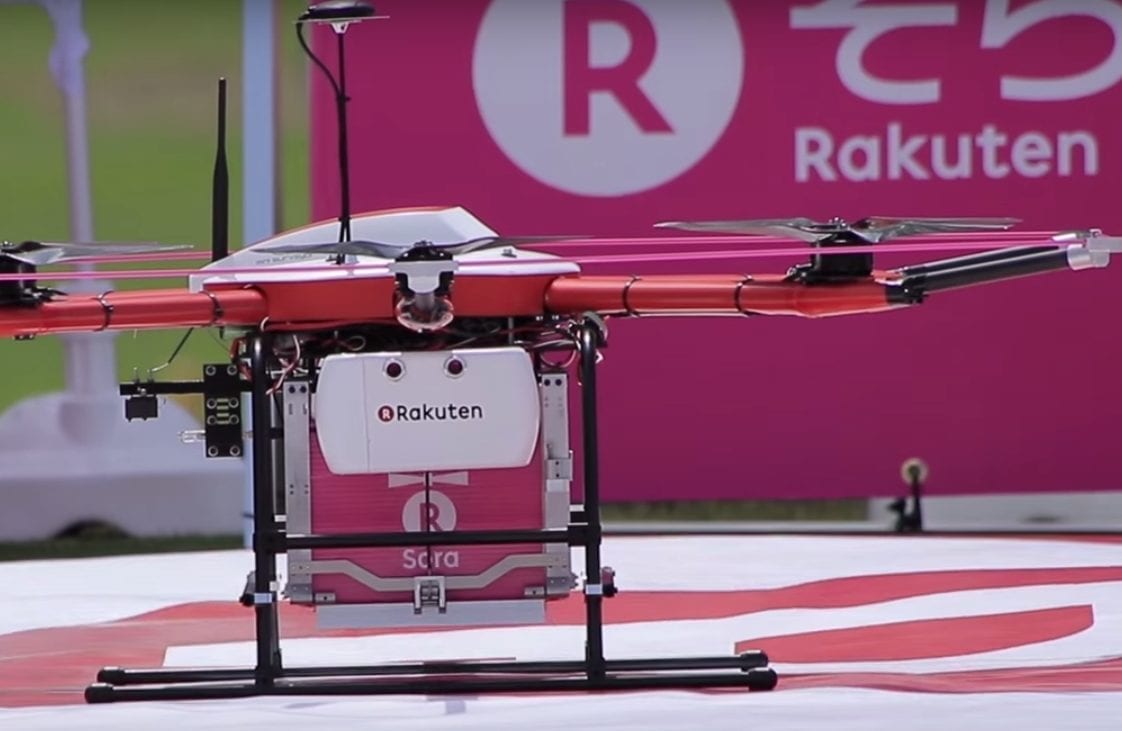
    Chinese online retailer JD and Rakuten, the Japanese e-commerce firm, will collaborate on developing unmanned delivery solutions in Japan. According to a new agreement signed between JD and Rakuten, JD’s drones and autonomous delivery robots will be used in Rakuten’s unmanned delivery services, which the firm launched in 2016. The two companies will collaborate on Rakuten’s lineup of unmanned delivery services to suit a wide range of applications and situations.

    Rakuten has already gained experience through providing delivery services and trials in collaboration with corporate partners and local governments. In 2018, its first delivery trial was conducted using a combination of drones and autonomous delivery robots, a step toward solving the last mile challenge for the logistics sector in Japan.

    “We are delighted to begin this collaboration with JD, which boasts the most cutting-edge proprietary delivery network in China as well as a track record and knowhow in delivery with drones and UGVs,” said Koji Ando, group managing executive officer of Rakuten. “By using JD’s drones and UGVs with the unmanned delivery solutions created by Rakuten, we hope to accelerate innovation in the Japanese logistics sector and contribute to building a society that can offer greater convenience to all citizens.”

    JD began developing its drone program in 2015, and launched the world’s first commercial drone deliveries in 2016 in rural China. It currently operates drones in Jiangsu, Shaanxi and other provinces.

    Since then, JD’s drones have logged more than 400,000 minutes of flight time. In January this year, the company announced the success of Indonesia’s first government-approved drone test flight, opening the door for future commercial drone use in Indonesia and Southeast Asia.

    On the ground in China, its autonomous delivery robots are being used in urban areas in several cities and are becoming frequent sights on a number of university campuses and in office parks. JD has also launched two smart delivery stations in the cities of Changsha and Hohhot, transforming last-mile logistics and further increasing delivery speed for customers.

    “We have been using drones and autonomous delivery robots for real deliveries in China for more than two years,” said Jun Xiao, president of JD-X, JD’s logistics innovation lab. “This is one way we are innovating to make logistics more accessible, reliable and cost-effective.

    “In Japan, there are many opportunities for drones to make deliveries in mountainous areas, remote islands and in emergency situations. As we push the bounds of what our autonomous delivery technology can do, and explore its use in a wide range of applications from e-commerce to humanitarian support, we believe it will continue to bring significant benefit to people around the world.”

  • Godiva sells Asia business to South Korea’s MBK for $1bn

    Godiva sells Asia business to South Korea’s MBK for $1bn

    Belgian chocolatier Godiva has sold select assets to MBK Partners as part of a global strategy to grow the business fivefold. Under the terms of the transaction, MBK will purchase the retail and distribution operations in four of Godiva’s more than 100 markets: Japan, South Korea, Australia and the future rights to develop New Zealand. The transaction, anticipated to close mid year, includes consumer packaged goods (CPG), digital commerce, travel retail (for Japan and South Korea) and more than 300 retail stores, as well as the Godiva production facility in Brussels that supplies product to these markets. All remaining 100-plus markets will continue to be owned and operated by Godiva.

    While the terms of the deal were not disclosed and completion is conditional on the necessary approvals, once settled Godiva Chocolatier will retain exclusive brand ownership in all global markets, granting a perpetual license to MBK Partners. Godiva will continue to source its products from the Belgian facility together with the production facility it owns in the US, and its affiliate facilities in Istanbul, Turkey.

    “Since 2008, we have been very pleased with the performance of Godiva, having nearly doubled its revenue and the number of stores operating globally, and we continue to see tremendous upside for this brand moving forward,” said Murat Ulker, chairman of Godiva’s owner Yildiz Holding.

    “Realising the potential ahead, together with Godiva leadership, we conducted a strategic review to explore new ways for generating the necessary cash flow to fuel the robust growth. This transaction is an ideal solution that provides the momentum to fuel expansion in other high potential areas of our portfolio.”

    “We believe this deal is a win-win for everyone,” added Godiva CEO Annie Young-Scrivner. “It gives us the financial flexibility we need to execute our fivefold growth strategy by accelerating efforts in new and existing markets and supporting the plan of opening of more than 2000 cafes globally, while preserving our Belgian legacy, quality, and craftsmanship that have helped to make our brand iconic.”

    Among Godiva’s various markets, Japan, South Korea, Australia and New Zealand collectively have some of the strongest brand equity and include more than 300 retail stores, making these regions the most compelling areas for monetisation. In Japan, Godiva has almost 90 per cent aided brand awareness and is the number one retail brand in the country, with the highest premium time spent in stores, according to 2017 research by the Nikkei Marketing Journal.

    At the same time, Yildiz sees significant unrealised opportunity for the brand that, when coupled with the infusion of capital, infrastructure and capabilities from MBK Partners, is expected to deliver a strong return on investment.

  • Malaysia’s BLand earmarks RM1.05b property launches this year

    Malaysia’s BLand earmarks RM1.05b property launches this year

    Berjaya Land Bhd (BLand) plans to launch some RM1.05 billion worth of properties in 2019, mainly The Tropika in Bukit Jalil and Timur Bayu in Shah Alam, after a two-year hiatus. The group, via its subsidiary Berjaya Golf Resort Bhd, launched The Tropika over the weekend, a mixed development project with a gross development value (GDV) of RM720 million, comprising 868 residential units across four towers.

    BLand senior general manager of property marketing Tan Tee Ming expects The Tropika in Bukit Jalil to be the main revenue contributor for the group’s property segment this year.

    The Tropika is located on 6.5 acres of freehold land in Bukit Jalil. There are four different types of units, namely Type A, Type B, Type C and Type D measuring 732 sq ft, 974 sq ft, 1,318 sq ft and 1,251 sq ft respectively.

    Tan said units of the first tower is priced at RM725 psf and every subsequent tower will increase RM50 psf.

    “There are two market segments that we want to cater for in The Tropika. We thought of the buyers in mind and the first segment is young families. We also want to focus on investors. We know that there will be a rental market for the apartments that we build here,” Tan told the media.

    The Tropika is within close proximity to SJKC Lai Meng, International Medical University and Asia Pacific University, as well as the Bukit Jalil Complex, the Bukit Jalil Recreational Park and the Bukit Jalil Gold & Country Resort.

    Surrounding the four residential towers of The Tropika is a 2.9-acre deck equipped with 68 types of facilities.

    The commercial space of the project features a 23,695 sq ft grocer along with a two-storey dual frontage office lots ranging from 3,316 sq ft to 3,814 sq ft and retail space ranging from 752 sq ft to 1,677 sq ft.

    Completion of the commercial component will take two years while the residential towers will take four years.

    Tan said BLand is also planning to develop the 12-acre land next to The Tropika, where the Berjaya Property Gallery sits on, into a 1,500-unit residential project with managed healthcare.

    Meanwhile, he said the Timur Bayu development in Shah Alam has a GDV of RM330 million, consisting of high-rise and low-rise residential units. It is expected to launch the project in the third quarter this year.

  • Warm weather blamed for worsening Bossini International loss

    Warm weather blamed for worsening Bossini International loss

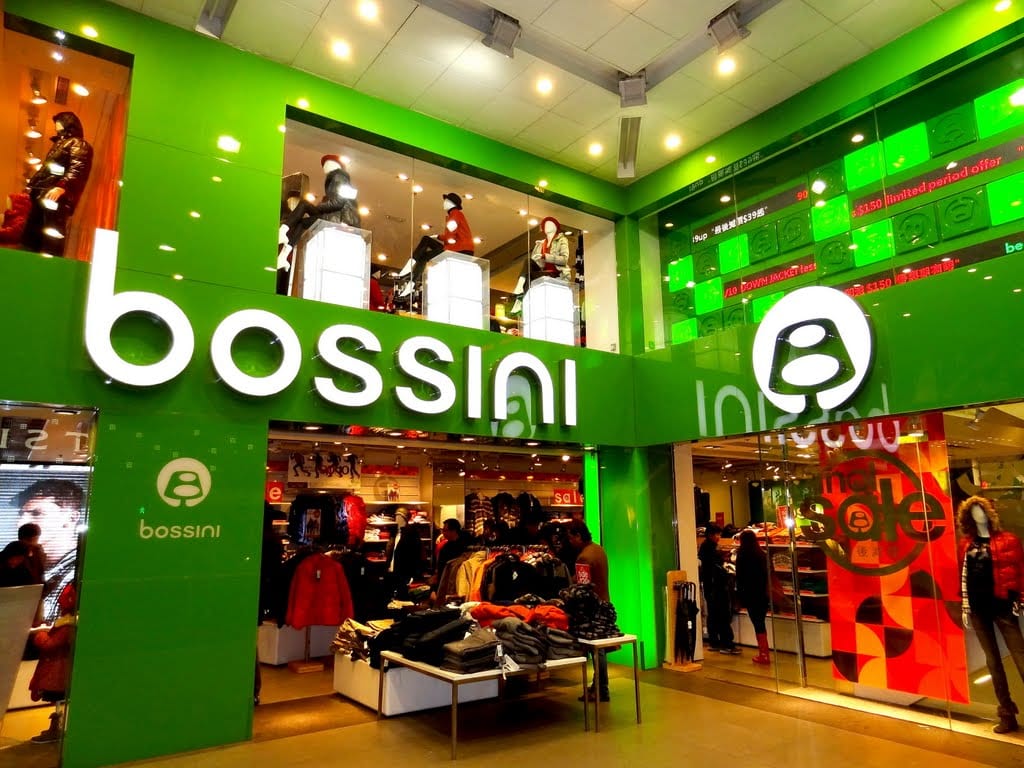
    An unseasonably warm winter and weak consumer sentiment in core markets has been blamed for a more than doubling of losses for Bossini International in the six months to December. The casual-fashion retailer reported a 10 per cent decline in group revenue to HK$875 million (US$111.5 million) and a 5 per cent drop in same-store sales for the period. Gross profit fell 11 per cent and the loss attributable to shareholders ballooned from $12 million in the same period a year earlier to $26 million (US$3.3 million).

    Operating profit in the key Hong Kong and Macau market, where Bossini has 39 stores, improved, despite a 5 per cent decline in same-store sales.

    In Singapore, sales plummeted 23 per cent due to store closures. Same-store sales there fell by 6 per cent, in Taiwan by 7 per cent and in Mainland China by 3 per cent. Group-wide same-store sales fell by 5 per cent, worse than the 2 per cent of the December 2017 half.

    As at the end of last year, Bossini International had a total net retail floor area for directly managed stores of 362,000sqft, about 4000sqft less than a year earlier, across 295 stores, (11 more than a year earlier). It opened 114 franchised stores in markets outside Hong Kong and Macau, taking the total franchised network to 768.

    Hong Kong challenge

    Bossini chairman Man Kuen Bess Tsin said the significant decline in retail sales growth in Hong Kong since July and the negative impact of the devaluation of the Renminbi had impacted on the company’s sales in its home market, which accounts for 66 per cent of group revenue.

    “The Hong Kong retail market presented a cautious optimism if not a mixed picture. Strong inbound tourism, especially from Mainland China, was recorded in Hong Kong. Nevertheless, the consumption per capita started to drop in the third quarter, despite the annually increasing numbers of tourist arrivals in Hong Kong.”

    The group’s total net retail floor area in Hong Kong and Macau reduced from 125,800sqft to 121,600sqft, a decrease of 3 per cent, while sales per square foot slipped 5 per cent to $7200 (from $7600). Operating profit in Hong Kong and Macau was $17 million, up from $12 million for an operating margin of 3 per cent (compared with 2 per cent a year earlier).

    Mainland China revenue decreased 2 per cent.

    Bossini Singapore posted an operating loss of 5 million, 20 per cent more than the comparable period and the operating margin was negative 9 per cent.

    Cautious outlook

    Tsin said Bossini International management is “cautiously optimistic” about the year ahead.

    “However, in face of the complex and volatile global economy and geopolitics, the outlook is full of uncertainties. As an open economy, Hong Kong is particularly vulnerable to the impact of the global situation. At the same time, the local economy and consumption structure are also gradually changing.

    Challenges and opportunities coexist. The group is fundamentally strong with a healthy financial position, which is capable of facing the potential challenges.”

    Tsin said the export franchising business is a main focus of the group.

    “We will further expand and optimise the distribution network, leveraging the economy of scale in market reach and profitability.”

    The company will focus on introducing more new products and designs, with a focus on functionality at the core of its product strategy. Alongside the young adult segment, the company will develop more childrenswear lines to broaden its customer base and it will strengthen supply chain management to improve operational efficiencies.
  • 5G to change life, drive innovation

    5G to change life, drive innovation

    Korea’s Finance Minister Hong Nam-ki said once the world’s first 5G smartphone is introduced at the end of March and 5G connectivity is in full swing, life will improve significantly.  “Commercialized 5G is a core infrastructure of the fourth industrial revolution as it superconnects everything in real time and transfers massive amounts of data at high speeds,” Finance Minister Hong said during a meeting on innovation-led growth Wednesday. “The 5G smartphone, which is to be launched for the first time in the world in March, and 5G telecommunications services will be used in interactive education and digital health care, which will contribute significantly to the quality of life.”

    He said the government has been working on establishing the foundation for the commercialization of 5G, including distributing the 5G frequency to telecommunication companies in June 2018, expanding R&D investments and even setting a new tax rate – a maximum of 3 percent – for companies building the 5G network.

    “This year, the three telecommunication companies – SK Telecom, KT and LG U+ – are expected to invest more than 3 trillion won [$2.67 billion]” in 5G, Hong said.

    Samsung Electronics is expected to hold an event at the end of March to introduce its first 5G smartphone, dubbed the “Galaxy S10 X.” It will also be celebrating 10 years since the mobile phone manufacturer released its first Galaxy phone.

    In December, the company tested its 5G smartphone as the three Korean mobile telecommunication companies officially switched on 5G-network services for clients in the greater Seoul area and in some of the larger cities in the country.

    Finance Minister Hong said the commercialization of 5G services will spark innovation and convergence in various industries, including manufacturing, logistics, health and medical services, even in disaster prevention and management.

    5G is estimated to have maximum data transmission speeds 20 time faster than 4G.

    According to the government, 5G connectivity will not only increase the access to virtual and augmented reality, including wireless holograms for education or entertainment, but with the help of 5G, autonomous vehicles will roam the streets while traffic control will be managed more efficiently by applying artificial intelligence technologies in real time.

    Smart factories with wireless robots and quality control and delivery by drones will become a reality.

    By 2026, the global 5G equipment and device market is expected to be worth around 344 trillion won, while the telecommunication service market will be worth around 410 trillion won and the 5G-based convergence market about 1,440 trillion won.

    By 2030, the economic effects of 5G will be valued at an estimated 47.8 trillion won in Korea, which is equivalent to 2.5 percent of the country’s economy.

  • Emart24 ups the booze to capture solo drinker market

    Emart24 ups the booze to capture solo drinker market

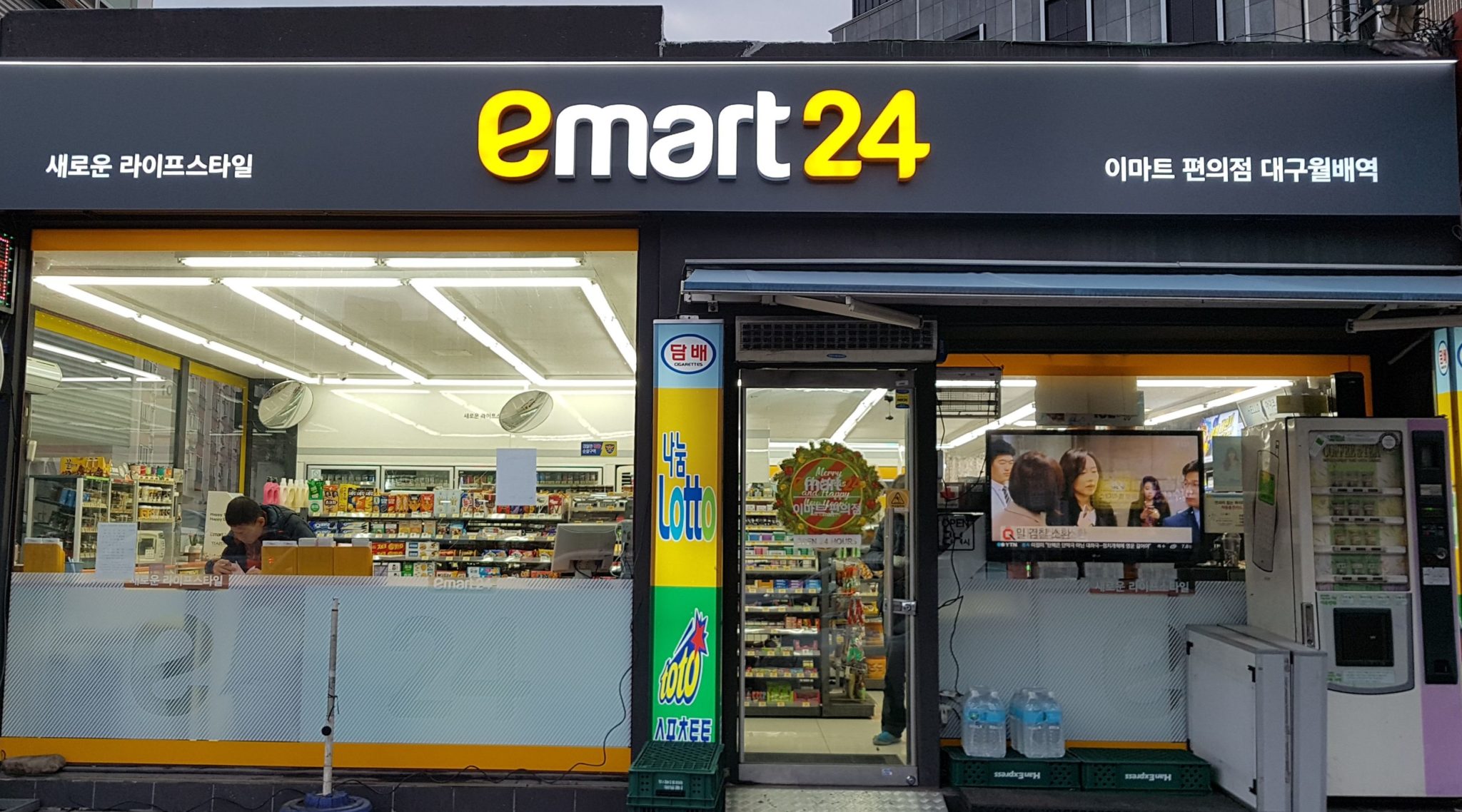
    Convenience store chain Emart24 will expand its alcohol selection tenfold at around 500 branches this year, the brand said Wednesday. The products will be offered using the shop-in-shop model with 120 products, including wine, whiskey and micro-beers, displayed in a dedicated corner. Three to six racks will be added at each outlet to hold the products.

    The company explained the efforts are motivated by the rise of solo drinkers, those who enjoy a few drinks after work as opposed to drinking in larger groups.

    The reduction of the workweek to 52 hours and changing lifestyles, which prioritize work-life balance, have further driven up the number of solo drinkers. Before the announcement, the convenience store tested the shop-in-shop model at 19 branches for two months from November. Sales of wine, craft beer and whiskey increased 20-fold. Overall sales at these 19 branches doubled.

    Emart24 said it plans to expand the shop-in-shop concept to products other than alcohol in the future. It is considering fresh food and imported snacks.

  • King Power duty free monopoly ending soon

    King Power duty free monopoly ending soon

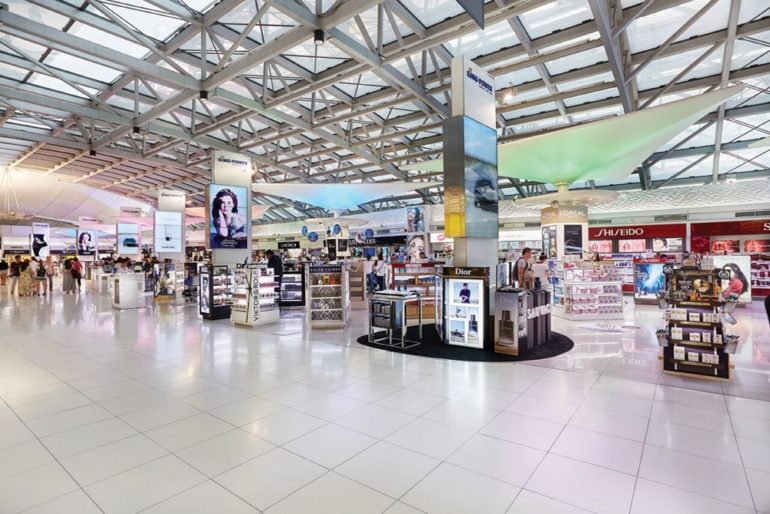
    Thailand’s much-maligned airport duty-free monopoly appears set to be nearing an end. For years, major Thai retailers have complained that incumbent operator King Power has controlled the retail offer – and prices – at Thailand’s largest airports, especially Suvarnabhumi outside Bangkok. Frequent travellers often comment that airport ‘duty-free’ prices are higher than at other airports in the region, including Singapore and Hong Kong.

    On Wednesday, state-owned Airports of Thailand (AOT) approved guidelines for concessions for duty-free and commercial activities at its airports, the first step in opening up retail spaces to other companies.

    According to Reuters, AOT will offer three retail licences at an upcoming auction, clearing the way for Thai retail giants Central Group and The Mall Group, along with South Korea’s Hotel Shilla, to enter the fray.

    King Power’s current licence ends next year.

    AOT says contracts will cover duty-free retail, commercial businesses such as food and beverage outlets and pick-up counters for shoppers who buy goods in town and collect them at the airport after clearing customs and immigration.

  • Rising active customer count gives Vipshop good impact

    Rising active customer count gives Vipshop good impact

    Chinese online discounter VIPShop is reaping the benefits of a 13 per cent increase in active customers last quarter to 32.4 million – well ahead of the 5 per cent full-year improvement. Its annual results released overnight showed net revenue soared 15.9 per cent last year to RMB84.5 billion (US$12.3 billion) and net income attributable to shareholders rose 9.2 per cent to RMB2.1 billion ($309.6 million). VIPShop says its Gross Merchandise Volume (GMV) for the full year rose 21 per cent to RMB131.0 billion.

    “We are pleased to have finished the fourth quarter of 2018 with solid operational results,” said chairman and CEO Eric Shen.

    “Going forward, we will continue to strengthen our core capabilities, aiming to bring highly desirable selections of products to our valued customers on a daily basis, which will drive our long-term growth and profitability.”

    CFO Donghao Yang said the fourth quarter saw “a healthy sequential recovery” of VIPShop’s bottom-line, which was mostly attributable to a focus on the highly profitable apparel category.

    “During this quarter, we began to shift some low-margin categories from our first-party business into the marketplace platform, reducing their drag on our bottom-line while still delivering a solid GMV growth of 15 per cent year over year. We remain focused on stabilising our margins, aiming to drive enhanced shareholder return in the long run.”

    During the fourth quarter of last year, VIPShop added about 86,000sqm of warehousing space, taking its capacity to 3 million sqm.

    For the first quarter of the new year, the company expects net revenue to grow by up to 5 per cent, to between RMB19.9 billion and RMB20.9 billion.