Tag: lifestyle

  • Apple appoints former Microsoft executive

    Apple appoints former Microsoft executive

    Apple has appointed Microsoft’s former Corporate Vice President Sam Jadallah to lead the “Home” products category at Apple. Even though Apple has not officially announced the appointment, Jadallah updated his LinkedIn bio to read – “Working on Home at Apple”, reflecting his new role with the iPhone-maker. However, along with Apple, Jadallah has also been tight-lipped over his hiring by the company.

    After Microsoft, Jadallah ran a smart lock start-up called ‘Otto’ that shut down in January 2018.

    “Hiring Jadallah is the latest signal that Apple plans to get serious about its own efforts in the ‘Home’ category,” the report said.

    Apple has a range of “Home’ products including HomeKit — its software service that connects with a variety of third-party products; and HomePod — a smart speaker for the home with voice recognition and music.

    Currently, Apple’s HomePod constitutes a small share of the home products market as compared to Amazon’s Echo and Google Home.

    Recently, Apple acquired a voicetech start-up called Pullstring to strengthen Siri against Amazon’s Alexa.

    “That purchase could help the smartphone-maker become the centre of a connected living room,” the report added.

  • Korea’s Woori Bank partners with Chinese banks on remittance

    Korea’s Woori Bank partners with Chinese banks on remittance

    Woori Bank launched a money-transfer service linked with Chinese banks to allow its customers to readily and easily send money to people holding Chinese bank accounts. On Monday, the bank said the service will be carried out in real time. The partnered entities include the Industrial and Commercial Bank of China, the Bank of China, the Bank of Communications and also Chinese financial services company UnionPay.

    The service will charge 10,000 won ($8.9) in fees for a transaction less than 2 million won. For remittance over 2 million won, the charge will increase to a flat rate of 20,000 won.

    The service was jointly developed by Woori Bank, Woori Card and UnionPay. Once a user sends money, the service will notify the user of the transfer result via text message.

    The sender must send Korean won and the receiver will receive Chinese Yuan.

  • CIMB partners SimplySiti on halal beauty biz

    CIMB partners SimplySiti on halal beauty biz

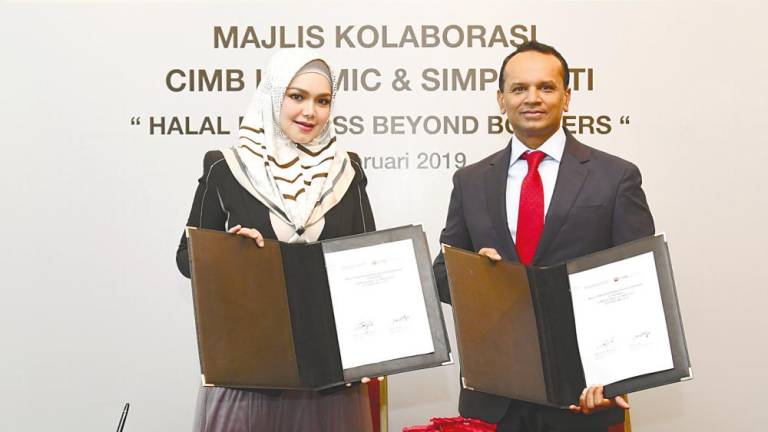
    CIMB Islamic Bank Bhd and local beauty brand SimplySiti have announced a collaboration that will see CIMB Islamic enabling SimplySiti to expand its halal beauty care business beyond Malaysian borders. The homegrown brand will also leverage the end-to-end support of the CIMB-Asean Halal Corridor and CIMB’s strong regional network, to meet the demand for quality halal beauty, cosmetics and skincare products across the region.

    CIMB Group Islamic banking CEO Rafe Haneef said for any homegrown business and SME, opportunities for growth are aplenty but the challenge is always on how to scale up.

    “This is where CIMB Islamic’s expertise, the CIMB-Asean Halal Corridor and CIMB’s regional network provide a strong value proposition to our customers. Through this collaboration, we are excited to facilitate SimplySiti’s move into its next growth phase by reaping the vast halal business opportunities within Asean,” he said.

    The CIMB-Asean Halal Corridor is an enhanced trade network linking halal businesses with trade infrastructure and ecosystems across Asean to take advantage of increasing demand for halal products in the region and beyond.

  • Asia-Pacific the key market for global smartphone sales

    Asia-Pacific the key market for global smartphone sales

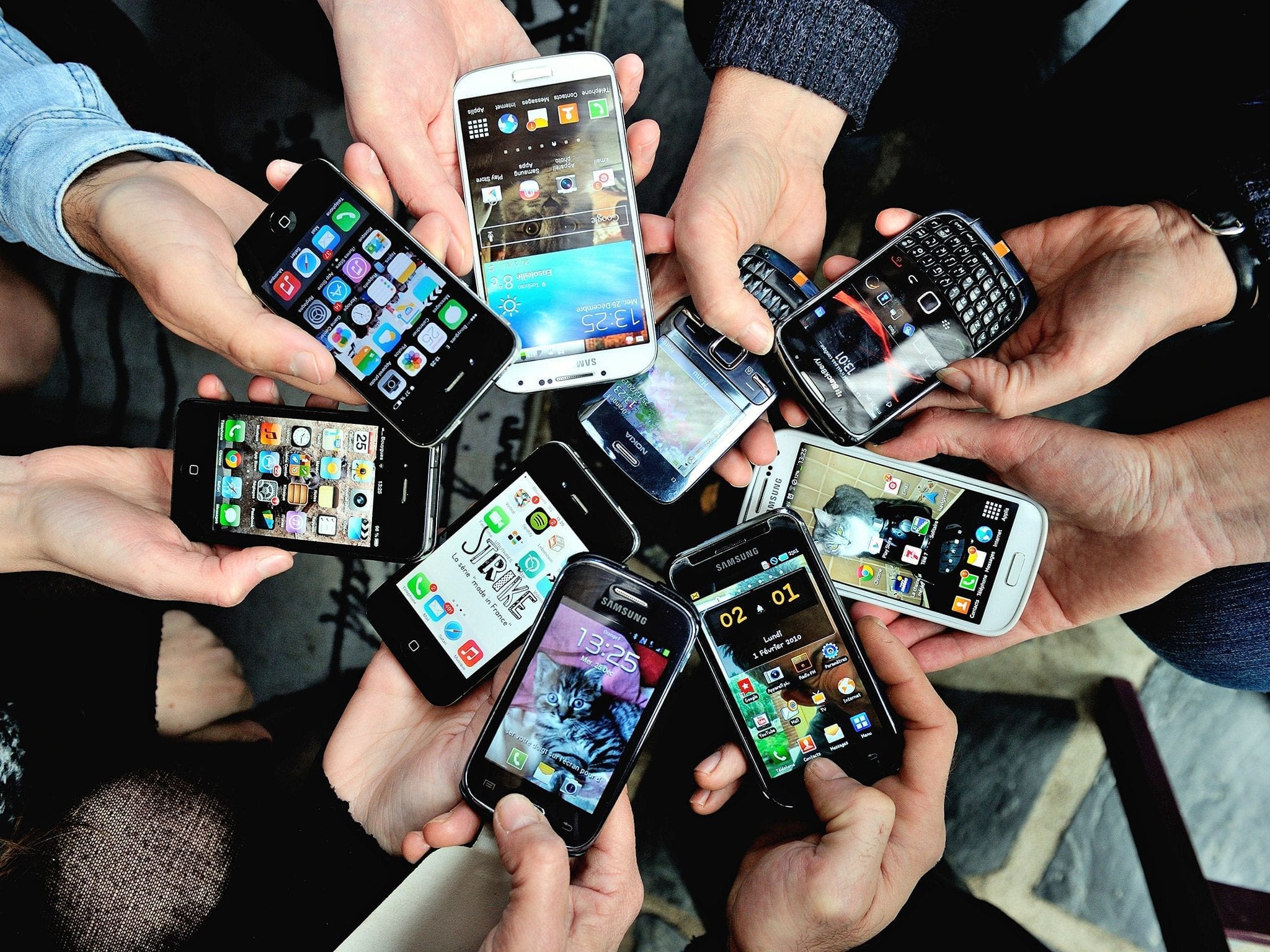
    Global smartphone sales grew 5 per cent to hit US$522 billion last year, with Asia-Pacific accounting for nearly half of those. According to a recent Consumer Life Study by GfK, smartphones, feature phones and wearables accounted for a 44 per cent share of the global $1.2 trillion technical consumer goods (TCG) market. But it warned smartphone sales are expected to grow by just 1 per cent this year.

    Apac the key driver

    More than 732 million smartphone devices were sold last year. Despite a slight decline in demand, overall consumer spend increased by 5 per cent.

    China accounted for 60 per cent of the Apac region’s market value and 54 per cent market volume, making it the largest contributing country to the global smartphone market.

    “The Chinese market consumes the majority of the global smartphone production, as well as being the home of local brands that are becoming increasingly global,” observed Alexander Dehmel, GfK regional senior market insights manager.

    “Some 40 per cent of the Chinese brands’ smartphone production in 2018 was purchased outside of China, up from 31 per cent in 2016.”

    In second position, India bucked the global demand downtrend, reporting growth in both sales volume and value in 2018, by 19 and 21 per cent respectively. More than 161 million smartphones worth more than $28.5 billion were sold last year.

    “In Asia’s emerging markets such as India, a country where feature-phone sales still exceeds half of the total handset market, smartphone market rapid growth is fuelled by the high adoption rate of first-time smartphone users, in addition to the fast replacement cycle and upgrading of existing smartphone users,” said Dehmel.

    Premium models and Chinese brands fuel growth

    Globally, 12 per cent (up from 9 per cent in 2017) of smartphones sold were priced at more than $800 last year. The $150-400 segment continues to be an important competitive battleground accounting for 46 per cent of smartphones sold globally (up 2 per cent from 44 per cent in 2017).

    Within Asia, developed markets drove the take up of high-end smartphones. Last year, every other device (53 per cent) sold in these countries cost more than $800. On the other hand, the most affordable phones priced below $150 accounted for half the total market.

    “Chinese brands have been significantly increasing their presence worldwide, and specifically in emerging Asian markets, their popularity have been largely driven by their affordability and faster model refresh cycles with improved specs,” commented Dehmel.

    “Take the region’s third largest smartphone market of Indonesia for instance; Chinese brands accounted for more than two in every five (42 per cent) smartphones sold in the country in 2018.”

    Looking ahead

    The study shows that consumer trends are changing when it comes to possessions. Not only do consumers “prefer to own fewer but higher quality items” that they will pay premium prices for, but they also “value experiences more than possessions”. If larger memory or screen size and multiple high-megapixel cameras can enhance their overall usage experience, such innovations will likely help ignite consumers’ imagination and stimulate greater demand.

    With rapidly evolving technology, the later part of last year saw new launches in the market which offered consumers features such as larger screen sizes, higher resolutions for both the front and back cameras, along with increased number of camera lens, and more-advanced AI functionalities.

    One of the key observations for last year was the continued popularity of larger screen sized smartphones – a trend consistently reflected across every single Apac market. China and Korea were the top two markets where almost nine in 10 smartphones sold had 5.5 inch or larger screen sizes.

    “From the trends that emerged in the second half of last year, we anticipate the growth of larger display smartphones with high screen-to-body ratios (i.e. slim bezels) to continue developing this year, as well as rising demand for models with stronger camera offerings in both resolutions (megapixels) and the number of lenses, powered by more advanced AI capable chipsets,” concluded Dehmel.

  • Nest Fragrances opens flagship store in New York City

    Nest Fragrances opens flagship store in New York City

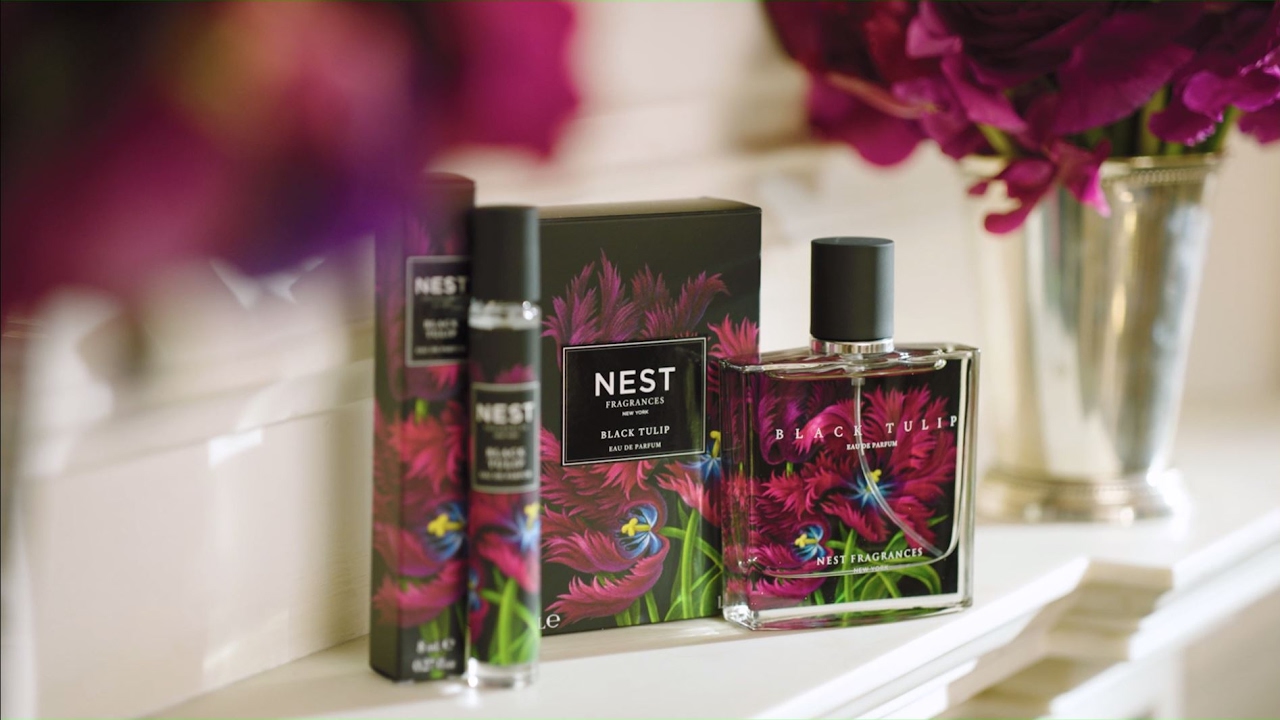
    Luxury-lifestyle brand Nest Fragrances has opened its first retail store in the NoLita neighborhood of Lower Manhattan. For the first time anywhere, the new Nest Fragrances flagship store unites the brand’s entire product portfolio in one retail location, which company founder Laura Slatkin describes as “an enchanted, fragranced garden”.

    “The theme of our first retail store reflects – and was inspired by – our desire to showcase the Nest Fragrances brand in a harmonious and holistic fashion in an environment that, like our fragrances, is artful, sophisticated, and approachable,” said Slatkin. “For the very first time, our new flagship store brings together under one roof our Home and Fine Fragrance collections and our newly launched Lifestyle Bodycare collection.”

    Nest Fragrances partnered with New York-based interior design firm R. Douglas Gellenbeck Studio to conceptualise and build its first retail store. MJ Atelier, an art studio based in Los Angeles, was commissioned to create a hand-painted, sculpted wall covering for the store inspired by early 20th-Century French interior designer Armand-Albert Rateau’s bath design, which he created for the Duchess of Alba.

    “Our brand’s mission is to create exceptional fragrances that shape moods, transport people, and transform spaces,” continued Slatkin. “Since 2008, when I founded Nest Fragrances, I have drawn inspiration from art, fashion, destinations, and literary works combined with the beauty of nature and its natural elements to create fragrances and products to achieve that mission. Now, 10 years later, I am thrilled that we have come full circle by successfully applying that same approach and fragrance-forward philosophy to achieve our mission in our very first retail store. Consumers will see a lot more of it as we continue to expand our footprint at retail in the coming years.”

    The 1140sqft store sells more than 215 SKUs across the brand’s three core product categories. It will also offer limited-edition products and specialty gift sets across its three core product categories – as well as year-round specialty gift sets, the option to create custom-made gift sets, candle accessories, and a concierge delivery service in New York.

  • Maybank achieves record earnings of RM8.11 billion for 2018

    Maybank achieves record earnings of RM8.11 billion for 2018

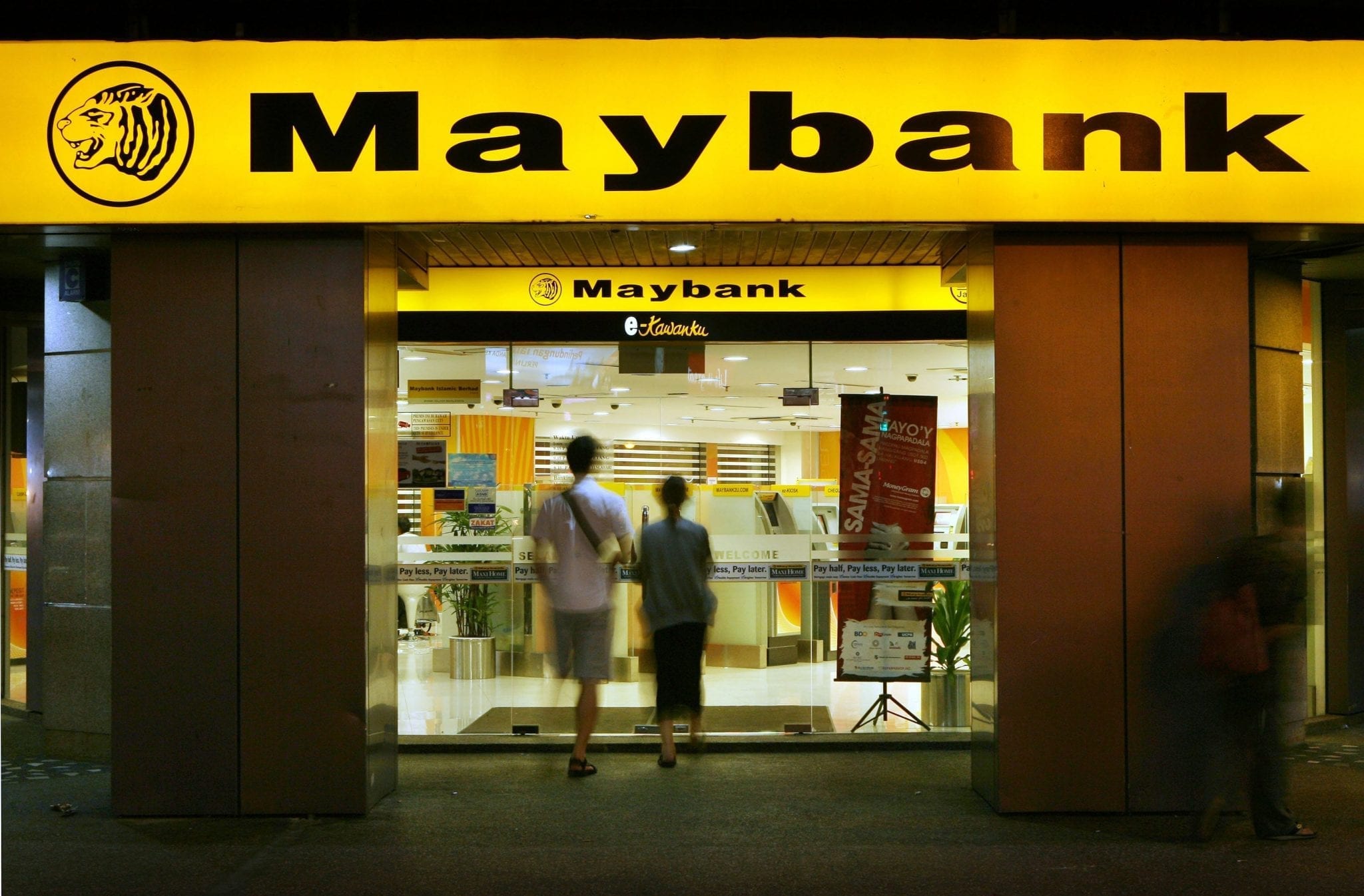
     Malayan Banking Bhd’s (Maybank) registered highest ever net profit of RM8.11 billion for the financial year ended December 31, 2018 (FY18) from RM7.52 billion a year ago, mainly underpinned by higher loans growth, lower overhead costs as well as lower provisioning. Its FY18 revenue also rose 3.8% to RM47.32 billion against RM45.58 billion previously.

    Net profit for the fourth quarter, meanwhile, grew 9.1% to RM2.33 billion from RM2.13 billion in the same quarter a year ago, with revenue expanding 3.8% to RM12.23 billion from RM11.79 billion.

    The bank has proposed to declare a final dividend of 32 sen per share for the quarter under review.

    Together with the 25 sen interim dividend declared earlier, the full-year dividend payout of 57 sen per share amounts to RM6.3 billion or 77.3% of net profit.

    The total dividend payout also translates into a higher dividend yield of 6% versus 5.6% in 2017.

    In 2018, Maybank’s achieved a record net operating income which rose 1.7% to RM23.63 billion, on the back of a 3.1% increase in fund based income as a result of higher contributions from all business sectors and key home markets.

    Group gross loans expanded at a faster pace of 4.8% in FY18, compared with 1.7% previously. The Malaysian operations saw loans expanding 4.8%, Singapore 4.5%, Indonesia 7.0% and 10.9% for other international markets.

    Maybank also highlighted that its net impairment losses for the year coming in 20.5% lower than the previous year, lifting operating profit by 9.3% to RM10.8 billion in 2018.

    For Q4 alone, it also saw net impairment losses coming in 58.1% lower than Q3.

    The bank continued to maintain a healthy liquidity position with its liquidity coverage ratio of 132.4% and loan-to-deposit ratio of 92.7%. Total capital ratio was 18.51% while its fully loaded common equity tier 1 ratio stood at 14.51%, both well above the regulatory requirements of 8.0% and 4.5% respectively.

    On its prospects, Maybank said it will maintain its balance sheet expansion in line with forecast economic growth of its three home markets, in tandem with the group’s risk posture, and continue building on its diversified franchise and footprint to expand income streams through cross business collaborations and focusing on diligent pricing of its assets and liabilities.

    Barring any unforeseen circumstances, the group expects its financial performance for 2019 to be satisfactory in line with the expected growth prospects of its key home markets.

    The group has set the headline key performance indicator (KPI) for return on equity (ROE) of approximately 11%.

    At 2.35pm, Maybank’s share price was trading unchanged at RM9.54 on 3,344,100 shares done.

  • Hyundai Korea’s employees to be more casual at office

    Hyundai Korea’s employees to be more casual at office

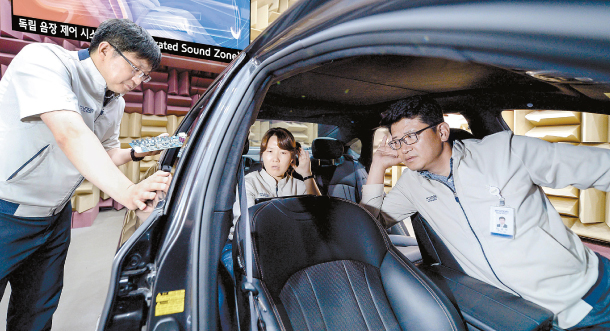
    Jeans and T-shirts will be allowed at Hyundai Motor offices from March 4 as the auto group’s heir apparent Chung Eui-sun looks for new ways to give the automaker a younger, trendier feel. On Monday morning, Hyundai Motor employees at its headquarters in southern Seoul were told that they are free to dress however they want from next month. Unlike a no-tie day, Hyundai’s new dress code didn’t include any special rules or guidelines.

    The free dress code applies to all Hyundai office workers, according to the company spokesperson, but not for workers at production facilities due to safety issues.

    While some time will be needed for Hyundai employees, who are much more familiar with formal suits, to get used to their new fashion freedom, industry sources say the move is likely to spread to Hyundai affiliates soon.

    Hyundai has long been considered one of most conservative Korean companies, as with most other companies in the traditional manufacturing sector like shipbuilding and steel. However, the automaker has been trying to rebrand itself as a mobility technology company given the growing importance of digital technology in the auto industry.

    Hyundai Motor Group Executive Vice Chairman Chung Eui-sun stressed in his New Year’s message that he will ramp up investment in the sharing economy, artificial intelligence and smart mobility to keep up with the radical paradigm shift.

    LG also started to shift its dress culture earlier last year. LG Electronics and LG Corp. adopted free dress codes from September.

  • Build-A-Bear to open more stores in next 10 years in India

    Build-A-Bear to open more stores in next 10 years in India

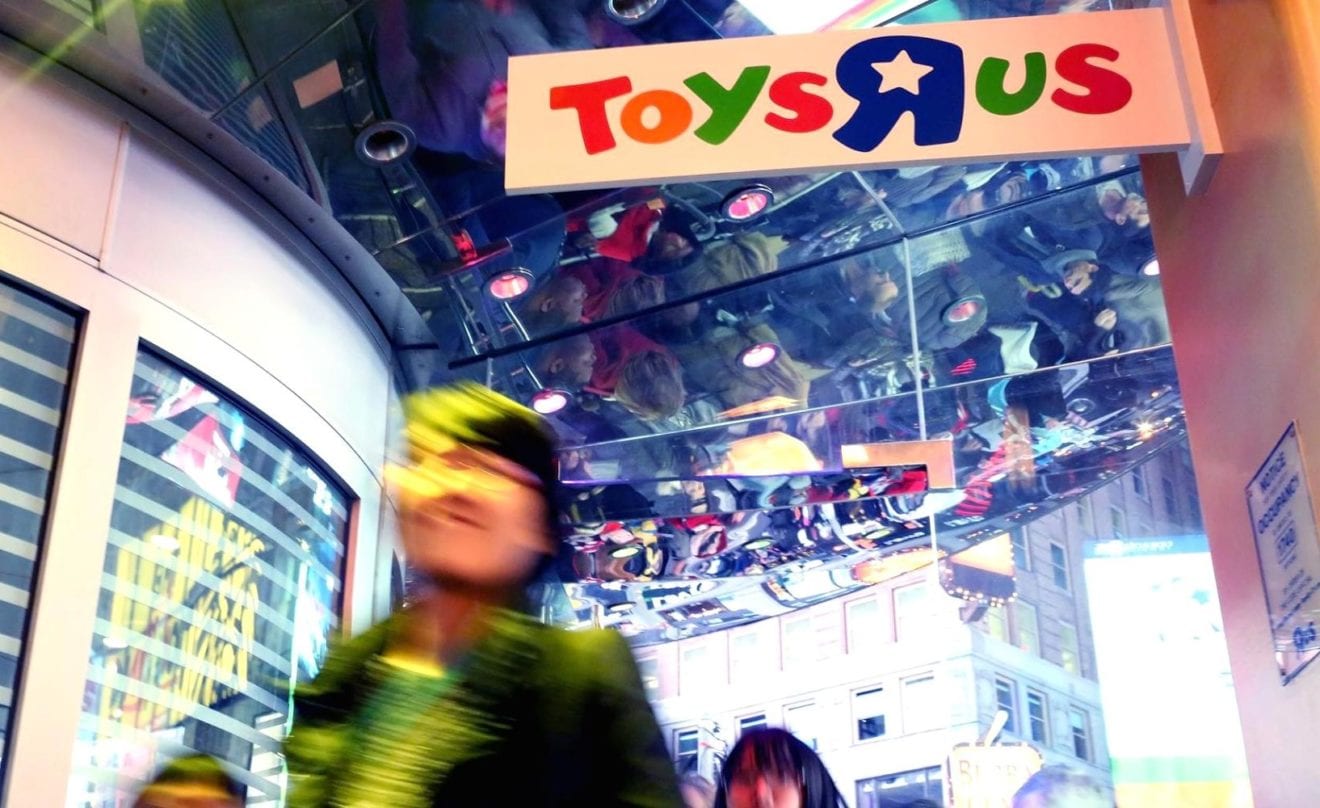
    For more than 21 years, U.S. based personalized experiential toy retail brand Build-A-Bear has been sharing hearts and bear hugs globally, and after a long wait, Tablez – the retail arm of LuLu Group International, has launched the first Build-A-Bear store in India, at Toys”R”Us, Phoenix Marketcity in Bangalore. Build-A-Bear is a global customized stuffed-animal retail entertainment brand that aims to reach as many as 9 million households in the top 15 cities in India by 2025. Besides standalone stores, shop-in-shop formats of Build-A-Bear would be launched within Toys“R”Us.

    On this special occasion, Adeeb Ahamed, MD, Tablez said: “The Build-A-Bear concept is a one-of-a-kind retail experience, and we are thrilled to open the first store in Bangalore. Build-A-Bear is synonymous with creativity and novelty for children. I am sure that each child that enters our store will cherish their experience and leave with an indelible memory.

    “From standalone stores to shop-in-shop formats, Build-A-Bear is ready to reach out to families and kids in India and help loved ones create memories and spend more time together. We plan to open 20 standalone stores of Build-A-Bear across key cities in India over the next 10 years, along with shop-in-shop formats across all our Toys”R”Us stores as well.”

    Dorrie Krueger, Build-A-Bear Workshop Chief Strategy Officer, said, “Together with Tablez India, we are excited to open the first Build-A-Bear store in India and continue to expand into this important global market. We look forward to introducing the Build-A-Bear brand and sharing the joy of making a new furry friend with millions of families.”

    Build-A-Bear is a global brand that kids love and parents trust for fantastic family experiences. The ‘Choose Me’ wall at every Build-A-Bear store is where the empowerment journey begins as each guest chooses an unstuffed animal to bring to life. Accessories give customers the freedom to customize their creation. The heart ceremony is where one can add special wishes to their friend. During the stuffing process, a heart is placed in the bear along with special wishes, and the guest promises to care for their new furry friend once they are given the birth certificate. This signature ceremony brings each stuffed animal to life in a personal way, further ensuring a greater attachment.

    Established in 1997, Build-A-Bear has helped millions find their own meaning in a new furry friend. The brand has nearly 500 stores worldwide and more than 180 million furry friends have been made globally in its 21-year history. Build-A-Bear helps guests mark special occasions, start friendships, and inspires people to make their own adventures. At Build-A-Bear, one is empowered to feel that anything is possible.

    Further, a Build-A-Bear shop-in-shop format will follow in Vega City Mall, Bangalore; City Centre Mall, Mangalore and Phoenix Marketcity, Pune. Build-A-Bear plans to expand to as many as 65 shop-in-shop format stores and 20 standalone stores in India over the next 10 years.

  • Newest Esprit stores reveals new concept

    Newest Esprit stores reveals new concept

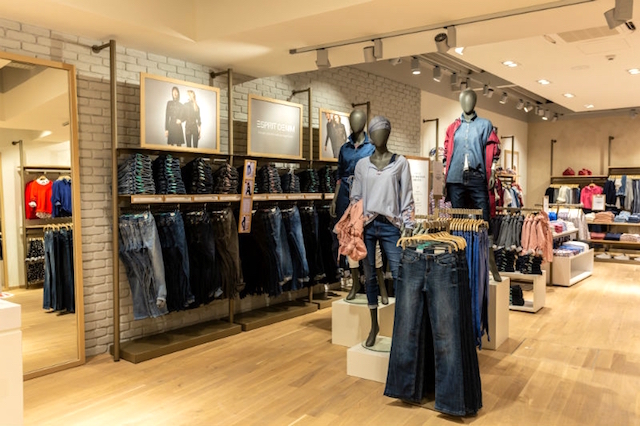
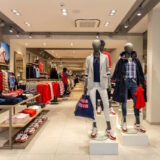
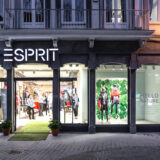
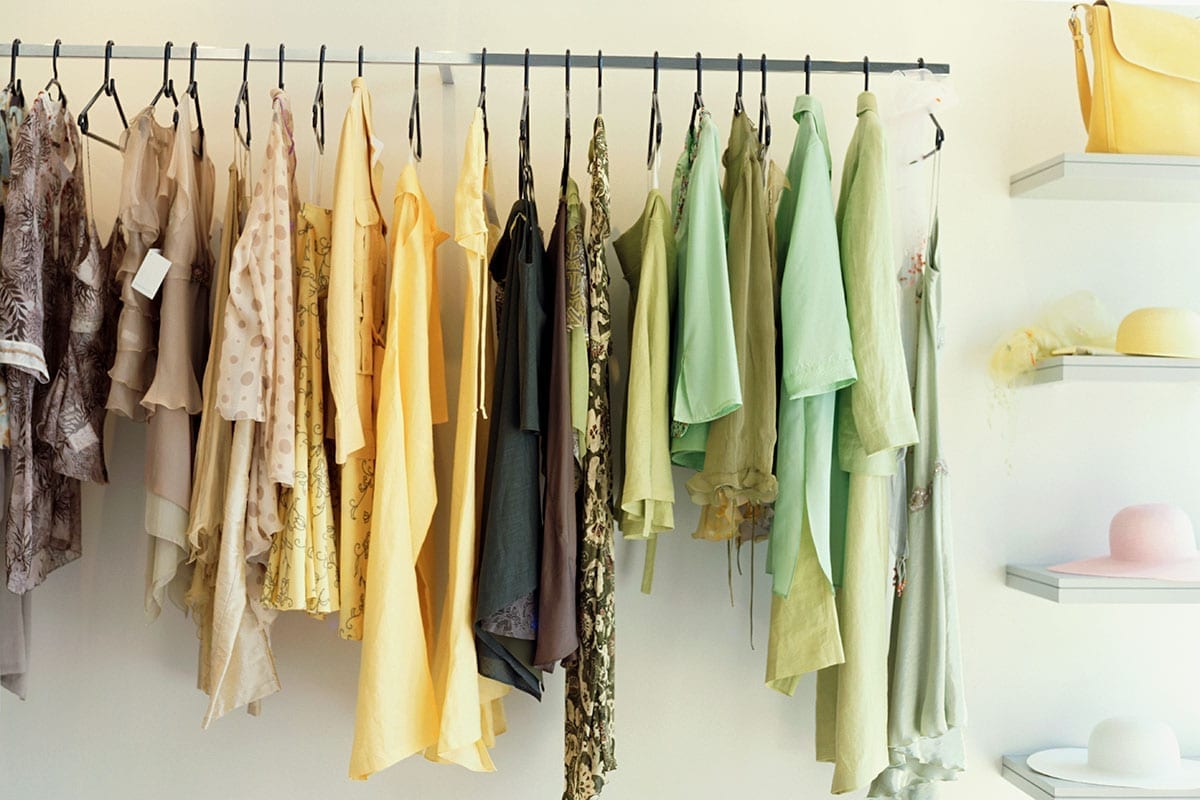
    Two new Esprit stores opened in Europe this month give an insight into the new direction of the embattled brand as it rebuilds. In the historic centre of Liege in Belgium a new 400sqm boutique stocks only womenswear. According to an understated news release issued in Germany, the “modern and bright store design creates a pleasant and warm atmosphere”.

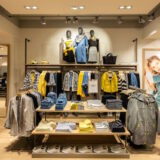
    A standout feature is a denim wall standing in front of a brick wall painted in light grey. The floor comprises terrazzo tiles and oak parquet.

    The new store also reflects a growing focus on Esprit’s e-commerce offer, with a click & collect area for customers to pick up items they have ordered online.

    The second of the Esprit stores to open in Europe this month is an outlet store at Wolfsburg in Germany.

    The 400sqm store is described by Esprit as “an important location” in its outlet portfolio. It offers both women’s and men’s apparel.

    Michael Ernst, centre manager of Designer Outlets Wolfsburg, says customers have been asking for an Esprit store at the centre for several years.

    “We are delighted to be able to fulfil this wish now. The new store offers an attractive range of fashion at excellent value.”

    Designer Outlets Wolfsburg is the first inner-city outlet centre in Germany, home to more than 70 designer and lifestyle brands.

    After ongoing losses, Esprit last year launched a massive overhaul of its business with a new management team at the helm, promising changes to product, its retail network and its e-commerce offer.

    The company is due to release its interim results this week.

  • India’s V-Bazaar opens 1st outlet in Lalitpur

    India’s V-Bazaar opens 1st outlet in Lalitpur

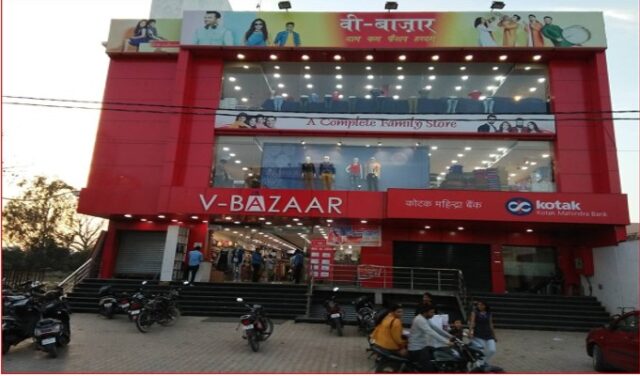
    V-Bazaar has announced the launch of its 1st store in Lalitpur and 30th in Uttar Pradesh. V- Bazaar is a complete family fashion store which brings trendy and fashionable merchandise to every category of people, at reasonable prices by eliminating the middleman between manufacturers and customers. The store is spread over 8,856 sq.ft. area.

    Announcing the launch, Hemant Agarwal, CMD of V-Bazaar said, “It is a very happy and proud moment for us to open our 1st store in Lalitpur. Looking at the overwhelming response of our other store, we thought of providing the convenient shopping experience to the customers of the city. It has been our attempt to provide our customers the superior merchandise, service and the overall international shopping experience. This 1st new store in Lalitpur is a significant achievement for us. Our new store is fashionable and individualistic, showcasing a collection of the finest quality merchandise at unbelievably pocket-friendly prices.”

    The new showroom has been spread over large area with spacious interiors. The new store offers a vibrant trendy line for the youth which includes shirts, pants, sherwanis, kurta pyjama, jackets for men and fancy wedding sarees, wedding designer suits, cotton suits, pants, half sleeve and full sleeve t-shirts for women. There is large variety of dresses for your young ones too.

    The range offers funky, stylish, and incredibly comfortable garments that are a must in every teenagers and young adult’s wardrobe. Created while keeping current international trends in mind, the collection is trendy, fashionable and is available at unbelievably low prices. Customers can make their shopping fun with special opening offers at V-Bazaar as on every purchase they get assured gifts.

    V-Bazaar primarily operates in Tier II and III cities. It is chain of value retail fashion stores offering apparels for men, women, kids, home furnishing, footwear and accessories catering to the entire family.

  • Seoul to get its first Emart Traders branch next month

    Seoul to get its first Emart Traders branch next month

    Emart, a Shinsegae Group company, will open a new branch of Traders, its big-box warehouse chain, in Seoul next month. It will be the first branch in the capital. The outlet will be located in Wolgye-dong, Nowon District, northern Seoul, with the opening scheduled for March 14. The Wolgye Traders is being built in the parking lot of Emart’s Wolgye store. The warehouse store will be 9,917 square meters (106,746 square feet) in size, with 45,302 square meters of floor area.

    Emart said the annual sales goal for the first Seoul branch of Traders is 140 billion won ($12.6 million). The company is planning to raise the new branch’s competitiveness by offering instant and fresh food at prices that could be 45 to 50 percent lower than the average price at department stores.

    There are currently 15 Traders branches nationwide, and Emart is planning to expand the number to 18 by the end of this year.

  • Wayne’s Coffee debuts in China

    Wayne’s Coffee debuts in China

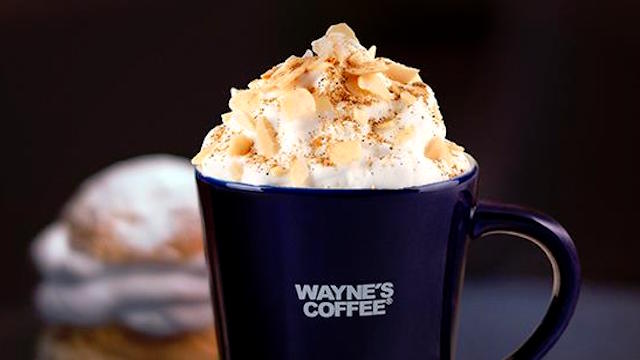
    Swedish cafe chain Wayne’s Coffee has opened its first outlet in China. The new store on Shanghai’s Nanjing Xi Lu serves coffee, sandwiches and Swedish pastries to consumers. The move represents a courageous first step in a market dominated by international and local competitors. China is Wayne’s second market in Asia after the brand launched in Vietnam in June last year. It currently operates seven locations in Ho Chi Minh City.

    While the brand has been criticised for lacking a distinctive look and presumed by some observers to be a local Starbucks clone, the brand has in fact been running in Sweden since 1994, where it was the first venue in the country to serve cafe latte. It was also the first to serve the latte in Saudi Arabia when it opened there in 2010.

    Wayne’s more aggressive expansion phase was recognised when the brand won “Franchise chain of the year 2017” in Stockholm. It currently operates more than 140 locations internationally.

  • Hanoi businesses do brisk business with Trump-Kim summit specials

    Hanoi businesses do brisk business with Trump-Kim summit specials

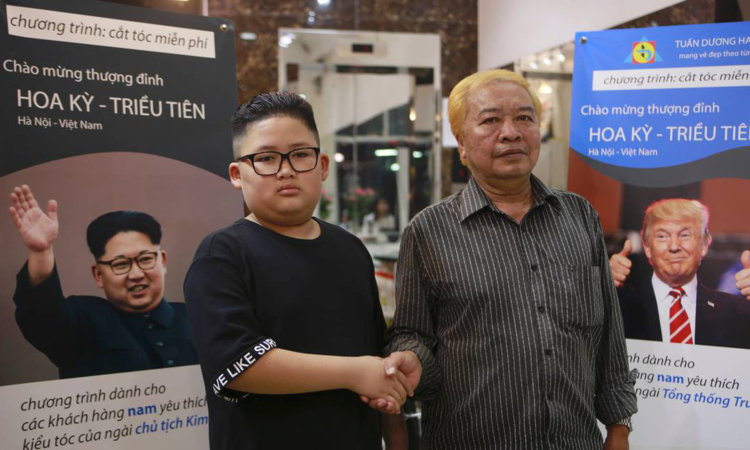
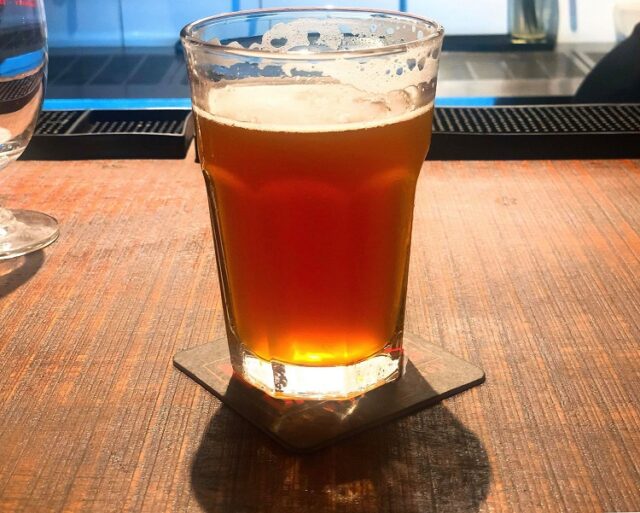
    Several enterprising businesses have cashed in on the Trump-Kim summit with signature products – craft beer, cocktails, haircuts and T-shirts. A standing bar on Tran Vu Street has already gained a lot of attention with a craft beer named Kim Jong Ale, a kimchi flavored beverage concocted in Saigon.

    Huong Anh, who manages the bar, has waxed lyrical about the beer for the occasion. “Kim Jong Ale is a customers’ favorite here. The inspiration behind this beer is the pure streams of Mount Paektu, which is located between North Korea and China,” she told reporters.

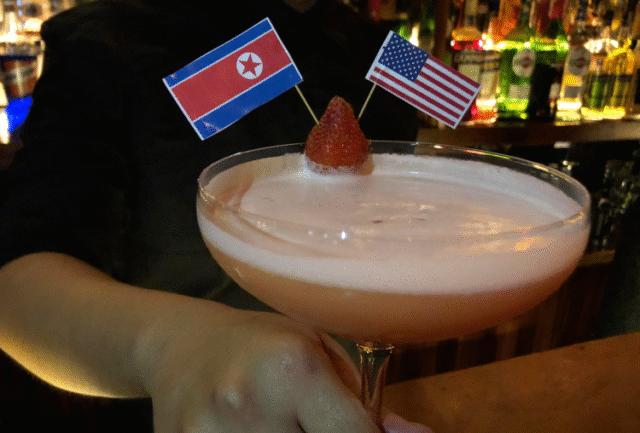
    Yet another bar on Hang Than Street brought out a cocktail called “Make the world great again”, mixing soju, bourbon and Fireball Cinnamon Whisky, pineapple juice, vanilla and grenadine.A wine bar in the capital city has also helped itself to some publicity and increased business with a cocktail called “Peace Negroniations,” a variation of the classic Negroni, made with pink-grapefruit soju, vermouth and bitters. We replaced gin with soju for this special cocktail,” bartender Chau said.

    It took two days to complete this recipe, said Ngo Dinh Tien, a bartender.

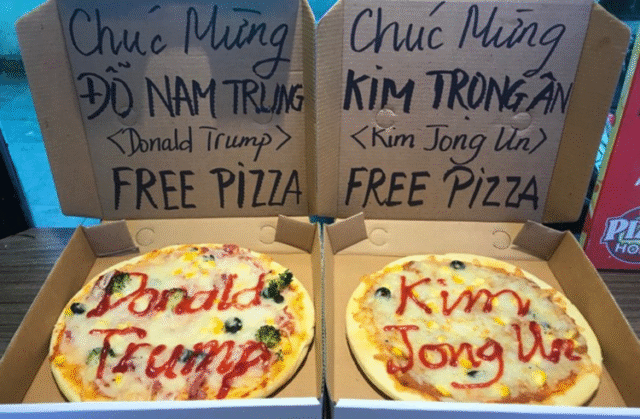
    A pizzeria has been offering free pizzas to people with names similar to that of Kim Jong-un and Donald Trump, and to those sporting the distinctive haircuts of both leaders, from February 20-28.

    To get such haircuts, the place to go to is the one on De La Thanh Street that has been offering these for free. The salon is even organizing a contest for people getting such haircuts, with the grand prize being free haircuts for three years.

    A South Korean restaurant in the My Dinh area has hung a banner on their door, featuring Kim Jong-un and Donald Trump and welcoming the summit. The owner said the poster has attracted a lot of attention with many customers taking selfies with it.

    An Old Quarter restaurant has hogged some attention for itself with hamburgers named after the two leaders – “Durty Donald” and “Kim Jong Yum,” served with U.S. and North Korean flags.


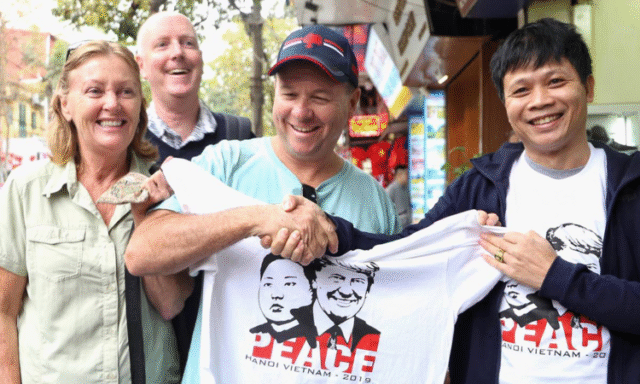
    Perhaps the hottest summit item has been souvenir T-shirts. Truong Thanh Duc’s small shop on Hang Bong Street has been operating at full capacity, making 500 shirts a day with a design that says peace and carries pictures of both leaders. Each T-shirt costs less than $5


    .

  • Convenience drives Chinese smart-home market

    Convenience drives Chinese smart-home market

    New research from market intelligence agency Mintel has suggested that convenience will drive the future of the Chinese smart-home market. However, affordability is the biggest barrier to purchasing, in an environment where today’s Chinese consumers are growing increasingly familiar with smart home devices. According to Mintel, as many as 68 per cent of urban Chinese consumers who have purchased or are interested in smart-home devices say that convenience is a primary reason for their interest. Meanwhile, 60 per cent attribute their interest in smart-home devices to trying new technology and half because smart home devices make them feel more relaxed at home.

    “Chinese consumers are now increasingly knowledgeable about how smart-home appliances can help to simplify daily lives,” said Mintel China research analyst Kaye Huang. “Convenience as well as an interest in trying new technology are big reasons for Chinese consumers to purchase smart-home devices. Parents are showing more interest in smart-home devices than those without children; which is likely to be attributed to how the devices can help parents save time and effort. On the flip side, price, more so than privacy, is what is keeping Chinese consumers from purchasing these devices. This indicates that companies in the smart-home market need to put more effort into communicating why these products are value for money.”

    Meanwhile, Mintel research reveals that automatic adjustment to environmental changes is a big opportunity for players in the smart home devices market; more than half of urban Chinese consumers think that this function is a necessity.

    “What will stand out in the smart-home market is the ‘automatic adjustment of parameters’ which enables smart-home devices to automatically respond to environmental changes, such as temperature and humidity. Today’s Chinese consumers have higher expectations on their living conditions and automation is an important part of making the living environment ‘smarter’,” said Huang.

    “Voice control has been a popular area of development in recent years especially since the industry believes that it could be the next generation of user interaction,” continued Huang. “Yet, our research finds that voice control, while widely-known, is a less-used smart home function. While playing music and asking for general information are two main functions that Chinese consumers are using for voice control, in reality this only counts for a handful of consumers, suggesting consumers’ habit of using voice control is far from being firmly established. In the future, brands can look at rolling out strategies and initiatives to instil the habit of using voice control among consumers in China.”

  • Singapore’s VeganBurg plans US expansion with franchising

    Singapore’s VeganBurg plans US expansion with franchising

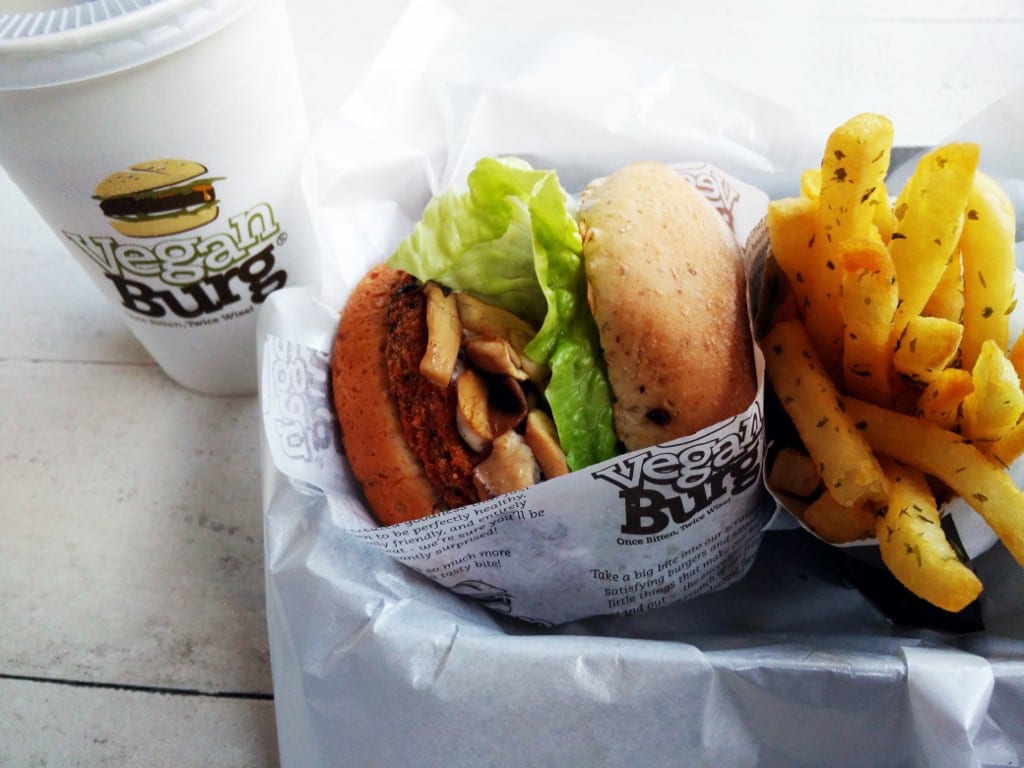
    Singapore-based burger chain VeganBurg is seeking new franchisees to expand its business in California. The company will hold a franchising conference in Las Vegas next month, expected to be attended by many Californian companies and individuals evaluating franchise concepts. “VeganBurg has developed a passionate following from customers in Singapore and internationally and we have spent the last few years refining operations and investing in what has made VeganBurg a winner — our juicy burgers, fantastic staff, and world-class customer service,” said Alex Tan, VeganBurg CEO and founder.

    “We are interested in meeting enthusiastic and dedicated people who are passionate about the environment and impeccable people support,” he added.

    VeganBurg’s franchisees can be assured of support from pre-opening and training. An operations team will help new partners establish supplies of proprietary ingredients and products, assist with site selection and interior design, initial training and ongoing training support, product research and development, branding and marketing assets, systems, tools and processes.

    Founded in 2010, VeganBurg has been redefining food pop culture and comfort food in Asia and North America with its 100-per-cent plant-based menu.