Tag: lifestyle

  • 2Bme launches new store in Acropolis Mall India

    2Bme launches new store in Acropolis Mall India

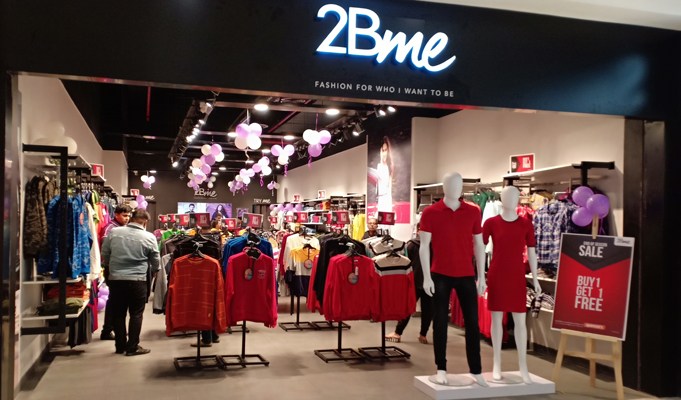
    2Bme, the private label apparel line from RP-Sanjiv GoenkaGroup, recently launched their second exclusive brand outlet at Acropolis Mall, Kolkata. The 2000 sq. ft. store on 2nd floor at Acropolis Mall, Kolkata is the latest addition to the retail network of 2Bme after the launch of the first EBO in Quest Mall last year.

    The store showcases an exclusive western casual clothing line from 2Bme embodying the brand’s vision of providing ‘contemporary fashion for your every day needs’.

    On the occasion of the store expansion, a 2Bme spokesperson said, “We will look at opening 10-12 EBOs of 2Bme in prime malls of Kolkata, Delhi-NCR and Hyderabad. Recently we also signed on Ranbir Kapoor and Shraddha Kapoor as brand ambassadors and this  is helping us create an exclusive entity for our brand.”

    Store Design, TG & Future Plans

    With a minimalist yet chic design, the EBO has a contemporary
    look and feel giving a comfortable shopping experience each time a customer walks in.

    Targeted at the age group of 22-35, the brand has everyday casual wear in a very affordable price range between Rs. 499 – Rs. 1,999. The store offers a huge collection of western clothing line including – tops, graphic t-shirts, dresses, trousers, denims, shorts, joggers, and light weight sweaters for both men and women.

    “2Bme has around 15,000 styles and we have sold more than 3 million pieces so far. The brand has already crossed the mark of
    Rs 100 crore within one-and-a-half-years of its launch and it is likely to garner a turnover of Rs 300 crore in next three-four years,” the spokesperson said.

    At a later stage 2Bme will be also made available through large format MBO’s and e-commerce platforms.

  • LG Household’s History of Whoo makes history

    LG Household’s History of Whoo makes history

    LG Household & Health Care’s skin care brand The History of Whoo generated 2 trillion won ($1.79 billion) in sales this year as of Thursday. This is the first time a Korean beauty brand has reached that threshold. The 2018 record is also a 40.8 percent increase from last year’s annual sales.

    “For us, the achievement is meaningful in that it’s a sign we’re nearly able to compete shoulder-to-shoulder with global beauty brands,” LG said in a statement.

    The 2 trillion won in sales figure is based on manufacturer price. Counting the consumer price tag, the figure jumps up to 3 trillion won. According to market research firm Euromonitor International, the top three global beauty brands – Lancome, Shiseido and Estee Lauder – generate between 4.4 trillion and 5.3 trillion won a year based on the same standard.

    The last time The History of Whoo set a record was in 2016, when the brand made 1 trillion won in annual sales, 14 years after its launch. Breaking the 2 trillion won threshold came just two years later.

    The rapid growth is notable in that Whoo successfully survived a widespread boycott of local brands in China last year, following the installment of the U.S.-led antimissile system Thaad. This is in contrast to a score of other beauty companies like local leader Amorepacific, which have suffered huge blows from the loss of Chinese customers and some have yet to recover to pre-Thaad revenue levels.

    A spokesman explained that the brand kept its positive image thanks to word-of-mouth marketing and repurchases from Chinese customers.

    In terms of strategy, LG believes Whoo’s positioning as a high-end beauty brand has proven effective. Among its wide brand portfolio, The History of Whoo is one of LG’s premium brands with a higher price tag.

    Its main concept is that the products are based on records from Korea’s past dynasties which use oriental medicine as main ingredients. The brand story is also reflected in its product packaging, which emphasizes gold and red, which industry watchers say fits well with Chinese consumers’ taste for glamor.

    “We also concentrated a lot of our marketing activities to target VIP customers that have buying power,” said an LG spokesman.

    For next year, the company plans to continue its drive to push premium brands. Another brand LG is hoping to develop in the price range is SU:M, which is less flashier than Whoo, but emphasizes the use of fermented plants. Although smaller than Whoo, SU:M is also expected to reach 440 billion won in sales this year, a 15.8 percent increase year-on-year. During this year’s third quarter, LG’s three luxury brands – Whoo, SU:M and O HUI – were responsible for more than 60 percent of its beauty revenue.

  • How the retail industry has fared in 2018

    How the retail industry has fared in 2018

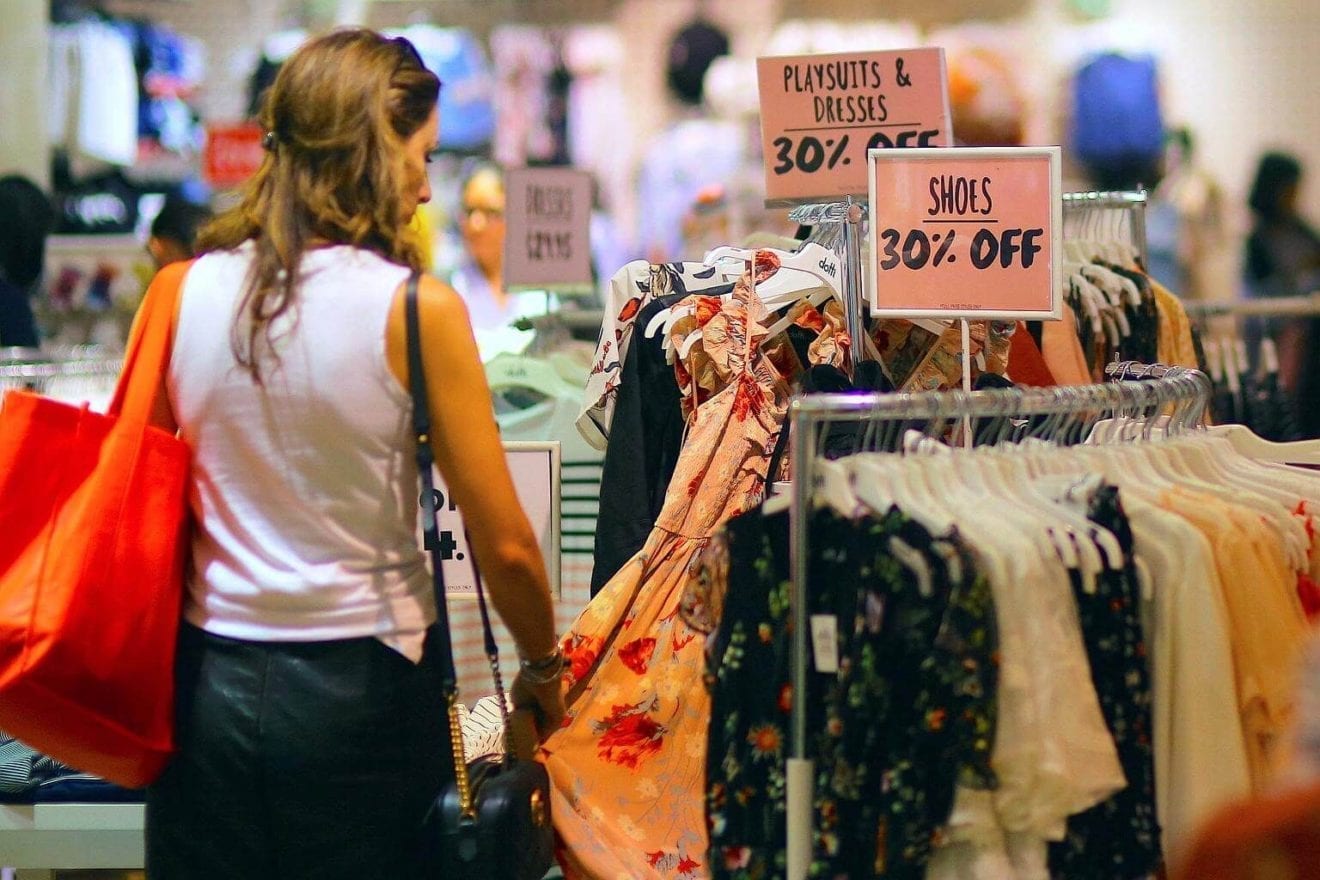
    The overall retail market in India 2018 stood at Rs 43,251 billion and is forecast to grow by 6.4 percent CAGR in 2018-2023. Retailing in India still predominantly takes place in physical stores and shopping behaviour between urban and rural consumers continues to be vastly different. Smaller independents (both grocery retailers and non-grocery specialists) continued to dominate the landscape they faced growing competition from modern outlets opening in out-of-town shopping centres and malls capturing the Tier II & III markets.

    This year, we witnessed modern retailers launch interesting payments schemes and effective pricing strategies to propel the sales. For example, leading retailer Future Group launched its payment wallet Future Pay which can be used in all its retail brand outlets. Retailers also capitalised on growing acceptance of modern retail by developing new marketing schemes and strategies to attract shoppers.

    Additionally, multi-channel strategies remained key for retailers as they are developed online platforms that are also smartphone and tablet compatible to drive Internet sales.

    Furthermore, retailers also increased their new private labels products. This is was done for certain grocery categories like: packaged foods, non-alcoholic drinks, beauty and personal care and home care products.

    Finally, subscription-based retailing practices started to pick up in 2018. Although still relatively niche, and limited only to urban India, the subscription-based model for beauty and personal care and consumer health became quite popular in metropolitan cities.

    What are the retail trends that are going to rule the roost in retail in 2019?

    – Retailing will continue to offer potential for grocery retailers. Convenience stores and forecourt retailers are likely to continue to see healthy growth rates as their format can meet the demands arising from changing lifestyles by offering more convenient shopping solutions, both in terms of location, business hours and product range.

    – Given the rising maturity of retailing in metros/urban areas, retailers have slowly started to focus on the semi-urban consumer base. This has resulted in the slow and steady urbanisation of shopping styles amongst semi-urban consumers.

    – As the labour crunch and high rentals continue to affect the retail landscape in India, hypermarkets are looking to ramp up investment on self-service technology and automation to reduce costs and improve customer experience. Some hypermarkets chains have implemented self-service kiosks at checkout counters, generally with positive results because of reduced waiting times. Investments have also been made into automated ordering systems, which has helped brands reduce storage space at outlets, hence control rental costs. This can be expected to grow during 2019 as well.

    – Furthermore supermarkets are likely to push the broadening of key product categories, such as organic fresh food, soft drinks and packaged food. They are also likely to further narrow the line between foodservice and grocery retailing, with the introduction and integration of new foodservice elements within their stores.

    – Non-grocery retailing will likely be impacted by the growth of internet retailing at the expense of specific store-based retailers and other non-store channels. Consumers are expected to increasingly shop and research products online, with the popularity of smartphones making mobile-optimised sites and shopping apps crucial in attracting consumers. Moreover, social media will be used more often to alert consumers to attractive price promotions and build interest in new product launches. Also, omni-channel strategies will remain key for non-grocery retailers.

    – Non-grocery retailers will increasingly integrate their online brand information with store inventory, as consumers expect to find the same products in both channels. Moreover, to minimise showrooming, players will also need compelling reasons for customers to buy their brands in store, whether in terms of product selection or price competitiveness.

    – The entry of Amazon and Flipkart could stimulate a much-needed increase in the competition, which will bring both opportunities and threats for existing food and drinks retailers in India. Amazon with ‘Amazon Pantry’ and Flipkart with ‘Flipkart Supermart’ eventually launched its online grocery business in 2018. Millennials and affluent consumers were encouraged to change from shopping in physical stores to online in 2018 with convenience and heavy discounts on offer. Also, with increasing investments from player such as Amazon who are expected to buy skate in Future Retail and PayTm who have partnered with BigBasket and Future Group to strengthen its online grocery business, the food and drinks internet retailing is expected to show tremendous growth in 2019.

  • Vietnam FDI disbursement in 2018 tops $19 bln

    Vietnam FDI disbursement in 2018 tops $19 bln

    Foreign direct investment disbursement in Vietnam reached a record $19.1 billion in 2018, a year-on-year increase of 9.1 percent. However, FDI pledges for new projects, capital supplements and stake acquisitions were down 1.2 percent from a year earlier to $35.46 billion, according to the Ministry of Planning and Investment.

    A total of 3,046 new projects have been granted investment certificates since the beginning of the year, with a total registered capital of nearly $18 billion. Nearly 1,170 projects registered to increase their capital by a total of $7.5 billion. The rest of the registered capital was reported in a total of 6,500 instances of capital contribution and share purchases by foreign investors.

    This year, foreign investors injected capital into 18 fields and sectors. The processing and manufacturing industry attracted the highest capital at $16.5 billion, followed by real estate with $6.6 billion, and wholesale and retail sectors with $3.6 billion.

    Japan ranked first in FDI contributions to Vietnam this year, followed by South Korea and Singapore. Localities that attracted the most FDI were Hanoi, Ho Chi Minh City and the northern city of Hai Phong.

    Meanwhile, Vietnam invested nearly $380 million abroad this year, mainly in banking and finance, forestry, and fishing. Vietnamese investors injected capital into 38 different countries and territories, with the highest investment in Laos, followed by Australia, the U.S. and Cambodia.

  • Bullet train to connect Hanoi with HCMC in five hours

    Bullet train to connect Hanoi with HCMC in five hours

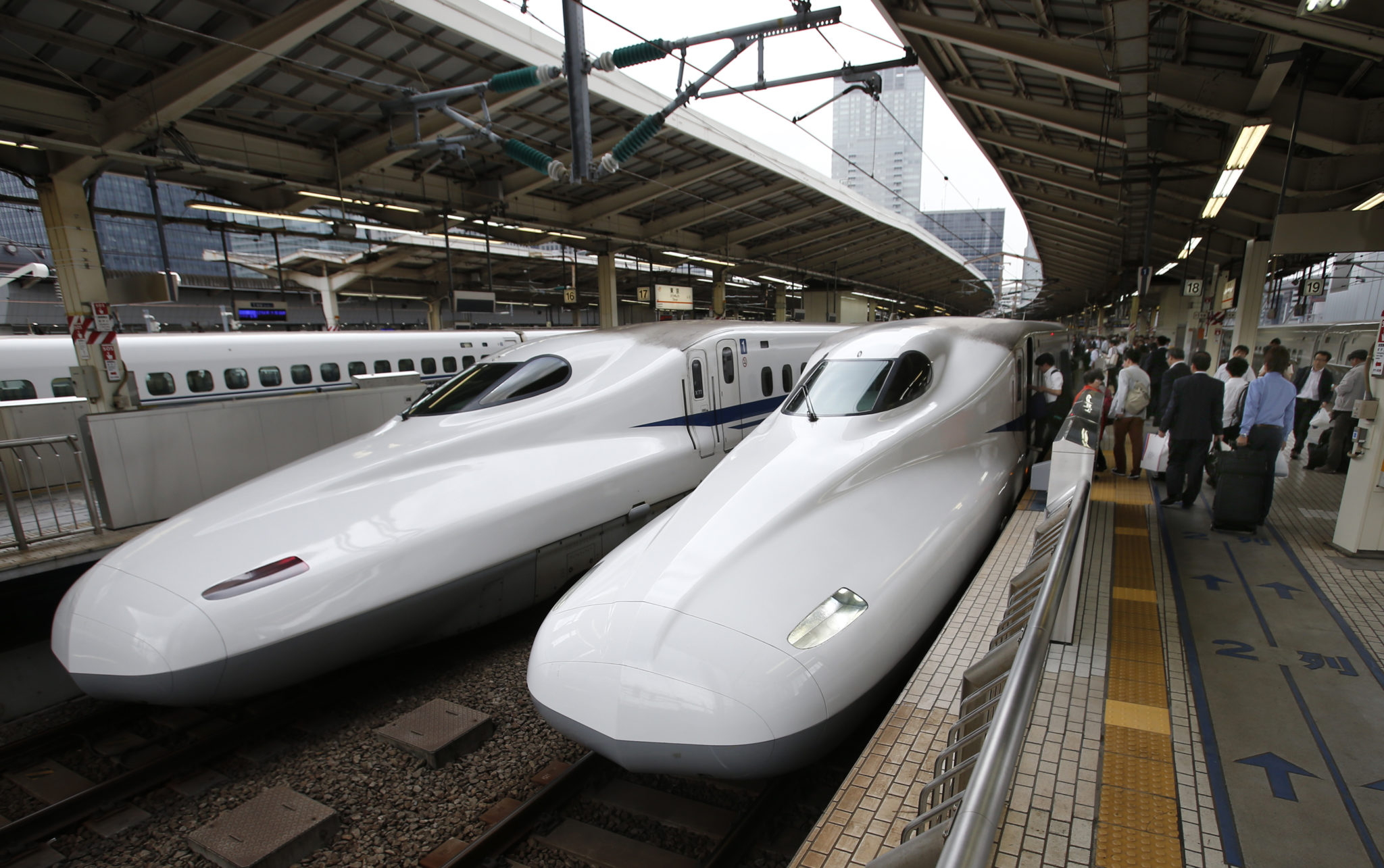
    Vietnam’s bullet train will cut travel time between Hanoi and Saigon to five hours from the current 24. The railway project management board has submitted a pre-feasibility study to the Ministry of Transport, which quotes transport consultants’ estimate that if the train travels at 320 km/h, its running time would be from 5 hours 17 minutes to 6 hours 50 minutes depending on the number of stops.

    The route from Hanoi Railway Station to Thu Thiem Station in HCMC’s District 2 will be 1,545 kilometers (960 miles) long and run through 20 provinces.

    Sixty percent of the tracks will be on viaducts, 10 percent underground and 30 percent on the surface, completely protected by fencing and without a single crossing.

    It will have double standard-gauge tracks of 1.435 meters width and 24 stations, according to a consultancy consortium comprising Vietnamese firms TEDI, TRICC and TEDIS.

    It will use the distributed traction technology used by Japanese high-speed trains.

    The project is estimated to cost a total of $58.7 billion, comprising $2.23 billion for land, $43.3 billion for construction and equipment and $4.3 billion for management, consulting and other costs.

    It will be undertaken as a public-private partnership (PPP), with the government accounting for 80 percent of the cost and private investors for the remaining 20 percent.

    Construction will be in two phases, with the 282-km Hanoi-Vinh section and 362-km Nha Trang-HCMC section built first in 2020-2030 at a cost of $24 billion. Commercial operations on these stretches are likely to begin in 2032. The second phase connecting Vinh and Nha Trang is expected to be built in 2030-2045.

    The consultants have estimated the project to cost 0.4 – 0.55 percent of the country’s GDP in 2020-2030 and 0.35 – 0.4 percent in 2030-2040.

    After being reviewed by the Ministry of Transport, the study will be submitted to the State Appraisal Council and the government for review and to the National Assembly for approval next October.

    Vietnam currently has over 3,000 kilometers of railway tracks, none of them high-speed. The railway accounts for just 1.9 percent of the transportation sector in the country, according to the Vietnam Railway Authority.

  • Beer tax prioritized as foreign brands build market share

    Beer tax prioritized as foreign brands build market share

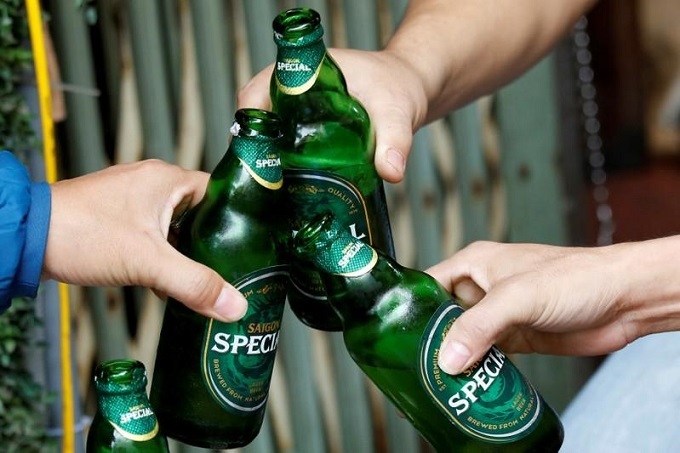
    The government is planning to overhaul the current cost-based alcohol-tax system to a quantity-based system, which may address concerns from local alcohol companies about cheap imported beer. According to the Ministry of Economy and Finance on Tuesday, current taxes on alcohol are based on costs, such as manufacturing or import prices. The government is currently working on a reform that will transition the system, established back in 1969, to a new one based on quantity, such as total volume or alcohol content.

    The initiative has been in the spotlight with Finance Minister Hong Nam-ki addressing the issue during his recent confirmation hearing.

    “[We] will consider a change next year without increasing prices,” said Hong. “[We] will consider strengthening the future competitiveness of the alcohol sector and the fairness of the alcohol-tax system as a whole.”

    The comments come as criticism mounts against importers that reportedly declare low import prices for foreign beer and maintain competitive or even cheaper prices than local beer.

    The tax base for local beer is based on the price of beer shipped out from distilleries, which includes costs for production and sales and a margin. For imported beers, the tax is calculated based on the import price paid by the importer and the customs duty. As importers can lower taxes by reporting low prices, foreign beers can maintain price competitiveness against local offerings.

    Local beer companies have argued against this cost-based tax system, saying it is a form of discrimination against Korean manufacturers.

    “The tax rates are identical, but because the tax base is high, there is a twofold difference,” said Kang Seong-tae, chairman of the Korea Alcohol & Liquor Industry Association at the annual National Assembly audit in October.

    The favorable tax system has allowed for the competitive pricing of imports and an increasing market share for foreign beers, rising to 16.7 percent last year from 4.9 percent in 2013.

    While the tax change may provide a level playing field, it raises concerns that widely popular promotions in which four beer cans are sold for 10,000 won ($8.89) may not survive the reform.

    The change, however, is unlikely to eliminate the promotions altogether.

    The government is considering a plan to introduce alcohol taxes of 850 won per one liter (33.8 ounces) of beer. The current average beer tax works out to roughly 850 won per liter, though it is calculated in a different way.

    When converting the current alcohol tax to an amount per liter based on figures by imported country from the Korea Customs Service, imported beers that are taxed higher than 850 won per liter include those from the United Kingdom at 1,194 won per liter on average; the Philippines at 1,032 won per liter; Ireland at 1,004 won per liter and Japan at 958 won per liter.

    Beers from these countries will likely attract a lower tax after the reform.

    Meanwhile, beer from countries that have lower average taxes per liter compared to the 850 won per liter standard will become more expensive. Beers from the Netherlands are currently taxed at 519 won per liter, Belgium 567 won per liter, the United States 654 won per liter and Germany and Denmark 735 won per liter.

    In general, premium imported beers have expensive import prices.

    With the introduction of a quantity-based system, taxes levied will become lower and the current promotions of four cans at 10,000 won will likely remain.

    However, promotions of six cans for 10,000 won will probably disappear as cheap imported beer will face higher taxes.

    “[We] will establish a reform plan for alcohol tax as early as the first half of next year by conducting research and gathering opinions,” said Kim Byung-gyu, director general of the Tax and Customs Office at the Finance Ministry. “[We] have an objective to ensure overall fairness in taxation and make changes without increasing the burden on the consumer.”

  • Korean passengers break record in November

    Korean passengers break record in November

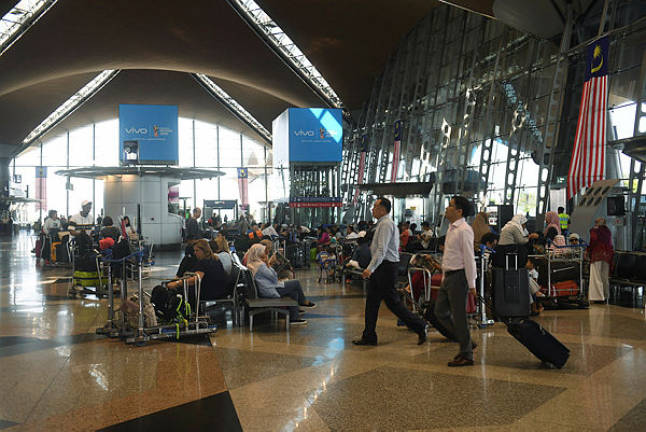
    Korea’s air passenger traffic reached a new record for November on the back of the rise in the number of Chinese tourists and increased overseas travel demand, government data showed Tuesday. The number of air passengers came to 9.57 million last month, up 5.6 percent from a year earlier, making it a new record for November, according to a tally from the Ministry of Land, Infrastructure and Transport.

    The ministry attributed the surge to the return of Chinese visitors and the steady increase in overseas travel demand.

    Passenger traffic on Chinese routes spiked 24 percent to 1.32 million, slightly lower than the same month in 2016, when a row between the two countries over the U.S. Terminal High Altitude Area Defense (Thaad) missile system had yet to emerge.

    China banned the sale of group travel packages to South Korea in March 2017 due to a diplomatic row with Seoul over the deployment of a Thaad battery in Korea. China has since partially lifted the ban.

    International air passenger traffic rose 8.8 percent on year to a record 7.01 million last month, while domestic passenger traffic dropped 2.5 percent to 2.56 million, according to the ministry.

  • Saigonese spend $11.5 a month on convenient food and drinks

    Saigonese spend $11.5 a month on convenient food and drinks

    Each Saigon resident spends $11.5 on average per month on convenient foods and drinks, a consumer research firm says. The product groups most often chosen by consumers are non-alcoholic drinks, nutritional beverages, confectionery and snacks like instant noodles, sausages and pies, according to a study on Saigon consumers’ out-of-home (OOH) spending.

    The study was recently done by Kantar Worlpanel, an international company dealing in consumer knowledge and insights.

    On average, Saigon residents make around 8 or 9 out of home trips for these products a month.

    This study also shows that product selection and external spending patterns are clearly differentiated by gender. Women, especially students, often spend money on milk tea, while men and the seniors prefer coffee. Consumption of carbonated soft drinks, energy drinks and bottled water are highly skewed towards teenagers.

    Coffee shops and tea shops are the most popular places, chosen by 45 percent for those going out for OOH drinks, most of whom are aged 30-39. The remaining channels are convenience stores, restaurants, supermarkets, shopping malls and traditional channels such as markets and pavement shops.

    Previously, market research firm Decision Lab had published a report on spending trends of target groups born in 1995 and later (Generation Z). It is estimated that Vietnam has more than 14.4 million people in this age group, with above 56 percent of them having no income or earning less than VND3 million ($129.12) per month.

    Despite the modest income and large dependence relying on their families, average monthly OOH spending by this generation is VND892,400 ($38.41), almost four times that of the average Saigon resident, the report said.

    On average each month, the total amount spent by this age group on eating and drinking was nearly VND13 trillion ($559.56 million).

  • China’s cheese tea bakery Nayuki opens in Singapore

    China’s cheese tea bakery Nayuki opens in Singapore

    The cheese tea bakery, which draws inspiration from the Japanese philosophy of ‘Kaizen’ (a dedication to continuous improvement), opened to Singapore shoppers on December 8. Marking its debut international store opening, Nayuki has teamed up in a joint venture with BreadTalk Group for its officially opening in Vivocity.

    Vivocity store has been designed to reflect Nayuki’s philosophy: sophisticated and comfortable with seating and premium ingredients such as fresh fruit and tealeaves.

    “When it comes to shop design, we work with different designers, artists and some influential KOLs [key opinion leaders],” Peng Xin, Nayuki’s co-founder said in an interview.

    Singaporeans can now enjoy Nayuki’s signature “fruit tea and soft euro bread pairing” concept featuring the famous Supreme Cheese Strawberry tea and Strawberry fresh cream bread combo.

    In addition to the café’s breads and teas, the outlet also stocks cold brew teas, as well as selling an exclusive edition of its award-winning Alisan Mountain Dew Tea.

    Founded in Shenzhen, Nayuki was launched in 2015 from an appreciation of tea-drinking culture, something that has been known to China for centuries.

    To keep the tradition alive among the younger generation, Nayuki seeks to make tea drinking appealing through a stylish and modern tea concept, and effectively retailing it to millennials.

    And it’s proven successful. With over 100 stores across China across some 13 citie, Nayuki has garnered a cult following with celebrities and international lifestyle brands alike opting to partner with it.

    China is the largest market for tea drinking globally, with 13% of the world’s consumption taking place in China, according to Euromonitor. However, teeing up with BreadTalk Group and entering Singapore is the next step forward in global expansion, according to Peng.

    “Singapore is an important market. We chose Singapore to learn how to meet international standards – and then we can go global,” said Peng.

    Founded in 2000, the BreadTalk Group Limited is a Singaporean multinational food and beverage corporation headquartered in Paya Lebar, Singapore.


  • Samsung to sell latest generation chip to IBM

    Samsung to sell latest generation chip to IBM

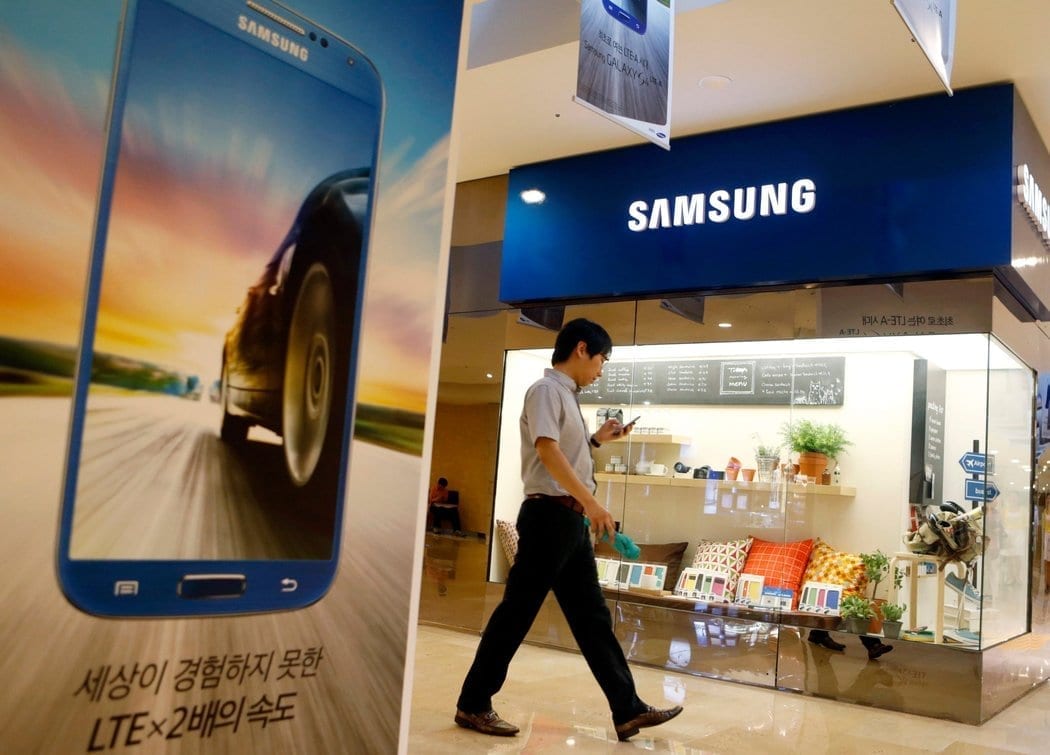
    Samsung Electronics will supply next-generation microprocessor chips to IBM, which will use the chips for artificial intelligence (AI) computing and cloud system applications, both companies said Friday. The product Samsung will manufacture for IBM is a seven-nanometer processor made by extreme ultraviolet (EUV) lithography technology. The seven-nanometers in the name refers to the width of the circuit through which electricity flows on the semiconductor. The dominant product until recently has been rated 10-nanometer.

    Narrower circuits ensure faster data processing speeds, less electricity consumption and higher area efficiency, with more transistors printed on a given amount of silicon, the base material for semiconductors.

    IBM said in a press release that the strategic partnership will position the two companies to lead “the new era of high-performance computing specifically designed for AI.”

    “IBM selected Samsung to build our next generation of microprocessors because they share our level of commitment to the performance, reliability, security and innovation that will position our clients for continued success on the next generation of IBM hardware,” said John Acocella, vice president of Enterprise Systems and Technology Development for IBM Systems.

    The U.S. company and Samsung have been research and development partners for 15 years.

    For Samsung, the deal is a significant milestone for its foundry business, which is to manufacture semiconductors for external clients that do not have chip fabrication facilities.

    The company is already a leader in DRAM and NAND memory chips, but it is now focusing on the fast-growing foundry market. IHS Markit estimates that the subsector will grow an average of 7.8 percent a year until 2021-which is faster than 5.3 percent expected for DRAMs and 6.1 percent for NANDs.

    Samsung is currently ranked global No. 4 among foundries, with a market share of less than 10 percent. As it works to climbing up the rankings, a client like IBM helps establish momentum for future deals.

    In February, Samsung signed a foundry deal with Qualcomm to supply seven-nanometer processors for 5G mobile devices. The company hopes the seven-nanometer processor chip will help as it works to expand its market share. It is currently one of two foundries known to manufacture the product. The other is Taiwan Semiconductor Manufacturing Company, the No. 1 semiconductor foundry with more than 50 percent market share.

    Samsung’s EUV lithography technology was developed earlier this year to mass produce seven-nanometer semiconductors, as the conventional way of printing circuits on 10-nano chips were not sophisticated enough to print thinner circuits.

    A new facility specializing in EUV lithography is under construction at Hwaseong, Gyeonggi, and is due for completion by the second half of next year. Samsung also revealed in May that it plans for the mass production of three-nanometer processors by 2020.

  • SUVs are selling more in Korea

    SUVs are selling more in Korea

    Korea’s domestic car market moved in two different directions this year. The rising popularity of large sedans and sport utility vehicles (SUVs) stood in sharp contrast to weaker demand for smaller vehicles, industry data showed Sunday. In the January-November period, Hyundai Motor, Kia Motors, GM Korea, Renault Samsung Motors and SsangYong Motor sold a combined 698,326 units, up 0.3 percent from 696,403 cars sold a year earlier, the data showed.

    Demand for medium SUVs, such as Hyundai’s all new Santa Fe, reached 207,269 units, up a sharp 29.5 percent from the same 11 months in 2017.

    The total so far is expected to push medium-sized SUVs to become the country’s top-selling vehicle type on an annual basis in 2018. This will mark the first time such crossovers have taken the top spot in Asia’s fourth-largest economy, where car buyers generally tended to favor mid- to large-size sedans.

    In regard to larger crossovers, the popularity of SsangYong’s G4 Rexton caused sales of such cars to jump 12.9 percent on year to 46,734 units, further pushing up overall SUV numbers.

    Industry watchers said the release of Hyundai’s three-row Palisade and a longer version of SsangYong’s G4 will further fuel sales going into 2019, with numbers likely to get a further boost once Kia releases its own large SUV that is expected to get the Telluride name.

    Besides SUVs, sales of large sedans, centered on Kia’s K9 luxury sedan, caused total numbers to rise a respectable 5.7 percent to 52,945 units up till November despite drop in demand for Hyundai’s luxury Genesis EQ900 falling off compared to the year before.

    On the other hand, sales of midsize and smaller vehicles dipped 0.9 percent on year to 481,542 units, with demand for small city cars dropping 7.5 percent to 115,647 units.

    “Vehicles like the Sante Fe clearly bolstered demand this year, with this trend likely to continue with the release of the Palisade and new versions of the G90 and G80 to further contribute to sales growth for bigger cars going into 2019,” an industry source said.

  • Shanghai Tang goes back to its roots

    Shanghai Tang goes back to its roots

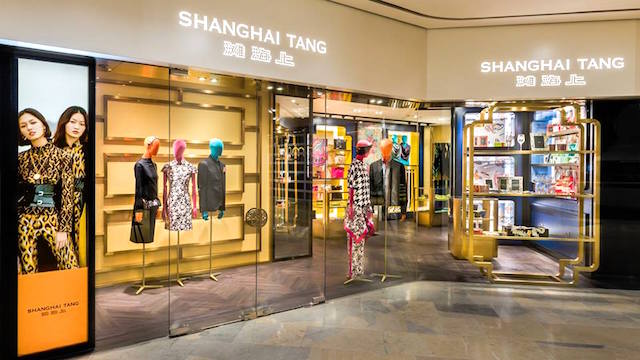
    Shanghai Tang, recently acquired by Chinese entrepreneur Chen Danxia and Lunar Capital, goes back to its roots with the appointment of Victoria Tang-Owen, the daughter of the visionary founder David Tang, as Creative Director.

    Together with the appointment of Victoria to rebuild on her father’s legacy, the brand will continued to be led by the CEO Maurizio De Gasperis, former Managing Director of the brand.

    The headquarters will remain in Hong Kong, and has just welcomed a new General Manager of Global Retail, Elisabetta Bazzini, with extensive experience in Asia working with a number of luxury fashion companies including Gucci, DFS, Versace and Max Mara.

    Leveraging the heritage of the Chinese luxury brand, Victoria is set to reinterpret Shanghai Tang’s unique brand aesthetics.

    Shanghai Tang is the first Chinese authentic contemporary luxury brand founded in 1994 by Sir David Tang, and thereafter under Richemont’s ownership for almost two decades.

  • BMW assembly on the anvil, says Vietnam auto conglomerate

    BMW assembly on the anvil, says Vietnam auto conglomerate

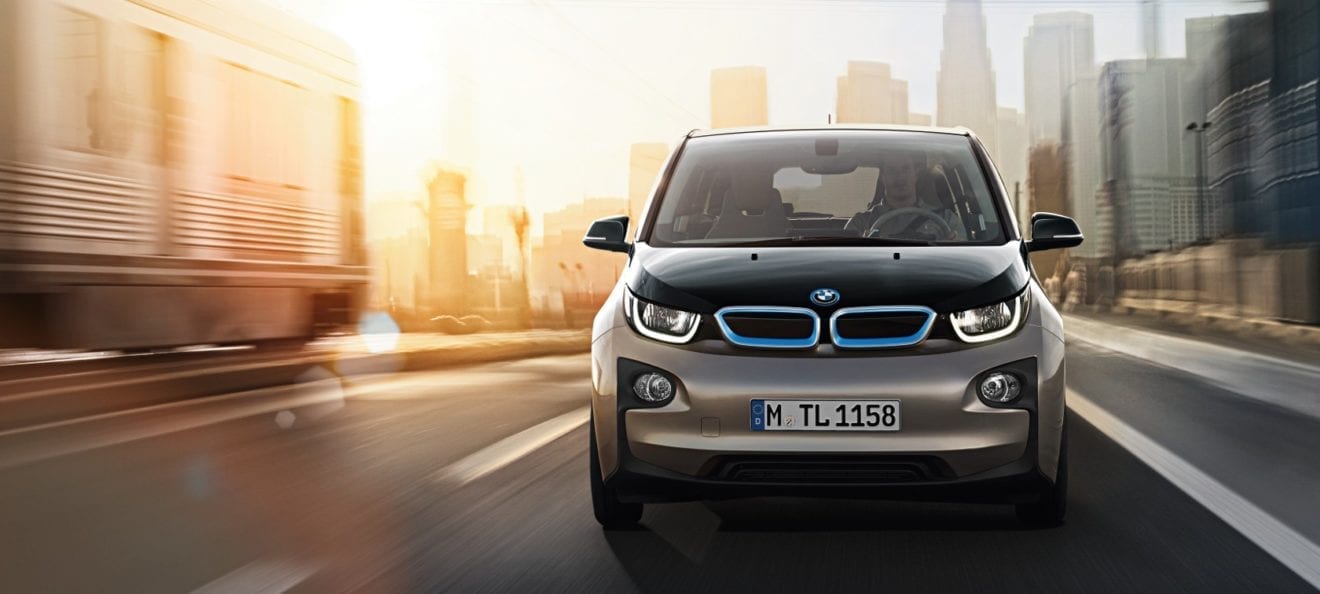
    THACO, a major player in the country’s commercial vehicle segment, plans to assemble German brand BMW cars in Vietnam. Tran Ba Duong, chairman of the Truong Hai Auto Corporation (THACO), said at a conference last week that BMW cars will be the next vehicle that THACO assembles in the country, following other brands like Peugeot, Kia and Mazda.

    He did not reveal further details about when this would happen and what models would be assembled.

    THACO became the sole authorized distributor of BMW in Vietnam starting January this year, after Ho Chi Minh City-based Euro Auto lost its license for smuggling 133 BMW cars in December 2016.

    Duong had said earlier that he plans to open 15 BMW and MINI (a car brand owned by BMW) showrooms by early next year. However, the company currently runs only one BMW showroom in Hanoi, another in HCMC and one MINI showroom, also in HCMC.

    THACO has not revealed its revenue from selling BMW cars this year, but a source told VnExpress that the company sold almost 400 vehicles in the first half of this year. Euro Auto, at its peak, sold 1,400 BMW and 400 MINI cars a year.

    BMW cars were first assembled in Vietnam in 1995 by the VMC company in Hanoi. However, low sales led to the factory’s shutdown in 2005, and VMC had to spend two years selling its inventory.

    Mercedes-Benz is currently the only luxury car brand that assembles its vehicles in Vietnam, and it tops domestic market sales in this segment. Industry insiders say that if BMW cars are assembled in the country again, they could emerge a strong competitor, especially in terms of price.

  • Number of AI speakers in Korea to hit 8 million

    Number of AI speakers in Korea to hit 8 million

    The number of artificial intelligence (AI) speakers in Korea is expected to reach the 8 million mark in the new year as the devices gain popularity, a report by a local digital media lab said Sunday. According to the findings by KT Group affiliate Nasmedia, some 40 percent of the country’s 20 million households will likely have an AI speaker in 2019. The numbers represent a sharp increase from just 1 million units supplied in 2017 and the nearly 3 million that have reached the market this year.

    “The rise in demand comes from greater choice in terms of the products being offered, as well as more upgraded features that have made the AI speakers more attractive to ordinary consumers,” the 2019 digital media and marketing forecast report claimed.

    It added that greater competition among manufacturers to secure the growing market is fueling the spread of such smart devices.

    Korean companies – such as SK Telecom, KT, Naver and Kakao – have all rushed to release new AI speakers.

    Nasmedia said that, in particular, there has been considerable competition in the area of children-related content and audio shopping services with companies vying with one another to “lock” customers into their ecosystem.

    The speakers have been marketed as personal home assistants for adults and even as private tutors for small kids.

  • WeWork to hold big pitch contest

    WeWork to hold big pitch contest

    WeWork in Korea will hold the Creator Awards, a regional pitch competition, in partnership with the Seoul city government next February. It is the first time the global office-sharing company is hosting the competition with a city government. Seoul is expected to help in the event’s promotion.

    On Wednesday, WeWork announced the date and location for the Seoul Creator Awards, saying it will be held Feb. 28 at Dongdaemun Design Plaza, eastern Seoul.

    The award categories are performing arts, non-profit and business venture. Both WeWork and non-WeWork members can apply to participate in the competition, with a Jan. 10 deadline for submissions.

    In the performing arts and nonprofit categories, winners will be awarded up to $72,000. The entrepreneur award will top out at $360,000.

    ”We are all looking forward to be blown away by the innovative ideas and projects of enthusiastic creators at the Seoul Creator Awards that will make a real difference in the world,” said Matthew Shampine, general manager of WeWork in Korea.

    WeWork opened seven new locations in Korea this year and now has 11 buildings in the country. As of this month, it is an office provider to 1,500 companies in Korea. WeWork’s local team is growing rapidly, rising from 30 employees at the beginning of the year to around 160 today.

    “In 2019, we will continue to open new locations, such as WeWork Seomyeon [in Busan] and WeWork Hongdae, accelerating our expansion into new areas across Korea,” Shampine added.