Tag: lifestyle

  • Asiana Korea upgrades the system that monitors flight safety

    Asiana Korea upgrades the system that monitors flight safety

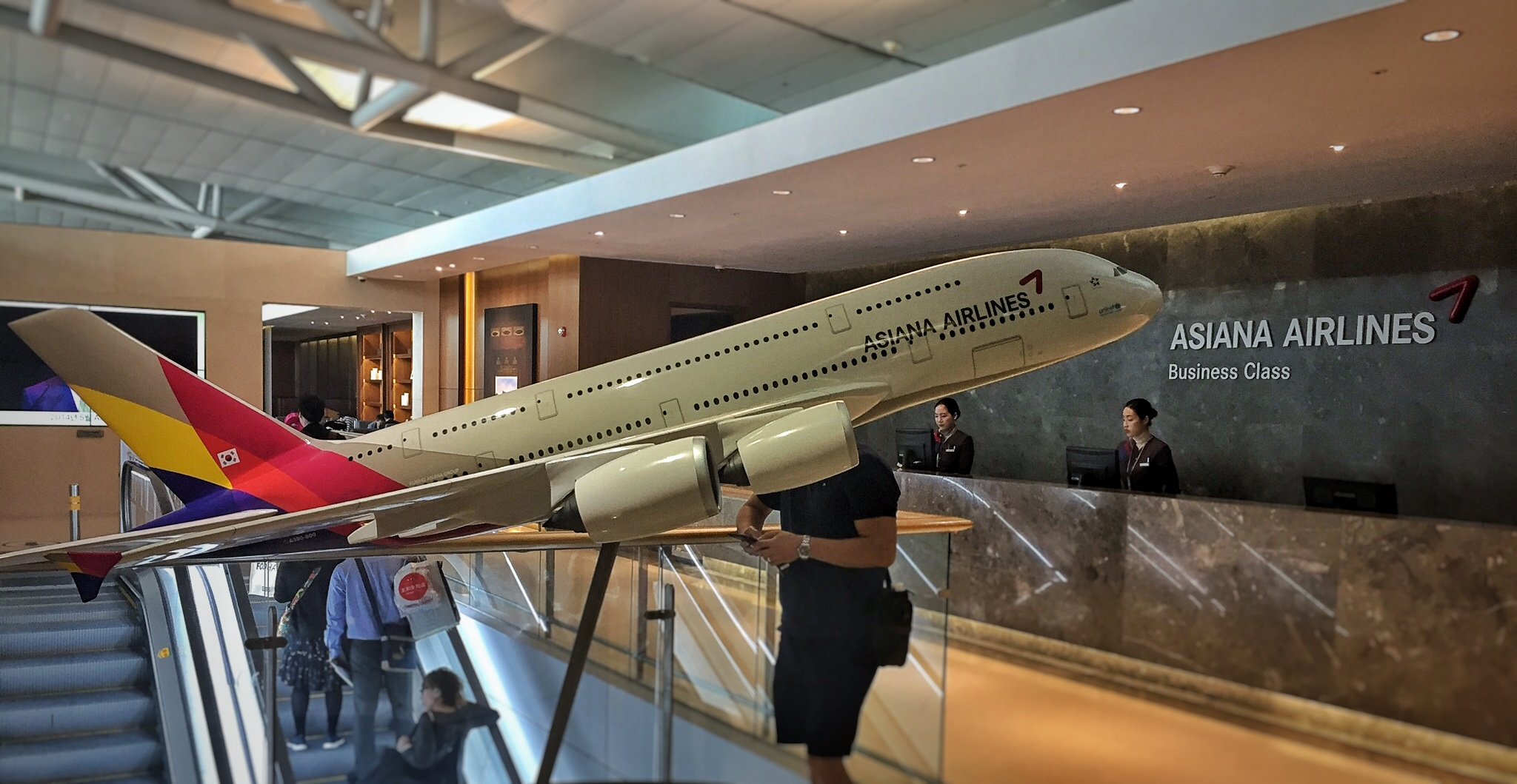
    Asiana Airlines completed an upgrade of its flight operational quality assurance system on Friday. The system analyzes data related to flight operations including piloting decisions during unexpected weather conditions and plane speeds or flying altitudes on certain flight routes.

    It was first implemented in 1995 to ensure safety in flight operations and, since 2015, a committee consisting of eight representatives from both the corporate and labor union has been holding monthly meetings to find potential risks in flight operations based on the data.

    Asiana said the upgrade enables the company to collect and analyze all data on flight operations while the previous system only allowed the company to analyze unusual sets of data. This way, the airline can monitor each pilot’s operational habits and provide more detailed feedback to them.

    The airline is also preparing to launch a so-called Asiana Flight Review Assistance System by 2019 in partnership with its IT service affiliate Asiana IDT to further enhance safety in flight operations. This system will help the company manage all analysis on flight operations using big data technology.

  • LF Beauty rebrands as MEIYUME

    LF Beauty rebrands as MEIYUME

    LF Beauty, a one-stop shop partner and supplier of products and solutions for the beauty industry announced that it will now operate under the new brand name of MEIYUME. The rebranding comes to represent the evolution of the company and its response to the rapidly-changing beauty landscape and the changing face of today’s consumer.

    The new brand positioning is based on the idea of MEIYUME as the catalyst shaping opportunities and transforming visions into reality with the fusion of MEI (美), Chinese for beauty, and YUME (夢), Japanese for dream.

    As part of the rebrand, MEIYUME’s business has been restructured into three key divisions: Packaging & Turnkey Solutions, Retail Solutions, and Brands.

    The rebrand has also given the company an opportunity to renew focus on its business strategy of Empowering Beauty Solutions. In addition to empowering established brands by providing them with the right products and solutions, it is also about paving the way for new brands to make their mark by collaborating and translating their unique identities into reality.

    “With a new brand and structure, we are best-positioned to connect end consumers and the entire supply chain, and to create value for our customers like no other company in our industry.”said Gerard Raymond, President of MEIYUME.

    Fung Group’s Deputy Group Chairman, William Fung, added: “It is the right time to undergo a full rebrand and really focus on who we are and the value we deliver to our customers.”

    The rebrand comes after the completion of Li & Fung’s strategic divestment of its three product verticals (Furniture, Sweaters and Beauty) in April 2018 to form LH Pegasus, which is 45% owned by Hony Capital and 55% owned by the Fung Group.

  • Tiffany & Co sales soars, China shines

    Tiffany & Co sales soars, China shines

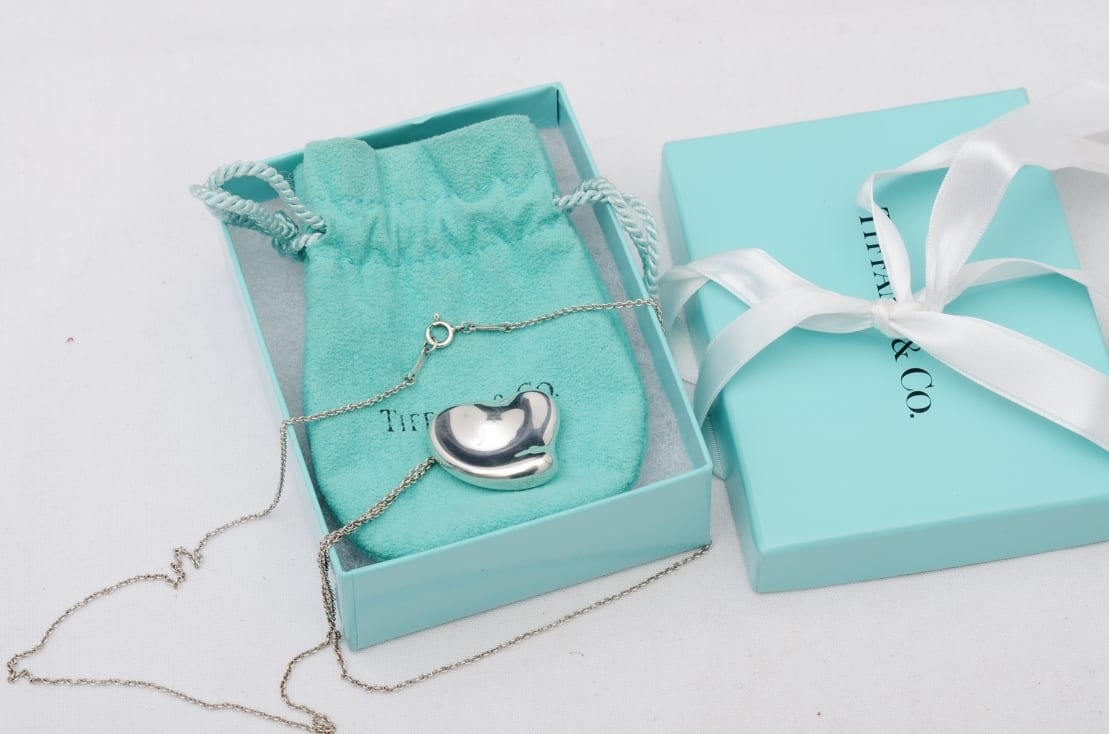
    Tiffany & Co sales grew 10 per cent worldwide in the third quarter, with China performing strongly. Management of the luxury American jewellery retailer attributed sales growth to higher spending by local customers in all regions, partly offset by lower spending attributed to foreign tourists, primarily Chinese, in some markets. Worldwide net sales rose 10 per cent to US$3.1 billion, due to increased sales in all regions and product categories.

    Tiffany & Co sales in Asia-Pacific rose 4 per cent to $294 million in the third quarter, highlighted by strong sales growth in Mainland China.

    CEO Alessandro Bogliolo noted that third-quarter sales attributed to local customers (as opposed to tourists) continued to grow at a strong rate worldwide and were positive in every region, with particularly strong growth in Mainland China.

    “Jewellery volumes also increased in the quarter and year to date. This resulted in mid to single digit net sales growth in the quarter and even higher growth year to date, despite lower-than-expected spending in the third quarter attributed to Chinese tourists in the US and Hong Kong and lower wholesale travel-retail sales in Korea.”

    The increase in sales was counterbalanced by a drop in operating income of 22.9 per cent over the past year, attributed to higher spending on marketing, and investment in technology and its new digital channel.

    Neil Saunders, MD of GlobalData Retail, said his company’s consumer tracking shows that Tiffany’s brand recognition and affinity has increased sharply among consumers aged 35 and under.

    “A few years ago, this group was largely apathetic to Tiffany, viewing the brand as old-fashioned and irrelevant to their needs and tastes. In a relatively short space of time, Tiffany has started to shift that perception and demonstrate that it has something fresh to offer to younger consumers.”

  • Halt to Hong Kong and Macau one-day trips

    Halt to Hong Kong and Macau one-day trips

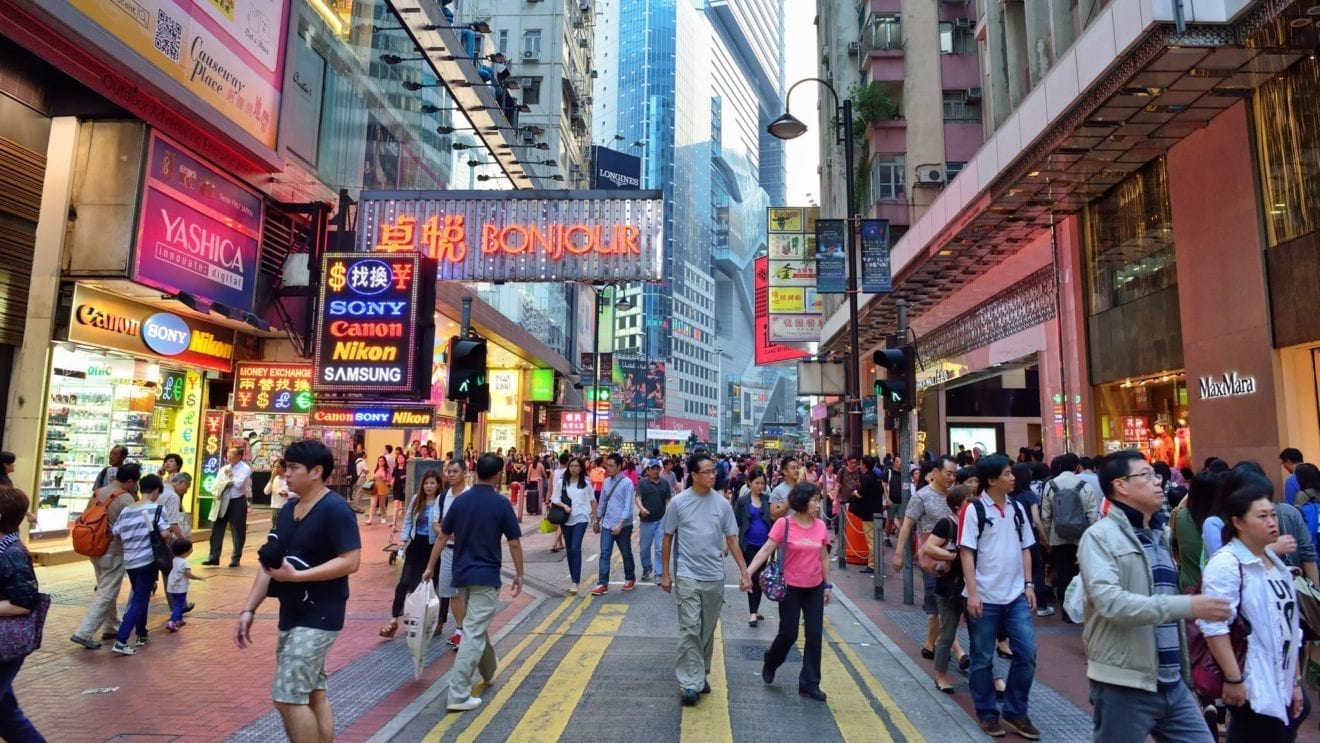
    Travel agencies across Guangdong have been ordered to halt all one-day trips to Hong Kong and Macau on weekends via the cross-border bridge to reduce the nuisance suffered by the cities’ residents. The move comes about a week after Guangzhou tourism authorities issued an urgent notice asking travel agencies in the provincial capital to avoid taking groups of visitors across the Hong Kong-Zhuhai-Macau Bridge at weekends.

    Since the crossing opened to traffic on October 24, large numbers of mainland visitors have descended on the usually quiet neighbourhood of Tung Chung, on Lantau Island, crowding bus stops and emptying shop shelves.

    Between October 17 and November 1, more than 1.78 million visas to Hong Kong and Macau were issued to applicants across Guangdong – mostly retirees – making for a year-on-year increase of 26.6 per cent, according to the province’s public security department.

    Aside from Tung Chung residents and activists being upset by the large crowds, there have also been allegations that illegal tour operators were flouting employment laws that prevent mainlanders from working in Hong Kong.

    The Guangdong Provincial Culture and Tourism Department said that it had taken three measures to “further reduce the pressure on the ports and the surrounding areas”.

    In halting short weekend trips to Hong Kong and Macau via the bridge, it had encouraged travel agencies to arrange “quality trips that last two days or more”.

    The other two measures were to get tourism authorities at municipal and lower levels to monitor the agencies closely, and control passenger flow through an online ticketing system for cross-border buses.

    “After our department and other related authorities carried out the control measures, traffic on roads to the bridge’s port in Zhuhai has become smooth, and the number of passengers heading to Hong Kong from Zhuhai has been effectively contained,” the department said.

    According to the Travel Industry Council in Hong Kong, the number of registered tour groups coming over the bridge fell to 340 last weekend from 430 the weekend before.

    Hong Kong’s Immigration Department reported that last weekend, 76,473 passengers entered Hong Kong via the bridge, down from 102,749 the weekend before, a 26 per cent drop.

    The marketing representatives of two major travel agencies in Guangzhou, Guangzhilv and Nanhu, claimed they were not aware of the latest orders.

    On Nanhu’s website, 13 one-day trips to Hong Kong and Macau via the bridge were still available as of Wednesday evening, including weekend trips.

    Guangzhilv’s four one-day trips to Hong Kong all depart on weekdays.

    Alice Chan Cheung Lok-yee, executive director of Hong Kong’s Travel Industry Council, welcomed the new measures by Guangdong, and said it would make further cuts to the number of one-day tours.

    Chan said there was no need to ban all one-day trips if the mainland visitors arrived in properly managed groups led by local tour agents.

    She said the council would monitor the situation and stay in touch with the Guangdong authorities.

    Tourism sector lawmaker Yiu Si-wing expected Guangdong travel agencies to comply with the orders of their provincial authorities and organise more two-day tours.

    This would help relieve pressure on the port-to-port shuttle bus services at the bridge, the border clearance facilities and the local districts that visitors go to, he added.

  • Niche market of coffee lover in Korea

    Niche market of coffee lover in Korea

    South Korea’s cafe market is notoriously crowded pushing some large players to the brink and suffering from price attacks from convenience store operators. Yet niche is still a nice place to be, judging by the experiences of a small Seoul startup.

    Two young entrepreneurs have shared their vision of launching a coffee franchise called That Coffee Roasters.

    Co-CEOs Chin Kyo-hwa and Lee Chang-hoon reported that redecorating their first coffee shop to appeal more to female customers was key to their initial success.

    According to Chin, low early revenues escalated after the change.

    “It took more than three years for our coffee shop to gain popularity,” he said. “The store’s monthly sales more than doubled in the past two months on the back of word-of-mouth online and the new interior design.

    “The store is tiny and small, but we hope to launch at least three more stores in less than five years in Seoul.”

    Chin and Lee also run a roastery factory in Guro, Seoul for direct sale to clients. While the business currently serves a small client base, the pair are already planning to expand operations as the company gains more traction.

  • Korea’s Air Pohang to suspend flights while it replaces all of its jets

    Korea’s Air Pohang to suspend flights while it replaces all of its jets

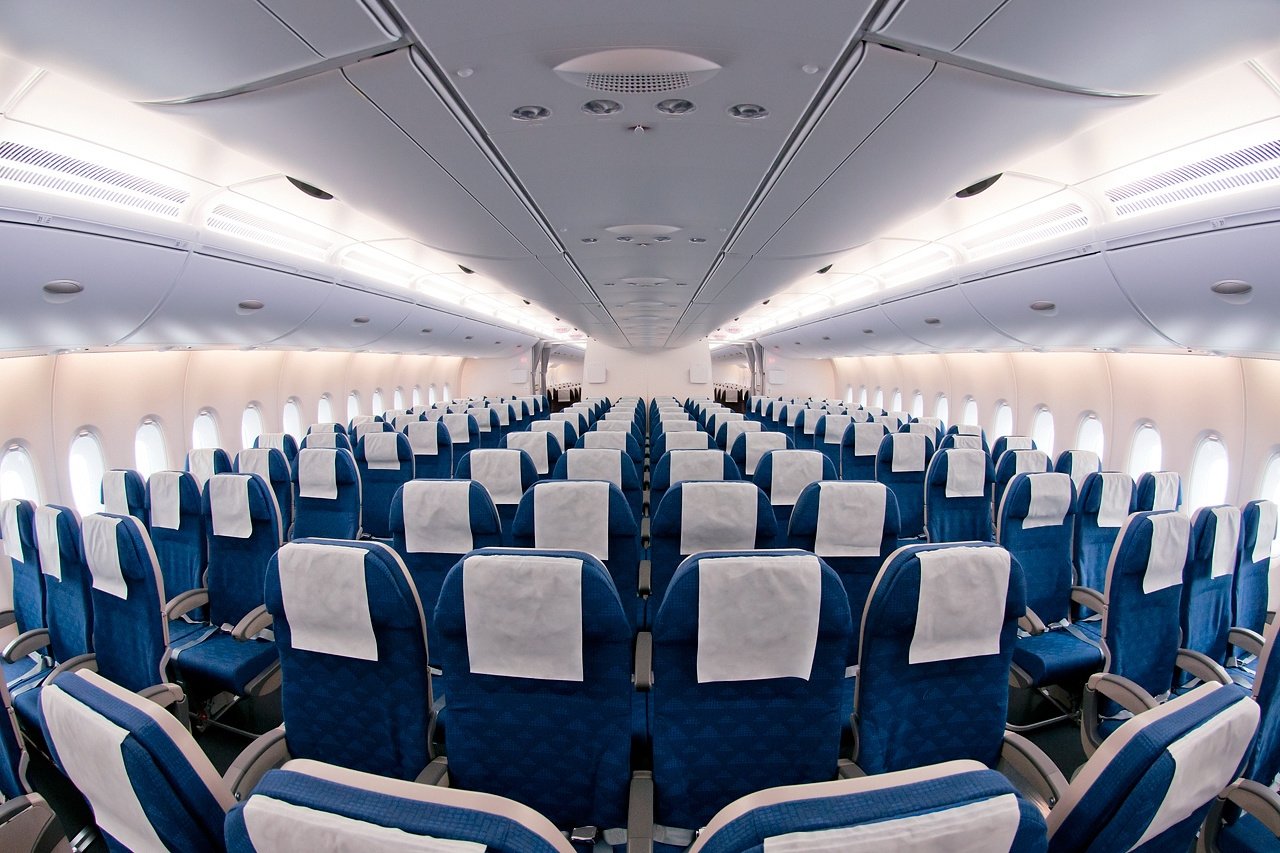
    On last Thursday, regional Korean airline Air Pohang said that it will temporarily suspend flight services next month while it replaces all of its existing passenger jets. In February, Air Pohang began services with two Bombardier 50-seater CRJ-200 aircrafts – one each on the Pohang-Gimpo and the Pohang-Jeju Island routes.

    The company said that it will replace the two CRJ-200s with three Airbus A319 aircrafts by the end of March.

    As the CRJ-200 model has not been in production since 2007, the company said it has experienced difficulties in securing parts for the planes when repairs have had to be made.

    Air Pohang is based in the industrial city of Pohang, about 370 kilometers (230 miles) southeast of Seoul.

    Asia’s fourth largest economy has two full-service carriers: Korean Air and Asiana Airlines. It also has six low-cost airlines: Jin Air, Jeju Air, Air Busan, Air Seoul, Eastar Jet and T’way Air.

  • Marks & Spencer concept store opens in VivoCity Singapore

    Marks & Spencer concept store opens in VivoCity Singapore

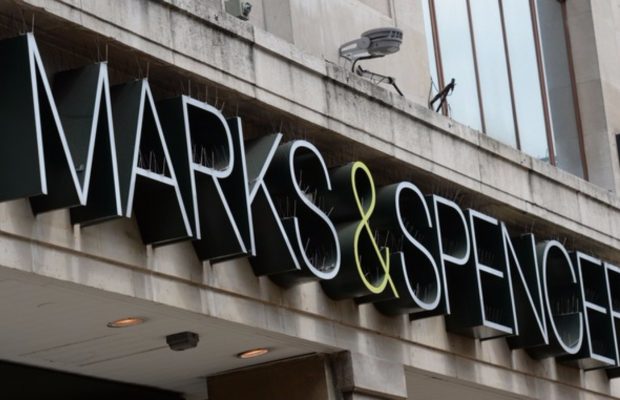
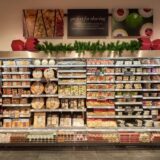
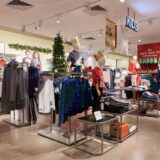
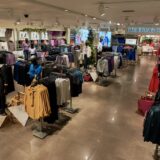
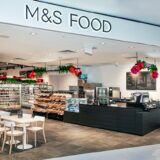
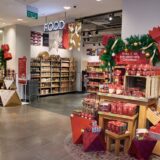
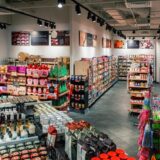
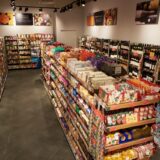
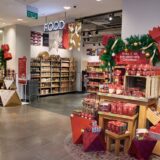
    Marks & Spencer Singapore has opened a full-scale concept store in VivoCity bringing a vast array of its own-brand fresh foods and beverages to the city, some for the first time. The 15,500sqft store offers a broader range of fashion, a new food hall and fresh zone similar to the style of larger Marks & Spencer Hong Kong stores, a broader range of wines and the chain’s third coffee-to-go cafe in the city.

    The foodhall features nearly 3000 products selected from the UK department store’s range building on what the retailer describes as a growing demand in Singapore for M&S’s convenience food.

    Marks & Spencer Singapore has added a range of chilled foods and beverages, including perishables. The new store sells fruits, vegetables, yogurts, a selection of cheeses, fresh milk and ready-made salads and meals. Some products are new-to-market for the brand, including raw meat and pre-packed sandwiches, all air freighted from the UK daily.


    The coffee-to-go cafe offers speciality coffee and beverages along with patisserie foods including cakes and fresh pastry. An in-store bakery produces a selection of breads, scones and cookies daily.

    Fashion has not been left out in the VivoCity store’s revamp. Each fashion label is now clearly segmented, with distinct identities that allow customers to see which label best meets their personal style preferences. The brands are identified by different branding, visual merchandising and props. The VivoCity store will also be the sixth Marks & Spencer Singapore outlet to stock a kidswear range.

    “Customers are at the heart of everything we do at Marks & Spencer and we’re delighted to be bringing our exciting new shopping experience to customers in Singapore,” said Christine Choi, CEO at Marks & Spencer Asia.

    “Combining the best of our latest collections, together with our inspiring store environment and exceptional customer service, our store at VivoCity is truly special.”

  • Luk Fook sales soar despite challenges ahead

    Luk Fook sales soar despite challenges ahead

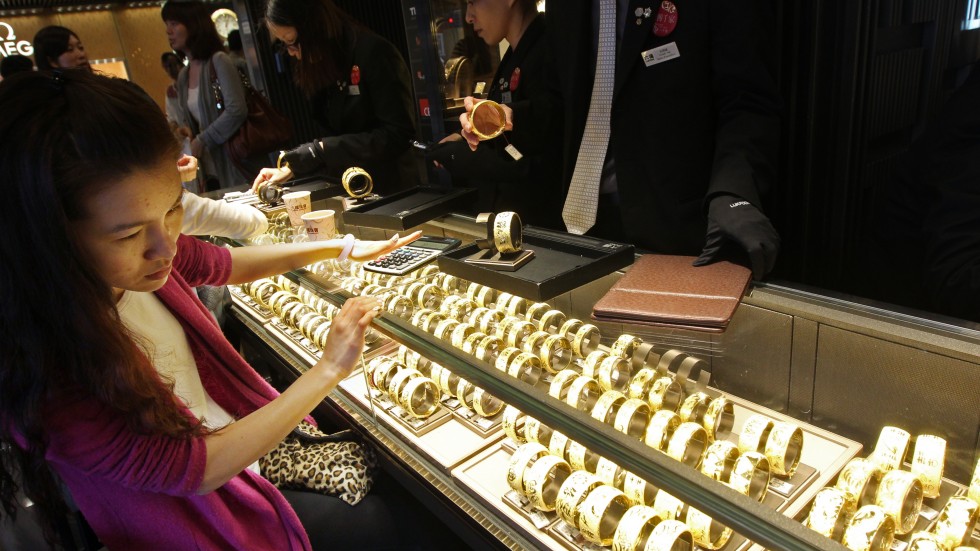
    Thanks to positive Hong Kong market sentiment and lower gold prices, Luk Fook Holdings has reported a 25.1 per cent boost in sales in the September half year. The company says sales totalled HK$7.859 billion (US$1 billion) compared with $6.283 billion in the same period last year. Profit attributable to shareholders soared 27.9 per cent to $665.4 million.

    Sales in the Hong Kong market, the company’s key source of revenue, rose 31.2 per cent as mainland Chinese visitor numbers continued to grow and retail sentiment improved.

    Sales in Macau rose 19.9 per cent.

    However the company has warned that the US-China trade war and the depreciation of the Renminbi are starting to impact on sales in the second half.

    “Same-store sales growth in the Hong Kong and Macau markets … started to see a decline since the second half of October and recorded a single-digit drop for the period from October to [the] first three weeks of November,” the company said. “In Mainland China there was a double-digit drop.

    “Therefore, the group remains prudent about its business development in the second half of the financial year. Nevertheless, with the anticipated considerable growth of the middle-class population in Mainland China, the group remains optimistic about the mid- to long-term business prospects.”

    Luk Fook said that during the coming year, it will focus on enriching its product offer, expanding its footprint in Mainland China and adopting market-oriented strategies to penetrate into the mass market, covering the middle-class, wedding couples as well as kids.

    “The group’s target for net shop addition in Mainland China for this financial year will maintain at not less than 120 shops. The group is also committed to further developing its e-commerce business and strengthening cooperation with e-commerce platforms in Mainland China.”

    Targeting younger shoppers

    In light of the enormous spending potential of young consumers on online sales platforms, the company plans to step up its efforts to promote the sales of affordable-luxury jewellery products to expand its footprint in the young consumer market.

    “By understanding customers’ spending habits, the group will adopt holistic approach to penetrate into the markets for the middle-class, wedding couples and kids. It will also continue to attract customers and encourage local consumption by visual merchandising enhancement, cross-selling boosting and VIP promotional activities, so as to improve sales and profits. Given the importance of social media in product promotion, the group will continue to showcase and promote its products on mobile applications and social media platforms such as Facebook and WeChat.”

    During the first half of the financial year, Luk Fook added a net 94 stores to its ever-growing network, including 90 in Mainland China, where is closed six self-operated stores and opened 96 licensed stores. Two company-owned stores opened in Hong Kong, one in Macau, and one in Malaysia, with a new licensed shop opening in the Philippines, However, one licensed store closed in South Korea.

    The group now boasts a global network of 1725 Lukfook shops spanning Hong Kong, Macau, Mainland China, Singapore, Malaysia, Cambodia, the Philippines and the US.

  • Vietnam’s peer-to-peer shopping and delivery platform gets South Korea license

    Vietnam’s peer-to-peer shopping and delivery platform gets South Korea license

    Vietnamese peer-to-peer delivery service XTayPro has been licensed in South Korea and expects this to be a stepping stone into East Asia. The app is a platform connecting people travelling by air with those who wish to buy or send products overseas.

    It creates a community of travelers who can make a little extra cash by buying and carrying stuff for others.

    Less than four months ago XTayPro had participated in the K-Startup Grand Challenge, a start-up accelerator program supported by the South Korean government.

    It has since signed 10 memoranda of understanding and letters of intent with funds and technology investment companies in South Korea.

    The K-Startup Grand Challenge has been held annually since 2016 to help start-ups grow and expand into Asian markets. It has so far supported 40 startups and solicited $26 million for them.

    At this year’s event Vietnam had 8 representatives who overcame 1,700 other start-ups from 100 countries to join a group of 80 in the 4-month Acceleration Program.

  • L’Occitane might be an interest for Advent

    L’Occitane might be an interest for Advent

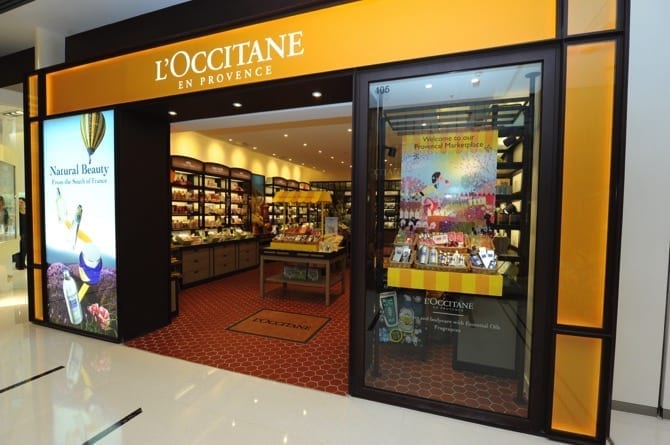
    Hong Kong-listed beauty products retailer L’Occitane may be taken private after at least one expression of interest in the business from a private equity investor. London-based private equity group Advent International has reportedly enquired about acquiring the company, which has an estimated US$2.7 billion market value.

    L’Occitane’s appeal has grown since listing on the HKSE eight years ago in a move to pursue Asian customers. While none of the parties involved have commented, sources close to L’Occitane have confirmed to European business media that “a number of potential buyers” are showing signs of interest.

    L’Occitane is thought to be well-positioned to take advantage of a fast-growing cosmetics and skincare market in the region, brought on by the expansion of the middle class and the Chinese tourism boom.

    L’Occitane’s is chaired by Austrian investor Reinold Geiger, who has overseen its growth internationally to 1555 outlets in 90 countries. The firm is experiencing sales growth in Hong Kong and China, as well as the US.

    It recently unveiled new concept stores in Canada and New York showing its future direction.

  • Retail sector Korea in future

    Retail sector Korea in future

    Technology and e-commerce trends are reshaping the global retail industry in profound ways, as the rise of online channels threatens to displace more traditional shopping experiences. However, Korea’s retail sector seems to be thriving in the face of this upheaval, with a 6% year-over-year increase in retail sales by Q3 2018. What are the factors fuelling this encouraging retail growth?

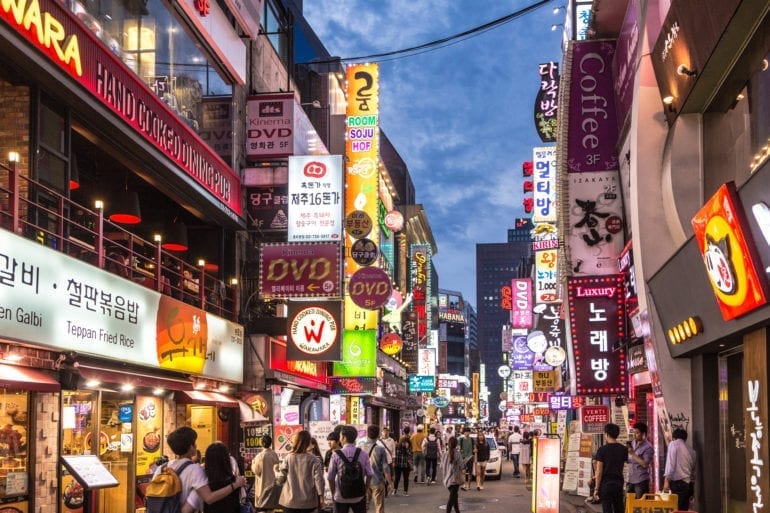
    Firstly, improved relations with China and North Korea have energised the retail sector, with duty-free sales registering an impressive 34% year-over-year growth by Q3 2018. While this retail boost can primarily be attributed to the recent surge of Chinese tourists in Korea, it also reflects the growing international popularity of Korean beauty and lifestyle brands.

    E-commerce is also emerging as a key driver of Korea’s retail sector. Online channels have experienced rapid growth since 2010, and will only keep expanding their foothold as Korean consumers start shifting away from brick-and-mortar stores. With Korea’s e-commerce market predicted to grow by 21% this year, traditional retailers will need to find new ways of adapting to this rapidly evolving landscape.

    Some retailers are already turning to artificial intelligence and other Industry 4.0 technologies in an effort to provide consumers with more innovative shopping experiences. For instance, Hyundai Department Store is using Naver’s virtual assistant Clova to answer customer inquiries – whether they relate to store locations or specific purchases.

    Another interesting example is retail giant Lotte Home Shopping, which has developed its own augmented reality system so that customers can visualize how products would look in their home. As these new technologies get ushered into the mainstream, we can expect to see more and more retailers jumping on the AI bandwagon in the next few years.

    However, this doesn’t mean that we should write off the traditional brick-and-mortar experience just yet. Major brands are still banking on attracting consumers with the enduring prestige of high street locations – such as Maison Kitsuné, which recently opened its flagship store in Seoul’s trendy Garosugil district.

    Many global retailers continue to view Seoul, one of the world’s most famous shopping destinations, as a test bed in Asia. With cosmetics brands like Givenchy Beauty and Armani Beauty making their debut in Seoul this year, and renowned F&B brand Blue Bottle Coffee preparing to enter the Korean market in 2019, it’s clear that leasing demand from foreign retailers is still going strong.

    If we look to other segments of the retail industry that are experiencing growth, it’s worth highlighting the surge of fresh food delivery services across the country. With double-income families emerging as a major consumer force, demand for overnight fresh food delivery has also been rising – and major retailers as well as food startups are turning their attention towards this potentially profitable market.

    The rapid expansion of the food delivery market – and of the e-commerce sector in general – is proving to be a windfall for Korea’s logistics industry. Logistics developers are recognizing the need for large-scale modern logistics centers capable of storing and delivering goods nationwide, with faster delivery remaining the market’s key competitive measure. The growing demand for cold chain facilities is expected to fuel a mass redevelopment of older warehouses, especially in the Greater Seoul area.

    So far, Korea’s retail industry has shown remarkable resilience against a backdrop of technological disruption. More brick-and-mortar retailers are offering F&B, AI and entertainment options to differentiate themselves from their e-commerce counterparts; and this trend will only grow as consumers seek out unique shopping experiences. The question is, will Korea’s retail market keep thriving in the long term?  As long as technology continues to enhance – and not supplant – existing retail experiences, we can venture to hope that a bright future is in store for this challenging and dynamic sector.

    -CBRE-

  • Ashley furniture now available in Thailand

    Ashley furniture now available in Thailand

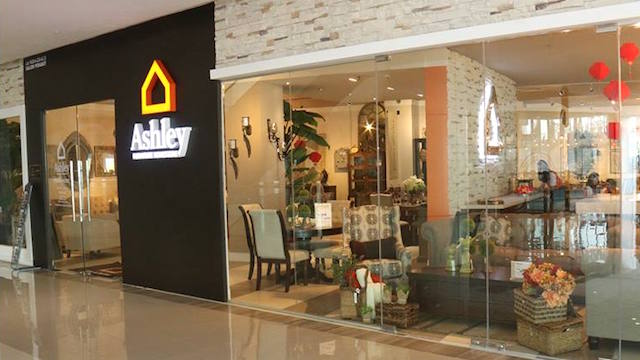
    US furniture retailer Ashley has launched in Thailand, partnering with local home furnishing and decor chain Chic Republic. The move is expected to help the brand capitalise on growing market demand and consumer purchasing power in the territory. Ashley president and CEO Todd Wanek said Thailand is a critical and potentially huge market for Ashley, due to its fast-growing middle-class affluence and population of 70 million.

    “There is huge demand for American contemporary and transitional looks in Thailand. This is why Ashley took the time to find the right partner, test the market thoroughly and made this decision after more than three years of finding the right fit.”

    Chic Republic’s strategy for expansion aims to target mid- to high-income consumers.

    It aims to sell Ashley’s products online via www.chicrepublicthai.com, and at four retail stores in Bang Na, Pradit Manutham, Ratchaphruek and Pattaya.

    Chic Republic CEO Kijja Pattamasattayasonthi said the outlook for furniture and home decor sales for the remainder of this year and into next is positive, due to demand from middle- to high-income customers, whose spending confidence has increased, as well as support from the increasing numbers of low-rise and high-rise high-end property projects.”

    Ashley has operated globally for more than 70 years, and has worked in the Asia-Pacific region for five years. It has more than 850 branches in 150 countries and brought in global sales of more than US$6 billion last year, accounting for 5 per cent of the brand’s total sales.

  • Alcis Sports opens its two new stores in India

    Alcis Sports opens its two new stores in India

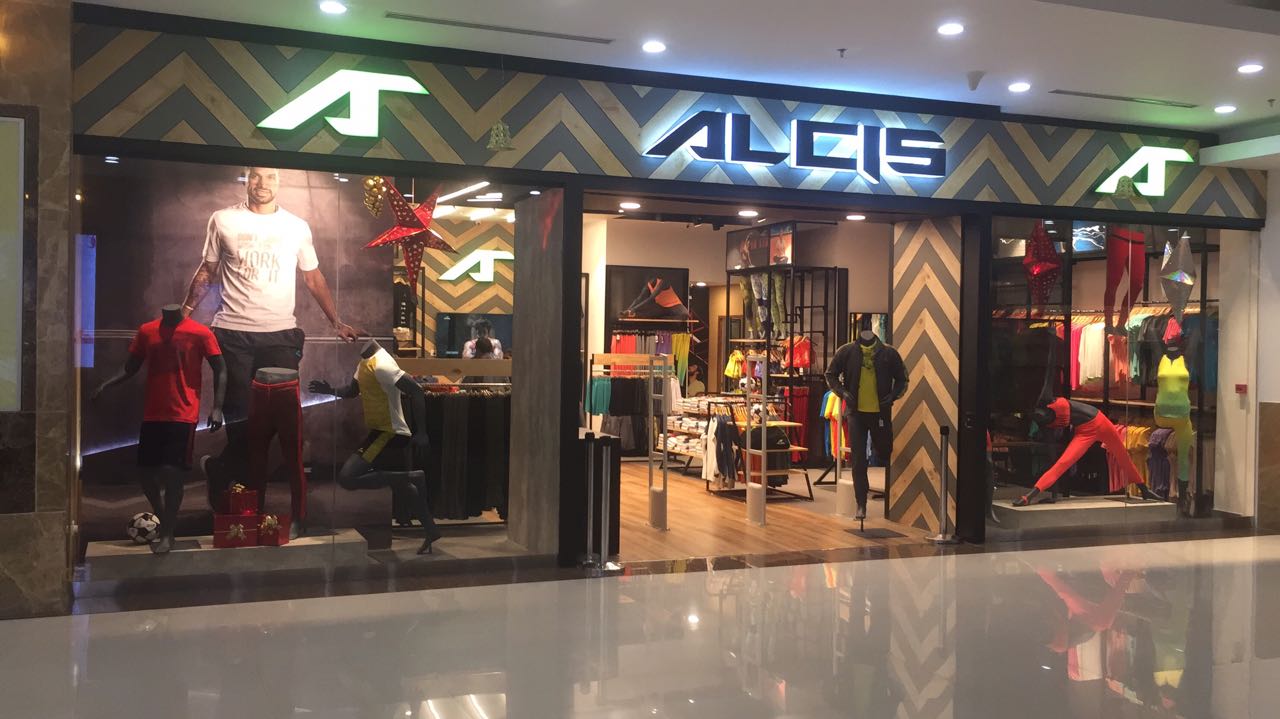
    Alcis Sports, a cutting-edge Indian performance wear brand, unveiled two new stores in Bagru in Rajasthan and Kurukshetra in Haryana. With these two new additions, Alcis Sport has now 11 exclusive brand outlets (EBOs) in India, and aims to have 15 by the year-end and 30-40 stores by 2019.

    Bagru and Kurukshetra get firsthand experience of a premium performance wear at an affordable price. Alcis Sports is a homegrown affordable Indian sportswear brand which is at par with international brands in terms of quality and also in sync with Indian sensibilities.

    The stores house Alcis Sports’ range spanning not only athleisure range but specific clothing for running, training, yoga, football, cricket and racquet sports. Alcis Sports is a home-grown, premium cutting-edge performance wear apparel brand, formed to tap into the emerging sportswear segment in the country.

    Roshan Baid, Managing Director, Alcis Sports said, “We are elated at the response of customers in both the outlets especially in Bagru. Touching Rs 1 lakh in sales in just two days in a new locality without much advertisement shows the awareness, acceptance and trust about the brand. We are committed to our customers in terms of international quality and affordable price without any compromise in our products.”

    Alcis is present at large format stores such as Shoppers Stop, Lifestyle, Globus, Central, Sports Station, Walmart, RS Brothers, Sarvanas, Pothys, JC Brothers and M&M and online retail channels such as Myntra, Jabong, Amazon, Flipkart, TataCliq, Ajio, etc. Besides, being present in over 700 multi-brand stores across the country, Alcis Sports is aggressively looking to open exclusive stores through franchise across the country. Alcis plans to open up about 15 exclusive brand stores, covering all the major cities of India, within this year.

    Alcis Sports has tie-ups with leading sports entities such as the hugely popular Pro Kabaddi League (Haryana Steelers and all match referees), among others. The company has secured an investment from Singapore based Venture Capital firm RB Investments, which has a strong portfolio of startups in India, including The Beer Cafe, Swiggy, Bluestone.com, Fab hotels, Faasos and PropTiger to name a few. Alcis Sports has also appointed celebrated Indian cricketer Shikhar Dhawan as the brand ambassador.

    Alcis Sports is a performance wear brand launched by the promoters of Paragon Apparels Pvt. Ltd., the largest manufacturer and exporter of sportswear in India. Alcis prides itself for being the first Indian brand to have the capability and production ability to manufacture technologically advanced sportswear at affordable price-points to enhance the performance of the wearer.

    Produced in India with the latest technologies such as Dry-Tech (moisture management), Anti-Odour, Anti-Static, Anti-UV and Light X, the products are specifically designed keeping Indian lifestyles and weather conditions in mind. The product range consists of clothes to wear while running, training, yoga, football, racquet sports and other athletic and leisure activities.

    Today, Alcis products which have international quality but Indian prices, are available in over 700 outlets across the country including all leading large format stores such as Lifestyle, Shopper Stop, Central, Globus, Sports Station, etc and online retail websites and 11 exclusive brand stores at New Delhi, Mumbai, Kochi, Jaipur, Guwahati, Bangalore, Goa, Bagru and Kurukshetra.

  • Second Hotel Chocolat opens door

    Second Hotel Chocolat opens door

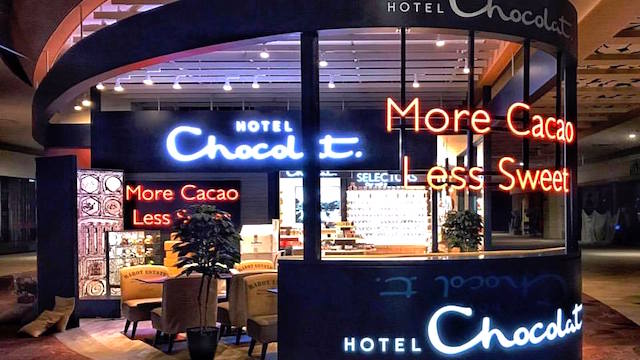
    Hotel Chocolat has opened its second store in Asia Pacific. The British-based luxury chocolate retailer has opened an outlet in Tokyo to follow up its first store in the region, in Hong Kong. The new store is in the giant Aeon Lake Town shopping mall on the outskirts of Tokyo. More are planned for Japan, where there is established demand for luxury confectionery.

    “The reaction to Hotel Chocolat in Japan on our first day of trading last week was hugely encouraging,” said co-founder and CEO of Hotel Chocolat, Angus Thirlwell.

    “Customer engagement, media attention, and sales performance were all well ahead of expectations.
    “Our portfolio of products landed with aplomb. Hot Chocolat drinks, our 8g sculpted chocolate batons, and our Selector range were all in high demand. We look forward to unfolding the brand further here.”

  • Korean fashion firm Handsome unveils AI-designed clothes

    Korean fashion firm Handsome unveils AI-designed clothes

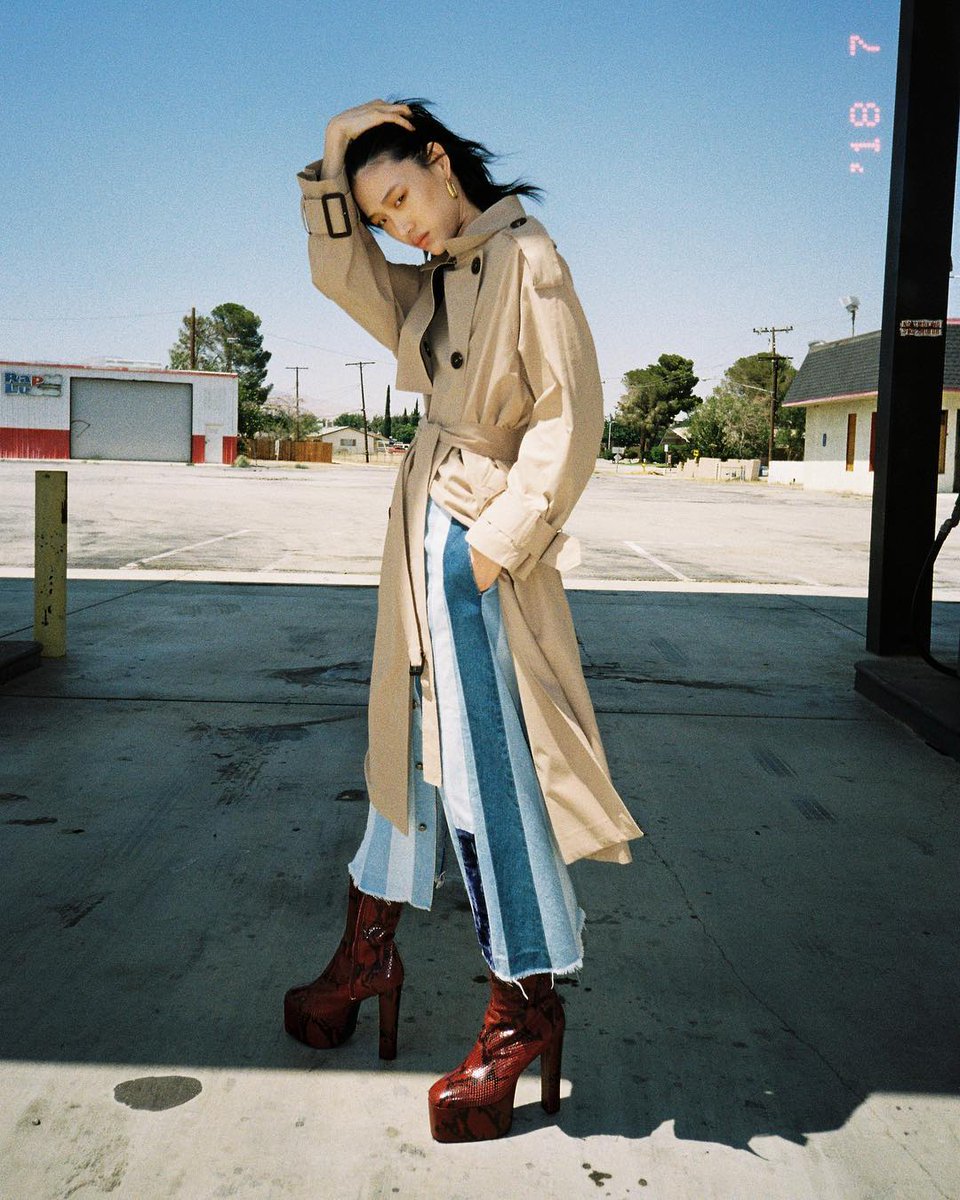
    South Korean fashion label Handsome says it will release the country’s first clothes designed with artificial intelligence technology. Handsome, an affiliate of Hyundai Department Store Group, said it joined forces with Designovel to create new patterns for clothes released under the SJYP brand. Designovel is a startup specialising in AI fashion technology.

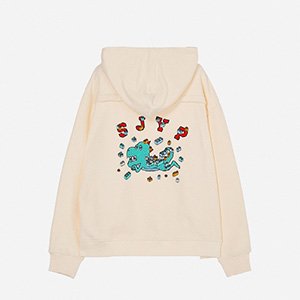
    The fashion company said the first product, dubbed Dino Hood Tee, is printed with an image of a dinosaur and toy blocks designed by Designovel’s program, Style AI.

    The graphic was based on 330,000 images, including characters and logos, provided by Handsome.

    Style AI uses a convolutional neural network, which is an image processing technology to modify patterns.

    Handsome said it will review whether the AI technology can be applied in other areas of its fashion business.