Tag: lifestyle

  • Esprit revamp to sacrifice staffs, stores

    Esprit revamp to sacrifice staffs, stores

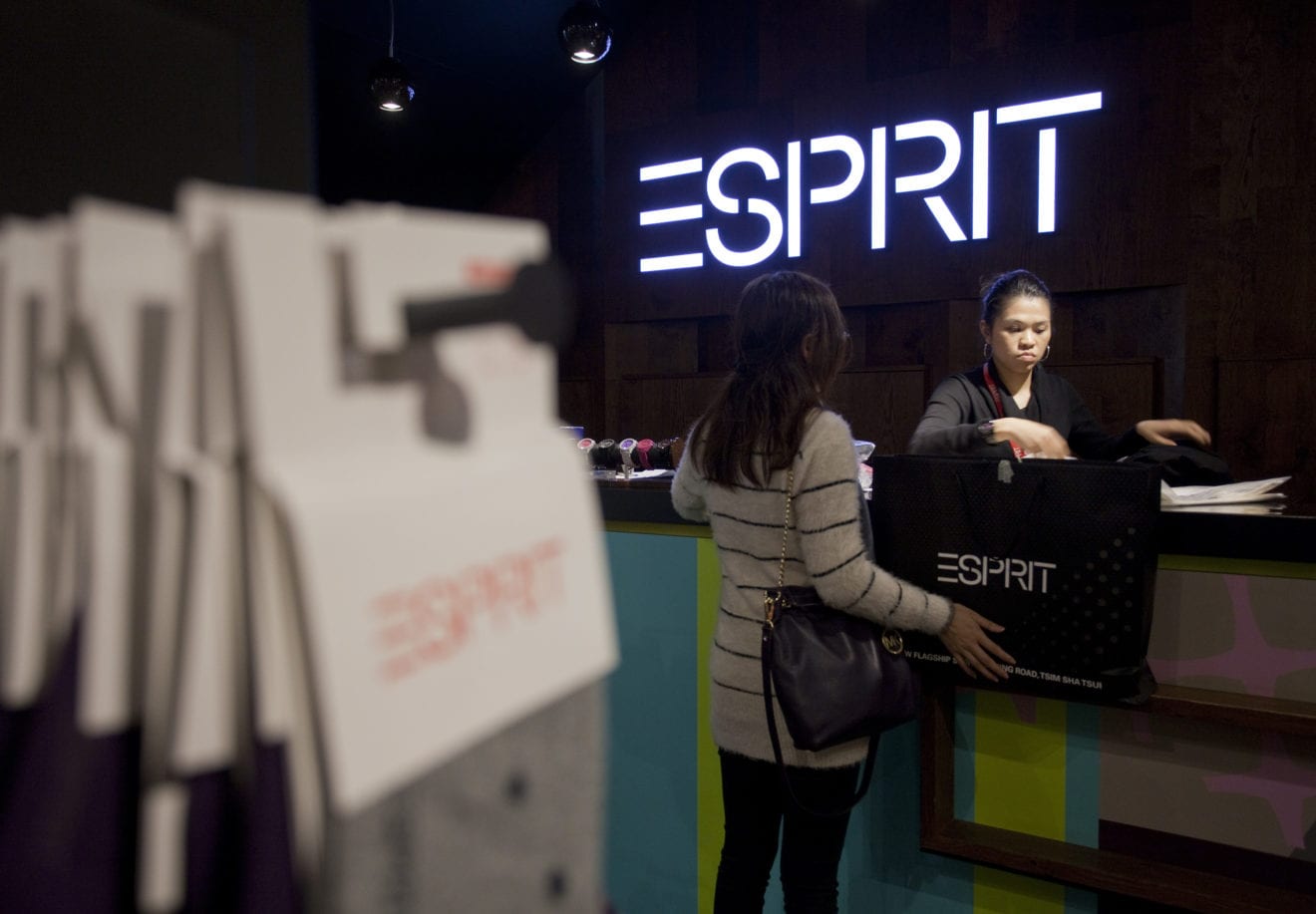
    Esprit plans to axe 40 per cent of its non-store workforce as part of a radical restructure repositioning the brand for future growth. The embattled Hong Kong-listed fashion retailer is set to incur up to US$217 million in one-off charges as it shutters stores, revamps its stock range and embarks on a new marketing campaign, with a heavy accent on social media.

    The bold Esprit revamp plans were laid out in an investor presentation which revealed a new positioning statement for the company. It has trademarked the phrase “radical positivity” but describes it as “a mindset, not a slogan”.

    Senior management has led by example, the executive team already culled from 13 to just six, although the company is recruiting two more: a chief product officer and a CEO for Europe and the Americas.

    Those remaining executives, including Group CEO Anders Kristiansen, executive chairman Raymond Or, head of marketing Simon Heckscher and CEO for Asia Jan Olsen told investors that Esprit plans to eliminate overlapping functions and reduce hierarchy to become more lean and efficient and allow faster decision making. It will merge five offices at headquarters into one and reduce the size of the office in Hong Kong.

    The Esprit revamp will come at a cost with breakeven expected only in two to three years. But the result of running a leaner and more customer-focused business will drive profitable top-line growth in three to five years. The company is targeting an EBIT margin of between 5 per cent and 7 per cent, starting year five.

    In the current year, Esprit forecasts a further decline in sales in the “low double digits” resulting from store closures and a continuing decline in customer traffic. It forecasts a one-off bill of HK$1.5 to 1.7 billion in one-off restructuring costs.

    Next year it anticipates a return to revenue growth. “We have a clear plan with bold changes. We will return to sustainable growth and profitability,” the management team said.

    Store closures

    The current store portfolio is being reviewed to evaluate which will be closed, in a phased approach which has already begun and will continue into next year. The company has already shuttered 18 stores in Asia and another 28 in Europe have been closed, downsized or had their rents renegotiated.

    From mid-next year the company will start opening new outlets, targeting 220 in China by 2023 and another 78 stores in other Asian markets.

    The company wants to reduce personnel costs from 20 per cent of store operating expenses now to between 12 and 14 per cent, and occupancy costs from 37 per cent to between 25 and 27 per cent.

    Online, the company wants to reduce its dependency on Tmall by opening on other marketplaces around Asia and revamping its own e-commerce site.

    Elsewhere in Asia, the company wants to focus on India (where it opened its first brick and mortar store on November 16), Thailand and the Philippines.

    It also plans to revamp its wholesaling business with a new ‘best-in-class’ business model in place by next September.

    New model for the future

    Esprit says it is building “a new model for the future” – a powerful organisation with a restructured cost base and the executive team has delivered a detailed outline of how it will reconnect with customers.

    They were honest about the current state of the business: “Esprit has changed – maybe too much. Our brand identity is inconsistent and we don’t know what we stand for. We’ve lost touch with our audience due to lack of customer focus. Our product, quality and fitting must be improved. Bold changes are needed to return to sustainable growth and profitability.”

    But they said there are positive sides to the story: according to a Brand Health Tracker survey in July, Esprit enjoys 87 per cent brand awareness in Germany, one of its core markets, and it is the third favourite fashion retailer there.

    And they say the brand knows what it stands for. “We are not fast fashion and we are not a discounter.

    We are a brand with a purpose. We will know our consumers by heart, provide clear brand value and strong product proposition and shape a consistent end-to-end consumer experience. We stand for radical positivity, loving our customer and quality, always. This is about more than branding. This is about changing our entire mindset. This is about who we are. .. what we do … how we do it.

    “There will always be a customer base that wants well-designed, good-quality and affordable clothes, that last beyond one season.”

    The Esprit shopping experience

    The company plans to change the Esprit shopping experience online, on app and in store. The online store will be updated and enriched with storytelling and live streaming. It will improve packaging and by the end of this year, promises 90 per cent of EU online orders will be shipped using services which are carbon neutral or commit to reduced emission programs.

    A new store concept launched in August features improved customer service, visual merchandising that elevates the product, and “music that lifts the spirit”. Merchandising will be simple, surprising, fresh and playful and storytelling will employed with signage such as “These jeans will change your life. You won’t have to change.”

    Esprit also plans a heavy focus on Instagram where it currently has 313,000 followers. Social branding will increase featuring real-time content and happenings in the world. The target is to grow followers to 1 million within 18 months.

    Range revamp

    Meanwhile, the company has already started revamping its range, addressing fabric quality, fit and the balance of products.

    It will reduce the number of SKUs, reduce so-called ‘kick colours’ and strengthen neutrals.

    “We looked at sell-through rates and consumer data per colour. Our market survey shows our competitors offer 30-40 per cent black, while Esprit has 15 per cent,” the team explained. So Esprit will strengthen its offer of neutrals like black, white, grey and beige.

    From June next year the number of stock options will be reduced by between 20 and 30 per cent. The company believes having too many items leads to higher development costs and complex stock management, which dilutes the brand message.

    It will change the balance of basic, core and highlight lines from a dominance of highlight to a more even disbursement, as shown below.
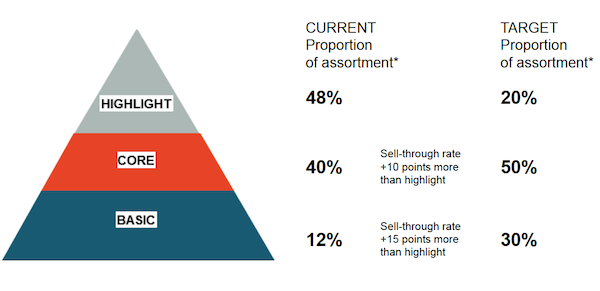
    Esprit management has identified the rise of quality basic brands, body diversity, athleisure, casualisation and conspicuous consumption as among trends shaping the fashion industry and driving consumer preferences. In response, it plans to offer a more commercial assortment of clothing, improve the quality and fit, develop signature product classes and establish “a unique Esprit handwriting”.

    Quality will be enhanced through innovation, functionality, collaboration – such as a winter range featuring 3M insulation – and by looking for opportunities for storytelling online and in stores. The company believes this will boost the sell-through rate to 75 per cent at full price. It will use sustainable denim made from organic cotton and recycled, fibres.

    Pants, t-shirts and sweaters comprise more than 50 per cent of Esprit’s current range and those are the staples it wants to be known for in the future.

    At the heart of the “handwriting” Esprit refers to is a hub of internal designers which has been created to establish guidelines and directions. It will use information gathered from market trends, competitors and data from its Esprit Friends client base to shape future designs and collections. That work is already starting and will influence collections set for release in fall next year.

    China potential

    With plans for more than 220 new stores in China over the next five years, Esprit is mindful of first addressing shortcomings in that market.

    It admits Chinese consumers perceive Esprit as in line with lower-positioned brands and that they find stores tired and uninteresting. It acknowledges it is missing “basic retail operational focus” in China, has a complicated business structure there with too many layers and its sales associate incentive schemes are not aligned with normal market practice.

    Esprit says to recover ground in China it needs to refine the fit of its clothes for Asians, improve quality, adjust deliveries to seasons, improve colour proportions and reduce product options to suit store sizes.

    In future, about 70 per cent of the brand’s mainline international collection will be adapted for Asia with amended fitting and 30 per cent will be designed specifically for Asia.

    The company plans to launch a two-phase strategic marketing approach starting in January. First, discounting will be reduced, but a “deal feel” will remain in stores and staff will be incentivised to push full-price sales. In phase 2, starting September, markdowns will be restricted, targeted discounts will be offered via email and WeChat notifications, and a new marketing campaign launched to attract new customers.

  • Kering’s new digital strategy revealed

    Kering’s new digital strategy revealed

    Customers draw inspiration from today’s hyperconnected world and they engage with luxury brands through the digital tools they use every day. In a fast-changing environment, the success of luxury houses depends upon their ability to offer creative propositions, and a consistent customer experience across all distribution channels and devices.

    In December 2017, Kering appointed Grégory Boutté as Chief Client and Digital Officer with the mission to carry out Kering’s digital transformation and to take the lead on e-commerce, CRM, data science and innovation for the Group. Since then, e-commerce has been the fastest growing channel for all Kering’s brands and represents 6% of the Group’s total retail sales for the first half of 2018.

    “Digital can be many different things at once – a distribution channel; a platform for offering seamless omni-channel services to clients; a driver of brand image and visibility; and a tool for engaging with customers in a personalized way. Digital technology, data science and innovation provide a way of offering our customers the best possible experience – on every touchpoint”, declared Grégory Boutté.

    Drawing upon his vision, Kering’s digital approach is based on the following objectives:

    • to provide the Group and its Houses with a real-time 360-degree view of their customers, and to deliver rich and personalized experiences;
    • to offer clients high levels of service, from initial transaction to after-sales;
    • to enable Kering’s Houses to develop close relationships with their clients and to adapt their offerings in order to meet specific needs.

    Today, Kering is announcing new milestones on its digital journey.

    The following initiatives will strengthen Kering’s focus on enhancing the Group’s omni-channel capabilities and further developing its Houses’ digital activities.

    In-store customer experience

    Kering is working on a suite of apps in partnership with Apple to be used by Houses staff in store, the first of which is a store experience app that enables sales associates in-store to access stock levels in real time to provide their customers with a fully personalized service.

    Via the app, sales associates know instantly if a specific size or color is available in-store or if it can be ordered from other stores; they can also give customized styling recommendations.

    Client service

    Kering developed a new approach to customer service with centralized teams in Europe and the US focused on addressing customers’ requests.

    Gucci, Saint Laurent and Bottega Veneta have dedicated teams, while other brands grouped their efforts under a single customer service unit, operated by Kering on their behalf.

    CRM and Communication

    Kering has launched several pilot projects using data science techniques to deliver personalized messages and experiences to customers, based on their profile and purchasing history.

    All Kering Houses have launched or are launching WeChat mini-programs in order to build as close a relationship as possible with their Chinese customers and to offer social commerce.

    E-commerce 

    Kering will leverage its in-house technology and operations team to fully internalize the e-commerce activities currently handled through the joint venture with YNAP.

    Following a highly successful and fruitful seven-year partnership with YNAP, these e-commerce activities will transition to Kering in the first half of 2020.

    Coordinated efforts and shared expertise with YNAP have enabled Kering Houses to enhance the level of service of their e-commerce websites. Most of them now offer services such as check availability, reserve in store, make store appointment, pick-up in store, return in store, exchange in store, and buy online in store.

    Kering will continue to develop partnerships with third-party e-commerce platforms when relevant.

    Digital capabilities

    A data science team has been created at Group level to improve the service provided to the clients of Kering’s Houses by making the best use of the available data.

    A China-based Client & Digital team is currently being formed. It will be responsible for adapting digital practices to the Chinese market, along with identifying and promoting innovations from China to other markets.

    Kering’s Group Innovation team has been tasked with two missions: to instill an internal culture of innovation (test-and-learn approach, quick sharing of discoveries, scouting business trends), and to work on disruptive technologies to further improve the client experience in the future in terms of business or environmental matters.

    Kering’s Chief Client & Digital Officer Grégory Boutté added: “These exciting new initiatives have been designed to meet – and exceed – the needs of our Houses’ customers and to ensure we continue to offer them an exceptional experience across all channels in a fast-changing global market. These opportunities have been made possible by the experience and know-how that Kering has gained over the years, notably through its successful joint venture with YNAPWe will continue to work with them post-transition and to enjoy a fruitful relationship.”

  • Taiwan’s boutique Invincible coming to Shanghai

    Taiwan’s boutique Invincible coming to Shanghai

    Taiwanese streetwear boutique Invincible has opened a new store in Shanghai. The opening was marked by a brand collaboration with Japanese label Wacko Maria in the form of a capsule collection, which is on display within an in-store pop-up installation.

    The pop up’s striking-pink print wall and industrial rack set off the store’s otherwise understated design with untreated wood displays.

    The store is located at Soho Fuxing Plaza on Madang Road.

  • Chai Point to open 20 more outlets by FY 2019

    Chai Point to open 20 more outlets by FY 2019

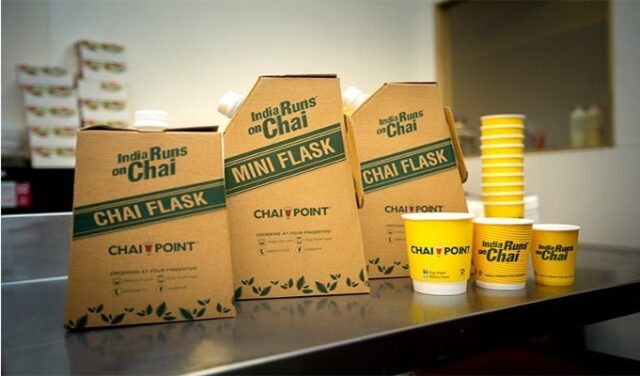
    Tea, which conquers 70 percent of the non-alcoholic beverage market in India, is unofficially the national beverage of the country. Tea lovers never shy away from enjoying a hot cuppa, be it any season or any time of the day. Even the social and emotional lives of Indians are linked with tea. In an effort to brew never-ending excitement around tea, Amuleek Singh Bijral took a plunge into the tea business around eight years ago and since then there has been no looking back.

    Talking about the retail mapping of the brand, Bijral says, “We are into an Omnichannel business and have close to 106 stores. Apart from this, we also have about 2,000 plus milk-based dispensers – boxC – installed at corporate houses and our own line of packaged
    products.”

    “Going forward, we want to build a globally relevant tea platform and we are doing this with the help of our cloud-based platform – SHARK, which allows us to manage all our channels in a comprehensive fashion, connects to a common supply chain and allows us to serve customers their various demands and ensures to offer similar customer experience across all the channels,” he states.

    Initial Challenges

    According to Bijral, the initial challenges were to find the prime real estate locations as builders and landlords were not convinced about why such a concept would succeed when tea is available in every nook and corner of the city.

    “However, this notion has now changed over a period of time and the credit goes to customers who have become hygiene conscious and no longer enjoy having their tea on the roadside.”

    Marketing Strategy

    The beverage-centric brand, which gets 25-30 percent contribution towards its revenue from food, has never felt the need to do aggressive ATL spends as stores are their core brand platform.

    According to Bijral, all the brand’s spends are BTL-centric and that is the strategy Chai Point will continue to evolve and adopt.

    “Apart from this, we are very aggressive on digital awareness as our audience is digitally-savvy. We are centred around white-collared corporates and that is an area where our spends can be categorised as ATL and are likely to get more sophisticated and aggressive over time,” he explains.

    Technology Rules

    Bijral, who hails from a technology background, believes technology is an important part of the business. The tea lover has amalgamated technology with tea to provide a frictionless experience to customers.

    Explaining this further, Bijral states, “When customers enter the store, they do not want to stand in the queue, they do not want to punch in numbers to give their loyalty code, they do not want to carry loyalty cards in their wallet, but they want to be served at the earliest possible, so how will the brand solve all these problems? The answer to this problem is facial recognition.”

    “We have successfully piloted facial recognition across five stores and now we are at a stage where we are confident enough of rolling it out across other stores,”says Bijral.

    Even the loyalty program of the brand – PrioriTea – bets big on technology by combining facial recognition with Artificial Intelligence to offer enhanced experience to customers.

    Future Plans

    Singh explains, “ There is an immense opportunity in the tea business. Iced Tea which is a huge market abroad has not even opened up in India.”

    The brand is planning to open 20 more outlets in the next three to four months. As of now, all the outlets are company-owned and company-operated and going further, Chai Point will continue with the same operating model.

    “The brand is still at a relatively nascent stage and we believe that we need to have our own store to cement the system, processes and more importantly aggressively redefine and improve customer experience,” asserts Bijral.

    “Stores remain core to our brand. Delivery and boxC are faster-growing segments, which support the store format,” he adds.

    At present, stores and delivery from stores contribute 56 percent to the total revenue, 4 percent comes from packaged food business and the remaining 40 percent from BoxC business.

    “We have been operating profitable for last six years. We are aiming to be EBITDA level 100 percent profitable by this fiscal-end, covering all the expenses that we have taken towards our Omnichannel growth,” reveals Bijral.

    On a run rate basis, the brand is targeting Rs 200 crore by the end of fiscal.

  • Amazon in advance stage to buy stake in Future Retail

    Amazon in advance stage to buy stake in Future Retail

    Online retailer Amazon is in advanced stage of talks to buy around 9.5 percent stake in Kishore Biyani-led Future Retail, according to sources. According to a report: A final shape to an agreement between the two parties is expected to take place within the next 10 days, the sources said although in case of last minute hurdles the deal could be announced as late as January 2019.

    When contacted, Amazon declined to comment while messages sent to Future Group Founder and Group CEO Kishore Biyani remained unanswered by the time of filing story.

    According to a media report, the Amazon-Future Group deal is initially estimated to be around Rs 2,000 crore executed under foreign portfolio investor (FPI).

    The agreement could also include Amazon buying out Biyani and promoter group’s entire holding in future subject to applicable regulations in India.

    As of September 2018, promoter and promoter group had 46.51 percent share of Future Retail Ltd, which operates hypermarket and supermarket under brands which include- Big Bazaar, Easyday, Foodhall, HyperCity, FBB, Heritage fresh, ezone and WH Smith.

    It has presence in 250 cities across the country.

    Leading e-commerce major Amazon, which is looking to expand its presence in India, already has stake in Shoppers Stop and More.

    If the deal is through, this would be the third investment by the US-based company in the Indian brick-and-mortar retail ecosystem.

    Last year, retail major Shoppers Stop had announced raising Rs 179.26 crore from Amazon through an issue of equity shares on preferential basis. The deal with Amazon.com Investment Holdings LLC translated into just over 5 per cent shareholding for Amazon in Shoppers Stop.

    In September this year, Amazon said it has co-invested in Witzig Advisory Services, the entity that is acquiring Aditya Birla Retail’s ‘more’ chain of stores in India.

    According to market watchers, this deal is expected to help Amazon strengthen its play in the Indian retail market that is still dominated by offline retailers.

    The move would also intensify competition further between Amazon and Walmart-backed Flipkart that are locked in an intense battle for leadership in the Indian e-commerce market.

    The US’ largest retailer Walmart had picked up 77 percent stake in Flipkart for US$ 16 billion, the largest deal in the Indian e-commerce space so far.

    Both Amazon and Flipkart are pumping in millions of dollars towards building infrastructure, and expanding operations in the country.

  • Celine and Givenchy joins Paris menswear show schedule

    Celine and Givenchy joins Paris menswear show schedule

    After Hedi Slimane premiered Celine menswear via a co-ed catwalk show on September 28, the brand has announced that it will join the Paris menswear calendar in January 2019. Celine is currently negotiating a show date with the Fédération de la Haute Couture et de la Mode, and it is not yet known whether the brand will present solely menswear, or whether Slimane will pepper the offering with womenswear as per his debut.

    The move is indicative of the fact that Celine’s parent company LVMH has got its sights set on the burgeoning menswear market.

    When Slimane took the helm in February 2018, it was made clear that the new category will be a key sales driver, along with leather goods, accessories and fragrances.

    “The objective with him is to reach at least two billion to three billion euros, and perhaps more, within five years,” LVMH chairman and CEO Bernard Arnault said of Slimane’s appointment.

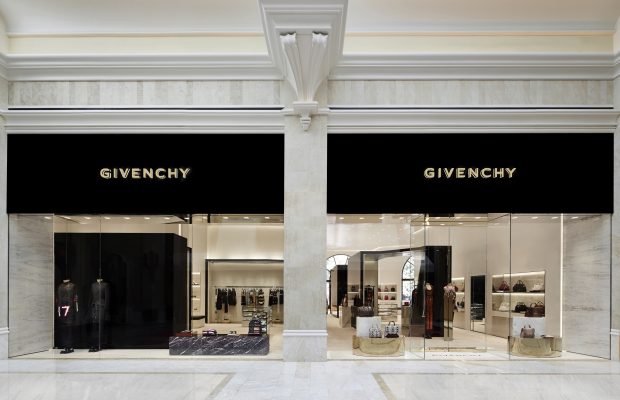
    In the last year, LVMH has appointed new head designers at Berluti, as well as the menswear divisions of Louis Vuitton and Dior. And, just weeks ago, Givenchy, another brand within the French conglomerate’s stable, announced that it will rejoin the menswear calendar for the autumn/winter 2019 season.

    As a growing number of brands, including Maison Margiela, Stella McCartney, Balenciaga, Haider Ackermann and Sonia Rykiel, merge their menswear and womenswear for the sake of presentations, LVMH is making great strides to make a splash on both schedules and to take a hold of both markets.

  • Poor customer experience costs retailers in Asia

    Poor customer experience costs retailers in Asia

    Nearly two-thirds (63 per cent) of consumers in Asia will no longer shop with a retailer after just one poor customer experience. That is one of the conclusions of a research study conducted by unified commerce provider Tofugear in partnership with Rakuten Insight. Based on a survey of 6000 shoppers across 12 countries in Asia, the research underlines the importance of delivering on experience for retailers.

    Top frustrations with stores included products being out of stock, long checkout queues and poor service from staff. When it comes to online shopping, consumers were turned off by high shipping costs, inaccurate product information and slow fulfilment speeds.

    Philip Wiggenraad, head of research at Tofugear, says: “The connected consumer in Asia is empowered and not afraid to look elsewhere when their needs are not being met. Retailers need to understand that they often only have one chance to get it right.”

    E-commerce is popular with consumers in the region: 59 per cent prefer to shop online rather than in stores.

    However, there were considerable variations depending on the country. China led the way (88 per cent), while markets such as Hong Kong and Singapore (both 51 per cent) were more evenly split in their preferences between online or stores.

    While millennials are the most prolific online shoppers, with more than half (55 per cent) doing so at least once a week, Gen Z also has a definite lean towards the online channel.

    “Physical retailers expecting a resurgence of the store driven by Gen Z should think twice and continue to look at ways to make their stores relevant in the digital age,” says Wiggenraad.

    Respondents to the survey showed a strong willingness to engage with store technologies in order to make their shopping journey more frictionless. Two-thirds (65 per cent) would use their mobile phone for self-checkout, while 62 per cent were open to using apps in stores as part of a connected retail experience.

    Access the full findings of the Digital Consumer in Asia 2018 report by downloading the PDF here.

  • Cover Story to launch accessories line soon

    Cover Story to launch accessories line soon

    Kishore Biyani-led Future Retail launched fast fashion brand Cover Story almost two-and-half years back with an aim to take international brands like Zara and H&M head on. The company then proceeded to set up a design house based out of London to develop cutting edge fast fashion. This design house was dubbed Future Style Lab, a wholly-owned subsidiary of Future Group, which developed and procured styles for Cover Story. And since then there has been no looking back.

    According to Manjula Tiwari, CEO, Future Style Lab, a fantastic growth has been seen for the brand, in terms of its popularity with customers and retailers alike. “Being just a 2.5 year old brand, Cover Story has established itself as a formidable competitor in the fast fashion space to international players. The brand is among one of the very few Indian brands to be present on ground floor locations across the leading malls in India, a great indication of the journey so far.”

    “We place customers in the centre of all that we do. Our product is a blend of latest trends and suitability in the Indian context and that has struck the right chord with our customers,” she adds.

    Target Audience

    The target audience of the fast-fashion brand is the 23 to 40 year old, financially independent woman with a rising disposable income which she loves to splurge on frequent shopping trips.

    “She thrives on social media, is a traveller in spirit and embraces new experiences. She frequently seeks to refresh her wardrobe. Feminine and eclectic, she switches effortlessly between Indian and western wear. Dressing up for her is a form of self-expression. She is modern but rooted,” says Tiwari.

    Store Design

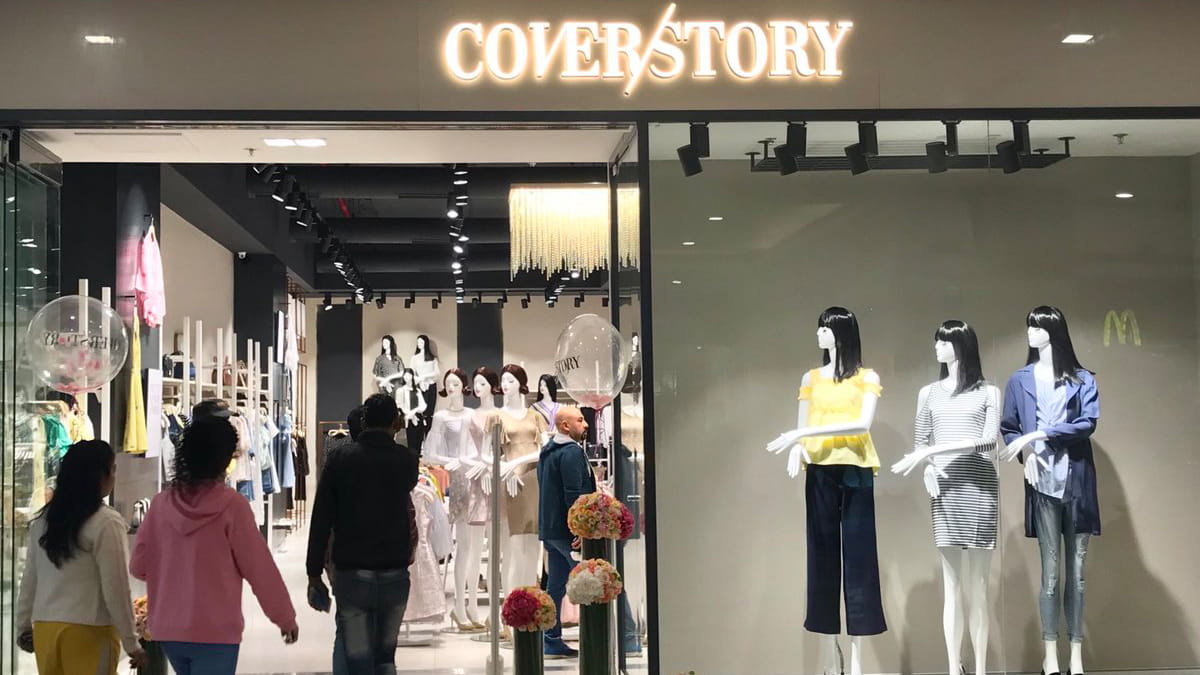
    All Cover Story outlets are designed to recreate the intimate boutique and provide a comfortable shopping experience. The layout is layers of transparency with opacity, which encourages a sense of discovery while shopping.

    “A warm and neutral palette has been chosen for the store as well as all the equipment in it. Colours such as Rose Gold have been opted for, to give the place a feminine touch, to help women identify with the store,” states Tiwari.

    The display panels in the store are designed to look like magazine editorials. Exclusive fashion clusters display merchandise as if they were stories, luring women into reading them.

    Visual merchandising is done by and premium in-store windows are designed by London stylists on the lines of international luxury brands. The cash counter mimics a woman’s vanity bag, while changing rooms have seating for the comfort of waiting friends and family.

    “Customers can browse tablets with fashion content and styling tips. Cover Story’s in-store ‘selfie booths’ are bound to create brand excitement. Consumers can browse through stores and merchandise, share their personal information, and then have their shopping home delivered,” asserts Tiwari.

    Shoppers can even make a request for sizes not currently available at the store. A personal shopper then locates the size from other outlets and delivers it to consumer.

    Product Category

    The brand offers around 450 SKUs per season under the categories like dresses, tops, tees, trousers, skirts, shorts, jackets and sweaters.

    “We also do footwear and bags and are planning to launch a jewellery and accessories line,” reveals Tiwari.

    “Dresses and tops are our fastest moving categories because we provide a wide variety in both categories for all occasions. Also these categories are generally the most sought after categories by women in general,” she adds.

    Marketing Strategy

    The marketing strategy of the brand is a healthy mix of generating brand awareness and driving traffic to the stores to convert to sales.

    According to Tiwari, “We ensure our campaign imagery is of high quality and for that we shoot internationally to bring forth the true image of the brand, being designed in London. Locally, we rely on heavy mall activations and branding to steer the customer to our stores. We also turn to Instagram as a great tool to highlight our fashion authority in the market along with a lot of support from celebs and influencers.”

    “We believe the future of consumer engagement is to get personal – create a connect with the consumer through great experiences. We intend to bring our customers a connect to our London designers with regular events and interaction, and to create constant content around international fashion and style to establish Cover Story as a go to fashion authority for the Indian consumer,” she adds.

    Future Plans

    The brand, which has 23 EBOs, 61 SIS across the country and presence on 5 online channels, will cross 100 doors by the end of this year.

    “We have been more than doubling the turnover every year and same store sales growth has been in the health double digits. Currently online contributes 5 percent to the overall revenue and we see it growing significantly in the times to come,” concludes Tiwari.

  • Brewhouse Ice Tea secures US$ 2 mn loan

    Brewhouse Ice Tea secures US$ 2 mn loan

    Bottled ice tea brand Brewhouse Ice Tea Monday said it has secured US$ 2 million loan from Singapore-based FMCG firm Food Empire Group to expand its footprint and product offerings. Food Empire Group had previously invested US$ 6,00,000 in Positive Food Ventures in November 2017. Positive Food Venture Pvt Ltd, maker of bottled ice tea brand Brewhouse, has secured a loan of US$ 2 million from Food Empire Holdings, the company said in a statement.

    “Currently, we are present at over 2,000 points of sale in major cities and are expanding our operation pan India. We plan to invest the loan amount from Food Empire Group towards expanding our reach to 10,000 points of sale in 2020 and to introduce newer and interesting variants,” Siddharth Jain, Founder, Brewhouse Ice Tea said.

    The brand started operations in Delhi in May 2017 and at present has presence in over 10 cities, including Delhi, Chennai, Bangalore, Mumbai, Pune, Kolkata, Hyderabad, Jaipur, Chandigarh, Lucknow and are retailing with over 300 restaurant and cafe partners.

  • KT subscribers jump ship after fire accident

    KT subscribers jump ship after fire accident

    KT’s week has taken yet another turn for the worse as the fire that caused major telecommunications disruptions in Seoul and the surrounding area has likely left the company with a hefty compensation bill and subscribers looking to take their business elsewhere.

    According to data from the Korea Telecommunications Operators Association on Tuesday, the number of KT’s mobile service subscribers has been shrinking since a fire broke out at the carrier’s Ahyeon telecommunications switching center in Seodaemun District, western Seoul, on Saturday.

    On Saturday, the total number of subscribers to the country’s second-largest mobile carrier fell by 828 people compared to the previous day. This means that the number of people that left KT was larger than those who newly subscribed to the carrier that day.

    On the contrary, subscribers to SK Telecom increased by 246 people and LG U+ 582 people on the day of the accident.

    On Monday, the number of KT subscribers again dropped by 678 people. During the two operating days, KT lost a net 1,506 subscribers.

    Before the accident, the number of KT subscribers was on the rise. On Thursday, KT’s pool of subscribers increased by 69 people and by 83 people on Friday, but that trend was reversed after the fire.

    The troubled company said most fire-affected services have returned to normal on Tuesday, but analyst Kim Hyun-yong from eBest Investment & Securities said, “KT’s sales and brand image can be damaged if the situation is not fixed quickly considering the long hours and broad scope of disruptions [caused by the accident,]” in a report.

    SK Telecom also suffered from problems in its mobile communications services in April and LG U+ last year, but disruptions were resolved in a matter of hours, not days.

    Analysts estimate KT will have to spend at least 23.2 billion won ($20.5 million) in compensation to individual customers as it decided to waive a month’s phone bill for KT subscribers residing in the affected regions. The amount is roughly 1.6 percent of KT’s projected operating profit for this year according to Yang Jong-in, a research fellow from Korea Investment & Securities, Tuesday.

    “We made our assumptions based on KT’s market share in the five affected districts in Seoul,” Yang said.

    Another analyst Kim Joon-sop from KB Securities estimated the amount of compensation to be larger, at around 31.7 billion won.

    As compensation plans for the business losses of small and microbusiness operators have not yet been laid out by the mobile carrier, the amount of compensation could snowball.

    The accident comes at a tragic time for KT, as it was just a week before the carrier expected to introduce its first 5G network-based services. Korean carriers have been preparing to launch their first 5G services in dongle-type devices from December and had scheduled large press briefings this week prior to the official launch.

    KT has now delayed its event. On Monday, the mobile carrier sent notices saying “we decided to cancel our scheduled event to quickly fix telecommunications disruptions caused by the fire,” to reporters.

    The 5G network has been KT’s key focus and Chairman Hwang Chang-gyu had promised in September to invest a whopping 9.6 trillion won into its 5G business over the next five years. The company had also cemented its image as a leading 5G service provider by serving as the official telecommunications partner at the PyeongChang Winter Olympic Games earlier this year.

    The latest incident, however, has hampered KT’s latest bid to take a bigger share of the local telecommunications market, which has been in a similar shape for the last decade: SK Telecom taking 50 percent, followed by KT with 30 percent and LG U+ 20 percent.

    “SK Telecom, which boasts a well-established image of offering quality mobile services, and LG U+, which bets on cost-effective services, are likely to take advantage of the latest accident,” an industry insider said.

    Still, KT is trying its best to restore the disrupted network.

    According to KT, 96 percent of its mobile communications service has been restored, while 99 percent of landline internet and 92 percent of fixed-line phone services are repaired as of 11 a.m. Tuesday.

    KT said microbusiness operators still suffering from telecommunications disruptions are those that depend on copper cables rather than more modernized fiber optic cables. While 99 percent of fiber optic cable-based landline phone services are back to normal, only 10 percent of the copper cable-based services have been restored.

    “Copper cables are heavy and thick so they cannot be taken out through manholes for restoration,” KT said in statement. “They can only be recovered after our people are allowed into the tunnel where the fire broke out.”

    To minimize damage to copper-cable users, KT said it will offer 1,500 wireless LTE routers to shop operators so they can use electronic card payment systems. KT is also offering 300 wireless payment devices to convenience stores after discussions with the various franchise headquarters. The carrier has also been rushing to convert copper cables to fiber optic ones in areas with a large number of shops since Monday.

    From the government’s side, the Ministry of Science and ICT created a task force on Tuesday consisting of related government officials and representatives from mobile carriers to discuss how to manage low-level telecommunications facilities like the Ahyeon facility, which was graded D in terms of importance.

  • Luxury footwear label A.Testoni bought by Hong Kongese group Sitoy

    Luxury footwear label A.Testoni bought by Hong Kongese group Sitoy

    Hong Kong leather goods manufacturer Sitoy Group has acquired Italian luxury brand A.Testoni. Sitoy’s investment allows A.Testoni to maintain its brand identity and maximise on its artisanal heritage in a long-term strategy to drive the brand’s ongoing development.

    Sitoy’s chairman Michael Yeung Wah Keung said: “We are very pleased to welcome A.Testoni as a part of the Sitoy Group and work together to realise the full potential of the brand. As we celebrate our 50th anniversary this year, the acquisition marks an important milestone in the transformation of our retail and brand management business into a global dimension.”

    CEO of A.Testoni Bruno Fantechi said the acquisition comes after many years of fruitful partnership in Mainland China, where Sitoy has been a key partner in developing the brand’s distribution.

    “It recognises the inherent value in the brand’s unique levels of quality, craftsmanship and innovation which will drive significant future growth and development.”

  • US Cyber Monday online sales to reach record US$7 billion

    US Cyber Monday online sales to reach record US$7 billion

    American consumers were on track to spend US$ 7.8 billion in online shopping on Cyber Monday, up 18.3 percent from last year, according to Adobe Analytics, which tracks 80 percent of online transactions at 100 of the largest retailers in the US. Cyber Monday, which falls on the first Monday after Thanksgiving Day and Black Friday, is considered the biggest online shopping day of the year.

    Last year, it hit a record US$ 6.6 billion in online sales.

    With growing online sales, Black Friday might be stealing Cyber Monday’s thunder. Online sales for Black Friday reached US$ 6.22 billion, up 23 percent compared with last year.

    Smartphone-enabled purchases amounted to US$ 2.1 billion, accounting for one third of the overall sales.

    Figures from Internet Retailer, a publisher of e-commerce news and analysis, predicted that the total amount to be spent over the period between Thanksgiving Day and Cyber Monday will reach US$ 21.6 billion.

    For the whole holiday season, which will last until end of December, online sales could hit a record US$ 124 billion, up by 15 percent from last year, Adobe Analytics said.

    Figures from market research firm eMarketer put overall US holiday online sales at around US$ 123 billion, which accounts for 12 percent of the estimated 1 trillion retail sales for this holiday shopping season.

    According to an annual survey, US consumers will spend an average of US$ 1,007 dollars during this holiday shopping season, up 4.1 percent from last year, the National Retail Federation said earlier.

  • Roger Dubuis appointed new CEO

    Roger Dubuis appointed new CEO

    Effective December 1, Nicola Andreatta will be the new Chief Executive Officer of Manufacture Roger Dubuis. Nicola comes with 20 years of experience in the management of luxury and watch industries. In 2013, Nicola was appointed Vice President and General Manager of the Swiss entities of Tiffany & Co.

    Prior to that, Nicola founded N.O.A. Watch Company in Ticino, Switzerland, which he developed during more than 10 years. And before founding his own company as an entrepreneur, Nicola held various roles in Asia in the watch and luxury industries, as Managing Director, COO and CFO, with the companies, AC Services Ltd, Harwood Investments Ltd and Art Concord Ltd, where he has started his career in 1998.

  • Thai flagship store opened in Coupang

    Thai flagship store opened in Coupang

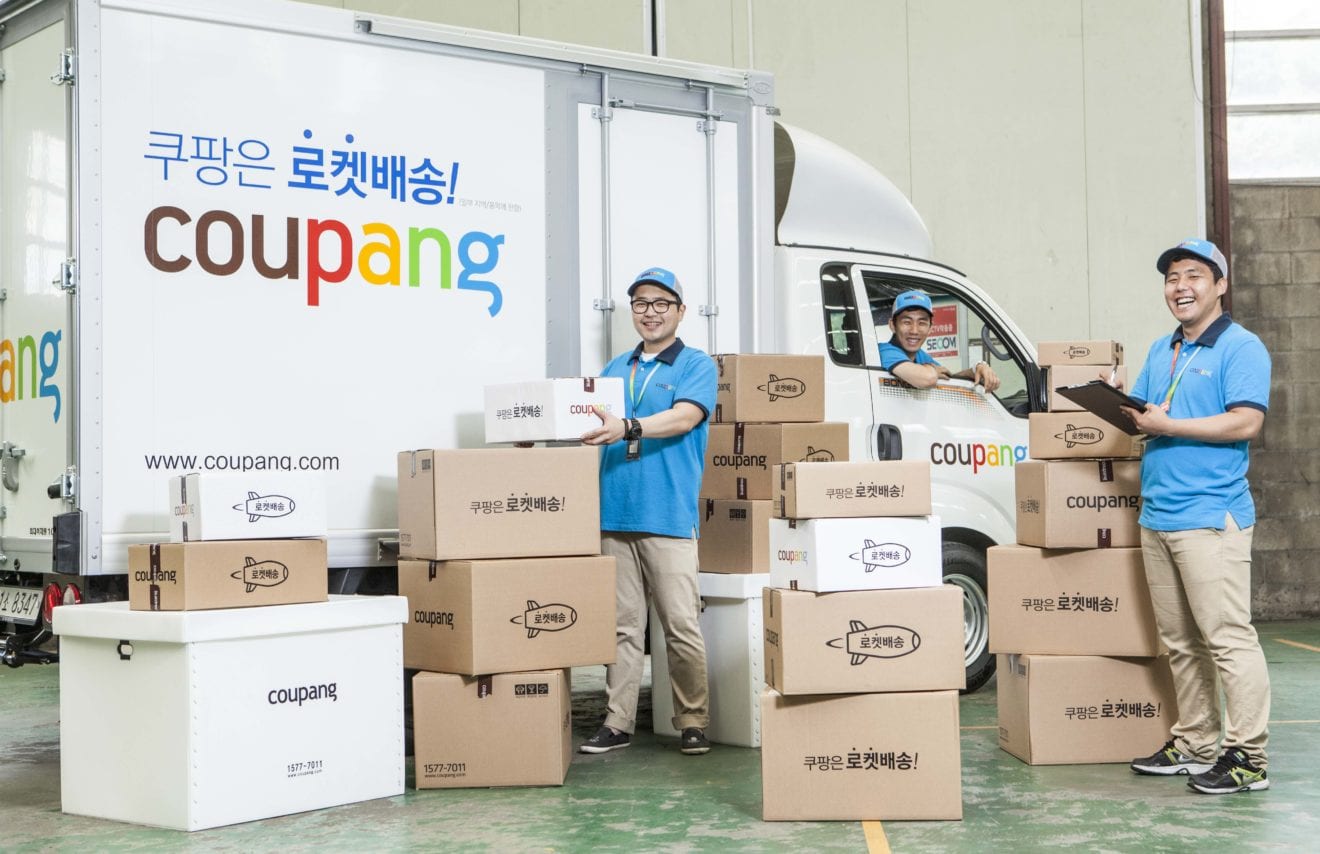
    South Korean e-commerce firm Coupang is planning to launch a flagship store in Thailand to boost the online sales of Thai-sourced products. Thailand’s Ministry of Commerce has been promoting Thai products on the platform since August, which has brought in more than THB118 million (US$3.57 million) for mostly food and beverage items. The ministry has just met with Coupang executives to seal an agreement to expand cooperation, resulting in the establishment of a Thai Mall on the platform.

    It is expected that the new partnership could result in an increase in sales to more than THB 200 million (US$6.06 million) over the coming year, a rise in export volumes to Korea by 7 per cent. Thailand’s total exports to South Korea were valued at $4.66 billion last year, an increase of 14.4 per cent from the year previous.

    Commerce Minister Sontirat Sontijirawong said “South Koreans know Thai brands from travelling here”, with 1.5 million of them visiting Thailand annually.

    Coupang is South Korea’s largest and fastest-growing e-commerce firm. It recently received an investment of US$2 billion from the SoftBank Vision Fund. It offers more than 120 million items for sale and 4 million available for guaranteed one-day delivery.

  • Uniqlo online Hong Kong launches soon

    Uniqlo online Hong Kong launches soon

    Uniqlo Hong Kong will launch its online store on December 4. A spokesperson for the company said the online platform for Hong Kong and Macau is a fitting solution considering rising rentals and limited space for retailers in Hong Kong, along with the strengthening popularity of e-commerce in the region.

    The brand has operated an online flagship on Alibaba’s Tmall for nine years and has had its own online shop since October.

    According to Uniqlo’s CEO for Greater China Ning Pan, the two existing e-commerce platforms take 15 per cent of sales in China, the majority of that figure from Tmall.

    He explained that while TMall remains an important strategic partner, the new platform will allow the firm to leverage analytics and AI to evaluate buyer preferences.

    The Hong Kong site is now under testing, and will be fully operational come launch day in December.