Tag: lifestyle

  • Lotte gears up for winter promotion at downtown and airport stores

    Lotte gears up for winter promotion at downtown and airport stores

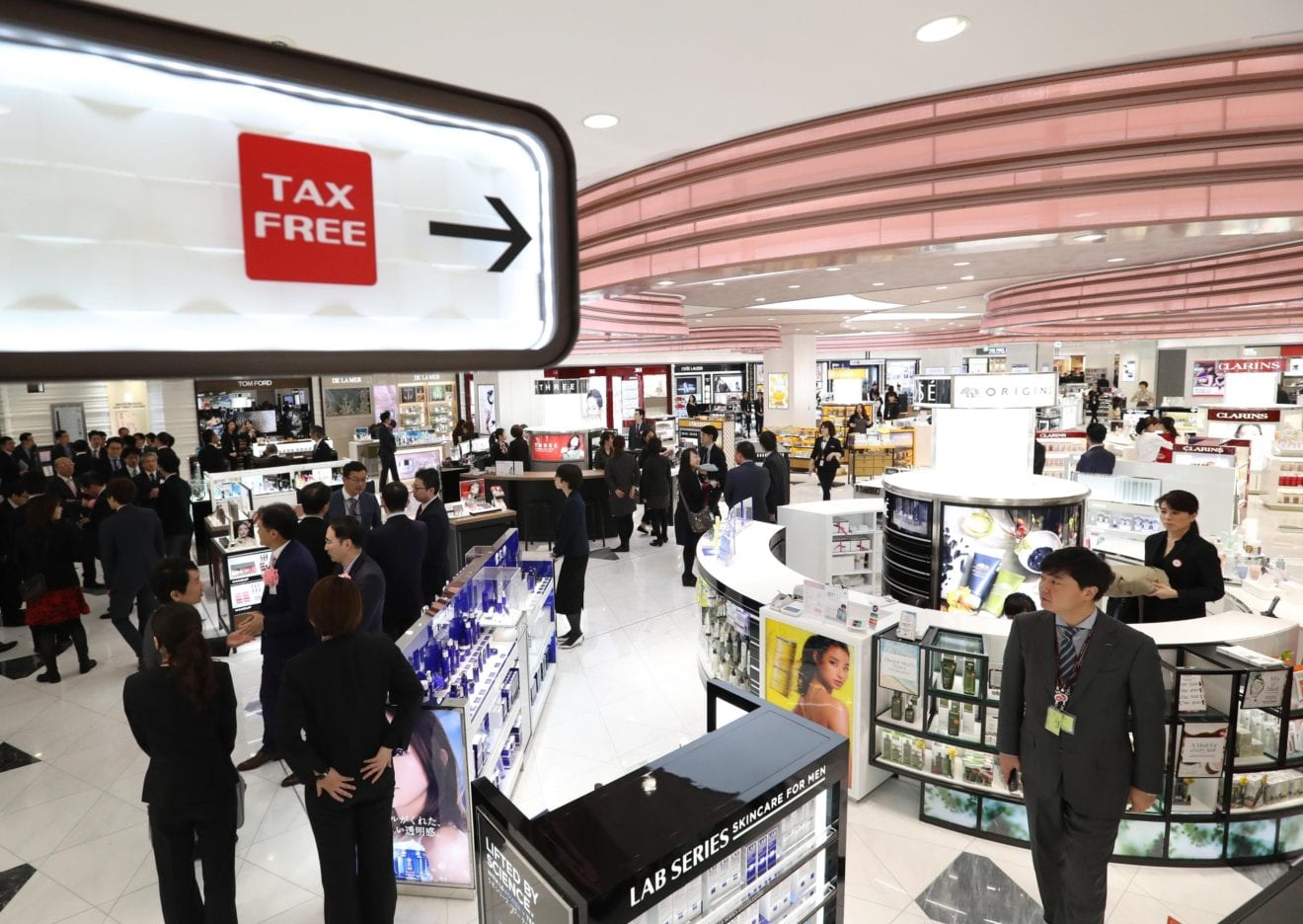
    The winter promotion for Lotte Duty Free will kick off on 23 November and run until 2 January 2019. The large-scale event will see more than 50 overseas brands, including  MaxMara, Ferragamo and Vivienne Westwood, offered at a discount of 20-80%.

    During the six-week promotion, any customers spending more than $1 at the retailer’s Myeongdong head office, World Tower, Coex, Incheon Airport, Gimpo Airport, Busan or Jeju stores will be given the chance to enter a lottery. 10 winners from the lottery will be presented with a ₩3m ($2,658) travel voucher.

    Customers spending a certain amount instore will be entitled to giveaways and gifts with purchase. Those that more than $800 in Lotte’s World Tower or Coex downtown stores will receive tickets for the Picasso and Cubism Art Exhibition; those spending more than $300 at World Tower, Coex, Busan or Jeju from 28 November will receive a Lotte calendar, while those spending more than $300 at Incheon, Gimpo or Gimhae airports after 1 December will receive a free microfiber knee blanket; and those that spend more than $100 at the retailer’s Coex store will be awarded a scratch coupon.

  • Zara confirms it is taking part in Black Friday, with huge discount

    Zara confirms it is taking part in Black Friday, with huge discount

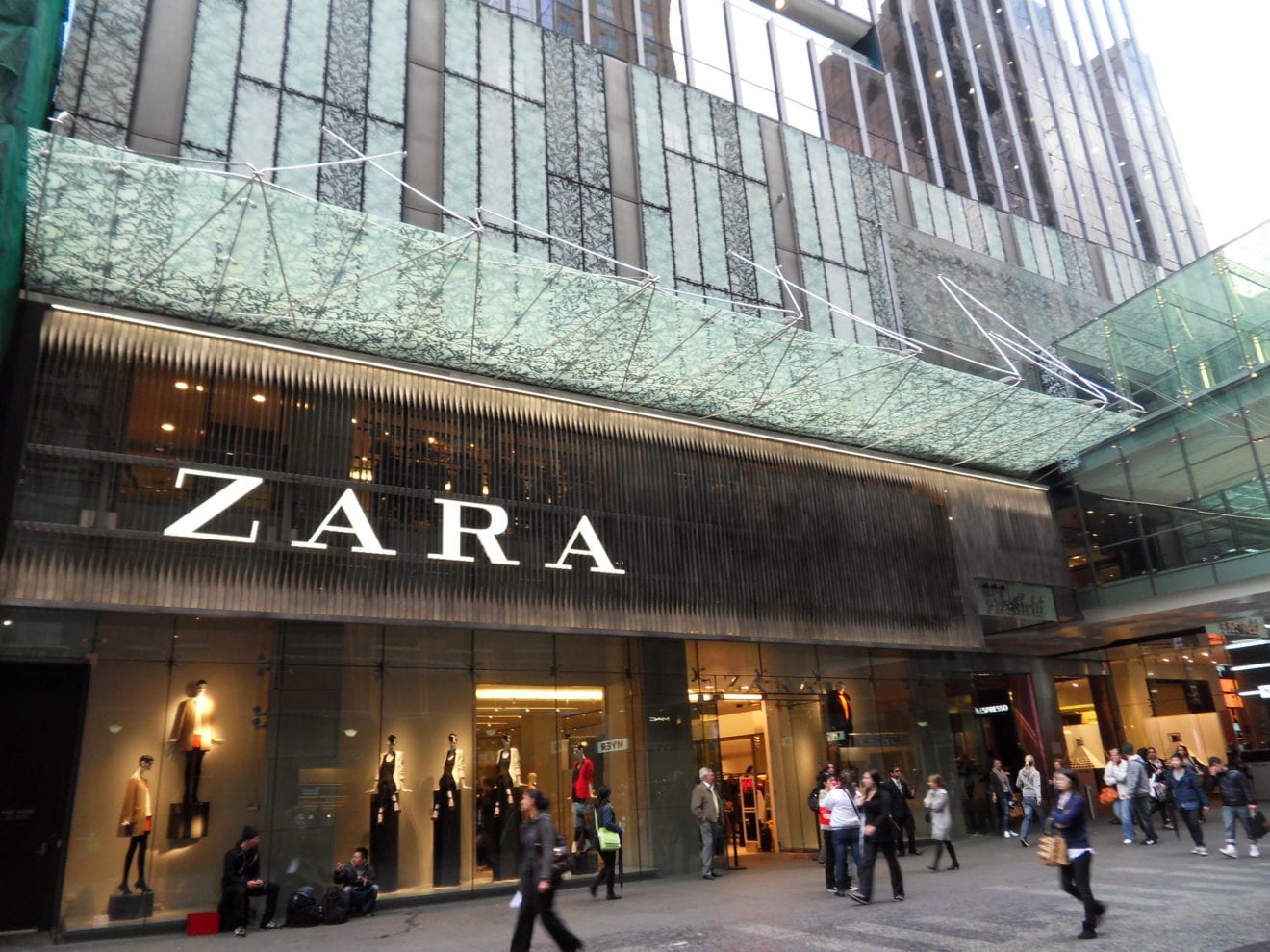
    High street giant Zara has finally confirmed it will be taking part in this year’s Black Friday event. The retailer has remained very tight-lipped about its plans for the shopping event which officially takes place tomorrow, and has even opted against advertising its plans in its windows.

    Speculation has been high as to whether the retailer would be taking part this year- following last year, which marked the first time Zara has been involved in the discount event.

    But it has finally released details of the money its customers could save tomorrow.

    Zara will be offering shopper 20% off selected departments for Black Friday.

    Last year, there was a variety of products which the discount could be used on, including coats, shoes, tops and more.

    Fans have been eagerly waiting for Zara’s Black Friday announcement. On Twitter @amarjhot said: “Still waiting on Zara to drop a Black Friday sale? … no? Ok.”

    @CharlyOConnor said: “I need to place a Zara order but I’m holding out for the Black Friday sale – this is going to end up being a disaster I bet.”

    And, @_JAEopardizes said: “Zara need to hurry up and put their Black Friday sale up.”

  • One new store a week for Ralph Lauren China

    One new store a week for Ralph Lauren China

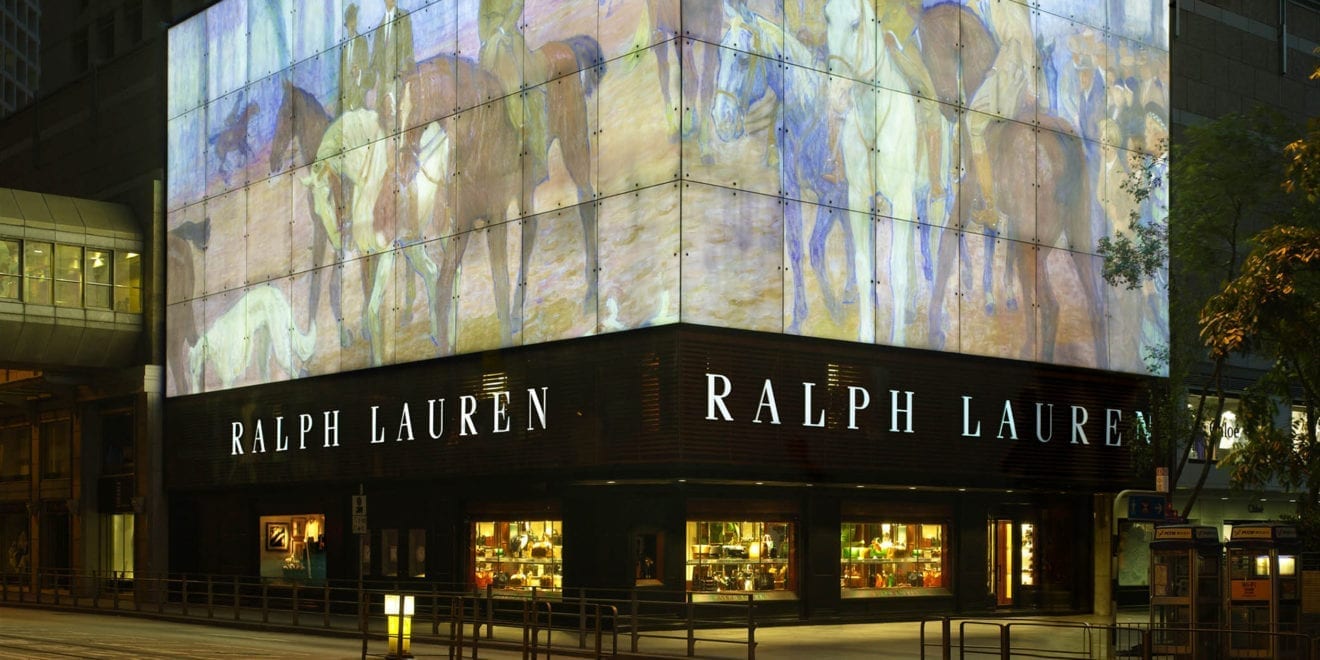
    Ralph Lauren CEO Patrice Louvet has promised to open a store a week in China. Speaking at The New York Times Luxury Conference in Hong Kong last week, Louvet said stores “are crucial for projecting the company as aspirational” which is why Ralph Lauren China is committed to expanding its network despite widespread concerns over an economic slowdown.

    “We concluded that we are in the dream business,” Louvet told the conference. “So to some extent, we think we are closer to a company like Disney than we are to other apparel brands … we don’t believe we are just selling stuff, we are selling a dream, a lifestyle, we are offering worlds that customers can be a part of.

    “[So] for us to provide those experiences, we need both the digital world and the brick-and-mortar world.”

    That is part of the philosophy behind the launch of the Ralph cafe, the brand’s first coffee shop, which opened recently in Hong Kong.

    In the latest quarter, Ralph Lauren’s sales in Greater China rose more than 20 per cent, with the mainland growth rate double that.

    Ralph Lauren is targeting $500 million in revenue from Greater China within five years.

  • Vietnam leads Southeast Asia in digital economy development

    Vietnam leads Southeast Asia in digital economy development

    Vietnam’s internet economy is the largest relative to GDP in terms of gross merchandise volume in Southeast Asia this year. A study by Google and Temasek, a Singaporean holding company owned by the Government of Singapore, said gross merchandise volume (GMV) traded over the Internet in Vietnam was 4 percent of GDP. The study encompasses ride-hailing, e-commerce, online travel and online media.

    In second place was Singapore with 3.2 percent, according to the study which covered Indonesia, Malaysia, the Philippines, Singapore, Thailand, and Vietnam. Indonesia’s digital economy had the fastest absolute growth and looks set to reach $100 billion in 2025.

    In the last few years online businesses have been booming in Vietnam, with last year the digital economy growing by more than 25 percent, a rate that can be sustained for the next two or three years, according to the Vietnam E-Commerce Association.

    It said online sales are set to hit $10 billion by 2020, accounting for 5 percent of total retail sales.

    A Financial Times report last April cited Bain, a U.S.-based global management consulting firm, as estimating that Southeast Asia had 200 million digital consumers, or people who bought goods or services online, out of an adult population of 405 million. Vietnam, with a population of 93.7 million, accounted for 35 million.

    Vietnam’s youthful population is among the keenest users of mobile devices in the region, while the country’s consumers spend more time online than most of their neighbors, several studies have found.

    Research firm Nikkei estimated Vietnamese spend nearly 25 hours online per week, on a par with or just behind Singapore and the Philippines.

    In the ride-hailing sector, many players are expanding investments. Vietnam recently saw new entrants such as local firm FastGo, GoViet, a subsidiary of Indonesia’s Go-Jek, and Aber.

    Current market leader Grab has expanded to offer GrabFood and GrabCar Business, the latter targeting the corporate sector.

    But experts say Vietnam and many other countries in the world face a slew of challenges in the digital economy such as upgrading the skills of the workforce and adapting to rapidly changing technologies.

  • Coupang Korea to sack $2 billion funding

    Coupang Korea to sack $2 billion funding

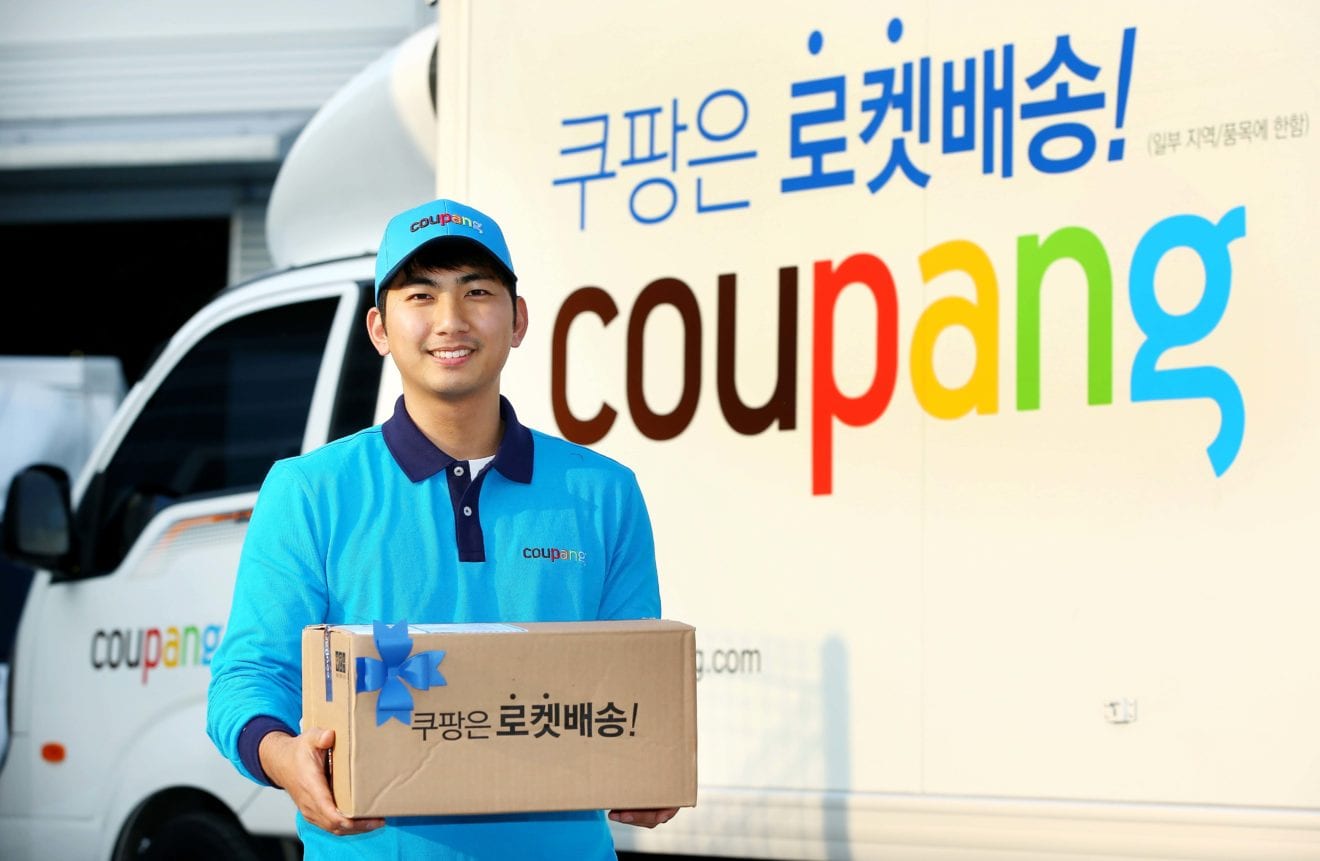
    South Korea’s Coupan, the fast-growing e-commerce firm, will receive an investment of US$2 billion from the SoftBank Vision Fund. The funding follows SoftBank Group’s initial investment of $1 billion in June 2015. The new round of capital will enable Coupang to continue investing in consumer-first technologies.

    Lydia Jett, partner at SoftBank Investment Advisers and a Coupang board member, said the company Coupang wants to have “a revolutionary technology platform and uncompromising focus on customer delight”.

    “We believe the company is well-positioned to lead the Korean e-commerce market, with significant platform opportunities ahead given its data, payments and logistics advantage.”

    With revenue more than doubling in the last two years and approaching $5 billion this year, Coupang is Korea’s largest online retailer with more than 120 million items for sale and 4 million available for guaranteed one-day delivery.

    Millions of customers buy from Coupang more than 50 times per year, and one in every two Koreans has downloaded Coupang’s mobile application.

    Coupang CEO Bom Kim said: “At Coupang, we are obsessed with making customers’ lives easier.

    We’re excited to continue our partnership with SoftBank. We are confident this investment will allow us to leverage the platforms we have created in logistics, payments, and data to make e-commerce and other innovations even more indispensable to our customers.”

  • Uno Chicago Bar & Grill to opens stores in India

    Uno Chicago Bar & Grill to opens stores in India

    Ambuja Neotia Group’s hospitality vertical has recently introduced globally recognized American casual dining chain, Uno Chicago Bar & Grill in India through franchise route. The first outlet has opened at Gardens Galleria Mall, Noida.

    Harshavardhan Neotia, Chairman of the Ambuja Neotia Group says, “We feel that the Indian consumer is a well-travelled consumer who has an acquired taste to world cuisine. The Indian market is yet untapped with immense potential and it is an exciting time to enter India.”

    “As an authentic American Bar & Grill concept, the brand is positioned to be a smart casual dining restaurant in India, where people can enjoy a truly American cuisine paired with crafted drinks and entertainment with live performances. Anchored by vibrant culinary heritage, strong craft culture in food and beverages and deeply mindful of wellness, Uno is bringing Deep Dish and New Americana to India. As an ‘Eat-ertainment’ driven casual dining space, it is inclusive and welcoming for all generations – millennial, the young-at-heart and kid. The restaurants will operate as a family style full service restaurant,” he adds.

    Each restaurant in India, which will spread across 2,500-3,000 square feet with the interiors same as of any other Uno Pizzeria & Grill restaurant in the US, will be opened with an approximate capex of Rs 4-5 crore.

    “This year, the brand is opening outlets in region of NCR, Kolkata and Bengaluru. The group has signed a franchise agreement with the food chain to open about 70 outlets across the country over the next seven years spreading across Tier I and II cities,” states Neotia.

    The brand is planning to open 12-15 outlets in the next 3 years with estimated investments upwards of Rs 60 crore.

    Tracing Brands’ History

    Uno Chicago Bar & Grill’s entry in India also coincides with its 75 years of successful global operations. Globally, the brand is recognized for its fun and welcoming Chicago inspired environment. The dining experience is relaxed, casual and family friendly as the brand places great emphasis on hospitality and service. The brand is synonymous with pizza but the menu extends to pastas, grills, salads, burgers, sandwiches and special curated menus. The chain also gives special emphasis to bar and alcohol offerings.

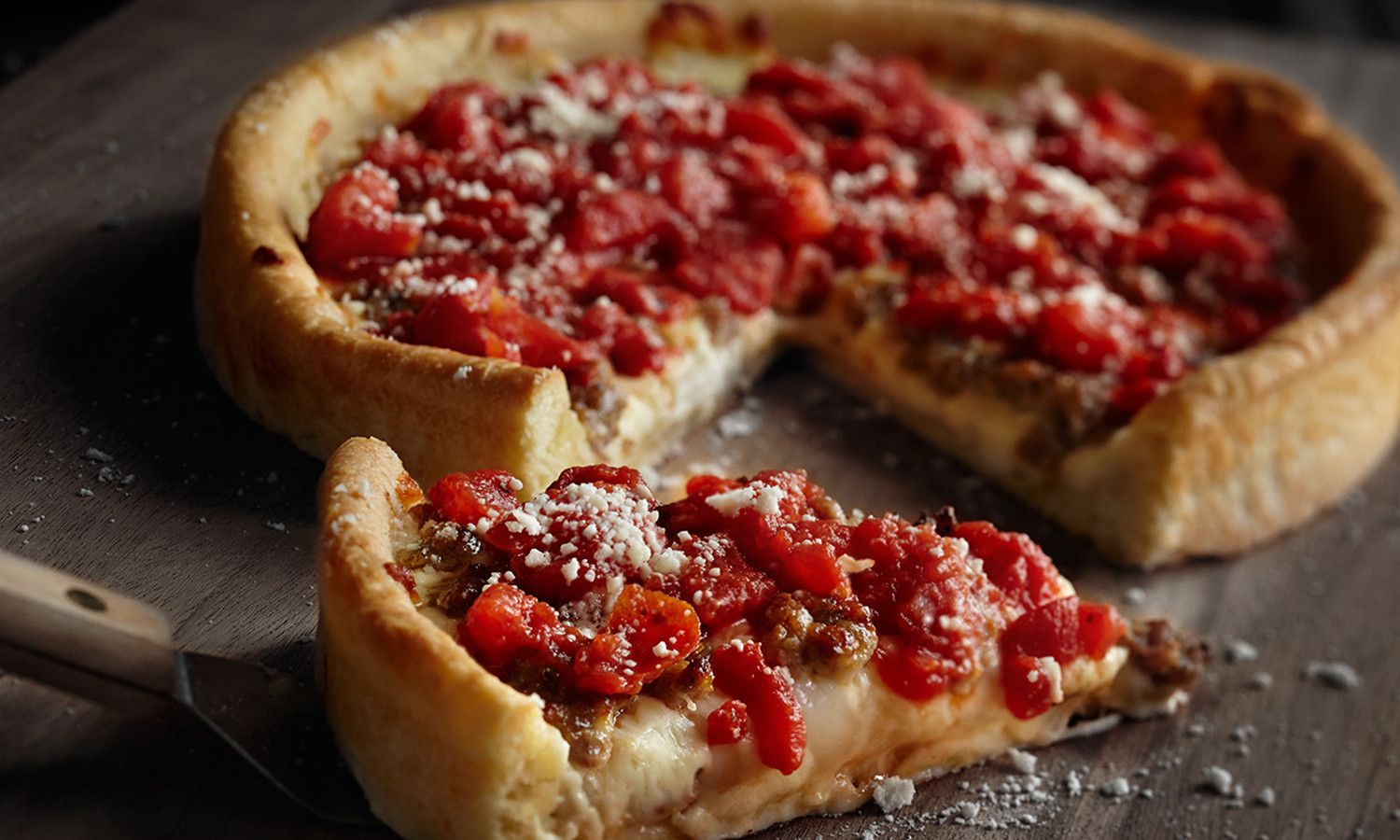
    Famous for inventing Deep Dish Pizza in 1943, Uno’s mission is to deliver big, bold flavors, rich, rewarding experiences and unbelievably delicious pizza and a range of other delectable menu creations.

    According to Neotia, “The UNO story began in Chicago in 1943 when Ike Sewell developed deep-dish pizza and opened a new type of restaurant at the corner of Ohio and Wabash. It was here that Ike served a pizza unlike any that had been served before. He figured that if some of Italy’s old, authentic recipes with impressive quantities of the finest meats, fresh cheeses, ripe vegetables and flavourful spices is combined with pizza, it could become a hearty meal. That was the start of an American tradition – the Chicago Deep Dish Pizza. Today, 75 years later, UNO continues to be undisputed creators of original Deep Dish Pizza, bringing its legacy to India.”

    The Boston, Massachusetts-based brand has 110 company-owned and franchised restaurants located in 21 states of the US. Apart from this, the brand has international presence through franchise outlets in the District of Columbia, the United Arab Emirates, Honduras and Saudi Arabia.

  • Deliveroo Unveils New Tools to Help Restaurants Grow

    Deliveroo Unveils New Tools to Help Restaurants Grow

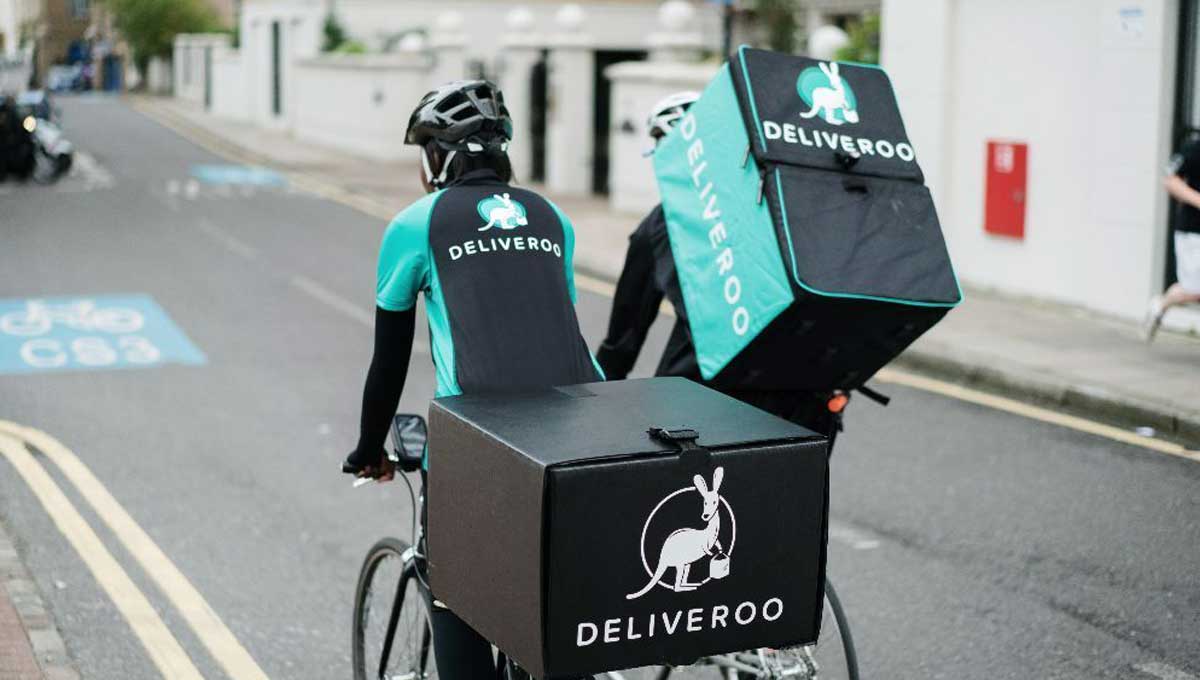
    Deliveroo today announced the Hong Kong launch of two new tools for its restaurant partners – Restaurant Home, an online portal which will provide data and insights on how restaurants’ delivery services perform, and Marketer, a key part of Restaurant Home, which will enable restaurants to upload and tailor promotions.

    Restaurants that partner with Deliveroo on average see their revenue increase by up to 30% and the company anticipates that the newly launched tools will see these figures increase even further.

    Brian Lo, General Manager of Deliveroo Hong Kong, said, “Innovation is in our blood and we are always on the lookout for new ways to support our riders, our partner restaurants, and the hungry people who depend on Deliveroo for a great meal delivered fast. The new tools now available in the Deliveroo arsenal will help our restaurant partners to improve their offerings and drive new efficiencies and profits, in turn benefitting our riders and end customers.”

    Restaurant Home

    Through Restaurant Home, Deliveroo will offer the following data insights:

    Delivered orders, to increase delivered orders

    • Shows the total number of delivered orders and the percentage change over a time period

    Prep time, to speed up delivery times

    • Shows the average time between order acceptance and rider pickup
    • Shows the percentage change in prep time over a time period as well as competitors’ average prep time in a local area

    Order ratings, to improve overall service

    • Shows a line graph of the average customer order rating per day over a time period, as well as how this compares to competitors in a local area

    Nick Lo, owner of Hong Kong restaurant So Far So Good (蘇花餐室), said, “Restaurant Home is another example of Deliveroo’s constant innovation. I’m excited to engage with this tool more, using the data analytics and insights provided to optimise my menu and my business.”

    Marketer

    Part of Restaurant Home, this function allows restaurants to set up their own marketing offers to consumers on the Deliveroo app. Restaurants are asking for more control of their businesses and Deliveroo has listened to this, offering insights gleaned from Restaurant Home to help restaurants tailor different promotions to customers.

    Ms Thi Hang, owner of Bun Cha Vietnamese, said, “The new Restaurant Home tool from Deliveroo gives me real time updates on key business metrics – I’m always logged in. I’m now also able to put up my own discounts, so I have more control over my ability to attract new customers and my visibility on the app.”

    Wider support to restaurants

    Restaurant Home and Marketer are the latest in a long line of measures Deliveroo offers restaurants to support their businesses. Working with 3,500 restaurants in Hong Kong via a team of more than 2,000 riders, Deliveroo is now serving delicious and convenient meals to people in 16 out of 18 of the city’s districts. In the past 6 months, Deliveroo has a 20% growth in riders and an 18% growth in the business as a whole.

    • Deliveroo helps restaurants create ‘Virtual Brands’ to diversify their offerings. Creating virtual restaurants allows existing restaurants to increase revenue by offering new or complementary cuisines from their current kitchen, but under new branding. A virtual brand appears as a separate restaurant with a new identity on Deliveroo.
    • Deliveroo offers ‘Editions’ delivery-only kitchens. Restaurants are able to expand without needing a physical presence in the area, enabling them to reach new customers. Deliveroo provides unique data and insights that allow them to tailor concepts and menu items to the area’s needs and preferences, leading to increases in sales of up to 400% in some cases.
    • Deliveroo stays on top of the trends so that restaurants understand where consumer demands are and where they’re headed next. For example, Deliveroo recently found that the most popular cuisine categories in Hong Kong are local Hong Kong food, Shanghainese, Vietnamese and Italian.
    • Wider support: Deliveroo is available to support restaurants with insights and direction on marketing and social media; menu design; photography; tailored customer acquisition and retention strategies.
    • Partnership opportunities, for example Deliveroo for Business offers a hotel room service so that hospitality groups can provide even more comfort and convenience to their guests.
  • Farfetch poised to top $1 Billion in gross merchandise value

    Farfetch poised to top $1 Billion in gross merchandise value

    Online luxury group Farfetch said gross merchandise value through its site surged 53% in the third quarter to $310 million, resulting in revenues for the British company to total $132.32 million. The London-based marketplace upgraded its outlook for future growth saying it expects value merchandise revenues to be higher than the company’s previous estimates in the fourth quarter.

    For the three months to September 30, adjusted earnings before income, taxes, depreciation and amortisation registered a $32.3 million loss, meaning the company is yet to hit profitability.

    At the same time, the company reported 1.2 million active customers in the third quarter, up 42 percent.

    Average spending per order fell to $585, from $605 a year earlier, said the company, on the back of a stronger dollar and a free-shipping promotion.

    The results follow Farfetch’s IPO in September, which saw shares soar above $30 in the days after its debut, a more than 50% gain on the initial offer price.

    Farfetch has proven a popular choice for global luxury brands and retailers, as more and more houses continue to sign on to sell through the site.

    Most recently, new additions include Moschino, Victoria Beckham and Tory Burch, as well as streetwear offerings such as Stadium Goods, which sits inside the hub devoted to sneakers.

    Farfetch has also started selling jewellery and added its first department store to its portfolio, Harvey Nichols.

    Looking ahead, Farfetch raised its outlook for fourth-quarter sales on its marketplace, to be between $435 million and $445 million.

    Currently, Farfetch’s marketplace offers luxury products from over 1,000 vendors across 48 countries.

  • India’s Myntra launches Italian handbag brand Carpisa exclusively on its platform

    India’s Myntra launches Italian handbag brand Carpisa exclusively on its platform

    Myntra has announced the launch of Carpisa, the Italian brand known for its fine collection of handbags, suitcases, wallets and accessories, exclusively on its platform. The brand is being introduced to shoppers in India for the first time exclusively on Myntra, through a range of handbags, crafted for the modern and fashion-conscious women.

    Founded in 2001, Carpisa became one of the leading retailers in the bag, luggage and fashion accessory sector and holds celebrity actor Penelope Cruz as the brand ambassador. The brand is known for its designs, quality of products and above all, represents Italian culture and lifestyle.

    Catering to the affordable luxury segment, products from Carpisa are available at an average price of Rs 3,600, targeting women in the age group of 25-40 years from Sec A and Sec A+ categories in metros and Tier 1 cities.

    The handbags segment that Carpisa caters to in India is growing at a CAGR of over 15 percent, with an annual market potential of US$ 10 billion when combined with luggage and accessories.

    Speaking on the launch, Manohar Kamath, CXO and Head, Myntra Fashion Brands and Category Business, said, “We are delighted to announce the launch of Carpisa exclusively on Myntra. Shoppers in India are increasingly becoming brand and quality conscious and are exploring international brands and designs, clearly looking up to global styles and trends. As a leader in fashion ecommerce, we are focused on making the best of international brands accessible to our customers and Carpisa is the latest entrant, targeted at the fashion conscious women in India.”

    Francesco Pinto, Pianoforte Group International Expansion Director added, “We are extremely delighted to set foot in India in partnership with Myntra. India offers a huge growth opportunity for Carpisa, considering the size of the burgeoning fashion and lifestyle market. We are proud of this association with Myntra that builds a strong launchpad for Carpisa, while also giving the much needed initial thrust to take off.”

  • Bob’s Select Space combines bar and retail store together

    Bob’s Select Space combines bar and retail store together

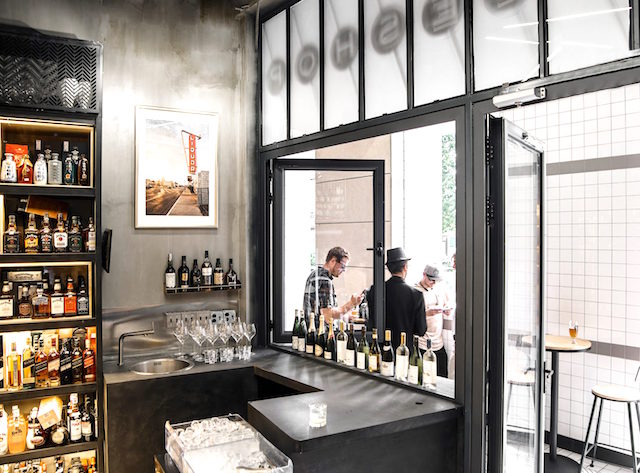
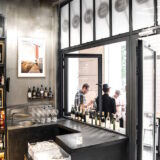
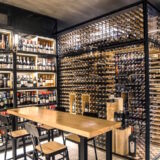
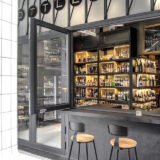
    Architectural studio Designreserve has created a new store in Beijing’s Sanlitun integrating a bar into the retail experience, according to a report. Bob’s Select Space is the flagship store for liquor retailer Bob’s Wine, aimed at creating a community space in a busy shopping area. The design explores the traditions of communication in liquor culture and merchandise.

    Designreserve co-founder Feng Yue said: “We wanted to create a strong visual identity. So we invited a graphic artist to design special fonts for each major alcohol type displayed on the facade. For us it is a kind of public art

    “Previous shops of Bob’s Wine are popular for their wide range of bottle selection as well as for their relaxing atmospheres, but the spaces were geared towards retail rather than bar.”

    The 60sqm space is divided into three rooms that transition visitors from the public domain to a more intimate “hideout”.

    “Experience is the key determining factor for the success of retail spaces,” said Yue. “Therefore, our job as designers is to create spaces where people feel inspired and hopeful that city life can still be fun.”

    View the gallery below (4 images) :

  • Exclusives for I.T’s 30th anniversary

    Exclusives for I.T’s 30th anniversary

    I.T has been in fashion retail in Hong Kong and China for over 30 years, offering a wide designer portfolio.It is renowned for curating collections across international womenswear, menswear, footwear, accessories, and lifestyle that is tailored meticulously for the Greater China customer.

    At the turn of the century, I.T opened its first China flagship in Shanghai, one of China’s fastest growing markets.

    In 2017, the company launched its multi-brand fashion lifestyle platform ITeSHOP.

    “I.T now sets sight on creating a seamless omni-channel experience that will define the future of fashion” said Kar-Wai Sham, Founder and Chief Executive Officer of I.T Group.

    To envisage the digital landscape that will shape the next 30 years, I.T took the opportunity to invite its community of brands partners and creative talents to share their vision of the future.

    Their perspectives are expressed through a series of exclusive designs, capsule collections, artistic compilations and digital exhibitions that bids the viewer to visualise the future.

    I.T’s 30 th Anniversary Exhibition integrates a see-now-buy-now approach, with live digital kiosks and a shoppable app for exhibition-goers to fully immerse in an authentic digital shopping experience.

  • 6ixty8ight Singapore expands by opening stores

    6ixty8ight Singapore expands by opening stores

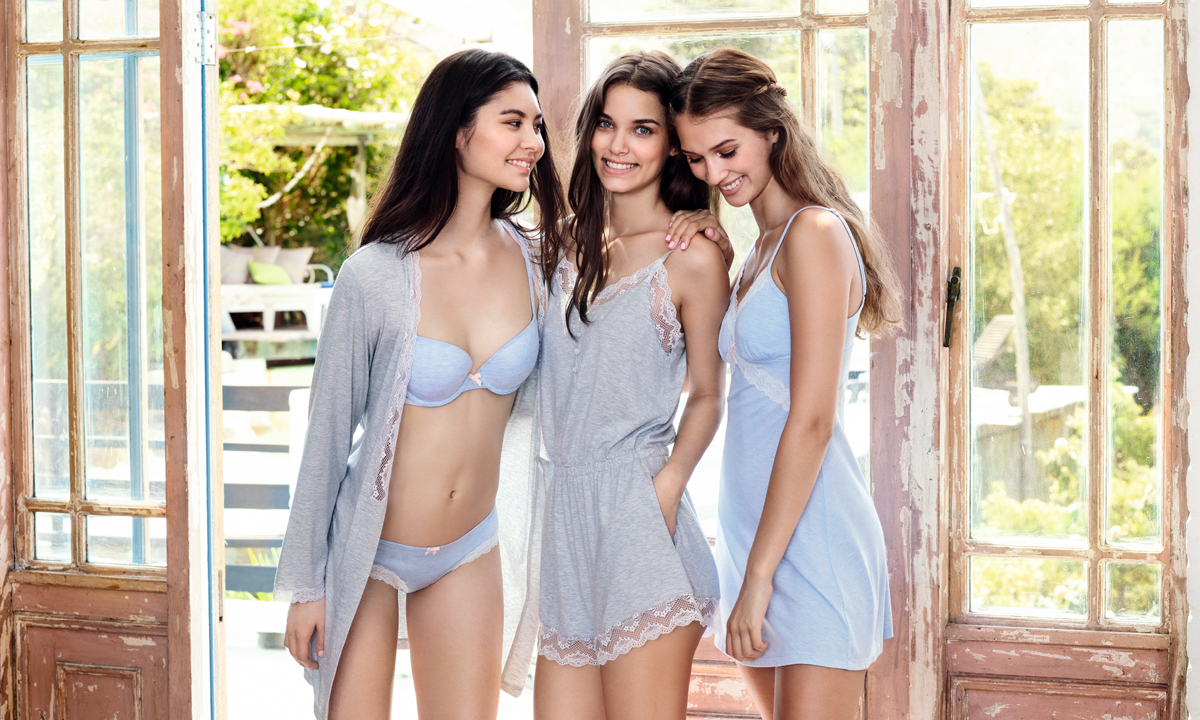
    Hong Kong lingerie brand 6ixty8ight is trebling its Singapore store network. 6ixty8ight Singapore will open new stores at Tampines 1 on December 1 and at Bugis Junction this week. They follow the brand’s debut at VivoCity in July.

    The Bugis Junction 6ixty8ight Singapore store will take up340sqm of space, a little larger than the 270sqm site at Tampines 1 – but both are considerably larger than the first store, which is just 185sqm.

    6ixty8ight was founded in 2005 by Hop Lun Group which has manufactured lingerie for many international brands for more than 25 years. Its strategy was to use its manufacturing expertise to create underwear for Chinese women. Such a course did not cannibalise sales from its manufacturing customers, which primary target western markets. It was the first time the manufacturer had developed its own label.

    The brand, which targets women aged 15 to 30, has found a ready market in Hong Kong, Taiwan and South Korea where its value offer and fun store decor has differentiated it from rivals. It now has more than 150 stores in the region.

  • 65% jump for Lotte Duty Free’s overseas sales

    65% jump for Lotte Duty Free’s overseas sales

    South Korean retail giant Lotte’s duty-free operator Lotte Duty Free posted a rapid hike in overseas sales in its quarterly performance report. According to the company, sales for the third quarter this year hit a record-high 4.1 trillion won (US$3.6 billion), a 25 percent on-year increase.

    The sales from its downtown city stores and its overseas stores amounted to 3.8 trillion won and 164 billion won, respectively.

    Lotte Duty Free currently operates seven overseas stores in countries including Japan, Vietnam and Thailand. Sales at its overseas stores increased 65 percent from a year ago, and the outlet in Vietnam recorded an 800 percent jump in sales.

    The company said it expects 200 billion won worth of overseas sales by year-end.

    It will also soon open its first duty-free store in Australia.

    According to the company, its operating profit in the third quarter totaled 228 billion won, representing an on-year jump of 550 percent.

    The company said the number proves that the retailer is recovering from China’s apparent retaliation over the deployment of the Terminal High Altitude Area Defense system here.

    After withdrawing stores from Terminal 1 at Incheon International Airport in February due to a sharp drop in sales, Lotte Duty Free is focusing on aggressive marketing for its online mall and its downtown outlets.

    Compared with last year, its sales online and at its downtown stores rose 42 percent and 50 percent, respectively, the company said.

  • Appliance rentals prove popular

    Appliance rentals prove popular

    Home appliance companies are building their rental service businesses as the trend is for consumers to value experience more than ownership. With the growing size of the local home appliance rental market, some companies have started management services to take care of rental customers, while others have set up entire rental business subsidiaries.

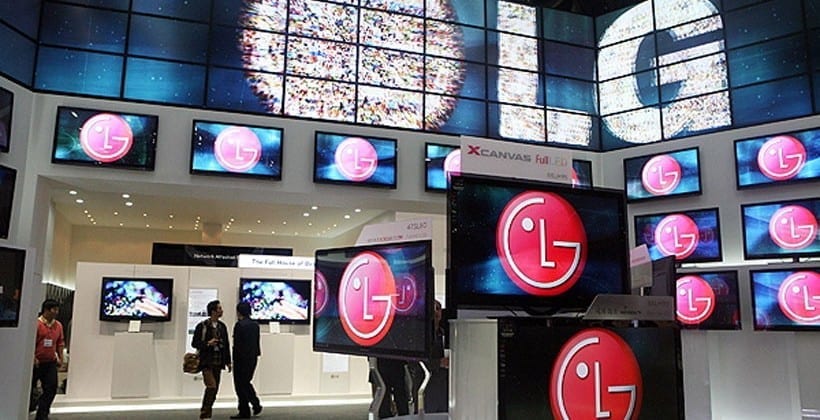
    On Nov. 17, LG Electronics announced the formation of “Care Solution,” which will manage home appliances for rental customers. While a rental management service existed before, the new offering goes beyond simply providing replacement parts and instead regularly replaces the main components of appliances.

    For rented water purifiers, LG Electronics will exchange filters and water pipes and inspect sensors. For those who rent its Tromm Styler home dry cleaning appliance, the company will replace water container components every two years and periodically provide scented aroma sheets.

    Cuckoo Electronics, known for rice cookers, jumped into the rental market last December when it established its Cuckoo Homesys subsidiary. Last month, the company introduced a new rental brand, “Inspure,” which focuses on water and air purifier products.

    Samsung Electronics has yet to launch a rental business on its own but has partnered with professional rental companies for its home appliance products. It started renting its products through Kyowon Wells last June and also joined hands with Hyundai Rental Care last July.

    Home appliance companies are focusing on the rental business as the market seems to be growing. According to the KT Economics & Management Research Institute, the rental market in Korea is expected to grow past 40 trillion won ($35.49 billion) by 2020 from 25 trillion won in 2016.

    LG Electronics recorded 128.2 billion won in rental-related sales in the first half of this year, more than doubling the 53.8 billion won reported two years ago. Operating profit for Cuckoo Homesys through the third quarter of this year was at 52.8 billion won, a 50 percent increase from the figure over the same period last year.

    With a sluggish job market and slowing economic growth in Korea, consumers are feeling the pinch and valuing experience over ownership. The result is an increase in demand for rental products.

    The rise of premium products, which have been developed by companies to stay competitive in the crowded home appliance market, has also contributed to the rental trend. As such products are expensive, consumers are looking toward rentals.

    For example, a 55-inch LG OLED TV costs 3.6 million won to buy outright, but it can be rented out at 59,900 won per month for 36 months. The price drops further when other discounts are applied, such as those offered by credit cards companies.

    “The need to use good products exists, but with troubling economic times, penny pinching is called for. Consumers are taking an interest in rentals that can meet their needs at a low cost at the moment,” said Jung Yeon-sung, a professor of business at Dankook University.

    The increase in one-person households has also contributed to the rise in rental services as it is difficult for a single person to afford appliances that could cost millions of won. According to government data, there were 5.5 million single-person households in Korea last year, accounting for 28.5 percent of the total number of households. The figure has doubled since 2000, when there were 2.22 million single-person households.

    For companies, the rental business doesn’t bring in big profits immediately, but it provides steady profits.

    “We plan to focus on management instead of just the leasing out products and help customers improve their quality of life,” said Choi Sang-gyu, head of domestic sales at LG Electronics.
  • Willy Bogner opens in China ski resort

    Willy Bogner opens in China ski resort

    Munich fashion firm Willy Bogner is pushing towards internationalisation with the opening of a new Bogner store at the Thaiwoo Resort near Chongli, China. The resort is located in Hebei Province directly on the Great Wall of China, and extends over 40sqkm, three hours by car from Beijing. Once completed, it will feature 200 ski slopes and 45 lifts and gondolas, fitting snugly with Bogner’s traditional ski and winter sports business.

    The store has a sales floor area of 164sqm and has been designed according to the brand’s “Modern Natural” store concept.

    As the Chongli Area is considered to be the largest ski resort in China, the Thaiwoo Resort will play an important role at the Beijing Winter Olympic Games in 2022. The Chinese government has declared its intention to attract 300 million winter sports enthusiasts to China for the event.

    Bogner CEO Andreas Baumgartner said: “The Thaiwoo Resort is currently completely focused on skiing, the skiing season here lasts over 150 days thanks to the perfect altitude and climate – ideal for a store and the corresponding clothing that Bogner offers.”

    Global representation of Bogner currently consists of 19 of its own stores, 33 partner stores and more than 6500 trading partners in more than 50 countries. Together with its partners, Bogner operates more than 100 sites in the Asia Pacific region. The Bogner store at Thaiwoo will be the first partner store there.