Tag: Logistics

  • RoRo shipping service to ply Mindanao-Indonesia route

    RoRo shipping service to ply Mindanao-Indonesia route

    The Philippine and Indonesian governments will launch next month a roll-on, roll-off shipping service that will link Davao and General Santos cities to Bitung City in Indonesia, an official of the Mindanao Development Authority (MinDA) said.

    Presidents Rodrigo Duterte of the Philippines and Joko Widodo of Indonesia have been invited to grace the launch in Davao City after the 30th ASEAN Summit in Manila, MinDA Assistant Secretary Romeo Montenegro said.

    He said the DGB shipping will fill a gap in transport connectivity, at least between the Philippines and the rest of the Brunei-Indonesia-Malaysia-Philippines-East Asean Growth Areas and ASEAN itself.

    If pursued, the shipping service will be the first of its kind in the 50-year old ASEAN grouping and will help boost efforts for economic integration.

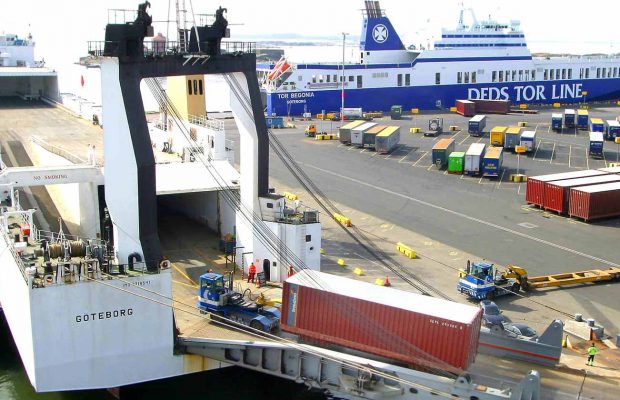
    RoRo carries rolling cargoes and do not require cranes for loading or off-loading as they simply roll on and off the vessel, hence the name. The mode is economical, according to the Asian Development Bank, because it has removed cargo handling costs for labor and equipment, as well as cut the transport time.

    In 2012, the Japan International Cooperation Agency recommended in a study to set up a sea link dedicated to freight services between General Santos City in Mindanao and the Indonesian port of Bitung as the much needed maritime connectivity aimed to revive and strengthen trade between Indonesia and the Philippines.

    The Master Plan of ASEAN Connectivity 2025 cited the need for physical, institutional and people-to-people linkages to help achieve economic, political-security and sociocultural pillars of integration under the ASEAN Economic Community.

    Since its launching in 1994, BIMP EAGA cited improvements made in physical connectivity through improved roads and ports. The BIMP-EAGA Vision 2025 document, however, noted that most of the projects became “stand alone projects” showing benefits at the national level that “fail to clearly demonstrate sub-regional impacts.”

    “Only a few projects have accounted for the need to link the two priority economic corridors of BIMP-EAGA, namely the Western Borneo Economic Corridor (WBEC) and the Greater Sulu and Sulawesi Corridor (GSSC),” the document said.

    For the transport sector strategy of BIMP-EAGA, the goal based on BIMP EAGA Vision 2025 is “interconnected, seamless and safe multi-modal transport.”

    According to the BEV 2025 project list for 2017 to 2025, aside from the DGB route, other sea linkages were also eyed in BIMP-EAGA, such as Bitung-Tahuna-Gensan, Brooke’s Point-Sandakan-Kota Kinabalo, Brooke’s Point-Bataraza-Kudat and Brooke’s Point-Brunei.

    For air linkages, there will be flights for the following routes: Puerto Princesa-Kota Kinabalo, Mulu-Bandar Seri Begawan, Davao-Manado, Pontianak-Bandar Seri Begawan and Balikpapan-Bandar Seri Begawan.

    Poor transport connectivity 

    Poor sub-regional transport connectivity, as identified in the BIMP-EAGA Vision 2025 document, is one of its major challenges.

    It added that uneven economic development has led to different priorities, policies and regulations related to the transport sector.

    Montenegro said there is greater chance to address connectivity from 2017 to 2025 because a total of $23 billion, compared to only $1 billion in the previous decade, has been earmarked for priority infrastructure projects in the area.

    Over half of the amount goes to projects identified in Mindanao because the island needs more infrastructures. Also, a big ticket project, the Mindanao Railway System is in the pipeline.

    The Duterte administration is giving special focus on infrastructure.

    The DGB, Montenegro added, is strategic for the Philippines, not just for Mindanao because it provides a faster and cheaper access for domestic products to be moved in ASEAN and other parts of the world. Notably, Mindanao is physically separated from the other BIMP members.
    Regular flights needed

    Vicente Lao, chairperson of the Mindanao Business Council Philippine representative to the BIMP-EAGA Business Council private sector forum, said the opening of the route will be good for Mindanao and trading with the Indonesian areas in the ASEAN sub-region.

    “The governments should act together to make it happen. The private sector should come in to take advantage,” he told this week.

    Since regular flights between Davao City and Manado in Indonesia have been suspended since 2008, travelers between the two areas have relied only on chartered flights, he added.

    Lao said the service should be made regular to stop the dependency on chartered flights.
    “It is not dependable. It has to be regular trips to make sure it addresses the needs of the businessmen,” he said via telephone.

    He said this means a big cut in transport cost, too. MinDA said it takes three to five weeks to move products from Davao City to Manado.

    With the DGB RoRo route, the travel time will be cut to three days. PortCalls Asia estimated the savings to be around P75,000 (PUS$1,500) per 20-foot equivalent unit.

    Apart from intra-regional trade, the route can also serve as a cheaper alternative for transshipment of goods in Asia, Montenegro said.

    Davao City will use the privately-owned Kudos Port. In General Santos City, the Makar Wharf will be used and in Sulawesi, the Bitung Port, which was recently identified as an international port of entry to Indonesia.

    Enough goods?

    Trade and Industry Assistant Secretary Arturo Boncato Jr. said the revival of regular Davao-Manado flights should follow the opening of the shipping service.

    He said the new shipping link will be crucial in increasing trading in the BIMP EAGA, which is now considered as a building block of ASEAN.

    “Connectivity plays a critical role in trading and the goal of the ASEAN Economic Community,” he added.

    But Boncato, who is the Philippine senior official to the BIMP-EAGA, said while the easier direction is for the route to be used in the transshipment business in Asia, it should really facilitate and improve intra-regional trading in BIMP-EAGA.

    For his part, Bronx Hebrona, who chairs the Committee on ASEAN and BIMP-EAGA of the Regional Development Council in Region 12, asked: “But now when a ship is available, are there enough goods to be transported?”

    He said there is greater push for BIMP EAGA with President Duterte, who he said was instrumental in expediting the preparations for the DGB route opening.

    “It’s possible. But it’s a wait and see situation. We are waiting for concrete terms,” he added.

    Boncato said loading the vessel is already the easier part. The challenge is how to sustain the shipping service.

    Montenegro said a joint meeting is scheduled next week for the Philippine and Indonesian task forces created to prepare for the opening of the route.

    During the Davao General Santos Bitung Business Forum last month, Philippine Transport Undersecretary Fernando Juan Perez described the route as a “gold mine” saying it opens up a lot of opportunities for exporters from both countries.

    Rosan P. Roeslani, chair of the Indonesian Chamber of Commerce and Industry welcomed the proposed opening of the route, as quoted by Jakarta Post on March 15.

    “It is going to be easier to access the Philippine market through the Bitung Port [in North Sulawesi], especially for products and commodities from Indonesia’s eastern regions,” the source added.

    Institutional, governance problems

    According to the MinDA website, the DGB, as one of three pilot areas for the ASEAN RORO Network Initiative, was initially pushed in 2012 by the private sectors in the three cities.

    Policy restrictions in Indonesia like Bitung Port’s status, however, hampered the launch. In 2014, the Indonesian Ministry of Trade officially identified Bitung Port as an international port, allowing entry of food and beverages, electronics and garments.

    Montenegro told the problem has been addressed by greater private and public sector coordination.

    Under the ASEAN Single Aviation Market, BIMP-EAGA is pushing for the revival of air connectivity within its focus areas to increase not only tourism arrivals but also trade activity within and beyond the sub-region.

    Various airlines have previously serviced the route such as Bouraq Airlines (2002), Merpati Nusantara (2005) and Sriwijaya airlines (2006), which have ceased operations due in part to the companies’ financial and operational losses, according to the MinDA website.

    There were on and off availability of chartered flights after the suspension of regular flights.

    Two of the players included Mid Sea Express, an Indonesian air carrier and Wings Air, a subsidiary of the Indonesian carrier’s Lion Air.

    In his April 2016 dissertation titled “Trade Governance Model in the BIMP EAGA,” Soehardi, an Indonesian doctorate student at the University of Southeastern Philippines in Davao City, found that connectivity management in transport infrastructure is an important consideration among traders.

    “The current condition of BIMP EAGA trade governance is marred with institutional and governance problems,” he wrote in his conclusion.

    He added that it created difficulties and cumbersome engagements with small and medium traders in BIMP-EAGA corridors.

    He identified six attributes with “availability of ships/planes as the major indicator.” The others include sufficient cargo ships and airplanes to ferry goods from one country to another and  that a sufficiently equipped port of entry as a good indicator of trade governance.

    No connectivity, no tourists

    Retired government employee Virna Gomez of Davao City said that as a traveler she looks for destinations that do not only have commercial appeal.

    “There are also those who look for historical and cultural purposes. This is the kind that we can see in Indonesia, for example,” she said.

    For her, the idea of connecting Davao and General Santos to Bitung is welcome news, especially for cargo shipping. She said it would open up opportunities for local people to trade in the sub-region. She would also be interested to explore the tourist attractions there. She, however, hoped that a comfortable passenger shipping service should be offered side by side with the cargo ships.

    “It would be an entirely different set of expectations from passengers,” she added.

    But she said the prospects of local tourists like her to go to Indonesia will not depend only on the availability of flights or shipping services.

    “We will be encouraged to travel if there are budget fares available such as the promotional peso-fare package (offered by a Philippine airline), she said.

    She said that for tourists it all redounds to affordability of travel cost and availability of hotels that cater to backpackers.

    “We must also have more of those hotels so that we also draw tourists from Indonesia to our shores,” she added.

    Unlike archipelagic Indonesia, she said, Malaysia seems to be a more attractive destination because you can take a bus or a train in going from one destination to another.

    “But I like to go to Bali and Yogyakarta, given the chance,” she said.

    Gomez, who in 2010 set up a small travel agency to keep herself busy, said she rarely get bookings for travel to Indonesia or Malaysia.

    ’Get acts together’

    Businesswoman Mary Ann Montemayor said this should not be a cause for discouragement.

    She said the nature of BIMP EAGA is really “going slow” and small, not grand, so hard work is needed to push ahead.

    But Montemayor, who sat at the BIMP EAGA Tourism Council from 1998 to 2008, said private and public sectors should get their acts together.

    “By all means, the impasse should be broken. It’s impossible to do trading without connectivity,” she added.

    Any aggressive marketing, she said, could help tourism and trade but it should be backed by physical connectivity.

    Assistance has been extended to micro, small and medium enterprises to help them compete in the ASEAN market. But Montemayor said connectivity will their chances.

    She said the ease of travel due to the Davao-Manado flights enabled business to pick up, although not as fast as expected.

    “When it happened, the flights were already suspended,” she said.

    She argued that it’s not entirely for the lack of attractions but that other destinations just had the edge in the competition.

    “The challenge is how to build up the market and prove to the airlines that it’s worth the risk,” she said in the sidelines of an ASEAN meeting in Davao last month.

    Like home

    Joanna Ruth Paloma, an English teacher at Bukidnon State University, recalled fond memories of her visit Manado in June 2012. She was then a member of a 40-person delegation of the university chorale who performed there for the Philippine Independence Day celebration organized by the Philippine Consulate.

    The group flew with Wings Air, an Indonesian airline serving the route with a 70-seater aircraft.

    Joanna said they traveled to another city and country but felt like she was home. “I felt like we were closely related in culture and language (separated only by the seas).”

    Indonesian food, she added, is familiar although a lot spicier. The style of the houses and buildings was also similar. In 2012, she compared Manado to Cagayan de Oro City. She said Manado folks were hospitable and were fond of Philippine tourists.

    She was saddened that there are no more regular flights serving the route.

    “I hope it will be revived. It’s good to connect with our neighbors. There were differences but there must be more similarities. It’s worth exploring,” she added.
  • Global smart transportation market expected to reach US$237,701 million by 2022

    Global smart transportation market expected to reach US$237,701 million by 2022

    According to a new report published by Allied Market Research, titled, “Smart Transportation Market by Solution and Service: Global Opportunity Analysis and Industry Forecast, 2014-2022,” the global smart transportation market was valued at US$63,667 million in 2015, and is expected to reach US$237,701 million by 2022, growing at a CAGR of 18.6 percent from 2016 to 2022. Cloud services segment is anticipated to dominate the market during the forecast period. Europe was the dominant region, accounting for approximately 33 percent share of the smart transportation market revenue in 2015.

    Rise in number of vehicles results in high traffic congestion, leading to the requirement of smart transportation network to ease traffic congestion, enhance the safety, sustainability, and efficiency of transportation network. In addition, most consumers are now demanding smart transportation options that can easily navigate the roads with the least possible scope of congestion. The increasing government support and investments towards development of smart cities provides a major boost to the market. For instance, the Government of India aims to develop 100 smart cities by using smart technology to improve the efficiency of services and meet the residents’ needs. However, the need for high capital investment, owing to the complete restoration of the existing transport system, restrains the market growth.

    “Smart transportation system is a necessity, owing to the rising demand for efficient transportation networks worldwide. These systems have witnessed the highest growth in cloud services segment, due to the advancement in technology and increased demand for storage, access, and management of data remotely. In addition, parking management systems are expected to increase their market share at a notable rate. Asia-Pacific and Brazil possess enormous opportunities for the players operating in the smart transportation systems market.” states Sheetanshu Upadhyay, research analyst at Allied Market Research.

    The solutions segment is divided into hybrid ticketing management system, parking management & guidance system, integrated supervision system, and traffic management system. In 2015, traffic management system accounted for the largest revenue, owing to rapid urbanization and the emerging concept of smart cities and smart traffic. However, the parking management system market is anticipated to witness the highest growth, with a CAGR of 18.8 percent from 2016 to 2022.

    The service segment is further divided into business, professional, and cloud services. In 2015, cloud services generated the largest revenue, owing to rapid increase in demand for cloud services smart transportation system. However, this segment is anticipated to witness the highest growth over the forecast period, with a CAGR of around of 18.8 percent  from 2016 – 2022.

    Europe held the largest market share in 2015, and is anticipated to maintain its dominance throughout the forecast period. This is due to increase in demand for smart transportation and concern of users towards the environment. Additionally, investments in emerging smart cities would create growth opportunities for the smart transportation market in the region.

  • Indonesia’s Bonded Logistic Centers Facilitated to Reduce Logistic Cost

    Indonesia’s Bonded Logistic Centers Facilitated to Reduce Logistic Cost

    The government will provide facility for Bonded Logistic Centers (PLB) to improve efficiency and reduce logistic cost for industry, support provision of basic materials and facilitate exports and basic material imports.

    “The gist is to cut logistic cost,” Trade Minister Enggartiasto Lukita said on the sidelines of commissioning a PLB at the Grahadi State Building here on Wednesday night. In the commissioning ceremony almost midnight, the minister and East Java Governor Soekarwo witnessed the signing of a number of agreements in the trade sector.

    The cooperation agreements were signed between Director of PT Indra Jaya Swastika (IJS) and the Indonesian Textile Association, the Indonesian Footwear Association, the Indonesian Association of Timber and Furniture, on the utilization of PLBs. PLBs are a concrete form of the follow up of the third Economic Policy Package, the Trade Minister said.

    He said currently there are 32 units of PLB located in various areas including Surabaya, Karawang, Cikarang, Cibitung, Purwakarta, Cilegon, Cakung, Bandung, Denpasar, Balikpapan, Aceh , etc. “PLBs support various industrial sectors including oil and gas, mining, textile, chemical, food, cosmetic and automotive sectors,” he said.

    He said in 2016, the country’s trade had a surplus of US$8.8 billion or an increase from US$7.5 billion in 2015. In 2017, the government hopes to post an economic growth of 5.5 percent – 5.8 percent , up from 5.1 percent in 2016 with target at 6.1 percent set for 2018. The minister said he was optimistic the 2017 targets would be reached with a series of breakthroughs in the trade sector.

    Meanwhile, PT Indra Jaya Swastika, a logistic company, said it supports the East Java administration in its program to improve industrial competitiveness. “PLB IJS comes to support various industries mainly shoe making industry, food industry and small and medium industries,” its president director Utami Prasetiawati said.

  • Newegg to launch in 20 new countries including China

    Newegg to launch in 20 new countries including China

    Newegg have just announced that they will be launching a standalone China Marketplace later this year, which will be the first of a few new Market entries in 2017. They have ambitions to launch in 20 new countries in the course of the next year.

    Newegg are a retailer without physical stores, but alongside their own products they enable third party merchants to list inventory and sell to their customers.

    The 20 new Newegg marketplaces

    The new marketplaces will allow US and European manufacturers and retailers to sell products to consumers in other countries. Existing marketplace sellers will be able to list products on foreign marketplaces through Newegg’s Seller Portal system, which allows sellers to target listings and prices by region.

    Newegg currently allows customers from eight English-speaking countries to shop from Newegg’s US and European marketplace merchants online. The countries Newegg is expanding this year will either have access to purchasing goods from Newegg’s current marketplace or a separate site translated into local languages.

    Newegg in China

    However, Newegg sees its biggest opportunity in China, although this is a tough territory to crack with Alibaba’s marketplaces accounting for about 80% of the Chinese e-retail market. The Newegg Chinese marketplace will incorporate local payment options, including mobile and social payment methods. Newegg also will have a mobile app just for Chinese consumers, as the majority of consumers in the country shop using smartphones.

    Newegg’s competitive advantages for sellers over dominant Chinese marketplaces is their relationship with its existing US and European seller base and the ability to address the challenges of selling into China, such as cross-border fulfillment. Chinese consumers have voracious appetites for genuine US and European branded goods and are sometimes wary of purchasing from Chinese retailers in case the goods are counterfeit.

    Newegg has a Chinese website, Newegg.cn, where Newegg sells merchandise it owns. The new Chinese site will soon list products from marketplace sellers. When it launches it will sell goods from US and European merchants, but it may allow Chinese retailers to sell on the marketplace if the interest is there.

    What’s in it for UK, EU and US retailers?

    China has traditionally been a tough market, not just for familiar marketplaces such as eBay and Amazon, but also for retailers who want to list for example on Alibaba’s TMall. With $100k bonds required, local support, shipping, returns, the language barrier and different customer service and support expectations, the Chinese consumer can be quite demanding in Western terms.

    Newegg will remove many of the traditional obstacles of selling into China – they’re a retailer who already knows the country and partnering with them could become a key entry point to target Chinese consumers. Plus of course this is just one of 20 new territories that Newegg will open up to third party retailers this year.

  • Lalamove Releases ChomChob

    Lalamove Releases ChomChob

    Lalamove, the Hong Kong based on-demand delivery company has joined hands with ChomCHOB, a point accumulation app that converts a customer’s credit and debit card points into reward points, allowing them to purchase an extensive range of products and services from over 1000 merchants.

    From now until April 30th, ChomCHOB points can be redeemed towards Lalamove motorbike and pick up delivery services. Photo shows Thanwarat Chailert, COO & Co-Founder of ChomChob Group, (left) with Lalamove’s Managing Director Chanon Klahan.

  • Anchanto empowers merchants and enterprises with cross-border e-commerce

    Anchanto empowers merchants and enterprises with cross-border e-commerce

    Anchanto, the leading e-commerce logistics and selling platform, announced today the launch of SelluSeller – a one-stop platform that enables merchants and enterprises to sell on various e-marketplaces across Asia. Headquartered in Singapore, Anchanto developed the highly innovative platform as the most suitable tool which will empower sellers to cut across geographies and access global marketplaces to list products outside of their own country. Within the first month of launch of SelluSeller, Anchanto has had four major customer wins – Lazada, Bluebell Group, DKSH and PayTM.

    SelluSeller was officially launched at the Asia E-commerce Dialogue 2017, an industry forum hosted by Anchanto in Singapore which saw the participation of key stakeholders from the e-commerce and logistics industry from around the region.

    “Over the last five years, we have seen a rapid growth in online marketplaces, each portraying its individual strengths appealing to different segments of sellers across markets and product categories. We realised a critical factor which held an opportunity for us to provide a solution to these sellers to seamlessly list products and manage inventory across all channels with the ease of one single platform,” said Vaibhav Dabhade, CEO, Anchanto. “Sellers are also looking for simple platform to sell their products regionally in to Southeast Asia and India on cross-border model. SelluSeller is design and built for cross-border listing and shipping from day one,” he added.

    “The response from industry within the first month of limited launch has been encouraging. We are confident that SelluSeller will bridge the gap perfectly for enterprises, brands and retailers who want to be on e-marketplaces, merchants who want to expand geographies and make the whole process of selling online a fulfilling experience,” Dabhade further added.

    On the SelluSeller platform, sellers can manage prices and promotions, maintain a single common inventory with also comes with an order system, analytics and full-payment reconciliations. Sellers will be able to sell to these marketplaces whether they are a small home-operated seller or a major seller who sells on all the prominent marketplaces in Asia.

    The seller can choose to use any of Anchanto’s Global Fulfilment Network and e-commerce B2C fulfilment which will fully integrate with SelluSeller and provide them with preferred fulfillment rates. This will be further connected to the firm’s broad network of warehouses spread across the region.

    With the launch of SelluSeller, Anchanto will be establishing itself as a leading player in the e-commerce logistics SaaS industry that is focused on the development of its e-commerce selling and logistics platform.

  • First CEIV Pharma Certification in Singapore for Bolloré Logistics

    First CEIV Pharma Certification in Singapore for Bolloré Logistics

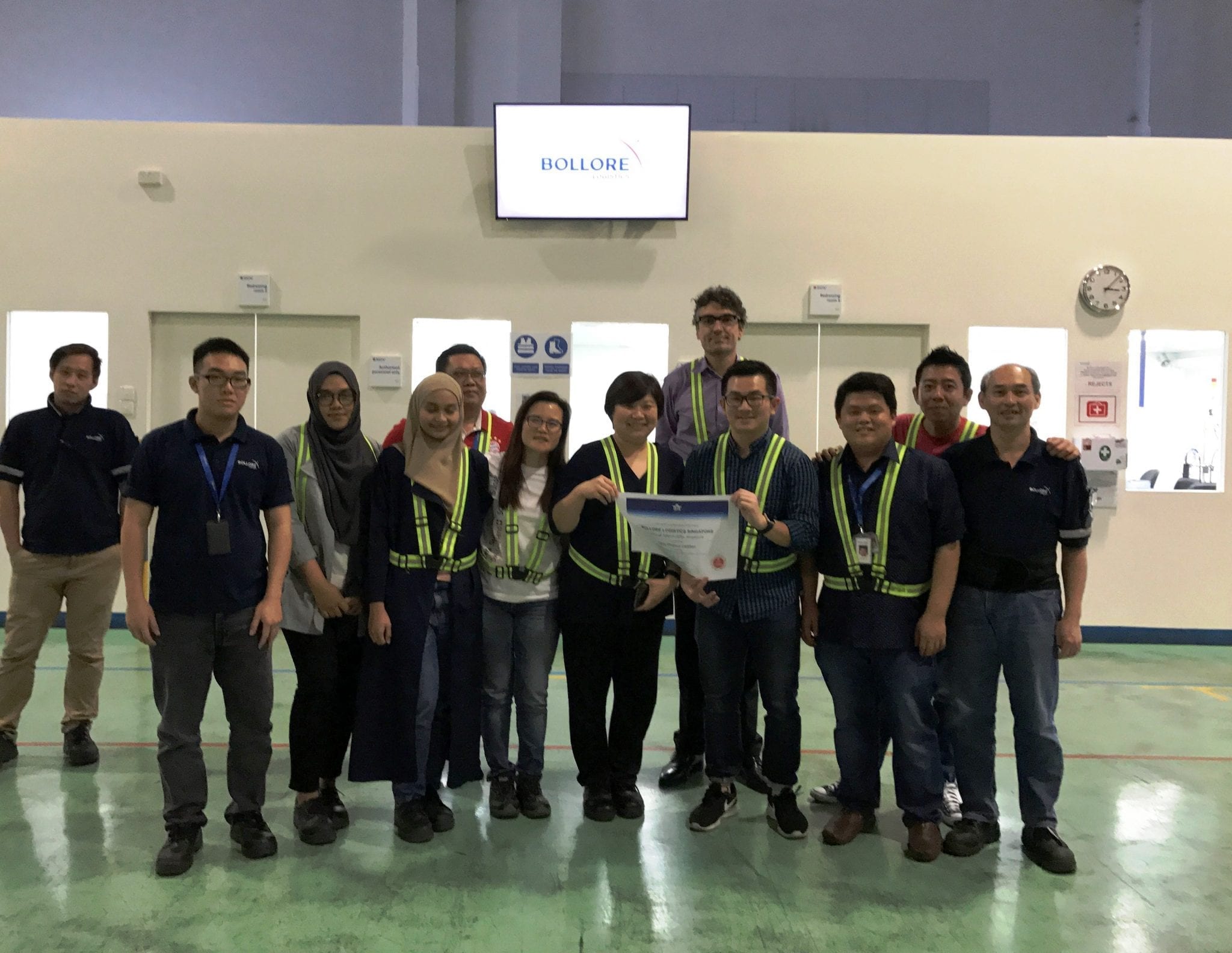
    Bolloré Logistics Singapore was successfully awarded by the International Air Transport Association (IATA) as CEIV Pharma-compliant at its platform located in the Airport Logistics Park, and is one of the first transport and logistics companies in Singapore to receive this certification. The aim of Bolloré Logistics is to deploy this action throughout its global network with on-going certifications on other sites in Asia-Pacific, including in Australia, Hong Kong and Japan.

    This is a new success for the Bolloré Group, which shows its commitment to achieve the highest international quality standard in the global pharmaceutical supply chain for its customers, by continually improving its processes and infrastructures in compliance with the CEIV Pharma standards.

    With its modern and innovative facilities, the excellence of its quality management system, the expertise of its teams and its multiple certifications, Bolloré Logistics is a major global player in the supply chain of pharmaceutical products. Being certified by IATA CEIV Pharma, Bolloré Logistics Singapore fully conforms to all applicable pharmaceutical standards expected from pharmaceutical manufacturers in terms of facilities, equipment, operations and staff and being capable to provide seamless cool chain transportation.

    This global initiative, already in place on European sites in Paris Roissy CDG (France), Brussels (Belgium), Frankfurt (Germany) and Lisbon (Portugal) is also currently in progress on other sites such as Johannesburg in South Africa or Chicago in the USA. IATA created the Center of Excellence for Independent Validators in Pharmaceutical Logistics (CEIV Pharma) in 2015. It aims at setting the industrial standard for air cargo supply chain in pharmaceutical handling excellence.

    It addresses the industry’s need for more safety, security, compliance and efficiency, by creating a globally consistent and recognized pharmaceutical product handling certification. CEIV Pharma encompasses – even supersedes – many of the existing pharmaceutical standards and guidelines, such as IATA Temperature Control Regulations (TCR), European Union Good Distribution Practices (EU GDP), World Health Organization Annex 5, and United States Pharmacopeia Standards.

  • Next-gen logistics lab opens in China

    Next-gen logistics lab opens in China

    A new innovation lab is primed to benefit one of the top players in China’s e-commerce marketplace.

    Zebra Technologies, Digital China and Chinese e-commerce giant JD.com, which Walmart owns a 12% stake in, have joined forces to develop a state-of-the art facility entitled the “IoT + E-commerce Logistics Lab.”

    Residing at JD.com’s pilot warehouse in Beijing’s Shunyi district, the lab brings together best practices, resources and talents in logistics management, data collection, mobile computing, machine vision, cloud computing and IoT.

    The facility will enable the alliance to research and develop, prototype implementation, test and evaluation, and conduct application demonstrations, all of which will support the creation of next-generation logistics solutions, according to Zebra.

    The retailer already utilizes the partners’ barcode printers and scanners and mobile devices in its warehouses and order fulfillment chain, all of which deliver real-time visibility into its operations.

    But now the company is ready to take the next step. Moving forward, lab output will enable JD.com to harness innovative technologies to further boost logistics capabilities, as well as increase enterprise efficiency and productivity — factors it hopes to use to improve its customers’ retail experiences.

    On tap for 2017, JD.com plans to improve the productivity of its current picking and packaging operations using mobile devices; increase the visibility of the tens of thousands of trays and cage trolleys used in JD.com’s operations; and to seek potential of applications of machine vision and data analytics in the logistics industry.

  • CC Containers boosts technology, efficiency and safety with United’s world class equipment

    CC Containers boosts technology, efficiency and safety with United’s world class equipment

    In a non-stop industry like container handling, efficiency is king and downtime can be costly. One company that knows this first-hand is Port of Melbourne- based CC Containers, which prides itself on efficiency, reliability and safety.

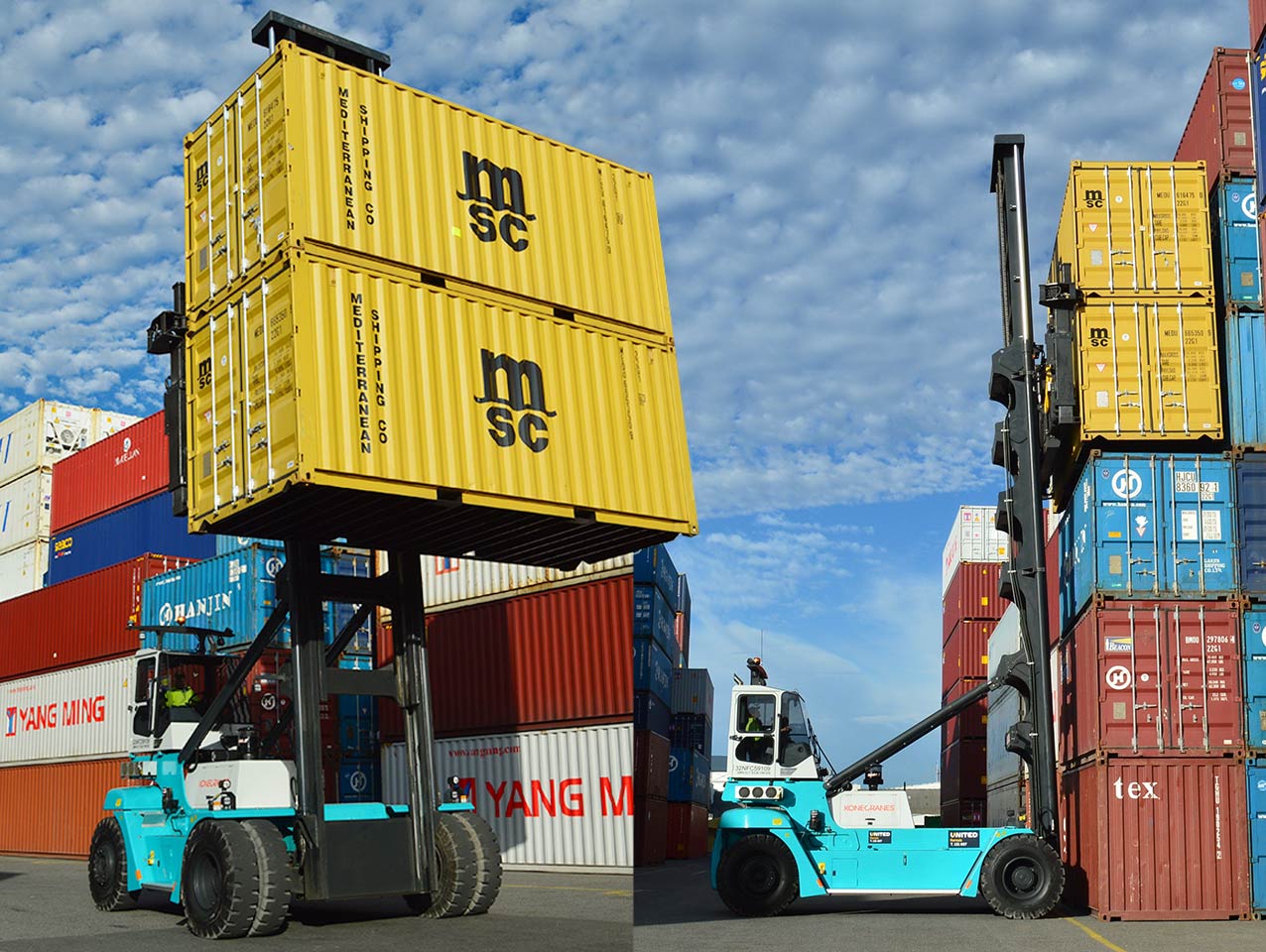
    CC Containers selected United Forklift and Access Solutions to provide the company with Konecranes empty container handling lift trucks to expand its container handling fleet with world-class equipment built tough to cope with high-pace demands and to optimise efficiency for its customers.

    United Forklift and Access Solutions, which is national distributor for Konecranes forklift and container handling equipment also backed the new technology with a dedicated full-time technician on-site for the maintenance, repair and upkeep of the new units, as well as other existing units.

    United supplied a total of five Konecranes SMV empty container handlers to suit CC Container’s expanding operational needs.

    “The container handlers are reliable robust pieces of equipment,” said Mr David Muir, managing director of CC Containers, whose company places a high emphasis on standards of reliability and safety.

    “The other major bonus for us is that the drivers like using them. They have good visibility and comfort and are easy to use, which makes a big difference to staff performance,” says Muir.

    In addition to the advanced container handling technologies, United also provided CC Containers with an experienced full-time technician, Gene Roberts, who is on-site and can respond to any maintenance or repair issues quickly and effectively.

    “Mr Roberts has been a great help to us at CC Containers. He has helped with servicing, monitoring and OH&S requirements, which means we are always meeting or exceeding compliance and standards objectives,” said Muir.

    Konecranes is a major global player in the design and manufacture of heavy duty forklifts, reach stackers and container handling equipment, with its SMV series purpose-built to quickly lift, move and sort both empty and full containers in and around ports. Designed to cope with high demands with both speed and efficiency, the Konecranes empty container handlers in service with CC Containers offer a very fast total operating speed as a function of lifting, lowering and driving speed based on load-sensing hydraulics to cope with extreme demands. The container lift trucks also feature the new Optima cabin – which has enhanced cabin space and visibility – and an extensive range of innovative features which optimise quality, productivity and life cycle cost.

    CC Containers’ expanded Konecranes empty container handlersfleet includes:

    • The ECB 80 empty container handler, which can stack six containers high up to eight tonnes
    • The ECB 90 empty container handler, which can stack seven-eight containers highup to nine tonnes
    • The ECB 100DS empty container handler which can lift two boxes at the same time, up to 10 tonnes capacity, and stack six-seven containers high.
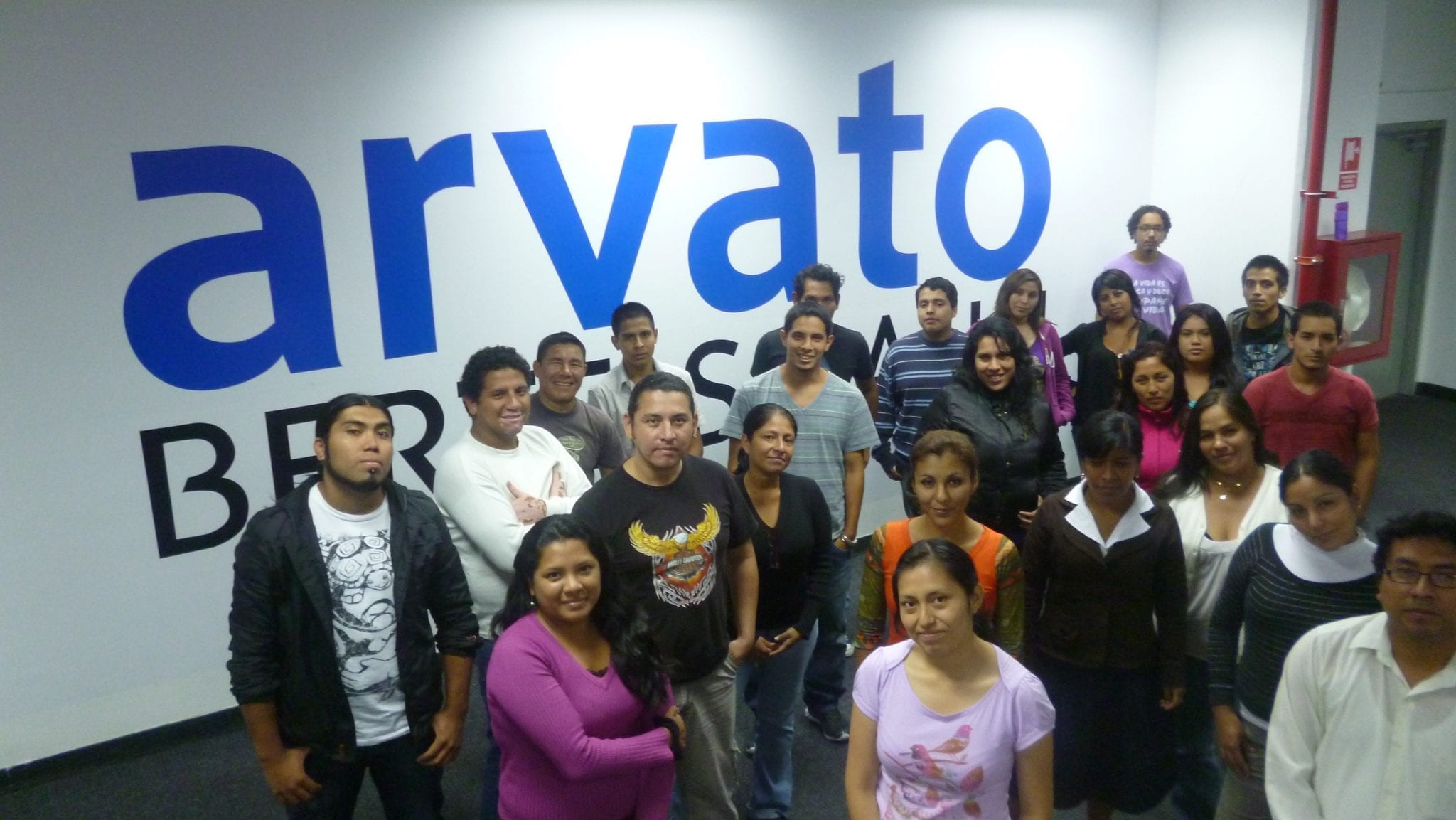
  • Arvato provides trade logistics for shoes and accessories by Marc O’Polo

    Arvato provides trade logistics for shoes and accessories by Marc O’Polo

    Arvato SCM Solutions and MARC O’POLO have expanded their cooperation: as of December 2016, the supply chain and e-commerce specialist is now also responsible for the trade logistics of the premium fashion brand’s shoes and accessories, using RFID technology. As well as storage, order picking and shipping, Arvato will be providing special value-added services from its distribution site in Dortmund. From now on, MARC O’POLO products will be sent from there to trade partners in 16 countries. Goods will be sent to both MARC O’POLO shops and franchise stores, as well as wholesale partners such as Zalando, Amazon, Görtz or Breuninger. The partnership between Arvato and MARC O’POLO was established in 2010. The full service provider initially supported the fashion brand with comprehensive services in the international e-commerce sector. Then, in 2015, Arvato organised a comprehensive omnichannel integration with processes such as Click&Collect, Reserve&Collect and cross docking, as well as introducing a new CRM system and the ‘MARC O’POLO for members’ loyalty scheme.

    Providing trade logistics contributes to a further link of the process chain. Arvato will be in charge of storage, order picking and preparing goods for shipment, all from its 32,000 square metre distribution centre. This task includes comprehensive value-added services such as the allocation of filling material and customer-specific labelling. The goods are then sent to trading partners in countries such as France, Croatia, Sweden, Russia or China.

    Furthermore, since the MARC O’POLO merchandise in both the high street and online shops is equipped with RFID tags, RFID technology has been introduced in the loading docks. This means that items are no longer scanned individually – instead, ready-packed product ranges can simply be recorded in bulk before shipping. This significantly reduces processing time and costs.

    “Storage area and transport costs can also be reduced, thanks to the consolidation of the B2B and B2C business. This is because the journey between the B2B and B2C warehouses in Munich and Dortmund has been respectively cut,” says Niels Weithe, Managing Director for Consumer.

    Products at Arvato SCM Solutions, pointing out another advantage. Karl-Heinz Lauterbach, Managing Director of MARC O’POLO Shoes, is also impressed by the advantages of an even tighter cooperation with Arvato: “Creating closer ties between the online shop and B2B warehouses will optimise our stock in the long term and increase availability in the online shop. Trading partners will benefit from this shelf extension through an optimised sales ratio and turnover.”

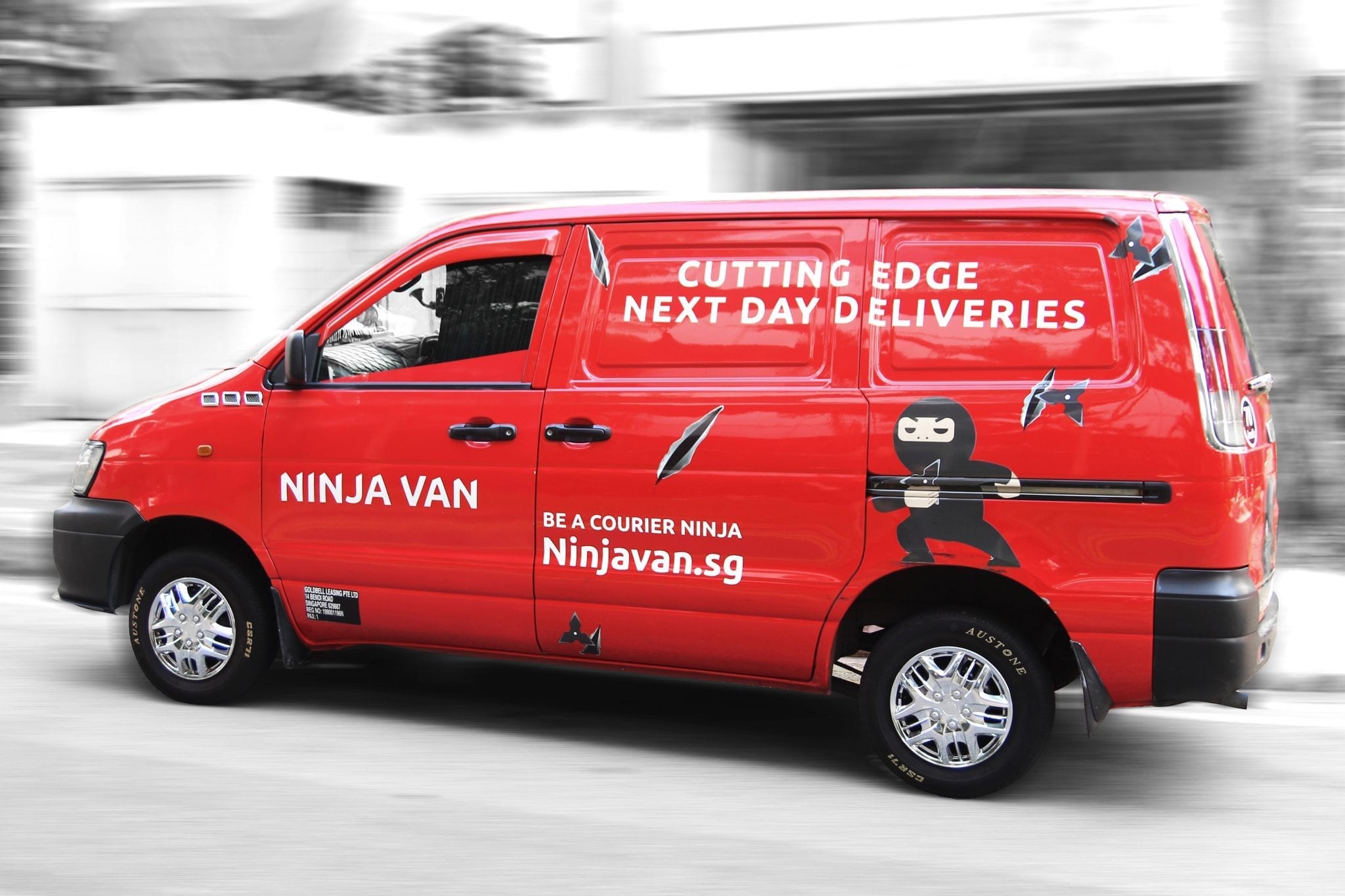
  • GreyOrange and Ninja Van partner on advanced sortation system for last-mile delivery

    GreyOrange and Ninja Van partner on advanced sortation system for last-mile delivery

    GreyOrange and Ninja Van have announced the commission of their first high-speed advanced Sortation System capable of handling 6000 parcels an hour at the Singapore hub of Ninja Van, Southeast Asia’s fastest growing last-mile logistics company. Recognised as one of the world’s Top 50 Robotics Companies by Robotics Business Review, GreyOrange, headquartered in Singapore, specialises in the design, manufacture and deployment of advanced robotics and automation systems for distribution and fulfilment centres.

    Nalin Advani, CEO, GreyOrange Asia-Pacific said, “The Linear Sorter has been tried and tested by many of Asia’s leading e-commerce and logistics companies and we are proud to welcome Ninja Van to this family. Both our companies share a similar history in recent years operating in a fast-paced logistics industry that has seen explosive growth in e-commerce and last mile delivery. We know what Ninja Van wants and are looking forward to installing the complete system within the next weeks.”

    Tan Bo Xian, co-founder and COO, Ninja Van Southeast Asia said, “At Ninja Van, technology is always at the heart of everything we do, and we are always looking to optimise and automate processes to improve efficiencies. We have been studying a solution such as this since our early days, and are happy to have grown to the point where our volumes well justify the investment. The GreyOrange Sortation system allows us to operate round the clock with a much leaner team of staff, reducing labour costs significantly. We are also pleased that the line is very compact, optimising space utilisation while increasing productivity.”

    The proprietary embedded system of the GreyOrange Linear Sorter combines advanced software and two lines of high-speed sortation conveyors capable of sorting thousands of parcels in various shapes and sizes including polybags, plus irregular and fragile packages. The system starts at the Auto-spacer where sensors determine how the parcels are spread to ensure gaps between the parcels are even. Each parcel is then identified by 1D or 2D barcodes where both its gross and volumetric weights are automatically recorded, before it quickly moves along the high-speed conveyor which sorts the parcels according to dispatch time, destination and other parameters as determined at different times of the day, including service levels such as same-day and next-day delivery.

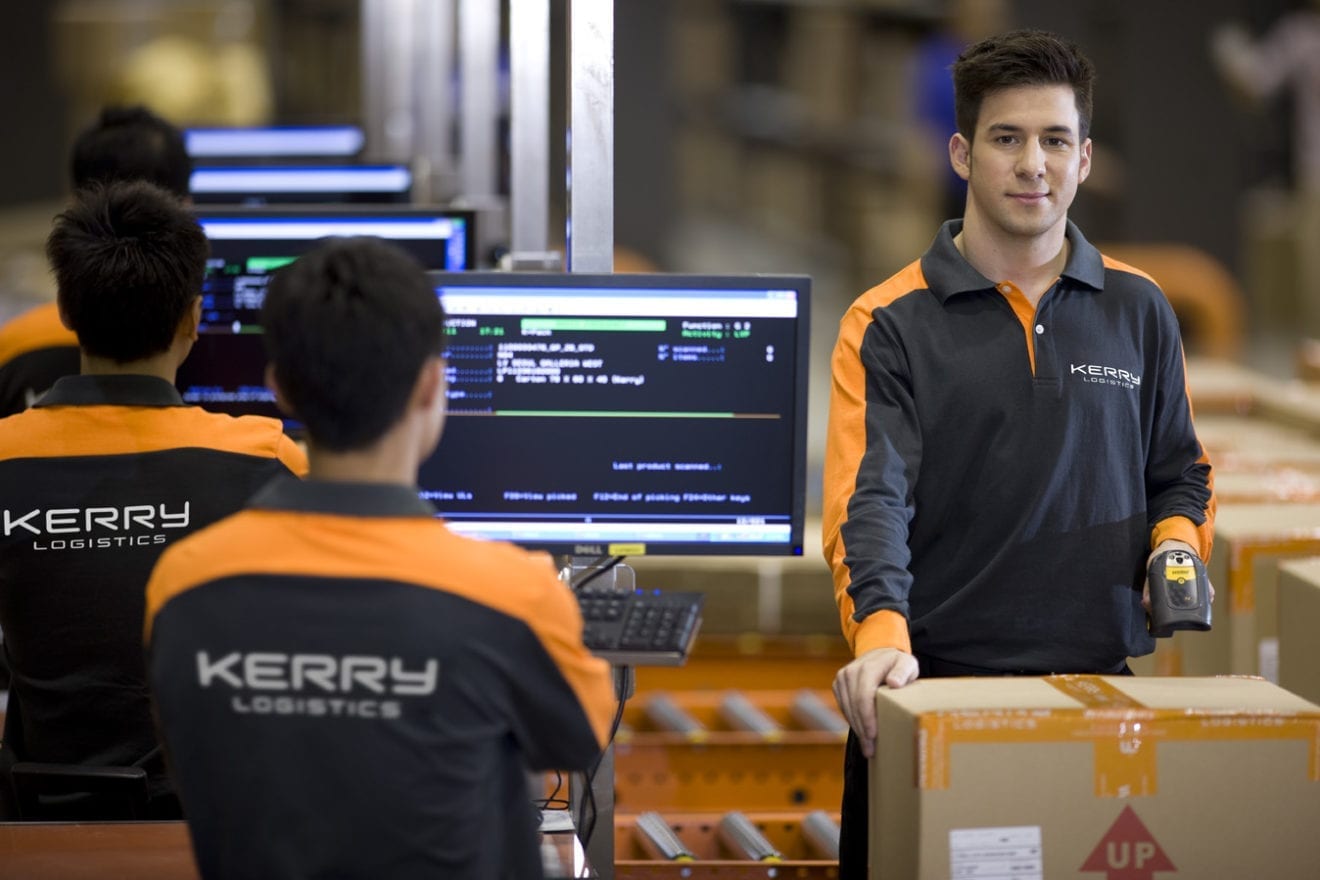
  • Kerry Logistics supports fast fashion label Missguided’s global expansion

    Kerry Logistics supports fast fashion label Missguided’s global expansion

    Multi-channel fast fashion retailer Missguided is working with Kerry Logistics Network Limited, Asia’s leading logistics service provider, as supply chain partner to support its ongoing global growth.

    Kerry Logistics will handle all international air and ocean needs for the UK-based retailer, as well as providing a wide range of value-added services and on-the-ground logistics support through its extensive network across the Greater China region and Asia.

    Missguided will make use of Kerry Logistics’ Virtual Buying Office (VBO), a web-platform with supply chain and planning functions designed to provide visibility from Purchase Order (PO) creation through to final delivery, addressing inventory risk whilst further enhancing overall efficiency of its operations.

    “It is fundamental to our business strategy that we have a global logistics partner that has the flexibility to react quickly to our demands no matter where the consignment is coming from or going to,” said Brett Young, operations director of Missguided.

    “Our customers receive market leading options together with a high level of service for a very reasonable price, therefore the initial stock movements are imperative to our overall customer experience.”

    “By using proven, forward thinking partners such as Kerry Logistics, we are able to build on new initiatives, continually improve our customer experience, and in turn support our aggressive growth strategy,” added Young.

    “We are delighted to be working with one of the UK’s fastest growing and innovative brands. Seamless transparency will be fundamental in managing the fast-moving supply chain for Missguided. Our VBO is a highly functional supply chain management tool linking together all supply chain partners into one global system, optimising information flow and efficiency, and thus minimising risks along the supply chain,” said Emma Rowlands, sales director of Kerry Logistics (UK).

    “Our strengths in Asia, combined with the recent acquisition of Apex Maritime and its affiliated companies in the US, will enable a strong platform to manage the client’s strategic growth and expansion across the globe,” added Rowlands.

    Missguided opened its first physical retail space in Westfield, Stratford City, London, in November 2016, and its second, in Bluewater, Kent, is due to open in summer 2017.

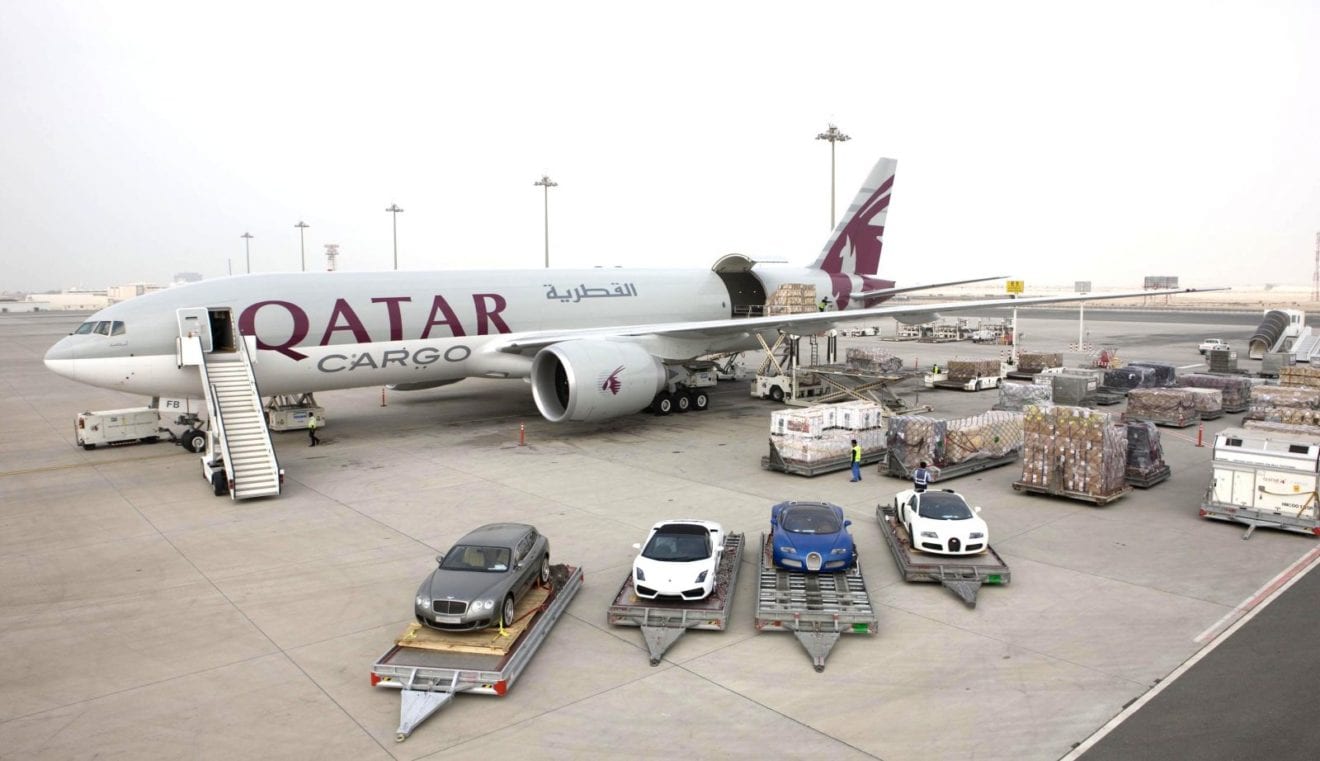
  • Qatar Airways Cargo introduces additional pharma express flights

    Qatar Airways Cargo introduces additional pharma express flights

    In a non-stop industry like container handling, efficiency is king and downtime can be costly. One company that knows this first-hand is Port of Melbourne- based CC Containers, which prides itself on efficiency, reliability and safety.

    CC Containers selected United Forklift and Access Solutions to provide the company with Konecranes empty container handling lift trucks to expand its container handling fleet with world-class equipment built tough to cope with high-pace demands and to optimise efficiency for its customers.

    United Forklift and Access Solutions, which is national distributor for Konecranes forklift and container handling equipment also backed the new technology with a dedicated full-time technician on-site for the maintenance, repair and upkeep of the new units, as well as other existing units.

    United supplied a total of five Konecranes SMV empty container handlers to suit CC Container’s expanding operational needs.

    “The container handlers are reliable robust pieces of equipment,” said Mr David Muir, managing director of CC Containers, whose company places a high emphasis on standards of reliability and safety.

    “The other major bonus for us is that the drivers like using them. They have good visibility and comfort and are easy to use, which makes a big difference to staff performance,” says Muir.

    In addition to the advanced container handling technologies, United also provided CC Containers with an experienced full-time technician, Gene Roberts, who is on-site and can respond to any maintenance or repair issues quickly and effectively.

    “Mr Roberts has been a great help to us at CC Containers. He has helped with servicing, monitoring and OH&S requirements, which means we are always meeting or exceeding compliance and standards objectives,” said Muir.

    Konecranes is a major global player in the design and manufacture of heavy duty forklifts, reach stackers and container handling equipment, with its SMV series purpose-built to quickly lift, move and sort both empty and full containers in and around ports. Designed to cope with high demands with both speed and efficiency, the Konecranes empty container handlers in service with CC Containers offer a very fast total operating speed as a function of lifting, lowering and driving speed based on load-sensing hydraulics to cope with extreme demands. The container lift trucks also feature the new Optima cabin – which has enhanced cabin space and visibility – and an extensive range of innovative features which optimise quality, productivity and life cycle cost.

    CC Containers’ expanded Konecranes empty container handlersfleet includes:

    • The ECB 80 empty container handler, which can stack six containers high up to eight tonnes
    • The ECB 90 empty container handler, which can stack seven-eight containers highup to nine tonnes
    • The ECB 100DS empty container handler which can lift two boxes at the same time, up to 10 tonnes capacity, and stack six-seven containers high.
  • DHL broadens logistics reach in Thailand

    DHL broadens logistics reach in Thailand

    DHL E-commerce, a unit of Deutsche Post DHL Group, has expanded its logistics service in the Thai market with nationwide coverage and price-competitive business-to-consumer (B2C) international shipping.

    There is also pick-up service for small e-commerce merchants and the 2.7 million small and medium-sized enterprises (SMEs) in Thailand where online sales are growing rapidly, according to top executives.

    Charles Brewer, CEO of DHL E-commerce, said Thailand has a huge growth potential for e-commerce because online sales currently account for only 2 per cent of total retail sales, compared with the global average of 9 per cent.

    Among Asean countries, Singapore’s online sales are the most developed, accounting for 4.5 per cent of total retail sales, compared with Indonesia’s 0.5 per cent of total retail sales.

    To support e-commerce growth, the Thai government needs to help develop the ecosystem for online transactions, e-payment as well as transport and other logistic services.

    Over the past year, DHL has branched into the so-called last mile service for e-commerce in Southeast Asia with a complete range of delivery, pick-up, warehousing and related services as high-volume e-commerce transactions boom in the region due to the high penetration rate of smartphones and other factors.

    Customer expectations on delivery time have also shifted towards the so-called “next day” delivery after placing their purchase orders online, prompting DHL to offer faster services in the Thai market.

    “The e-commerce market in Thailand is the second largest in Southeast Asia and expected to grow 22 per cent annually towards 2020. There are increasing demands for cost-effective and high quality logistic solutions to meet rising consumer needs,” said Kiattichai Pitpreecha, managing director of DHL E-commerce Thailand.

    For Thai SMEs, the expanded service will allow them to deliver products to customers with greater convenience and a faster process so that they spend less time travelling and waiting to drop off their goods.

    With a 3,222-square-metre e-commerce logistic centre in Bangkok, plus vehicles and other facilities, the firm is equipped to deliver 15 million shipments per year in Thailand.

    For merchants, DHL also offers a cash-on-delivery service with daily remittances plus access to a multilingual call centre and easy IT integration to handle online orders so that shippers can easily prepare orders for delivery into the DHL network.

    In addition, DHL offers cross-border services to help Thai customers expand into overseas markets at a competitive price based on a pay-per-use solution.

    Malcolm Monteiro, CEO of DHL E-commerce Asia Pacific, said the government’s recent initiative has boosted opportunities for businesses and industries, especially SMEs, to digitise their operations and services.

    With as many as 2.7 million SMEs, Thailand is seen as a high growth market where these firms will extend their business models into online marketplaces where DHL aims to enable their businesses to leverage the e-commerce potential both domestically and internationally.

    Besides the e-commerce service, DHL has long been a provider of international express delivery services which can help connect Thai SMEs to the global online market.

    At present, DHL has a network of fulfilment centres in the US, Mexico, Europe, Hong Kong, Australia and India, allowing merchandise to get to consumers in those regions faster.

    According to Brewer, the cross-border B2C, or retail e-commerce, is projected to grow to US$1 trillion in 2020 as the DHL operation in Thailand also witnesses a significant growth in this segment over the past year.

  • Logistics expected to make up 8-10 percent of Vietnam’s GDP by 2025

    Logistics expected to make up 8-10 percent of Vietnam’s GDP by 2025

    The target was set in an action plan on enhancing competitiveness and developing logistics services by 2025 recently approved by Prime Minister Nguyen Xuan Phuc.

    Under the plan, the logistics sector is expected to grow by 15 – 20 percent by 2025.

    The action plan also aims to make Vietnam one of the world’s 50 leading logistics service providers and to reduce logistics costs to 16 – 20 percent of GDP.

    To achieve the goals, the plan suggested improving policies, attracting more investment into logistics infrastructure and fostering cooperation between local logistics firms and international partners.

    It also hopes to enhance logistic infrastructure connectivity to link Vietnamese ports with neighbouring countries.

    According to the plan, investment is called for the construction of type I logistic hubs in Hanoi and Ho Chi Minh City and type II logistic centres localities such as Lang Son, Lao Cai, Hai Phong, Da Nang, Quy Nhon and Can Tho.