Tag: Logistics

  • RoRo To Connect Indonesia-Philippines As Part of ASEAN Connectivity

    RoRo To Connect Indonesia-Philippines As Part of ASEAN Connectivity

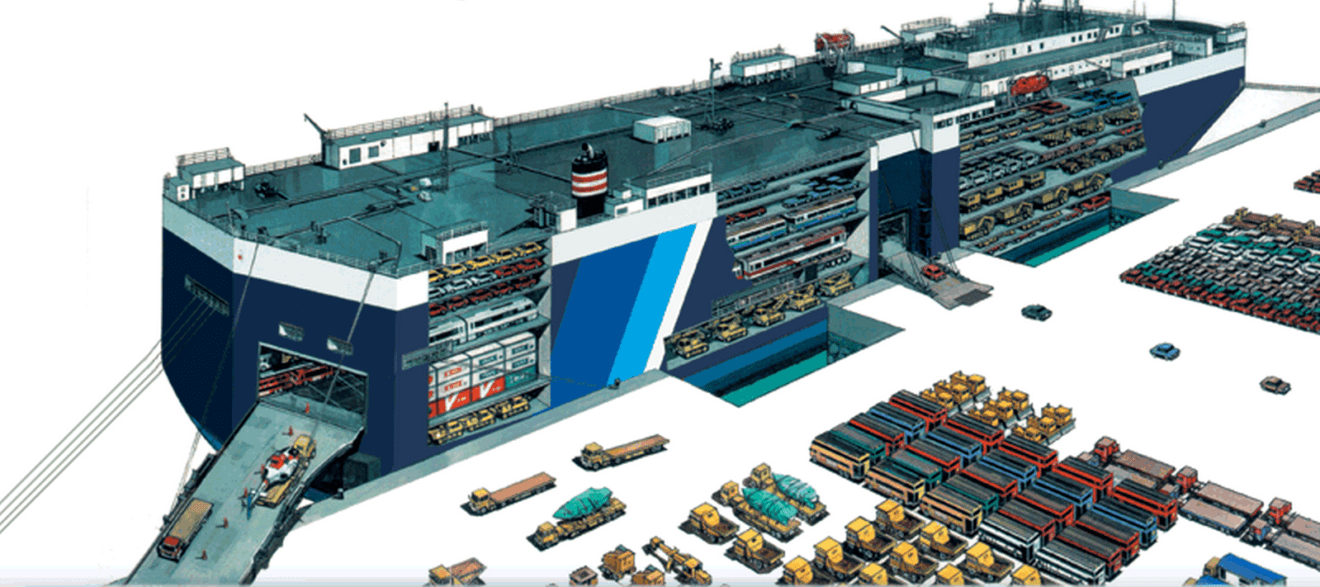
    New economic and trade opportunities are in sight with the opening of the Davao-General Santos-Bitung (D-G-B) Shipping Service, which is one of the target priorities for the Philippines Chairmanship of the ASEAN in 2017.

    Philippine Ambassador to Indonesia Maria Lumen B. Isleta and members of the Philippines and Indonesia Inter-Agency Task Force for the Operationalization of the D-G-B Roll-on/Roll-off (RoRo) Route gathered in Jakarta on Jan 17, 2017, to discuss preparations for the maiden voyage of the RoRo, which will connect Davao and General Santos City to Bitung in North Sulawesi, Indonesia, the Philippine embassy said in a statement here on Thursday.

    The D-G-B RoRo Route under the ASEAN RoRo Initiative aims to enhance maritime connectivity in ASEAN and maximize the use of regional sea lanes.

    The opening of the route is a more cost and time-efficient alternative to the usual Manila-Jakarta-Bitung route, which would take about three to five weeks of shipping time.

    In contrast, direct shipping through the D-G-B route will take only one day and a half of sailing (excluding port stay).

    The route is also expected to spur trade between Mindanao and the Sulawesi provinces in Indonesia. It is also expected to provide greater access for local businessmen to engage in international trade, as well as stimulate other areas of development such as joint tourism promotion, establishment of direct linkages, and increase in investment inflows, among others.

    On Jan 18, Isleta and leaders of the RoRo project task force paid a visit to Manado and met with North Sulawesi Governor Olly Dondokambey to discuss the maiden voyage of the RoRo.

    Meanwhile, The Philippine News Agency (PNA) reported that Philippines President Rodrigo R. Duterte and Indonesian President Joko Widodo will launch the ASEAN RoRo Project on April 28, 2017.

    New economic and trade opportunities are in sight with the opening of the Davao-General Santos-Bitung (D-G-B) Shipping Service, which is one of the target priorities for the Philippines Chairmanship of the ASEAN in 2017.

    Philippine Ambassador to Indonesia Maria Lumen B. Isleta and members of the Philippines and Indonesia Inter-Agency Task Force for the Operationalization of the D-G-B Roll-on/Roll-off (RoRo) Route gathered in Jakarta on Jan 17, 2017, to discuss preparations for the maiden voyage of the RoRo, which will connect Davao and General Santos City to Bitung in North Sulawesi, Indonesia, the Philippine embassy said in a statement here on Thursday.

    The D-G-B RoRo Route under the ASEAN RoRo Initiative aims to enhance maritime connectivity in ASEAN and maximize the use of regional sea lanes.

    The opening of the route is a more cost and time-efficient alternative to the usual Manila-Jakarta-Bitung route, which would take about three to five weeks of shipping time.

    In contrast, direct shipping through the D-G-B route will take only one day and a half of sailing (excluding port stay).

    The route is also expected to spur trade between Mindanao and the Sulawesi provinces in Indonesia. It is also expected to provide greater access for local businessmen to engage in international trade, as well as stimulate other areas of development such as joint tourism promotion, establishment of direct linkages, and increase in investment inflows, among others.

    On Jan 18, Isleta and leaders of the RoRo project task force paid a visit to Manado and met with North Sulawesi Governor Olly Dondokambey to discuss the maiden voyage of the RoRo.

    Meanwhile, The Philippine News Agency (PNA) reported that Philippines President Rodrigo R. Duterte and Indonesian President Joko Widodo will launch the ASEAN RoRo Project on April 28, 2017.
  • S.F. Express to build Asia’s largest air freight hub in China

    S.F. Express to build Asia’s largest air freight hub in China

    Chinese private logistics giant S.F. Express Co Ltd has pledged to build the busiest air cargo hub in Asia, reaching areas accounting for 80% of the country’s Gross Domestic Product within two hours, including major cities like Beijing and Shanghai.

    The firm said it would construct an airport in Ezhou city, Hubei province in central China, that could handle more than 2.6 million tonnes of freight and 1.5 million passengers by 2025. The airport would be the fourth busiest in the world and could cater for all jets except the Airbus’ superjumbo A380.

    The joint venture in charge of building the air hub has an investment capital of 100 million yuan (US$14.4 million). The venture will be responsible for the design, construction as well as the operation and management of the mega development project.

    A unit of S.F. Express – S.F. Airport Investment – and China VAST Industrial Urban Development Company have contributed 40 million yuan and 60 million yuan, respectively, to set up the joint venture.

    S.F. Airport Investment had invested 470 billion yuan in VAST late last year. S.F. Express, founded in 1993, is the largest private courier in China, and started building its own fleet in 2009. As of November 30, it owned a fleet of 36 aircraft, according to the company’s website.

    China’s logistics industry has boomed following the development of e-commerce giants, such as Alibaba’s Taobao. In 2016, more than 250 million people used courier services each day, according to the state Xinhua news agency.

    At the annual Singles’ Day e-commerce sale last year on November 11, postal services handled 251 million parcels, a 52% increase compared to 2015, according to another Xinhua news report. S.F. Express even rented high-speed trains to ensure punctual delivery of goods.

    The new airport project is part of an aero city mega development, spanning an area of 36 square kilometers, for a population of only a million.

  • Dutch to Indonesia trade mission drums up business for Royal HaskoningDHV

    Dutch to Indonesia trade mission drums up business for Royal HaskoningDHV

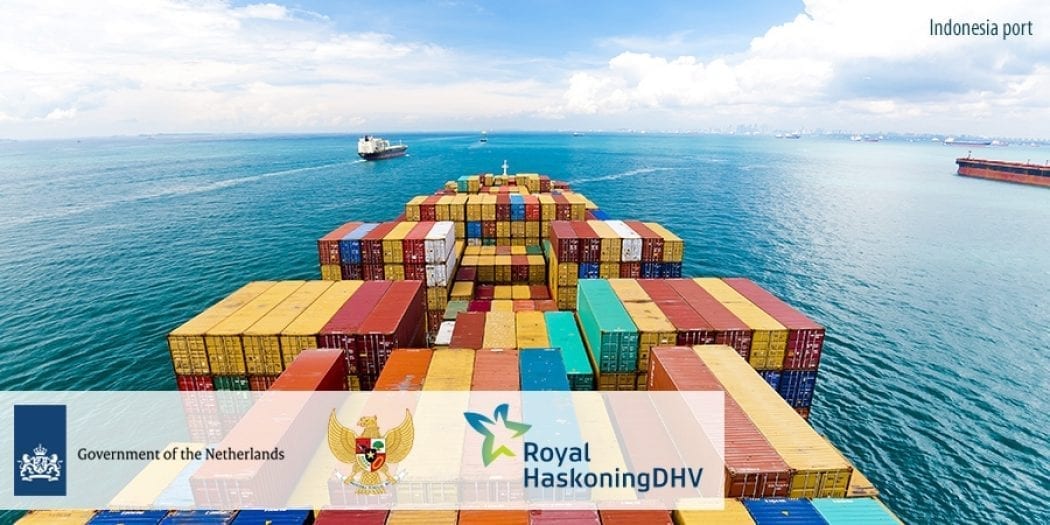
    As part of a high level Dutch trade mission to Indonesia, Royal HaskoningDHV has managed to secure two contracts as part of the development of the $300 million Kuala Tanjung Port, as well as enter discussions to pilot a hospital development project in the country of more than 260 million peopale.

    A consortium of Dutch Government officials, including Prime Minister Rutte, Ministers Schultz van Haegen and State Secretary Dijksmarecent, recently travelled to Indonesia on a trade mission. A number of Dutch businesses joined the mission, including professional services firm Royal HaskoningDHV.

    The mission, aside from drumming up mutually beneficial business and political ties between the countries, whose history dates back centuries, also involves collaboration on a number of different projects, from a CEO summit focused on improving the working relationship between Dutch and Indonesian businesses, to investment and collaboration programmes in key sectors, from hospitals to shipping. Additionally, a key discussion point on the agenda related to efforts in solving a pressing problem for Jakarta: the city is sinking at 10 centimetres per year due to unsustainable use of groundwater from beneath the city – endangering up to 5 million people in the north of the city that face immanent flooding. The Dutch government, through the Dutch water sector, is involved in the development process for a lasting solution to sustainable water management for the city.

    Regarding the work, Royal HaskoningDHV Indonesia Resident Director Berte Simons, remarks “Since the Indonesian government asked the Dutch government for assistance in 2007, the Dutch water sector is contributing to a lasting solution to sustainable water management of the city. No small task in this area where space is scarce, stakeholder interests are large and government budgets limited. We are proud to contribute to the National Capital Integrated Coastal Development (NCICD) strategy that not only should be a sanitation, water supply, civil and hydraulic engineering feat but also one in which inclusive urban and socio-economic solutions are key.”

    For Royal HaskoningDHV, with around 350 employees working on projects for production sites in the country, the mission thus far resulted in signing two contracts with the Indonesian port operator Pelindo I for the development of Kuala Tanjung Port in North Sumatra. The port, which is expected to cost around $300 million, is part of the country’s wider maritime highway vision led by President Joko Widodo – which includes a total of 24 new strategic ports in the country. The value of the contracts for Royal HaskoningDHV has not been disclosed.

    Members from Royal HaskoningDHV’s healthcare practice, including Eduard Boonstra, the firm’s Business developer for the segment, also took part in trade discussions surrounding hospital development in Indonesia. The country, whose healthcare expenditure falls in the middle range in relation to its neighbours, offers considerable opportunities for joint benefit from work with Dutch providers – the country has one of the world’s most effective healthcare systems. The firm will work on a pilot project to deliver economically viable hospital designs that are able to contribute to the improvement of the public as well private health sector in Indonesia.

    Eduard Boonstra, remarks, “Together with the Ministry of Health, BPJS and local health authorities, we expect to work on a pilot project after successfully having performed a feasibility study regarding the improvement of the primary care system in Yogyakarta within the framework of Universal Health Coverage. We are proud to be recognised by leading Indonesia hospital operators as integrated design partner in the development of modern, efficient and patient safe hospitals which enable us to further build up our track record in Indonesia.”

  • American Airlines Cargo transports priceless art to Hong Kong

    American Airlines Cargo transports priceless art to Hong Kong

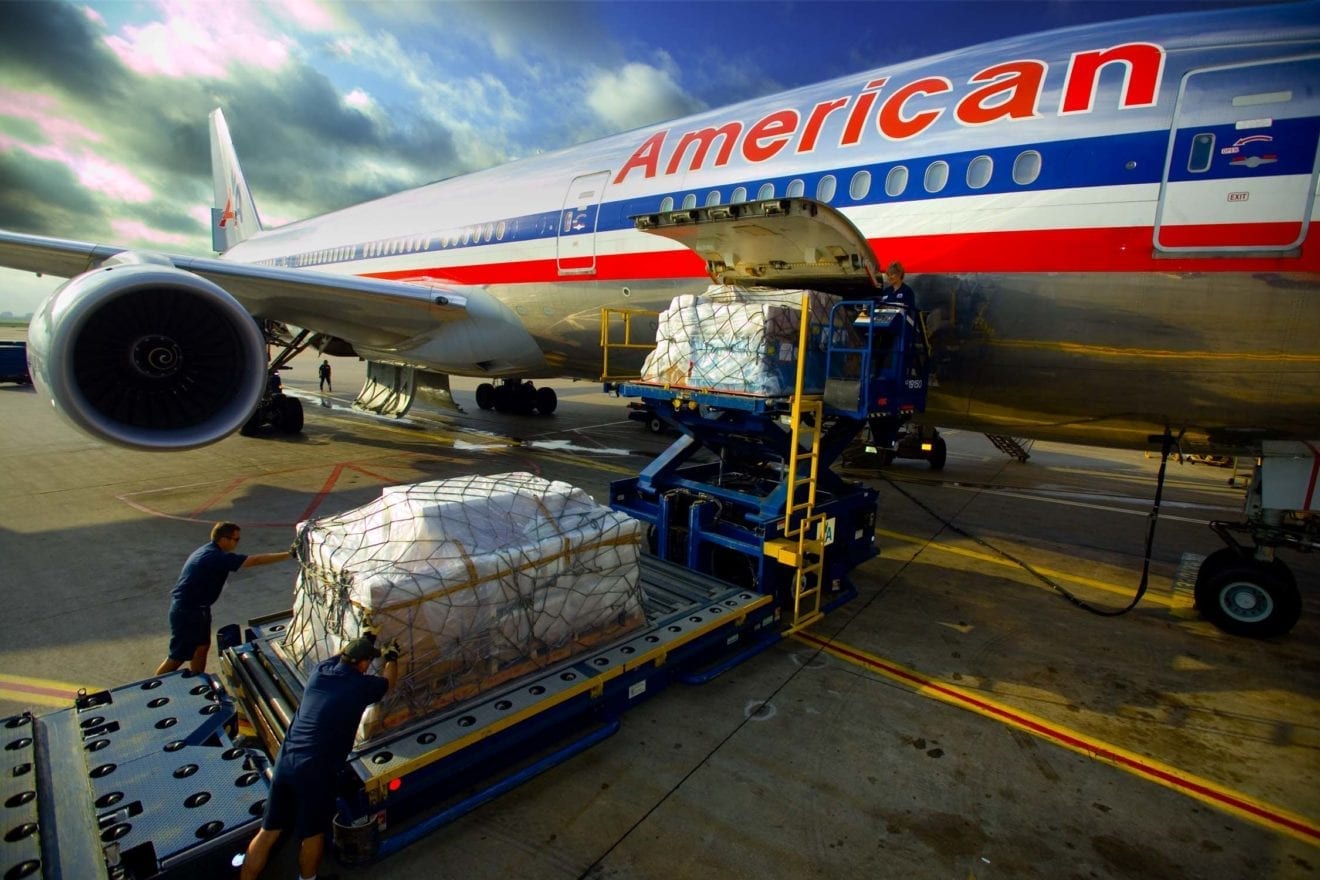
    American Airlines Cargo safely delivered more than 3,000 pounds (1,500 kilograms) of priceless artifacts belonging to the Kinsey African American Art and History Collection from Los Angeles (LAX) to Hong Kong (HKG).

    Working with Cookes Crating, one of America’s oldest and most respected fine art shippers, over 100 artifacts, including paintings, sculptures, rare first editions, manuscripts and official records, were transported to The University of Hong Kong Museum and Art Gallery. The three month long exhibition tells the story of African American achievement and contribution.

    “With priceless artifacts like those in this collection, we offer customers peace of mind with our High Value service, which includes enhanced safety and security measures, such as special handling and surveillance at every touch point,” said Joe Goode, American Airlines Cargo’s managing director, Cargo Sales – Western Division. “Plus, with our direct flight from LAX to HKG, we were able to quickly and successfully deliver the shipment in prime condition before the exhibition’s debut in Hong Kong.”

    The Kinsey family’s long-standing relationship with American was just recently extended to the Cargo division for the shipment of their invaluable collection because of the carrier’s experience in handling high-value shipments.

    “My family and I have been loyal customers of American Airlines for nearly 40 years, beginning with my parents who have visited 100 countries and flown millions of miles,” said Khalil Kinsey, general manager and chief curator – The Kinsey Collection. “American has played an integral role in our business from a travel perspective, and we are excited to expand our relationship to the cargo and logistics aspect. The Cargo division provided a smooth and efficient experience that gave us great comfort and confidence that our crates full of priceless contents would be handled with the utmost care, as well as arrives safely and on time.”


  • HACTL Achieves 1,6% Tonnage Cargo Growth in 2016

    HACTL Achieves 1,6% Tonnage Cargo Growth in 2016

    Hong Kong Air Cargo Terminals handled a total of 1,653,938 tonnes of cargo in 2016, an increase of 1.6% compared to 2015. “From a disappointing start, 2016 shaped up to be a very satisfactory year for Hactl and its airline customers,” said Mark Whitehead, chief executive of Hactl.

    “The best results showed in the second half, and are hopefully indicative of a more settled picture for global air cargo that will continue into 2017. Particularly gratifying is the continuing growth of our ramp-handling business. We ascribe this both to the attraction of Hactl’s unique ability to provide combined terminal and ramp handling in Hong Kong, and to our recent investment in streamlining through the use of mobile computing; this has enhanced productivity and service standards.”

    According to Hactl, transhipments performed most strongly, having grown 29.6% year-on-year. Mail, courier and express traffic grew 8.4% and exports grew 2.1%. Imports declined 8.3%.

    Self Photos / Files - Hactl [2]

    The company’s SuperTerminal 1 set a new weekly record when it handled 41,926 tonnes of cargo from November 28 to December 4, 2016. The ramp-handling business also set new all-time daily, weekly and monthly records.

    Hactl handled 101 freighters on November 23, breaking the previous record of 98 which was set 19 days earlier. From November 28 to December 4, the company handled 628 freighters, beating the previous week’s record of 609. Hactl handled 2,579 freighters in November 2016. The previous record of 2,242 was set in November 2015.

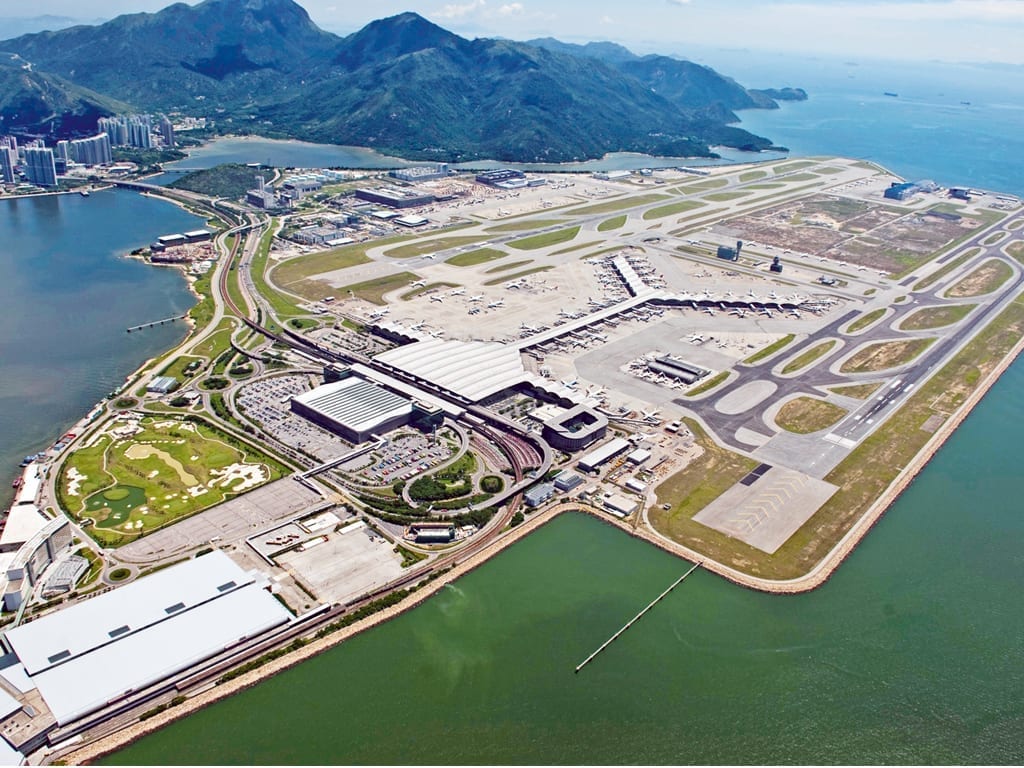
    SuperTerminal 1 is the largest cargo facility at Hong Kong International Airport and is capable of handling 3.5 million tonnes per year.

  • Ethiopian cargo terminal set for operation by April ‘17

    Ethiopian cargo terminal set for operation by April ‘17

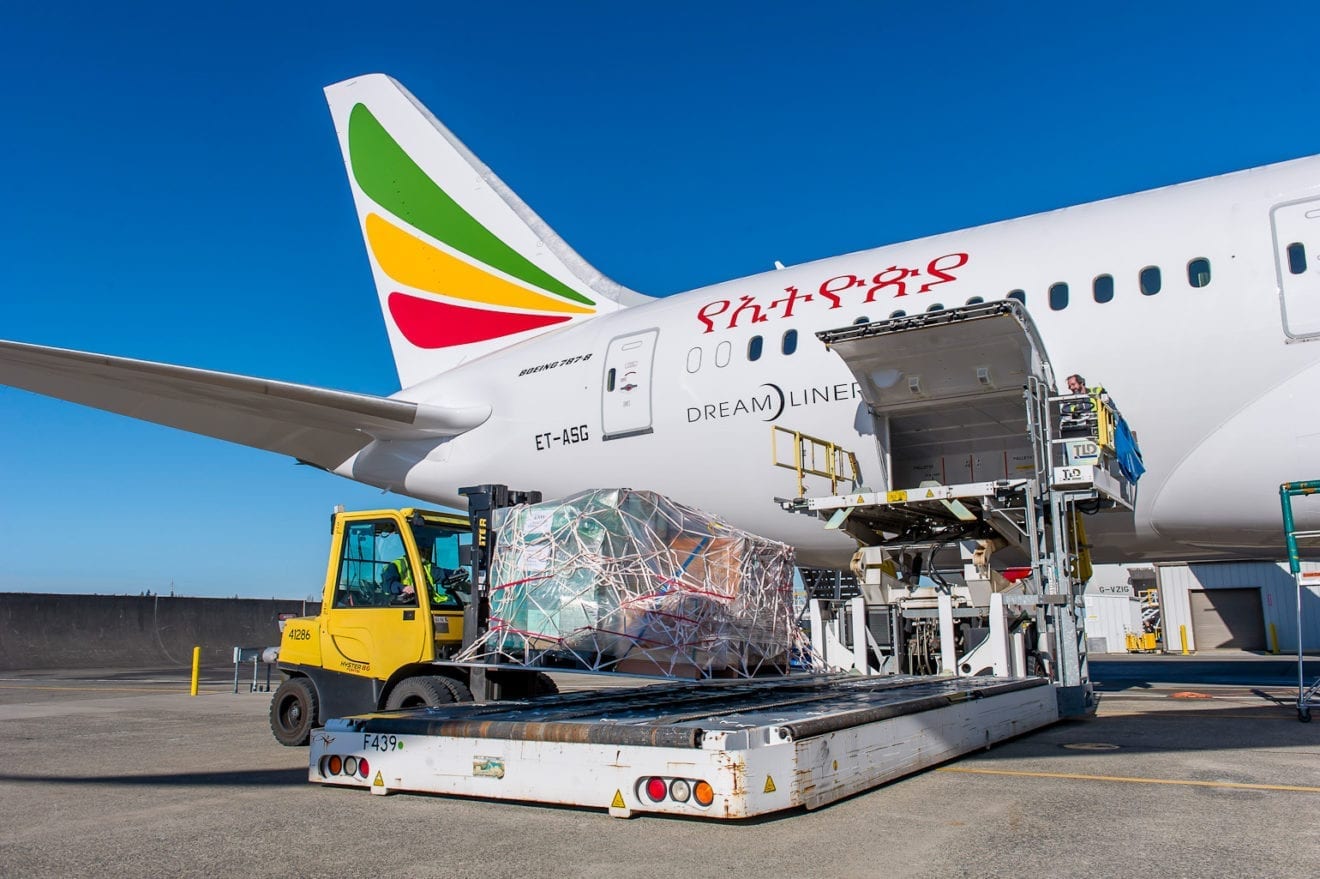
    Ethiopian Airlines Cargo Terminal, which is under construction currently, has reached 82 per cent completion and it is scheduled to be operation by April 2017, the African carrier said. The first phase of the Addis Ababa terminal cost around US$150 million.

    The terminal will have an capacity of 1.2 million tonnes of cargo including facilities for perishable goods. The facility can also handle up to eight B747-400 freighters at one time. Commenting on the the new facility, Ethiopian Airlines Group CEO Tewolde Gebremariam said: “Upon completion, our uplifting capability will be equivalent to the cargo terminals at Amsterdam Schiphol, Singapore Changi or Hong Kong.”

    The new cargo terminal is part of Ethiopian Cargo’s Vision 2025, aimed to support the country’s export of perishables including flowers, fruits, vegetables and meat. That plan includes expansion of its freighter network to eighteen aircraft serving 37 international cargo destinations by 2025.

    “At Ethiopian, we are very proud of the new heights Ethiopian has flown in the year,” Gebremariam said. “We celebrated our 70th anniversary, inaugurated the largest and the finest Aviation Academy in Africa and a state-of-the-art In-flight Catering facility which is the largest in the continent of Africa, introduced Africa’s first Ethiopian Airbus A350, and spread our wings to more countries on five continents”.

    Ethiopian has also constructed a flight simulator building and installed five of the latest full flight simulators, which includes Boeing 787, 777, 757, 767, 737NG and the Bombardier Q400. It plans to add simulators for the Airbus A350 XWB and Boeing 737 MAX aircraft.

  • Russian Railways eyes high-speed Europe-China cargo trains

    Russian Railways eyes high-speed Europe-China cargo trains

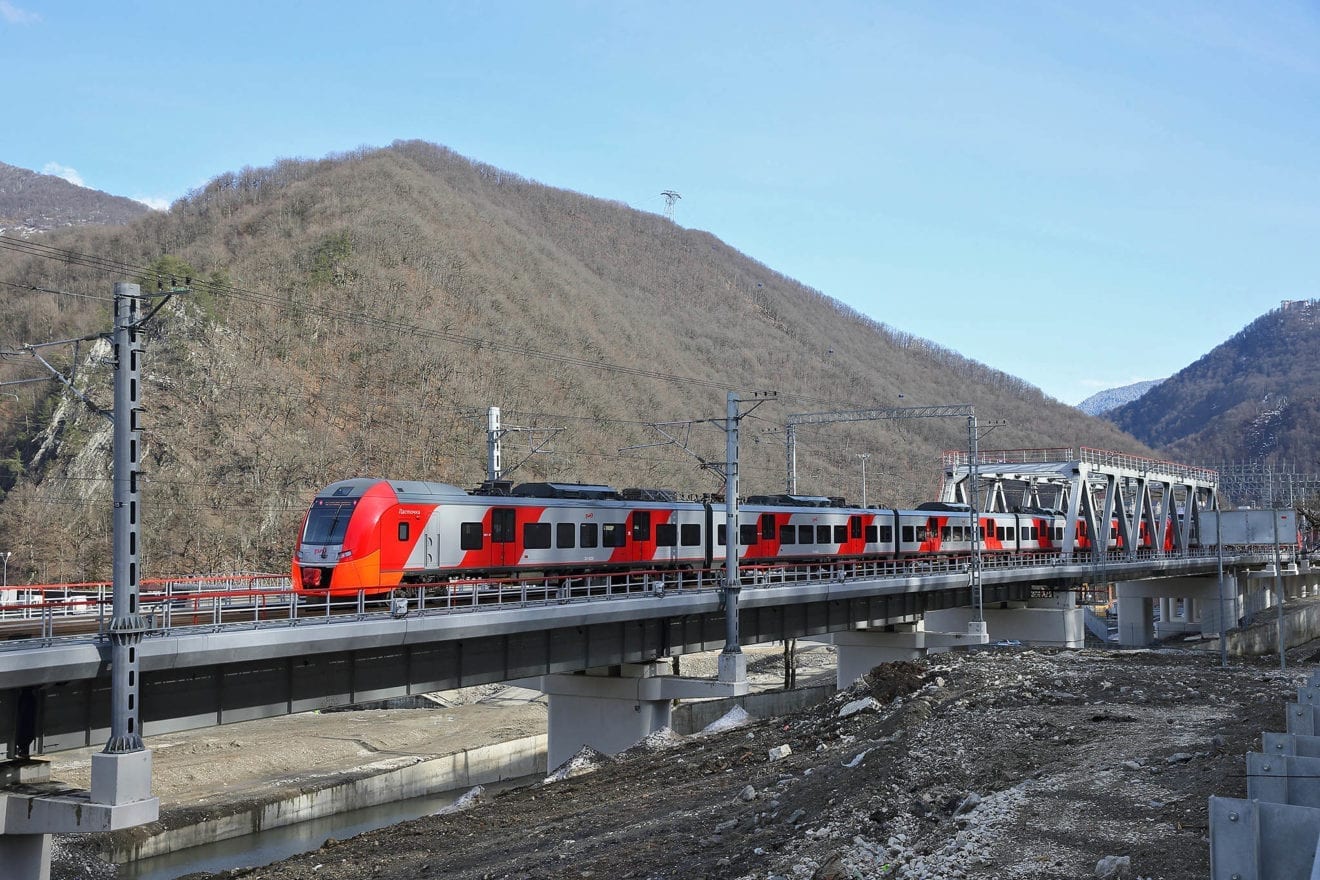
    The president of Russian Railways, Oleg Belozerov, proposed a high-speed cargo railway connection between Europe and China, allowing transport of goods to take as little as two days.

    “We plan to reach China via Kazakhstan and to carry special, high-profit cargoes to Europe via Russia, because a ship sails now 60 days, which is a long time. It sails round India and only then arrives to Europe. With a high speed rail transport we will be able to deliver goods in two days, and to earn extra money for our country,” Belozerov told a United Russia party meeting recently according to an Executive Intelligence Review News Service (EIRNS) report.

    Earlier Russian Railways said it was working on developing a cargo train capable of carrying from 300 to 600 tonnes of cargo at speeds up to 300kph.

    The China-Europe cargo line will be part of the Moscow-Kazan high-speed railway, whose construction should begin in 2017, Belozerov said. With a distance of some 770 kilometers, and a speed of of 350-400 kph, the rail route will cut the time between the two cities to as little as 3-3.5 hours; the current time is 14 hours. The line could be commissioned before 2022-2023.

    The US$16.8 billion railway project could later be extended to China, connecting the two countries across Kazakhstan. The Moscow-Beijing railroad will be 7,769 kilometers, with a travel time of 32.8 hours — four times faster than the current 130.4 hours. The average annual passenger traffic is estimated at 195 million people.

    China is committed to providing $6.5 billion as a credit for 20 years and $1.6 billion as a contribution to the charter capital of the special-project company. The German Initiative Consortium (includes Siemens, Deutsche Bank, Deutsche Bahn, and other companies) is ready to allocate €2.7 billion to finance the construction of the high-speed railway line and to attract up to €800 million for the project.

  • Singapore Airlines Cargo Achieves CEIV Pharma Certification

    Singapore Airlines Cargo Achieves CEIV Pharma Certification

    We are honoured to have been awarded the IATA CEIV Pharma certification, which reinforces our commitment to our customers from the pharmaceutical sector to deliver the highest standards of care and professionalism in handling their time- and temperature-sensitive shipments,” said Yau Seng Chin, president of SIA Cargo. “We are acutely aware of the important role that these shipments play in serving the broader community, and hope that this certification will give our ultimate customers additional assurance and comfort that these shipments, which are often life-saving, are in good hands.”

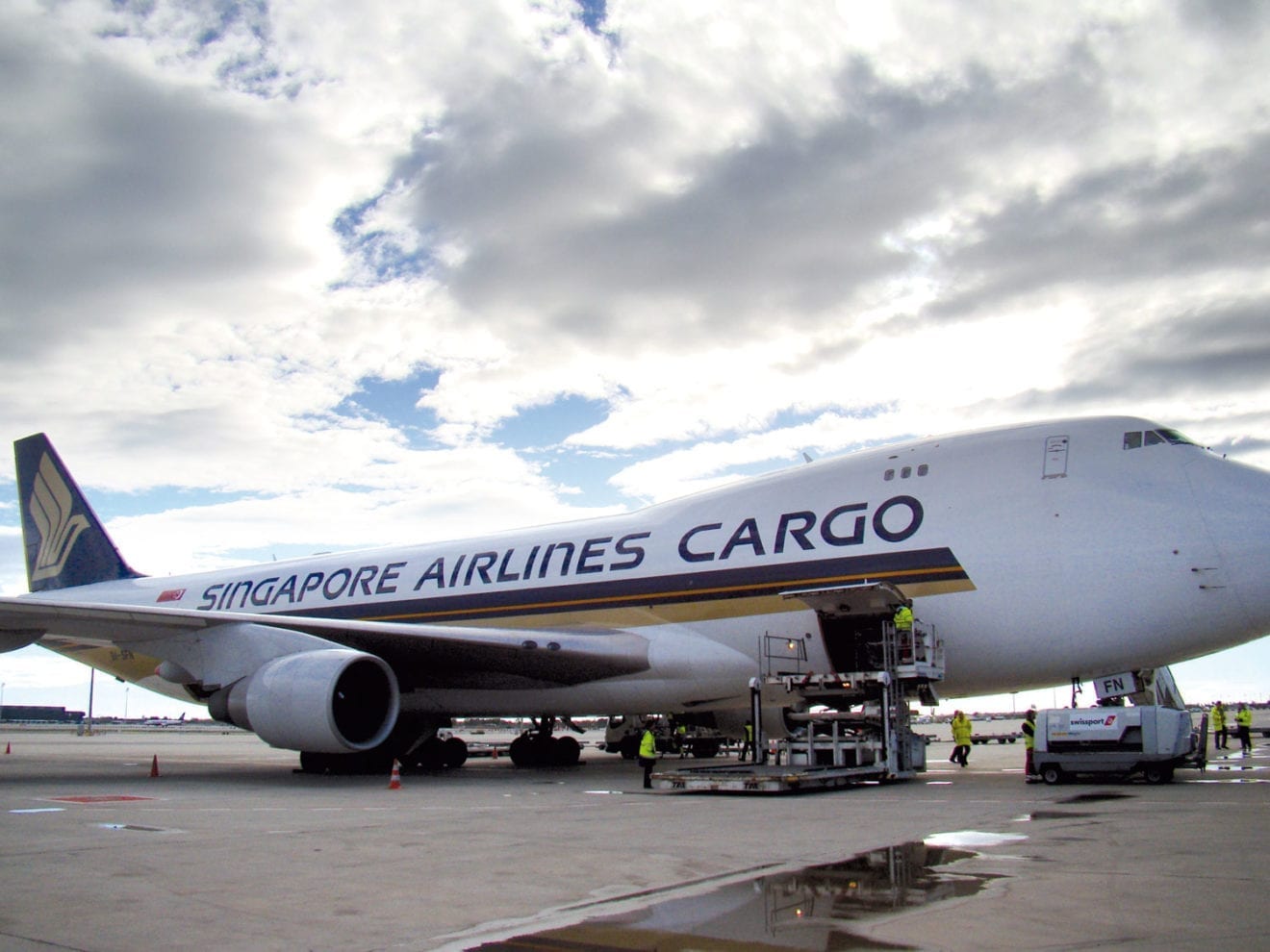
    According to SIA Cargo, the networks of Singapore Airlines, SilkAir and Scoot, covering more than 100 destinations, are included in the certification.

    The CEIV Pharma certification assesses an airline’s operations, processes and training to ensure that they comply with international good practices and standards.

    “The Asia-Pacific freight market is the largest in the world, accounting for close to 40% of total global trade,” said Glyn Hughes, global head of cargo at IATA. “Having SIA Cargo, one of the region’s largest operators, achieve CEIV Pharma certification is a significant boost not only for the airline’s customers but also the region. We congratulate them on their achievement and for taking the industry one step closer to having a global standard for transporting pharmaceuticals in place.”

    SIA Cargo is one of six companies that form Singapore Changi Airport’s cargo community, which Changi Airport Group is supporting to undergo the CEIV Pharma certification process.

    SIA Cargo and CAG are also members of Pharma.Aero, a new independent organization formed in October 2016 which aims to improve the quality of pharma handling by promoting collaboration between CEIV Pharma-certified airport communities.

    SIA Cargo is the eighth carrier in the world to be awarded the CEIV Pharma certification, joining AirBridgeCargo, Air France, CAL Cargo Airlines, Finnair, KLM, Lufthansa and Turkish Airlines.

  • Electrolux names DHL as top logistics partner after 13 years of outstanding services

    Electrolux names DHL as top logistics partner after 13 years of outstanding services

    When assessing its relationship with DHL, Electrolux found 13 years of excellent service, competitive costs, and a willingness to go beyond the call of duty in even the most urgent logistics emergencies.

    Those factors led to Electrolux naming DHL Global Forwarding as its Global Logistics Supplier of the Year – making the leading international provider of air, sea and road freight services the first ever third party logistics provider to receive the award, now in its 4th year. DHL Global Forwarding supplies every Electrolux business sector worldwide with a range of services including Less-than-Container Load (LCL) ocean freight, air freight, customs brokerage, and freight consolidation.

    “DHL has truly distinguished themselves in supporting Electrolux’s global growth, bringing not only exceptional service quality but a true spirit of collaboration to our supply chain operations in more than 45 countries for 13 years running,” said Bjorn Vang Jensen, VP of Global Logistics, Electrolux. “The breadth and flexibility of the forwarding network under DHL have helped us maintain consistent and cost-effective shipping all over the world, and have also helped us manage through numerous logistics-related crisis situations over the years.”

    “DHL has proven its commitment through all seasons, no matter how complex or urgent the logistics situations we may face: this award highlights the immense value they have delivered for Electrolux over more than a decade of service.”

    The emergency shipments undertaken by DHL Global Forwarding have helped Electrolux maintain continuous production in even the most pressing of circumstances, ranging from major sales events to sudden changes in government regulation standards. Apart from standard air, ocean, and multimodal freight, Electrolux also uses LCL services from DHL Global Forwarding to deliver special high-value cargo in a cost-effective manner, including made-to-measure kitchen appliances and other bespoke orders.

    “Coordinating the numerous parts, part sizes, and supplier locations involved in the home appliance manufacturing process is no mean feat,” said Kelvin Leung, CEO, DHL Global Forwarding Asia Pacific. “We have been extremely privileged to work with Electrolux across its entire supply chain, combining fast and cost-effective services with customs clearance, order consolidation, and even last-mile solutions to make the entire process as smooth and durable as the appliances we ship.”

    “This award truly honors our team’s commitment to supporting Electrolux in even the most extraordinary circumstances – not to mention 13 years of enthusiastic collaboration which shows no sign of waning.”

  • DHL named Dell EMC 2016 Best Global Innovative Partner

    DHL named Dell EMC 2016 Best Global Innovative Partner

    DHL, the world’s leading logistics provider, announced it has been named a winner in Dell EMC’s 2016 Partner of the Year Awards.

    Presented by Dell EMC, the annual awards honor Dell EMC channel partners for delivering commendable solutions for their customers and were presented at the Dell EMC Global Partner Summit in Austin, TX. Award winners are selected from a group of nominations, based on their dedicated use of Dell EMC technologies to provide solutions for their customers’ needs.

    “We are extremely excited that our regional and Singapore teams have been presented with the Dell EMC 2016 Best Global Transport Logistics Partner and Best Global Innovative Partner of the Year awards respectively,” said Terry Ryan, CEO, DHL Supply Chain Asia Pacific. “It is an honor for our warehousing and transport solutions, including bulk transportation capability, to be recognized for excellence in quality and cycle time performance. At the same time, the recognition for our innovative solutions – from an advanced storage and retrieval system to award-winning design, construction, operation and maintenance of ‘green buildings’ – is further acknowledgement of our efforts toward innovation and sustainability.”

    “We congratulate DHL on receiving Dell EMC’s 2016 Best Global Innovative Partner and Best Global Transport Logistics Partner of the Year Awards, which recognizes partners that have exhibited an exemplary commitment to Dell EMC and our joint customers throughout the year,” said John Byrne, President, Global Channels, Dell EMC. “Dell EMC’s partners are an important part of the Dell EMC ecosystem and provide customers deep expertise and exemplary support on their Digital Transformation journey.”

    As a Dell EMC Innovative and Logistics Partner, DHL provides a robust transportation and logistics infrastructure, which in tandem with Dell EMC’s expertise in hardware, software and services, helps to eliminate IT complexity for customers and create greater efficiencies.

    Through its partner program, Dell EMC offers partners like DHL greater value and choice to their customers, while rewarding investment in key Dell EMC solutions that will help drive business growth.

  • China has launched its first UK-bound freight train

    China has launched its first UK-bound freight train

    China has launched its first UK-bound freight train from the city of Yiwu in Zhejiang province to London. The train, which is jointly operated by the Yiwu government and China Railway Container Transport Corp., Ltd., a subsidiary of the state-owned China Railway Corporation, set off from Yiwu West Station and will leave China at Alanshankou, passing through Kazakhstan, Russia, Belarus, Poland, Germany, Belgium, France and the English Channel before arriving at Barking in East London.

    The journey, which is over 12,000km long, is expected to take approximately 18 days.

    According to China Railway, goods carried on the train include household commodities, apparel, textiles and suitcases.

    Yiwu is also the origin of various China-Europe and China-Central Asia trains.

    The new link to the UK is part of China’s Belt and Road initiative and will strengthen trade ties between China and West Europe, according to China Railway.

  • Emirates SkyCargo has appointed a new manager for Hong Kong

    Emirates SkyCargo has appointed a new manager for Hong Kong

    According to SkyCargo, Yiu has more than 20 years of experience in the logistics industry. He has worked for various global freight forwarders in Hong Kong and China, overseeing operations and capacity procurement.

    Yiu also has experience in contractual partnerships with offline and online carriers, developing multimodal solutions for major shippers.

    Hong Kong is SkyCargo’s largest operation in Asia, with 18 freighter flights per week.

    Emirates SkyCargo’s freighter fleet consists of two Boeing 747-400ERFs and 13 777Fs.

  • Air cargo transport in Asia to double by 2035

    Air cargo transport in Asia to double by 2035

    Airborne logistics networks are expanding in Asia as demand for air cargo delivery in the region is forecast to roughly double in volume over the next two decades.

    Garuda Indonesia and budget carriers are rapidly expanding operations to capitalize on the increase of goods traded via e-commerce as well as electronic products and parts. But with other transporters, including global leaders, stepping up competition, the industry may undergo a shake-up.

    Indonesia has more than 13,000 islands, and Garuda, the country’s national airline, plans to establish an airborne logistics network connecting the core islands. As a first step, Garuda is eyeing a 40% increase in the number of its domestic freight bases to 100 by the end of 2017.

    Domestic demand for airfreight delivery is strong due to Indonesia’s growing middle class, Muhammad Arif Wibowo, president and CEO of Garuda, said. With the increase in e-commerce giving consumers faster access to goods and growing demand for fresh food, land and maritime transportation alone cannot handle the increased freight volume, Wibowo added.

    In the first nine months of 2016, Garuda chalked up $155 million in sales in its freight business, up 13% from a year earlier. While this accounts for 5% of Garuda’s consolidated sales, the carrier intends to raise the ratio to more than 10% as its initial target, Wibowo said.

    Flying high

    Global routes for air cargo transportation are roughly divided into five major networks: Asia/Pacific-Europe, Asia/Pacific-North America, Asia/Pacific, Europe-North America and North America.

    Asia is leading the sector’s growth. Japan Aircraft Development Corp., a consortium of Japanese commercial aircraft developers, forecasts that demand for airfreight services in the three Asia/Pacific networks will grow on average 3% per year and roughly double from the 2015 level by 2035. The average growth of demand on the Europe-North America route and within North America is projected at around 1% each.

    Ocean shipping in Asia is currently slowing. According to the Japan Maritime Center, the volume of ocean cargo transportation dropped 3% in terms of the 20-foot equivalent unit in 2015 from the previous year and logged a 2% year-on-year fall in the January-October period of 2016.

    The slowdown in ocean shipping possibly reflects the consolidation of plants and increased local production by manufacturers.

  • Maritime transport sees growth for two consecutive years

    Maritime transport sees growth for two consecutive years

    The country’s maritime transport sector posted growth for two consecutive years, notwithstanding losses, restructuring and even bankruptcy of several large foreign carriers.

    Nguyễn Văn Công, Deputy Minister of Transport, hailed results of the maritime transport sector at the conference of the Việt Nam Maritime Administration (Vinamarine) held in Hà Nội on Monday.

    In 2016, Vinamarine was active in issuing documents guiding the implementation of the Việt Nam Maritime Law 2015. The two most important contents — price listing and seaport service prices — have eased business difficulties, helping to avoid economic losses.

    Công said growth rate of 4 per cent this year, with total output of 123 million tones, is impressive in the current situation.

    “In particular, the Cái Mép-Thị Vải seaport saw a high growth rate of containers. In 2016, the seaport received two million twenty-foot equivalent units (TEU), surging from 499,000 TEU in 2012. More than 1,200 arrivals of vessels weighing more than 80,000 tonnes came to the seaport,” he said.

    The deputy minister asked Vinamarine to continue undertaking checks on seaport service prices. Vinamarine was particularly asked to research and invest into key maritime corridors to develop multi-modal transportation.

    Đỗ Hồng Thái, Vinamarine’s deputy head, said this year, the number of maritime accidents was 21, reducing by two cases from last year. The port authorities also conducted checks on nearly 13,000 arrivals of vessels on local routes, discovering 1,300 vessels with defects. The authorities also implemented checks on more than 2,000 foreign vessels and uncovered 817 with defects.

    “There is no security incident with the country’s seaport system this year. Vietnamese seaports continue to be safe destinations for foreign vessels,” Thái said.

    In 2017, Vinamarine will continue to prepare legal documents guiding implementation of the Việt Nam Maritime Law 2015. It is expected to submit eight decrees and one decision to the Prime Minister for approval. It will also complete several plans such as the seaport development planning by 2020 with a vision to 2030.

    In addition, it will also ensure maritime security by investing in infrastructure and enhancing international co-operation.

  • DHL adding drones and ‘copters to its courier workforce as e-commerce operation expands

    DHL adding drones and ‘copters to its courier workforce as e-commerce operation expands

    DHL, the world’s largest logistics company, is poised for a major expansion of its delivery channels, including the wider use of shops where customers can collect parcels, drone deliveries, and what the company is calling “Parcel-copters”, says the chief executive of its rapidly growing e-commerce division.

    Speaking in Hong Kong, Charles Brewer suggested the routine procedure of having a uniformed courier delivering to your doorstep is rapidly becoming less popular, simply because customers these days are less willing to sit at home and wait for arrivals.

    So the company is now in the rapid process of introducing “alternative methods”, which Brewer – who’s been with the German deliveries titan since 1984 – is tipping to see the fastest growth.

    “We are going to have a big, big expansion in the choice of deliveries in some places,” he told on Thursday.

    Courier and delivery market leaders such as DHL, UPS and FedEx are having to adapt fast to ever-changing customer demands, with the emphasis very much now on faster, more convenient, internet-based methods.

    Brewer said his and other firms are increasingly facing what the industry likes to call the “parcel conundrum” – instances when shoppers enjoy the comfort and ease of picking their favourite items and placing their orders online, but are disappointed by the delivery efficiency that follows.

    “Their experience quickly begins to sour as the delivery process starts to take over,” Brewer said, citing a recent DHL survey result that showed more than 80 per cent of consumers are either dissatisfied or very dissatisfied with their online delivery experience.

    Many logistics firms, he added, only made deliveries to people’s homes within a time-banding, of say between 8am and 6pm, when typically people are at work.

    “Nobody wants to stay at home, waiting and waiting,” Brewer added.

    Brewer noted that customers are increasingly asking for what he calls “parcel lockers” and parcel shops, where they can easily collect their deliveries.

    We are going to have a big, big expansion in the choice of deliveries in some places

    A tie-up with intelligent locker makers will allow customers to retrieve parcels from lockers using a secure pin.

    “The fastest growing delivery channel is alternative,” said Brewer, outlining the future emphasis of his e-commerce offshoot.

    Since last year DHL has been running schemes in Germany to have packages actually delivered to the boots of people’s cars – in partnership with Daimler and Audi, the carmakers.

    The company is also partnering with Deutsche Telekom to launch a joint research into applications of unmanned aircraft for the safe and rapid delivery of parcels in urban areas.

    The first application is going to be the DHL Parcel-copter, which has been trialling since 2013.

    In September, it concluded a test of shipping products including urgently needed medicines via unmanned aircraft called “Parcel-copters,” in a Bavarian village of Germany.

    The planes were equipped with a mobile communications module allowing them to be located through GPS data.

    “One thing that will be very popular in Asia are parcel shops,” Brewer said.

    Already logistics companies such as Chinese company S.F. Express have been scrambled to join hands with bricks-and-mortar retailers such as 7-Eleven, to arrange convenient parcel pickup points.

    These alternative delivery methods are still in their infancy, accounting for just six per cent of total market share, while in mature e-commerce markets such as Germany and the Nordic countries, they already represent 10 to 15 per cent, Brewer said.

    “But that’s where we will end up in the rest of the world in the coming years.” he noted.