Retail News CRM

Tag: Logistics

  • Asia Pacific airlines see further cargo uptick in September

    Asia Pacific airlines see further cargo uptick in September

    Preliminary traffic figures for the month of September released by the Association of Asia Pacific Airlines (AAPA) showed further uptick in air cargo markets and steady growth in international air passenger demand.

    In spite of the prevailing weakness in trade conditions, air cargo markets experienced further improvement in September, as reflected in the 5.3 per cent growth in demand as measured in freight tonne kilometres (FTK). The average international freight load factor increased marginally, by 0.5 percentage points to 63 per cent for the month, after accounting for a 4.4 per cent expansion in offered freight capacity.

    Commenting on the results, Andrew Herdman, AAPA director general said: “Air cargo volumes aggregated for the first nine months of the year match those of the same period last year, reflecting the modest upswing in demand in recent months, bolstered by higher shipments of electronics designated for product launches.”

    Collectively, the region’s airlines carried 23.5 million international passengers in September, representing a 7.0 per cent increase compared to the same month last year. Spurred by continued growth in both long haul and regional markets, demand in revenue passenger kilometre (RPK) terms increased by 7.6 per cent, faster than the 6.7 per cent expansion in available seat capacity.

    Looking ahead, Herdman concluded: “Whilst air passenger numbers continue to demonstrate resilience, Asian carriers face challenges in the form of intense competition and cost pressures, as crude oil prices have risen from historical lows. In addition, the lack of impetus for a revival in global trade activity may present some headwinds to sustained growth in air cargo markets.”

  • UPS has entered into a definitive purchase agreement to acquire Marken

    UPS has entered into a definitive purchase agreement to acquire Marken

    UPS has entered into a definitive purchase agreement to acquire Marken, a supply chain company dedicated to the pharmaceutical and life sciences industries.

    The transaction is expected to close by December 31, 2016.

    “Healthcare logistics is a strategic market for UPS,” said Teresa Finley, chief marketing and business services officer at UPS. “Our acquisition of Marken strengthens our portfolio and demonstrates our commitment to customers. We plan to offer new solutions to our customers and generate further growth opportunities for UPS.

    Marken will be operated as a wholly owned UPS subsidiary and will have access to the UPS integrated global network.

    “We are excited to join the UPS organization,” said Wes Wheeler, chief executive officer of Marken. “UPS’s capabilities, particularly in mature markets, will provide many opportunities for us to enhance our service offerings in clinical trials logistics. With UPS, we will improve our efficiency, while continuing to provide our clients with the high-touch, personalized services that they have come to expect from us.”

    Marken has more than 650 employees in 44 locations worldwide and operates 10 depots that are compliant with Good Manufacturing Practices, according to UPS.


  • World Bank approves loan for Indonesia`s logistics sector

    World Bank approves loan for Indonesia`s logistics sector

    The Executive Board of the World Bank has approved a US$400 million Development Policy Loan for the Indonesias Logistics Reform, which will be used to improve the countrys logistics system and connectivity.

    “These reforms will help Indonesia in achieving higher inclusive growth,” World Banks Country Director in Indonesia Rodrigo Chaves said in a statement received by ANTARA here on Thursday.

    Chaves explained the US$400 million loan will support Indonesia to overcome obstacles in the supply chain, such as dwelling time and trading permits.

    The inefficient dwelling time has resulted in Indonesias logistics costs accounting for 25 percent of the total costs, while Thailand is only 15 percent and Malaysia is 13 percent.

    Currently, the cost of container shipping of oranges from Shanghai, China to Jakarta is cheaper than the cost of similar items shipping from Jakarta to Padang, West Sumatra.

    Though, the distance between the two cities in Indonesia is only a sixth of the distance between Jakarta and Shanghai.

    “Logistics efficiency will improve connectivity and provide a significant impact on the competitiveness of the country. Improved logistics can reduce the cost of goods and services flows, especially in remote and underdeveloped regions in Indonesia,” Chaves said.

    The Development Policy Loan will support Indonesia over a transition period from the commodity-dependent economy to manufacturing-based economy with high competitiveness.

    World Banks Senior Economist Massimiliano Cali added that the high cost and unreliable logistics are obstacles in improving national competitiveness.

    “Managing these problems will increase production and export, thus lifting economic growth,” he said.

    The three main objectives of this funding is increasing the performance of the ports, improving the competitiveness of logistics services and strengthening trade facilitation.

    World Banks support for the logistics reform is an important part of the Partnership Framework of World Bank Group States, which is centered on the governments priority to bring significant changes.

  • Pelindo to build seaport for food transportation

    Pelindo to build seaport for food transportation

    The Indonesia Port Corporation, PT Pelabuhan Indonesia (Pelindo) I, will build seaport infrastructure that supports food logistics transportation in order to reduce shipping costs and improve the quality of food products, Pelindo I Director Bambang Eka Cahyana said.

    “Right now we are paying attention to the food sector. In Belawan, North Sumatra, this year we are building a cold storage,” Bambang Eka said here on last Thursday.

    Cold storage, he added, can retain the quality of food products before they are exported overseas.

    The construction of cold storage in Belawan is a short-term plan for Pelindo I.

    Meanwhile, the medium-term plan of the company is to build a specialized cluster for food processing in Tanjung Balai port, North Sumatra.

    “During this time food processing has not received full attention. If we strengthen the cluster at the port, it will lower logistics costs,” he said.

    Bambang said for the long-term project, Pelindo I will build food processing infrastructure at all seaports throughout the country that are under its management.

  • SingPost opens regional ecommerce logistics hub in Singapore

    SingPost opens regional ecommerce logistics hub in Singapore

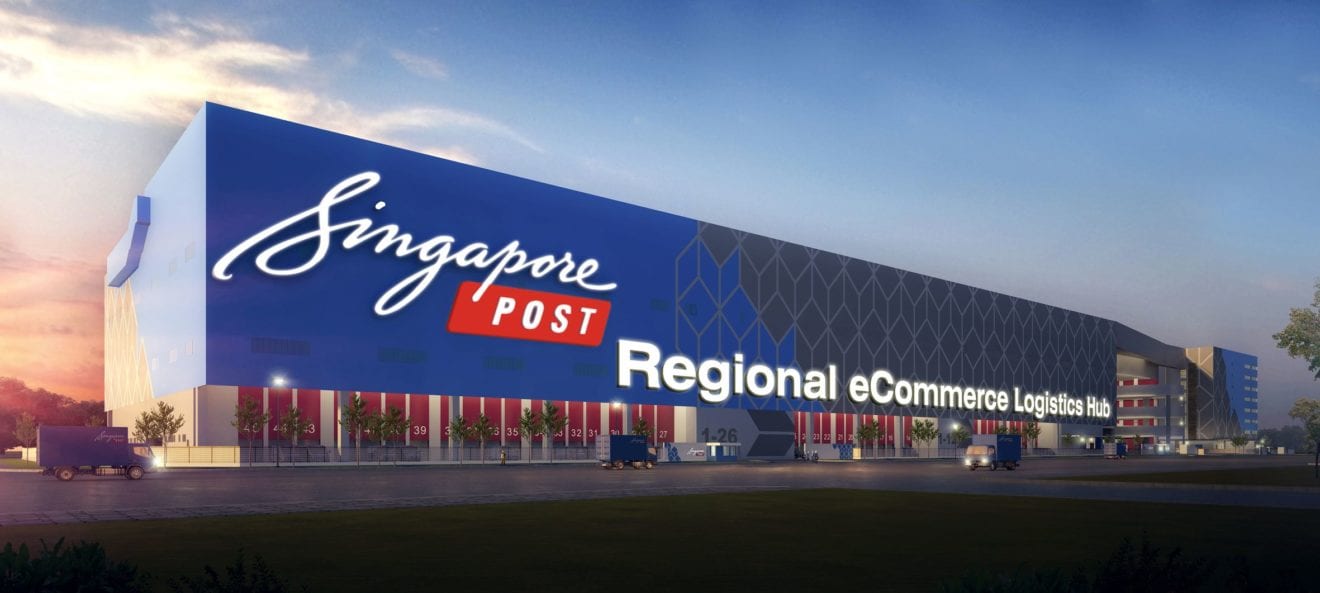
    Singapore Post Limited (“SingPost”) announced the launch of its Regional eCommerce Logistics Hub (“eComm Log Hub”) located at the Tampines Logistics Park. The S$182 million facility is SingPost’s largest eCommerce logistics investment in Singapore to date.

    The eComm Log Hub is officially opened by Singapore’s Deputy Prime Minister and Coordinating Minister for Economic and Social Policies, Mr Tharman Shanmugaratnam.

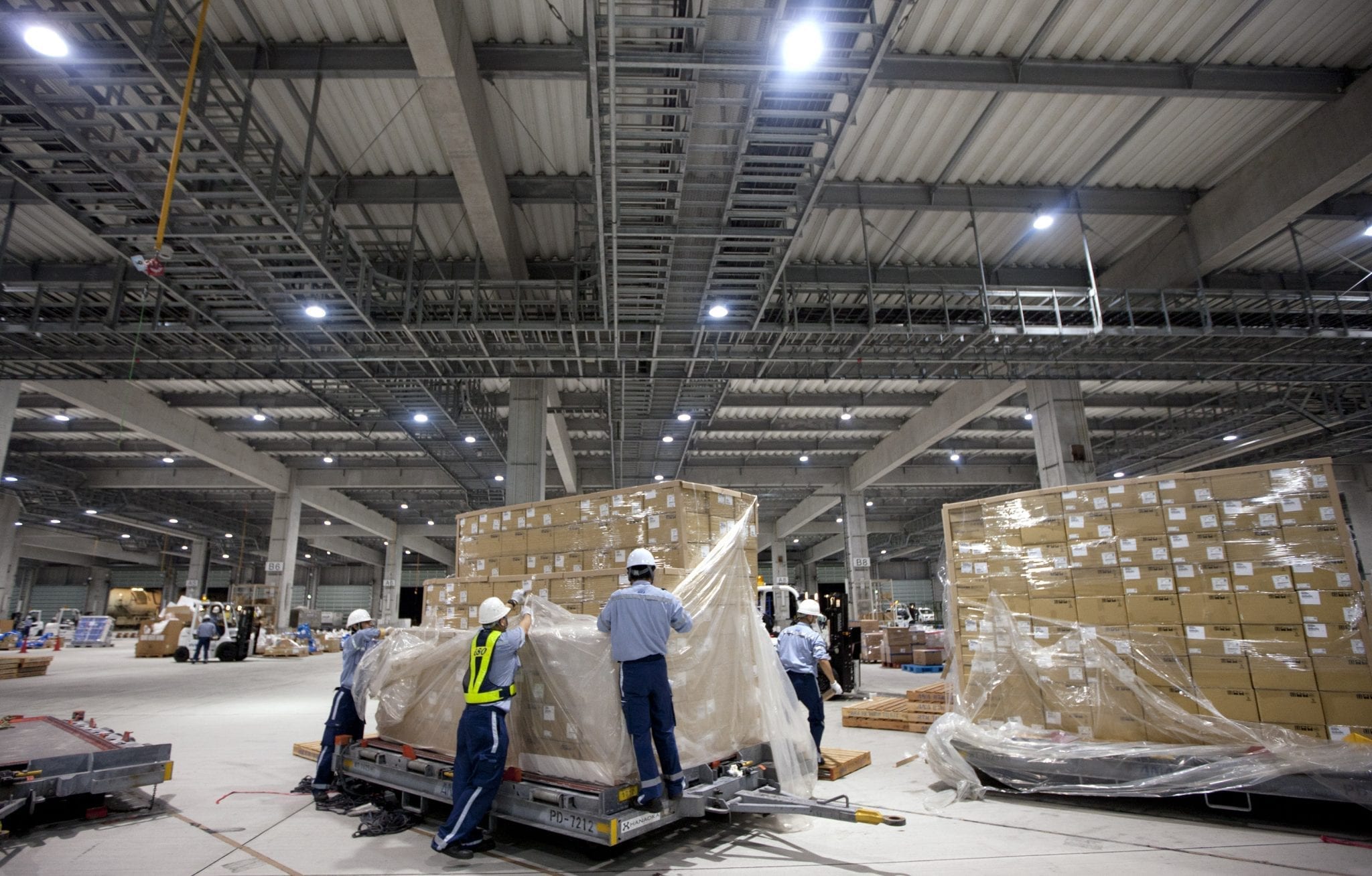
    SingPost’s eComm Log Hub is a three-storey facility housing two warehousing floors, 150 simultaneous loading bays as well as an office block. The ground floor of the building houses a fully automated parcel sorting facility with a capacity of up to 100,000 parcels a day, and end-to-end sorting, shipping and returns management capabilities that enable quicker order fulfilment. The total built-up area is 553,000 square feet.

    Automation plays a big part in the eComm Log Hub – beyond the fully automated parcel sorting system on the first floor of the facility, the second floor warehouse is also automated, resulting in the entire eComm Log Hub being integrated end-to-end from the eCommerce front-end platform to delivery. The eComm Log Hub will process parcels for delivery within Singapore and those to be shipped to destinations worldwide.

    Said Mr Chua Taik Him, Deputy Chief Executive Officer of IE Singapore, “IE Singapore has been working closely with SingPost on strategies to scale its business in the region, facilitating its projects and partnerships with both brand owners and last mile fulfilment players. Given the strong growth of eCommerce in Southeast Asia, the launch of SingPost’s facility will further support its local and overseas growth. This will also enhance Singapore’s capabilities in fulfilment and facilitate more regional eCommerce trade flows.”

    The Management Team of Sephora Asia said, “This October, SingPost has begun providing us with warehousing services in Australia to handle our beauty and fragrance products. At Sephora, we believe in giving our customers a great end-to-end experience from the time they log in to the moment they receive their purchases. SingPost’s support is critical to delivering that flawless customer experience. With their new eCommerce Log Hub and great solutions like POPStations, we recognise that SingPost is propelling the eCommerce industry forward. We have found SingPost’s professionals to be very conscious of accuracy, cost and service quality.”

    Mr Simon Israel, SingPost’s Chairman, said, “The opening of our Regional eCommerce Logistics Hub is another milestone in the expansion of SingPost’s eCommerce logistics network, which now spans 19 markets across Asia Pacific, Europe and the US. Singapore’s regional connectivity makes it ideally positioned to be a centre for eCommerce. Our Regional eCommerce Logistics Hub leverages on this geographic and infrastructural advantage. Everything in this building is scalable, which means we can keep upgrading it to meet the needs of the future.”

    He added, “With the Regional eCommerce Logistics Hub, our POPStation network and our investments into technologies for new postal and logistics solutions, we are prepared for a sustainable future of car-lite cities and the sharing economy. SingPost is therefore able to shape and play a broader role in how urban logistics is done in Singapore.”

    SingPost’s Centre of Innovation

    At the opening ceremony, SingPost also launched its Centre of Innovation (“COI”).

    The COI was set up in August 2015, with support from the Economic Development Board, to carry out research into new logistics and postal services and products, in collaboration with research institutions and institutions of higher learning.

    Emphasis will be placed on new technologies such as robotics and automation to meet the needs of future customers and markets as well as becoming the tools for SingPost’s next generation of employees.

    Some initiatives now being carried out by the SingPost COI are:

     Deliver significant enhancements to the eCommerce logistics platform which will help support the smart logistics and smart nation initiative;

     Roll out a new version of the Self-service Automated Machine (SAM) platform to enhance customer experience and provide a seamless omni-channel experience encompassing the kiosk and the digital postal office;

     Bring the online and offline world of retail shopping to the SingPost mall, which will provide exciting merchant offerings and delivery options to the customer. Retail merchants will be able to experiment with unique ways of interacting with customers to boost revenue and increase loyalty;

     A digital transformation of the post office to provide customers options to transact with greater ease and pace; and

     Innovate last mile delivery options through building the next generation of POPStations and experimenting with drone delivery across the island.

  • IAG to construct freight facility

    IAG to construct freight facility

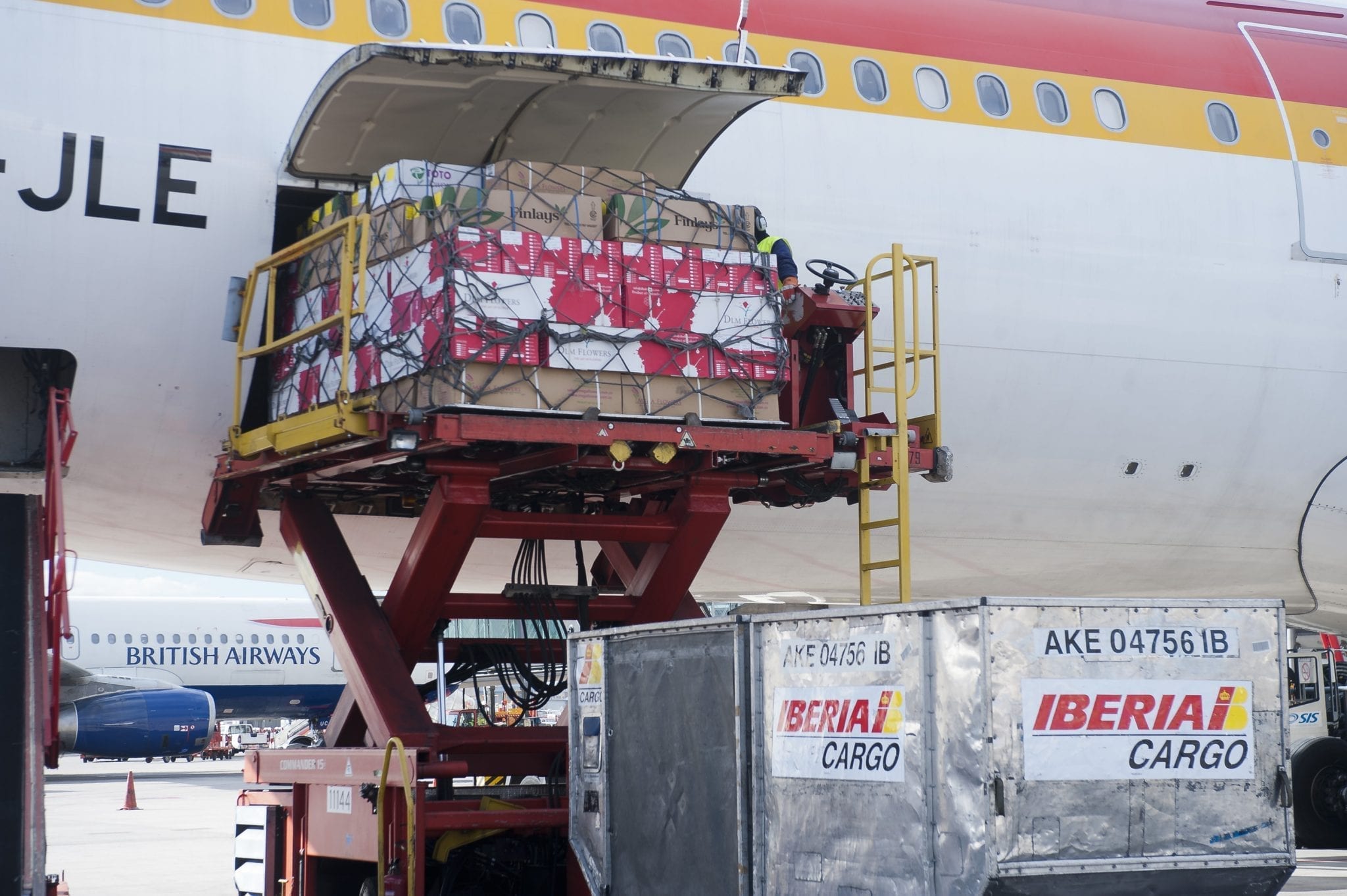
    IAG Cargo has announced that it is set to build a new premium freight facility at its London Heathrow Hub. The new building will be twice the size of IAG Cargo’s existing Premia facility and has been designed around the modern demands of premium airfreight.

    With a larger dedicated Constant Climate Quality Centre for pharmaceuticals; new delivery and collection doors and an advanced warehouse management system that will prioritise freight. The facility is designed to support the future demands of international premium trade.  Set to become operational in 2018, the building will operate alongside IAG Cargo’s existing Premia facility.

    The new building will manage the flow-through of all express Prioritise shipments and passive Constant Climate shipments.

    Drew Crawley, CEO of IAG Cargo said: ‘IAG Cargo’s four airlines now carry more premium freight than at any point in their combined history. With the continued growth of high speed e-commerce and cool chain logistics in particular , as well as the ongoing expansion of the IAG family and network, we need facilities that are ready for the next generation of premium freight.’

    ‘We believe that the  blend of our next generation aircraft, new freight facilities such as this one and our expanding  network means that IAG Cargo is extremely well positioned in the market to meet the current and future premium freight demands of all our customers. Our new premium warehouse will be built away from existing Premia, leaving our current operation and customer service unaffected.”

    Sarah Coulson, Head of Strategy and Business Development at IAG Cargo said: ‘Over the past few years we have continued to see year on year growth in premium freight. Our commitment to consistently deliver a high level of service to our customers has undoubtedly influenced our strong performance in this market. We want to continue our growth and performance in this sector and our new facility will help deliver this.’

    IAG is in the midst of a major fleet renewal programme, which is opening up new route opportunities and providing greater capacity on key trade lanes. The new facility will be designed to accommodate this growth, offering optimised handling capabilities and an enhanced premium proposition.

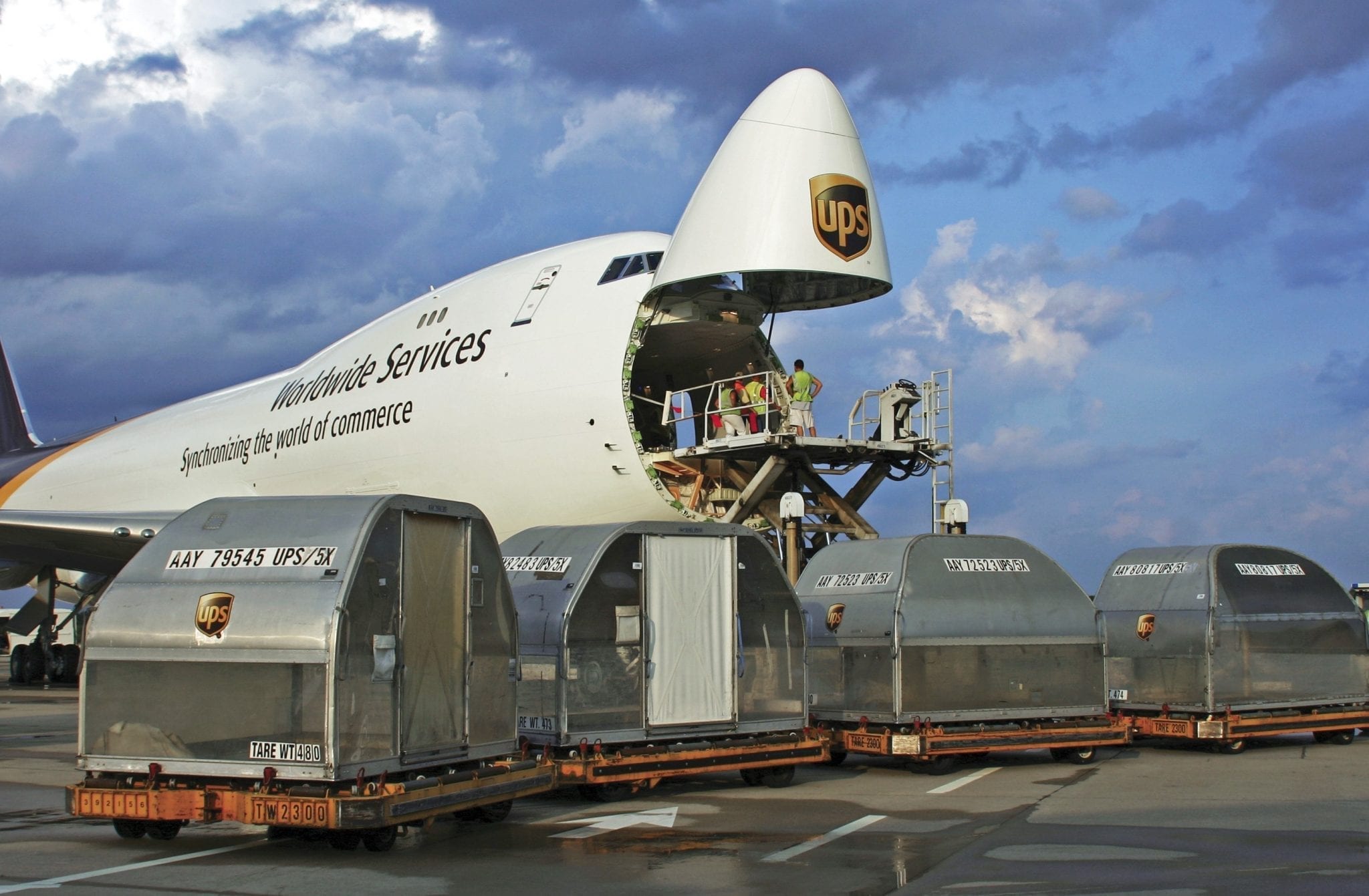
  • UPS Orders 14x 747

    UPS Orders 14x 747

    “These aircraft are a strategic investment for increased capacity for UPS customers around the globe,” said Brendan Canavan, president of UPS Airlines. “The 747-8 will allow UPS to upsize our network in both new and existing markets.”

    The aircraft will be delivered between 2017 and 2020. Each 747-8F offers 16 percent more cargo capacity than the 747-400F and can carry approximately 137 tonnes. Pilots of the carrier’s 747-400F fleet will be able to fly the -8F after a short training course.

    “We benefit from the youngest fleet in the industry and we are continuously investing for both operating safety and efficiency,” said Brendan Canavan, UPS Airlines president. “This investment supports our customers’ future capacity needs while also reducing fuel use and emissions, which enhances UPS Airlines’ position as an industry leader in sustainability.”

    Boeing lowered the production rate of the 747-8 programme to 0.5 per month because of reduced demand. Russia’s Volga-Dnepr Group finalized the acquisition terms for 20 747-8Fs at the Farnborough International Airshow in July 2016, including four that had already been delivered.

    Apart from the new UPS order, the only -8Fs left to be delivered are two for AirBridgeCargo, one for Korean Air Cargo, two for Nippon Cargo Airlines and one for Silk Way Airlines.

    “UPS could not have selected a better aircraft to meet its growing business needs,” said Brad McMullen, vice president of sales for North America and leasing at Boeing Commercial Airplanes. “We’ve continued to make the 747-8 Freighter even better, and we look forward to seeing UPS introduce it to its fleet.”

    UPS operates a fleet of 236 aircraft, consisting of Airbus A300-600Fs, 747-400Fs, 757-200Fs, 767-300ERFs and MD-11Fs, as well as 305 other aircraft that are chartered or on short-term lease.

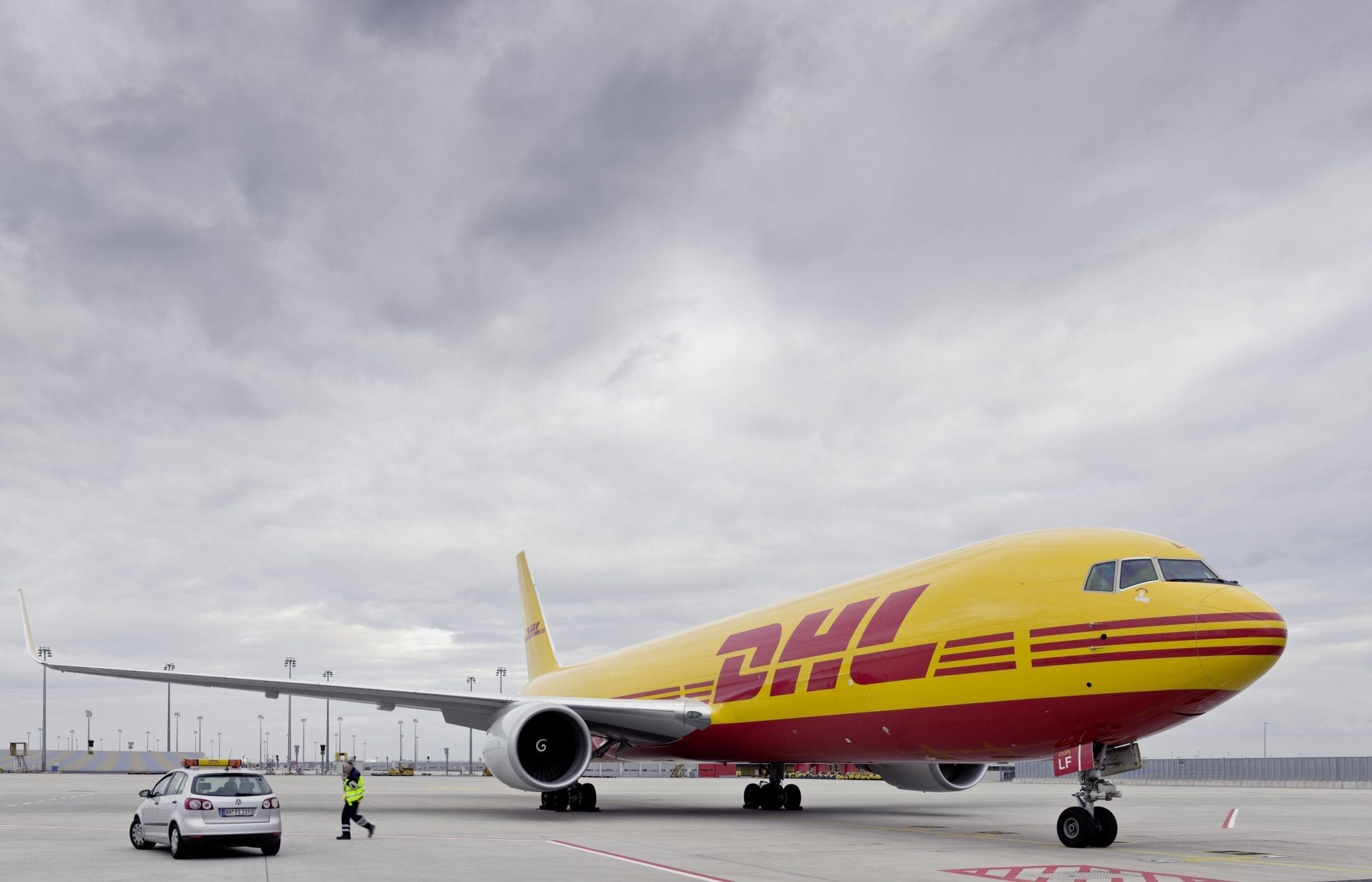
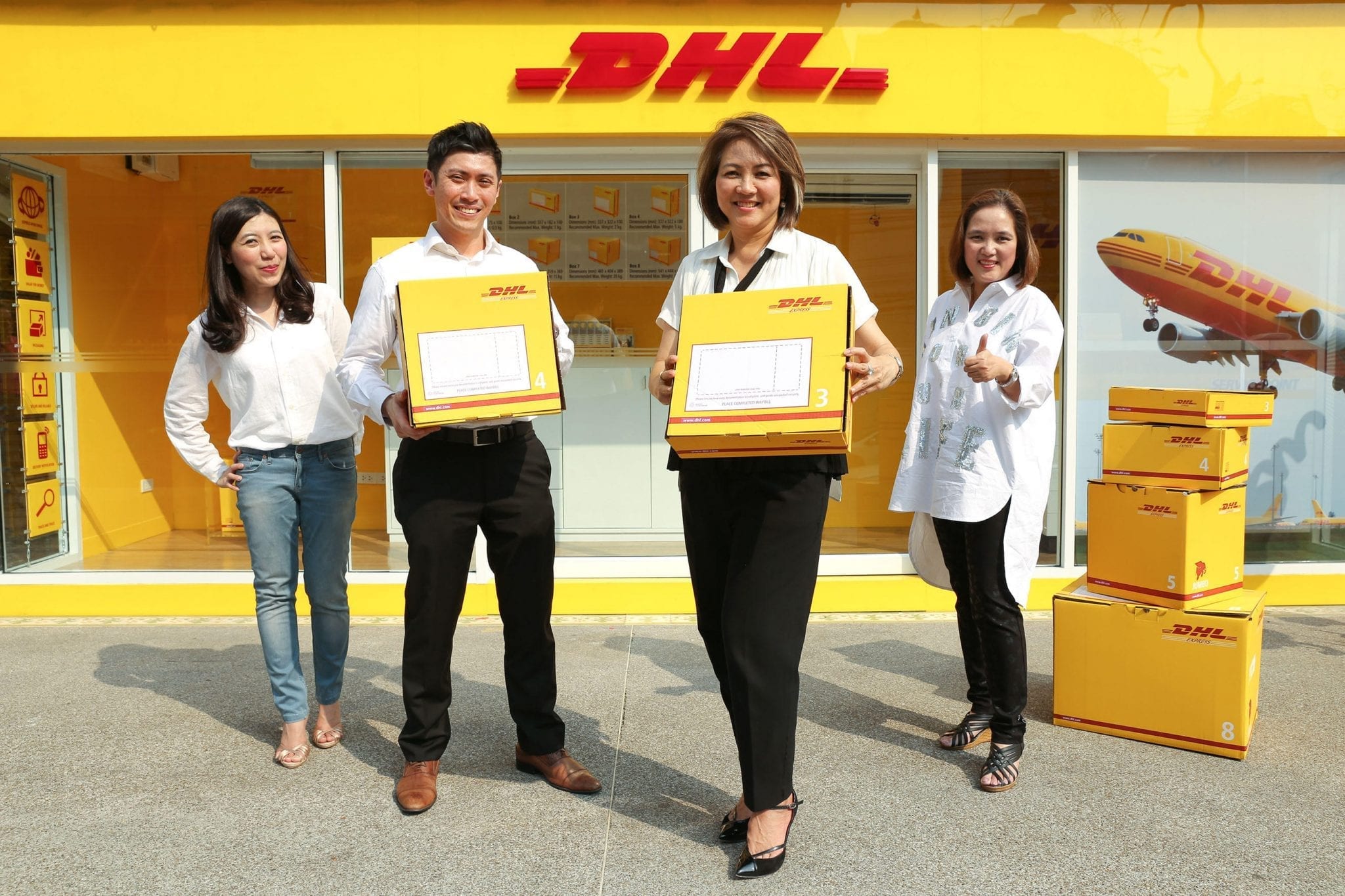
  • DHL launches air freight service for emergency logistics

    DHL launches air freight service for emergency logistics

    DHL Global Forwarding extends its product portfolio and launches DHL SameDay Speedline. This new air freight product offers forwarding customers a mission critical solution for emergency shipments. Providing a best flight out service at an optimal cost-performance ratio, each unaccompanied shipment will be proactively monitored from origin to destination.

    With benefits such as 24/7/365 pickup and delivery, collection within 120 minutes and quotations within 60 minutes, the DHL SameDay Speedline product will fill the gap for a much needed global expedited solution. This new service covers urgent delivery of spare parts, critical medical supplies or newly launched products.

    Although DHL SameDay Speedline is a multisector product, it‘s especially attractive for aerospace & aviation, automotive, electronics, energy and life sciences industries.

    “The emergency shipment market is growing with just-in-time inventories for industries from aerospace and energy to manufacturing to adapt their supply chains. The need for mission critical shipment delivery to avoid line down situations continues to arise and requires a partner that has the global reach combined with the technology to provide transparency to each sector specific logistical challenge. DHL SameDay Speedline fills this gap and provides added value through its many service features,” states Ingo-Alexander Rahn, Global Head of Air Freight, DHL Global Forwarding.

    The launch of DHL SameDay Speedline’ s global network of 50+ stations will cover the greatest geographical demand for emergency shipments, with the expectation, that the network will grow through customer demand. A core strength of DHL SameDay Speedline are the 24/7/365 SameDay Contact Centers in the US, Singapore and Ireland, where each shipment is proactively monitored from origin to destination.

    Dedicated customer service representatives will handle the majority of quotes and routing option for door-to-door transits in less than 60 minutes. Customers of DHL SameDay Speedline will receive customized milestone updates of their shipments movement after the logistical event. In case of an irregularity, a resolution to the issue is available within minutes.

    Next to specific industry sectors solutions, the scope of DHL SameDay are those customers that need to ship time-critical cargo regularly or experience unplanned emergencies.

    “We see DHL SameDay Speedline as a multi sector product offering that is especially attractive for aerospace & aviation, automotive, technology, energy, marine logistics and life sciences industries, including temperature controlled, dangerous or out-of-gauge goods,” Rahn adds.

    After surveying more than 200 customers from various industry sectors with emergency shipment needs, DHL Global Forwarding saw a need to develop a product utilizing the best of both worlds, the leverage of the DHL relationships in country with the emergency product technology and intelligence of the DHL SameDay team.

    “Our customers will choose DHL SameDay Speedline for the best flight options to meet just-in-time demand at an optimal cost performance ratio,” stresses Ingo-Alexander Rahn.

  • Brussels Airport has launched its cool dolly

    Brussels Airport has launched its cool dolly

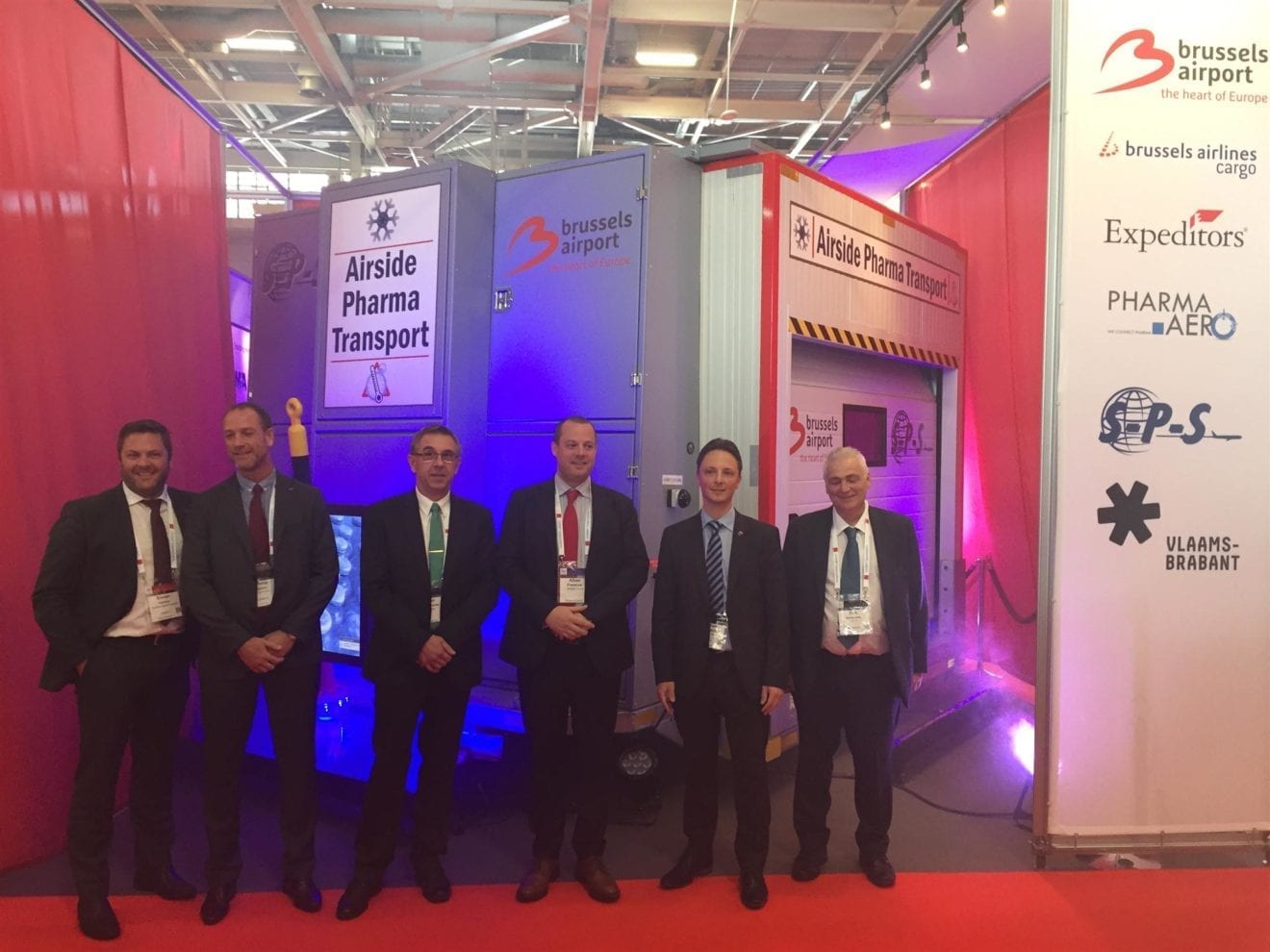
    Brussels Airport has launched its cool dolly on the opening day of the The International Air Cargo Association’s Air Cargo Forum in Paris.

    Following two years of work with its partners, the new airside pharma transport dolly is designed to be the missing link in the cool chain link. The pharmaceutical sector is of major economic importance to Belgium, explained Nathan de Valck, cargo and product development manager at Brussels Airport [second from right in photo], and this dolly had to meet 17 requirements identified by the industry.

    “We wanted to make a cost-effective temperature-controlled airside transport solution available to the market,” said de Valck.

    The pharmaceutical sector has been actively involved in this project, de Valck went on to say, along with airlines, forwarders, handlers and an engineering company.

    One of the requirements of the new dolly was to avoid extremes of temperatures. Temperatures below 5 degrees Celsius or above 25 were unacceptable, but temperatures in between, as long as they were stable, were acceptable.

    Solar panels on the roof allow the dolly to operate autonomously for several days without needing to be plugged in, and the unit is designed to reach the required temperature quickly, meaning the dolly can be used several times a day.

    Brussels Airport has currently ordered four dollies, and will look to increase the number if needed.

  • RFID market is growing

    RFID market is growing

    IDTechEx Research has tracked the RFID market since 1999. IDTechEx find that in 2015, the total RFID market is worth $10.1 billion, up from $9.5 billion in 2014 and $8.8 billion in 2013. This includes tags, readers and software/services for RFID cards, labels, fobs and all other form factors, for both passive and active RFID. IDTechEx forecast that to rise to $13.2 billion in 2020.

    In retail, RFID continues to be adopted for apparel tagging – that application alone will demand 4.6 billion RFID labels in 2016 – which still has some way to go with RFID penetrating about 15% of the total addressable market for apparel in 2016. RFID in the form of tickets used for transit will demand 800 million tags in 2016. The tagging of animals (such as pigs, sheep and pets) is substantial as it continues to be a legal requirement in many more territories, with 420 million tags being used for this sector in 2016.

    In total, IDTechEx expects that 8.9 billion tags will be sold in 2015 and 10.4 billion in 2016. Most of that growth is from passive UHF RFID (RAIN RFID) labels. However, in 2015 UHF (RAIN RFID) tag sales by value will only be 11% of the value of HF tag sales, mainly because HF tags where used for security (such as payments, access etc) have a higher price point versus the cheaper, usually disposable UHF (RAIN RFID) tags used for tagging things.

  • Zurich Insurance has launched a solution in Hong Kong and Singapore

    Zurich Insurance has launched a solution in Hong Kong and Singapore

    Zurich Insurance has launched a solution in Hong Kong and Singapore which provides risk-assessment services and protects businesses against the risks associated with supply chain disruptions.

    Called Zurich Supply Chain Insurance, the product is the first-of-its-kind in the Asia-Pacific region and is now available to qualified customers based in the two markets.

    “Increasing globalisation, improved transport and logistics through to technological advancements have enabled companies to source materials from virtually anywhere in the world,” said Keith Thomas, chief executive officer of Zurich’s Global Corporate in Asia Pacific business unit. “While this provides increased flexibility and cost savings, it can also result in complex supply chains that are highly interconnected, more exposed and difficult to manage.”

    According to Zurich, the new solution helps reduce supply chain failures and provides cover if delayed or undelivered supplies result in a financial impact on a company’s operations. Supply Chain Insurance consists of two components. In the first phase, risk engineers carry out a risk assessment to identify and evaluate customers’ exposure to critical risks throughout their supply chain, and recommend prioritized mitigation actions. In the second phase, the risk assessment is combined with other sources of data to underwrite and price the risk.

    “Many organizations are not aware who their key suppliers are, especially in the lower levels of the supply chain, and very few have visibility over their entire supply chain,” said Hassan Karim, technical underwriting manager of Zurich Asia Pacific. “Half of supply chain disruptions occur beyond the preliminary supplier of goods, therefore making it extremely difficult to establish where an organization lies within its suppliers’ priorities.”

    Karim added that it is essential to take a holistic approach and to identify critical supplies when working with customers to manage their exposures.

    “Effective supply chain risk management can present significant benefits to businesses and is becoming an increasingly important driver of their profits,” he said. “Every customer’s supply chain is different so we work with them to shape the appropriate solution and offer an individually tailored policy to meet their specific needs.”

    The Supply Chain Insurance solution has been available in Europe and North America for the past six years, according to Zurich.


  • How to make the most of the Asian food retailing boom

    How to make the most of the Asian food retailing boom

    Asia’s consumers are expected to spend US$5.9 trillion on food, beverages, and tobacco by 2018, making up 60 per cent of global expenditure in this category.

    This means retailers need to expand aggressively, scaling up in new markets and keeping their supply chains adaptable to target more customers to make the most of the Asian food retailing boom. The middle class population in Southeast Asia is projected to grow to 400 million by 2020 and businesses that fail to scale will miss out on this tremendous market opportunity.

    Food retailing is all about delivering the best customer experience through high on-shelf availability (OSA), wide stock variety, and immaculate product quality to drive sales. Whether you are a convenience store chain, supermarket, or hypermarket, the goal is to build and retain a loyal customer base while keeping operating costs low to ensure prices remain competitive. However, food retailers in Asia Pacific face a unique set of roadblocks.

    Countries across the region are at different stages of development. With geographic diversity, companies face significant challenges when it comes to taking advantage of the growth possibilities. This will prove problematic, especially with Asia Pacific’s status as the world’s largest and fastest growing B2C eCommerce region. Consumers will expect faster, better services from food retailers as their threshold for waiting times lower in the “on-demand” age.  A recent announcement by Kantar Worldpanel forecast online grocery sales will be worth US$150 billion by 2025 – currently South Korea and Japan hold the first and second spots on the global e-commerce grocery market with Taiwan in the fifth position and China coming in sixth.

    The Four Ingredients of Supply Chain Success

    Asian food retailers , especially those selling fresh or frozen products, face issues due to the time-sensitive nature of the products which spoil quickly if not kept in the right conditions. Delivering chilled or frozen food across long distances is difficult due to infrastructure and asset availability, with options such as local sourcing or storage not always feasible. In light of these factors, it is critical to change the mindset to view the supply chain as a strategic business enabler driving competitive advantage, rather than a backend function focused on transport and storage. Here are four key ingredients to get you on your way.

    1. Take a fresh look at your supply chain

    Make a commitment to review your supply chain from end to end. What you need to look out for are potential cost inefficiencies and gaps in service performance, and understand the underlying reasons why these occur to help identify appropriate new solutions. For example, can you automate packing processes to speed up your deliveries down the line? Are you facing over- and under-stocked inventories because you cannot accurately anticipate supply and demand? Getting these questions answered is vital to your success. One route is to engage a consultant to assist. However, a specialist supply chain partner with extensive expertise will not only help with the review and design, but also has the capability to deliver. But also think about the long-term strategy and predicted expansion so that the new design is fit not just for today, but for your future business.

    1. Streamline your operations end to end

    Facilities, people, transportation, and technology are the ingredients within your supply chain that influence your overall business performance. Hence, it is important to make the right investments and realise the maximum benefits through continual review and optimisation.

    You can begin by analysing your truck fleets and find ways to fully use their capacity and improve routing. New designs and technologies enable delivery trucks to have different temperature zones to transport ambient, chilled, and frozen products in the same vehicle – enabling food products to be consolidated and transported using a single vehicle rather than needing to run multiple vehicles to the same location. And to accelerate deliveries, transport management systems provide insight and data analysis to determine the quickest and most cost-effective routes – incorporating telematics and real-time tracking gives full visibility throughout the journey which can lead to far more efficient unloading processes at the receiving end. Often, retailers can leverage a specialist 3PL like DHL and its existing investments in resource, technology, facilities and assets, such as trucking, to reduce retailers’ cash outflow and deliver a competitive cost-per-unit. In addition, a good supply chain management (SCM) partner with inroads in emerging markets can offer effective consultation on building delivery networks in new territories.

    1. Add visibility and control

    Gaining more control over your supply chain empowers you to navigate and anticipate any potential disruptions to food product deliveries. The first step is to improve visibility over inventory levels to maximise OSA whilst minimising spoilage – it’s a fine balance to manage and focus on the detailed insights of supply and demand patterns. Inventory optimisation manages stock cost effectively, balancing stock holding with customer service levels by taking into account availability, requirements, and lead time variability.

    A high level of inventory is not only capital intensive but also expensive to service through increased indirect spend, such as warehousing, transport, and procurement. Hence, not only will inventory optimisation reduce logistics costs, but drive excellent service to create satisfied customers by having the right stock at the right location.

    By looking at inventory holding, you can then make informed decisions about your storage requirements, and whether other options are more suitable. For instance, instead of using a conventional warehousing model, you can complement it with cross-docking for fast-moving goods. This speeds up distribution and reduces warehousing space as stock is not moved into storage. You can also consider hybrid inventory models to make the most of your existing warehouse facilities. Effective solutions can help you achieve an average inventory age of between 15 and 30 days which brings the additional benefit of improving cash flow. Achieving these metrics is not easy but specialist knowledge, experience, and sophisticated systems are the catalysts to creating a lean and responsive operation.

    1. Innovate to deliver

    Innovation has become a critical differentiator for food retailers in recent years. Automated sorting and storage retrieval solutions can speed up picking processes and shrink warehousing footprints; packaging technologies can quickly create promotional packs with minimal labor requirements; and IT system development will enhance customer experience should shoppers switch from purchasing in-store to online, where they will have home delivery or “click and collect” options. These are just a few developments and there are many more taking place to help meet the ever-increasing customer expectations when making decisions.

    Get Your Supply Chain Right

    Supply chains are no longer just “part of the organisation” for today’s food retailers. An adaptive and flexible supply chain is the difference between winning and losing the market – given the escalating demands of customers. You must understand your customers, and then focus on those elements which are most important to them to drive sales. Whether you are competing on price, convenience, or quality or even a combination of all three, these best practices will give you a head-start in creating an integrated supply chain that will bring advantages now and into the future.

    If you are part of the Asian food retailing industry, you need to start re-thinking your supply chains today to meet the challenges of tomorrow.

    -Dean Eichorn-

  • DHL Express has inaugurated its South Asia Hub at Singapore Changi Airport

    DHL Express has inaugurated its South Asia Hub at Singapore Changi Airport

    The €85 million (US$85.5 million), 23,600-square-metre facility is located at the Changi Airfreight Centre and features the first fully automated express parcel sorting and processing system in South Asia.

    “Over the years, we’ve invested significantly to bolster our network and services in Asia Pacific,” said Ken Allen, CEO of DHL Express. “Our investment in the DHL South Asia Hub is the most recent in a series of global network investments made, and is the largest infrastructural investment made in Singapore to date. The country’s strategic location not only boosts our operational network capabilities, but also supports growing trade in the region aided by a stronger global economy.”

    According to DHL, the 24-hour facility is 33 percent larger than the previous hub. It is also six times faster, being capable of processing up to 24,000 shipments and documents per hour and handling more than 628 tonnes of cargo during the peak processing window.

    “The DHL South Asia Hub is a significant milestone in further enhancing our multi-hub strategy in the region,” said Ken Lee, CEO of DHL Express Asia Pacific. “With four hubs in Asia Pacific — Hong Kong, Shanghai, Singapore and Bangkok — this links over 70 DHL Express Gateways located throughout the region. Together, these facilities reinforce our customer commitment to provide the most efficient international express connectivity between key markets in the region. This will also allow us to add more network flights in and out of Singapore, such as the recent introduction of the Phnom Penh-Bangkok flight that adds to our existing Bangkok-Singapore service, as regional trade continues to grow.”

    Between 2012 and 2015, the average number of shipments per day grew by 50 percent for Oceania, 30 percent for South Asia and 25 percent for Southeast Asia, according to DHL.

  • Indonesia’s logistic sector lags behind other ASEAN countries

    Indonesia’s logistic sector lags behind other ASEAN countries

    Indonesia needs to work harder to improve its logistic sector because its performance lags behind those of other ASEAN countries such as Singapore, Thailand and Malaysia, Finance Minister Sri Mulyani said on Wednesday.

    “On the Logistics Performance Index (LPI), according to the World Bank, Indonesia stood at 63rd place of the 160 countries surveyed,” the minister said in her opening speech during the Jakarta International Logistics Summit and Expo in Jakarta.

    Singapore topped the list of ASEAN countries, ranking fifth globally, while Malaysia ranked 32nd and Thailand 45th, she added.

    The LPI is a benchmarking tool created to help countries recognize challenges and opportunities they face in their performance on trade logistics and improve it.

    She said there were aspects affecting the competitiveness of logistics in Indonesia, namely a lack of infrastructure and complex customs and excise procedures.

    “To realize this, the government has utilized the state budget and funds from the private sector to develop infrastructure across Indonesia,” she said.

    Besides improving infrastructure, another important measure is to fix the quality of regulations and simplify bureaucracy, she said.

  • All Nippon Airways’ cargo arm is taking aim at the Asia-US and automotive markets

    All Nippon Airways’ cargo arm is taking aim at the Asia-US and automotive markets

    All Nippon Airways’ cargo arm is taking aim at the Asia-US and automotive markets as a way to differentiate itself and to strengthen its overall competitiveness.

    “The market situation is not so easy right now,” says Toshiaki Toyama, president of ANA Cargo. “In order to maintain profitability or minimize loss, we need to adjust our freighter capacity in accordance with the market situation. As a combination carrier, we handle a lot of transit cargo between Europe or the US and Asia. We’re looking carefully at the role of each freighter flight and we’re planning to reduce some capacity for the winter season.”

    Transit traffic between Asia and the US will increasingly be a major focus of ANA Cargo’s strategy going forward. This was given a large boost in July 2016, when the carrier launched its trans-Pacific joint venture with United Cargo.

    “Frankly, we’ve been a little bit surprised because the response has been even better than we expected,” Toyama says. “In particular, we have a lot of manufacturer customers in Kyushu connecting to United’s San Francisco flight at Haneda and they seem to be very satisfied with the shorter lead times.”

    The first phase of the joint venture began on July 5, covering eastbound cargo from Japan to Canada and the US.

    “From the number of cross bookings between UA and us, we can see that the customers are very supportive of this programme,” says Toyama. “We’re preparing for the next phase for westbound traffic, which is scheduled to be early next year. Phase three will include the rest of Asia.”

    Another opportunity exists in the expanded slot arrangement at Haneda Airport. In February 2016, the Japanese and US authorities agreed to give the two countries five day-time slot pairs and one evening slot pair each at Haneda, as opposed to the four evening slot pairs each country used to have. As a result, ANA has already decided to shift a New York and a Chicago flight from Narita to Haneda from late October 2016.

    “From Japan to New York and Chicago, more than 50% of the total volume is transit cargo,” says Toyama. “The timing of the two flights enables morning connections at Haneda of about four hours from Shanghai, Singapore, Bangkok, Jakarta, Seoul, Taipei and Hong Kong.”

    ANA is the only airline to operate its own cargo facility at Haneda, with an 8,800-square-metre warehouse next to the larger Tokyo International Air Cargo Terminal.

    “We actually use TIACT too,” Toyama says. “I think it’s sufficient for now, because there’s a lot of vacant space at TIACT. We also want to minimize costs – Haneda is incredibly expensive and probably one of the most expensive [airports] in the world.”

    He adds that ANA is in discussions with Japan Airlines and Nippon Cargo Airlines to jointly develop an e-cargo programme, and that he hopes that project to be at 100% by 2020.

    Network expansion on the passenger side will also contribute positively to the cargo business. The airline launched Wuhan in April 2016, Phnom Penh this month, and is due to launch Mexico City in February 2017.

    “These destinations are very attractive for the cargo business too,” says Toyama. “Mexico is an automobile manufacturing centre and Japanese manufacturers like Nissan and Honda have factories there. The supply chain doesn’t just include Japan but also major Asian points such as Tianjin, Guangzhou and Bangkok. We still have a few months until the launch but we’ve already received a lot of enquiries from automobile companies and forwarders.”

    According to Toyama, Wuhan is an important target area for the carrier because of the Chinese government’s decision to shift development from the coast to inland areas.

    “I think it’s a reasonable base but I’m not satisfied yet,” he says. “I expect we’ll be able to gradually increase our load to and from Wuhan. Nissan and a lot of semiconductor companies are there, so we’re talking with them and with forwarders about utilizing our network.”

    Not wanting to lose out on growing e-commerce demand to mainland China, ANA Holdings invested in a young Japanese IT company called ACD in June to provide total logistics solutions including special customs clearance services into China. The service started in September. The first phase of the service is targeted at Japanese retailers and began in September, with plans to expand that to Taiwan, Korea and the US.

    ANA Cargo’s fleet consists of 12 Boeing 767 freighters, which Toyama says is enough for now.

    “In our mid-term strategy, we have plans in place to increase the fleet to 13 or 14 if we need to, depending on the market situation,” he says. “The advantage of the 767 is it allows us to access smaller and medium-sized markets such as Cambodia and Myanmar. Wuhan is also a candidate for the 767F, but it’s not yet at a level that requires a regular freighter. Our 767F network is designed around automobile-related demand. That’s why we’re operating it to Tianjin, Shanghai, Guangzhou, Jakarta and Bangkok.”

    The range of the 767F restricts it predominantly to Asia. According to Toyama, ANA is looking carefully at the possibility of operating larger and longer-range freighters, particularly to the US.

    “The passenger side is planning network expansion but they’re more aggressive on Asian routes,” Toyama says. “In order to achieve network balance in terms of cargo demand, we need more capacity to and from the US. The JV with United is one of the solutions, but if we can’t cover all the demand we will need to think about trans-Pacific freighters.”

    One shouldn’t expect to see ANA Cargo’s blue and white livery on a 747-8F or 777F anytime soon though. And even if the carrier decides to go down the trans-Pacific road, it wouldn’t necessarily have to acquire and operate its own aircraft, with options such as charters or ACMI available.

    “Of course, having a large-sized freighter is a dream for us,” says. “But I think we need to be realistic.”