Retail News CRM

Tag: Logistics

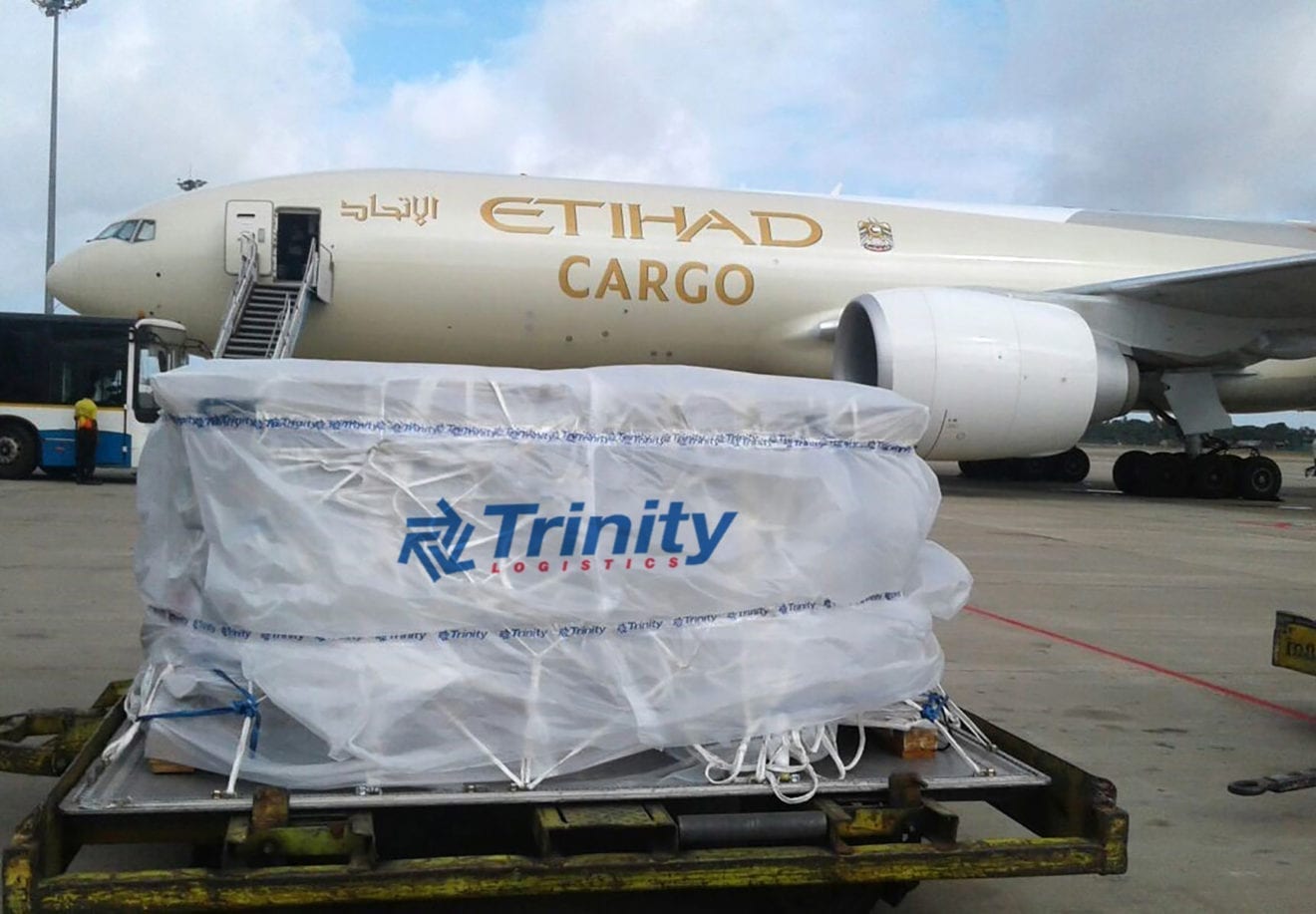
  • Etihad Cargo has signed a multimillion-dollar deal with Trinity Logistics

    Etihad Cargo has signed a multimillion-dollar deal with Trinity Logistics

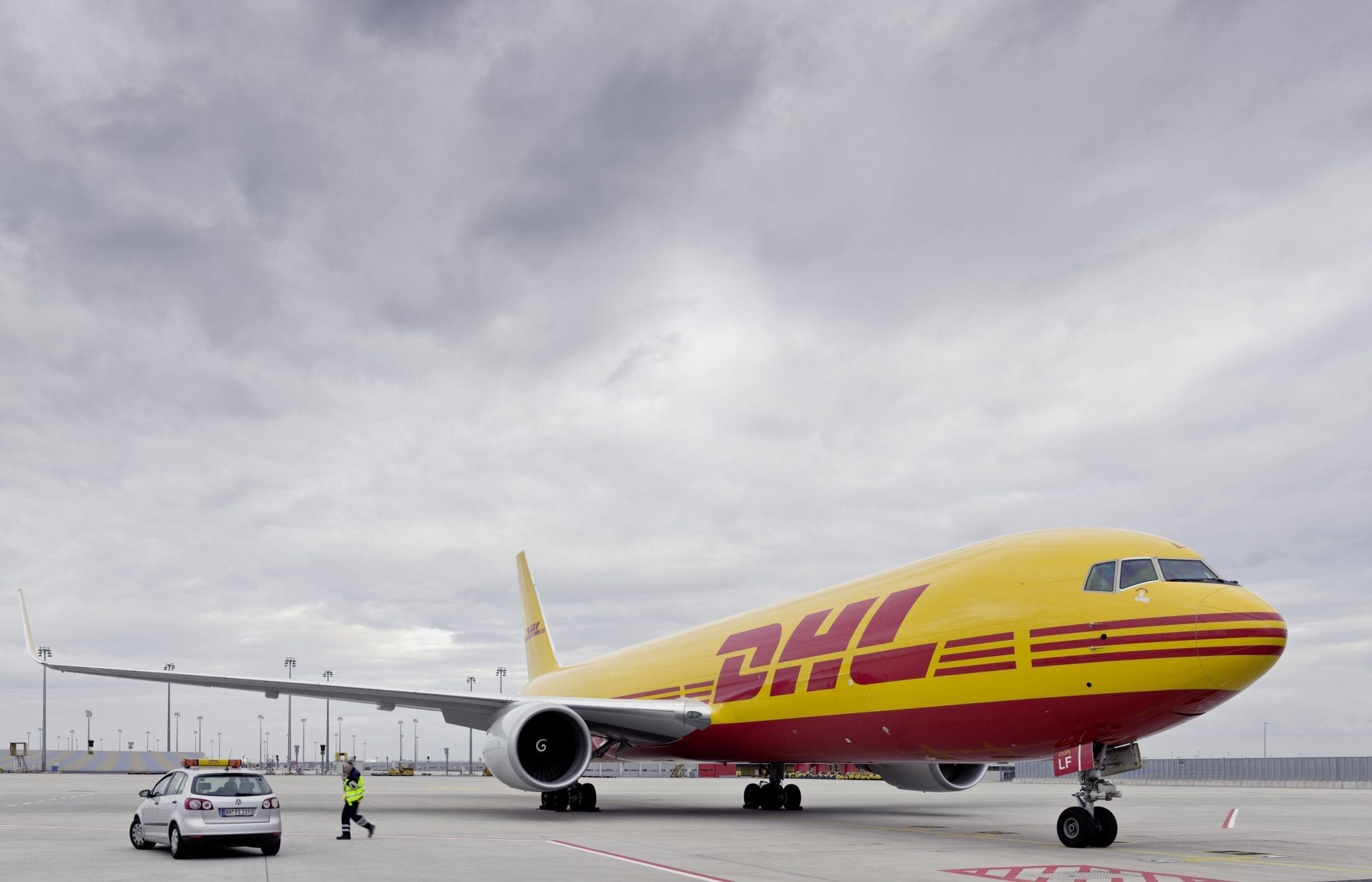
    Under the agreement, the carrier will fly freighters on behalf of the New York-based forwarder from Colombo, Sri Lanka to Columbus, Ohio and to East Midlands Airport in the UK. The weekly flight will be operated with Etihad’s Boeing 747-8F, which offers a cargo capacity of approximately 135 tonnes, or one of Etihad’s 777Fs, which have a capacity of approximately 103 tonnes.

    “Through our partnership, Etihad Cargo and Trinity Logistics are committed to facilitating this important trade,” said David Kerr, senior vice president of Etihad Cargo. “The flexibility our freighter fleet affords us means we are well placed to serve the fashion industry which is so reliant on a responsive supply chain.”

    According to Trinity Logistics, Etihad Cargo had already operated several charter flights for the company over the summer, and the new service will facilitate the movement of garments manufactured in Sri Lanka for brands such as Abercrombie & Fitch, GAP, Nike and Victoria’s Secret.

    “We select our global carrier partners based on their ability to understand the business of our clients,” said David Pereira, president of Trinity. “With Etihad Cargo, they not only displayed knowledge, but understood the value of creating a sustainable product to a very important cargo zip code in United States.  We expect our clients to benefit greatly from this game-changing solution that guarantees them speed and predictability.”

  • Taiwan Cargo Market Stays Flat

    Taiwan Cargo Market Stays Flat

    With the Asian Development Bank lowering its forecast for Taiwan’s economic growth in 2016 to 1.1%, perhaps it shouldn’t come as a surprise that operators in the freight industry have been disappointed with how the market has performed.

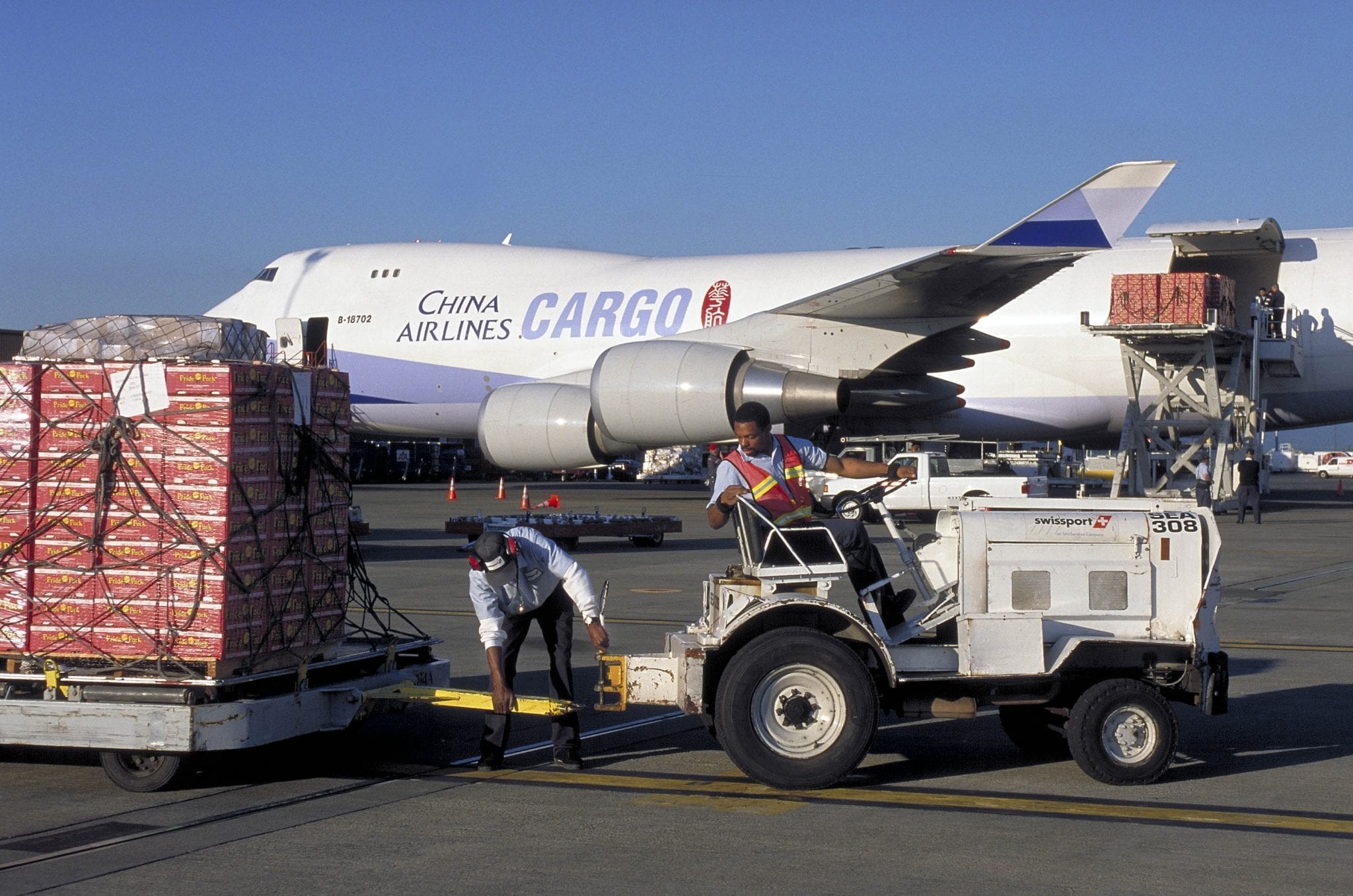
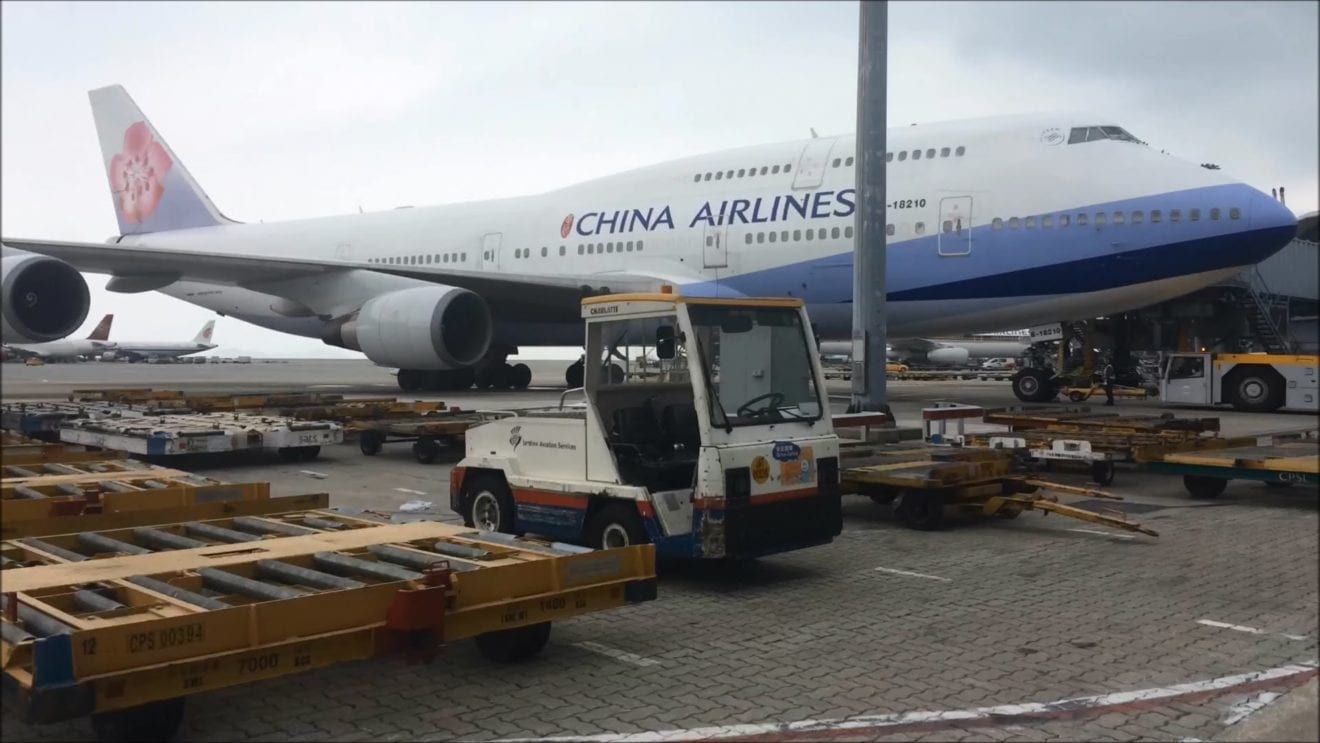
    Eddy Liu, vice president of cargo at China Airlines, says that the company’s first-half results were below expectations.

    “So far, air cargo demand has stayed flat and expansion in available freight capacity continues to outpace the growth in demand,” says Liu. “Under these circumstances, air cargo yields are slowly declining, consistent with persisting weakness in load factors, keeping downward pressure on our cargo business performance.”

    China Airlines is finding ways to address these weakening conditions to remain competitive. “We’re not only making efforts to improve the product mix by expanding the proportion of high-yield freight such as pharmaceuticals, aircraft parts and special cargo, but also focusing on developing and maintaining relationships with freight forwarders,” says Liu. “Furthermore, CI adopts revenue management tools to enhance the sales and space-control functions. In the next 12 months, the aforementioned strategies will still be the main priorities for us.”

    According to the International Air Transport Association, while annual growth in freight tonne kilometres rose to 5% year-on-year in July 2016, FTKs have overall only grown about 3% since the beginning of the year.

    “That’s why we put a lot of focus on the soaring e-commerce market and on strengthening our partnership with post offices and integrators,” says Liu. “Except working closely with postal agencies, particularly China Post and its brokers, Vietnam Post and Malaysia Post, CI also cooperates with UPS, FedEx, DHL, and SF Express to further enhance our revenues and business diversification. In addition, CI has been dedicated to exploring the freight-to-post business since the Taiwan Customs Administration permitted the addition of postal bags to transhipment cargo from March 31, 2015.”

    Another way in which the airline hopes to improve its competitiveness is with its order for 14 Airbus A350-900s. “The A350-900 is fuel-efficient and its payload capability is about 20% higher than other long-range aircraft,” says Liu. “Our new A350-900s will primarily be deployed on long-haul routes to Europe such as Amsterdam, Rome and Vienna, and to the United States, enabling CI to save cost and provide more useful cargo capacity if used on regular passenger operations.”

    The first frame was originally scheduled to be delivered in July 2016, but has since been pushed back to the end of September by Airbus because of production delays.

    “We have temporarily deployed other existing airplanes such as the Boeing 747-400, A330-300 and A340-300 in place of the new A350-900s,” says Liu. “So far there has not been any significant impact on our cargo operations.”

    The carrier is also growing its operations in Southeast Asia and the Indian subcontinent, which Liu says are two main drivers of the global economy and where demands for international shipments are still increasing.

    On top of passenger flights, China Airlines Cargo now serves Hanoi and Ho Chi Minh City four times a week each with 747-400Fs, and resumed dedicated main-deck capacity to Delhi with a weekly 747-400F flight from August 28, 2016.

    Liu says that, given the state of the global economy and the slowdown in the Asian manufacturing sectors, one might expect export growth in Taiwan to flatten out, but that hasn’t necessarily been the case.

    “Fortunately, the increasing global popularity of sports and recreation, as well as growing demand for electric vehicles, means that Taiwan’s functional textiles and electric-vehicle components will become key drivers of air cargo exports,” he says. “Moreover, air shipments of forged wheels, vaccines and semiconductor equipment are also rising.”

    On the other end of the cargo spectrum, the Taiwanese shipping industry has been experiencing similarly challenging conditions.

    “Affected by the slowdown of the world economy, Taiwanese exports suffered 17 straight months of decline, according to statistics released by Taiwan’s Ministry of Finance in early July,” says Lawrence Lee, president of Evergreen Marine Corporation. “In spite of the local market downturn, Evergreen Line managed to secure customer support and achieved a moderate increase in lifting performance during the first half of this year.”

    The first and foremost priority for Evergreen Line in the next 12 months, according to Lee, is to closely watch market developments and optimize service deployment so that company can return to a healthy level of profitability and maintain a sustainable service to its customers.

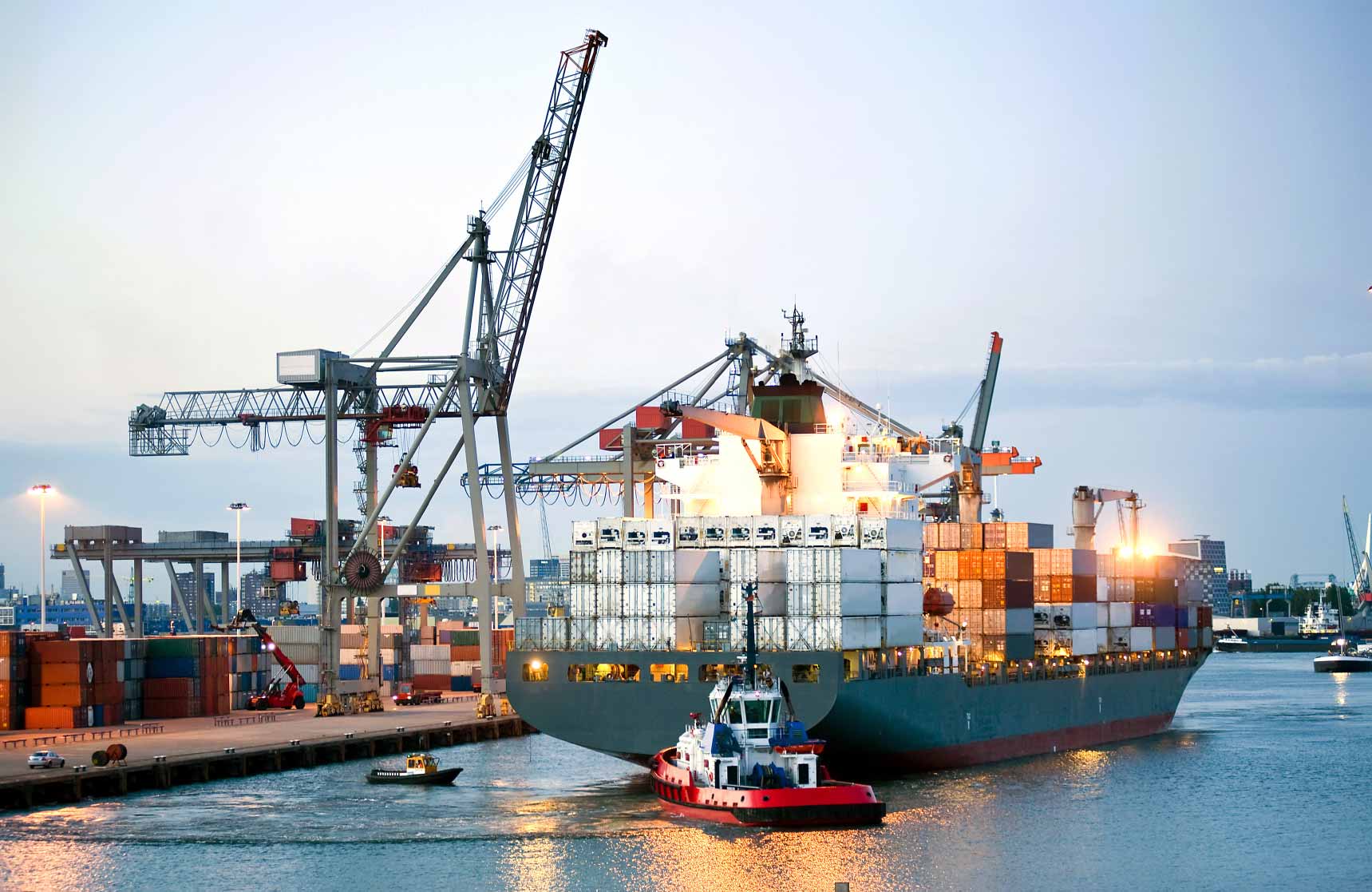
    Facilitating that is the completion of both the expanded Suez Canal and the expanded Panama Canal during 2016, which has enabled Evergreen to offer more capacity, shorter transit times and improved reliability.

    “We’ve been deploying 8,500 TEU L-type vessels on Far East-US East Coast all-water services since June, replacing Panamax ships of around 4,200 TEUs,” says Lee. “Our internal research indicates that the eco-friendly L-class vessels can offer the equivalent capacity of two traditional Panamax ships while at the same time reducing fuel consumption by 40% and lowering carbon emissions by the same percentage. These efforts are recognized by our customers, especially those who care about the carbon footprint in their supply chains.”

    Evergreen is also counting on its alliance strategy to help it tackle changes in the market. While it is currently still part of the CKYHE Alliance with COSCO Container Lines, “K” Line, Yang Ming and Hanjin, Evergreen announced in April 2016 that it would link up with CMA CGM, COSCO Container Lines and Orient Overseas Container Line to form a new alliance called the OCEAN Alliance, scheduled to begin in April 2017.

    “Our approach is to choose the most suitable partners that can provide complementary services to our network,” Lee says. “Such cooperation can produce synergy, enhance our competitiveness and enable us to cope with changing market demand. Together with the partners of the OCEAN Alliance, we can optimize our service network, expand port coverage, provide more direct sailings and shorten transit times. Most importantly, our service networks can be optimized to enhance our cost competitiveness.”

    In an environment with minimal growth but maximal competition, cost management has become ever more crucial and Lee is wary of how the market will play out in the short term.

    “Low cargo demand and tonnage oversupply have resulted in unsustainable freight rates and imposed heavy pressure on shipping companies,” he says. “Unless the global economy can regain growth momentum and produce sufficient cargo to reduce the gap between capacity demand and supply, the global shipping market, including the local market in Taiwan, is unlikely to pick up in the year ahead.”

  • DHL Expands Presence in Hong Kong

    DHL Expands Presence in Hong Kong

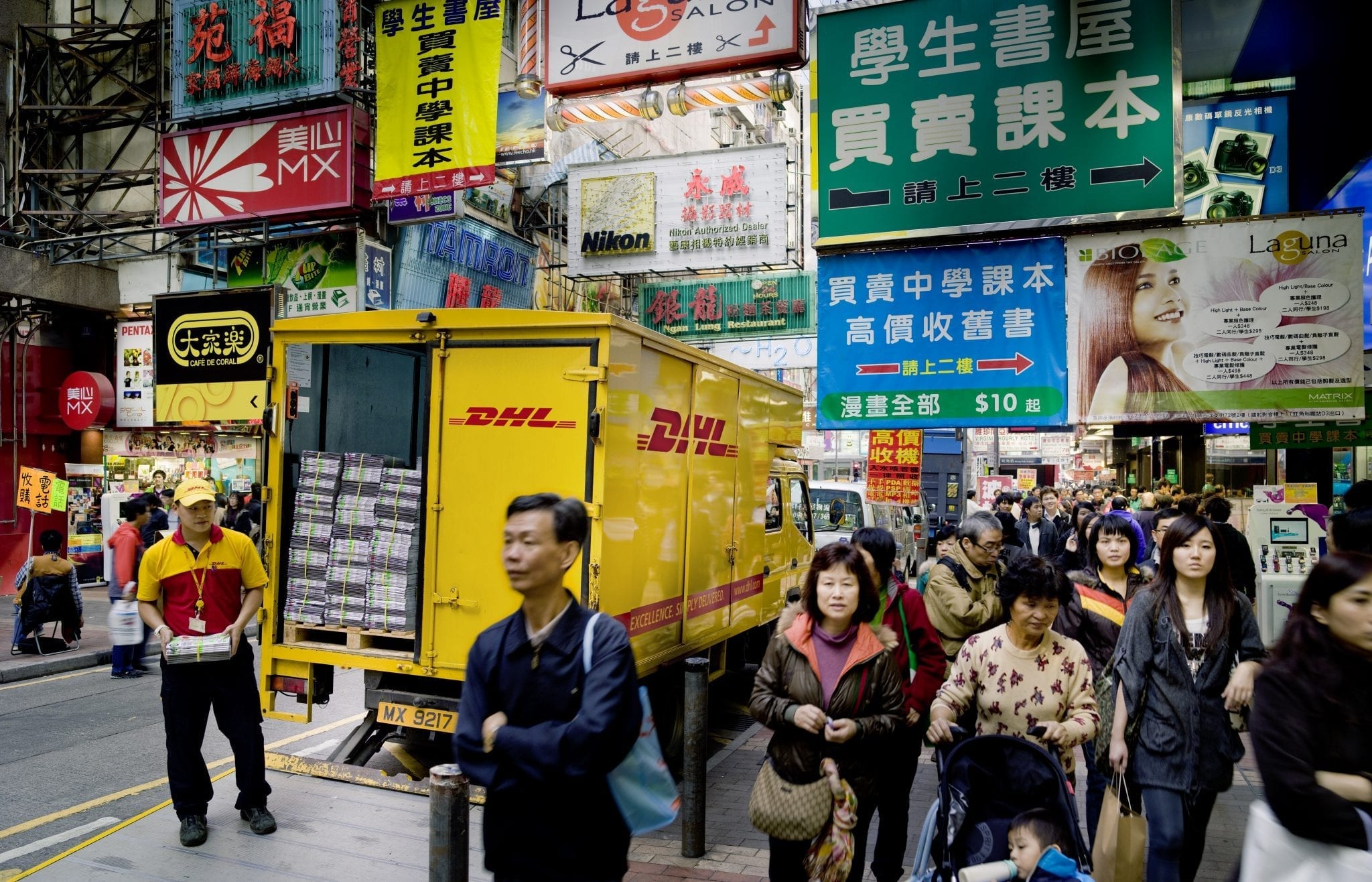
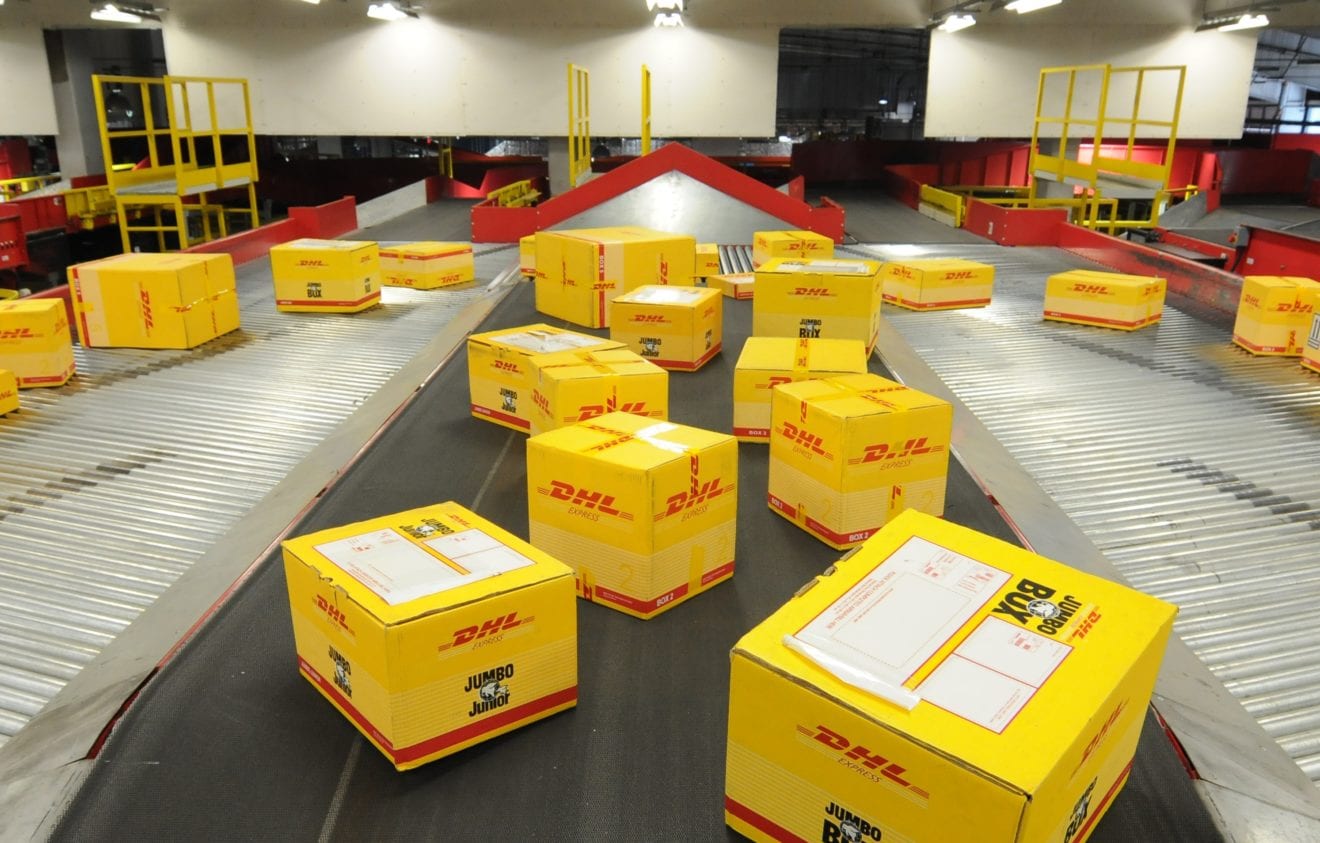
    DHL Express has opened its new Tsing Yi Service Center, a HK$78 million (US$10.1 million) facility on the third floor of the Goodman Interlink building in Hong Kong.

    “The opening of the new Tsing Yi Service Center follows double-digit growth in our international shipments over the past year, and underscores our confidence in the Hong Kong market,” said Herbert Vongpusanachai, senior vice president and managing director of DHL Express Hong Kong and Macau. “With a steady growth in our Hong Kong business contributed by the strong e-commerce sector, this facility is set to cement our market leadership with its enhanced handling capacity.”

    The 12,777-square-metre facility is double the size of the previous facility located in the same building and is capable of handling 380 tonnes of shipments per day, the strongest out of all DHL service centres worldwide.

    “We’ve been looking for a site since 2014,” said Vongpusanachai. “Hong Kong hasn’t been the easiest place in which to look for a new warehouse. There are very few fully equipped warehouses that have the size and scale that we needed based on our requirements.”

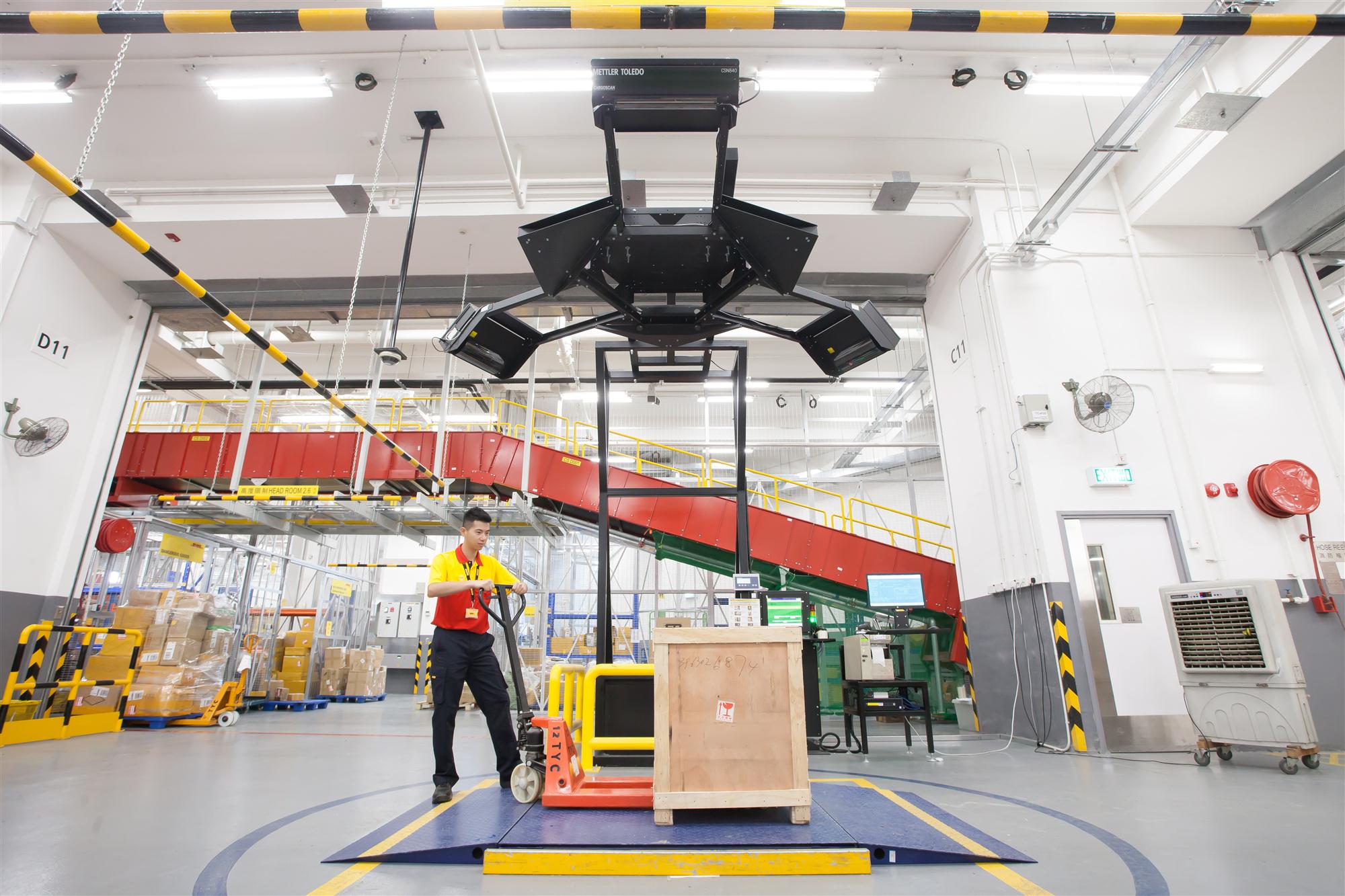
    Self Photos / Files - 3D reweigh & dimensioning machine

    Features include a high-speed automated reweigh and dimensioning machine capable of processing 2,200 pieces per hour, a 3D dimensioning and reweigh machine for unconveyable shipments that need volumetric measuring, a singulator which rearranges shipments so they travel down the conveyor belt one by one, and 122 CCTVs providing 24-hour monitoring.

    “It’s got all the technologies that we wanted,” said Vongpusanachai. “We want to be able to scan the shipments automatically when they come in, we want to sort them so that they go to the correct belt automatically, and we want to be able to build our own aircraft ULDs that we can bring straight to the airport.”

    One other “secret weapon,” according to Vongpusanachai, is the Clear-In-The-Air system, which allows all customs clearance information to be sent to the destination and handled while the plane is still in the air, cutting down transit times.

    Even though economic and trade conditions around the region have been disappointing, Vongpusanachai said that he wasn’t too concerned.

    “We’ve seen a bit of an economic slowdown over the past few quarters, but with the uptick in last quarter’s numbers and with our medium- to long-term look at the economy, we’re confident that we’ll actually see moderate growth in the near term,” he said. “There’s also still a lot of potential in the growth of certain sectors. The government has also increased its forecast for next year in terms of air trade.”

    The major driver of growth for DHL Express in recent times has been e-commerce, which was the predominant motivation for an upgraded facility.

    “We’ve seen a lot of customers moving away from big breakbulk to smaller shipments directly to the workplace or residence,” said Vongpusanachai. “That has been an emerging trend. This facility will allow us to increase our capacity and become more efficient in handling these types of shipments. Our focus as an express company is on time-definite international shipments.”

    The new Tsing Yi centre, which had its soft opening in July 2016, adds to DHL Express Hong Kong’s two other service centres in Cheung Sha Wan and Tsuen Wan.

    “These are some of the largest facilities that we have across the whole network, since Hong Kong is a high-capacity, high-volume exporter,” said Vongpusanachai. “We are always looking for new places. There is a plan but it’s a longer-term plan. Sometimes facilities might not be available yet, but we’re always looking ahead to see where we can expand.”

    The third-runway project at Hong Kong International Airport, which is scheduled to be completed by 2023, will give DHL Express the possibility of increasing capacity by operating more flights, allowing the DHL Central Asia hub to expand.

    “That’s something that we’re looking forward to,” Vongpusanachai said. “We’re very excited about the project and how we can participate in the growth of Hong Kong’s economy.”

  • DHL leverages on China’s Belt and Road

    DHL leverages on China’s Belt and Road

    DHL Global Forwarding continues to enhance its services which leverage infrastructure developed as part of “Belt and Road”, the Chinese trade initiative that could influence up to half of all global trade once completed.

    “Trade is the enabler for greater prosperity and a sustainable future. We believe logistics is the backbone of global trade, and nowhere more than in Asia have we seen the tremendous transformation of the economies as rising standards of living and a growing middle class has fuelled increased consumption and trade,’ said Frank Appel, CEO, Deutsche Post DHL Group.

    Frank Appel was speaking in conjunction with DHL’s Delphi Dialog forum on the implications of “Belt and Road” for international trade. The forum, with renowned experts from the government, business and academia, is the latest in a series which examines trends and developments that shape our world and the logistics industry.

    Making ‘Belt and Road’ accessible for business

    China’s investment in Belt and Road infrastructure – more than US$75bn (Euro 67.5bn) in the 18 months to June 2016 – bolsters regional cooperation and promotes trade. Since 2010 and in line with the vision for “Belt and Road”, DHL has been developing scheduled connections offering rail services across multiple cities in China, and linking it to road solutions throughout South East Asia and ferry services from North Asian cities in Japan and Taiwan.

    From South East Asia and other parts of North Asia, the road and ferry connections feed into China’s rail system which connects into Europe, with final distribution by road across the continent. This intricate connection of rail, road and sea services offers customers an additional logistics route, fostering trade between economic powerhouses of Europe and Asia.

    “We have been focused on building connectivity between China and regional countries, and connections into Europe via all combinations of road, rail and sea services,” said Steve Huang, CEO, DHL Global Forwarding China. “A multimodal solution – combining all modes of transport – enables customers to better manage their supply chains – offering flexibility, cost savings and potentially a reduced carbon footprint.”

    “The new service provides greater flexibility and speed for Japan’s exporters, including sectors like automotive and electronics production which already enjoy market dominance in Europe,” said Mark Slade, President and Representative Director, DHL Global Forwarding Japan.

    “With Less-than-Container Load services to Europe, Japanese businesses can improve the efficiency of fulfillment and inventory management at cost-effective rates, helping them maintain their competitive edge as world-class manufacturers.”

    Broadly, combinations of multimodal services can reduce transport costs by up to six times and up to 90% reduction in carbon footprint as compared with air freight, making it an increasingly attractive option for SME and MNC customers alike.

    DHL launched a further three new multimodal services:

    • Sea & Rail service: A Less-than-Container Load (LCL) service between Japan and Germany which allows businesses to export low-volume shipments for as little as half the cost of standard air freight. With a transit time of about 22 days, shipments are moved from Kobe to Taicang via sea, and by rail to Hamburg through hubs like Duisburg, Lodz, Malaszewicze and Warsaw.
    • Road & Rail service: The Vietnam-Europe service takes Full Container Load (FCL) cargo from Hanoi to Chengdu via road, followed by rail to hubs like Lodz, Duisburg and Hamburg in Europe, arriving in 21 days. An LCL option for the Vietnam-Europe service will commence in Q4 2016.
    • Rail, Road & Sea: Further boosting our Southern rail corridor offering announced last year, the new Chengdu-Istanbul service traverses three Central Asian countries – Kazakhstan, Azerbaijan, and Georgia – as well as two sea transit segments before arriving at Istanbul in 14 days.

    The three new services build on a series of major DHL investments in the last 12 months, including a multimodal service between Japan and Warsaw via Suzhou announced in November 2015; and an MOU signed in May 2016 with Chengdu’s Gateway Logistics Office to upgrade infrastructure and customs processes. DHL has been developing multimodal services along the Belt and Road since 2010, when it launched a suite of five services – International Rail, Rail-Air; Sea/River-Rail; Sea-Air and Cross-Border Road Freight.

  • Garuda Indonesia expects US$25 million from intl cargo

    Garuda Indonesia expects US$25 million from intl cargo

    The Indonesian flight carrier, Garuda Indonesia, is expecting US$25 million from international cargo service by the end of 2016.

    “Currently, the average income from cargo per month is US$21 million. Business cargo, mainly catering to the international market, will continue to support the company’s revenue stream,” President Director of Garuda, Arif Wibowo, said here on Tuesday.

    According to him, one of the strategies developed by the company to increase the cargo capacity is to open international flights.

    “We should explore international markets and also enlarge our cargo capacity on overseas flights,” he added.

    He pointed out that the largest component of cargo business of Garuda currently comes from China, covering Canton and Shanghai, reaching about 20 tons per day.

    Meanwhile, the cargo capacity from Tokyo and South Korea is about 20 tons per day, and from Europe is around 14-15 tons per day.

    To capture the growth opportunity in the cargo business, in particular in the international market, Garuda is opening new routes and adding frequencies of domestic flights to a number of foreign countries.

    For instance, he stated, the Jakarta-Madina flight will be available in December 2016. Also, the Surabaya-Madina route will be opened.

    To support its flight expansion plans, Garuda provides 50 units of Boeing737 MAX, while its subsidiary, Citilink, provides 50 units of Airbus A320.

    Regarding the business expansion to China, Garuda will soon open an international flight on the Denpasar-Chengdu route in January.

  • Logistic Operators Become More Green Globally

    Logistic Operators Become More Green Globally

    A combination of external and internal pressures are continuing to drive a ‘greening up’ of logistics operations in Asia and worldwide. Increasingly, though, companies are implementing such developments as part of an overall corporate business strategy rather than a standalone area of activity.

    Some of the key trends in that context were outlined by John Manners-Bell, chief executive of UK-based global logistics industry research and analysis company Transport Intelligence, who spoke on the subject of ethics and sustainability in the supply chain at a recent conference, The Future of Logistics, in London, and is now writing a book on that subject.

    One of the key points to emerge from the conference session which discussed those issues, Manners-Bell told Asia Cargo News earlier in September, was that ethical and environmental logistics practices were now increasingly part of wider corporate sustainability/social responsibility programmes being implemented by companies as an integrated element of their overall business development.

    Another key point to emerge from the conference, he continued, was that ethical behaviour and commitment to environmentally-sustainable practices need not be at the expense of profitability. “In fact, best practices in logistics and supply chain management bring together ethics, sustainability and bottom line performance in a holistic approach,” he argued.

    Expanding on that point, Manners-Bell suggested that going back a decade or so, most manufacturers, retailers and logistics providers still tended to view the development of greener supply chain and other operations as something “nice to have” or a potential additional competitive advantage but basically separate to the actual business of making money.

    “Now, companies increasingly see that they need to get all those elements right in order to prosper. For example, if you are a multinational consumer electronics manufacturer or retailer and one of your suppliers in China is found to be mistreating its workers or releasing large quantities of toxic chemicals into the environment, that could have a huge negative image on the global image of your brand,” he said.

    Commenting specifically on supply chain trends in that context, Manners-Bell confirmed that logistics providers were now focusing both on developments designed to improve the environmental performance of operations for customers and their own internal “green” credentials.

    “Logistics providers are being pushed by their customers to make their supply chains more environmentally friendly, but many are also large corporations in their own right and therefore have a responsibility of their own to operate in a sustainable way,” he said.

    One recent example of the first of those trends saw major Asian region and global logistics provider DHL announce in June that it had launched DHL Carbon Calculator, “a new online application which delivers live data-based emissions calculation for almost all shipment sizes and modes of transport for local, national and international deliveries.”

    Kathrin Brost, vice president, green strategy and customer intelligence at DHL Global Forwarding, which tested the Carbon Calculator together with customers, explained that the calculation was carried out online based on intelligent algorithms.

    “While many other computational tools provide only a rough estimate of the transport emissions and the route, the Carbon Calculator taps into real logistics data,” she said. “That data includes the route to the nearest airport or harbour, the main leg by air or sea and the ‘last mile’ in the destination country.”

    More recently, at the beginning of this month, French global logistics provider Geodis highlighted the ‘environmental’ credentials of a new rail transport operation it had just introduced between Wuhan in central China and the city of Lyon in France for Marseille-based designer jeans manufacturer Kaporal.

    Vincent Allal, head of Kaporal supply chain, claimed the new service enabled that company to reduce its transport time, costs and environmental footprint. “Rail transport is a real alternative to air travel that was previously not considered. The transit is relatively short, we have halved our bill on this transaction and we are very sensitive to the low environmental impact of this solution,” he added.

    One of the latest instances of a logistics provider “internal” green development saw Samskip, which operates one of Europe’s largest multimodal container logistics systems, report in August that subsidiary frigoCare had completed the installation of what it claimed was the largest solar panel system in the Dutch port of Rotterdam, a major European gateway for Asian deepsea container traffic, as part of its “sustainability strategy.”

    That initiative, undertaken in partnership with Dutch renewable energy company Zon Exploitatie Nederland (ZEN), comprised the installation of some 3,100 solar panels on the roof of frigoCare’s 14,000 pallet-capacity cold store in that port. The installation covers an area of 7,500 square metres and is said to be capable of generating 750,000kWh of electricity a year.

    “The new solar panel installation is owned by ZEN, while the roof’s surface is provided by frigoCare,” explained Samskip. “In turn, frigoCare benefits from access to a cheaper, and ‘greener’, energy supply. Under the agreement between frigoCare and ZEN, the solar panels will meet around 30% of this requirement. Any excess power will go back into the local electricity grid.”

    FrigoCare managing director Jan Bouman added: “When we upgraded our cold store, which is primarily used to store frozen fish, we wanted to make it as environmentally-friendly as possible. The partnership with ZEN has enabled us to reduce our annual carbon emissions by around 325 tonnes a year.”

  • Hong Kong Airport remained at the top of the list of China’s busiest airports for cargo

    Hong Kong Airport remained at the top of the list of China’s busiest airports for cargo

    Hong Kong International Airport remained at the top of the list of China’s busiest airports in terms of cargo traffic for 2015.

    According to statistics, Hong Kong handled a total of 4.38 million tonnes during the year. While this was only a 0.1% year-on-year increase, the airport also maintained its status as the busiest cargo airport in the world for a sixth consecutive year.

    In April 2016, the airport authority received approval from the government for its outline zoning plan and to proceed with the reclamation work for the three-runway system. The expansion project, which includes a 3,800, runway, new taxiways and a new passenger terminal, isn’t expected to be completes until at least 2023, and it remains to be seen whether that will further limit the growth of the cargo business.

    Next on the list was Shanghai’s Pudong International Airport, which handled approximately 3.28 million tonnes in 2015, a 2.9% growth over 2014.

    But flights at the airport are still prone to lengthy delays. According to the Civil Aviation Administration of China, Pudong came last in a ranking of the on-time departure performance of 27 major airports, with just 54.3% of flights departing on-time. 

    “We’re trying hard to solve the congestion issues during the day and talking to the air traffic control authorities,” says Xun Meng, deputy general manager of the Aviation Logistics Development Company at the Shanghai Airport Authority. “Unfortunately we don’t have much control over ATC and slots, but as an airport operator, we have the responsibility and duty to fight for what’s best for our customers. So we’re going to try and coordinate slots for cargo by solving one or two issues. For example, we could agree with some domestic airlines to lease or sell their spare or unused slots to cargo carriers.”  

    Two other factors that could benefit the development of the cargo business, according to Meng, are the completion of the fifth runway and the optimization of military and civil airspace in the Shanghai area. 

    FedEx has been building its own ¥700 million (US$105 million) freight hub at the airport. The necessary inspections will be carried out from July to the end of November 2016. 

    “From December to April next year, it will be handed over to FedEx and they will be launching operations,” says Meng. “This hub is located at the western cargo area and will handle mainly international express shipments and cargo in transit.” 

    The implementation of e-freight has become an important indicator in the evaluation of the efficiency of airports around the world and is something which Pudong is taking very seriously. 

    “This also has very important practical consequences on the development of our hub,” says Meng. “Since we signed an agreement with IATA, Shanghai Customs, the Inspection and Quarantine Bureau, China Eastern Airlines and the e-customs department in March 2015 to promote the digitalization of cargo, we’ve set up and coordinated all the relevant groups and units, agreed on the work flow, and worked hard to roll out the e-freight programme.” 

    With the help and support of the customs department, the airport has been running trials on the use of electronic air waybills for imports and encouraged forwarders and carriers to enter into multilateral e-AWB agreements, so that carriers such as China Eastern, Cathay Pacific, Korean Air and Lufthansa can implement e-freight pilot programmes. 

    “We’ve made a lot of progress – during the first half of the year, e-AWB coverage at Pudong reached 40%,” says Meng. “More than 10 airlines and 80 forwarders are now part of our e-freight initiative, and more than 100 logistics companies have multilateral e-AWB agreements. We handle more than 30,000 e-AWBs every month, which is the highest in China and the second highest globally.” 

    Meng says that China’s readjusted economic growth isn’t a cause for major concern. 

    “The easing of the economy actually has benefits for us too,” he says. “We can use this opportunity to reorganize the airport’s facilities, accelerate the upgrade of our infrastructure and enhance our communication with the relevant government departments.” 

    The airport also has to standardise its operations and change the traditional way of thinking which places more importance on the passenger side.

    “In an environment where there are both opportunities and challenges, we realize that many domestic forwarders and carriers are looking for new trade lanes so we have to become more competitive,” says Meng. “For example, China Southern is constantly improving its high-end products such as temperature control for fresh produce and pharmaceuticals, as well as information and messaging platforms that raise the customer experience. Air China is becoming more and more professional, strengthening its partnership with Cathay to optimize the operation of widebody freighters and improving its hubs at Beijing and Shanghai. China Eastern is turning to the integrated logistics model, looking in particular at developing the e-commerce, express and forwarding businesses.”

    Additionally, Meng says that Pudong airport will need to keep up with the development of Shanghai’s free trade zone, and use whatever chances there are to reform further so that it can improve its high-end offering and overall service efficiency.

    “We also have to strengthen our cross-border e-commerce markets,” he says. “This is something that we have in common with the free trade zone and it will be extremely important for air cargo going forward.”

    In fourth place, Guangzhou Baiyun International Airport’s throughput for the year was roughly 1.54 million tonnes.

    In the next 12 months, the airport will be focusing on the consolidation of exports, the long-haul business, the construction of a cold chain hub, cross-border e-commerce and international transhipment, according to Tony Tang, general manager of the Air Logistics Service Company at Guangzhou Baiyun International Airport Co., Ltd.

    “We’re in partnership discussions with various companies to establish agreements so that we can work closely together on the commercial, technical and managerial aspects of the cold chain,” he says. “That way, we can strengthen our cold chain infrastructure and promote the growth of the business together. In terms of transhipment, we’ll integrate international and domestic flights so that customers have a wider range of transfer options. 

    Guangzhou Baiyun is planning a cross-border trucking service whereby shipments originating in Hong Kong or Macau pass through customs and are trucked to the airport, where they are then loaded onto international flights.

    “After this service is enabled at International Cargo Terminal 1, we estimate that Baiyun will receive an additional 2,000 tonnes of international cargo per year,” says Tang. “This will also help to raise our competitiveness in the Pearl River Delta.” 

    The airport’s total throughput for 2015 represented a 5.8% year-on-year increase, which Tang says was mainly due to the growth of the international business, which was up 9.6% over 2014.

    “Firstly, this came from the increase of freighter flights from Japan, South Korea and the Middle East,” he says. “Secondly, we allocated prime slots to international flights in order to encourage a boost in frequencies.”

    Baiyun is planning infrastructural upgrades to improve service quality and efficiency. For example, it will be investing ¥330 million (US$49 million) to build an integrated cargo complex so that customs, inspection and quarantine, warehousing and offices will all be housed under one roof.  

    “In terms of software, we’ll be upgrading our cargo IT system later this year,” Tang says. “Customers will be able to make delivery and pickup bookings online, which will help to achieve a paperless process at the terminal. At the same time, we’ll also implement a smart warehousing system so that the location and condition of all the cargo can be tracked and monitored.”

    What is posing a challenge for the cargo team at Guangzhou’s airport isn’t necessarily the slowing down of China’s economy, but rather the rapid growth of road and rail transport.

    “There is not much room left to grow the air freight market within 1,000km of our airport, so we’re trying hard to develop niche markets such as express and small parcels,” says Tang. “But we still think there’s huge potential in aviation, especially on routes over 1,000km long and transcontinental routes. Compared to the US, which saw a total cargo and mail throughput of about 67 million tonnes, China handled 14 million tonnes, only about 21% of the US total. This shows our potential compared to developed countries.”

    The third airport in the Pearl River Delta to be among the top 10, Shenzhen Bao’an International Airport handled a total of approximately 1.01 million tonnes in 2015, ending up with a rank of fifth.

    According to Zhengling Sun, deputy general manager of Shenzhen Airport Co., Ltd., an upgrade to the airport’s bonded logistics centre is almost ready.

    “We’re now carrying out a renewal of facilities, hardware and software,” says Sun. “We’ve already handed over all the proposals and relevant documentation to Shenzhen Customs, and we plan to be operational later in July.” 

    During the year, Shenzhen’s airport added a number of international flights, such as China Southern to Dubai and Sydney, Shenzhen Airlines to Tokyo and Air China to Frankfurt and Los Angeles.

    “We would like to introduce more freighter services, but bellyhold cargo on international passenger flights is also a good addition,” says Sun. “We’ll continue to work together with airlines to add more freighter routes, especially international routes and those in support of the Belt and Road Initiative. We’ll attract more airlines to choose Shenzhen through factors such as slots, the customs process, our air logistics policy and our internal management.”

    In response to the booming aviation market in China, Bao’an Airport is rolling out a new phase of construction work, consisting mainly of a third runway, a new passenger terminal, a satellite building, a domestic terminal and warehouses for forwarders. Planning and feasibility studies are also being carried out for a new 100-hectare cargo zone at the northern end of the airport. 

    Sun says the growth in 2015 mainly came from international and regional routes. 

    “We opened a route to Taiwan, and SF Express, China Airlines Cargo and EVA Air Cargo all launched freighter services between Shenzhen and Taipei, with up to 10 flights a week,” he says. “Cargo and mail volume for the Taiwan route increased 95% year-on-year to 43,000 tonnes. Polar Air Cargo, which launched a direct flight to the US in July 2015, also boosted its frequency from one per week to five per week.” 

    The new 73,000m2 SF Express freight centre, which opened over the course of the year, currently handles about 500 tonnes per day, of which 400 are for SF’s own freighters and 100 are for the bellies of commercial flights. 

    More growth is on the way, according to Sun, who says that Shenzhen airport’s international air cargo market is full of potential because Guangdong province is such a huge exporter.

    “Against the readjusted GDP growth across the country, Shenzhen has already restructured its economy and cannot be compared with other inland cities,” he says. “Shenzhen’s GDP no longer relies on agriculture, but is instead based on technology and entrepreneurs. The fact that these high-tech products need to be exported brings us many opportunities. 

    Zhengzhou Xinzheng International Airport, which stayed in eighth ninth place, handled about 403,000 tonnes in 2015, a year-on-year growth of 8.9%.

    To cope with increasing demand, the airport launched operations on its second runway in 2015. The 3,600m runway raised the Zhengzhou airport to category 4F.

    “We usually use the first runway for takeoffs, while the second is mainly used for landings,” says Shu Xia Kong, spokesperson for the board of directors at Henan Airport Group. “On average, more than 250 aircraft land on the new runway every day.”

    Zhengzhou is well on its way towards being ready for the arrival of Cargolux China, which is scheduled to launch operations from the airport in 2017. A major piece of land is being developed into the northern cargo zone, which is designed to be capable of handling 150,000-200,000 tonnes per year when complete.

    “The main functions are to satisfy the needs of international air freight, with plans for a bonded warehouse, a large integrator hub, terminal for other airlines and a cold chain facility,” Kong says. “We’re also planning to construct a taxiway, two access roads and other facilities such as a dangerous goods warehouse and loading and unloading bays that will occupy about 55,000m2.”

    Cargolux isn’t the only company to have chosen to establish a base at Zhengzhou’s airport.

    “China Postal Airlines is going to build a domestic and international sorting centre here which will handle up to 150,000 tonnes per year,” says Kong. “The Dalian Yidu Group, a major fruit trader, has also chosen our northern cargo zone as the site for a cold chain food import distribution centre, which will be capable of handling 200,000 tonnes per year.”

    With all this development, the airport is expecting a throughput of 90,000 tonnes for the first quarter of 2016, as well as a total of 450,000 tonnes for the year, according to Kong. 

    Zhengzhou Xinzheng recorded the second-highest growth among China’s top 10 airports in terms of throughput for 2015, after Kunming Changshui International Airport, which increased its throughput by 12.2% to about 355,000 tonnes.

    Top 10 airports in China in terms of cargo throughput for 2015

    Airport

    2015 total throughput [tonnes]

    2014 total throughput [tonnes]

    Change [%]

    Hong Kong International Airport [HKG]

    4,380,000

    4,376,000

    0.1

    Shanghai Pudong International Airport [PVG]

    3,275,231

    3,181,655

    2.9

    Beijing Capital International Airport [PEK]

    1,889,440

    1,848,251

    2.2

    Guangzhou Baiyun International Airport [CAN]

    1,537,759

    1,454,044

    5.8

    Shenzhen Bao’an International Airport [SZX]

    1,013,691

    963,871

    5.2

    Chengdu Shuangliu International Airport [CTU]

    556,552

    545,011

    2.1

    Shanghai Hongqiao International Airport [SHA]

    433,600

    432,176

    0.3

    Hangzhou Xiaoshan International Airport [HGH]

    424,933

    398,558

    6.6

    Zhengzhou Xinzheng International Airport [CGO]

    403,339

    370,421

    8.9

    Kunming Changshui International Airport [KMG]

    355,423

    316,672

    12.2

  • DHL, UN hold airport disaster preparedness workshops in Indonesia

    DHL, UN hold airport disaster preparedness workshops in Indonesia

    Germany’s Deutsche Post DHL Group and the United Nations Development Programme (UNDP) are once again conducting their joint preventative training, known as Get Airports Ready for Disaster (GARD), at Bali’s Ngurah Rai International Airport, Lombok International Airport and Selaparang Airport in Lombok.  Indonesia was the pilot country when the program was implemented globally in 2009 — in Makassar and Palu.

    Deutsche Post DHL Group and United Nations Development Programme Hold Airport Disaster Preparedness Workshops in Bali and Lombok. L-R: Teguh Pratomo (MoT); Medi Herlianto (BNPB); Christian Usfinit (UNDP); Welani Widjaja, Managing Director, DHL Global Forwarding Indonesia; Chris Weeks, Director of Humanitarian Affairs, Deutsche Post DHL Group.

    Indonesia is located on the Pacific Ring of Fire where several continental plates collide. As a result, the chain of islands is at frequent risk of earthquakes, tsunamis and active volcanoes. Additionally, Bali and Lombok are categorized as high risk areas in the Indonesian Disaster Risk Index (2013). Airports in both provinces experienced operations shutdown due to volcanic eruptions from nearby Mount Rinjani.

    The multi-day workshop involves over 50 participants — including representatives from the airport operating company, aviation safety experts, national and regional Disaster Management Planning Agencies, Indonesian Red Cross, immigration authorities, the military and the police force — who will be trained to handle the high volume of incoming relief goods and increasing number of passengers during the aftermath of natural disasters.

    “Following natural disasters, airports become vital hubs for the processing of incoming relief supplies,” says Christof Ehrhart, Head of Corporate Communications and Responsibility at Deutsche Post DHL Group. “With sound processes in place at the airport and with the relevant agencies, relief goods and aid can be channeled through airports to reach the affected communities quickly and efficiently. This program continues to help improve disaster management in this geologically high-risk region.”

    “Often airports are unprepared to manage large disasters or humanitarian crisis and as a result, assistance gets slower in getting to those most affected. GARD is working specifically with all partners on the ground to solve any potential bottlenecks that could impede fast response to save lives. I praise the Indonesian government for its commitment to preparedness and the airport authorities for their risk informed management,” says United Nations Resident Coordinator in Indonesia, Douglas Broderick.

    The training includes evaluation of the airports’ capacities for processing high volumes of passengers and cargo and warehousing relief supplies. Location-specific disaster plans are drawn up as well.

    Since 2009, GARD trainings have been held in eight airports in Indonesia, namely Sultan Hassanuddin Airport in Makassar (2009), Mutiara Airport in Palu (2009), Ngurah Rai Airport (old airport) in Denpasar (2011), El Tari Airport in Kupang (2011), Polonia Airport in Medan (2012), Sultan Iskandarsyah Airport inBanda Aceh (2012), Fatmawati Airport in Bengkulu (2012) and Minangkabau Airport in Padang (2013).

  • DHL rolls out global augmented reality program

    DHL rolls out global augmented reality program

    DHL Supply Chain is rolling out the next phase of its Vision Picking Program following a successful trial of the augmented reality technology in the Netherlands. Since the trial, DHL and partners Google, Vuzix and Ubimax have refined the vision picking solution and DHL is now expanding the program across different industry sectors on a global scale, forging another step forward for augmented reality solutions in logistics.

    “We are excited to further test and develop vision picking as a solution that can be readily available to our customers. More importantly, this technology is not just one step towards digitalizing manual processes on the shop floor, it also takes us one step closer towards Industry 4.0. Testing technologies like augmented reality, robotics and Internet of Things will continue to be a big part of our DNA,” said John Gilbert, CEO Supply Chain.

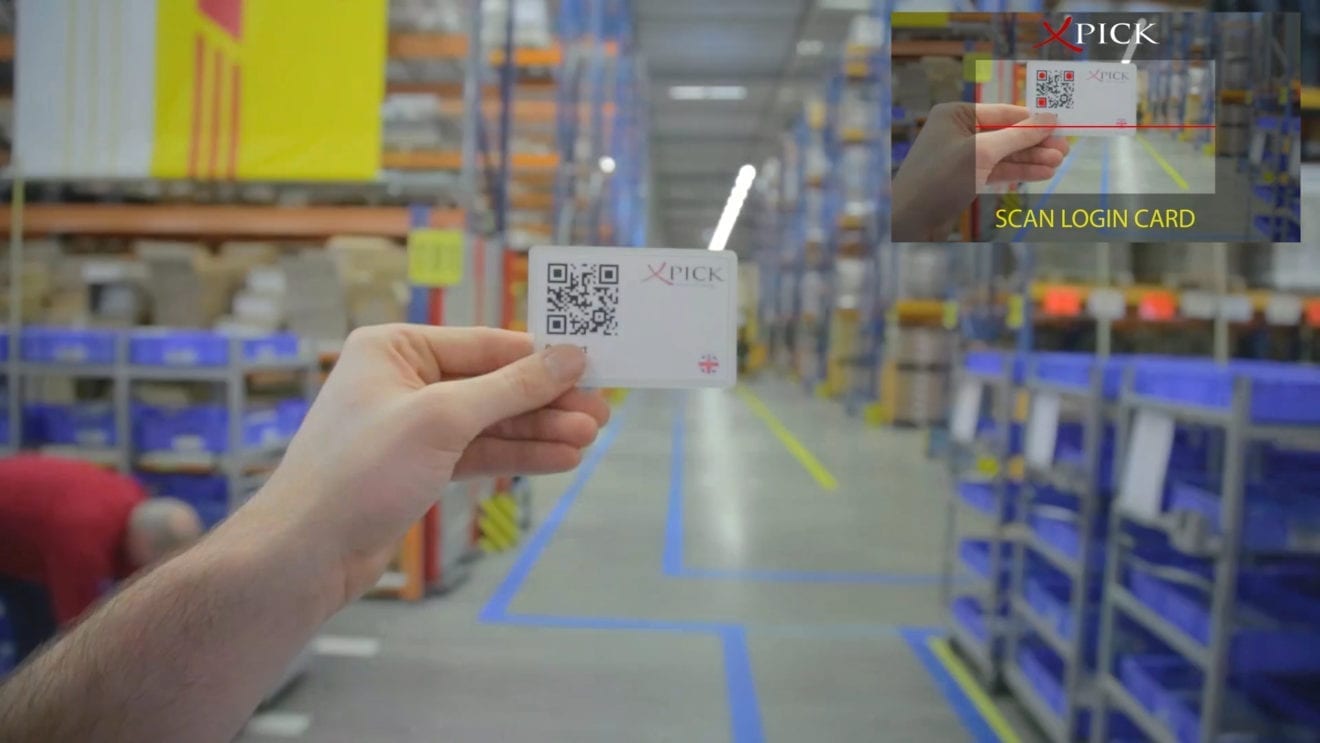
    Pickers are equipped with advanced smart glasses which visually display where each picked item needs to be placed on the trolley. Vision Picking enables hands free order picking at a faster pace, along with reduced error rates. Throughout 2016, the smart glasses will be piloted across various industries such as technology, retail, consumer and automotive industries. The data available from these pilots will further determine the technology’s potential for broader implementation. The pilot sites are spread across the United States, Mainland Europe and the United Kingdom, with the Ricoh facility in Bergen op Zoom, the Netherlands, where the solution was first tested, being the launch site for this new exploration phase.

    “The Vision Picking Program is DHL Supply Chain’s first translation of what augmented reality solutions can look like for supply chains. The broad spectrum in which the technology can be applied across various sectors is exciting to us, and the potential of this technology for business is still largely untapped. We believe this program is a game changer in how we run our supply chain operations and deliver added value to our customers,” states Markus Voss, CIO Supply Chain.

    Augmented reality market with exceptional potential growth

    The augmented reality and virtual reality market is said to be the next big thing after smartphones, although estimates vary significantly. Goldman Sachs estimate in their base case $80 billion for both virtual and augmented reality by 2025, while M&A advisory firm Digi-Capital predicts a total volume of $150 billion by 2020. Regardless of the actual size, exceptional growth seems to be certain if the current success of mobile app Pokémon Go is anything to go by. Investors are also convinced of the technology’s prospects, having made 225 venture capital investments worth $3.5 billion in the last two years.

    DHL Supply Chain will be one of the first companies to widely implement the technology into their operations. The initial 2014 test in the Netherlands showed a significant increase in productivity, reduced error rates and overall rise in employee satisfaction, proving that augmented reality can make an impactful difference in reality.

  • UPS expands its on-demand 3D printing network to Asia

    UPS expands its on-demand 3D printing network to Asia

    UPS will expand its on-demand 3D printing network to Asia when Fast Radius opens a factory in Singapore by the end of the year.

    According to UPS, it will also set up a team in Asia to create a centre of excellence which will develop supply chain solutions and promote the use of 3D printing.

    “3D printing will have a significant impact on industrial manufacturing and 21st century supply chains,” said Ross McCullough, president of UPS Asia Pacific. “At UPS, we are embracing disruptive technologies and integrating them into our global logistics network. We believe that much like e-commerce digitized and transformed retail, 3D printing will have a similar impact on manufacturing.”

    Advantage of 3D printing include lower inventory for slow-moving parts, lower transportation costs, shorter production runs and better customization.

    “UPS’s 3D printing Centre of Excellence reinforces Singapore as an innovation-driven economy,” said Michelle Ho, managing director of UPS in Singapore. “Having Fast Radius’ factory connected to UPS’s network means customers can send their 3D printing orders by 5pm and have them delivered to their customers in most major Asian cities within 24 hours. The automotive, high-tech, aeronautic and aviation, healthcare and retail industries have a lot of opportunity to take advantage of this type of manufacturing.”

    Fast Radius will direct 3D printing orders to the manufacturing location in either Singapore or the US, depending on speed, geography and product requirements, according to UPS.

  • TransRush expands in Australia

    TransRush expands in Australia

    TransRush, a wholly owned subsidiary of China’s cross-border e-commerce logistics provider 4PX Group, has expanded its logistics business in Australia.

    With rapid development and keen competition in the e-commerce industry, geographical borders will continue to diminish and become an irreversible trend in the global logistics realm. TransRush’s arrival will undoubtedly exert a strong influence on Australian international delivery market.

    Widely known in China, TransRush helps customers purchase goods from global online retailers by offering freight forwarding services to both retailers and end consumers based in China. It gains professional logistics experience and financial support from 4PX, which was founded in 2004, and closed its latest investment round with Alibaba’s logistics arm, Cainiao, and Singapore Post.

    Cainiao and TransRush have already reached an agreement for cooperation in the cross-border logistics field, and this partnership will significantly speed up the construction of an intelligent global warehouse distribution network.

    TransRush currently offers many shipping routes from overseas to China, including the United States, the United Kingdom, Germany, Japan, South Korea, Singapore, Australia, and operates 27 overseas warehouses in five global regions.

    Long-term strategic partnerships with Visa and Bank of China have helped fuel the growth of TransRush and with more than 200,000 m2 of global processing centers, comprehensive product lines and services, and competitive technical assistance, the company is emerging as a leader among the many Chinese cross-border logistics companies.

    TransRush’s newest Australia-China Express route has finished preliminary testing, which indicates forwarding goods from Australia to China will only take five to seven workdays at a total cost 20% lower than the industry average offered by its competitors. Red wine, for which Australia is famously known and which is in great demand in China, can also be shipped through TransRush.

    “4PX’s advantage does not only lie in its sophisticated logistic networks and exemplary service,” said Fatin Huang, director of TransRush. “The integration of Cainiao’s network data resource with TransRush’s system will accelerate the development of an intelligent logistics system. All corporations involved incross-border e-commerce will benefit in future.”

    The increasing capital inflow to the logistics industry will bring about even more heated competition in cross-border e-commerce and TransRush’s launch in Australia looks set to shake up the industry.

  • Emirates has launched SkyPharma, its new facility at Dubai International Airport

    Emirates has launched SkyPharma, its new facility at Dubai International Airport

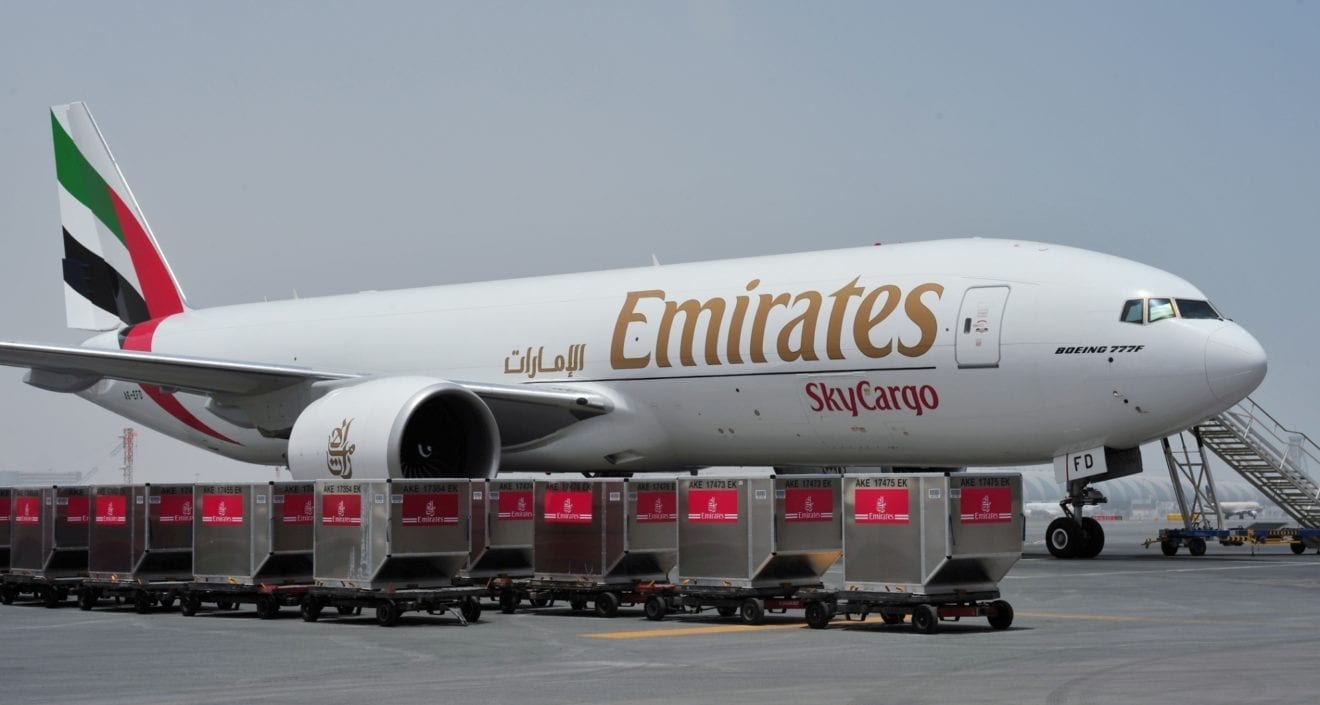
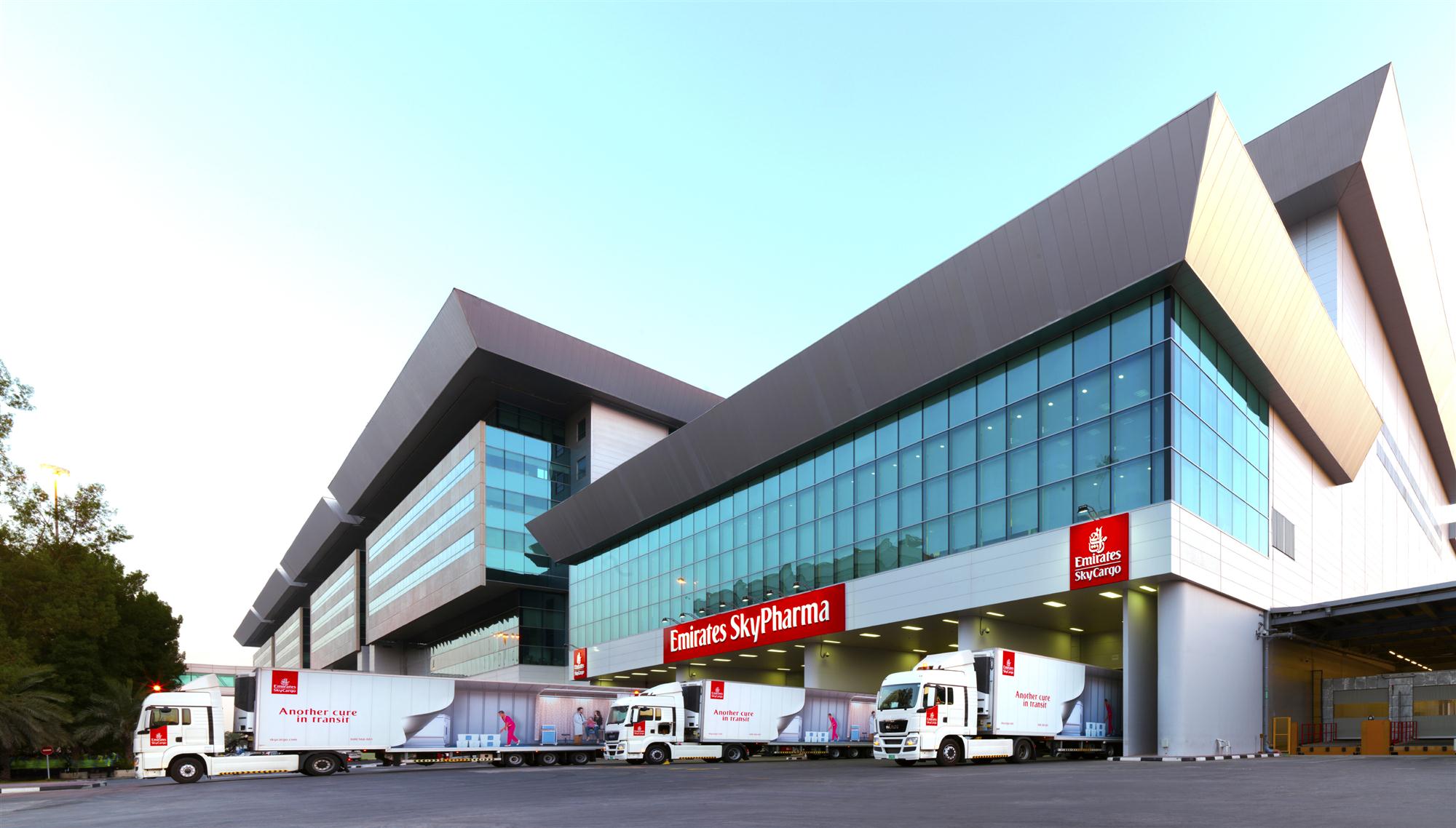
    Emirates has launched SkyPharma, its new facility at Dubai International Airport dedicated to temperature-sensitive pharmaceutical shipments.

    Self Photos / Files - IMG_20160918_093847

    “Every day, pharmaceutical products are critical to the health and well-being of people, and are transported from their place of manufacture to destinations across the world,” said Nabil Sultan, divisional senior vice president of cargo at Emirates. “For many of these products, such as vaccines, the time taken to transport the product from its origin to the destination is of critical importance and the air cargo industry plays an important role.”

    The new, 4,000m2 facility features two temperature-controlled zones of 2°C to 8°C and 15°C to 25°C, 88 cool cells and five temperature-controlled acceptance and delivery truck docks.

    Self Photos / Files - Emirates SkyPharma DXB

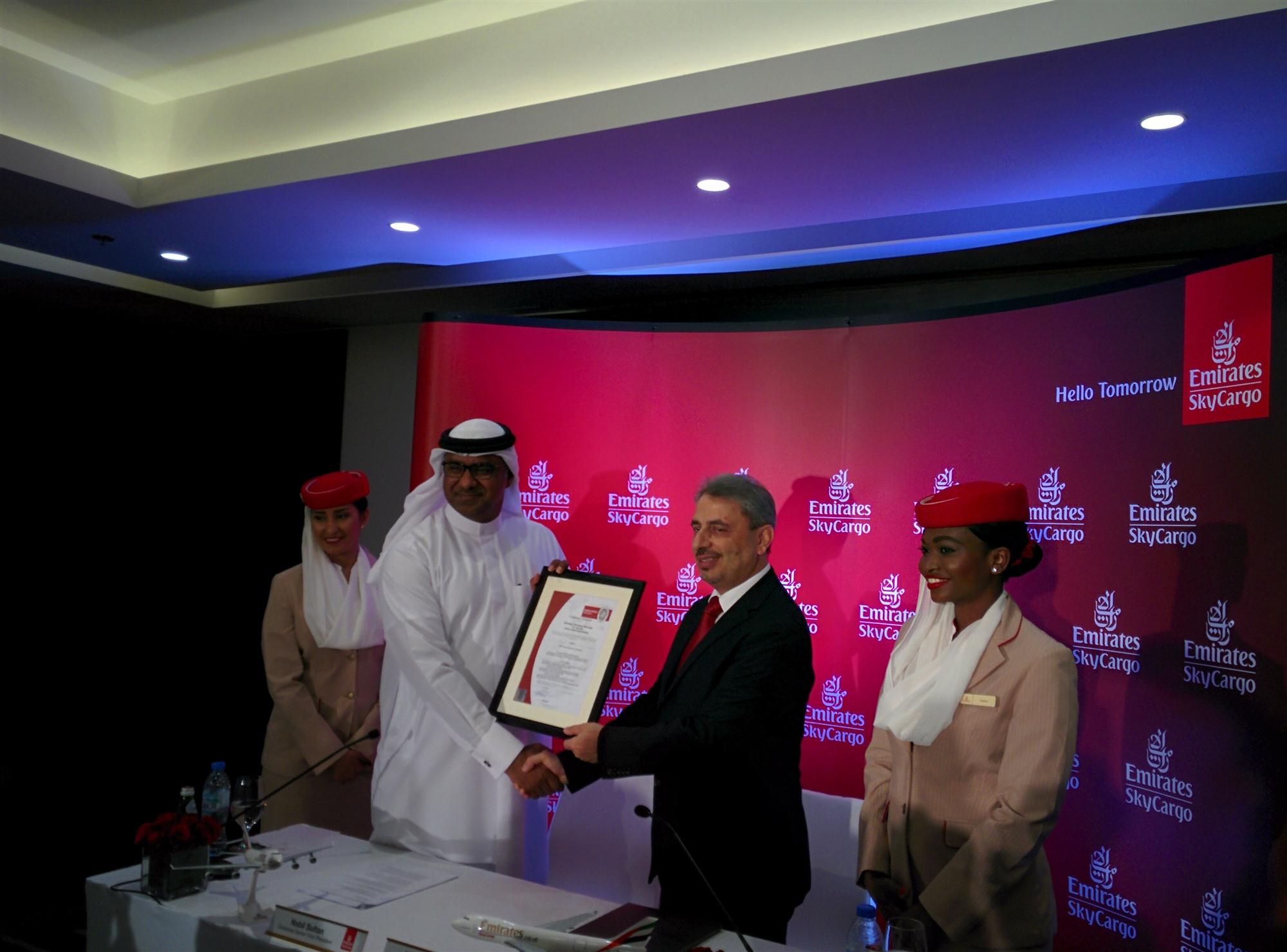
    SkyCargo has also been certified under the European Union’s Good Distribution Practice guidelines for medicinal products for human use, covering all of the carrier’s handling of pharmaceutical shipments at both SkyPharma at Dubai International Airport and SkyCentral, Emirates’ freighter hub at Al Maktoum International Airport, connected by a bonded trucking service consisting of 12 dedicated reefers.

    “The GDP guidelines are today considered the benchmark in the pharmaceutical industry for ensuring that the quality and integrity of the pharmaceutical product are maintained during the transportation,” said Sultan. “Emirates SkyCargo is the first cargo airline in the world that has obtained GDP certification for its multi-airport hub operation.”

    The certification was awarded by Bureau Veritas after an audit process carried out by the agency’s team from Germany.

    “Our new Emirates SkyPharma facility and our new GDP certification will allow us to work even more closely with our partners in the pharmaceutical industry,” said Sultan. “In addition, our dedicated pharma-handling facility at Dubai will further consolidate Dubai’s position as a leading transportation hub for healthcare and pharma logistics.”

    Cargolux was the first airline in the world to awarded the GDP certification for pharmaceuticals in 2014.

  • Arvato gears up for Asia

    Arvato gears up for Asia

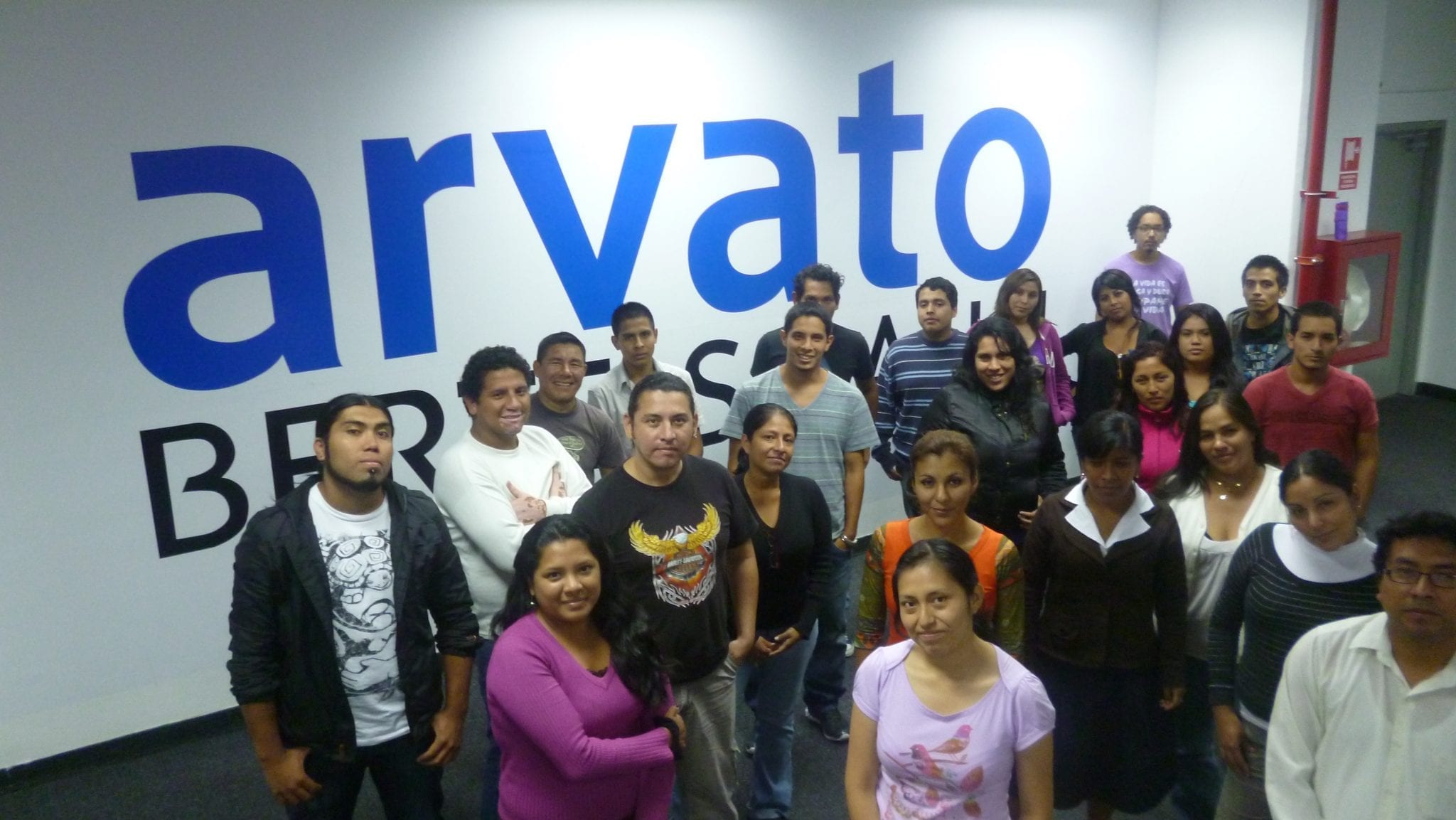
    Arvato has designated Singapore as the new Asia-Pacific headquarters for its supply chain management (SCM) Solution Group. To facilitate this, the company has relocated its existing sites in the country to a single 80,000 square feet unit. Raoul Kuetemeier has stepped up from his previous general management role in China to Head of Asia.

    “We see an increasing demand for SCM solutions that integrate China and other Asian countries and markets. The new headquarters helps us to establish a strategic footprint in the region,” said Kuetemeier. “With our resources pulled together, we also enhance the efficiency of our highly customized SCM strategies and strengthen our leading position as a SCM solutions provider in Asia’s high-tech and entertainment sector.”

    Arvato’s new premise in Changi International Logispark, one of Singapore’s most established logistics clusters, is furnished with an office, warehouse and assembly area where Arvato will carry out increased volumes of regional logistics and value-added services for its clients. The location is prime for its proximity to the Changi airport as well as freight forwarders and expressways. This way, it complements Arvato’s global operational network.

    As part of his new responsibilities, Kuetemeier will focus on streamlining the operations and sales activities for the Arvato SCM Solution Group in the Asia Pacific region. In his new role, he oversees more than 600 employees across Singapore, Shanghai, Shenzhen, Bangkok, Tokyo and Hong Kong.

    Kuetemeier joined Arvato in 2004 where he played a key role setting up new facilities in Germany and Austria. Prior to his current position, Kuetemeier was based in China for eight years. He has a proven track record of supporting multi-national clients to develop their strategic supply chain strategies in Europe and Asia.

  • Panalpina opens base in Cambodia

    Panalpina opens base in Cambodia

    Cambodia is currently benefiting from two decades of relative economic stability. With a stable annual GDP growth of approximately 7%, the country has become an interesting market for investors. International freight forwarding and logistics company Panalpina has expanded its global presence by opening a new office in the emerging market.

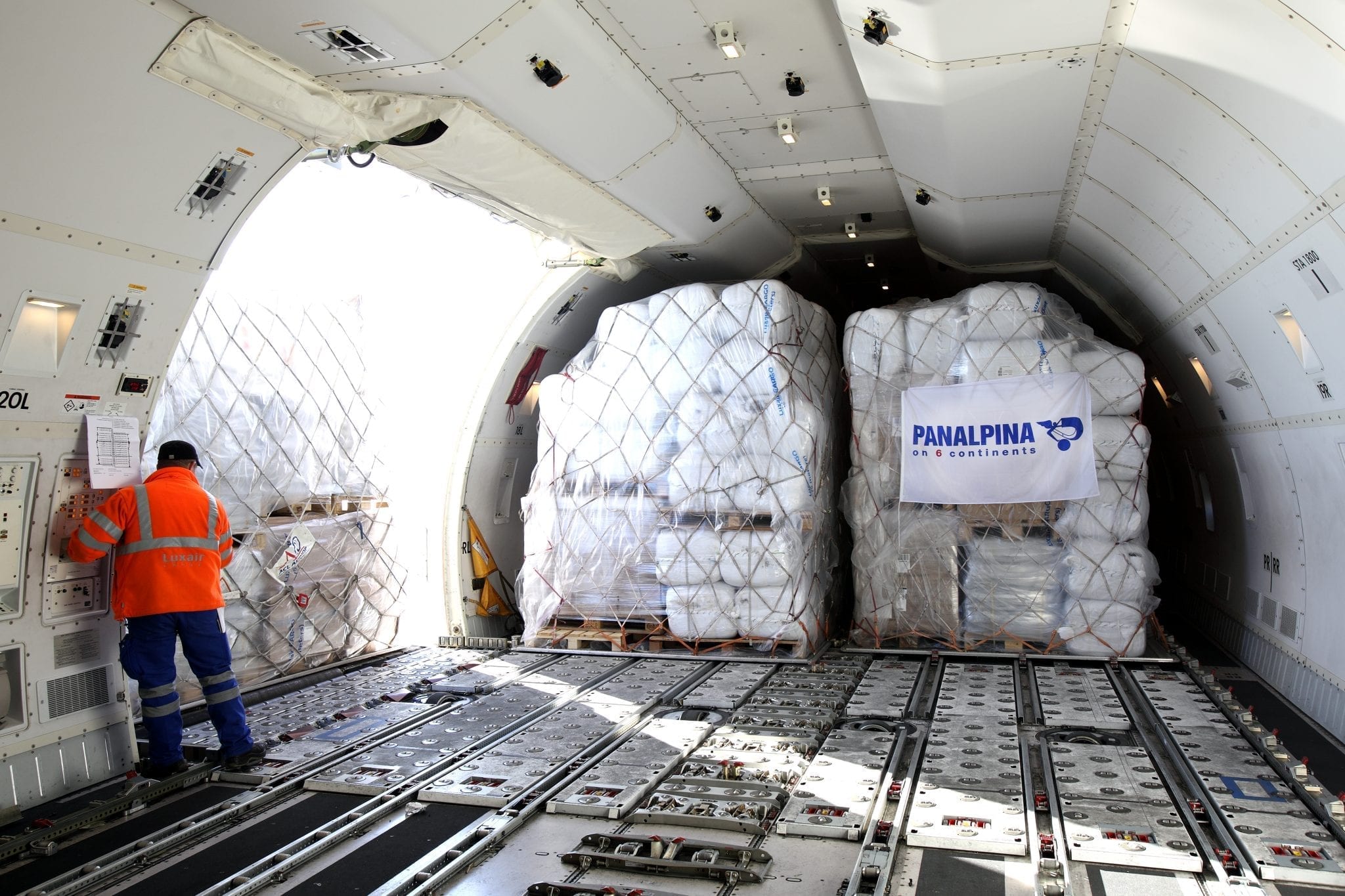
    Cambodia’s political, economic and cultural center, the capital city of Phnom Penh, is now home to Panalpina’s latest venture in Asia. The new office became operational in August, providing global and local customers with air freight and ocean freight services, customer brokerage, in-land transportation, cross-border trucking (with Vietnam and Thailand), Container Freight Station consolidation, and warehousing and storage services.

    “Our new office in Cambodia demonstrates Panalpina’s interest in the emerging economies we believe will provide strong opportunities for business growth,” says Benny Ong, country manager for Panalpina Cambodia.

    “Having a physical presence in the country means that our customers can feel confident conducting business here, knowing that Panalpina is on site to provide the services they need to support their logistics and freight forwarding requirements.”

    With a population of 15 million, Cambodia offers Panalpina opportunities for growth in the textile, agriculture and construction industry. Cambodia’s two biggest industries are textiles and tourism. The garment industry represents the largest portion of Cambodia’s manufacturing sector, accounting for 80% of the country’s exports, which directly impacts the volume of air freight shipments to and from the country.

    In 2015, air freight volume increased 14 percent, year-on-year, at Phnom Penh International Airport, with the increase attributed to a strong demand for Cambodian garments in overseas markets, such as the US and Europe. Cambodia’s total garment and footwear exports earned $6.3bn in 2015, with a growth rate of 6.7% compared to 2014. Exports have been growing continuously for the last 20 years, and are expected to continue growing in 2016.

    Revenue growth has also been enjoyed by two of Cambodia’s international shipping ports, Phnom Penh river port and Sihanoukville. Phnom Penh has enjoyed strong growth in recent years thanks to continually growing container traffic. The port handled 144,813 TEUs in 2015, up 8.3 per cent year-on-year as the result of surging exports, particularly rice and construction materials. Cambodia’s sole deep-sea port Sihanoukville handled 392,000 TEU’sactual container throughput in 2015, with average growth of 10% to 15% per annum during the last five years.

    Agricultural activities remain the main source of income for many Cambodians living in rural areas, and the industry has benefitted in recent years from government policies implementing a quota for rice (Cambodia’s principle agricultural commodity) on exports to China, Europe and the US, and tax free imports of agriculture equipment.

    “As manufacturers increasingly look towards Cambodia as a key market for goods, the need for transport logistics increases.” says Ong. “Cross-border trucking between Cambodia, Vietnam and Thailand is fueling demand for more value added services.”

    As of yet, Cambodia has no proven reserves of oil or natural gas. However, in the last few years, the Cambodian government has granted a number of licenses for petroleum exploration. “Considering the current downturn in the global oil and gas business, the possibility of a burgeoning oil and gas market in Cambodia is an exciting opportunity for Panalpina, and one that we will be paying close attention to in the future,” says Ong.

  • DHL Express Unveals Tsing Yi Service Center in Hong Kong

    DHL Express Unveals Tsing Yi Service Center in Hong Kong

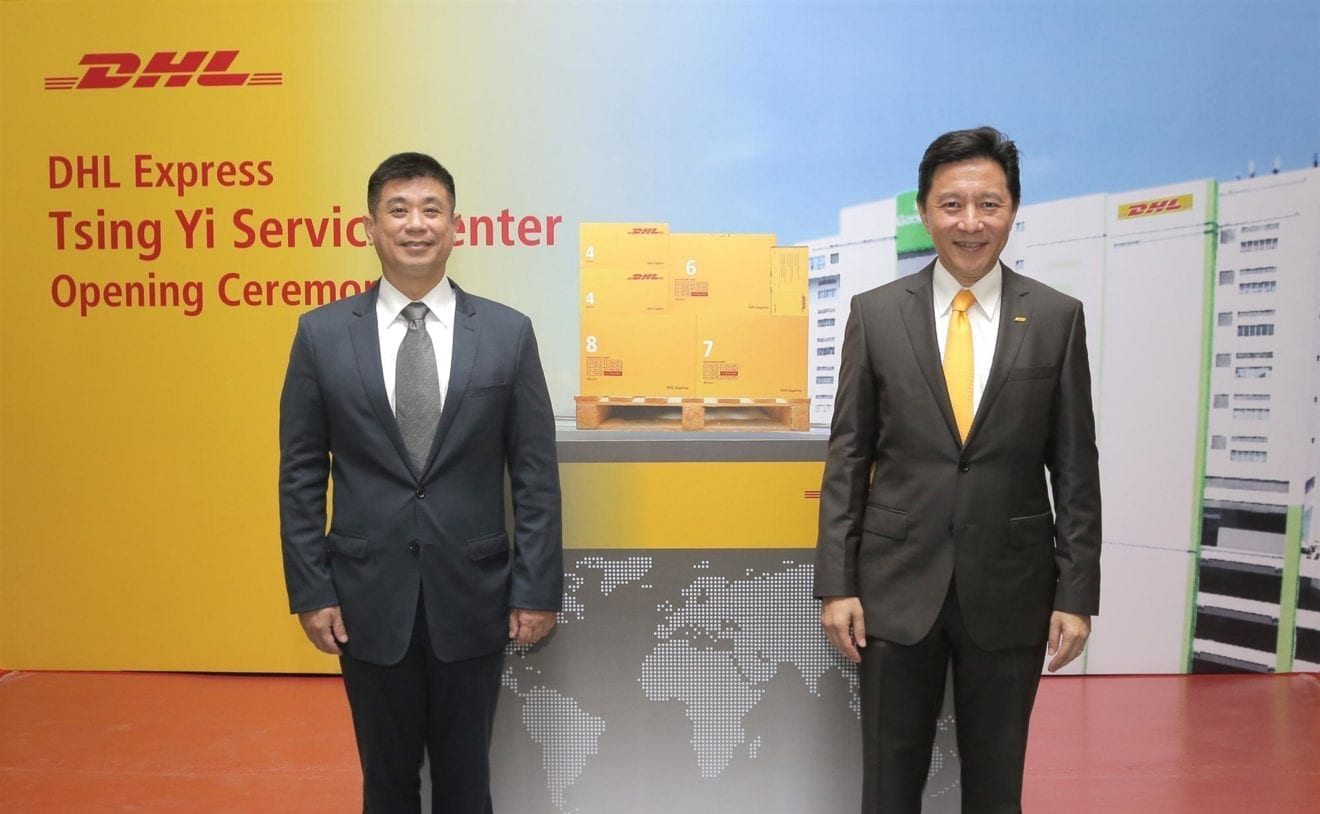
    According to DHL, the new HK$78 million facility is capable of handling 380 tonnes of shipments per day, the strongest out of all DH service centres worldwide.

    “The opening of the new Tsing Yi Service Center follows double-digit growth in our international shipments over the past year, and underscores our confidence in the Hong Kong market,” said Herbert Vongpusanachai, senior vice president and managing director of DHL Express Hong Kong and Macau [right in photo]. “With a steady growth in our Hong Kong business contributed by the strong e-commerce sector, this facility is set to cement our market leadership with its enhanced handling capacity.

    Features include a high-speed reweigh and remeasure machine capable of processing 2,200 pieces per hour, 122 CCTVs and 24-hour monitoring.

    The 13,000m2 centre is located at Goodman Interlink and is double the size of the previous facility, which was located in the same building, according to DHL.