Retail News CRM

Tag: Logistics

  • DHL Inaugurates S$160-million Advanced Regional Center in Singapore

    DHL Inaugurates S$160-million Advanced Regional Center in Singapore

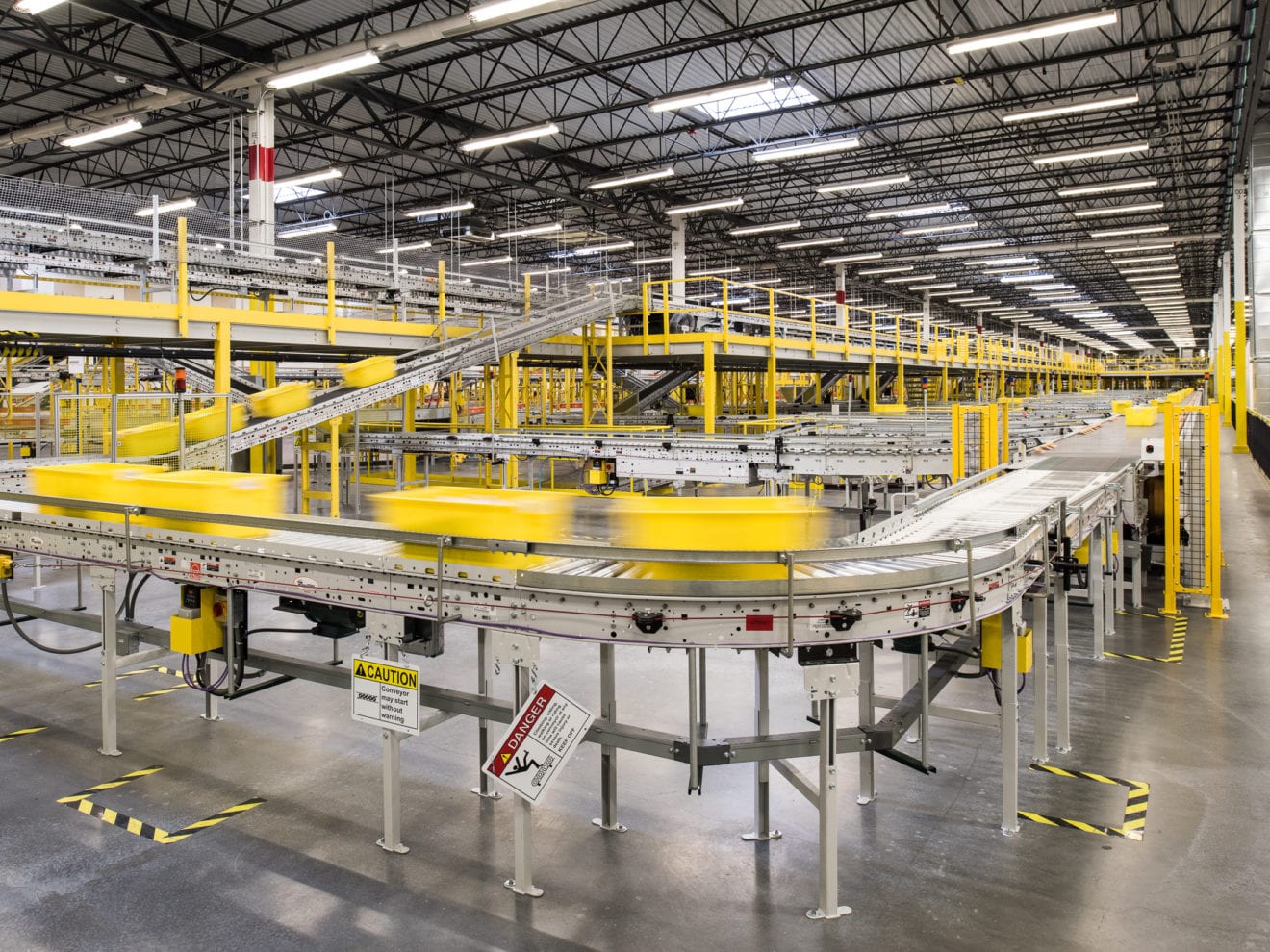
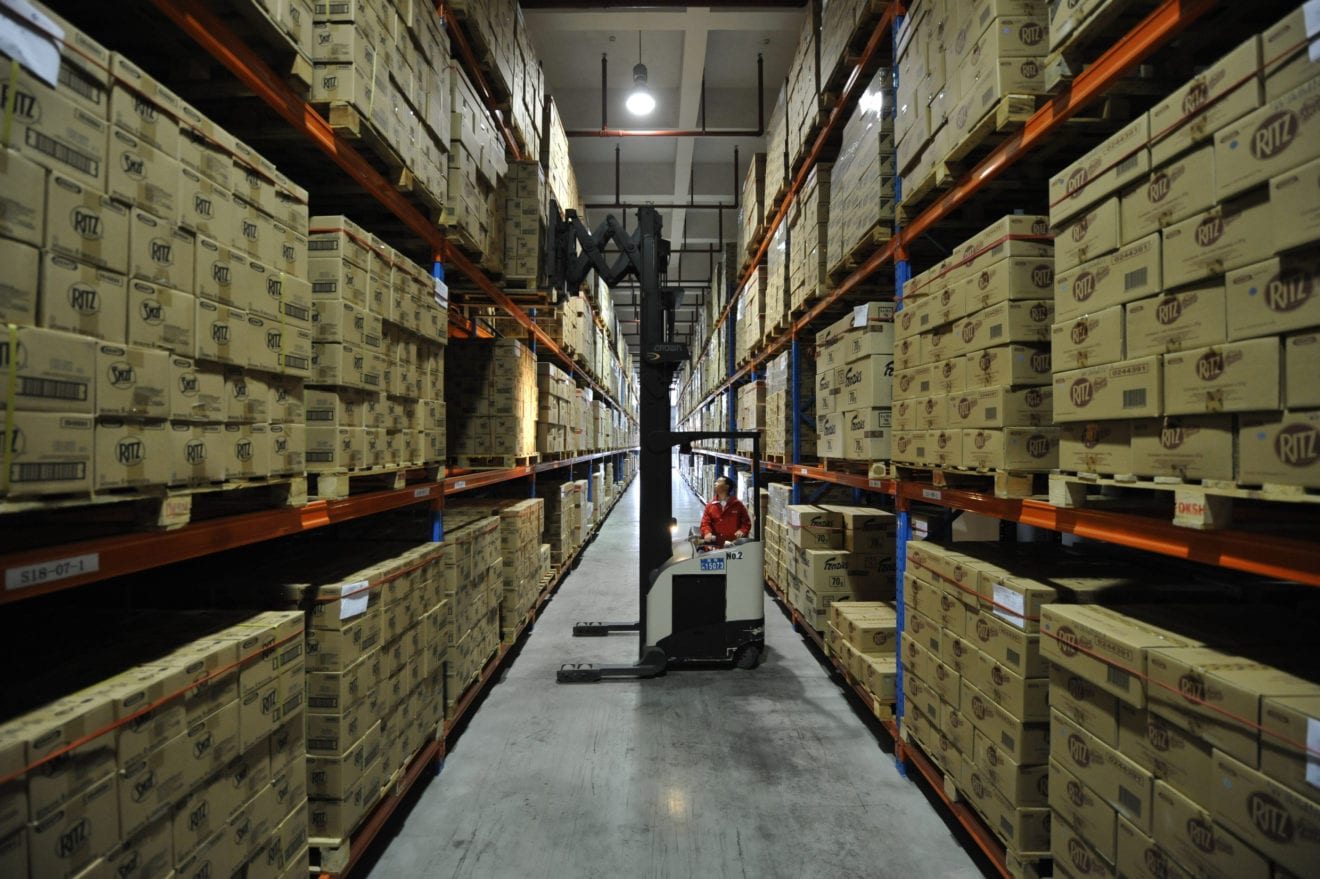
    DHL Supply Chain has launched its Advanced Regional Center (ARC) in Singapore. Built at an investment of more than S$160 million, the new 90,000 sqm facility features an S$18.8 million multi-customer automation system featuring advanced robotics.

    The pioneering system allows customers to enjoy the benefits of automation solution without the need for significant capital investment. The technological enhancement uses 130 robotic shuttles to pick and store products from 72,000 locations spread across 26 levels, improving picking efficiency by 20 per cent and utilising 40 per cent less space than conventional warehousing operations.

    This is the first of its kind deployed by DHL globally and creates a model for the future of warehousing in land-scarce countries and dense cities where land availability is limited and expensive.

    “As an organisation, our spirit thrives on a hunger for new knowledge and innovations that we can bring to customers to meet the challenges of Industry 4.0, the fourth industrial revolution. We see the Asian region as a swift adopter of technologies for enhanced productivity and efficiency. By 2020, Asia will constitute 30 per cent of our total revenue. Facilities like the Advanced Regional Center offer a ready model of innovations that reduce complexity, improve accuracy and maximize opportunities for productivity gains,” said Frank Appel, Chief Executive Officer, Deutsche Post DHL Group.

    Co-located within the ARC is the DHL Asia Pacific Innovation Center (APIC), DHL’s first innovation centre outside of Germany and a joint development with the Singapore Economic Development Board (EDB). Launched in 2015, APIC is the first dedicated centre for innovative logistics services in the Asia Pacific region and showcases futuristic technologies.

    As a multi-customer facility, the Advanced Regional Center also offers bespoke solutions to cater to specific industry needs. For example, the facility boasts clean rooms for Life Sciences & Healthcare businesses, specialised infrastructure for aerospace operations and customized storage solutions for managing service parts for technology customers.

    Purpose-built to industry-leading standards, the ARC facility has been awarded ‘gold status’ for its energy and environmental design. The company has also implemented robust security measures that are in accordance with global TAPA standards.

  • Kerry Logistics to Operate Inland Ports in Myanmar

    Kerry Logistics to Operate Inland Ports in Myanmar

    Kerry Logistics announced that its subsidiary, KLN (Singapore) Pte Ltd, has been awarded concession to operate inland ports in Yangon and Mandalay, two major commercial cities in Myanmar.  The awarding ceremony organised by the state-owned Myanma Railways under the auspices of the Ministry of Rail Transportation of Myanmar was held at the Sule Shangri-la Hotel, Yangon.

    In a bid to seize new opportunities for cross-border trade upon entering the ASEAN Economic Community, the government of Myanmar is committed to developing the railway transportation potential and promoting mass cargo transportation in the country. The inland ports will serve as container and cargo terminals linked by railway to major routes in the country, and as hubs for the exporters, importers and domestic logistics service providers of cargoes in and out of Yangon and Thilawa Ports, as well as for cross-border cargoes from neighbouring countries such as China and Thailand.

    Commenting on receiving the concession, George Yeo, chairman of Kerry Logistics, said, “We would like to thank the Ministry of Rail Transportation of Myanmar for its trust in us, and are pleased to be offered the opportunity to contribute our expertise in terminal logistics operations to benefit the development of Myanmar.  Railway transportation is an essential backbone in support of Myanmar’s economic development, both within the country and with nearby regions. Given Kerry Logistics’ presence in ASEAN, our goal is to further strengthen the linkage among countries in the region and seek accelerated growth by developing an integrated Greater Mekong Region platform covering Thailand, Cambodia, Myanmar and Laos.  The inland ports in Yangon and Mandalay form a vital part in pursuing such an integration.”

    With its expertise in terminal logistics, strong foothold and experience in the ASEAN region, and commitment to the development of Myanmar, Kerry Logistics will work in close cooperation with the Ministry of Rail Transportation of Myanmar to strengthen the country’s rail transportation capabilities and expand its network both domestically and within Southeast Asia. This partnership is expected to create 400 job opportunities and facilitate industry expertise sharing in the country.

  • DRB-HICOM Asia Cargo Express Launches New Aircraft Livery

    DRB-HICOM Asia Cargo Express Launches New Aircraft Livery

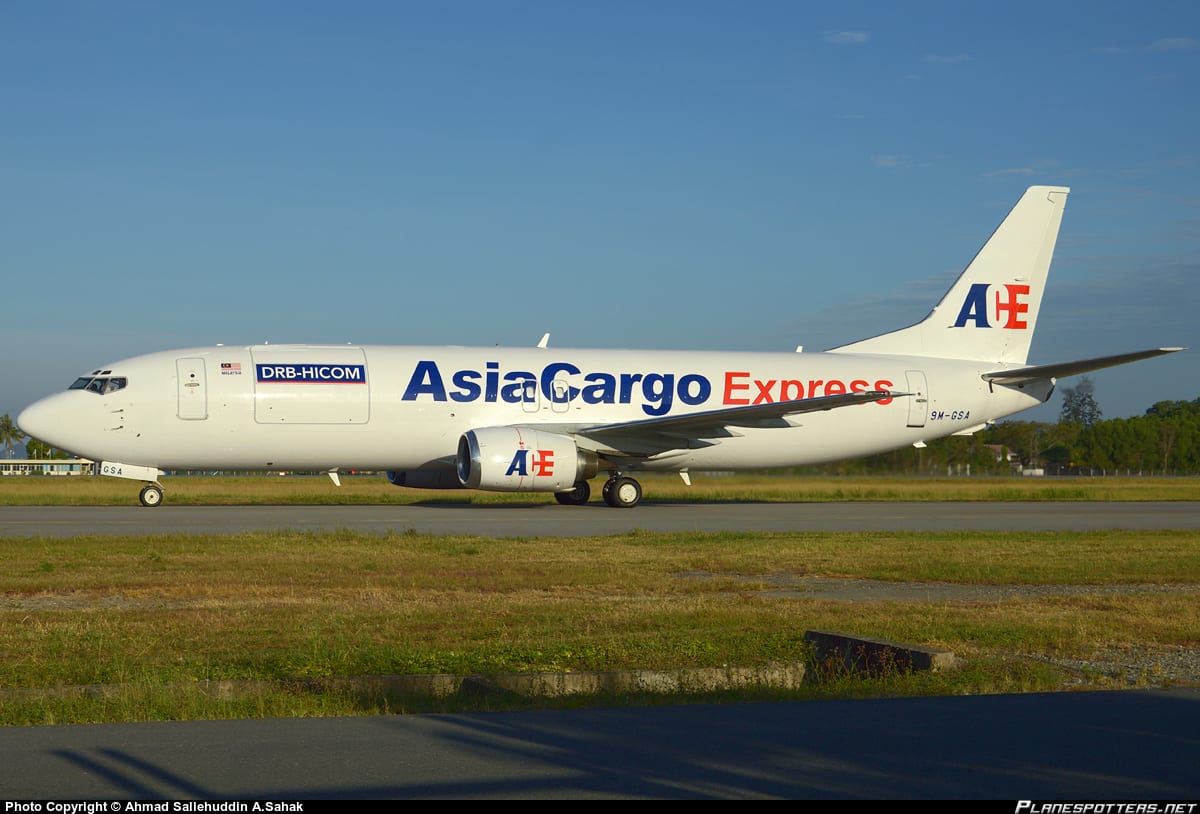
    DRB-HICOM Asia Cargo Express (ACE) has officially launched its new livery and logo for its air freight services at KLIA.

    A wholly owned subsidiary of KL Airport Services Sdn Bhd (KLAS), and a member of the DRB-HICOM Group, ACE currently offers air cargo services between Peninsular Malaysia, Sabah and Sarawak with emphasis on reliability, safety and quality.

    ACE, which was acquired by KLAS in February 2015, is the main service provider for Pos Malaysia, for its courier and mail services between the Peninsular, Sabah and Sarawak, which currently plies Kuala Lumpur, Kuching, Miri and Kota Kinabalu.

    According to DRB-HICOM Group Managing Director, Dato’ Sri Syed Faisal Albar, the services offered by ACE is part of a strategic move by DRB-HICOM Group to provide the regional market with an intermodal logistics solutions and total supply chain management.

    Aiming to be the premier air cargo carrier in the region, plans are in place for ACE to grow its fleet and extend its services to other major ASEAN cities. Currently ACE operates two Boeing 737-400F aircraft, each with a capacity of 18.5 tonnes of cargo and a flying radius of 4.5 hours.

    The IATA 2015 air cargo report forecasts a positive five years outlook with 4.1 per cent compounded annual growth rate.  ACE, with the addition of the third freighter aircraft this year, will be able to extend its services beyond Malaysian shores, contributing to the growth of DRB-HICOM’s logistics business.

    Group Chief Executive Officer of KLAS Group, Mohd Rani Hisham Samsudin added: “KLAS Group is moving towards becoming a fully integrated logistics service provider providing an end-to-end supply chain management solution. Through ACE alone, we target a revenue of not less than RM100 million each year, primarily from increasing our aircraft utilisation and expanding its operations throughout the region,” said Mohd Rani.

    The launch was officiated by the Minister of Transport, Dato’ Sri Liow Tiong Lai. Present at the event was the Chairman of DRB-HICOM Berhad, Brig. Gen. (K) Tan Sri Dato’ Sri (Dr.) Haji Khamil Bin Jamil, Group Managing Director of DRB-HICOM, Dato’ Sri Syed Faisal Albar, Senior Management of DRB-HICOM Group, as well as ACE’s current and potential customers.

    DRB-HICOM has five logistics services companies under its umbrella which include Pos Malaysia, KLAS, Konsortium Logistik Berhad, ACE and DRB-HICOM Auto Solution.

  • Kerry Logistics’ FY2014 Core Net Profit up 10%

    Kerry Logistics’ FY2014 Core Net Profit up 10%

    William MA, Group Managing Director of Kerry Logistics, said, “2014 was a year of consolidation and integration for Kerry Logistics. Through organic growth, investments and strategic acquisitions, we continued to expand our operating scale, strengthen our service capabilities and extend our network coverage during the year. Resources were deployed to integrate newly acquired businesses into our existing network and system, enhancing service offerings and increasing efficiencies. These efforts produced double-digit growth in both our core operating profit and core net profit, as well as improved margins in all our business segments.”

    Expanding Scale through Continued Investments
    The Group continued to enrich its logistics facility portfolio during the year. As at 31 December 2014, it managed a logistics facility portfolio of 45 million square feet, of which 23 million square feet were self-owned.

    In Mainland China, the Group completed the development of two new logistics centres in Zhengzhou and Kunshan, and commenced construction of two other facilities in Chengdu and Xi’an, adding a total of 1.6 million square feet of logistics facilities to its portfolio in the country. It also purchased a parcel of land with a site area of 728,000 square feet in Shanghai for the development of a new flagship facility of 1.1 million square feet to cope with the expansion of its IL business in the city. Upon completion, it will be the largest logistics facility of the Group in Mainland China.

    Within ASEAN, the Group has been building new facilities in Thailand to capture rising opportunities in this dynamic market. Phase 2 of the new logistics centre in Rayong was completed during the year. Phase 1 of the Kerry Bangna Logistics Centre is currently under construction and will serve as a new sorting centre for Kerry Express and a fulfilment centre for e-commerce customers upon completion. In addition, the Group added a new warehouse and a new Inland Container Depot in Kerry Siam Seaport to develop the port into a key cargo gateway for the growing trade in the region. In Cambodia, the Group is planning to construct a 160,000 square feet bonded warehouse on its newly acquired land at a Free Trade and Special Economic Zone in 2015.

    Group’s Financial Highlights
    • Turnover increased by 6% to HK$21,115 million (2013: HK$19,969 million)
    • Core operating profit increased by 14% to HK$1,612 million (2013: HK$1,413 million)
    • Core net profit increased by 10% to HK$976 million (2013: HK$886 million)
    • Integrated Logistics (“IL”) business achieved a 12% increase in segment profit to HK$1,409 million (2013: HK$1,258 million)
    • International Freight Forwarding (“IFF”) business recorded a 11% increase in segment profit to HK$378 million (2013: HK$342 million)
    • All segments recorded improved margins in 2014
    • Full-year dividend payout ratio increased to 24% (2013: 21%)
    • Final dividend of 8 HK cents per share recommended

    Enhancing Capabilities by Service Scope Extension
    In 2014, the Group’s IL segment maintained solid growth on the back of expanding network and coverage in Greater China and ASEAN countries, with more higher-margin value-added services and new customer wins. The Group’s logistics operations achieved a segment profit margin of 10% in 2014. Turnover and segment profit of the logistics operations in Hong Kong also increased by 22% and 28% year-on-year respectively.

    In Hong Kong, the Group launched Kerry Pharma to tap into the ever-growing pharmaceutical and healthcare market by setting up a brand-new GMP compliant secondary packaging facility and obtaining the WHO GDP certificate for the provision of warehousing, distribution and secondary packaging services for pharmaceutical products. It also expanded into the automotive sector in Hong Kong and was appointed to provide parts logistics services to several internationally renowned automotive brands. Across the Taiwan Strait, the Group has built a service network supported by ten service hubs that covers the whole island, and became the only logistics company attained SGS WHO GDP international quality accreditation as well as GDP from the Taiwan Food and Drug Administration.

    Riding on the success of the fast-growing Kerry Express (Thailand), the Group took further steps to build an ASEAN-wide regional express platform through acquiring a local express company in Cambodia and expanding the business into Singapore, Malaysia, Indonesia and the Philippines. To strengthen its ASEAN-wide cross-border road transportation network, Kerry Logistics took full control of the KART business in Malaysia and Thailand, further integrating the operations in the two countries into its KART network. The Group also formed a new joint venture with shareholders of PT Puninar Saranaraya, one of Indonesia’s largest logistics companies, in March 2015 for growth of IL business in Indonesia.

    Extending Coverage through New Market Expansion
    During the year, the Group restructured its business in Europe which contributed to satisfactory results in tandem with the gradual economic recovery in the region. As part of the Group’s long-term IFF strategy to build a global network across six continents, it has also expanded the reach and capacity of its IFF business through acquisitions and the formation of new joint-ventures in the Middle East, Canada, New Zealand and Senegal. The stable growth of the IFF business was accompanied by increased profitability and volume. While the segment profit increased by 11%, the segment profit margin rose to 3%, bringing it closer to the international average.

    Hong Kong Warehouse – Unlocking Asset Values and Maximising Returns
    Kerry Logistics’ Hong Kong warehouse portfolio comprised nine warehouses with a combined GFA of 5.1 million square feet. It maintained nearly full occupancy with segment profit margin increased to 59.7% and achieved double-digit growth in rentals for successful contract renewals. The Group expects to see continuous stable growth from this business riding on its 9% growth in segment profit in 2014.

    In a bid to unleash the potential of its facility portfolio and to address actual community needs, the Group submitted an application to the Town Planning Board of Hong Kong in the first quarter of 2015 to convert one of its Hong Kong warehouse facilities into a columbarium. Subject to approval, the investment, excluding land premium to be paid to the government, is estimated to be around HK$2 billion.

    George YEO, Chairman of Kerry Logistics, said, “The integration of China’s economy with its neighbours is a major trend seen by the increasing intra-Asian trade and growing cross-border logistics. The combined economy in the region is becoming the central growth pole in the world. With our unique position as ‘Asia Specialist, China Focus, Global Network’, we aspire to be a major logistics provider for the new Silk Road. We will continue to grow our IL and IFF businesses through continuous improvements in operating efficiencies, service offerings, network coverage, and securing suitable acquisition opportunities in target markets. Our extensive exposure in the region and a broader international customer base will enable us to ride economic cycles and sustain long-term growth to reward our shareholders.”
  • Yusen Logistics Australia acquires Hitech Asia Pacific business

    Yusen Logistics Australia acquires Hitech Asia Pacific business

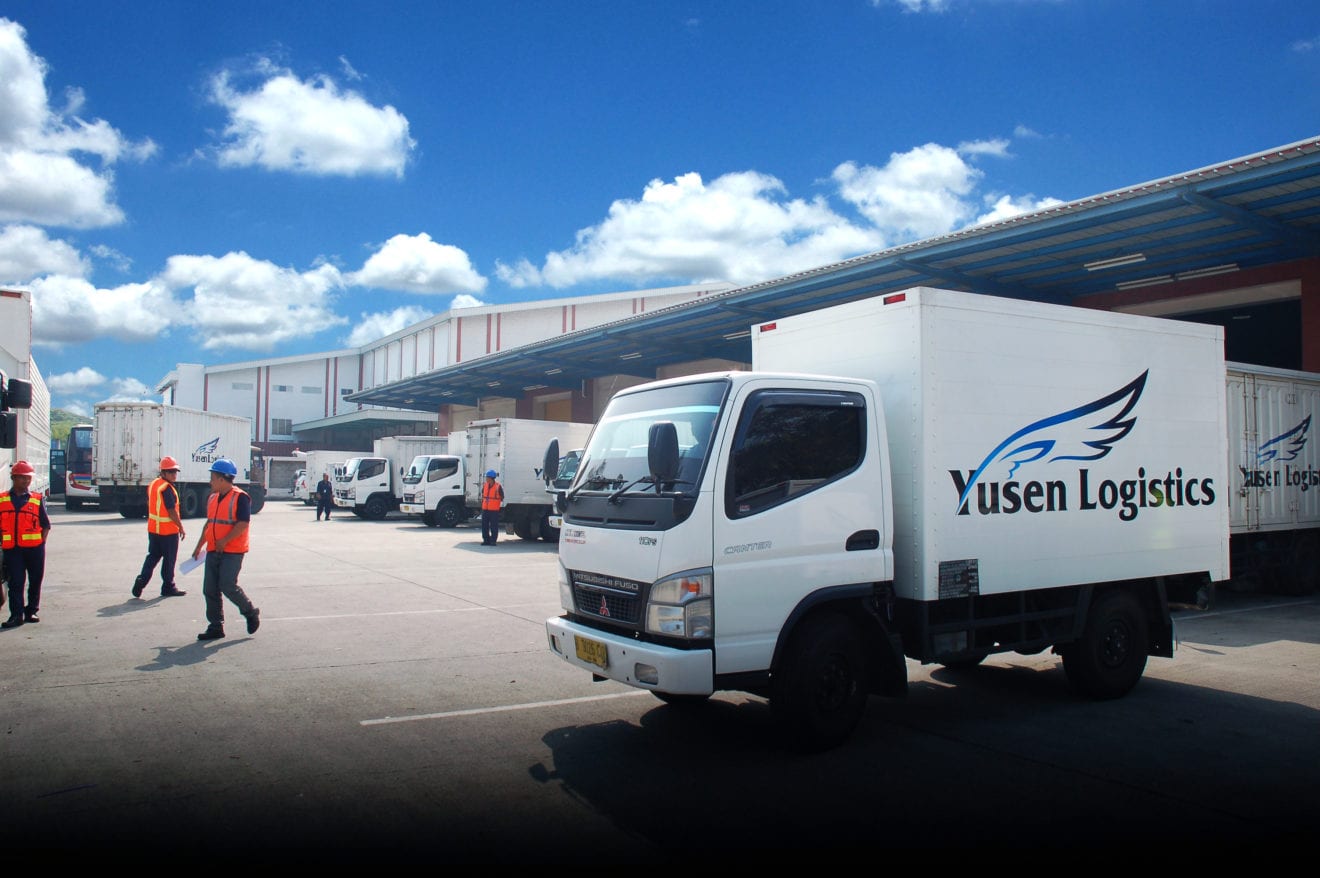
    Hitech specializes in domestic logistics, offering an end-to-end logistics service that integrates the land transportation, installation and calibration of sensitive freight such as medical and business machinery. The company has eight locations across Australia and New Zealand, having a share of approximately 70 percent of the medical equipment transportation market.

    This acquisition will expand and improve the quality of Yusen Logistics’ services; increasing our presence through the expansion of new bases in New Zealand which complement our Group’s capabilities. Yusen Logistics will grow sales in the high-value added logistics service of sensitive freight and by integrating this service with our ocean and air freight forwarding and contract logistics services, the company aims to further expand its business.

    Ian Pemberton, Managing Director of Yusen Logistics Australia, said: “We are very excited about the opportunities Hitech will bring Yusen Logistics and the additional services we will be able to offer to our customers. Hitech’s skills in sensitive freight are highly complementary to Yusen Logistics’ global capabilities. We will be positioned to deliver top quality logistical and transport services with a fully integrated service combining every aspect of the supply chain.”

    Tom Devjak, CEO of Hitech, said: “We are delighted to be joining Yusen Logistics. Hitech will benefit from access to Yusen Logistics’ extensive global network including prime airport locations and international freight forwarding capabilities. We will now be able to offer customers seamless global transportation services.”

    Hi-tech Express Group Company Profile

    • Company name: Hi-tech Express Group Pty Ltd
    • Headquarters: 160 Newton Road, Wetherill Park NSW 2164
    • Representative: CEO, Tom Devjak
    • Founded: 2000
    • Employees: 110
    • Acquired businesses: Sensitive freight logistics and installation services

    Yusen Logistics (Australia) Company Profile

    • Company name: Yusen Logistics (Australia) Pty. Ltd.
    • Headquarters: 3 Davis Road, Wetherill Park, NSW 2164, Australia
    • Representative: Managing Director, Ian Pemberton
    • Founded: 1988
    • Employees: 450
  • Rail option for Indian online shopping deliveries

    Rail option for Indian online shopping deliveries

    While eCommerce can go off the rails when it comes to delivery, train companies are coming to the rescue.

    Because most customers are not at home during the day when parcels are delivered, Network Rail in the UK is solving this with its Doddle mail collections points at train stations – an idea now being trialled by the Delhi Metro Rail Corporation in India, reports Springwise.

    Indian online shopping site customers will soon be able to arrange to collect their purchases from 10 Metro stations in New Delhi, including MG Road, Huda City Centre and Kashmere Gate.

    When making online purchases, users will have the option to choose “station collection” as a delivery method. They then click on their preferred station and will be given a one-time password via email or SMS. Their order will be delivered to the designated station, where they can collect it from a kiosk during their commute to or from work.

  • Thailand gains DHL eCommerce

    Thailand gains DHL eCommerce

    Thailand has been identified as a key market in Southeast Asia for the launch of the DHL eCommerce domestic delivery service.

    The end-to-end service for Thai eCommerce merchants offers next-day delivery to key urban centres with an easy-to-use portal for preparing shipments and full tracking visibility for consumers. It has been introduced as Thailand’s eCommerce market gathers strength.

    DHL eCommerce, a division of global logistics company Deutsche Post DHL Group, says it aims to enable a better eCommerce experience for both consumers and merchants through efficient logistics and a seamless online shopping experience.

    Major additions will be made to DHL’s delivery infrastructure in the country, including a 3000 sqm central distribution centre in Bangkok and a network of more than 20 depots throughout the nation to ensure full coverage.

    DHL plans to more than double the number of depots in Thailand by next year, and expand its fleet, primarily using two-wheel vehicles to deal with the traffic in major cities.

    DHL eCommerce’s fleet of vehicles will provide next-day delivery to all urban areas, and a two- to three-day delivery to other locations. All merchants have access to cash on delivery (COD) with daily remittance and access to a multilingual call centre.

    Launching in Thailand is seen by the company as a showcase for Strategy 2020, the corporate strategy of Deutsche Post DHL Group, which has renamed its mail division as “Post – eCommerce – Parcel”. DHL has been in Thailand since 1973 with its other business units – DHL Express, DHL Global Forwarding and DHL Supply Chain.

    “The Thai eCommerce market is expected to more than triple in size to EUR 3.6 billion ($3.94 billion) between now and 2020, and with this investment we are well positioned to support the growth of eCommerce businesses in Thailand,” says DHL eCommerce CEO Thomas Kipp.

    “We see major strategic opportunities for eCommerce growth in Thailand, particularly with the ASEAN Economic Community, which is expected to increase the movement of goods within the region.

    “Despite eCommerce already being a billion-dollar sector with extremely rapid adoption, Thailand’s share of the market is still relatively low compared to other high-growth economies,” says DHL eCommerce Asia Pacific CEO Malcolm Monteiro. “Only 1.7 per cent of total sales in Thailand are from eCommerce, compared to more than 10 per cent in China.

    “Thailand is ranked as one of our top-priority markets in South-east Asia: its expected annual market growth of more than 20 per cent (from 2014 to 2020) is likely to be largely driven by significant numbers of SMEs beginning to extend their business models into online marketplaces.”

    DHL eCommerce Thailand MD Kiattichai Pitpreecha says businesses need logistics services that keep up with extremely rapid changes in consumer expectations.

    “This makes the need for a tailored eCommerce delivery service greater than ever before so merchants, especially SMEs, can focus on their core business and grow faster.”

    Monteiro says the company’s success in India and China have proven that customer service bolstered by robust and scalable end-to-end delivery networks are essential for winning eCommerce market share.

  • Amazon shores up logistics in China as its global delivery business

    Amazon shores up logistics in China as its global delivery business

    Amazon is expanding its logistics services into mainland China and other major shipping hubs to reduce logistics costs as it seeks to expand into the cross-border e-commerce market.

    This would see it take on domestic market leader Alibaba Group in the global cross-border e-commerce market, which is projected to reach US$1 trillion by 2020, according to data supplied by Accenture and AliResearch.

    However, its ambitions may be grander yet. One rumour doing the rounds this month maintains that Amazon has even begun leasing planes – under the radar, so to speak – to further its ambitions that may extend to taking on its current delivery partners like FedEx and the United Parcel Service.

    Seattle-based e-commerce juggernaut Amazon filed an application with the Shanghai Shipping Exchange last year that would allow its Chinese subsidiary, Beijing Century Joyo Courier Service, to serve as a shipping broker to countries in Europe, Japan and the United States.

    A broker takes care of cargo and customs issues on behalf of merchants so make sure goods reach their final destination.

    Amazon submitted a similar application to the US Federal Maritime Commission in November, allowing it to serve as a middleman for ocean freight services to other US-based companies that wish to export to other countries.

    These moves suggest the company is one step closer to becoming a transnational logistics and fulfilment hub, as outlined in a 2013 proposal to senior executives at the company, Bloomberg reported.

    Although Amazon deals with e-commerce, it does not hold its own inventory, similar to Chinese online retailer JD.com. Amazon largely taps merchants who wish to sell their products on its own platform.

    Merchants can choose to list their products and sell to customers directly from the site, or ship their goods to Amazon, which then fulfils orders on their behalf.

    By serving as a middleman in ocean freight, Amazon can tap the growing e-commerce cross-border market in China and the US by consolidating large volumes of cargo from merchants there.

    “The licenses that Amazon have received not only strengthens its own position as a fulfilment channel for its own cross border trade, but also allows it to act as a potential competitor to the likes of DHL, Fedex and UPS in delivery services,” said Michael Yeo, analyst at market research firm IDC.

    Amazon’s strategy in logistics is similar to that of its cloud computing business unit, Amazon Web Services. AWS was launched with the aim of fulfilling Amazon’s cloud computing needs but has since expanded into providing cloud services for other companies.

    “Much like how Amazon Web Services now provides cloud services to others, we can assume that Amazon has larger plans for its logistics services than simply for goods that are purchased directly on Amazon,” said Yeo.

    Amazon’s logistics strategy puts it head-to-head with Alibaba Group, which has also been aggressively expanding its logistics subsidiary Cainiao.

    Cainiao has struck partnerships with domestic and international logistics partners such as Singapore’s SingPost and the United States Postal Service for its cross-border logistics solutions.

    Meanwhile, Alibaba’s Tmall leads the retail e-commerce sector in China, wielding 58.6 per cent market share in the first quarter of 2015, according to data by iResearch.

    In contrast, Amazon China only held 1.1 per cent of the market, despite having its hand in the game since 2004, four years ahead of Alibaba’s Tmall launch.

    Doug Gurr, president of Amazon China, said the company was chasing areas where it has “unique competitive advantages” in satisfying local appetites for imported products.

    “We want to help Chinese customers gain easy access to high quality and authentic international products at fair prices around the world … and help sellers from China to grow their business globally,” he said.

  • DHL launches S$10m innovation centre in Singapore

    DHL launches S$10m innovation centre in Singapore

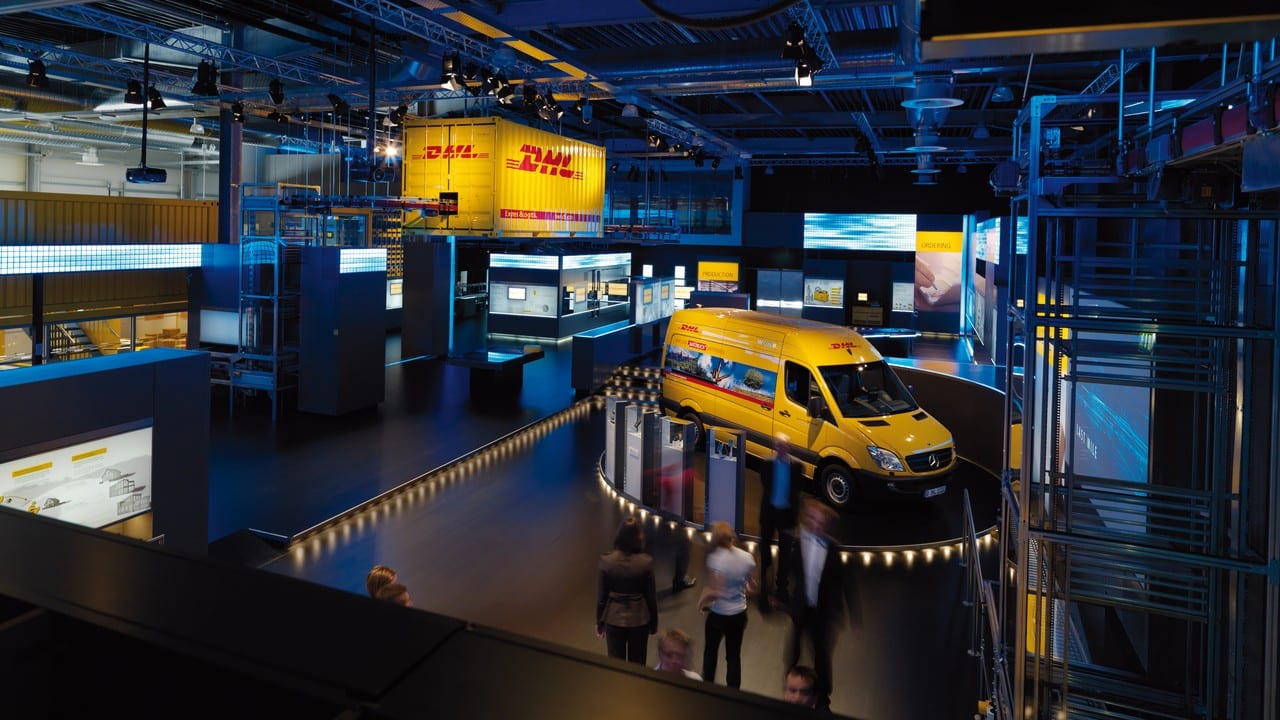
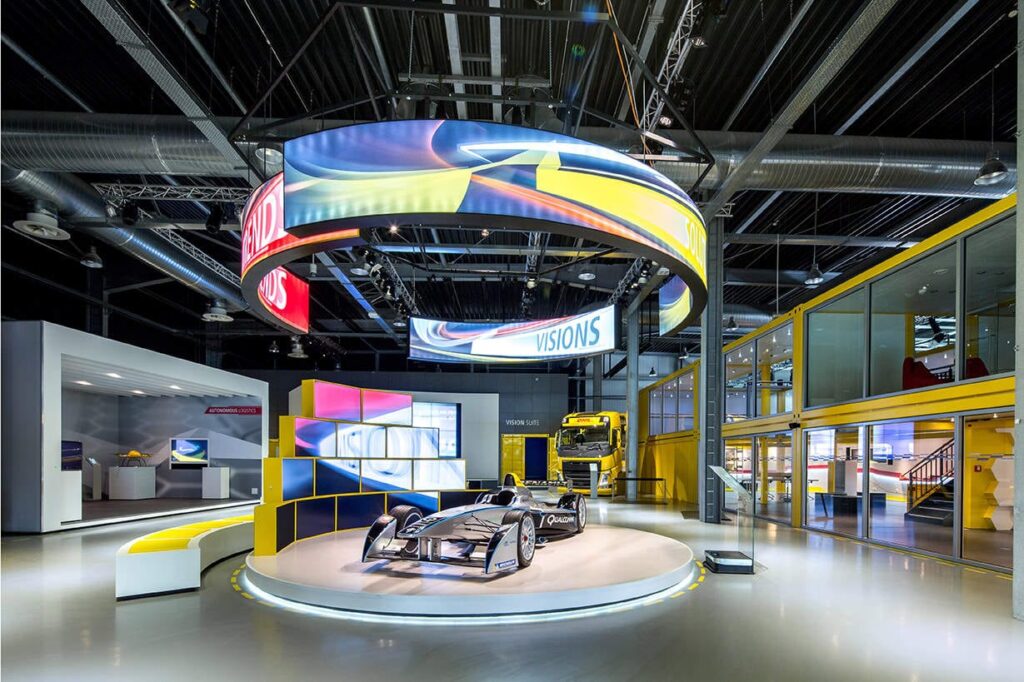
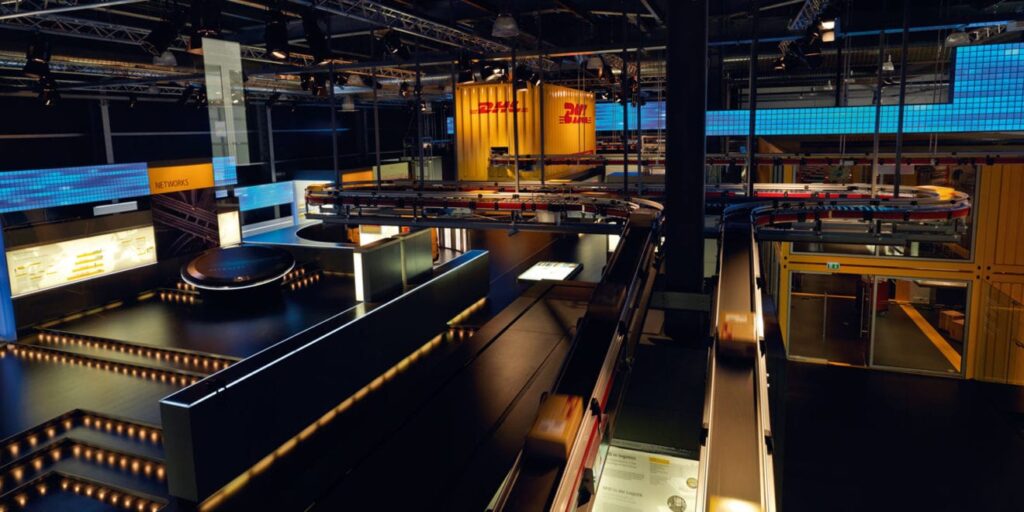
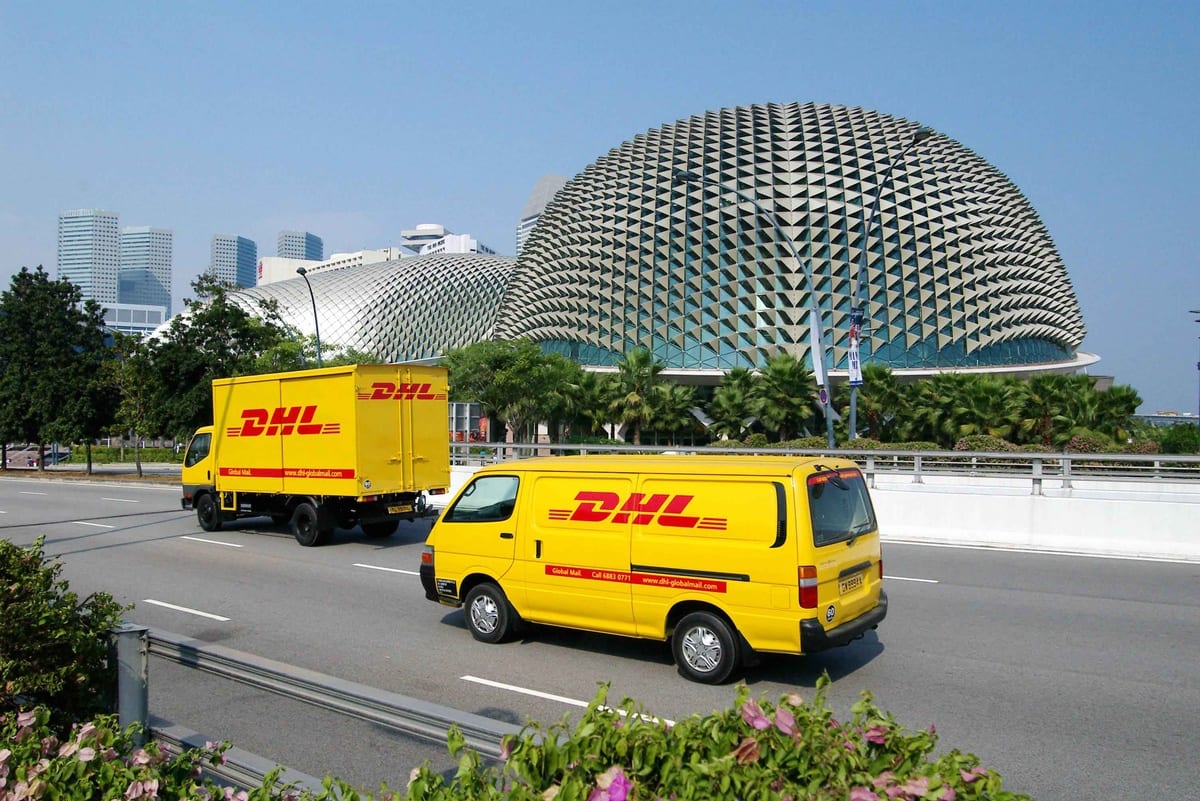
    DHL  launched its Asia Pacific Innovation Centre (APIC) in Singapore, its first innovation centre outside of Germany.

    Located at DHL’s Supply Chain Advanced Regional Centre building at Tampines LogisPark, the S$10 million facility is also the company’s first dedicated centre for innovation logistics services in the Asia Pacific region.

    DHL-Innovation-Center-1_xlarge

    APIC showcases technologies that will transform logistics operations, such as driverless shuttles for faster and more efficient transportation, and drones for the delivery of time-critical goods such as medicines. It was launched with the support of the Economic Development Board (EDB), the company said.

    Additionally, APIC also serves as a regional platform for collaborative innovation between DHL and its partners. The centre will also drive research initiatives that focuses on emerging trends in Asian logistics and economic activity. For instance, DHL’s Chief Commercial Officer Bill Meahl cited growing opportunities in e-commerce as well as growth in markets like India and China.

    There are also guided tours, innovation workshops and forums available for visitors to the facility, it added.

    DHL_pics_1600x800_01

    Said Mr Lee Eng Keat, Director, Logistics and Natural Resources at EDB: “The launch of the APIC is another important step towards enhancing Singapore’s value-adding role in the realm of global supply chain solutions.

    “With DHL as a strategic partner in this journey, Singapore is well positioned to serve the needs and harness the opportunities presented by the dynamic supply chain landscape and emerging technology and trends globally.”

  • Angkasa Pura has world-class logistics warehouse in Bali

    Angkasa Pura has world-class logistics warehouse in Bali

    State-owned airport operator PT Angkasa Pura-I now has a logistics warehouse of international standard in the Indonesian island resort of Bali, according to the companys President Director, Sulistyo Wimbo Hardjito.

    Speaking to reporters here on Friday, Hardjito remarked that the international standard warehouse, named the Bali Logistics Park, is projected to boost the distribution of logistics in the eastern Indonesian region.

    “The presence of the Bali Logistics Park is expected to facilitate the flow of goods and encourage the growth of the logistics services sector and tourism in Bali,” he noted.

    According to Hardjito, the logistics warehouse building is located in proximity to the eastern side of the Ngurah Rai International Airports runway.

    In the meantime, Director of Angkasa Pura Property Miduk Situmorang explained that the Bali Logistics Park was built on a 1.6-hectare plot of land, with a building area of 7.2 thousand square meters.

    Situmorang said the building, constructed in nine months, has eight storage rooms, each measuring 960 square meters.

    “We hope the Bali Logistics Park would be able to address the needs of warehousing facilities of customers and businesses,” he affirmed.

    Angkasa Pura Director for Logistics Affairs Garniwa Irwan explained that the Bali Logistics Park has a loading and unloading area, which is able to serve 40-feet trucks, equipped with forklifts.

    Irwan remarked that the logistics warehouse, with a capacity of five thousand kilograms per square meter, can be operated by using advanced technology that allows users to store and organize their items accurately.

    Further, he remarked that the customers can choose and manage their own storage and distribution of several products in the warehouse or store a pallet unit in one of the storage consoles.

    He noted that the Bali Logistics Park in Bali will serve as an example for the central and eastern regions of Indonesia.

    “With the presence of the Bali Logistics Park complex, the businesses will not hesitate to expand their distribution of goods in Bali. We are also planning to build a similar facility in Surabaya, East Java,” Irwan added.

  • DHL Signs EMS Deal with Pos Indonesia

    DHL Signs EMS Deal with Pos Indonesia

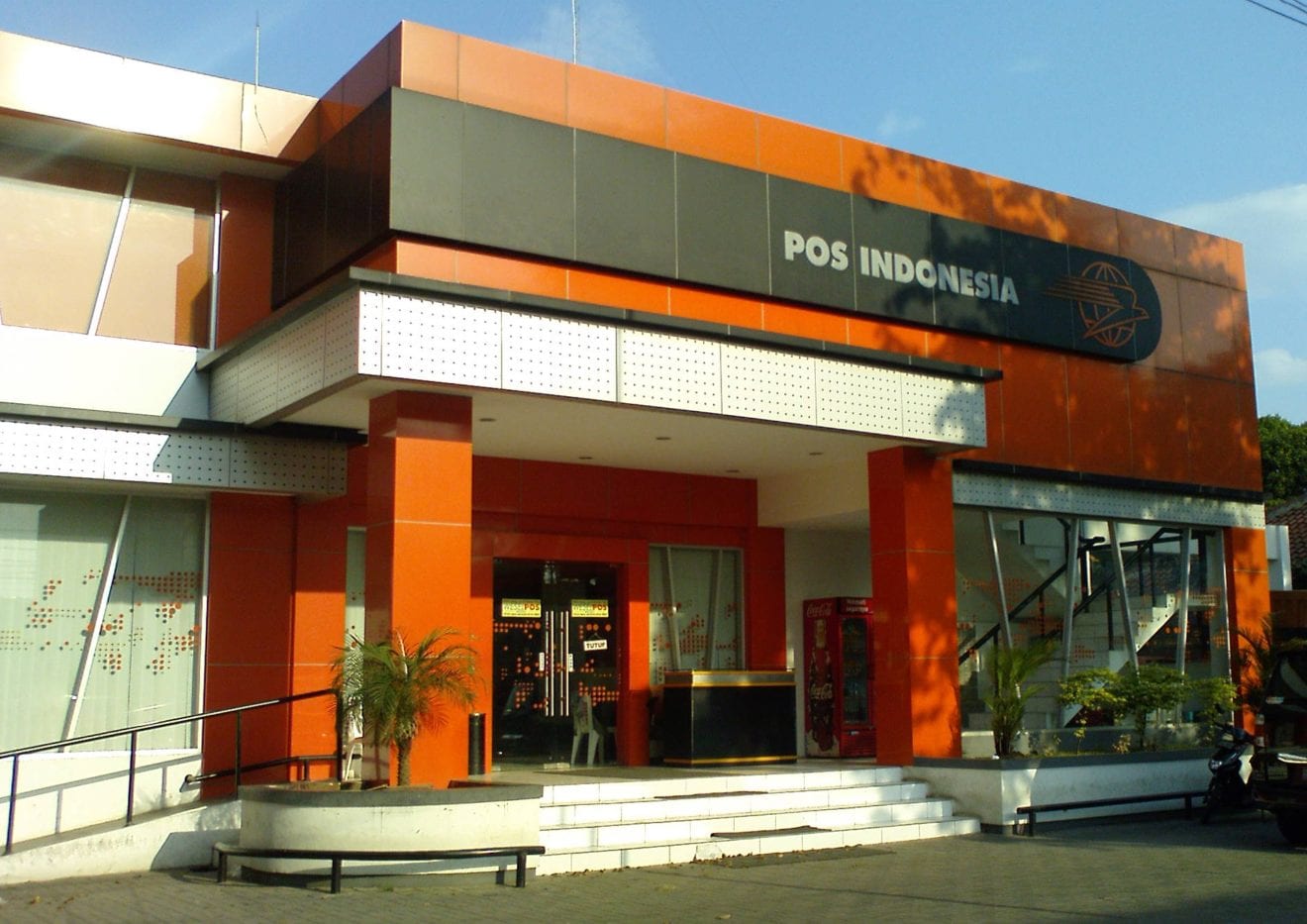
    International logistics service provider DHL Express has signed an addendum to the  cooperation agreement with PT Pos Indonesia (Persero) for an Express Mail Service (EMS) to overseas destinations.

    The agreement was signed on Wednesday, January 20 by DHL Express Indonesia’s senior technical advisor Ahmad Mohamad and PT Pos’ president director Gilarsi Wahyu Setijono.

    The collaboration is aimed at supporting the growth of small and medium enterprises (SMEs) in Indonesia, through the provision of a reliable international express delivery service to more than 220 countries and territories within DHL’s global network; facilitating the growth of SMEs on a global scale.

    The partnership was first developed in 2005, and has since provided significant benefits for SMEs through the opening of access to global markets. Pos Indonesia can learn best practices in handling international express delivery service through this cooperation.

    “The most important thing is that, through this cooperation, Pos Indonesia and DHL Express Indonesia can grow and advance together to serve the people of Indonesia,” Gilarsi said.

  • Pos Indonesia eyes eCommerce boom

    Pos Indonesia eyes eCommerce boom

    Indonesia’s national postal service, Pos Indonesia, is mulling a spin-off its logistics arm in 2019 an IPO to capitalise on the online shopping boom.

    Pos Indonesia is aiming for Rp 11 trillion ($796 million) in revenue within the next two years, according to its director of technology and financial services, Indyruwani Asikin Natanegara. One third of this would come from its logistics arm, Pos Logistik Indonesia.

    This would more than double Pos Indonesia’s estimated revenue of about Rp 4 trillion last year, and be a nearly eightfold increase (about Rp 500 billion) for Pos Logistik Indonesia.

    Established four years ago, Pos Logistik Indonesia may make its trading debut before its holding company. It is something Pos Indonesia has been discussing for three years. With a network of 4367 offices and more than 28,000 agents, Pos Indonesia has established ties with such eCommerce companies as MatahariMall and Zalora Indonesia, in providing pickup and delivery services.

    Pos Logistik Indonesia’s business solutions director Yan Hendry Jauwena says the idea is to provide logistics for eCommerce companies. It has formed a partnership with Singapore-based technology firm Anchanto, which will be offering its services for warehousing and inventory, processing orders and delivery.

  • Asian eCommerce boom reshaping logistics sector

    Asian eCommerce boom reshaping logistics sector

    The Asian eCommerce boom is driving major changes in logistics developments and networks across the region, according to CBRE’s latest Global & Emerging Logistics Hubs report.

    “With a trickle-down effect to inventory management, this is leading to changes in the global supply chain network,” said Dennis Yeo, regional head, industrial & logistics services with CBRE Asia.

    “Speed-to-market is more important than ever. The service demands brought about by eCommerce – for example, shorter delivery times to consumers – has changed the entire retail supply chain of getting goods to consumers, including regional distribution strategies. The technical ability of locations and buildings to support the ever-increasing demands for both scale and speed of output is an ever-more important determinant of market position.”

    In Asia, the eCommerce and e-tailing market has been particularly strong, with eCommerce upending the traditional bricks-and-mortar distribution networks, forcing retailers and third-party logistics firms to adapt to an increasingly demanding consumer.

    “eCommerce shipments are smaller in size and require more technology and expertise to execute efficiently. As a result, modern logistics facilities are being developed in the traditionally strong logistics hubs of Tokyo, Seoul and Taipei. Besides the developed markets, the new consumer class in the emerging markets is creating opportunities for logistics development in in China, India and Vietnam,” said Yeo.

    Hong Kong under threat

    Meanwhile, the report concludes that while Hong Kong will remain one of the top global logistics hubs in the world, for the next decade, the territory will be in strong competition with several emerging Asia hubs including China’s Beijing, Hangzhou, Nanjing, Suzhou, and South Korea’s Busan.

    “Hong Kong has maintained its global logistics hub status due to its efficient transportation network and highly developed logistic services. It ranks third in the World Bank’s Logistics Performance Index,” said Darren Benson, executive director, industrial & logistics, brokerage services, CBRE Asia.

    “As the traditional global gateway to China, Hong Kong is likely to remain the hub for global distributors, due to its local trade and transport regulations and its ease of connectivity via seaports.“

    Hong Kong is currently the fourth largest global seaport by container volume, while emerging hubs such as Shanghai, Shenzhen and Busan rank first, third and fifth respectively. These emerging locations share a number of characteristics, including significant investments in infrastructure, new trade policies and agreements, and more advanced supply chains and technologies. As these cities continue to improve their regional transportation infrastructure so their viability for international trade increases.

    The shift in global supply chain dynamics and creation of new logistics hubs in Asia may also be spurred by China’s plans to revive the Silk Road trade route.

    In 2013, China launched a new strategic initiative, known as “one belt, one road,” which aimed to revive the importance of the Silk Road. The new Silk Road has two parts: the Silk Road Economic Belt, a land-based route that will connect central China to the Middle East and Eastern Europe, and the Maritime Silk Road, a sea-based path that will link South China to Southeast Asia, East Africa and Europe.

    In Asia, low-end manufacturing – such as garment and textiles production and electronics component assembly – has steadily been moving from Southern China to Western China and Southeast Asia. Southern China, encompassing the Pearl River Delta, has traditionally been the light industrial manufacturing center of the world, however, as wages continue to rise and China attempts to move up the manufacturing value chain, there has been a shift to more sophisticated heavy industry manufacturing.

  • UPS expands Chinese operations

    UPS expands Chinese operations

    UPS has expanded its presence in 13 additional cities in China improving transit times and extending cut-off times.

    Customers in the cities, situated in Jiangsu, Shandong, Zhejiang, Guangdong provinces, and in Chongqing Municipality, will have direct access to UPS’ full portfolio of services.

    Nando Cesarone, president of UPS Asia Pacific, said: “As China continues to liberalise its economy, balance growth across the country, and improve its infrastructure through initiatives such as ‘One Belt, One Road’, UPS is committed to expanding our presence in China and enabling more businesses to achieve their cross-border pursuits. This expansion is part of UPS’ long-term Asia Pacific strategy to facilitate trade growth within and beyond Asia.”

  • Logistics firm 21Express to tap Indonesia’s e-commerce boom for higher growth

    Logistics firm 21Express to tap Indonesia’s e-commerce boom for higher growth

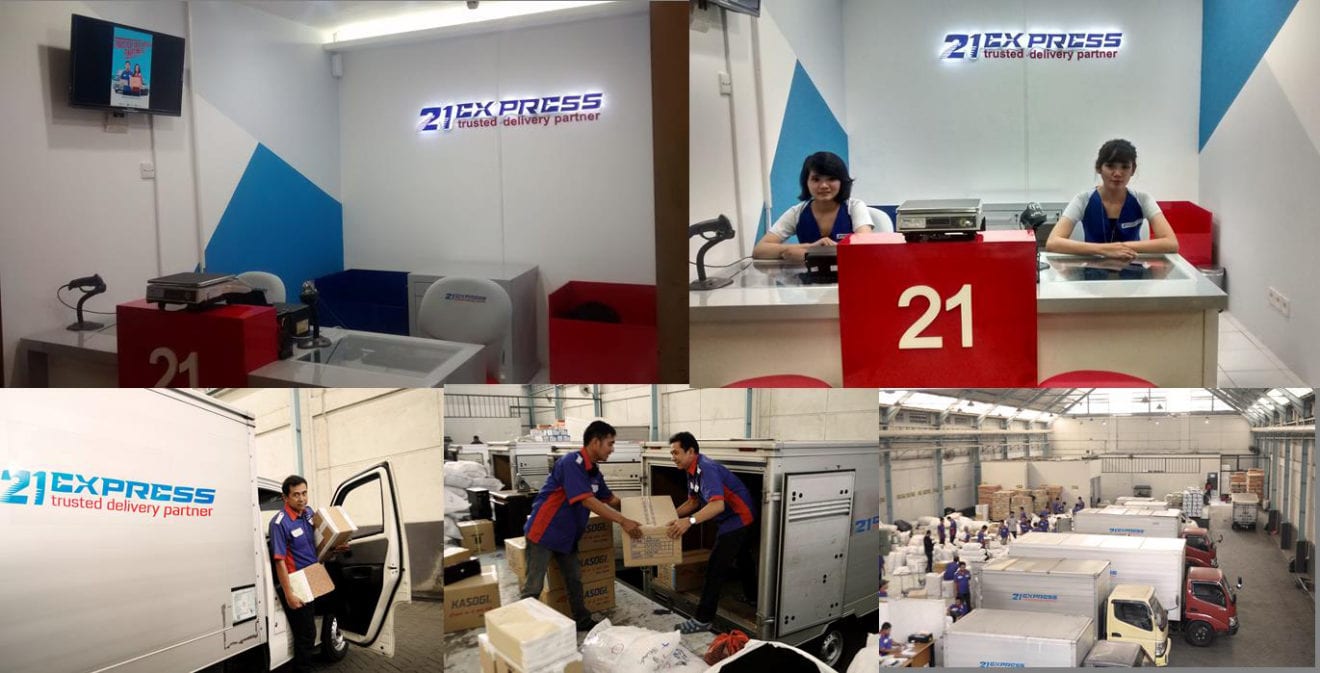
    Founder and CEO 21Express Tjia Anastasia told reporters on Wednesday that the company’s plan to enter the retail courier business is driven by the high demand from retail sector for domestic and international shipments.

    “We have seen a fast growth in e-commerce since about 2010.This growth has really impacted the logistics business as companies have to send packages to Indonesia regularly,” Fany Wyadi, managing director of 21Express, said.

    As online shopping becomes increasingly popular in smaller cities, the Jakarta-based company expects to see shipments growth double or even treble in the next year from the current 130,000 packages each month, said Fany. 21Express’ clientele is dominated by corporates who account for 70 per cent of the business while it has already signed up three of the country’s top e-commerce players as clients, Fany said, declining to divulge further.

    According to independent research body IDC, e-commerce market in Indonesia grew by 42 per cent from 2012 to 2015.

    The high growth is encouraging e-commerce businesses to find reliable partners so that the delivery of goods and documents can be done in time. For example, one of the leading retail optical networks of the country Optik Melawai, has partnered with 21Express to send stock glasses and sales tools to hundreds of outlets in Indonesia. Tjia explains that its first partner is serving the retail customers of a communication equipment distributor firm to distribute its high value products.

    “We are the pioneer company behind the successful sales and distribution of mobile phones in Indonesia and one of the companies that is believed to transmit the tools and medical material to the corners of Indonesia,” Fany said.

    Backed by more than 200 units in its fleet, the company currently has 30 official outlets in Indonesia with an additional 50 partners that franchise the service. The company said, it was in the process of adding 200 new outlets by the end of the year.