Tag: Lotte

  • Big success for Korean retailers during shopping festivals

    Big success for Korean retailers during shopping festivals

    South Korean retailers enjoyed a big sales boost from annual shopping extravaganza they launched in November to join the world’s major shopping events like Black Friday in the U.S. or Single’s Day in China. According to industry sources on December 2, Lotte Department Store, one of the country’s retail majors saw its sales from Nov. 1 to 29 grow 1.1 percent against the same period last year. Sales of its hypermarket affiliate Lotte Mart also gained 1.7 percent over the same period.

    Home appliance sold especially well during the big sales period, recording a 12.5 percent jump in revenue compared to the same period last year. High-end products were also showed sharp growth – sales of expensive hanwoo or Korean beef soared 25.8 percent on year and luxury fashion items up 9 percent.

    E-Mart., another leading big-box store chain also held a mega sales event in November, slashing prices of nearly 2,000 items worth 300 billion won (US$267.4 million). It sold 180 tons of hanwoo in just four days, doubling sales against the same period last year.

    Online retailers enjoyed even bigger growth in sales through major discount events. G Market and Auction hosted Big Smile Day sales event from Nov. 1 to 11 and their sales transaction amount more than doubled compared to the same period a month earlier.

    11st.com that runs its biggest sales event on Nov. 11 every year said its daily transaction amount on this year’s big sales day reached a record high of 102 billion won. Last year, it recorded 64 billion won through the same event.

    WeMakePrice Inc. also held bargain sales from Nov 1 to 11 this year. It said the transaction amount over the period jumped 77 percent to 230 billion won compared to the same period last year. By volume, it was up 15 percent on year. The company estimated transaction amount to hit a record high of 600 billion won in November.

  • Retail sector Korea in future

    Retail sector Korea in future

    Technology and e-commerce trends are reshaping the global retail industry in profound ways, as the rise of online channels threatens to displace more traditional shopping experiences. However, Korea’s retail sector seems to be thriving in the face of this upheaval, with a 6% year-over-year increase in retail sales by Q3 2018. What are the factors fuelling this encouraging retail growth?

    Firstly, improved relations with China and North Korea have energised the retail sector, with duty-free sales registering an impressive 34% year-over-year growth by Q3 2018. While this retail boost can primarily be attributed to the recent surge of Chinese tourists in Korea, it also reflects the growing international popularity of Korean beauty and lifestyle brands.

    E-commerce is also emerging as a key driver of Korea’s retail sector. Online channels have experienced rapid growth since 2010, and will only keep expanding their foothold as Korean consumers start shifting away from brick-and-mortar stores. With Korea’s e-commerce market predicted to grow by 21% this year, traditional retailers will need to find new ways of adapting to this rapidly evolving landscape.

    Some retailers are already turning to artificial intelligence and other Industry 4.0 technologies in an effort to provide consumers with more innovative shopping experiences. For instance, Hyundai Department Store is using Naver’s virtual assistant Clova to answer customer inquiries – whether they relate to store locations or specific purchases.

    Another interesting example is retail giant Lotte Home Shopping, which has developed its own augmented reality system so that customers can visualize how products would look in their home. As these new technologies get ushered into the mainstream, we can expect to see more and more retailers jumping on the AI bandwagon in the next few years.

    However, this doesn’t mean that we should write off the traditional brick-and-mortar experience just yet. Major brands are still banking on attracting consumers with the enduring prestige of high street locations – such as Maison Kitsuné, which recently opened its flagship store in Seoul’s trendy Garosugil district.

    Many global retailers continue to view Seoul, one of the world’s most famous shopping destinations, as a test bed in Asia. With cosmetics brands like Givenchy Beauty and Armani Beauty making their debut in Seoul this year, and renowned F&B brand Blue Bottle Coffee preparing to enter the Korean market in 2019, it’s clear that leasing demand from foreign retailers is still going strong.

    If we look to other segments of the retail industry that are experiencing growth, it’s worth highlighting the surge of fresh food delivery services across the country. With double-income families emerging as a major consumer force, demand for overnight fresh food delivery has also been rising – and major retailers as well as food startups are turning their attention towards this potentially profitable market.

    The rapid expansion of the food delivery market – and of the e-commerce sector in general – is proving to be a windfall for Korea’s logistics industry. Logistics developers are recognizing the need for large-scale modern logistics centers capable of storing and delivering goods nationwide, with faster delivery remaining the market’s key competitive measure. The growing demand for cold chain facilities is expected to fuel a mass redevelopment of older warehouses, especially in the Greater Seoul area.

    So far, Korea’s retail industry has shown remarkable resilience against a backdrop of technological disruption. More brick-and-mortar retailers are offering F&B, AI and entertainment options to differentiate themselves from their e-commerce counterparts; and this trend will only grow as consumers seek out unique shopping experiences. The question is, will Korea’s retail market keep thriving in the long term?  As long as technology continues to enhance – and not supplant – existing retail experiences, we can venture to hope that a bright future is in store for this challenging and dynamic sector.

    -CBRE-

  • Lotte gears up for winter promotion at downtown and airport stores

    Lotte gears up for winter promotion at downtown and airport stores

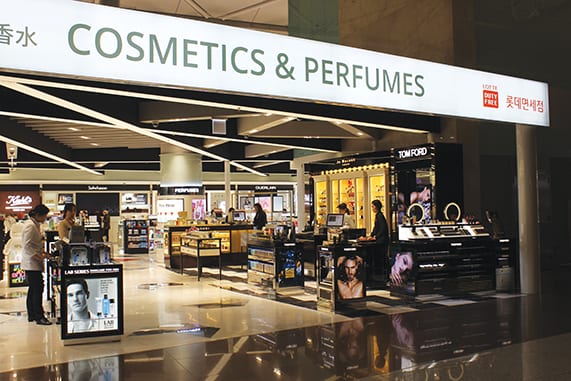
    The winter promotion for Lotte Duty Free will kick off on 23 November and run until 2 January 2019. The large-scale event will see more than 50 overseas brands, including  MaxMara, Ferragamo and Vivienne Westwood, offered at a discount of 20-80%.

    During the six-week promotion, any customers spending more than $1 at the retailer’s Myeongdong head office, World Tower, Coex, Incheon Airport, Gimpo Airport, Busan or Jeju stores will be given the chance to enter a lottery. 10 winners from the lottery will be presented with a ₩3m ($2,658) travel voucher.

    Customers spending a certain amount instore will be entitled to giveaways and gifts with purchase. Those that more than $800 in Lotte’s World Tower or Coex downtown stores will receive tickets for the Picasso and Cubism Art Exhibition; those spending more than $300 at World Tower, Coex, Busan or Jeju from 28 November will receive a Lotte calendar, while those spending more than $300 at Incheon, Gimpo or Gimhae airports after 1 December will receive a free microfiber knee blanket; and those that spend more than $100 at the retailer’s Coex store will be awarded a scratch coupon.

  • 65% jump for Lotte Duty Free’s overseas sales

    65% jump for Lotte Duty Free’s overseas sales

    South Korean retail giant Lotte’s duty-free operator Lotte Duty Free posted a rapid hike in overseas sales in its quarterly performance report. According to the company, sales for the third quarter this year hit a record-high 4.1 trillion won (US$3.6 billion), a 25 percent on-year increase.

    The sales from its downtown city stores and its overseas stores amounted to 3.8 trillion won and 164 billion won, respectively.

    Lotte Duty Free currently operates seven overseas stores in countries including Japan, Vietnam and Thailand. Sales at its overseas stores increased 65 percent from a year ago, and the outlet in Vietnam recorded an 800 percent jump in sales.

    The company said it expects 200 billion won worth of overseas sales by year-end.

    It will also soon open its first duty-free store in Australia.

    According to the company, its operating profit in the third quarter totaled 228 billion won, representing an on-year jump of 550 percent.

    The company said the number proves that the retailer is recovering from China’s apparent retaliation over the deployment of the Terminal High Altitude Area Defense system here.

    After withdrawing stores from Terminal 1 at Incheon International Airport in February due to a sharp drop in sales, Lotte Duty Free is focusing on aggressive marketing for its online mall and its downtown outlets.

    Compared with last year, its sales online and at its downtown stores rose 42 percent and 50 percent, respectively, the company said.

  • Duty-free sales may hit all-time record this year

    Duty-free sales may hit all-time record this year

    Korea’s duty-free sales are likely to set a new annual record this year despite Chinese group tour traffic not having fully recovered.  According to the Korea Duty Free Shops Association, duty-free store operators made $1.44 billion in October, a 28.6 percent increase year on year. This takes Korea’s total duty-free revenue between January and October to $14.3 billion, surpassing 2017’s full-year revenue of $12.8 billion.

    “The local duty-free market was 14 trillion won [$12.4 billion] in size last year – some forecast this year will reach a new all-time record of 18 trillion won,” said a source at one of Korea’s largest duty-free store operators.

    The growth is meaningful considering that Chinese group tours are not fully back in the market.

    Industry watchers and analysts attribute the increase in duty-free sales this year to “daigongs,” or individual Chinese merchants that purchase Korean goods and resell them at home.

    Before Chinese group tours were banned in March 2017 after Korea’s deployment of the U.S. Terminal High-Altitude Area Defense antimissile system, they were a major source of revenue for local duty-free stores. As traveling to Korea for Chinese became more difficult, the reselling business began to grow.

    “Revenues are going up this year but we’re still waiting for group tours to come back,” said another source at one of top three duty-free companies.

    Sales increases are generally good news, but industry watchers warn that operating profits will not grow as fast as revenues. Attracting daigongs entails high marketing costs. New duty-free outlets opened in Seoul this year, which means competition to pull in daigongs may become more intense.

    Signs suggest restrictions on group tours from China are easing. Some online tour agencies have started marketing group tour packages to Korea on their websites. Last week, China’s largest online tour agency Ctrip posted Korean tour products on its website, but erased them the same day.

  • Lotte pledges 50 trillion won investment

    Lotte pledges 50 trillion won investment

    Lotte Group announced Tuesday a major investment plan to spend 50 trillion won ($43.9 billion) and hire 70,000 workers over the next five years. “The plan comes in order to normalize management activities, obtain a competitive edge for future growth and contribute to vitalizing the local economy,” Lotte said in a statement.

    The announcement comes on the heels of similar plans announced by other conglomerates like LG, Shinsegae and Samsung. Lotte couldn’t join that wave because Chairman Shin Dong-bin was sentenced to 30 months in prison last February for bribing former President Park Geun-hye. On Oct. 5, the Seoul High Court replaced the prison sentence with four years of probation, and Shin returned to work three days later.

    Lotte announced an investment plan of 40 trillion won in 2016. But most of the investments couldn’t be executed after the group was badly affected by the deployment of a U.S. antimissile system in Korea in 2017 on a golf course formerly owned by the group and a Chinese boycott against Lotte that followed. Shin’s imprisonment earlier this year also got in the way.

    Execution of the 50-trillion-won plan will start next year. A 12 trillion won budget is planned for 2019, a record for the conglomerate.

    The two sectors that will receive the greatest attention are chemicals and retail. Some 40 percent of the investments will be in chemicals and 25 percent in retail. Lotte grew to its current size thanks to food and retail, but in recent years, the company has been active in developing the chemical business.

    For chemicals, investments will focus on expanding local and overseas manufacturing facilities. The group currently has factories in three locations in Korea, which Lotte said will be expanded.

    Investments in overseas facilities will also be made to expand the company’s businesses abroad. Lotte Chemical has a $4-billion project in Indonesia that was put on hold when Shin was jailed. A source at Lotte said, with Shin back in the saddle, resuming the project won’t take long.

    The main goal for investments in retail is improving the infrastructure for e-commerce. Lotte said in a statement it plans to establish logistics and computing infrastructure to offer a more convenient experience for shoppers online and off.

    Tech development and enhancing the level of digitalization is a long-term goal across the conglomerate’s affiliates. For example, Lotte wants to apply tech to its food business: Artificial intelligence technology is underway to be used for trend analysis and to suggest new products.

    Indonesia and Vietnam will be two foreign markets Lotte’s affiliates will focus on. The company once had a huge footprint in China, but Beijing unofficially retaliated against Lotte after the deployment of the antimissile system in Korea. The company added in the statement that it would continue discovering new markets.

    The goal for new jobs in 2019 is 13,000, which is 10 percent higher than what Lotte plans to hire this year. Many hires will be in the e-commerce sector.

  • Spotlight on ASEAN for Korean retail, beauty and entertainment biz

    Spotlight on ASEAN for Korean retail, beauty and entertainment biz

    With Southeast Asia becoming the center stage for South Korean businesses in expanding their global presence, retail conglomerates like Lotte, Shinsegae and CJ have been successfully tapping into the markets. Lotte Group has focused its investments on its retail arm Lotte Shopping’s entrance to the Indonesian market. According to the company, the Indonesia market accounts for 17 percent of total sales earned from overseas Lotte Group businesses.

    Lotte Mart, a discount chain operated by Lotte Shopping, currently runs 46 stores in 25 cities in Indonesia. These stores raked in 1.1 trillion won (US$971 million) in sales as of the end of last year.

    By 2020, the company aims to open 36 more stores in 10 additional Indonesia cities.

    Following a successful entrance in the Indonesian market, Lotte Shopping now targets large-scale investment in Vietnam.

    The company will inject 330 billion won to complete the construction of Lotte Mall Hanoi by 2020.

    Shinsegae Group has been also speeding up its expansion into countries in the Southeast Asia.

    In 2015, Shinsegae’s discount chain operator E-mart opened a two-story mall located in the heart of Ho Chi Minh City at Go Vap District, one of the most developed and densely populated areas in the capital.

    The Go Vap branch marks E-mart’s first overseas store since the brand redirected its focus to the Southeast Asian market in 2011 after officially exiting the Chinese market.

    For over the next three years, E-mart will invest 549 billion won to open four more stores in Vietnam by 2020.

    The second outlet in Ho Chi Minh will open in the first half of next year, the group said.

    Singapore is another crucial country — geographically and economically — for the groups.

    SPC Group opened the first Paris Baguette store in Singapore in 2012. Now nine outlets are operated there, including one at Changi Airport.

    The group said its Singaporean branch Paris Baguette Singapore PTE marked a 12 percent increase in sales from 12.9 billion won in 2015 to 14.4 billion won in 2016.

    SPC Group said it has taken care to localize its services as much as possible to meet the needs and lifestyle of Singaporean consumers.

    Entertainment businesses have also penetrated Southeast Asian markets.

    CJ ENM, a merged corporation of CJ O Shopping and CJ E&M that officially launched in July, will open Asia’s largest virtual commerce content production center in Ho Chi Minh City, Vietnam, targeting audiences in Southeast Asian countries.

    The center, called DADA Studio Vietnam, will create and distribute at least 1,000 pieces of virtual commerce content from early next year.

    Focusing on making use of the low-cost production system and high efficiency of the talent pool in Vietnam, CJ ENM said its attempt to operate a content hub abroad would lead to boosted content sales from the global market.

    “CJ O Shopping and CJ E&M had already witnessed the possibility of the v-commerce content business through our DADA Studio and online creators’ platform DIA TV. To dominate the expanding global content market, a merger of the two CJ companies will show the synergized effect of CJ’s digital content and channel operation,” said Kim Do-han, a director at CJ O Shopping.

    Following the K-pop boom and popularity of Korean style makeup trends, Amorepacific opened an outlet of its high-end makeup and skin care brand Hera this year at the Takashimaya Department store in the heart of Singapore’s shopping district.

    “Targeting the Singaporean market is important with the K-pop and Korean culture wave’s sensational influence to surrounding countries. Hera’s trendy brand image will suit well with Singapore consumers’ taste,” said Na Jung-kyun, head of Amorepacific’s Southeast Asian region division.

  • Lotte Duty Free’s expanded flagship Seoul store with focus on K brand

    Lotte Duty Free’s expanded flagship Seoul store with focus on K brand

    Lotte Duty Free has opened a new 519 square meters area at its flagship store in Myeong-dong, Seoul, with a strong emphasis on promoting small and medium-sized Korean brands. A highlight of the zone, located in the store’s Star Avenue, is ‘Blooming Beauty’, a shop-in-shop that houses around 130 brands, 60 of them small, emerging brands and 30 of them independently owned. These include the Marvel collection from The Face Shop, Medicube, Miba, Cosmetea, Wakemake and others.

    The company said it was “upgrading its incubation programme” for smaller brands, and would support them by distribution through its online sales channel and at its downtown Seoul outlets.

    It said that these brands would “demonstrate their sales potential” in the new environment.

    The store, it added, “will enhance customer convenience through brand diversification and space expansion”.

    To celebrate the opening of the new Star Avenue area, Lotte Duty Free presented gifts from 20 brand partners in the Blooming Beauty zone to shoppers who spent more than US$1.

    There are also special discounts for local residents until the end of October, and discounted sales of KT&G’s new ‘heat not burn’ product Lil will be available until 22 November.

  • Lotte’s Shin returns to work after early release

    Lotte’s Shin returns to work after early release

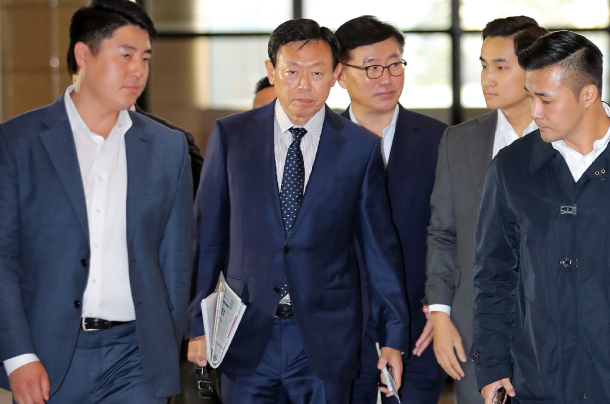
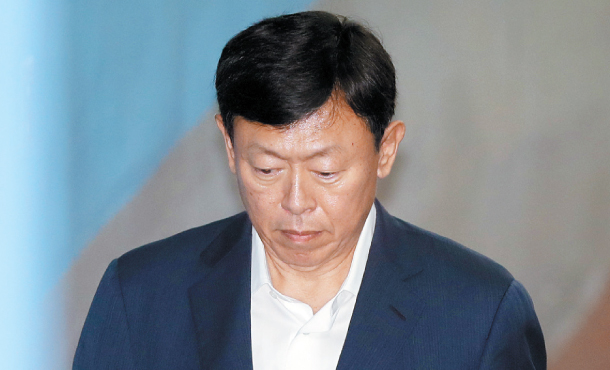
    Lotte Group Chairman Shin Dong-bin returned to the office on Monday, getting back to work immediately to resolve issues that were put on hold while he was imprisoned until Oct. 5.

    Shin was spotted heading to his office on the 18th floor of Lotte World Tower in Songpa District, southern Seoul, Monday morning without responding to questions from reporters.

    The 62-year-old Lotte head’s return to work comes just eight months after he was sentenced to 30 months in prison in February for bribing former President Park Geun-hye. On Friday, the Seoul High Court replaced the prison sentence with four years of probation.

    On his first day back, Shin was scheduled to meet with top executives for business updates, including heads of Lotte Group’s four main business units and Vice Chairman Hwang Kag-gyu, who was the de facto leader of the conglomerate during Shin’s vacancy.

    “We plan to speed up examinations of business agendas that were put on hold in order to normalize the company’s management,” a Lotte spokesman said.

    Shin was a core decision maker for multiple large-scale projects inside the group, and his imprisonment put a halt on many of those plans. Earlier this year, Lotte was looking into investing a total of 11 trillion won ($9.6 billion) in domestic and foreign companies, but the decisions had to be postponed.

    Among the large-scale construction projects waiting to restart is Lotte Chemical’s massive oil complex in Indonesia, in which the company planned to invest 4 trillion won by 2023. This was the largest ongoing investment when Shin was detained in February. Lotte finalized procedures in purchasing land for the site last year, but its construction was indefinitely postponed.

    Another problem left to untangle is the Lotte World project in Shenyang, China. The ambitious 3-trillion-won plan to build a mall, theme park, hotel and residencies inside one complex was stopped during construction by Chinese officials in November 2016. The apparent reason was safety violations, but it was thought to be part of unofficial sanctions on Lotte for having approved a land swap with the then-government for the deployment of the U.S.-led Thaad antimissile system.

    Lotte’s organizational reform also has a chance of moving forward now that Shin is back in control as he can mediate between Korean and Japanese shareholders. Since 2016, Shin has led efforts to cut cross-shareholding among affiliates and rearrange them under Lotte Corporation, a Korean holding company.

  • Lotte prepares for verdict on chairman

    Lotte prepares for verdict on chairman

    Lotte Group Chairman Shin Dong-bin is due to receive his appeals court sentence tomorrow. The leader of Korea’s largest retail conglomerate is facing up to 14 years in jail.

    Shin has already served eight months of the 30-month sentence he received over charges of bribing former President Park Geun-hye to curry favor during her administration.

    Prosecutors requested a 14-year sentence for the Lotte Group chairman to the appeals court in August.

    Lotte employees last month submitted a petition that Shin be released on the grounds that the absence of the 62-year-old chairman is hurting Lotte’s business. Major business decisions have been on hold since Shin has been imprisoned, and recruitment and investment has been scaled back tremendously.

    The ruling tomorrow is expected to have major implications for Lotte, and potentially the Korean economy as well. Lotte, with a net worth valued at over 100 trillion won ($89.4 billion) and annual revenue of 90 trillion won, is Korea’s fifth-largest conglomerate.

    A chairman’s downfall

    On Feb. 13, Shin was put in jail after the Seoul Central District Court found him guilty of bribing former President Park in return for a business deal. According to prosecutors, he offered 7 billion won to a nonprofit foundation controlled by Park’s close friend Choi Soon-sil to score a license it needed to operate its duty-free business in Seoul.

    Lotte’s official stance, however, is that Shin and the company are simply victims of Park’s abuse of power. Shin offered the 7 billion won in May 2016, after Lotte had failed twice in 2015 to obtain approval to continue its duty-free operations in Seoul for the following year.

    In July 2017, the Board of Audit and Inspection found that the Korea Customs Service, which oversees the assessment of duty-free businesses, manipulated evaluation scores to disqualify Lotte. Lotte’s original score far exceeded those of the companies that obtained approval instead.

    “Like other businesses that had given money to Park [and her friend] after private meetings with her, Lotte was not giving out bribes, but paying a sort of ‘quasi-tax,’” said a Lotte spokesman.

    Frozen in time

    For the past eight months of Shin’s absence, Lotte Group has been wary of making major decisions on investment and recruitment.

    The conglomerate invested 879.1 billion won in its retail business during the first half of this year, a 20 percent decline from last year. Lotte also hit the brakes on hiring. It only hired some 2,300 new employees this year, whereas it had recruited between 12,000 and 13,000 new workers in other years.

    The conglomerate has also put some 10 trillion won worth of domestic and overseas investment and merger and acquisition plans on an indefinite hiatus. Projects on hold include large-scale oil complexes in Indonesia and Louisiana and acquiring Vietnamese confectionary, retail and hotel businesses.

    Shin’s imprisonment came as a complete surprise in February. Shin, then the chairman of the Korea Ski Association, had scheduled a dinner meeting with international ski authorities for the day following the first court ruling.

    “As we didn’t expect Shin’s imprisonment, we hadn’t made any provisions for such a development,” said a Lotte spokesman on Sunday. “Shin left a huge vacuum in Lotte’s management. Now, all of Lotte Group is paying careful attention to the appeals court ruling.”

    Though Lotte is far from being the only Korean conglomerate to see its leader go to jail, it is rare for companies to hold off on all major management decisions throughout their imprisonment.

    “Lotte’s dependence on Shin was especially high, especially because of the unique situation we have with Lotte in Japan,” said a Lotte spokesman.

    Shin played an instrumental role in helping Lotte grow to its present size. He led the acquisition of the home shopping and electronics retail businesses that became Lotte Homeshopping and Lotte Hi-mart. Shin also strengthened Lotte Chemical by purchasing Samsung’s chemical division for just 3 trillion won.

    In 2015, Shin also emerged as the sole leader of both Lotte’s Korean and Japanese businesses after ousting his own father – who founded Lotte in 1948 in Japan before expanding to Korea in 1967 – as well as older brother from the management of Lotte Holdings. The Tokyo-based holding company holds major stakes in Lotte’s Korean businesses.

    “After the Shin brothers’ power struggle [where Shin fought over the succession of the conglomerate with his older brother Shin Dong-joo], Lotte faced public scrutiny. This revealed the conglomerates’ backward management practices, including [the complex] cross-shareholding [control], which drew the attention of the prosecutors’ office,” said an industry source.

    Although Shin may have caused problems for management in the past, the consensus among Lotte employees is that only Shin can improve the conglomerate’s organizational structure.

    In recent years, Shin pushed for greater transparency and the separation of Lotte’s Japanese and Korean businesses. He also tried to remove cross-shareholding ties by merging Lotte subsidiaries under Lotte Corporation, a new Korean holding company. Cross-shareholding occurs when publicly traded companies own shares in each other, leading to double counting of equity and distorted assessment of the companies’ value.

    “Firms like Amazon are pushing the global retail industry towards new levels of competition,” said Park Ju-young, who teaches entrepreneurship and business at Soongsil University. “Because of its status as Korea’s largest retail conglomerate, Lotte’s defensive approach to management may eventually lead to economic loss for the country.”

    Loyal supporters

    Law authorities confirmed Monday that Lotte union members submitted a petition on Sept. 10 to the judge in charge of the case to free Shin for the upcoming appeals court sentence.

    According to the Seoul High Court, which is overseeing the case, the petition was signed by 19 people, including Lotte trade union members representing Lotte Shopping, Lotte Property & Development and Lotte World, as well as high-ranking officials from the Korean Federation of Tourist & Service Industry Worker’s Union.

    “Lotte did not gain any unlawful profit from handing out bribes to former President Park, and is instead a victim [of the Park administration],” read the 3-page-long petition. “When Lotte provided its golf course in Seongju, North Gyeongsang, as the grounds for the installation of the anti-missile system Thaad upon coercion from Park, China retaliated by closing down Lotte stores.”

    Lotte union members said they decided to submit a petition after hearing that prosecutors had recommended a 14-year sentence for Shin in late August.

    “We are not trying to persuade the judge that Shin is innocent,” said Kang Suk-yun, head of Lotte’s labor union. “But we believe that our plea for clemency does not contradict the sentiment of the Korean people, when the entire Korean economy, not just Lotte, is doing poorly.”

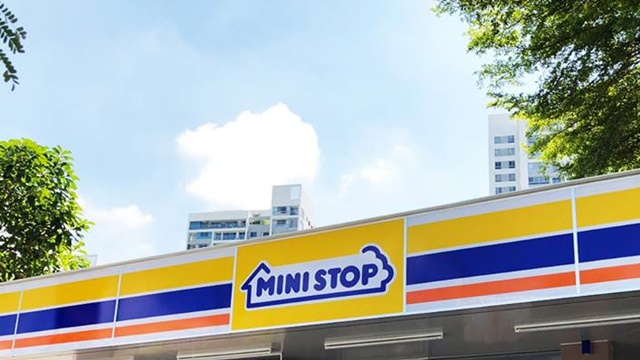
  • Ministop South Korea is for sale, rivals compete

    Ministop South Korea is for sale, rivals compete

    South Korean retail operators Lotte and Shinsegae are competing to buy the 21-year-old local subsidiary of Japanese convenience-store operator Ministop.

    Shinsegae and Lotte respectively own rival chains Emart24 and 7-Eleven and are both reportedly seeking to take full ownership of Ministop South Korea. Both companies see the deal as a means to grow their respective businesses in a market where convenience-store penetration has reached saturation point, limiting opportunities for organic network growth.

    7-Eleven currently operates 9535 stores across South Korea and Emart24 3413. The Ministop network numbers just 2535.

    Japan’s Aeon, which owns the Ministop brand, owns a majority 76 per cent of the South Korean business.

    Daesang group owns 20 per cent and Mitsubishi the balance. Aeon has appointed Nomura Securities to find a buyer for the business as it sees little future for the convenience store brand in South Korea, a highly competitive market. Instead, Aeon is looking to Southeast Asian markets for growth, including Vietnam, Thailand and Cambodia.

    Last year, Ministop South Korea sales totalled 1.18 trillion won (US$1 billion), ranking it fourth in revenue terms behind GS25, CU and 7-Eleven.

  • Delpozo to arrive in South Korea with KLH International

    Delpozo to arrive in South Korea with KLH International

    Spanish luxury designer brand Delpozo has entered into a partnership with South Korean firm KLH International to open six locations in South Korea.

    Two of the Delpozo South Korea stores have already begun trading, with the third opening shortly. The remaining three are planned to launch within two years.

    The first Delpozo South Korea store in Seoul, at 63sqm, launched September 14 at the Lotte World Tower. The second location in Lotte Busan measures 57sqm and opened five days after Seoul. The third – and largest at 100sqm – opens early next month in Hyundai Mainwill.

    Grupo Perfumes y Diseno has owned the Delpozo brand since 2013. The company’s president and owner Pedro Trolez said the partnership marks further expansion in the Asian market.

    “We are very excited about opening the first three locations, with more expected for the next two years,” he said.

    KLH International CEO Thomas Hahn said the launch will “give a new impulse into the stagnant women’s clothing market”.

  • Lotte duty free profit soars

    Lotte duty free profit soars

    South Korean duty-free operator Lotte has reported soaring profit following its decision to partially withdraw from Incheon airport.

    In the company’s first half report, it indicated solid worldwide sales accounted for the profit increase, which came to KRW155 billion (US$137 million) – up a staggering 1995 per cent.

    Total global sales hit KRW2.7 trillion (US$2.4 billion), almost all of which came from domestic sales.

    Three out of four concessions at Incheon were shuttered by the firm following long-running losses. The closures have saved the firm considerable expenditure on rent.

    The positive results have encouraged Lotte to expect overseas sales in excess of KRW200 billion (US$177.7 million) this year, following the launch of additional stores in Vietnam and elsewhere.

  • Lotte Tour to hold investor sessions for Jeju resort

    Lotte Tour to hold investor sessions for Jeju resort

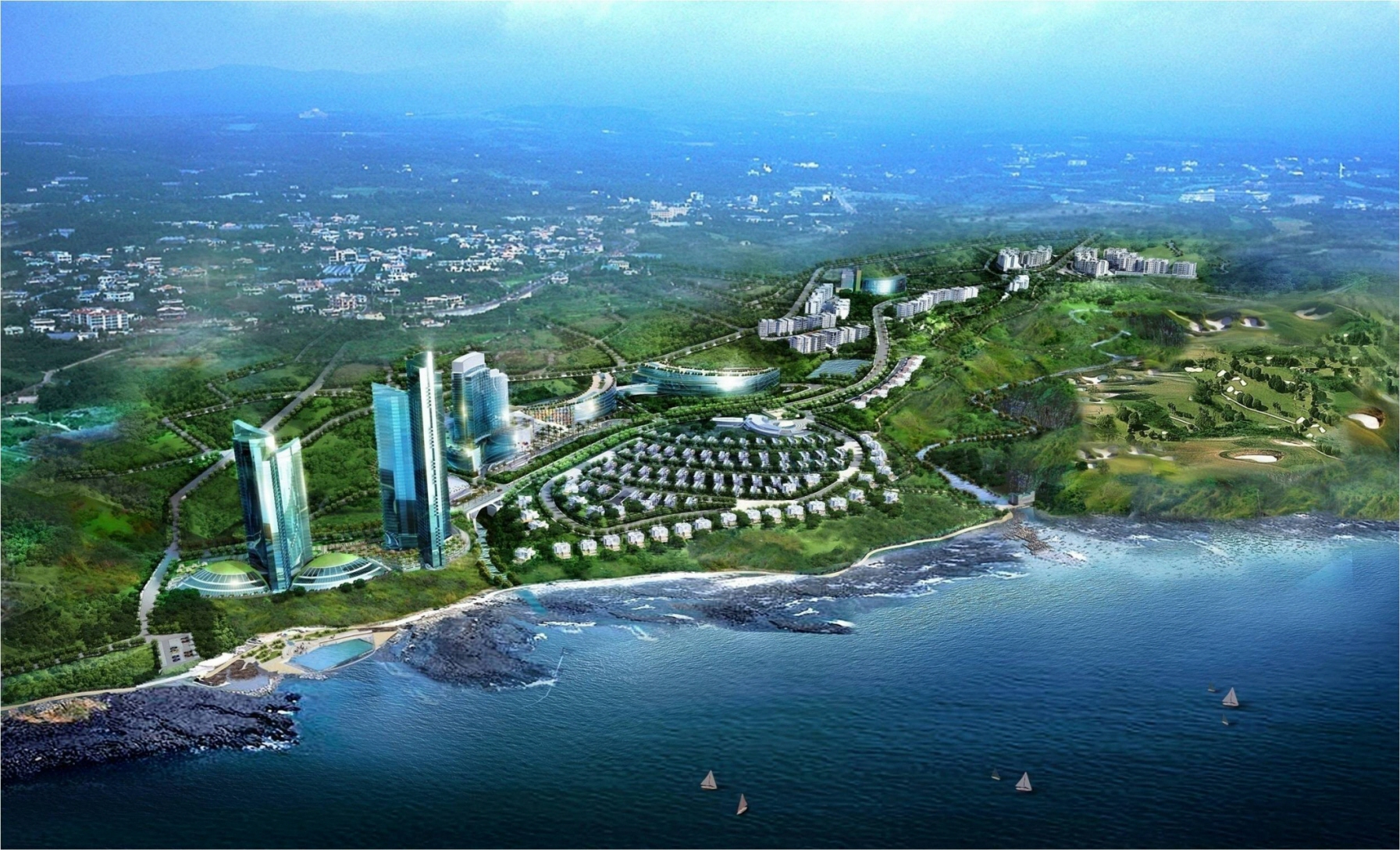
    Lotte Tour Development said Thursday it will hold a series of investor relations sessions next week in a bid to attract more investment to its resort construction project in the southern island of Jeju.

    Lotte officials will meet with institutional investors in Hong Kong and Singapore from Monday to Friday to explain its recent earnings results and take questions on its key businesses, according to its regulatory filing.

    Last week, Lotte Tour announced its plan to raise 240 billion won ($215 million) for the construction of Jeju Dream Tower on the island.

    The construction of the resort, which is being co-developed by Lotte and China’s real estate developer Greenland Group, is expected to be completed by October next year.

  • Lotte near university to get big VR ‘theme park’

    Lotte near university to get big VR ‘theme park’

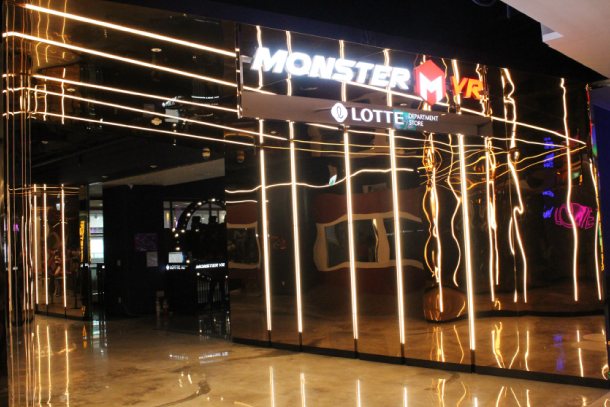
    Lotte Department Store will open a big virtual reality (VR) theme park on the 10th floor of its branch near Konkuk University, eastern Seoul, on Friday.

    The operation, named Lotte Monster VR, will offer more than 60 VR attractions or rides. Previously, the 10th floor of that store had restaurants and a culture center.

    The project was developed over a year with local company GPM, which runs a chain of VR theme parks or arcades.

    Lotte’s VR rides will mimic the experience of rafting, bungee jumping and riding a roller coaster. On a lower grade of the thrill scale, it will offer a virtual balloon ride. Lotte also will have a small VR film theater with 14 seats called the Monster Cinema, continuing the monster theme.

    Monster Cubes is an enclosed attraction with a huge screen in which a small group of people can play around 50 VR games and videos. One corner of the 10th floor with have a nearly 150-square-meter (1,614-square-feet) cafe.

    The retail giant said in a statement that it was trying to reverse the trend of young customers “turning away from brick-and-mortar stores in favor of ecommerce.”

    Because Lotte’s store is near Konkuk University, 35 percent of its sales come from customers in their 20s and 30s – a much higher figure than at other branches.

    The company said it first realized the potential of VR attractions when it operated a small VR arcade in el CUBE’s Hongdae branch, western Seoul, from September 2017 to last March.

    The arcade was only 148 square meters, but there were queues of people waiting for as long as one hour to get in on weekends, the company said. It was particularly a success among customers in their teens and 20s.

    “A VR theme park is a new kind of attraction for a local department store,” said Yoo Hyeong-ju, who heads Lotte Department Store’s development team. “We’re expecting the arcade to extend the amount of time people will spend in the store, particularly customers in their 20s and 30s, as well as families.”