Retail News CRM

Tag: Lotte

  • Lotte steers Rezolve to South Korea

    Lotte steers Rezolve to South Korea

    South Korean retail conglomerate Lotte is bringing London mobile shopping tech startup Rezolve into its market.

    The Korean firm will incorporate the startup’s IT product, which allows customers to take advantage of deals in print by scanning them with their mobile devices in Lotte’s supermarket app. Lotte earns a large proportion of its supermarket revenues – last year valued at KRW17.8 billion (US$15.3 million) – via its printed promotional brochures.

    “Rezolve provides a way for consumers to deepen their engagement with their favourite brands and Lotte Corporation, being one of the world’s largest conglomerates spanning food and beverage to department stores to hotels and theme parks, the possibilities of what can be achieved through Rezolve and a smartphone are endless,” Rezolve’s CEO and founder Dan Wagner told City AM in London.

    “Mobile devices have become the go-to method for people to explore and connect with brands and Rezolve is rapidly becoming the standard for the world’s leading companies.”

    The deal is Rezolve’s largest yet, compared with the firm’s existing operations in China, India and Taiwan. Sainsbury CEO Justin King is currently poised to join Rezolve’s board as an advisor.

  • Lotte Duty Free wins Changi Airport Group liquor & tobacco concession

    Lotte Duty Free wins Changi Airport Group liquor & tobacco concession

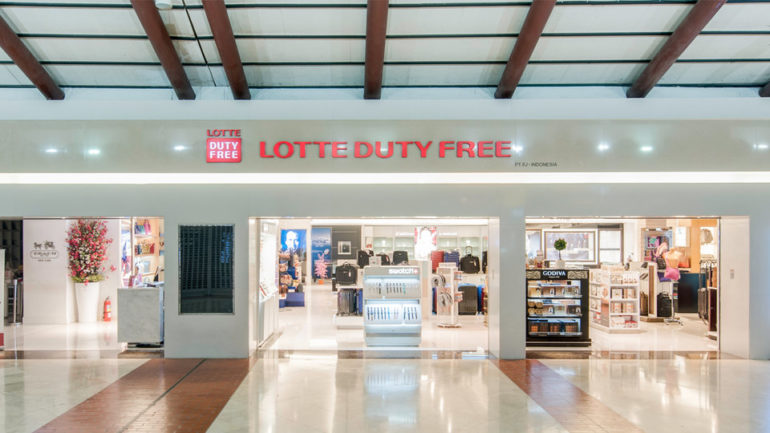
    Changi Airport Group has awarded its liquor & tobacco concession tender to Lotte Duty-Free. The company will succeed DFS Group when the concession contract expires next year.

    The awarding of the liquor & tobacco concession ends a fierce contest between some of the world’s leading travel retailers, including Gebr Heinemann and The Shilla Duty-Free.

    Changi Airport Group (CAG) said it undertook a detailed evaluation process after tenders closed on August 26.

    With experience operating concessions in markets including Australia, Japan, New Zealand, South Korea and Vietnam, Lotte Duty-Free is the first new operator to take what is a key CAG concession which was with DFS Group for 40 years. DFS decided not to bid to renew the business, saying it was not commercially viable, and following a similar withdrawal from Hong Kong International Airport two years ago.

    The contract awarded to Lotte is for a six-year term commencing on June 9. The tenancy contract covers all 18 liquor & tobacco stores across Changi’s four terminals, spanning more than 8000 sqm of retail space.

    “The Liquor & Tobacco concession is one of the largest at Changi Airport and it presents unique opportunities for marketing innovation and customer engagement,” said Lim Peck Hoon, executive VP, commercial at CAG.

    “Lotte put forth the strongest and most compelling proposal overall. It is aligned with CAG’s vision to offer passengers a seamless omnichannel retail experience and new retailtainment initiatives leveraging smart technologies. Lotte also demonstrated a keen understanding of the market environment with a sound business plan supported by a competitive financial bid and backed up by solid business fundamentals.”

    Lotte Duty-Free has promised to offer a wide selection of liquor products and brands to Changi’s passengers. All liquor and tobacco stores will be rejuvenated to attract both connoisseurs and new consumers. The company will also feature different boutique concepts and zones presenting the latest and exclusive products in the market.

    CEO of Lotte Duty Free, Kap Lee, said: “I express my deep gratitude to Changi Airport Group for acknowledging Lotte Duty Free’s strength and strategy. Winning the Changi Airport’s liquor & tobacco duty-free concession is of great significance in terms of establishing a bridgehead to achieve our vision of “Global No.1 Travel Retailer”. Lotte Duty Free will put its continuous efforts to grow as a global brand with Changi Airport.”

    According to CAG, the transition towards the start of the new concession will be planned carefully with both the incoming and outgoing tenants. Renovation works in the stores will be conducted in phases to ensure that customers continue to enjoy a high standard of service.

  • Lotte Duty Free online sales up

    Lotte Duty Free online sales up

    Online store sales at Lotte Duty Free (LDF) increased by 49 percent year on year to KRW1.4 trillion (US$1.85 billion) during the first half of this year.

    The firm is targeting total online sales of KRW2.9 trillion ($2.46 billion) by the end of the year, following around KRW2 trillion in sales last year – an increase of 46.3 percent over 2017 results. It welcomes an average of 5.4 million active users per month on its retail platform and is on track to take in 30 percent of its total revenues from online sales within five years.

    LDF’s online store offers roughly 87,000 products from almost 2000 brands, around 324 of which are Korean-industry-exclusives such as Filorga, Eve Lom, S. Maria Novella, Barbour, Dr. Martens, Crocs, Joseph&Stacey, Primage, and Lucky Chouette.

    According to the firm, it is the only online duty free operator supporting four languages – Korean, English, Japanese, and Chinese (both simplified and traditional). The addition of traditional Chinese characters in September last year contributed to a 291 percent boost from countries using the character set, including Taiwan, Singapore and Hong Kong.

    The online platform has recently introduced several measures to improve its online services. It monitors real-time congestion levels at its Incheon Airport pick-up counters and has recently relaxed conditions for online VIP membership. The firm has also been conspicuously targeting a younger market with partnerships with other online platforms – supermarket Market Kurly and fashion retailer W Concept – popular with that demographic. Lotte also markets throughout its subsidiary platforms via other Lotte-branded online services.

  • China ends Lotte Markt Sanctions

    China ends Lotte Markt Sanctions

    Lotte sanctions imposed by the Chinese government two years ago have now been lifted.

    Authorities in Shenyang have allowed South Korea’s Lotte Group to resume work on a US$2.6 billion retail and leisure development in the region following the lifting of sanctions against the firm by the Chinese government last month.

    The Lotte sanctions were imposed two years ago after the group yielded land to a US anti-missile defense system.

    Shenyang, a capital city in China’s Northeast, has now permitted the resumption of work on the Lotte Town development, although Lotte has not yet formally indicated whether or not it intends to restart construction, which has been on hold while the sanctions have been in place.

    The first phase of the project was completed in 2014, while the theme park, flats, and hotel planned for the site remain unfinished following Lotte’s sale of land in Seongju county to the South Korean government to allow the deployment of the US Terminal High Altitude Area Defence system.

    The Lotte sanctions prompted the South Korean company to announce its withdrawal from Mainland China last year, although it now insists that no final decision has been made.

  • Lotte Duty Free expands, Australia and New Zealand are next

    Lotte Duty Free expands, Australia and New Zealand are next

    South Korean travel retailer Lotte Duty Free is expanding into Oceania with the ambition to be the leading operator in Australia and New Zealand by 2023.

    The firm’s entry into the territory began with a grand opening ceremony at one of its new Australian stores at Brisbane Airport. The second biggest travel retailer in the world, Lotte Duty Free is targeting sales of US$200 million in the region during its first year.

    “Successfully entering Oceania is the next step in Lotte Duty Free becoming the world’s number one travel retailer and the most influential in the region,” said Lotte Duty Free CEO Kap Lee. “We have almost 40 years of retail excellence that is being introduced to Australia and New Zealand, working side-by-side with our local colleagues to better understand the unique wants and needs of people travelling through the region from all nationalities.”

    Australia has demonstrated significant growth of more than 10 per cent in incoming Chinese tourists – representing some of the biggest spenders globally – in recent years. The 2019 Spring Tourism Trend Forecast published by Ctrip, the largest online travel agency in China, states Australia is one of the most favorable international travel destinations for Chinese tourists during the New Year period.

    In response, Lotte Duty Free is acquiring five JR/Duty Free stores in the region; four in Australia and one in New Zealand.

    With this launch, Lotte Duty Free now operates in seven countries outside of Korea.

  • Lotte Mart Vietnam expands in Hanoi

    Lotte Mart Vietnam expands in Hanoi

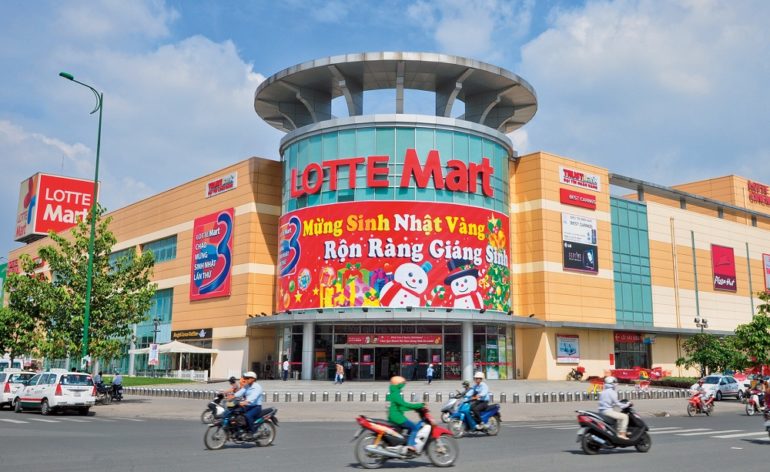
    Lotte Mart Vietnam has opened its third Hanoi store in Cau Giay District. The South Korean retailer’s new 2776sqm branch is located in the urban district, near seven local universities. Targeting local students, the branch will offer trendy but inexpensive products. There will be an international zone that sells products from Korea, the US and Europe and  a ‘Delica’ corner will offer baked goods and easy-to-cook food.

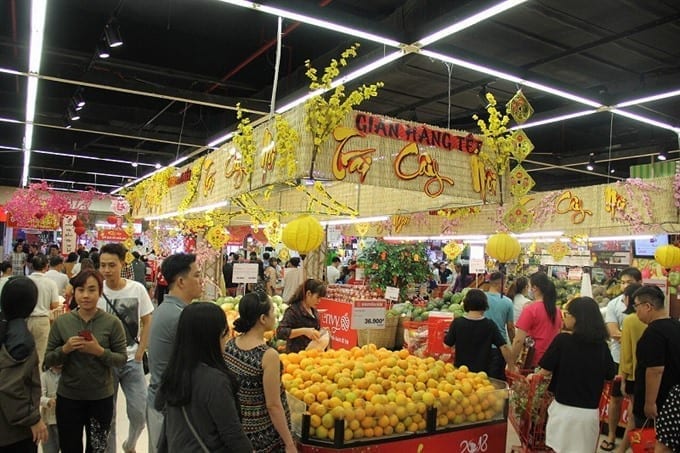
    About 35 per cent of the fresh-food products will include harvests from farms near Hanoi to maintain freshness.

    Lotte Mart Vietnam head of overseas business Kang Min-ho said the firm is planning to expand its business in the country, mainly focusing on Hanoi and Ho Chi Minh City.

    Lotte Mart now has 14 stores in Vietnam.

  • Korea firm to use greener packaging for this holiday’s gift set

    Korea firm to use greener packaging for this holiday’s gift set

    For many in Korea, Lunar New Year is a time to meet relatives and exchange elaborately-packaged gift sets that could contain anything from fruits and raw meat to cans of Spam. But one side effect to this approach to gift giving is the excessive waste – especially those originating from gift set packaging – which has been brought up as a major concern by Korea’s environment authorities in recent years.

    With growing government pressure and awareness about the environmental issues caused by excessive packaging, department stores and grocery franchises are trying to take the lead in adopting greener alternatives this year.

    Colored Styrofoam and gel-based ice packs, which are notoriously difficult to recycle, are the first things to get scrapped.

    Hyundai Department Store and Lotte Mart have both announced that they are replacing colored Styrofoam in gift sets with a plain white alternative starting from this holiday season. Previously, the companies added color to the material to add visual appeal. Colored Styrofoam materials are difficult to recycle because more money and manpower is required to create new Styrofoam products from them, making them unattractive to recycling companies.

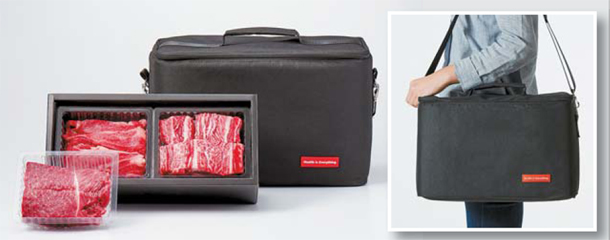
    Lotte Mart Thermal Bag

    Lotte Department Store is chilling gift sets of meat and fish with ice packs filled with water instead of gel-based ones for the first time this year.

    Competitor Shinsegae Department Store is also ditching the hard-to-recycle wooden boxes and cloth wrapping it had previously used to package gift sets. It will use paper boxes instead.

    Other retailers are collecting ice packs – both gel- and water-based – and recycling them themselves.

    Department store chain AK Plaza said it will collect ice packs from AK Plaza-bought gift sets across all its stores until Feb. 10 for recycling and disposal.

    Hyundai Home Shopping is taking it one step further and accepting ice packs regardless of their place of purchase. This year, it teamed up with Gangdong District office in eastern Seoul to install collection bins in 18 locations to allow customers to drop off used ice packs after the holidays.

    “We’ve collected ice packs from our online shopping members in the past and decided to install public ice pack collection bins this holiday season,” said a Hyundai spokesperson. “We will send out the ice packs that we collect to our partners in the food industry so they can be reused.”

    Lotte Mart is focusing on making gift bags more attractive and practical to encourage customers to use them even after the holidays end.

    The thermal bags that come with its beef gift sets now have shoulder straps and a sleek black design, making them practical and user-friendly. While the thermal bags have always been reusable, they were previously covered with large Lotte brand logos and difficult to carry around.

    The grocery chain is also going to package more fruit gifts this year in what it calls “recycle boxes.” The boxes, first introduced during last year’s Chuseok (harvest festival) holidays, are made of sturdy paper that can easily be reassembled into mini storage boxes.

    “We didn’t register any copyright for our fruit ‘recycle box’ design so that other retailers can also participate in recycling and reducing disposable waste,” a Lotte spokesperson explained.

    The businesses’ green initiatives follow the government’s consistent calls to reduce packaging and other waste during the Lunar New Year holidays.

    As has become customary every holiday season, the Environment Ministry announced last month that it will work together with local governments to inspect gift sets being sold across retailers in the country and fine violators up to 3 million won ($2,700) if they do not comply with packaging rules.

    Current regulations stipulate that gift sets can only be wrapped two times and that the volume of packaging must not exceed 25 percent of the product’s total volume.

    Last Lunar New Year, the Environment Ministry fined the manufacturers of 49 products that were in violation of these rules. The total fine combined came to 52 million won ($46,000).

    “We have seen a small decline in the number of products that violate excessive packaging regulations over the years,” said an Environment Ministry official in the recycling division. “The participation of companies to reduce packaging and comply with inspection is always a big help.”

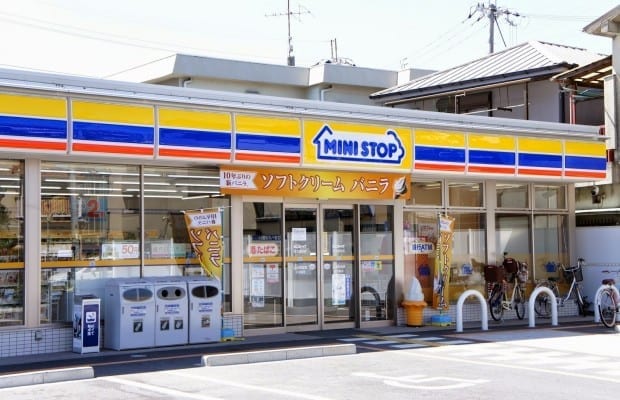
  • Lotte’s Ministop deal falls through

    Lotte’s Ministop deal falls through

    The sale of convenience store chain Ministop fell apart as potential bidder Lotte and the Japan-based convenience franchise failed to agree on a price. The AEON Group of Japan, the largest shareholder of Ministop Korea, filed a notice on Monday that it has suspended the sale process to sell its full stake in the unit. The AEON Group owns a 76.06 percent share while Daesang Group, a Korean food conglomerate, has a 20 percent stake. Japan’s Mitsubishi holds 3.94 percent.

    Ministop Korea also notified its workers of the suspension, vowing to keep searching for a potential suitor.

    Executives from AEON and Ministop visited Seoul over the weekend to meet Shin Dong-bin, chairman of Lotte Group, which also owns 7-Eleven in Korea.

    The retail giant has been considered the likeliest buyer since it reportedly offered the highest price of around 400 billion won ($357.3 million).

    Other competitors include Shinsegae, which owns convenience store franchise Emart24, and Glenwood Private Equity, a local private equity firm.

    Ministop opened a bidding process back in November, but delayed selecting a preferred bidder.

    The introduction of a government regulation banning the opening of convenience stores within 80 meters (262 feet) of another store led to Ministop requesting a higher price, according to local media outlets.

    Ministop’s sale garnered attention from the beginning because it could impact the highly-competitive convenience store chain market in Korea.

    Ministop operates 2,500 stores across the country. If Lotte had succeeded in acquiring Ministop, it could have increased its number of stores from 9,500 to 12,000.

    CU runs the most stores, at 13,109, while the second player is GS25 with 13,018.

    Emart24 ranks fourth with 3,564 stores.

  • Lotte to pursue reforms and investment in 2019

    Lotte to pursue reforms and investment in 2019

    Lotte Group Chairman Shin Dong-bin told affiliate CEOs that he wants reform and aggressive investment in 2019 during a biannual meeting on Wednesday. Shin missed the last meeting in July as he was serving time in prison for bribery related to former President Park Geun-hye. The first meeting of the year typically deals with each affiliate’s annual goals and direction.

    In the first meeting with CEOs after his return, the chairman emphasized that the company was in need of innovation strong enough to rattle its existing business structure.

    “We are about to face immense change in the future that is difficult to imagine,” he stressed to affiliate heads at the meeting. “Therefore we have to be thorough in predicting the future and devising preparations according to different scenarios. If we can’t come up with a clear vision or concrete plans, there will be an immense crisis.”

    Shin pointed out that the group had been “passive” recently when it comes to making investment decisions, missing opportunities and waiting for too long.

    He added that investment decisions have to be made continuously, even when revenue is low and in businesses that the company is doing well in so as to maintain an upper hand in the market.

    He also mentioned the possibility of downsizing unprofitable businesses, citing Microsoft becoming global No. 1 by market cap last year after conducting reforms on its business portfolio.

    “We should focus on areas with future growth potential and push for rationalization,” said Shin.

    Digital transformation, an initiative he has been pushing for in the last few years, also reappeared in Wednesday’s speech.

    “Compared to global companies, Lotte has a low investment rate in the IT sector and the fields invested in so far are [relatively] narrow,” he said, urging that the company needs to find ways to get one step closer to customers using existing assets like big data, brick-and-mortar stores and logistics infrastructure.

    Recently recruited IT professionals were also called into the meeting to share their opinions on Lotte’s current situation regarding digitalization and areas that can be improved.

  • Lotte Mart’s distribution fees scrutinized

    Lotte Mart’s distribution fees scrutinized

    Korea’s antitrust body is examining the practice of retailers unfairly shifting distribution costs to their suppliers. The Fair Trade Commission (FTC) has started evaluation proceedings against Lotte Mart for transferring this burden and charging an onward transportation fee after a product has been delivered. The regulator could fine the retailer 400 billion won ($353.92 million) if it is found to have violated the law. It has the authority to prosecute and punish companies that contravene the Fair Trade Act and other statutes related to anti-competitive practices.

    The FTC’s Distribution Division, which monitors the activities of retailers, submitted an evaluation report, equivalent to a prosecutor’s indictment, to the commission early last month. The document outlined Lotte Mart’s infractions over five years.

    Lotte Mart has until early February to respond.

    This will be the first time the FTC has taken action against a company for shifting distribution costs to suppliers. Lotte Mart’s practice of transferring the costs, commonly known as post-distribution costs, is widespread.

    The action comes amid FTC Chairman Kim Sang-jo’s drive to root out unfair practices in the retail industry.

    Lotte Mart’s shifting of post-distribution cost to suppliers is likely to have far-reaching implications in the industry as the practice is common.

    “When signing a contract, there are requests to supply products at a price three to five percent lower than the actual price to account for the post-distribution costs,” explained Mr. Lee, who operates a company that supplies to retail stores. “It’s not just Lotte. It is common for large retail stores such as Emart, Homeplus, department stores, convenience stores and even e-commerce companies, such as Coupang.”

    The 400 billion won fine, if charged, would be an unprecedented amount. If other companies are fined, the total sum could rise to the trillions.

    “Unlike sales promotion fees, distribution costs have to be paid,” said Mr. Kim, the president of a large food company. “We struggled as it’s impossible to know the exact figure, but the FTC took on this matter for the first time.”

    From the FTC’s perspective, large retail stores use distribution centers for their own benefit, and it is unfair to force suppliers to take on costs incurred after products are delivered to the centers.

    “Suppliers that just want to deliver to distribution centers are forced to deliver to branches,” explained a senior FTC official. “If the final delivery destination is a branch store, the supplier should be able to manage their products as they want at the distribution center, but that is not the case.”

    “From a common-sense perspective, distribution costs apply only until the delivery location, not costs after the delivery,” the official added.

    Other experts disagree with the FTC’s assessment.

    “If the retailer and supplier haven’t agreed on the location of the delivery, the supplier burdening the delivery cost abides by civil law,” said Lee Ho-young, a law professor who specializes antitrust law at Hanyang University.

    Lotte is going all out on its defense, hiring Kim & Chang’s fair-trade team to represent it.

    “In the past, when there weren’t distribution centers, suppliers used to be burdened with the distribution costs,” said a Lotte Mart official. “Post-distribution costs are paid after distribution centers were established.”

    The FTC is looking into other cases.

    “The retail business cannot work if post-distribution costs are shifted to retailers,” said an executive at a large retail company who is in charge of fair trade matters.

    The FTC could make a final decision as early as March.
  • Lotte Duty Free sales hit all-time high of US$6.7 billion in 2018

    Lotte Duty Free sales hit all-time high of US$6.7 billion in 2018

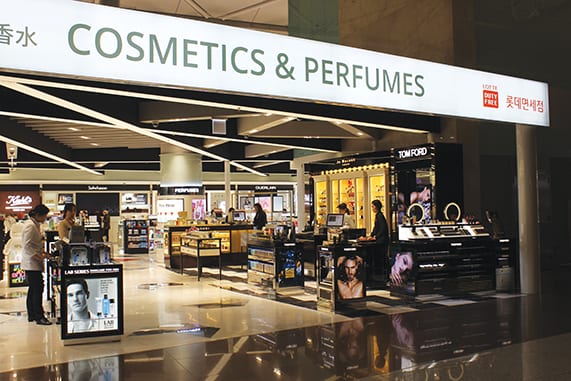
    South Korea’s top travel retailer Lotte Duty Free reported best-ever sales of 7.5 trillion won (US$6.7 billion) last year on a surge in online sales and mass purchases by Chinese merchants seeking trade in shuttling goods to China. Lotte Duty Free said its annual sales last year hit a record high of 7.5 trillion won, up 25 percent from a year-ago period. In particular, sales from the online business soared 50 percent on year to 2 trillion won, contributing 25 percent to its total domestic sales thanks to successful upgrades of its online and mobile platforms and various promotional perks like online-only products and discount options.

    Lotte Duty Free’s main store in the bustling shopping district of Myeongdong in downtown Seoul remained the world’s single-largest revenue earner for three years in a row last year with annual sales up 35 percent at 4 trillion won and daily revenue at about 11 billion won as of Dec. 14.

    The Myeongdong store that opened in 1980 has kept on growth with sales reaching over 1 trillion won in 2011, 2 trillion won in 2015 and 3 trillion won in 2016 on increasing demand from individual merchants from the mainland who buy popular Korean duty-free goods in bulk to profit from reselling them in China.

    Lotte Duty Free has expanded its investment in domestic stores to draw more consumers. Its Myeongdong store was expanded in August 2016, and spent 10 billion won to add the Star Lounge for VIP customers in April 2018. The World-Tower store in the affluent Gangnam area of southern Seoul also posted 1 trillion won in sales last year, becoming the largest earner to reach the threshold in the district.

    Meanwhile, Lotte Duty Free World Tower also posted sales of more than 1 trillion won (US$895.4 million), joining what the retailer dubbed the “One Trillion Club” on 23 December.

    That represents an 80 percent increase year-on-year for the Jamsil, Seoul store, which reopened on 5 January 2017, 193 days after it was forced to close on 26 June 2016 due to the loss of its licence in an open tender.

    “Even in the midst of rapid market changes, Lotte Duty Free has been able to achieve a record-breaking year, reflecting 38 years of operational expertise,” said newly appointed Lotte Duty Free CEO Lee Kap. “As a leader in the industry, we will endeavour constantly to improve our performance.”

    Lotte Duty Free said that the World Tower store’s excellent tourist services and differentiated luxury brand offer had generated “remarkable achievements” in 2018. This was despite the proliferation of new duty free stores in the Gangnam area [notably the new Shinsegae Duty Free store opened on 18 July], the retailer commented.

    Despite industry difficulties posed by the THAAD dispute between South Korea and China, sales of small and medium enterprise SME Korean brands at the World Tower store increased by 300 percent year-on-year. This contributed to a “win-win relationship” with SMEs, Lotte said.

    Increased demand by daigou shoppers “greatly influenced” sales said Lotte. The retailer noted that such travellers had compensated for the “stagnation” of conventional Chinese tourism since the THAAD dispute erupted in March 2017. However, Korean travel retail executives and observers are closely monitoring the impact of China’s new e-commerce law, introduced on 1 January 2019, which is expected to hit the daigou business hard

  • Lacoste opens new travel retail store at Lotte Busan

    Lacoste opens new travel retail store at Lotte Busan

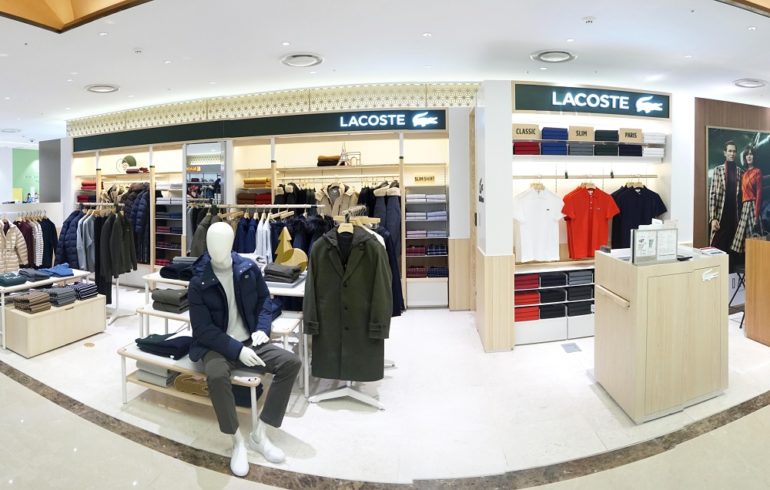
    LACOSTE has opened a new 30sqm duty-free store in Busan to further enhance their presence in Asia. This new store is located in LOTTE Duty Free, second largest duty free operator, in Busan, which is the second biggest city in South Korea.

    Travel Retail, often referred to as the “6th continent”, offers a unique opportunity to connect with consumers and highlight the brand all over the world.

    With over 170 boutiques worldwide, LACOSTE aims at reinforcing the
    consumer experience while enhancing channel specific product offering and visual merchandising.

    Looking to the future, the crocodile wants to continue to leverage the Travel Retail Channel strengthening or expand in new geographical areas and develop new channels (on-line duty free and cruises) and new ways of connecting with consumers before, during and after their trips.

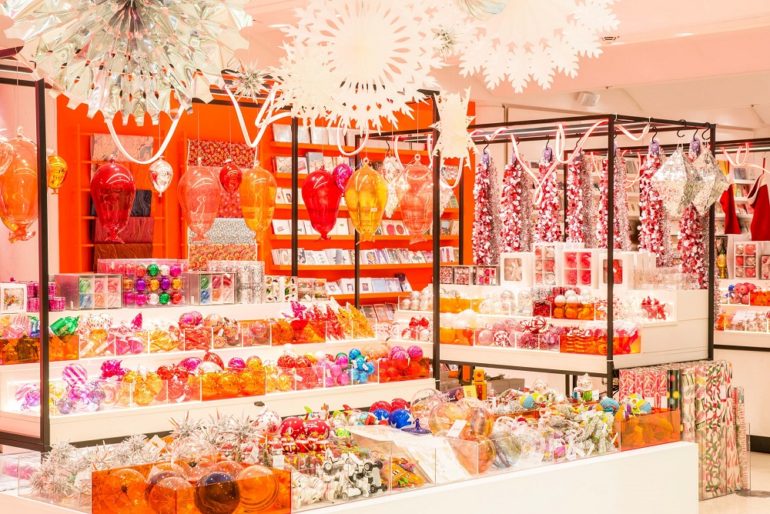
  • Lotte brings in The Conran Shop to Korea

    Lotte brings in The Conran Shop to Korea

    ondon-based high-end furniture and home furnishing store chain The Conran Shop will open its first South Korean outlet in the second half of next year in partnership with the country’s leading department store chain Lotte Department Store.

    Lotte Department Store said on December 13 it has signed a contract to run Korean stores of The Conran Shop with Conran Retail and Brand Holdings. They aim to open The Conrad’s first local outlet in the second half of next year on an area of 2,314 square meters in the affluent Gangnam district of southern Seoul.

    Founded by British designer Terence Conran in 1974, The Conran Shop is a leading luxury retailer offering various home interior products from some of the most iconic designers of the world. It now runs 10 stores in the UK, France and Japan.

    The partnership with The Conran Shop is part of Lotte Department Store’s push to bolster its living goods and home furnishing business at a time when the home interior market is burgeoning in the country.

    Korea’s major conglomerates have recently turned aggressive in expanding their presence in the home furnishing market that has rapidly grown since Swedish furniture and home furnishing giant IKEA landed in the country in 2014.

    Lotte Department Store expects the Conran Shop’s Korean operation will position differently from other home furnishing chains with its luxurious items and plans to add more the Conran Shop outlets in Korea later, according to a company official.

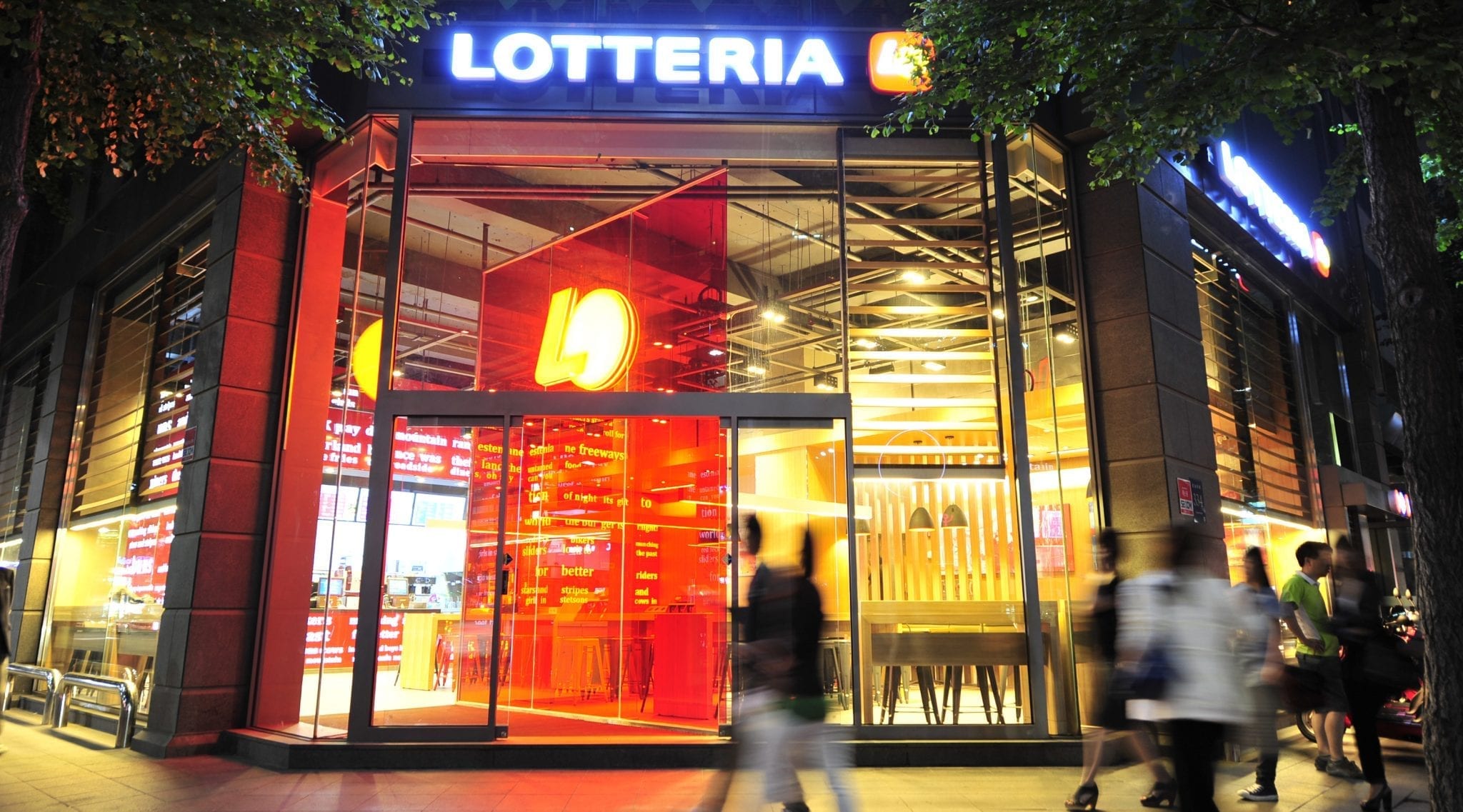
  • Lotteria burgers get 2.2% more expensive

    Lotteria burgers get 2.2% more expensive

    Lotteria is raising burger prices. The fast food franchise announced Wednesday that it was going to raise the price of 11 of its burgers by an average of 2.2 percent. Its Teri Burger, for example, will now cost 2,300 won ($2.04), up from the original 2,000 won. The price of the Classic Cheese Burger will rise from 4,000 won to 4,200 won.

    “We have decided to increase prices due to economic factors, but hope to offer customers higher quality and service,” read a statement from the franchise.

    Cafe franchise Angel-in-us Coffee also announced it would raise prices of 17 of its beverages by an average of 2.7 percent, or 200 won. Both Lotteria and the cafe chain are operated by Lotte GRS, the food business subsidiary of Lotte Group.

    Angel-in-us cited higher prices of ingredients – like coffee beans and milk, as well as higher labor costs – for the beverage price hike.

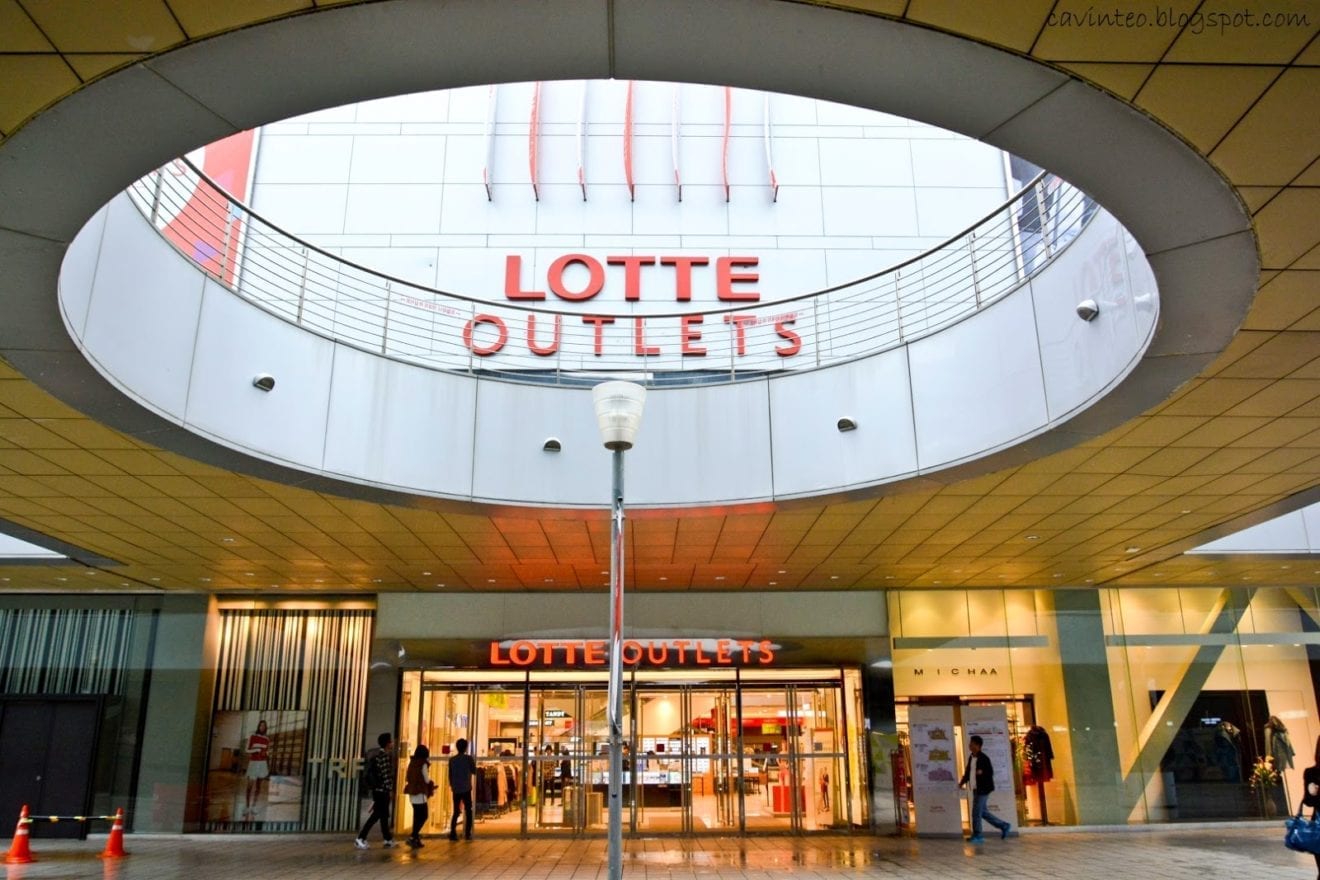
  • Lotte opens premium outlet in Giheung

    Lotte opens premium outlet in Giheung

    South Korean retail giant Lotte opened this week a new premium outlet in Giheung, Gyeonggi Province – the second-largest among its branches nationwide and the latest addition to large-scale malls launched by retailers here in hopes of raising offline sales. Lotte is pinning hopes on the latest outlet’s location, citing three highways and five major roads passing through Giheung.

    It aims to attract some 25 million shoppers in and around the region including Yongin, Suwon, Dongtan and Bundang in Gyeonggi Province.

    Chung Hoo-sik, an official in charge of the Giheung outlet, said that the shopping mall is geared toward consumers in their 30s and 40s who have children and live in southern Gyeonggi Province.

    “We found that 30- and 40-something customers from those areas have strong spending power. To attract them, we put entertainment facilities like an outdoor playground and entertainment zones for their kids (inside the outlet),” said Chung at a press conference on the launch.

    Built on 150,000 square meters of land, Lotte’s premium outlet in Giheung features 300 brands and is equipped with 3,000 parking lots. It is Lotte’s sixth premium outlet.

    The outlet has an indoor surf shop, Flow House, spanning 490 square meters. Lotte said it also houses Asia’s biggest Nike store in a 1,983-square-meter space.

    With an increasing number of people visiting multiplexes or shopping malls, retail giants like Shinsegae and Lotte have been opening large-scale malls in the outskirts of Seoul.

    Lotte opened a premium outlet in Goyang, Gyeonggi Province, in October last year, two months after Starfield Goyang was launched. Lotte opened its premium outlet in Paju in 2011, nine months after Shinsegae opened its store.

    “We see it as an industry trend to open a mega mall or a premium outlet because there are consumer needs for convenient shopping and enhanced lifestyle,” said Lee Jung-hye, who designed the outlet, adding that Korea’s premium outlet market is valued at 20 trillion won (US$17 billion won).