Tag: Lotte

  • Lotte donates $100,000 to Laos disaster relief effort

    Lotte donates $100,000 to Laos disaster relief effort

    Lotte said on Tuesday it has donated $100,000 to relief and reconstruction efforts following the Laos dam disaster in Attapeu.

    Oh Sung-yup, head of communications at Lotte Corporation, delivered the fund to Community Chest of Korea, a non-profit charity organization based in central Seoul, on Tuesday. The fund will be used to supply necessities to victims who lost their homes and to help rebuild villages.

  • YSL Beauty Hotel event by Lotte

    YSL Beauty Hotel event by Lotte

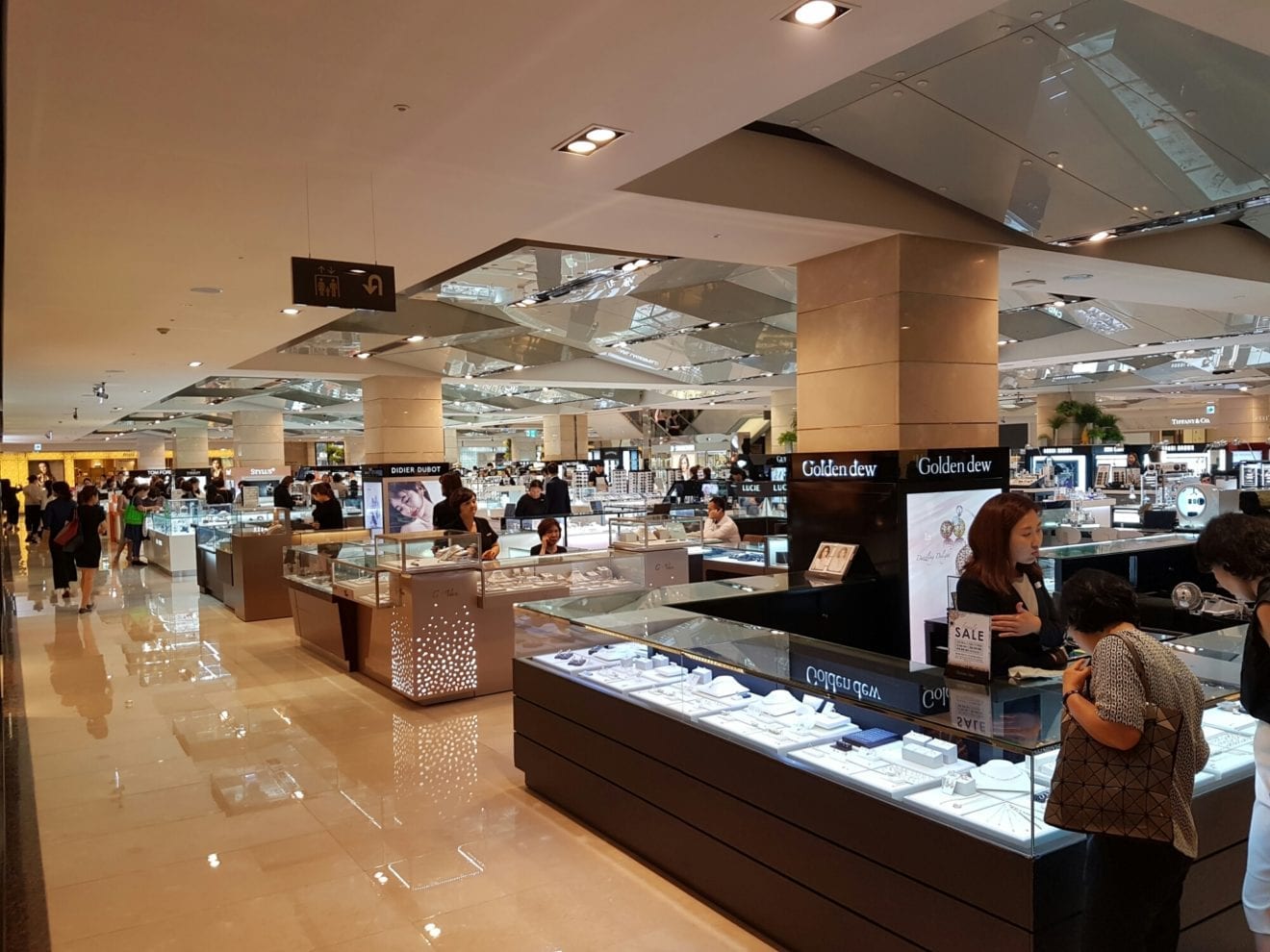
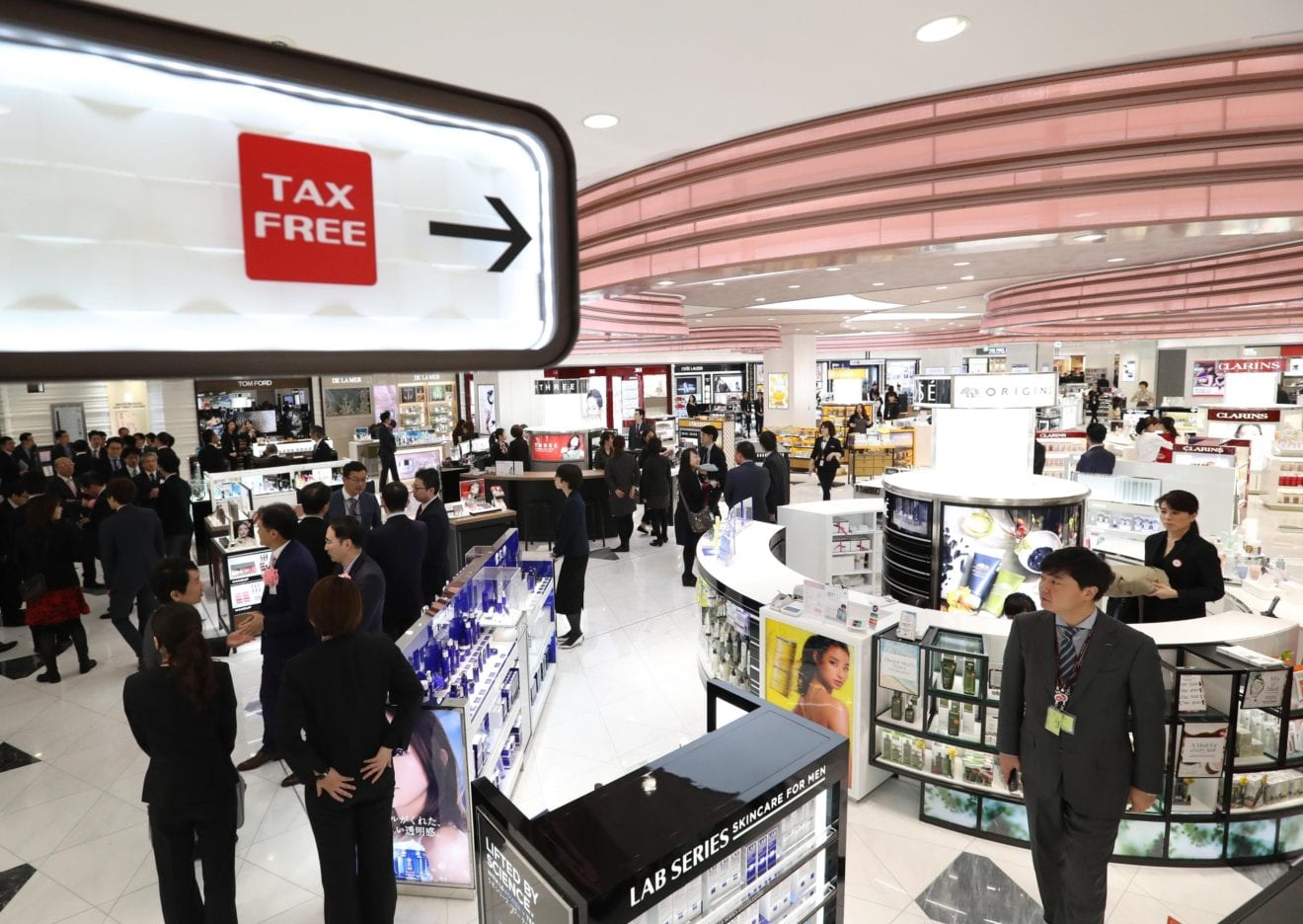
    Following a new customer service strategy, South Korean travel retailer Lotte Duty Free exited part of its duty-free concession at Incheon International Airport Terminal 1 this Tuesday, 31st of July. Its tactical shift aims at providing greater focus to its downtown retail business through the organization of a growing number of diverse and various unique events.

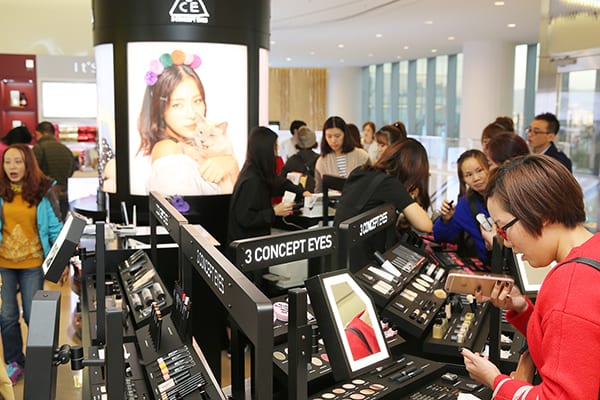
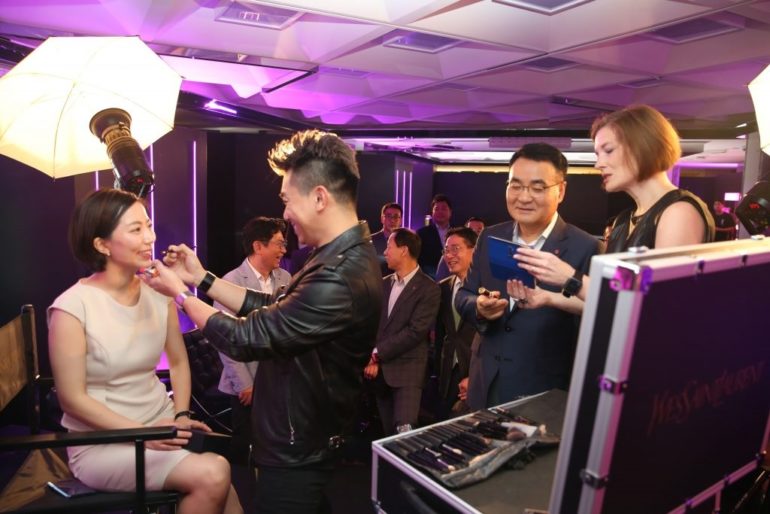
    In line with its new strategy, Lotte has partnered with L’Oreal Travel Retail Asia Pacific to host a promotional event for YSL at its VIP Star lounge in Myeongdong, Seoul.

    From the 1st to the 3rd of August, invited clients have the opportunity to observe YSL’s beauty products coming to life. In a world where technology is booming and penetrating every aspect of our lives, Lotte has put together a digital-heavy event with a VR Experience Space, a Concert Room and an Arcade Zone for fervent gamers. Visitors are also equipped with digital wristband giving them access to all the information they might need along with photos and videos from the event. L’Oréal’s beauty touch cannot be forgotten as visitors can feel like models getting ready for a fashion show by enjoying beauty classes to then head towards the photoshoot zone.

    To retain customers which were previously shopping in its late Incheon Airport physical stores, Lotte aims at bringing its clients an elevated shopping experience. From personal shopping service, a high-end Café and two restaurants, visitors will feel like stepping in a luxurious palace hotel.

    Lotte Duty Free expects the YSL Beauty Hotel event to attract over 3,000 customers, two-thirds being international travelers from countries such as China and Japan.

    Special guests Junho, Nichkhun and Hwang Chiyeul, Lotte’s brand ambassadors, will hold a mini concert on the closure of the event.

  • Lotte prepare e-commerce department launching this week

    Lotte prepare e-commerce department launching this week

    South Korean retailer Lotte will launch a new department in charge of the business group’s online businesses this week.

    The move is part of a plan to speed up efforts to cope with the rapid expansion of the country’s online market.

    Earlier in May, Lotte unveiled the plan to inject 3 trillion won (US$2.69 billion) into its e-commerce business over the next five years, integrating online malls that have been separately operated by its affiliates into one with an aim to generate 20 trillion won in sales by 2022.

    The new e-commerce department, set to launch Wednesday, August 1, will be responsible for a new platform that encompasses seven of the business group’s retail subsidiaries, including the department store business and discount store chain.

    With some 1400 employees, the new branch aims to roll out a mobile app in 2020 and plans to hire 400 additional workers by next year.

    “The new app will become a platform that provides optimised services based on our massive customer data,” Kim Kyoung-ho, who will lead the new organisation, said, noting that nearly 22 million customers are using Lotte online every month.

    Sales of 13 major online stores and marketplaces jumped 17.2 per cent on-year in May, according to government data.

    Online malls reported a 21.3 per cent spike in sales as more people opted to do their grocery shopping online. Online marketplaces, where product or service information is provided by multiple third parties, reported a 12.4 per cent surge in sales.

    Meanwhile, Lotte Duty Free, the conglomerate’s duty-free unit, said it will ramp up marketing efforts for its online, downtown and overseas businesses, as part of its operations at Incheon International Airport, west of Seoul, will be shut down at 8pm tomorrow night.

    The duty-free operator decided to return three of its four money-losing concessions at the country’s main gateway in February. The zones were reorganised into two and went to Shinsegae DF in the follow-up bidding last month.

    Lotte said it expects to save up to 1.4 trillion won of rent by 2020 following the closure of the airport duty-free business.

  • Cafe 25 opens 10,000th store

    Cafe 25 opens 10,000th store

    Convenience-store brand GS25 says 10,000 of its outlets now serve coffee products distributed under its house brand Cafe 25, just 30 months after the brand was launched.

    The figures show how successful South Korea’s convenience stores have been in challenging coffee-focused chains like Lotte’s Angel-in-Us and even Starbucks, by offering discounted alternatives through vast store networks.

    The GS Retail-owned group says it has already surpassed the 100 million-mark for the total number of coffee products sold, with Cafe 25 selling 40 million cups in the first half of this year alone.

    GS25 is putting significant effort into making the coffee products successful by installing top-notch coffee machines that sell for 13 million won (US$11,440) in each of its stores.To commemorate 10,000 GS25 store milestone, the company will be selling 50,000 promotional coupons online via Gmarket and Auction that allow customers to buy iced Americanos and iced lattes for half the usual price.

    An official at GS25 said the success of Cafe 25 products can be explained by the company’s bid to offer high-quality coffee products at affordable prices, while also leveraging the chain’s vast network of stores.

  • Lotte Mart makes debut in Mongolia

    Lotte Mart makes debut in Mongolia

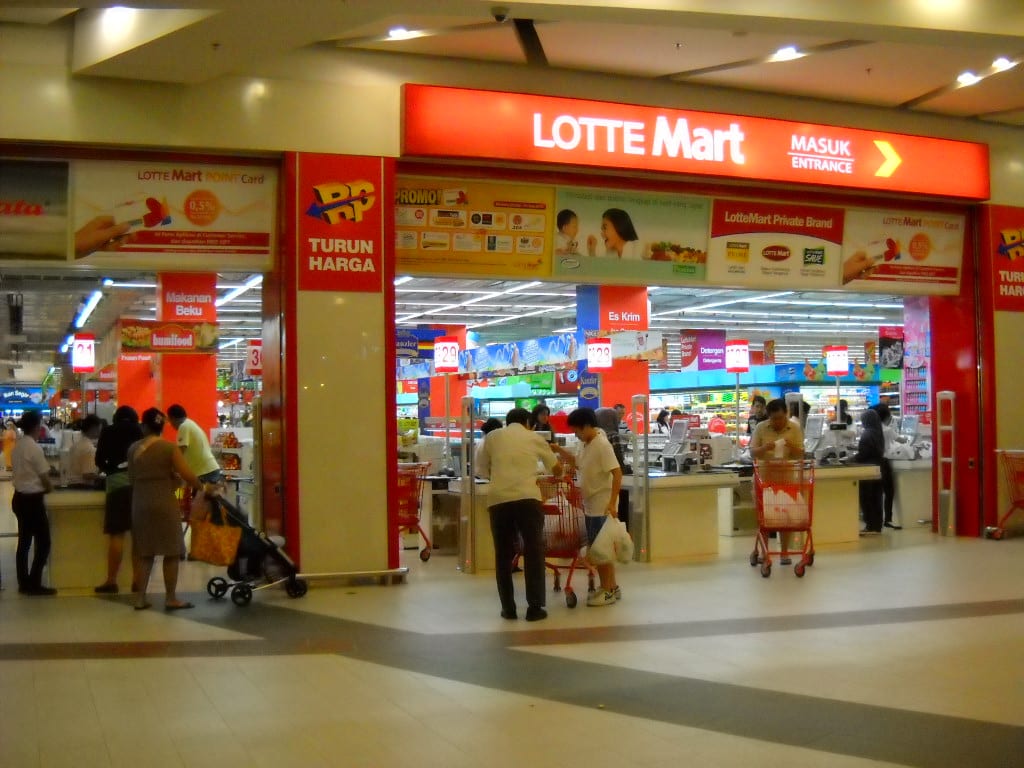
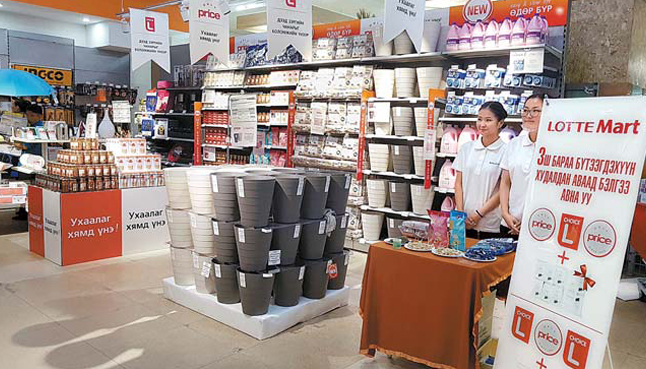
    Lotte Mart Mongolia is opening its first store, in Ulaanbaatar, in the first half of next year.

    The South Korean retailer has set up a joint venture with local retailer Nomin Holdings, which will sell Lotte’s private label products for the next 10 years. It is initially targeting sales of US$3 million annually.

    To prepare for this expansion, Lotte Mart has already sold its food products of its private labels – Only Price, Yorihada, and Choice L – last year at four stores including a state-run department store and two supermarkets owned by Nomin in Ulaanbaatar.

    Nomin Holdings is one of Mongolia’s three largest enterprises and has also worked with other global names including L’Oreal, Mango, and Century 21 in the country.

    Mongolia is one of Lotte’s latest foreign markets after it pulled out from China. Parent Lotte Group operates 46 Lotte Mart stores in Indonesia and 13 in Vietnam. It launched its fast-food brand Lotteria in Ulaanbaatar last month.

  • Chinese and Russian business key to Lotte Duty Free’s success

    Surging Chinese and Russian visitor numbers suggest a strong future for Korean travel retail giant Lotte Duty Free’s new store at Cam Ranh International Airport in Nha Trang, opened on 30 June.

    As reported, Lotte Duty Free has been awarded an exclusive ten-year duty free concession. The contract to operate some 1,680sq m of departures and arrivals space runs until mid-2028.

    Lotte Duty Free CEO Jang Sun-wook opened the store in the airport’s new terminal on 30 June.

    The store sells a wide range of traditional duty free items, including cosmetics, fragrances, watches, fashion, liquor and tobacco. The departures shop, sited directly in front of the main gates, covers 1,507sq m and the arrivals store 173sq m. Key Korean brands include The History of Whoo and Sulwhasoo, while blockbuster international names include Saint Laurent, Dior and Jo Malone.

    It is Lotte Duty Free’s second operation in Vietnam after the retailer’s opening at Danang Airport on 1 November last year. The company expects to generate sales of around 700 billion won (US$625.3 million at current exchange rates).

    Cam Ranh International’s new two-storey terminal covers 50,000sq m. It is expected to handle up to 8 million outbound travellers by 2030.

    Nha Trang is the most popular tourist destination in central Vietnam. Some 2 million foreign tourists visited the area in 2017, a number set to rise by some 20 percent this year. Critically from a retail perspective, Chinese nationals comprise the largest visitor group with 58.9 percent of arrivals, ahead of Russians (27.4 percent). Koreans only make up around 2 percent of arrivals, but that number is expected to climb rapidly in the future as Jeju Air has added a new service to the city.

    Several mid-to-long-term infrastructure development projects are set to increase tourism. A new terminal is being built at the airport and more 4-5 star hotels are being added locally. Six shopping malls are in development while plans are well advanced for the area to develop an eco-tourism programme, including spa and craft village facilities, plus an international-class marina and resort.

    Lotte Duty Free said that corporate social responsibility will be key to its approach. For example, the company is cooperating with local authorities to help children receive surgery and other treatment at medical facilities in Danang. In October 2017, the company funded surgery for six Vietnamese children, and plans to continue the programme this year.

    During July, Vietnamese women from multicultural families are planning a one-off event to invite about 100 parents to the women’s homeland in Vietnam. Lotte Duty Free will help fund the programme.

    With plans to open further stores (including downtown) in Hanoi, Ho Chi Minh City and Danang, Lotte said it hopes to become Vietnam’s largest duty free brand within the next three years.

    Jang said the company aims to post a profitable return in year one. “We are especially focused on making a strong local social contribution,” he said. “I will do my best to create a strong brand.”

  • Lotte Japan votes to keep imprisoned Shin on board

    Lotte Japan votes to keep imprisoned Shin on board

    Shareholders of Lotte’s Japanese holding company voted to retain imprisoned Lotte Group Chairman Shin Dong-bin as director, dashing his estranged older brother Shin Dong-joo’s hopes to take over the position.

    At the meeting held at Lotte Holdings’ headquarters in Tokyo, shareholders voted against ousting Shin Dong-bin from the board and replacing him with his older brother. Shin Dong-joo has been trying to overthrow his brother since all of his titles, including vice chairman of Lotte Japan, were stripped from him in 2015. This was his fifth unsuccessful attempt to win over Lotte Holdings’ shareholders.

    His younger brother Shin Dong-bin, who has been in jail since February on charges of bribery related to President Park Geun-hye’s abuse of power scandal, requested bail earlier this month in order to make his case to the shareholders in the latest meeting. However, his request went unanswered until late Thursday. A team of Lotte Group executives in Korea, including Vice Chairman Hwang Gak-gyu, had to deliver Shin’s letter to Lotte Holdings’ top management.

    “We’re relieved that the shareholders of Lotte’s Japanese unit expressed their support for Chairman Shin despite his vacancy,” said Lotte Corporation, Lotte’s Korean holding company, in a statement issued immediately after the results came out.

    The statement also condemned Shin Dong-joo. It requested that he “stop evoking needless controversies that create an uneasy sentiment among [Lotte] employees and degrade the company’s value.”

    Shin Dong-joo issued a statement through his SDJ Corporation that the older Shin will “continue pushing efforts to normalize Lotte Group,” implying that he may continue to campaign to take over his younger brother’s position at the retail conglomerate.

    A few days after his imprisonment, Shin resigned as co-CEO of Lotte Holdings. The chairman’s detainment raised concerns at the group’s Korean unit, as Shin Dong-joo reignited his efforts to regain control over Lotte.

    Friday’s vote, however, indicates that Lotte’s Japanese unit still has faith in Shin Dong-bin’s leadership, despite a tendency for Japanese shareholders to be harsher on top brass accused of bribery charges.

    Lotte Holdings and its other Japanese affiliates currently own a large stake in the group’s core Korean businesses, like Hotel Lotte and Lotte Property & Development. Their approval is crucial for Lotte Group’s Korean affiliates’ plan to reduce the stakes that Japanese affiliates hold in them.

    “The restructuring is not a one-shot deal – we’re doing what we can, like acquiring shares little by little,” said a Lotte Group spokesman.

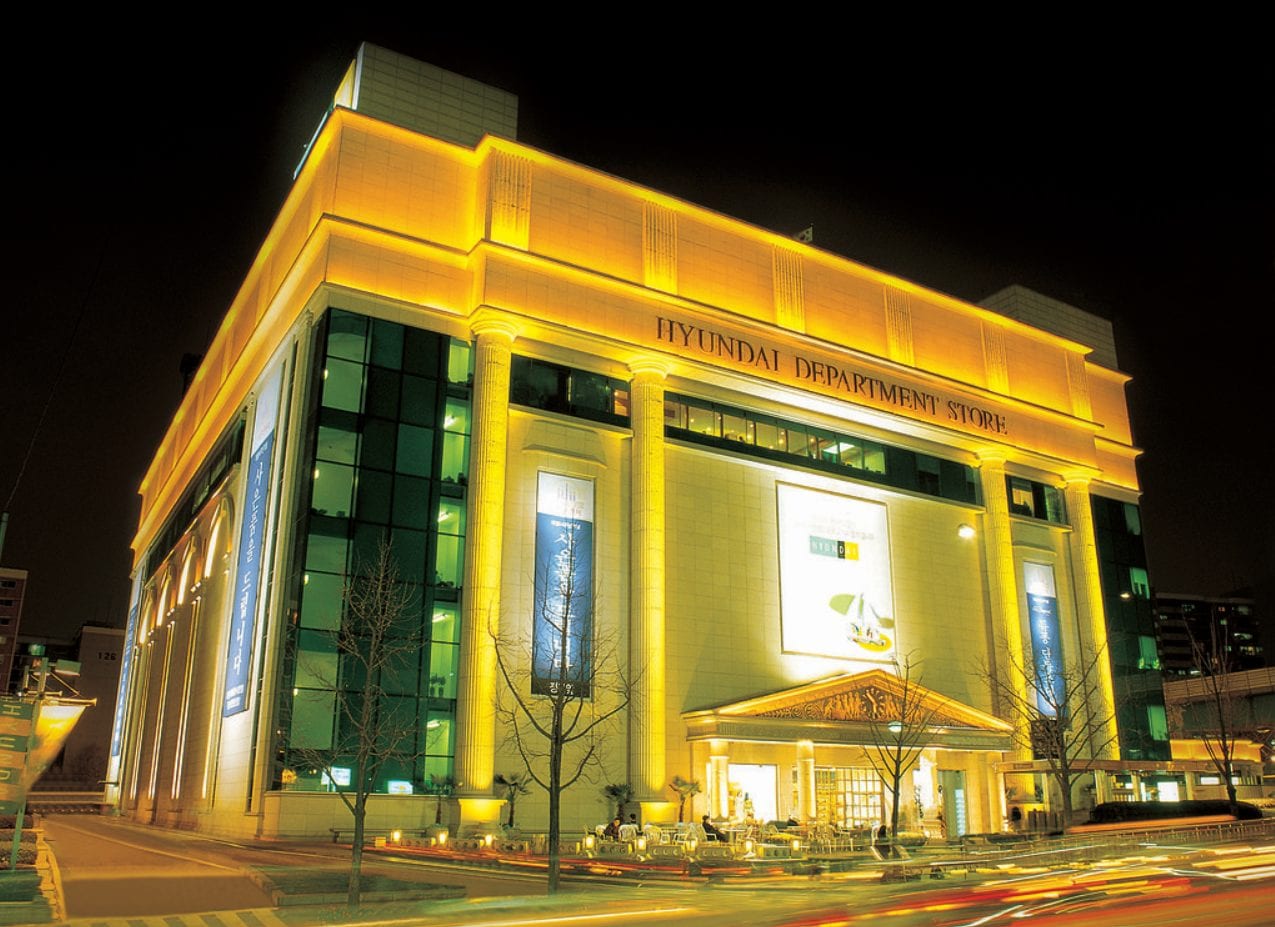
  • Hyundai Department Store slashes workdays for sales staff

    Hyundai Department Store slashes workdays for sales staff

    Hyundai Department Store is introducing last-minute measures to comply with the new 52-hour workweek, which goes into effect next week.

    Korea’s third-largest department store chain is reducing the working hours of its sales staff by one hour, the company said on Thursday.

    “It’s a measure that will catch up with today’s social atmosphere that emphasizes work-life balance,” said the company in a statement.

    Fifteen department stores and four discount outlets nationwide will be affected by the measure. Sales workers who used to come to work at 10 a.m. and left at 8 p.m. will go home at 7 p.m. starting July 1.

    The stores’ operating hours, however, will remain 10:30 a.m. to 8 p.m. The one-hour vacuum left by the change will be filled in by the heads of each sales department and other workers taking turns in groups of 10.

    “We also took into account concerns among our business partners that their revenues will be hit hard when the operating hours shrink, as the economic slowdown is already continuing,” said a Hyundai spokesman.

    The company launched a pilot program that let sales employees leave work 30 minutes early in April, and the experiment was a success.

    Hyundai’s department store rivals – Lotte and Shinsegae – were quicker to slash either their working hours or operating hours, as they started to do so late in May. Hyundai is noted for its conservative work system, but it had to yield to the industry-wide trend, according to an insider.

    Shinsegae Department Store announced earlier this week that it would delay its opening time by one hour to 11 a.m. starting on July 2, with the exception of its main store in central Seoul and branches in Gangnam and South Chungcheong. Its closing hours will be the same as before, at 8 p.m. on weekdays and 8:30 p.m. on weekends. Lotte has yet to adjust the operating hours for its department stores.

    Lotte Confectionary, Lotte Chilsung, Lotte Liquor and Lotte Food also announced on Thursday that they hired 200 more manufacturing workers to cope with the new workweek. The additional workers make up more than 10 percent of the entire existing production work force.

    The four affiliates have also vowed to introduce a flexible working hour system based on a three-month basis, given that seasonal demand in the food business fluctuates heavily.

    Lotte, the fifth-largest conglomerate in Korea, has been particularly proactive about the government’s move to improve the country’s working environment.

    Thirty of its subsidiaries have designated hours that employee computers must be shut off to make sure employees cannot work before 9:30 a.m. or after 6:30 p.m.

  • Lotte Duty Free to open its second store in Vietnam

    Lotte Duty Free to open its second store in Vietnam

    Lotte Duty Free said Sunday that it has opened its second store in Vietnam at Nha Trang Cam Ranh International Airport as it strives to expand its presence in the Asian market and better serve Chinese and Russian visitors.

    The company, a major player in the duty-free business, said its new store started operating Saturday, as the new passenger terminal at the airport opened for business. It said Lotte has the sole rights to operate the duty-free store at the airport until 2028.

    The airport serves the Nha Trang area in the central part of the Southeast Asian country, with both domestic and international flights being offered to users.

  • Shinsegae bets strong to replace Lotte’s Incheon duty free

    Shinsegae bets strong to replace Lotte’s Incheon duty free

    Shinsegae is going all out to acquire licenses to operate duty free shops at Incheon International Airport after its rival Lotte’s bid fell through.

    The bid is understood by many as Shinsegae‘s aim to expand its presence in the still lucrative and growing duty free industry.

    According to industry officials, the Incheon International Airport Corp. (IIAC) has narrowed the candidates for the licenses to Shinsegae DF and Hotel Shilla. The two filed their intent to operate duty free outlets at the DF1 bloc for cosmetics and perfumes and DF5 bloc for clothing in the airport’s Terminal 1.

    Lotte and Doosan also vied for the operating licenses, but failed to make it to the final list. The Korea Customs Service will review the bids and select the operators for each of the blocs next month.

    Lotte Duty Free previously ran those blocs, but in February it gave up its licenses citing high rent, standing at around 800 billion won (US$743.5 million) a year.

    Lotte’s move was interpreted as an attempt to lower its rent for the blocs by renegotiating the deal, as it continued to accumulate losses due largely to the high rent it agreed to pay in its previous deal. The 800 billion won rent for the blocs is nearly four times higher than the minimum guarantee the IIAC wants this time for those blocs, which is 200 billion won.

    According to sources, Lotte made the highest bid at 280 billion won for DF1 and 69 billion won for DF5 in the four-way battle.

    Following were Shinsegae with 276 billion won for DF1 and 61 billion won for DF5, Shilla with 220 billion won for DF1 and 50 billion won for DF5. Doosan’s Doota Duty Free bid 192.5 billion won for DF1 and 53 billion won for DF5.

    Despite Lotte placing the highest bid, it lost points in other criteria, such as management ability and its withdrawal from the previous duty free license deal driving the airport authority to lose faith in Lotte, industry officials said.

    As Lotte failed to make the final list, the final selection next month will bring a fundamental change to the domestic duty free industry.

    As of last year, Lotte was Korea’s largest duty free operator by sales with a 41.9 percent market share. It was followed by Shilla with a 26.8 percent share and Shinsegae with a 12.7 percent share.

    The combined sales of DF1 and DF5 blocs in 2017 stood at 900 billion won, which was approximately 6.4 percent of Korea’s total duty free sales last year.
    This means Lotte’s market share will drop to 36 percent. If Shilla wins the licenses for both blocs, its market share will go over 30 percent, or if Shinsegae wins it will reach a 20 percent market share.

    Shinsegae’s surge

    Depending on the customs service’s selection, Shinsegae will operate up to four outlets at the airport. It currently has the DF7 bloc in the first terminal and DF3 bloc in the second terminal.

    Though the duty free business does not have many chances to expand because of regulatory issues and five-year licenses, Shinsegae has expanded its presence rapidly in the domestic market, encroaching on the market shares of Lotte and Shilla.

    Shinsegae’s market share stood at 2.8 percent in 2014 but quickly rose to 12.7 percent last year, increasing by 10 percentage points during the period.

    Its surge was largely attributable to the solid numbers from its Myeong-dong branch, which brought in 1.35 trillion won in sales last year. The branch opened in May 2016 but quickly hit its stride thanks to luxury brands such as Dior, Cartier and Fendi.

    The branch is also expected to house Rolex and Chanel in the near future, casting a rosy outlook for its sales. Shinsegae’s strategy to focus on Japanese and Southeast Asian customers also served its growth well.

    While other duty free outlets were hit hard by the decline of inbound Chinese customers last year due to the diplomatic friction between Korea and China over a U.S. Terminal High Altitude Area Defense (THAAD) battery, Shinsegae managed to post high numbers thanks to their relatively low reliance on Chinese customers.

    “Shinsegae’s intent to make the airport a world famous tourist attraction seemed to earn points in IIAC’s review,” a Shinsegae official said. “Also, the company’s portfolio in Myeong-dong contributed to its shortlisting.
  • Lotte unifies all fashion labels under single business

    Lotte unifies all fashion labels under single business

    Lotte, the South Korean retail giant, has announced the unification of all its fashion businesses under the group’s apparel affiliate to secure competitiveness in the local fashion industry.

    This new approach to pursue the efficiencies derived from centralised management received a nod of approval from the company’s investors, confirmed the retailer. Lotte Shopping Co., the operator of the conglomerate’s department store chain, said shareholders of its fashion business unit NCF Co. approved the company’s decision to change the corporate name to Lotte GFR (Lotte Global Fashion Retail) on Thursday.

    “We will be able to create synergy by combining the capabilities of a retailer and a fashion company,” Seol Poong-jin, head of Lotte GFR, said.

    As a result of this move, NCF, the department store’s global fashion business unit has been transferred to the new company. Founded in 2003, NCF was acquired by Lotte for 19 billion won (18 million dollars) in 2010.

    The new company explained that it now expects to generate 1 trillion won (924 million dollars) in revenue by 2022 through the development of new labels, imports of renowned overseas brands and active mergers and acquisitions.

    The two units’ combined sales currently stand at around 200 billion won (185 million dollars), with some 300 stores under operation at Lotte’s outlets.

  • Korean retail conglomerates eye pet business more and more

    Korean retail conglomerates eye pet business more and more

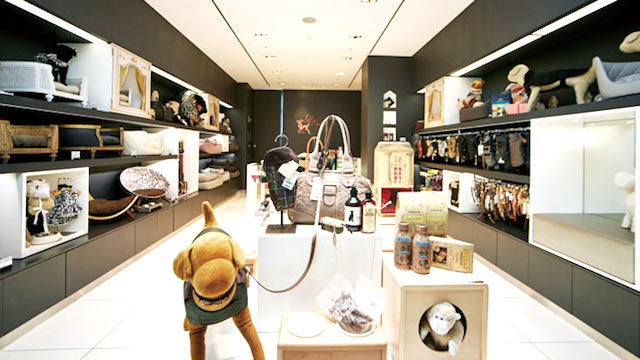
    South Korean retail conglomerates like CJ, Lotte and Shinsegae are catering more and more for pet owners as market demand grows.

    They have opened pet shops that offer products and services ranging from food and grooming services to even lodging for pets. They are also launching their own branded product lines.

    Shinsegae International’s household goods brand Jaju has launched its pet product line Jaju Pet, which plans to sell innovative pet products such as its “slow round bowl”, designed to help pets eat their food slowly, and plastic dog-waste bags that can be connected to a dog collar.

    E-Mart, Korea’s first discount retail outlet run by Shinsegae, has opened Molly’s Pet Shop with its offering of products and grooming services. It even has its own pet hotel. Since opening at the end of 2010, E-Mart now runs 35 Molly’s stores.

    Lotte Department Store opened a pet consulting service dubbed Zipsa in Gangnam in January. The store offers such services as dog-walking or pet-food delivery.

    Online shopping malls are also trying to catch some action. GS Shop has launched a “pet zone” on its mobile platform offering services that cater to various stages of a pet’s life cycle, while CJ Mall has its All Pet Club, offering food and clothing products as well as services such as lodging and funerals.

    Food companies Binggrae, Dongwon F&B Harim, KGC and Pulmuwon are also launching pet-food brands.

    Korea’s Ministry of Agriculture, Food and Rural Affairs says the pet industry has grown by more than 14 per cent on average a year since 2014. The market size was tabulated at KRW2.3 trillion (US$ 2.1 trillion) last year and is expected to surpass the KRW3 trillion won mark this year.

    The pet-loving population is estimated to be around 10 million individuals in 4.57 million households. Analysts say that as single or two-person households increase and as the aging population grows, society will see more people raising pets in the future.

  • Department store sales benefit from holidays

    Department store sales benefit from holidays

    Department-store sales in South Korea rose this month with several family-oriented holidays and special occasions, retail industry data shows.

    Children’s Day, which falls every May 5, a substitute day off and May 8 Parents’ Day all contributed to more consumption at department stores. Plus Buddha’s Birthday, which is a national holiday and falls on a Tuesday, created a four-day break for some workers.

    In the first 20 days of this month, sales at upper-end department stores like Hyundai, Lotte and Shinsegae all rose, with some reporting close to double-digit gains compared with the year before.

    Shinsegae says its sales shot up 9.9 per cent, compared to a 1.5 per cent contraction for May last year. Sales of men’s and women’s clothing rose 16.1 and 12.6 per cent respectively, while demand for sports products rose 12.6 per cent. It said demand for designer goods soared 26 per cent.

    Hyundai says it sold 6.1 per cent more goods, with Lotte trailing with a gain of 5.3 per cent.

    Discount store chain E-Mart says sales for April and May were down slightly with the demand for both fresh and processed food falling last month.

  • Duty-free operators to get licenses for a decade

    Duty-free operators to get licenses for a decade

    Retail giants like Lotte and Shinsegae don’t have to worry about getting their duty-free licenses renewed every five years anymore.

    A task force on improving duty-free regulations decided on Wednesday to propose the government extend duty-free licenses for conglomerates to a maximum 10 years. Additionally, duty-free stores managed by small and medium-sized companies will be allowed to have their licenses renewed two times.

    Under the current law, conglomerate have to bid for duty-free licenses from scratch every five years. Small and medium-sized duty-free operators are allowed to renew their licenses once.

    If the government and lawmakers accept the proposal, it will undo the regulation changes made by the previous Park Geun-hye administration in November 2013, which cut the contract terms from 10 years to five.

    According to Yoo Chang-jo, a business professor at Dongguk University who is leading the task force, the goal is to make the changes effective from Jan. 1.

    “Currently, those with duty-free licenses have until next year or three years from today before their licenses expire,” Yoo said on Wednesday. If the revised regulation passes the National Assembly, “they will be allowed to renew their licenses once” for another five years.

    There have been complaints in the industry that extending licenses to a maximum 10 years is still too short and harms the duty-free operators’ competitiveness by limiting investment and contributing to uncertainty.

    The task force claimed that it limited the maximum to 10 years for a reason.

    “If the license is renewed after 15 or 20 years, there will be criticism that [the government] is favoring existing operators, which will not be accepted by the public,” Yoo said.

    He said the possibility is high for duty-free operators that are competitive to be picked again.

    The task force was formed last July after the Board of Audit and Inspection of Korea came to the conclusion that license reviews by the Park government lacked transparency and fairness.

    Park was accused of influencing the government to strip the duty-free license held by Lotte Group in 2015.

    Lotte regained its license in a revaluation the following year after allegedly complying to several demands from the Blue House.

  • Korea department store sales benefit from holidays

    Korea department store sales benefit from holidays

    Department store sales rose this month on the strength of several family-oriented holidays and special occasions, retail industry data showed Tuesday.

    Numbers provided by major Korean retailers showed Children’s Day, which falls on May 5 every year, a substitute day off, and May 8 Parents’ Day all contributed to more consumption at department stores.

    In addition, Buddha’s Birthday, which is a national holiday that fell on Tuesday, created a long four-day break for some workers, giving them more time to spend.

    In the first 20 days of this month, sales at upper-end department stores like Shinsegae, Lotte and Hyundai all rose, with some reporting close to double-digit gains compared to the year before.

    Shinsegae said its sales shot up 9.9 percent on-year, which is an improvement on the 1.5 percent contraction reported for May 2017.

    The store said sales of men’s and women’s clothing rose 16.1 percent and 12.6 percent, respectively, while demand for sports products moved up 12.6 percent. It said demand for expensive designer goods soared 26 percent.

    The increase in sales was also reported by Hyundai and Lotte department stores during the same period. Hyundai said it sold 6.1 percent more goods, with Lotte trailing with a gain of 5.3 vis-a-vis the year before.

    Clothing, cosmetics, sports and imports generated growth for the stores with demand for consumer electronics and home fashion items contributing to the overall good showing.

    “Holidays and special occasions requiring gift buying played a part in better sales numbers this year,” a Lotte Department Store representative said.

    He said sales ahead of Children’s Day and Parents’ Day were good.

    On the other hand, less demand for fresh produce that make up a large part of hypermarket sales caused a drop in numbers for such retailers.

    Emart, the country’s largest discount store chain, said sales for April and May were off slightly compared with the year before. It said demand for both fresh and processed food fell last month and coming into May.

    The company said sales of TVs, refrigerators and washers did rise, although not enough to offset the dip in demand in other areas.

    This trend was repeated at Lotte Mart, which said sales were off 1.8 percent so far in May, affected in part by negative growth in fresh produce.

    An industry expert said sluggish economic conditions were having an effect, with department stores that tailor to the more wealthy less vulnerable than hypermarkets.