Tag: LTE

  • Ericsson and China Mobile trial 5G drone prototype

    Ericsson and China Mobile trial 5G drone prototype

    Ericsson and Nokia are both trialing using drones to dynamically improve coverage of next-generation mobile networks.

    Ericsson and China Mobile recently announced they have completed a 5G drone prototype field trial on the operator’s network.

    During the trial in Wuxi, a drone was flown using the operator’s mobile network with 5G-enabled technologies and handovers across multiple sites.

    In a statement, the companies said the trial marks “an important step toward 5G networks in which part of a network can be distributed and dynamically deployed at the cellular edge in order to reduce end-to-end latency, and to serve a range of 5G use cases at the same time.”

    Nokia has meanwhile been collaborating with EE to trial using drones to carry tine base stations to remote areas. Nokia said the testing showed that drones can help to very quickly establish mobile coverage over ranges of several kilometers.

    Mobile operators would be able to provide temporary 4G coverage in remote areas or rapidly extend capacity at large events such as sports matches or festivals.

    During the trial high-quality LTE calls, video streaming and a peak data throughput of 150Mbps were all achieved without the need to connect to an external core network.

    The development follows shortly after Nokia and SK Telecom announced that they had completed trials of an all-in-one portable public safety LTE system, which contains all the equipment needed to establish a temporary LTE network in hardware compact enough to fit in a backpack.

  • LTE-A reaches mainstream adoption

    LTE-A reaches mainstream adoption

    LTE-Advanced deployments have reached the mainstream adoption phase, according to the latest GSA figures.

    LTE-Advanced now accounts for 147 of the 521 commercial LTE networks that have been launched worldwide, while LTE-Advanced Pro is used in a further 9, according to the GSA’s latest Evolution to LTE report.

    The TD-LTE standard has seen 78 commercial deployments in 46 countries, and 82 operators have now commercially launched VoLTE in 43 countries, the report shows. A total of 146 operators in 68 countries are investing in VoLTE deployments, studies or trials.

    Meanwhile LTE deployments are continuing at a rapid pace, with 74 mobile operators having launched the technology since the beginning of 2016. The newest markets for LTE mobile broadand include Bermuda, Gibraltar, Jamaica, Liberia, Myanmar, Samoa, and Sudan.

    The GSA has now raised its forecast to predict that there will be 560 LTE networks in commercial operation worldwide by the end of the year.

    The 1800-MHz band continues to be the most widely used in commercial LTE networks. It is in use by over 47% of LTE deployments in 110 countries.

    LTE’s device ecosystem is also continuing to expand, with the GSA calculating that there were 5,614 announced LTE user devices by late June.

  • SKT, Nokia develop portable PS-LTE network

    SKT, Nokia develop portable PS-LTE network

    SK Telecom and Nokia have completed the development the first all-in one portable public safety LTE system for emergency first-responders.

    The system is compact enough to fit in a backpack, and comes with all the elements required for mobile communications, from a base station, switching system including an evolved packet core to push-to-talk technologies.

    It can be used to create an independent LTE communications network in the field for use by public safety and emergency services workers. The resulting network can be set up in less than three minutes, has a 5km coverage and can accommodate up to 400 users.

    SK Telecom and Nokia achieved the breakthrough of alleviating the need for PS-LTE systems to connect to a backhaul network by applying NFV technologies to the core networking elements. This has allowed the partners to fit the technology into a small rectangular-shaped server.

    The system can also support other communications services including group messaging for public service agencies.

    SK Telecom has announced it plans to trial the system within the year, and use the technology to expand the national disaster safety wireless network as well as its LTE-Maritime project in 2017.

    “The portable all-in-one PS-LTE system is a ground-breaking solution that enables communication among first responders by setting up an independent LTE network when regular communication networks are disrupted by disasters,” SK Telecom executive vice president and head of infrastructure Lee Jong-bong said.

    “SK Telecom will not only utilize the innovative system to build disaster safety wireless networks in Korea, but also plans to share its expertise and know-how with many other countries around the world.”

  • Singapore’s StarHub to triple LTE upload speeds

    Singapore’s StarHub to triple LTE upload speeds

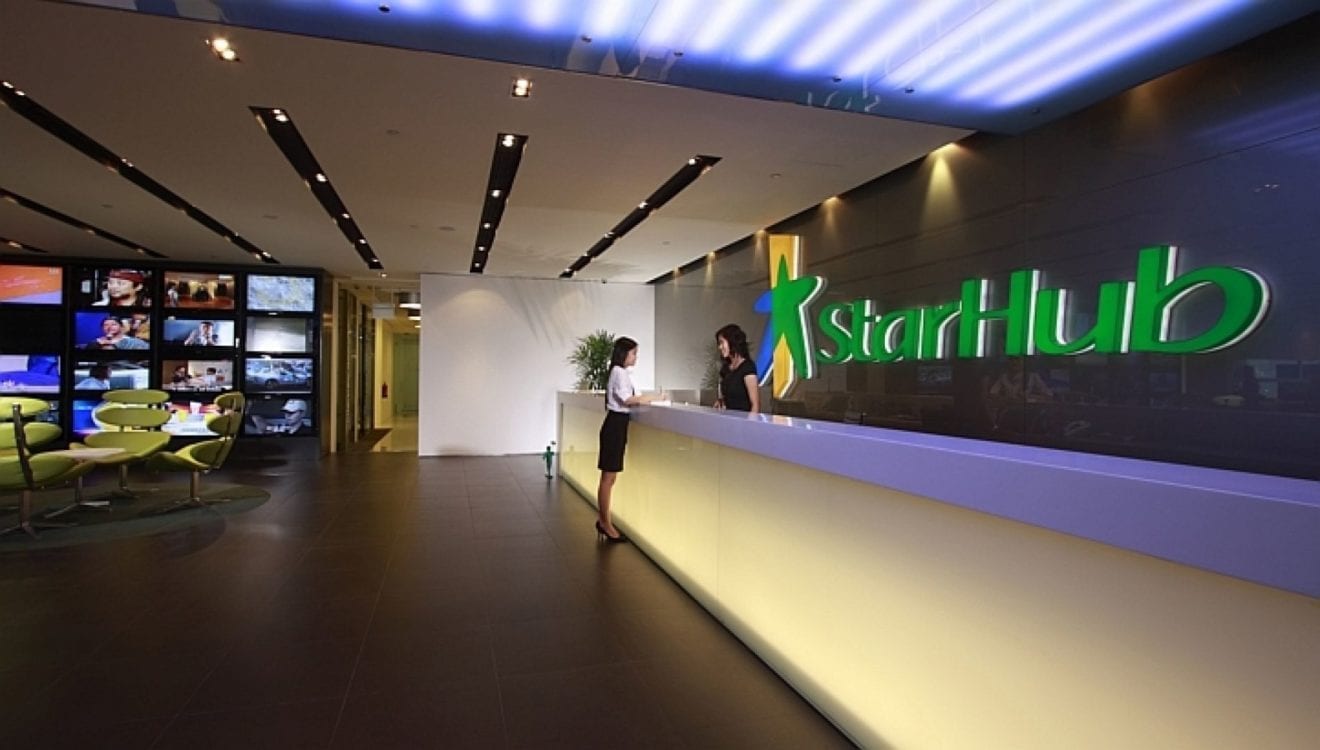
    Singapore’s StarHub plans to start rolling out carrier aggregation and 64 quadrature amplitude modulation (QAM) technology by the end of the year to triple peak upload speeds to 150Mbps.

    The operator recently completed a trial of the technologies with Nokia, aggregating spectrum in the 1800-MHz and 2600-MHz bands.

    Following the successful tests, StarHub plans to start deploying the technology starting in the Marina Bay and Orchard areas in time for the city’s year-end celebrations. A nationwide rollout is planned for 2017.

    “The ability to upload quickly is fast becoming a necessity for our mobile customers. In fact, we saw a close to 50% increase in upload traffic year-on-year, as customers increasingly share high definition videos and photos instantly with the world,” StarHub CTO Mock Pak Lum said.

    “Collaborating with technology partners such as Nokia, we are driving innovation in 4G for the benefit of our customers amid continued growth in mobile data use.”

    Nokia head of Asia South Nicolas Bouverot added that the vendor is “committed to supporting StarHub in its quest to deliver a world-class service experience to its customers. Our technologies will enable the operator to improve the upload and download speeds of its 4G network even at peak traffic times to enrich the user experience.”

  • Telenor Myanmar launches 4G services

    Telenor Myanmar launches 4G services

    Telenor Myanmar has officially launched 4G services, starting in capital city Nay Pyi Taw.

    With the launch the operator has become Myanmar’s second mobile operator to launch LTE services, following Ooredoo Myamar’s debut in May.

    Telenor Myanamr CEO Petter Furberg said in addition to the debut in the capital, the company is continuing to test 4G in other cities, and will progressively roll out the technology nationwide.

    “While Telenor users in Nay Pyi Taw now can enjoy 4G services we aim to expand the service to other cities gradually. To provide high speed 4G services all over the country Telenor will need more spectrum,” he said.

    “Telenor is looking forward to participating in the spectrum auctions planned by the Union Government later this year. Due to explosive growth of data and increasing data demand by the Myanmar people we believe it is urgently required to expand our services to 4G all over Myanmar.”

    He noted that 60% of the operator’s 16 million customers are now data users, and that Telenor has Myanmar’s largest internet network with more than 5,800 towers across the country in all states and regions.

    “Myanmar is experiencing an extensive growth of mobile subscriptions and we are also witnessing higher demand for mobile data,” Petter said. “Our 4G service is one more important step in the rapid development of the Myanmar telecom sector.”

  • DoCoMo to provide 375Mbps LTE-A at Mt Fuji summit

    DoCoMo to provide 375Mbps LTE-A at Mt Fuji summit

    Japan’s NTT DoCoMo has announced plans to deploy LTE-Advanced at the summit of Mount Fuji, Japan’s highest and most famous mountain.

    The company will provide mobile services with maximum downlink speeds of 375Mbps as well as 3G service during the climbing season from July 10.

    The company will also offer a maximum downlink of 337.5Mbps on the four most heavily used routes on the 3,776 meter summit, the Subashiri, Gotemba, Fujinomiya and Yoshida trails.

    DoCoMo will also deploy Wi-Fi hotspots at some cabins on the slopes, and make shared tablets available in some cabins that support video streaming, translation app Hanashite Hon’yaku and other value-added mobile services.

    “Going forward, DoCoMo will continue to ensure that Mount Fuji climbers enjoy high-quality mobile services as part of its initiative to enhance the quality of mobile communications in expanded coverage areas around Japan,” the operator said in a statement.

    Mount Fuji is the 35th most prominent – or highest – mountain in the world and a UNESCO World Cultural Heritage Site.

  • Mobitel, Dialog Axiata trial 1Gbps+ 4.5G

    Mobitel, Dialog Axiata trial 1Gbps+ 4.5G

    In a South Asia first, Sri Lanka’s Mobitel and Dialog Axiata have each completed successful trials of 4.5G technology capable of speeds of over 1Gbps.

    Mobitel announced it has tested a technology it calls LTE-A Pro at the operator’s test lab.

    The operator partnered with Huawei and ZTE to test LTE-A technology capable of using a combination of up to five-carrier aggregation, 4×4 MIMO and 256 QAM. The company plans a commercial deployment in the near future.

    Dialog meanwhile revealed it has completed capability testing on Huawei’s LTE equipment, demonstrating the ability to deliver throughputs exceeding 1Gbps over the LTE radio interface.

    Mobitel asserts it was the first operator in South Asia to trial LTE technology in 2011, while Dialog Axiata said it was the first in the region to launch commercial LTE services in 2014. Dialog’s LTE network now covers more than 50% of the population.

    Dialog and Mobitel are Sri Lanka’s first and second largest mobile operators by subscribers respectively.

    The ITU has named Sri Lanka as having the lowest broadband tariffs among operators in the Asia-Pacific region.

  • DoCoMo licenses wireless patents to Huawei

    DoCoMo licenses wireless patents to Huawei

    Japan’s NTT DoCoMo announced it has granted a standards-essential patent license for its wireless technologies to equipment vendor Huawei.

    The operator has now granted patent licenses to more than 10 companies and plans to pursue more such licensing deals in the future.

    As a result of its extensive R&D efforts over the past two decades, DoCoMo currently holds more than 5,300 standards-essential patents for W-CDMA, LTE and LTE-A technologies, the company said.

    The company licenses its patents both as part of patent pools lumping together interrelated standards-essential patents from multiple vendors, and through direct deals with individual licensees.

    Financial terms of the licensing deal have not been disclosed. DoCoMo said it plans to build up 5G intellectual property as it continues to contribute to the development of the standard, and will continue to pursue licensing deals for its patents via patent pools and individual negotiations.

  • Telkomsel’s LTE footprint reaches 100 cities

    Telkomsel’s LTE footprint reaches 100 cities

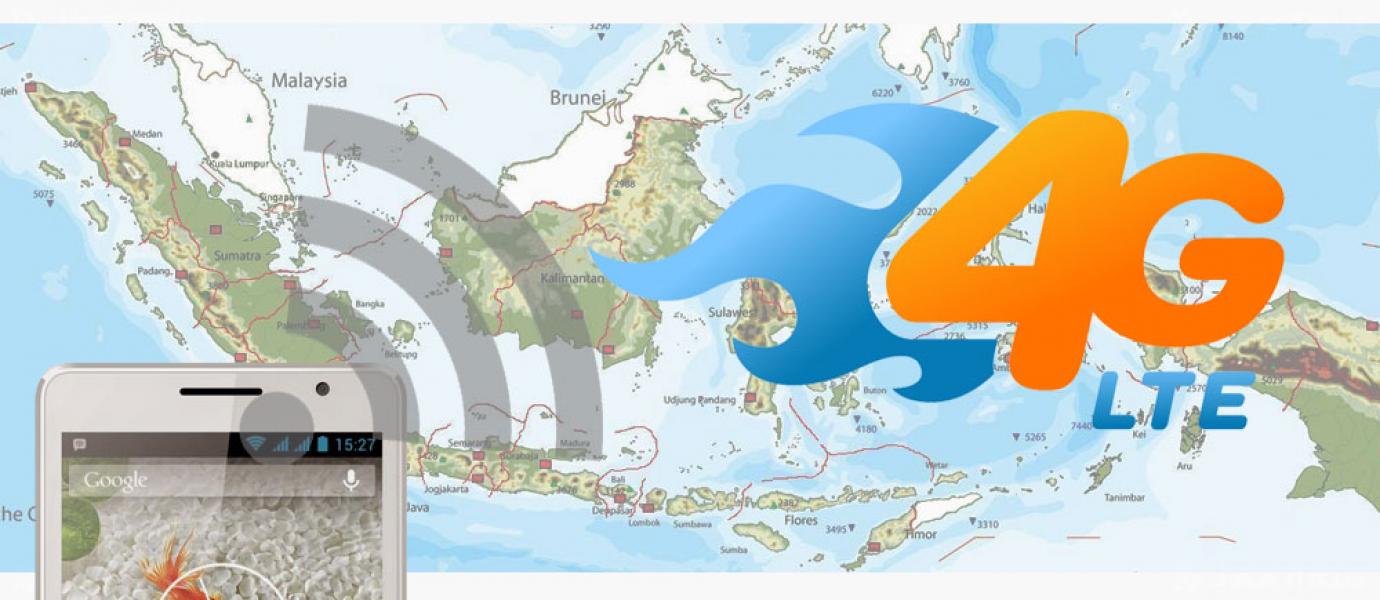
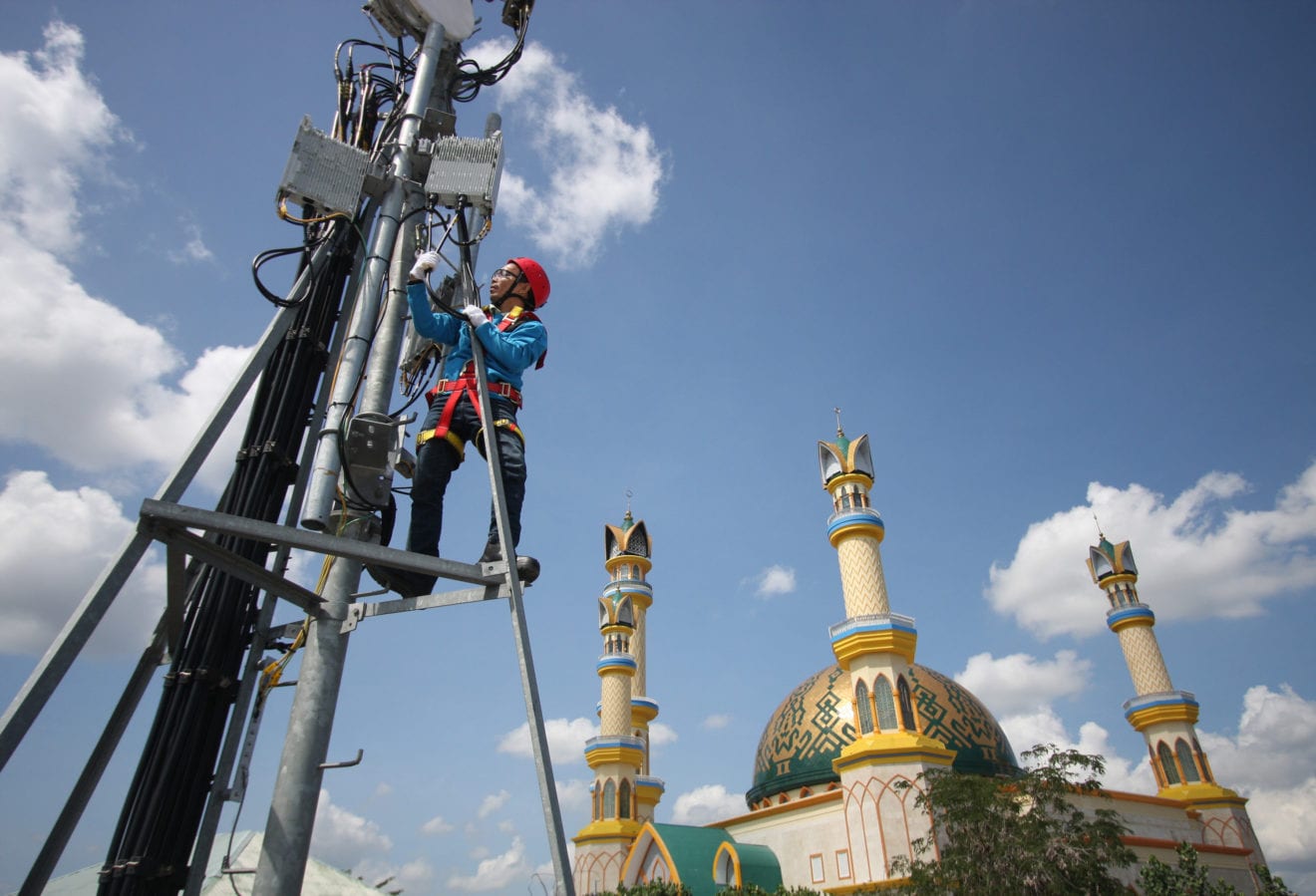
    The company has to date deployed more than 4,500 base stations in Sumatra, Java, Kalimantan, Sulawesi, Bali, Nusa Tenggara, and Papua.

    According to the operator, 4G subscriber take up is strong. The company has around 5 million 4G subscribers, and is aiming for 12 million by the end of the year.

    The latest city to be covered by Telkomsel’s LTE rollout is Ambon in the Maluku province. The company has established 29 base stations in the seaport city, and aims to roll out 373 in the Maluku region.

    Telkomsel’s current focus is on expanding its LTE network in the ‘buffer zones’ of Jakarta and Bandung, the company revealed.

    Telkomsel was Indonesia’s first mobile operator to launch LTE services in late 2014, using the 900-MHz band. The company – along with its four major rivals – also launched LTE over the 1800-MHz band in July last year.

  • Smart starts deployment of LTE-Advanced

    Smart starts deployment of LTE-Advanced

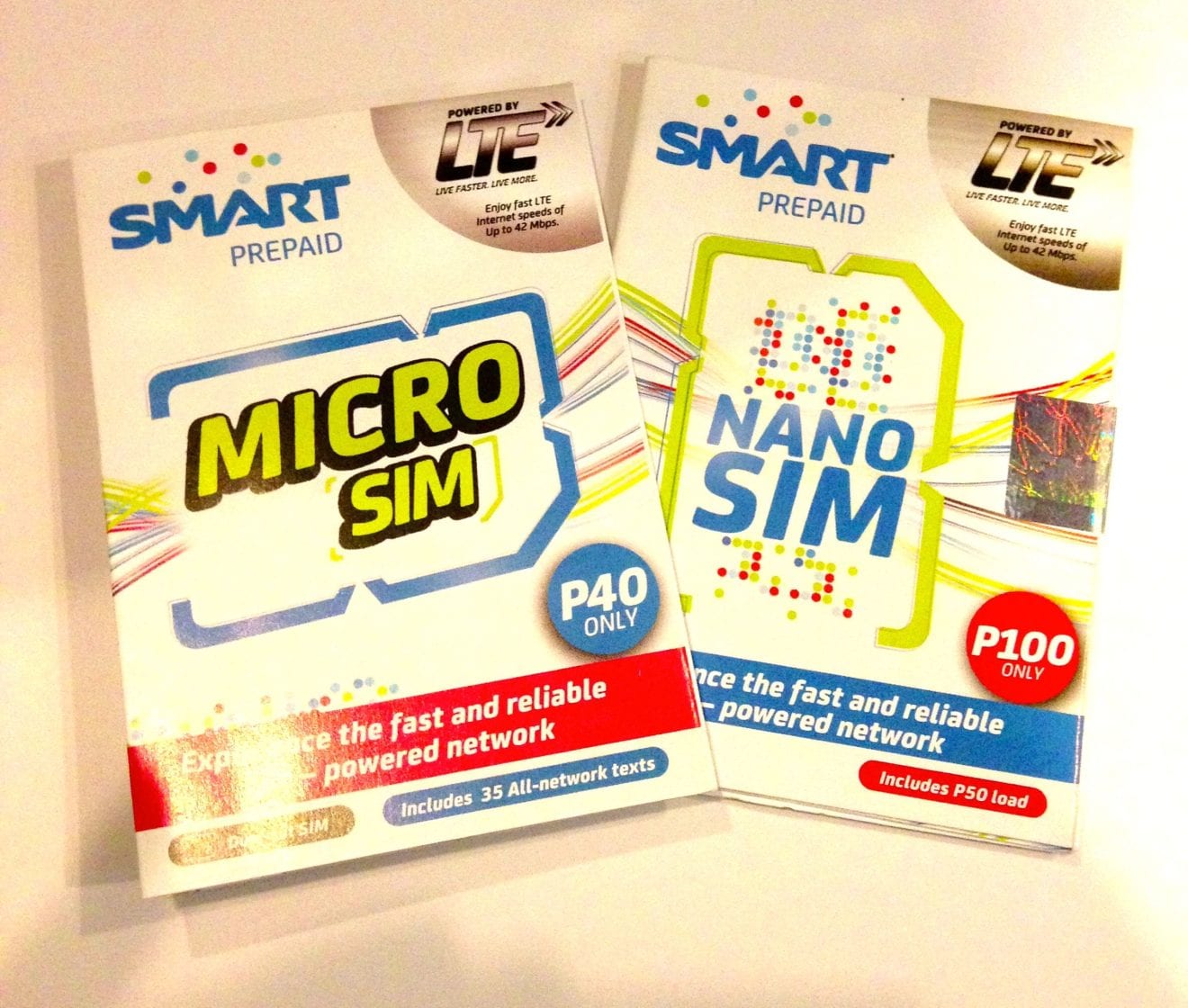
    The Philippines’ PLDT, through wireless subsidiary Smart, has commenced the rollout of LTE-Advanced carrier aggregation.

    The operator has initially deployed the technology in the popular tourist destination of Boracay, marking the first implementation of the technology in the Philippines.

    Smart said the Boracay LTE-A network has posted speeds of up to 250Mbps. The company started testing the technology in Boracay and other locations in 2013, and has commenced the rollout now commercial devices that support LTE-A are available.

    “Combined with our other network improvement initiatives for both our mobile and fixed line networks, the introduction of LTE-A will help boost internet services in the country and enable more Filipinos to enjoy and benefit from the fast-growing range of digital services that PLDT and Smart offer,” PLDT and Smart CTO and information adviser Joachim Horn said.

    These initiatives include a program to integrate the networks of PLDT mobile brands Smart and Sun to improve network quality for subscribers of both. This is expected to improve the effective coverage for subscribers by anywhere from 50% to 100% depending on service area.

    Horn said particular attention is being paid to enhancing 3G coverage because 90% of Smart and Sun’s mobile internet users have 3G handsets.

    “We are also planning ahead, in anticipation of future advances in technology. Our current investments in network facilities are already being done in a way that will enable us to be ready for 5G when it arrives sometime in 2020. For this purpose, we are working closely with NTT DoCoMo, which is one of the global pace-setters in the development of 5G,” Horn added.

  • TrueMove H taps Ericsson for LTE-A rollout

    TrueMove H taps Ericsson for LTE-A rollout

    Thailand’s TrueMove H has appointed Ericsson to support its LTE-Advanced rollout in north, central west and south Thailand.

    Under the contract Ericsson will help deploy LTE-A carrier aggregation and further expand TrueMove H’s 2G and 3G networks on the 900-MHz, 1800-MHz and 2100-MHz spectrum bands.

    The three year contract will see Ericsson provide multi-standard radio equipment using the new Ericsson Radio System, ranging from indoor small cells to macro cells.

    “We are committed to offering our customers the best mobile broadband experience,” True Corp COO Vichaow Rakphongphairoj said.

    “Our Partnership with Ericsson will further strengthen our 3G/WCDMA and 4G/LTE leadership in Thailand and enable us to offer optimized mobile data service with the best smartphone performance to our customers.”

    TrueMove H was one of two winners of 900-MHz 4G spectrum during an expensive auction last year, after bidding 76 billion baht ($2.1 billion).  But fellow license winner Jasmine appears likely to  miss the deadline for paying the first installment of its own bid.

  • XL subscribers in Bandung,  Jakarta to enjoy 4G services

    XL subscribers in Bandung, Jakarta to enjoy 4G services

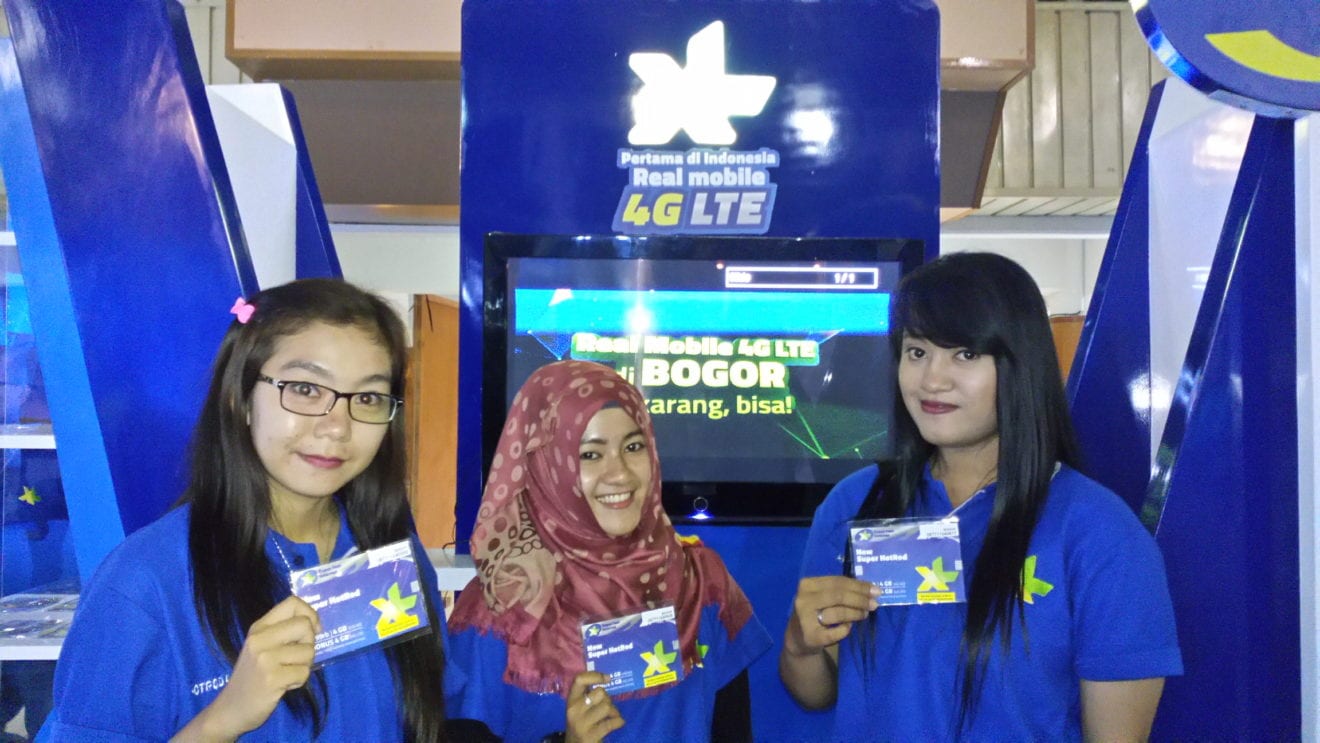
    Telecommunications firm XL Axiata says that its 1,800 MHz 4G/LTE services will likely be available in Bandung, West Java by the end of the month, while subscribers in Jakarta may enjoy the service in November after the company concludes its nationwide band refarming.

    “There have been minimal obstacles in the refarming process. That’s why we are confident to say that we are able to have 4G/LTE services operating in Bandung by the end of October, and in Jakarta by November,” XL Axiata CEO Dian Siswarini told reporters at the XL office in Central Jakarta on the sidelines of the company’s 19th anniversary celebrations late last week.

    In the nationwide band refarming, major telecommunication companies XL, Telkomsel, Indosat and 3 have been involved in preparing regions with structural capability to support 4G/LTE services.

    Dian said that XL’s band refarming process had reached Central Java and would conclude in November.

    Dian assured that despite the introduction of 4G/LTE services, there would be no changes to the existing 2G network service “since our 4G band does not need to reuse or recycle any of the 2G frequencies.”

    The four firms have been in the process of band refarming for 1,800 MHz since May starting from Papua, Sumatra, Sulawesi, Kalimantan, Bali, Nusa Tenggara and ending in Java. The last region to be refarmed will be Greater Jakarta because it is the most crowded in usage terms.

    According to Dian, XL will only provide the 4G/LTE services in select cities considering different market potentials and smartphone penetration.

    “Smartphone usage in Indonesia is not spread evenly. That is why the potential for usage is only feasible in several [major] cities. We also have to look at our customer database to see which markets would be the best bets,” she added.

    XL launched its initial 1,800 MHz 4G/LTE services in Lombok, West Nusa Tenggara in July and followed with Denpasar in Bali and Surabaya in East Java.

    The Communications and Information Technology Ministry had set a deadline for the band refarming on Nov. 23.

    Around 1.2 million XL users are actively using the carrier’s current 4G network, which operates on the 900MHz frequency. However, consumers have complained that 4G services on the 900 MHz frequency are not much faster than then those running on the 3G network.

    In another development regarding the government’s recent plan to tighten procedures on

    the purchase of mobile SIM cards, Dian said that her company had prepared for the regulation in terms of its data systems and forging standard operating procedures (SOPs) with retail outlets to make them aware of the regulation.

    XL’s data system, said Dian, was prepared to register customers’ identities on a large scale in preparation for the deadline. Informational awareness efforts have been taking place since May 2015.

    “We have completed the first phase on information dissemination to our retail outlet partners over mandatory ID requirement upon the purchase of SIM cards. The phase is still ongoing,” Dian said.

    The ministry and the Telecommunications Regulatory Body (BRTI) issued a regulation in September, requiring customers to show an ID upon the purchase of prepaid SIM cards starting Dec. 15.

  • ZTE Supports Smartfren Launch 4G LTE-Advanced Service in Indonesia

    ZTE Supports Smartfren Launch 4G LTE-Advanced Service in Indonesia

    ZTE Corporation (0763.HK / 000063.SZ), a major international provider of telecommunications, enterprise and consumer technology solutions for the Mobile Internet, is pleased to help PT Smartfren Telecom launch 4G LTE-Advanced network in Indonesia, giving users access to the highest-performance mobile broadband services.

    The new 4G LTE-Advanced, which supports both the FDD-LTE and TDD-LTE standards, was launched commercially by Smartfren in Jakarta on 19 August, and coverage areas already include the 22 major cities of Indonesia. The new network deploys ZTE’s market-leading 4G LTE solutions including eNB (evolved node B), Cloud Radio and eHRPD to deliver the best user experience to subscribers.

    “The nationwide launch of our 4G LTE-Advanced service follows successful trials and the June launch of our Andromax range of LTE Smartphone and portable WiFi devices. We believe that 4G LTE-Advanced technology will open many opportunities for our customers and further accelerate the Information and Communication Technology Industry as a backbone for Indonesian economic growth. 4G LTE-Advanced will enable our customers to enjoy improved multimedia streaming, online games, cloud storage and video conferencing. Smartfren is committed to bring the best of 4G LTE technology to Indonesia to deliver not only higher speeds but a more stable and reliable 4G LTE experience,” said Smartfren Chief Executive Officer Paul Hodges.

    “Smartfren just launched the widest LTE Advanced Service in Indonesia. We leverage both TDD and FDD technologies to get best of both technologies: high capacity and throughput on TDD at 2300 MHz and large coverage with FDD at 850 Mhz. With this combination, we can offer the best broadband experience. We have chosen ZTE for this deployment due to our long time relationship and their leadership with TDD networks,” said Smartfren Chief Technology Officer Christian Daigneault.

    “We are glad to partner with Smartfren to roll out their 4G LTE Advanced network in Indonesia,” said Shi Lirong, President of ZTE Corporation, “We are fully committed to delivering a state-of-the-art LTE ecosystem, which will help Smartfren offer the best mobile broadband services to their customers. This alliance has allowed ZTE to further cement our position as the partner of choice for telecom operators in the country in developing and maintaining their LTE ecosystem. This partnership also fits into our long term vision of developing a sustainable LTE network in Indonesia.”

    With ZTE’s powerful Universal Subscriber Profile Platform (USPP), Policy and Charging Rules Function (PCRF), and Online Charging System (OCS) products, the core NEs of both CDMA and LTE networks are highly integrated to provide a unified user database and policy control and charging policies, allowing the LTE network to be deployed rapidly, facilitating maintenance and operation of 3G and 4G networks in the future, and lowering operational costs. Smartfren can take advantage of the sophisticated OCS system to launch flexible tariff packages in the market to attract upscale users with an urgent need for mobile broadband services.

    By the end of June, ZTE has concluded 185 4G LTE/EPC commercial contracts globally, partnering with the world’s biggest operators including Bharti Airtel, China Mobile, China Telecom, Hutchison, Softbank, Telenor, TeliaSonera, Vodafone, VimpelCom, MTN and Telefonica.

  • Five Indonesian telcos launch LTE on 1800-MHz

    Five Indonesian telcos launch LTE on 1800-MHz

    Indonesia’s five largest mobile operators have all launched 1800-MHz LTE services, while a new player has indicated an intention to enter the LTE market.

    Telkomsel, PT Indosat, XL Axiata, Hutchison’s 3 and Smartfren all recently rolled out 4G services over the band in various cities and regions.

    Telkomsel switched on its network in Makassar, South Sulawesi, Indosat went live in Balikpapan, East Kalimantan, XL held a lunch on the island of Lombok, 3’s network has been rolled out to Banjarmasin, South Kalimantan, while Smartfren activated its network in Batam, Riau Islands.

    Mobile operators have been rushing to roll out LTE services in Indonesia after the government opened up use of the 1800-MHz band for 4G.

    Telkomsel, XL Axiata and Indosat have already launched LTE over the 900-MHz band. Incumbent Telkomsel already has 620,000 LTE subscribers, while XL Axiata has around 200,000.

    The report adds that Berca Hardayaperkasa, a unit of Central Cipta Murdaya, has revealed plans to enter the increasingly crowded 4G market as well. The company is targeting a launch in Bali, Makassar and Pekanbaru in October.

    Central Cipta Murdaya has committed up to $150 million to deploy the service in the three cities. The company is ultimately planning to launch in 12 cities outside Java. Berca was originally a Wimax operator, having secured 2300-MHz spectrum in 2009.

  • XL Axiata launches LTE in Lombok; Indosat to accelerate 4G rollout

    XL Axiata launches LTE in Lombok; Indosat to accelerate 4G rollout

    Indonesian mobile operator XL Axiata today launched a commercial 4G Long Term Evolution (LTE) service in the 1800MHz band in Mataram, Lombok. The firm’s director of service management Ongki Kurniawan explained that the decision to choose Lombok was based on its ‘special relationship’ with the area. ‘Since entering this region, we [have built an] affinity [with the people living here]. People accept and have confidence in XL when it comes to their telecommunication needs, and [that relationship is] now evolving into data and internet services. Our market share currently stands at more than 85% in Lombok,’ he said, ahead of the official launch of the service in the area.

    XL Axiata has deployed 14 4G base transceiver stations (BTS) in the Capital NTB area, as well as covering centres of government and business, and some shopping centres such as Mataram Mall. The cellco claims it can offer peak download speeds of 100Mbps on the new network which is supported by a range of affordable 4G handsets and devices from the likes of LG, Sony, Huawei, Sharp, Siemens and Lenovo. Its new service also supports Voice-over-LTE (VoLTE) it says and, having launched in Mataram, XL Axiata is now looking to roll out 1800MHz BTS in Bandung, Surabaya, Denpasar and Jakarta later this year. Additionally, the operator notes that cities that already have 4G LTE service capability in the 900MHz band – namely Medan, Bogor, and Yogyakarta – will also benefit from 1800MHz services in the near future. To date, it claims to have deployed more than 200 LTE-900 BTS in these cities and has amassed a total of 200,000 4G subscribers.

    In a separate development, XL Axiata rival PT Indosat claims that it is ready to accelerate its own 4G rollout throughout Indonesia. The cellco says its readiness to speed up its LTE deployment is thanks to its nationwide Indosat Network Modernisation programme which is designed ultimately to upgrade its entire infrastructure to support LTE with peak speeds of 185Mbps/41Mbps (down/uplink). The national programme kicked off two years ago, initially with the aim of boosting coverage, improving internet access speeds and providing clearer voice call quality (i.e. high definition voice) services. By the end of this year Indosat aims to have upgraded 42 cities and their environs (equivalent to districts/municipalities across Indonesia), under the expansion plan. IndoTelko quotes Indosat head of corporate communications, Fuad Fachroeddin, as saying that in April it launched its Super 4G-LTEservice in Jakarta, Bandung, Yogyakarta and Bali, and aims to add other cities throughout Indonesia in the near future. ‘We are optimistic we will soon be able to accelerate the deployment of 4G LTE throughout Indonesia under the ongoing Network Modernisation programme,’ he said.