Tag: lunch

  • Haidilao’s Pig Blood Curd Now Available Island-Wide as Singapore Lifts 27-Year Ban

    Haidilao’s Pig Blood Curd Now Available Island-Wide as Singapore Lifts 27-Year Ban

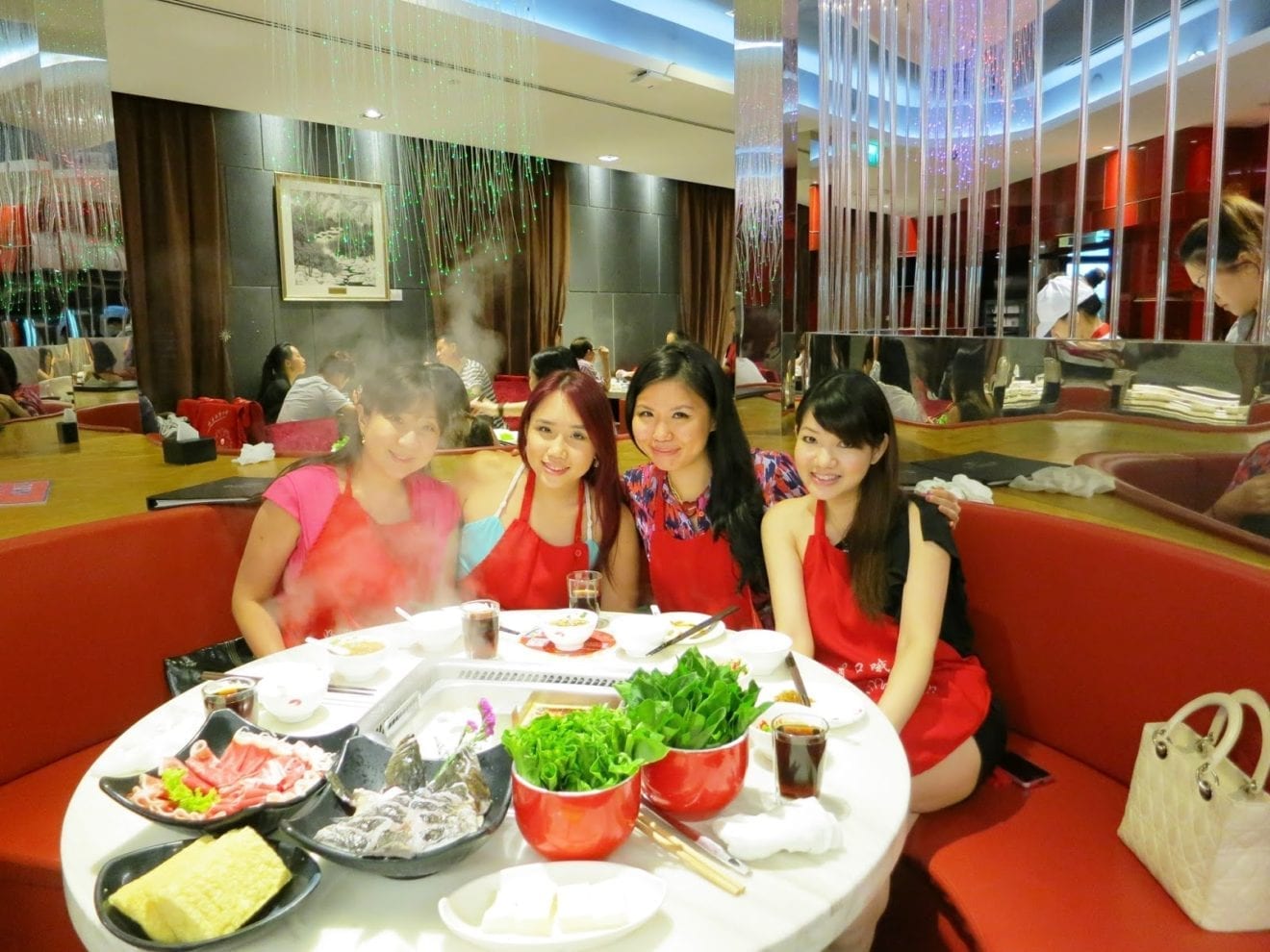
    Haidilao, the renowned hotpot chain, has recently begun offering pig blood curd across all its Singapore locations, marking the end of a 27-year prohibition. In an announcement made on social media last Tuesday, Haidilao Singapore revealed that the dish would be available from May 28.

    The specialty will retail at S$8 per serving at its outlet in Marina Bay Sands, while all other locations will offer the dish at S$6 per serving. Moreover, Haidilao has launched a promotional offer valid until June 30, which slashes the prices to S$4 and S$3 per serving respectively, subject to stock availability.

    Previously, Singapore had implemented a ban on animal blood food products, including pig blood and duck blood, following the 1999 Nipah virus outbreak. However, the tide turned in April when the Singapore Food Agency authorised the importation of heat-treated pig blood products from Bangkhla Pig Slaughterhouse, a recognised supplier based in Thailand.

    Questions & Answers

    Why has Haidilao started serving pig blood curd in Singapore?
    Haidilao has introduced pig blood curd to its Singapore menu following the city-state’s decision to lift a 27-year ban on animal blood food products.

    What is the price for a serving of pig blood curd at Haidilao?
    At Haidilao’s Marina Bay Sands outlet, pig blood curd is priced at S$8 per serving. However, all other locations serve it at S$6 per serving.

    Why was there a ban on animal blood food products in Singapore?
    The ban was put in place following the Nipah virus outbreak in 1999, which led to the prohibition of animal blood food products, including pig and duck blood, in order to protect public health.
  • Japanese restaurant chain Pepper Lunch to launch in Mongolia

    Japanese restaurant chain Pepper Lunch to launch in Mongolia

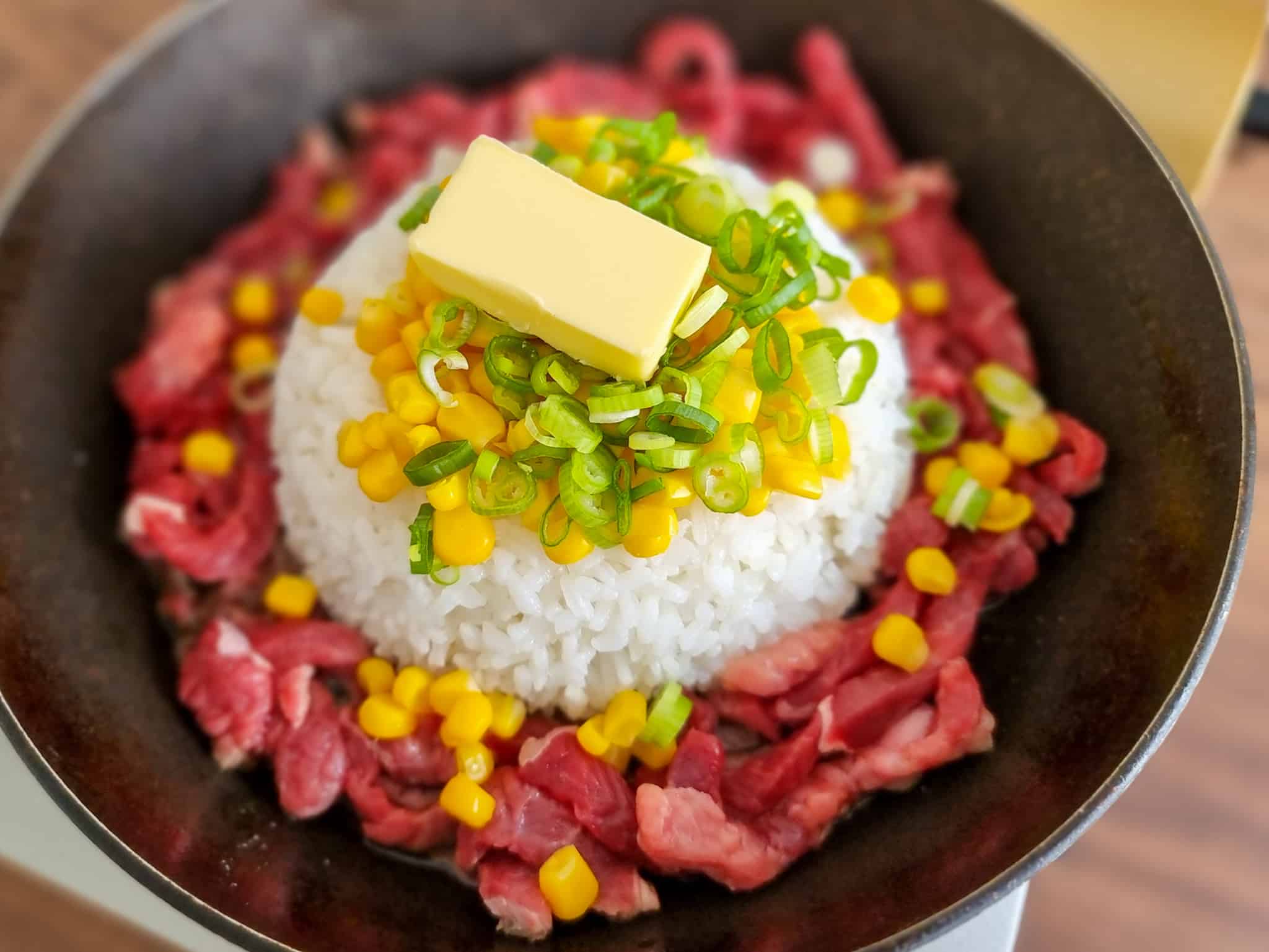
    Japanese restaurant chain Pepper Lunch plans to open its first store in Mongolia next year, as part of its global expansion strategy.

    The brand has signed a franchise deal with local distributor Bluemon Group, making Mongolia its 17th country.

    “We signed a master franchise agreement with our Mongolian franchise partner yesterday,” Yuto Tago, global CEO of Pepper Lunch wrote on his LinkedIn account.

    “I cannot wait to see the first restaurant opening next year!”

    Pepper Lunch is a DIY casual eating concept with more than 400 locations around Japan, Asia, and Australia. Founded by a trained chef, Kunio Ichinose, the restaurant focuses on premium steaks, pasta, and cheese curry rice.

    Pepper Food Service sold the Pepper Lunch franchise to J-Star Investment Fund for US$79 million in 2020.

  • Luckin Coffee may launch in the US as early as next year

    Luckin Coffee may launch in the US as early as next year

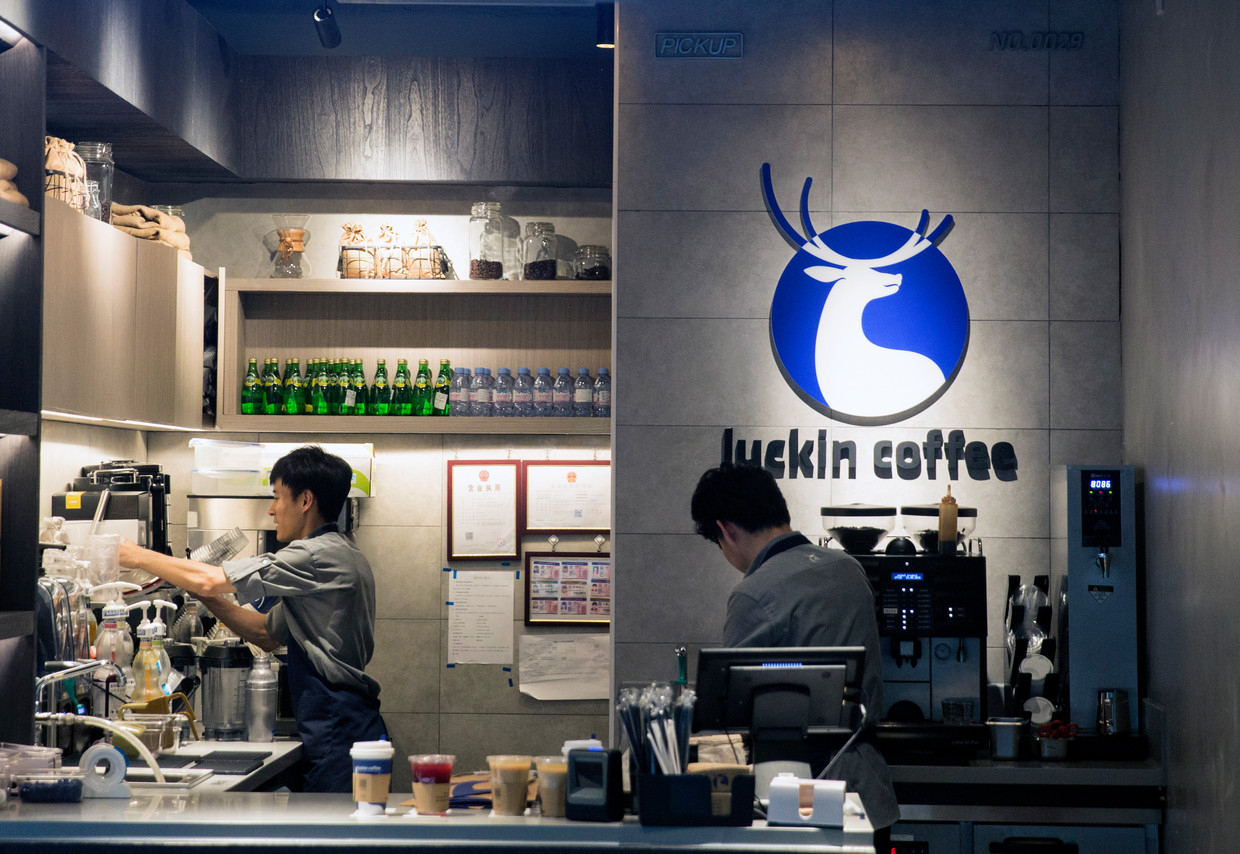
    Chinese coffee chain Luckin Coffee is exploring potential expansion into the US, with a launch possibly as early as next year.

    During an earnings call, Luckin Chairman and CEO Guo Jinyi emphasised both the promise and challenges of overseas growth.

    “The international market is filled with opportunities, but also presents significant challenges that require patience, time, and continuous investment,” Guo said.

    “We remain both patient and confident in our ability to succeed. We are actively evaluating opportunities in the US and other markets.”

    A report from the Financial Times suggests that Luckin may target cities in the US with sizeable Chinese student populations and tourist presence, such as New York.

    The company also aims to undercut major US coffee brands by offering drinks priced around US$2 to $3, potentially attracting budget-conscious consumers.

    Luckin has already begun overseas expansion in Singapore, opening eight new stores last quarter, taking its total in that market to 45. It also has stores in Malaysia.

    Although initial operations in the country incurred financial losses, Guo said these experiences provided valuable insights into the complexities of managing international ventures.

    The company plans to expand abroad, focusing on store network growth, supply chain management, and brand building.

    “Considering the maturity and competitiveness of the US coffee market, Luckin intends to approach its expansion strategy there with careful consideration and a disciplined execution plan,” Guo added.

    However, the potential US expansion may face reputational challenges.

    Jason Yu, GM at consumer research firm Kantar Worldpanel China, pointed out that Luckin’s past scandal, involving inflated sales data, could impact its brand image in the US.

    In 2020, Luckin admitted to fabricating approximately $310 million in sales in 2019, leading to multiple short-selling attacks and ultimately its delisting from NASDAQ.

    “With fierce competition in the Chinese coffee sector, overseas expansion and the possibility to regain trust from the capital market might be strategic options for Luckin,” Yu said.

  • Japanese burger chain Niku Niku Oh! Kome debuts in Hong Kong

    Japanese burger chain Niku Niku Oh! Kome debuts in Hong Kong

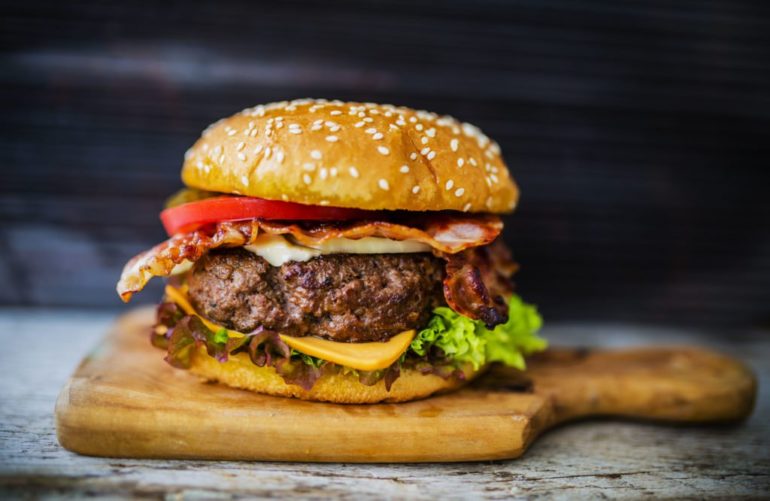
    Japanese-style burger chain Niku Niku Oh! Kome – owned by Japanese restaurant chain operator Monogatari Corporation – has launched its first outlet in Hong Kong as part of its broader expansion across Asia.

    Located in Sha Tin, the restaurant has 40 bar seats surrounding an open kitchen. It specialises in freshly handmade wagyu burgers seated on hot plates or served on rice with egg yolk for a “classic Japanese experience”.

    The wagyu hamburgers are crafted from a blend of Kyushu black wagyu beef and US beef, while the rice served is Niji No Kirameki, sourced from Japan’s Tohoku region.

    Makoto Hori, senior executive officer, Monotogari Corporation, said that Hong Kong, being an international city close to the mainland, offers the company an opportunity to raise brand awareness in the Asian region.

    “We have already opened 16 restaurants in Mainland China since November 2022, and local customers have well received our food,” he added.

    Established in 1949, Monogatari Corporation has more than 700 restaurants in Japan and overseas, with 15 restaurant brands serving various Japanese foods, including yakiniku, ramen, okonomiyaki, sushi and shabu-shabu.

  • Rice exports top $3.8B in 8 months

    Rice exports top $3.8B in 8 months

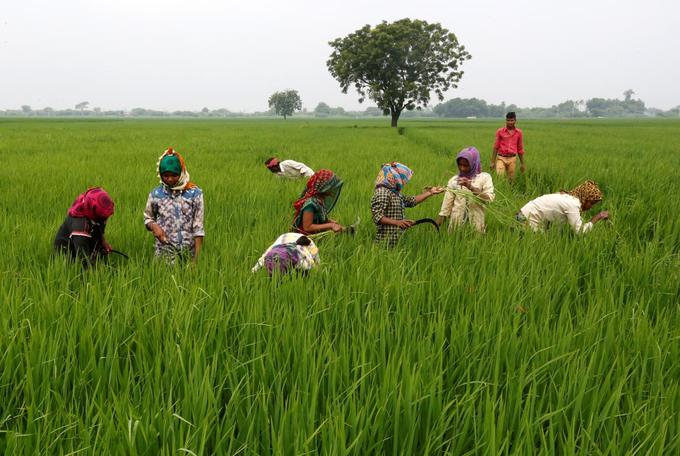
    Vietnam exported 6.16 million tons of rice worth nearly US$3.85 billion in the first eight months of this year, the Ministry of Agriculture and Rural Development (MARD) has said.

    This marked a 5.9% increase in volume and a 21.7% growth in value from the same period last year.

    According to the MARD, along with the increase in output, the average rice export price in the period also rose about 14.8%, reaching $625 per ton.

    In the domestic market, prices of many types of rice in the Mekong Delta region remained stable last week compared to the previous week.

    Specifically, prices in the Mekong Delta province of An Giang remained unchanged for popular varieties such as Dai Thom (fragrant rice) 8, OM 5451 and OM 18.

    Regular rice retails at VND15,000-16,000 (US$0.6-0.64) per kilogram, while long-grain fragrant rice is sold at about VND20,000-21,000.

  • Japan’s biggest sushi chain Sushiro launches first Beijing store

    Japan’s biggest sushi chain Sushiro launches first Beijing store

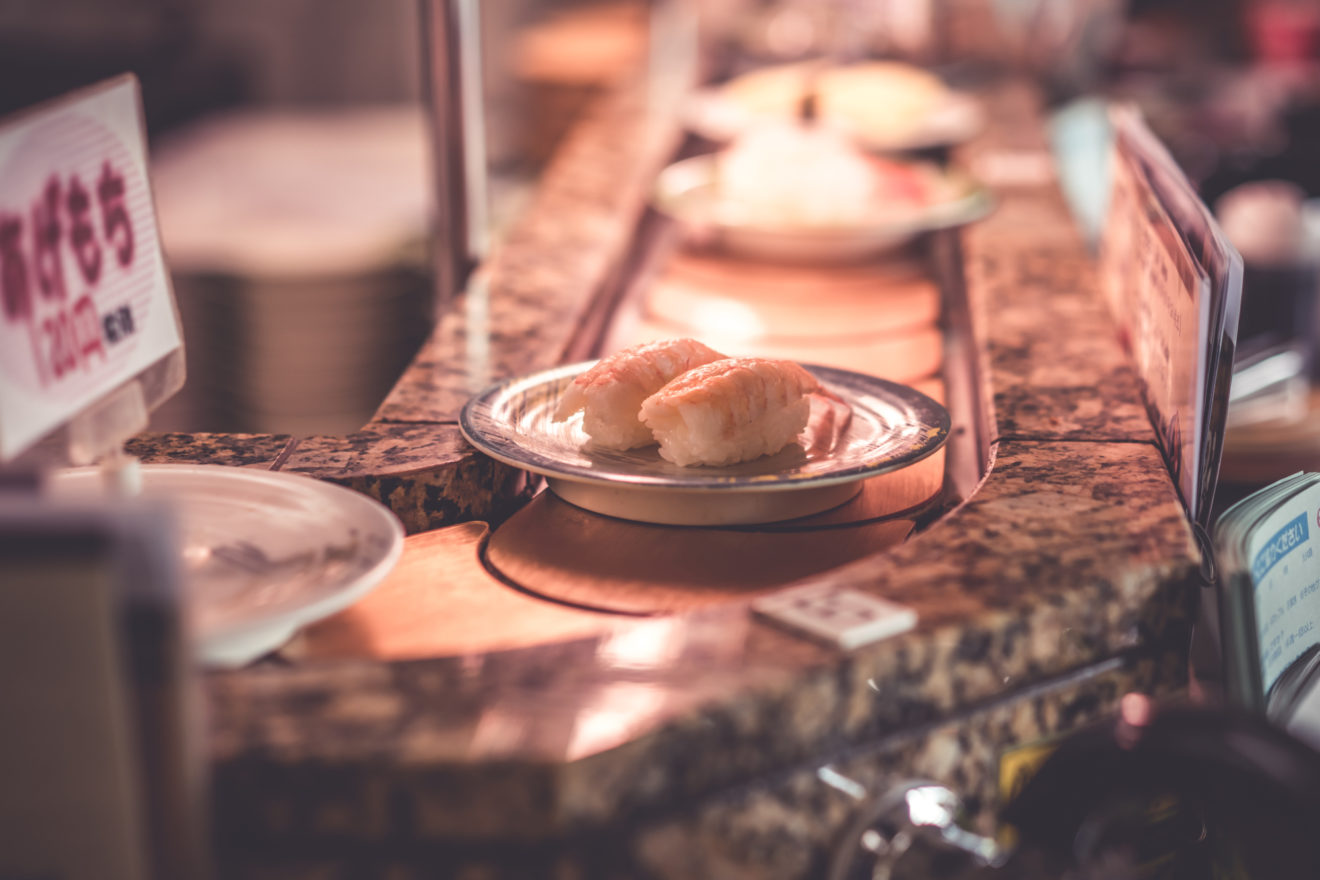
    Japan’s biggest sushi restaurant chain Sushiro opened its first store in China’s Beijing Wednesday as part of its expansion in the world’s most populated country.

    Its new store, located in the Xidan Joy City shopping mall, has four private rooms, each allowing up to 10 customers, who can order from a touch screen and pick up their food from a conveyor belt, according to Nikkei Asia.

    This is Sushiro’s 45th location in China. It launched the first store in Guangzhou in 2021 and has expanded to several cities since.

    Sushiro, headquartered in Osaka, has over 500 restaurants in Japan. It was founded 30 years ago and is now present in many Asian countries including South Korea, Thailand and Singapore.

    Its competitor Hama Shushi has also been expanding in China and opened the first Beijing store earlier this year.

    China has prohibited the import of seafood from Japan due to the discharge of treated radioactive wastewater. In China, conveyor belt sushi restaurants primarily offer locally sourced seafood.

  • Philippines spends $1.2B on Vietnamese rice in H1

    Philippines spends $1.2B on Vietnamese rice in H1

    Rice was the Vietnamese product with the highest export value to Philippines in the first six months of 2024, with a turnover of $1.2 billion, up 41% over the same period last year.

    According to data from the Vietnam Trade Office in the Philippines, Vietnamese rice has been leading the market in the Philippines, Vietnam’s largest rice export partner, for many years.

    In June, the Philippines reduced rice import tax from 35% to 15% until 2028, and is expected to increase import volume from 4 million to 4.5 million tons. This is deemed a great opportunity for Vietnamese rice in the second half of the year.

    However, although rice export opportunities are expanding, many businesses are still cautious due to high input prices and the impact of storms that could reduce rice supply at the end of the year.

    The Vietnam Trade Office in the Philippines recommends that businesses need to balance costs to offer competitive prices and maintain market share. At the same time, the Ministry of Industry and Trade, the Embassy and the Vietnam Trade Office will also support businesses in trade promotion activities, advertising and improving product quality to increase export value, it said.

    Last year, Vietnam exported more than 3 million tons of rice to the Philippines, down 3% compared to 2022. However, thanks to the increase in prices, export turnover reached $1.75 billion, up 17.6% compared to the previous year.

  • Philippines lowers rice import tax to 15%

    Philippines lowers rice import tax to 15%

    The Philippines, one of the world’s largest rice buyers, has announced a reduction in rice import taxes from 35% to 15%, effective from early this August through 2028.

    This can be seen as the latest action by the Philippine government to tackle inflation, especially increasing rice prices in the market so far this year.

    In the first quarter of 2024, the Philippines’ economy was relatively stable, except for the price increase of some essential consumer goods, particularly rice, which saw an increase of about 24.4%. The rice prices account for approximately 9% of the Consumer Price Index (CPI) of the Southeast Asian country.

    According to the Vietnam Trade Office in the Philippines, Vietnam’s largest buyer to date, accounting for over 80% of the total rice imported into the Philippine market.

    As of May 23, Vietnam exported 1.44 million tons of rice to the Philippines, accounting for 72.9% of the country’s total grain imports. The Philippines’ reduction of the rice import tax is said to increase opportunities for Vietnamese rice in the market.

    Latest data from the Department of Agriculture’s Bureau of Plant Industry, the Philippines’ total rice imports rose by 20.3% to 1.97 million tons in the reviewed period. The country’s total rice imports are estimated to reach about 4 million tonnes in 2024.

  • Musang King durian moon cake prices up 10%

    Musang King durian moon cake prices up 10%

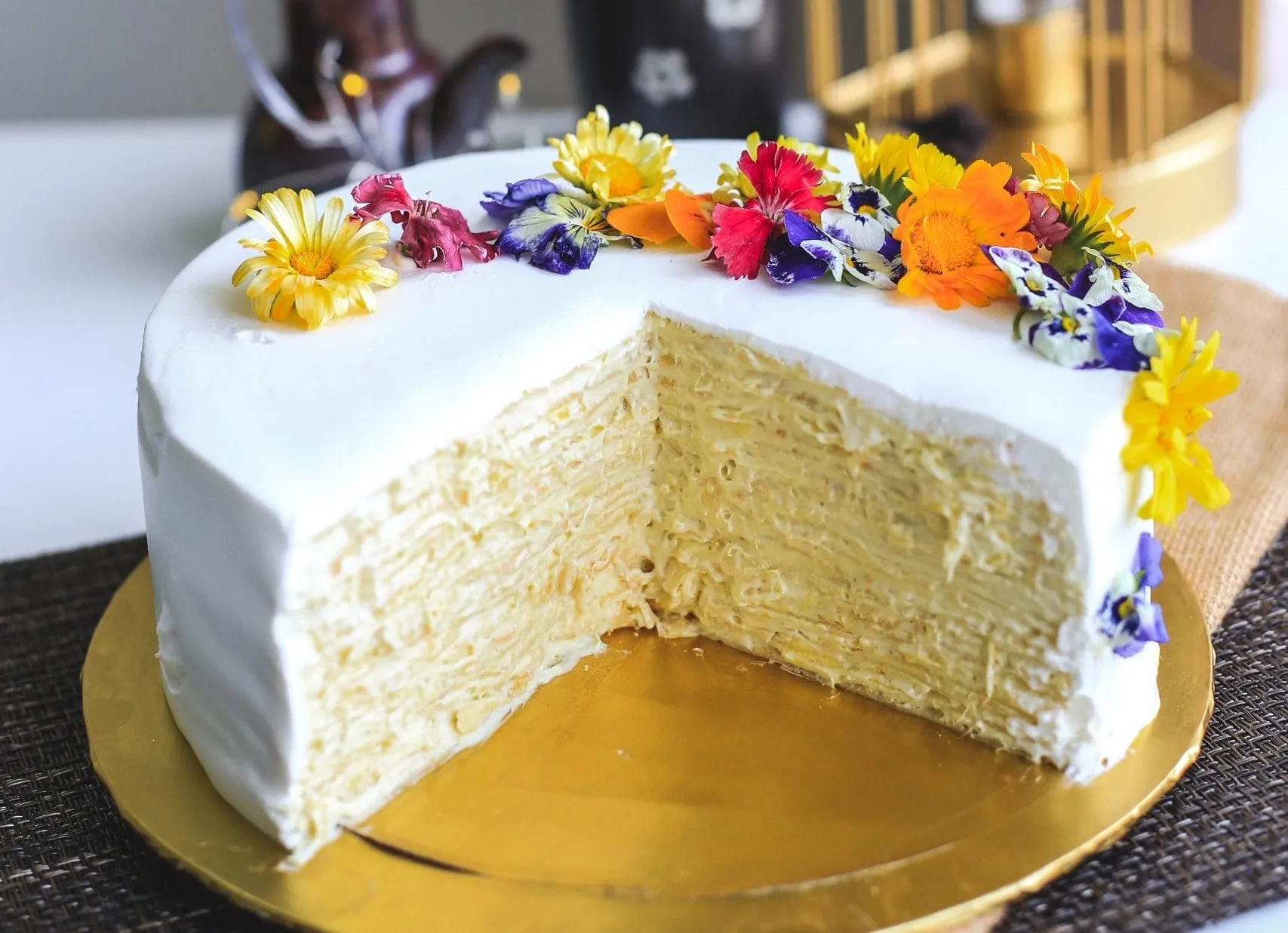
    Musang King durian moon cake prices, made with the popular durian variety originally from Malaysia, have increased by 2-10% year-on-year in Vietnam.

    Their cost ranges between VND900,000 ($37.90) to VND1.7 million per box. Last year, the most expensive product sold for around VND1.5 million.

    Hoang Anh, a moon cake vendor in Ho Chi Minh City’s District 3, sold out 500 boxes of Musang King and Black Thorn moon cakes in two weeks last year.

    She has doubled her imports this year.

    “We have to order five months in advance as the manufacturer needs to prepare durian beforehand.”

    A major distributor in HCMC plans to sell nearly 30,000 cakes this year, triple the amount last year.

    The cakes are mostly imported from Malaysia. Other markets that also sell them are Singapore and Hong Kong.

    Industry insiders say prices have gone up due to rising ingredient costs.

    Moon cake is a popular type of desert in Asian countries. It is often enjoyed during the Mid-Autumn Festival in the middle of Lunar August, which falls on Sep 29 this year.

  • Rice export prices reach 10-year high

    Rice export prices reach 10-year high

    The global decline of the rice supply and the impact of El Nino climate pattern have led to a sharp increase in the price of rice for export.

    Latest data from General Department of Vietnam Customs shows that in the first half of the year, rice exports reached more than 4.2 million tons and are valued at $2.26 billion, up over 21% in volume and 32% in value over the same period last year.

    The export price of rice in June reached an average of $650 per ton, up 9.4% compared to May and 20.8% higher than the same period last year.

    In the first six months of 2023, the export price of rice is estimated at $539 per ton, up more than 10% over the same period in 2022 and the highest of the past 10 years.

    According to the Ministry of Agriculture and Rural Development, the reason for the sharp increase is the decrease in supply. The emergence of El Nino has also forced many countries to increase rice purchases to stock up.

    The Philippines’ Department of Agriculture forecasts that El Nino will return and severely affect their domestic food production. Indonesia predicts that it may cause widespread drought in the country, so the July-August harvest for agricultural products may drop significantly.

    In the first five months of the year, rice exports to the main markets – Philippines and China, both grew strongly at double digits. In addition, rice exports to new markets such as Indonesia, Chile, Turkey, and Senegal recorded a surge from 1,100-16,000% over the same period last year.

    The Indian government is banning the export of all rice that is not Basmati (a popular rice in South Asia), as prices have been on the rise and they want to control inflation.

    Retail rice prices in New Delhi have increased by 15% this year, while the domestic average price has increased by 8%, according to India’s Ministry of Consumer Affairs, Food and Public Distribution.

    Vietnam Food Association and enterprises believe that if this ban is implemented, global rice prices will increase. In the near future, Vietnamese rice will not only benefit in price but also be favorable for exports.

    An enterprise based in Can Tho in Vietnam’s Mekong Delta said that export orders were abundant and the price of fragrant rice was increasing the most. This enterprise does not even have enough supply to meet the orders. It is forecast that the rice export market in the second half of the year will reach a peak value.

    To ensure domestic and export demand, the agriculture ministry has directed key rice production areas, especially the Mekong Delta, to actively cultivate and prioritize short-duration rice varieties as well as high-quality and fragrant rice varieties suitable for market demand.

    Vietnamese rice has been exported to 156 countries and territories, including many high-end rice markets.

  • Gordon Ramsay to open first Street Pizza restaurant in Southeast Asia

    Gordon Ramsay to open first Street Pizza restaurant in Southeast Asia

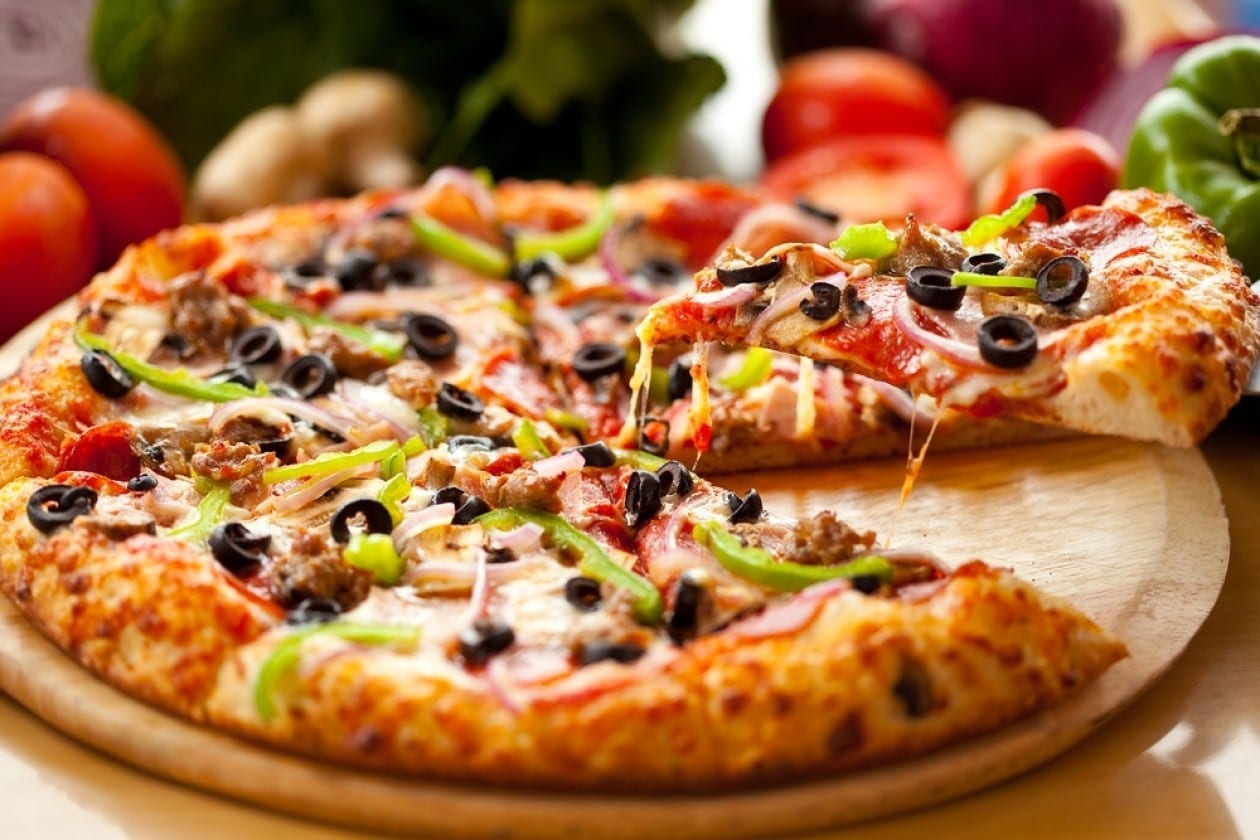
    The highly anticipated Street Pizza concept by celebrity chef Gordon Ramsay is set to make its debut in Malaysia, marking the restaurant’s first location in Southeast Asia. Originally established in London in 2018, Street Pizza is known for its unlimited sourdough pizzas with a variety of toppings and sides, including hot wings, dirty fries, and cocktails. The restaurant boasts a lively atmosphere, with urban art, live music, and big screens playing sports games to keep diners entertained. Moreover, guests can enjoy a seamless experience using the restaurant’s mobile app.

    Scheduled to open in the third quarter of 2023, the Street Pizza location in Kuala Lumpur will be situated in the Sunway Pyramid shopping mall, offering an exciting new dining option for visitors to Sunway City Kuala Lumpur and guests staying at the destination’s three hotels. This is part of the brand’s vision to have a Street Pizza on every corner of the world, following its expansion in the UK—Battersea, Southwark, City of London in St Paul’s, Liverpool and Edinburgh, and internationally in Dubai, Seoul, and Doha, with Washington DC (USA) set to open later this year.

    According to Alex Castaldi, Senior General Manager of Sunway City Kuala Lumpur Hotels, “Malaysians love pizza and Street Pizza offers pizza without rules. It’s not just about the awesome food, it’s also the vibe.” This statement shows the restaurant’s appeal to the Malaysian market and its potential to become a favourite among locals and tourists alike. The launch of Street Pizza follows the successful opening of Gordon Ramsay Bar & Grill in Malaysia in 2022, which showcases the chef’s iconic dishes, such as the classic Beef Wellington.

  • South Korean restaurants feel the pinch of surging delivery costs

    South Korean restaurants feel the pinch of surging delivery costs

    Higher demand for food delivery workers has ramped up the industry’s labor cost. The rapid growth of South Korea’s food delivery market during the COVID-19 pandemic has inadvertently caused a sharp rise in delivery fees, leaving small business owners and consumers struggling to cope with the added costs, Korea Bizwire reported.

    According to a government-issued report, the number of domestic delivery workers in South Korea has doubled in just three years, reaching 237,100 in the first half of 2022.

    Amidst surging demand for food delivery services, delivery companies have been struggling to secure enough delivery workers to meet the demand, compelling them to offer increasingly attractive pay packages. The higher cost of labor has been passed on to consumers through higher delivery fees.

    Companies such as Baemin and Coupang Eats paid delivery workers an additional fee of $1.54 (KRW2,000) to $1.92 (KRW2,500) per delivery in 2021 to secure their services. Some also offered prizes such as camping cars or pure gold.

    Popular delivery apps such as Baedal Minjok and Coupang Eats said they have had to raise their brokerage and delivery fees in response to rising labor costs.

    Consumers are paying almost the same amount for delivery as their food, with the average delivery tip based on the maximum distance being $3.84 (KRW5,000) in February. The average amount for Baemin delivery tips was higher at $4.46 (KRW5,810).

  • China begins large purchase of Vietnamese tra fish

    China begins large purchase of Vietnamese tra fish

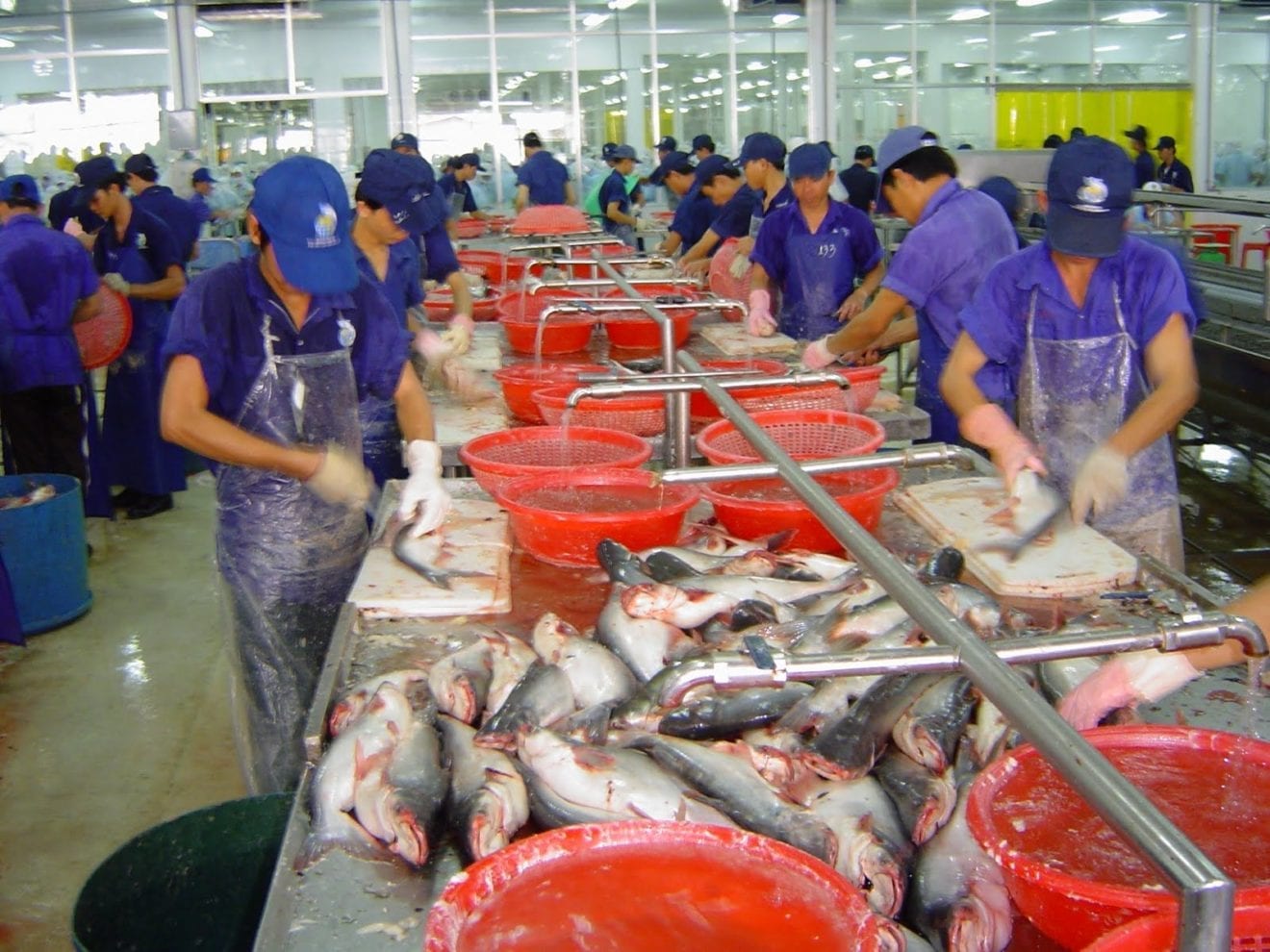
    A Chinese trader has imported 500 containers of tra fish weighing 12,000 tonnes from Vietnam right after China lifted its zero-Covid policy, showing a positive signal for the sector this year.

    China is the second biggest importer of Vietnamese tra fish, after the U.S. Last year, Chinese traders bought nearly 300,000 tonnes of the fish from Vietnam, with a total value of more than $700 million.

    Notably, the current price of fillets exported to this market ranges from $3.5 to 3.6 per kg – the best export price of this product – in the context of the global economic downturn.

    Vietnamese tra fish is now exported to 138 countries and territories worldwide.

    About 350 tra fish-raising establishments in the Mekong Delta region with a total area of nearly 3,120 ha have been certificated to meet Vietnamese Good Agricultural Practices (VietGAP) standards.

    According to the Vietnam Association of Seafood Exporters and Producers (VASEP), this year, tra fish exports are expected to surpass $2.4 billion – a record high set in 2022.

  • Japanese restaurant chain Zensho to buy Lotteria Japan

    Japanese restaurant chain Zensho to buy Lotteria Japan

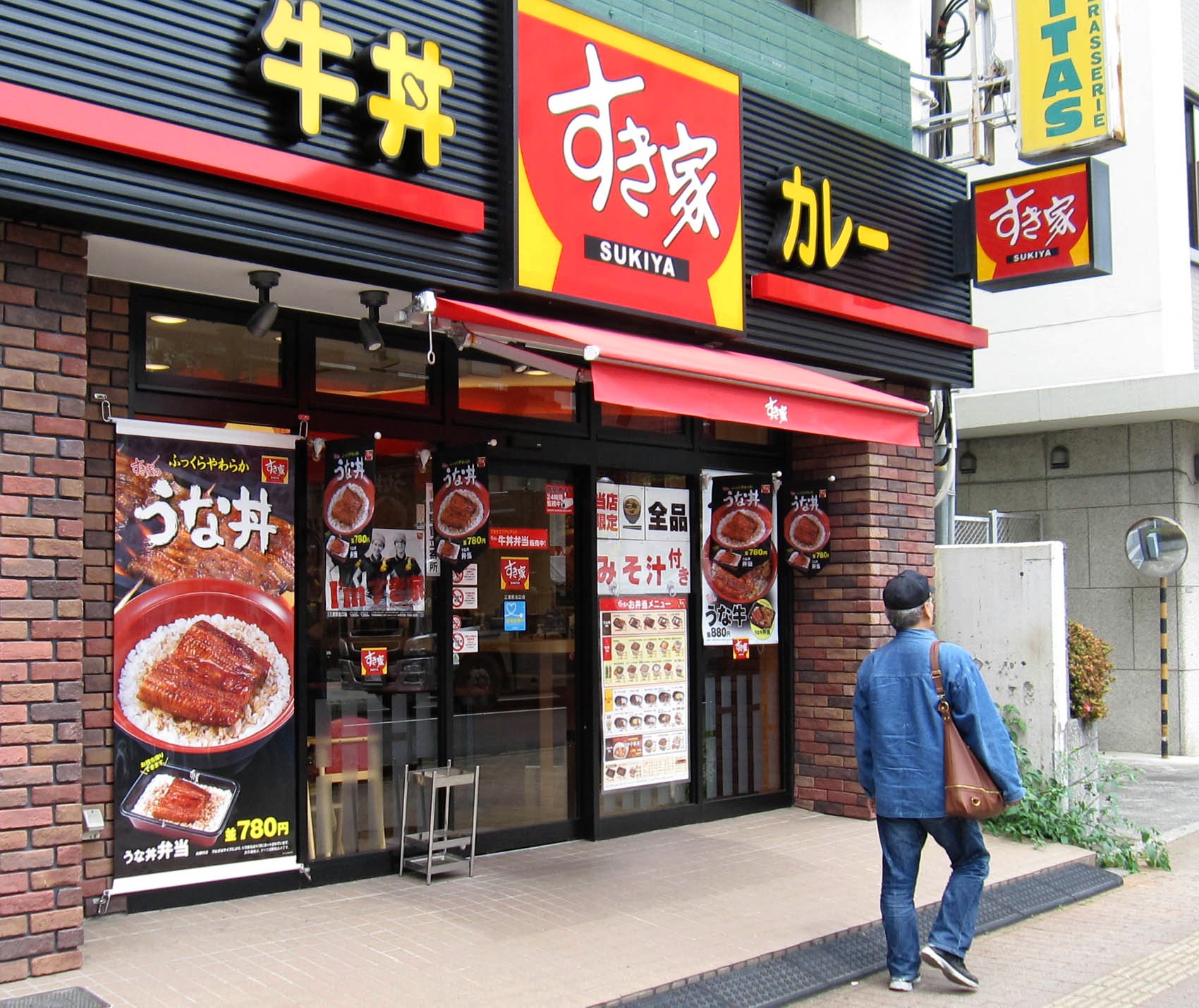
    Sukiya beef bowl chain’s operator, Zensho Holdings, is to acquire burger franchise Lotteria Japan from Lotte Holdings for an undisclosed sum.

    The deal is expected to be completed on April 1.

    Entering Japan in 1972 with the first store opened in Tokyo’s Nihonbashi, Lotteria had 358 stores across the country as of January 1.

    Zensho Holdings said it has decided to acquire the shares based on the judgment that the synergistic effect of its mass merchandising system and wide range of food business will contribute to the future expansion and development of Lotteria’s business.

    The deal is part of an operational restructuring by South Korea’s Lotte Holdings.

    “We believe this is the best option for Lotteria to pursue new growth,” Lotte Holdings said in an announcement.

    The company said the Lotteria brand will continue for a certain period after the transfer of the shares but the new owners may rename it in the future.

    As of March 31 2022, Zensho Holdings managed and developed 10,078 restaurants, with sales of about US$4.9 million. Its portfolio of brands includes Sukiya, Big Boy, Nakau, Victoria Station and Jolly Pasta. The company previously operated US burger chain Wendy’s restaurants’ in Japan.

  • Leading seafood firm to issue 1:1 bonus

    Leading seafood firm to issue 1:1 bonus

    Major listed seafood exporter Minh Phu Seafood JSC is set to issue bonus shares at a ratio of 1:1.

    It is expected to be done this year by capitalizing reserves, and will double the company’s charter capital to VND4 trillion (US$170.9 million).

    Minh Phu also plans to pay a cash dividend of VND2,300 per share.

    Its revenues in the first six months rose 43% to VND8.7 trillion, but profits fell 15% to VND236 billion due to bad debt provisioning and rising financial costs.

    It eyes revenues of VND18.96 trillion and profits of VND1.27 trillion for the full year.