Retail News CRM

Tag: lunch

  • Seafood companies post profit surge as global demand recovers

    Seafood companies post profit surge as global demand recovers

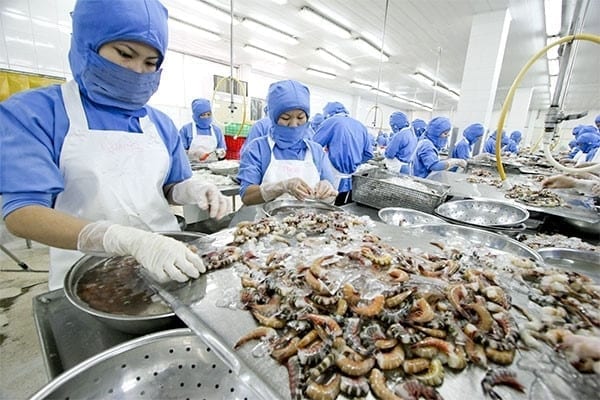
    Many seafood firms have seen a year-on-year surge in profits in the first quarter this year thanks to surging prices and recovering demand.

    Vinh Hoan Corporation, the largest listed seafood company, posted after-tax profits of over VND550 billion ($23.9 million) in the first quarter, up 4.2 times year-on-year.

    Cuu Long Fish Joint Stock Company·also saw its profits surge over 5.7 times against the same period last year to VND63 billion, the highest quarterly profit since late 2018.

    IDI International Development & Investment also recorded after-tax profits of over VND200 billion, the highest quarterly profit since 2010 when it began releasing financial reports.

    Nam Viet Corporation reported a three-time year-on-year surge in profits to VND206 billion while Camimex Group saw its profits double to VND25.1 billion.

    Sao Ta Foods Joint Stock Company, another seafood firm, reported its profit surging nearly 1.5 times year-on-year to VND42.2 billion.

    The surge in profits among seafood companies in the first quarter was credited to surging prices and recovering global demand.

    Vietnam’s seafood exports grew by 40 percent year-on-year to $2.4 billion in Q1 despite direct impacts of the ongoing Russia-Ukraine crisis.

    Growth was led by pangasius catfish, whose exports increased by 88 percent to $646 million and accounted for 27 percent of overall exports, according to the Vietnam Association of Seafood Exporters and Producers.

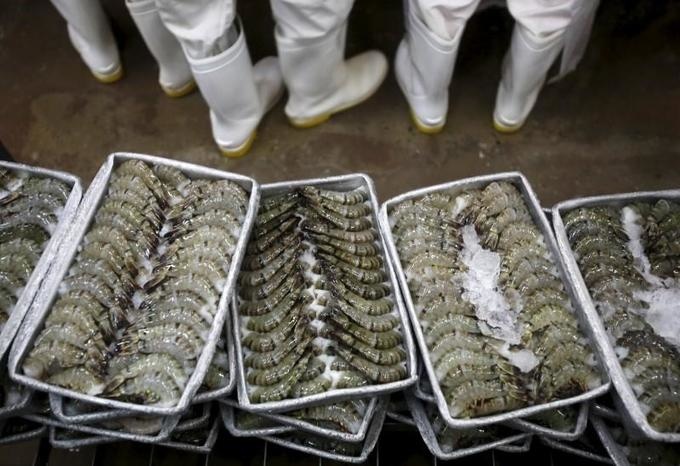
    Shrimp remained the top seafood export item, accounting for 37.5 percent of the total at over $900 million, up 37 percent.

    A recent report by Rong Viet Securities Corporation said that pangasius exports would record a strong recovery this year due to increased global demand and supply shortage from Russia. The high selling price will last until the end of the second quarter due to increase in raw material prices.

    An Binh Securities warned of downside risks like surging feed and logistics costs and fierce competition from other exporting countries like India, Ecuador and Indonesia.

    On the stock market, the seafood sector has posted gains over the past months, with some hitting the ceiling regardless of the overall gloomy market trend.

    On Friday, Vinh Hoan closed at around VND104,000, up 55 percent since January.
  • Yum China sales fall as pandemic impact worsens

    Yum China sales fall as pandemic impact worsens

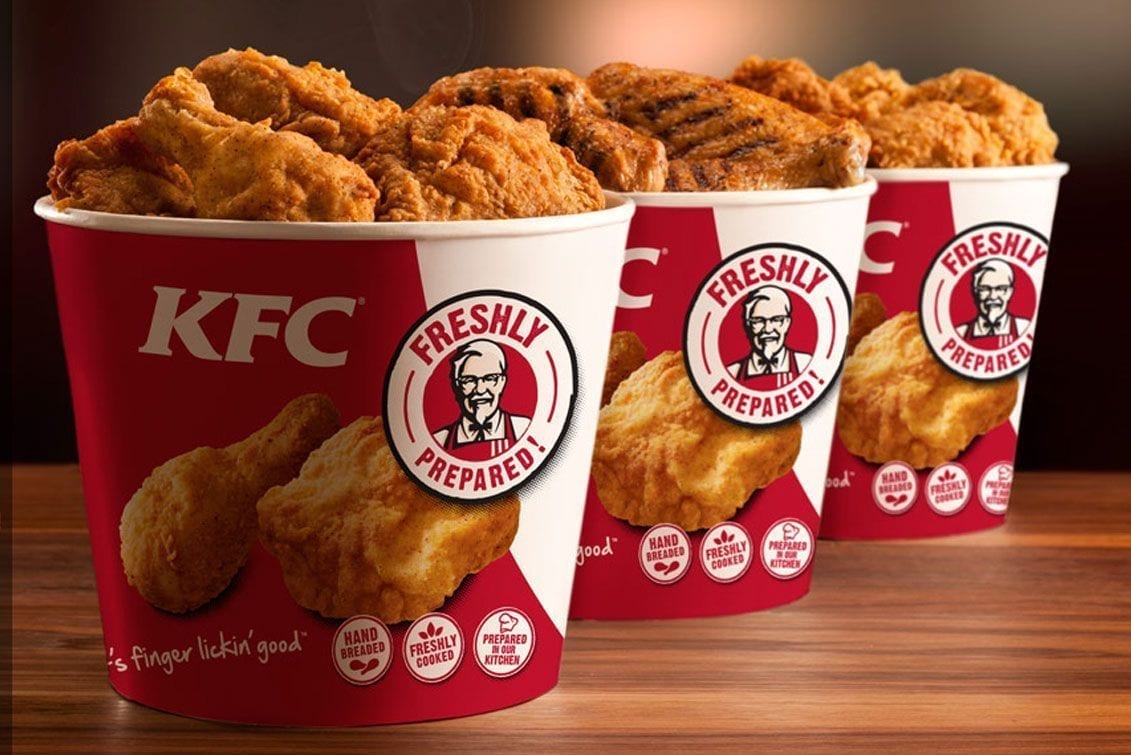
    The owner of KFC and Pizza Hut said sales plunged by 20% in the first two weeks of March as a surge of new Covid cases spread across China.

    Yum China said “the situation has rapidly deteriorated” as regional lockdowns have been put in place to stem the outbreak.

    More than 1,100 of its stores are temporarily closed or offering takeaway and sales are “still trending down”.

    China’s lockdowns are among its biggest since the beginning of the pandemic.

    They include the Jilin province – home to companies such as carmakers Toyota and Volkswagen – as well as technology hub Shenzhen as the number of new infections of the Omicron variant of Covid rise.

    Yum China said: “Entering March, the situation has rapidly deteriorated with the highly transmissible Omicron variant causing outbreaks across China, including economically important regions of Guangdong, Shanghai, Shandong and Jilin.”

    It added: “Our operations are significantly impacted by the latest outbreaks and the tighter public health measures which resulted in a further reduction of social activities, travelling and consumption.”

    Toyota, Volkswagen and iPhone-maker Foxconn have been forced to close operations in affected regions due to lockdowns.

    Although Foxconn said on Wednesday it was able to restart some production in Shenzhen after putting in place a closed loop system on its campus. It means that Foxconn employees working in the space cannot move outside the group.

    Foxconn said: “This process, which can only be done on campuses that include both employee housing and production facilities, adheres to strict industry guidelines and closed-loop management policies issued by the Shenzhen government.”

    There are concerns the restrictions could have an impact on global supply chains.

    But Yum China’s chief executive Joey Wat, said: “Our robust supply chain management has shielded us from material business disruptions.”

    Yum China said it had more than doubled the number of stores it had closed or restricted to take-out services from 500 in January to 1,100 in March.

    Ms Wat pledged: “We will keep our restaurants open and provide food services to customers wherever it is possible and safe to do so.”


  • Haidilao to close 300 restaurants as Covid curbs eating out

    Haidilao to close 300 restaurants as Covid curbs eating out

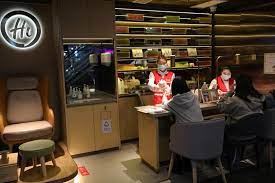
    China’s biggest hot pot chain Haidilao is slowing its rollout of new restaurants and increasing diversification of its fare, tempering its rapid expansion during the coronavirus pandemic to cope with a subsequent slump in consumer spending.

    Haidilao, which became so popular in recent years that it appeased customers in hours-long queues for its soups by providing free manicures, snacks and shoe shines, is at the forefront of reckoning in China’s restaurant industry post-pandemic.

    The chain has seen falling table turnover rates and profits as consumers dine out less and new stores cannibalize business at older locations.

    “We will open stores based on market demand, and compared to before, will appropriately slow down our opening pace,” the company said in a written response to Reuters’ questions about its strategy.

    China’s catering industry shrank 4.5% in August, before recovering for growth of 3.1% last month. Analysts said it will likely remain volatile for some time amid the country’s broader patchy economic recovery.

    “This year, fresh waves of the epidemic happened repeatedly, and passenger flow in commercial areas is volatile, affecting the recovery of core business indicators,” Tianfeng Securities wrote in a research note last month.

    Haidilao was initially undeterred by the pandemic, embarking on an expansion drive in early 2020 that has doubled its outlets since then to almost 1,600 currently. It did so by snapping up sites left behind by vacating weaker players, often helped by deep discounts offered by landlords.

    But that expansion pushed Haidilao’s table turnover rate down to 3.0 – or three sets of customers per day on average – in the first half of this year, from 4.8 in 2019.

    Xiabu Xiabu, another Hong Kong-listed Chinese hot pot chain, has said it plans to shut 200 of its 1,010 stores after losing 50 million yuan ($7.76 million) in the first half of 2021.

    Haidilao’s share price has fallen to around HK$30 from a record high of HK$86 in February.

    “The company will need to create demand going forward, which is more challenging than fulfilling demand,” China Renaissance analysts wrote in an August note.

    to turn its fortunes around, Haidilao has opened more than 10 outlets specialising in fast food such as noodles and dumplings, moving beyond the hot pot, the signature dish of southwestern Sichuan province where the company was founded 27 years ago.

    However, with a maximum of just five stores each and an average spending per guest of 10 to 20 yuan – versus 107.3 yuan for the Haidilao restaurants – the sub-brands contributed just 0.5% to first-half revenue.

    Haidilao last month closed a potato noodle restaurant less than a year after opening it in the central city of Zhengzhou, without publicly citing a reason.

    In other diversification attempts, the company has opened bars in three of its Beijing restaurants and is promoting its delivery service, a unit where revenue initially rose during the pandemic.

    However, delivery revenue dropped from 409.6 million yuan, or 4.2% of total revenue, in the first half of 2020 to 345.7 yuan, or 1.7% of total revenue, in the first half of 2021.

    “(Eating) hot pot has a strong social feature so people are less likely to order hot pot at home,” said Zhu Danpeng, an independent food industry analyst.

    Haidilao opened a store on Alibaba’s marketplace Tmall several months ago to sell items including lipsticks inspired by its soup bases with names such as “capsicum rouge” and “summer tomato”.

    Zhu said Haidilao’s multi-brands strategy was the right move but the company did not have a lot of room for growth: “Haidilao has reached a certain phase with its development, as a man has reached his middle age.”

  • Imported seafood prices skyrocket amid transport restrictions

    Imported seafood prices skyrocket amid transport restrictions

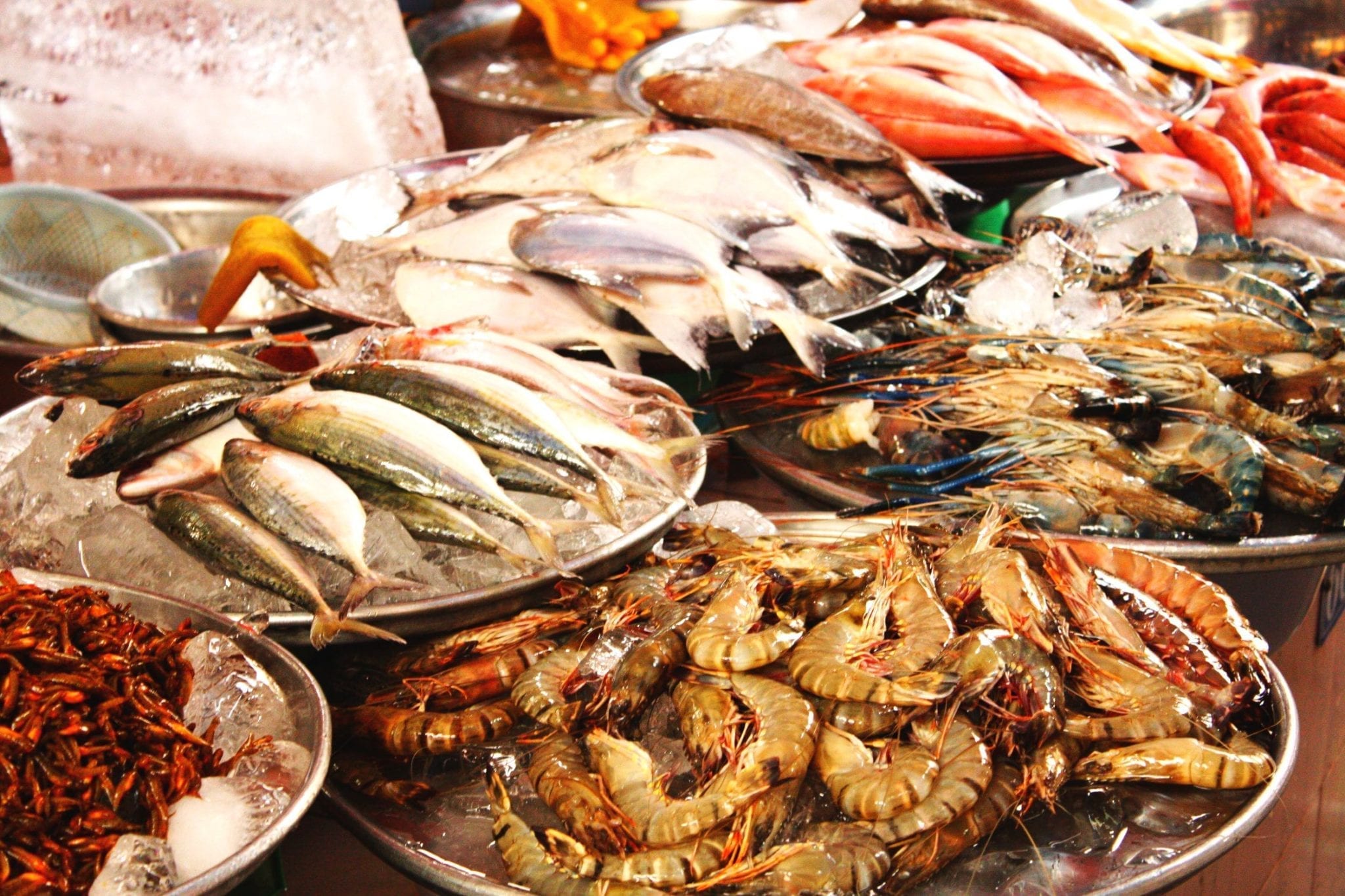
    The prices of imported king crabs and abalones have risen by 30-50 percent in HCMC due to limited supply caused by mobility restrictions.

    King crabs are sold at VND2.5-2.9 million ($109-126) per kilogram, 50 percent higher year-on-year.

    Australian and South Korean abalones are sold at 30 percent higher at VND1.6-1.8 million.

    Salmon prices are up 18 percent at VND650,000.

    A seafood importer who owns a restaurant in the city’s Tan Binh District blamed the price rise on a supply shortage, saying the semi-lockdown has made transporting seafood difficult.

    Another reason is the limited number of flights coming to Vietnam from abroad.

    Another importer said half the crabs died on the way to Vietnam due to flight delays, causing him losses. He has stopped selling for now.

    Tran Van Truong, CEO of seafood chain Hoang Gia, said flights from Norway to HCMC are rare and in most cases have to transit in other countries.

    Many sellers are increasing the sale of domestic seafood items such as red tilapia and squid to survive.

  • Seafood firms net big catch from export recovery

    Seafood firms net big catch from export recovery

    A seafood export recovery has helped bigger firms boost profits while smaller ones have struggled with the spike in shipping rates.

    Seafood exports topped $4 billion in H1, a year-on-year increase of 15 percent, according to the General Department of Vietnam Customs. In Q2 particularly, seafood export turnover increased by more than 21 percent over the same period last year, reaching nearly $2.4 billion. This led to firms reporting positive business results.

    Vinh Hoan JSC earned over VND2.3 trillion in revenue and over VND260 billion in post-tax profit, up 41 percent and 16 percent year-on-year, respectively. According to its monthly report, VHC’s exports to most markets increased, with the two largest ones being the U.S. and China.

    The Kien Hung JSC (KHS) said its net profit increased 10 times in Q2 as demand from Europe, America, Japan and South Korea temporarily recovered and stabilized. The firm also actively sought imported materials at competitive prices to maintain stable production.

    The Minh Phu Seafood Corporation has yet to announce its H1 business results, but estimates a pre-tax profit of over VND300 billion, a year-on-year increase of 11 percent.

    However, not all seafood exporters reported positive business results, partly because of high freight rates. The Vietnam Association of Seafood Exporters and Producers (VASEP) said that by May, freight rates in some ports had doubled compared to late 2020 and sextupled compared to early 2020.

    The Nam Viet Corporation reported an increase of over 20 percent in revenue in Q2 but a decrease of 26 percent in net profit year-on-year. The corporation attributed the decline in profit to a sharp rise in financial and selling expenses, that latter shooting up 137 percent compared to last year due to a hike in freight and transportation rates.

    The Thuan Phuoc Seafood and Trading Corporation (THP) saw its profit fall even further to VND10 billion, half that of the same period last year, because of rising selling expenses.

    The sea freight, which ups nearly times, cost the firm VND26 billion.

    In early July, VASEP requested the Ministry of Agriculture and Rural Development to report to PM the issues of container shortage and sea freight rates, seeking intervention to have the latter reduced to pre-November 2020 levels.

  • Paris Baguette opens its largest Singapore store

    Paris Baguette opens its largest Singapore store

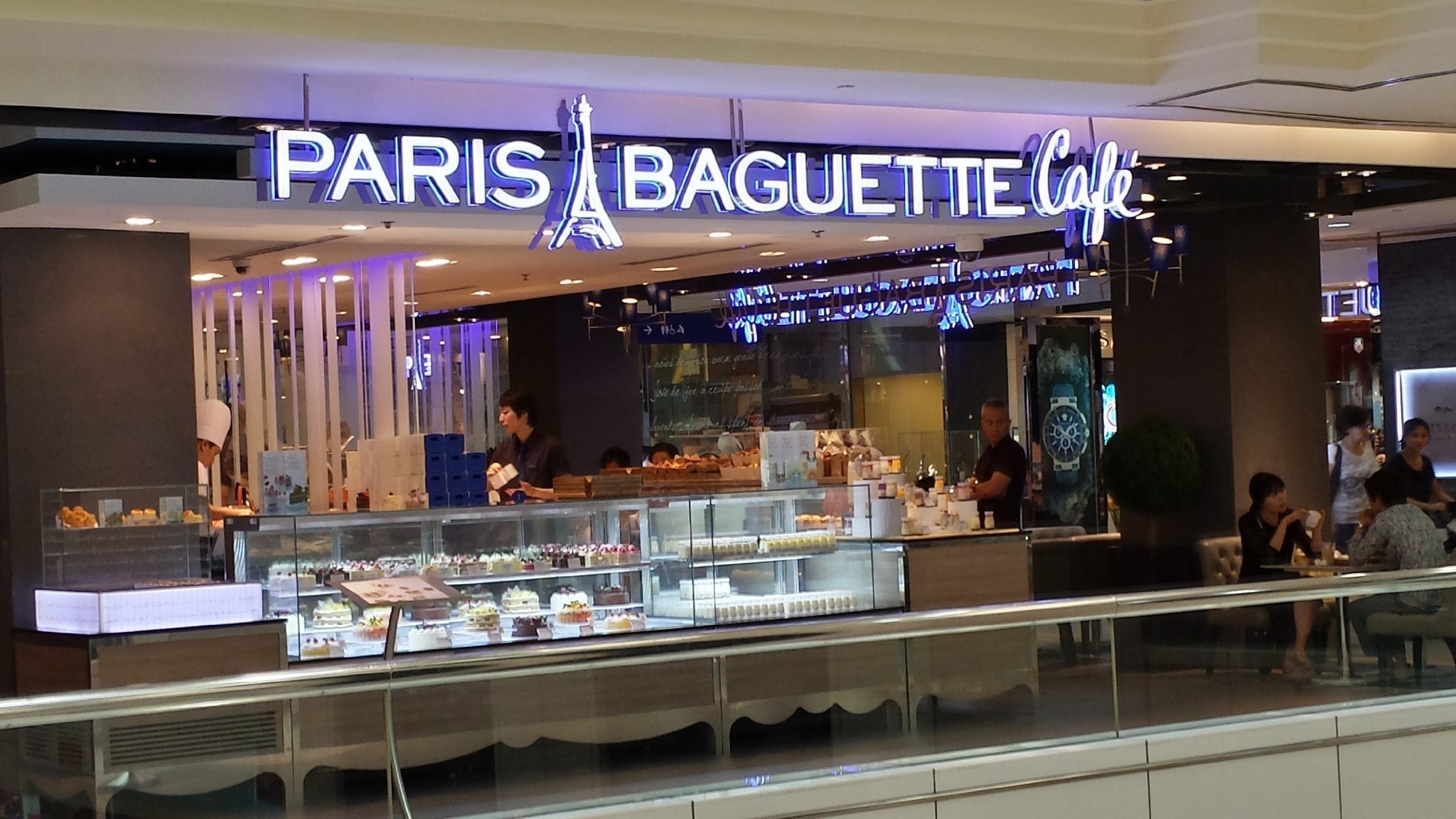
    Best known for its Paris Baguette bakery franchise, SPC Group has opened four food brand stores in Singapore. The group is planning to make Singapore as its third axis of global growth after China and the United States.

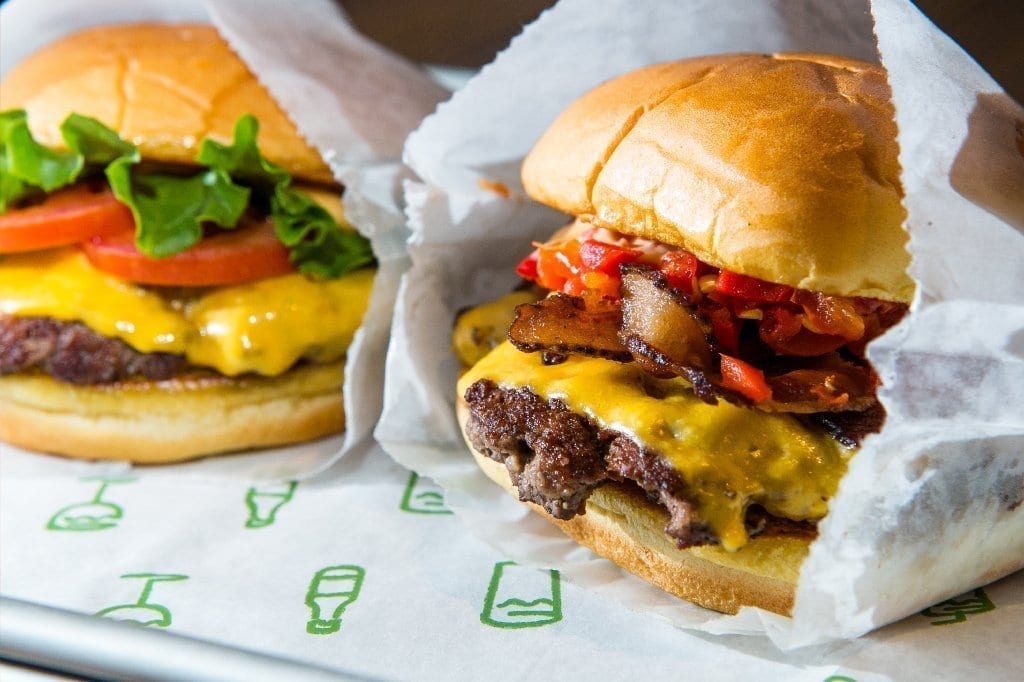
    The group opened the new stores at Jewel Changi, a commercial complex connected to Changi Airport in Singapore, on April 17. The four food brands include Maison de PB, the first high-end brand of Paris Baguette; Coffee@Works, a special tea and coffee brand; and Shake Shack, a burger brand.

    Jewel Changi is a seven-story lifestyle complex built as part of the Singaporean government’s Chingi Airport development projects.

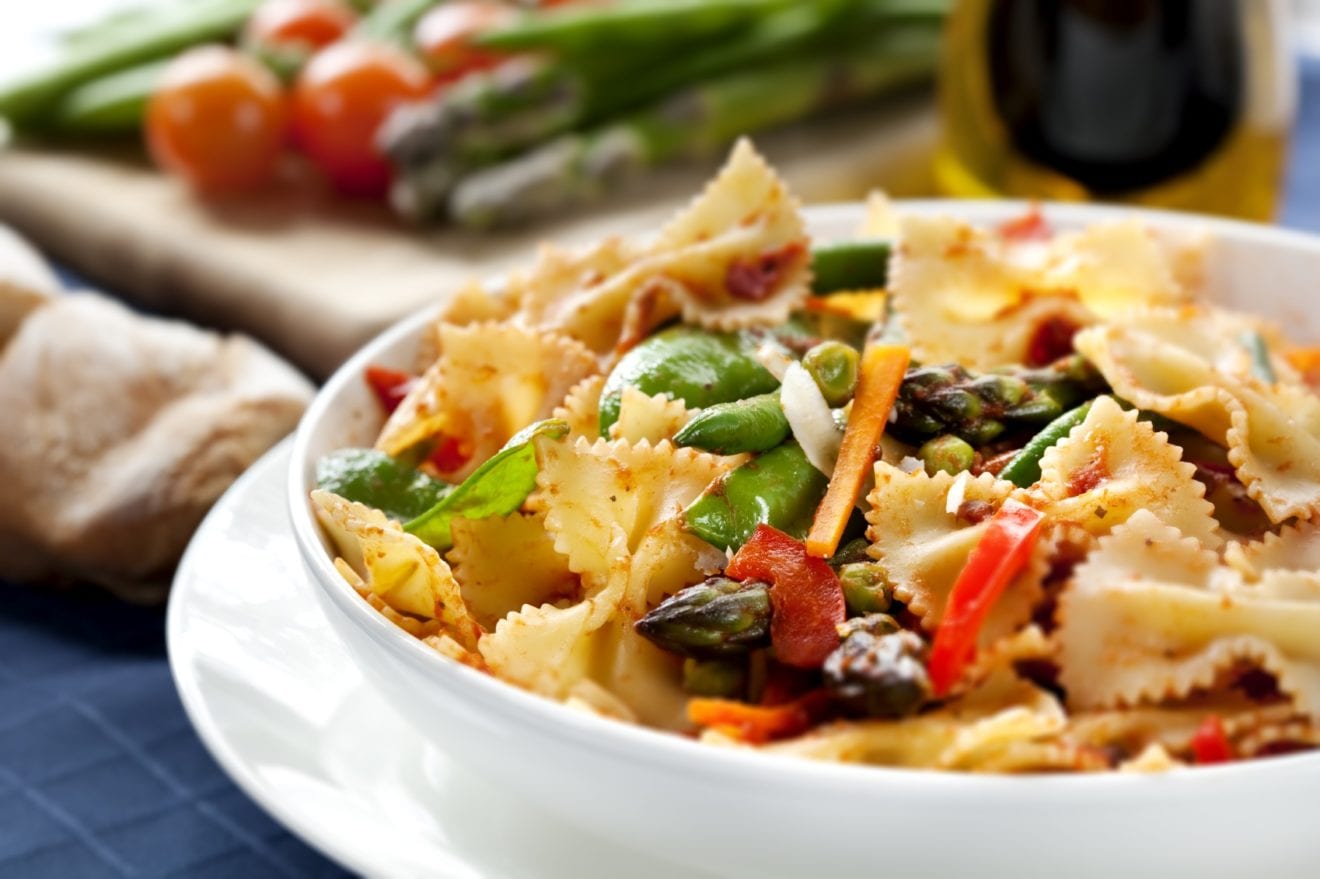
    Maison de PB serves not only bakery products but also various meals that go well with bread such as “Beef On The Stone” and “Signature Seafood Pasta.”

    Coffee@Works has opened its first overseas store at Jewel Changi. Currently, it operates a total of 12 stores in South Korea. Shake Shack has also opened the first store at the complex after it obtained a license for business operation in Singapore in October last year. Singapore is the third-largest market in SPC Group’s global operations.

    Paris Baguette has 12 stores in Singapore, including the one at Jewel Changi. Although the number of stores in Singapore is less than the 14 in Vietnam, sales in Singapore, which came to 14.90 billion won (US$13.13 million) last year, are nearly three times higher than those in Vietnam.SPC Group is seeking to establish a holding firm in Singapore. It is planning to build a base in Singapore, which is considered a hub of logistics, finance, and business in Asia, and expand its business to neighboring Southeast Asian countries.

    The group is also seeking to build a Halal certified production facility to target Muslims and the global Halal food market. It will establish the facility in the Southeast Asian region in order to target Muslim countries, including Indonesia and Malaysia, and will set the exact time and place in the future.

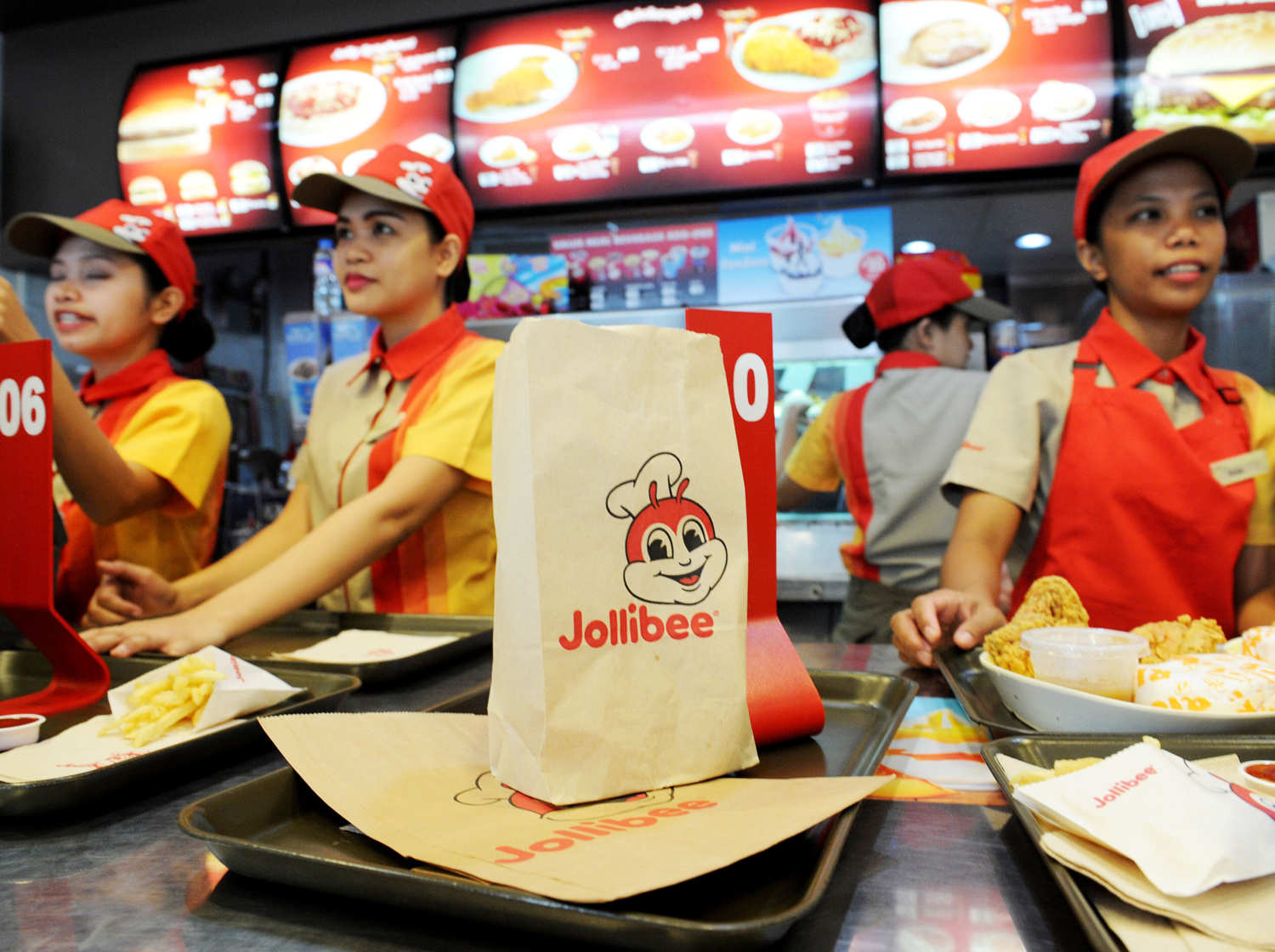
  • Jollibee increases stake in Tim Ho Wan

    Jollibee increases stake in Tim Ho Wan

    Despite uncertainties in the food industry due to the coronavirus pandemic, Jollibee Foods Corporation is increasing its stake in the ultimate holding entity of popular restaurant chain Tim Ho Wan.

    Through its subsidiary Jollibee Worldwide, it increased its stake in the Michelin-starred restaurant to 85% from 60% by purchasing the 25% interest of Aragon Investments in Titan Dining, the private equity fund and ultimate holding entity of Tim Ho Wan.

    The transaction worth SGD36.3 million to be paid in cash is expected to be completed on October 30.

    In May 2018, Jollibee invested SGD45 million in Titan Dining, representing a 45% stake. The deal gave Jollibee an opportunity to acquire a “substantial ownership” in the dim sum restaurant chain’s master franchisee in the Asia Pacific in 7 years.

    When the deal was made, Tim Ho Wan and its affiliate Dim Sum Pte Ltd, which owns and operates Tim Ho Wan stores in Singapore, also had franchisees in Cambodia, Indonesia, Japan, Macau, Taiwan, Thailand, Vietnam, Australia, and the Philippines.

    In October 2019, Jollibee increased its investment to SGD120 million, representing a 60% stake.

    Jollibee then opened the first Tim Ho Wan restaurant in China in September 2020.

    Jollibee currently has 3,247 restaurants in the Philippines and 2,566 stores overseas.

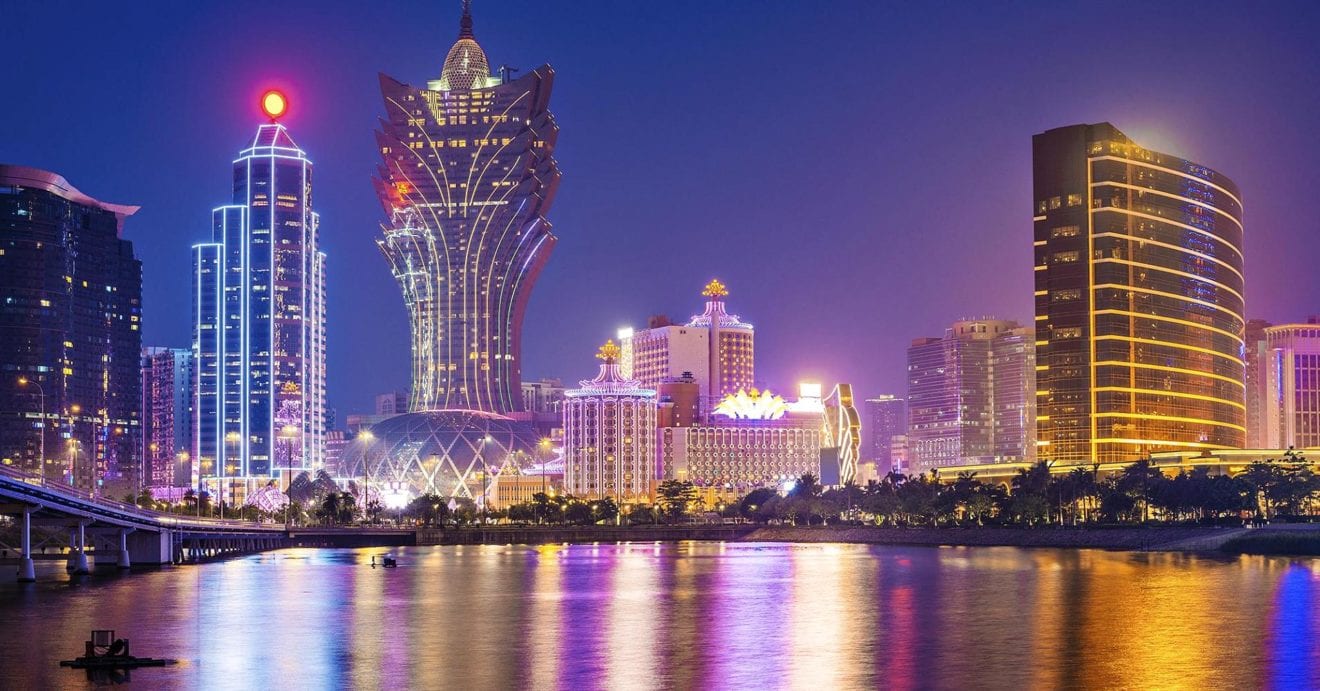
  • Locals help rebooting Macau retail and restaurant activity

    Locals help rebooting Macau retail and restaurant activity

    Supportive measures for the Macau retail and restaurant trade resulted in a mild improvement in business during May, according to official data.

    According to a Statistics and Census Service report, 17 percent of restaurants surveyed in the special administrative region recorded a year-on-year increase in revenue during the period, 12-per-cent higher than those reporting increases during the previous month.

    The remaining restaurants continued to see declines in revenue during a period that continued to suffer from the heavy impact of the coronavirus pandemic.

    Similarly, 16 percent of retailers questioned saw sales increases during May this year compared to the same period last year, 7 percent higher than reported year-on-year rises during April.

    A quarter of restaurant businesses are now anticipating comparative upticks in revenue or steady revenues to be reflected in their June results – while 21 percent of retailers expect the same.

  • KFC Thailand for sale

    KFC Thailand for sale

    A slice of KFC Thailand is being considered for sale by franchise owner Restaurants Development in a deal that could net $200 million.

    Sourcing people with knowledge of the matter, the firm is taking advice on a potential sale of the operation – which involves roughly 200 locations and 4000 staff. There is no certainty a sale will proceed and the source said discussions remained at an early stage with no formal bid yet tabled.

    Restaurants Development is backed by investors throughout Asia and operates KFC Thailand alongside Central Group (running 275 stores) and Thai Beverage – which purchased more than 240 KFC restaurants three years ago for roughly $361 million.

    Yum Restaurants International (Thailand) transformed itself into a 100-per-cent franchisor business in 2018 in an effort to yield optimal efficiency across the entire business operation.

  • QSR chain Pepper Lunch sold to J-Star

    QSR chain Pepper Lunch sold to J-Star

    Japanese restaurant operator Pepper Food Service is selling its profitable Pepper Lunch chain to J-Star investment fund for US$79 million.

    The sale is expected to provide a much-needed cash injection to the debt-ridden Pepper Food business in the hopes of restoring investor confidence in the firm, which also operates the struggling Ikinari Steak brand.

    Pepper Lunch, which serves sizzling platters of meat-based dishes with sauces, has expanded throughout Asia on a franchised basis, including in Vietnam, Singapore, and Thailand.

    The acquisition also includes the Pepper Lunch Diner, 92’s, Charcoal-Grilled Hamburger Steak Kuni, Tokyo 634 Berg, Musashi Hamburg, and CAB Steak restaurant brands. Collectively, the business operates 181 stores in Japan and 333 overseas.

    In a statement announcing the purchase, J-Star said the 26-year-old restaurant concept has a strong market position in food courts, where affordable prices and quick delivery are required, by combining customer satisfaction and high productivity, with a unique cooking system in which selected steak meat is cooked right in front of customers.

    “We will support the management team to establish a corporate foundation as an independent business, to accelerate domestic growth by leveraging its competitive advantage, as well as growth strategy through global expansion,” J-Star’s statement said.

    Meanwhile, Pepper Food is expected to use the funds to sustain the remaining business in the hope it can stabilize and return to profit. Ikinari Steak currently runs an operating margin of 3 percent, a fraction of the 14 percent of Pepper Lunch and the other businesses sold.

    Pepper Food is reportedly considering switching more of its owner-operated locations into franchises – although the appeal of the Inikari brand may be limited.

    J-Star is an independent and partner-owned Japanese alternative asset manager with $300 million of assets under management.

  • Maxim set to open 15 Shake Shacks in Southern China

    Maxim set to open 15 Shake Shacks in Southern China

    American fast-casual restaurant chain Shake Shack is planning to open at least 15 new venues in South China by 2030.

    The chain, working through local licensee Maxim’s Caterers, a company controlled by Hong Kong’s Dairy Farm Group, will open restaurants in cities including Shenzhen, Guangzhou, Fuzhou, and Xiamen, with a goal of 55 Shake Shacks nationwide by 2030.

    Maxim’s currently operates Shake Shacks in Shanghai and Hong Kong, with Beijing and Macau under development and due to open later this year.

    “We remain humbled by our fans in China and continue to be encouraged by the performance of our Chinese business through this recovery,” said Shake Shack chief global licensing officer Michael Kark.

    “It’s a great time to deepen our roots in this market.”

    “Maxim’s partnership with Shake Shack has taken the brand on an exciting journey to Hong Kong in 2018 and Shanghai in 2019, with Beijing and Macau on the horizon,” said Maxim’s Caterers chairman and MD Michael Wu.

    “We look forward to bringing our boundless hospitality to more guests across South China in 2021 with our new expansion plans.”

  • Country Garden builds world-first robotic restaurant

    Country Garden builds world-first robotic restaurant

    Chinese property-development company Country Garden has launched the world’s first robotic restaurant, in Guangdong.

    Built by Country Garden’s subsidiary Qianxi Group, the restaurant occupies a 2000sqm area, featuring sections including Chinese food, hot pot and fast food. Diners are served by more than 20 in-house robots designed for different tasks including cooking and serving food.

    “The Qianxi robot restaurant has innovatively achieved both software-hardware integration and man-machine cooperation,” said Zhao Chunsheng, mechanical engineering specialist, and academician at the Chinese Academy of Sciences.

    “It helps to better run a smooth operation through the practical application of robots. Qianxi has the most advanced technology with a vast product lineup. It fills the market gap and will have a significant impact on benchmarking in adding value to industry development as well,” he said.

    According to the company, the Qianxi robotic restaurant can serve some 600 customers with 200 menu items thanks to fast serving time. The launch of the robotic restaurant is in line with efforts to reduce physical contact between people during the Covid-19 pandemic.

    Meanwhile, Qianxi Group says it aims to build centralized kitchens in Hong Kong and Macau.

  • Singapore startup opening ghost kitchens globally

    Singapore startup opening ghost kitchens globally

    Singaporean food tech firm TiffinLabs is creating an international network of ghost kitchens based in more than 1000 locations across the US, Europe and Asia.

    The move is designed to take advantage of the rapid global transformation and growth of the online food-delivery market, with the kitchens rolling out progressively from the last quarter of this year following 12 months of negotiations.

    According to material released by the firm, the traditional restaurant industry – largely structured for dine-in – has led to a mismatch between customer demand and the supply of cuisines due to current production capability. TiffinLabs’ solution, focused on creating cuisines linked to consumer needs, is an attempt to innovate in the food delivery and restaurant industry in reshaping the business model and tapping new growth opportunities.

    TiffinLabs currently operates nine digital-first restaurant brands out of its kitchens in Singapore, including Publico Pastabar and Hureideu – Korean Fried Chicken, as well as soon-to-be-launched Singapore Makan.

    “Singapore is known globally for its quality standards and as a food lover’s paradise, with its wide mix of local and western foods,” said Tiffin Labs founder & chairman Kishin RK, “and TiffinLabs looks forward to sharing this globally.”

    TiffinLabs will leverage its AI-driven kitchen operating and management system across its network to deliver an international menu from digital-first restaurant brands, with a potential reach of more than 15 million households. The team also harnesses data analytics to identify food trends and changing consumer preferences while optimizing its supply chains with local smart kitchens to fill gaps in delivery zones.

    “What customers get when they order food for delivery is dramatically different from a dine-in experience,” said Kishin. “By enabling over 1000 kitchens for delivery-focused operations globally, we are making food ordering relevant for the future, at scale. In the next three years, we see two very different winners in this space – the local niche specialty cuisine player that can create value through distinction for a specific segment of the market.

    “The other will be global delivery businesses which will scale brands and menus with suppliers and delivery platforms and invest in innovation specifically to create food for delivery, reinventing customers’ experience of in-home dining.

    “As someone who has been in this industry for the last 10 years, I strongly feel that the value of real estate and the monetization capability of its adjacent business models will be determined by how well it integrates into the digital economy. Our business aims to help all players in the food industry tap into the growth of this sector.”

    The online food delivery market is expected to more than double to US$200 billion by 2024.

  • Paris Baguette opening outlets in Canada

    Paris Baguette opening outlets in Canada

    South Korean food-and-beverage company SPC Group says it will launch its bakery-cafe chain Paris Baguette into Canada next year.

    The Canadian operation of Paris Baguette will be set up by the first half of the year, with stores to be launched in the country’s major cities including Toronto and Vancouver, the group said in a statement.

    Paris Baguette’s goal is to establish at least 100 bakery branches in Canada by 2030.

    SPC Group has so far expanded into China, the US, Vietnam, Singapore, France and Cambodia.

    The company runs about 400 Paris Baguette stores globally, with stores in heavily populated areas such as Manhattan, San Francisco, Paris, Ho Chi Minh City and Boston.

  • BeChef plans 50-strong shared kitchen network across Japan

    BeChef plans 50-strong shared kitchen network across Japan

    BeChef has launched a shared kitchen in Kyoto, with plans to host 300 eateries across Japan within the next three years.

    The first BeChef + Kyoto-branded shared kitchen occupies a 50sqm area which features three separate kitchens. There is available space for up to six stores, which can work with different delivery services, including UberEats and Rakuten.

    The Kyoto shared kitchen also houses a dine-in space for customers.

    “For those involved in the restaurant business, I think opening a business independently is a big dream,” said Masafumi Tobe, representative director. “However, about 70 percent of restaurants close after three years of operation, and it is said that only about 10 percent of the stores are still open after 10 years.”

    According to BeChef, brands opening at the BeChef + Kyoto shared kitchen will not be charged fees to move in or out and restaurants affected by Covid-19 will be exempted from administrative fees.

    BeChef is to open more facilities in Fukuoka, Tokyo, and Osaka later this year. The company said that it aims to host 300 eateries in 50 facilities nationwide within three year