Retail News CRM

Tag: lunch

  • Taiwan’s Hung Rui Chen sandwich chain opening in Hong Kong

    Taiwan’s Hung Rui Chen sandwich chain opening in Hong Kong

    Local and tourist favorite sandwich maker Hung Rui Chen will be opening a flagship store in Hong Kong this August.

    Hung Rui Chen is a 73-year-old brand, known for its signature sandwiches and recognized as a national local delicacy for its soft bread and unique spread.

    After an incident of suspected food poisoning from counterfeit operators in Hong Kong and Taiwan, the real Hung Rui Chen company issued a statement on Facebook to clarify that its own brand will open its first official store in Hong Kong.

    The location has yet to be confirmed.

    Back in 2015, Hung Rui Chen sandwiches imported from Taiwan and sold in grocery stores and on the Groupon platform led to 46 Hongkongers contracting food poisoning. The brand was subsequently banned by the Centre for Food Safety.

  • Eating at home will be ‘the new reality’ for Asian consumers after Covid-19

    Eating at home will be ‘the new reality’ for Asian consumers after Covid-19

    Covid-19 has changed Asian customers’ habits, especially in Hong Kong, as more of them decide to eat at home.

    And according to a study conducted by Nielsen, the trend will continue once the pandemic passes, potentially reshaping the foodservice and grocery industries.

    Nielsen found that 86 percent of mainland Chinese customers prefer to eat at home more often now than before the Covid-19 outbreak. In Hong Kong, 77 percent of consumers surveyed said they want to cook at home more often.

    “As Hong Kong consumers adjust to the ‘new normal’, people are spending more time at home to prepare meals for their families,” said Andrea Borelli, MD at Nielsen Hong Kong and Macau. “With the redefined ‘stay-at-home economy’, it has helped to reinvigorate packaged-food sales as this provides the opportunity for FMCG players in these categories to engage with their consumers more closely.”

    This trend also became popular in other Asian countries including South Korea, Malaysia, and Vietnam (all approximately 62 percent).

    “The shifts away from out-of-home dining to at-home food delivery, takeaways and cooking during the Covid-19 period are locally nuanced by traditional consumption habits but also by the different quarantine and shutdown measures by market,” Borelli added.

    He said Covid-19 has reoriented consumer thinking and actions, which will have long-term consequences. Consumers will not only re-evaluate places for eating out but also be far more cognizant of what they’re eating.

    The trend is also evident in countries outside of Asia. According to GlobalData, both the UK and France are witnessing slow demand for takeaway meals.

    “In response, players such as Deliveroo and UberEats are looking to reduce risk exposure by forging partnerships with food retailers, working with major players such as Co-op and M&S in the UK and Carrefour in France,” said Thomas Brereton, retail analyst at GlobalData.

    “In that sense, the virus is accelerating the existing shift towards online food shopping; however, all parties must be aware of the expected duration of such alliances, with more thorough reviews – particularly on the dynamics of joint responsibility for ESG, brand image, etc – needed as the outbreak progresses.”

  • Google launches restaurants menu-sharing app in Singapore

    Google launches restaurants menu-sharing app in Singapore

    Google in Singapore has launched a new menu discovery feature on its Google Pay app to make it easier for consumers to interact with local eateries and order food for delivery.

    Using the app, Singaporeans can browse menus, choose what they want, and contact the retailer director to order and pay. Depending on the vendor, customers can choose to pick up or have food delivered. A link in the app allows sharing with friends.

    More than 100 small food businesses such as coffee shops, hawker stalls, and restaurants have joined 150 large chains already on the platform, including Burger King, Canadian Pizza, Cedele, Da Paolo Group, The Daily Cut and Tuk Tuk Cha.

    “Quick food pick-ups and door-to-door deliveries are now a necessity, as Singaporeans stay home during this critical period,” explained Patrick Teo, director of engineering for payments and engineering site lead at Google in Singapore.

    “Like others in Singapore, we were sharing food menus among family and friends. So we thought, what if we could scale this and make this easier for consumers and restaurants? We rallied our employees to come together quickly and discussed ways in which we could offer a solution.”

    Early partners in the menu discovery feature include Kok Sen, O Banh Mi, Outram Park Ya Hua Rou Gu Cha, Blue Ginger, O.Bba BBQ Jjajang, and Nude Seafood.

    “We hope to make the process of discovering local eateries simple and easy, and support even the smallest businesses – like hawkers – and minimize disruptions to their business,” said Teo.

    “We have rushed to get this out and will continue to improve the experience and hope that the easy access to a variety of food options will help Singaporeans enjoy their meals safely at home and support small businesses during these tough times.”

    Samuel Phan Chee Chiat, the owner of Vietnamese eatery O Banh Mi, located at Tiong Bahru Plaza, says having an online presence during the lockdown period is critical as he turns to online delivery and takeaways to keep the business going.

    “O Banh Mi hopes to leverage this platform to reach out to both new and existing patrons, offer a more seamless mobile experience and ultimately contribute to our bottom line. It is with help from government agencies, landlords, and major players like Google that we are able to continue serving our signature Vietnamese dishes during this trying time, and in turn, protect the jobs of our valuable staff.”

    “Our world’s been turned upside down” added Hong Junchen, a partner in Nude Seafood, which has two restaurants in the city. “But it’s also an opportunity to transform.

    “We made early plans before the circuit breaker to introduce our delivery service, and that has helped to widen our customer pool beyond the office crowd and into the neighborhoods. We’re no longer limited by our physical location and can serve good seafood islandwide. With this new feature on Google Pay, we hope to tap on the app’s existing user base to create relevant exposure and visibility for our business, as well as to continue establishing a personal relationship with our customers during this trying period.”

  • Record numbers show Taiwan food-service sales decline

    Record numbers show Taiwan food-service sales decline

    Taiwan foodservice sales have slumped by 21 percent year on year due to the coronavirus pandemic.

    Ministry of Economic Affairs data revealed total F&B sales of NT$51.9 billion (US$1.73 billion) this year across the territory, the steepest decline since reporting on sales figures began in January 2000.

    A parallel survey of Taiwanese restaurant sales saw a 23-per-cent drop in sales early this month. Figures revealed a downward trend in Taiwan foodservice sales before the government introduced social-distancing measures, with venues serving Chinese cuisine the most strongly affected.

    Ministry deputy head of statistics Wang Shu-chuan said that full-month figures for April could see a similar drop of around NT$16 billion ($532.5 million).

    General retail sales for the first financial quarter this year dropped 0.6 percent from last year to NT$924.5 billion ($30.8 billion), with revenues for March hitting NT$290.6 billion ($9.7 billion), down 3.4 percent. At the same time, e-commerce operators saw sales rise 19.1 percent year on year to NT$81.1 billion ($2.7 billion) during the first quarter.

  • Jollibee Singapore fined for flouting social-distancing rules

    Jollibee Singapore fined for flouting social-distancing rules

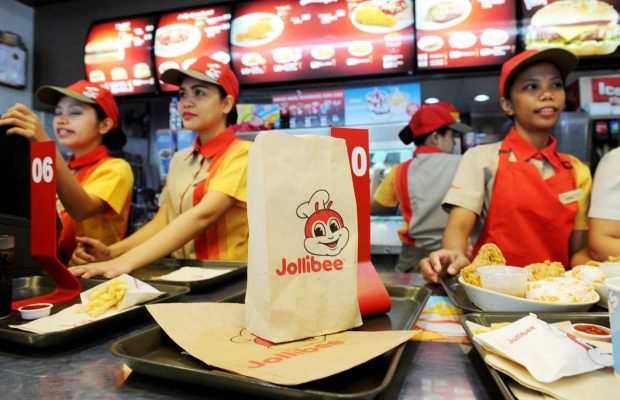
    A Jollibee Singapore outlet is among several businesses fined SG$1000 for breaches of the government’s social distancing mandate.

    Official enforcement measures found the franchise’s Woodlands MRT branch had neglected to ensure queueing customers and food delivery workers maintained one-meter spacing between them, despite issuing previous warnings.

    “The infringements included failure to implement a crowd management system and allowing customers and delivery personnel to crowd together without one-meter spacing between one another,” read a statement by the Singapore Tourism Board and Enterprise Singapore. “If these stores continue to flout the rules, they will face higher fines and can be charged in court.”

    In an official apology, Jollibee explained that a staff member on duty had been unable to control the queue due to “a strong surge in delivery orders and a corresponding increase in third-party delivery riders in the store.”

    The one-meter distance requirement, as well as mandatory wearing of face masks, has been in effect since April 12. Members of the Singapore public are encouraged to report infringements by email to [email protected].

  • KFC Singapore launches contactless takeaway service

    KFC Singapore launches contactless takeaway service

    KFC Singapore has launched a contactless takeaway service, allowing customers to purchase safely during the circuit breaker period in the city.

    According to KFC, it is the first fast-food restaurant brand in Singapore to launch such a service. With “Contactless Takeaway”, customers can place orders via KFC Singapore’s app or its website and pick up the food at contactless pick-up tables in the chosen store.

    These contactless pick-up tables will be sanitised after each order is completed, the company said in the statement.

    “With the ‘Contactless Takeaway’ and ‘Contactless Delivery’ options, we are doing our very best to ensure that our famous fried chicken will be as accessible as always even during these trying times,” said Lynette Lee, GM at KFC Singapore.

    The ‘Contactless Takeaway’ service follows the ‘Contactless Delivery” option launched early last month.

  • McDonald’s logo temporary changed to promote social distancing

    McDonald’s logo temporary changed to promote social distancing

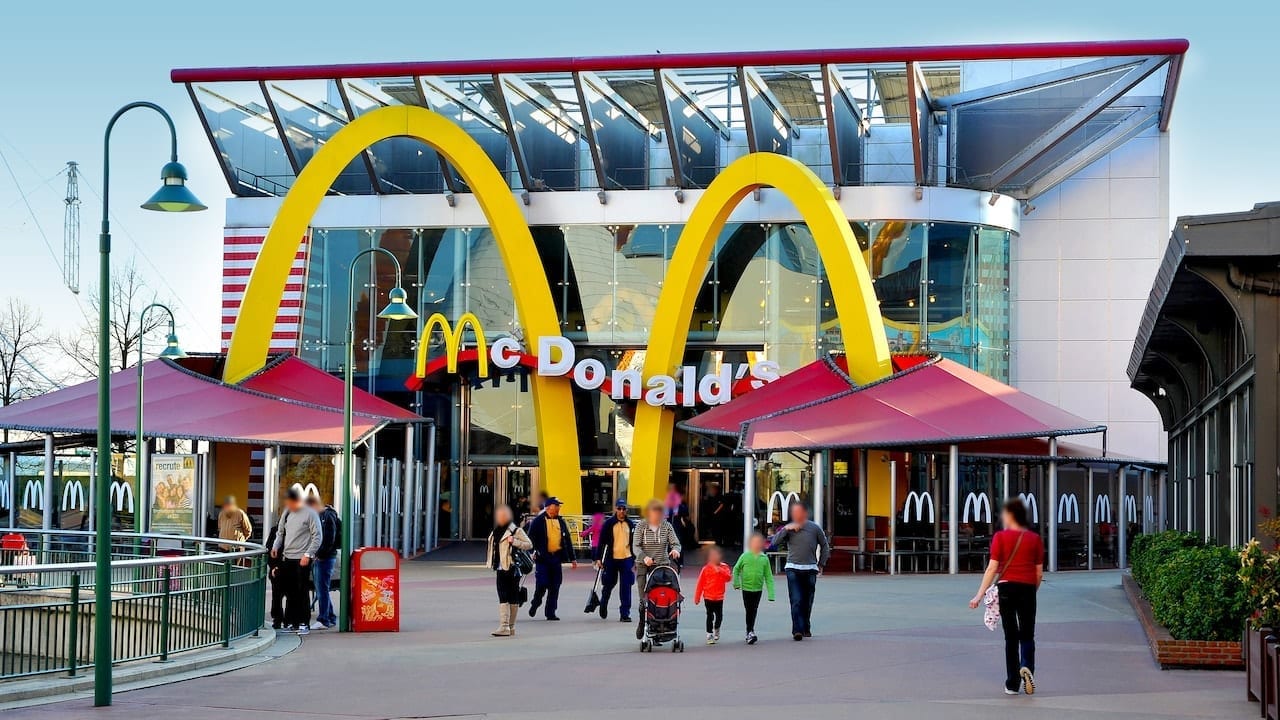
    International fast-food chain McDonald’s logo has been altered in some global markets to emphasize the importance of social distancing during the coronavirus crisis.

    The popular restaurant chain is largely closed for dine-in business in certain hard-hit areas globally but remains open for delivery or takeout. Venues have been closed completely in the UK and Ireland, while only 5 percent of outlets in the US are now closing dining spaces.

    The new McDonald’s logo campaign was unveiled in Brazil, with the golden arches represented in the brand logo separated to remind patrons of the need to keep a distance from each other during the course of the pandemic. The campaign was soon taken up in India.

    “Our customers, employees and communities are counting on us now more than ever to provide them the meaningful support, delicious food and good-paying jobs,” said McDonald’s US president Joe Erlinger.

    A statement from the firm read: “Guidelines have been shared with franchisees and restaurant general managers to support crew in adhering to social distancing best practices while on the job. This includes, among other items, updating configuration of crew on shift and following contactless operations procedures, etc”.

    https://youtu.be/BFgW4S6zOQU

  • Yum! Brands to take over The Habit Burger Grill chain

    Yum! Brands to take over The Habit Burger Grill chain

    Yum! Brands has bought California-based The Habit Burger Grill, adding its first fast-casual burger chain to its portfolio which already includes KFC, Pizza Hut and Taco Bell

    The company says it has bought all of The Habit Burger Grill’s issued and outstanding common shares in a deal worth US$375 million.

    “The Habit Burger Grill is a sweet spot within fast-casual because of its delicious California-inspired menu with premium ingredients at a QSR-like value, strong unit economics and tremendous untapped growth potential in the US and internationally,” said David Gibbs, CEO of Yum! Brands.

    As a subsidiary of Yum! Brands, The Habit Burger Grill will continue to be run as an independent brand, the company said in a statement.

    President and CEO of The Habit Burger Grill, Russell Bendel, said, being part of Yum! will take The Habit Burger Grill to the next level by leveraging Yum!’s global scale, resources, and franchising capabilities to strengthen and significantly grow our beloved brand for many years to come.”

    Founded in California in 1969, fast-casual restaurant concept The Habit Burger Grill operates about 300 restaurants across 13 states in the US.

  • Fruitas to launch grilled chicken, fresh foods concepts

    Fruitas to launch grilled chicken, fresh foods concepts

    Philippine food-and-beverage kiosk operator Fruitas Holdings will soon launch two new concepts in addition to their popular fresh-fruit shakes concept.

    The first is a store concept under Babot’s Farm brand, while the second represents Fruitas Holdings’ new forway into the fast-growing grilled chicken market segment.

    “Babot’s Farm is a collection of fresh products which Fruitas is excited to serve to Filipino consumers. Our mission is to make fresh products easily accessible to Filipinos, thus bringing the farm closer to them,” said FHI president and CEO Lester Yu.

    Babot’s Farm will initially have three verticals of fresh products in its own portfolio,

    including the company’s buko beverage line, a new soy range under Soy & Bean, featuring products from its recent acquisition, The Tofu Store, and fresh dairy.

    Soy & Bean’s soy-based products will initially include fresh soy milk, tofu, taho, and soy-based ice cream.

    Meanwhile, Fruitas’ grilled-chicken business will be offered through its existing kiosk network along with new solus stores to be opened in strategic locations. The firm will leverage off its recently acquired Heat Stroke Grill and Kuxina Ihaw na.

    Yu said the company is excited about its impending entry into the chicken business and confident it can do so in a cost-effective manner and develop a “well-loved product”.

    Fruitas Holdings started in 2002 from a single Fruitas stall. The company ended last year with 1068 stores across the country.

  • McDonald’s scented candles top new merchandise range

    McDonald’s scented candles top new merchandise range

    McDonald’s scented candles are among a range of new merchandise items released by the fast-food giant in the US.

    According to the firm’s website, the merchandise is now on sale for a limited time to celebrate the brand’s Quarter Pounder burger – which will soon turn 50 – and coincide with the opening of a fan club dedicated to the menu item.

    The items, including a fan club t-shirt, a 2020 calendar and a collection of McDonald’s scented candles which share the same beef-and-burger smell of a Quarter Pounder.  The items are being sold on a dedicated website goldenarchesunlimited.com.

    Another new product is Couples Quarter Pounder Mittens “to hold hands and hold a hot and deliciously juicy Quarter Pounder cooked just for you right when you order”

    The firm says it will unveil a “sizable bronze monument” of the Quarter Pounder on Wednesday, in a US city yet to be revealed.

  • Singapore Liang Sandwich Bars close amidst dispute

    Four Singapore Liang Sandwich Bars have closed suddenly, angering the master franchisee for Southeast Asia, Liang Group.

    The company said the closures were unauthorized.

    Liang Group CEO Jarvin Leow said the company had not authorized the stores’ shuttering and that it had taken measures to resolve the situation.

    While the reason for the closures remains unclear, the stores are currently in the midst of a rebranding effort across the region later this year, when the Singapore Liang Sandwich Bars will be renamed “Liang Crispy Roll”. The closures have proved a hindrance to the rebranding efforts.

    Stores in other territories have already gone through the rebranding exercise.

    Leow offered a formal apology to customers for any confusion caused and for the stores having been cast in a bad light.

    The franchise is due to launch in new outlets in several major international cities shortly.

    Described as an “Asian-style sandwich” chain, the first Singapore Liang Sandwich Bar opened at VivoCity mall in July 2018. A second store followed in Raffles City.

    The Taiwanese brand has more than 12,000 outlets worldwide throughout Asia and North America. It is endorsed by a prominent Mandopop rap artist Jay Chou.

  • Jollibee profit slides despite strong last quarter

    Jollibee profit slides despite strong last quarter

    Philippine restaurant brand Jollibee Foods suffered a 14.4-per-cent drop in earnings last year after operating income fell by 25.1 percent.

    However, a strong fourth quarter prevented a worse annual result, with operating income up 11.6 per cent on a 23.2-per-cent boost on systemwide sales.

    “Practically all brands in the Philippines improved their same-store sales growth quarter on quarter, led by Jollibee, Red Ribbon, Greenwich and Burger King,” said a spokesperson from the firm.

    “Same-store sales growth in the Philippines was driven by the continued growth in the volume of customer visits in the stores compared to a year ago and strong growth in the delivery business for all brands.”

    Jollibee Foods president and CEO Ernesto Tanmantiong said that despite a tough year, the current turnaround is being brought on by an increase in customers’ in-store and growing demand for its delivery business.

    Favorable returns on the firm’s investments – including a notable expansion of Jollibee’s newly acquired The Coffee Bean and Tea Leaf chain – have helped improve the pace of earnings.

    Jollibee Foods is targeting opening 600 more outlets this year, a little more than half of those abroad.

    “We look forward to a much stronger sales and profit performance in 2020 and the years ahead even as we consolidate the financial performance of CBTL into our financial results,” said Tanmantiong.

  • Seafood exports plummet

    Seafood exports plummet

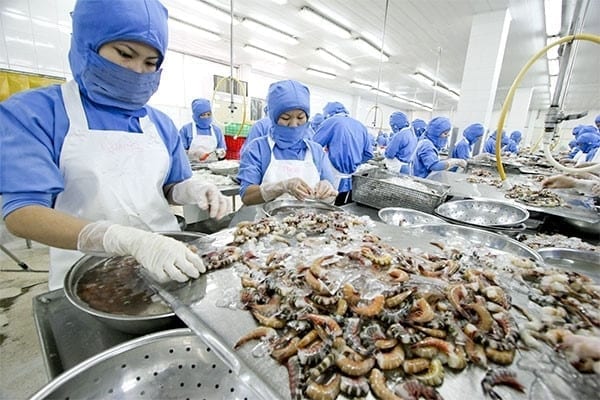
    Seafood exports in January fell 25 percent year-on-year and are set to continue falling due to the novel coronavirus outbreak.

    They fell to $556 million, with exports of pangasius fish falling by 64 percent, octopus by 50 percent and tuna by 30 percent, the Vietnam Association of Seafood Exporters and Producers said in a report.

    It attributed the drop to the seven-day Lunar New Year (Tet) holiday in January, adding exports would continue to fall in February and March since the epidemic has limited exports to China.

    In the worst case, seafood exports to China will fall 30 percent in the first half to $400 million. But if there is limited border trade, the impact could be mitigated somewhat.

    China was Vietnam’s fourth-largest market last year, with exports being worth $1.23 billion after rising 22 percent.

  • Deliveroo to offer support for Hong Kong restaurant partners

    Deliveroo to offer support for Hong Kong restaurant partners

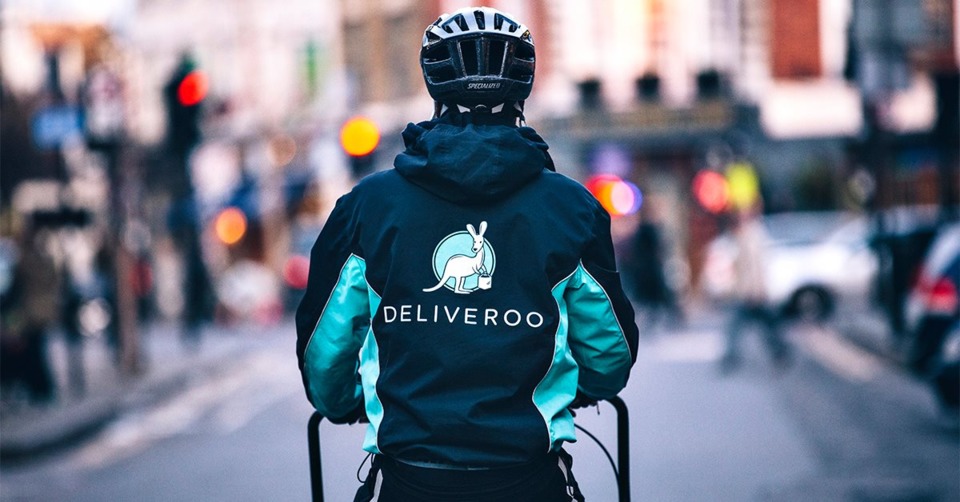
    Deliveroo has offered support for its Hong Kong restaurant partners as many of them are suffering from falling dine-in sales due to the coronavirus crisis.

    The company will reduce its commission rate for restaurant partners by 5 percent for a month, starting February 16, equivalent to a 15-20 percent discount in fees.

    In addition, the company will also offer a four-week payment delay strategy for its exclusive restaurant partners to ease their cash flow, the company said in a statement.

    “In our most recent survey and conversations with leaders of the F&B industry, we estimate in-store F&B retail sales to be down 30-50 percent year on year, with signs of further deterioration,” said Brian Lo, GM at Deliveroo Hong Kong.

    The company has urged its rivals in the food-delivery sector to provide support where they can.

    With approximately 6000 restaurant partners, Deliveroo has witnessed a significant escalation in the number of restaurants aiming to suspend trading or shut down. Its research suggests as many as one in 20 restaurants is considering closure.

    “As a stakeholder in the F&B industry and the leading food-delivery platform in the market, we want to play a part, however small, in supporting our restaurant partners and lend a helping hand to the industry in this time of need,” said Lo.

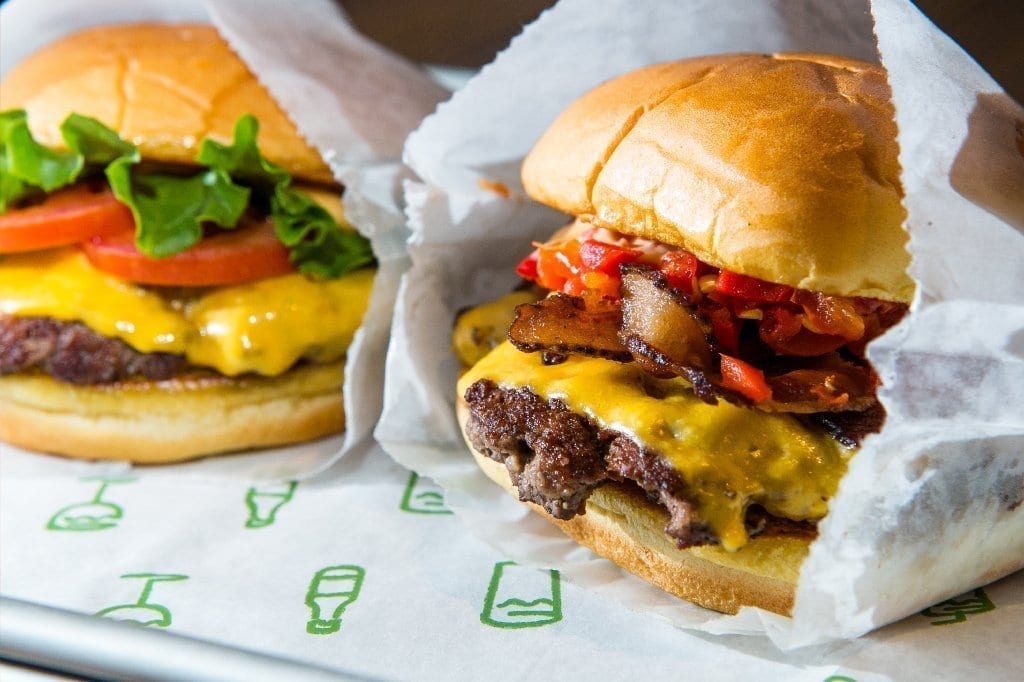
  • Shake Shack Singapore opens second store

    Shake Shack Singapore opens second store

    Burger chain Shake Shack has opened its second store in Singapore, in the city’s CBD.

    Taking over the Tiger Balm factory on Neil Road, the new Shake Shack Singapore store design was inspired by its vibrant Chinatown neighborhood and colorful Peranakan architecture.

    Designed by Singaporean artist Sam Lo, the store’s interior features a tiger mural inspired by the history of Tiger Balm factory.

    To mark the opening, Shake Shack has launched The Chick’n Shack, an antibiotic-free slow-cooked chicken breast crisp fried.

    “The Chick’n Shack embodies our modern approach to fine-casual American cooking,” said Mark Rosati, culinary director at Shake Shack. “It’s about providing a simple, pleasurable, uncomplicated experience, but with high-quality, responsibly sourced ingredients.”

    The burger chain also introduces two new local dishes, Eye of the Tiger and Open Sesame, based on local flavors.

    To support the local art community, 5 percent from sales of the local products will be contributed to Very Special Arts Singapore (VSA), a non-profit organization providing opportunities for the disabled through arts.