Retail News CRM

Tag: lunch

  • Hong Kong restaurants bounce back in final quarter of 2019

    Hong Kong restaurants bounce back in final quarter of 2019

    Hong Kong restaurants appear to have shrugged off the worst of the impact from the city’s social unrest in the final quarter of last year,

    According to food-delivery service Deliveroo’s second Restaurant Confidence Index, a quarterly survey of restaurant partners that details F&B trends in Hong Kong, eateries in the territory are seeing increased revenue turnover and profits, even as they continue to face a challenging business environment.

    During the final financial quarter of last year, 37 percent of restaurants saw an increase in revenue turnover quarter on quarter, when more than 71 percent of restaurants faced decreasing or unchanged turnover rates.

    However, only 20 percent of restaurant partners surveyed in the latest index saw an increase in profits due to the fact that many restaurant partners surveyed saw an increase in operations, ingredient and labor costs. One in three reported rising order-out revenue.

    On average, restaurants rank their satisfaction in overall business performance at 6.6 out of 10 for the fourth quarter of last year, a one-point jump from the average rating of 5.6 the previous three months.

    Many restaurants experienced year-on-year revenue decreases during the Christmas and New Year period, with 55 percent experiencing a holiday-period revenue fall from the previous year. The decrease in revenue was much more significant for dining in as compared to ordering out, with 61 percent of restaurants witnessing a decrease in dining in revenue as compared to 41 percent who said the same of delivery.

    Consumers appear to have spent less during the festive season this year as just 17 percent of restaurants increased their total turnover, however, 16 percent of restaurants did note an increase in delivery revenue during the period.

    “Last year was unique for Hong Kong‘s F&B industry, with restaurants facing a number of challenges in terms of operating costs, customer turnover and overall business environment,” said Deliveroo Hong Kong GM Brian Lo. “Still, it’s a positive sign that restaurants are more satisfied with their business performance as compared to the previous quarter.”
  • Yum China prepares to list in Hong Kong

    Yum China prepares to list in Hong Kong

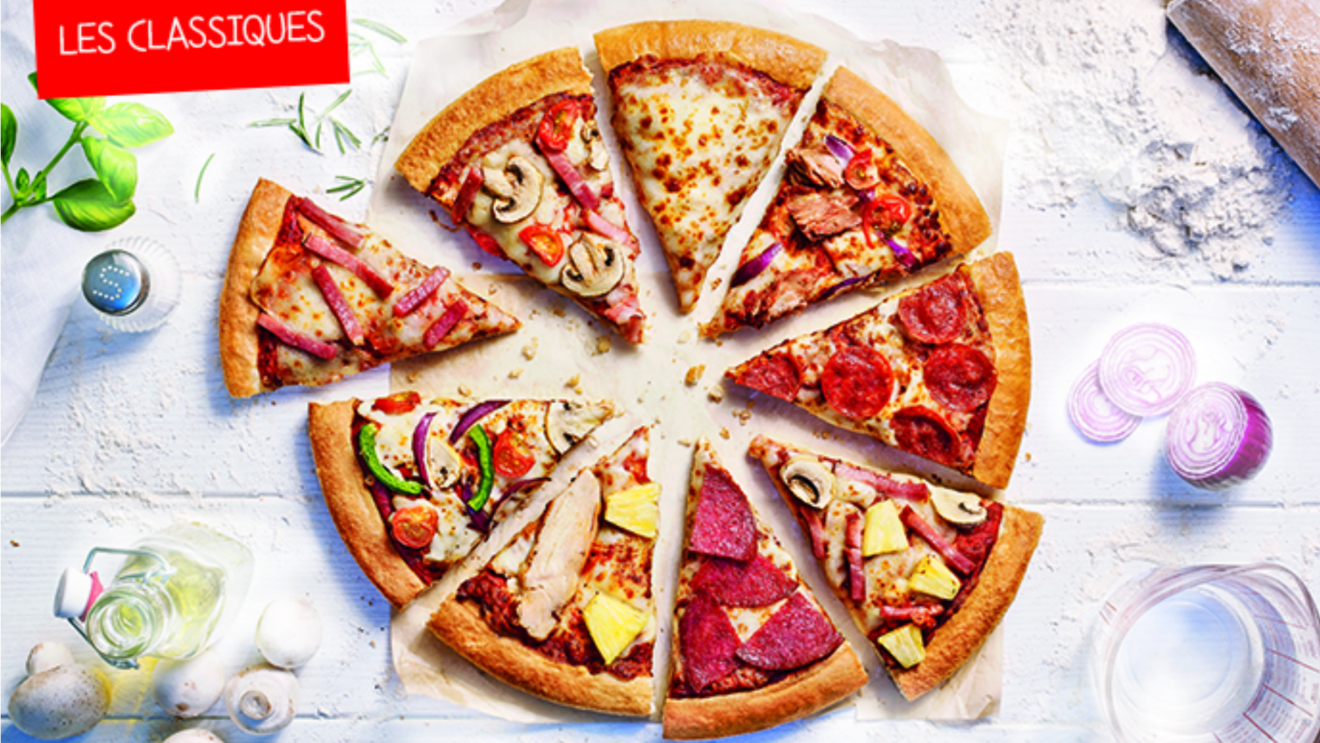
    Pizza Hut and KFC restaurant operator Yum China is preparing for a second listing in Hong Kong.

    The US-listed firm is currently working on proceedings with China International Capital and Goldman Sachs to establish a footing closer to its base territory. The listing could take place as early as this year.

    Bloomberg revealed that the Hong Kong Stock Exchange is seeing a spike in inquiries about second listings from Chinese companies since Alibaba’s US$13 billion share sale two months ago.

    Yum China operates more than 8900 restaurants across the Chinese market and recently agreed to purchase a majority shareholding in simmer pot restaurant operator Huang Ji Huang.

    Meanwhile, shares in Chinese restaurant chain Jiumaojiu International soared by than 40 per cent when they debuted on the Hong Kong Stock Exchange yesterday. Jiumaojiu has 328 outlets trading under five brands in Mainland China, where it plans to focus its business for now, before expanding into Hong Kong, other Asian markets and North America in the longer term.

  • Putien opens first outlet in the Philippines

    Putien opens first outlet in the Philippines

    Singaporean Michelin-starred restaurant Putien has opened its first eatery in the Philippines.

    The Cantonese/Fujianese-style brand has been introduced to the territory by The Vikings Group and opens in The Podium in Ortigas as its 67th location internationally.

    “Putien serves characteristically light, down-to-earth, and flavourful food, with an emphasis on fresh ingredients,” the restaurant’s founder and CEO Fong Chi Chung told the Manila Standard. The restaurant specializes in cuisine made from ingredients sourced exclusively from the Fujianese coast.

    “The Fujian flavor gives a unique twist to the usual Cantonese-style food,” said Vikings Group marketing director Charles Lee. “We’re excited for Filipinos to finally try this new type of cuisine that’s making waves in Singapore, Hong Kong, Malaysia, and China for its good quality and service”.

  • Hong Kong’s Pirata Group to open new concept The Pizza Project

    Hong Kong’s Pirata Group to open new concept The Pizza Project

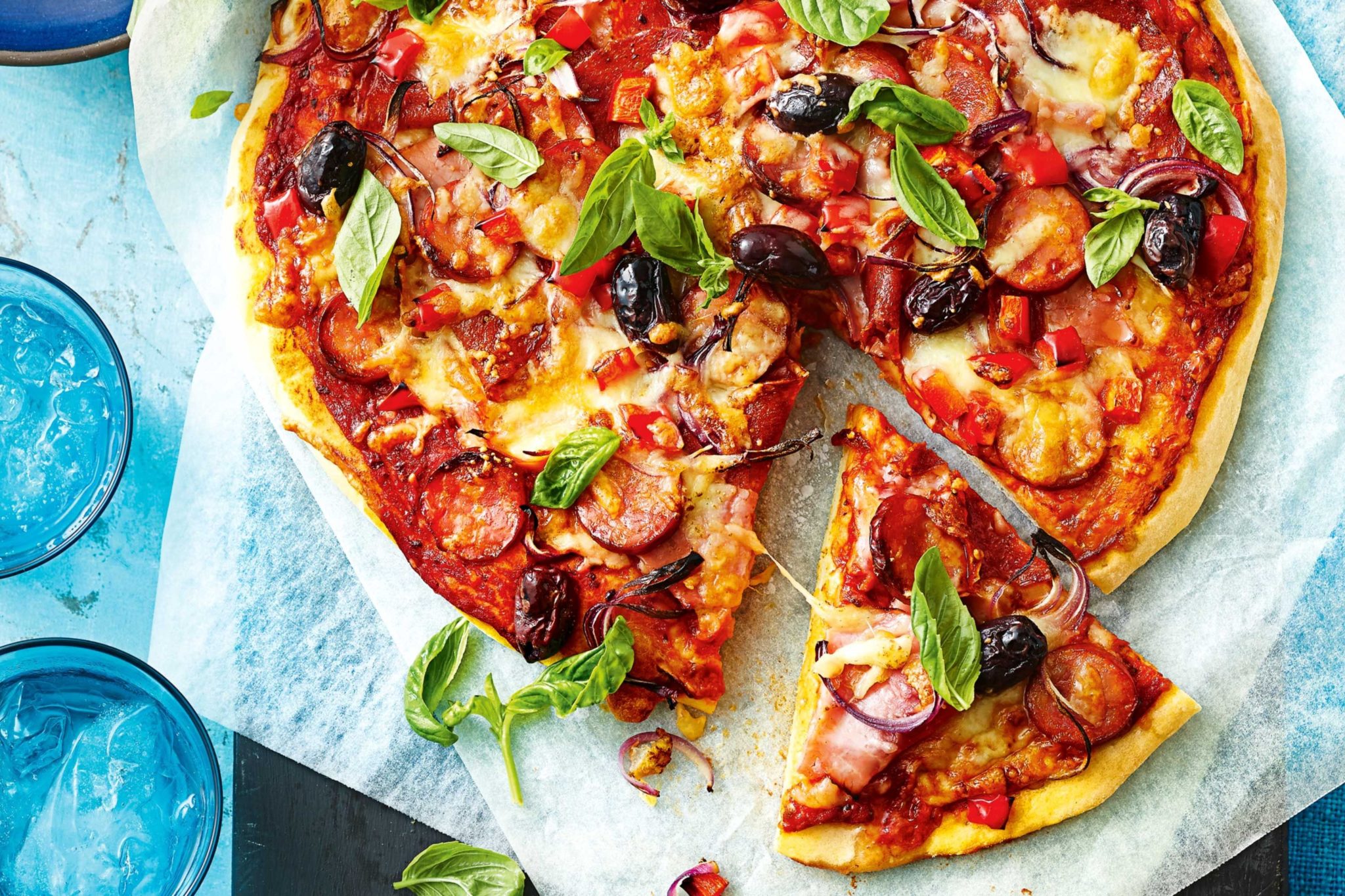
    Pirata Group has launched a new concept in Central, called The Pizza Project.

    Located on Peel Street, The Pizza Project will mirror the simple one-page menu format of its popular Pici chain, but with a focus on only pizzas. The Pizza Project will be helmed by chefs Andrea Viglione and Davide Borin and Pici operations manager Nacho Lopez.

    “We believe in engaging and connecting with people in meaningful ways to enrich experiences and make them available to everyone,” says Pici team. “We envision bringing excellent pizza at a fair price, so that everyone can enjoy pizza the same way we did back home,”

  • Jollibee Expedites North American expansion

    Jollibee Expedites North American expansion

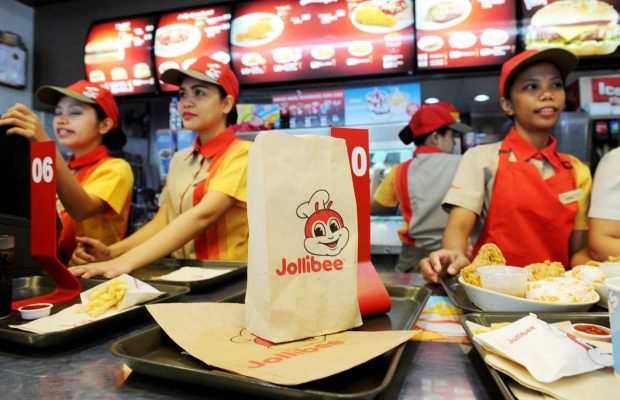
    Filipino fast-food chain Jollibee plans to expand its store network in North America to 250 by 2023.

    Its parent company Jollibee Foods Corporation (JFC) said it is committing to further expand the brand in North America, having identified the region as a key growth market.

    There are currently 46 Jollibee outlets in North America, with the first store opened in 1998 in California.

    The expansion plan was announced at the inauguration of its new North American headquarters in West Covina, California on Friday. It says the new 28,000sqft headquarters will serve as a center of operations for Jollibee and its sister brands Chowking and Red Ribbon.

    “The new Jollibee headquarters will ably support operations around North America in its quest to become a major fast-food player in the region,” says the company.

    Jollibee has a restaurant network of more than 1400 at home and more than 230 elsewhere abroad.

    Parent company JFC has more than 5800 restaurants in 35 countries globally, with recent investments including a joint venture to open Tim Wan Ho restaurants in China.

  • Hong Kong restaurant sales fall as protests deter diners

    Hong Kong restaurant sales fall as protests deter diners

    Hong Kong restaurant sales slumped by 11.7 percent in the third quarter as protests deterred foreign visitors and locals dined in more often.

    The value of receipts was provisionally estimated at HK$26.4 billion (US$3.37 billion), and the value of purchases by restaurants decreased by 10.9 percent to HK$8.5 billion ($1.086 billion).

    After netting out the effect of price changes over the same period, the provisional estimate of the volume of restaurant receipts decreased by 13.6 percent year on year in the third quarter.

    Quarter on quarter, restaurant receipts decreased by 10.6 percent in value and by 11.4 percent.

    Comparing the first three quarters of this year with the same period last year, Hong Kong restaurant sales decreased by 3 percent in value and by 5.2 percent in volume.

    A government spokesman said the sharp deterioration of Hong Kong restaurant sales in the third quarter represented the largest year-on-year decline since the outbreak of Sars in the second quarter of 2003.

    “The plunge in restaurant receipts in the third quarter mainly reflected the severe disruptions to food and beverage businesses caused by the local social incidents, while weak consumer sentiment amid subdued economic conditions also played a part.”

    The spokesman said food-and-beverage businesses will continue to face “immense pressure” in the near term “amid continued protests involving violence and the subdued economic outlook”.

  • Giant Vietnam restaurant chain Mon Hue shuts down

    Giant Vietnam restaurant chain Mon Hue shuts down

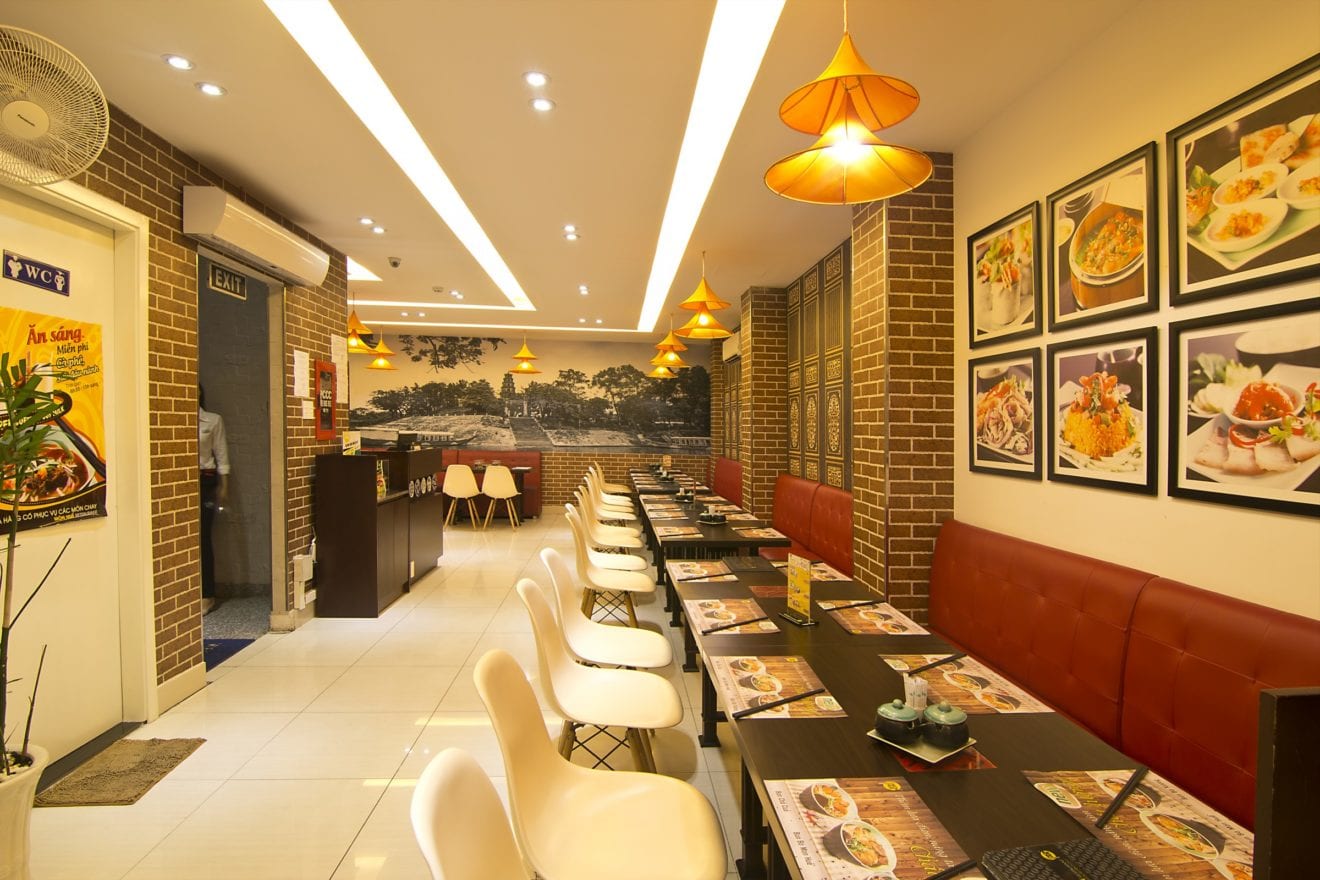
    Vietnam restaurant chain Mon Hue has closed down without notice, evidently unable to pay its debt.

    Restaurants under the Mon Hue brand along with sister chains including Pho Ong Hung and 99 House of Pho, have been shuttered and the company’s websites and social media channels have been switched off. Many of the abandoned stores in downtown Ho Chi Minh City already have for-lease signs on them.

    The company’s headquarters has been abandoned.

    The exact number of stores in the company’s network is hard to clarify. By the end of 2015 the company operated 110 and then embarked on a massive expansion program which may have peaked at 200 before closures began. Local media reported that 80 closed this week, but there is evidence that a long-term cull has been underway for at least several months.

    Several Mon Hue employees and suppliers have told local news media that they haven’t been paid “for months”.

    “Since about a week ago, the company stopped taking our supplies or paying for them. We couldn’t contact the procurement managers, directors of Mon Hue or its owner, Huy Nhat,” said Thuan, a supplier of the restaurant.

    DealStreet Asia reported today that private equity investors in Huy Vietnam have commenced a lawsuit in People’s Court of HCMC on behalf of the business against its founder and chairman Huy Nhat.

    According to VN Express, Mon Hue achieved a profit of VND300 million ($12,950) in 2016, but since then losses have accumulated to almost VND107 billion ($4.62 million) as expansion costs rose much faster than revenue.

    Meanwhile, dozens of the restaurant group’s suppliers owed money gathered in front of Ho Chi Minh City police headquarters to file complaints against the company, alleging Mon Hue had committed fraud.

    Staff, landlords, and suppliers have been left unpaid. Trade suppliers are owed at least US$430,000 including a production company whose $55,940 debt traces back three months. Others reduced their exposure by ceasing supplies but a promised installment repayment plan by Mon Huse was allegedly not honored.

    In addition to enormous debts, Mon Hue Restaurant accounts have been frozen by Vietnam’s tax authority.

    Mon Hue was operated by Nha hang Mon Hue Co, which is now wholly owned by Hong Kong-registered Huy Vietnam.

    In late 2015, Huy Vietnam announced it was planning to list on the Hong Kong Stock Exchange.  At the time it had already attracted US$65 million in investment from global investors such as AIF Capital Asia, Fortress Capital Asset Management, Welkin Capital, Prosperous Alliance and Templeton Emerging Markets Group. The company reported estimated it could raise up to $100 million from an IPO to fund expansion both inside and outside Vietnam. That plan was later abandoned.

  • Crystal Jade restaurants opening in the Philippines

    Crystal Jade restaurants opening in the Philippines

    Philippines specialty store retailer SSI Group will play host to Chinese restaurant chain Crystal Jade in the territory.

    The firm has contracted with Crystal Jade Management to own and operate the brand in the Philippines as part of its expanding F&B portfolio.

    “The strategic partnership with SSI group is yet another proud moment for Crystal Jade,” said Crystal Jade Culinary Concepts Holdings CEO Douglas DeBoer. “We are excited to join in partnership with such a renowned specialty retailer which has successfully brought so many iconic international brands to the Philippines. Crystal Jade is dedicated to bringing authentic, quality Chinese cuisine to contemporary audiences around the world, and we look forward to delighting consumers across the Philippines very soon.”

    SSI president Anthony Huang said the opening of Crystal Jade in the Philippines is aligned with his company’s desire to provide consumers with complete lifestyle offerings through global partnerships “that cater to the eclectic and sophisticated taste of the Filipino consumer”.

    SSI will initially open a Crystal Jade Hong Kong Kitchen outlet early next year at Central Square in Bonifacio Global City, before rolling out Crystal Jade’s other three international dining concepts – which include Crystal Jade Golden Palace, Crystal Jade La Mian Xiao Long Bao and Crystal Jade Go.

  • Shake Shack openening second store in Philippines soon

    Shake Shack openening second store in Philippines soon

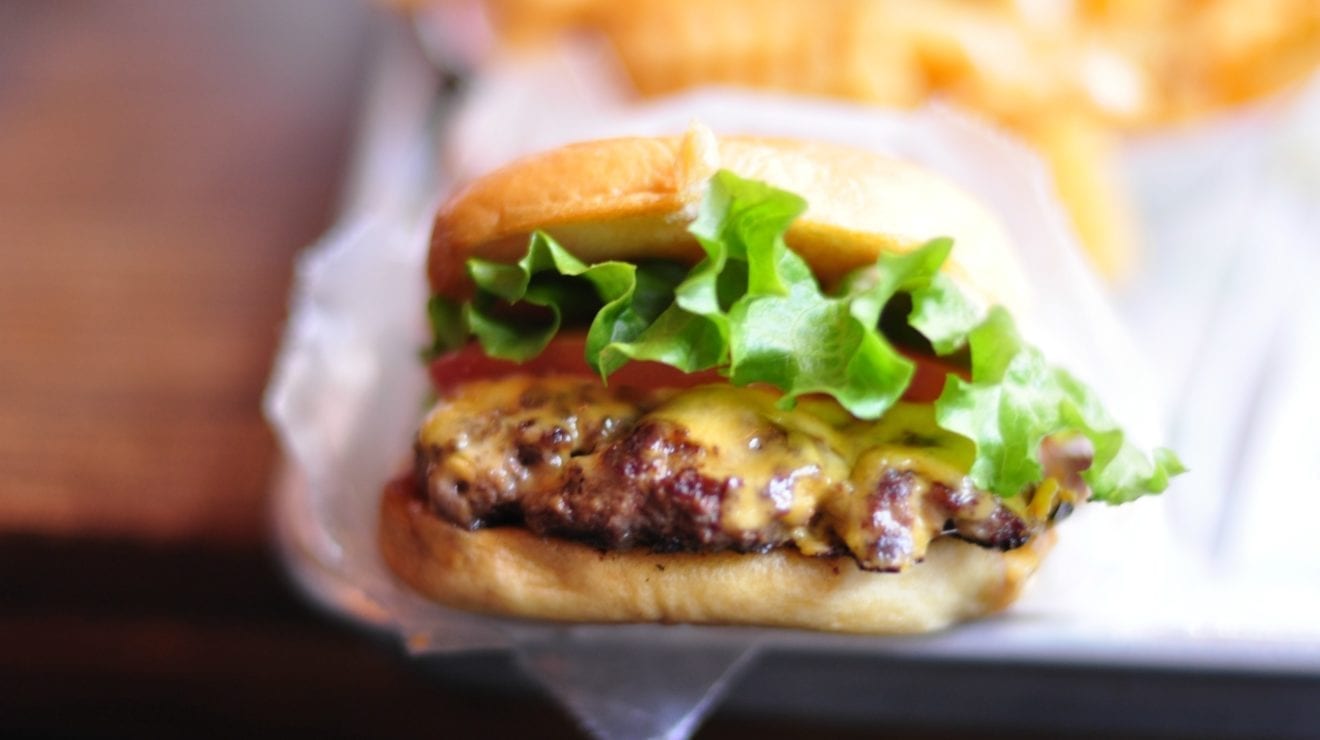
    Shake Shack is launching its second Philippines outlet at the Mega Fashion Hall at SM Megamall.

    The restaurant is expected to open before the end of the year, with construction on the new venue already underway following a board up made by artist Kris Abrigo, which features a “reimagined Ortigas skyline showcasing gradient colours as day shifts into night, and a multi-faceted community through textures and geometric shapes,” according to reporting in the Manila Standard.

    Brand enthusiasts are invited to interact with sliding panels in the board to reveal “surprises” during the lead-up period to the store’s opening.

  • Singapore Airlines To Trial Business Class Dine On Demand

    Singapore Airlines To Trial Business Class Dine On Demand

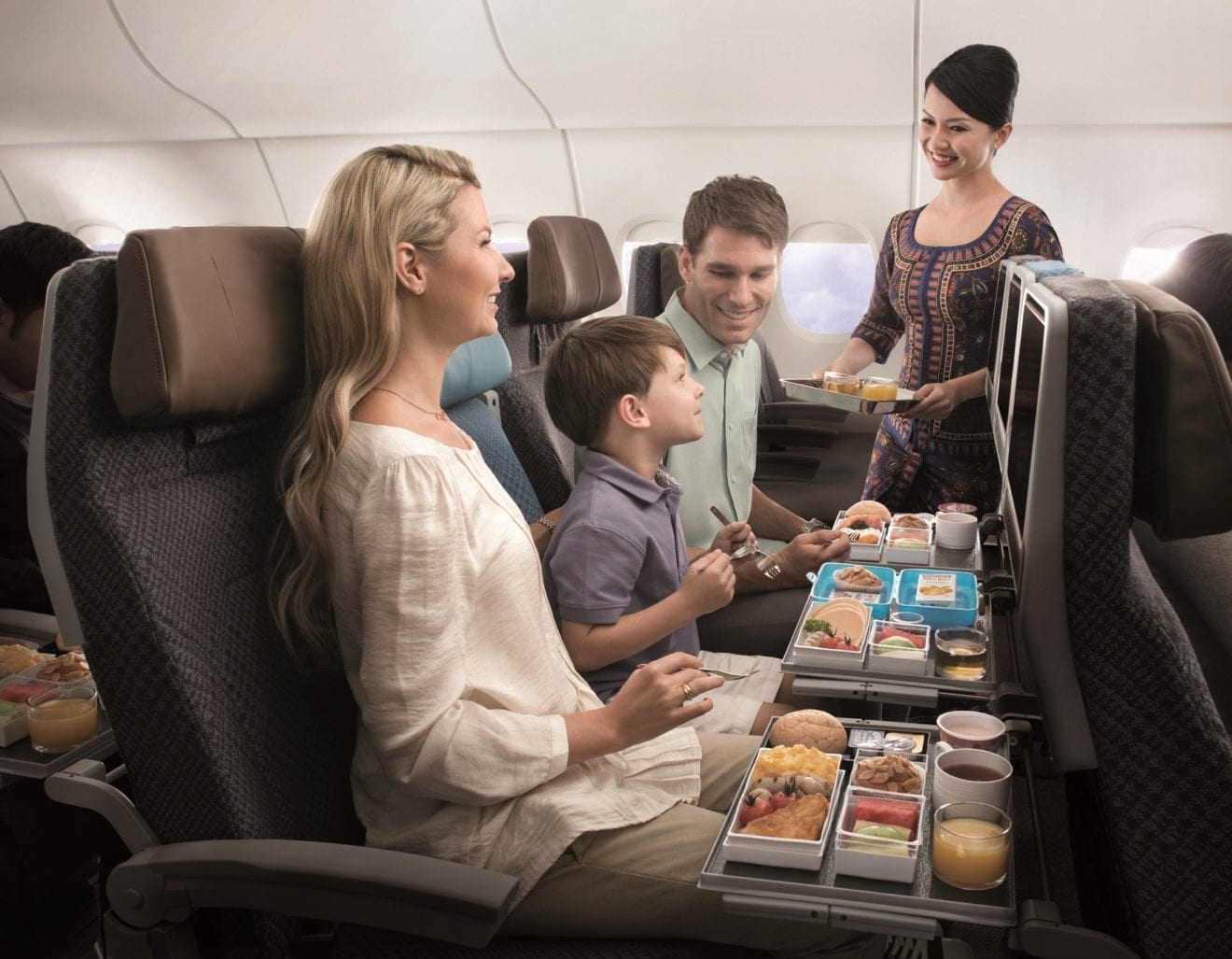
    For decades Singapore Airlines has been known for being one of the best airlines in the world, though I can’t help but feel like they’ve somewhat been resting on their laurels. I feel like the airline used to be super innovative, but is less innovative nowadays:

    • For the most part, I don’t find Singapore Airlines’ new cabins to be that cutting edge, and their business class seat hasn’t evolved that much in the past decade
    • Their meal services in business class are good, though nothing special
    • I will say that their cabin crew are consistently exceptional, and they’re one of the best parts of flying with the airline

    This is due to customer feedback, though Singapore Airlines is careful to note that they want to make sure they develop a system that works before fully implementing this.

    Part of that will be ensuring that flight attendants can deal with the increased work required from dine on demand while maintaining high levels of customized service.

    Is Business Class Dine On Demand A Good Thing?

    On the surface, the addition of dining on demand sounds like a good thing. Especially for an airline like Singapore Airlines, where I sometimes can’t figure out the flow of their meal service.

    But I’ve also sometimes in the past noticed that I don’t always think a dine on-demand system is best. Sure, in an ideal world dine on demand is great, but there are some downsides:

    • It significantly increases the workload for the crew, and will make them more stressed, and perhaps not provide the same level of service
    • If you’re like me and are a sensitive sleeper, I find that the sounds, lights, and smells, from people dining throughout the flight, can make it much harder to sleep

    So while I’m generally in favor of dine on demand, there are also some downsides that are at least worth acknowledging.

    I’d note that quite a few airlines have done dine on-demand trials in business class, but ended up deciding against it. Take Emirates, for example — they trialed it for a while, but then decided not to implement it on a widespread basis (meanwhile both Etihad and Qatar offer dine on demand).

    Bye Bye Lobster Thermidor?

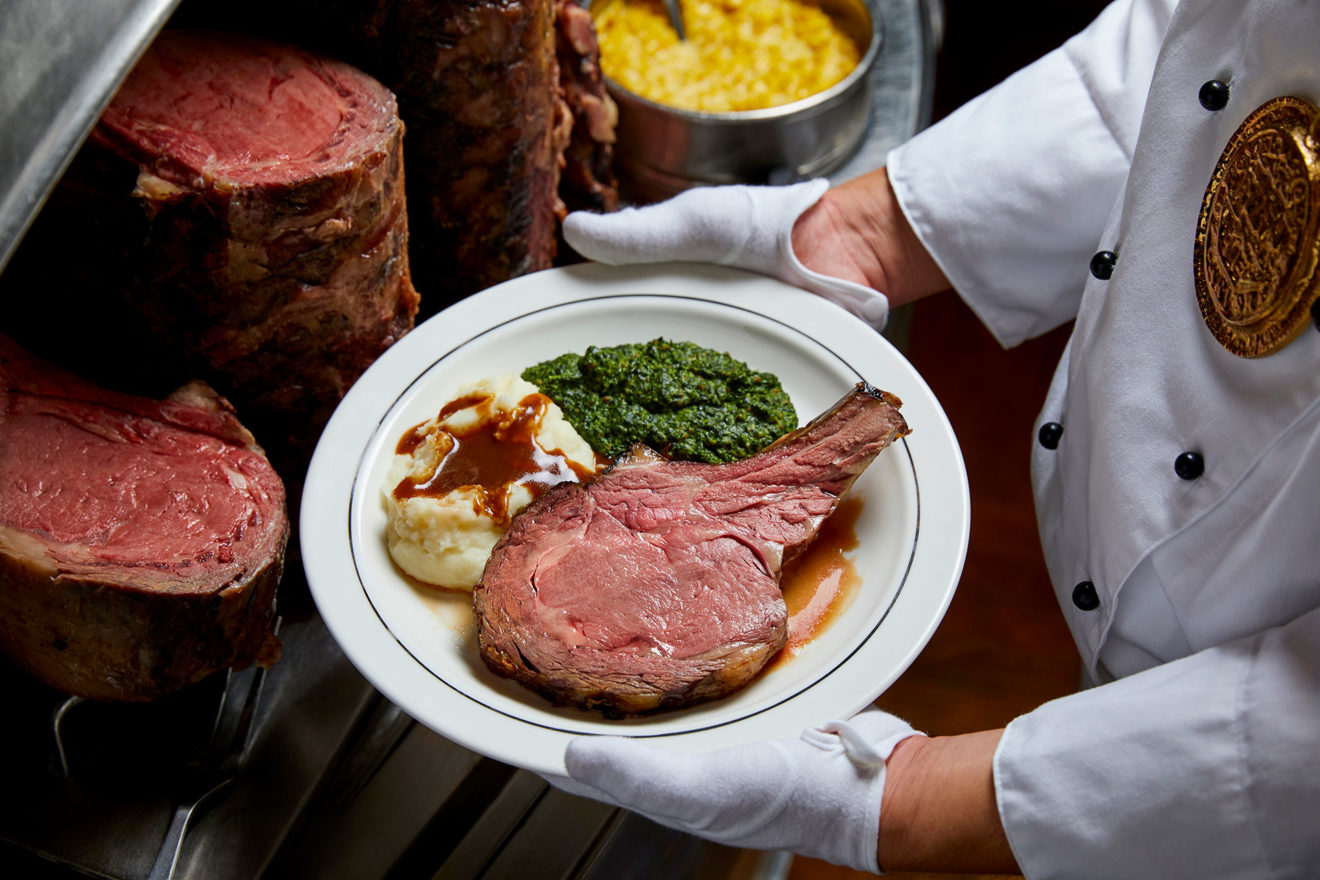
    Singapore Airlines offers a “Book The Cook” menu, where you can order from a much larger menu before your flight. One of the most popular options is their lobster thermidor dish.

    It looks like that may not be on the menu forever in its current form:

    “Like everything, the Book The Cook programme evolves. The lobster thermidor is a perennial favourite but we’re looking at opportunities to modernise that, whether it be a lobster thermidor-type of dish or something similar and lobster- themed which is a little bit more modern, a little bit more healthy perhaps.

    People like lobster, but we’re moving to an environment where people are becoming more health-conscious so maybe the creamy lobster dish is not the right one… maybe a beautiful grilled lobster with fresh asparagus or veggies might be another alternative, as long as we maintain the integrity of the dish.”

    Bottom Line

    I’ll be curious to see what kind of a dine on-demand trial Singapore Airlines runs, and how successful it is. Generally, I’d say dine on demand would be a positive development, though assuming it allows the crew to maintain their high service standards.

    As someone who struggles to sleep without perfect conditions, I’m also generally somewhat apprehensive about dine on demand, though I realize that’s mostly just my problem.

  • Increasing pork prices in China a magnet for Vietnamese traders

    Increasing pork prices in China a magnet for Vietnamese traders

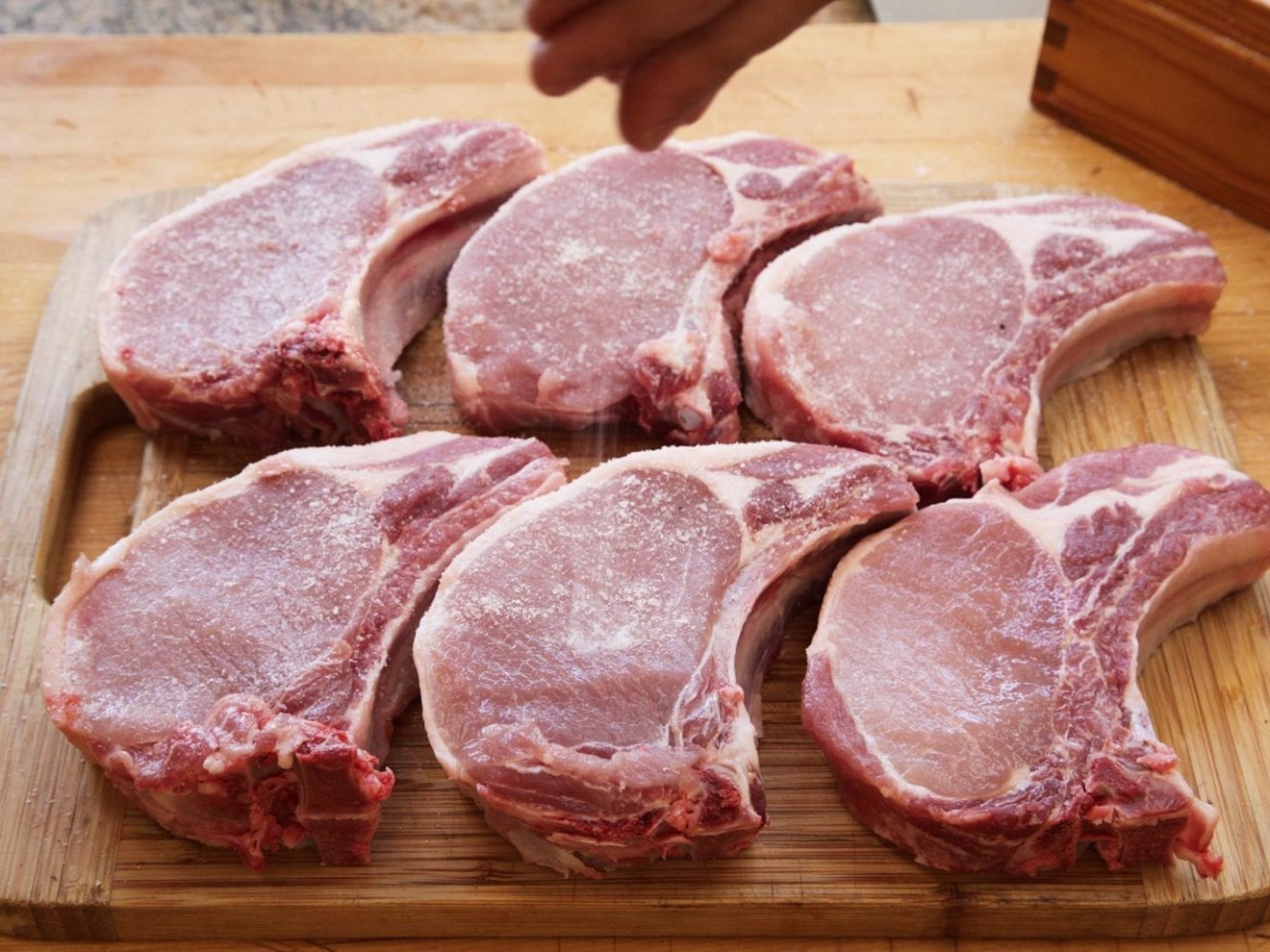
    Vietnamese traders are exporting pork to China despite forecasts of declining domestic supply due to outbreaks of the African swine fever.

    Tam, who buys pork in the south, said his exports to China have increased in the last two months, and fetch a margin of VND500,000-1 million ($22-43) per pig. “Prices are high in China because it stopped buying from the U.S.”

    Nguyen Kim Doan, deputy chairman of the Dong Nai Breeding Association, said traders are selling Vietnamese pork to China because of the large gaps in prices in the two countries.

    Pork costs CNY26.67 ($3.7) in China and just VND50,000 ($2.2) in Vietnam, a 43 percent difference.

    China, the world’s top pork consuming nation, earlier this month canceled orders to buy 14,700 tonnes of U.S. pork as the trade war between the two largest economies continued. Industry insiders have forecast prices in China to increase by 70 percent from last year in the coming months.

    In Vietnam, they have risen by up to 28 percent to VND50,000 ($2.2) in the north and VND40,000 ($1.7) in the south since supply has been falling after African swine fever swept the country.

    Some 4.7 million pigs have been culled since the disease was first detected in February this year.

    Producers are reluctant to return to the business after having to cull infected animals, the Department of Processing and Market Development of Agriculture Products said.

    It estimated prices to rise further, especially during Lunar New Year Festival (Tet) next January.

    Vietnam could face a shortage of 500,000 tons in the second half of this year, or 20 percent of demand, according to market research firm Ipsos Business Consulting.

    In January-August the country exported $449 million worth of meat, up 3.6 percent year-on-year from 2018, mostly because of the rise in pork exports to China.

    All provinces and cities have reported the disease, which does not pose a risk to humans but is fatal to pigs.

    Pork accounts for three-quarters of meat consumption in Vietnam, a country of 95 million.

    African swine fever was first detected in Asia last year in China, the world’s largest pork producer. Half of its breeding pigs have died or been slaughtered because of the disease, twice as many as officially reported.

  • Cebu Pacific launches new inflight menu

    Cebu Pacific launches new inflight menu

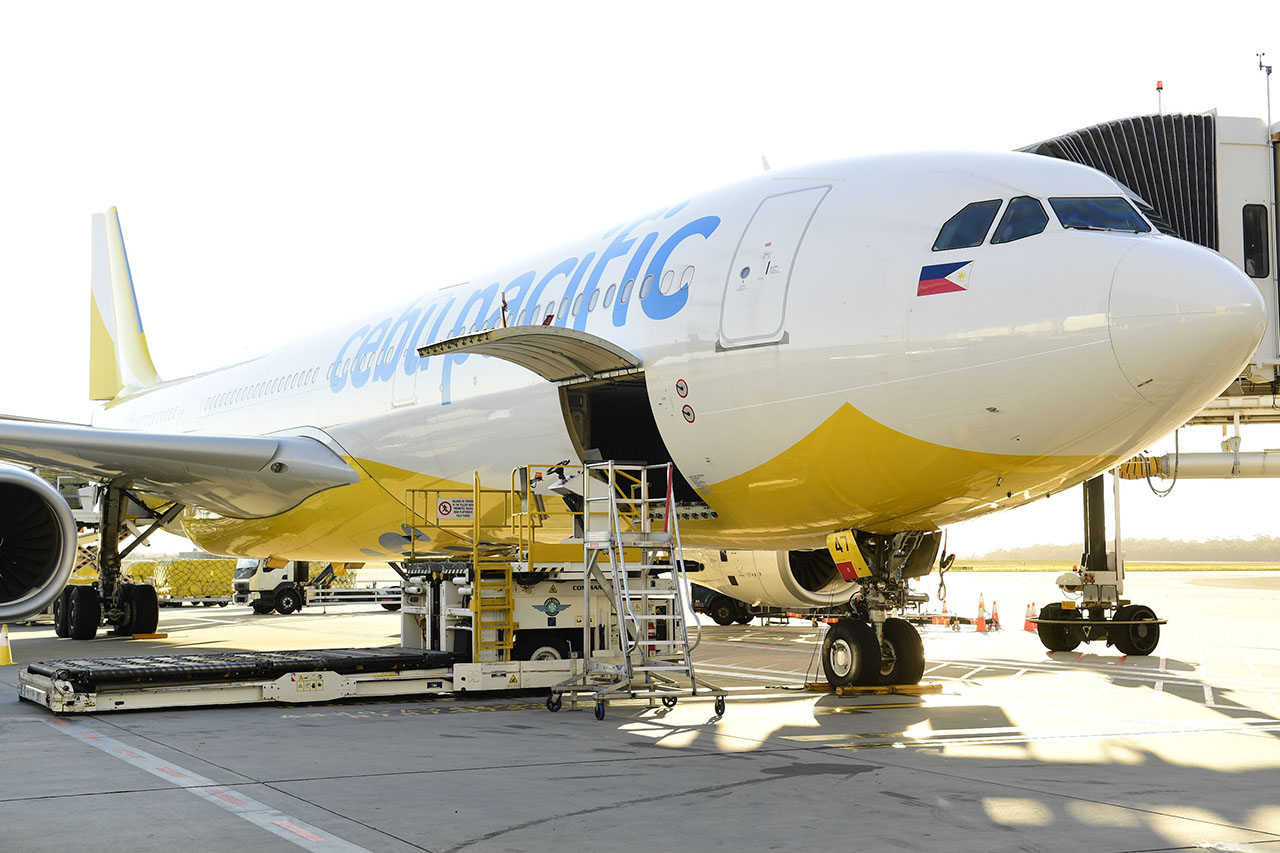
    Cebu Pacific is launching a new selection of inflight meals for purchase starting October this year.

    The new meals include a Singaporean dish (Hainanese Chicken Rice shown above), Filipino cuisine, and a vegetarian option.

    “As every Cebu Pacific flight is a journey to or from home, we have designed this refreshed inflight menu to bring a feeling of comfort in the form of simple meals and familiar tastes,” said JB Bueno, director for inflight catering and sales at Cebu Pacific.

    Below are some of the meals passengers traveling with the airline can buy starting next month:

    Roasted Chicken Sandwich (toasted panini bread with roasted chicken, sautéed spinach, and grated cheddar cheese with a garlic aioli spread).

    Lechon Paksiw (slices of roasted suckling pig stewed in a blend of vinegar, sugar, and spices, served with white rice).

    Other meals include the following:

    • Pinoy Spaghetti
    • Beef Salpicao
    • Chicken Yakisoba
    • Crab Salad Sandwich

    In addition to being available for purchase on flight, passengers can also pre-order the meals before the flight, according to Cebu Pacific. The carrier also added that the meals come with information on nutrition to cater to health-conscious travelers flying with Cebu Pacific.

  • First Wolfgang Puck Kitchen opening in in Hong Kong

    First Wolfgang Puck Kitchen opening in in Hong Kong

    The first Wolfgang Puck Kitchen in Hong Kong has opened its doors.

    The founder of popular Hollywood eatery Spago is steadily rolling out a network of fast-casual dining concepts across the US and more recently internationally, with outlets in Singapore and Sydney.

    This month he has opened Wolfgang Puck Kitchen on level 5 of the arrivals hall of Terminal 1 at Hong Kong International Airport. A grand opening is planned for October 9.

    The restaurant, in collaboration with Lagardere Travel Retail, features a grab-and-go collection for consuming on the plane, as well as booths and bar seating, serving breakfasts, pizzas, salads, burgers and other fast-casual fare, all influenced by California cuisine.

    The Wolfgang Puck Kitchen in Hong Kong will trade daily from 6.30am to 12.30am.

    The Austrian-born chef’s Wolfgang Puck Kitchen brand now has more than 50 outlets, located in airports, casinos, universities and amusement parks. He also owns the high-end steakhouse Cut, has authored multiple books and is a part-time actor.

  • BreadTalk Group to buy Food Junction

    BreadTalk Group to buy Food Junction

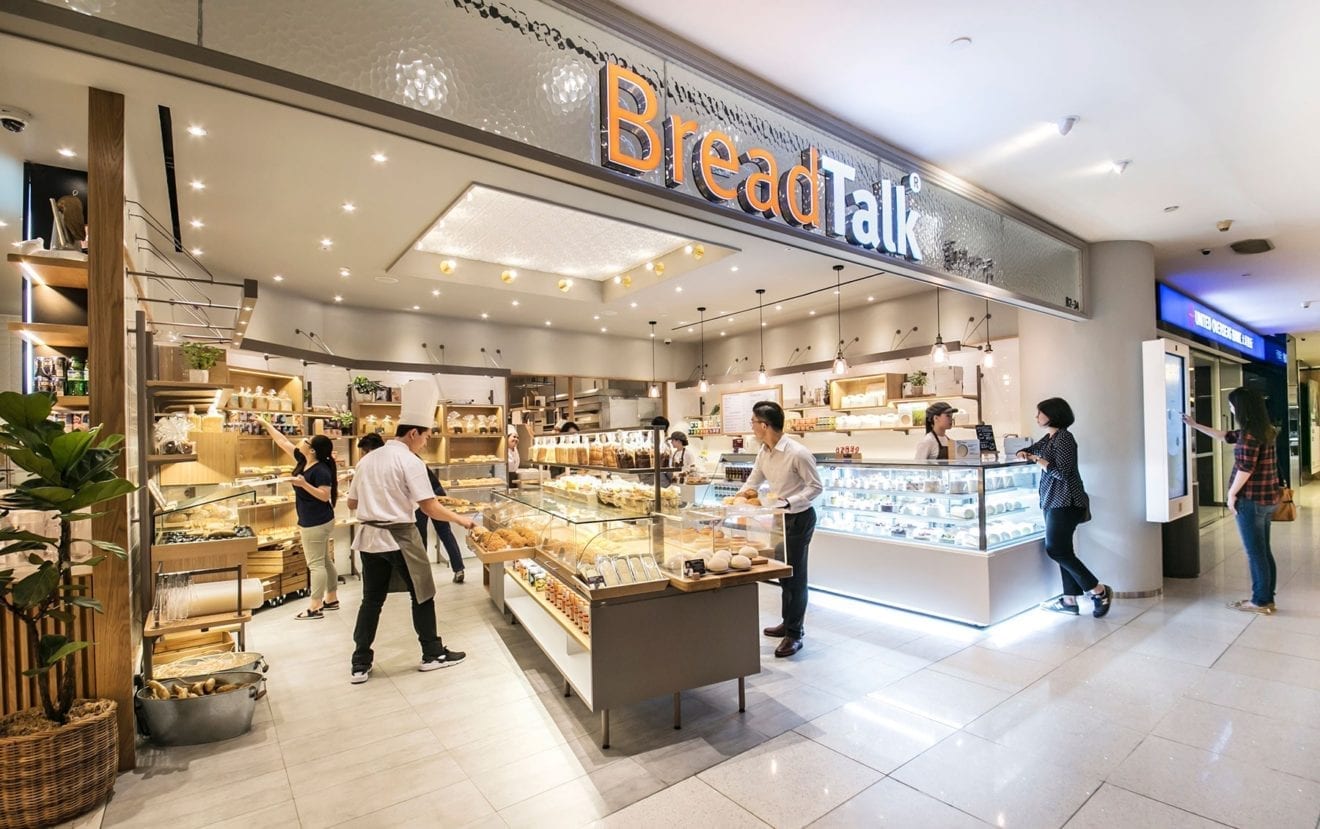
    Listed Singapore food-and-beverage company BreadTalk Group is to buy foodcourt operator Food Junction Management (FJM).

    A subsidiary of BreadTalk, Topwin Investment, has signed a sale and purchase agreement to pay S$80 million for FJM, which operates 12 foodcourts in Singapore and three in Malaysia. A fourth is on track to open next year at The Mall in Johor Bahru.

    BreadTalk Group sees synergies between the FJM business and its own foodcourt operations – it owns Food Republic and Food Opera-branded sites in Singapore, Greater China, Thailand, Cambodia and Malaysia. The combined operation could share support services and rationalise supply arrangements.

    FJM is owned by Singapore investment company Auric Pacific Group Limited.

  • Yum China buys Chinese retail chain Huang Ji Huang

    Yum China buys Chinese retail chain Huang Ji Huang

    Yum China Holdings has entered into a definitive agreement to acquire a controlling interest in Huang Ji Huang group, a leading Chinese-style casual-dining franchise business.

    Subject to the satisfaction of closing conditions and regulatory approvals, the transaction is expected to close early next year.

    Founded in 2004 and headquartered in Beijing, Huang Ji Huang has more than 640 restaurants in China and internationally. The group operates primarily under a franchise model and its brand portfolio consists of simmer pot brand “Huang Ji Huang” as well as “San Fen Bao”, a newly launched Chinese fast food concept.

    Yum China is the largest restaurant company in China, with more than 8700 restaurants as of June 30. With the addition of Huang Ji Huang, Yum China aims to gain a stronger foothold and enhanced knowhow in the Chinese dining space, which represents a significant share of the dining market in China.