Tag: luxe

  • Sincere Fine Watches opening in Changi

    Sincere Fine Watches opening in Changi

    Sincere Fine Watches has opened a multi-brand boutique at Jewel Changi Airport.

    The only luxury multi-brand watch store at the newly opened airport shopping center spans 183sqm and was inspired by Jewel’s dome-shaped facade and modern architecture.

    Glass and rose-gold elements are used throughout the boutique, combined with warm-brown hues on the wooden panels and shades of copper to create a welcoming aura.

    The new boutique brings together 20 international labels, some of them relatively new to the market. They include Armin Strom; Baume & Mercier; Blancpain; Bremont; Graham; Hamilton; IWC Schaffhausen; Longines; Maurice Lacroix; Mido; Montblanc; Panerai; Omega; Rado; TAG Heuer; Tissot; and Tudor.

    Sincere Fine Watches plans more brands and timepieces exclusive to the Jewel Changi store soon.

  • MCM Japan opens Their Largest Store in Tokyo

    MCM Japan opens Their Largest Store in Tokyo

    MCM Japan has launched its largest flagship yet in Tokyo. The German luxury accessories brand’s new boutique, follows new locations in Berlin and Los Angeles earlier this year, presents a new architectural landmark with a nine-storey, 2880sqm space. Ginza Haus I is located in Tokyo’s tourist district, which plays host to the city’s luxury fashion precinct.

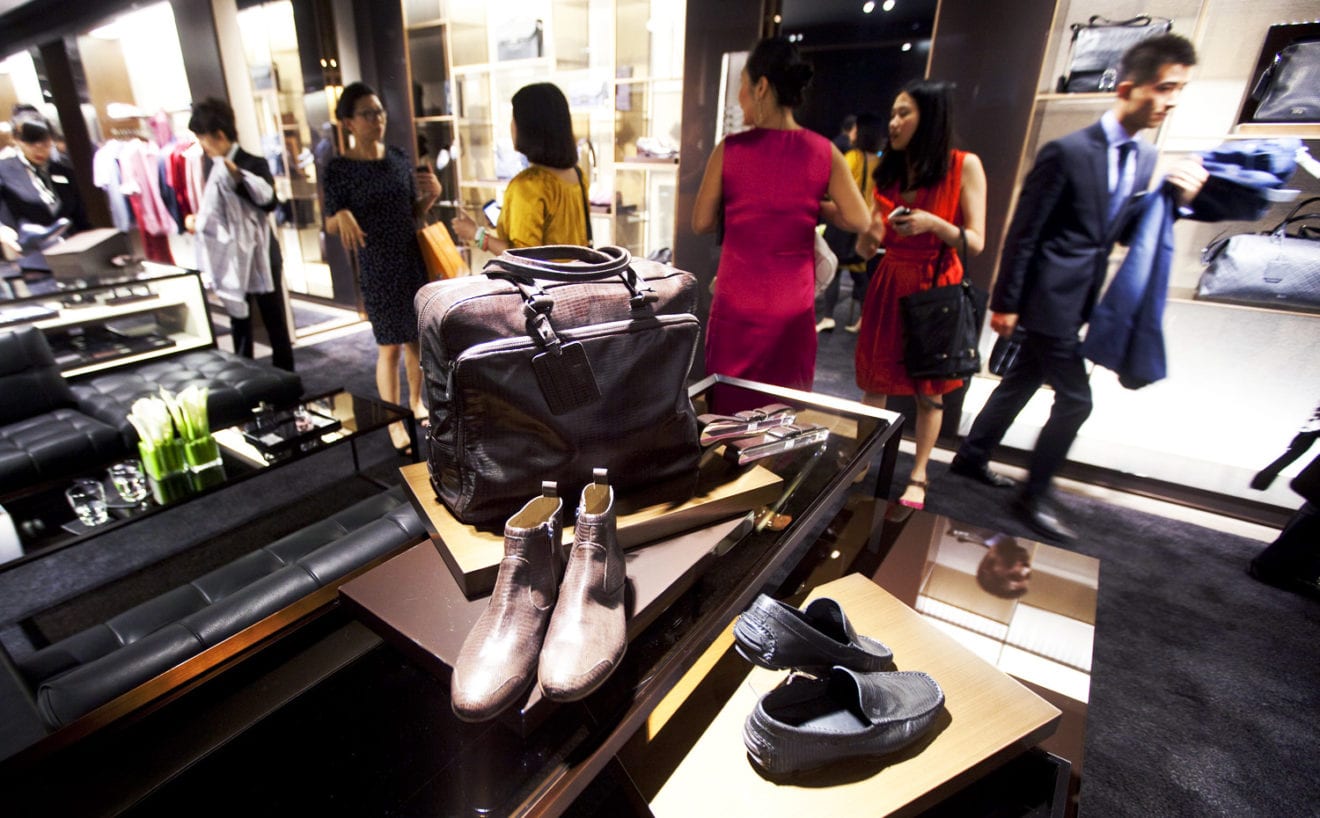
    The store facade features granite grey marble with oversized LED panels displaying the brand’s logo, while the store’s interior features wood and marble fixtures in a fusion classical/modern design aesthetic.

    The flagship’s lower floors are dedicated to seasonal collections, while upper floors include a showroom, a VIP lounge, experience-driven retail installations, and a cafe, as well as a gallery and performance space.

  • The Alley Singapore to open two more outlet stores

    The Alley Singapore to open two more outlet stores

    Taiwanese bubble tea chain The Alley Singapore is opening two outlets in mid-April.

    The first of a new global concept called The Alley Luxe is set to open in Cineleisure. The concept carries what the brand describes as its finest collection of beverages on a curated menu distinctive to Singapore.

    The outlet will offer European baked treats such as croissants, ‘cruffins’ and Kouign-amann. Customers can opt for take-away, or dine-in while enjoying a view over Orchard Road.

    The Alley Luxe


    The second outlet will be launched in Jewel Changi Airport about the same time.

    Having opened its first outlet in 2013, The Alley now has more than 300 stores around the world.

  • Valextra Beijing flagship finally unveiled

    Valextra Beijing flagship finally unveiled

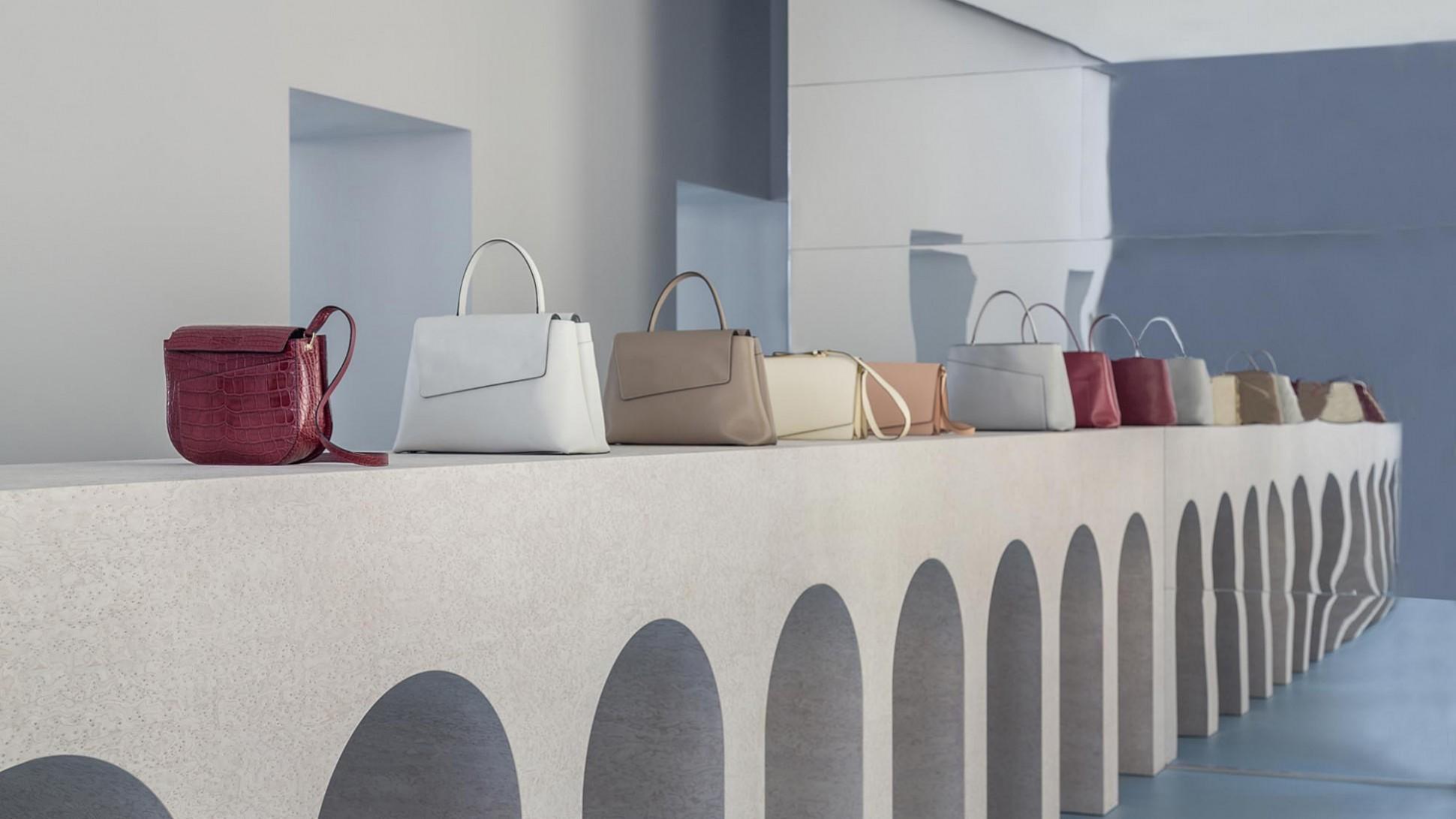
    Luxury leather good brand Valextra has opened a flagship store in Beijing.

    Valextra Beijing flagship 1


    Valextra-Beijing-flagship handbag close up

    The luxe label, which recently launched much-publicised spaces in Shanghai and Chengdu, has taken a unit at high-profile location Taikoo Li Sanlitun. The Valextra Beijing space at the open-air shopping mall features an expansive glass facade with a lofty ceiling, maximising on ambient daylight, and an interior design created by London-based Italian designer Martino Gamper.

    Valextra Beijing flagship 3

    To the right of the boutique, diamond-shaped wooden shelves display the brand’s first sneakers capsule collection, opposite a selection of small leather goods. Travel bags and suitcases are showcased on light blue terrazzo stands and plinth at the top level.

    The Valextra Beijing store also features a high-end rest area to the back with a plush green sofa and matching geometric-shaped coffee table.

    Valextra Beijing flagship 4

  • Victoria’s Secret unveils its Champagne Nights Fantasy Bra

    Victoria’s Secret unveils its Champagne Nights Fantasy Bra

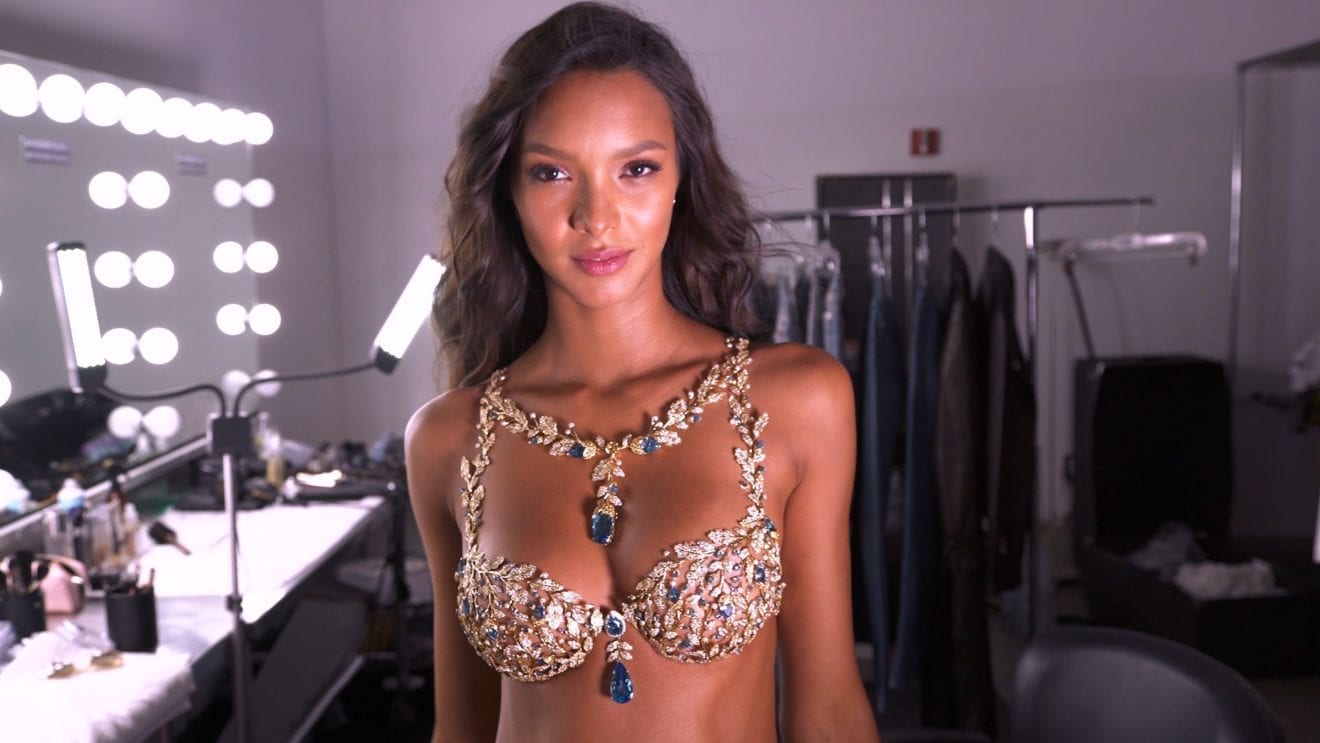
    US lingerie company Victoria’s Secret has unveiled its 2017 Champagne Nights Fantasy Bra, designed by luxury jeweller Mouawad.

    Brazilian model Lais Ribeiro will wearing the US$2 million bra at this year’s Victoria’s Secret Fashion Show in Shanghai in three weeks’ time.

    It is the first time the Victoria’s Secret Angel will showcase the brand’s annual fantasy bra. Other supermodels who have worn Mouawad’s showpieces over the years include Lily Aldridge, Adriana Lima, Alessandra Ambrosio, Candice Swanepoel, Selita Ebanks, Gisele Bündchen, Tyra Banks, Heidi Klum and Karolina Kurkova.

    Mouawad’s latest creation features a suite of contrasting gemstones. The bra and matching belt took more than 350 hours of labour to be handset with nearly 6000 white diamonds, yellow sapphires and blue topazes, totalling more than 640 carats and all set in 18-karat yellow gold.

    Mouawad Jewelry first teamed with Victoria’s Secret in 2001, since designing 10 fantasy bras. His 2003 masterpiece, the Very Sexy Fantasy Bra, was awarded a Guinness World Record as the most expensive bra ever made.

    Founded in 1890, the Mouawad brand is led by fourth-generation co-guardians Fred, Alain and Pascal Mouawad. The family firm designs, makes and sells exclusive jewellery and timepieces.

    Victoria’s Secret is known for its fashion-inspired collections, fragrances and bodycare products as well as its lingerie, but perhaps is more famous for its runway shows and supermodels, not to mention its fantasy bras. It is owned by Limited Brands and has more than 1000 stores internationally.

  • Australia, major destination for luxury brands in APAC

    Australia, major destination for luxury brands in APAC

    Luxury international brands are looking to open flagship stores on the east coast of Australia in the coming months, as the nation’s capital cities remain one of the safest investment destinations in the Asia-Pacific region.

    Italian designers Brunello Cucinelli and Roberto Cavalli are looking for space to rent, as are French leather goods house Goyard, shoe empire Hogan and fashion and jewellery brand Marni, according to CBRE.

    Moreover, Venezuelan-American designer Carolina Herrera, known for designing wedding dresses for Caroline Kennedy, is also said to be hunting a space.

    The global brands are looking to bow retail stores in Melbourne and Sydney — starting with whichever offers the first leasing opportunity, CBRE head of Victorian retail leasing Zelman Ainsworth told the Australian.

    “The feedback’s been that Australia’s one of the only markets in Asia-Pacific that’s consistently growing year on year,” Ainsworth told reporters.

    “It’s a politically and economically safe country to do business in. The Chinese tourists coming to Australia, which is the primary luxury customer, has consistently been growing at double digit levels each year.”

    The news comes as the local arm of British clothing chain Topshop went into voluntary administration in May. Topshop has already confirmed five stores will close this year as administrators try to salvage the chain.

    Several Australian fashion chains have also fallen prey to administrators in 2017 including Rhodes & Beckett, Herringbone, Payless Shoes and Pumpkin Patch.

    Adding extra pressure to the local retail scene, especially physical stores, is the impending entry of US-based e-commerce giant Amazon.

    Australia is also facing flat retail sales growth and a rather stagnant consumer confidence, as residents grapple with large personal debt and mortgages.

    However, luxury retailers can still profit from being in Australia. CBRE said prices for retail space in Australia look affordable compared to other global cities, another attraction for offshore brands.

  • Gogoboi teams up with foreign brands to sell luxury on WeChat

    Gogoboi teams up with foreign brands to sell luxury on WeChat

    There is no need to elaborate on the importance of Chinese fashion bloggers in educating affluent consumers on the latest fashion trends and luxury items. For international luxury brands that hope to gain a share in China’s competitive retail scene, the real challenge for them is how they can best use these bloggers’ online fame to boost their sales prospects.

    A recent collaboration between Thomas Ye Shi, aka Gogoboi, and a number of Western luxury e-commerce sites and department stores may offer a clue. Last week, Gogoboi announced the official launch of his WeChat boutique, called “Bu Da Jing Xuan (不大精选)”, on his WeChat account. This is not the first time that he has turned the app into a mobile store. Gogoboi sold lifestyle products, such as Gucci fragrances and Keecie bags, to his followers in the past.

    The new boutique that will sell a curated selection of luxury goods, however, creates a new business model that is different from Gogoboi’s previous partnerships with a variety of monobrands. The blogger said in a statement that all of the products on his Bu Da Jing Xuan WeChat store would come from international luxury e-commerce retailers including Yoox, Net-A-Porter, Farfetch, Revolve, Mytheresa.com, and SSENSE, as well as department stores such as Harrods and Luisa Via Roma.

    As China’s top fashion blogger on Weibo according to an Exane BNP Paribas ranking, Gogoboi built up his fame with his harsh and acerbic comments on Chinese celebrities’ fashion tastes and luxury apparel. His sharp personality, which is deemed as candid and humorous by many Chinese online users, has helped him quickly gain a significant following on both Weibo and WeChat. This has led many prestigious luxury brands, such as Louis Vuitton and Fendi, to come to him to form partnerships in recent years, which in turn, boosted his popularity further among the luxury and fashion circles.

    Gogoboi has more than 7 million followers on Weibo and the viewership of his posts on WeChat can exceed 100,000 on average. The blogging style of Gogoboi has changed significantly as he has become more famous and developed closer relationships with brands. He is now much less harsh than he was before.

    On WeChat, his posts embrace a wide range of topics to cater to different interests and tastes of readers, which include fashion trends, popular luxury items, mix-and-match tips as well as celebrity gossip. As an opinion leader in this field, luxury items that get mentioned and recommended by Gogoboi have great potential to become the most coveted products among Chinese affluent consumers.

    As a result, the new WeChat boutique that supports a “see now, buy now” model is a smart way for international luxury e-commerce retailers to connect with wealthy consumers directly. As readers go through Gogoboi’s articles on WeChat, they can directly place an order for the items they like. The mobile store also promises customer service from 8 am to midnight everyday. To celebrate the launch, consumers currently can get a 15 percent discount on Yoox products.

    The transparency and authenticity supported by Gogoboi’s new business can also pose a challenge to the daigou market in China, which is good news for luxury brands that have been plagued by this issue for years. As shown in the image above, Gogoboi will list the official sources of each product along with the shipping and customs information on the app. In contrast, Chinese daigou dealers tend to be vague and opaque about this information.

    In addition, the pricing of Gogoboi’s products (excluding shipping and customs costs) is sometimes even lower than the prices on the original websites. For example, Jimmy Choo’s Petite Locket Shoulder Bag (image above) costs 8,729 RMB (approximately US$1,268) on Gogoboi’s WeChat store, while it is sold for $US1,350 on Farfetch.

    With all of the benefits and potential of this WeChat store, Gogoboi’s new business does not come without challenges. It remains to be seen how the sales will perform in the next couple of months and whether it can offer affluent Chinese consumers with a smooth cross-border shopping experience. Gogoboi’s position is also not irreplaceable—it’s very possible that blogger competition like Mr. Bags and Shi Liu Po Report could put a greater emphasis on e-commerce in the future.
  • Vietnamese prefer the most luxurious smartphones

    Vietnamese prefer the most luxurious smartphones

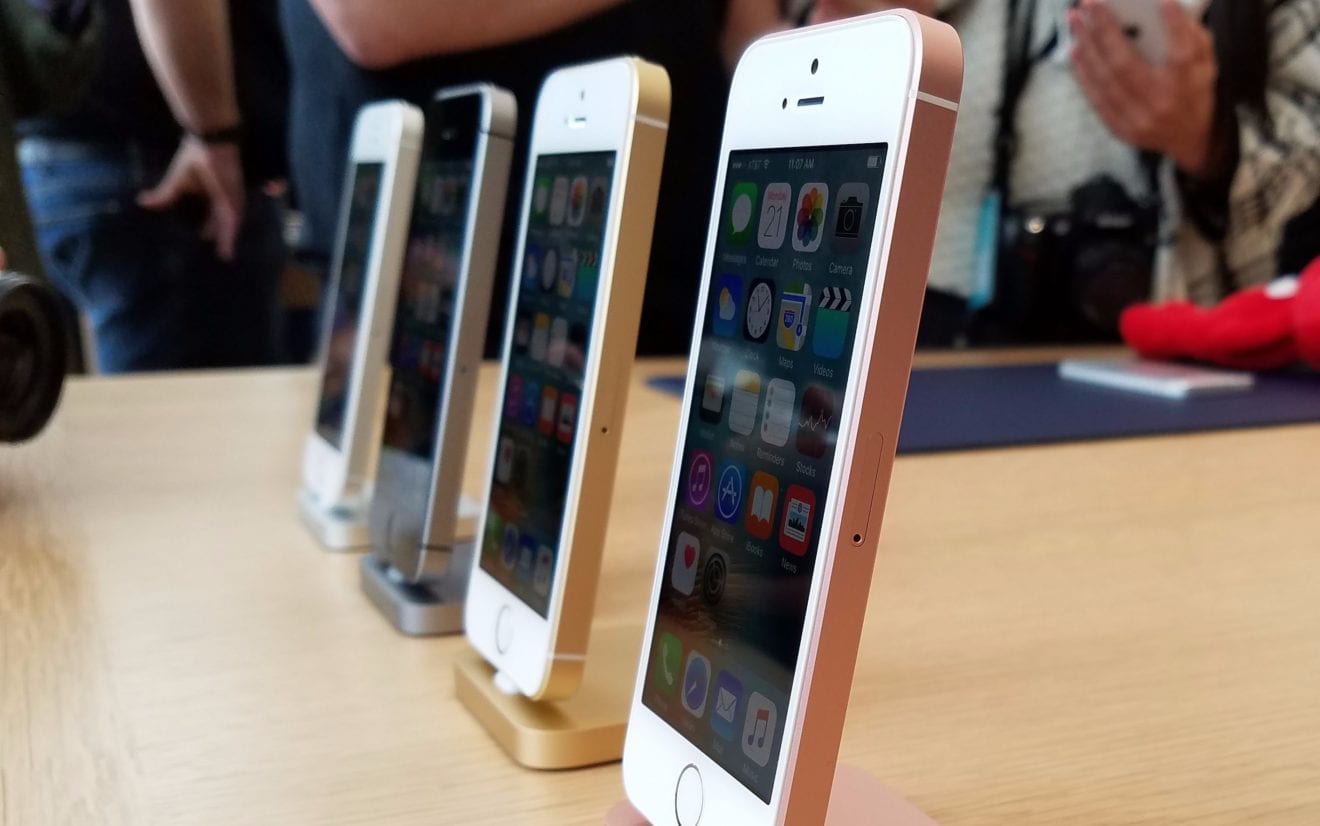
    USA Today reported that the ratio of iPhone 7/iPhone 7 Plus buyers in the US when the model hit the shelves was 55/45. The situation is the opposite in Vietnam. The representative of the biggest smartphone retail chain in Vietnam said the ratio of iPhone 7/7 Plus sold had been 35/65 by early December 2016.

    The same thing occurred with Samsung Galaxy S7 and S7 Edge. The most prestigious distribution chains all reported that 80 out of 100 buyers chose curved-screen S7 Edge, while only 20 wanted a S7.

    The distributors say that Vietnamese tend to choose premium versions instead of the standard ones if manufacturers market two models.

    iPhone 7 Plus is now sold at VND22.3 million for the 32 GB version, while the highest price of VND28 million is applied to the 256 GB version. Galaxy S7 Edge is priced at VND17 million though it has seen sharp price decreases. Vietnamese, who have an average income of over $2,000 per annum, prefer premium versions to standard ones. Sony once witnessed the same with Xperia Z and ZL.

    Xperia Z was among the best sellers in 2013 thanks to the luxurious design with glass cover, while ZL with plastics cover could not catch users’ eyes and it nearly disappeared from the domestic market.

    In mid-2016, LG was once heavily criticized when it intended to bring the LG G5 version with Snapdragon 652 and RAM 3 GB instead of the one with RAM 4 GB and Snapdragon 820.

    A branding expert said that Vietnamese tend to choose the best ones despite high prices. They also spend several millions of dong more to buy scooters instead of motorbikes.

    Meanwhile, Lac Huy from CellphoneS, a distribution chain, said that consumers prefer iPhone 7 Plus because of the larger screen, stronger battery and better camera.

    “Apple is a big name. Its design and appearance look luxurious. Therefore, it is favored by Vietnamese, who just want the product which can help them show off, rather than the product which can help fulfill their work,” an analyst said.

    “This explains why many Vietnamese buy iPhones, even though they never intend to learn about the features of the smartphone and they just send messages and make calls with the iPhones,” he said.