Retail News CRM

Tag: luxe

  • Hop Lun signs licensing deal with Janet Reger Lingerie

    Hop Lun signs licensing deal with Janet Reger Lingerie

    British lingerie brand Janet Reger has signed a new global licensing deal with Hong Kong’s Hop Lun, one of the world’s largest lingerie and swimwear designers and producers.

    A newly launched diffusion line ‘Janet Reger Rouge’ is the first move by the 50-year-old brand Janet Reger to democratize its lingerie offer on a global scale.

    Founded in the 1960s by Janet Reger, who died in 2005, the brand is now run by her daughter Aliza who continues to uphold the label’s mantra of “Confident Beauty Undressed”.

    “Hop Lun’s expertise and manufacturing capabilities paired with the Reger heritage make the perfect partnership,” said Aliza Reger.

    Described as ‘age agnostic’, ‘Janet Reger Rouge’ covers four design stories and spans 36 pieces, all aimed at the contemporary woman.

    Erik Ryd, Hop Lun’s founder and CEO said it is amazing to think that more than 50 years ago Janet Reger was the first lingerie brand that really celebrated being a woman.

    “This ethos still exists today and we are excited about both the collaboration and the opportunity to bring the Janet Reger Rouge brand to new, global markets”.

    Hop Lun, founded in 1992, provides fashion lingerie and swimwear to major global brands and retailers. The company also founded its own retail brand 6ixty8ight.

  • Central Retail to invest US$575 million on expansion this year

    Central Retail to invest US$575 million on expansion this year

    Thailand’s Central Retail Corporation achieved 8 percent revenue growth last year to US$7.1 billion and an 11-per-cent boost in profit to $394.7 million.

    CEO Yol Phokasub said the improvement reflected “robust platforms” in every country in which it operated: Thailand, Vietnam and Italy.

    “We increased market share in every product category, including fashion, food and hardlines, whilst we also grew our customer base in each market with our strong eco-systems,” he said.

    Central Retail is on track to achieve a five-year goal of achieving 8-10-per-cent average annual income growth and earnings growth of 10-11 percent.

    This year, Central Retail is investing $575 million into expanding its business in its three core markets, exclusive of mergers and acquisitions.

    In Thailand it plans to open three Robinson Lifestyle stores, seven Thai Watsadu stores and 3 Baan and Beyond stores, as well as expanding its food and specialty-store networks.

    In Vietnam it will open six supermarkets under the existing Big C banner and its new brand Go!

    It also plans to refurbish some existing stores and open more outlets under its LookKool, Kubo and SuperSports banners.

    In Italy, it will refurbish its department stores in Florence and Rome, and focus on leadership in the lifestyle-luxury segment of the market.

    “After many uncertainties in both the global and Thai economies this year, whether from the strong Baht, the COVID-19 epidemic, reduced tourist arrivals or declining consumer confidence, Central Retail must exercise caution in its business operations, closely monitor various issues and use technology to manage costs effectively,” said Phokasub.

    “Our multi-category and multi-format platforms give us flexibility and adaptability to rapidly changing and volatile situations. This offers us an advantage and a good opportunity to reach customers, providing them with new experiences through our robust omnichannel platforms.”

    Central Retail achieved sales growth online of about 56 percent last year.

    “This year, we forecast sales through the omnichannel platforms to account for over 10 percent of Central Retail’s sales,” he said.

  • Bentley Continental GT Mulliner Revealed

    Bentley Continental GT Mulliner Revealed

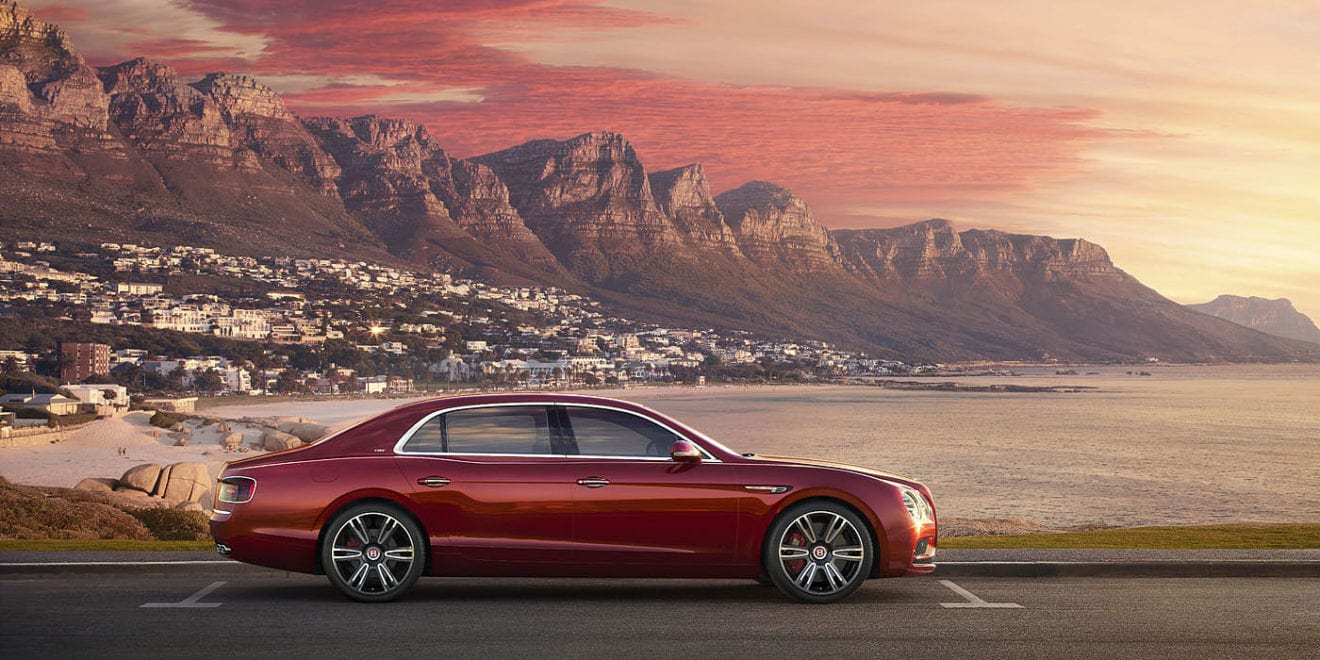
    Bentley took the wraps off the Continental GT Mulliner and will be showcasing it at the upcoming Geneva Auto Show as well. It will be a limited edition model and it will also be the flagship of Continental GT range. We all know Bentley for making uber-luxurious cars, but the Continental GT Mulliner is the next level, as far as comfort and exclusivity is concerned. Bentley says that this car is made for those who want an “even greater focus on beautiful details”. The new Continental GT Mulliner gets a new double-diamond grille, which looks gorgeous and is complemented by ‘Mulliner’ branded side vents with the silver-on-black diamond scheme.

    Apart from that, the interior too gets the typical Bentley diamond-on-diamond quilting on the seats, door panels, and the tonneau cover as well. The threads are of different colors so as to accentuate the stitching. Each diamond gets exactly 712 stitches. There will be eight three-color combinations, all of which are custom made. The center-piece is the Breitling timepiece on the dashboard, which is finished in brushed silver and gets a quartet of chrome bullseyes offering a lovely bejeweled look. Other features include 7 different themes for mood-lighting along with illuminated tread plates and LED welcome lamps that project the Bentley logo on the ground as you step inside.

    Each Continental GT Mulliner gets a ‘Naim for Bentley’ premium audio system which includes 18 speakers and two active bass transducers, driven by a 2,200 watt, 20-channel amplifier and also gets eight DSP sound modes with an active bass.

    The Bentley Continental GT Mulliner can be specified with either the V8 or the W12 powertrains. The 6.0-liter twin-turbo W12 motor enables the car to do a 0-100 kmph sprint in 3.8 seconds and reach a top speed of 333 kmph. The 4.0-liter Twin-turbo V8 Mulliner model does the 0-100 kmph sprint in 4.1 seconds and has a top speed of 318 kmph.

  • Leading Southeast Asian online luxury fashionmarketplace BlinQ partners with global luxury fashion retailer YOOX

    Leading Southeast Asian online luxury fashionmarketplace BlinQ partners with global luxury fashion retailer YOOX

    Leading Southeast Asian luxury online fashion marketplace BlinQ today announced a commercial affiliation with the leading global online fashion retailer that revolutionized the luxury fashion industry, the YOOX Net-a-Porter group. This closely follows the launch of the BlinQ pre-loved segment and Asean Houz – a collection of high-end fashion brands from around the region.

    With operations all over the world from the United States to Japan, YOOX has over 3 million high-spending customers worldwide. This partnership with BlinQ will bring more of YOOX’s products into the Southeast Asian region. Fashion lovers looking to spend their red packet money on BlinQ will be spoilt for choice: they will now be able to access a catalog of more than 10,000 products from over 700 luxury brands, on top of the products already on the platform — all while enjoying better customer experience, with lower shipping costs and shorter fulfillment times.

    Bob Chua, founder and CEO of BlinQ, commented: “We are thrilled to work with YOOX to drive their unmatched selection of luxury products and designers into this part of the world. This will give Southeast Asian consumers easy access to thousands of new products from amazing high-end luxury brands. We have been growing quickly, and this partnership provides a greater depth of brands and products to our users in the Southeast Asian region.”

    BlinQ has over 30,000 users joining the platform every month, with luxury brands such as Kenzo, Prada and Off-White included on the platform.

    This partnership will provide YOOX with a strong Southeast Asian partner to expand their potential customer base in Southeast Asia. The global luxury fashion powerhouse is in a strong position to gain significant market share in a region that has a growing luxury market.

    A spokesperson from YOOX shared: “We’re extremely excited to work with BlinQ, and we can’t wait to expand our reach with them moving forward.”

  • Cartier flagship opens on Tmall Luxury Pavilion

    Cartier flagship opens on Tmall Luxury Pavilion

    Cartier flagship has opened on Alibaba’s premium Tmall Luxury Pavilion, becoming the first Richemont-owned business to launch a standalone boutique on the site.

    “The Tmall Flagship boutique marks a milestone within the Maison’s longstanding presence in China, reflecting the inheritance of the pioneering spirit embedded in the Maison’s DNA,” said Cyrille Vigneron, president and CEO at Cartier International.

    He said the Cartier flagship’s launch will provide significant opportunities for the brand to embrace China’s fast-moving retail environment in order to further strengthen its commitment to Chinese clients, given the increasingly complex e-commerce landscape of the market.

    Besides a wide collection of jewelry, timepieces, and accessories, the Cartier flagship on Tmall features the global debut of two exclusive collections: the Juste un Clou small model bracelet with diamonds and the Guirlande chain wallet bag.

    The brand offers special services including red box engravings and door-to-door Cartier Bellboy delivery services for the first 288 clients.

    To celebrate the launch, Cartier Tmall has created a hashtag #Let’s Cartier on Weibo and unveiled its grand opening ceremony this February with Tmall Super Brand Day.

  • AirAsia picks creative agency in India

    AirAsia picks creative agency in India

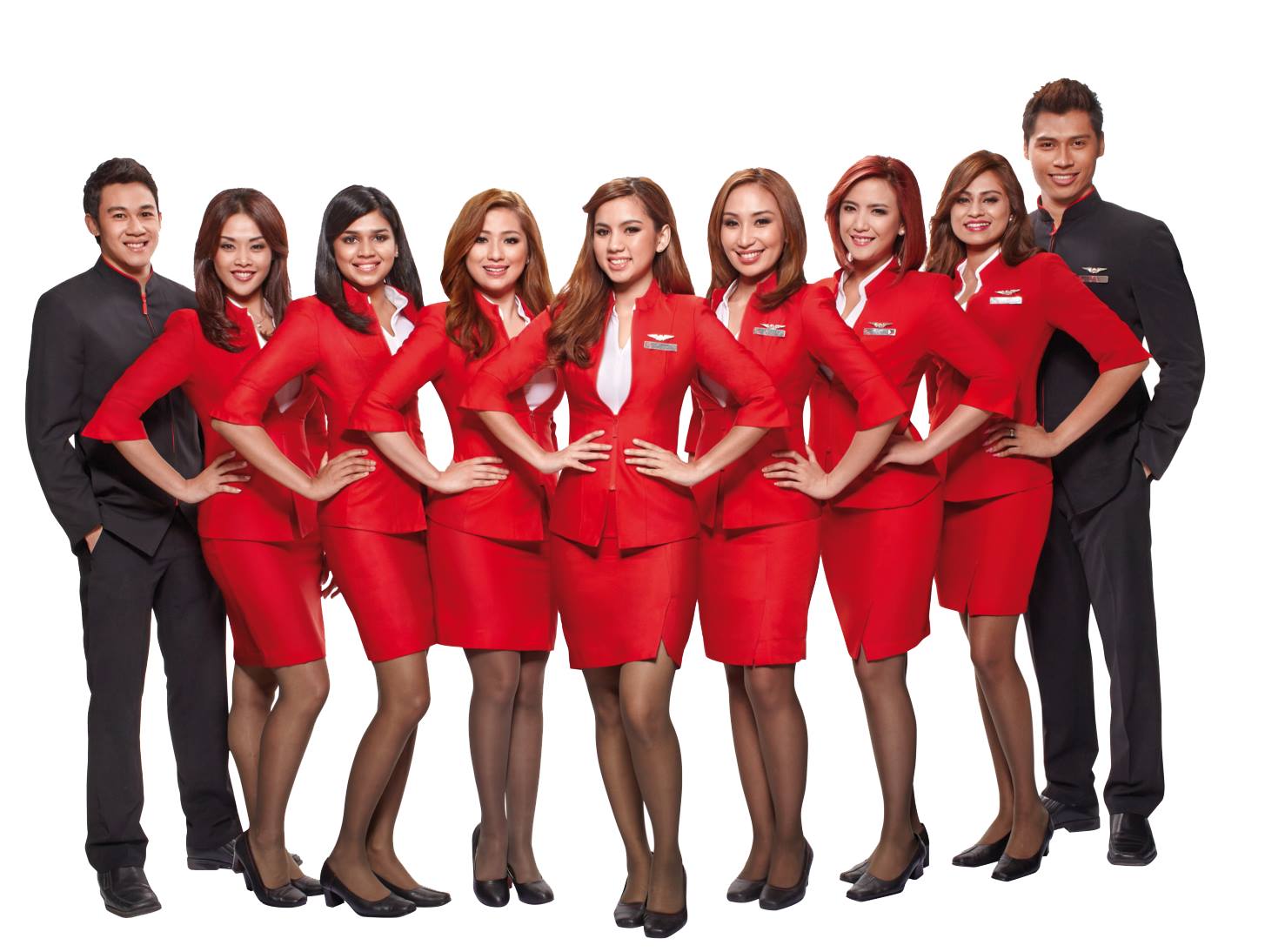
    AirAsia India has appointed Wunderman Thompson South Asia to manage creative duties following a pitch in 2019. The agency will be responsible for brand strategy and shaping the communications narrative in India, taking care of above-the-line and digital creative mandates.

    According to the press statement, Wunderman Thompson understood AirAsia India’s strategic and brand objectives and will be working on developing the brand’s strong and sustainable positioning that will cut across geographies, demographics, and mindsets and deliver differentiated content with incisive insights. A+M has reached out to Wunderman Thompson for additional information.

    AirAsia India is a joint venture between Tata Sons and AirAsia Investment. AirAsia India commenced operations on 12 June 2014 with Bengaluru as its primary hub. Its agenda is to drive salience across markets with customized content and clutter-breaking communication that inspires diverse audiences with its brand promise and the aspirational journey ahead.

    AirAsia India’s CMO Siddhartha Butalia said the agency approached the opportunity with strong strategic insights and compelling creative ideas that bring the emotion and inspiration back to travel. “We’re looking forward to partnering with them to drive consideration and relevance across the customer journey, take off to even greater heights and explore new territories,” Butalia added.

    Senior VP and managing partner at Wunderman Thompson, Kundan Joshee, said AirAsia has a unique value proposition and a distinct challenger brand spirit that makes it such a powerful brand.

    “Our job is to partner with AirAsia and bring alive its philosophy of service, efficiency and innovation. In today’s times, it’s essential for a brand to have multiple conversations with people across touchpoints and this gives us the opportunity to do new-age work and drive interesting conversations around the brand,” he said.

    Closer to home, AirAsia Group and Universal Music Group partnered last year to launch RedRecords, a new label partnership focused on signing, developing and breaking new Asian artists and elevating “A-pop” globally to new audiences throughout the region and around the world. RedRecords will focus on discovering and developing talent from Southeast Asia and throughout the wider continent and form a clear and unique sound that reflects the diverse and rich musical culture of the continent.

    The airline also announced last November that it is expanding its online offering to include flights on other airlines as it transforms airasia.com into Asia Pacific’s leading travel and lifestyle platform. This was done in partnership with leading travel technology company Kiwi.com. It also unveiled SNAP, a new name for flight + hotel packages on airasia.com offering the lowest guaranteed package prices in 2019.

  • Luxury labels increase focus on burgeoning Korean market

    Luxury labels increase focus on burgeoning Korean market

    South Korean consumers’ love for luxury labels is encouraging high-end brands to take bold, innovative moves into the market, opening pop-up stores and staging world-exclusive fashion shows.

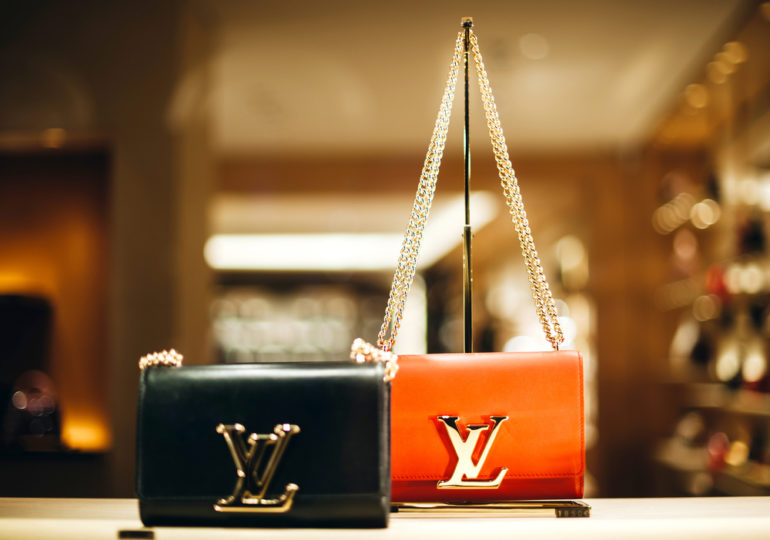
    Louis Vuitton, listed by Forbes as the most powerful luxury brand, opened a new flagship boutique in Seoul late last month, a unique building designed by renowned architects Frank Gehry and Peter Marino and located in the high-end Cheongdam neighborhood in Gangnam. Bernard Arnault, chairman of the French luxury goods conglomerate LVMH, which has Louis Vuitton under its wing, attended the opening ceremony of the store during his third visit to South Korea in the last three years.

    In April, Louis Vuitton opened a pop-up store for its signature Twist bags in collaboration with Hyundai Vinyl and Plastic in Seoul. It was Louis Vuitton’s second single-theme pop-up store, following its Archlight sneakers pop-up launched in New York in 2017.

    In July, Louis Vuitton also teamed up with one of the country’s leading department stores, Shinsegae Department Store, to open its first Asian pop-up space at its Gangnam outlet in southern Seoul entirely devoted to handbags. A limited number of the items were exclusively sold at the store.

    The French luxury house has since showcased a series of pop-up stores at department stores in Seoul and the surrounding Gyeonggi Province, offering South Korean consumers the exclusive advance opportunity to buy select items from next year’s collection.

    “In the past, I usually purchased bags when I visited Paris as the latest items from the collection were first available there,” Kim Min-kyung, a 36-year-old VIP customer at a local department store, said.

    “Now, the latest collection items can be purchased here even in advance.”

    The luxury goods market in South Korea was valued at 14.2 trillion won (US$12.1 billion) last year, up from 11.46 trillion won in 2014, according to market research company Euromonitor International. It is also the fourth fastest-growing luxury goods market in the world behind India, Malaysia, and Indonesia.

    Multiple sets of industry data show sales of major luxury brands grew between 20 and 30 percent in the country last year, compared with an average of 2-per-cent growth for local department stores.

    South Korea’s luxury-handbag market was valued at 3.2 trillion won in 2017, making it the world’s fourth-largest following the US, China and Japan. It also outpaced France, the home of international powerhouses such as Louis Vuitton and Chanel.

    High-end jewelry and fashion brands have also held a series of world-exclusive launching events and fashion shows in Seoul. In April, Italian luxury brand Fendi, also part of LVMH, debuted its lively, street-style fashion collection “Roma Amor” at a Lotte Department Store outlet. It was the first time that Fendi has launched a new collection in Seoul.

    “The global luxury brand’s launch of a new collection in Seoul illustrates the growth of consumption power among Korean millennials,” Kim Hye-ra, a luxury department chief at Lotte Department Store, said.

    The millennial generation, consumers born between 1980 and 1994, approaches shopping differently from older people, whose top priority in consumption is satisfaction.

    In an apparent move to target the spending power of younger consumers, French luxury house Chanel revealed its exclusive Urban Capsule Collection in collaboration with US pop star Pharrell Williams earlier this year. The collection, vibrant and far from the conventional classics, has been popular among the younger generation.

    “Consumption of luxury goods, most noticeably among the so-called millennial generation, has constantly increased despite a slowdown in the economy,” said Ha In-hwan, an analyst at Meritz Securities, adding that international brands are accelerating their push into the country as the market is expected to show continued growth.

    Some luxury labels have recently taken further steps by opening branches there in an apparent move to directly target South Korean consumers without going through local importers or distributors that are mostly operated by the country’s major conglomerates.

    British-based luxury-handbag maker Mulberry recently took full ownership of its South Korean business by buying Mulberry Korea from local partner SHK. As part of a wider Asian development strategy, Mulberry made an additional investment of 1.3 million pounds.

    “Over the last 18 months, we have recruited a new management team and taken day-to-day control of the business in South Korea, an important market for luxury goods where the Mulberry brand has significant growth potential,” CEO Thierry Andretta said in a press release.

    Luxury fashion and perfume house Givenchy also recently terminated its distribution contract with Shinsegae International, part of the country’s largest retail conglomerate, Shinsegae to operate its own branch there.

    Givenchy Korea, under the leadership of Ramon Ros Parellada, has reportedly hired nearly 100 employees to kick off its own business. The company recently opened its first outlet in South Korea — its second in Asia — in Seoul, entirely dedicated to its kids collection.

    Delvaux, a Belgian luxury goods maker, also launched a branch in the country, its sixth overseas store. The brand, known for its delicate yet very expensive handbags, has recently pushed a local expansion by opening boutique stores.

    “The decision (to operate a South Korean branch) is to bring a unique experience to Korean consumers who can truly value good products,” Delvaux said.

    Market watchers think that global luxury labels will continue to rush into South Korea, as the country serves as a testbed for the Asian market. Also, the market offers a convenient and attractive shopping environment for Chinese customers, who account for almost a third of global spending in the luxury market.

    “Sales of major European luxury brands in the Asian market have shown steep growth this year despite a slowdown in other parts of the world,” said Kim Jae-im, an analyst at Hana Financial Investment.

  • Luxiee secures six-figure funding from Singapore angel

    Luxiee secures six-figure funding from Singapore angel

    Singapore-headquartered online diamond marketplace, Luxiee, has raised a six-figure investment in a private seed-funding round.

    The team secured financier Kewee Kho, also vice-chairman of Roadbull Logistics and independent director of Courts Asia, as the leading investor.

    Luxiee, launched in January, bills itself as the world’s first online diamond marketplace that connects consumers directly to established suppliers in a transparent matching model that removes the middle-man, resulting in better value for customers. The funds raised will be channeled towards marketing, branding, public relations, and media placement, as well as building the business’ staff.

    “It’s about time a traditional industry like diamonds experience a new way of delivering real value to customers. It is a disruption to an old school economy,” said Kho in a statement. “The impressive background of Luxiee’s solid management team, with experts coming together from the creative, digital marketing, and precious gems industries, reinforces my belief in this new and current business model. Transformative growth awaits, and I look forward to an exciting and rewarding journey with the team.”

    Luxiee CEO Nicholas Lim said it was exciting to have an experienced investor like Kewee Kho on board.

    “We look forward to his strategic direction and advice. His confidence in the business is added assurance to the formula of our business model, and we are driven by opportunities to accelerate our growth.”

    Luxiee says the direct connection between supplier and consumer through its platform allows consumers to enjoy up to a 300-per-cent reduction in the diamond price compared with those sold at luxury retail outlets. For example: a 1.0 Carat, F Color, VS2 Clarity, Excellent Cut diamond can sell for as low as SG$7000 (US$5000).

  • Losses widen for Larry Jewelry in subdued luxury-goods market

    Losses widen for Larry Jewelry in subdued luxury-goods market

    Listed Hong Kong jewelry and Chinese-medicine retailer Larry Jewelry has reported a higher loss as its sales plunged 23.1 percent in the six months to June.

    Sales in its jewelry business fell by 17.6 percent, largely in the Hong Kong market, however, the group achieved a better profit margin both there and in Singapore. The company said the luxury-goods market remained soft in the first half of the year.

    The Tung Fong Hung (TFH) business, which retails Chinese pharmaceutical products, dry seafood, health products, and foodstuffs in Hong Kong, Macau and Mainland China, recorded a sales decline of about 25 percent. TFH has 15 stores in Hong Kong, two in Macau and 36 on the mainland.

    The company said it will review the sales network and customer focus of TFH and introduce more locally made products to suit the needs of domestic market through its newly refurbished food and traditional Chinese medicine production facilities.

    The loss attributable to shareholders was HK$49.485 million for the six months to June 30, up from $41.066 million in the same period last year, on group sales of $147.138 million, down from $191.236 million.

    A 31.2-per-cent decrease in gross profit margin was attributed to changes in the company’s product mix during the period.

    Executive director Danny Wong said that in light of the recent business environment and financial resources on hand, the group will continue to seek suitable business opportunities to diversify its existing business stream.

    “The group remains cautiously optimistic in the luxury jewelry market in the long-run. [We] will explore opportunities to broaden the geographic base of customers to markets outside Hong Kong and Singapore and increase its visibility across Southeast Asian countries,” he said.

    “The group also seeks to achieve a diversified customer base through the introduction of new distinctive and unique product designs to more youthful, cosmopolitan audience.”

  • LVMH sales up despite global tensions

    LVMH sales up despite global tensions

    Luxury brand owner LVMH has reported a solid 15 percent increase in sales in the first half of this year, shrugging off gloomy consumer sentiment in many markets.

    The parent of Louis Vuitton, Christian Dior, Bulgari, Sephora, DFS, Moet and a raft of other brands recorded sales of €25.1 billion. Organic growth was 12 percent ahead of the same period a year earlier.

    Second-quarter growth was also up by 15 percent of the beginning of the year, with the US, Asia and Europe all showing good growth and an obvious rebound in France in the second quarter.

    While the company noted a slowdown in demand in Hong Kong and Macau over the past few months, its DFS department-store subsidiary recorded “good” performance during the first half of the year.

    Profit from recurring operations was €5.295 billion for the first half, up by 14 percent, with operating margin reaching 21.1 percent – about the same as last year.

    “These results once again illustrate the effectiveness of our strategy and the exceptional desirability of our Maisons, whose products transcend time,” said chairman and CEO Bernard Arnault.

    “Their constant demand for quality and their consistently refreshed creativity are key to LVMH’s success, always guided by a long-term vision, combining exemplarity and responsibility in all the company’s actions. Despite buoyant demand, we will continue to manage costs and remain vigilant into the second half of the year. We are therefore entering the second half of the year with confidence and count on the talent of our teams and their shared entrepreneurial passion to further increase, once again in 2019, our leadership in the world of high-quality products.”

    The company’s fashion and leather goods business group recorded organic sales growth of 18 percent and profit from recurring operations was up 17 percent. The Louis Vuitton brand business achieved growth in all businesses and regions. Christian Dior had “a remarkable performance during the first half,” the company said, with its new 30 Montaigne line a standout.

    The selective retailing business group achieved organic revenue growth of 8 percent, with profit from recurring operations up 17 percent. Within that group, Sephora recorded strong revenue growth and gained market share in all of its locations, LVMH reported.

  • SMCP Taking over men’s luxury brand De Fursac

    SMCP Taking over men’s luxury brand De Fursac

    Chinese-controlled affordable luxury fashion group SMCP has agreed to buy French luxury menswear label De Fursac.

    The deal – the value of which was not disclosed – gives SMCP an entry into the menswear category and will complement its existing labels Sandro, Maje and Claudie Pierlot.

    In a regulatory filing, Shandong Ruyi said the deal would be financed from debt but would increase earnings-per-share immediately.

    Last year, De Fursac’s sales reached €41.4 million last year and it achieved like-for-like sales growth of 5.4 percent.

    SMCP CEO Daniel Lalonde said De Fursac gives his company a unique opportunity to accelerate its strategy by tapping into a new segment in the fast-growing men’s accessible luxury market.

    “De Fursac is an outstanding brand, poised for growth through international expansion, with the support of our expertise.”

  • Asian expansion contributes to loss for Mulberry

    Asian expansion contributes to loss for Mulberry

    Expansion into Asia has weighed on British luxury bag label Mulberry’s bottom line, but the company is confident the foray will bear fruit.

    Mulberry reported a pre-tax loss of £5 million in the year to March 30, a sharp contrast to a £6.9 million pre-tax profit the previous year.

    The other major contributor to the loss was the collapse of British department store House of Fraser which cost it £2.1 million and worsening the impact of a “challenging” UK domestic market. Sales fell 2 per cent to £166.3 million.

    During the year, Mulberry opened new business subsidiaries in Japan and South Korea along with new stores in New York and Dubai as it focuses on international markets for sustained future growth. Revenue from overseas rose 7 per cent for the year, compensating in part for a 6 per cent drop in domestic sales. Online sales rose 27 per cent

    “The group has delivered results in line with expectations and is making good progress in advancing its international strategy and direct to customer model whilst managing a challenging UK market,” said CEO Thierry Andretta.

    “Looking ahead, we anticipate that international and digital sales will continue to grow whilst UK retail trading conditions are expected to remain uncertain. The group plans to invest further in its new Asian entities during this development phase, enhance its global digital platform and optimise the UK network,” he said.

    Sales in the 11 weeks to June 15 were up 13 per cent.

    Chloe Collins, senior retail analyst at GlobalData, said Mulberry needs to seek new and inspiring ways to attract new customers via increased social media and marketing campaigns.’

    She said Mulberry’s expansion of its lifestyle-product offer – it launched its first eyewear range last year – and its plans to increase the depth in its range of trainers are a wise move to capitalise on the trend for athleisure and competing with the likes of Isabel Marant and Golden Goose.

    “However, it must be careful that this does not distract design focus from its core handbags offer, where developments and upgrades are still necessary to maintain shopper appeal.”

    She said teaming up with fast-growing technology platform Farfetch for a new digital concession in April, will help Mulberry increase its reach and bolster sales, both in the UK and internationally.

  • Edmund Hillary Brands kicks off $3m capital raise

    Edmund Hillary Brands kicks off $3m capital raise

    A luxury outdoor fashion brand inspired by Sir Edmund Hillary is looking to raise $3 million to expand overseas and fund a women’s range.

    Edmund Hillary Brands, which was co-founded with the Hillary family in 2018, launched an equity crowdfunding campaign on UK crowdfunding platform Crowdcube on Monday.

    Co-founder and CEO Mike Hall-Taylor said the brand aims to build on the momentum it has experienced since debuting its first collection last year.

    “We’ve received an overwhelming response to our first collection since launch last year and we want to maintain the momentum and capitalise on immediate opportunities in the UK, US, China and Australia as well as meet the demand from consumers for a women’s range,” Hall-Taylor said in a statement.

    While the brand expects to attract a number of larger investors, the minimum investment was deliberately kept at $23 to be accessible to New Zealanders who are interested.

    At the time of this writing, Edmund Hillary Brands had raised £82,728, or roughly $160,000, from 53 investors, bringing it 16 per cent of the way to its target. The campaign ends on July 24.

    Edmund Hillary Brands has enjoyed some early successes since launching in 2018, including a global debut at New Zealand Fashion Week, the opening of a standalone store at Queenstown airport, a global e-commerce site and partnerships with two supporting retailers.

    The brand has also formed a distribution partnership with a major e-commerce platform in China, where it will launch in September, ahead of the 2022 Beijing Winter Olympics.

    The brand’s debut collection was inspired by the classic styles worn by Sir Edmund Hillary and the expedition team. Designers poured over more than 2000 images of the 1953 expedition when developing the range.

    In addition to the brand’s connection with Sir Edmund Hillary’s style, a percentage of every sale goes to support Himalayan communities and outdoor education.

    “Apart from being an exciting financial investment, it also represents the opportunity to be part of continuing my father’s legacy with a portion of every sale going to the causes close to Ed’s heart – supporting Himalayan communities and outdoor education in our key markets,” Peter Hillary, co-founder of the brand, said in a statement.

  • Rolls-Royce Wraith Eagle VIII Collection Unveiled

    Rolls-Royce Wraith Eagle VIII Collection Unveiled

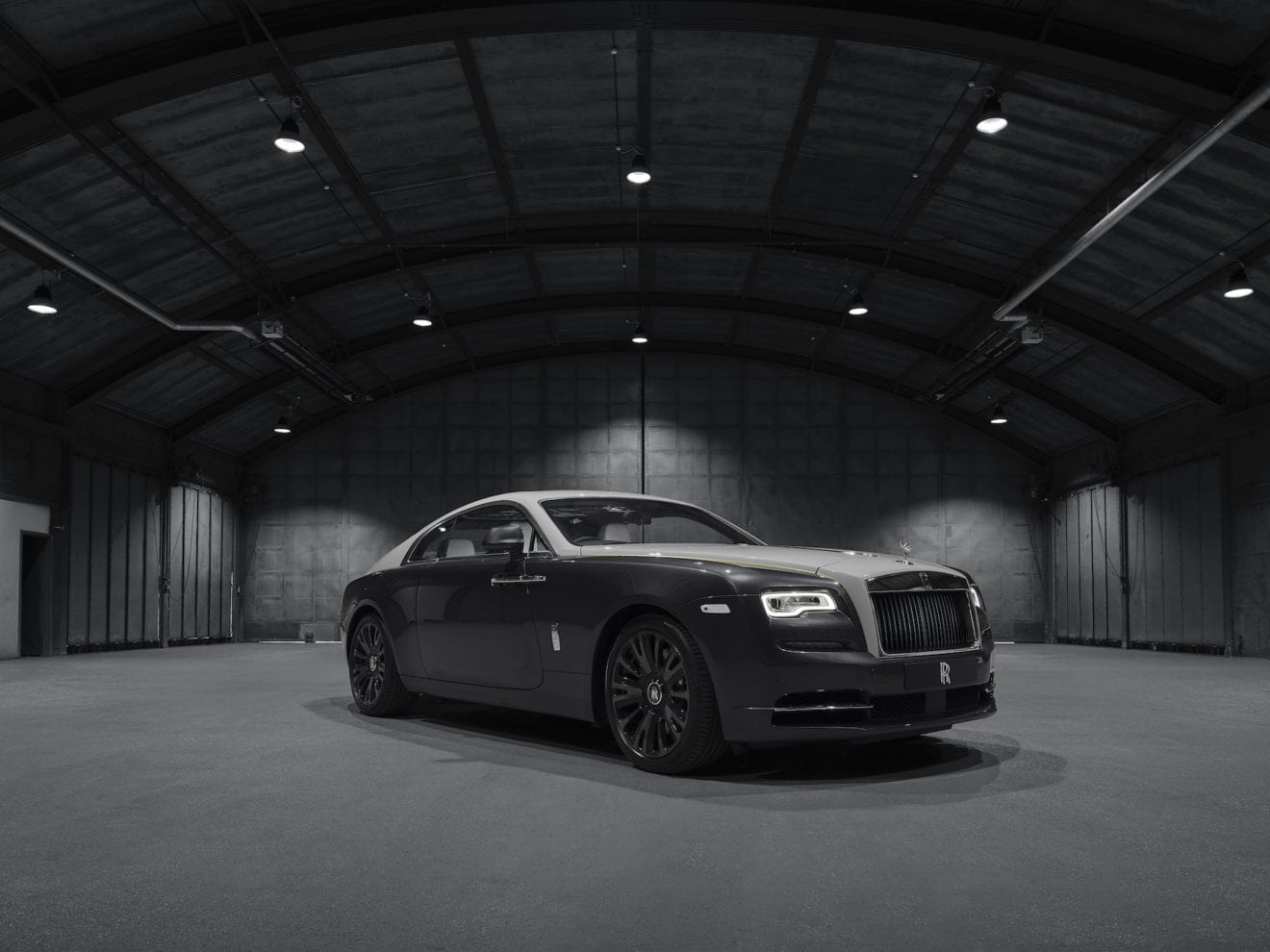
    It’s always a moment when Rolls-Royce shows a new ‘art-on-wheels’ to the world and more so when it’s a special edition. The luxury carmaker has unveiled the Wraith Eagle VIII Collection on the shores of Lake Como at this year’s Concorso d’Eleganza Villa d’Este and says that the car will tell the tale of one of the most pivotal moments of the 20th Century. Captain John Alcock and Lieutenant Arthur Brown flew the first non-stop transatlantic flight in June, 1919. Contemporaries of Sir Henry Royce, Alcock and Brown flew non-stop from St. John’s, Newfoundland to Clifden, Ireland in a modified First World War Vickers Vimy bomber aircraft which was powered by a 350 bhp, 20.3-litre Rolls-Royce Eagle VIII engines.

    Rolls-Royce marks the 100 year anniversary of this feat with a highly personalized Collection edition of the Wraith. The car is finished in Selby Gray upper two-tone with a contrasting brass feature line. Vanes on the iconic grille up front are finished in black and the alloy wheels are polished in a translucent shadow finish.

    The inside of the Wraith Eagle VIII collection will give you a different feel altogether. Don’t mistake it for any change in the design as the layout of the cabin remains untouched, however, the difference is in the treatment. It is draped in Selby grey and black leather with brass inserts to mirror the outside Hue. The speaker covers too are finished in brass which further extends to the door panniers. The driver side door includes a brass plaque with Sir Winston Churchill’s quote commending the achievement of the duo pilots who flew across the vast stretch of the Atlantic. The clock has an iced background effect which glows a faint green light in the night while driving.

    Rolls-Royce will handcraft just 50 units of the Wraith Eagle VIII Collection which will use the same 624 bhp, 6.6-litre V12 motor that powers the standard Rolls-Royce Wraith.

  • City proposal to slap luxury tax on mobile phones raises hackles

    City proposal to slap luxury tax on mobile phones raises hackles

    HCMC’s proposal to impose a special consumption tax on mobile phones has drawn protests from experts, who said they are not a luxury product. Dr. Nguyen Thanh Binh of the Ministry of Planning and Investment’s Institute of Policy and Development said the proposal should be carefully considered since no other country levies a luxury tax on mobile phones.

    The nature of such a tax is to hit luxury goods or discourage consumption of goods that use up foreign currency for imports or harm the environment or human health, he explained.

    “We have to ask ourselves whether mobile phones are essential or luxury, and what effect it has on the environment and health.”

    Mobiles are now ordinary goods used by everyone, he said.

    The city people’s committee has recently sent to the Ministry of Finance suggestions for a draft proposal on “expanding the tax base and preventing erosion of state revenues.”

    It said mobile phones are not luxury goods but not “very essential” either, and so it wants to regulate consumption to ensure it is “reasonable.”

    It also called on lawmakers to add items such as cameras, perfumes, cosmetics, gaming services, and beauty services to the list of items subject to special consumption tax to target the population segment with above-average income.

    Binh queried this rationale saying the city can simply use income tax for this.

    Nguyen Duc Nghia, chairman of Ho Chi Minh City Tax Agents Club, an association of tax consultants, said the mobile phone has become a commonplace product used by everyone.

    Therefore, a luxury tax would not have the effect of taxing only wealthy individuals and would instead affect everyone, he said.

    Truong Thanh Duc, chairman of Basico law firm, said special consumption tax is normally levied on luxury goods and those that are harmful or which the government wants to discourage people from using.

    In fact, in a quickly developing economy, this tax should be eliminated on many goods since what were once luxury goods gradually become essential items as people become more affluent, he pointed out.

    “Thirty years ago mobile phones were a luxury item but not taxed. Now it has become a popular item, with the number of telephone subscribers equaling the population. Levying a luxury tax on such a good is far from reasonable.”

    Up to 73 percent of the population uses mobile phones, on which 42 percent use smartphones and 50 million people use mobile social media, according to a report by Vietnamese digital advertising firm Adsota earlier this year.