Retail News CRM

Tag: luxe

  • Hugo Boss China sales up again last June

    Hugo Boss China sales up again last June

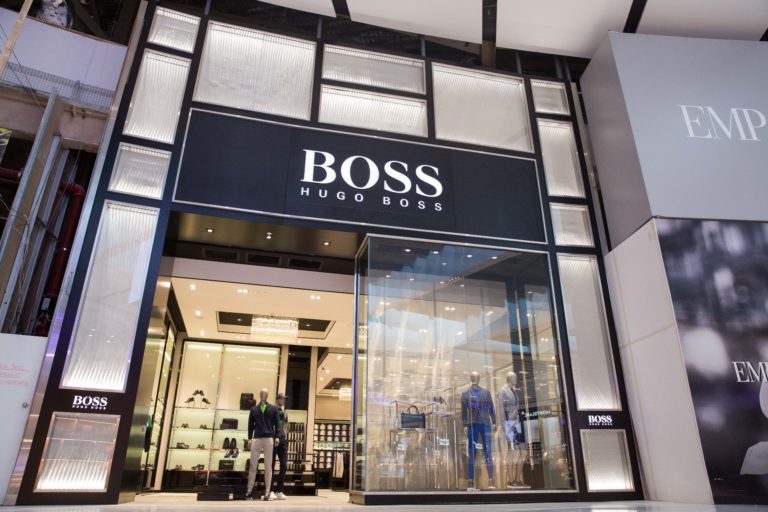
    Hugo Boss sales returned to strong growth in China in June and global online sales jumped 74 percent in the second quarter, even as the German fashion house reported an overall 59-per-cent fall in sales for the period due to lockdowns.

    Analysts at Baader Helvea noted the company was particularly exposed as people have been shifting to more casual wear during the coronavirus pandemic, cutting demand for the smart suits for which it is particularly known.

    Hugo Boss reported quarterly revenue of €275 million, missing an average analyst forecast for €288 million, while its operating loss of €124 million euros was ahead of consensus for a loss of €133 million.

    The company said it had seen a less pronounced fall in sales of casual wear and “athleisure” than in formal wear, with products like T-shirts, polo shirts, trousers and loungewear proving their resilience.

    Hugo Boss is currently led by finance chief Yves Mueller after Mark Langer stepped down as CEO. Daniel Grieder, the former CEO of Tommy Hilfiger Global & PVH Europe, is due to take over as CEO on June 1, next year.

    Hugo Boss China sales rose by 4 percent in the quarter, including double-digit growth in June, a similar trend to that reported by LVMH , the world’s biggest luxury goods group, which said last week that momentum had especially improved in China.

    By contrast, sales fell 59 percent in Europe and 82 percent in the Americas, with unrest and demonstrations in the US in May and June putting more strain on its business.

    The company expects a gradual improvement for the second half of this year, but declined to provide a full-year forecast.

  • Montblanc launches at Shanghai Plaza 66

    Montblanc launches at Shanghai Plaza 66

    Montblanc has launched a flagship boutique and a pop-up store in Shanghai, China. Located at Shanghai Plaza 66 on Nanjing Road, the store features a wide collection of Montblanc’s luxury goods, including travel bags, backpacks, watches, and accessories.

    The Shanghai Plaza 66 boutique features a modern design with black and gold elements.

    The Shanghai Plaza is also a location where Montblanc chose for its worldwide launch of M-Gram 4810 Collection. The CEO of Montblanc China, Daniel Chang, unveiled some photos of the pop-up store on his LinkedIn feed.

    Located in the main atrium, the pop-up store features a blue navy as the store’s theme color. A giant letter ‘M’ is displayed at the entrance of the store with the brand’s name in white on top. A large digital screen is installed on the side of the store, presenting videos of Montblanc’s products.

    The Montblanc’s pop up resembles a modern museum with a wide range of Montblanc items displayed on the wall.

    To promote the campaign, large banners are hung inside the mall, showing a photo of Montblanc’s global brand ambassador Chen Kun with the brand’s tagline ‘What moves you, makes you’

    The Shanghai Plaza 66 flagship’s facade was also re-designed, featuring the blue navy with ‘M’ pattern. Montblanc China also hosted the Montblanc 2020 Light Show in Hangzhou to promote the brand’s new collection.

  • Covid-19 has trapped US$111 billion of luxury spending in China

    Covid-19 has trapped US$111 billion of luxury spending in China

    Jeff Meng, a 25-year-old watch lover from a well-heeled Guangdong family, had US$22,800 burning a hole in his pocket. He could not find the Rolex Daytona watch he wanted, dubbed “panda” for its black-and-white face, anywhere in China.

    Thanks to the coronavirus pandemic that’s halted travel and disrupted networks of parallel importers, Chinese high-end shoppers like Meng – who collectively spend $111 billion a year on luxury goods, powering over a third of the global industry – are finding it hard to spend their cash.

    That’s forcing global luxury houses from Balenciaga to Montblanc to rethink how to reach Chinese consumers on the mainland, despite long-standing concerns that range from counterfeiters to powerful e-commerce platforms that set the rules. The halt to travel is also fuelling the rise of a second-hand luxury market in China as consumers seek certain styles or models they can’t find in local stores.

    Prior to the pandemic, two-thirds of Chinese luxury purchases were made overseas, according to consultancy Bain & Co. The spending took place either on shopping spree vacations or through resellers called “daigou”. Meaning to “buy on behalf,” these were platforms or individuals who used Chinese people living, studying or traveling abroad to purchase sought-after goods from boutiques in Europe or the US and bring them back home.

    “Now, travel is impossible, and daigou sellers are either back on the mainland or stranded in Europe,” said Meng. “The pandemic made me realize you can’t easily get what you fancy in China.”

    From Savile Row to Swiss watches, luxury rules have changed

    Cognisant of the potential of Chinese consumers who don’t travel overseas, luxury houses had already been rolling out plans to expand on the mainland. The pandemic has now hastened that shift and imbued it with urgency.

    With other factors like perceived anti-Chinese racism in western countries exacerbated by the coronavirus, and the Chinese government’s desire to bring spending home to boost its ailing economy, it’s likely that Chinese luxury buyers won’t revert to previous patterns even after the crisis passes.

    More than half of Chinese purchases for luxury goods will happen domestically by 2025, Bain & Co estimated in May, compared to a third in 2019.

    “Chinese feel unsafe in foreign countries, which is why they consume at home,” said Amrita Banta, MD at luxury consultancy Agility Research. “Brands should increase importing from foreign countries into China and offer a wider and well-priced range. They can now expand their reach to more cities — even smaller towns which have a propensity to spend.”

    E-commerce, live-streaming

    With China having largely contained its epidemic, including a new outbreak in Beijing last month, shoppers are spending again. This is set to boost the luxury market on the mainland as much as 10 percent this year, compared to a 45-per-cent plunge in the global industry, according to estimates by Boston Consulting Group.

    “Things are normal again internally, and we are seeing the results throughout our stores,” Richemont Chairman Johann Rupert said of China, where it has around 460 boutiques. “But they’re not traveling. Nobody is traveling. And until people feel sufficiently safe, I doubt that we will return to a pre-Covid stage.”

    The loss of Chinese travel spending has been cited as a blow to earnings by companies from LVMH to Moncler SpA in recent months. While luxury companies mostly do not break out Mainland China numbers, sales to Chinese tourists are likely to far outstrip revenue from local boutiques, analysts say.

    The trend of more spending within China “will push us to reconsider our store network,” said Jean-Marc Duplaix, CFO of Gucci-owner Kering SA during an April 21 earnings call. “It will lead to a clear re-shuffling of the distribution.”

    A wave of luxury brands like Prada, Miu Miu, Balenciaga, Piaget and Montblanc have opened virtual storefronts on Alibaba Group Holding’s Tmall luxury platform this year, some setting aside long-standing objections to working with third-party online channels.

    Brands like Louis Vuitton, Givenchy and Chloe have started using live-streaming to push products in China, a popular style of social commerce where an influencer speaks live to audiences for hours at a time, promoting and trying out items.

    In the past, luxury houses were worried about diluting brand prestige and losing control of customer data by working with Chinese internet giants like Alibaba, but the urgency of reaching Chinese shoppers has now eclipsed those concerns.

    “Most luxury brands were too reliant on their offline experience and they lacked presence outside major cities where there is no decent shopping mall,” said Jason Yu, MD at Kantar Worldpanel Greater China. “Counterfeits and resellers were also prevalent on e-commerce platforms in the past. But that is fast changing now.”

    Demand for some items has surged past supply in China. In May, Swiss watch exports to China fell 55 percent from a year ago, according to industry data, largely due to supply bottlenecks.

    “Due to the travel curbs during the pandemic, all the consumption power is locked inside China, so our sales there are growing,” said Alain Lam, the finance director of Oriental Watch Holdings. The high-end watch seller has 46 stores in mainland China. “But the supply is very tight, as Swiss factories are not yet fully returned to work.”

    Prior to the pandemic, luxury brands largely avoided stockpiling in China and kept local manufacturing to a minimum. Brands will now need to rethink how to avoid delayed stock and lost sales, said Agility’s Banta.

    Chinese shoppers desperate for certain items are turning to second-hand luxury platforms to procure them, fueling a surge of investment in such startups. Jeff Meng finally found his “panda” Rolex watch on one such platform called Ponhu (Beijing) Technology.

    Boosted by the pandemic, Ponhu’s gross sales will triple this year compared to last year, said founder Ma Cheng.

    JD’s used-goods platform Paipai saw sales in second-hand luxury goods jump 138 percent during the 18 days of its annual summer sale period in June compared to a year ago, including a record 300 Rolex timepieces changing hands. The demand for luxury watches, in particular, is due to the delay of new stock supply to Chinese retail stores, said Paipai’s luxury business manager Tony Yao.

    Rise of Hainan

    Facing its worst economic contraction since at least 1992, when official data was first released, China wants to keep spending within its borders.

    On July 1, China increased the tax-free shopping quota for travelers to its southern Hainan province, which has been designated a free trade zone, to 100,000 yuan annually per person from the previous 30,000 yuan. Sales on the first day of the new policy at four malls amounted to nearly 60 million yuan, reported state media.

    Some Chinese consumers say that the pandemic has unexpectedly shifted their perspectives: shopping at home can be convenient and pleasant in contrast to infrequent vacations or daigou platforms with no-returns policies.

    “I realize it’s so nice that I can try on the clothes in the malls, and salespeople treat me as a long-term client instead of just a tourist,” said Michelle Zhang, a finance executive from Fuzhou, Fujian province. “Even after global travel resumes, I will continue to shop more at home.”
  • Massive fake luxury goods ring shut down in Vietnam

    Massive fake luxury goods ring shut down in Vietnam

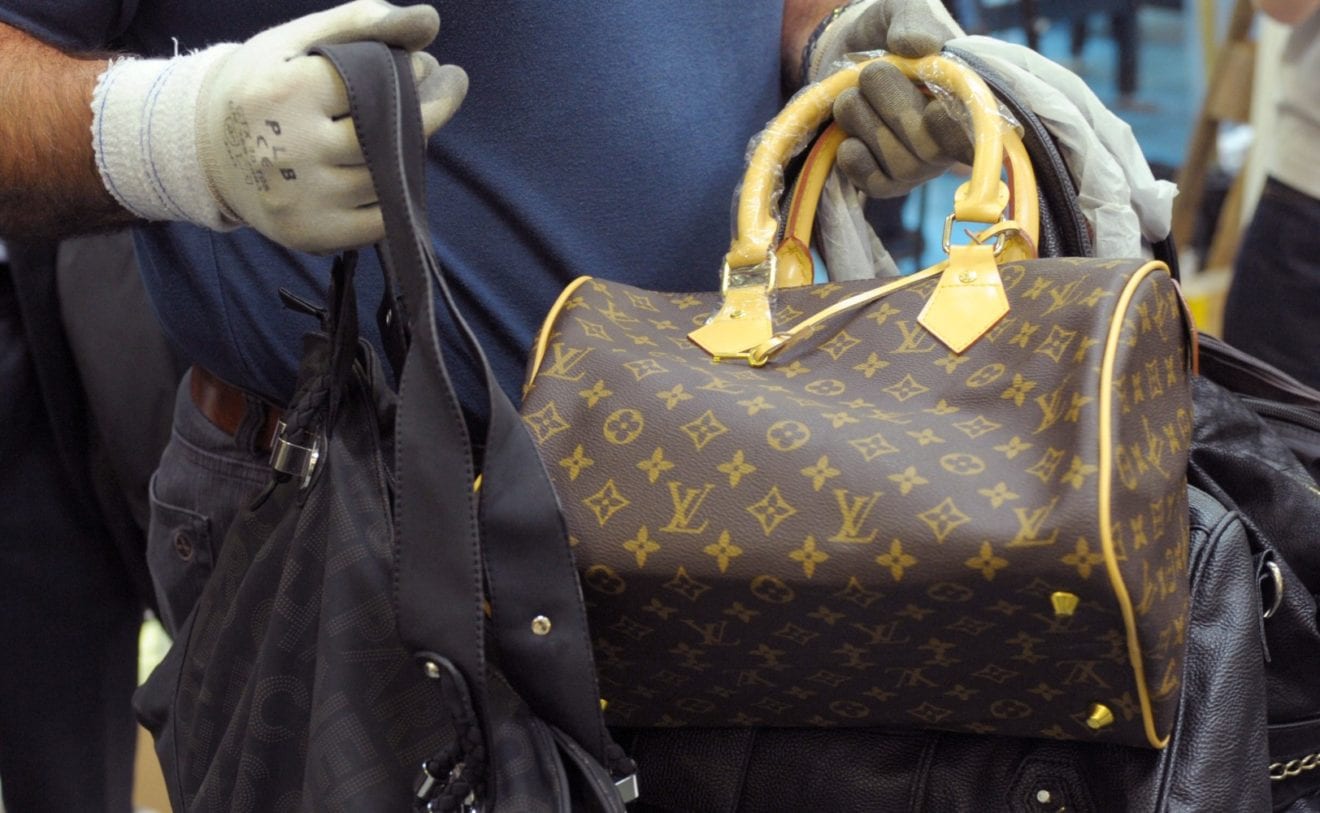
    Government authorities have raided a warehouse storing thousands of fake luxury goods in Lao Cai City, northern Vietnam, which were being sold online.

    The 10,000sqm warehouse was divided into several areas including rooms for selling fake luxury goods via live-streaming on Facebook. Most of the items are copies of major brands including Gucci, Chanel, Nike and Adidas.

    One of the employees from the warehouse admitted that there were more than 40 people processing orders during the live-streaming and some 1000 packages being shipped each day.

    Although the exact number of fake goods smuggled from China has yet to be confirmed, authorities discovered the ring sold more than 90,000 products each month at a profit of around US$432,000.

    An official said the ring was professionally organised and took advantage of online platforms for both wholesale and retail as online shopping has become increasingly popular in Vietnam.

  • Burberry realigns business units, names new ready-to-wear head

    Burberry realigns business units, names new ready-to-wear head

    Burberry is reorganizing its creative team as the luxury label welcomes back Adrian Ward-Rees to lead its ready-to-wear business.

    The British-based luxury retailer will set up three new business units – ready-to-wear, accessories, and shoes and says it plans to “pool expertise within them” to improve its focus on products and improve quality.

    “The changes we intend to make will ensure we have the right structures in place as we enter the next phase of our strategy,” said CEO Marco Gobbetti.

    Ward-Rees held the role of senior VP and MD of Dior Homme with Christian Dior for the last four years and previously worked at Hong Kong-headquartered Lane Crawford, along with a merchandising role with Burberry.

    He takes up the new role as senior VP ready-to-wear on July 20, based in London and reporting to Gobbetti.

    “I am delighted to welcome back Adrian to Burberry to lead our newly created Ready-to-Wear business unit,” said Gobbetti.

    “Embedding product specialization will enable us to elevate quality and increase our agility, further supporting the momentum we have built across our brand and product and setting us up for future success as markets begin to recover.”

  • Asia-Pacific luxury-goods market tipped to shed 2.1 billion USD this year

    Asia-Pacific luxury-goods market tipped to shed 2.1 billion USD this year

    The Asia-Pacific luxury-goods market is projected to sink by US$2.1 billion this year as pessimistic consumers switch from big-ticket items to the affordable-luxury realm.

    Retail intelligence group GlobalData has forecast luxury sales in the region will decline by 3.4 percent to reach $60.3 billion this year, compared to $62.4 billion last year.

    The industry has been hard hit by the coronavirus pandemic, leading to the closure of numerous luxury stores across Apac. Sagging consumer confidence across the region means luxury retailers are not expected to regain their sales growth anytime soon, according to the GlobalData.

    In addition, the threat of an extended Covid-19 crisis and an impending global recession will force consumers in the region to cut back on big-ticket items, especially luxury products, impacting on the Asia-Pacific luxury-goods market.

    “Covid-19 has forced luxury brands to postpone their fashion shows, cancel promotions events, and disrupted supply chains,” said GlobalData Retail analyst Suresh Sunkara.

    “However, since the start of the second quarter of this year, several countries in the region including China, Japan and South Korea have lifted most of their lockdown measures to bring normalcy in their economies while countries such as India have begun phased relaxation of lockdown measures. This will bring some relief to luxury retailers as they can now open their stores and resume operations.

    “International travel restrictions are still in place, resulting in continued closure of duty-free stores in airports, a major contributing channel for luxury sales. As a result, store closures and sales declines are bound to force luxury retailers to re-evaluate their price positioning and launch affordable luxury product lines to revive volume sales in these testing times.”

  • Luxury labels head to Line during Thai coronavirus lockdown

    Luxury labels head to Line during Thai coronavirus lockdown

    High-end brands have taken to online social-networking platform Line to sell luxury products during the Thai coronavirus lockdown.

    Off-the-runway fashion items, currently unavailable at temporarily shuttered department stores in Bangkok, are now being sold on Thailand’s dominant messaging service, previously the domain of local brands engaging in e-commerce.

    International names in luxury retail such as Bao Bao Issey Miyake, Club 21, Chanel and Louis Vuitton are now using Line accounts to set up online storefronts dedicated to moving products during the restrictions on movement.

    The brands are using various strategies – from video clips and advertising via messaging to live chats serving product information – in an attempt to capture attention in the online marketplace.

    While the Thai coronavirus lockdown may be relaxed later this month, allowing malls and department stores to reopen in the Thai capital, the new luxury e-commerce channels may well become an enduring feature of the nation’s fashion retail sector.

  • Burberry management take pay shave as luxury brand keeps staff on payroll

    Burberry management take pay shave as luxury brand keeps staff on payroll

    Senior management of British luxury fashion house Burberry has taken a voluntary pay cut and the company has opted to retain base pay for all its employees during the Covid-19 crisis, without relying on UK government support for jobs.

    During the past three months, the firm has temporarily closed retail stores and implemented strict social-distancing protocols.

    As reported last month, Burberry has converted its Castleford trench coat factory into a manufacturer of personal protection equipment (PPE) for medical and care workers during the pandemic.

    “While we continue to take mitigating actions to contain our costs and protect our financial position, we are also committed to safeguarding jobs and supporting the relief efforts during this global health emergency,” said Burberry CEO Marco Gobbetti.

    “I would like to thank our teams for their continued determination and resilience as we continue Thomas Burberry’s legacy of protecting others and caring for the community.”

    Savings on executive salaries between now and June will be contributed to support communities in need globally is additional to the financial donations Burberry has made to vaccine research and charities alleviating food poverty – with monies going towards procuring and distributing PPE, helping food banks and supporting healthcare charities around the world.

  • ‘Revenge spending’ fuels luxury goods rebound

    ‘Revenge spending’ fuels luxury goods rebound

    So-called ‘revenge spending’ has been credited with a significant upturn in sales of high-priced retail goods in South Korea which has tentatively emerged in recent days from a lockdown during the Covid-19 pandemic.

    Industry analysts say that the pent-up desire for consumption is leading to an increase in purchases of luxury goods to display wealth.

    Revenge spending refers to the outpouring of pent-up desire for consumption at once. Another factor cited by South Korea’s fashion industry experts is the ‘Veblen effect’ which refers to a phenomenon in which products sell better as prices rise – a form of conspicuous consumption.

    Although low- and mid-priced brands in South Korea are struggling with the effects of the Covid-19 outbreak, expensive brands are doing well.

    At the height of the spread of COVID-19, sales at Lanvin Collection and Time have increased significantly, Handsome Corp, an affiliate of Hyundai Department Store, and the top player in the women’s fashion industry.

    Lanvin Collection, which is one of the most exclusive offerings among the Handsome brands, is a license brand introduced jointly by Handsome and French luxury brand Lanvin Paris. It saw sales rising 35 percent year on year during the first quarter.

    Time, the flagship brand of Handsome, also saw its online sales jump 58 percent in the first quarter.

    Meanwhile, Isabel Marant, a French luxury brand imported by LF Corp., saw its sales rise 10 percent year on year.

    A similar phenomenon is emerging in the men’s clothing market. Thom Browne, imported and sold by Samsung C&T Corp, saw its sales rise 20 percent thus far this year.

    Thom Browne is a semi-luxury brand known for its men’s suits, and has recently enjoyed explosive popularity among young people with the release of Samsung Electronics’ Galaxy Z Flip Thom Browne edition.

    With the coronavirus crisis reshaping the online market, some commentators say these brands are benefitting from quickly establishing online sales systems.

    All of the brands whose sales have increased tout their wares via online portals — Handsome.com, LF Mall, and SSF Shop.

    The fact that there is no difference between offline and online prices also contributed to the increase in sales.

    “Covid-19 is intensifying the gap between the rich and the poor in the fashion industry,” an official from the fashion industry told Korea Bizwire.

    “A growing number of young and middle-aged people are now purchasing products from expensive brands online that they would never have considered in the past.”

    Meanwhile, according to a McKinsey study, luxury sales by South Korean department stores dipped in the double digits in March when social-distancing measures became widespread. But during the first week of April, sales rebounded. Overseas luxury brand sales rose by 5.4 percent and overseas watch and jewelry sales were up 27.4 percent at Lotte.

    McKinsey suggests that as other regions continue to struggle during the Covid-19 crisis, South Korea could emerge as a fast-rebounding market for luxury sales and one brands should keep their eyes on to understand future consumer trends and behavior across Asia-Pacific.

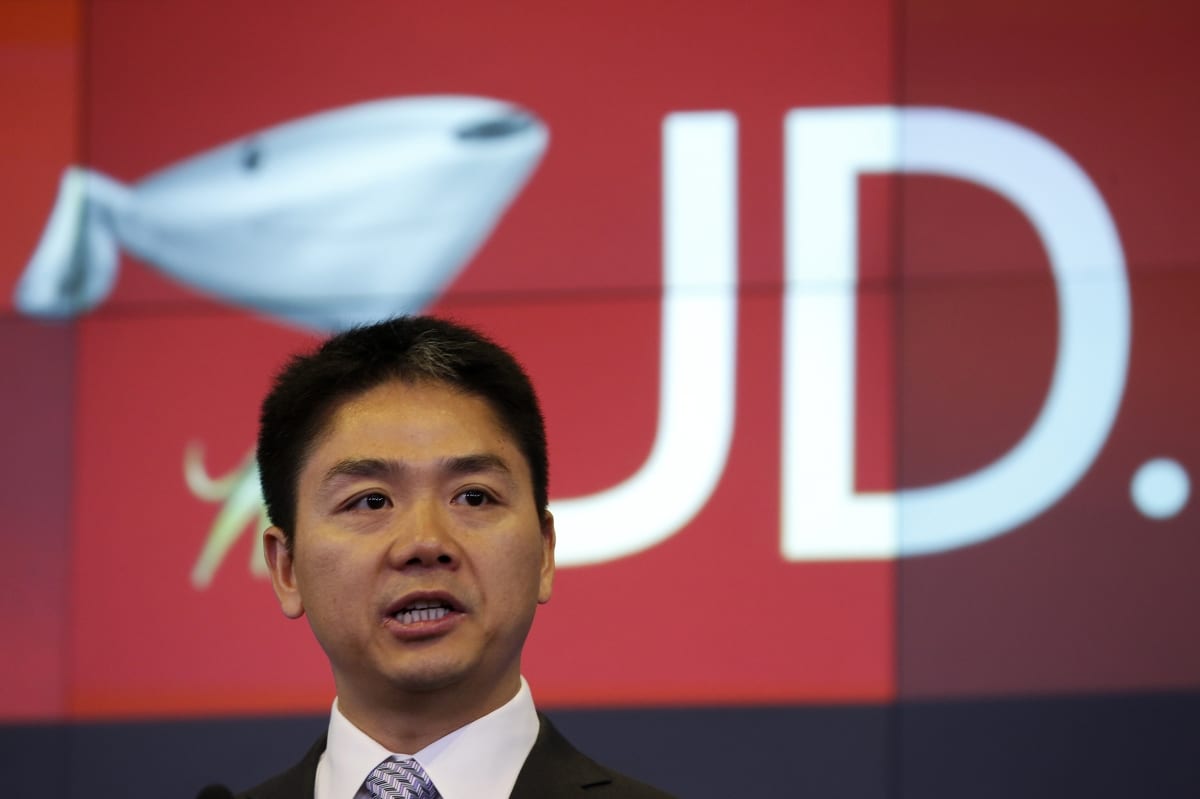
  • Luxury brands thriving on JD during Covid-19

    Luxury brands thriving on JD during Covid-19

    Around 20 luxury brands have opened stores on Chinese e-commerce platform JD since the beginning of January, seeking new avenues for business against the backdrop of the global coronavirus pandemic.

    The onboarded brands include fine-leather goods house Delvaux, Chanel-owned jewelry brand Goossens, luxury cashmere specialist Barrie, British luxury leather brand Smythson, cashmere knitwear brand Pringle of Scotland, and international designer brands MSGM and Proenza Schouler.

    When Italian designer brand By Far launched its flagship on JD recently, 65 percent of its stock sold out after four days and about 90 percent of its products cleared after one month, according to figures released by JD.

    “The pandemic has affected many industries, and luxury is no exception. It has encouraged many luxury brands to attach greater importance to online,” said JD fashion-and-lifestyle president of international business Kevin Jiang.

    “JD’s supply chain advantages, and the support we provide, have attracted brands to deepen their partnerships with us. In the coming months, we plan to offer more innovative programs to help brands deal with the impact of the pandemic.”

    To date, more than 200 international luxury brands have established partnerships with JD.

  • Vestiaire Collective launches coronavirus charity sale

    Vestiaire Collective launches coronavirus charity sale

    Vestiaire Collective, the online platform for pre-owned luxury fashion, has launched a charity sale to support the fight against coronavirus.

    Vestiaire Collective has partnered with more than 50 influential celebrities, including Kate Moss, Rachel Weisz, Thandie Newton, Anna Dello Russo and Charlotte Tilbury, to offer luxury pieces from their wardrobes.

    Some items were already sold on the first day of the sale such as leopard print faux fur coat from Kate Moss or a Penny Packham maxi dress from Charlotte Tilbury.

    “We’re doing everything we can to combat the effects of the virus with our community, and to help fight it with charity fundraising,” the company said in a statement.

    According to the company, all proceeds from the sale will be used to support hospitals and scientific researchers working on coronavirus, including the World Health Organization, the Italian Lombardia Region Fundraising, the France/Paris Hospitals Foundation and Madrid’s La Paz Hospital.

    Founded in Paris in 2009, Vestiaire Collective now has more than 7 million members from more than 50 countries across Europe, the US, Asia and Australia, with 25,000 new items submitted every week.

  • Luk Fook sales plummet by half in first two months of 2020

    Luk Fook sales plummet by half in first two months of 2020

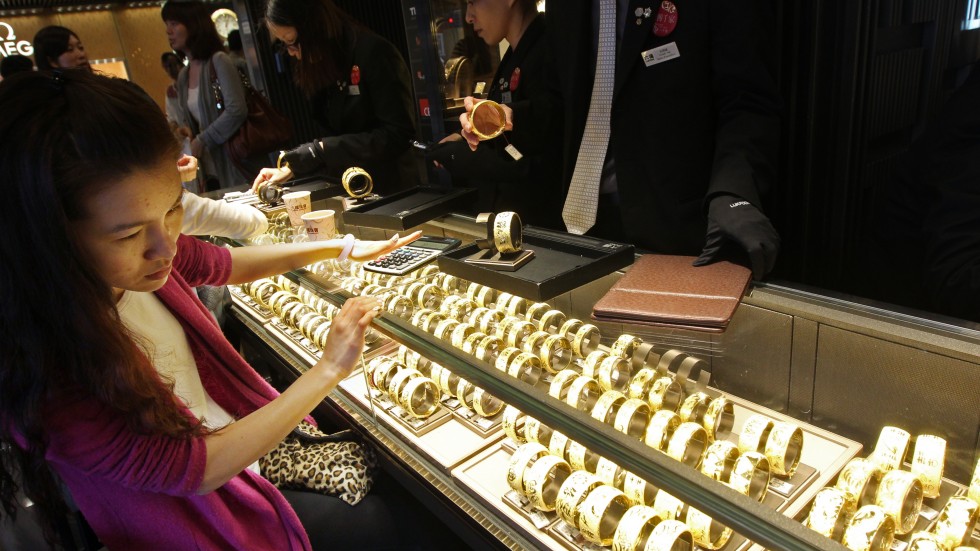
    Hong Kong jeweler Luk Fook says its sales halved during the first two months of this year as the coronavirus outbreak caused an extensive lockdown of mainland Chinese cities and visitors to Hong Kong and Macau fell sharply.

    While most mainland stores have reopened this month, customer footfall of the shops operating in Mainland China, Hong Kong and Macau was “still sparse” said chairman and CEO Sheung Wong in a profit warning. “It is expected to take some time for the business to resume normal.

    “Therefore … there will be an acute drop in revenue for the period from January to March. It is therefore highly likely that certain losses will be incurred in the fourth quarter. It may lead to a substantial decline in the group’s revenue and profit for the financial year ending March 31.”

    With Macau stores closed for most of February, sales in the combined Hong Kong and Macau market decreased by more than 50 percent.

    “Economic activities in Mainland China were almost halted due to the outbreak,” said Wong. “In the first two months of this year, industry, consumption and investment all hit record low with the double-digit decline, crashing the macro-economy severely.”

    Group-wide, same-store sales of gold products and gem-set jewelry products in Luk Fook’s own stores were down by 45 percent and 54.9 percent, respectively. In Hong Kong and Macau overall sales were down by 52.8 percent, with gold products down by 47.3 percent and gem-set jewelry products by 58 percent.

    On the mainland, where shops were closed in February, same-store sales fell by 37.1 percent. Gold sales were down by 38.6 percent and gem-set jewelry sales by 31.8 percent.

    Retail sales through licensed shops and self-operated shops of the group in Mainland China fell by half.

    During the pandemic, the company has not replaced staff leaving of their own accord and introduced leave without pay to reduce staffing costs. It has also negotiated rent reductions with landlords.

    Expansion plan on track

    Despite the huge impact of the coronavirus on sales, Luk Fook remains committed to its expansion plan which Wong said “has not been seriously affected”.

    “It is estimated that the net shop additions for the current financial year would only be a bit less than the target of 300 shops. In addition, the group’s unaudited revenue and profit for the period for the nine months ended December 31 were about 60 percent and 55 percent respectively ahead of those for the year ended March 31, last year.”

    He said fourth-quarter operational data will be released in mid-April.

  • Fake luxury goods seized at famous Vietnam markets

    Fake luxury goods seized at famous Vietnam markets

    Ho Chi Minh City authorities seized thousands of fake luxury goods at two famous local markets last week.

    According to Tuoi Tre News, market watchdog officers seized more than 1500 fake items worth US$6282 at Saigon Square and Ben Thanh Market, the latter one of Ho Chi Minh City’s most popular tourist attractions.

    All the products seized are copies of famous luxury brands including Prada, Montblanc, Gucci, and Rolex.

    Representatives of the General Department for Market Management said the unit will keep preventing vendors from selling counterfeit and pirated goods, focusing on hotspots where these items are commonly on show.

    Located in the city’s center, Saigon Square and Ben Thanh Market are renowned for selling fake luxury goods to tourists.

  • Struggling Shandong Ruyi fails to support Bally buy

    Struggling Shandong Ruyi fails to support Bally buy

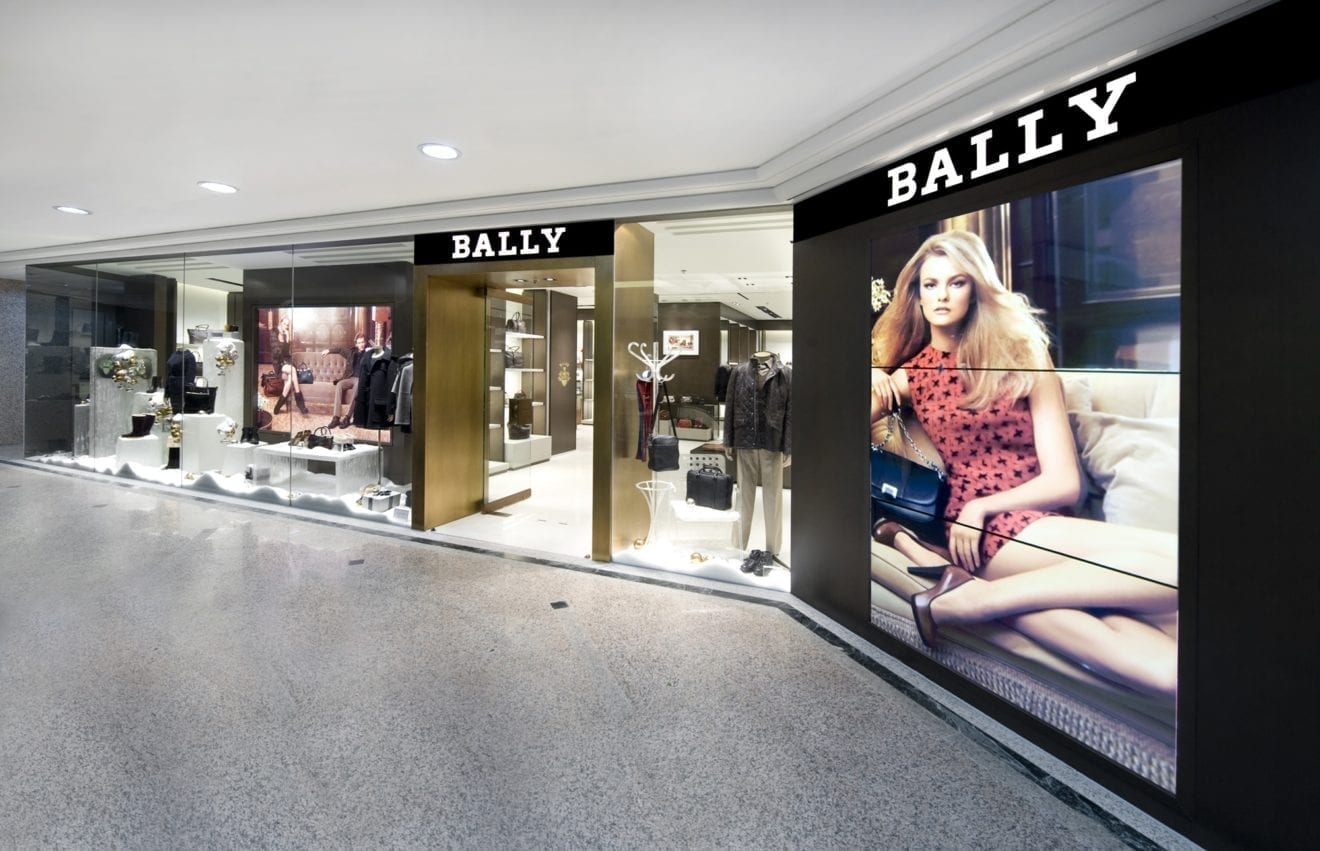
    Chinese apparel group Shandong Ruyi has been unsuccessful in raising funds to settle its planned purchase of Swiss luxury brand Bally.

    According to a Reuters report, the potential deal has been in the works for more than two years and would have required funding of US$600 million. Since making the agreement, the firm has suffered financial difficulties, with the recent coronavirus outbreak proving the final insurmountable hurdle against the transaction.

    Shandong Ruyi has already spent billions of dollars in purchasing luxury brands from Europe, including Aquascutum and SMCP brands Sandro, Maje and Claudie Pierlot, with a view to establishing a major luxury fashion house to rival the likes of LVMH, which has brought significant pressure to bear on the firm’s own financing. It also bought the iconic Lycra business last year.

    Sales of its newly purchased brands have suffered heavily during the epidemic.

    The firm recently suffered negative publicity for its difficulties settling payment for a controlling stake in Israeli menswear group Bagir. Another disgruntled partner, Japanese clothing group Renown, has reported losses caused by failure to collect debts from Ruyi, while Portuguese tailoring company Calvelex has also moved to sue Ruyi for non-payment of debts.

  • Reliance Brands plans to launch a fresh luxury e-commerce platform

    Reliance Brands plans to launch a fresh luxury e-commerce platform

    Indian conglomerate Reliance Brands is planning to launch a luxury fashion in the e-commerce portal through its online fashion site Ajio.

    The launching of the e-commerce portal is aimed at widening the company’s market share as online marketing in the country booms. The move pitches the company against established e-commerce players including Flipkart, Amazon and Myntra.

    While an Ajio spokesperson shared information about the business with Vogue, they added that no brand partnerships with labels have yet been signed and declined to comment on the timing.

    The luxury fashion move will be built upon Ajio Gold, Reliance Brands’ premium retail site that carries known brands including Superdry and Steve Madden.

    “Data-driven insights from the ‘bridge to luxury’ brands that retail on Ajio have indicated strongly the possibility for Ajio to craft a luxury vertical, and we are exploring that,” the Ajio spokesperson told Vogue.

    Reliance owner Mukesh Ambani has partnered with 46 international brands including Tiffany & Co, Burberry and Kate Spade and operates 882 physical stores.