Retail News CRM

Tag: luxe

  • LVMH buys into Swedish label Our Legacy

    LVMH buys into Swedish label Our Legacy

    LVMH has acquired an undisclosed minority stake in Swedish fashion brand Our Legacy, The Business of Fashion reported.

    The transaction comes following Our Legacy posting sales of €40 million (US$42.9 million) in the year ended June 30.

    Our Legacy will use the proceeds of the transaction to strengthen operations and open flagship stores in key cities such as Paris, New York, Los Angeles, Tokyo, Shanghai, and Hong Kong.

    Currently, Our Legacy has two stores in Stockholm, one in London and one in Berlin. It also has three stores in South Korea, in partnership with local distributor Handsome Corp.

    The brand is set to open a new store in Paris in late next year.

    “It’s not like we needed the investment from a cash-flow perspective – our revenue figures doubled three years in a row and we achieved really healthy profitability,” Jockum Hallin, Our Legacy co-founder, told the BOF.

    “It’s more to look to the future as we build the next era.”

  • Chinese tourists drive up Louis Vuitton

    Chinese tourists drive up Louis Vuitton

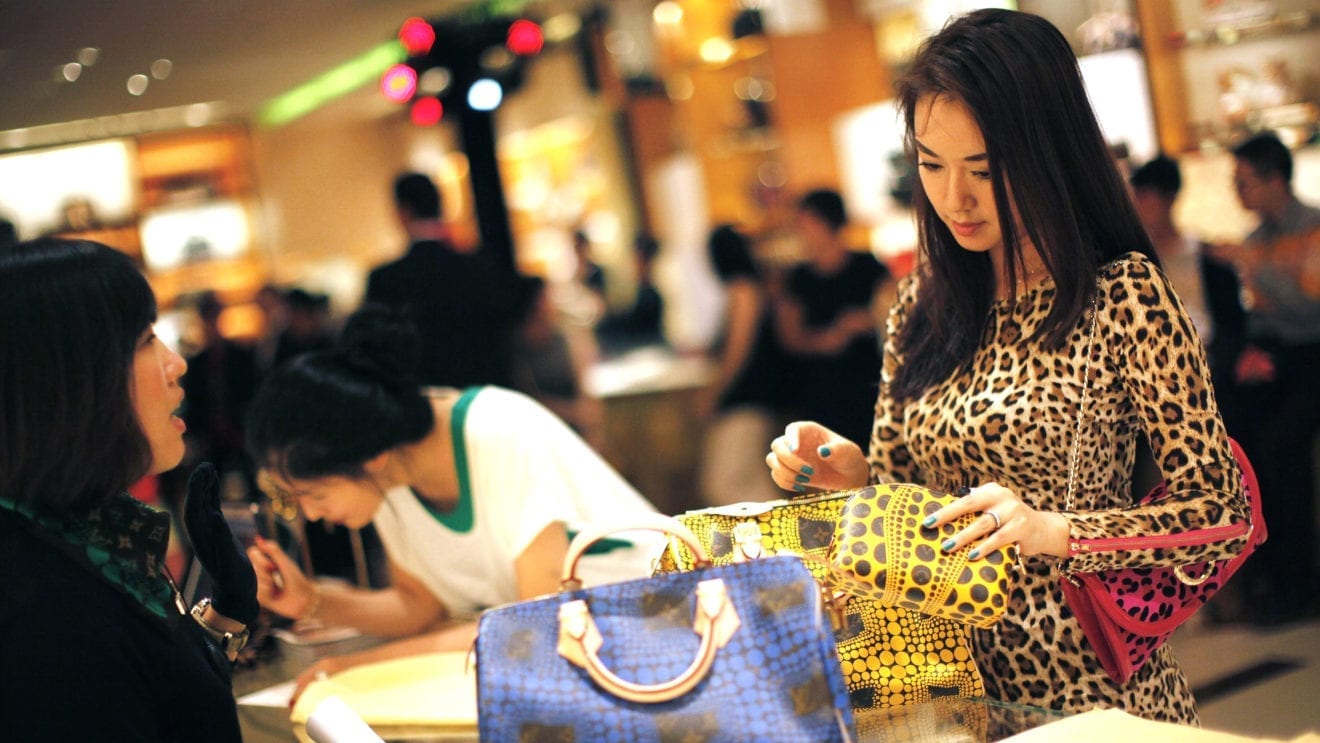
    Chinese tourists are fueling a surge in luxury goods sales in Japan, capitalizing on the weakened yen, which has plummeted to its lowest level in decades this year.

    Major luxury brands, including Yves Saint Laurent, Louis Vuitton, and Burberry, have reported significant sales growth in Japan during the first six months, despite experiencing weaker results in other markets.

    French fashion house Yves Saint Laurent’s sales jumped 42% in Japan “due to strong growth in the number of tourists visiting from China and Southeast Asia, who were attracted by the pricing differential arising from the favorable exchange rate,” its parent company Kering said recently.

    Another French brand, Louis Vuitton, operated by conglomerate LVMH, saw “exceptional growth in Japan arising in particular from purchases made by Chinese travelers.

    British brand Burberry has seen slower sales in China, its biggest market. But Japan posted a 6% growth, thanks to a surge in tourists’ spending, especially those from China, it said in a financial report last month.

    “Globally, the Chinese customer group also declined but held up better than mainland China as spend was diverted offshore,” it said.

    “Japan continued to grow, benefiting from strong tourism spend mainly from Chinese and near shore customers in Asia, whilst locals remained soft,” it added.

    The number of Chinese tourists in Japan quadrupled year-on-year in the first six months to 3.1 million, according to the Japan National Tourism Organization.

    The Japanese yen has been the one of the most depreciated currencies in the world this year and is hovering around the lowest in nearly four decades against the U.S. dollar.

    The Chinese yuan has risen 6.9% against the yen so far this year. Last month it reached a 24-year high against the Japanese currency.

    This currency disparity created opportunities for Chinese nationals like Snow and her boyfriend, who spent their first Japan visit indulging in luxury purchases.

    At a Gucci shop in Tokyo, the 30-year-old spent US$3,390 on a bag and two accessories.

    Another tourist who visited Japan in June said: “With the effect of the weak yen, shopping is quite affordable.”

    “You could buy a Bulgari necklace that costs 368,000 yen in mainland China for 300,000 yen in Japan.”

    Interest among affluent Chinese households in visiting Japan increased by 5 percentage points in May compared to a survey conducted last September, according to a study by consulting firm Oliver Wyman.

    Their travels are motivated by affordability. Prices for a range of luxury products in Japan were 10% to 30% lower than in mainland China, it added.

    Foreigners visiting Japan spent JPY2.14 trillion in the second quarter, a new quarterly record, according to the Japan Tourism Agency. Apart from mainland China, other major inbound tourism markets included South Korea, Taiwan and the U.S.

    Large department stores have also reaped the benefits of the luxury shopping boom. Isetan Mitsukoshi Holdings’ three flagship stores in Tokyo experienced a 20% year-over-year sales increase in the first half of July.

    Daimaru Matsuzakaya Department Stores’s tax-exempt sales jumped nearly 22% during the same period.

  • Multi-million dollar apartments catch super-rich’s eyes

    Multi-million dollar apartments catch super-rich’s eyes

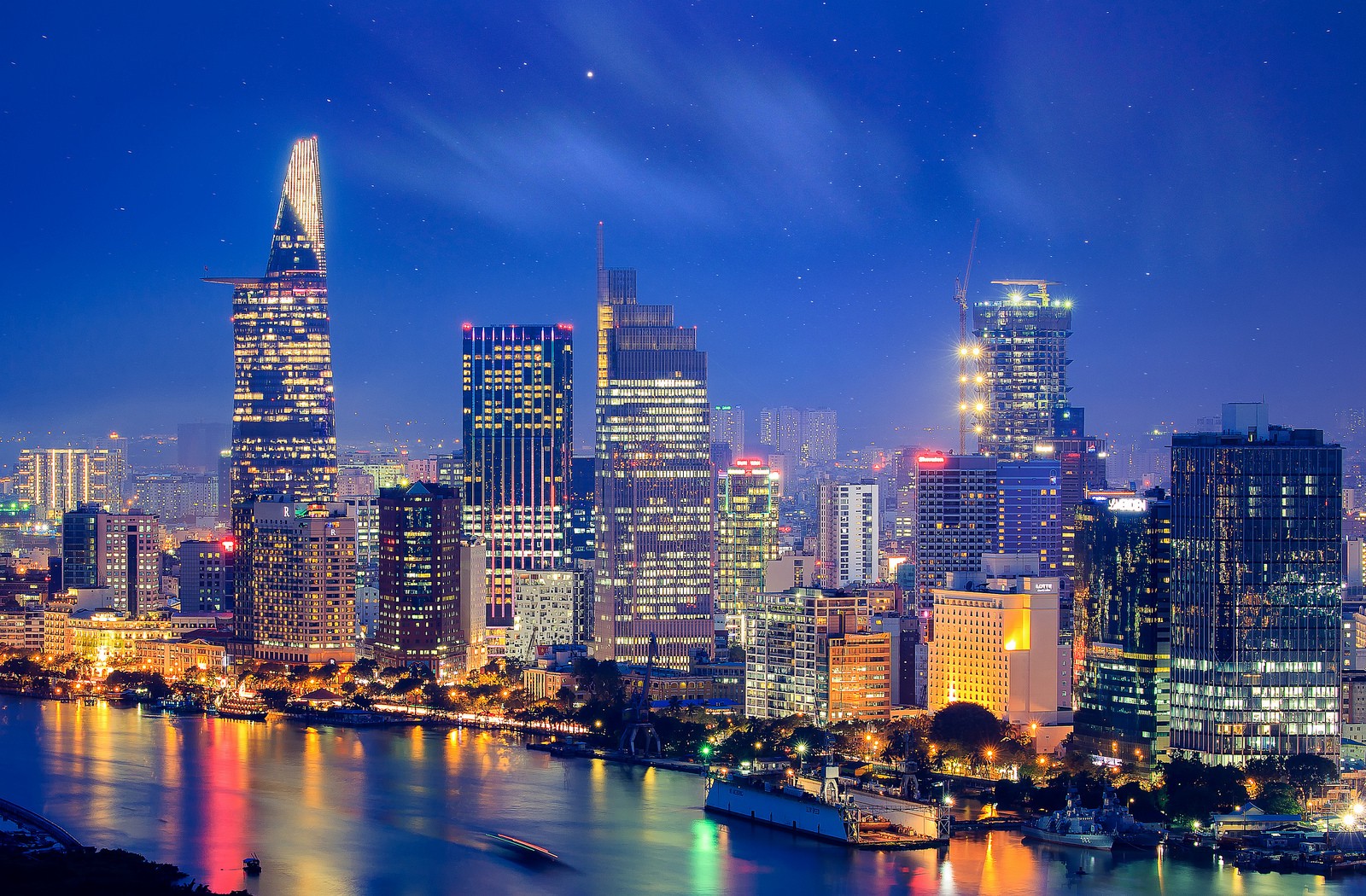
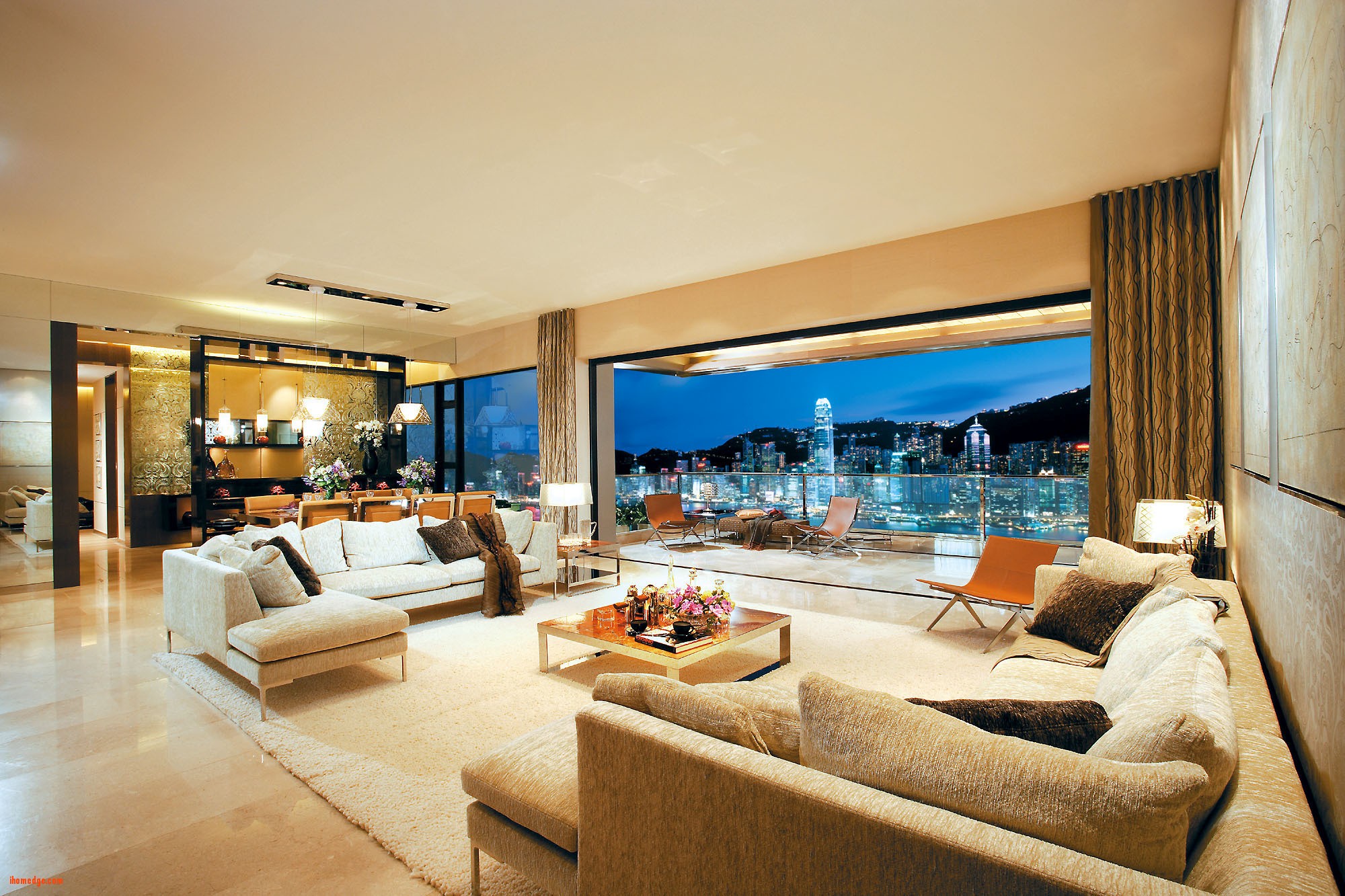
    Wealthy people are splurging millions of dollars to buy ultra-luxury apartments mostly as second homes. Hoa, owner of a house and a villa in HCMC’s Thu Duc City, said she recently bought a VND30-billion (US$1.3 million) apartment.

    Located on the 27th floor of a luxury project, the 200-square-meter unit offers unobstructed views of the Saigon River.

    It had four bedrooms, but Hoa took one down to expand the kitchen and living space.

    She topped it off with bespoke interiors at a cost of over VND5 billion, including a VND1 billion lighting system imported from Italy, two exotic paintings that cost hundreds of millions of dong and a $20,000 speaker system.

    It took her over a year to finish decorating, she said.

    “The apartment’s beautiful views, convenient car parking and relaxing atmosphere make it the ideal place for me to entertain friends and guests,”

    A broker has asked to buy her apartment for VND35 billion, but she refused.

    “I want to keep it for myself,” she said.

    Truong, an experienced investor, bought a penthouse in the heart of District 1 as a second home besides his 300 sq.m villa in the south of the city.

    The 200-sq-m unit cost him VND25 billion and another VND8 billion for decoration and interiors, he said.

    “I spent VND33 billion on this unit because of its amenities, security and views. I can watch firework displays right from here, something that townhouses and villas cannot provide.”

    Rising trend

    Luxury apartments have recently become very popular with successful businesspersons, NeloDécor, an architecture and interior design firm specializing in high-class properties, said.

    The company has just finished decorating a $2-million sky villa for an entrepreneur for VND12 billion.

    Previously it designed and built the interiors for a penthouse for an affluent family, which cost $2.5 million to complete and another $1 million for interiors and smart devices.

    It is not uncommon for affluent people to spend $1-2 million for buying an apartment in the central business district and hundreds of thousands or millions of dollars more for decorating and doing the interiors, NeloDécor CEO Le Duy Van said.

    They are mostly super rich and already own multiple properties, and so have extensive demands, he said.

    Amenities, security and views are key factors for them while choosing to buy, he said.

    Most of them hire designers, but some design on their own, and are ready to knock down and rebuild multiple times until they are happy.

    Pham Lam, CEO of property consultancy DKRA Vietnam, agreed that demand for luxury apartments is rising.

    In some cases, properties serve the same purpose as expensive jewelry and supercars, he said.

    Rising supply

    Consultancy Cushman & Wakefield expects supply of luxury apartments in HCMC to rise this year, especially in the central business districts and Thu Thiem Peninsula.

    Their prices will surge, too, with new projects constantly rising to record levels, it said.

    Average price tags for luxury apartments surged by 23 percent year-on-year to VND143.6 million per square meter in the last quarter of 2021. For ultra-luxury properties, they went up to VND400 million.

    Eddie Lim, CEO of real estate developer Viva Land, said the number of rich people in Vietnam is rising faster than the global average.

    Vietnam is expected to have 1,551 ultra-high net worth individuals (UHNWIs) by 2026, compared to 1,234 last year, according to an estimate contained in a Wealth Report released by U.K. property consultancy Knight Frank.

    The company also predicts that the number of rich people, or those with a net worth of $1 million or more, including their primary residence, will rise sharply by more than 59 percent from last year to 114,807 in 2026.

    The Vietnamese luxury apartment market is also promising for foreigners, especially rich Asians, thanks to the country’s rapid economic growth and more competitive pricing than Singapore, Hong Kong, Japan and China.

  • Vietnam rises as new luxury hub

    Vietnam rises as new luxury hub

    Luxury brands are expanding their presence in Vietnam as they seek to profit from the country’s growing middle class and robust economic growth.

    Italian luxury car brand Lamborghini announced its return this month after a year of inactivity, and has named a new distributor, S&S Automotive.

    The distributor, which is also a dealer for other luxury car brands like Rolls-Royce and McLaren, said a new Lamborghini showroom is being built in HCMC’s District 1 and would open this quarter.

    The Porsche Center Saigon opened last year in HCMC’s District 7, and the German company called it a “key milestone in one of its fastest growing markets in the Asia Pacific.”

    The company also launched Southeast Asia’s second Porsche Studio in Hanoi last year, with the CEO of Porsche Asia Pacific Arthur Willmann saying the capital’s vibrant young population was the inspiration for the store.

    He echoed an earlier statement by Paul Harris, director of Roll-Royce Asia Pacific, who said Vietnam has the youngest demographic of his company’s markets.

    Prestige fashion brands have also been active, with Italy’s Bvlgari returning in February last year and opening a store in HCMC, and Louis Vuitton and Christian Dior launching flagship stores in 2020 in Hanoi’s central district of Hoan Kiem.

    The country’s luxury goods market is set to surge by 35.7 percent from last year to $912 million this year, according to data from German portal Statista, making a strong recovery after two years of Covid-19.

    In the next five years, it is set to expand by 3.3 percent annually and will cross the $1 billion mark by 2025.

    The biggest luxury segments would be fashion, leather goods and cosmetics and fragrances, Statista forecast.

    Matthew Powell, director of real estate consultancy Savills Vietnam, which found the Hanoi locations for Louis Vuitton and Dior, said many luxury brands want to enter or expand their presence in Vietnam since its retail market is one of the most vibrant in the region and rentals are low compared to other Asian cities such as Singapore and Hong Kong.

    The country’s rising per capita income and expansion of the middle class are also factors, he added.

    Vietnam has long been hailed as a country with a fast-expanding middle-class thanks to strong economic growth.

    With a 56 million-strong middle class by 2030, Vietnam is set to leap eight places from its current 26th in the global ranking of 30 economies with the largest middle-class populations, British analytical NGO and data enterprise World Data Lab said.

    The number of people in the country owning more than $30 million, or the ultra-rich, could reach 1,551 in 2026, a 26 percent increase from 2021, according to a report by U.K. property consultancy Knight Frank.

    The company also predicts that the number of rich people, or those with a net worth of $1 million or more, including their primary residence, will soar by 59 percent from last year to 114,807 in 2026.

    “We have witnessed prime apartment selling prices break the $10,000 per square meter barrier this year, driven by local demand, and with Vietnam expected to increase the number of ultra-high net worth individuals between 2021 and 2026 by 26 percent, on par with Hong Kong and Taiwan, we can see the potential for ongoing growth well into the future beyond that,” Knight Frank Vietnam managing director Alex Crane said.

    The company also pointed out that rich Vietnamese are buying more watches, cars and wines.

    The country’s import of watches increased by 28.2 percent annually in 2016-20.

    Car sales and wine imports, prior to being impacted by the pandemic, had maintained consistent growth of 12.9 percent and 9.8 percent between 2016 and 2019.

    The growth potential for luxury brands remains bright as the country is expected to achieve the highest growth rates in Southeast Asia of 6.5 percent this year, and 6.7 percent next year.

    Distributors of luxury brands in Vietnam seem to be doing well.

    Duy Anh Fashion and Cosmetics recorded year-on-year growth of 171 percent in the last quarter of last year.

    It brought two new fashion brands to Vietnam last year, Tiffany & Co and Montblanc, and opened their first stores in Hanoi and HCMC respectively.

    It also brought footwear and accessories brand Christian Louboutin to HCMC in January with the first store opening in District 1.

    Tran Thi Hoai Anh, founder and president of GlobalLink, which distributes luxury fashion brands in Vietnam, told The Business of Fashion in 2019 that the appetite for luxury goods is more pronounced than ever in Hanoi and HCMC.

    “Only a decade ago it was all about knowing the difference between Gucci and Prada. [But] today’s new generation of wealthy shoppers are driven by the quest for quality, distinctiveness and craftsmanship.”

    Anh said Vietnamese consumers seem to be shopping more after the Covid-19 restrictions of the last two years.

    To take advantage of this, her company plans to open a new 700-square-meter flagship store in HCMC and sell brands that have not been popular in Vietnam such as Off-White, Ambush and Amiri, she said.

    “I am very positive about the future, as I am seeing demand for luxury goods after the pandemic.”

  • Valentino names new CEO for Southeast Asia, Australia

    Valentino names new CEO for Southeast Asia, Australia

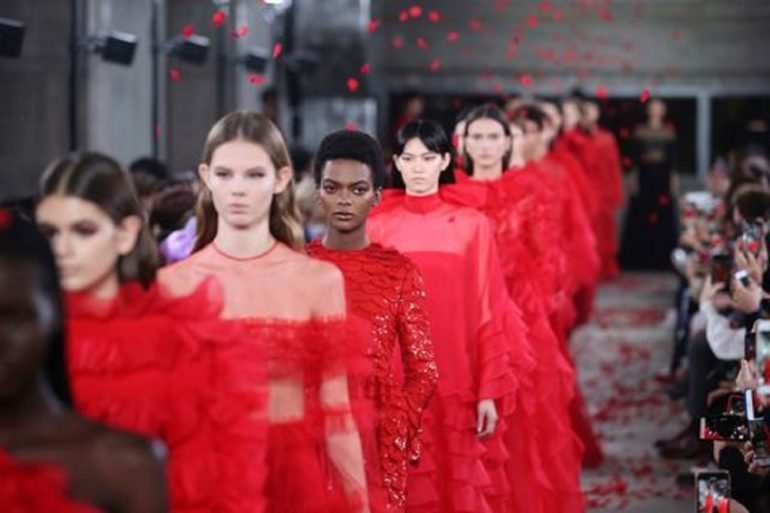
    Valentino has named Alessandra Andreani their new CEO for Southeast Asia and Australia. Andreani will be based in Singapore, and will report to Marco Giacometti, Valentino’s chief commercial officer. The news was reported by WWD.

    In her new role, Andreani will working on growing Valentino’s presence throughout Singapore, Malaysia, Australia, and Thailand. She takes over the duties of Mika Bailey, who was general manager of Southeast Asia and Australia.

    Andreani’s resume includes stints at Prada, Marc Jacobs, and Loewe. She is just one of many hires under new Valentino CEO Jacopo Venturini who has also appointed Mitchell Bacha CEO of Greater China and Laurent Bergamo as CEO of Americas.

    While most of Valentino’s growth has been driven by China, the U.S., and the Middle East, Southeast Asia and Australia are considered new target markets for growth. E-commerce is also now pivotal to Valentino’s growth as it is for most luxury brands.

  • China sales help Armani bounce back from pandemic

    China sales help Armani bounce back from pandemic

    Sales at Giorgio Armani jumped 34% in the first half of 2021 as business in China and the United States helped the Italian fashion group bounce back, although it said it could be next year before it fully recovers from the pandemic.

    “The goal is to return to pre-pandemic levels by 2022, with… over 2 billion euros in direct consolidated revenues,” Chairman and CEO Giorgio Armani said on Sunday in a statement announcing 2020 results and the trend for January-June.

    The luxury group said consolidated net sales had fallen 25% last year to 1.6 billion euros ($1.9 billion), with most of the decline occurring in the first half of 2020.

    Luxury goods sales around the world fell sharply last year for the first time in years as the pandemic forced shop closures and brought international tourism to a virtual halt.

    “The drop in revenues in 2020 should be read not only as a consequence of the pandemic but also in line with Giorgio Armani’s own strategic principle of ‘less is more’,” said Armani Deputy Managing Director Giuseppe Marsocci.

    The Milan-based group did not give the value of total sales in January-June but said the positive sales trend so far this year pointed to a much better profitability scenario for 2021.

    For the whole of last year the group made a consolidated net profit of 90 million euros but an operating loss (EBIT) of 29 million euros.

    It also said on Sunday that its financial position improved significantly in the first half with net cash and cash equivalents of 1.088 billion euros “ensuring the financial resources necessary for the Group’s medium to long-term stability and growth”.

    Speculation about succession plans at Armani has come to the fore recently, especially after the 87-year-old designer said he could consider teaming up with another Italian company.

    Sources said earlier this month that John Elkann, scion of Italy’s Agnelli family, had explored a possible tie-up as part of plans to build a luxury conglomerate.

  • Burberry opens new London flagship

    Burberry opens new London flagship

    Change is afoot at Burberry. Since 2018, the British heritage brand’s Chief Creative Officer Riccardo Tisci has been reimagining the label with the goal of finessing its high-end luxury status. Working closely with CEO Marco Gobbetti, who recently announced he’ll be stepping down from his role at the end of the year, Tisci has revamped Burberry’s aesthetic image. From a logo rebrand by Peter Saville to a CGI campaign with Nick Knight and Tom Wandrag, Tisci’s collections have modernized house codes and staples such as the trench coat, whilst also setting a more conceptual agenda, as seen in the S/S 22 menswear collection. Now, Burberry debuts its new flagship store at No.1 Sloane Street, London, inviting the world to experience the Burberry universe afresh.

    Despite the digital race towards virtual living and surge in online shopping during the pandemic, placing a focus on real-life stores remains a priority for luxury big dogs like Burberry. In 2020, the brand opened a hybrid physical-digital store in Shenzhen, China, to cater to local shoppers as the country slowly reopened ahead of the West. As stores worldwide begin inviting shoppers back in, brands must be mindful of where they’re placing their bets on consumers making a physical trip to the store after months of placing orders online. The new Burberry flagship offers a unique shopping experience, telling the stories behind the brand’s latest collections and drops such as the signature Olympia and TB bags to entice visitors back to the physical.

    Designed with the renowned architect Vincenzo De Cotiis, the store merges Burberry’s past, present and future. Architecture references British classicism and brutalism, whilst the Burberry house check can be found throughout the space, such as on mirrored lighting grids in the ceiling. A dedicated area on the ground floor spotlights the trench coat made from gabardine, which the brand’s founder Thomas Burberry invented in 1879. Head upstairs to womenswear and menswear, and you’ll find sculptural furniture, seating and fixtures, in a space that offers the ultimate luxury experience.

  • Global luxury sales could return to pre-Covid levels this year, Bain says

    Global luxury sales could return to pre-Covid levels this year, Bain says

    The luxury goods sector could shrug off the hit from the coronavirus crisis as early as this year as Chinese and US shoppers help sales recover to pre-pandemic levels, consultancy Bain said on Monday.

    Bain now sees a 30 percent probability that sales of high-end handbags, clothes and jewelry will return to or exceed their 2019 level of US$340 billion this year, depending on how quickly vaccines are rolled out and tourism picks up.

    Its more likely scenario is for a full rebound in 2022, which would still imply a faster convalescence than Bain predicted in November, when it said the sector may have to wait until 2023 to put the crisis squarely behind it.

    Luxury goods sales fell by 23 percent to $264 billion last year, the largest-ever drop and the first decline since 2009, as the pandemic forced shop closures and brought international tourism to a virtual halt.

    But the crisis does not seem to have had a lasting impact on consumers’ appetite and spending power for high-end wares.

    Soaring sales in China, the biggest market for luxury goods, and a stronger-than-expected US rebound thanks to a big stimulus program have helped revenues bounce back sharply in the first quarter of 2021.

    “The US market has been the unexpected bright spot,” Bain said. By contrast, Europe is lagging behind, hampered by a slower vaccination campaign and restrictions on tourism.

    The speed of the recovery has been uneven. The industry’s biggest groups such as LVMH, Hermes, and Kering are already above their 2019 levels, while smaller labels like Ferragamo and Tod’s still have to catch up.

    The crisis has forced brands traditionally more reluctant to sell online to fully embrace e-commerce, which is set to become the leading channel for luxury purchases in the next few years.

    Bain said that as people moved to countryside homes and worked remotely, sales in second-tier cities often went better than in big luxury capitals like New York or Milan – a factor brand will have to consider as they review their footprint.

    And while handbags, leather goods and jewelry have been driving the recovery, spending on clothes, makeup and perfumes is expected to pick up too as lockdowns ease and people resume going out.

  • Buying property in Europe offers more than an investment: Golden Visa programs

    Buying property in Europe offers more than an investment: Golden Visa programs

    If you ever plan to buy a property in a European country, a Golden Visa program in Europe can provide more than an investment. For example, Portugal Golden Visa provided 8,881 non-EU investors residency in Portugal. This number belongs to the years between 2012 and January 2021.

    What is more interesting is that more than 90% of those investors obtained Portuguese residency through buying real estate in Portugal.

    The same interest in this type of investment is also notable in Greece Golden Visa. More than 8,000 investors got their residency in Greece between 2013 and January 2021.

    Golden Visa investments can be more attractive than a property investment in any EU country. Let’s discover the reasons why.

    EU citizenship is possible after a certain period

    Golden Visa programs are for non-EU investors. The programs aim to attract the foreign investment into the country. As a result of this, they provide some benefits to investors as well. Two of the most useful benefits are EU residency and EU citizenship.

    It takes only a few months to get EU residency through Golden Visa programs. It is only possible after your investment and application are approved.

    The duration to get EU citizenship, on the other hand, differs from country to country. For Portugal Golden Visa, the regular duration for this is five years. During this time, you need to stay for at least seven days each year in Portugal. The permanent residency will also become available to apply after this period.

    Spain’s Golden Visa, however, requires more time to apply for citizenship. You first need to obey the five-year-period stay requirement. This means you need to enter the country at least once, per year. Then, you can apply for permanent residency. This will lead to a 10-year-period of permanent residency. When this time is over, you can then apply for citizenship by naturalization.

    Regarding Greece’s Golden Visa, however, no clear data is available yet. The reason is that it requires seven years to apply for citizenship. However, it is comparatively a new program. So, no such record is available yet.

    A complete remote process is available now in Greece

    The process for Greece Golden Visa has slightly changed due to the pandemic. Starting from 2021, you can remotely apply for it with your family. The process goes like this: at a local Greek consulate, you need to sign a power of attorney. After that, your local firm sends the application on your behalf. Furthermore, the firm will complete the investment as well. In this case, it can buy a property at a minimum amount of €250,000.

    There is only one exception to this.  Only one entrance to Greece is necessary for the proof of biometrics.

    So, it is still possible to apply for the program even under such mobility restrictions the world undergoes now.

    Property purchase is affordable to get a Golden Visa

    Buying a house in Greece or Portugal is quite affordable compared to most Western European countries. For Greece Golden Visa, the minimum amount starts from €250,000. This amount is also the lowest to get an EU residency.

    Similarly, for Portugal Golden Visa, the amount starts from as low as €280,000. The investment amount can increase depending on the property’s condition. For a property worth at least €280,000, it must be at least 30 years or be located in an urban rehabilitation area. Plus, it must be also in a low-density area as well.

    Another option is to buy a property in Portugal worth at least €350,000. In this case, the property must be at least 30 years or be located in an urban rehabilitation area.

    The rest of the two options include an investment of €500,000 and €400,000. For the first one, there is no further requirement. However, the recent amendment in the law states that you cannot buy such property in Lisbon and Porto as of 2021. However, if such property is located in a low-density area, you can buy it for a minimum amount of €400,000.

    For Spain Golden Visa, you need to buy real estate at a minimum amount of €500,000.

    A Golden Visa requires almost no stay requirement at all

    Another attraction of these programs is that even if you get residency, you don’t need to move your domicile to these countries. In exchange for an investment, Golden Visa programs provide you the convenience to spend your time in whichever country you want to. Still, you are regarded as a resident and benefit from visa-free travel opportunities.


  • Gucci opens Namiki flagship design

    Gucci opens Namiki flagship design

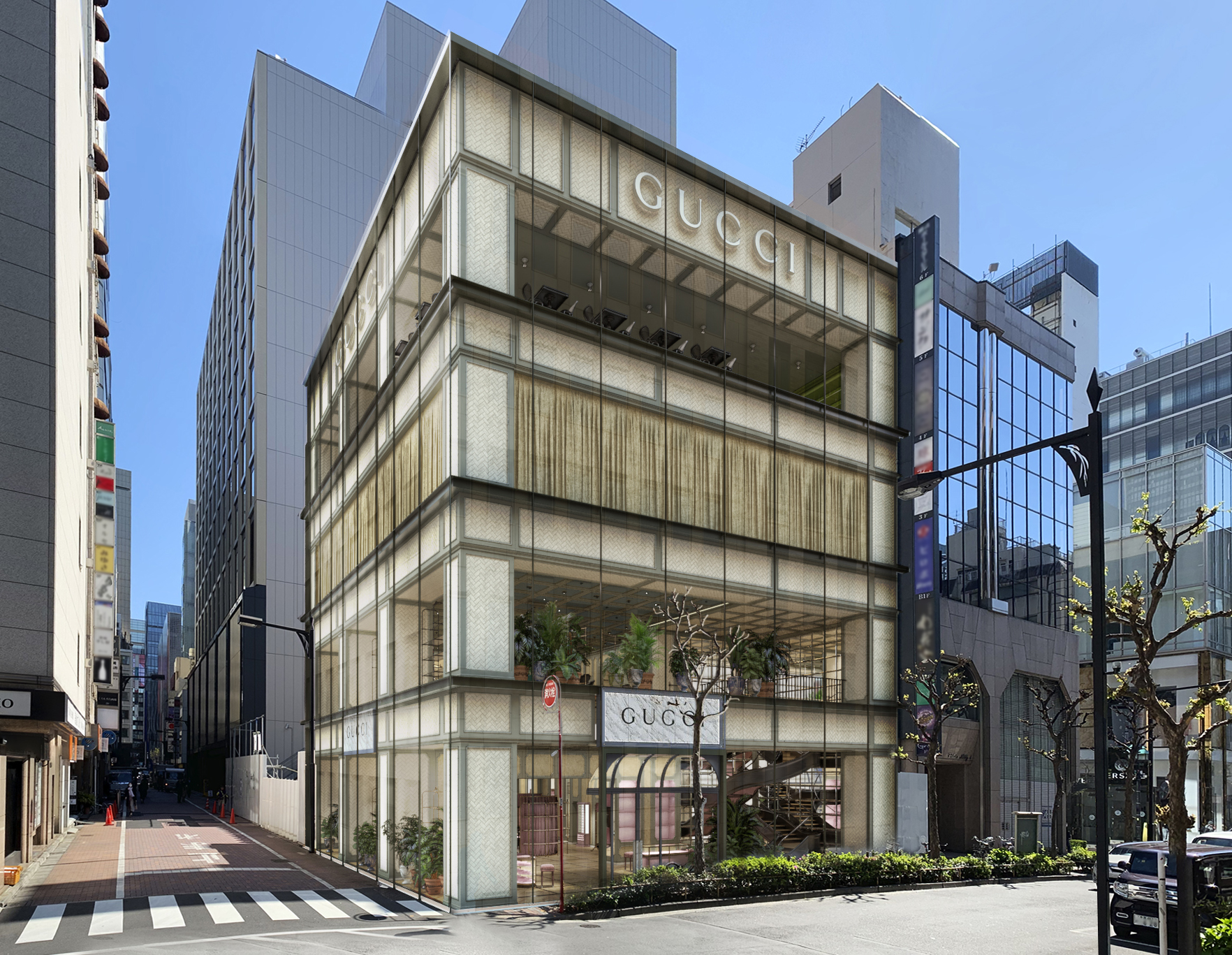
    The first store selling Gucci products in Japan, operated by Sun Motoyama, opened in Ginza in 1964 and the brand’s first boutique was unveiled in Tokyo in 1972. It was Gucci’s first store to open in Asia. Japan remains a stronghold, according to Gucci president and chief executive officer Marco Bizzarri. “We have never stopped believing in the Japanese market and continue to invest in it,” he observed. The most recent signal of this commitment is the opening of the Gucci Namiki unit in Ginza, the brand’s second flagship in Tokyo’s upscale district.

    The store also points to the “fundamental importance” of brick-and-mortar, said Bizzarri, despite the growing relevance of online transactions, which clearly accelerated during the pandemic and the lockdowns. “The narrative to connect with the customers, the moment in which you meet the brand, the one-to-one relations will continue to be very important, increasingly combined with the brand’s different distribution channels, and it’s all happening very quickly. The goal is to offer the best possible experience.”

    The concept conceived by creative director Alessandro Michele for the Namiki store is new and will not be replicated elsewhere, explained Bizzarri. The opening of the store, which covers three floors in a building on Namiki-dori Street — the same where Gucci started its business in Japan in 1964 — will unfold in three parts.

    The first two floors will be unveiled on April 29. Over a total space of more than 7,776 square feet, they will carry a full range of men’s and women’s ready-to-wear, handbags, luggage, accessories, shoes, jewelry, silks, belts, watches, eyewear, fragrances, and the Gucci Décor collection. The brand will also offer exclusive pieces, such as handbags in precious leathers and distinctive jewelry.

    Walls on the first and second levels use materials inspired by Japanese traditional bamboo work and are exclusively developed for #GucciNamiki.

    The third floor, scheduled to open in the fall, will house the Gucci Apartment, which, by appointment, will allow privacy and be dedicated to made-to-order, personalization and other special services. It will also showcase the Gucci Décor collection.

    Photos from François Pinault’s private collection will be on display. “This is the first Apartment in a Gucci store,” observed Bizzarri.

    Additionally, later in the year, a Gucci Osteria da Massimo Bottura will open on the fourth level of the building, curated by the three-Michelin-star chef Massimo Bottura, a childhood friend of Bizzarri’s.

    One way to differentiate the stores is through food, said Bizzarri, paying close attention to the territory and giving a local flavor to each. The restaurant will be the third in the world following the first at the Gucci Garden in Florence in 2018, followed by one in Los Angeles on the rooftop of the Beverly Hills flagship.

    Further linking with the country, artwork by Japanese artist and longtime friend of the house Yuko Higuchi will embellish the Osteria’s façade on Namiki-dori Street. Celebrating the opening, illustrations by Higuchi will also adorn limited-edition items, available in the store. Gucci has been collaborating with the Tokyo-based artist on several projects, including a special spring 2018 and fall 2020 kids capsule collection. One of her works also decorates one of the Galleria walls of the Gucci Garden in Florence.

    The store may attract some additional interest in light of the Tokyo Summer Olympics, expected to kick off on July 23, but Bizzarri said this was purely a coincidence and never meant to coincide with the event. “Gucci has been working on the store for a long time, and it was conceived for local customers,” he said.

    Japan accounts for 7 percent of Gucci’s revenues, which in 2020 amounted to 7.44 billion euros. There are a total of 67 Gucci stores in Japan.

    Kering chief financial officer Jean-Marc Duplaix, presenting the group’s annual results last month, said “Japan improved in the fourth quarter on a somewhat easier comp base, containing its decline to 10 percent, supported by nice growth with local customers,” in the wake of the pandemic and the lack of tourist flows.

    Courting local clientele and Asia are clearly a focus in 2021, as Bizzarri revealed Gucci will also open “a very important store in Seoul” by the end of the year. A fourth Osteria — and “last,” said Bizzarri — will also find a home in that venue. In that case, Gucci will work with a Korean artist for the facade.

    Gucci has recently launched several dedicated initiatives in Japan. Last June, debuting its first circular collection Gucci Off the Grid, an entire range of products were created in a special blue color exclusively for the Japanese market in a selection of genderless bags, wallets, sneakers, rtw and hats. Japanese musician Miyavi, another friend of the house, was featured in the ad campaign.

    In July 2020, for the opening of the Gucci Miyashita Park store, graphic designer Tadanori Yokoo and illustrator Shohei Otomo were invited to develop new artworks dedicated to the brand, inspired by Gucci key visual codes, displayed at the store and at the Shibuya station.

    Last October, Gucci released the second issue of the Chime Zine, including a special section focused on Japan, with essays, interviews and artwork related to feminism, gender and self-expression in Japanese society. Contributors include Yuki Chizui, a sushi chef and owner of a sushi restaurant with an all-female staff; Yume Morimoto, a queer feminist writer and founder of a bilingual zine, and members of WAIFU, a resistance nightlife party founded on the principles of intersectional feminism and inclusion. The cover of the Japan spotlight featured women of Bluestocking, Japan’s first feminist literary journal credited with helping to launch the feminist movement in Japan.

    Bizzarri said the Gucci 9 live video call experience, offered by the Gucci Live service that debuted last May in the Europe, Middle East and Africa region, which helped discover the collection remotely, is being expanded to Japan.

    Gucci, which marks its centenary this year, has been receiving additional attention from the Ridley Scott “House of Gucci” film that is currently being filmed in Italy. The film offers a dramatized version of the real-life events in the late 1980s and early ’90s that led to the murder of Maurizio Gucci — the grandson of Guccio Gucci, the founder of the Italian fashion house. In the film, Lady Gaga plays the role of Patrizia Reggiani, who commissioned the murder of her ex-husband Maurizio Gucci, played by Adam Driver.

    Asked to comment on the film, Bizzarri underscored that the Gucci family is no longer involved in the brand today, and that the movie will not extend to the post-Investcorp developments and thus not be related to the current owner, Kering, owned by the Pinault family. He added that the company is allowing “total creative freedom” to the production.

  • Luxury Brand Genesis Gears Up To Make Its Foray Into The European Market

    Luxury Brand Genesis Gears Up To Make Its Foray Into The European Market

    Last year in September, Hyundai Group’s premium car brand- Genesis hired Dominique Boesch as its first Managing Director for the European market and now the company is all set to make its foray into the market. Genesis took to Twitter through its European handle to share the news and the tweet read, “The Genesis journey continues. All roads lead to Europe. Get ready to join us on this thrilling new adventure.”

    Dominique Boesch had joined Genesis from Audi AG where he held the role of Sales Director in France before serving as Managing Director in Korea, Japan, and China, respectively, over his twenty-year tenure. After more than 10 years in Asia, Boesch returned to headquarters as head of European sales, and, most recently, he was leading the brand’s future Global Retail Strategy.

    In Europe, Genesis will go against the likes of Mercedes-Benz, BMW, Audi, and Jaguar Land Rover among others. Genesis hasn’t revealed any plans about its product line-up or models it will launch initially to start its operations with. It also showcased the electrified G80 at Auto Shanghai 2021 and it will be the brand’s first EV. It will go on sale alongside the conventional G80, GV70 crossover, and the GV80 SUV in the global markets, and the same is expected even in Europe.

  • How luxury brands embraced WhatsApp during lockdowns

    How luxury brands embraced WhatsApp during lockdowns

    As Italy entered a new coronavirus lockdown and shut shops in March, Genoa-based jeweller Gismondi 1754 turned to messaging service WhatsApp to sell a 300,000 euro diamond ring to a wealthy Swiss client.

    At the same time, sales assistants at luxury puffer jacket brand Moncler were arranging gourmet dinner deliveries to customers homes so they could dine in style while watching a video streaming of the brand’s latest collection.

    The pandemic has forced luxury goods companies to use social media, video and virtual showrooms to woo their wealthy customers in Europe and keep them shopping at a time when tourists, especially from China, have been absent for more than a year.

    Retailers reopened in Britain and most of Italy on Monday, but they remain shut in France and access is restricted in Germany, where in Berlin, for example, a negative COVID test is required to go into most shops.

    Senior executives in the industry said this trend of selling outside the traditional store network, while not replacing the need for physical shops, is here to stay.

    “We are learning that we can also have a high level of service with a low level of physical contact,” Moncler’s boss Remo Ruffini told Reuters. “Distant sales are a new frontier, something in the middle between e-commerce and a traditional store.”

    Analysts say that lockdowns and “staycationing” mean that wealthy Europeans have money to spend that they are not splurging on fancy hotels or Michelin starred restaurants.

    High-end labels such as Hermes, which used to be more reticent to sell online, have had to fully embrace e-commerce. Online revenues for the industry have doubled to nearly 20% of sales in the past year alone, based on analyst estimates. Boston Consulting Group expects that percentage to rise to 25% by 2023

    Luxury labels have also invested in transforming store assistants into personal shoppers who pamper their VICs – very important clients – by sending them products at home and keep in touch regularly. Most brands now stream products on social media and show customers specific product videos.

    Before the pandemic, Gismondi would not have sold a 300,000 euros, 10-carat diamond ring without showing it to the client in person. “I was on the phone chatting with the lady who is buying it, and it came up that this was the dream of a lifetime for her,” Massimo Gismondi, chief executive of the jewelry group, said.

    From that moment, an exchange started with the lady via WhatsApp and video calls to find the perfect design for the ring that will be delivered to her home.

    “People are craving for leisure, for returning to savor life and spending,” Gismondi told Reuters.

    French luxury group LVMH’s star label Louis Vuitton in addition to online sales has started taking its shops to wealthy clients’ doorsteps in the United States.

    The “LV by Appointment” campaign essentially brings a tailor-made shop on wheels to the customer, curated with a personalized selection of pieces – from leather goods to watches and perfumes – for those who opt for the service.

    LVMH, the first to report results for the first quarter, set a very bullish tone for the industry. Revenues bounced back strongly, with its fashion and leather goods division surging 52% – double analysts’ forecasts. Sales in Europe remained in negative territory, but the 9% decline was a major improvement from the minus 24% seen in the fourth quarter.

    Luxury brands have had a strong recovery in China since shops began to reopen there last spring. But in Europe and the United States finding new ways to connect with customers has helped them to mitigate last year’s sales declines.

    Analysts say that improving sales in those two regions should also help revenues this year. Sales in Europe and the United States accounted for 60% of the total in 2019, and should come in at just under 50% by 2025, consultancy Bain said.

    Francois-Henri Pinault, CEO of Gucci owner Kering, said in February that the group’s revenues from “distant sales” – or sales outside its global store network – had risen sharply last year. The group had trained 400 sales assistants in 16 countries for this purpose, he said.

    One source at an Italian luxury fashion label said typically a brand’s marketing department will provide a list of clients to contact, based on what they have bought over the previous year.

    The sales assistants then phone customers, show them the latest arrivals via video chat, and send them clothes or shoes to try on.

    “You create a strong relationship between the salespeople and the customer,” Prada’s CEO Patrizio Bertelli told Reuters.

    “We have gone from the shop assistant that simply shows you a product to someone who also does a bit of marketing, knows customers, their taste and their habits, reaches out to them, and sends them stuff home.”

    A Milan-based PR executive who spends on average 40,000 euros ($47,552.00) a year in Prada’s stores said that since last year Prada has regularly sent her videos about its clothes.

    “If there is something I like they send it home. They know my size and if in doubt they send more than one size. I buy what I like and I send back the rest,” she said.

    Over the past year, cashmere sweater label Brunello Cucinelli has been organizing video calls with 30-40 customers at once to keep them engaged.

    “It allows us to have a dialogue with a number of people which, if we had to arrange a physical appointment, would take us perhaps 3-4 years,” the brand’s co-CEO, Luca Lisandroni, told Reuters. He also said that brands should not become too insistent in trying to sell their wares.

    “Some people like being contacted and stimulated, others don’t want to be solicited too much,” he said.
  • Images of the Fitbit Luxe fitness tracker leak

    Images of the Fitbit Luxe fitness tracker leak

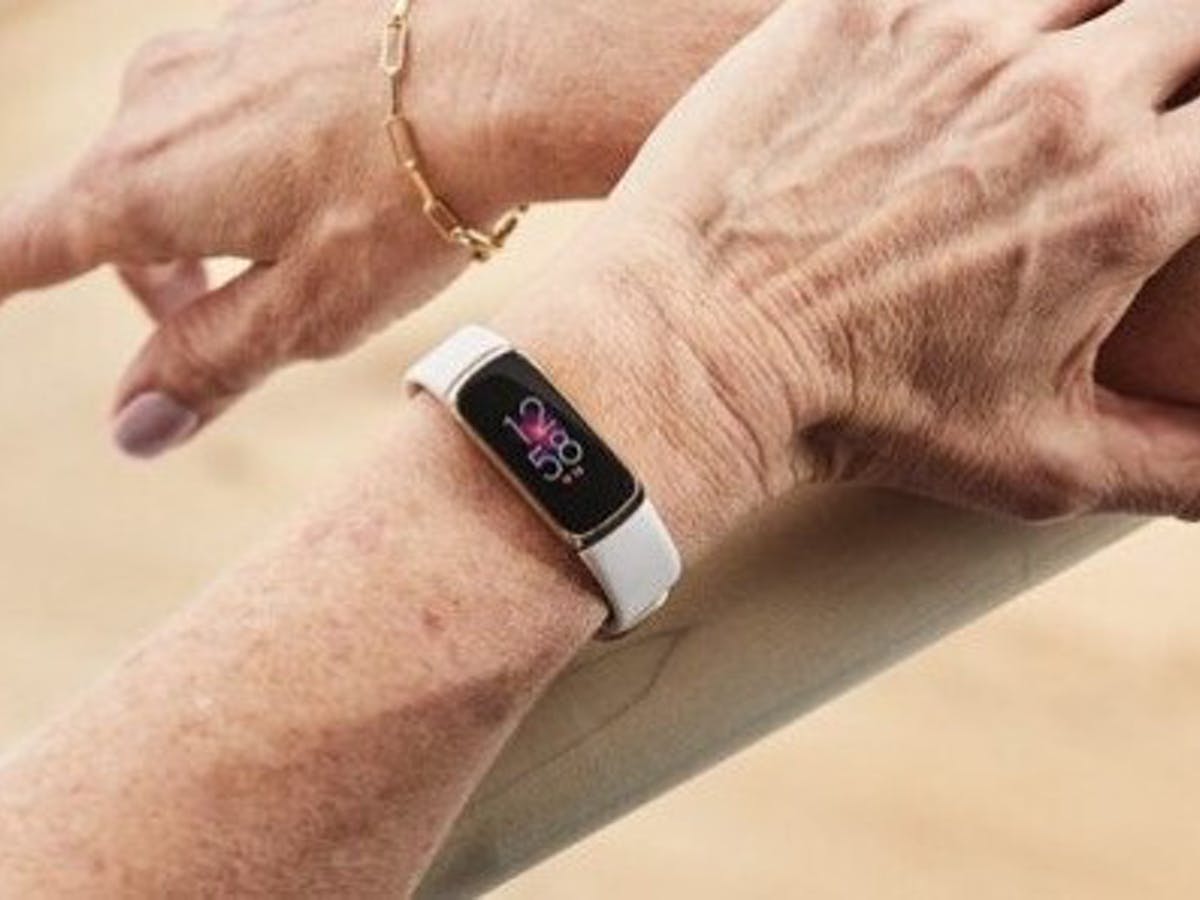
    This past January, Google closed on its $2.1 billion acquisition of Fitbit. Today, Germany’s WinFuture published some photos of the next Fitbit fitness tracker, the Fitbit Luxe. The wearable is supposed to deliver “balanced health in an elegant design,” and with the use of a polished stainless steel casing, the device does look to be as advertised.

    The Fitbit Luxe is equipped with an OLED display and features interchangeable straps that use a classic watch buckle to close. Thanks to Google’s acquisition of Fitbit, the Luxe will work with Assistant and will monitor your sleep and your heart rate. Speaking about your heart rate, if there is a certain range that you’re trying to hit and activity gets you there, the device will vibrate.

    The color options will be black, soft gold/white, and platinum/orchid. Pricing is unknown at the moment although the use of expensive and pricey materials could make the Fitbit Luxe pricier than you might have expected. And the device is water-resistant allowing you to take it swimming.

    Pricing is unknown, and so are the potential unveiling and release dates. We also are not clear about certain specs including the size of the device’s battery capacity, and the amount of storage and memory that comes with the fitness tracker.

  • Dolce & Gabbana opens first DG Beauty boutique in Southeast Asia

    Dolce & Gabbana opens first DG Beauty boutique in Southeast Asia

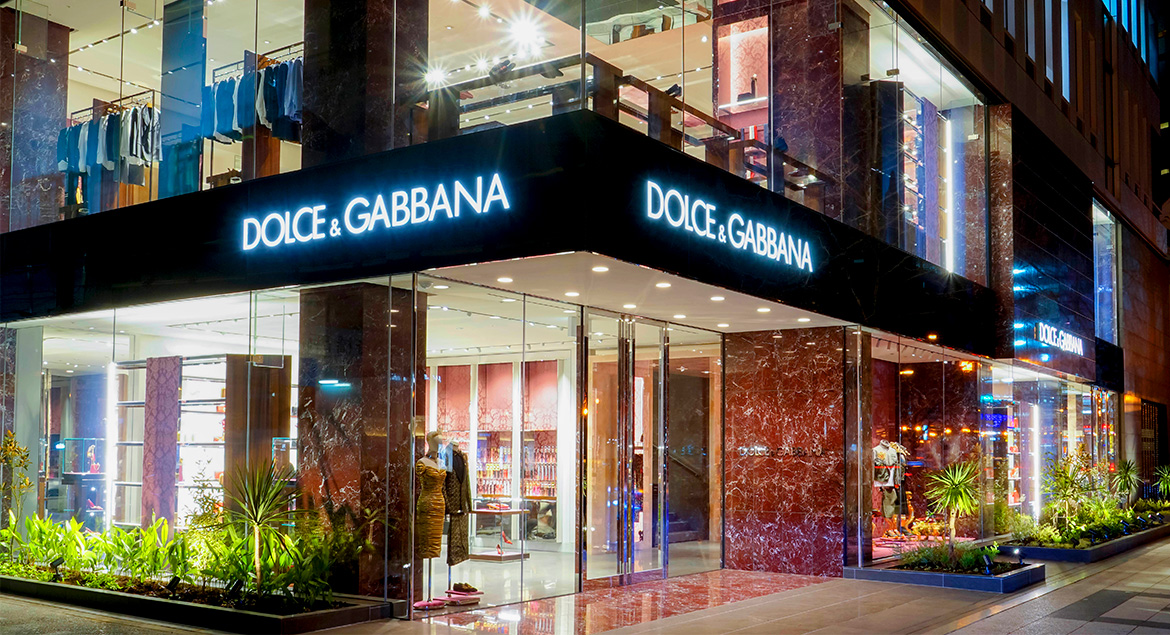
    Italian luxury brand Dolce & Gabbana has opened its first DG Beauty boutique in Southeast Asia at Ion Orchard, in Singapore.

    The 92sqm store will host a selection of fragrances, and for the first time will exclusively sell its makeup line in-store.

    Each corner of the boutique is adorned with details reflecting the brand’s “La Casa” DNA,  allowing customers to immerse themselves in Dolce & Gabbana’s aesthetic.

    According to the brand, its makeup collection will be luxurious, high-impact, and sensorial, inspired by its Italian heritage. Fragrances such as Light Blue, The One, and K by Dolce & Gabbana, will also appear alongside the brand’s latest novelties like the Fruit Collection, Dolce Rose, and Deva Cassel as the face of the fragrance collection.

    The DG Beauty boutique in Singapore will also offer the exclusive Velvet fragrance line, a collection of perfumes inspired by its designers’ vision of Sicily and the Mediterranean.

  • US luxury jeweller Hoorsenbuhs opens first overseas store in Japan

    US luxury jeweller Hoorsenbuhs opens first overseas store in Japan

    Los Angeles-based fine jewelry and lifestyle brand Hoorsenbuhs opened its first overseas store at the Ginza Six mall in Tokyo, Japan on Friday, March 5th.

    The 1,050 square foot space in Tokyo comes to life through the eyes of founder Robert Keith. For the store, Keith designed custom chairs, tables, lights, and jewelry cases featuring the brand’s signature tri-link chain motif. Artist Damien Hirst is among the brand’s most notable collectors and collaborators. Celebrity fans of the largely-unisex handmade jewelry collection include Brad Pitt, Gwyneth Paltrow, and Lenny Kravitz.

    To celebrate the opening, the brand will offer exclusive, one-of-a-kind pieces of jewelry, apparel, eyewear, and lifestyle goods at the new boutique.

    “We’ve built a very strong and successful retail business in Japan, since our first partnership in 2011, including Ron Herman, Umeda Hankyu, and Isetan,” said Kether Parker, brand director. “The opening of our first Hoorsenbuhs store at G6 will be a destination for our extremely loyal customer base to discover and immerse themselves in all things Hoorsenbuhs.”