Retail News CRM

Tag: luxe

  • Hermès Chairman Confirms Recovery of Missing $16B Stake by Heir is Impossible

    Hermès Chairman Confirms Recovery of Missing $16B Stake by Heir is Impossible

    During an earnings call on Wednesday, Executive Chairman Axel Dumas revealed an unsettling update regarding Nicolas Puech, the great-grandson of Hermès founder Thierry Hermès. “I’ve had the certainty for a long time that Nicolas Puech no longer holds his shares,” Dumas stated, suggesting the luxurious legacy has spiraled into complex legal battles. Dumas further expressed skepticism about the possible restoration of Puech’s stake and disclosed that the firm has initiated legal proceedings to address the issue.

    This insight from Dumas is the most comprehensive yet on the ongoing saga surrounding Puech’s missing fortune, a topic that has stirred intrigue among luxury retail watchers. Puech inherited a 5.7% stake in Hermès following the deaths of his mother in 1996 and sister in 2004, yet his relationship with the family and the company has grown increasingly fraught.

    A Pivotal Moment Amid a Takeover Attempt

    In 2010, as LVMH’s Bernard Arnault attempted a discreet takeover of Hermès, Puech turned against his family by quietly facilitating the transfer of some Hermès shares to Arnault, which allowed the business mogul to acquire a 23% stake in the luxury powerhouse. However, Arnault’s ambitions crumbled, resulting in a resolution in 2014 that saw him unwind his stake. That same year, Puech stepped down from Hermès’ supervisory board, but the fate of his shares has since become shrouded in mystery.

    The Complications of Bearer Shares

    Things took a turn for the complicated when it was revealed that Puech’s shares are bearer shares, a type of stock traditionally less transparent than registered shares. Unlike his family members who hold shares in their names, Puech’s stock does not disclose ownership, leading to challenges in tracing who currently possesses them and distributing dividends through intermediaries.

    A Legal Twist in 2023

    The plot thickened in 2023 when Puech claimed in court that he no longer owned the shares, placing the blame on his former wealth manager, Eric Freymond. According to reports, Puech accused Freymond of mismanaging his financial affairs, prompting intrigue about the control and governance of the inherited wealth. However, a Geneva court dismissed these claims, emphasizing that Puech had ceded control of his affairs to Freymond and could have revoked their arrangement at any time. The court found Puech’s accusations to be vague and lacking in substantial evidence.

    Freymond, who staunchly denied any wrongdoing, recently passed away in Switzerland, leaving behind an even more tangled narrative around the Hermès shares. Meanwhile, LVMH confirmed it has divested all its holdings in Hermès, closing the door on any former entanglements.

    The Broader Implications for Hermès

    If Puech still retains his stake, he would emerge as the largest individual shareholder of Hermès, a brand that carries a staggering market value of over US$300 billion as of February. The Hermès family, a network of over 100 members, remains one of Europe’s most affluent dynasties, and the repercussions of this saga could resonate far beyond just one heir’s misfortune. After all, in a world where luxury can be as elusive as it is sought after, such tales weave a compelling narrative that captivates the imagination.

    Questions & Answers

    What prompted the current dispute over Nicolas Puech’s shares?
    The dispute emerged from Puech’s alleged lack of ownership of his inherited shares after he assisted Bernard Arnault during a failed takeover of Hermès, raising questions about the ultimate fate of those shares.

    Why are Puech’s bearer shares significant?
    Bearer shares lack registered ownership details, complicating the process of tracking dividends and ownership, which poses challenges for the company in determining who rightfully holds the shares.

    What was the outcome of the recent legal proceedings involving Puech?
    A Geneva court ruled against Puech, stating he ceded control to his wealth manager and failed to provide sufficient evidence to support his claims of mismanagement.
  • Hermes Records Impressive Growth With €8 Billion Revenue In First Half Of Year

    Hermes Records Impressive Growth With €8 Billion Revenue In First Half Of Year

    Hermes, the esteemed French luxury brand, has demonstrated impressive sales growth in the first half of the current year. This surge in revenue was experienced across all regions as affluent customers continued their patronage of the brand’s distinguished leather products.

    The brand recorded a revenue of €8 billion (US$8.78 billion) for the half-year period concluding on June 30th. This performance marks an 8% increase in profits, calculated at a constant exchange rate when compared to the same timeframe in the previous year.

    Sales saw a 9% rise in the second quarter itself, which was bolstered by an excellent performance in the markets of the United States, Japan, and the Middle East.

    According to Hermes, the growth was widespread across all geographical regions, with each one reporting gains. Japan led the way with a robust 16% increase, followed by the Americas with a 12% rise. Sales in France experienced a 9% increase while Europe, excluding France, witnessed a 13% acceleration.

    Axel Dumas, the Executive Chairman of Hermes, has expressed his satisfaction, attributing the firm’s first-half success across all regions to the strength of the Hermes model.

    On behalf of the company, he expressed gratitude to all their customers for their continued trust and to all the employees for their dedication, adding, “We will continue to invest and recruit to ensure the group’s sustained success.”

    The primary driver of growth for Hermes is its core leather goods and saddlery division, which includes the highly coveted Birkin and Kelly bag lines. The brand also reported significant increases in the sales of jewellery and homeware. However, the sales of watches and perfumes exhibited a decline.

    Hermes has laid out plans to persist with investments in craftsmanship, to broaden production, and to reinforce its global retail presence in order to meet the escalating demand for its exclusive merchandise.

    Questions & Answers

    What was the revenue of Hermes for the first half of this year?
    The French luxury brand Hermes recorded a revenue of €8 billion (US$8.78 billion) for the first half of the year.

    Which regions showed significant growth for Hermes?
    Every geographical region posted gains for Hermes. Japan led with a 16% increase, followed by the Americas with a 12% rise. Sales in France experienced a 9% increase, whilst Europe, excluding France, witnessed a 13% rise.

    Which product categories drove the growth for Hermes?
    The primary growth driver for Hermes was its core leather goods and saddlery division, including the popular Birkin and Kelly bags. The brand also reported double-digit increases in jewellery and homeware.

  • Kering Reports 16% Revenue Drop Amid Gucci’s Struggling Sales In First Half Of 2021

    Kering Reports 16% Revenue Drop Amid Gucci’s Struggling Sales In First Half Of 2021

    Kering, the renowned French luxury merchandise corporation, has disclosed a significant sales drop for the initial half of the year. The company’s performance continues to be impacted negatively owing to a consistent decline in sales from Gucci.

    Semi-Annual Performance Analysis

    During the six months ending on 30th June, the conglomerate experienced a 16% fall in revenue, descending to EUR 7.6 billion (equivalent to US$ 8.7 billion). This figure incorporates a 14% decrease in the first quarter and an 18% fall in the second.

    The primary contributor to this downward trend is Gucci, with a substantial 26% reduction in sales. Other luxury houses also saw drops in their performance, including Yves Saint Laurent with an 11% decrease, and other associated houses posting a 15% decline.

    However, it was not all gloomy for Kering. Bottega Veneta reported a 1% increase in sales, while the Kering Eyewear and Corporate segment, inclusive of Kering Beaute, witnessed a growth of 2%.

    Geographical Sales Trends

    Despite the overall downturn, Kering reported a minor upward trend in sales for Asia-Pacific and North America during the second quarter. In contrast, Western Europe and Japan saw an acceleration in their sales decline, largely attributed to a significant drop in tourism.

    Chairman and CEO Francois-Henri Pinault, while acknowledging the challenging market conditions, emphasized the company’s commitment to streamlining distribution and controlling costs. He pointed out the decisive steps taken to fortify the company’s financial structure.

    Financial Indicators

    In terms of net income attributed to the company, the figures stood at EUR 474 million, a significant decrease from the EUR 878 million reported in the same period the previous year.

    Despite the lower than expected numbers, Pinault expressed optimism for the company’s future. He believes that the strategic efforts undertaken by the company over the past two years have laid a robust foundation for the next phase of Kering’s growth and development.

    Questions & Answers

    What was Kering’s reported revenue for the first half of the year?
    Kering reported a revenue of EUR 7.6 billion (US$ 8.7 billion) for the first half of the year, representing a 16% decrease compared to the corresponding period last year.

    Which brands under Kering experienced a decline in sales?
    Gucci was the primary underperformer with a sales drop of 26%. Yves Saint Laurent and other associated brands also experienced declines in sales, with decreases of 11% and 15% respectively.

    What were the key contributing factors to the sales decline?
    The sales decline was primarily attributed to reduced tourism, impacting sales in Western Europe and Japan. Additionally, specific brands like Gucci significantly underperformed.

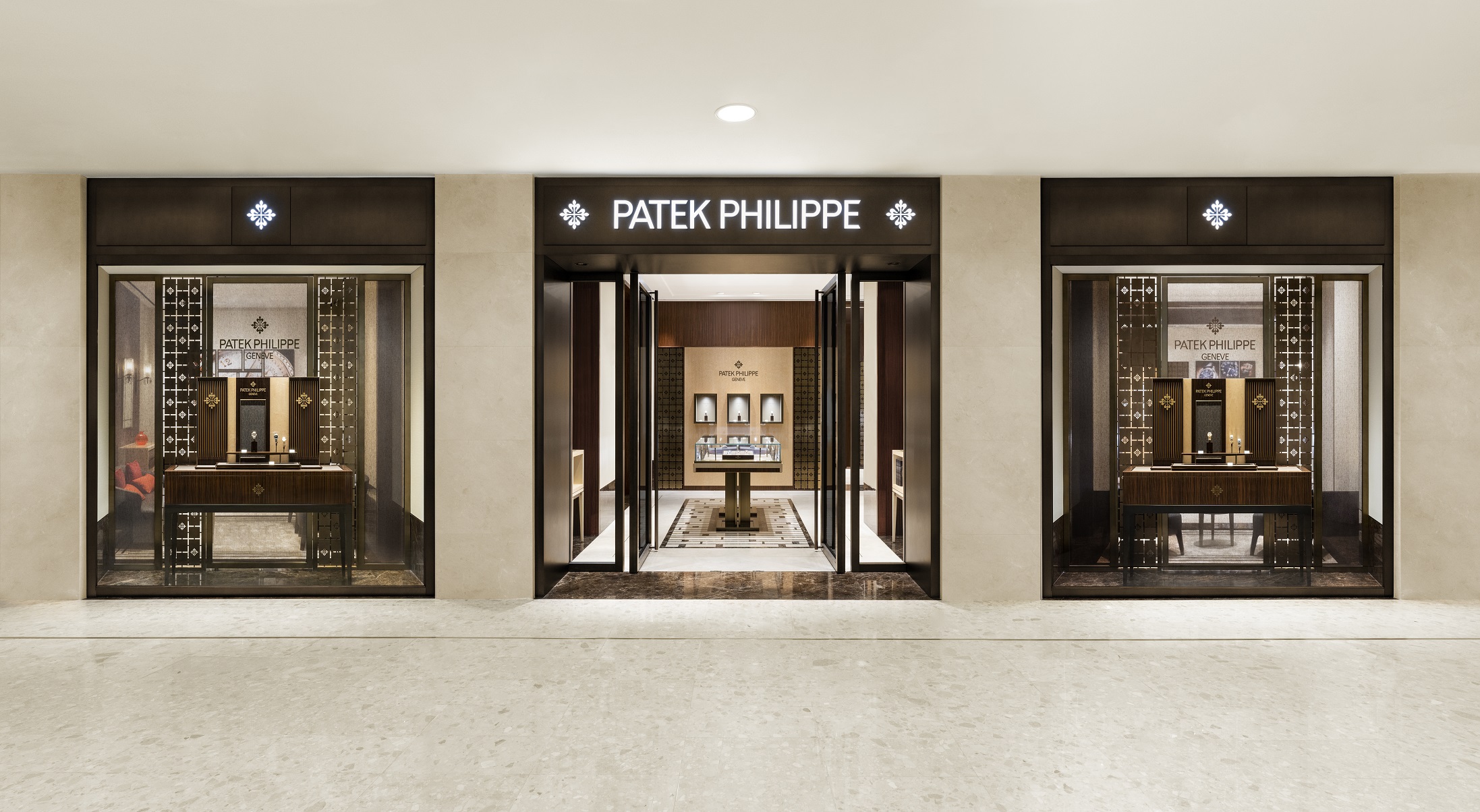
  • Patek Philippe Unveils Grand Store In Hong Kong With Unique Themed Zones And Local Art

    Patek Philippe Unveils Grand Store In Hong Kong With Unique Themed Zones And Local Art

    Patek Philippe, the notable luxury watchmaker, has recently launched its grand store in the heart of Hong Kong, specifically at Queen’s Road.

    The Store’s Design and Features

    Stretched over an area of more than 3000 square feet, this new store is designed with meticulous attention to details. The shop features seven uniquely themed zones to provide a distinctive experience for its visitors. Among these zones, there is a museum dedicated to collectors, an elegant bar lounge, a private dining room, and a special ‘gold-leaf room’, a feature meant exclusively for the Hong Kong store.

    To incorporate a local flavor into its global brand, Patek Philippe has included a tailor-made art piece in the store design that is inspired by the scenic Victoria Harbour. This addition demonstrates the brand’s acknowledgement and appreciation of local aesthetics.

    Customer Experience

    This new store of Patek Philippe in Hong Kong is more than just a regular retail outlet. Rather, it is designed to provide an immersive experience for its customers and collectors. The aim is to transform the shopping experience into a memorable event, where customers can interact with the brand’s prestigious history, innovative design process, and superior craftsmanship.

    About Patek Philippe

    Patek Philippe, originally located in Geneva, is a family-owned, independent watch manufacturer. The brand is renowned for its innovative approach to watchmaking, which is evident from its ownership of more than 80 patents. The company takes pride in its commitment to the creation of timeless pieces that push the bounds of traditional watchmaking.

    Questions & Answers

    Where is Patek Philippe’s new store located?
    The new store is located at 12 Queen’s Road, Central Hong Kong.

    What unique features does the new Patek Philippe store offer?
    The store has seven themed zones including a collectors’ museum, a bar lounge, a private dining room, and a ‘gold-leaf room’ exclusive to the Hong Kong store.

    What sets the Patek Philippe brand apart from other luxury watchmakers?
    Patek Philippe, a family-owned company, is recognized for its focus on innovation. The brand has more than 80 patents and is dedicated to crafting timepieces that defy the limits of traditional watchmaking.

  • Shangri-La Asia Welcomes New CEO: Daughter of Malaysia’s Wealthiest Tycoon Takes the Helm

    Shangri-La Asia Welcomes New CEO: Daughter of Malaysia’s Wealthiest Tycoon Takes the Helm

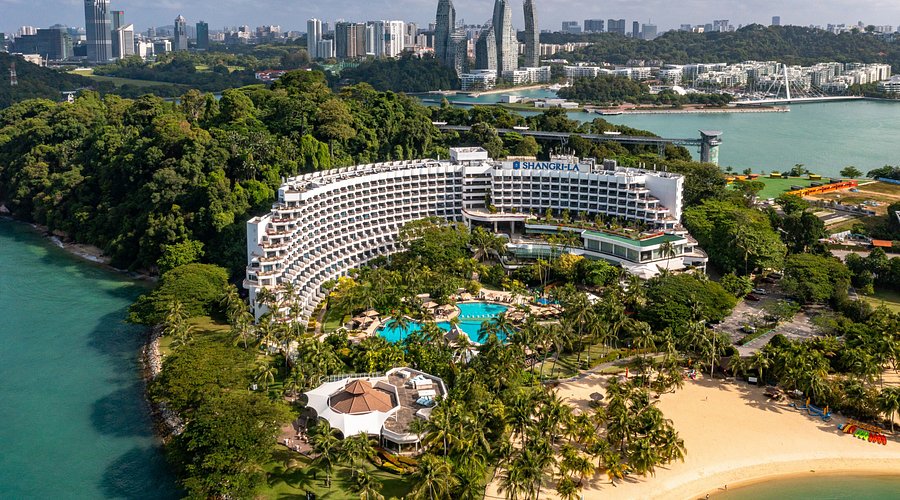
    Shangri-La Asia, a leading player in the Asian hospitality sector, has named Kuok Hui Kwong as its new chief executive officer, effective August 1. Kuok is the daughter of Robert Kuok, who stands as Malaysia’s wealthiest individual.

    Solid Leadership Experience

    At 47 years old, Kuok has been a pivotal figure within Shangri-La, having served as executive director since June 2016 and as chairperson since January 2017, as noted by Business Times. Holding a distinguished background, she boasts a degree in East Asian Studies from Harvard University and was previously managing director and CEO at SCMP Group, the publisher behind the South China Morning Post.

    Generous Compensation Package

    Her new role comes with considerable compensation: a monthly base salary of $73,377, along with potential discretionary bonuses and pension benefits, according to The Straits Times. Yet, it’s not just about the dollars; Kuok’s impressive business acumen has propelled her to 40th place on Fortune’s 2024 list of Asia’s most powerful women — a fitting title for someone stepping into the CEO role of one of Asia’s largest hotel chains.

    A Thriving Hotel Empire

    Shangri-La Asia’s recent 2024 annual report highlights the company’s robust portfolio, comprising 81 of the more than 100 hotels it operates across four prominent brands: Shangri-La, Kerry, Hotel Jen, and Traders. These properties hold a combined net asset value of $10.83 billion, reflecting not just a legacy of luxury, but also a definitive foothold in the competitive hotel landscape.

    Questions & Answers

    What experience does Kuok Hui Kwong bring to her new role as CEO?
    Kuok has been involved with Shangri-La Asia for several years as both an executive director and chairperson, and she previously held the position of managing director and CEO of SCMP Group, showcasing her extensive leadership experience.

    How is Kuok’s salary structured in her new position?
    Kuok’s compensation includes a monthly base salary of $73,377, complemented by discretionary bonuses and pension benefits, positioning her as one of the well-compensated leaders in the hospitality sector.

    What does Shangri-La Asia’s hotel portfolio look like?
    The company operates over 100 hotels under its four main brands, with a significant portion owned by the group, amounting to a robust net asset value of $10.83 billion, solidifying its strong market presence.

  • Singapore’s Luxury Market Expected to Soar to $10.9B in 2023, Thanks to 242,000 Millionaires

    Singapore’s Luxury Market Expected to Soar to $10.9B in 2023, Thanks to 242,000 Millionaires

    Singapore’s luxury retail market is poised for a remarkable rebound, with projections indicating a 7% growth from last year, according to Bloomberg, which cites data from analytics firm Euromonitor International. This upward trend could lead the city-state back to its pre-pandemic luxury sales peak of S$14.7 billion by 2026. Notably, in the previous year, Singapore’s luxury sales growth was only second to Japan among countries monitored by the firm.

    New Players in the Spotlight

    As consumer demand escalates across various luxury segments, brands are increasingly enhancing their presence in Singapore’s bustling market. French jeweler Van Cleef & Arpels opened an exhibition space, Les Jardins Secrets, at the Raffles Singapore hotel last February, a move that garnered attention, as reported by the Financial Times. Similarly, luxury watchmaker Audemars Piguet launched AP House, its first flagship in Southeast Asia, also at Raffles, which has been decorated to resemble a lavish apartment and even features the brand’s inaugural café, merging Swiss cuisine with local inspirations.

    A Beauty Boom

    In a parallel move, Raffles City mall has been aggressively courting the luxury beauty market by organizing substantial pop-up events that showcase 21 coveted brands, including Chanel, Dior, and Gucci this year. The charm of the mall is that, despite Singapore’s compact size—just 280 square miles with a population of around six million—it ranked third in luxury store openings last year among 32 Asia-Pacific cities, excluding mainland China, as revealed by real estate firm Savills.

    A Hub for the Affluent

    Singapore’s appeal to affluent individuals and luxury brands lies in its stability and welcoming business policies, factors that have facilitated the city’s evolution into one of the wealthiest nations globally. The World’s Wealthiest Cities Report 2025 by consultancy Henley & Partners places Singapore as the fourth wealthiest city worldwide, boasting 242,400 millionaire residents, including 333 centi-millionaires and 30 billionaires. Over the past five years, median household employment income has steadily increased, further complemented by a rise in tourism spending.

    Shopping Spree on the Rise

    International visitors brought S$3.9 billion to the local retail sector from January to September 2024, representing a 5% boost from the previous year, according to The Straits Times. These dynamics have crafted the city-state into a beacon for high-end brands seeking a strong foothold and a launchpad into the Southeast Asian market, especially as China’s economic slowdown casts shadows over the global luxury landscape. Jonathan Siboni, founder and CEO of consultancy Luxurynsight, articulated this, stating, “Singapore has proved to be a very stable place for wealthy people,” dubbing it “an oasis in the desert” for luxury markets.

    Challenges on the Horizon

    Nonetheless, this luxury boom may encounter hurdles soon. Henley & Partners projects that Singapore will see a net inflow of 1,600 millionaires in 2025—a figure that is less than half of the previous year’s estimate—even as record numbers of wealthy individuals are expected to relocate globally, as reported by The Business Times. Furthermore, although Singapore ranked fifth among global alpha cities for new luxury store openings, a recent Savills report warns that limited real estate options might stifle future growth and expansion for these luxury brands. “The available real estate for luxury brands remains limited, which could somewhat inhibit the growth and expansion of luxury brands in the city in the near future,” noted Sulian Tan-Wijaya, Savills Singapore’s executive director of Retail & Lifestyle, according to Singapore Business Review.

    Local Enthusiasm for Luxury

    Currently, the luxury marketing wave resonates well with local consumers. Among them is 22-year-old Chloe Liem, an avid collector of exquisite jewelry from established houses like Van Cleef & Arpels and Cartier. “Even though I know luxury items are crazily marked up, I recognize I’m paying for the experience and feeling of the brand,” Liem explained. “I feel confident splurging on these items because I enjoy it.” While some may call it indulgence, to Liem, it’s simply an investment in joy—a sentiment that highlights the emotional connection consumers have with luxury goods.

    Questions & Answers

    What is driving Singapore’s growth in the luxury retail market?
    Growing consumer demand, international tourism spending, and strategic brand expansions are key factors propelling Singapore’s luxury retail growth.

    How does Singapore’s luxury market compare to other Asian cities?
    Singapore is ahead of regional rivals such as Japan, China, and South Korea, ranking third in luxury store openings in the Asia-Pacific, excluding mainland China.

    Are there challenges facing Singapore’s luxury market?
    Yes, projections indicate a decline in the net inflow of millionaires in 2025, and limitations in available real estate for luxury brands could restrict future expansion.

  • Former HSBC Executive Makes Bold Moves In Hong Kong’s Sluggish Real Estate Market

    Former HSBC Executive Makes Bold Moves In Hong Kong’s Sluggish Real Estate Market

    In a surprising twist for Hong Kong’s real estate landscape, Peter Wong, the former HSBC executive, has been actively investing in the city’s housing market over the past three months. According to Bloomberg, these acquisitions were facilitated through Lion Rock, a local firm where Wong serves as the sole director.

    Luxury Living in Hong Kong’s Prime District

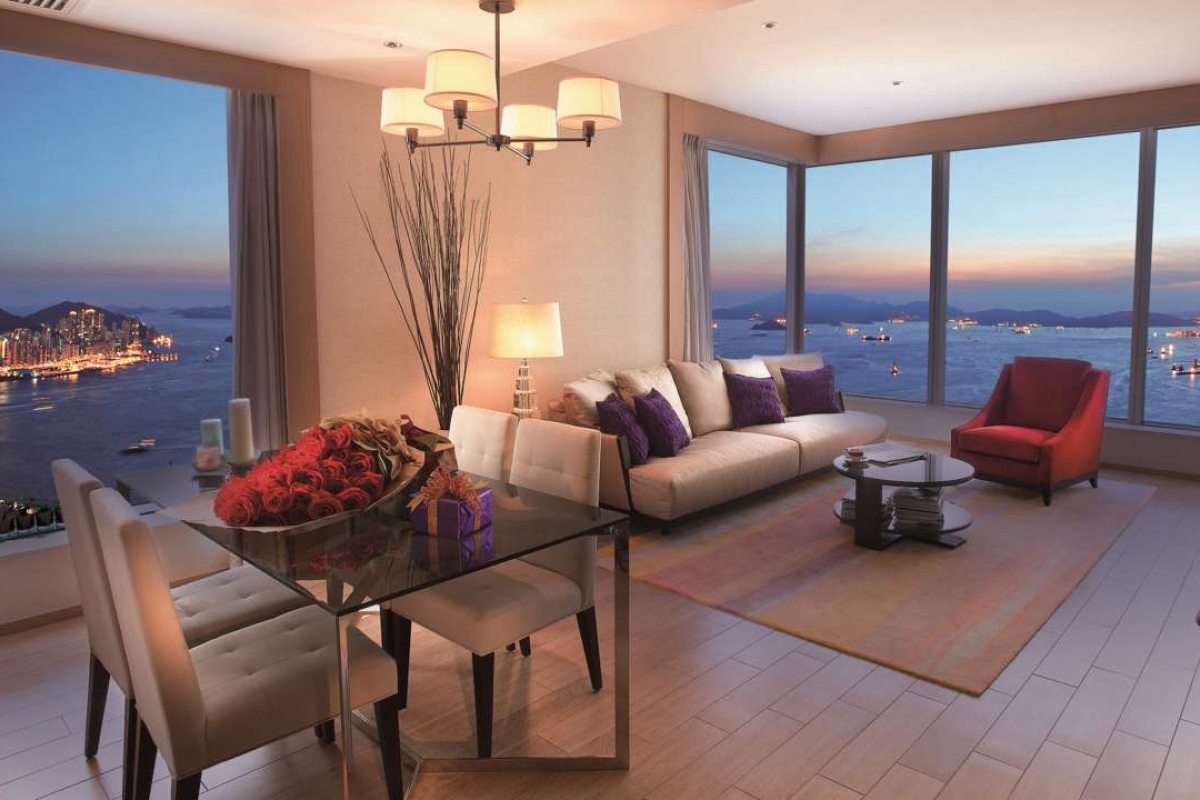
    The most recent transaction, finalized earlier this month, involved the purchase of two connected units within the prestigious Hong Kong Parkview. The deal, valued at an impressive HK$121.5 million, encompasses a generous 4,616 square feet of living space, which translates to a substantial HK$27,080 per square foot ($37,130 per square meter), as detailed by the South China Morning Post. This upscale complex, nestled in the city’s Southern District, continues to attract high-profile buyers even amid market fluctuations.

    A Smart Investment in a Sluggish Market

    Wong’s investment strategy seems particularly bold, considering that just a few months earlier, he had splurged HK$109 million for two adjacent units in another tower of the same development. This flurry of activity occurs against the backdrop of a sluggish Hong Kong housing market, which has grappled with a nearly 30% decline in prices since peaking in 2021. Factors contributing to this downturn include rising mortgage rates, a shift in professional demographics as many expatriates chose to depart the city, and a broader economic malaise, as reported by Reuters. However, signs of life are beginning to emerge; private home prices have actually ticked upwards for two consecutive months in April and May, offering a glimmer of hope for potential recovery.

    Legacy and Influence

    Peter Wong, 73, is not only a seasoned businessman but also holds a prestigious title as the non-executive chairman of HSBC’s Asian entity. His position affords him access to the grand Taipan House, a historic mansion situated on Victoria Peak, once reserved for the bank’s top executive and previous chairmen. The property has been under Wong’s stewardship since 2011, after being acquired in 1983 for the role of HSBC’s top executive.

    Following in Father’s Footsteps

    Interestingly, Peter’s son, Jeremy Wong, is also making waves in the business world; his LinkedIn profile indicates his current role at HSBC, along with a directorship at Energy World, a local enterprise that includes his mother, Camay Wong, and Peter Wong. This family affair in business adds a personal touch to the unfolding story of Hong Kong’s real estate investment landscape.

    Questions & Answers

    What inspired Peter Wong’s recent real estate purchases in Hong Kong?
    Peter Wong’s investments are likely driven by his confidence in the recovering Hong Kong housing market, despite its recent downturn. The strategic acquisitions at this time suggest he sees significant potential as signs of price increases emerge.

    How has the Hong Kong housing market changed recently?
    After enduring a considerable price decline of nearly 30% since 2021, the Hong Kong housing market has shown positive trends with home prices increasing for the last two months, indicating a potential rebound.

    What roles do Peter Wong’s family members play in the business?
    Peter Wong’s son, Jeremy, is active at HSBC and serves on the board of Energy World, a venture that includes both his parents. This family collaboration highlights their ongoing influence in Hong Kong’s business sector.

  • Pandora and Amazon Join Forces to Dismantle Major Counterfeit Jewelry Network in China

    Pandora and Amazon Join Forces to Dismantle Major Counterfeit Jewelry Network in China

    Pandora has made significant strides in the battle against counterfeit jewelry, successfully collaborating with Amazon to dismantle a sprawling network of fake products across Europe. This initiative culminated in a criminal conviction in China, marking a pivotal achievement for both companies in their commitment to combating counterfeiting.

    Investigation Sparks Action

    The investigation commenced in 2020 when Pandora’s Intellectual Property and Brand Protection team detected suspicious customs seizures. By partnering with Amazon’s Counterfeit Crimes Unit, they traced these counterfeit activities back to two China-based sellers orchestrating a large-scale operation.

    Raids and Convictions

    In a decisive move, Chinese authorities, with support from both Pandora and Amazon, conducted a raid that led to the seizure of thousands of counterfeit items. The two sellers were subsequently sentenced by a Shanghai court in March 2025 to five years in prison, accompanied by hefty fines. Justice, it seems, is best served with a side of bling.

    Remarkable Market Impact

    In 2024 alone, Pandora facilitated the removal of over 500,000 online listings touting fake products, a remarkable 215% increase from the previous year, fueled by the utilization of AI tools. The company also played a vital role in the global seizure of approximately 100,000 counterfeit items, a testament to its proactive approach in safeguarding its brand.

    Pandora’s Retail Strategy

    While Pandora does not sell its products on Amazon, it collaborates with the platform to eradicate the circulation of counterfeit goods. With a presence in over 2,700 stores worldwide and sales through its official website, pandora.net, the company remains dedicated to upholding brand integrity.

    Addressing a Global Challenge

    Counterfeiting poses an ongoing challenge worldwide, with the OECD estimating that fake goods represent a staggering 2.3% of global trade. In response, Pandora has pledged to continue its investments in enforcement and strategic partnerships to protect its brand and the interests of its customers.

    Questions & Answers

    What prompted the investigation into counterfeit Pandora products?
    The investigation was sparked by suspicious customs seizures identified by Pandora’s IP & Brand Protection team in 2020, leading to a collaboration with Amazon’s Counterfeit Crimes Unit.

    What were the outcomes of the raid conducted in China?
    The raid resulted in the seizure of thousands of counterfeit items, and the two sellers involved were sentenced to five years in prison along with significant fines.

    How has Pandora’s approach to combating counterfeiting evolved in recent years?
    Pandora has significantly increased its efforts by leveraging AI tools, leading to the removal of over 500,000 fake product listings in 2024, and is committed to ongoing investment in brand protection.

  • Louis Vuitton India sales and profits surge

    Louis Vuitton India sales and profits surge

    Louis Vuitton India has reported a 24.5-per-cent increase in profit year on year, representing a doubling of income since 2017.

    Sales have grown by 41 percent since 2017 with the luxury retailer now operating three stores in the country, at Delhi, Mumbai and Bengaluru.

    The growth reflects a strengthening Indian luxury-goods market estimated to be worth about US$8 billion now and growing at a rate as high as 18 percent through to 2023.

    Louis Vuitton India’s net profit for the 2019 financial year was ₹16.17 crore (US$2.25 million), over ₹12.98 crores ($1.8 million) for the previous year, according to local regulatory filings.

    Globally, the company, LVMH recorded revenue of €53.7 billion last year, up 15 percent year on year.

    Meanwhile, LVMH India’s country manager Sunaina Kwatra has announced her intention to resign from the firm’s board.

  • Hong Kong Real Estate Sees Record-breaking Sales Amid Developer’s Financial Struggles

    Hong Kong Real Estate Sees Record-breaking Sales Amid Developer’s Financial Struggles

    All 138 units in the Wong Chuk Hang neighborhood were sold within just seven hours of their launch on Saturday morning, raising a staggering HK$1.53 billion (US$196 million), as reported by property agents in the South China Morning Post.

    Record-Setting Prices and Swift Sales

    The new apartments, which feature two to four bedrooms, were priced between HK$8.5 million and HK$37.2 million each. This pricing resulted in an average cost of approximately HK$21,000 per square foot (US$28,800 per square meter)—a remarkable record low for new homes in the area, according to Bloomberg. This price point was about 4.5% less than that of CK Asset Holdings’ Blue Coast project, which ignited a buying spree in the same locale last year.

    In a splendid turn of events, Deep Water Pavilia was developed by New World, the flagship real estate company of the billionaire Cheng family and one of Hong Kong’s “big four” developers, alongside Empire Group Holdings, CSI Properties, Lai Sun Development, and MTR Corporation.

    Investor Interest and Market Dynamics

    Louis Chan Wing-kit, the CEO of Centaline Property Agency, noted that the project has attracted both end-users and investors alike, thanks to its competitive pricing and prime location directly above a mass transit railway station. The allure was further cemented by the fact that around 40% of buyers were investors seeking rental income, a reflection of current market trends, as reported by Sammy Po Siu-ming, CEO of Midland Realty’s residential division for Hong Kong and Macau.

    The robust sales are a welcome financial boost for New World, which has been facing rising financial pressures. Just weeks prior, in late May, the developer announced it would defer US$77.2 million in coupon payments on four perpetual bonds due that month. New World became the second Hong Kong property firm to take such a step in recent years, highlighting the ongoing struggles within the city’s property market plagued by price declines, sluggish sales, and high-interest rates.

    New World faces significant challenges, holding one of the highest debt ratios among its competitors. The company is under increasing pressure to manage its HK$87.5 billion in borrowings, especially after pledging around 40 properties—including its flagship commercial complex at Victoria Dockside—as collateral.

    Navigating Succession and New Horizons

    Amidst these financial challenges, the Cheng family—Hong Kong’s third-richest clan with an estimated fortune of US$19.5 billion according to Forbes—finds itself navigating complex succession issues. The group underwent two CEO changes last year following a record HK$19.7 billion loss for the fiscal year ending June 2024, with Adrien Cheng, once seen as the heir apparent, stepping down. His successor lasted only two months, leaving many eyebrows raised about the family’s leadership stability.

    With these developments unfolding, it seems that the property’s rapid turnover is not just a fleeting trend, but perhaps the beginning of a new era in the Hong Kong real estate landscape.

    Questions & Answers

    What types of apartments were sold in Wong Chuk Hang?
    The sold apartments ranged from two to four bedrooms.

    How much money did New World raise from the sales?
    New World raised a total of HK$1.53 billion (US$196 million) from the sale of the 138 units.

    What financial challenges is New World facing?
    New World is dealing with high debts, including HK$87.5 billion in borrowings, and has deferred coupon payments on bonds amid a struggling property market.

  • Luxury Market Growth Anticipated to Taper Off in 2025 Amid Economic Shifts

    Luxury Market Growth Anticipated to Taper Off in 2025 Amid Economic Shifts

    The luxury goods sector, a dazzling stalwart of economic growth that typically thrives at about 7% annually, is bracing for a slowdown in 2025, according to insights from Morgan Stanley. This promising world of high-end fashion and lavish accessories is finding itself tangled in a web of challenges—rising macroeconomic pressures, constrained pricing power, and plummeting demand from vital markets threaten its golden sheen.

    Challenges from Major Markets

    After a spectacular sales jump of over 80% between 2019 and 2024—boosted by COVID-era savings, U.S. stimulus, and an influx of new consumers—the luxury market is now facing a more uncertain horizon. Key consumer markets such as China, the U.S., and Europe, which cumulatively represent a staggering 75% of the industry’s spending, are showing signs of weakening demand.

    The Post-Pandemic Reality Check

    The industry is grappling with the normalization of growth post-pandemic, compounded by U.S. tariffs, soaring interest rates in Western nations, and widespread expectations of a slower global economy. “We are in a very different environment today,” asserts Edouard Aubin, Morgan Stanley’s Head of European Luxury Brands Research. “Luxury pricing power has eroded following steep price increases after the pandemic, and Chinese demand is likely to remain stagnant at best this year.”

    Shifting Consumer Sentiment

    The once-vibrant spending habits of Chinese consumers, who are typically the biggest patrons of luxury goods, have significantly dialed back. A recent Morgan Stanley AlphaWise survey of over 2,000 Chinese shoppers conducted in April reveals that 60% plan to cut back on spending in the coming six months due to job instability and income worries stemming from new U.S. tariffs.

    Fading Hopes for Recovery

    The outlook for U.S. consumers stepping in to fill the gap appears dim, with hopes for a 2025 rebound rapidly diminishing after a brief surge in April fueled by seasonal buying and pent-up demand. While some companies managed to evade tariff repercussions by shipping their products early, Morgan Stanley warns that the looming risk of recession and declining consumer confidence is a far greater threat to the sector.

    In the short term, demand is projected to remain lackluster, with a flicker of hope that recovery might materialize if U.S. markets continue their climb or if stability returns to China’s beleaguered real estate sector. As the luxury industry faces these turbulent waters, it’s a reminder that even the glitziest of markets must sometimes contend with unpredictable tides.

    Questions & Answers

    What is Morgan Stanley predicting for the luxury goods industry in 2025? They forecast a slowdown in growth, citing rising macroeconomic pressures and weakened demand from key markets.

    Which markets are contributing to the decline in luxury spending? Major consumer markets such as China, the U.S., and Europe are experiencing softer demand, collectively responsible for 75% of the industry’s spending.

    What factors are affecting consumer behavior, especially in China? According to a survey, 60% of Chinese consumers plan to reduce spending due to concerns about job stability and income levels influenced by new U.S. tariffs.

  • Dior creative director Maria Grazia Chiuri steps down

    Dior creative director Maria Grazia Chiuri steps down

    Maria Grazia Chiuri, the first woman to assume the role of creative director of women’s collection at Dior, has stepped down, marking one of the significant changes triggered by the LVMH board in the brand.

    Chiuri, who brought a powerful feminine touch to the brand, joined Dior in 2016, establishing a strong presence in the industry. Her final act as creative director was to oversee the Dior cruise fashion show in Rome earlier this week.

    Prior to her tenure with Dior, Chiuri brought her unique design insights and feminist approach to notable fashion powerhouses like Valentino and Fendi. Her impact was immediately felt at Dior, as seen in the collection she introduced during her inaugural show.

    Delphine Arnault, the chairman and CEO of Christian Dior, recognized Chiuri’s substantial contribution to the brand. He commented, “She has left an indelible mark on the history of Christian Dior, significantly boosting its growth and becoming the first woman to spearhead the creation of women’s collections.”

    Dior has not yet announced who will succeed Chiuri in her trailblazing role. However, Jonathan Anderson, who recently vacated the position of creative director at Loewe, has been named Dior’s menswear creative director. Fashion enthusiasts are eagerly anticipating his first collection, which will be unveiled on June 27 during the Paris Fashion Week.

    Questions & Answers

    What position did Maria Grazia Chiuri hold at Dior before her resignation?
    Maria Grazia Chiuri was the creative director of Dior’s women’s collection.

    Who has been appointed as the new menswear creative director at Dior?
    Jonathan Anderson, the former creative director at Loewe, has been appointed as the new menswear creative director at Dior.

    When can we expect Jonathan Anderson’s first collection to debut?
    Jonathan Anderson’s first collection for Dior is scheduled to debut on June 27 during the Paris Fashion Week.

  • Chanel profit tumbles as global sales slow down

    Chanel profit tumbles as global sales slow down

    Despite witnessing a 4.3% slide in sales last year, French luxury conglomerate Chanel has committed to maintaining its heightened capital expenditure this year. The persistence of market instability, especially in Asia and the U.S., has not deterred the company from supporting its worldwide expansion plans.

    Investments and Expansions

    Chanel announced that it would continue its capital investment at the $1.8 billion mark, representing a 43% increase from the previous year, to facilitate global growth. The expansion includes 48 new store launches scheduled for this year. About half of these planned openings will occur in China and the U.S., while additional locations are set for India, Mexico, and Canada. Out of these new stores, only six will be dedicated to fashion. The remaining stores will focus on beauty, jewelry, and other categories.

    Financial Performance

    The fiscal year ending in December saw Chanel reporting revenues of $18.7 billion. However, there was a 30% decrease in operating profit. The Asia-Pacific region was notably impacted, registering a 9.3% drop in sales. North and South America also experienced a decline of 4.3%, while Europe had a modest increase of 1.2%.

    The group’s net profit decreased by 28.2% to $3.4 billion last year. This decline was attributed to difficult market conditions in certain regions.

    Market Uncertainties

    Philippe Blondiaux, the group’s Chief Financial Officer, recognized uncertainties in the market outlook, particularly concerning China and U.S. tariff policies. He noted that while there were “positive signs of stabilization” in China and Hong Kong, it was premature to determine whether these regions were on the road to recovery. He further described the ongoing tariff discussions in the U.S. as “extremely volatile”.

    Chanel increased its prices by approximately 3% last year to counter inflation. Blondiaux stated that further adjustments might be required, especially in the jewelry sector where gold prices continue to escalate.

    Looking Forward

    Despite the challenging macroeconomic and geopolitical climate, Chanel’s global CEO Leena Nair remains optimistic. She stated that while these conditions have impacted sales in some markets, the company continues to focus on long-term investments.

    Last year, Chanel appointed Matthieu Blazy as its creative director. Although there have been rumors regarding an expansion into menswear, the company clarified that there are presently no plans to venture into that category.

    Questions & Answers

    What is Chanel’s strategy in terms of capital investment?
    Chanel plans to maintain its $1.8 billion capital investment to support its global expansion.

    How did Chanel’s financial performance fare in the previous fiscal year?
    For the fiscal year ending in December, Chanel reported a revenue of $18.7 billion. However, both operating profit and net profit saw significant declines, by 30% and 28.2% respectively.

    What are Chanel’s expansion plans for the current year?
    Chanel intends to open 48 new stores across various countries, including China, the U.S., India, Mexico, and Canada. The majority of these stores will be dedicated to beauty, jewelry, and other categories.

  • Hermes opens new Indonesia store

    Hermes opens new Indonesia store

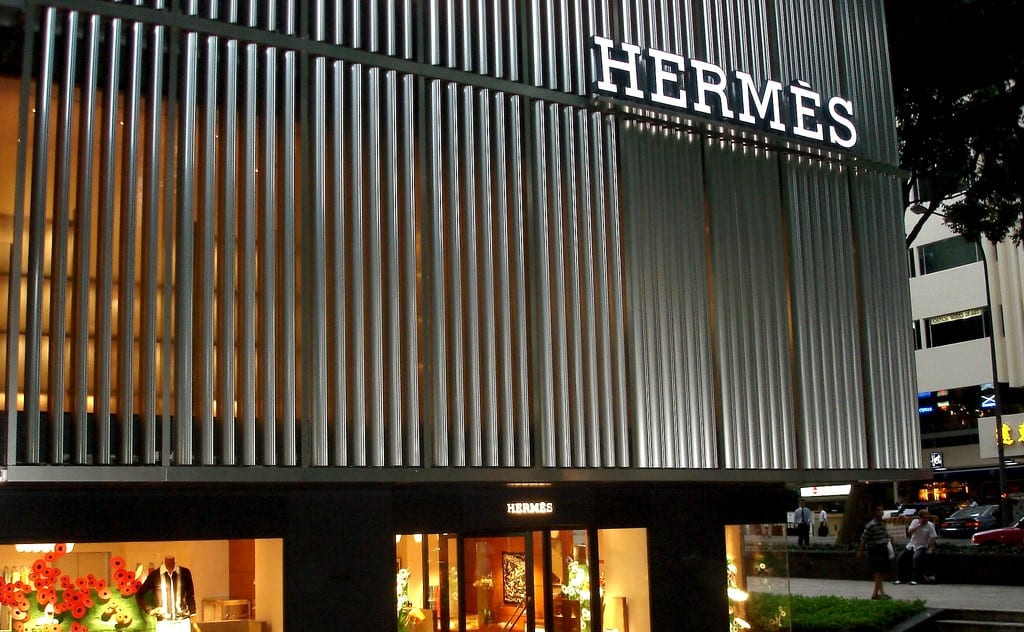
    Hermes has opened a new store in Jakarta, Indonesia, located in Plaza Indonesia.

    Designed by Paris-based RDAI, the space showcases the French luxury house’s 16 metiers (artisinal expertise) in a setting that blends traditional craftsmanship with contemporary design.

    The store’s facade features teal-green ceramic tiles and semi-sheer rattan screens, offering glimpses into the interior. Inside, the layout is arranged by category, with fashion jewellery, silks, home collections, beauty, and fragrance near the entrance.

    Leather goods and equestrian collections are framed by fabric-covered panels, while dedicated areas present ready-to-wear and footwear. A jewellery and watch salon, adorned with hand-carved lacquered panels, adds a “refined touch”, while hand-tufted carpets introduce texture throughout the space.

    The store also incorporates locally sourced materials, including hand-woven wall fabrics and wooden furniture. Curated artworks from the Emile Hermes collection and contemporary photography further enhance the interior.

    In collaboration with Indonesian art collective Tromarama, the window displays merge the label’s equestrian heritage with Jakarta’s rail network, offering a unique artistic interpretation.

    “We invite visitors to explore our collections in a space that reflects Indonesia’s cultural and artistic heritage,” said Hermes.

  • Hermes achieves double-digit sales growth in fourth quarter

    Hermes achieves double-digit sales growth in fourth quarter

    Hermes has posted double-digit sales growth for the fourth quarter and the full fiscal year, which management described as a solid performance in an “uncertain” environment.

    The company’s revenue surged 18 percent to €4 billion (US$4.2 billion), both on a reported and constant currency basis, during the quarter ended December 31. This extended the 11.4 percent uplift in the third quarter.

    Sales in Asia excluding Japan were up 10 per cent despite the downturn in traffic in Greater China. In Japan, sales jumped 20 per cent driven by the loyalty of local clients.

    The Americas rose 21.4 percent, while Europe increased 16.9 percent.

    For the full year, revenue rose 13 percent (15 percent in constant currency) to €15 billion, and consolidated net profit increased 7 percent to €4.6 billion.

    “In 2024, in a more uncertain economic and geopolitical context, the solid performance of the results attests to the strength of the Hermes model and the agility of the house’s teams,” said executive chairman Axel Dumas.

    “While preserving the group’s major balances and its responsibility as an employer, the house is staying the course, attached more than ever to its fundamental values of quality, creativity and savoir-faire,” he added.

    The company expects to record continued revenue growth in the medium-term despite the economic, geopolitical and monetary uncertainties.