Retail News CRM

Tag: luxury retail

  • Dolce & Gabbana Sparks Racism Backlash With Chinese Ad

    Dolce & Gabbana Sparks Racism Backlash With Chinese Ad

    Italian luxury retailer Dolce & Gabbana is facing a growing backlash in China after an ad campaign that was meant to promote the brand in arguably its most valuable market has been decried as racist.

    Amidst growing calls to boycott the brand on Chinese social media, popular e-commerce sites, including Alibaba’s Tmall and JD.com, have seemingly removed listings for Dolce & Gabbana products. Searches for the brand on those sites at the time of this writing returned no results. NetEase’s Kaola said that it had taken down the brand’s listings.

    The growing backlash forced the brand to postpone a fashion show in Shanghai just hours before it was set to take place on Wednesday, after models and celebrities reportedly said they would not attend the event. Dolce & Gabbana’s ambassadors in the region, Karry Wang and Dilraba Dilmurat, who is of Uigher ethnicity, have ended their contracts with the company.

    The uproar follows the publication of a series of ads on Chinese social media platform Weibo earlier this week, featuring a young Chinese woman attempting and failing to eat traditional Italian food, such as pasta, pizza and a cannoli, with chopsticks. The ads were released as part of the brand’s #DGLovesChina campaign ahead of the scheduled fashion show in Shanghai, but critics decried the videos as playing on racist stereotypes. The ads are still visible on Dolce & Gabbana’s Instagram page.

    The controversy was made worse after screenshots of direct messages purportedly from founder Stefano Gabbana’s Instagram account were leaked, showing offensive comments about China and Chinese people. Both Gabbana and the brand have denied that the messages were sent by the Italian designer, saying the accounts were hacked, but many have expressed scepticism, given Gabbana’s track record of getting into verbal spats on social media.

    “I love China and the Chinese culture. I’m so sorry for what happened,” Gabbana wrote in an Instagram post that asserted his account was hacked.

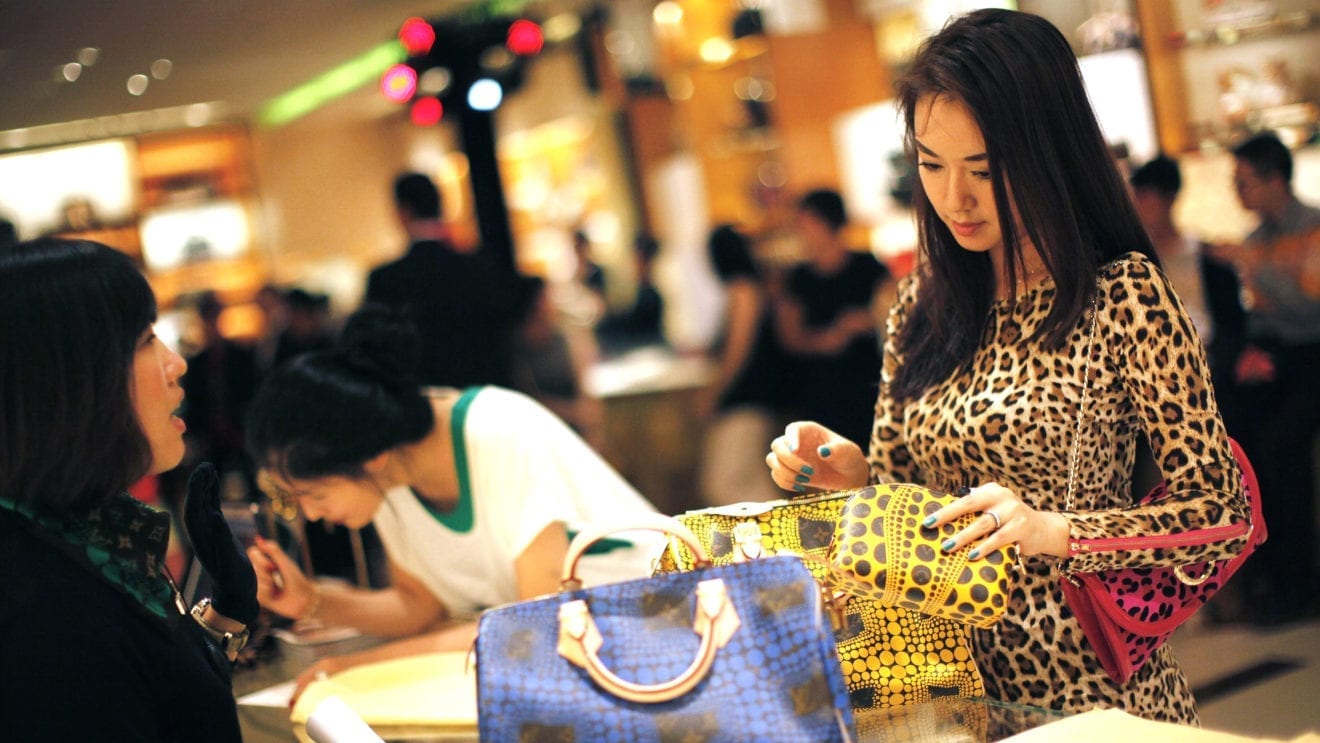
    The boycott is especially troubling, since China is such a crucial market for luxury retailers. A 2017 McKinsey report found that Chinese consumers account for nearly a third of the global luxury market, spending RMB 500 billion (approximately $99 billion) annually. The consulting firm expects Chinese consumers to account for the majority of the growth in the global luxury goods market in the coming years, and by 2025, the country is forecast to make up 44 per cent of the total global market.

    At the same time, McKinsey said that Chinese luxury consumers increasingly rely on word of mouth from friends and family to make purchase decisions, even more than the in-store experience. This creates treacherous terrain for global luxury brands, and Dolce & Gabbana is not the only one to have made a culturally insensitive or simply out-of-touch decision, causing offense in its most valuable market.

    Ikea, among many other brands, has faced criticism for listing Taiwan as a separate country on its packaging or website, while Mercedes-Benz ran into problems for quoting the Dalai Lama in an ad campaign. China considers the spiritual leader to be a dangerous voice for separatism in Tibet.
  • Headwinds will cramp luxury retail sector

    Headwinds will cramp luxury retail sector

    The luxury retail sector will grow next year – but at a disappointingly slow rate, according to the latest data from Euromonitor.

    As tough global trading environments continue to prevail – social and political unrest in Asia Pacific, economic slowdown in Latin America, and conflict in Eastern Europe will conspire to restrain growth in both key emerging and developed markets, the research house says.

    “Indeed, the market continues to face headwinds from major luxury goods markets, such as France and Hong Kong, as well as other large emerging markets, such as Russia and Brazil, while instability in the Middle East continues to cloud the horizon.”

    Whilst 2017 will not be a stellar year for the global industry overall, “we will see some tailwinds, with markets such as India and Mexico in a much stronger position,” Euromonitor concluded.

    “At the same time, luxury brands and retailers continue to seek ways to harness social media and tap into the psyche of the digital consumer, as connectivity continues to drive new opportunities in digital innovation and growth in the omnichannel continues to reach new frontiers.

    Divergence remains a key theme across the luxury markets for the year ahead with strong regional disparities in Asia Pacific appearing strong with 5 per cent growth, a marked difference to 2015, with a regional growth of just 1 per cent, reflecting the significant economic slowdown in China.

    The developed regions of Western Europe and North America were significantly weaker, with both regions showing a slight downturn in 2016 with a weak Eurozone continuing to hold back regional performance and the added concerns over terrorist attacks, as well as the more recent Brexit vote, have also dampened sales. In the next five years, the US is predicted to lose its top spot in the ranking to China.

    However, the disappointing data for the developed regions should not obscure the importance of these high-value luxury goods markets. These regions remain amongst the most powerful in the world and together account for over half of all luxury goods sales in 2016.

    Watch Fflur Roberts, head of luxury goods with Euromonitor International, share more about the luxury sector.

  • Asia luxury retail revival ahead

    Asia luxury retail revival ahead

    While Asia Pacific may be experiencing a slowdown in luxury retailing right now, three key trends will fuel a renaissance in coming years.

    That’s the core finding of a research report by property specialist CBRE, The Future of Luxury Retail in Asia Pacific: New Demand Drivers and Shifting Occupier Requirements, which promises property owners can expect “a solid new stimulus for demand” in the coming years.

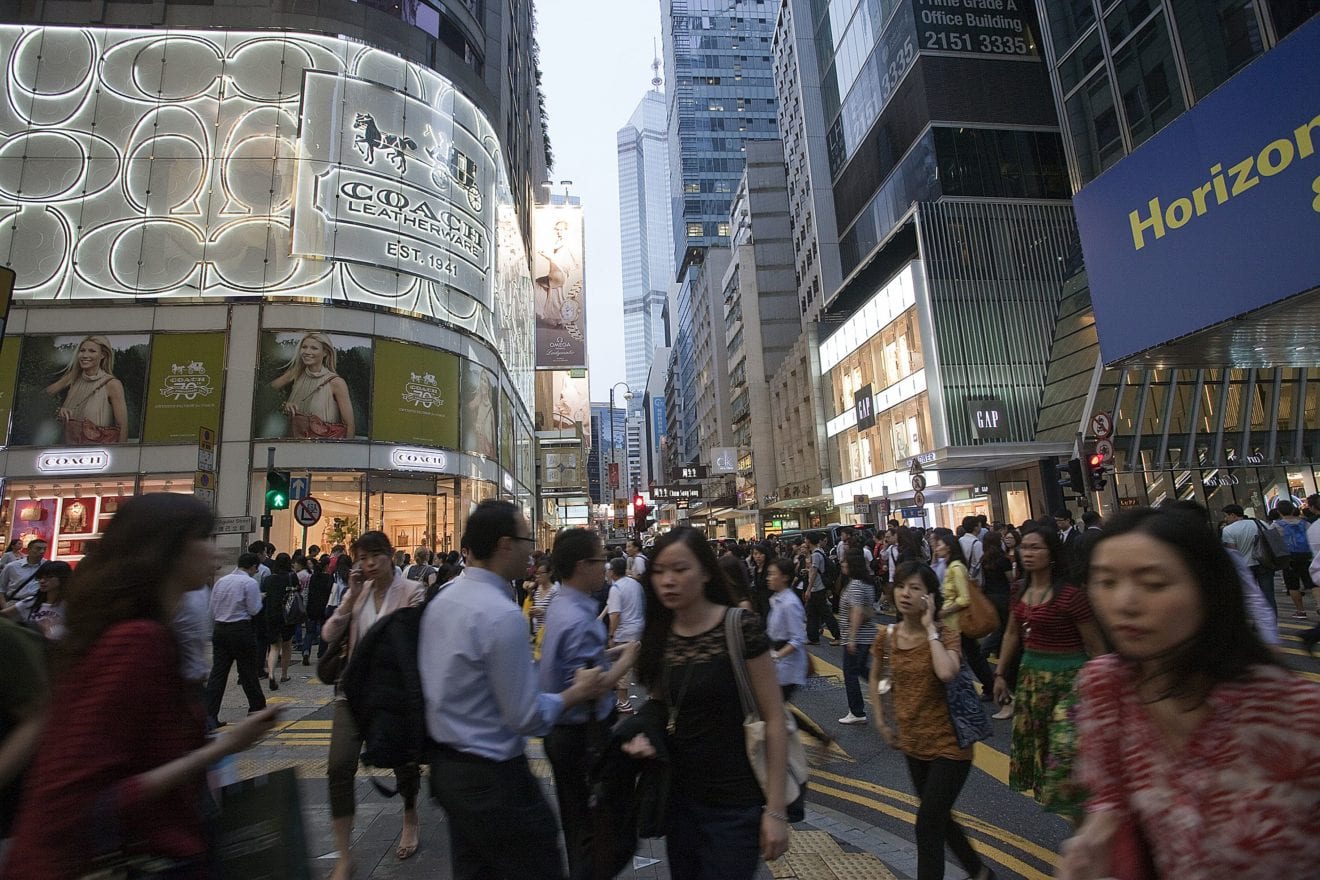
    Most major luxury retailers are now well established in Asia Pacific – their with China and Hong Kong penetrations already at 89 per cent and 81 per cent, respectively. And after several years of rapid expansion, these markets are approaching saturation point.

    “Accounting for one-third of personal luxury goods sales globally in 2014, Asia Pacific is a key region for international luxury brands with key markets including China, Hong Kong, Japan, Singapore, South Korea and Taiwan. However, the high growth period for luxury retailers in the region is gradually coming to an end,” commented Dr Henry Chin, head of research, CBRE Asia Pacific.

    ”Over-saturation, surging operational costs and weaker retail sales – especially in Hong Kong due to the slowing mainland China economy – have prompted retailers to consolidate their existing store networks and slow their rate of entry into new markets focusing on operational efficiency,” said Chin.

    But here is where there is hope: CBRE has identified three emerging trends which will partially offset some of the negative effects arising from the slowdown and compensate for the loss of demand.

    • The Emergence of Affordable Luxury

    Often referred to as bridge brands, affordable luxury retailers – for example Michael Kors – provide high quality branded goods at a lower price tag than top-tier luxury retailers. Several top-tier luxury brands are already so well established in the region that they are at risk of overexposure, a trend which is prompting many consumers to look for differentiation.

    • Inclusion of F&B

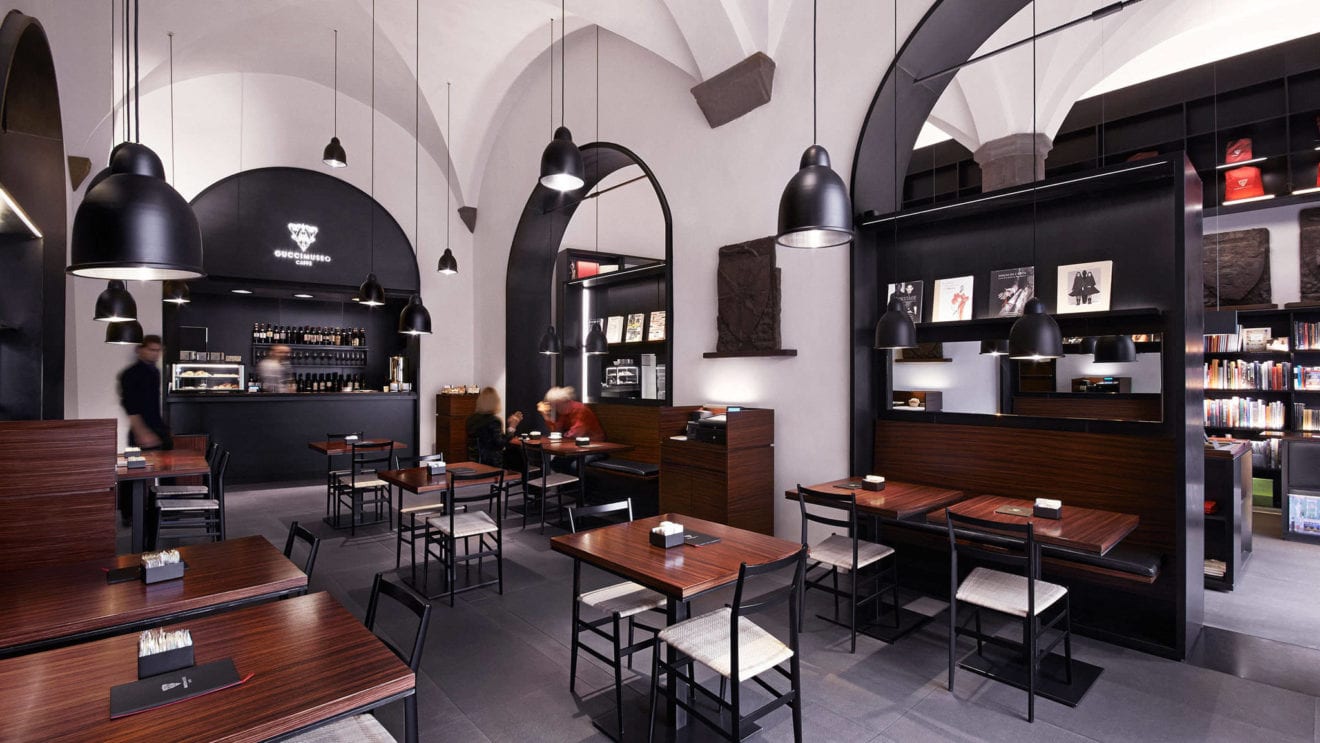
    Recent years have seen luxury brands begin to expand beyond their core fashion businesses into the F&B sector – examples include 1921 Gucci in Shanghai iAPM and Cafe Dior by Pierre Hermé on the top floor of Christian Dior’s flagship store in Seoul – transitioning their brand from being totally fashion-oriented to more lifestyle-driven. Including an F&B component in stores enables luxury retailers to provide their consumers with a more complete experience in which they can shop, relax and socialise.

    • Growth of Luxury Childrenswear

    As of 2014, Asia Pacific was home to 807 million people aged below 14, representing more than 20 per cent of the total population, offering an enormous opportunity for growth in this segment. The emergence of luxury childrenswear brands has been welcomed by landlords as many of them are looking to expand their offering into toys, bookstores and playrooms in order to attract and retain foot traffic amid competition from online retail.

    “With the momentum behind these trends, this will account for a bigger slice of leasing demand for prime retail space,” says Joel Stephen, senior director, head of retailer representation, CBRE Asia.

    “Retailers and landlords can benefit from the projected growth in these market segments.”

    Changes in Luxury Retailers’ Real Estate Requirements

    The emerging retail trends – combined with changing tourism patterns and the ongoing slowdown of the region’s luxury retail sector – are already impacting luxury retailers’ real estate requirements, resulting in new, and in some cases, weaker demand for different types of retail property.

    “The change in shopping behavior among mainland Chinese tourists – who are demonstrating a stronger preference for shopping in Europe and Japan – has prompted luxury brands to review their expansion and rationalise their real estate portfolios, strategies and requirements. Since most luxury retailers remain cautious towards expansion, especially in China, retailers are now focusing on consolidating their footprint into a solid network of stores in high quality locations, as opposed to expanding rapidly and opening many smaller stores, in order to extract the highest value from their sales network,” says Chin.

    Some of the key trends that CBRE have identified include:

    • Weaker interest in department stores despite continued interest in prime locations;
    • Stronger focus on flagship stores, displaying more product lines, thus making a stronger statement in the market;
    • Increased popularity in short-term opportunities for brands to set up exhibitions, pop-up and concept stores, and workshops, to generate greater consumer awareness;
    • Affordable luxury brands continuing to drive demand, encouraging more shopping center landlords to offer them anchor tenant space; and
    • More interest in upper floor retail space, but limited to top-tier malls and driven by F&B and childrenswear segments.

    Says Stephen: “Driven by the emergence of affluent consumers and the rise of the number of millionaires in the region, Asia Pacific will remain a hugely important market for international luxury brands with new names entering the region.

    “Even though leasing demand will slow to a more sustainable level, prime space in core areas will continue to be keenly sought after.”

    Penetration of luxury retailers into Asia-Pacific.

  • Saturation hits luxury retail, but new trends provide hope

    Saturation hits luxury retail, but new trends provide hope

    The Asia Pacific region is experiencing a slowdown in the luxury retail sector, but new emerging trends are set to provide the retail sector with a solid new stimulus for demand in the coming years, according to the CBRE’s special report, ‘The Future of Luxury Retail in Asia Pacific: New Demand Drivers and Shifting Occupier Requirements’.

    Most major luxury retailers are now well established in Asia Pacific with China and Hong Kong being two of the most penetrated markets at 89 per cent and 81 per cent, respectively. However, following several years of rapid expansion, these markets are approaching saturation point.

    “Accounting for one-third of personal luxury goods sales globally in 2014, Asia Pacific is a key region for international luxury brands with key markets including China, Hong Kong, Japan, Singapore, South Korea and Taiwan. However, the high growth period for luxury retailers in the region is gradually coming to an end,” said Dr Henry Chin, Head of Research, CBRE Asia Pacific.

    ”Over-saturation, surging operational costs and weaker retail sales – especially in Hong Kong due to the slowing mainland China economy – have prompted retailers to consolidate their existing store networks and slow their rate of entry into new markets focusing on operational efficiency,” said Dr Chin.

    CBRE has identified three emerging trends which will partially offset some of the negative effects arising from the slowdown and compensate for the loss of demand: Emergence of Affordable Luxury, Inclusion of F&B and Growth of Luxury Childrenswear.

    “With the momentum behind these trends, this will account for a bigger slice of leasing demand for prime retail space,” says Joel Stephen, Senior Director, Head of Retailer Representation, CBRE Asia. “Retailers and landlords can benefit from the projected growth in these market segments,” he adds.

    Emerging retail trends are already impacting luxury retailers’ real estate requirements, resulting in new, and in some cases, weaker demand for different types of retail property, the report said.

    Some of the key trends that CBRE have identified include weaker interest in department stores despite continued interest in prime locations; stronger focus on flagship stores; increased popularity in short-term opportunities for brands to set up exhibitions, pop-up and concept stores, and workshops, to generate greater consumer awareness; affordable luxury brands continuing to drive demand; and more interest in upper floor retail space, but limited to top-tier malls and driven by F&B and childrenswear segments.

  • Harvey Nichols is closing in Baku

    Harvey Nichols is closing in Baku

    British luxury department store operator Harvey Nichols has pulled out of its first store in Azerbaijan just four months after  a high profile opening in March.

    The seven-storey Harvey Nichols store opened in the oil rich nation’s fast-growing capital city of Baku offering 110,000 sqft of space selling more than 500 labels in men’s, women’s, children’s and bridalwear; a cosmetics hall, perfumery, cafe, restaurant, lounge and club. It was its largest store outside London.

    Stacey Cartwright, group CEO of Harvey Nichols, said in an interview at the time that Azerbaijanis were showing an increasing demand for luxury goods and the market was “fast becoming one of the top luxury retail destinations in the world”.

    But Harvey Nichols has parted ways with joint venture partner in the store, Perfomans, a subsidiary of a Baku investment company.

    The reasons aren’t clear and appear to be subject to legal proceedings: “Harvey Nichols has terminated its licence agreement with the operator of the Baku store. Consequently, the Baku store no longer operates under the Harvey Nichols brand,” the retail company said in a statement. It said further comment was not possible due to “legal reasons”.

    Harvey Nichols already has stores in London, Hong Kong, Saudi Arabia, Turkey, Dubai and Kuwait.