Tag: luxury retail

  • JD.com Opens Suzhou Mall for Trial Operation on Oct. 1

    JD.com Opens Suzhou Mall for Trial Operation on Oct. 1

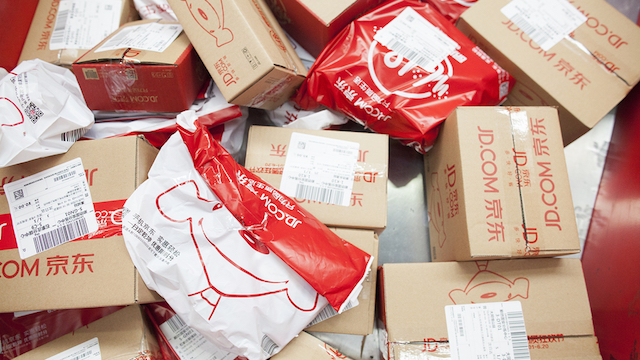
    JD.com opened a shopping mall for trial operations on Oct. 1 in Suzhou. The opening expands the company’s retail footprint in eastern China. It also fits Beijing’s policy shift away from debt-backed real estate sales toward domestic household spending.

    Local governments across China face shrinking receipts from commercial land transfers. Replacing those proceeds requires steady transaction volumes at brick-and-mortar storefronts, shopping centers and tech hubs.

    Offline Footprint in Suzhou

    The Suzhou property bridges JD.com’s digital logistics network with large physical retail assets. The facility began trial operations at the start of the golden week holiday. It targets regional shoppers with consumer electronics, home goods and lifestyle merchandise.

    Physical flagships allow e-commerce platforms to capture on-site customer service revenue and handle returns faster. They anchor local retail districts. That gives city administrators a direct pipeline to consumer tax receipts.

    From Land Sales to Store Receipts

    For decades, local authorities relied on developer auctions to balance city budgets and fund civic infrastructure. That mechanism stalled as property construction slowed nationwide. Central planners now encourage municipal leaders to build tax bases around recurring retail sales, consumer services and commercial logistics.

    City halls have shifted how they treat commercial tenants. Municipal officials prioritize operators that deliver high sales turnover and dependable point-of-sale tax revenue over one-time development premiums. Retailers with established supply chains hold stronger bargaining power during site negotiations.

    Luxury Expansion and Industrial Demand

    Luxury mall operators are also pursuing store expansions across China, defying broader retail caution. High-end property managers are adding space in regional commercial centers to capture resilient premium spending.

    Industrial data reflects broader economic stabilization. Chinese factory activity expanded in September, lifted by output across artificial intelligence supply chains and consumer hardware manufacturing.

    Trade Truce and Operating Headwinds

    Cross-border trade conditions provide temporary breathing room for domestic retailers managing inventory and supply chains. Beijing and Washington agreed to extend their bilateral trade truce until January, according to statements following high-level economic negotiations.

    Import duties climbed toward 145 per cent before negotiators established commercial frameworks, including the Busan understanding in October 2025. Stabilized tariffs reduce input price volatility for merchants stocking electronics and imported goods.

    JD.com will evaluate customer footfall and tenant sales data during the Suzhou trial phase before setting the date for full commercial operations. Retail operators will watch the January expiration of the bilateral tariff truce.
  • China Luxury Malls Expand Footprint Despite Retail Gloom

    China Luxury Malls Expand Footprint Despite Retail Gloom

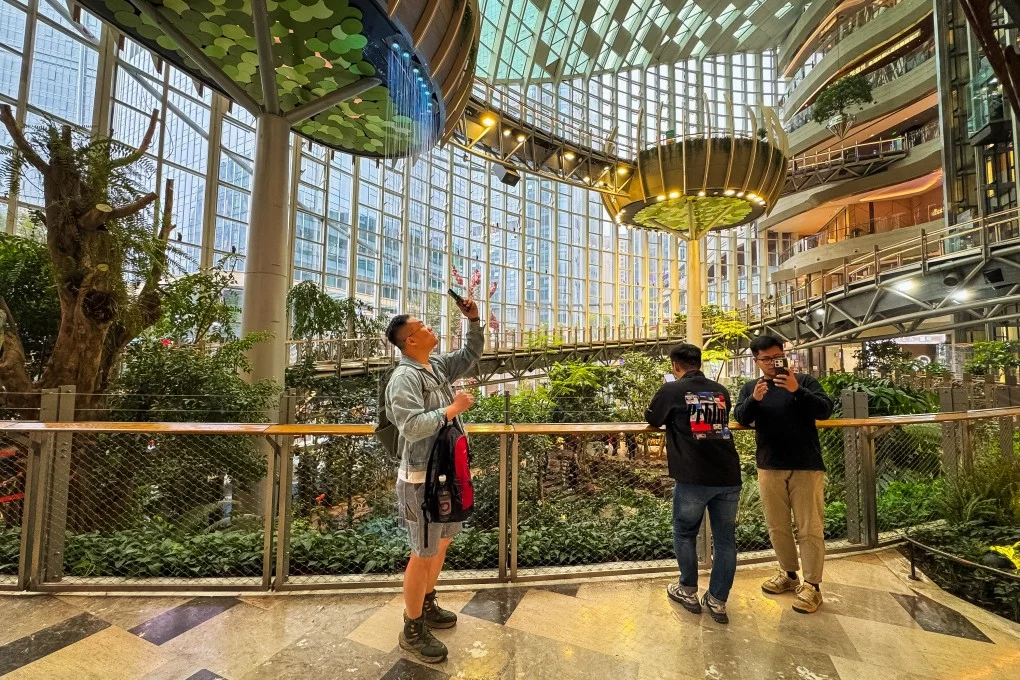
    Luxury mall operators across China are pressing ahead with major retail expansion projects this week despite persistent weakness across the broader consumer economy, Nikkei Asia reported. High-end property developers are securing footprint commitments from top global fashion and jewelry houses across primary commercial centers.

    The physical expansion push comes as top-tier landlords separate their performance from standard mass-market department stores. Premium commercial destinations continue to attract long-term brand commitments because affluent shoppers maintain higher discretionary budgets than middle-market consumers.

    Bifurcation across commercial real estate

    Commercial leasing data across mainland tier-one and tier-two cities shows a sharp split between mass retail centers and destination luxury complexes. While mid-market shopping centers struggle with tenant turnover and rent concessions, prime luxury properties maintain tight occupancy rates and multi-year waiting lists for prime ground-floor frontages.

    Global luxury houses require expansive multi-level flagships with dedicated VIP lounges, private salons, and custom architectural facades to serve high-net-worth clients. Operators of luxury centers are reconfiguring existing floor plans and building new wings to meet these spatial specifications.

    Brand strategy shifts in mainland centers

    International fashion groups are consolidating their retail networks rather than retreating from mainland China. Brands are closing underperforming satellite boutiques in secondary malls to concentrate capital and inventory into larger experiential flagships inside leading luxury complexes.

    For mall landlords, securing anchor flagships from premier European luxury houses guarantees footfall from top-tier spenders. It also allows developers to command premium rental yields on adjacent specialty dining, lifestyle, and beauty spaces.

    Landlord competition and regional exposure

    Competition among high-end landlords is intensifying across regional hubs beyond Shanghai and Beijing. Commercial developers are competing aggressively to bring exclusive boutique concepts and direct-operated flagships to regional centers such as Chengdu, Shenzhen, and Hangzhou.

    The execution risk rests on whether local high-end consumption can absorb the expanded commercial floor space without diluting sales density per square meter. Landlords that overcommit capital to new luxury builds in saturated micro-districts face longer lease-up schedules if brand partners limit their capital expenditure.

    Pipeline targets across major markets

    Earlier retail cycles established luxury retail hubs around historical downtown commercial districts. The current construction cycle focuses on mixed-use commercial developments that combine luxury retail with prime office towers, cultural spaces, and five-star hospitality.

    Commercial developers have scheduled their new luxury mall openings and phased retail extensions through the next several operating quarters. Occupancy rates, flagship delivery schedules, and initial tenant sales productivity across these new developments will determine whether landlords maintain their current expansion pace.

  • British Brand Hunter Opens First Thailand Flagship at IconSiam

    British Brand Hunter Opens First Thailand Flagship at IconSiam

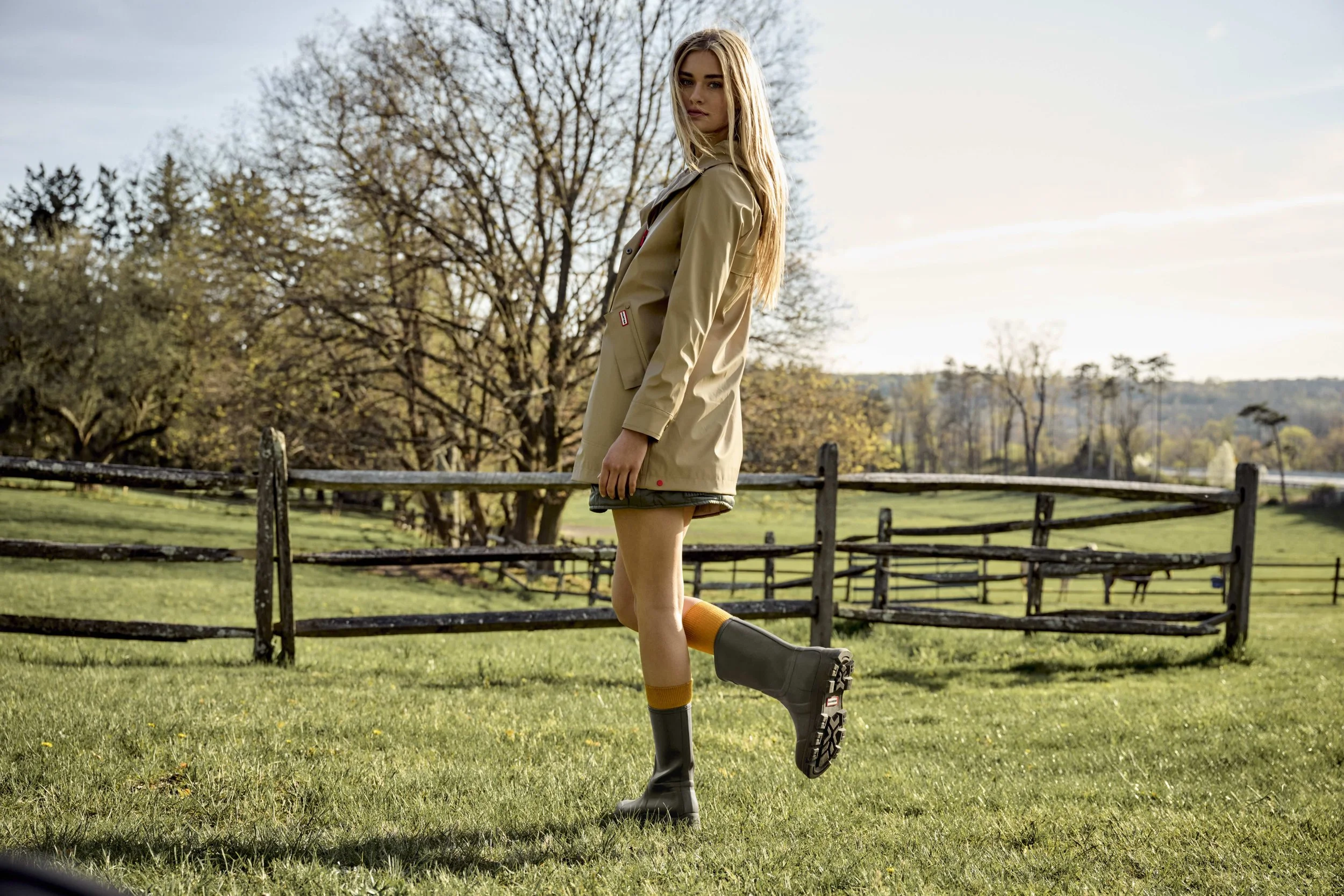
    British heritage brand Hunter opened its first flagship boutique in Thailand on September 25, 2026, setting up shop inside Bangkok’s riverside IconSiam shopping centre.

    The retail site features the Scottish company’s complete product line, spanning its classic rainwear range alongside seasonal apparel and accessories. Founded in Scotland in 1856, the label made its name on vulcanised rubber Wellington boots before building out a wider lifestyle catalogue.

    Flagship layout and aesthetic

    Hunter designed the Bangkok interior with oak-inspired timber finishes, mint accent tones and natural greenery. The layout uses the brand’s signature red palette across key fixtures, drawing visual references from rural British coastal and countryside scenery.

    Merchandise on the floor includes the core waterproof boots that established the brand, alongside bags, outerwear and travel gear. Carrying the full range in one dedicated space allows the company to present itself as a comprehensive lifestyle label rather than a seasonal rubber boot specialist.

    Prime placement at IconSiam

    Securing space inside IconSiam gives the label direct exposure to high-spending domestic shoppers and international tourists. The riverside complex remains one of Bangkok’s premier luxury and premium lifestyle destinations, attracting heavy foot traffic across its retail floors.

    For mall operator Siam Piwat, adding a legacy British name strengthens its outdoor and casual footwear mix against competing upscale developments along Sukhumvit. Premium lifestyle brands continue to bid for prime ground and lower-level floor plans across Bangkok’s top retail properties.

    Tropical market dynamics

    Selling heavy-duty rainwear in a tropical Southeast Asian climate comes with specific operational demands. Bangkok’s prolonged monsoon season drives practical consumer demand for durable waterproof footwear and water-resistant bags, but styling must suit humid weather rather than cold northern European winters.

    The store’s inventory mix must balance heritage rubber boots with lighter footwear, lightweight apparel and everyday commuter accessories. Retailers that adjust regional assortments to local weather patterns protect sell-through rates and limit inventory markdowns.

    Regional brand expansion

    Hunter’s Bangkok launch follows years of shifting distribution across Asia-Pacific markets, where brand operators have sought deeper direct-to-consumer relationships. Establishing standalone brick-and-mortar stores allows the company to control brand presentation and pricing discipline better than wholesale distribution channels.

    Retail watchers will monitor sales momentum at IconSiam through the final quarter of 2026 to see whether Hunter adds concession counters across Central Group and The Mall Group department store networks in Bangkok.

  • Rolex Tops Asia Brand Advocacy Ranking as Wholesale Revenue Hits $13.38 Billion

    Rolex Tops Asia Brand Advocacy Ranking as Wholesale Revenue Hits $13.38 Billion

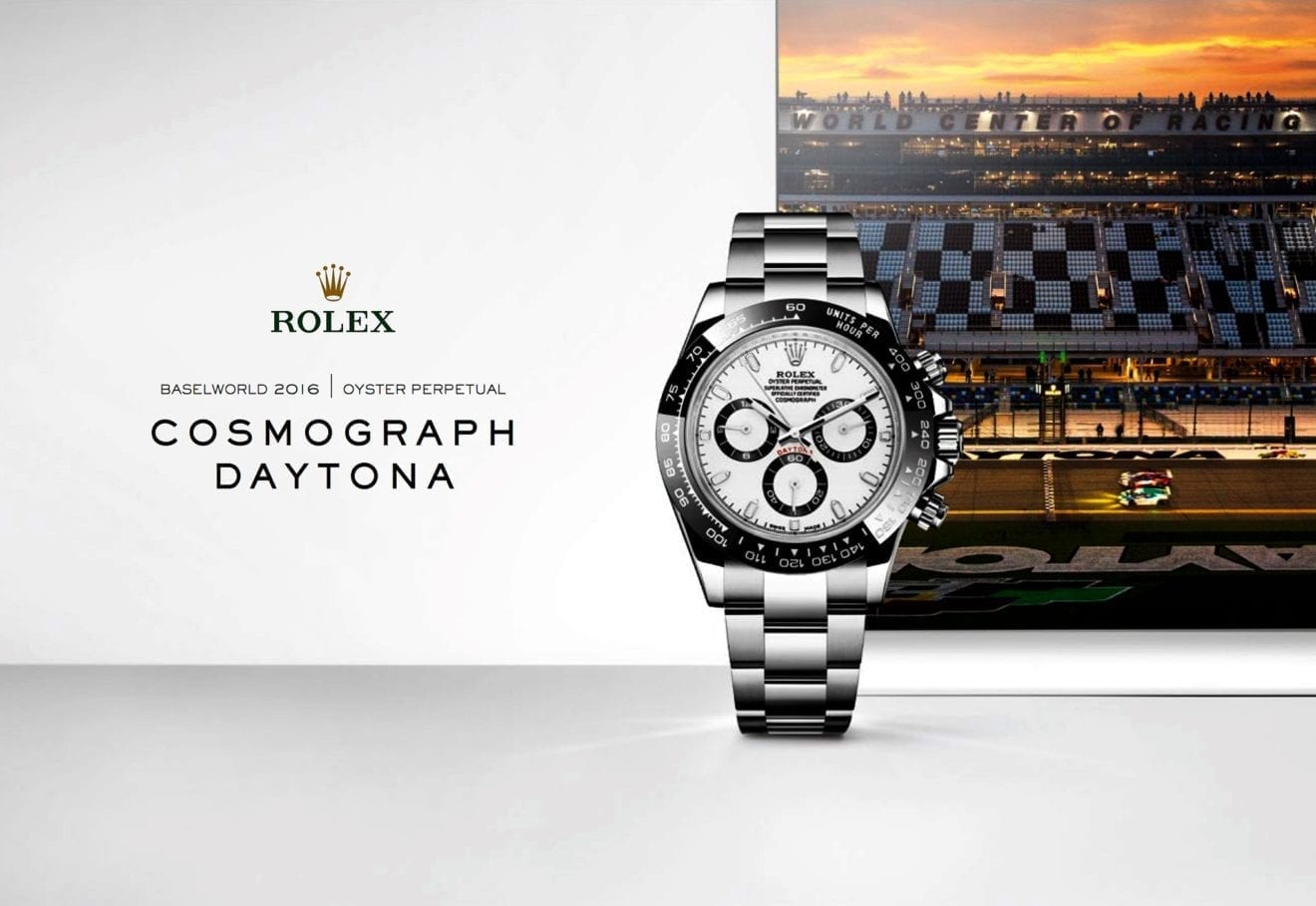
    Rolex took the top spot in Asia’s inaugural Brand Conviction Index, outranking regional retail competitors as its brand valuation jumped 36 per cent to US$18.8 billion.

    Morgan Stanley and Luxe Consult estimate the Geneva-based watchmaker generated wholesale sales of just over US$13.375 billion in 2025, taking market share even after trimming production volume for two consecutive years.

    Advocacy outpaces actual purchasing power

    The index evaluated consumer sentiment across three primary metrics: current purchasing activity, willingness to recommend the brand to peers, and future purchase intent. Rolex led the regional table because its advocacy extends far beyond its active customer base.

    Most respondents who recommend Rolex across Asian markets do not own one. A substantial share of shoppers who stated an intention to buy a piece have never completed a transaction with the company, giving the brand unmatched mental real estate across the region.

    Disciplined output maintains secondary pricing

    For multibrand luxury retailers and department store operators across Hong Kong, Singapore and Tokyo, this dynamic protects floor productivity. While Swiss competitors flooded wholesale channels during the post-pandemic correction, Rolex restricted supply allocations to authorized dealers, keeping secondary market premiums intact.

    The deliberate scarcity shifts inventory risk away from retail partners and onto aspiring buyers who remain on multi-year waiting lists. Department store landlords in key Asian shopping districts continue to prioritize Rolex boutique footprints because the footfall generated by unfulfilled demand feeds surrounding luxury concessions.

    Artificial intelligence mirrors human consensus

    Machine learning platforms reflect the same concentration of consumer desire. A recent survey evaluating how leading artificial intelligence engines answer luxury watch recommendations showed all major systems named Rolex more frequently than any competing manufacture.

    Brand Finance’s 2025 Luxury and Premium 50 ranking confirmed the financial momentum, listing the company’s valuation gain among the steepest in the personal luxury goods sector.

    Sustained strategy through sector pullbacks

    Executive leadership has maintained this positioning through broader market downturns. In 2024, Rolex chief executive Jean-Frederic Dufour rejected discounting and short-term volume expansion during an industry-wide sales contraction, keeping retail distribution tight across Asia and North America.

    Industry attention now turns to upcoming Swiss export data and secondary watch price indices for the final quarter of 2026, which will reveal whether Rolex can sustain its wholesale margins as wider luxury demand moderates.

  • Hermès Reopens Renovated Store at Taikoo Li in Chengdu

    Hermès Reopens Renovated Store at Taikoo Li in Chengdu

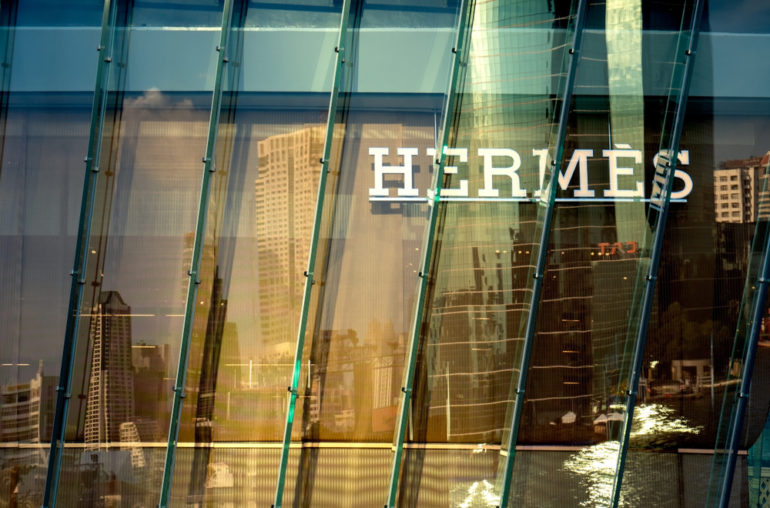
    Hermès reopened its retail store in Chengdu, located in China’s Sichuan province, on September 28, 2026, following a renovation.

    Situated in the Taikoo Li open-air mall, the store first opened in 2014.

    According to the company, the redesigned space reimagines the region’s architecture and cultural heritage through a contemporary lens, featuring dark timber, matte-finish metal, enamelled ceramic in amber tones, and tall windows veiled with bamboo screens and curtains.

    Architectural overhaul at Taikoo Li

    The redesign updates a flagship that anchors one of western China’s highest-grossing commercial developments. Luxury labels in Chengdu have steadily shifted focus toward expanding and retrofitting established premier doors rather than pursuing raw floorplate expansion across secondary properties.

    Regional textures and craft references align the boutique with a broader global strategy of giving individual flagships distinct local identities. For high-spending regional shoppers, tailored physical store environments remain the primary point of contact for leather goods, ready-to-wear lines and bespoke collections.

    Western China luxury demand

    Chengdu serves as the principal luxury capital for inland and southwestern China, drawing top-tier consumer spending from Sichuan, Yunnan and Guizhou provinces. Competition among European fashion houses for prime positioning at Taikoo Li remains intense as landlords curate tenant mixes to retain ultra-high-net-worth client traffic.

    Upgrading the 2014 location preserves Hermès’s standing against rival flagship boutiques from Chanel, Louis Vuitton and Dior. The investment protects market share in a provincial capital where retail footfall and high-ticket sales consistently rival levels recorded in Shanghai and Beijing.

    Network investment across China

    This completed renovation follows a three-year cycle of store expansions and refurbishments executed by Hermès across greater China. The Paris-based fashion house opened its initial mainland boutique in 1997 and spent the next three decades building a tightly controlled network of directly operated flagships in key commercial hubs.

    Hermès continues to review and modernise its legacy stores across mainland retail hubs, with further provincial flagship enhancements planned as commercial lease renewals approach across the national network.

  • LVMH Stock Falls 40 per Cent as Asia Demand Slows

    LVMH Stock Falls 40 per Cent as Asia Demand Slows

    LVMH Moët Hennessy shares have dropped 40 per cent year to date, touching six-year lows. Luxury demand weakened across key consumer markets in Asia and the United States.

    The sell-off erased 11 per cent of the French group’s market value in September alone. Shoppers pulled back across mainland China and western retail hubs.

    Valuation drops below historical averages

    LVMH now trades at a forward non-GAAP price-to-earnings multiple of 15.8 times. Its five-year historical average sits at 22.4 times.

    Valuation multiples compressed across the sector as high interest rates, inflation and geopolitical tensions cut into discretionary budgets. Institutional buyers have stayed cautious about near-term revenue trajectories.

    Asia ex-Japan pressure mounts

    The United States and Asia ex-Japan together generate nearly 54 per cent of total revenue for the Paris-based conglomerate. Weakness across both territories leaves the group exposed to broader retrenchment.

    Chinese shoppers spent less on high-end leather goods, spirits and watches over recent quarters. Foot traffic in tier-one city flagship stores slowed down. Regional travel retail failed to fill the gap.

    Operating margins face structural shift

    For department store operators and prime landlords across Asia, the valuation slide signals leaner wholesale orders and tougher lease renegotiations. Luxury houses spent three years opening stores and raising prices across Shanghai, Hong Kong and Singapore.

    That pricing power has hit a ceiling. Group brands now face tough inventory decisions, particularly in fashion, leather goods and cognac segments where excess stock demands discounting or production cuts.

    Slowing momentum across core divisions

    Growth rates across the sector slowed early this year after record post-pandemic sales volumes. Consumer sentiment worsened rather than stabilized as property and labor market pressures persisted in mainland China.

    Investors are tracking whether the group can protect gross margins without heavy promotional discounting in regional department stores. Third-quarter organic revenue from Asia ex-Japan will be the critical figure when the next quarterly results arrive.

  • Thailand Pivots Tourism Strategy to Target High-Value Visitors

    Thailand Pivots Tourism Strategy to Target High-Value Visitors

    Thailand has announced a pivot in its inbound tourism strategy toward high-value international travellers as of September 2026, dropping its long-standing pursuit of mass arrivals as visitor numbers struggle to reach pre-Covid levels.

    According to an analysis by Michael Baker, the Thai government is seeking to raise the demographic profile of its overseas visitors and spruce up the country’s international image.

    Targeting Quality Over Volume

    Marketing funds will now target higher-spending overseas visitors rather than mass-market volume. Across Asia, travel patterns are shifting under changing geopolitical conditions and government efforts to upgrade tourist spending.

    Total international arrivals still lag behind 2020 benchmarks. Instead of discounting package tours to fill hotel rooms and transport networks, state campaigns target visitors who spend heavily on premium hospitality, dining, and retail.

    Implications for Mall Operators and Brands

    Department store operators and luxury retailers in Bangkok and Phuket must now adjust customer acquisition. Upscale shopping centres could gain if basket sizes grow, even with footfall below historical peaks.

    Budget operators face steeper risks. Discount duty-free counters and mass souvenir chains rely on large tour groups for margins, leaving them exposed to sustained declines in passenger headcounts.

    Regional Shifts in Travel Demographics

    Destinations across Southeast Asia are fighting for the same affluent travellers. Thailand wants to lock in this spending base before rival hubs draw them away with flexible visa schemes and new luxury developments.

    Success depends on service quality and local infrastructure justifying higher trip expenses, especially as regional competition widens.

    Execution and Market Response

    Previous recovery drives relied on volume discounts to stimulate trade. Today, state tourism bodies and commercial partners must coordinate retail promotions, luxury offerings, and flight routes toward higher-yielding markets.

    Retailers and hotel operators are tracking quarterly per-visitor spending data to measure whether bigger individual receipts can offset the drop in total arrivals.

  • Gucci Shifts Sneaker Manufacturing to China in Break with Tradition

    Gucci Shifts Sneaker Manufacturing to China in Break with Tradition

    Gucci has begun manufacturing new sneaker models in China this season, departing from its longstanding practice of producing all footwear within Italy.

    The move by parent group Kering marks the first time the luxury house has placed assembly of select athletic footwear lines directly into Chinese manufacturing hubs, targeting supply chain efficiency and regional technical capabilities.

    Shifting the European Production Model

    European luxury houses have historically defended the ‘Made in Italy’ label as a core pricing pillar. Gucci’s pivot to Chinese production lines reflects the technical dominance Asian facilities hold over complex athletic shoe construction. Technical footwear demands specialised tooling, bonding agents, and synthetic mesh engineering that Italian artisan workshops rarely handle at volume.

    Kering, Gucci’s parent group, faces pressure to improve margins while defending market share in mainland China. Producing sneakers closer to Asian supply networks cuts shipping times and lowers unit assembly costs on high-turnover casual lines.

    Brand Equity and Consumer Perception

    Consumer reaction across Asia will test how rigid luxury buyers remain regarding country-of-origin labels. Chinese luxury consumers increasingly prioritise product quality, technical execution, and brand relevance over traditional European manufacturing stamps. Younger buyers who purchase luxury streetwear sneakers evaluate comfort and silhouette ahead of heritage claims.

    Other luxury competitors will watch the rollout closely. If Gucci maintains its retail price points without consumer backlash, rival houses will accelerate their own offshore manufacturing plans for technical categories. If shoppers resist, Gucci risks diluting the prestige that supports its footwear margins.

    Supply Chain Realignment

    Sourcing sneaker production in China shortens logistics cycles between Asian factories and regional flagship stores. Direct domestic distribution lowers tariffs and inventory lead times across key East Asian markets.

    Italy will retain production for Gucci’s formal leather shoes, handbags, and core ready-to-wear collections. Segmenting technical streetwear from traditional leather goods allows the brand to split its manufacturing strategy without abandoning its Tuscan heritage entirely.

    The Road Ahead for Footwear Lines

    Gucci plans to distribute the first Chinese-assembled sneaker models across global wholesale and retail channels over the coming season. Sell-through rates across department stores and flagship boutiques will dictate whether Kering expands Asian production into additional accessory categories.

  • Maison Margiela Fragrances Opens First Store at AEON Mall Phnom Penh

    Maison Margiela Fragrances Opens First Store at AEON Mall Phnom Penh

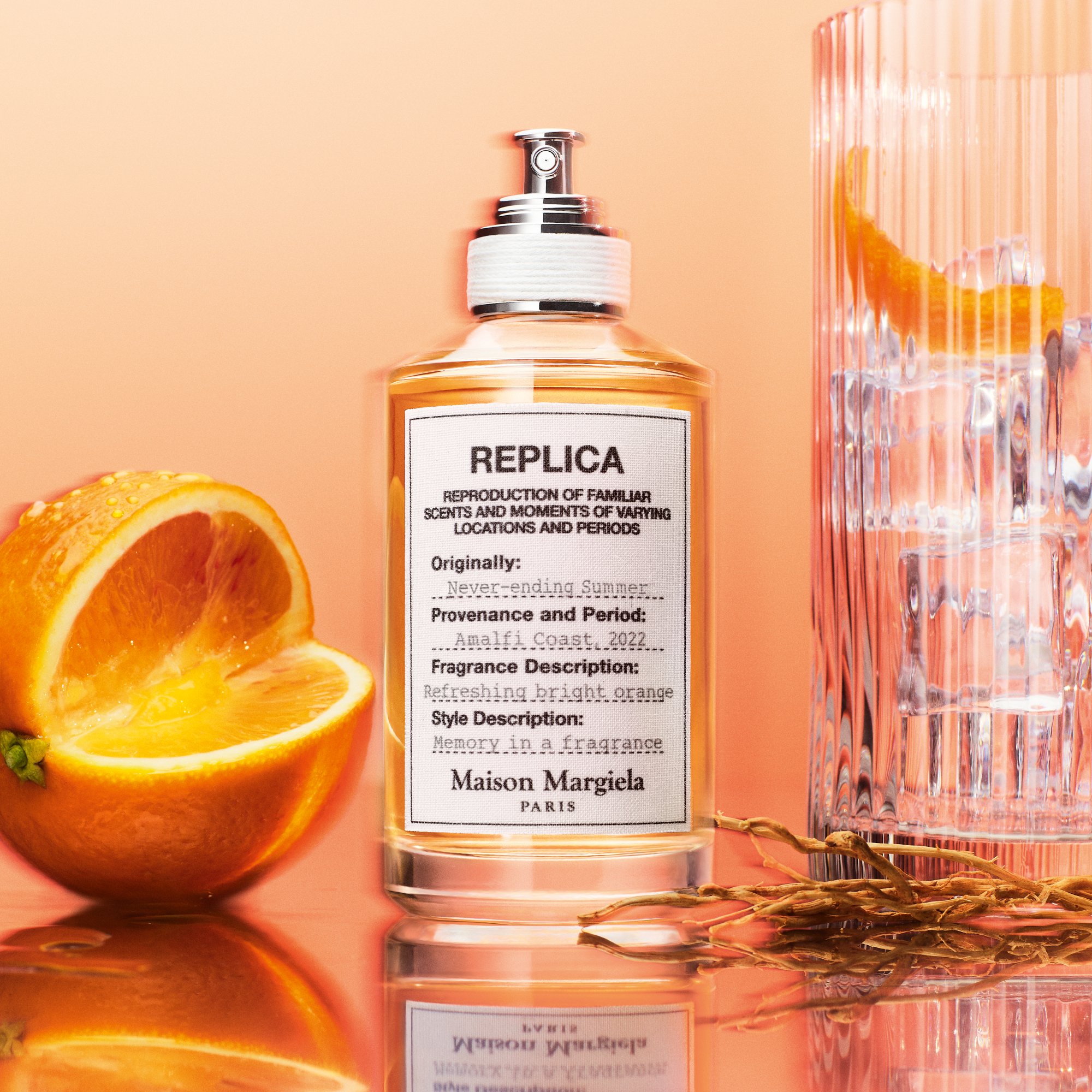
    Maison Margiela Fragrances has opened its first standalone boutique in Cambodia at AEON Mall Phnom Penh this week. The space debuts the brand’s complete Replica perfume collection in the capital.

    It gives the brand a direct retail presence in the country. International beauty houses previously reached local shoppers only through multi-brand counters and cross-border grey channels.

    Replica Portfolio in Phnom Penh

    Inside, the boutique stocks personal scents, scented candles, home diffusers, and bath items. Customers can also use on-site customisation services, including personalised cotton pouch labels and bespoke bottle tags.

    Store staff provide fragrance consultations based on memory-driven scent profiles. That setup mirrors the format used in Bangkok, Singapore, and Seoul flagships.

    Shifting Luxury Footprints in Indochina

    Global beauty groups are testing frontier markets across Southeast Asia as tier-one capitals mature. Rapid shopping centre growth in Phnom Penh over the past five years has provided the climate-controlled, managed floor space needed for direct investments.

    Securing standalone niche fragrance boutiques helps mall operators like AEON lift tenant quality and raise basket values. High-margin fragrance concessions also generate resilient revenue per square metre compared to standard apparel retail.

    Regional Retail Rollout

    L’Oreal’s luxury division, which holds the Maison Margiela beauty licence, has expanded standalone boutiques across Southeast Asia since 2022. The brand opened locations in Thailand, Malaysia, and Vietnam before entering Cambodia.

    Distributors in Phnom Penh previously focused on designer lines from Chanel, Dior, and Gucci. The arrival of dedicated niche fragrance stores reflects shifting demand among younger Cambodian consumers toward artisanal perfumery.

    Store Operations and Next Steps

    Trading on the ground floor, the store is now open seven days a week. Retailers in the capital will watch whether parent operators follow this debut with satellite counters in AEON Mall Sen Sok City or downtown department stores over the next fiscal year.

  • Singapore Police Seize over 900 Fake Luxury Goods in Scotts Road Raid

    Singapore Police Seize over 900 Fake Luxury Goods in Scotts Road Raid

    Singapore Police Force officers seized more than 900 counterfeit items with an estimated street value exceeding S$180,000 ($141,000) during a raid on Scotts Road last Wednesday.

    Officers targeted two retail units inside a shopping mall, arresting two women, aged 39 and 54, on suspicion of involvement in the sale of trademark-infringing goods.

    Enforcement Action on Scotts Road

    The seized inventory spanned multiple categories, including fake luxury handbags, watches, apparel, footwear, and accessories carrying falsely applied trademarks.

    Under Singapore law, possessing goods with falsely applied trademarks for commercial trade carries a fine of up to S$100,000, a prison term of up to five years, or both. Formal investigations remain underway.

    Prime Real Estate Proximity

    The raid took place near Orchard Road, Singapore’s flagship retail thoroughfare. The district ranked 13th globally among the most expensive shopping streets by annual rental values in Cushman & Wakefield’s Main Streets Across the World 2025 report.

    Commercial developments along Scotts Road include Far East Plaza, Scotts Square, and Shaw Centre. Illicit trade inside high-rent corridors creates reputational challenges for landlords competing for licensed brand tenancies.

    Risks for Brick-and-Mortar Retailers

    Physical storefronts selling counterfeit goods face scrutiny as luxury brands step up monitoring across Southeast Asia. Unauthorized trading once concentrated in gray markets and online channels. Mall distribution now exposes property owners to direct compliance risks.

    Landlords across prime Singapore retail nodes maintain strict tenancy clauses regarding trademark compliance. Operators caught dealing in infringing goods face immediate lease termination alongside criminal liabilities.

    The Next Enforcement Steps

    Investigators from the Singapore Police Force are conducting forensic reviews of the confiscated merchandise to trace supply sources and vendor networks. Prosecutors will determine further charges as the probe into both outlets progresses.

  • Louis Vuitton to Launch 13-Design Keith Haring Capsule on Jan. 1

    Louis Vuitton to Launch 13-Design Keith Haring Capsule on Jan. 1

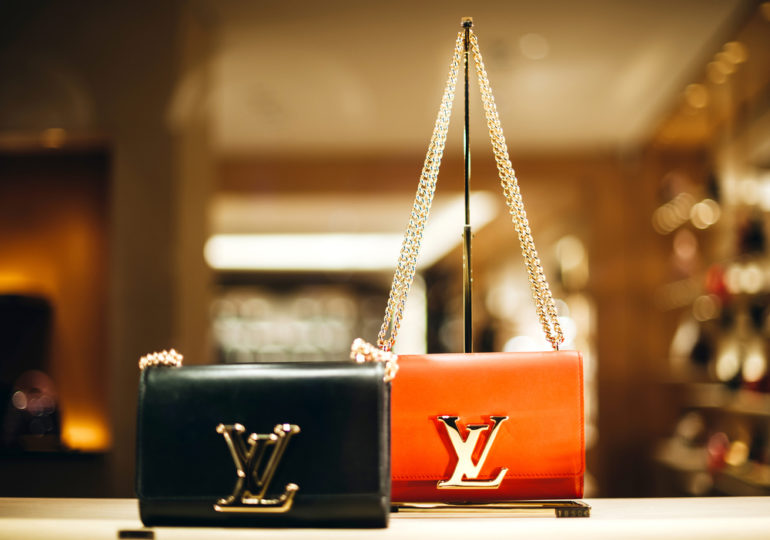
    Louis Vuitton will release a 13-design Keith Haring handbag collection worldwide on Jan. 1. The launch follows an exhibition preview at Art Basel Paris on Oct. 23.

    This Artycapucines capsule leads a wider commercial release. It spans ready-to-wear, leather goods and accessories across selected international boutiques.

    Developed with the Keith Haring Foundation, the line adapts the late American artist’s drawings into limited-edition versions of the Capucines bag. The pieces will appear at the brand’s Art Basel Paris booth alongside works from earlier artist partnerships. Then they head to retail counters.

    Art Basel Paris Preview and January Rollout

    Collectors get their first look at the 13 designs when the Paris exhibition opens Oct. 23. Commercial sales follow on Jan. 1. At that point, the house will distribute the bags to top-tier stores globally alongside an expanded Haring collection.

    Workshops used multiple craft techniques to translate Haring’s visual language onto hides. Artisans relied on leather marquetry, laser printing, embroidery and embossing. Select models also feature enameled charms on decorative chains.

    Individual models show contrasting materials and silhouettes. The Capucines BB Holiday features a drawing of dolphins swimming with humans in pink and blue tones, executed in calfskin inlaid with ostrich and karung leather. Another piece, an evening clutch with Haring’s 1984 “Running Heart” artwork, carries more than 12,000 crystals across its exterior.

    Runway Debut at the Frick Collection

    Behind the collaboration sits a physical piece of brand history. During the 1980s, Haring drew his “Radiant Baby” figure onto a battered Louis Vuitton suitcase. That act created an informal bridge between street culture and Parisian luggage craft.

    Nicolas Ghesquière, artistic director of womenswear, revived that trunk for his cruise 2027 show at the Frick Collection in New York City in May. A model carried the original piece to open the presentation. Haring motifs also ran across selected runway garments.

    Vuitton scanned the vintage suitcase to digitally print its aged surface onto two production bags: the Capucines MM Genesis and the Valisette Genesis, a mini attaché case fitted with a shoulder strap. The cruise show also debuted a minaudière shaped like a takeout noodle box, decorated with Haring’s “Statue of Liberty” and “Big Apple” graphics.

    Craft Techniques and Archive Motifs

    Luxury groups rely on limited artist runs to maintain exclusivity and test appetites for high-margin collector items. These editions serve as halo products. They draw foot traffic into flagships and command substantial price premiums over core leather lines.

    Across Tokyo, Seoul, Hong Kong and Singapore, securing allocations of Artycapucines bags is an essential tool for client engagement. Top VIP shoppers in Asia consistently buy short-run artist editions. That steady demand insulates luxury houses from softer traffic in entry-level accessories.

    Global Allocation and Luxury Demand

    Staging the initial reveal at Art Basel Paris links the brand’s commercial output directly to high-net-worth art collectors. The Artycapucines program serves as Vuitton’s primary bridge between art institutions and retail floors.

    Production capacity creates the main operational bottleneck, as multi-material inlays and crystal applications restrict manufacturing volumes. Retailers must allocate scarce stock across flagship stores. They will also manage client waitlists ahead of the broader ready-to-wear rollout.

    Presentations of the accompanying ready-to-wear garments and accessory lines will take place later this year before the full Keith Haring collection arrives in stores on Jan. 1.

  • Interparfums Extends Roberto Cavalli Fragrance License for 20 Years to 2046

    Interparfums Extends Roberto Cavalli Fragrance License for 20 Years to 2046

    Interparfums Inc. And Marquee Brands have signed a 20-year extension to their global fragrance license for Roberto Cavalli. The deal keeps the partnership in place through December 31, 2046.

    Sales for the Italian fashion house’s perfume lines rose 8 per cent in the first half of 2026.

    Under the renewed contract, Interparfums retains exclusive worldwide rights to create, develop and distribute fragrances under both the Roberto Cavalli and Just Cavalli names. Operations will stay with Florence-based subsidiary Interparfums Italia Srl. Management oversight will continue from Paris.

    Terms of the twenty-year deal

    Securing a two-decade extension gives the licensee stability to allocate long-cycle product development capital. Most fragrance license renewals run five to ten years. A 20-year commitment locks in prestige retail shelf space for the long term.

    Interparfums took over the Roberto Cavalli beauty business in 2023. During its initial three-year tenure, the company reworked the brand catalogue. It introduced new product lines under Uomo, Just Cavalli and Marbleous, including Marbleous Cypress.

    Product rollouts accelerated in 2025 with the release of Serpentine, positioned by management as the brand’s primary volume driver. The company confirmed Serpentine expanded shelf placement and reach across key international distribution points.

    Growth across international channels

    For department store buyers and distributor networks, the agreement prevents supply chain transitions and protects counter investments. Multi-brand beauty operators in regional retail hubs rely on established fashion labels to pull foot traffic into cosmetics halls.

    The portfolio structure allows Interparfums to address two distinct price segments. Roberto Cavalli competes in prestige luxury retail counters. Just Cavalli targets accessible premium doors and specialty chains.

    Long agreements also give the licensee use when negotiating shelf allocation with retail landlords and airport duty-free operators. Retailers gain assurance that marketing and promotional budgets will not dry up due to an impending license expiration.

    Financial performance and market headwinds

    First-half sales momentum held firm in 2026 despite market volatility. Roberto Cavalli remains the largest fragrance brand in the Interparfums portfolio across Middle Eastern markets, where recent regional disruptions affected retail distribution.

    Wider international expansion offset those regional declines. Chief Executive Jean Madar identified Roberto Cavalli as one of the fastest-growing lines in the company’s broader brand roster.

    Market valuation reflects high expectations for the group’s licensing pipeline. Interparfums trades at a forward 12-month price-to-earnings ratio of 22.85. That compares with a personal care industry average of 13.83 and a consumer discretionary sector average of 15.61.

    Pipeline plans through 2046

    Brand owner Marquee Brands endorsed the execution delivered by the Italian operating team during the initial phase of the agreement.

    Interparfums has proven itself an exceptional steward of Roberto Cavalli fragrances, translating the house’s design language into products that resonate with consumers worldwide.

    Heath Golden, Chief Executive of Marquee Brands, said the agreement reinforces the central commercial role fragrance plays in expanding the fashion label globally.

    Development teams in Florence and Paris are now preparing the next sequence of fragrance flankers and seasonal releases, scheduled for global distribution in 2027.

  • Kering Partners with Reliance Brands to Bring Generation Award to India

    Kering Partners with Reliance Brands to Bring Generation Award to India

    Kering is launching its Generation Award in India with Reliance Brands this week. The initiative seeks startups working on circular fashion and resource protection.

    The R|Elan Circular Design Challenge will serve as the exclusive nominating partner, connecting a local innovation network with the global luxury group.

    An awards ceremony is planned in Delhi on October 13, giving emerging businesses a route to wider visibility and industry relationships.

    How the Partnership Operates

    Under the agreement, the R|Elan Circular Design Challenge vets and nominates applicants from across India. Finalists will present solutions addressing raw material conservation, textile recycling and low-impact processing.

    Winners receive industry mentorship alongside commercial visibility across Kering’s portfolio houses. The structure links local research facilities and young apparel designers directly with procurement teams in Paris and Milan.

    What It Means for Indian Apparel

    For Reliance Brands, the tie-up deepens relations with a key European partner. It also positions its R|Elan synthetic and recycled fabric arm at the center of sustainable textile development. Reliance already operates joint ventures and distribution pacts with several luxury labels across major Indian metros.

    Luxury operators across South Asia now treat certified sustainable supply chains as an operational priority rather than a marketing exercise. Sourcing circular materials domestically cuts logistics lead times. It also helps brands meet European Union material traceability standards before raw garments ship abroad.

    Earlier Expansion Steps

    Kering established the Generation Award in China in 2017 to discover material science ventures before expanding the format into other manufacturing territories. The Indian rollout is the first time the programme has integrated directly with an industrial conglomerate’s existing design competition.

    A joint jury will review shortlisted startups through September. The Delhi presentation on October 13 will reveal the winning enterprises and confirm their initial mentoring schedules.

  • Only 10 of 60 Top Independent Stores Make a Brand Argument

    Only 10 of 60 Top Independent Stores Make a Brand Argument

    A global review of 60 premier independent retail stores by Nick Gray in September 2026 found that only 10 build spaces enforcing a genuine brand argument.

    Standard retail metrics like sales per square metre and the ICSC occupancy cost benchmark of 8 to 15 per cent fail to capture whether physical rooms build customer loyalty or merely collect pre-decided transactions.

    The Limits of Square Metre Metrics

    Drawing on observations at Westfield Sydney between 2018 and 2022, retail property evaluations routinely confuse aesthetic execution with brand positioning. Apparel retailers commonly allocate more than 12 per cent of sales to occupancy costs, yet landlord scorecards measure space strictly by immediate financial yields rather than behavioural shift. Dwell time metrics count customer minutes without distinguishing between deliberate browsing and checkout friction, while year-one fitout uplifts inevitably register temporary newness rather than sustained productivity.

    High-conviction physical retail demands structural constraints that traditional finance departments often query. Andreas Murkudis in Berlin operates a former printing hall with museum-scale product spacing that permanently increases monthly floor holding costs per item. In Los Angeles, Maxfield operates without display windows and relies on unapproachable floor staff to filter casual traffic, while Dover Street Market executes a scheduled annual teardown where independent designers control internal pod architecture.

    Thresholds and Fixture Control

    Physical store performance splits across three operational choices: entry thresholds, fixture manufacture, and change cadence. Entry points represent low-cost positioning tools that select qualified buyers before entry. Los Angeles retailer Departamento routes shoppers through an active coffee shop entrance, while Darklands in Berlin operates unmarked doors strictly by appointment.

    Procuring standard fixtures from shared commercial shopfitters reduces a brand to generic category storage. Retail spaces function as commercial arguments only when bespoke display units cannot transfer into a competing tenancy. At the same time, scheduled annual teardowns keep retail floors on the same release cycle as seasonal buying, avoiding the delayed, reactive renovations common among regional department stores and mall tenants.

    Operational Gaps in Regional Malls

    For shopping centre operators across Asia-Pacific, the gap between landlord guidelines and store identity remains wide. Luxury activations and pop-up tenancies in prime centres frequently exhaust negotiations on ceiling heights, sightlines, and perimeter finishes rather than customer engagement. The result is uniform warm minimalism and portable design choices that fit generic landlord criteria but fail to distinguish rival brands.

    This disconnect originates early in commercial planning cycles. Corporate brand briefs routinely mandate broad concepts like modern luxury and effortless presentation, offering no actionable instructions for doorway thresholds, custom furniture, or thirty-second staff routines. Design partners consequently deliver attractive decorations because the initial brief provided no structural rules to engineer into the room.

    Between 2018 and 2022 at Westfield Sydney, Brand Space activations showed how strict fitout rules repeatedly prioritised aesthetic compliance over functional brand differentiation. Commercial landlords in prime Asian retail districts face the same recurring pattern across short-term luxury leases.

    Property directors tracking upcoming retail lease renewals will see whether tenant fitout budgets shift capital from decorative cosmetic upgrades into purpose-built spatial architecture.

  • Natura Bissé Targets 102 Million Euros in Hotel Revenue by 2030

    Natura Bissé Targets 102 Million Euros in Hotel Revenue by 2030

    Natura Bissé plans to double revenue from its hotel and spa division to €102 million by 2030. The growth strategy relies on expanded commercial supply deals with international luxury operators.

    That target represents a sharp increase from the €47 million generated across the channel in 2025. The Spanish skincare brand confirmed the projection in Barcelona alongside the renewal of its sponsorship as official spa partner of The World’s 50 Best Hotels.

    Expanding Across Asian Luxury Portfolios

    Current partnerships put the brand in more than 400 properties across nearly 60 countries. Operating partners include Mandarin Oriental, Rosewood, The Ritz-Carlton, Four Seasons, Waldorf Astoria, St. Regis and Grand Hyatt. These accounts give the label direct distribution across premier gateway properties in Tokyo, Hong Kong, Singapore and Bangkok.

    Hoteliers and spa directors across Asia-Pacific now treat branded wellness as a primary revenue driver rather than a secondary amenity. Integrating high-ticket spa treatments with room amenities drives recurring retail conversion when guests buy full-sized formulations after treatment sessions.

    Amenity Supply and Treatment Networks

    Distribution runs through three channels: professional back-bar products for spa therapists, retail counters inside resort wellness centers, and in-room amenities developed with guest-amenity specialist La Bottega. Portions of the amenity proceeds support the Ricardo Fisas Natura Bissé Foundation.

    Rivalry for luxury hotel space across Asia remains fierce. European heritage brands face persistent competition from regional clean-beauty startups and Japanese clinical labels. Master vendor agreements with Asian-headquartered operators like Mandarin Oriental and Rosewood lock in volume. That wholesale stability shields European brands from cyclical swings on department store beauty floors.

    Sponsorship Terms and Commercial Rollout

    Natura Bissé renewed its exclusive category position with The World’s 50 Best Hotels for a second consecutive year. The company will use the 2026 gathering in Paris to show new treatment protocols to hotel executives.

    “Today, hospitality is one of the driving forces behind the new definition of luxury, where wellness has evolved from an added amenity into an essential part of the guest experience,” said Verónica Fisas, chief executive of Natura Bissé.

    Heading into the final quarter of 2026, the five-time World’s Best Spa Brand winner relies on operator deployment schedules to hit its interim 2028 milestone toward the €102 million target.