Tag: luxury retail

  • China Gains 221 Million Formula 1 Fans as Brand Backing Lags

    China Gains 221 Million Formula 1 Fans as Brand Backing Lags

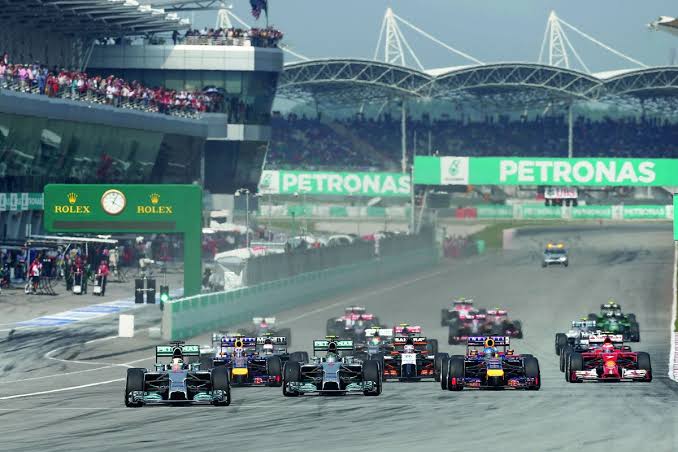
    China counted an audience of 221 million Formula 1 fans in March 2026, yet commercial brand activations across the domestic market remain largely muted despite a sold-out Shanghai Grand Prix.

    Ticket allocations for the Shanghai race cleared out immediately as a younger demographic increasingly directs discretionary spending toward live sports and experiential hospitality over traditional product purchases.

    Premium hospitality meets young consumers

    The core of luxury engagement at Formula 1 centres on the Paddock Club, an exclusive hospitality tier positioned directly above team garages that provides pit lane access and curated dining. Premium lifestyle houses use these paddock suites as private commercial salons, bringing VIP clients into high-touch environments that combine networking with entertainment.

    Global luxury conglomerate LVMH established the modern benchmark for motorsport marketing by securing a 10-year, billion-dollar worldwide sponsorship deal covering multiple brands across its portfolio. That agreement placed watches, champagne, and fashion labels directly into the race weekend ecosystem across international circuits.

    Hesitation among domestic consumer labels

    Chinese domestic labels have hesitated to commit major marketing budgets to motorsport, leaving trackside activations dominated by traditional global sponsors. Local consumer brands often prioritize short-term e-commerce livestreaming conversions over multi-year experiential sports rights that require extensive hospitality infrastructure.

    This reluctance creates an opening for European luxury groups and regional lifestyle retailers to capture high-net-worth race attendees without facing heavy counter-bidding from local players. The risk for brands sitting out the circuit is losing direct access to young, affluent consumers who view live racing as a primary cultural identifier.

    The shift toward live entertainment spend

    The current race sellouts follow years of steady motorsport audience building in mainland China, accelerated by digital streaming access and international team promotion. Younger urban consumers who cut back on conventional luxury goods are still allocating capital to ticketed trackside events and associated travel.

    Commercial focus now turns to whether local consumer electronics makers and domestic apparel groups step into paddock hospitality tiers before the next regional race calendar locks in multi-year partner rosters.
  • Over 90 per Cent of Luxury Consumers Seek Experiences Beyond Products

    Over 90 per Cent of Luxury Consumers Seek Experiences Beyond Products

    More than 90 per cent of luxury consumers now seek brand experiences outside the product itself, including hospitality, travel, dining, and wellness, according to a 2026 report by MG2 Advisory.

    Craftsmanship remains the primary purchasing driver for 62 per cent of buyers, yet luxury houses such as Hermès, Gucci, and Kith are increasingly evaluated on the ongoing relationships and environments they build around their goods.

    More than three-fourths of respondents associate luxury with rarity and exclusivity, while nearly half expressed interest in private, members-only spaces and repair services that preserve product value.

    Hospitality reshapes flagship formats

    Houses are reacting by building operational ecosystems that extend past apparel and leather goods. Kith opened its members-only Ivy concept to integrate sport, dining, and retail, while Gucci expanded its culinary presence through Gucci Osteria da Massimo Bottura. In London, Hermès opened its sixth Hermès Maison concept store, replicating mixed hospitality and retail formats already operating in Tokyo, Seoul, Shanghai, Paris, and New York.

    For prime landlords across Asia-Pacific, this shift changes leasing economics entirely. Retailers no longer evaluate store footprints solely on sales density per square metre. Instead, top-tier brands require larger floorplates to accommodate private client salons, cafes, and preservation workshops, forcing mall operators in Hong Kong, Singapore, and Tokyo to reallocate prime ground-floor space from transactional sales to experiential services.

    The operational risk sits squarely in execution. Running fine dining, bespoke tailoring, and hospitality requires different supply chains and labour models than selling boxed leather goods. When service levels in brand-run restaurants or repair centres slip, the reputational damage flows directly back to the core fashion label.

    After-care moves to the balance sheet

    Post-purchase services have evolved from back-office cost centres into client retention mechanisms. Hermès and Louis Vuitton have reinforced dedicated repair units to extend product lifespans, while Coach runs its circular (Re)Loved restoration and resale division across major retail markets.

    Physical flagships in major regional capitals will increasingly reflect this split between exhibition and maintenance. The next metric to watch is whether luxury groups maintain capital expenditure for multi-floor experiential maisons as store construction costs and prime commercial rents across Asia climb through late 2026.

  • Siam Piwat Expands Chinese Partnerships to Target 1 Billion Consumers

    Siam Piwat Expands Chinese Partnerships to Target 1 Billion Consumers

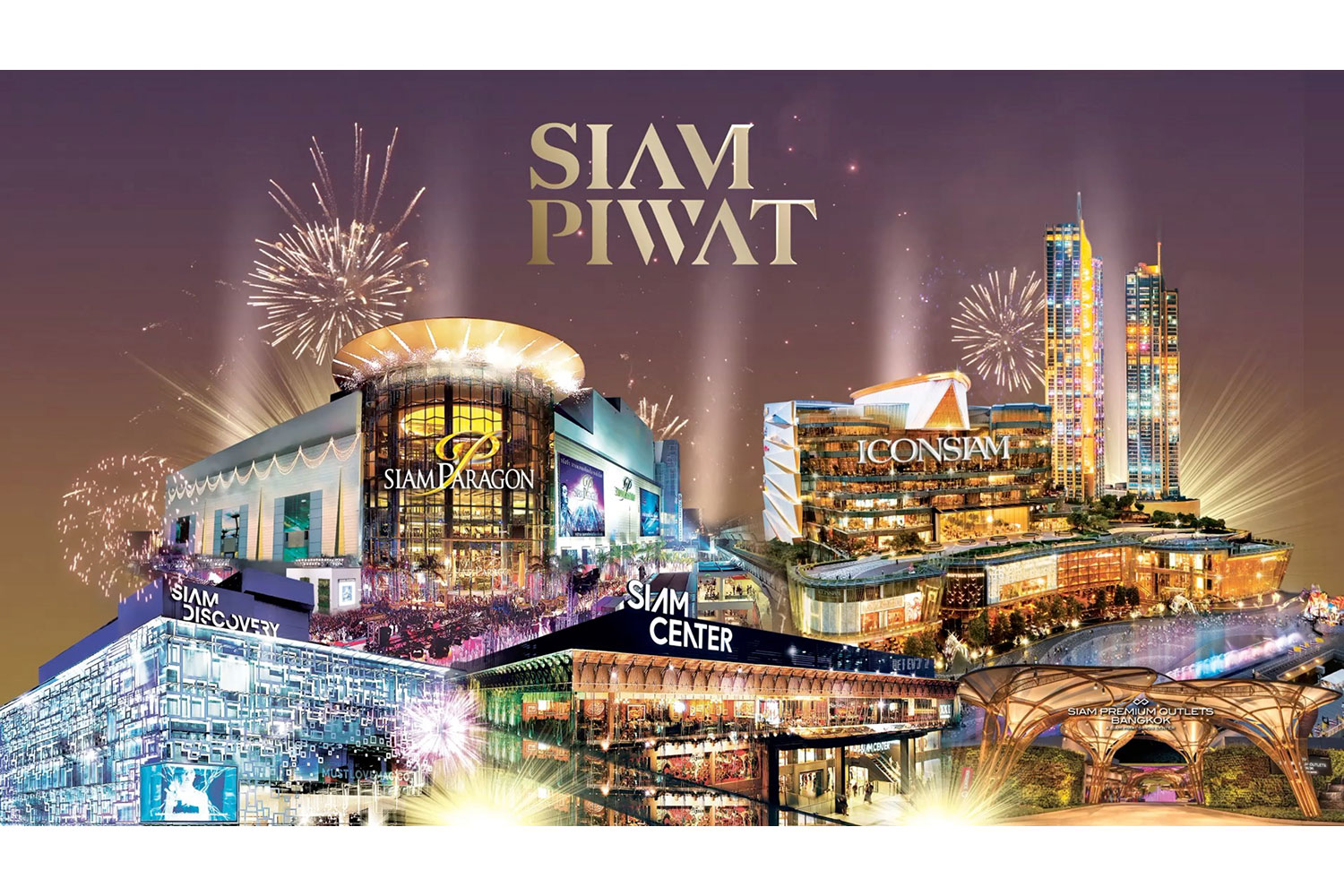
    Bangkok mall developer Siam Piwat expanded its digital partnership network across China in September 2026 to reach more than 1 billion travellers before they depart for Thailand.

    The tie-up connects the group’s OneSiam retail loyalty card to platforms run by Huawei, Alipay+, WeChat, UnionPay and streaming service iQIYI.

    Under the agreement, Siam Piwat will integrate visitor passes and shopping discounts directly into Huawei’s operating ecosystem. That system covers 400 million mobile devices and 200 million wearable users. Chinese travellers can access shopping perks, browse luxury collections and settle transactions through Alipay+ and UnionPay before arriving in Bangkok. Participating malls include Siam Paragon, Siam Center, Siam Discovery, IconSiam and Siam Premium Outlets Bangkok.

    Payments and Pre-Trip Booking Integrations

    Marketing campaigns, influencer content and booking services will sit directly inside Chinese digital channels to pull footfall into Bangkok. A separate collaboration with streaming platform iQIYI will pair Chinese entertainment intellectual property with offline pop-up events and retail promotions inside Siam Piwat properties.

    Integrating the OneSiam Global Visitor Card into WeChat connects digital wallets, customer service and curated retail offers inside a single mini-program.

    “Our goal is to drive quality tourism that prioritises ‘value’ over ‘volume’,” said Mayuree Chaipromprasith, president of corporate partnership and communications at Siam Piwat.

    Competition For Inbound Luxury Tourist Spending

    Thai retail landlords are racing to lock in Chinese tourist spend well before travellers land at Suvarnabhumi Airport. Central Pattana and The Mall Group spent two years expanding their digital payment checkouts. Siam Piwat is taking a different route. It bets that embedding its loyalty programme inside foreign hardware and payment apps will secure high-spending shoppers before departure.

    Execution on the ground remains the main test. Funnelling overseas digital engagement into physical mall traffic requires luxury brands to provide dedicated inventory and multilingual staff on site. Without both, tourist spending disperses across competing retail strips in downtown Bangkok.

    Earlier Ties Built During Pandemic Downturn

    Siam Piwat first partnered with Huawei in 2020 to build a shared digital platform during the pandemic travel freeze. Teams tested IT systems during the lull before linking with regional payment operators. That infrastructure now manages cross-border data and loyalty perks across the developer’s core Bangkok shopping assets.

    Technical teams at Siam Piwat and UnionPay will complete cross-border transaction testing ahead of the next regional holiday travel peak.

  • Ralph Lauren Partners with Korea National Cancer Center for 2028 Facility

    Ralph Lauren Partners with Korea National Cancer Center for 2028 Facility

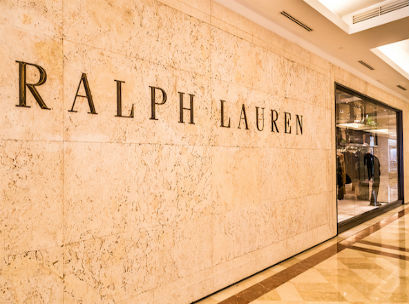
    Ralph Lauren will open its first Asian cancer recovery facility in Goyang, South Korea, in 2028 through a partnership with the Korea National Cancer Center Foundation.

    This project extends the New York-listed luxury group’s philanthropy into South Korea. Government registry figures show more than 2.7 million people in the country live with or beyond cancer.

    Inside the Goyang facility

    Plans place the Ralph Lauren Center for Patient and Family Recovery inside the Phase II Proton Therapy Center at the National Cancer Center’s new Innovative Cancer Research Center. The facility will provide recovery rooms, psychological counseling, family education and social welfare support for proton therapy patients.

    Funding flows through Pink Pony, Ralph Lauren’s global oncology initiative founded in 2000. That program currently supports 38 beneficiary projects across 17 countries. The company has funded local cancer programs in South Korea since 2012, but the Goyang project is its first physical center in the region.

    Cancer care should extend beyond treatment itself to helping patients return to their daily lives and improve their quality of life.

    Han-Kwang Yang, president of the National Cancer Center of Korea and chairman of the Korea National Cancer Center Foundation, noted that proton therapy requires extended care. Those long treatment cycles place heavy emotional demands on families, making non-clinical support spaces essential.

    Luxury philanthropy across Asian markets

    Global apparel and luxury houses have shifted corporate giving in North Asia away from generic sponsorships toward long-term civic infrastructure. For luxury groups operating in Seoul’s department stores and duty-free corridors, institutional healthcare partnerships build local goodwill. Transactional marketing cannot match that standing.

    The Goyang facility mirrors Ralph Lauren’s healthcare network in the West. That roster includes facilities at Memorial Sloan Kettering in New York, Georgetown University in Washington, USC Norris in Los Angeles, the University of Chicago and the Royal Marsden in Britain. Adapting that model to East Asia tests whether Western lifestyle brands can anchor specialized public health infrastructure in state-run Asian medical institutions.

    Building out regional healthcare commitments

    Overseas, the retailer recently established the UChicago Medicine Ralph Lauren Center in the United States as part of a wider run of foundation grants. In South Korea, the National Cancer Center has operated under the Ministry of Health and Welfare since 2000. The agency serves as the central coordinator for nationwide oncology research, clinical practice and patient screening.

    Construction on the broader Innovative Cancer Research Center is underway in Goyang. When the complex opens in 2028, the Ralph Lauren facility will begin welcoming proton therapy patients and their families.

  • Amouage Opens First Standalone Boutique in Indonesia

    Amouage Opens First Standalone Boutique in Indonesia

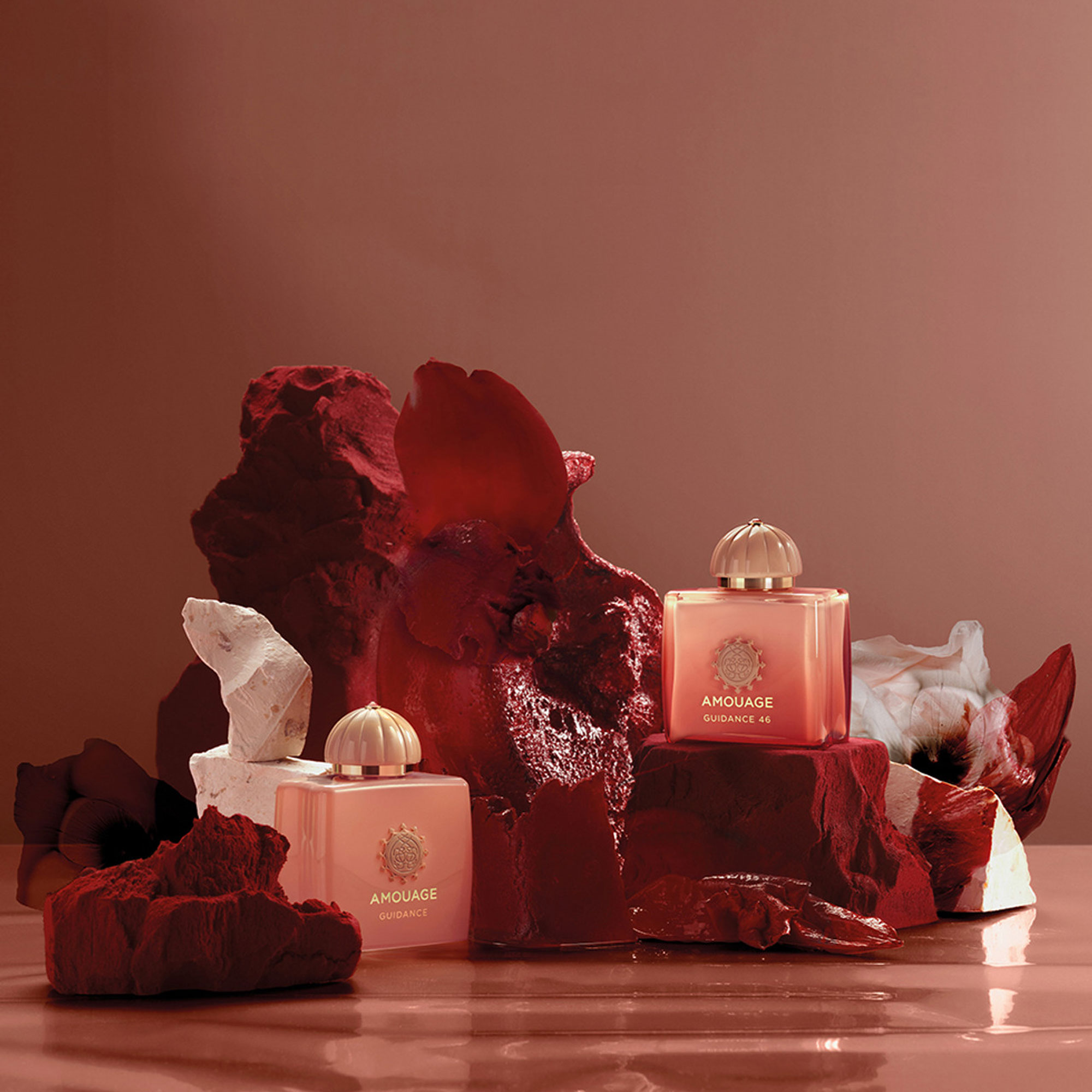
    Omani perfume house Amouage opened its first standalone boutique in Indonesia at Plaza Indonesia in Jakarta in September 2026.

    Founded in Muscat in 1983, the brand operates in more than 80 countries under parent company Sabco Group.

    Architecture and Store Layout

    Inside the Jakarta boutique, the design draws on Omani geography and traditional building methods. Travertine stone walls, walnut timber, and brushed copper fixtures frame the interior alongside structured, layered arches.

    Display tables shaped like inverted pyramids mirror Oman’s mountain topography. At the center of the sales floor, a dedicated installation titled the Gift of Kings arranges bottles in a radial format beneath an illuminated orb.

    “Indonesia has a deep relationship with scent, craft, and hospitality, and an increasingly sophisticated luxury clientele looking for depth and originality,” said Amouage chief executive Marco Parsiegla.

    Southeast Asian Luxury Demand

    Standalone retail units give niche fragrance makers direct control over pricing, presentation, and customer data. Wholesale department store counters cannot match that access. High-end perfumery maintains strong operating margins in Southeast Asia, where affluent shoppers bypass heritage fashion-house scents for specialized, high-concentration formulations.

    For Indonesian luxury landlords, beauty flagships fill high-yield ground floor units with compact footprints that generate strong sales per square meter. The main operational challenge is sustaining foot traffic and repeat buyers in central Jakarta once opening buzz cools.

    Muscat Heritage and Regional Expansion

    Founded in Muscat in 1983, Amouage built its global business on heavy, resinous perfumes centered on regional ingredients like frankincense, rock rose, and ambergris.

    The Jakarta opening follows an entry into India five months earlier, when the brand launched at Mall of Asia in Bengaluru in April 2026. Amouage is pacing its retail rollout across major Asian metropolitan centers to build a wider network of company-operated doors through 2027.

  • Royal Holdings and RB Capital Buy Singapore Scotts Square for $245 Million

    Royal Holdings and RB Capital Buy Singapore Scotts Square for $245 Million

    Royal Holdings and RB Capital have agreed to buy the Scotts Square shopping centre in Singapore from Wharf Estates Singapore for $245 million. The deal values the Scotts Road property at S$310 million.

    CBRE brokered the transaction. The sale covers a four-storey luxury retail podium with 130,875 square feet of gross floor area and roughly 76,660 square feet of net lettable space next to the Orchard Road shopping belt.

    Valuation Shifts and Prime Yields

    The agreed price reflects a discount from earlier seller expectations. Wharf Estates Singapore first marketed the retail asset in 2024 at $346 million, then cut that target to $300 million as institutional buyers pushed for higher yields.

    Talks accelerated in August after inquiries began at around $253 million, according to the Business Times. Completing due diligence allowed the parties to lock in the final $245 million valuation ahead of a planned closing before the end of the year.

    Luxury Footprint and Tenant Demand

    Scotts Square maintains an occupancy rate of nearly 99 per cent. Anchor luxury tenants include French fashion house Hermes, Christian Louboutin and Vivienne Westwood, supported by streetwear labels, technology retailers and art installations across four floors.

    For landlords along the Orchard corridor, the transaction sets a clear benchmark for boutique luxury retail space outside mega-malls. While larger landlords rely on heavy tourist traffic and mass entertainment, the buyers are betting on compact footprints with top-tier international brands that retain tenants.

    Capital expenditure remains the central risk for the new owners. Retaining luxury anchors requires continuous asset enhancement, especially as competing developments along Orchard Road upgrade their podium spaces for regional luxury spending.

    RB Capital and Royal Holdings will take full operational control of the retail asset when the acquisition closes before the end of December.

  • China Luxury Label Icicle Hires Former Gucci Head Sabato De Sarno

    China Luxury Label Icicle Hires Former Gucci Head Sabato De Sarno

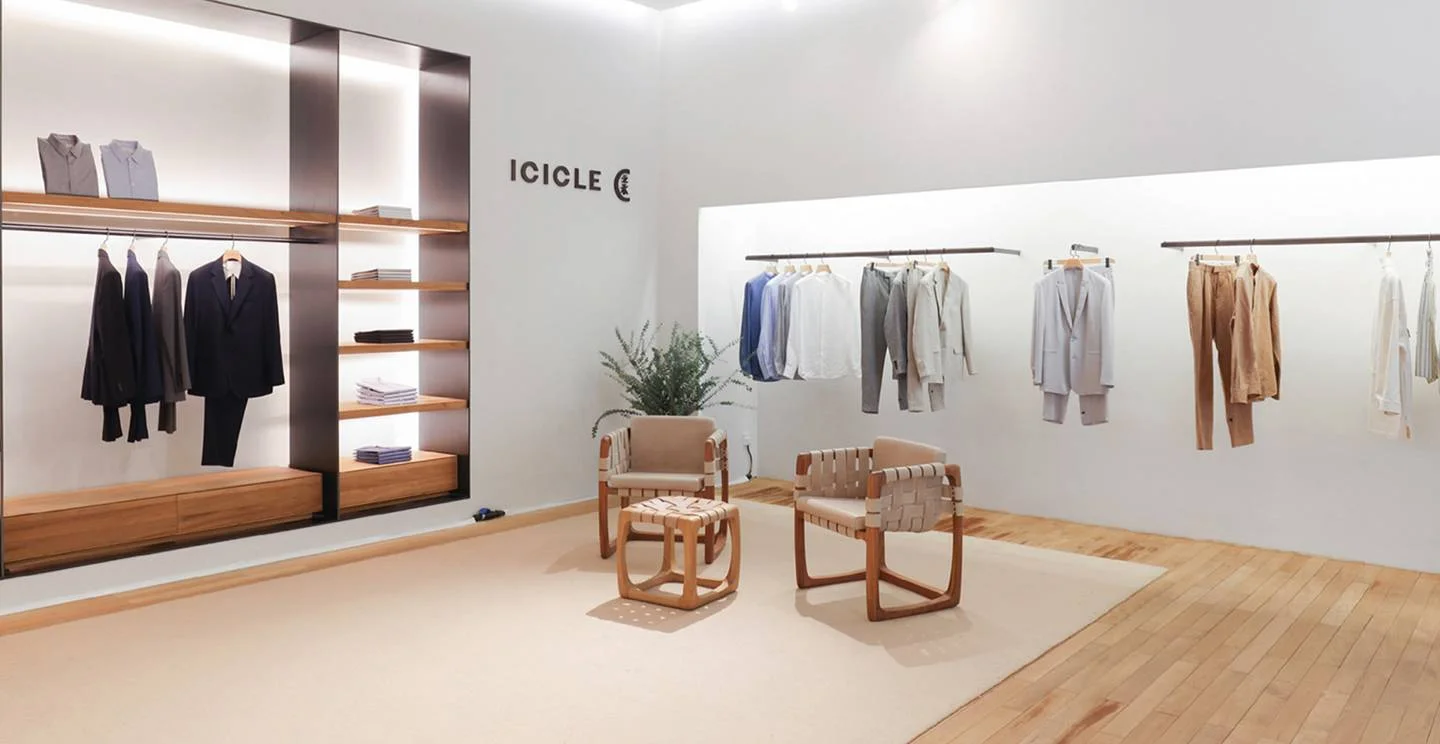
    China’s Icicle hired former Gucci creative director Sabato De Sarno on Monday to lead its design operations across ready-to-wear, accessories and eyewear.

    His debut collection for the Shanghai-based fashion house will arrive for the autumn/winter 2027-2028 season.

    The Kering connection and design scope

    De Sarno takes direct control of creative direction for both women’s and men’s lines. The Italian designer previously ran design at Gucci, the flagship label of French luxury group Kering.

    The appointment deepens ties between the two businesses. Kering took a minority stake in Icicle in April 2026, giving the Chinese brand financial backing and direct access to European luxury executive networks.

    Chinese brands buying European prestige

    Chinese fashion groups are increasingly hiring established European designers to push their brands upmarket and expand outside mainland China. Icicle built its domestic business on high-end natural fabrics and understated cuts, but matching European heritage houses requires international design pedigree.

    The approach carries clear execution risks. Integrating European creative directors into Chinese corporate structures has produced mixed commercial returns, requiring labels to balance Western aesthetic direction with a core domestic customer base that values different proportions and styling.

    Precedents across the domestic sector

    Down-jacket specialist Bosideng followed the same playbook in 2025 when it hired British designer Kim Jones to lead its luxury line, Areal. French luxury group Hermes took a similar path with Shang Xia, which hired London-based designer Yang Li in 2021.

    Icicle is now preparing its production pipeline and marketing rollout ahead of De Sarno’s first autumn/winter 2027-2028 show.

  • Jonathan Waecker Completes First Year as Michael Hill CEO

    Jonathan Waecker Completes First Year as Michael Hill CEO

    Jonathan Waecker marked his first 12 months as chief executive of jeweller Michael Hill on August 27. His arrival followed an international search and a sombre period for the retailer.

    Former chief executive Daniel Bracken died unexpectedly in February 2025, followed by founder Sir Michael Hill in July.

    Leadership Transition at the Jeweller

    Waecker took charge of the retail network just weeks after Sir Michael died. The double loss forced the company to manage executive succession and institutional continuity at the same time.

    Directors turned to Waecker to execute long-term strategy while protecting brand equity across the store fleet. Maintaining operational discipline during senior turnover remains the board’s primary focus.

    “I’ve approached it with enormous respect for what Sir Michael and Lady Christine built,” Waecker said. “There’s so much magic in this brand and its history.”

    Succession After Twin Losses

    Retail chains facing sudden leadership gaps often risk strategic drift. Michael Hill countered that threat by moving rapidly through a global search to fill the vacancy left by Bracken.

    Executive stability gives regional landlords and investors clear assurance on leasing commitments and store funding. Sector rivals continue to fight for discretionary spend, leaving management little room for operational disruption.

    Stewardship Across Core Markets

    Before Waecker took charge in August 2025, the group relied on Bracken to direct brand elevation and store network refinements. Losing both the operational chief and the founder within five months tested governance across the business.

    Attention now turns to annual trading performance and network expansion targets across the brand’s core markets.

  • Singapore Retail Sales Growth Slows to 1.5% in July as Luxury Holds Firm

    Singapore Retail Sales Growth Slows to 1.5% in July as Luxury Holds Firm

    Singapore retail sales excluding motor vehicles rose 1.5 per cent year-on-year in July to SG$3.7 billion (US$2.9 billion), slowing from a 4.1 per cent gain in June.

    Official Department of Statistics data released on Monday showed shoppers pared back daily supermarket and fuel spending while sustaining double-digit increases on high-end discretionary items. Online transactions generated 18.3 per cent of total retail turnover during the month.

    Discretionary Spend Defies Inflation

    Recreational goods rose 13.9 per cent year-on-year, propelled by sports equipment purchases. Turnover for watches and jewellery climbed 11.1 per cent over the same period, giving both categories three consecutive months of double-digit expansion.

    Everyday retail categories faced a sharper contraction. Fuel receipts dropped 1.1 per cent in July after an 8.0 per cent expansion in June, reflecting a mid-year drop in pump prices before crude costs picked up again heading into late third-quarter trading. Supermarkets, convenience stores, mini-marts, and food and alcohol retailers all posted annual revenue declines.

    Right now, this is a market where retailers serving the masses are struggling, while those attracting the wealthy thrive.

    Josh Gilbert, lead analyst for Apac at Etoro, noted that households have adjusted their budgets around elevated living expenses by cutting routine spending to protect big-ticket purchases.

    Department Stores Squeezed

    Department stores suffered their sixth contraction in seven months. The persistent slide exposes structural problems for general merchandise retailers competing against specialized mono-brand stores on one side and cross-border e-commerce platforms on the other.

    Landlords across central shopping corridors face an increasingly split tenant base. Prime retail space dedicated to athleisure, fitness gear, and hard luxury continues to deliver higher sales densities, while suburban grocery anchors and legacy multi-brand floors yield lower turnover rents.

    Distortions and the Next Baseline

    Part of the drag on staple retail reflects a high comparative base from July 2025, when households spent state-issued SG60 vouchers across neighborhood stores and supermarkets.

    August retail numbers will reveal whether renewed oil price volatility and the complete runoff of previous fiscal stimulus further weaken food receipts, ahead of fourth-quarter lease renegotiations across major shopping mall portfolios.

  • Gentle Monster Parent Iicombined Appoints Renaud Divisia as Europe GM

    Gentle Monster Parent Iicombined Appoints Renaud Divisia as Europe GM

    In September 2026, Seoul-based Gentle Monster parent Iicombined appointed Renaud Divisia as general manager of Europe to lead its regional expansion.

    Divisia previously served as general manager of Puig Korea and international director of Byredo, following several years at LVMH’s Dior Parfums in leadership roles across Europe and the Middle East.

    In his new role, Divisia oversees organisation, retail expansion, and commercial strategy across Europe, where the South Korean group first launched in 2018.

    Expanding Beyond the London Beachhead

    Iicombined entered Europe in 2018 with a Gentle Monster store in London’s West End. Standalone locations in Paris and Milan followed. Those openings tested European appetite for the brand’s gallery-style retail spaces in competitive fashion capitals.

    Europe demands a different commercial model than Asia. In Asian markets, Gentle Monster built scale through experiential flagships that rotate art installations every few months. European high streets present steeper prime rents in cities like Paris and Milan. These locations require tighter retail economics and established wholesale accounts alongside mono-brand real estate.

    Bringing in a leader with roots in European luxury fragrance and cosmetics gives Iicombined a structure capable of handling multi-brand rollouts. The company cannot rely solely on the eyewear playbook that drove its early international visibility.

    Managing a Multi-Brand Portfolio

    Founded in 2011, Iicombined has expanded well beyond eyewear into a broader lifestyle business. Its wider portfolio includes fragrance and skincare brand Tamburins, bakery cafe concept Nudake, headwear label Atiissu and kitchenware brand Nuflaat.

    Tamburins gives the group a second growth vehicle with direct appeal to European department stores and specialty beauty retailers. Fragrance brands scale faster than luxury eyewear. Replenishment cycles are shorter, and distribution networks through multi-brand retail are already built.

    Operational risks remain across fragmented European real estate markets. Opening high-cost flagships in London or Paris requires major capital. Western European luxury consumers also demand sustained brand heritage rather than rapid trend turnover.

    Capital Backing and the Next Phase

    Private equity firm ZWC Partners invested in Iicombined earlier this year to finance global expansion. That capital targets growth across Asia alongside deeper penetration into Europe and North America.

    Divisia must now decide how to expand the wider portfolio. His immediate challenge is whether to introduce Tamburins and Nudake into existing flagships or secure dedicated real estate across prime retail streets in France, Italy and the United Kingdom.

  • Richemont Anchors Asian Network Through Dual Hubs in Hong Kong and Tokyo

    Richemont Anchors Asian Network Through Dual Hubs in Hong Kong and Tokyo

    Richemont manages its expanding Asian luxury operations through dedicated regional hubs in Hong Kong and Tokyo, supporting a global footprint of 2,369 monobrand boutiques generating 22 billion euros in revenue. Direct sales to retail clients now account for 77 per cent of total group turnover across its 23 Maisons and businesses.

    The Swiss luxury conglomerate employs more than 40,000 people across upwards of 150 international locations. Central corporate management in Geneva coordinates policy and governance across five regional headquarters, with Asia commanding two distinct reporting territories.

    Regional Footprint Across Nine Asian Markets

    From its regional Asia Pacific headquarters in Hong Kong, Richemont directs operations across nine major territories: mainland China, Australia, South Korea, Macau, Malaysia, Singapore, Taiwan, and Thailand. A separate regional headquarters in Tokyo oversees the Japanese market, backed by two satellite offices in Fukagawa and Osaka.

    Western Asia and South Asian expansion run through a third regional division based in Dubai. That office coordinates commercial operations across India, Saudi Arabia, and South Africa from an operations base at the Dubai Airport Free Zone.

    Direct Retail Shift and Infrastructure Targets

    The operational concentration in Hong Kong and Tokyo reflects the luxury sector’s reliance on Asian consumer demand, even as brand houses take closer control of physical distribution. Operating 2,369 monobrand boutiques allows the group to secure higher margins while managing client relationships without wholesale intermediaries.

    Richemont also reported that renewable electricity powers 97 per cent of its global operations, alongside holding Global Equal-Salary certification across its business units. Group leadership continues to focus resources on store productivity and direct boutique expansion across key metropolitan shopping districts in Greater China and Southeast Asia.

  • Chow Tai Fook Opens Luxury Flagships Across Four Markets in Ten Weeks

    Chow Tai Fook Opens Luxury Flagships Across Four Markets in Ten Weeks

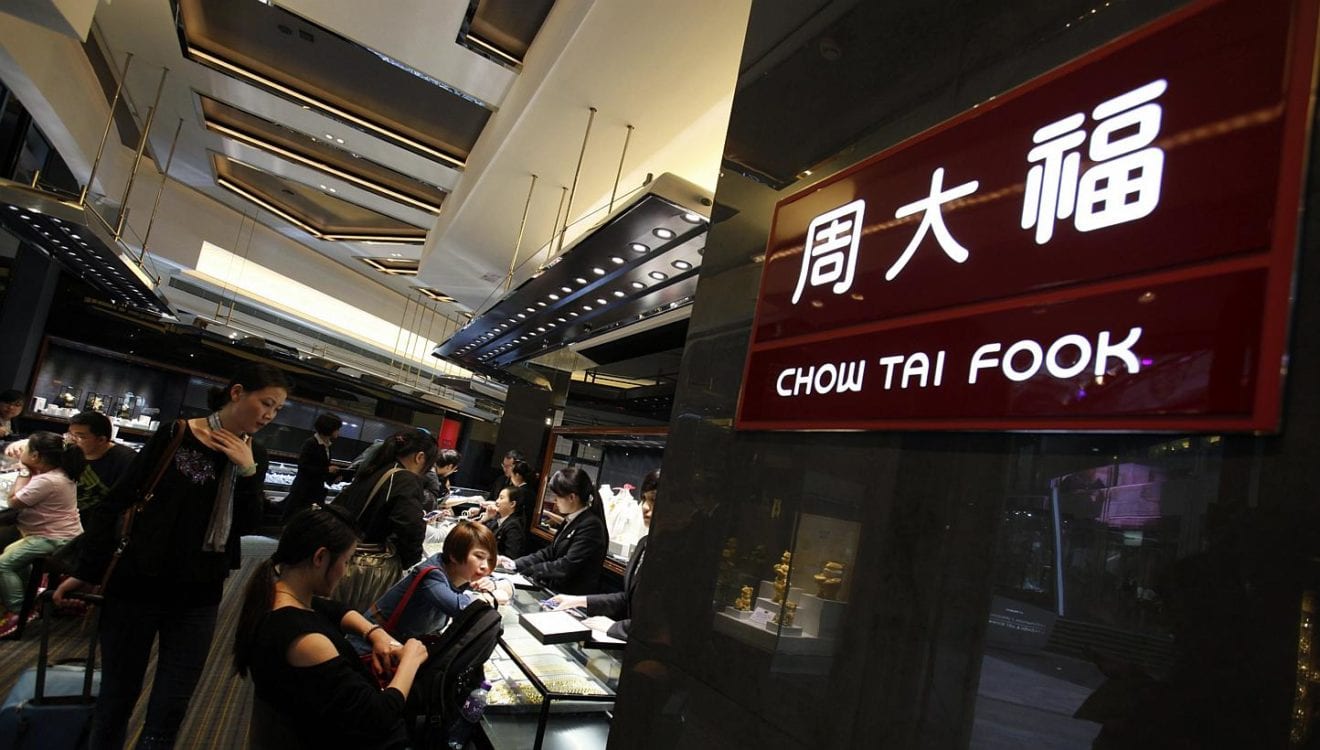
    Chow Tai Fook rolled out a new fleet of luxury-format stores across four international markets within ten weeks, betting on high-end Chinese design to capture affluent consumers. The retail push included a 10,000-square-foot global flagship on Canton Road in Hong Kong’s Tsim Sha Tsui shopping corridor.

    The Canton Road site puts the Chinese jeweller on the same strip as European luxury houses Hermès and Louis Vuitton. That opening followed an aggressive start to the year in Southeast Asia, where the company secured prime retail real estate inside Bangkok’s Siam Paragon shopping mall in January.

    High-Street Real Estate and Prime Malls

    Securing ten thousand square feet on Canton Road represents a major capital commitment in one of Asia’s most expensive retail districts. The scale reflects an explicit repositioning by the group toward higher margin, design-led jewellery lines rather than relying purely on mass-market gold volume sales.

    In Bangkok, the Siam Paragon opening targeted both local Thai wealth and returning Chinese tourists. By late March, the company widened the rollout to additional regional commercial hubs, completing four market debuts in under two and a half months.

    Shifting from Mass Retail to Global Luxury

    Traditional gold jewellery chains across Greater China have long competed on retail footprint density and weight-based pricing. Chow Tai Fook’s shift toward oversized flagships and upscale mall locations mirrors the playbook of European heritage brands, aiming to elevate average transaction values.

    Competing jewellers across Asia face rising raw material costs and cautious consumer spending in mainland department stores. Placing large-format stores in premier tourist precincts allows the brand to test international appetite for contemporary Chinese fine jewellery outside its domestic core.

    RetailNews Asia will track the sales performance across these new flagship sites as the group reports its upcoming quarterly store productivity metrics.

  • K11 Musea First-Half Sales Jump 40 per Cent on Luxury Tenant Overhaul

    K11 Musea First-Half Sales Jump 40 per Cent on Luxury Tenant Overhaul

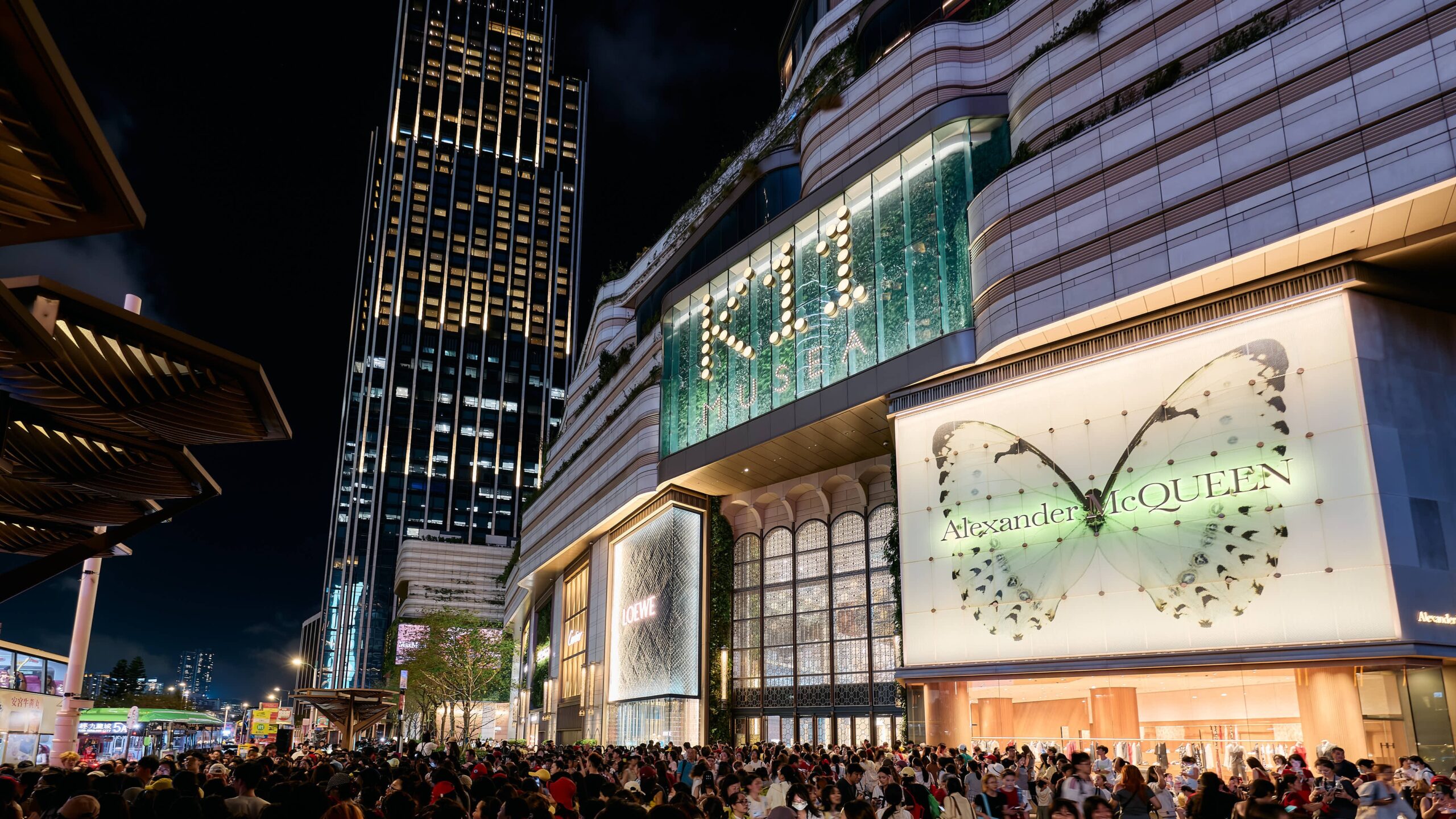
    Hong Kong retail complex K11 Musea increased first-half revenue by 40 per cent year-on-year, posting record sales for the period following a sweeping overhaul of its tenant roster.

    Newly introduced brands at the Tsim Sha Tsui waterfront destination averaged sales gains of more than 30 per cent, parent company New World Development said.

    The landlord initiated the first phase of its brand repositioning in the second half of 2024. That phase will wrap up by the end of this year, clearing space for flagship retail formats designed to generate higher revenue per square foot.

    Watches and Jewellery Drive Member Spending

    Hard luxury delivered the sharpest gains. Loyalty member spending on watches and jewellery climbed 80 per cent year-on-year during the first six months, while outlays on international luxury labels rose 20 per cent.

    Recent openings include boutiques from Miu Miu and IWC Schaffhausen, alongside a duplex flagship for Max Mara. Running label Hoka and Chinese outdoor brand Kailas also opened locations at the property over the summer.

    Tourist retail spend climbed 50 per cent year-on-year across the summer holiday period, supported by targeted arts and cultural exhibitions. Loyalty club spending continued that pace into August, rising 30 per cent.

    Landlords Shift Floor Plans to High-Yield Tenants

    Hong Kong shopping malls are aggressively reallocating square footage toward top-tier luxury labels and high-margin outdoor apparel to capture higher average basket sizes from mainland visitors. Rather than relying on volume foot traffic alone, operators are filtering tenants by direct sales productivity, a metric Horace Lam, chief executive of K11 Hong Kong, identified as the primary filter for new leases.

    Prada will open a new boutique at K11 Musea in the coming months, alongside an unannounced international yoga apparel brand scheduled to make its debut before the upgrade concludes.

  • South Korea Fashion Market Targets $25.15 Billion by 2029 as Domestic Labels Scale

    South Korea Fashion Market Targets $25.15 Billion by 2029 as Domestic Labels Scale

    South Korea’s fashion market is projected to reach US$25.15 billion by 2029, driven by an expanding roster of independent designer labels scaling across wholesale and retail channels.

    The figure reflects more than two decades of steady commercial development since Seoul Fashion Week debuted in 2000.

    Exporting Seoul’s Contemporary Aesthetic

    Seoul-based labels are capturing market share by combining technical fabrics with clean, structured tailoring. Amomento, founded in 2016 by designer Lee Mee-Kung, operates standalone stores in Seoul and sources textiles from South Korea and Japan. Open YY, launched by sisters Jiyoung and Boyoung Kim after rebranding from TheOpen Product, has secured global stockists through international luxury e-commerce platforms.

    Footwear and accessories have carved out dedicated niches. Heejin Kang established handbag label Osoi to target contemporary shoppers across Seoul. In jewellery, Numbering produces sterling silver and 14k gold-plated pieces. Eyewear specialist Gentle Monster built international presence through art-installation concept stores and high-profile product collaborations with Maison Margiela and Blackpink’s Jennie.

    Global Trajectories and Wholesale Reach

    Several Korean designers have anchored operations directly in major European fashion capitals. Rok Hwang, an alumnus of Celine, Louis Vuitton, and Chloe, established his label Rokh in Paris after training in London. Hyein Seo launched her utilitarian label in 2014 following graduation from the Antwerp Royal Academy of Fine Arts, staging runway presentations in London and New York.

    Veteran designers maintain long-running commercial runs at home. Former K-pop artist Seung Gun Park founded Pushbutton in 2003, making it one of Seoul’s most established independent brands. Other labels, including Lee Myoung Shin’s Low Classic, Hyunwoo Kim and Myungjun Shin’s Kijun, and outerwear specialist Dunst, continue to build volume through department store channels and multi-brand boutiques.

    For department stores and specialty stockists across Asia-Pacific, Korean contemporary labels offer mid-tier luxury price points with high cultural resonance among younger consumers. This commercial momentum increasingly challenges established Japanese and Chinese designers for shelf space across regional retail hubs.

    Buyers now track the upcoming seasonal order books, where South Korean labels must prove they can convert international runway visibility into steady wholesale reorders.

  • Thailand Luxury Market Outpaces Singapore as Gen Z and Pop Culture Drive Sales

    Thailand Luxury Market Outpaces Singapore as Gen Z and Pop Culture Drive Sales

    Thailand has overtaken Singapore as Southeast Asia’s fastest-growing luxury market, led by surging demand from domestic Gen Z consumers and entertainment partnerships.

    High-end fashion houses are shifting resources and marketing budgets toward Bangkok as spending by younger Thai demographics outpaces historic regional benchmarks.

    Pop Culture Powers Store Footfall

    Luxury labels have accelerated brand ambassador appointments across both Korean and Thai entertainment industries. Global houses such as Dior, Gucci and Prada now regularly sign Thai actors and musicians, commonly grouped as T-pop talent, alongside established K-pop idols to front regional campaigns.

    These endorsements convert directly into store traffic across Bangkok’s prime shopping corridors. Flagship boutiques in malls such as Siam Paragon, IconSiam and EmSphere report elevated sales of ready-to-wear lines, leather goods and fine jewellery purchased by shoppers under 30.

    Regional Retail Balances Shift to Bangkok

    Singapore long served as the default gateway for luxury groups entering Southeast Asia, relying heavily on international business travellers and high-income expatriates. Bangkok, by contrast, combines resilient domestic demand with a rapid rebound in regional tourist arrivals from across Asia.

    Major European luxury groups are now expanding floor space in central Bangkok developments and revamping VIP salons rather than relying solely on Singaporean outposts. The shift marks a broader recalibration toward markets where pop culture fandom directly drives retail transaction volumes.

    Luxury brands will monitor upcoming mall completions along Bangkok’s Sukhumvit and Ploenchit corridors through 2024 to determine whether new retail square footage matches high-end consumer absorption rates.