Tag: manila

  • SM Prime revenue going up

    SM Prime revenue going up

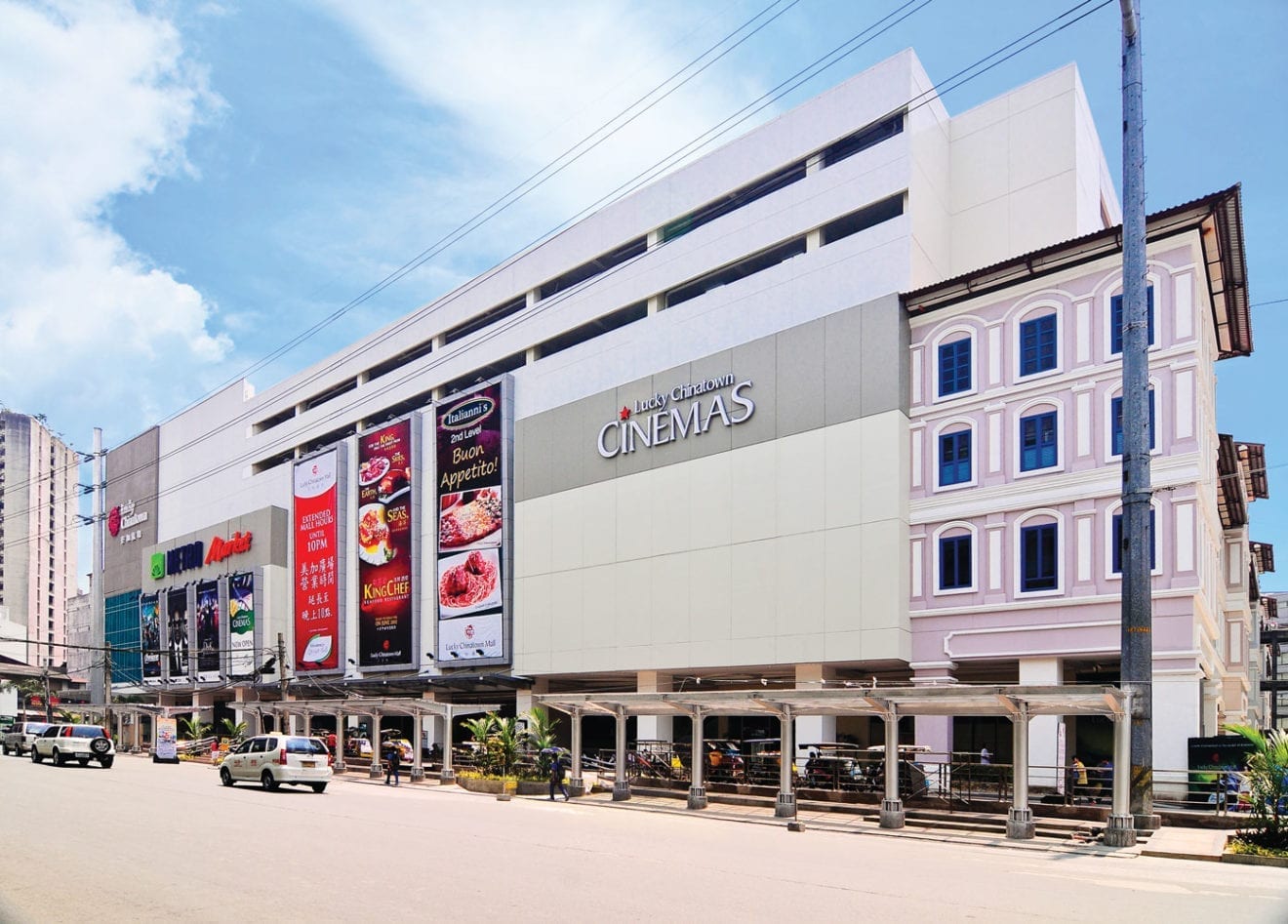
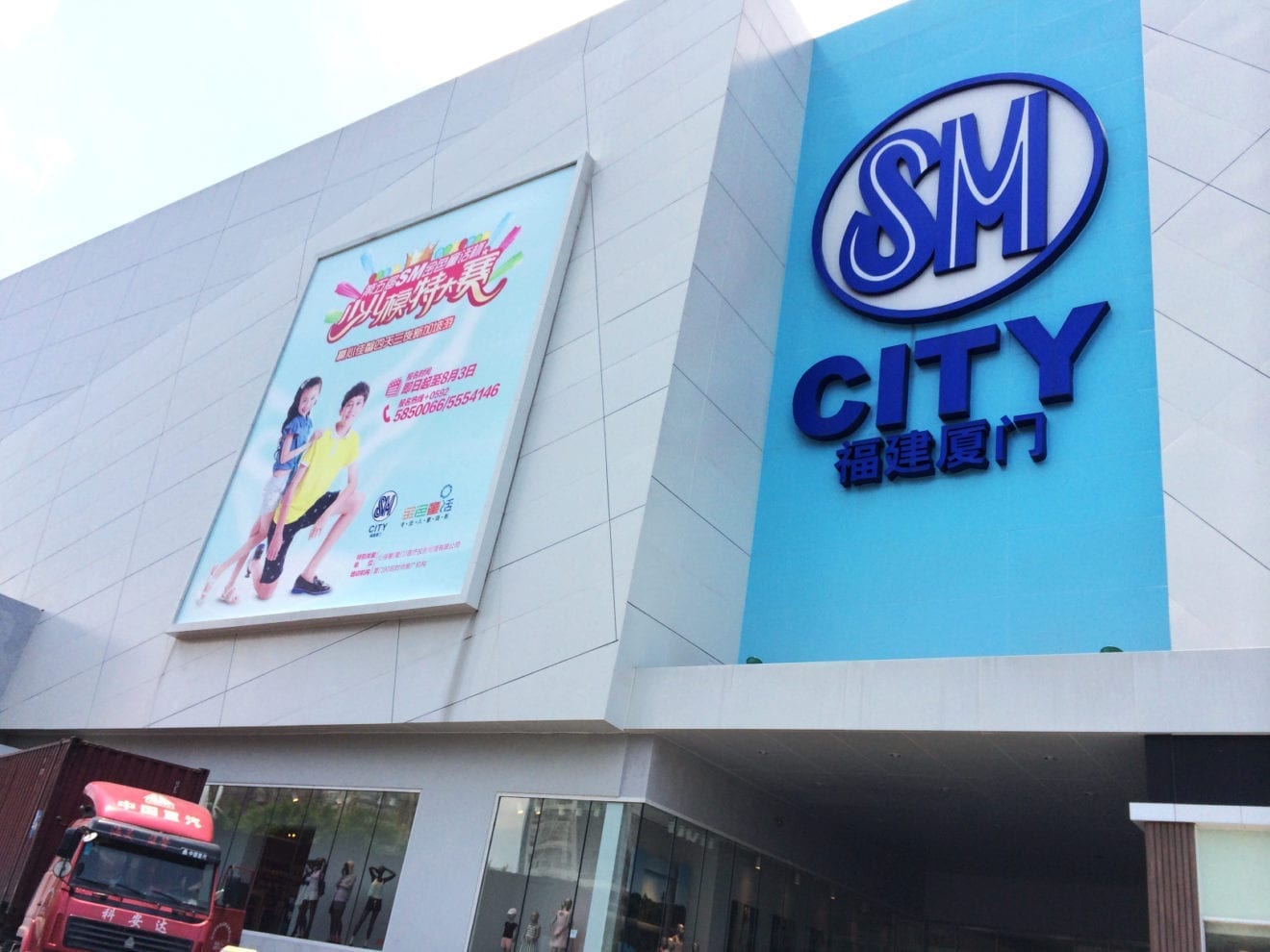
    Rental revenues from mall expansions and consistent improvement in same-mall sales have helped boost income for integrated property company SM Prime Holdings.

    For its third quarter, the company had 16 per cent year-on-year net income growth to PHP5.6 billion (US$110.5 million). This led to a 15 per cent increase in net income in the first nine months to PHP20 billion.

    Consolidated revenue was up 12 per cent to PHP64.6 billion, while overall operating income grew by 16 per cent to PHP30.1 billion.

    “Our performance in the third quarter is a testament to the buoyant overall economy that benefits the whole property market,” says SM Prime president Jeffrey Lim.

    Mall revenues for the first nine months showed 10 per cent growth to PHP38.5 billion, with the malls contributing 60 per cent of consolidated revenues. Mall rentals went up by the same percentage to PHP32.8 billion, primarily because of expansions and openings over the past two years. Same-mall sales were steady with 7 per cent growth.

    Cinema and event ticket sales eased by 3 per cent to PHP3.3 billion, whereas revenues from amusement and merchandise sales surged by 26 per cent to PHP2.4 billion.

    Consolidated mall operating income improved by 12 per cent to PHP21.3 billion, with the operating margin maintained at 55 per cent.

    SM Prime has 65 shopping malls in the Philippines and seven in China, and will open two more malls this year, SM Center Lemery in Batangas and SM Center Pulilan in Bulacan, taking its provincial property count to 44 from 38 a year ago.

  • PayMaya, Smart boost rollout of QR code payments

    PayMaya, Smart boost rollout of QR code payments

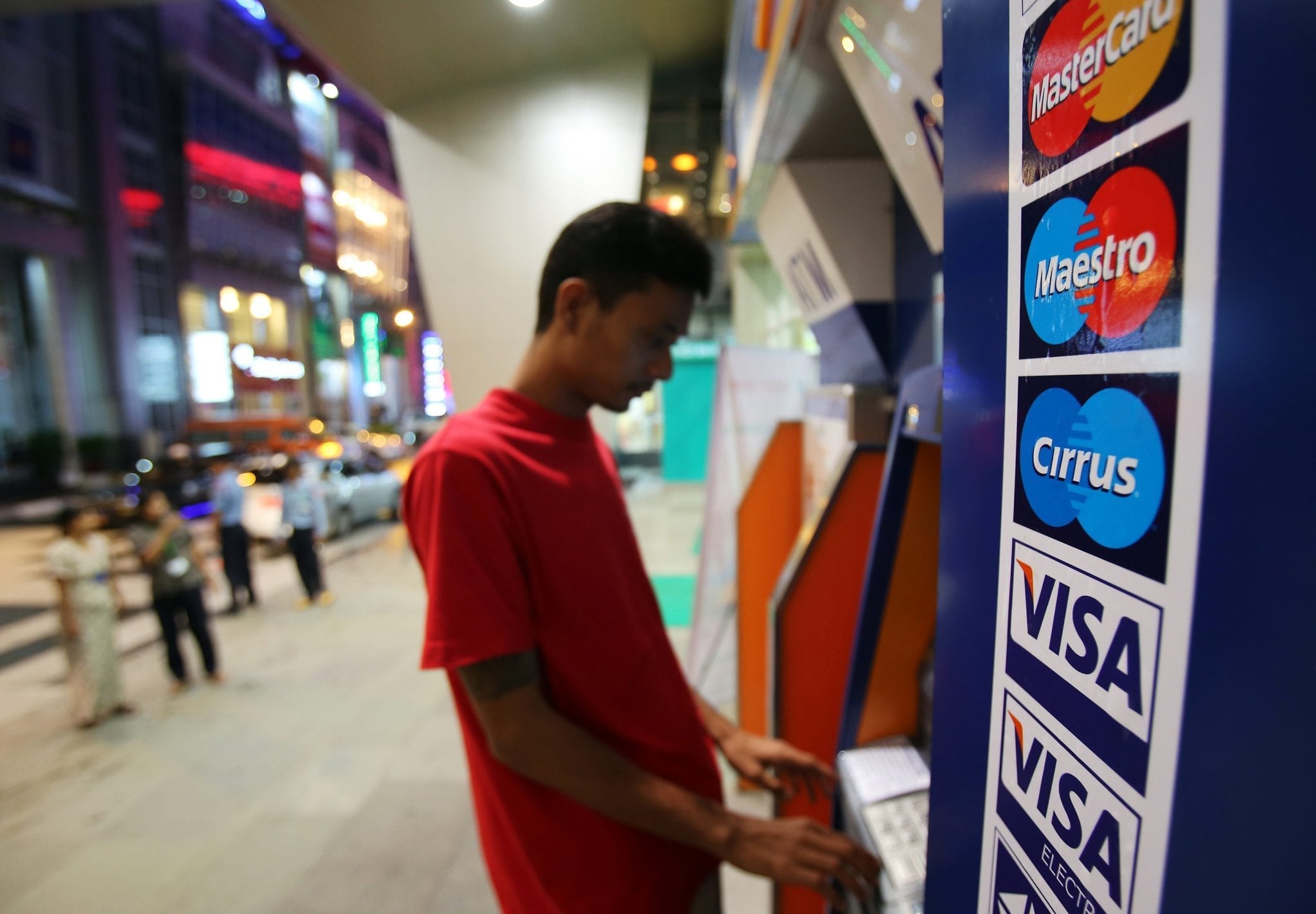
    After it introduced the first Quick Response (QR) code payments via app in the Philippines last May, PayMaya Philippines has announced that the scan-to-pay technology is now available across the country, with Smart Stores and select merchants in key cities allowing consumers to conveniently pay by simply scanning QR codes through their PayMaya app.

    Smart subscribers have a new means to transact with their accounts as Smart Stores all over the country are equipped with PayMaya QR technology. PayMaya is also enabling merchants in communities starting with canteens in partner schools like STI and commercial establishments in cashless cities such as Muntinlupa and Malabon. Similarly, PayMaya is also tapping popular merchants in SmartSpots already enabled by WiFi connectivity in key cities such as Baguio, Cebu and Davao.

    In the near future, payments enabled by PayMaya will also be accepted online and in-store in popular food chains, supermarkets and malls such as McDonald’s, Army Navy, Domino’s Pizza and Gaisano Supermarkets, among others.

    To further bring the technology to more users, Smart and PayMaya are also set to equip Smart retail partners down to the sari-sari store level with the payment technology.

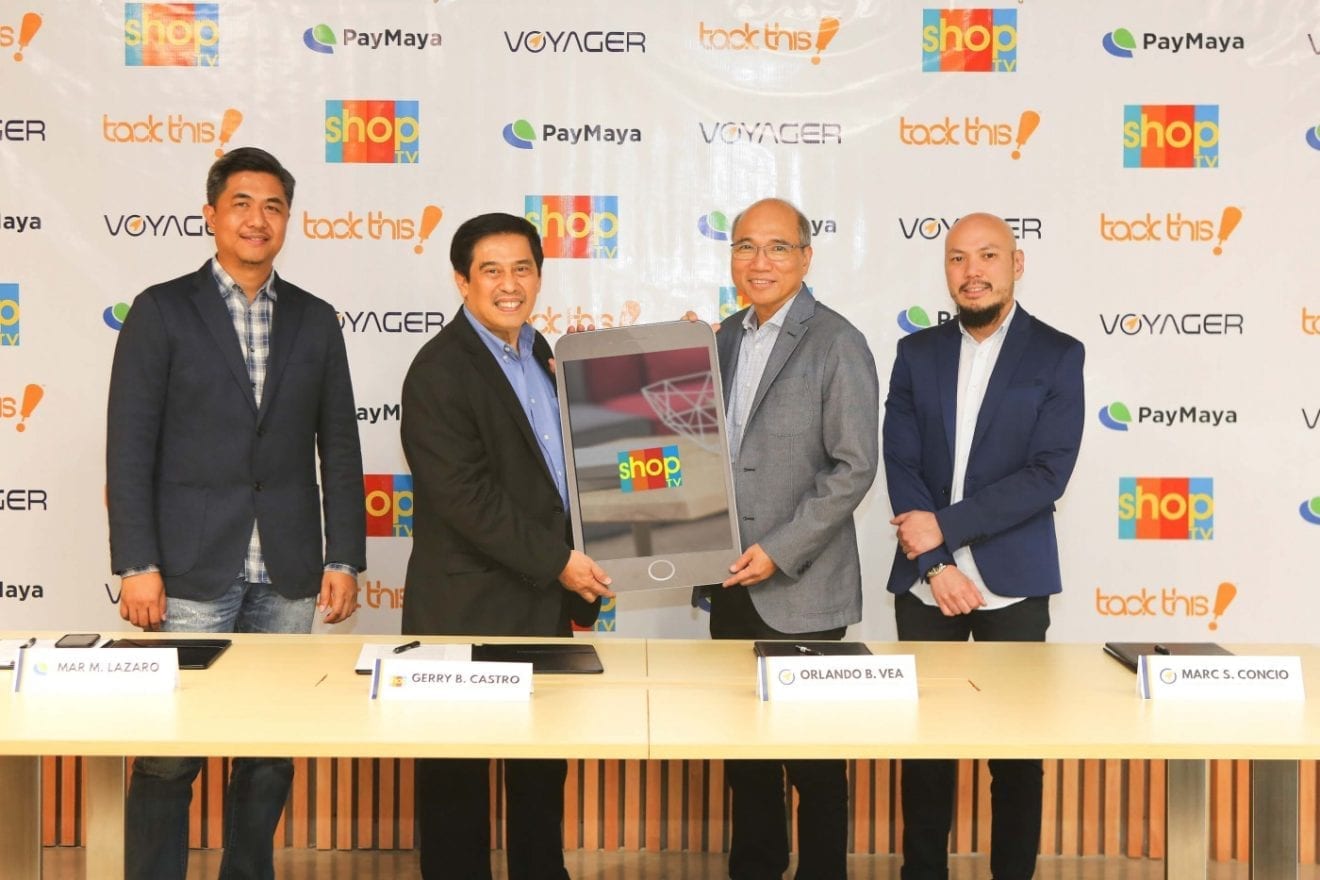
    “As PayMaya continues to grow nationwide, we take a giant step for our customers by making QR code payments available to all kinds of merchants. PayMaya is the leading digital payments wallet and on the merchant side, this will reinforce our position as the top mobile payments acquirer in the country,” said Orlando Vea, president and CEO, PayMaya Philippines and Voyager Innovations.

    “Convenient and secure cashless transactions complete the digital life experience of people and communities. Equipping our Smart Stores, partner merchants and retailers with PayMaya’s innovative platforms is a step in making our vision a reality,” said Eric Alberto, chief revenue officer, PLDT and Smart.

    Existing technology, new use cases, right conditions

    QR code technology has been in use for quite some time with many applications already in the market. However, wide adoption for payments had been previously hampered by various factors, such as lower smartphone and internet usage.

    The technology has now taken off around the world, with payment providers in various countries introducing use cases for adoption. Globally, Tencent’s WeChat app is the leader with close to a billion active users, most of them residing in China. Similar to PayMaya, every time their app is downloaded, so too is a QR code reader as the feature has already been integrated.

    In the Philippines, the growing smartphone and internet penetration is now being complemented by digital payments adoption, pioneered by PayMaya. It has made payments integration capability via QR codes available and is now accelerating consumer acceptance, as it further builds up and reinforces the payment ecosystem and infrastructure across the country.

    It takes a village to make ‘cashless’ work

    “For any kind of digital payments technology to be widely adopted, it is important to foster the right conditions and build the ecosystem. PayMaya is already leading the market toward this direction. Along with the strongest network of PLDT and Smart, we are seeing digital financial inclusion in action,” said Manuel V. Pangilinan, chairman of PLDT, Smart, Voyager Innovations and PayMaya Philippines.

    PayMaya Philippines is the digital financial services arm of PLDT and Smart’s Voyager Innovations. Its PayMaya wallet, accessible via mobile app and Facebook Messenger (@PayMayaOfficial) that comes with a virtual and physical Visa or MasterCard, is now the preferred prepaid payment by the millennial market.

    Any mobile subscriber can simply download the PayMaya app from the Play Store or the App Store and load up their wallet at any of the more than 15,000 reloading stations nationwide, which include SM Business Centers, Robinsons Department Stores Business Centers and 7-Eleven, Petron stations along NLEX and Ministop outlets with Touchpay Kiosks, UnionBank ATMs, Shopwise, Wellcome, 2Go outlets, Smart Padala centers, Palawan Pawnshop and online banking via BDO and UnionBank.

    PayMaya is also the platform of choice of local governments, enterprises and schools for disbursements and ID-plus payments cards.

    PayMaya-enabled ID-plus payment cards are being used by Balanga City, Malabon City, Malolos City, Muntinlupa City, Catbalogan City and Tacloban City, as well as by schools such as STI.

    Meanwhile, PayMaya Business, the company’s system solutions provider that allows businesses to receive online and card payments anytime, anywhere, is now the top mobile payments acquirer powering companies such as Cebu Pacific, Lazada, Meralco, Metro Pacific Tollways, Philippine Airlines, Smart, and Zalora, as well as numerous other merchants.

    Completing the cashless ecosystem is Smart Padala’s largest money-in/money-out remittance network.
  • AirAsia announces flights from Manila to Bali, Jakarta

    AirAsia announces flights from Manila to Bali, Jakarta

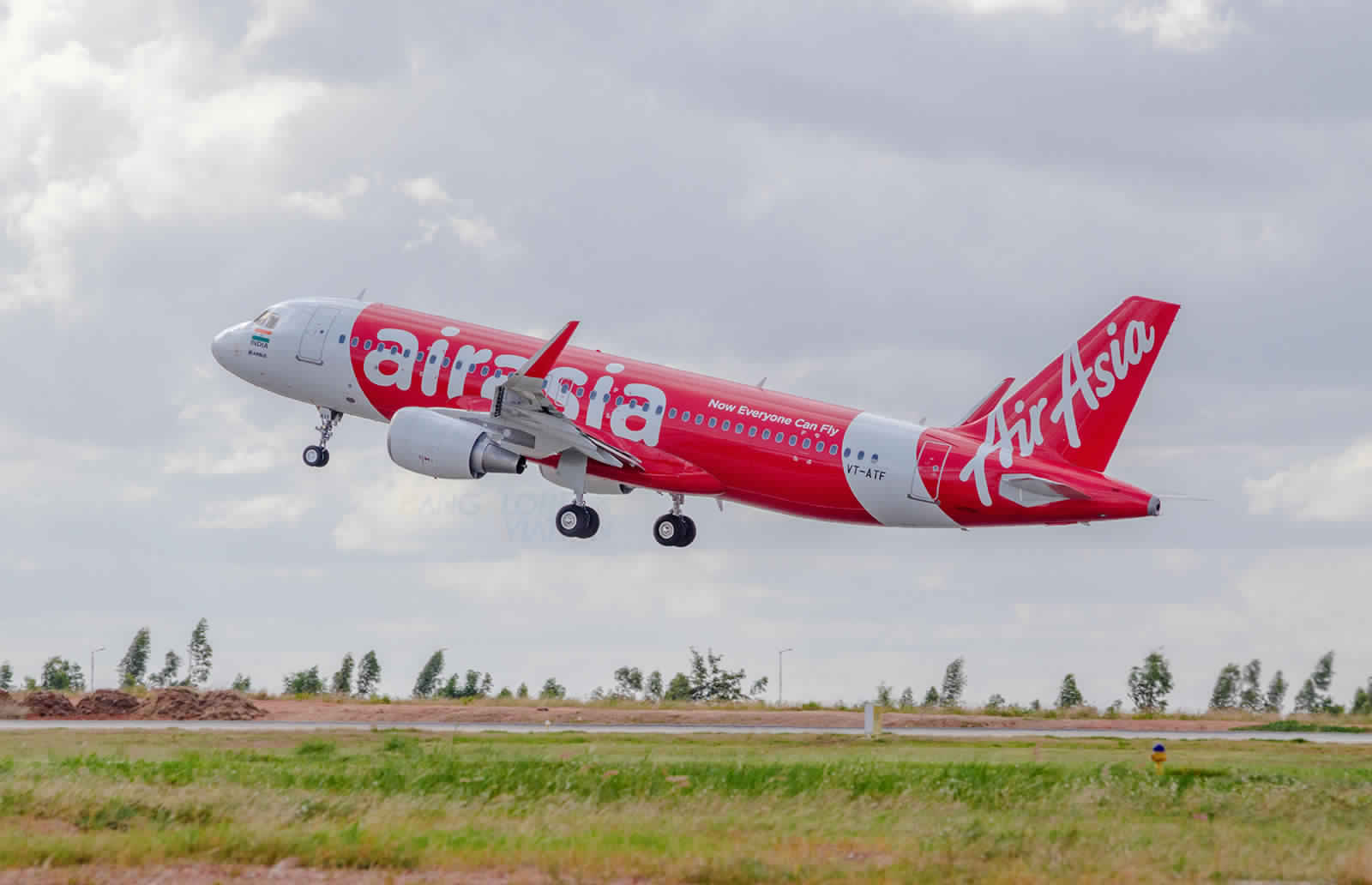
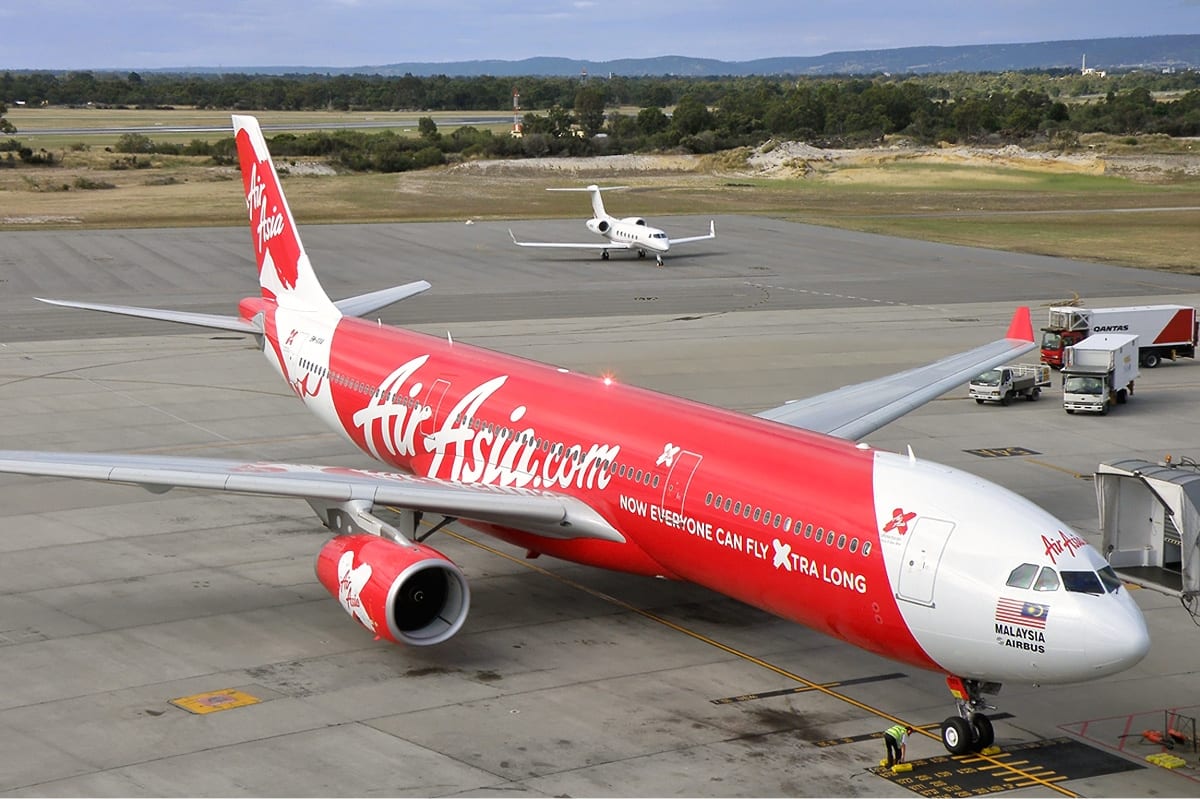
    Budget carrier AirAsia on Thursday announced it will start servicing flights from Manila to Bali and Jakarta in Indonesia starting January 2018.

    In a statement, AirAsia Philippines said it will start flying from Manila to Jakarta, Indonesia starting January 9, and to Bali, Indonesia starting January 19.

    Daily flights from Manila to Bali will have a departure time of 6:40 p.m., and an arrival time of 10:25 p.m. Flights back to the Philippines leave Bali at 11:20 p.m.

    Meanwhile, flights from Manila to Jakarta will have a departure time of 8:00 a.m, and an arrival time of 11:00 a.m. Flights back to the Philippines leave Jakarta at 11:30 a.m.

    In the same statement, AirAsia said it will also start flying to Ho Chi Minh in Vietnam starting November 17.

    Flights from Manila to Ho Chi Minh will have a departure time of 10:25 p.m. every Tuesday, Friday, and Sunday. Flights back to Manila leave Ho Chi Minh at 1:35 a.m. every Monday, Wednesday, and Saturday.

    With the new routes, AirAsia also on Thursday announced all-in promo fares available from P2,950 available until October 22, with a travel period from November 17, 2017 to April 30, 2018.

  • Cebu Pacific includes tax in fares

    Cebu Pacific includes tax in fares

    The Philippines’ low-cost airline, Cebu Pacific, is now including the cost of the Domestic Passenger Service Charge (DPSC) in all ticket quotes.

    Commonly known as the “Terminal Fee” the inclusion is for domestic flights operating out of airports managed by the Civil Aviation Authority of the Philippines (CAAP).

    It became effective across the airline’s booking system for domestic flight sectors, 15 September. CAAP was the last airports operator to allow airlines to collect the tax. Previously, passengers had to queue at tax counters to pay the fee prior to boarding.

    However, the airline noted that the announcement applies to airports under CAAP. There are different arrangements on paying the tax in place at Ninoy Aquino International Airport in Manila, Mactan-Cebu International Airport, Clark International Airport and Godofredo P. Ramos Airport in Caticlan (Boracay).

    Manila International Airport Authority and the Mactan-Cebu International Airport Authority have included domestic terminal fees for the Manila and Cebu airports in ticket payments since 2013.

    Passengers who are only transiting through the 33 CAAP-managed airports are exempted from paying the DPSC.

    Depending on the airport, CAAP terminal fees range from PHP50.00 (approximately USD1) to PHP200.00 (approximately USD4).

    “While the total cost paid by passengers who booked flights on Cebu Pacific became slightly higher due to the addition of the terminal fee, this system is a convenience to travellers. They no longer have to line-up at the counters to pay for the domestic terminal fee,” said, Cebu Pacific vice president for corporate affairs, Atty JR Mantaring.

    Cebu Pacific passengers have also been given the option to pay the travel tax on international flights of PHP1,620.00 (approximately USD32), plus a handling fee of PHP80.00 (approximately USD2) when they book their flights online, via www.cebupacificair.com, or through Cebu Pacific ticket offices.

    Passengers who are exempt from the tax, or are eligible for reduced travel tax, can still book, pay and confirm their flights on Cebu Pacific, but will need to present valid tax exemption documents upon check-in.

  • Motorola Philippines moves beyond Manila

    Motorola Philippines moves beyond Manila

    Motorola Philippines has opened a Motorola Kiosk in SM Batangas, its first retail venture outside Metro Manila.

    It is its fourth store since Motorola entered the Philippines in October last year, and follows the opening of a kiosk in Cyberzone, Mall of Asia, two months ago.

    Motorola launched with two concept stores, in the Cyberzone area in SM North Edsa Annex and SM Megamall, both run by MemoXpress.

    Lenovo Mobile Business Group Philippines country manager John Rojo says the brand aims to create more consumer engagement through activities and communications.

    All Motorola concept stores carry the full Moto smartphone lineup.

  • Max’s Group moves east and north

    Max’s Group moves east and north

    Casual-dining giant Max’s Group Incorporated (MGI) has broken into the Middle East and also broadened its presence in Canada.

    Its casual-dining restaurant brand Sizzlin’ Steak has gained a foothold in the UAE through a partnership deal with Kasamar Holdings. The aim is to build seven Sizzlin’ Steak outlets in the UAE over the next five years.

    “We are seeing the emergence of Sizzlin’ Steak as a global mainstream brand,” says MGI president/CEO Robert Trota.

    It is the fourth development contract signed by MGI for the year, adding to a pipeline of more than 130 stores for the coming years.

    Kasamar is a family enterprise based in Abu Dhabi with diversified interests in retail. It is planning to assemble a portfolio of food brands for the region.

    Director Mo Bississo says the group hopes to launch the first Sizzlin’ Steak by early next year to be followed by an accelerated rollout long term.

    MGI has 655 stores, including 55 franchised outlets, abroad including parts of Asia.

    Meanwhile, it has advised the Philippine Stock Exchange that with its partner Alibin Group it will establish the first Max’s Restaurant in Winnipeg before next year.

    MGI has four Max’s Restaurant branches in Canada, in Vancouver, Toronto, Scarborough and Edmonton. Alibin is a Winnipeg-based private firm with experience that embraces retail and food services.

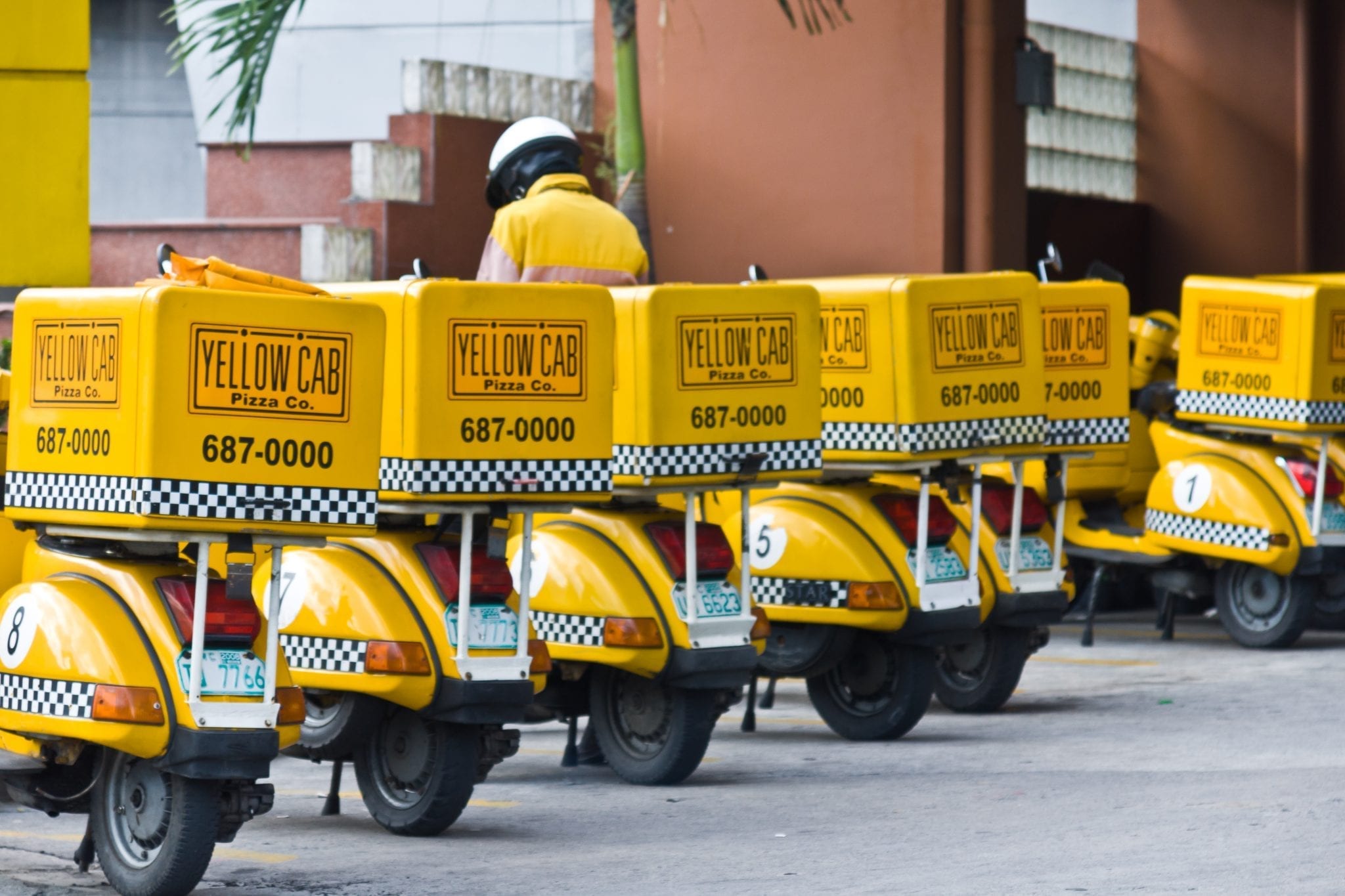
    MGI’s other brands include Dencio’s, Krispy Kreme, Le Coeur de France, Maple, Meranti, Pancake House, Teriyaki Boy and Yellow Cab Pizza.

  • AirAsia to start offering Manila–Ho Chi Minh City flights in November

    AirAsia to start offering Manila–Ho Chi Minh City flights in November

    Budget carrier AirAsia Philippines on Tuesday announced it will begin offering direct flights from Manila to Ho Chi Minh City, Vietnam in November.

    “We are thrilled to announce that we will start servicing direct flights from Manila to Ho Chi Minh in November as part of our commitment to continue bringing the Philippines closer to neighboring cities within the Asean region,” AirAsia Philippines CEO Dexter Comendador said in a statement.

    AirAsia is offering an introductory promo fare of P990 for the Manila-Ho Chi Minh route. The promo is available for booking from September 19 to October 18 on AirAsia’s website and mobile app.

    The promo fares are available for travel period from November 17, 2017 to November 21, 2018.

    AirAsia will fly three times a week from Manila to Ho Chi Minh, every Tuesday, Friday, and Sunday.

  • Zero Halliburton luggage lands in Manila

    Zero Halliburton luggage lands in Manila

    Zero Halliburton, the only luggage to have travelled to the moon and back, has landed in S Maison at Conrad Manila.

    Marking its launch in the Philippines, the 80-year-old global luggage brand is exhibiting the aluminum briefcase that stored rock and soil samples from the National Aeronautics and Space Administration’s (NASA) Apollo 11 lunar mission in 1969. It is also unveiling its aluminum and polycarbonate luggage and, soon, the Greenwich Collection, lightweight cordura nylon luggage with built-in smart features.

    Surprisingly, the luggage was originally developed to suit the needs of just one man, founder Erle Halliburton, an oilfield engineer, says company chairman Hiroaki Morishita. Realising that he needed a durable piece of luggage for his travels across the rough Texas terrain, Halliburton and a team of engineers designed the world’s first aluminum travel case.

    Impressed with the prototype, his friends convinced Halliburton to make the case commercially available. Zero Halliburton became part of history when Apollo 11 astronauts Edwin Eugene “Buzz” Aldrin, Michael Collins and Neil Armstrong took a case to the moon and back.

    The line has since extended to wheeled business bags, pilot cases, backpacks and duffel bags using newly developed materials and designs.

    Zero Halliburton’s flagship store is in New York City’s Madison Avenue, and Brazilian football superstar Ronaldinho of FC Barcelona has signed up to endorse the brand.

  • Bigg’s Diner plans expansion to Metro Manila

    Bigg’s Diner plans expansion to Metro Manila

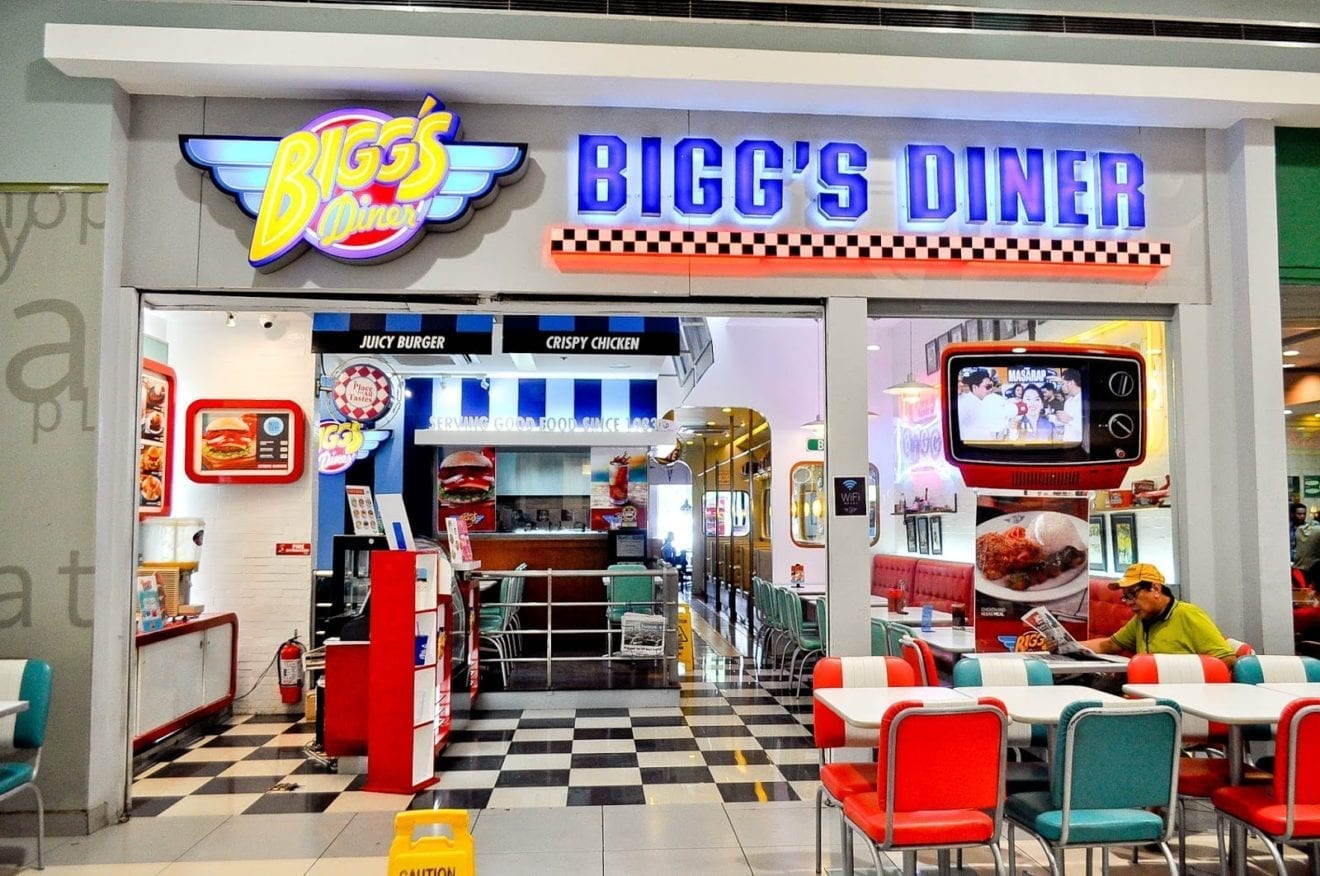
    Bigg’s Diner, known for serving burgers and Filipino rice meals in Naga and the Bicol region since 1983, plans to open in Metro Manila next year.

    Business development head Ronaldo Linao says the restaurant group is already looking at three possible sites – one is in Mindanao Avenue, Quezon City, another in Megamall and the third in Robinsons, either Ermita or Galleria.

    “There is actually a market study right now to see how viable it would be in Manila. The competition there is very fierce,” says Linao.

    Bigg’s Diner has 17 outlets in the Bicol region, including seven franchises and a branch in Batangas. It started out as a donut shop and has had two name changes – from Mang Donald’s to Carl’s Diner, then to Bigg’s Diner – to avoid confusion with multinational brands.

  • Megaworld aims to launch 13 malls in three years

    Megaworld aims to launch 13 malls in three years

    Property developer Megaworld Corp says it plans to open 13 malls in the next three years in line with its target to hit 28 by 2020.

    It already has 13 malls across the Philippines, with Southwoods Mall about to open in Laguna.

    Megaworld Lifestyle Malls head/senior VP Kevin Tan says the Southwoods Mall covers 58,000sqm in Megaworld’s only fully integrated township, Southwoods City. The 561ha township is at the boundaries of Binan, Laguna and Carmona, Cavite, and is the largest township in the country to feature a golf course.

    There is also a CBD, commercial and retail stores, malls, schools, church, a cyberpark, a medical centre, parks, leisure activities, a weekend market and a transport hub.

    Megaworld is a property unit of magnate Andrew Tan under his conglomerate Alliance Global Group.

  • Megaworld Corporation income jumps 11 per cent

    Megaworld Corporation income jumps 11 per cent

    Property giant Megaworld Corporation, which specialises in developing integrated urban townships, achieved first-half net income of PHP6.69 billion (US$130.4 million), an 11 per cent improvement on the same period last year.

    Rental income drove its earnings for the period.

    Megaworld’s rental business, which includes malls and commercial centers, saw its income soar 20 per cent to PHP5.83 billion.

  • Philippine 7-Eleven stores to expand food, services offer

    Philippine 7-Eleven stores to expand food, services offer

    Philippine 7-Eleven stores will be adding new concepts and initiatives over coming months to help differentiate from rival c-store chains.

    Parent Philippine Seven Corporation, revealing its trading figures for the first six months which included a decline in net profit from P472.3 million to P446.4 million year-on-year, said higher sales in the second half reduced the rate of decline from 13.3 per cent in the first quarter to 5.5 per cent in the second quarter. Same-store sales rose by 1.2 per cent in the second quarter, compared with a 2.5 per cent decline in the first.

    Total retail sales rose 16.9 per cent due to network growth to P18.1 billion. The company added 347 stores during the six months, taking the total to 2087.

    While revealing few details of the planned new initiatives, Philippine Seven said it would be launching new food and beverage options to stand out from other fast-food options consumers had.

    The company also plans to expand its merchandise assortment and add new services reflecting growing customer demand for  innovation and convenience in many categories.

    Meanwhile, the company continues to pursue opportunities to expand  its network.

    “The company… continues to invest in opening new stores in existing and new markets even if competition had slowed down,” it said in its results statement.

  • Irvins Salted Egg snacks make Manila debut

    Irvins Salted Egg snacks make Manila debut

    Irvins Salted Egg snack store from Singapore has opened its first Philippines outlet, in Metro Manila.

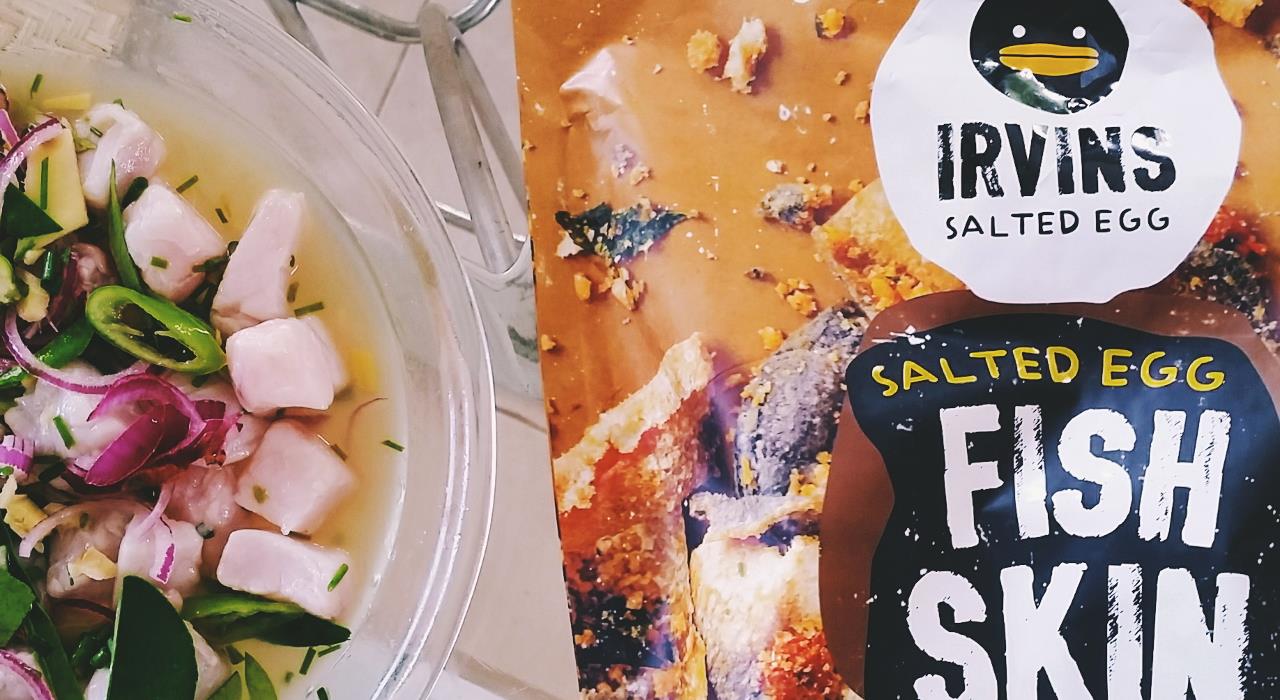
    On the ground floor of SM Mega Fashion Hall, the shop sells the brand’s signature snacks: salted egg fish skins and salted egg potato chips.

    Owner Irvin Gunawan says he decided to open a store in the Philippines after seeing the great response to the snacks from Filipinos in Singapore. His hunch was right, as on its first day the Manila store had a queue throughout the morning.

    Gunawan says other branches will come, the first before year’s end.

  • BDO JCB Platinum Credit Card Launch

    BDO JCB Platinum Credit Card Launch

    CB International Co., Ltd. (JCBI), the international operations subsidiary of JCB Co., Ltd., (referred to below as “JCB”) announced the launch of the first JCB Platinum Credit Card in the Philippines issued by BDO Unibank, Inc. (BDO), the largest bank in the country.

    The new high-end credit card was formally unveiled at an exclusive gathering attended by BDO and JCBI executives, and members of the press at UMU Restaurant, Dusit Thani Manila.

    “The BDO JCB Platinum Credit Card offers a full suite of premier services, exclusive privileges and benefits custom-made for the discerning lifestyle and sophisticated taste of our elite cardholders. A must-have for travellers, especially those who frequently visit Japan,” says Ms. Ma. Nannette R. Regala, BDO Senior Vice President and Consumer Lending Group Marketing Head.

    BDO worked closely with various well-known Japanese brands and establishments to create a platinum-grade program tailored fit to the needs and wants of the card’s target clientele. While JCB, Japan’s only international payment brand, leveraged on long established partnerships to provide a wide range of exclusive offers especially in Japan as well as overseas for JCB Cardholders to further strengthen the value proposition of BDO JCB Platinum Credit Card.

    According to Mr. Yuichiro Kadowaki, Senior Vice President of JCBI, “Combining BDO’s expertise in customer relationships and dynamic local operations with JCB’s global acceptance network, we can expect a synergistic effect that will offer both BDO and JCB the opportunity to further expand the credit card market in the Philippines. With over 55 years of experience in the credit card industry, as well as growing business and customer networking in Asia, we at JCB are striving to deliver even higher quality services to our cardholders in the Philippines.”

    Apart from exclusive services in Japan, BDO JCB Platinum Credit Cardholders can also take advantage of the following privileges:

    – Complimentary access to select VIP airport lounges
    – Special rates for Airport Meeting Service
    – Up to Php20M Travel Insurance Coverage
    – 24/365 Platinum Concierge Desk for restaurant and golf course reservations, sightseeing, entertainment and support for credit card-related emergencies.

  • Cebu Pacific seeks to increase Manila-Sydney flight frequency

    Cebu Pacific seeks to increase Manila-Sydney flight frequency

    Cebu Pacific (CEB), the only low-cost carrier servicing Manila and Sydney in Australia, has captured the largest market share for both passenger and cargo services on the route as of April 2017 and wants to increase its flight frequencies to this destination.

    Data from Australia’s Bureau of Infrastructure, Transport and Regional Economics (BITRE) showed that CEB flew 16,441 passengers in April alone, representing 41.8% of the total market share for the Manila-Sydney route, the highest among the three carriers flying this route.

    This brings the total number of passengers flown by CEB to 59,953 – representing 41.7% market share. Its closest competitor, on the other hand, captured 33.5% market share. Load factor for CEB for the Manila-Sydney route was at an average 80% for the first four months of 2017.

    Year-on-year, total passenger volume for the first four months of 2017 of all three carriers plying the Manila-Sydney route reached 143,765, up 12% versus the 128,352 passengers flown in the same period in 2016.

    For cargo service between Manila and Sydney, CEB captured 43.8% market share of the total 789 tons carried in April 2017. From January to April 2017, CEB had 47.4% market share of the total 3,114 tons of cargo carried for that route. The total cargo volume for the first four months of 2017, however, is 30.6% lower than the 2,128 tons carried in the comparable period last year.

    “Since opening the Sydney route in 2014, we have contributed to the growth of trade and tourism between the Philippines and Australia, through year-round low fares. Today, Sydney is one of our top international routes and bodes well for our future expansion plans in the Australian market,” according to Atty. JR Mantaring, Vice President for Corporate Affairs of Cebu Pacific.

    Cebu Pacific currently offers the most number of seats between Manila and Sydney, operating up to five weekly nonstop services between Sydney and Manila, departing every Tuesday, Wednesday, Thursday, Saturday and Sunday from Sydney at 11:35 a.m. and arriving Manila at 5:50 p.m.

    The flights from Manila to Sydney, on the other hand, depart at 12:05 a.m. and arrive Sydney at 10:05 a.m.

    Recently, the airline expressed interest to increase frequency between Manila and Sydney, noting strong demand for this route.

    Cebu Air, Inc. is the largest carrier in the Philippine air transportation industry, offering its low-cost services to more destinations and routes with higher flight frequency within the Philippines than any other airline. It also offers flights to over 60 destinations including Dubai, Tokyo, Beijing, Bali and Sydney.

    CEB’s 61-strong fleet, comprised of 4 Airbus A319, 36 Airbus A320, 8 Airbus A330, 8 ATR-72 500 and 5 ATR 72-600 aircraft, is one of the most modern aircraft fleets in the world. Between 2017 and 2022, Cebu Pacific will take delivery of 7 Airbus A321ceo, 32 Airbus A321neo, and 11 ATR 72-600 aircraft.