Tag: manila

  • Robinsons Retail acquires Savers Electronic World

    Robinsons Retail acquires Savers Electronic World

    Robinsons Retail Holdings Inc., the retail arm of the Gokongwei family, has acquired 90 percent of Savers Electronic World, an electronics and appliance store chain that operates 24 stores around the country.

    In a disclosure to the Philippine Stock Exchange (PSE), Robinsons Retail said its wholly owned subsidiary Robinsons Inc. has entered into a partnership with Saver’s Appliance Depot, which is owned and operated by Savers Electronic World.

    The Saver’s Alliance Depot has 13 stores in Central Luzon, eight stores in Cagayan Valley and three in Metro Manila with a combined gross floor area of 25,900 square meters.

    “Robinsons Retail will own 90 percent of Savers Electronic World,” the company said.

    Robina Gokongwei-Pe, president and COO of Robinsons Retail, said the partnership would expand Robinsons Retail’s footprint in the consumer electronics and appliance business.

    “We are excited to partner with Saver’s Appliance Depot in growing the consumer electronics and appliance business of the group. As the economy expands, discretionary spending is seen to surge ahead and this format should be a strong beneficiary. Also, the increasing scale of the group is expected to strengthen our market position in the industry,” Gokongwei-Pe said.

    Specifically, she said the partnership with Saver’s Appliance Depot would strengthen and expand Robinsons Retail’s coverage in the consumer electronics and appliance business, particularly in Central Luzon and in Cagayan Valley.

    After the purchase, Saver’s will continue to be managed by Jaime Uy as the managing director of Saver’s Appliance Depot.

    Saver’s Appliance Depot opened its first appliance store in 1986 and has been in operation for 29 years now.

    It was recognized and awarded as the 2014 Best Regional Retail Player by the Philippine Retailers Association.

    Saver’s Appliance is also considered one of the top 10 consumer electronics and appliance players in the country.

    “We are happy to become part of the Robinsons Retail family. The group has proven track record in growing and retaining the equity value of the companies or businesses that they acquired. We have strong presence in Northern Luzon which should add to the group’s growing presence in this region,” Uy said.

    Robinsons Retail continues to be on the lookout for new businesses to acquire to further boost growth.

    In the first half of the year, the retailer grew its net income to P1.86 billion, up by 36.2 percent from P1.37 billion in the same period last year.

    Growth came from a double-digit growth in sales on new store openings as well as the newly acquired businesses A.M. Builders’ Depot and Chavez Pharmacy.

  • SM Malls embrace future style

    SM Malls embrace future style

    On her first visit to SM Aura in Taguig, Michelle Dabuet, 38, an IT project manager, noticed that it had an “odd” shape.

    “It’s clean and classy and not like the other SM malls that are boxed-shape,” Dabuet noted.

    Gail Dacquel-Perez, 39, and a mother of three also distinctly remembers the fragrance that accosted her upon entering the mall, as well as the cleanliness and the look and feel of a bigger “Podium” mall, one of SM’s earliest upscale shopping malls in Ortigas.

    Noticeably, SM malls today have undergone a major transformation to cater to a new breed of shoppers.

    The sleek designs, open spaces, and iconic edifices in the newest SM malls are attracting shoppers who have become more aware and appreciative of style, fashion and global trends.

    Architect Fides Garcia-Hsu of SM’s Engineering, Design and Development shared that SM, in general, has taken into account two kinds of customers in retail which are also reflected in the design of its malls. Those that are focused and those who act on impulse.

    Focused buyers go to the mall with the intention of buying and carrying the right amount of money to achieve their objectives. Impulse buyers are those who visit the mall with no original intention of buying but will do so if something appeals to them or continue to window shop.

    “Both types are important for SM and that’s why zoning is equally important for us. We try to achieve the right tenant mix to cater to both types,” Hsu said.

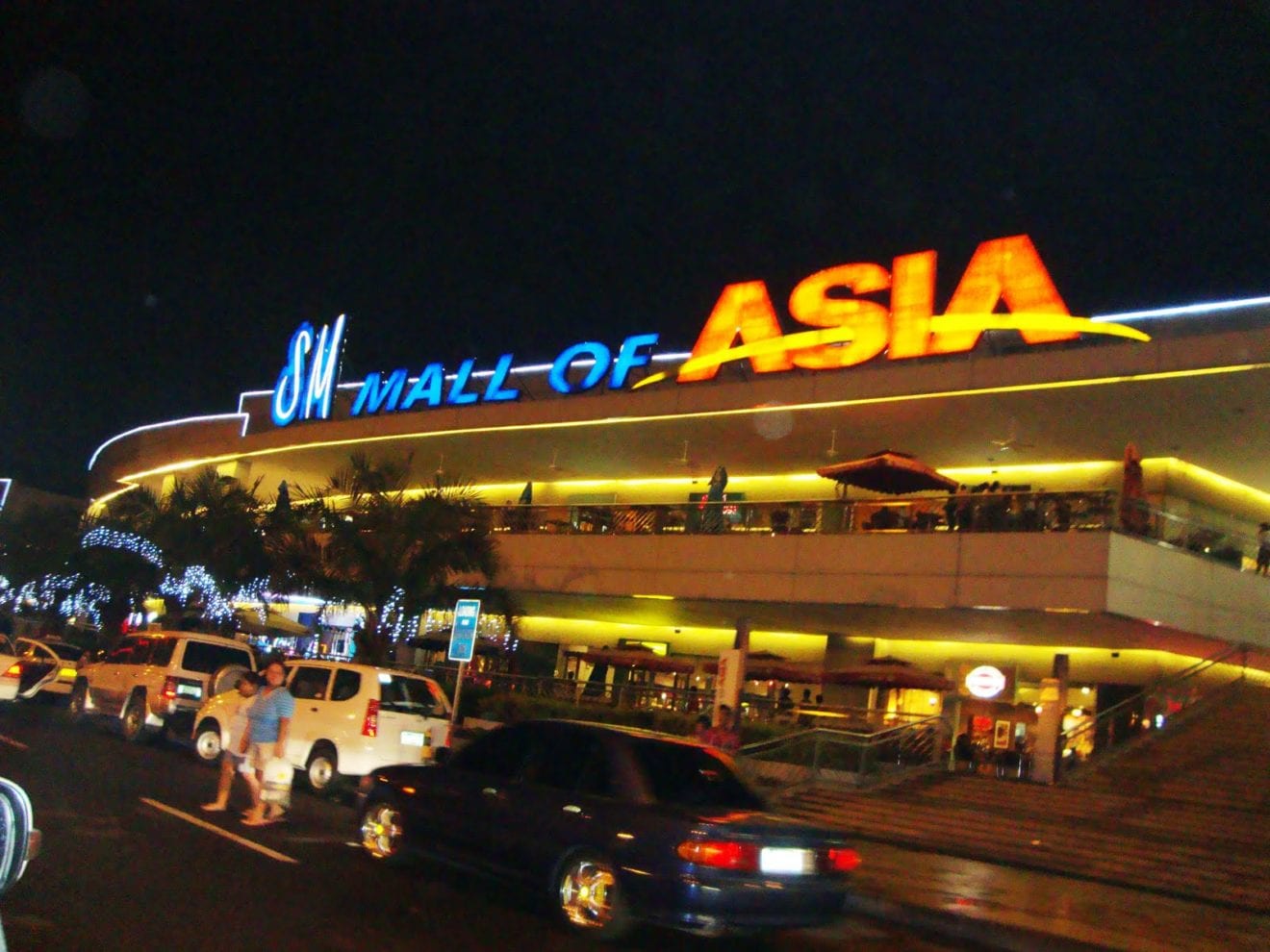
    Take Mall of Asia, SM’s premier mall in Pasay as an example. The Hypermarket and THE SM Store are located on both north and south car parks. The Entertainment Mall which houses cinemas and various dining establishments are at the seafront side while the Cyberzone is on another floor. The Food and Beverage units are along the pedestrian streets.

    SM North EDSA, which has undergone several renovations and upgrades in the last few years, follows a similar zoning pattern which aims to provide a more convenient shopping experience while also allowing equal exposure to majority if not all the mall tenants.

    Hsu shared that SM patriarch Henry Sy, Sr. or Tatang (father) as he is fondly called, has provided the direction for the design of SM malls and is, in a way, the first architect of the SM malls.

    SM malls usually follow a straight or H-path which makes it convenient for shoppers to find their way from point A to point B, said Hsu.

    “Tatang  also taught us how to plan the space. He told us that every inch is valuable,” she said

    In recent years, SM malls have transcended the boxy look to develop into bolder and more artistic designs. SM Aura in Taguig, which was designed by Miami-based Arquitectonica drew inspiration from the elements – much like a tree melding with its roots or a waterfall cascading into a river. It also aims to be one of the first civic centers to be certified Gold under the US Green Building Council Leadership in Energy and Environmental Design (LEED) program.

    The 470,000 sqm SM Seaside City in Cebu, which promises to be a regional landmark in the Visayas, meanwhile takes inspiration from the legendary nautilus shell. The mall, which will feature a steel cube sculpture and a 148-meter tower with a viewing deck that has a breathtaking 360-degree view of Cebu, is expected to cater to various segments of the market.

    These new designs are a huge departure from the original designs of SM malls. Interestingly, the old design mirrored the shopping preferences of the era. In the 1980s, Filipinos mainly  flocked to the box-type SM malls, usually rising three storeys, for their basic needs, for convenience and for novelty while others just wanted to bask in the air conditioning to get away from the scorching heat that a tropical country like the Philippines is known for.

    The straightforward design also appeared to echo both the personality and the vision of Sy who was known to many as a “no-nonsense”, straightforward man.

    “Every mall has a touch of Tatang (as Sy is fondly called by family, friends and employees). He is always involved in the design. His direction was to make it (mall design) simple, straightforward, convenient and efficient for shoppers,” Hsu said.

    Sy was inspired by his travels to the US where he saw malls starting to proliferate, or a series of retail stores and major stores put under one space with a common pathway. The desire to offer this emerging retail concept to Filipinos was strong, says SM Prime Chairman Henry Sy, Jr , the eldest son of Sy.

    “My father saw the US model. Being in the retail business, he was attentive to the needs of the people and what will make things convenient for them here in the Philippines. When he built the first SM mall on North EDSA, what he had in mind was the real estate play and that everything should be under one roof,” Henry Jr. said.

    Many thought that the opening of SM North EDSA, with a gross floor area of 125,000 sqm then, was ill-timed in 1985, with the country plunged into political upheaval.  But Filipinos quickly latched on to the new concept, much also to the surprise of the Sy family.  The first mall opened with SM’s own brand of supermarket and department store as many businesses were fearful then to open in uncharted waters such as in North EDSA.  Cinemas in the mall were also a novelty and as more tenants warmed up to “SM City”, the new business venture flourished and was soon replicated across the country at a rate of three to four malls a year.

    The next wave: sustainable malls

    Hsu said environmental sustainability has become the paramount consideration at present and for years to come in terms of mall development.

    “SM will continue to incorporate sustainable features in its malls. Rain harvesting, water recycling and expansive skylights to provide sufficient daylighting, the use of solar panels to provide adequate percentage of the mall’s power requirement, the use of high performance IGU (insulating glass units), deck landscaping and a host of other measures will be looked into and integrated into the planning,” Hsu said.

    SM Marikina which is within the Marikina River watershed and situated in a flood prone area was built on concrete stilts to elevate the structure. The mall was constructed 20 metres farther than the suggested 90-meter distance from the center of the Marikina river.

    SM Center Muntinlupa was also enhanced to be more resilient in light of two fault exposures in the area. It stands with a five-meter buffer zone to minimise the impact of earthquakes and other disasters such as the rupturing of both sides of the fault.

    SM City Masinag in Antipolo has fully revolutionised the company’s approach to sustainable and disaster resilient design. It incorporates a 3 million gallon holding tank to reduce the impact of super typhoons that plague the area. The tank has the capacity to hold water volume generated from constant rainfall of a storm similar to Typhoon Ondoy (Ketsana) for over three hours.

    Other unique sustainable features of SM malls include high windows above eye level that use natural light to illuminate company facilities; the use of LED and CFL light bulbs to further reduce electricity consumption; environmentally-friendly materials and technology for all heating and cooling processes; water-efficient fixtures systems to reduce potable water consumption such as waterless urinals and faucet aerators; and prudently-selected construction materials that minimise the impact of certain structures, promote healthier indoor environments and enhance performance of all company facilities.

    Roof gardens are also incorporated in the malls which make both commercial and environmental sense. These not only cool the mall, but also draw people upwards, thereby providing better footfall to tenants on the higher floors; retain water during heavy rainfall and reduce flooding; reduce heat transfer to the local environment by absorbing heat through trees, plants and fauna. “The roof gardens we design for SM make a solid contribution to disaster resilience that should be considered countrywide,” Arquitectonica MD Asia Peter Brannan said.

    “As builders, we know that the most iconic monuments depend on a great foundation. Our approach to sustainability works the same way. By designing green, we are not only making a commitment to revolutionising the retail industry, but we are also creating a solid foundation for future stewards of the environment to build on,” SM Prime President Hans Sy had said.

    Indeed, today’s shoppers are exposed to international trends through frequent travels, unafraid to risk resources for experience, always on the prowl for what’s “trending” or “viral” in terms of venues, “eats”, technology and are constantly in search of new advocacies to champion.

    “The Philippines is currently one of the fastest growing economies in the world; that will inevitably result in rising disposable incomes and a much more sophisticated consumer. They will want a better environment, a better workplace, and a better home. Both designers and developers will have to respond to that, and constantly strive to improve the quality of their product. Doing business as usual will simply leave you behind in this fast-moving, interconnected world,”Arquitectonica’s Brannan said.

    This new generation of shoppers now view malls as destinations. More than just a place to hang out with friends or family, they now demand the best quality experience, the best food, the best product, the best service. And as shoppers evolve, SM malls too will adapt to ensure that there is a preferred destination for all.
  • SSI Group enters travel retail arena

    SSI Group enters travel retail arena

    Philippines specialty store operator SSI Group has made its first foray into the travel retail sector.

    SSI, through a subsidiary SKL International, has bought a 50 per cent stake in Landmark Management Services which marks its debut in the increasingly lucrative travel retailing category.

    The stake was acquired from duty free distributor Prime and the Regent Asia Group.

    “We are very happy to be part of the development of the travel retail industry. We believe that with SSI’s retailing experience and Landmark’s deep understanding of the unique shopping requirements of travelers, we can expand our market to cover tourists and business travelers,” SSI President Anthony Huang said in a statement.

    Landmark operates duty free and travel retail fashion stores at the Philippines’ larger airports as well as at Fiesta Mall in downtown Manila, under a concession from Duty Free Philippines.

    SSI Group ended last year with 723 specialty stores and 134,000 sqm of retail trading area and was planning to open a further 130 this year, outside this week’s acquisition. The company’s brand portfolio includes Marks and Spencer, Gucci, Burberry, Hermès, Prada, Salvatore Ferragamo, Lacoste, Michael Kors, Kate Spade, Gap, Bershka, Aeropostale, Samsonite, Nine West and Payless Shoe Source.

  • Philippines records 27% hike in Indian tourists from Jan-May 2015

    Philippines records 27% hike in Indian tourists from Jan-May 2015

    The Department of Tourism (DOT), Philippines has welcomed about 31,245 Indian tourists during the first five months of this year, recording an increase of 27.40 per cent, compared with 24,525 tourist arrivals from India from January to May 2014. The destination also plans to welcome tourists to the Philippine Shopping Festival 2015 which will be held from October 23 to November 8, in association with the Philippine Retailers Association (PRA). This was informed by Verna Covar-Buensuceso, Director and Officer-in-charge, Market Development Group, Tourism Development Sector, Department of Tourism (DOT), Philippines, while speaking to the press at the recently concluded multi-city roadshow in New Delhi post travelling to Nagpur, Chandigarh and Lucknow.

    Comprising 11 trade partners from Philippines, this sixth roadshow by DOT Philippines was the biggest-ever delegation to India. The roadshows included interactive B2B sessions, education programmes and workshops and saw participation of over 300 key tour operators, MICE and up-market leisure operators.

    “We aim to achieve 100,000 Indian tourist arrivals by 2017,” said Glen Agustin, Chief Tourism Operations Officer, Market Development Group, DOT, Philippines. He elaborated that they conducted a familiarisation trip for Kolkata-based tour operators wherein participants interacted with their B2B counterparts in Philippines. This has yielded excellent results and the tourism has been booming from the Kolkata since then, he said. Moreover, about 600 tour operators and counting have been certified under the Philippines Specialist Program (PSP) which has indeed assisted tour operators to lure tourists from Tier-II cities as well. As per the trend this year, Indians are staying for seven days on an average and spending about USD 120 a day. Though the length of stay has increased, we look forward to increase the tourism spend as well, highlighted Agustin.

    Agustin felt that the progress has been quite impressive and DOT Philippines will continue to remain bullish on the Indian market. “India ranked as the 13th top source market for Philippines Tourism, and we firmly believe that it has a huge potential to up its ranking. Weddings, MICE and Film Tourism are some products which we are aggressively promoting in the Indian market as of now. More than half of the tourist arrivals in 2014 comprised MICE travellers, especially incentive. In the year going forward, we plan to participate in PATA Travel Mart from September 6-8 in Bengaluru, Karnataka and thereafter in the Outbound Travel Mart 2016 from February 18-20 in Mumbai,” revealed Agustin.

    Elaborating on the Philippine Shopping Festival 2015, Covar-Buensuceso, said, “It will be a two week-long sale where shopping malls and retailers in the Philippines will offer different discounts and promotions to entice people to shop and offer a unique shopping experience. In line with DOT’s ‘Visit the Philippines 2015’ campaign and PRA’s efforts in the development of the Philippine’s retail industry, the Philippine Shopping Festival aims to make the destination a new shopping hub in the Asia Pacific region,” added Buensuceso. She added that India is among the top 10 source markets to travel to newer destinations in Philippines such as Cebu, Davao, Palawan and Bohal along with the preferred ones such as Manila and Boracay.

  • Daiso wins Manila court battle

    Daiso wins Manila court battle

    Japanese discount retailer Daiso has won the right to use its name in the Philippines after a hearing in the Supreme Court.

    In a final ruling just issued, the court has blocked Filipino company Japan Home Center from using the trademark Daiso, confirming an earlier ruling by the Court of Appeals.

    The judges ruled that Japan Home Center had registered the name in “bad faith” in 2005 – largely to prevent the Japanese Daiso or its local franchisee from using it.

    Daiso Industries of Japan first filed a complaint with the Intellectual Property Office back in 2009 after it appointed Robinsons Retail Holdings as its local distributor and retail partner. Daiso Industries owns the brand name.

    This week’s Supreme Court decision thus ends a six year long legal battle to give Daiso and Robinson the legal right to use the brand.

    Robinsons currently operates 38 Daison stores in the Philippines.

    In another case in January this year, the Intellectual Property Office blocked MySmart One-Shop Daiso from using the brand name.

  • New malls boost SM Prime revenue

    New malls boost SM Prime revenue

    SM Prime Holdings has posted a 90 per cent increase in first half year sales to PHP18.7 billion (US$408 million).

    However the increase was largely due to one time gains on the sale of securities; recurring income grew by a more modest, but still healthy, 15 per cent.

    The company says new malls helped boost its turnover.

    Rental revenues from retail and commercial spaces, accounted for 54.2 per cent of consolidated revenue, up 10 per cent. The growth in rental revenues was mainly driven by rising contribution from the new malls and the expansion of shopping spaces in existing malls in 2013 and 2014. These include SM Aura Premier, SM City BF Parañaque, Mega Fashion Hall in SM Megamall, SM City Cauayan, SM Center Angono and the expansion of SM City Bacolod with a total gross floor area of 652,000 sqm.

    In the first half of the 2015, SM Prime opened SM Megacenter Cabanatuan and SM City San Mateo last April and May, respectively, taking the total Philippine operating malls to 52 with a GFA of almost 6.6 million sqm. For the rest of the year, SM Prime is set to open one mall in Metro Manila, SM Center Sangandaan in Caloocan, and two malls outside Metro Manila namely SM City Cabanatuan in Nueva Ecija, and SM Seaside City Cebu.

    The company is also expanding two existing malls, SM City Lipa in Batangas and SM City Iloilo. Combined, these new and expanded malls will have a total GFA of almost 716,000 sqm. By the end of 2015, SM Prime will have 55 malls in the Philippines and six malls in China with an estimated combined GFA of 8.3 million sqm.

    Cinema and event ticket sales, accounted for 6.6 per cent of consolidated revenues, recovered in the second quarter registering a seven per cent year-on-year increase to PHP1.4 billion as compared to a decline year-on-year of eight per cent to almost PHP1 billion the previous quarter. This brought cinema and event ticket sales to an almost flat point when compared with the same period last year.

    The recovery of ticket sales in the second quarter was due to Hollywood blockbusters like Avengers – Age of Ultron, Fast and Furious 7 and Jurassic World.

    “The strong financial performance posted by SM Prime in the first half of the year is reflective of the benefits derived from a diversified property portfolio as both rental and developmental incomes contributed to the overall performance of the company,” said SM Prime president Hans T. Sy.

    “The sustained growth could be attributed to the consolidation of SM Prime, which resulted to a strong balance sheet that allowed us to pursue all projects as planned. We are confident that we can sustain this growth in the long-term.”

  • APRCE Manila to attract 2500 delegates

    APRCE Manila to attract 2500 delegates

    Retailers and businessmen looking to expand to Asia Pacific markets will find up to date developments in the world’s fastest-growing region at the Asia Pacific Retailers Convention and Exhibition (APRCE) in October.

    The biennial event will this time around be held in Manila at the SMX Convention Center in the Mall of Asia in Pasay City from October 28-30.

    The APRCE is the largest and longest running retail industry event in APAC and is expected to attract some 2500 foreign and local, retailers and executives.

    APRCE-2015-Lorenzo-Formoso-236x300The president of the Philippine Retailers Association, Lorenzo C Formoso, who is the COO of Duty Free Philippines, said the 17 member economies of the Federation of Asia Pacific Retailers Association (FAPRA) will present their respective country reports during the APRCE breakout sessions. These include reports from Australia, China, Japan, Korea, Chinese Taipei, Singapore, Thailand, Malaysia, Indonesia, Vietnam, Hong Kong, New Zealand, India, Mongolia, Fiji, Turkey and the Philippines.

    The Philippines last hosted this biennial event – the biggest conference and expo of retailers in the region 20 years ago.

    “The member-associations will present and discuss the retail environment and situation in their respective countries, retail and investment opportunities as well as the laws governing foreign investments in their respective retail industries,” Formoso emphasised.

    APRCE-2015-Frederick-Go-191x300Frederick D Go, Manila APRCE 2015 chairman and president of Robinsons Recreation, said through the country reports, FAPRA member-associations will get the chance to present the strengths and opportunities their markets offer that attract international retailers to consider them in their expansion plans.

    “If you are looking to expand and need a good market intelligence about Asia Pacific and the 17 member- economies, the APRCE is a must-attend event for you this year. This is like a one-stop shop for all the market intelligence that you’ll need for your expansion in Asia-Pacific markets,” Go stressed.

    On Day two of APRCE, the retail associations of Australia, Vietnam, China, India, Fiji, Chinese Taipei, Hong Kong, Indonesia and South Korea will present their country reports during breakout sessions, to be followed on Day three by Malaysia, Mongolia, New Zealand, the Philippines, Japan, Singapore, Thailand and Turkey.

    Aside from the country reports, over 30 experts will speak and share their insights on the trends and updates on the global retail and marketing industries during the event.

    Formoso said the three-day event aims to explore and discover new approaches to issues facing the region’s retailers and highlight innovative solutions that can help them differentiate themselves from competitors, and to deliver greater value to consumers.

    Organised by the Federation of Asia Pacific Retailers Association (FAPRA), the Manila APRCE 2015 is co-presented by the Tourism Promotions Board, The SM Store, Wyeth Nutrition. With Bench, Flight 001, and Penshoppe as platinum sponsors, Robinsons Malls and Ayala Malls,

    PLDT Alpha, Megaworld, Unilab, Mercury Drug as gold sponsors; Duty Free Philippines, HP, Wilcon Depot, Kojie-san,Celine, MET Tathione as silver sponsors and Araneta Center as bronze sponsor.


  • Costa Coffee Manila opens

    Costa Coffee Manila opens

    The first of five Costa Coffee Manila cafes has opened its doors, marking the British-headquartered coffee chain’s Philippines debut.

    Costa, the world’s second largest dedicated coffee chain behind Starbucks, has opened in Eastwood City Mall in Quezon City, metropolitan Manila.

    Four more cafes are planned by the year’s end in Bonifacio Global City, Robinsons Ermita, Tera Towers and Robinsons Antipolo.

    The Eastwood City Mall cafe is spread over two floors and features distressed timber fittings, and a sofa upholstered with the Union Jack to reflect the brand’s heritage.

    For its Philippines entry, Costa has partnered with Robinsons Retail Holdings, which owns the Robinsons Department Store, supermarket, Handyman, True Value, Toys ‘R’ Us, and Daiso retail banners in the Philippines.

    Costa Coffee has over 3000 stores worldwide, including 1800 in the UK and 400 in the Middle East.

  • ‘Sin tax’ cuts cigarette smoking in Philippines

    ‘Sin tax’ cuts cigarette smoking in Philippines

    A “sin tax” on cigarettes has sharply cut smoking in the Philippines while also boosting government revenues, the internal revenue chief claimed on Monday.

    The number of cigarette packs put on store shelves by retailers fell by nearly a third between 2012 and 2014, said revenue chief Kim Henares.

    The government raised excise taxes on tobacco and liquor products in 2012 to raise revenues and discourage smoking, which kills nearly 88,000 Filipinos each year according to World Health Organisation data.

    “We exceeded the targets,” Henares told AFP.

    The government agency’s data showed 5.764 million packs were withdrawn from storage and placed on retail shelves in 2012, compared to 4.869 billion packs in 2013.

    By 2014 the figure was down to 3.917 billion packs, said Henares.

    Taxes are levied on the number of packs placed on store shelves rather than the number subsequently sold.

    Proceeds from the taxes on cigarettes rose to P74.328 billion ($1.69 billion) last year from 32.16 billion pesos in 2012, the agency said.

    Under the law, a portion of the revenues from sin taxes are allotted to finance government health programes including anti-smoking campaigns.

    A Department of Health survey in 2009 found that more than 28 per cent of the country’s adult population were smokers.

    The government first asked parliament to raise taxes on “sin” products as early as 1997, but a strong lobby by tobacco manufacturers delayed this for years.

  • Metro Gaisano develops waterfront township in Cebu

    Metro Gaisano develops waterfront township in Cebu

    Metro Gaisano’s real estate company Taft Properties and Asia’s premier real estate developer and investment group Hongkong Land partnered to develop the first waterfront township in Mandaue City, Cebu.

    Although the real estate developer did not say when it will be finished and how much it is earmarked for the project, Metro Gaisano said the waterfront township will occupy a 20-hectare prime property right along the Mactan Channel.

    “This partnership will help jumpstart Mandaue City’s transformation into a dynamic lifestyle hub,” Jack Gaisano, Chairman of Taft Properties, said in a statement.

    “With Taft Properties’ local expertise and Hongkong Land’s international experience, this alliance will bring in new standards in design and construction while being in keeping with the local culture and tastes.” Gaisano added.

    A portion of the township will be allotted for open spaces such as a central linear park, al-fresco establishments and a waterfront promenade.

    Hongkong Land and Taft Properties Executives (L to R) Finn R. Carew, Alan R. Cruz, Tan Wee Hsien, Jack S. Gaisano and Christopher G. Narciso. Photo from Metro Gaisano

    “We are committed to creating an environmentally and economically sustainable community. The development will create jobs, and provide a significant stimulus to Cebu’s economy,” Tan Wee Hsien, Hongkong Land head of Residential Property for South Asia, said

    Hongkong Land owns and manages almost 800,000 square meters of prime office and luxury retail property in key Asian cities, principally in Hong Kong and Singapore.

    Hongkong Land is also developing a number of largely residential projects, in cities across Greater China and Southeast Asia. Hongkong Land Holdings Limited is incorporated in Bermuda and has a standard listing on the London Stock Exchange as its primary listing, with secondary listings in Bermuda and Singapore.

    Metro Gaisano’s retail arm Metro Retail has a network of 44 stores comprised of department stores, hypermarkets and supermarkets. Half of its store network is in Cebu.

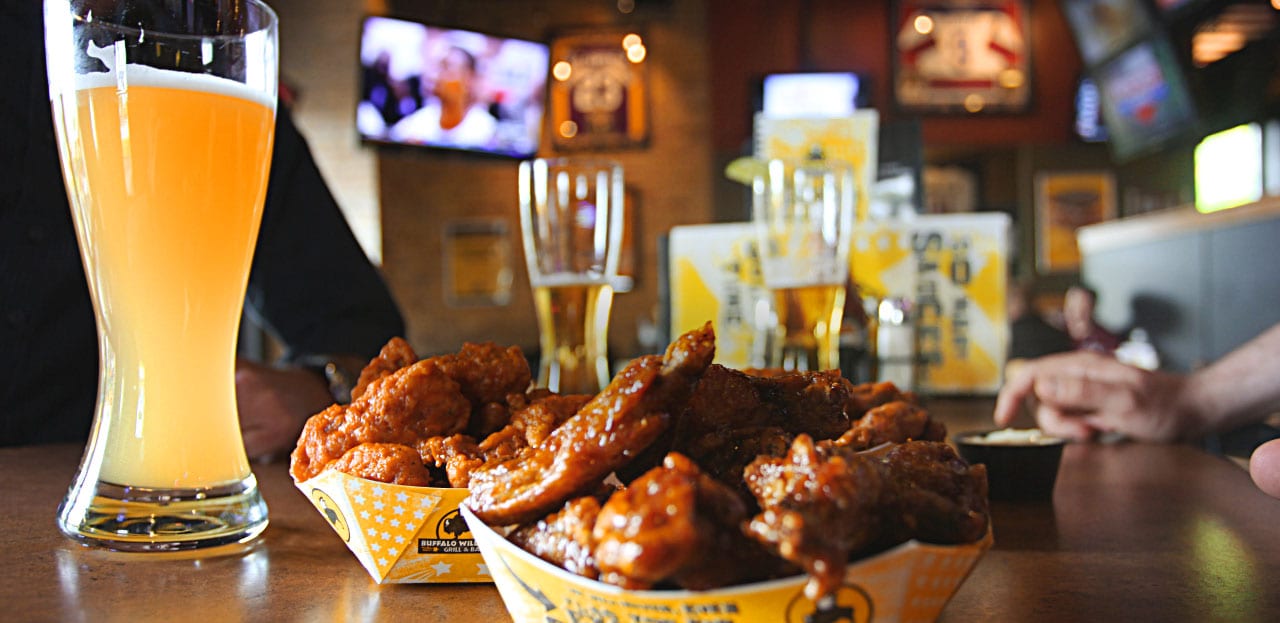
  • Buffalo Wild Wings critical about Asia

    Buffalo Wild Wings critical about Asia

    US informal eating chain Buffalo Wild Wings is within the means of securing grasp franchisees in at the very least six extra Asian nations as its first foray into the area pays off.

    In January BWW opened its first restaurant within the continent, in Manila, in partnership with Philippines grasp franchisee The Bistro Group. That restaurant, in Estancia Mall at Capitol Commons in Pasig Metropolis, proved so profitable inside its first few months two extra websites are beneath improvement already because the rollout plan is accelerated. These eating places will open in Glorietta and Uptown Mall.

    Buffalo Wild Wings CEO, Sally Smith informed Inside Retail Asia in an interview the corporate will probably be signing a grasp franchise settlement in Vietnam in a fortnight with the primary BWW outlet scheduled to open there someday subsequent yr.

    A separate franchise settlement has been concluded for a area in India with the primary restaurant there more likely to be buying and selling inside as little as six months.

    Smith was in Hong Kong this week for talks with suppliers and potential companions and advised Inside Retail Asia the corporate is already speaking with potential companions in Singapore, Malaysia, Thailand and Indonesia. She has additionally been taking a primary hand take a look at the Hong Kong eating scene with a view to contemplating enlargement there, too.

    However she gained’t be dashing into any of those markets.

    “One of many issues that’s necessary to us is discovering the fitting associate, so we’re going to take our time. We need to ensure that our associate understands our enterprise, that they perceive our model and that they share the identical values as we do.

    “Once we choose a companion, they go to us within the US, they practice within the US they usually go to a lot of shops in order that they see how we function – that’s all earlier than they turn out to be a associate.

    “We’re in search of nice franchise companions,” stated Smith. Not simply anybody with a cheque guide.

    Native challenges

    Smith says when getting into a brand new market, BWW understands the necessity to tailor its menu and pricing factors accordingly. Concentrating on locals relatively than expats or vacationers, Smith says the model is lifelike and trusts its franchise companion to work with it on each fronts.

    In Manila, probably the closest Asian market when it comes to dietary habits to North America, BWW has added rice to its menu and it’s contemplating a steak sandwich to satisfy native demand.

    “We definitely work to think about native flavours locals are in search of. However others nonetheless need that genuine Buffalo Wild Wings expertise,” Smith stated.

    In Vietnam, the place the ‘center class’ by definition is on an revenue as little as US$500 a month, BWW is about for an extended, affected person progress cycle.

    “I used to be in Vietnam final yr and I used to be very excited. The overall inhabitants is rising and there’s some nice information on the financial entrance. However we’ll take our time constructing out Vietnam and we’ll attempt to not overbuild.”

    Smith says the franchise companion there’s already evaluating actual property choices.

    A key think about BWW’s portability into new markets is that hen is an accepted a part of the weight-reduction plan in most elements of the world – and sport captures the eye too.

    A key element of the BWW idea is stay sport, with giant screens within the eating places encouraging dwell time. Within the US and the Philippines, American Soccer, basketball and ice hockey are staples on the sports activities menu; in Southeast Asia it is going to be English Premier League. Smith stated in the course of the Superbowl remaining early this yr the Manila restaurant opened early and queues shaped of locals eager to eat and benefit from the match.

    The corporate can also be testing know-how options that may allow clients in its eating places to take part in on-line social gaming, enjoying towards clients of different eating places in the identical nation.

    Buffalo Wild Wings already boasts 1094 eating places serving 21 signature flavors of Buffalo, New York-style hen wings. Its foray into the Philippines was its first step outdoors the Americas.

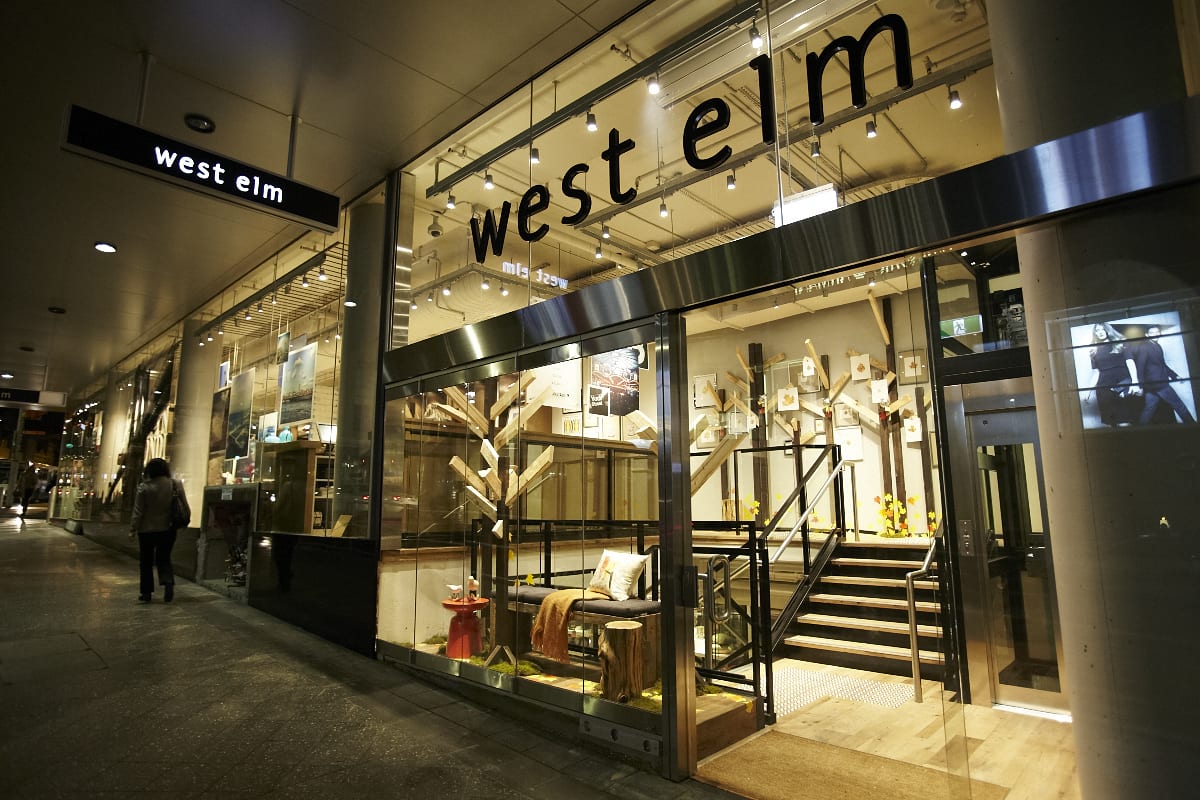
  • West Elm Philippines makes debut

    West Elm Philippines makes debut

    West Elm Philippines, the furniture chain of Williams Sonoma, has opened its first store in Manila.

    The store, located in the new Estancia Mall at Capitol Commons, Shaw Boulevard, Pasig City. It will compete with Crate & Barrel, which made its Philippines debut last year, and complement another Williams Sonoma brand Pottery Barn.

    While skewed towards complete furniture solutions, West Elm also stocks a comprehensive range of homewares. It positions itself as creating “unique and affordable designs for modern living”.

    One standout feature of West Elm Philippines is that it works with local Filipino producers to stock their products, not just imported goods.

    Among locals to feature in the store are Filipino Capiz Artisans, a co-op of family owned businesses preserving traditional capiz handcrafts, including Capiz Chandelier and Pendant lighting; Filipino Weavers, known for their skilled weaving, braiding, twisting and knits using innovative techniques passed down through generations to create braided storage containers; and Santo Tomas Potters, Pampanga-based creators of hand-thrown, hand-cast and hand-painted ceramics.

    Jim Brett, president of West Elm, said he believes there is “a tremendous appetite for well-designed, finely crafted home goods and furnishings” in the Philippines.

    The 7000 sqft store has opened showcasing the brand’s summer collection which includes furniture, bedding, bathroom accessories, rugs, window textiles and hardware, lighting, decorative accessories, dining, kitchen products, and gifts. It also offers services at Design Lab, where customers can partner with design specialists for complimentary consultations and space planning sessions.

    West Elm currently has 71 retail stores in the US, Canada, Australia and the UK. The Philippines is its first Asia market, and it has an unaffiliated franchisee operating stores in the Middle East.

  • Applebee ’s Philippines set for debut

    Applebee ’s Philippines set for debut

    International Restaurant Ideas has secured the rights to US restaurant chain Applebee’s Grill and Bar.

    The primary three Applebee’s Philippines eating places will open from subsequent month, the primary in Bonifacio International Metropolis in Manila. GRC president and CEO Archie C. Rodriguez stated the second restaurant will open in Eastwood and the third location isn’t but determined.

    Applebee’s would be the second US restaurant model operated by GRC, becoming a member of Ihop (Worldwide Home of Pancakes) which it acquired the rights to in 2013. Each manufacturers are owned by DineEquity of California.

    There are presently seven Ihop eating places in Philippines, with an eighth deliberate for Baguio this yr and extra in Cebu and Davao.

    Applebee’s specialises in steaks, burgers, ribs and salads and Rodriguez is concentrating on a verify of between 300 pesos and 400 pesos per diner (US$6.50 – $9).

    Daniel del Olmo, president of DineEquity’s worldwide division, stated his firm selected the Philippines as its subsequent worldwide market, drawn by the continued GDP progress and its perception the market is sustainable long-term.

    Rodriguez, in the meantime, hopes to open as many as 70 Ihop and Applebee’s shops inside seven years.

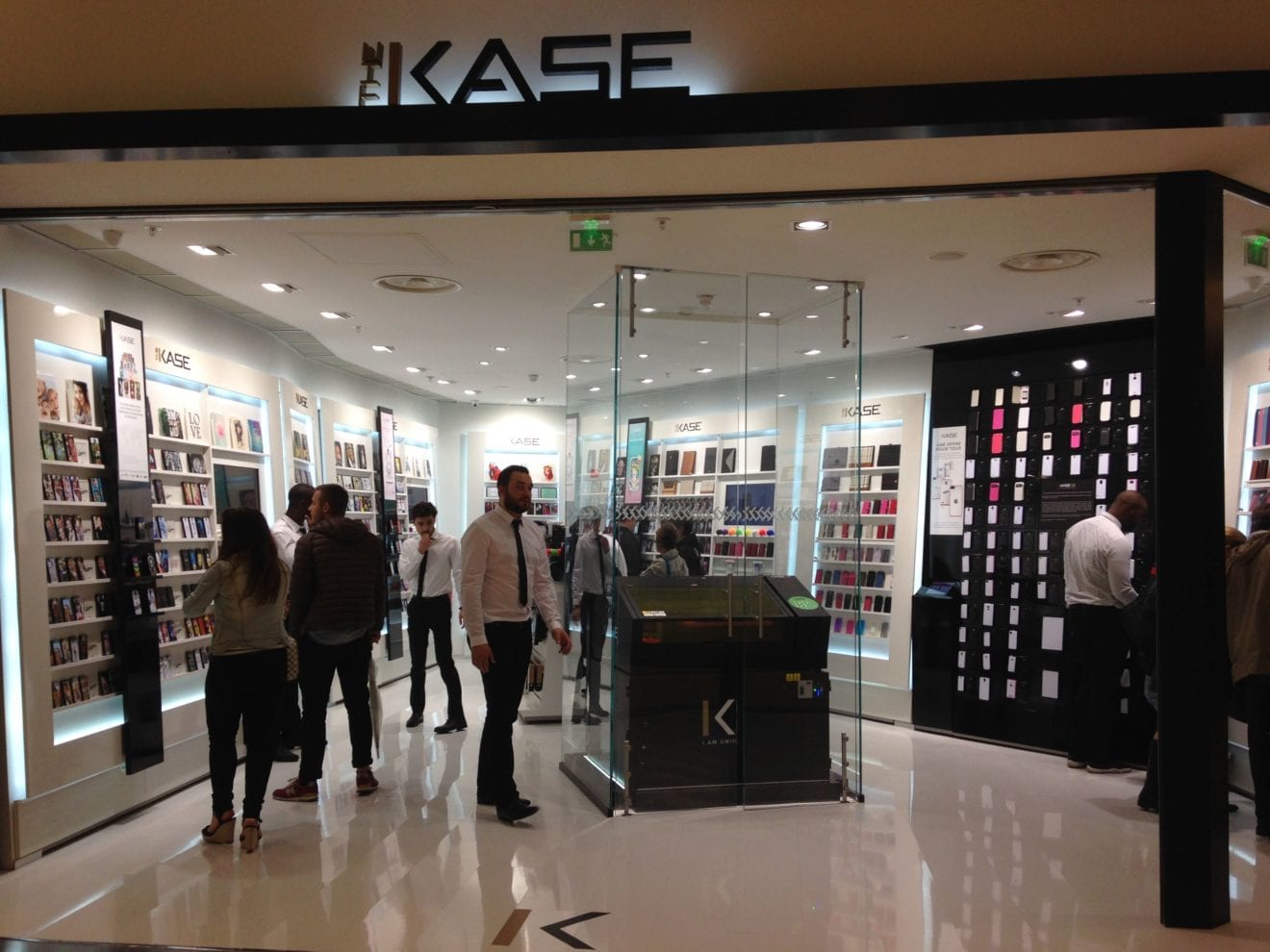
  • Kase targets journey retail sector

    Kase targets journey retail sector

    Cell phone case idea Kase is about to broaden its journey retail presence after the early success of its first airport retailer within the Philippines.

    Kase opened a retailer in Manila’s Ninoy Aquino Worldwide Airport in February in partnership with Regent Distributors. It contains a broad vary of instances for smartphones and tablets – a excessive margin retail enterprise which has already confirmed widespread in non-travel places in 150 markets together with Singapore, Hong Kong, India, the US, Germany and France.

    The corporate says its first airport retailer, simply 33sqm, is attaining gross sales at ranges “completely past all expectations”.

    A key level of distinction making Kase so common is the customisation out there in-store. Buyers can take their telephones in, and utilizing an iPad select from hundreds of various designs and modify them to go well with their private preferences earlier than having the case printed inside eight minutes in-store. They will even present their very own designs – uploadable by way of the shop’s WiFi.

    Kase believes the idea is right for journey retail, requiring area as small as 15 sqm in a shop-in-shop, 22 sqm for a pop up store or between 30 sqm and 60 sqm for a standalone boutique.

    Says Kase cofounder Steve Rosenblum: “The Kase gives travel-retail an incredible alternative to capitalise on a market in fixed enlargement. It’s estimated that in 2016 1 billion smartphones and 400 million tablets can be bought – double the variety of 2012. As well as, the marketplace for equipment is rising equally quickly, up 80 per cent in 2012 and anticipated to point out 120 per cent progress subsequent yr, representing an enormous US$50 billion. More and more, covers for these things are being thought-about a style accent in their very own proper.”

    Rosenblum says Kase has signed up a grasp franchisee in Indonesia and others in South Africa, Center East and Europe.

  • UK’s John Lewis opens today in Makati

    UK’s John Lewis opens today in Makati

    John Lewis, a chain of quality department stores operating through out Great Britain, will open its first shop-in-shop in the Philippines at SM Makati today. The chain is part of the John Lewis Partnership, and is known for its slogan “Never Knowingly Undersold.”

    John Lewis Partnership is UK’s largest example of worker co-ownership where all 30,000 staff are Partners in the business. On the other hand, Never Knowingly Undersold is the company’s unique policy to its customers that the price of any item it sells will always be as low as the lowest price in the neighborhood. It has been in use since 1925.

    A wide range of own-brand home products including bed, bath, tableware, and home accessories, such as candles and photo frames, will be on offer in a dedicated John Lewis Department at SM Home in SM Makati’s Fifth Level.

    The shop-in-shop here in the Philippines will have a wide range of own-brand home products like tableware and kitchen furniture

    This will be the first of the 11 John Lewis shop-in-shops in SM Retail locations across the Philippines—SM Makati, SM Aura Premier, SM Megamall, SM Mall of Asia, SM North EDSA, SM Southmall in the Metro area, and SM Cebu and SM Lanang in the provincial areas; as well as three Our Home stores. The sites will be between 300 square feet and 1,000 square feet and will have a dedicated staff.

    “SM Retail is a perfect partner to help bring the John Lewis brand to a new Asian customer base,” declares Andy Street, managing director at John Lewis.

    Meanwhile, British Ambassador to the Philippines Asif Ahmad says in a message,“I would like to congratulate SM for successfully bringing John Lewis to the Philippines,” says. In the UK, John Lewis is known as a top retailer and has a reputation for offering excellent value to customers for many years. We are delighted to have another iconic brand that will bring the experience of British quality, creativity, and lifestyle to the Filipino home.”

    The first John Lewis store opened in 1864 in Oxford Street, London. Today, it operates 43 John Lewis stores across the UK and runs a shopping website at johnlewis.com.