Tag: manila

  • Manila FAME Expo To Feature Works of Famous Artists, Young Talents

    Manila FAME Expo To Feature Works of Famous Artists, Young Talents

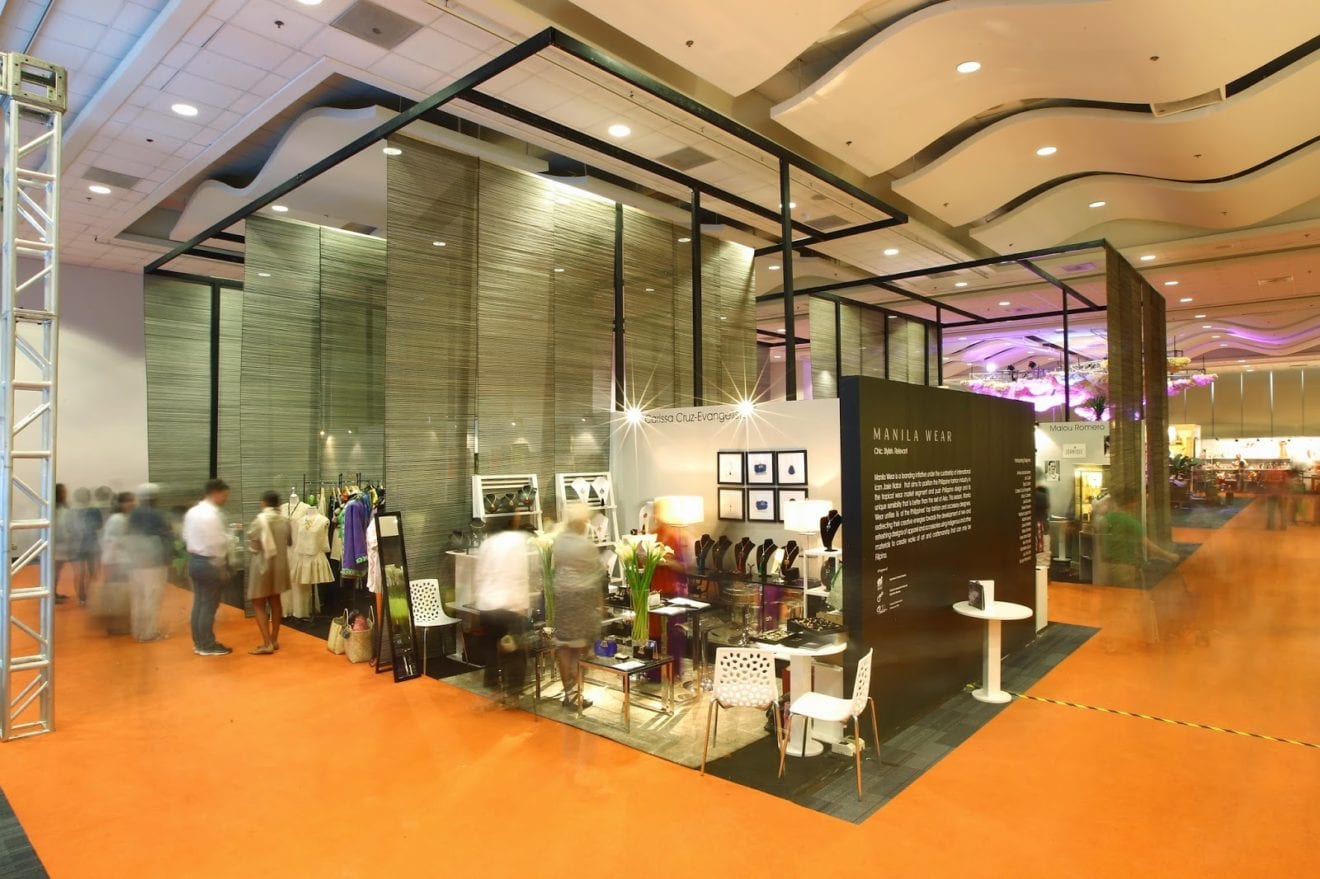
    Intensive preparations are underway for the holding of “Manila FAME: The Design and Lifestyle Event,” which will showcase the works of the Philippines young talents in the crafts and design field.

    The expo would be held in Manilas World Trade Center, from April 21 to 24, 2016, Alma Argayoso, Philippine Trade Representative to Indonesia, said here, Tuesday.

    The Philippine Department of Trades promotion arm, the Center for International Trade Expositions and Museums (CITEM) will unveil the creation of a distinct Philippine brand in the creative industry, she noted.

    She also said that this time FAME expects to welcome an even larger number of foreign buyers from Europe and the Americas as well as from Japan, China and Taiwan.

    Also to be featured in the Manila FAME exposition are the works of Kenneth Cobunpue, whose furniture designs have received so many international accolades in the United States and Europe that TIME Magazine has dubbed him “rattans first great virtuoso.” His works today grace luxury hotels and the residences of royalties and celebrities worldwide.

    Another Filipino artist whose works will be an attraction in Manila FAME is Mila Imson who won top prize in the ASEAN Jewelry Design Competition in Thailand in September 2015. Her winning design is called “The Serpent.”

    The competition was organized by the ASEAN Intellectual Property Offices in collaboration with the European Union.

    According to Philippine Trade Representative Alma Argayoso, the achievements of Kenneth Cobonpue and Mila Imson did not come by accident.

    They are the result of the following factors: 1) Both come from families with businesses that are already well established in the trade; 2) they passionately honed their natural skills; 3) the Philippine government, no matter how poorly it performs in other fields of governance, has consistently supported and guided the creative economy since 1983; and 4) the government, through the Department of Trade and Industrys Center For International Trade Exposition and Missions (CITEM), has instituted quality control measures that ensure Philippine crafts and designs match world standards. And then, aside from all these, there is the mentorship program.

    Called “Red Box”, the mentorship program simply aims at nurturing the next generation of designers of home accents, furniture, apparel, and accessories. Young talents are paired off with successful and celebrated Filipino designers.

    Under close supervision, the young talents go through total immersion in the creative fields they are passionate about.

    They are challenged to turn out fresh designs, concepts and innovations, and to refine them so that they reflect their artistic personalities. In brief, to achieve branding.

    As a mentorship program, Red Box is supported by a platform called FAME.

    The bi-annual “Manila FAME, The Design and Lifestyle Event” showcases the works of young talents every April and last quarter of the year. The event has flourished in recent years, as it has regularly attracted many buyers from all over the world.

    As to the regional context of Manila FAME, Argayoso has explained that Southeast Asia is a region of craftsmen and designers with an abundance of natural materials that they can convert into practical items that also evoke aesthetic pleasure.

    But Southeast Asian craftsmen and designers have had to struggle to gain international recognition and patronage – even among the regions collectors.

    This is largely because most Asian buyers have fallen for the allure of Western designs and brands, she remarked.

    But times are changing, she said. Technology and global trends have revolutionized lifestyles everywhere. This revolution in tastes has leveled the playing fields for craftsmen and designers, including those from Southeast Asia.

    The Philippines has been among the first countries in the region to seize the opportunities brought about by this revolution. For over three decades since 1983, with the encouragement of a succession of government administrations, the crafts and design sector of the country patiently nurtured the skills of its professionals and the entrepreneurial foundation for a creative industry.

    This endeavor was premised on a great confidence in the quality of the nations human resources, a confidence regularly vindicated by the amount of money that Filipino overseas workers remit home every year.

  • Benoy expands in Philippines

    Benoy expands in Philippines

    Global design company Benoy is expanding its portfolio in The Philippines, confirming five new commissions while completing two schemes.

    A studio of architects, masterplanners, and interior and graphic designers, Benoy has been working in the region for more than a decade.

    “The Philippines is one of the strongest economies in Southeast Asia, and it has been an incredibly dynamic market for Benoy,” says director Stephen Chow. “We have seen opportunities increase as the country grows and competes on an international scale.”

    Benoy’s growing order book is mainly concentrated in the metro Manila area. Working with such developers as Ayala Land and Filinvest, the firm is involved in multiple sectors using the full complement of its services.

    In the City of Taguig, Benoy has been appointed as podium architect and interior designer for West Super Block, the latest edition to the Bonifacio Global City integrated urban plan. The development will comprise a four-storey retail podium, an all-suite residential tower and a Grade A office block that will house The Philippines Stock Exchange.

    Benoy is also doing the masterplan and architecture for a Makati mixed-use development in the heart of Manila’s commercial and financial centre. The scheme includes a commercial podium, 15-storey office tower and 39-storey residential tower – one of the tallest in the district.

    In Balintawak, a gateway from the north into Manila, Benoy is delivering an 11ha mixed-use masterplan. At the intersection of two highways, the Balintawak Masterplan includes retail, residential, commercial offices and a hospital. It will also be a regional transportation hub. Benoy is also architect for the regional mall on the site.

    A mixed-use development in Manila’s Chinatown has also been appointed to Benoy. One Binondo will feature a four-storey podium and include “micro retailing” (a trading form popular in the district), a Grade A office tower, three residential towers with landscaped gardens, a clubhouse, pool and recreational amenities.

    Also, Benoy is working on a visionary redevelopment plan for Alabang Town Centre, a retail destination in southern Manila. As part of this development, the firm will also complete the architecture plus interior and landscape design of a Lifestyle Centre at the heart of the scheme.

    “We are thrilled to have such a diverse portfolio in the Philippines,” says Chow. “It is very exciting to have the opportunity to help shape the future of the country.”

    Meanwhile, Benoy has completed two projects in Quezon City, the U.P. Town Center and Fairview Terraces, both developed by Ayala Land.

    U.P. Town Center, at the University of The Philippines campus, combines indoor and outdoor retail, dining and commercial uses within a landscaped setting. Forty per cent of the 88,000 sqm site has been designated as open space. As masterplanner and architect, Benoy is overseeing the three-phase project, with the final phase due for completing this year.

    In the city’s north, Fairview Terraces is a 135,000 sqm mixed-use development led by retail. Over five levels, the mall has about 420 retailers and a “boutique” supermarket. The focal point is a landscaped central promenade surrounded by pocket gardens and al fresco dining. Benoy completed the architecture as well as interior and graphic design.

    During construction for both schemes, trees on the site were protected. In the case of Fairview Terraces, a long-standing mango tree sits at the centre of the development.

    Previously, Benoy has overseen an extensive renovation of Ayala Alabang Town Centre.

  • Indonesia wins three Aseanta 2016 awards

    Indonesia wins three Aseanta 2016 awards

    Indonesia has won awards in three out of the six categories of the ASEAN Tourism Awards (ASEANTA) 2016 at an event held in Manila, the Philippines, a minister said.

    “Wonderful Indonesia” won awards in three of the six categories of the ASEAN Awards, Tourism Minister Arief Yahya said in a press statement on Friday.

    “We have beaten some competing countries, including Malaysia,” Arief Yahya said.

    The three awards were in the categories of the Best ASEAN Tourism Photo, the Best ASEAN Cultural Preservation Effort, and the Best ASEAN Travel Article.

    “Morning in Bromo” by Agung Parameswara grabbed the award in the Best ASEAN Tourism Photo category.

    “Mang Udjo,” the Angklung bamboo musical instrument center in Bandung, Indonesia, was the winner of the Best ASEAN Cultural Preservation Effort category.

    And for the Best ASEAN Travel Article category, the winner was “The Perfect Wave,” published in Garuda Indonesia Color Magazine.

    “Meanwhile, Malaysia won two awards and Singapore only one award,” the minister said.

    Minister Arief Yahya was in Manila to attend the 35th ASEAN Tourism Forum (ATF), held from January 18 to 22, 2016.

    The ASEAN Tourism Forum is very strategic to Indonesia because the ASEAN market is the largest contributor to tourist arrivals, he noted.

    In the ATF held in Manila, tourism ministers from all ten member countries of ASEAN – Indonesia, Brunei Darussalam, Malaysia, Cambodia, Singapore, Thailand, the Philippines, Vietnam, Myanmar and Laos participated.

    He believed that the ASEANTA Awards would help promote Indonesian tourist destinations internationally.

    The three other ASEAN Award categories were the Best ASEAN Marketing and Promotion Campaign, the Best ASEAN New Tourism Attraction, and the Best ASEAN Airline Program.

    Filipino President Benigno S. Aquino III spoke before the ASEAN tourism ministers on Wednesday.

    He said that the number of tourist arrivals in ASEAN reached 105.1 million in 2014, a staggering 42.4 percent increase from 73.8 million tourist arrivals in 2010.

    Of those 105.1 million visitors, he said, 49.22 million came from within the ASEAN itself.

    “We belong to a region that holds vast potential in terms of tourism,” President Benigno was quoted as saying by the Philippine Information Agency (PIA).

  • DFP upgrades Manila T2 duty free shop offering

    DFP upgrades Manila T2 duty free shop offering

    Duty Free Philippines has recently completed work on upgrading its duty free offer in Manila Airport Terminal 2, which is used exclusively by national carrier, Philippines Airlines.

    The T2 duty free shops currently record the second largest share of duty free sales at Manila Airport, generating a 30% slice of DFP’s total Manila Airport revenue. Arrivals sales in T2 are larger than departures, with the two stores selling liquor, tobacco and chocolates mainly to Filipino workers and travellers.

    “We did an upgrade of our T2 departure store in 2014. We used a Hong Kong designer,” said Duty Free Philippines Merchandising Division Manager Jennifer Start, talking exclusively to TRBusiness. “We have a cute store with boutiques for Chanel, Salvatore Ferragamo, Pandora, Lancôme and Longchamp.

    DFP at Manila Airport T3 departure 3

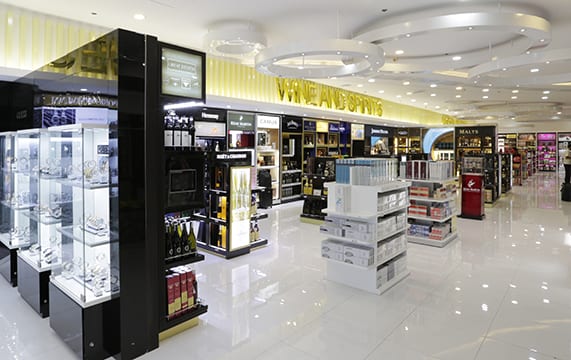
    This image actually shows the newly refurbished Duty Free Philippines shop in Terminal 3 at Manila Airport – a standard the retailer has set for all of its new shops – including those in Terminal 2.

    “T2 departure hall has one long open shop with liquor, tobacco and confectionery on one side, while the other side is perfume, cosmetics and fashion.”

    DFP’s Internet shopping is also another new service that is planned to boost sales in future, allowing customers to collect pre-purchased goods on departure from the Philippines, or buy goods for collection in airport arrivals or at the downtown Fiesta Mall.

    “We have a website showing our products on offer,” Start said. “Our online shopping platform site is being developed. We are still talking to vendors and hopefully we can get this up soon. We are working on details with the Bureau of Customs.”


  • Prada Philippines re-opens expanded Makati boutique

    Prada Philippines re-opens expanded Makati boutique

    Prada Philippines has reopened its high profile boutique in the Greenbelt Ayala Center in downtown Makati, Manila.

    The expanded and renovated store inside the prestigious mall was designed by architect Roberto Baciocchi, covers a total area of approximately 200 sqm on a single level. It houses women’s and men’s leather goods, accessories and footwear collections.

    pradaThe high-impact external facade is composed of an interplay of light-boxes, completed by a backlit white canvas curtain enclosed in a crystal box. The internal facade echoes the motif of the exterior and features two large entrances and a series of display windows.

    The first entrance, defined by the signature black-and-white marble chequered flooring – a legacy of Prada’s identity worldwide – opens up on an area dedicated to the women’s leather goods collections.

    A portal leads to a second space, where the women’s footwear collections is displayed. The entire area devoted to women is characterised by green fabric- clad walls with cut-in polished steel and crystal display niches. Steel and crystal tables with coloured display shelves and green velvet sofas complete the furnishing.

    The second entrance and the space dedicated to women both lead to a regularly-shaped area housing the men’s leather goods and footwear collections. Ebony floorboards and walls, crystal and polished steel display cases and chocolate brown carpeting define the space. Display counters with coloured saffiano leather detailing and light coloured leather sofas enhance the atmosphere.

  • Sonae launches Zippy Philippines

    Sonae launches Zippy Philippines

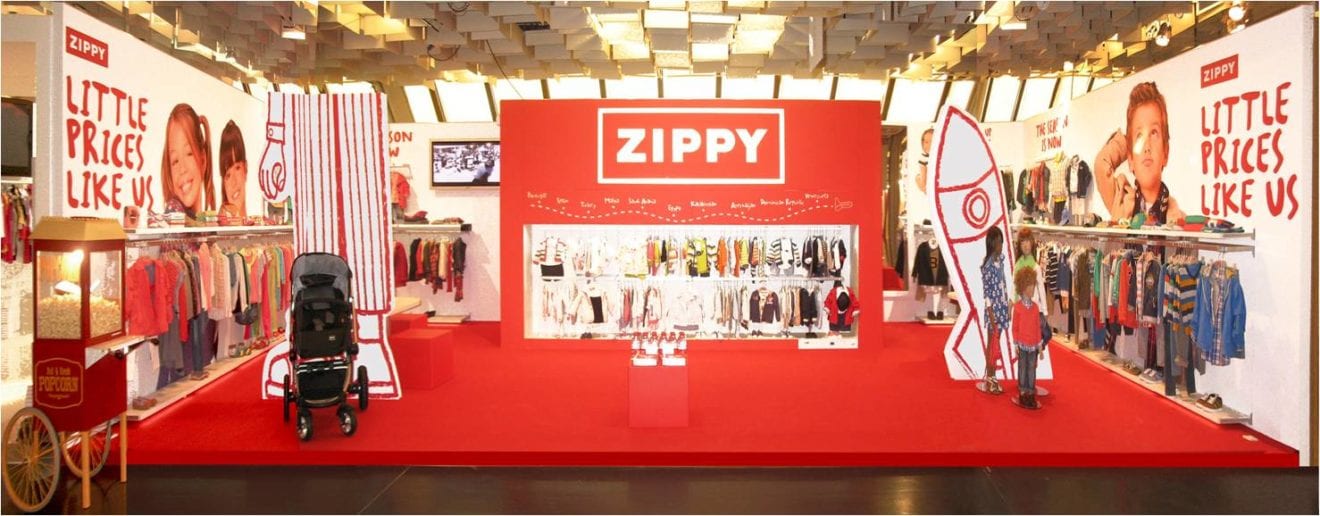
    Portuguese multi-brand retailer Sonae has expanded its international activity to Asia by opening its first two Zippy stores in the Philippines.

    The Sonae brand of children’s clothing and nursery products has signed a franchising agreement that includes opening about 24 stores across the country during the next five years.

    Miguel Mota Freitas, CEO of Sonae SR,  said the partnership is in line with Sonae’s international expansion strategy, which looks to use its brands’ competitive advantages worldwide, diversifying markets and stimulating new development opportunities.

    “Asia is a populous and economically dynamic region, with high birth rates, where consumers are beginning to pay more and more attention to quality products, which opens new perspectives for Zippy, particularly now in the Philippines,” he said.

    Entering the Philippines resulted from the franchising agreement celebrated with Trimark Holdings, which operates more than 600 stores in the country under more than 40 international brands, mostly in fashion.

    The Zippy Philippines stores have opened at the Glorietta and North Edsa shopping centres, in the capital city, Manila.  Zippy’s Philippines stores will have an average area of 100 sqm offering products from clothing and footwear to baby and kids accessories.

    With a population of around 100 million inhabitants, the Philippines is the seventh most populated country in Asia and the 12th most populated in the world. With more than one third of the population aged under 14 years, the potential customer base fits right into Zippy’s target market.

    World Bank data predicts the Philippines’ economy will grow at 6.5 per cent annually for the next two years.

  • Vista Land takes control of Starmalls

    Vista Land takes control of Starmalls

    Philippine company Vista Land & Lifescapes has paid US$691 million for a controlling 88 per cent stake in property developer Starmalls.

    While both companies are essentially controlled by the family of former Philippine senator Manuel Villar, Vista believes the acquisition will transform it into a fully integrated property developer with continued leadership in horizontal residential projects combined with a sizeable and growing mass market retail mall and BPO platform and the ability to replicate the integrated ‘Communicity’ model across the Philippines.

    “In addition, the company believes that the enhanced scale and stability provided by the acquisition and extensive synergies between the two businesses will strongly benefit the company and its shareholders going forward,” Vista said in a statement.

    Starmalls is a developer, owner and operator of retail malls targeting mass market retail consumers in the Philippines. It focuses on densely populated areas underserved by similar retail malls and within close proximity to transport hubs and key infrastructure.

    It owns and operates 10 retail malls in key cities and municipalities in the Philippines and two BPO commercial centers in Metro Manila, with a combined gross floor area (GFA) of 509,385 sqm. It has another four retail malls and one BPO commercial centre under construction, and plans to grow to over 1 million sqm in GFA via enhancements to existing assets and to over 1.3 million sqm in total GFA including new developments by the end of 2018.

  • Datem, Metro Retail Stores IPO plans okayed by SEC

    Datem, Metro Retail Stores IPO plans okayed by SEC

    The Securities and Exchange Commission (SEC) on Friday approved two initial public offering (IPO) plans worth a combined P10.82 billion.

    In a special meeting, the corporate regulator greenlighted construction firm Datem, Inc. and Gaisano’s Metro Retail Stores Group, Inc.’s bids to raise P4.65 billion and P6.17 billion, respectively, by going public.

    The IPO plans still have to be approved by the Philippine Stock Exchange (PSE). If accepted, the market debuts would be the third and fourth for this year.

    The bourse has said that it was targeting nine to 10 IPOs for this year but PSE President Hans Sicat has revised this to five given market volatility.

    Metro Retail
    Gaisano family’s Metro Retail Stores Group Inc. is looking to raise up to P6.17 billion from the IPO, offering a total of 1.012 billion shares (920 million for the base offer and 92 million for oversubscription) at P6.10 each.

    Final pricing has been scheduled for October 29 and the offer period will run from November 2 to 6. Listing at the PSE Main Board is expected on November 12.

    Expected net proceeds of P5.285 billion — without the overallotment option — after offer and listing expenses and taxes will be used for expansion of the firm’s store network (P3.752 billion), construction of a logistics and distribution center (P1.215 billion) and working capital requirements (P317.2 million), mostly for 2016 up to 2017.

    BPI Capital Corp. and Deutsche Bank AG have been appointed joint global coordinators.

    Metro Retail is the operator of Gaisano stores, including Market! Market! in Bonifacio Global City. As of end-June, the company had 45 stores nationwide, including nine in Metro Manila, with a total net selling space of about 197,873 square meters.

    Datem
    Datem, Inc., meanwhile, wants to raise P4.65 billion to expand its activities in construction, housing and bulk water.

    It wants to sell up to 329.046 million shares (286.127 million for the base offer and 42.919 million for oversubscription) at P14.15 per.

    The offer period is scheduled to run from November 16 to 24, while listing at the PSE Main
    Board is targeted by the end of November.

    BPI Capital Corp. and First Metro Investment Corp. have been appointed joint issue coordinators, lead underwriters and bookrunners.

    Datem has ongoing projects with big developers, including eight residential developments for Megaworld Corp., One Shangri-La Place for Shang Properties Inc., Twin Oaks Place for Greenfields Development Corp., Arya Residences for Arthaland Corp., Grand Hyatt Residences for Federal Land Inc., Axis Residences for Robinsons Land Corp., The Makati Place for Alphaland Corp. and Parksuites for Anchor Land Holdings Inc.

    Other IPO hopefuls for this year, and the amounts they want to raise, include D.M. Wenceslao & Associates Inc. (P21.7 billion), restaurant chain operator Gweilo Corp. (P75 million), Green Power Panay Philippines Inc. (P290 million), property developer Italpinas Development Corp. (P242 million), brokerage firm Philstocks Financial Inc. (P185.89 million), Philippine Primark Properties Inc. (P1.2 billion) and BPO firm Pointwest Technologies Corp. (P2.09 billion).

    Only two firms have listed so far this year: Crown Asia Chemicals and SBS Philippines Corp.

    Arman Pan, SEC acting corporate secretary, said the final decision on whether or not to go public lay with the firms themselves.

    “Approval [of IPO plans] is easy. It is just a question of whether firms will push their listings this year given the market volatility,” Pan said.

  • L&L Hawaiian Barbecue opens in Manila

    L&L Hawaiian Barbecue opens in Manila

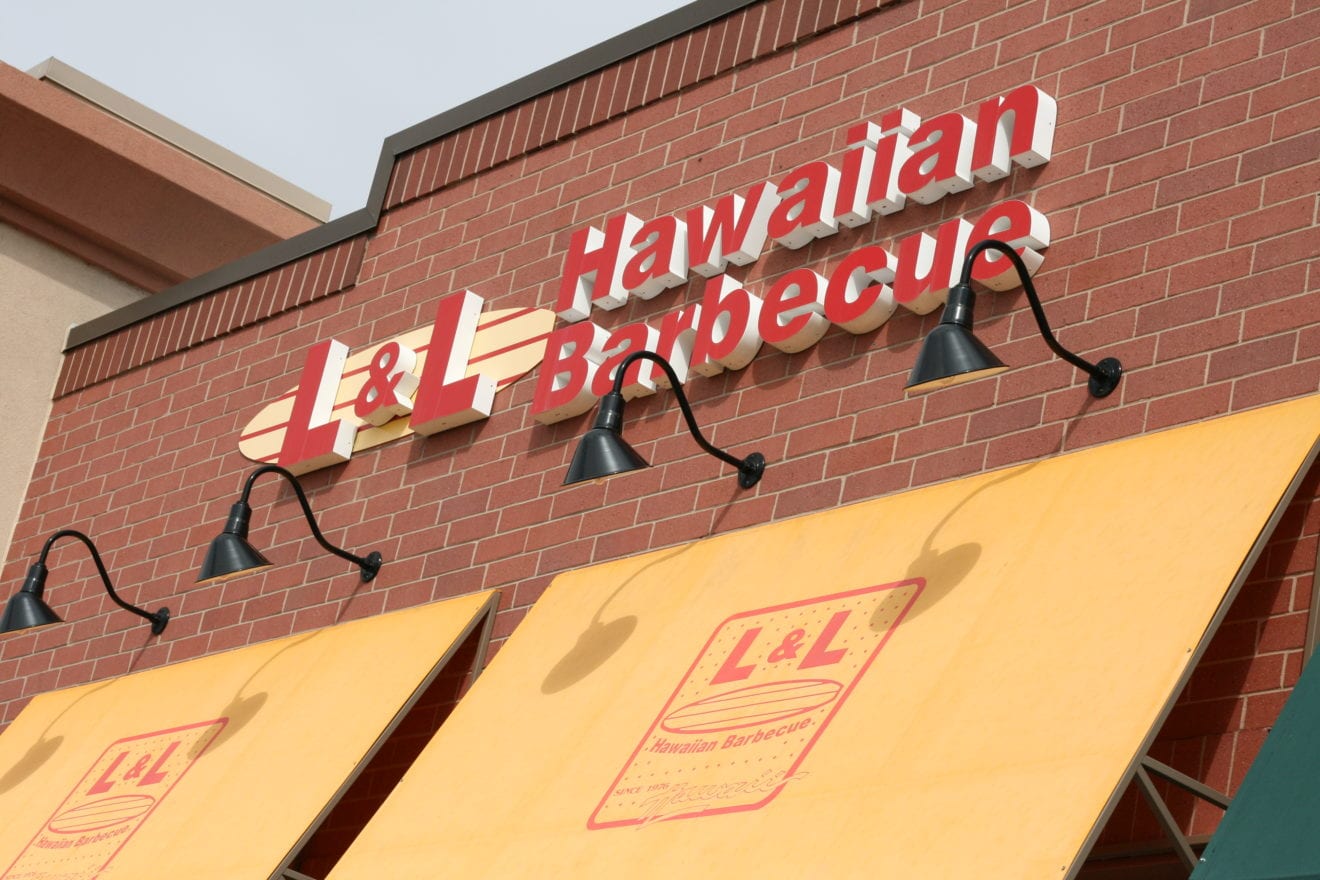
    L&L Hawaiian Barbecue has opened its first store in the Philippines, with a second one planned by November.

    The ‘plate lunch’ QSR brand made its debut quietly last month in a shopping mall at Edsa which will be followed by a second outlet in SM Megamall in Manila.

    “I think that the people there really enjoy our taste in food,” L&L Hawaiian Barbecue VP and COO Bryan Andaya told Pacific Business News. “Here, in the US, our third biggest demographic is Filipinos.”

    L&L Hawaiian Barbecue, also known as L&L or as L&L Drive-Inn in Hawaii, is a franchised restaurant chain based in Honolulu, Hawaii, centered on the traditional Hawaiian ‘plate lunch’.

    The concept expanded onto the US mainland in 1999 and there are now more than 200 locations across the US, Tokyo and Auckland, New Zealand.

    The brand has been credited with popularising the plate lunch in Hawaii, primarily through its drive-throughs.

  • Robinsons Retail acquires Savers Electronic World

    Robinsons Retail acquires Savers Electronic World

    Robinsons Retail Holdings Inc., the retail arm of the Gokongwei family, has acquired 90 percent of Savers Electronic World, an electronics and appliance store chain that operates 24 stores around the country.

    In a disclosure to the Philippine Stock Exchange (PSE), Robinsons Retail said its wholly owned subsidiary Robinsons Inc. has entered into a partnership with Saver’s Appliance Depot, which is owned and operated by Savers Electronic World.

    The Saver’s Alliance Depot has 13 stores in Central Luzon, eight stores in Cagayan Valley and three in Metro Manila with a combined gross floor area of 25,900 square meters.

    “Robinsons Retail will own 90 percent of Savers Electronic World,” the company said.

    Robina Gokongwei-Pe, president and COO of Robinsons Retail, said the partnership would expand Robinsons Retail’s footprint in the consumer electronics and appliance business.

    “We are excited to partner with Saver’s Appliance Depot in growing the consumer electronics and appliance business of the group. As the economy expands, discretionary spending is seen to surge ahead and this format should be a strong beneficiary. Also, the increasing scale of the group is expected to strengthen our market position in the industry,” Gokongwei-Pe said.

    Specifically, she said the partnership with Saver’s Appliance Depot would strengthen and expand Robinsons Retail’s coverage in the consumer electronics and appliance business, particularly in Central Luzon and in Cagayan Valley.

    After the purchase, Saver’s will continue to be managed by Jaime Uy as the managing director of Saver’s Appliance Depot.

    Saver’s Appliance Depot opened its first appliance store in 1986 and has been in operation for 29 years now.

    It was recognized and awarded as the 2014 Best Regional Retail Player by the Philippine Retailers Association.

    Saver’s Appliance is also considered one of the top 10 consumer electronics and appliance players in the country.

    “We are happy to become part of the Robinsons Retail family. The group has proven track record in growing and retaining the equity value of the companies or businesses that they acquired. We have strong presence in Northern Luzon which should add to the group’s growing presence in this region,” Uy said.

    Robinsons Retail continues to be on the lookout for new businesses to acquire to further boost growth.

    In the first half of the year, the retailer grew its net income to P1.86 billion, up by 36.2 percent from P1.37 billion in the same period last year.

    Growth came from a double-digit growth in sales on new store openings as well as the newly acquired businesses A.M. Builders’ Depot and Chavez Pharmacy.

  • SM Malls embrace future style

    SM Malls embrace future style

    On her first visit to SM Aura in Taguig, Michelle Dabuet, 38, an IT project manager, noticed that it had an “odd” shape.

    “It’s clean and classy and not like the other SM malls that are boxed-shape,” Dabuet noted.

    Gail Dacquel-Perez, 39, and a mother of three also distinctly remembers the fragrance that accosted her upon entering the mall, as well as the cleanliness and the look and feel of a bigger “Podium” mall, one of SM’s earliest upscale shopping malls in Ortigas.

    Noticeably, SM malls today have undergone a major transformation to cater to a new breed of shoppers.

    The sleek designs, open spaces, and iconic edifices in the newest SM malls are attracting shoppers who have become more aware and appreciative of style, fashion and global trends.

    Architect Fides Garcia-Hsu of SM’s Engineering, Design and Development shared that SM, in general, has taken into account two kinds of customers in retail which are also reflected in the design of its malls. Those that are focused and those who act on impulse.

    Focused buyers go to the mall with the intention of buying and carrying the right amount of money to achieve their objectives. Impulse buyers are those who visit the mall with no original intention of buying but will do so if something appeals to them or continue to window shop.

    “Both types are important for SM and that’s why zoning is equally important for us. We try to achieve the right tenant mix to cater to both types,” Hsu said.

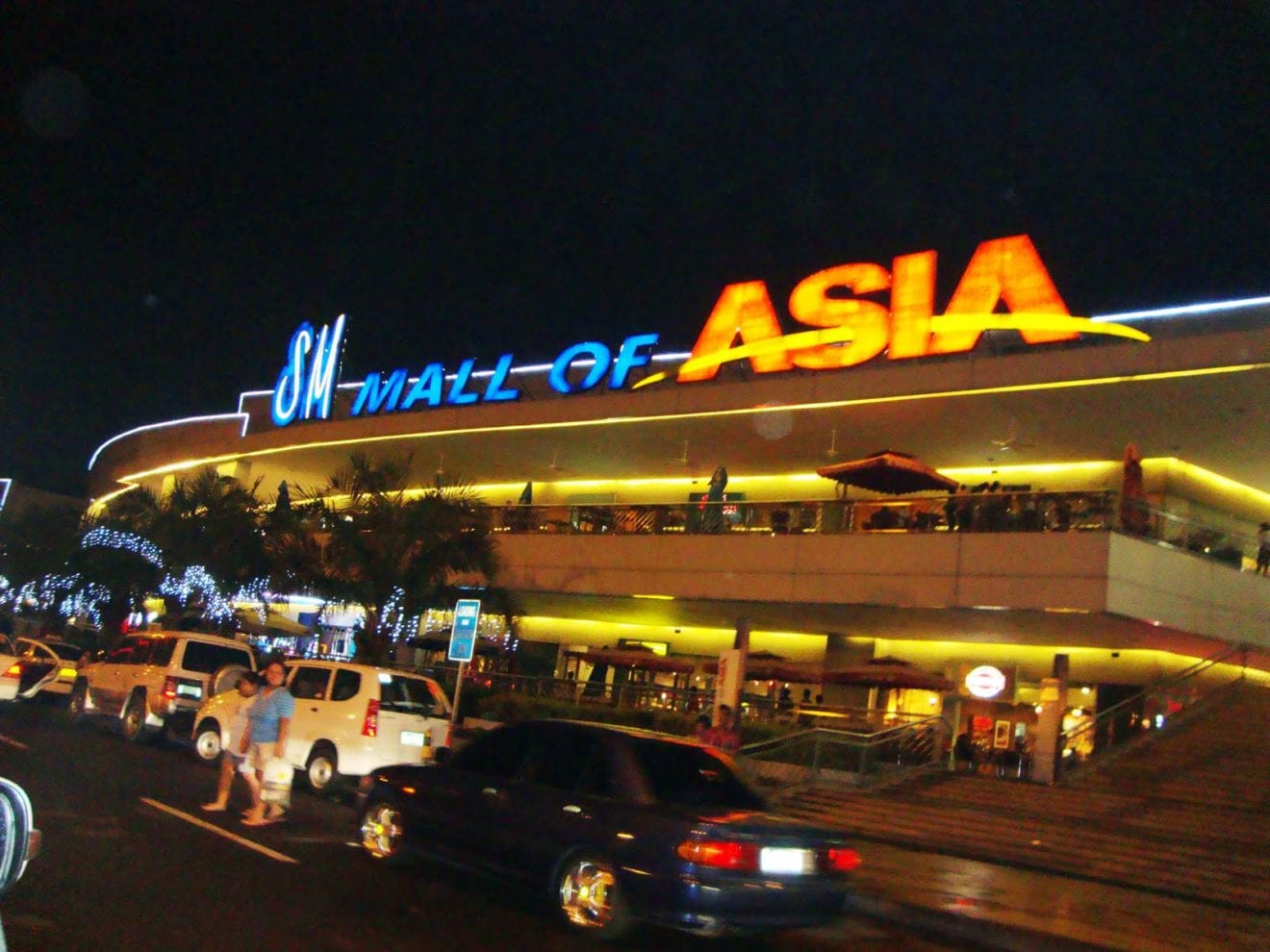
    Take Mall of Asia, SM’s premier mall in Pasay as an example. The Hypermarket and THE SM Store are located on both north and south car parks. The Entertainment Mall which houses cinemas and various dining establishments are at the seafront side while the Cyberzone is on another floor. The Food and Beverage units are along the pedestrian streets.

    SM North EDSA, which has undergone several renovations and upgrades in the last few years, follows a similar zoning pattern which aims to provide a more convenient shopping experience while also allowing equal exposure to majority if not all the mall tenants.

    Hsu shared that SM patriarch Henry Sy, Sr. or Tatang (father) as he is fondly called, has provided the direction for the design of SM malls and is, in a way, the first architect of the SM malls.

    SM malls usually follow a straight or H-path which makes it convenient for shoppers to find their way from point A to point B, said Hsu.

    “Tatang  also taught us how to plan the space. He told us that every inch is valuable,” she said

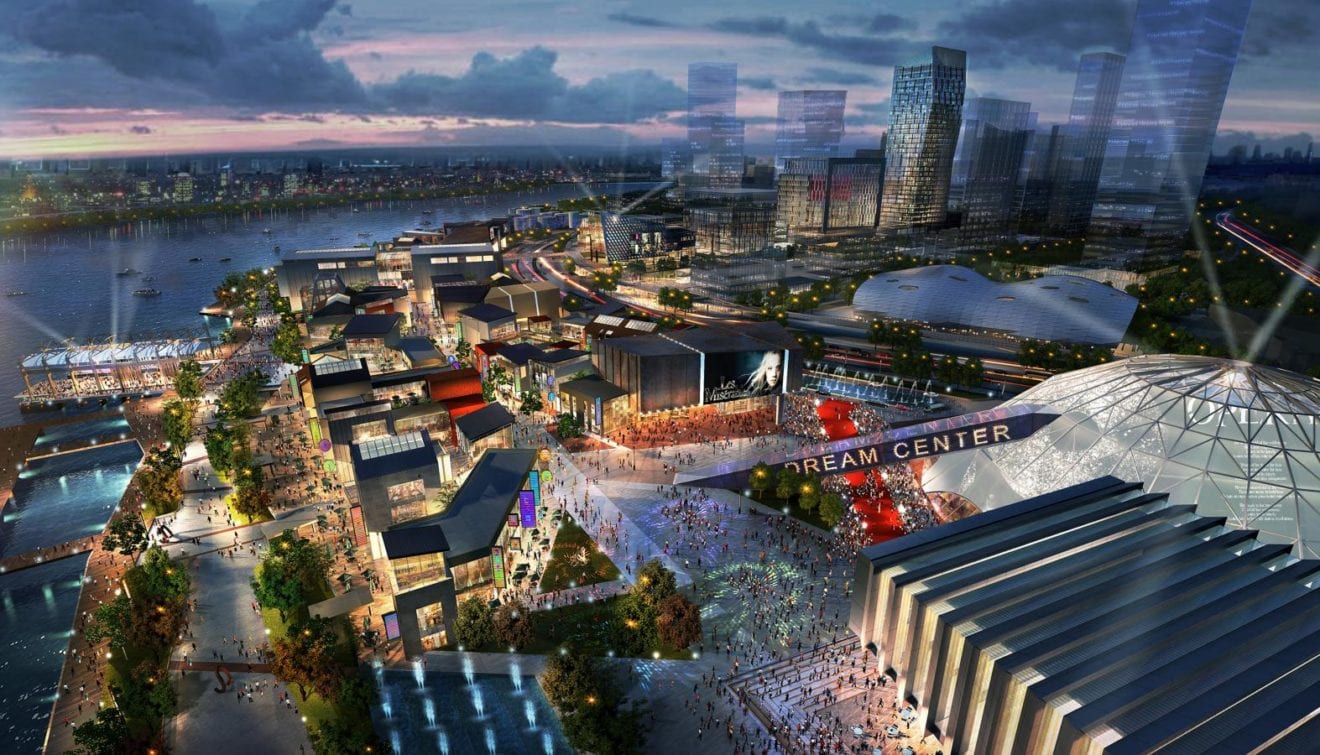
    In recent years, SM malls have transcended the boxy look to develop into bolder and more artistic designs. SM Aura in Taguig, which was designed by Miami-based Arquitectonica drew inspiration from the elements – much like a tree melding with its roots or a waterfall cascading into a river. It also aims to be one of the first civic centers to be certified Gold under the US Green Building Council Leadership in Energy and Environmental Design (LEED) program.

    The 470,000 sqm SM Seaside City in Cebu, which promises to be a regional landmark in the Visayas, meanwhile takes inspiration from the legendary nautilus shell. The mall, which will feature a steel cube sculpture and a 148-meter tower with a viewing deck that has a breathtaking 360-degree view of Cebu, is expected to cater to various segments of the market.

    These new designs are a huge departure from the original designs of SM malls. Interestingly, the old design mirrored the shopping preferences of the era. In the 1980s, Filipinos mainly  flocked to the box-type SM malls, usually rising three storeys, for their basic needs, for convenience and for novelty while others just wanted to bask in the air conditioning to get away from the scorching heat that a tropical country like the Philippines is known for.

    The straightforward design also appeared to echo both the personality and the vision of Sy who was known to many as a “no-nonsense”, straightforward man.

    “Every mall has a touch of Tatang (as Sy is fondly called by family, friends and employees). He is always involved in the design. His direction was to make it (mall design) simple, straightforward, convenient and efficient for shoppers,” Hsu said.

    Sy was inspired by his travels to the US where he saw malls starting to proliferate, or a series of retail stores and major stores put under one space with a common pathway. The desire to offer this emerging retail concept to Filipinos was strong, says SM Prime Chairman Henry Sy, Jr , the eldest son of Sy.

    “My father saw the US model. Being in the retail business, he was attentive to the needs of the people and what will make things convenient for them here in the Philippines. When he built the first SM mall on North EDSA, what he had in mind was the real estate play and that everything should be under one roof,” Henry Jr. said.

    Many thought that the opening of SM North EDSA, with a gross floor area of 125,000 sqm then, was ill-timed in 1985, with the country plunged into political upheaval.  But Filipinos quickly latched on to the new concept, much also to the surprise of the Sy family.  The first mall opened with SM’s own brand of supermarket and department store as many businesses were fearful then to open in uncharted waters such as in North EDSA.  Cinemas in the mall were also a novelty and as more tenants warmed up to “SM City”, the new business venture flourished and was soon replicated across the country at a rate of three to four malls a year.

    The next wave: sustainable malls

    Hsu said environmental sustainability has become the paramount consideration at present and for years to come in terms of mall development.

    “SM will continue to incorporate sustainable features in its malls. Rain harvesting, water recycling and expansive skylights to provide sufficient daylighting, the use of solar panels to provide adequate percentage of the mall’s power requirement, the use of high performance IGU (insulating glass units), deck landscaping and a host of other measures will be looked into and integrated into the planning,” Hsu said.

    SM Marikina which is within the Marikina River watershed and situated in a flood prone area was built on concrete stilts to elevate the structure. The mall was constructed 20 metres farther than the suggested 90-meter distance from the center of the Marikina river.

    SM Center Muntinlupa was also enhanced to be more resilient in light of two fault exposures in the area. It stands with a five-meter buffer zone to minimise the impact of earthquakes and other disasters such as the rupturing of both sides of the fault.

    SM City Masinag in Antipolo has fully revolutionised the company’s approach to sustainable and disaster resilient design. It incorporates a 3 million gallon holding tank to reduce the impact of super typhoons that plague the area. The tank has the capacity to hold water volume generated from constant rainfall of a storm similar to Typhoon Ondoy (Ketsana) for over three hours.

    Other unique sustainable features of SM malls include high windows above eye level that use natural light to illuminate company facilities; the use of LED and CFL light bulbs to further reduce electricity consumption; environmentally-friendly materials and technology for all heating and cooling processes; water-efficient fixtures systems to reduce potable water consumption such as waterless urinals and faucet aerators; and prudently-selected construction materials that minimise the impact of certain structures, promote healthier indoor environments and enhance performance of all company facilities.

    Roof gardens are also incorporated in the malls which make both commercial and environmental sense. These not only cool the mall, but also draw people upwards, thereby providing better footfall to tenants on the higher floors; retain water during heavy rainfall and reduce flooding; reduce heat transfer to the local environment by absorbing heat through trees, plants and fauna. “The roof gardens we design for SM make a solid contribution to disaster resilience that should be considered countrywide,” Arquitectonica MD Asia Peter Brannan said.

    “As builders, we know that the most iconic monuments depend on a great foundation. Our approach to sustainability works the same way. By designing green, we are not only making a commitment to revolutionising the retail industry, but we are also creating a solid foundation for future stewards of the environment to build on,” SM Prime President Hans Sy had said.

    Indeed, today’s shoppers are exposed to international trends through frequent travels, unafraid to risk resources for experience, always on the prowl for what’s “trending” or “viral” in terms of venues, “eats”, technology and are constantly in search of new advocacies to champion.

    “The Philippines is currently one of the fastest growing economies in the world; that will inevitably result in rising disposable incomes and a much more sophisticated consumer. They will want a better environment, a better workplace, and a better home. Both designers and developers will have to respond to that, and constantly strive to improve the quality of their product. Doing business as usual will simply leave you behind in this fast-moving, interconnected world,”Arquitectonica’s Brannan said.

    This new generation of shoppers now view malls as destinations. More than just a place to hang out with friends or family, they now demand the best quality experience, the best food, the best product, the best service. And as shoppers evolve, SM malls too will adapt to ensure that there is a preferred destination for all.
  • SSI Group enters travel retail arena

    SSI Group enters travel retail arena

    Philippines specialty store operator SSI Group has made its first foray into the travel retail sector.

    SSI, through a subsidiary SKL International, has bought a 50 per cent stake in Landmark Management Services which marks its debut in the increasingly lucrative travel retailing category.

    The stake was acquired from duty free distributor Prime and the Regent Asia Group.

    “We are very happy to be part of the development of the travel retail industry. We believe that with SSI’s retailing experience and Landmark’s deep understanding of the unique shopping requirements of travelers, we can expand our market to cover tourists and business travelers,” SSI President Anthony Huang said in a statement.

    Landmark operates duty free and travel retail fashion stores at the Philippines’ larger airports as well as at Fiesta Mall in downtown Manila, under a concession from Duty Free Philippines.

    SSI Group ended last year with 723 specialty stores and 134,000 sqm of retail trading area and was planning to open a further 130 this year, outside this week’s acquisition. The company’s brand portfolio includes Marks and Spencer, Gucci, Burberry, Hermès, Prada, Salvatore Ferragamo, Lacoste, Michael Kors, Kate Spade, Gap, Bershka, Aeropostale, Samsonite, Nine West and Payless Shoe Source.

  • Philippines records 27% hike in Indian tourists from Jan-May 2015

    Philippines records 27% hike in Indian tourists from Jan-May 2015

    The Department of Tourism (DOT), Philippines has welcomed about 31,245 Indian tourists during the first five months of this year, recording an increase of 27.40 per cent, compared with 24,525 tourist arrivals from India from January to May 2014. The destination also plans to welcome tourists to the Philippine Shopping Festival 2015 which will be held from October 23 to November 8, in association with the Philippine Retailers Association (PRA). This was informed by Verna Covar-Buensuceso, Director and Officer-in-charge, Market Development Group, Tourism Development Sector, Department of Tourism (DOT), Philippines, while speaking to the press at the recently concluded multi-city roadshow in New Delhi post travelling to Nagpur, Chandigarh and Lucknow.

    Comprising 11 trade partners from Philippines, this sixth roadshow by DOT Philippines was the biggest-ever delegation to India. The roadshows included interactive B2B sessions, education programmes and workshops and saw participation of over 300 key tour operators, MICE and up-market leisure operators.

    “We aim to achieve 100,000 Indian tourist arrivals by 2017,” said Glen Agustin, Chief Tourism Operations Officer, Market Development Group, DOT, Philippines. He elaborated that they conducted a familiarisation trip for Kolkata-based tour operators wherein participants interacted with their B2B counterparts in Philippines. This has yielded excellent results and the tourism has been booming from the Kolkata since then, he said. Moreover, about 600 tour operators and counting have been certified under the Philippines Specialist Program (PSP) which has indeed assisted tour operators to lure tourists from Tier-II cities as well. As per the trend this year, Indians are staying for seven days on an average and spending about USD 120 a day. Though the length of stay has increased, we look forward to increase the tourism spend as well, highlighted Agustin.

    Agustin felt that the progress has been quite impressive and DOT Philippines will continue to remain bullish on the Indian market. “India ranked as the 13th top source market for Philippines Tourism, and we firmly believe that it has a huge potential to up its ranking. Weddings, MICE and Film Tourism are some products which we are aggressively promoting in the Indian market as of now. More than half of the tourist arrivals in 2014 comprised MICE travellers, especially incentive. In the year going forward, we plan to participate in PATA Travel Mart from September 6-8 in Bengaluru, Karnataka and thereafter in the Outbound Travel Mart 2016 from February 18-20 in Mumbai,” revealed Agustin.

    Elaborating on the Philippine Shopping Festival 2015, Covar-Buensuceso, said, “It will be a two week-long sale where shopping malls and retailers in the Philippines will offer different discounts and promotions to entice people to shop and offer a unique shopping experience. In line with DOT’s ‘Visit the Philippines 2015’ campaign and PRA’s efforts in the development of the Philippine’s retail industry, the Philippine Shopping Festival aims to make the destination a new shopping hub in the Asia Pacific region,” added Buensuceso. She added that India is among the top 10 source markets to travel to newer destinations in Philippines such as Cebu, Davao, Palawan and Bohal along with the preferred ones such as Manila and Boracay.

  • Daiso wins Manila court battle

    Daiso wins Manila court battle

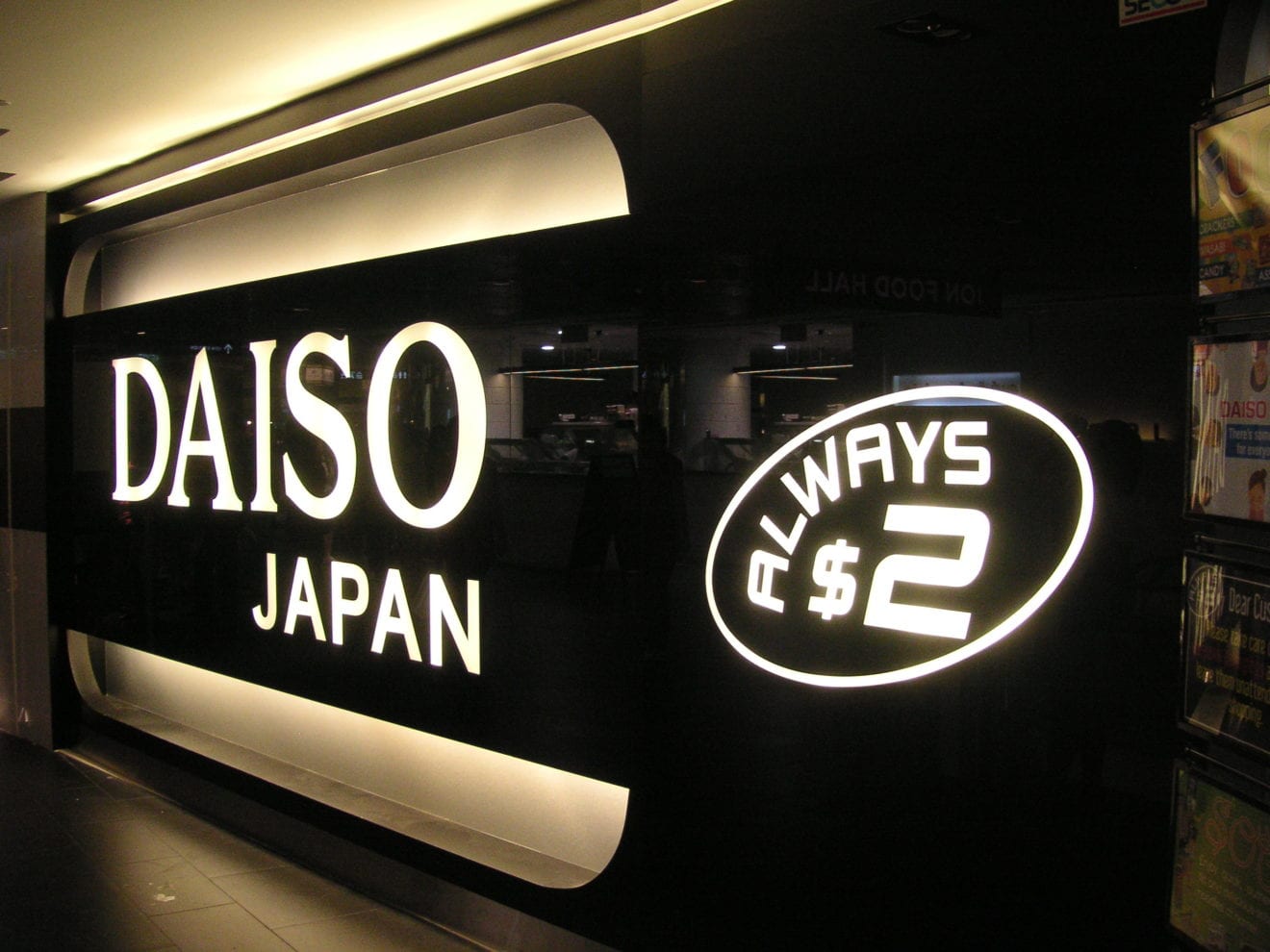
    Japanese discount retailer Daiso has won the right to use its name in the Philippines after a hearing in the Supreme Court.

    In a final ruling just issued, the court has blocked Filipino company Japan Home Center from using the trademark Daiso, confirming an earlier ruling by the Court of Appeals.

    The judges ruled that Japan Home Center had registered the name in “bad faith” in 2005 – largely to prevent the Japanese Daiso or its local franchisee from using it.

    Daiso Industries of Japan first filed a complaint with the Intellectual Property Office back in 2009 after it appointed Robinsons Retail Holdings as its local distributor and retail partner. Daiso Industries owns the brand name.

    This week’s Supreme Court decision thus ends a six year long legal battle to give Daiso and Robinson the legal right to use the brand.

    Robinsons currently operates 38 Daison stores in the Philippines.

    In another case in January this year, the Intellectual Property Office blocked MySmart One-Shop Daiso from using the brand name.

  • New malls boost SM Prime revenue

    New malls boost SM Prime revenue

    SM Prime Holdings has posted a 90 per cent increase in first half year sales to PHP18.7 billion (US$408 million).

    However the increase was largely due to one time gains on the sale of securities; recurring income grew by a more modest, but still healthy, 15 per cent.

    The company says new malls helped boost its turnover.

    Rental revenues from retail and commercial spaces, accounted for 54.2 per cent of consolidated revenue, up 10 per cent. The growth in rental revenues was mainly driven by rising contribution from the new malls and the expansion of shopping spaces in existing malls in 2013 and 2014. These include SM Aura Premier, SM City BF Parañaque, Mega Fashion Hall in SM Megamall, SM City Cauayan, SM Center Angono and the expansion of SM City Bacolod with a total gross floor area of 652,000 sqm.

    In the first half of the 2015, SM Prime opened SM Megacenter Cabanatuan and SM City San Mateo last April and May, respectively, taking the total Philippine operating malls to 52 with a GFA of almost 6.6 million sqm. For the rest of the year, SM Prime is set to open one mall in Metro Manila, SM Center Sangandaan in Caloocan, and two malls outside Metro Manila namely SM City Cabanatuan in Nueva Ecija, and SM Seaside City Cebu.

    The company is also expanding two existing malls, SM City Lipa in Batangas and SM City Iloilo. Combined, these new and expanded malls will have a total GFA of almost 716,000 sqm. By the end of 2015, SM Prime will have 55 malls in the Philippines and six malls in China with an estimated combined GFA of 8.3 million sqm.

    Cinema and event ticket sales, accounted for 6.6 per cent of consolidated revenues, recovered in the second quarter registering a seven per cent year-on-year increase to PHP1.4 billion as compared to a decline year-on-year of eight per cent to almost PHP1 billion the previous quarter. This brought cinema and event ticket sales to an almost flat point when compared with the same period last year.

    The recovery of ticket sales in the second quarter was due to Hollywood blockbusters like Avengers – Age of Ultron, Fast and Furious 7 and Jurassic World.

    “The strong financial performance posted by SM Prime in the first half of the year is reflective of the benefits derived from a diversified property portfolio as both rental and developmental incomes contributed to the overall performance of the company,” said SM Prime president Hans T. Sy.

    “The sustained growth could be attributed to the consolidation of SM Prime, which resulted to a strong balance sheet that allowed us to pursue all projects as planned. We are confident that we can sustain this growth in the long-term.”