Tag: manila

  • Metro Manila malls love Pokemon GO for bringing increased foot traffic

    Metro Manila malls love Pokemon GO for bringing increased foot traffic

    “A few days after the Philippine launch of Pokemon GO, mall operators reported a surge in foot traffic from people hooked on the augmented reality mobile phone-based game,” reports Doris Dumlao-Abadilla in Philippine Daily Inquirer.

    Maricris Bernardino, Ayala Malls head of marketing, said, “Since the launch of Pokemon Go in the Philippines, our parks and malls have filled with Pokemon hunters. Gamers continue to play and visit our malls despite the rains.” Several unique Pokemon monsters have reportedly been found in Ayala Malls’ gardens and parks.

    For his part, Harold Brian Geronimo, assistant vice president at Megaworld Corp, noted that Eastwood City’s daily average foot traffic “more than doubled” after the launch of Pokemon GO. Geronimo added that foot traffic was also higher than McKinley Hill, Burgos Circle, and Venice Piazza. This, he explained, led to an incease in dining sales.

    It’s the same case with SM Supermalls. In fact, last Fri night, Aug 12, SM hosted a nationwide Pokemon GO “lure party” across its 50 SM Supermalls and SMDC Properties.

    CNN Philippines reports that Robinsons Malls, Araneta Center, Bonifacio High Street, UP Ayalaland Technohub, Greenfield District Central Park, The Podium Mall, and Capitol Commons also hosted lure parties last Aug 12.

  • Filipino Job Seekers in Luck as Local Online Hiring Activity Registers Growth for the first time in 2016

    It’s a good time to be looking for a job in the Philippines. According to the latest Monster Employment Index (MEI) data for May 2016, online hiring activity has registered positive growth for the first time ever this year.

    Overall recruitment activity has increased 11% between May 2015 and May 2016. This is a 14% improvement from the previously reported -3% decline year-on-year for April.

    Tracked by employment website Monster.com, the MEI Philippines is a gauge of online job posting activity, recording the industries and occupations that show the highest and lowest growth in recruitment activity locally.

    The Retail sector reported a whopping 106% year-over-year growth in online hiring activity – the steepest growth registered of the industries monitored by the MEI. This is up from 49% year-over-year reported in April.

    The Production/Manufacturing, Automotive and Ancillary sector continued to register the sharpest year-over-year decline at -34% in May. This is an improvement from -56% registered between April 2015 and 2016.

    Across occupational groups, HR & Admin roles took the lead in the growth of hiring activities at 39% year-over-year. This is huge 34% improvement from the 5% registered in April.

    Online hiring in Hospitality & Travel roles remained the weakest, registering -55% year-over-year decline.

    “A recent survey by the Philippine Statistics Authority (PSA) revealed strong employment among Filipinos. Preliminary reports have also shown that local unemployment stands at around 6.1% in April 2016, down 0.3% from April 2015. As Philippines continue to position itself as one of Asia’s growth areas, foreign investments are likely to continue to pour into the country to spur growth and hiring,” said Sanjay Modi, Managing Director, Monster.com – APAC and Middle East.

    “The Philippines’ retail sector continues to exhibit strong growth partly due to increased consumer spending power, fuelled by increasing income in the BPO sectors. It was recently reported that the hospitality sector had contributed P1.39 trillion to the Philippines economy, despite slower recruitment across these roles. This has likely resulted from the slower turnover within the sector after its hiring spree last May, which worked out well for the sector. Until the need arises, employers are in no hurry to add to their headcount.”

    The Monster Employment Index Philippines is a monthly gauge of online job posting activity, based on a real-time review of millions of employer job opportunities culled from a large representative selection of career websites and online job listings across Philippines. The Index does not reflect the trend of any one advertiser or source, but is an aggregate measure of the change in job listings across the industry.

  • Conrad makes debuts in the Philippines

    Conrad makes debuts in the Philippines

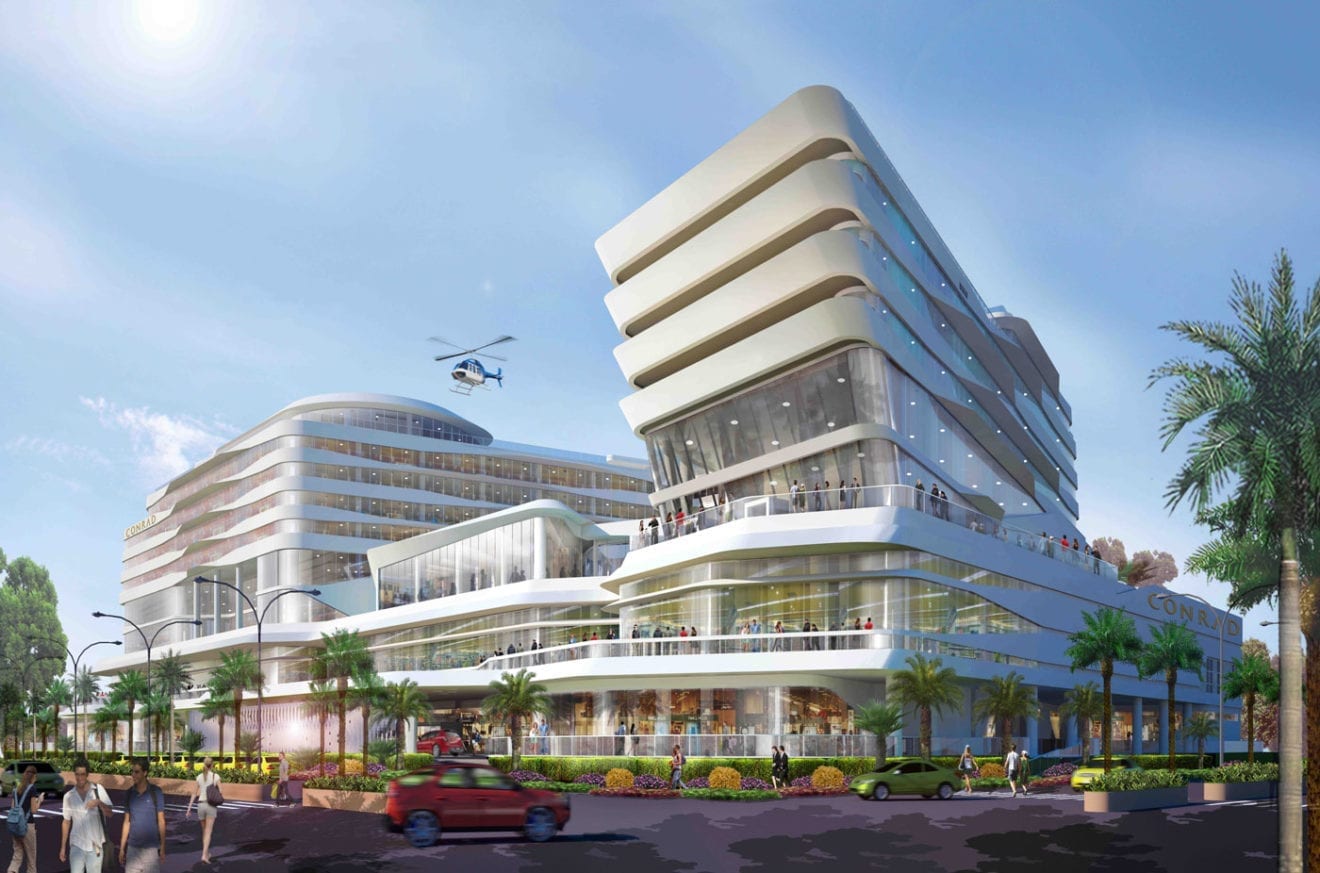
    Last week, the inspired luxury of Conrad Hotels & Resorts makes its debut in the Philippines with the opening of Conrad Manila. Owned by SM Hotels and Conventions Corporation, a subsidiary of SM Investment Corporation and managed by Hilton Worldwide (NYSE:HLT), the 347 room Conrad Manila is located at the forefront of the Mall of Asia complex, in the heart of the 42 hectare Bay City development, a destination earmarked as a shopping, leisure, and business hub.

    “We are delighted to establish Conrad Hotels & Resorts in this vibrant capital of Manila. The award-winning Conrad Manila, which enhances our portfolio, underscores our commitment to delivering best-in-class hotels in key gateway locations that meet the growing needs of global luxury travelers. An inspiring destination, Conrad Manila will delight guests with intuitive and customized service, as well as provide them access to a world of connections and inspired experiences,” said John T. A. Vanderslice, global head, Conrad Hotels & Resorts.

    “The stunning Conrad Manila is an exceptional addition to the Conrad Hotels & Resorts portfolio and we are delighted to be partnering with SM hotels on this exciting project, who share our passion for excellence. Its opening underscores the growth of our portfolio across Asia Pacific and our continued commitment to the dynamic market of the Philippines. This landmark property perfectly complements the vibrancy of this amazing capital city and will set the benchmark for luxury accommodation in Manila,” Martin Rinck, president, Hilton Worldwide, Asia Pacific.

    “We are pleased to work with Hilton Worldwide in bringing the esteemed Conrad brand to Manila. Amidst the robust tourism outlook, the most anticipated opening of Conrad Manila will definitely be a game changer in the already exciting Philippine hotel scene,” says SM Hotels and Conventions Corp. President Elizabeth T. Sy. “We look forward to a fruitful partnership with Hilton Worldwide in further elevating the hotel industry in the country,” adds Ms. Sy.

    Recently awarded the Best in Hotel Development, Best Hotel Architectural Design and Best in Hotel Interior Design at the fourth annual Philippines Property Awards, Conrad Manila’s distinctive architecture is inspired by the shipping vessels that ply the bay. The hotel sits atop the two-level S Maison, a high-end retail complex, and has direct connections via walking bridges to SMX Convention Center, the country’s largest convention space, and is adjacent to SM Mall of Asia, one of the country’s largest malls, as well as Mall of Asia Arena, a 16,000-seater indoor stadium where international shows, concerts and major sporting events are held.

    Poised to be the venue of choice for business, social events, and weddings, Conrad Manila offers four contemporary event halls and two sophisticated ballrooms, spanning more than 4,000 square meters, which are fitted with state-of-the-art audio-visual technology. For intimate al fresco parties, guests can also opt for The Veranda, an outdoor garden space overlooking the city scape.

    At Conrad Manila, all 347 guest rooms and suites are specially designed with an intuitive technology. Upon sensing motion in the room, the air conditioning switches from energy-saving mode to cool, the curtains in the room will automatically open with ambient lighting set to match the time of the day. Guests can instantly feel at home with a 42-inch flat screen HDTV with an IPTV menu, Wi-Fi and wired Internet access, Nespresso machine, Bluetooth-enabled entertainment technology and hydrotherapy rain showers. Suites and executive rooms offer picturesque bay or city views, with access to the Executive Lounge, and bathrooms that feature in-mirrored TV for an uninterrupted entertainment experience.

    Located on the third level of the hotel is the infinity swimming pool, inspired by the pristine coastal seas of the Philippines with its coral shape. Guests may also slip to the 24-hour Fitness Center or the Conrad Spa, which offers a variety of locally inspired treatments using organic ingredients. The spa has six treatment rooms with soaking tubs, a private sauna, and steam facilities.

    The hotel has six restaurants and lounges, including a coffee bar, pool bar, and in-room dining prepared by the culinary team led by Executive Chef Thomas Jakobi. The restaurants and bar at Conrad Manila feature:

    • Brasserie on 3 offers an eclectic mix of sustainable and organic dishes ranging from hearty to healthy dishes. The restaurant also features al fresco dining overlooking the bay, private dining rooms for intimate celebrations, and an exclusive chef’s table, where diners can enjoy a special tasting menu with a curated selection of organic wines.
    • China Blue by Jeremy Leung presents a modern interpretation of the traditional Chinese cuisine, artfully curated by Chinese celebrity master chef, Jereme Leung. A first for a Chinese restaurant in the Philippines to partner with a celebrity chef, China Blue by Jereme Leung takes Chinese dining experience to a new high with its authentic cuisine, modern interiors, and floor-to-ceiling glass windows that offer panoramic bay views.
    • C Lounge is inspired by the city’s distinctive culture and lifestyle, where guests can enjoy a wide selection of beers, liquors, and locally-inspired cocktails. With a laidback vibe during the day, it transforms into a sophisticated destination bar at night. Its al fresco area offers guests an awe-inspiring visual of the Manila sunset.

    Conrad Manila offers the popular Conrad Concierge mobile app, which gives global luxury travelers the ability to customize details of their hotel stay before, during, and after visit via a smartphone or tablet. Whether it’s pre-selecting bath amenities or checking-in while in-transit from the airport, guests can access a variety of features by using the app.

    Conrad Manila participates in the Hilton HHonors®, the only guest loyalty program where guests who book directly throughwww.conradhotels.com have access to benefits including an exclusive member rate that can’t be found anywhere else, free standard Wi-Fi and popular digital tools available exclusively through the industry-leading Hilton HHonors mobile app, where HHonors members can check-in and choose their room at over 20 Conrad hotels worldwide.

    Please visit www.conradhotels.com/manila or call +632 8339999 to learn more about or to connect with Conrad Manila. For more information about Conrad Hotels & Resorts, please visit https://news.conradhotels.com or follow us atwww.facebook.com/ConradHotels, www.instagram.com/ConradHotels, https://twitter.com/ConradHotels.

  • Los Angeles hotdog chain opens Pink’s Manila

    Los Angeles hotdog chain opens Pink’s Manila

    Los Angeles’ Pink’s Hotdog chain opens in the Philippines today at the Shangri-la Fort in Bonifacio Global City.

    Pink’s Manila is the chain’s first international branch.The Hollywood legend established in 1939 has partnered with Pink’s family and Wildflour & Farmacy Manila to enter the Philippine market.

    Owners Richard and Gloria Pink are in Manila to attend the grand opening of Pink’s Manila at the ground floor of the newly opened hotel.

    Architect Lara Fernandez Barrios designed the “L.A. style biergarten” interiors based on Chef Walter Manzke’s concept for the Manila  branch.

    The new store features a converted Volkswagen Combi housing Farmacy’s ice cream shop and soda fountain stand, and soon, a bar that will be serving cocktails and mostly craft beers on draft.

    Tentative opening store hours will be from 11am to 2am, but are subject to change.

  • Ayala Mall: Manila’s 250000 Sqm Shopping Centre

    Ayala Mall: Manila’s 250000 Sqm Shopping Centre

    Developed and owned by Ayala Malls, a real-estate subsidiary of Ayala Land, which is an affiliate of Ayala Corporation, one of the oldest and most prominent family owned conglomerates in the Philippines. The firm is widely credited for spearheading the Central Business District in Manila in addition to championing education and the arts across the country.

    Greenbelt-5

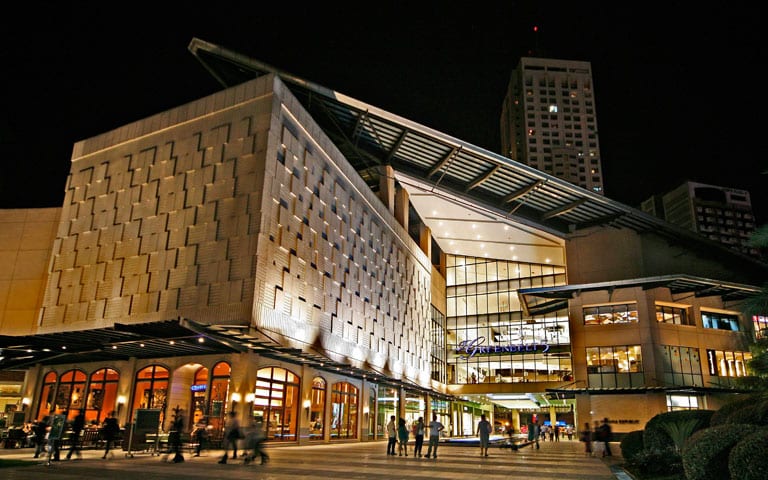
    Sitting on an expansive and prime area squared by Makati Avenue, Paseo de Roxas, Arnaiz Road and Legazpi Street is the Greenbelt Mall, a complex of five buildings captures and complements the sub-tropical conditions in Manila with each building exhibiting its own style of architecture.

    The mall is centred around an eponymous ‘greenbelt’ of lush, tropical gardens that provide much needed respite from the heat for thousands of people each day. Included within greenbelt is a Chapel, ponds, and walking tracks.

    Greenbelt Mall 3

    Greenbelt Mall 2

    Each Greenbelt structure offers a different retail and tenancy mix.

    Greenbelt 1 houses smaller food and retail tenancies, along with a focus on electronics and home appliances and, of course, car parking.

    Greenbelt 2 is comprised of fine dining restaurants, while Greenbelt 3 houses high-end retail stores and coffee shops. Elevated walkways connect Greenbelt 3 and 4 to Landmark and Glorietta, with the Greenbelt cinemas located in Greenbelt 3.

    Greenbelt 4, whilst smaller in comparison to its sister buildings, is home to a range of global luxury retail stores, including Coach, Burberry, and Ralph Lauren.

    Greenbelt has become a premium fashion and lifestyle centre, a distinct mix of foreign popular and luxury fashion brands as well as the best of Filipino fashion and home designers.

     Greenbelt Mall Map

  • International supermarket chains might soon start operating in the Philippines

    International supermarket chains might soon start operating in the Philippines

    With the Philippine economy expected to continue along its growth path, it might not take long before international supermarket chains start operating in the country.

    This developed as the British Chamber of Commerce of the Philippines (BCCP) said it will continue to push for a bigger market share for its food and beverage products here in the country.

    Philippine Amalgamated Supermarket Association President Steven Cua said the current influx of imported brands in groceries and supermarkets might be the way of testing the market.

    “The international chains are hot on our market.  We have a good economy, and investor confidence is here.  Instead of stores, there are goods now.  They are also joining trade shows,” Cua said.

    However, Cua said what is preventing these chains from starting operations in the country are the low margins on sales.

    “Our margins are too low.  We are the lowest in the world, at 2 percent to 12 percent,” Cua said, while pointing at the Department of Trade and Industry’s suggested retail price as the main factor.  He said that within Asia alone, the sales margins are between 13 percent and 25 percent.

    Cua also cited rent, salary, electricity and taxes as the other factors that might prevent international supermarkets from setting operations in the country.

    Then he said there are the Big 5 in local-supermarket operations, including SM, Robinsons, Puregold, Super 8 and Metro Gaisano, which controls a big chunk of the market.

    “We have a free enterprise.  It is either the smaller ones sell or they open up beside them,” Cua said, while adding that the Big 5 are now using real-estate brokers in their expansion.

    He also said that recently Walmart pulled out its operations in Indonesia and South Korea.

    Meanwhile, BCCP Chairman Cris Nelson said British food and beverages are making inroads in the local market, while stopping short of saying if British supermarket chains will actually be entering the country.

    “Marks & Spencer [M&S] is here in the Philippines but like a lot of companies, it needed to establish itself first. Based on my experience in this market, you have to get yourself successfully introduce in key areas and to develop thereafter,” Nelson said.

    He added: “The Philippines is a very interesting market.  It is a challenging market with multiple points of sale.  It is a logistical challenge because of the multiple islands.”

    Aside from M&S, Nelson said Tesco, a British multinational grocery and general merchandise retailer, has some of its products now also available in Rustan’s.

    Another brand that is also being made available in Rustan’s is Waitrose and its pantry products.  However, like Tesco, it does not have physical stores yet in the country.

    However, he said international food and beverage brands trying to enter the local market would have to deal with distribution and manufacturing issues.

    “Distribution is a very critical factor in the Philippines. Let us not forget this is one of the most challenging aspects of doing business. As soon as you get the demand, you will also have to develop your supply line. You need to keep your points very close together,” he said.

    Nelson said more and more British companies are expected to enter the country and promising Filipinos will have the opportunity to enjoy their brands.

  • Tenant Manila is a cafe and a surfwear shop in one

    Tenant Manila is a cafe and a surfwear shop in one

    On the ground floor of Solace Hotel in Makati, there is a coffee shop, and just above it, a lifestyle boutique specializing in surfwear. It’s an unfamiliar, if welcome, amalgamation of the laid-back vibe of a neighborhood cafe, the stylish urbanity of the city, and the anything-goes attitude associated with going out to the water to catch some waves. How, then, has such a place come to exist?

    tumblr_o37d6py7wa1qf32sfo1_1280

    Nearly 20 years ago, the designers Anton Lopez and John Esguerra met while working at Diesel in Italy before eventually going on different paths. “When John moved to Hawaii to surf and design, I moved to Hong Kong to work for Nike,” Lopez explains. “We stayed in touch and always spoke about the potential of developing our own brand and retail concept.” Despite their Filipino heritage, neither Lopez nor Esguerra grew up in the Philippines. This led them, Lopez says, to be “fascinated with the idea of coming ‘home’ and developing a unique brand that was based in Manila [and] had strong influences and inspiration from all the places we’ve lived.”

    Tenant Edit.jpgQuality Peoples statement tee. Photos by PATRICK DIOKNO.

    Out of that fascination came Tenant Manila, a cafe-boutique opened in February that is, according to Lopez, “rooted in surf and beach culture,” something they felt was “a natural and authentic fit for a brand developed in the Philippines.” The coffee shop serves an array of drinks (aside from the caffeinated kind, they have tea, juices, and alcoholic beverages), snacks, and meals. Meanwhile, the second-floor shop sells everything from men’s apparel and accessories to surfboards and even books. “The idea behind merging a cafe and a retail shop was to blur the lines of what a retail experience is meant to be,” Lopez says. It’s a concept that they believe appeals to everyone: “We wanted to create a space where you can shop, design, meet, have a drink — multipurpose without any pretenses.”

    Tenant 4.jpgMollusk windbreaker, Saturdays NYC tee and H&M trousers. Photos by PATRICK DIOKNO.

    Lopez believes that Tenant is distinct in its branding. “We believe we distinguish ourselves first by our unique brand partners,” he says. “Most of [them] decided to launch first with us in the Philippines.” The shop carries products by Saturdays NYC, Converse, Kapital, Mandala (making its retail debut), Mollusk, and Esguerra’s own Quality Peoples, to name a few. In addition, they are expanding the shop’s offerings within the year with new menu items, new brands, and events relating to art, music, and film.

    The largest project will involve the development of an in-house brand with its own products this summer. “[It] will encompass Tenant culture,” Lopez says. “Good quality, attention to detail, relaxed and authentic clothing and accessories.”

    tumblr_o3cqsvmJH21qf32sfo1_1280

    Lopez and Esguerra believe that what they’ve built really connects to the modern Filipino lifestyle. “I think we are, in essence, a modern concept and creative brand,” Lopez shares. “And with that alone, I think we fit into anyone’s lifestyle. We hope to connect with Filipinos based on our honest and thoughtful approach through all aspects of the Tenant brand.” He adds: “Our hope is that Tenant is recognized as a creative environment for everyone, a space with beautiful and well-curated apparel and goods. Somewhere to have a great cup of coffee and good conversation with your friends.”

    Tenant 5.jpgSaturdays NYC knit pullover (left) and Saturdays NYC bonnet. Photos by PATRICK DIOKNO.

    ***

    Styled by David Milan
    Grooming by Gery Penaso for MAC Cosmetics
    Modeled by Javi Marcalain
    Shot on location at Tenant Manila


  • Lawson chases retail rival in Philippines

    Lawson chases retail rival in Philippines

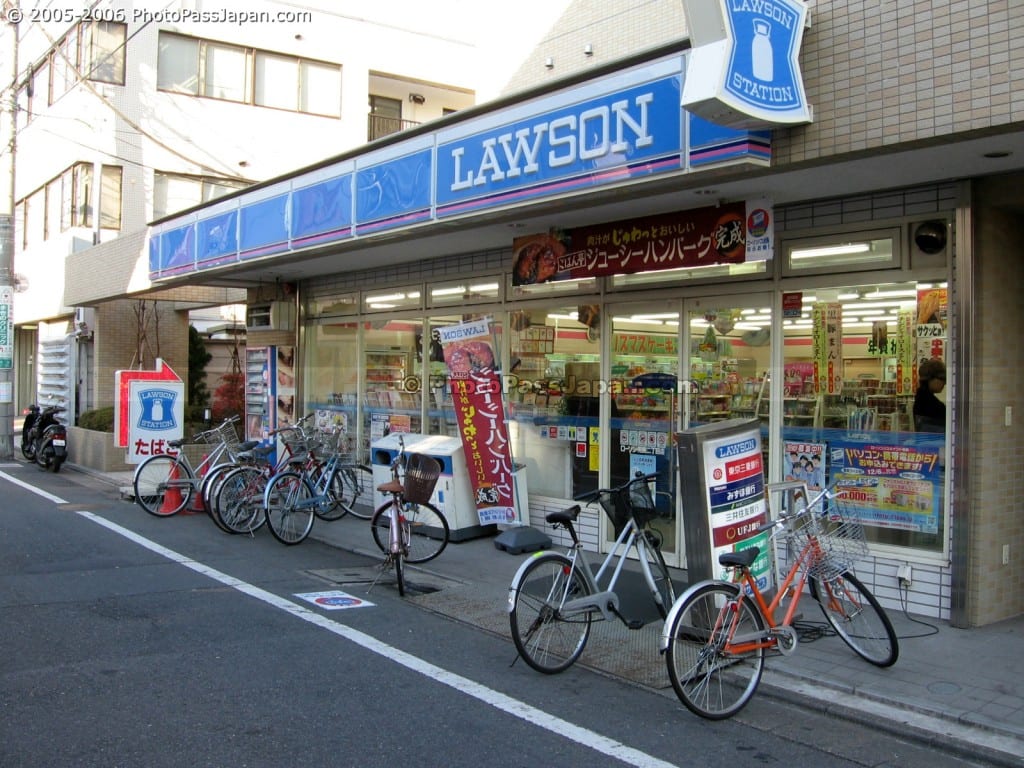
    Japanese convenience store chain Lawson is cautiously planning its expansion in the Philippines, which the company considers a key market to expanding its global presence.

    Under pressure to keep up with rival Japanese chains 7-Eleven, Ministop and Family Mart, which are rapidly opening new stores, Lawson President and CEO Genichi Tamatsuka said Tuesday that the company and its Philippine partner, supermarket operator Puregold Price Club, are developing “a winning franchising formula.” They plan to test the model in late 2016 before moving into full-scale operation in the next two to three years.

     PG Lawson, the partners’ joint venture, opened fewer than 20 stores when they began doing business in the Philippines last year. In contrast, Family Mart opened more than 30 shops when it entered the Philippine market in 2013.

    Lawson and Philippine partner Puregold Price Club officials open first flagship convenience store in Makati central business district

    Going commercial

    “Franchising is the key,” Tamatsuka said. In Japan, 99% of Lawson’s 12,000 stores are franchises, he said.

    PG Lawson has set a medium-term target of opening 500 outlets in the Philippines by 2020. This year alone, they plan to spend 450 million pesos ($9.7 million) on 75 stores located mostly in office buildings.

    On April 5, the company opened its first flagship store and its 20th outlet along Ayala Avenue in the Makati business district. Last year, Lawson opened shops mostly near schools.

    John Hao, Puregold’s investor relations head, said PG Lawson will partner with independent property developers to gain access to office spaces with tenants like outsourcing companies that operate around the clock.

    Most of Lawson’s competitors already have the backing of big real estate companies. Family Mart is partly owned by Ayala Land and Ministop is operated by Robinsons Retail Holdings of the Gokongwei Group, which also owns Robinsons Land. Alfamart, an Indonesian convenience store operator, has SM Group as its Philippine partner. SM owns SM Prime Holdings, the Philippines’ largest developer.

    Lawson CEO Genichi Tamatsuka

    7-Eleven, despite not having a real estate backer, is expanding aggressively. As of the end of last year, it had 1,602 stores nationwide, up 25% from 2014. This year, it plans to spend 3.5 billion pesos to accelerate its openings.

    With more than 2,000 convenience stores serving 100 million people, Tamatsuka sees great potential in the Philippines, where the retail sector is dominated by 700,000-800,000 neighborhood shops called sari-sari (“variety”) stores. Modernizing just 5% of these mom-and-pop retailers translates to around 35,000 convenience stores, he said.

    Lawson sees the Philippines and other Southeast Asian countries such as Thailand, Indonesia, and Vietnam, as important markets for the company’s global expansion. In the next five to 10 years, it expects to have more outlets overseas than in Japan, Tamatsuka said. At present, overseas shops make up just 5% of the total.

  • RayBan Manila marks first Asian pop-up

    RayBan Manila marks first Asian pop-up

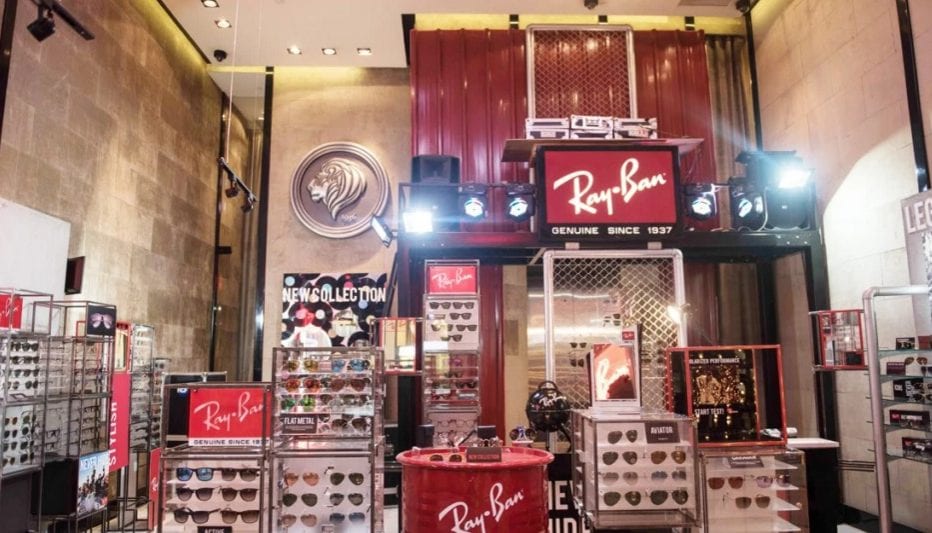
    A new Ray-Ban Manila pop-up store is the eyewear brand’s first in Asia.

    The pop-up, at the Greenbelt shopping centre in Makati, will showcase the Ray-Ban Aviators range.

    Originally designed for US military pilots in 1937, Ray-Ban Aviators is one of the leading global brands in the premium eyewear category.

    “We’re trying to recreate everything here in the Philippines. We’re the first (in Asia) from Ray-Ban,”  Vincent Teotico, Ray-Ban’s assistant marketing manager, told Manila Bulletin.

    The Ray-Ban Hub – the first flagship store in New York City inspired the Pop-Up Concept Store, both having an urban feel, with neon lights and fun activities inside.

    Asked about setting up a permanent store in the Philippines, Teotico said this would be possible depending on the turnout of their latest move in the Philippine market.

    Ray-Ban’s Pop-Up Concept Store will only be around until July on the ground floor of Greenbelt 5 in Ayala Center, Makati City. Ray-Ban products are also available at optical stores such as Eye Society outlets in Jupiter St and SM Aura in BGC.

  • Where’s Marcel? – in the Philippines

    Where’s Marcel? – in the Philippines

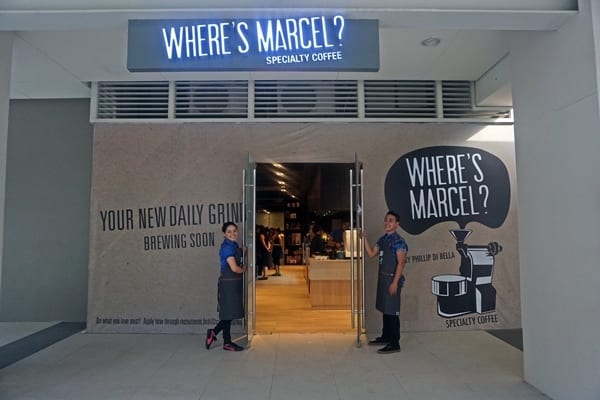
    Where’s Marcel has opened its first cafe outside Australia – in Manila, the Philippines.

    The Philippine branch on Pearl Drive in Ortigas is the company’s third store after Sydney and Melbourne.

    Where’s Marcel? coffee founder Marcel Ruggieri said “there’s very good foundations here for specialty coffee,” based on the company’s market research.

    Aside from the cafe, the company sells wholesale processed beans, through a principle of farm to table they call “crop-to-cup.” Through this, the company will assist local farmers in growing beans and buy directly from them.

    “To operate ethically should always be a benchmark for… life. Not just in a hospitality sense, but everything we do,” Ruggieri said. “We’re improving the quality in the cup, we’re improving the training and services to the clientele.”

    He said plans to expand the company’s wholesale operations in the country are set in the coming year.

    “The retail front gives a cafe experience; it’s also an opportunity to showcase our coffee, and train and develop staff… it’s really a great platform to demonstrate.

    “With regards to our wholesale operations, we focus on educating and building our clients’ business. So when we supply coffee, we’re not just supplying the bag of beans,” he said.

    The cafe will complement its coffee with Filipino dishes and desserts prepared by Filipino chefs Sau del Rosario Christine Paredes.

    Founded in 2014, Where’s Marcel? got its name from a blunder.

    “Funny enough, at a farm, they lost me,” Marcel Ruggieri, founder of the cafe, told the press during the cafe’s launch. During a trip to Brazil to source beans with his team, Ruggieri lost his away around, prompting his companions to ask, “Where’s Marcel?”

    “The joke kind of stuck through that trip.”

    Where’s Marcel? - in the Philippines

  • Third Manila NBA Store opens

    Third Manila NBA Store opens

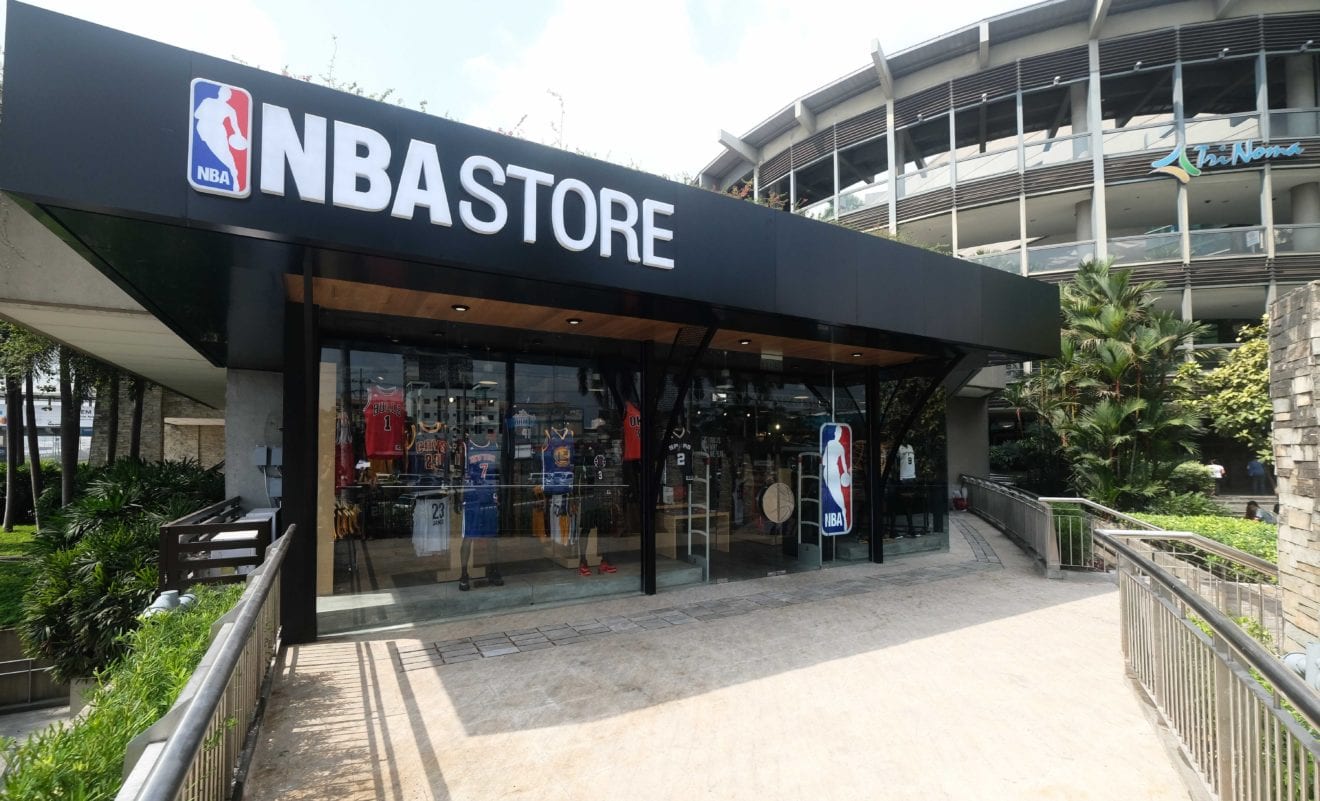
    The National Basketball Association (NBA) has opened the third Manila NBA Store.

    “[The new branch] has the most complete assortment of [NBA] products and merchandise in the Philippines,” said NBA Philippines MD Carlo Singson during a press conference.

    NBA store Philippines, Quezon cityThe International Athletic Trading Company (AITC) is managing the new branch in Trinoma Mall, Quezon City (right picture). It also oversees the NBA’s flagship store in Glorietta 3 in Makati City, and its second store in Mega Fashion Hall at SM Megamall in Mandaluyong City.

    IATC president and CEO Melvin Lloyd Lim said he is bullish about their new Quezon City presence, observing that the North Edsa area is “always packed with people” due to the presence of two (soon to be three) large commercial malls.

    “Based on my experience with retailing, this mall is one of the most successful Ayala malls,” Lim pointed out.

    All 30 NBA teams are represented in the merchandise at the NBA Store’s 280 sqm space including official jerseys, footwear, performance gear, lifestyle apparel, basketballs and collectibles.

    The stores feature assorted NBA products and other brands such as Adidas, Nike, Under Armour, New Era, Panini, Spalding, Stance and 2K Sports.

    In October 2015, the flagship NBA Store in the Philippines received the 2015 Asia Sports Industry Gold Award for the “Best Sports Retail Campaign” in recognition of its industry leading standards.

  • Philippines online grocery service launched

    Philippines online grocery service launched

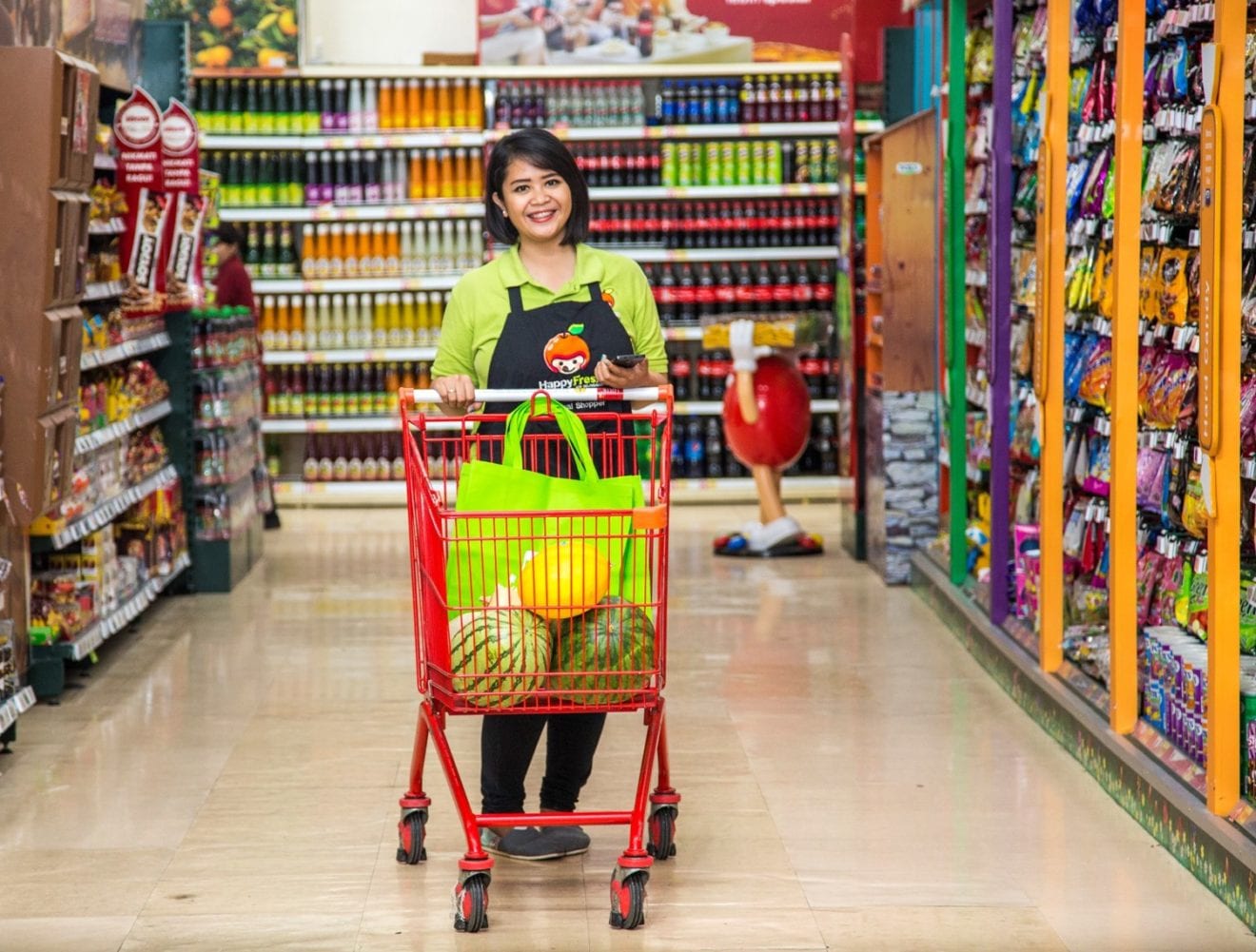
    Jakarta-based HappyFresh is bringing its operations to the Philippine market by the second quarter of 2016.

    Manila is the online grocer’s fifth market in Asia, following  Indonesia, Malaysia, Thailand and Taiwan. Isabel ‘Pao’ Barientos, former chief operating officer of online marketplace theshop.ph, will lead the Manila office as MD. Barientos has also previously worked for deal sites Ensogo and the Lazada Group.

    The Philippines online grocery shopping app will target the growing urban workforce, especially working mothers, who are in need of personal shoppers to deliver goods amid the city’s notorious traffic congestion.

    “The Philippines is an exciting market because the population’s wealth is expanding and consumer spending growth will accelerate through to 2030,” said HappyFresh CEO and co-founder Markus Bihler in a statement.

    In Bangkok, HappyFresh competes with supermarket chain Tesco Lotus, which has been offering a delivery service for several years already. In Jakarta, the competitor is startup Back Garlic, a meal-kit delivery service sends pre-packaged, portioned and labeled groceries in a box.

    Bihler said the market for online grocery shopping in Asian countries could see double-digit growth in market turnover by 2020 to reach S$19 billion (US$13 billion) by 2020. He said the rise of a young, working-class population in urban areas is driving the market.

    Working mothers outnumber all other HappyFresh customers, with dairy products such as milk and eggs among the top purchases. They are followed by young professionals and expatriates who mainly buy tomatoes, spaghetti and chicken breast.

    Securing $12 million in funding as a start-up last year, led by Singapore’s Vertex Venture and Sinar Mas Digital Venture, HappyFresh partners with supermarket retailers, “particularly small and medium-sized enterprises that do not have the capacity or ability to invest in technology and reach out to new set of customers,” said Bihler.

  • Ayala Land takes control of Tutuban Center

    Ayala Land takes control of Tutuban Center

    Prime Orion Philippines (POPI), which developed and owns Tutuban Center in the shopping district of Divisoria, Manila, is being taken over by retail and property conglomerate Ayala Land.

    In a deal worth P5.625 million (US$118.41 million), it is acquiring a majority interest by subscribing to 2.5 billion common shares for P2.25 each. The shares represent 51.06 per cent of the total outstanding stock of POPI.

    ALI has already paid 25 per cent (P1.41 billion) of the total purchase price, with the rest to be paid upon fulfillment of certain terms and conditions.
    With the resulting change in management, POPI has appointed new directors to the board including ALI president Bernard Vincent Dy, who will serve as chairman, Felipe Yan as vice-chairman, Jose Jalandoni (president), Ruby Chiong (treasurer), Rhodora Revilla (CFO and compliance officer), June Vee Monteclaro-Navarro (corporate secretary) and Nimfa Ambrosia Perez-Para (assistant corporate secretary).

    ALI and POPI jointly announced the deal in August but needed more time to finalise the transaction.

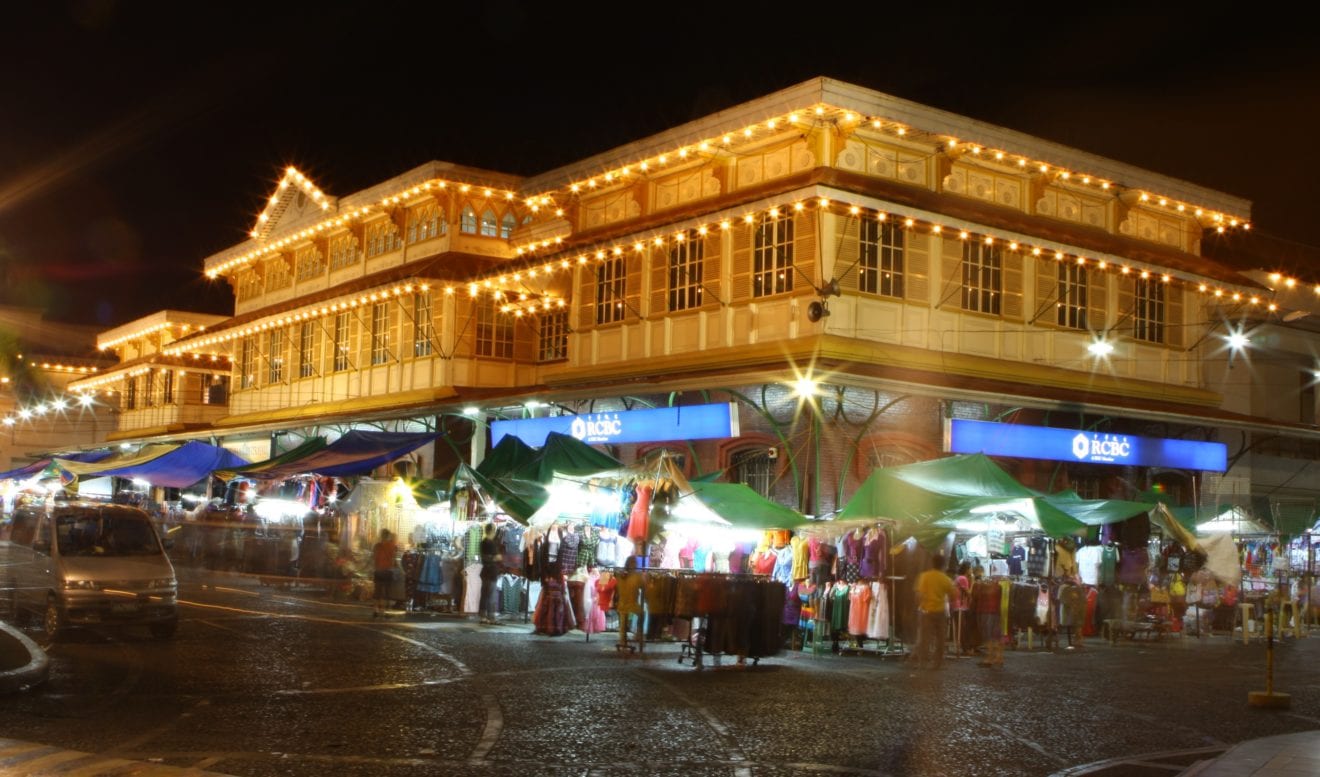
    In Tondo, Manila, Tutuban Center is a retail complex with a gross leasable area of about 60,000 sqm, offering various concepts from wholesale and bargain stalls to regular retail and food outlets. Meanwhile, the Divisoria Market has announced on its website that it is updating and relaunching.

  • Salim Group backed Indonesian bread maker forays into Philippines

    Salim Group backed Indonesian bread maker forays into Philippines

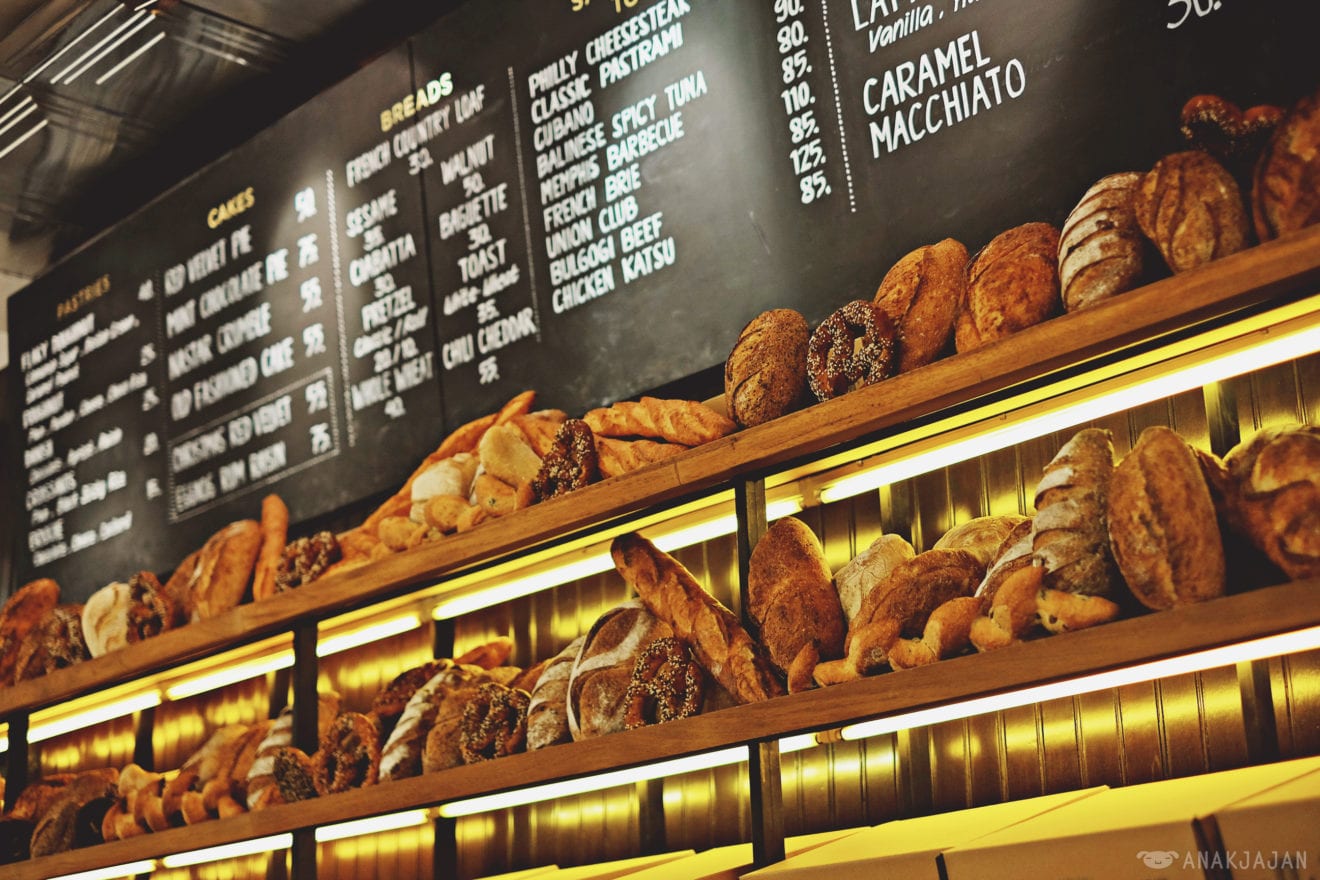
    Indonesia’s top bread producer Nippon Indosari Corpindo on Monday said it will enter the Philippines bakery market by setting up a joint venture factory with local food company Monde Nissin Corporation.

    A girl looks at breads shaped like roasted pigs, locally known as “Lechon”, sold for $3 at a bakery in Manila December 31, 2012. Lechon is a popular delicacy served during New Year revelries in Philippines. © Reuters

    Nippon Indosari will own 55% of the joint venture, Sarimonde Foods Corporation, which will have a total paid up capital of $12.5 million. It plans to start producing white and sweet bread in 2017.

    The Philippines marks Nippon Indosari’s foray into overseas markets. Established in 1995, the company produces the locally well-known Sari Roti branded sweet bread sold in local retail stores and commands a 20%-plus market share. The company logged 1.56 trillion rupiah ($109 million) in revenue for the nine months ended September, a 15% increase from the previous year, while net profit rose 46% to 192 billion rupiah.

    But competition at home is intensifying. A joint venture between Japan’s Yamazaki Baking and Mitsubishi Corp. began producing bread locally in 2014 under a partnership with Sumber Alfaria Trijaya, which runs a network of 12,000 convenience stores and mini supermarkets. Nippon Indosari wants to establish a new source of revenue in the Philippines, a populous and growing consumer market.

    “The Philippines is a very attractive market to serve as the company’s overseas expansion area because it has a very large population,” Nippon Indosari said in a news release. “The Philippines has a demographic profile that is no different from Indonesia, where 60% of the population is aged under 30 years, has a growing middle economic class, and has the trend for healthy and practical food that fits their busy lifestyle.”

    The Philippines is also a core market for Salim Group, which owns 31.5% of Nippon Indosari’s shares through its Indonesia-listed investment vehicle Indoritel Makmur Internasional. The group, controlled by Chinese-Indonesian billionaire Anthoni Salim, has interests in Philippine Long Distance Telephone, the country’s largest telecommunication company, and infrastructure developer Metro Pacific Investments. But its presence in the food industry was small.

    Japan’s Sojitz Corp. and Pasco Shikishima Corp. also have minority stakes in Nippon Indosari.

    Monde Nissin is a major snack maker in the Philippines. The privately held company produces packed instant noodles, biscuits, cookies and yoghurt drink. In most product segments, the company directly competes with Universal Robina, a leading producer of branded consumer foods.

    The 35-year-old company founded by entrepreneur Betty Ang has been expanding aggressively in the last few years by teaming up with other brands and acquiring companies. With vast distribution network and market presence, cereal maker Kellogs partnered with the company last month as its distributor. In October 2015, Monde Nissin signed a joint venture agreement with Thailand’s Malee Beverage Public Co. Ltd., a leading juice and canned fruit manufacturer. In the same year, it acquired British meat substitute maker Quorn and Australian food producers Menora and Black Swan.

  • Ayala eyes expansion of healthcare business

    Ayala eyes expansion of healthcare business

    The country’s oldest conglomerate Ayala Corporation plans to expand its investments in the healthcare sector with the roll out of 100 retail clinics under the brand-name FamilyDoc over the next 3 years.

    Ayala Managing Director Paolo Borromeo said in an interview that the conglomerate, through its unit Ayala Healthcare Holdings Incorporated, experimented on developing a smaller primary care clinic in December last year.

    Borromeo said the proposed clinic will house a pharmacy, a diagnostic center, and physicians to handle consultations.

    So far, it has two FamilyDoc clinics located in Las Piñas and Imus, Cavite.

    “If this becomes successful, we plan to build 100 clinics over the next 3 years,” Borromeo said.

    The initial investment for a 100-square meter clinic is from P6 million ($124,879.86) to P7 million ($145,693.17).

    Borromeo said Ayala plans to build this chain of retail clinics in middle income communities across the Philippines.

    Each clinic will have one doctor, two nurses, one pharmacist, and one radio technician.

    Operating hours are between 7 am to 9 pm. The consultation fee is P350 ($7.28) per patient.

    In 2015, the Ayala group entered the affordable retail healthcare space with the acquisition of a 50%-stake in the Generika group.

    Generika is one of the pioneers in the retail distribution of quality generic medicines in the Philippines, with 570 stores nationwide to date.

    The conglomerate entered the health care sector in 2014 through QualiMed, Ayala Land, Incorporated’s chain of hospitals and satellite clinics, in partnership with the Mercado medical group.

    Ayala had said it plans to invest $50 million in healthcare and education business over the next few years to make the most of the growing Philippine population and rising consumer spending.

    Ayala is one of the country’s largest conglomerates, with investments in banking, real estate, telecommunications, water utility, infrastructure, and power generation.