Tag: Market

  • Jollibees Aggressive Franchise Expansion in Vietnam Bolsters Quick-Service Restaurant Market Dominance

    Jollibees Aggressive Franchise Expansion in Vietnam Bolsters Quick-Service Restaurant Market Dominance

    Jollibee, a leading Philippine fast-food company, is stepping up its franchising efforts in Vietnam, aiming to expand its presence in one of Southeast Asia’s most fiercely contested quick-service restaurant (QSR) markets. The move follows the brand’s prestigious recognition as Vietnam’s foremost QSR brand by Euromonitor International.

    Franchising Expansion Strategy

    Jollibee launched its franchising model in Vietnam in 2015, effectively inviting capable local investors to manage Jollibee-branded outlets under a standardized operating system. Initial expansion was carried out cautiously as the brand worked to establish scale and maintain operational control. However, the company has now shifted gears to a more assertive growth phase, primarily targeting quicker network expansion.

    Franchising not only facilitates the company’s accelerated growth but also generates more employment opportunities, fortifies the domestic supply chain, and aids in the advancement of Vietnam’s food and beverage service industry, according to a representative from the company.

    This renewed drive towards franchising is spurred by Jollibee’s recent accolade as Vietnam’s top QSR brand in terms of turnover, as awarded by Euromonitor International.

    Growing Footprints Across Vietnam

    Since the establishment of its first store in Ho Chi Minh City in 2005, Jollibee Vietnam has grown to encompass more than 250 locations dispersed across over 50 provinces and cities. The company’s expansion has been fueled by a diverse strategy that includes outlets in shopping malls, street-front locations, and delivery-centric stores.

    Ernesto Tanmantiong, Global President and CEO of Jollibee Group, attributed the brand’s success to its understanding of local consumers and its adherence to fundamental business practices. He asserted that the company’s progress underscores the potency of merging a popular brand with a profound local understanding and consistent execution. It further strengthens their belief that sustainable growth in international markets stems from remaining relevant to consumers while establishing solid operational foundations.

    Questions & Answers

    When did Jollibee first introduce franchising in Vietnam?
    Jollibee introduced franchising in Vietnam in 2015.

    What factors have supported Jollibee’s expansion in Vietnam?
    Jollibee’s expansion has been supported by a multi-format strategy that includes outlets in shopping malls, street-front locations, and delivery-centric stores.

    What is the significance of franchising for Jollibee’s growth?
    Franchising not only facilitates Jollibee’s accelerated growth but also generates more employment opportunities, fortifies the domestic supply chain, and aids in the advancement of Vietnam’s food and beverage service industry.


  • Vietnams Gold Market Slumps as Global Tensions Stoke Inflation Fears

    Vietnams Gold Market Slumps as Global Tensions Stoke Inflation Fears

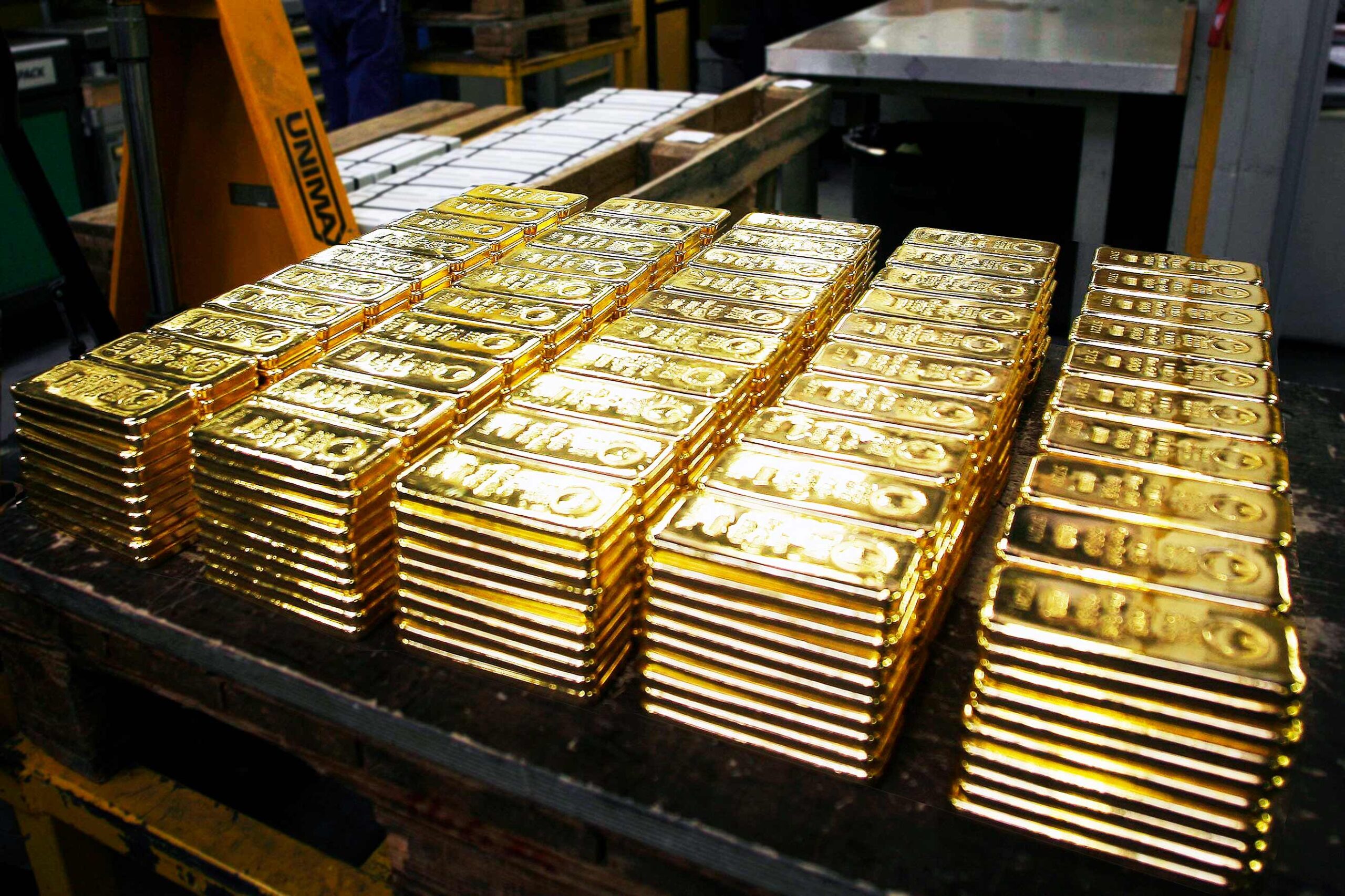
    On Monday afternoon, there was a further decline in the gold prices in Vietnam, following a nearly 1% decrease earlier in the day. The gold bar prices offered by Saigon Jewelry Company experienced a drop of an additional 0.42% from the morning’s price, settling at VND165.2 million (US$6,276.26) per tael, marking a total loss of 1.37% for the day.

    Local bullion prices currently stand at around VND17 million per tael higher than the global gold prices.

    Changes in Gold Ring Prices

    Similarly, the cost of gold rings experienced a decrease in price, dropping at roughly the same rate and settling at VND164.7 million per tael. In Vietnam, a tael is equivalent to 37.5 grams or 1.2 ounces.

    On a global scale, gold prices experienced a 1% decrease on Monday. This was triggered by President Donald Trump’s rejection of Iran’s recent peace proposal, aimed at ending the ongoing conflict in the Middle East. This rejection has led to a heightened fear of inflation and a prolonged period of high interest rates.

    Spot gold saw a decrease of 1% to $4,667.99 per ounce, following a rise of approximately 2% during the previous week. U.S. gold futures for June delivery experienced a loss of 1.1% to stand at $4,677.80.

    The Impact of the Middle East Conflict on Gold Prices

    The failure to reach an agreement to end the Middle East conflict has led to sustained inflation risks and expectations of high-interest rates. This in turn has put pressure on the non-yielding bullion, which has seen a drop of over 11% since the inception of the war in late February.

    According to Han Tan, chief market analyst at Bybit, there could be more downward pressure on gold prices if the U.S. Consumer Price Index (CPI) prints prove to be hotter than anticipated tomorrow. This could force the Federal Reserve to maintain high benchmark rates for an extended period.

    Questions & Answers

    **What is the current price of gold bars offered by Saigon Jewelry Company?**
    The current price per tael is VND165.2 million (US$6,276.26).

    **How much has the price of non-yielding bullion dropped since the start of the war in the Middle East?**
    The price of non-yielding bullion has dropped more than 11% since the war began in late February.

    **How might the U.S. Consumer Price Index impact the price of gold?**
    If the U.S. Consumer Price Index prints come in hotter than expected, it could result in more downward pressure on gold prices, with the Federal Reserve being forced to maintain high benchmark rates for a longer period.

  • CRC Sports Targets Thai Sneaker Market with 40% Stake in JD Sports Deal

    CRC Sports Targets Thai Sneaker Market with 40% Stake in JD Sports Deal

    CRC Sports, a division of Central Retail, has recently acquired a significant 40% stake in JD Sports Thailand. This strategic move is aimed at bolstering the company’s standing in Thailand’s rapidly expanding sports fashion sector.

    The transaction is projected to expedite growth in the premium sneaker and athleisure sectors, predominantly among the younger demographic. By merging CRC Sports’ expansive local retail network with JD Sports’ worldwide brand affiliations and merchandising expertise, the partnership is anticipated to be a formidable force in the market.

    Benefits of the Collaboration

    Tai Chirathivat, the CEO of Central Retail Brands and Specialties (CRBS), has highlighted the numerous benefits this collaboration brings. He emphasized that this partnership not only enhances their access to exclusive global products and licensing rights but also paves the way for the company to penetrate the sports lifestyle market fully. This sector, which is currently valued at over 35 billion baht (approximately US$1.1 million), is growing at an impressive annual rate of around 6%.

    With this acquisition, the company aims to seize up to 40% of the market share and emerge as the unrivaled leader in the sports lifestyle sector.

    JD Sports, a prominent player in the global market, currently runs more than 4,900 stores across 49 countries, hosting distinguished brands such as Nike, Adidas, New Balance, and On. Meanwhile, JD Sports Thailand operates 15 stores.

    On the other hand, CRC Sports operates over 129 stores throughout Thailand, featuring brands like Supersports, Rev Runnr, and Mono Store.

    Questions & Answers

    Why did CRC Sports acquire a stake in JD Sports Thailand?
    The acquisition aims to strengthen CRC Sports’ position in Thailand’s swiftly growing sports fashion market and accelerate its expansion in the premium sneaker and athleisure sectors.

    What advantages does the partnership between CRC Sports and JD Sports bring?
    The partnership combines CRC Sports’ extensive local retail network with JD Sports’ global brand affiliations and merchandising expertise, enhancing their access to exclusive global products and licensing rights.

    What is the growth rate of the sports lifestyle market in Thailand?
    The sports lifestyle market in Thailand is growing at an average annual rate of around 6%, and is currently valued at over 35 billion baht (approximately US$1.1 million).

  • Vietnam Stocks Break Records: VN-Index Hits 1,909.01 Points Amidst Market Surge

    Vietnam Stocks Break Records: VN-Index Hits 1,909.01 Points Amidst Market Surge

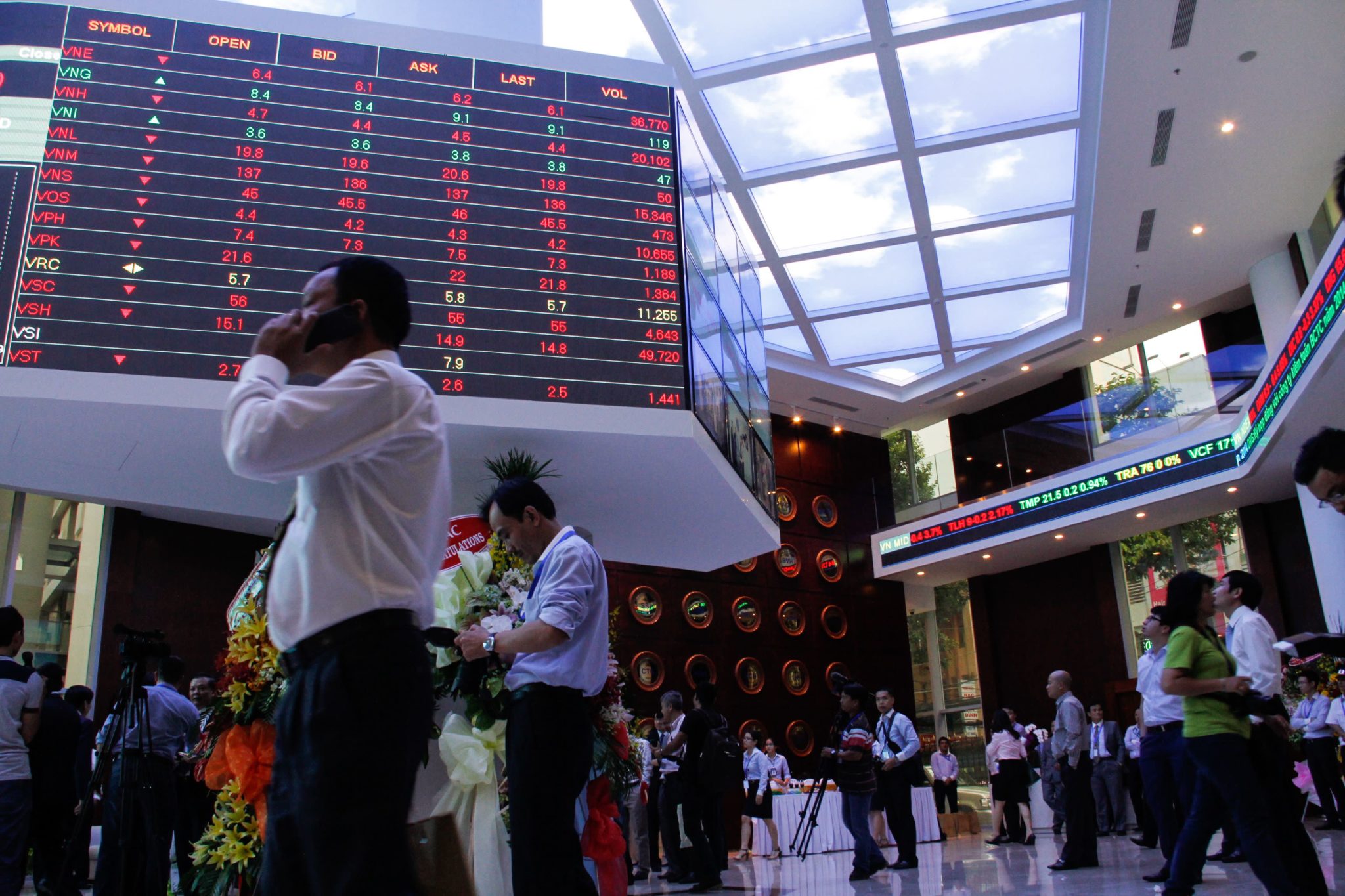
    On Thursday, Vietnam’s principal stock index, VN-Index, concluded trading at an unprecedented high of 1,909.01 points. This represented a 0.94% increase from the previous day’s closing figure. Trading activity on the Ho Chi Minh Stock Exchange, which is the platform where the index is listed, surged by 26%, amounting to a total value of VND30 trillion (US$1.14 billion).

    Key Movers on the VN-Index

    In the VN30 index, which represents the 30 most significant capped stocks, 13 stocks registered gains. Leading the pack were STB of the Ho Chi Minh City-based Sacombank and VHM of the real estate titan Vinhomes, each recording a substantial 7% increase. Other notable gainers included LPB of Fortune Vietnam Bank, which climbed 3.6%, and HDB of HDBank, which closed 3.4% higher.

    However, not all stocks shared in these gains. Thirteen stocks in the VN30 index ended the day in negative territory, with the most significant drop being GAS of state-owned Petrovietnam Gas, which fell by 4%. Other significant losses were registered by DGC of Duc Giang Chemicals Group, which slipped 3.4%, and PLX of fuel distributor Petrolimex, which ended the day 3.3% lower.

    Foreign Investors’ Activity

    For the eleventh consecutive trading session, foreign investors were net sellers, offloading VND311 billion worth of stocks. Among the stocks most sold by these investors were FPT of tech behemoth FPT Corporation, ACB of Asia Commercial Bank, and KDH of property company Khang Dien House.

    The HNX-Index, representing stocks on the Hanoi Stock Exchange, which is home to mid and small cap stocks, fell by 0.28%. On the other hand, the UPCoM-Index for the Unlisted Public Companies Market finished the day 0.42% higher.

    Questions & Answers

    What was the closing figure for Vietnam’s VN-Index on Thursday?
    The VN-Index closed at 1,909.01 points on Thursday, marking a new peak.

    Which stocks led gains on the VN-Index?
    STB of Sacombank and VHM of Vinhomes led the gains, each with a 7% increase.

    What was the performance of foreign investors on the VN-Index?
    Foreign investors were net sellers for the 11th consecutive session, selling off VND311 billion.

  • Vietnams Gold Market Springs Back: A Resurgence Fueled by Global Bullion Rates and Weaker Dollar

    Vietnams Gold Market Springs Back: A Resurgence Fueled by Global Bullion Rates and Weaker Dollar

    In Vietnam, gold prices rebounded on Wednesday morning from a four-month low, invigorated by a surge in global bullion rates. Saigon Jewelry Company saw an increase of 1.52% in its gold bar price, climbing to VND167.5 million (US$6,365.32) per tael. This upturn comes after the price had hit its lowest point since January 19th on the previous Tuesday.

    Meanwhile, the price of gold rings followed a similar upward trend, rising to VND167 million per tael. For reference, a tael is equivalent to 37.5 grams or 1.2 ounces.

    Global Gold Prices and Influencing Factors

    Internationally, gold prices experienced an increase of over 1% on Wednesday. This was propelled by a weakening dollar and a decrease in oil prices, which alleviated concerns of inflation and protracted high interest rates. Another contributing factor was the burgeoning hope for peace between the United States and Iran.

    Spot gold experienced a rise of 1.7%, costing $4,633.31 per ounce, while U.S. gold futures for June delivery also jumped 1.7% to $4,643.20.

    The former U.S. President Donald Trump announced a temporary halt to an operation assisting ships through the Strait of Hormuz on Tuesday. This decision was influenced by advancements toward a comprehensive agreement with Iran. Following the announcement, the U.S. dollar and crude oil prices declined. This led to a situation where dollar-priced metals became cheaper for holders of other currencies.

    Kelvin Wong, a senior market analyst at OANDA, shared insights on the situation. He suggested that any resurfacing of tensions could lead to profit-taking in gold prices, or short-term speculators unwinding their near-term net long position in gold.

    Questions & Answers

    What is behind the recent rebound in Vietnam’s gold prices?
    The rebound in Vietnam’s gold prices is largely due to an increase in global bullion rates.

    What factors are contributing to the rise in global gold prices?
    Factors such as a weakening dollar, easing oil prices, and the prospect of a peace deal between the United States and Iran are contributing to the rise in global gold prices.

    How could a potential re-escalation of tension between the United States and Iran impact gold prices?
    If tensions were to surge again, there is a possibility that it could lead to profit-taking in gold prices or short-term speculators unwinding their near-term net long position in gold.

  • Global Gold Prices Hold Steady Amid Vietnam’s Market Dip: Awaiting Federal Impact

    Global Gold Prices Hold Steady Amid Vietnam’s Market Dip: Awaiting Federal Impact

    On Wednesday, gold prices in Vietnam experienced a slight downturn, while globally, gold rates maintained relative stability. Saigon Jewelry Company observed a 0.9% decrement in its gold bar prices, settling at VND166 million, or approximately US$6,298.97, per tael. Similarly, the cost per tael for gold rings decreased, dropping to VND165.5 million. To contextualize this, a tael of gold weighs either 37.5 grams or 1.2 ounces.

    Global Gold Market Movement

    Internationally, the gold market displayed a largely static trend during fluctuating trade on Wednesday. Investors keenly awaited comments from Jerome Powell, Chair of the U.S. Federal Reserve, to understand the potential economic impact of the ongoing conflict in Iran, especially given the current stalemate in peace negotiations.

    Spot gold experienced a minor increase of 0.1%, reaching $4,597.07 per ounce, despite hitting its lowest point since April 2 in the preceding trading session. Meanwhile, U.S. gold futures set for June delivery held steady at $4,610.20.

    Fuel Market Influences

    In the fuel market, Brent crude oil maintained a price point above $110 a barrel, following reports predicting the U.S. would continue its blockade of Iranian ports. This elevation in crude prices may contribute to inflationary pressures, thereby potentially leading to increased interest rates.

    Traditionally, gold is viewed as a safeguard against inflation. However, high interest rates can decrease its attractiveness as a non-yielding asset.

    Market Speculations

    Ilya Spivak, leader of global macro at Tastylive, stated that the gold market is currently stable as traders anticipate the upcoming Federal Open Market Committee (FOMC) meeting. He explained that the market’s resilience since the tariff-induced panic in April has relied largely on the belief that the Federal Reserve is prepared to intervene should conditions worsen. If the Fed indicates a high threshold for such action, gold prices could potentially drop further.

    Questions & Answers

    What caused the drop in gold prices in Vietnam?
    The article does not specify a reason, however, gold prices can fluctuate due to a variety of factors, including changes in supply and demand, market speculation, or shifts in currency values.

    How do crude oil prices affect gold rates?
    Higher crude prices can lead to inflationary pressures, making gold an attractive investment as a traditional hedge against inflation. However, if crude prices cause interest rates to rise, gold may lose its appeal as a non-yielding asset.

    What are the potential implications of the U.S. Federal Reserve’s actions on the gold market?
    If the Federal Reserve signals its readiness to intervene in worsening market conditions, this could bolster gold’s position. However, if the Fed indicates hesitancy to act, gold prices may see a downward trend.

  • Patchi Dives into the Lifestyle Market with a Refreshing Global Rebrand in Malaysia

    Patchi Dives into the Lifestyle Market with a Refreshing Global Rebrand in Malaysia

    Patchi, a well-known chocolatier, is unveiling a new global branding strategy in Malaysia. This significant transformation comes as the company celebrates its 50th anniversary and aims to evolve its brand imagery and retail experience.

    The Rebranding Initiative

    Patchi has long been recognized for its distinctive gold-wrapped sweets and black-and-gold color scheme. However, the company is now shifting to a lighter, more visually pleasing aesthetic. The updated design incorporates softer hues such as mint green, cream, and orange, coupled with fluid design elements that draw inspiration from its original logo.

    The rebranding process, which originated in Beirut, has been gradually introduced in Malaysia over the past year. This initiative included the renovation of boutiques located at Bangsar Shopping Centre, 1 Utama, and Suria KLCC.

    Aligning Global and Local Interests

    Farhan Hafetz, director of Syedex Marketing and franchisee of Patchi in Malaysia, explained that this phased implementation allows the brand to align its global strategy while adhering to local tastes and preferences.

    Hafetz said that the new approach ensures that Patchi maintains its heritage as a luxury chocolate boutique and gift store, while also emphasizing an increased focus on lifestyle offerings.

    Focus on Refinement

    Rather than introducing an entirely new store concept, Patchi’s redesign emphasizes refinement. The updated interiors feature softer colors and an open layout that foster a welcoming and accessible environment, while still preserving the brand’s high-end status.

    “The goal was to design boutiques that are inviting to a broader audience and ensure that customers can comfortably navigate the space and fully interact with the variety and presentation of our products,” Hafetz added.

    Questions & Answers

    What is the main focus of Patchi’s rebranding initiative?
    The primary focus is to evolve the brand’s visual identity and retail experience while maintaining its heritage as a luxury chocolate boutique.

    What changes can customers expect to see in the boutiques?
    Customers will see an updated color scheme featuring softer hues, fluid design elements, and an open layout for a more accessible and inviting store environment.

    How does the rebranding strategy align with global and local interests?
    The phased rollout of the rebranding allows Patchi to align with its global direction while adapting to local preferences, ensuring a balance between maintaining its luxury status and embracing a more lifestyle-oriented approach.

  • Vietnam’s Gold Market Gleams: Prices Surge Amid Global Market Uncertainty

    Vietnam’s Gold Market Gleams: Prices Surge Amid Global Market Uncertainty

    As the week concluded, the price of gold in Vietnam exhibited an upward trend on Saturday morning, even though the precious metal ended the week with a 2% drop in value. The price of gold bars from Saigon Jewelry Company increased by 0.48%, reaching a new price of VND168.8 million, which is equivalent to US$6,403.65, for every tael. A tael, in weight measurement, is equal to 37.5 grams or 1.2 ounces.

    The Price of Gold Rings

    Similarly, the price of gold rings also witnessed a 0.48% price hike, reaching VND168.3 million per tael. This year has seen an impressive 10.5% surge in gold prices in Vietnam.

    Global Gold Prices

    Internationally, the price of gold showed a rise on Friday. However, it still seemed headed for its inaugural weekly loss in the past five weeks. The looming worries over inflation and the unclear condition of the U.S.-Iran conflict kept the markets in a state of unease.

    The price of spot gold saw an increase of 0.6% and stood at $4,721.15 per ounce. Despite having risen over 1% earlier during the session, it has witnessed a decline of more than 2% for this week.

    Giovanni Staunovo, a UBS analyst, explained that gold experienced a decrease this week due to the rise in oil prices. This led to an expectation of higher rates, which influenced the dollar and yields, all of which are interconnected.

    Questions & Answers

    What led to the price hike of gold in Vietnam?
    The price of gold in Vietnam increased due to various global factors, including concerns over inflation and geopolitical tension, among others.

    What has been the trend of gold prices in Vietnam this year?
    Gold prices in Vietnam have seen a notable rise, with a 10.5% increase reported so far this year.

    Why did gold prices experience a decrease globally this week?
    The global decrease in gold prices this week can be attributed to the rise in oil prices, which led to expectations of higher rates. This also influenced the dollar and yields, indicating a correlation among these factors.

  • HSBC Strengthens Asian Market Strategy with Appointment of Desmond Kuang as Chief Investment Officer

    HSBC Strengthens Asian Market Strategy with Appointment of Desmond Kuang as Chief Investment Officer

    HSBC has recently publicized the appointment of Desmond Kuang to the position of Chief Investment Officer for Asia, in its Private Bank and Premier Wealth division. Kuang will officially take over his new role, based in Singapore, on July 6, 2026.

    Regional Appointment

    This appointment is a strategy by HSBC to bolster the delivery of investment insights and strategies to the Private Banking and Premier clients across Asia. HSBC’s choice of Singapore for this role is strategic, as the city-state is one of the essential international wealth hubs for the bank, with robust connectivity across Asia. In this capacity, Kuang will be collaborating extensively with teams and clients across multiple markets in Asia.

    Role and Responsibilities

    In his new role, Kuang will be responsible for crafting regional investment strategies and themes across all asset classes. His target audience will be the private banking and premier clients in the region, excluding Hong Kong.

    Experience and Expertise

    Kuang has a robust 20-year career in the banking industry, during which he held several leadership positions in the asset management and investment research sectors. He is currently serving as the Chief Investment Officer for China and Interim Head of Wealth and Premier Solutions in China.

    Before joining HSBC, Kuang demonstrated his portfolio management skills at Income Partners Asset Management. He later ascended to the role of General Manager and Head of Investment in Mainland China.

    Questions & Answers

    Who has HSBC appointed as the new Chief Investment Officer for Asia?
    Desmond Kuang has been appointed as the Chief Investment Officer for Asia at HSBC.

    What will be the primary responsibility of Desmond Kuang in his new role?
    Desmond Kuang will be responsible for crafting regional investment strategies and themes across all asset classes for the private banking and premier clients in Asia, excluding Hong Kong.

    What is the relevance of Singapore in this appointment?
    Singapore is considered one of the key international wealth hubs for HSBC, with robust connectivity across Asia, making it an appropriate base for this role.

  • Texas Chicken Set to Conquer Chinese Market with 600+ Stores: The Biggest International Expansion to Date

    Texas Chicken Set to Conquer Chinese Market with 600+ Stores: The Biggest International Expansion to Date

    Texas Chicken, a prominent quick-service restaurant chain, is set to expand its footprint to China. The company plans to inaugurate its first restaurant in the country later in the year, following a significant deal to open over 600 establishments nationwide.

    China: The 27th International Market

    The upcoming debut of Texas Chicken in China signifies its entry into its 27th international market. The first restaurant under this brand will be launched in Shanghai this summer, followed by additional outlets in various locations. The company aims to create a robust presence in the Chinese market by opening more than 600 restaurants throughout the country.

    Strategic Partnership with Deke Shengtang

    To facilitate its successful entry into the Chinese market, Texas Chicken has formed a strategic alliance with Deke Shengtang, a renowned local operator for several quick-service restaurant brands. The partnership entails a franchise agreement that will see the development of 600 or more restaurants across China in the coming years.

    According to Texas Chicken, this franchising agreement marks the company’s most significant international development deal to date, reflecting its long-term confidence in the Chinese market.

    Executives’ Insights

    Roland Gonzalez, the CEO of Texas Chicken, stated, “China is one of the most dynamic and influential consumer markets globally, and we are entering it with a brand primed for connection – boasting big flavour, real value, and a spirit that unifies people.”

    Tim Wadell, EVP of International Business at Texas Chicken, further stated, “The team at Deke Shengtang brings the local expertise and ambition we seek in a partner.”

    The company will release more details about the restaurant design, locations, and future openings in China as the launch date approaches.

    Company Background

    George W Church Sr established Church’s Texas Chicken in San Antonio, Texas, in 1952. Texas Chicken, the sister brand, oversees operations outside the US. The quick-service restaurant chain currently operates over 1400 locations worldwide.

    Questions & Answers

    What is the significance of Texas Chicken’s entry into China?
    Texas Chicken’s entry into China marks its expansion into its 27th international market, representing a significant milestone in the company’s global growth strategy.

    Who has Texas Chicken partnered with for its market entry into China?
    Texas Chicken has formed an alliance with Deke Shengtang, a leading local operator of multiple quick-service restaurant brands, to facilitate its market entry into China.

    What is the expected number of Texas Chicken restaurants in China?
    Following a franchise agreement with Deke Shengtang, Texas Chicken plans to develop 600 or more restaurants across China in the next few years.

  • Hong Kong Housing Market Shows Signs of Recovery as Developers Boost Prices Amid Geopolitical Uncertainties

    Hong Kong Housing Market Shows Signs of Recovery as Developers Boost Prices Amid Geopolitical Uncertainties

    Hong Kong real estate developers are elevating their prices for newly built homes, following a pattern of successful sales. This trend is occurring amidst growing economic and political instability, as well as uncertainty revolving around interest rates.

    Increased Prices and Demand

    Henderson Land Development, on Monday, added an extra 39 units to its Chester project located in Hung Hom. Out of the 39, 25 units were sold, indicating a steady demand. A property agent reported that these units had an average reduced price of HKD22,198 (US$2,831) per square foot. This is a 4.6% increase in comparison to the price of the 123 units that were sold at the project’s initial launch last month.

    According to Derek Chan Hoi-chiu, head of research at real estate agency Ricacorp Properties, the steady demand has led developers to cautiously raise prices in new sales launches rather than revert to deep discounting. He described this as a typical recovery-phase strategy: assessing price elasticity while ensuring the momentum continues to build.

    Continued Developments

    Elsewhere, the developers of the La Mirabelle I project in Tseung Kwan O are planning to release 254 additional units on Tuesday. The discounted prices for these flats range from HKD5.93 million to HKD8.99 million, marking a 1% increase from the previous batch released a week ago. The earlier release of 254 units was completely sold out within hours.

    Uncertain Market Conditions

    Such moves by developers indicate an attempt to test the market demand despite the current uncertainties. The Hong Kong Monetary Authority has cautioned borrowers about the unpredictable outlook for interest rates after the U.S. Federal Reserve maintained its benchmark rate at between 3.5% and 3.75% last month.

    The recent disruptions in the oil supply due to geopolitical tensions have led to a significant increase in crude oil prices. This has raised concerns that a stricter monetary policy could follow in the world’s largest economy. Any rise in interest rates could potentially reduce both transaction volumes and residential property prices.

    Despite these uncertainties, the market seems to be signaling positivity. Official data from March shows that Hong Kong’s home sales value increased by 42.2% year-on-year to HKD55.2 billion. The number of residential property sale and purchase agreements registered last month also rose by 17.7% to 6,316 according to Land Registry figures.

    Questions & Answers

    What has been the trend in Hong Kong’s real estate market?
    Hong Kong’s real estate market has seen increased prices for new homes due to steady demand, despite political and economic uncertainties.

    What strategy are developers using in the current recovery phase?
    Developers are cautiously increasing prices for new sale launches, as opposed to resorting to deep discounts, to test price elasticity without slowing down the momentum.

    How have recent geopolitical events affected the real estate market?
    The uncertainties stemming from geopolitical events and fluctuating oil prices have led to apprehensions about stricter monetary policies, which could potentially affect transaction volumes and residential property prices. However, Hong Kong’s home sales have shown a positive trend, indicating a resilient market despite these uncertainties.

  • Fuel Prices Plunge in Vietnam as US-Iran Ceasefire Cools Global Petroleum Market

    Fuel Prices Plunge in Vietnam as US-Iran Ceasefire Cools Global Petroleum Market

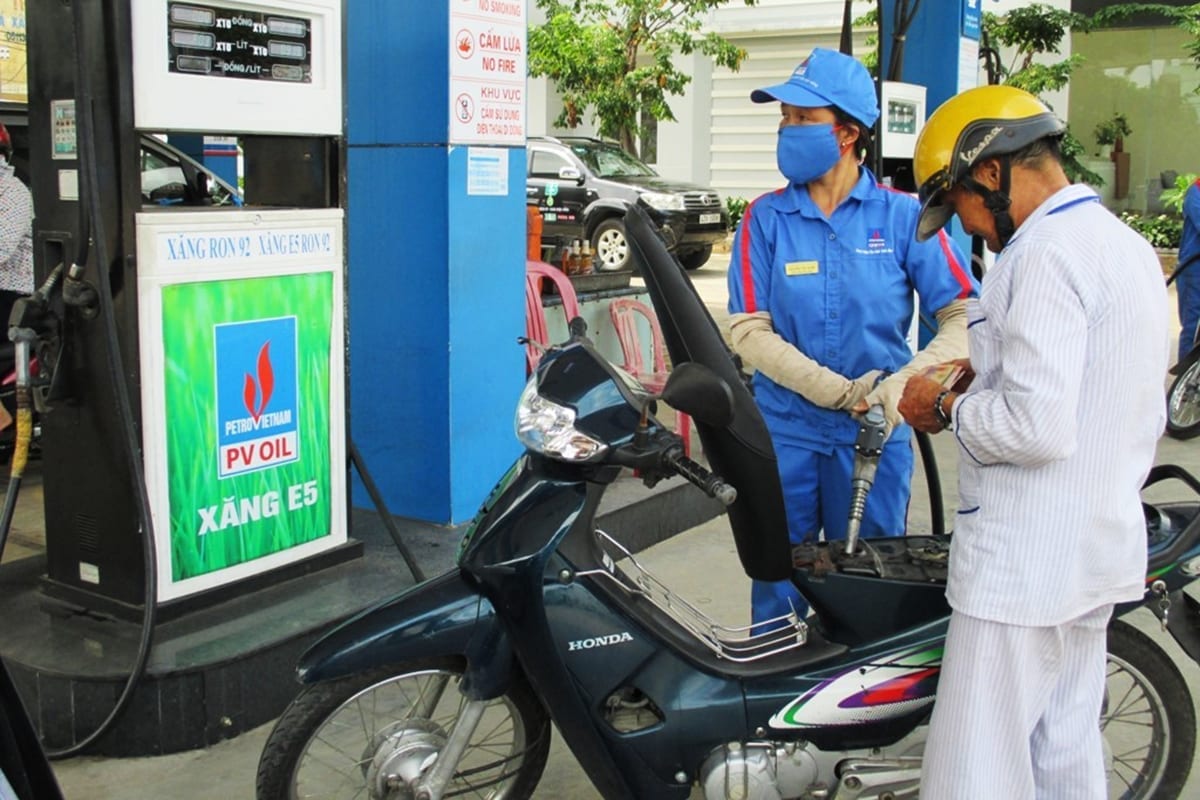
    On Wednesday afternoon, a decrease in gasoline prices was observed in Vietnam, a result of the global markets stabilizing after a ceasefire agreement was reached in the Middle East. The well-known fuel variant, RON95, witnessed a drop of 1.63%, bringing the per-litre price to VND26,530.

    Global Petroleum Markets Trending Downward

    According to the Ministry of Industry and Trade, global petroleum markets have been demonstrating a downward trend following the two-week ceasefire agreement between the United States and Iran. In the last four days alone, the average prices of RON95 gasoline have decreased by 1.8%, diesel has seen a drop of 14.5%, and mazut has declined by 1.5%.

    In the context of regional pricing, Vietnam’s retail fuel prices maintain an average level. These rates are lower than those in Singapore, Laos, Cambodia, Thailand, and China.

    Impact of Middle East Conflict on Global Fuel Supplies

    The conflict in the Middle East, which has been escalating since late February, has had a significant impact on worldwide fuel and gas supplies. The magnitude and implications of this crisis surpass the oil shock of the 1970s, an event that disrupted economies and energy markets around the globe.

    Such developments have led to substantial fluctuations in Vietnam’s domestic energy market. Since the conflict’s escalation in late February, there have been 14 pricing adjustments.

    Local Refineries Secure Supply

    During a government press briefing held last week, Deputy Minister of Industry and Trade, Nguyen Sinh Nhat Tan, confirmed that Vietnam’s two domestic refineries, Dung Quat and Nghi Son, have successfully secured enough crude supply to maintain production until the end of April.

    In March, principal fuel distributors imported 3.2 million cubic meters of petroleum products. Given the current inventories of 2.6-2.8 million cubic meters, the domestic fuel supply is estimated to meet demand until the end of the current month.

    Questions & Answers

    What led to the decrease in gasoline prices in Vietnam?
    The falling global petroleum market prices, triggered by a ceasefire agreement in the Middle East, led to a decrease in gasoline prices in Vietnam.

    How has the Middle East conflict affected the global fuel and gas supplies?
    The ongoing conflict in the Middle East has significantly disrupted worldwide fuel and gas supplies, even surpassing the impact of the 1970s oil shock.

    What measures has Vietnam taken to ensure a steady fuel supply?
    Vietnam has taken steps to secure its fuel supply by importing petroleum products and maintaining sufficient crude supply in its two domestic refineries, Dung Quat and Nghi Son.

  • Vontobel Targets High-Net-Worth Market with New Düsseldorf Branch: Swiss Investment Firm Fortifies German Presence

    Vontobel Targets High-Net-Worth Market with New Düsseldorf Branch: Swiss Investment Firm Fortifies German Presence

    Swiss investment company, Vontobel, has announced its plan to establish a new office in Düsseldorf in 2026. This new branch will further assert their position in Germany, with a particular focus on high-net-worth individuals (HNWIs) and family offices in North Rhine-Westphalia.

    Consistent Growth Strategy

    Vontobel’s decision to extend its operations in Germany aligns with their ongoing selective growth strategy in prime European markets. The firm already views Germany as a core market where it provides services to private clients through its offices in Munich and Hamburg. Meanwhile, the firm’s institutional activities and European structured products businesses are primarily operated from Frankfurt.

    In a joint statement, Christel Rendu de Lint and Georg Schubiger, Co-CEOs of Vontobel, stated, “We are consistently pursuing our strategy of selective investment in growth. As one of Europe’s key markets, Germany, and particularly North Rhine-Westphalia, are crucial to our business strategy.”

    Targeting a Prime Wealth Region

    Düsseldorf is renowned for its well-established wealth management tradition and a thick web of industrial, commercial, and service-oriented businesses. As such, it is a logical next step for the Zurich-based firm. The new branch will concentrate on providing customized investment solutions to affluent private clients and family offices in the area.

    The company plans to make use of its global investment platform, backed by more than 300 investment professionals worldwide, to deliver local services while maintaining its international diversification capabilities.

    Jean-Pierre Stillhart, Head of Private Clients DACH and member of the Executive Management Board of Bank Vontobel, highlighted the strategic reasoning behind this move: “As an internationally active Swiss wealth manager, this expansion provides our clients in Germany with additional perspectives and diversification opportunities.”

    The firm has now begun the search for a prime Düsseldorf location and is actively seeking experienced advisers and teams who align with its long-term investment philosophy and conservative risk culture.

    Expansion of Cross-Border Wealth Model

    Vontobel’s expansion reinforces its cross-border wealth management model, which allows German clients to custody assets either domestically or in Switzerland. Currently, about 20 investment professionals in Munich and Hamburg, supported by specialists in Zurich, serve German-based clients.

    As of the end of 2025, Vontobel managed over EUR 130 billion in assets for private clients globally, illustrating the scope of its wealth management franchise.

    The Düsseldorf initiative reflects a more extensive industry trend where Swiss private banks are selectively extending their operations in Germany. This expansion seeks to tap into structurally attractive wealth pools, especially among entrepreneurial clients and family offices interested in international diversification and advisory-driven mandates.

    Questions & Answers

    What is Vontobel’s strategy for growth?
    Vontobel uses a selective growth strategy, specifically focusing on key markets in Europe. Germany, in particular, is a core market for the firm.

    How does Vontobel plan to serve clients in Düsseldorf?
    Vontobel plans to use its global investment platform, which is backed by more than 300 investment professionals worldwide. This approach allows the firm to deliver local services while maintaining international diversification capabilities.

    What is unique about Vontobel’s expansion to Düsseldorf?
    This expansion aligns with a broader industry trend where Swiss private banks are selectively extending their operations within Germany to tap into attractive wealth pools. As such, Vontobel’s move into Düsseldorf is part of a larger strategic move within the wealth management industry.

  • U.S. Dollar Slightly Slips Against Vietnamese Dong Amid Global Market Uncertainties

    U.S. Dollar Slightly Slips Against Vietnamese Dong Amid Global Market Uncertainties

    On Monday, the U.S. dollar experienced a slight decrease in value against the Vietnamese dong while maintaining stability against other significant currencies. Vietnam-based bank Vietcombank quoted the U.S. dollar at 26,344 VND, marking a negligible decline of 0.004% from its weekend rate. Concurrently, the unofficial or “black market” rate of the currency experienced a 0.18% drop, bringing it to approximately 27,350 VND.

    Exchange Rates and Global Outlook

    For the day, the State Bank of Vietnam raised its reference rate marginally by 0.02% to 25,090 VND. Internationally, the U.S. dollar held steady on Monday, while the Japanese yen approached the important 160 per dollar threshold. This occurred as investors cautiously assessed the heightening tensions surrounding the Iran conflict and awaited the upcoming deadline set by U.S. President Donald Trump to reopen the Strait of Hormuz.

    Charu Chanana, chief investment strategist at Saxo in Singapore, commented on this trend, noting: “Investors are interpreting this as an oil-to-inflation-to-rates issue, which is why the dollar remains the most reliable haven currently, whereas gold, bonds, and yen have all seemed considerably less dependable than in a typical geopolitical scare”.

    Market Conditions and Currency Performance

    With major markets across Asia and Europe closed due to a holiday on Monday, trading liquidity was expected to be thin. However, a general risk aversion sentiment was observed at the start of the week.

    The dollar index, a measure of U.S. currency strength against six other leading currencies, stood at 100.2. Meanwhile, the Euro depreciated by 0.13% to reach $1.151 in early trading, and the British pound sterling traded at $1.3187.

    The Australian dollar improved by 0.13% at $0.6893, wobbling near its two-month low from the previous week. The Japanese yen weakened to 159.77 per U.S. dollar, closely trailing last week’s 21-month low.

    Questions & Answers

    What was the exchange rate of the U.S. dollar to the Vietnamese dong on Monday?
    The U.S. dollar was trading at 26,344 VND according to Vietcombank rates, while the black market rate was approximately 27,350 VND.

    How was the performance of the U.S. dollar against other major currencies?
    The U.S. dollar largely maintained stability against other major currencies. It held steady levels internationally while the Japanese yen approached the important 160 per dollar threshold.

    What impact did the escalating Iran conflict have on the currency market?
    The increasing tensions surrounding the Iran war resulted in cautious investor behavior. This led to the U.S. dollar being viewed as the most reliable haven currency, compared to less dependable options such as gold, bonds, and yen in this geopolitical situation.

  • Vietnam Soars to 2nd Place in European Poultry Imports: A Boom in Southeast Asia’s Poultry Market

    Vietnam Soars to 2nd Place in European Poultry Imports: A Boom in Southeast Asia’s Poultry Market

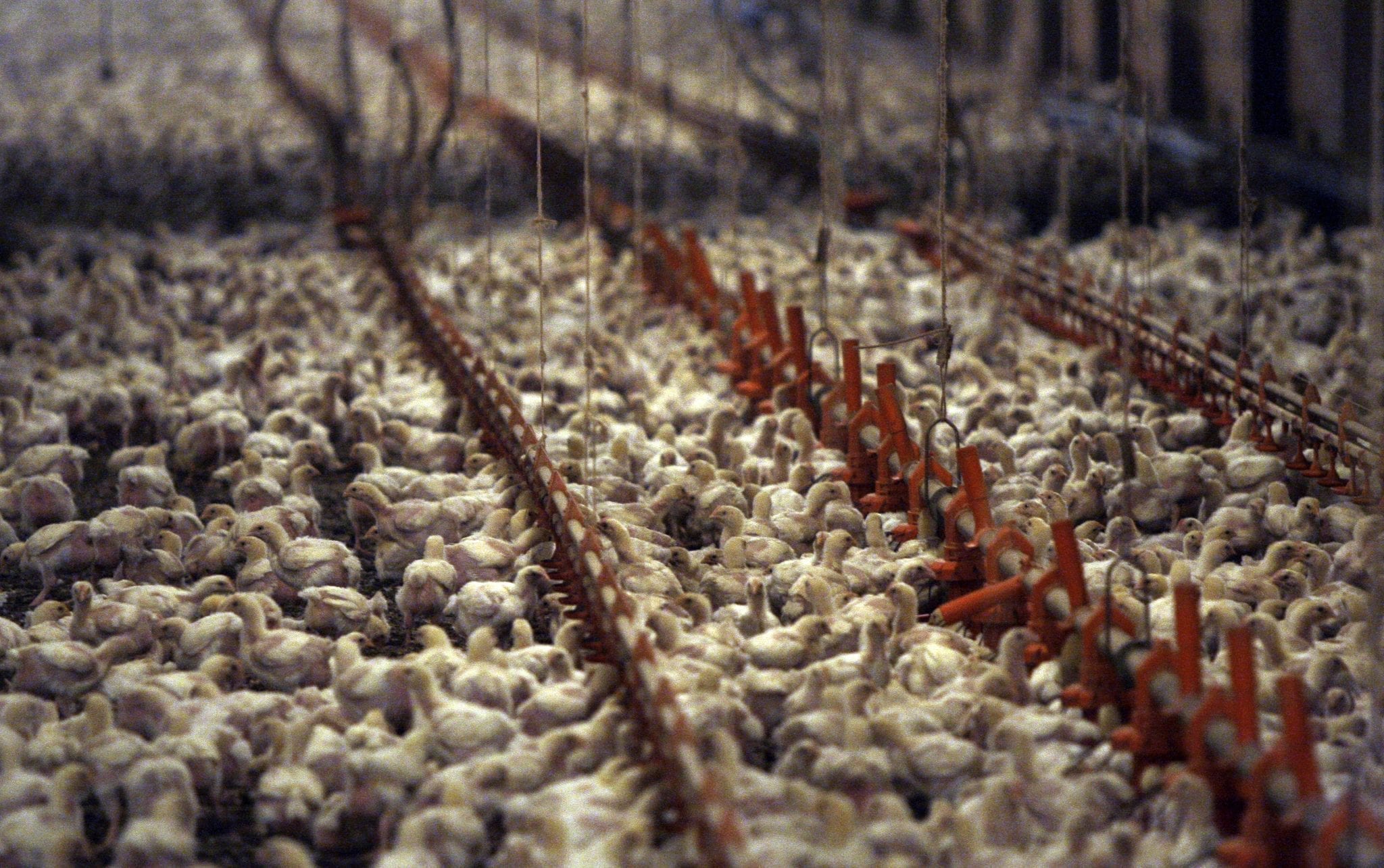
    In 2025, Vietnam witnessed an impressive import of over 56,500 tonnes of poultry from Europe, securing the country’s position as the second-largest consumer in Southeast Asia, with the Philippines leading the pack. This considerable import included various products like duck, chicken, and goose from the European Union (E.U.). These figures, released by the European Commission, show the steadily increasing demand for imported poultry products in the country. By January 2026, Vietnam had clinched the top spot as the largest importer of European poultry in the region, with purchases amounting to over 5,300 tonnes.

    Major European Suppliers

    Poland was the key European country supplying poultry to Vietnam, exporting over 37,300 tonnes in the previous year. France trailed behind with about 4,900 tonnes. Other significant contributors were Hungary, Italy, and the Netherlands, with respective exports of 4,680 tonnes, 2,750 tonnes, and 2,170 tonnes.

    According to Dariusz Goszczynski, a representative of the European poultry sector and President of the National Poultry Council under the Polish Chamber of Commerce, Vietnam is a priority market in the region for the E.U.’s poultry industry. This was highlighted during a promotional event in Ho Chi Minh City, under the campaign “European Poultry – From Farm to Fork.”

    Recovery from Pandemic-induced Disruptions

    Poultry importation in Vietnam experienced a downturn during 2021 to 2022 due to the disruptive effects of the Covid-19 pandemic, averaging around 30,000 tonnes per year. However, the volumes have bounced back almost twofold since 2023 as consumption regained momentum.

    Piotr Harasimowicz, the head of the Polish Investment and Trade Agency (PAIH) office in Vietnam, attributed the upswing in imports to the growing consumer trust in European poultry products, renowned for their strict safety and quality standards.

    Future Projections

    Industry professionals expect the demand to continue on an upward trajectory. The annual exports of Polish poultry to Vietnam alone are projected to hit an estimated 45,000 tonnes in the upcoming years.

    According to Agro Monitor, a market data provider, chicken accounted for 33% of Vietnam’s total meat consumption in 2024, a rise from 29% in 2022. This hints at a shift in dietary preferences towards poultry. The average egg consumption per person per year was about 198 eggs, still trailing behind the global average of 250–300 eggs, signifying further potential for market expansion.

    In line with income growth and urbanization, Vietnam’s evolving food consumption patterns are expected to support both domestic livestock development and the continued growth in poultry imports.

    Questions & Answers

    What is the status of Vietnam’s poultry imports from Europe?
    In 2025, Vietnam imported over 56,500 tonnes of poultry from Europe, becoming the second-largest consumer in Southeast Asia.

    Who are the major European suppliers of poultry to Vietnam?
    Poland, France, Hungary, Italy, and the Netherlands are the major European suppliers of poultry to Vietnam.

    What are the future projections for Vietnam’s poultry market?
    The demand for poultry in Vietnam is expected to continue expanding, with annual exports of Polish poultry alone projected to reach about 45,000 tonnes in the coming years. The country’s shifting food consumption patterns, due to factors such as income growth and urbanization, suggest further potential for market growth.